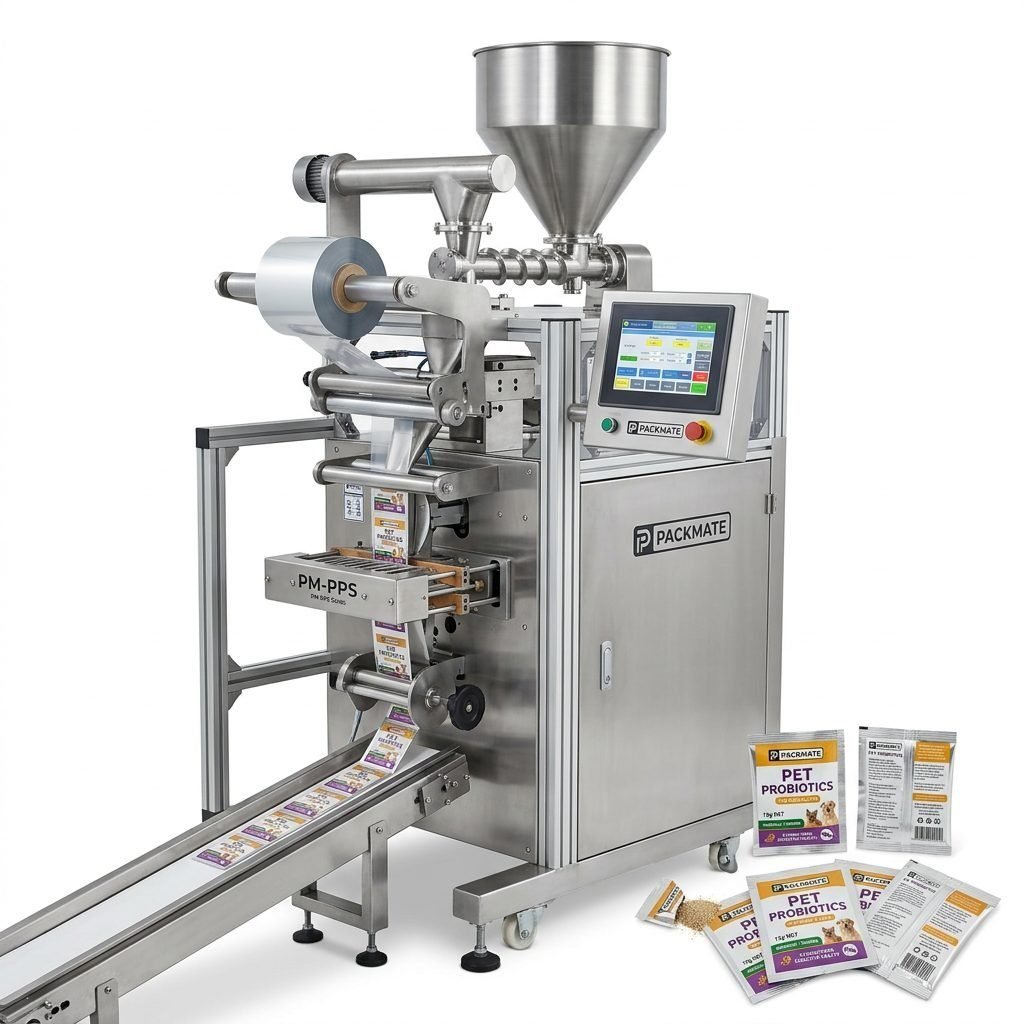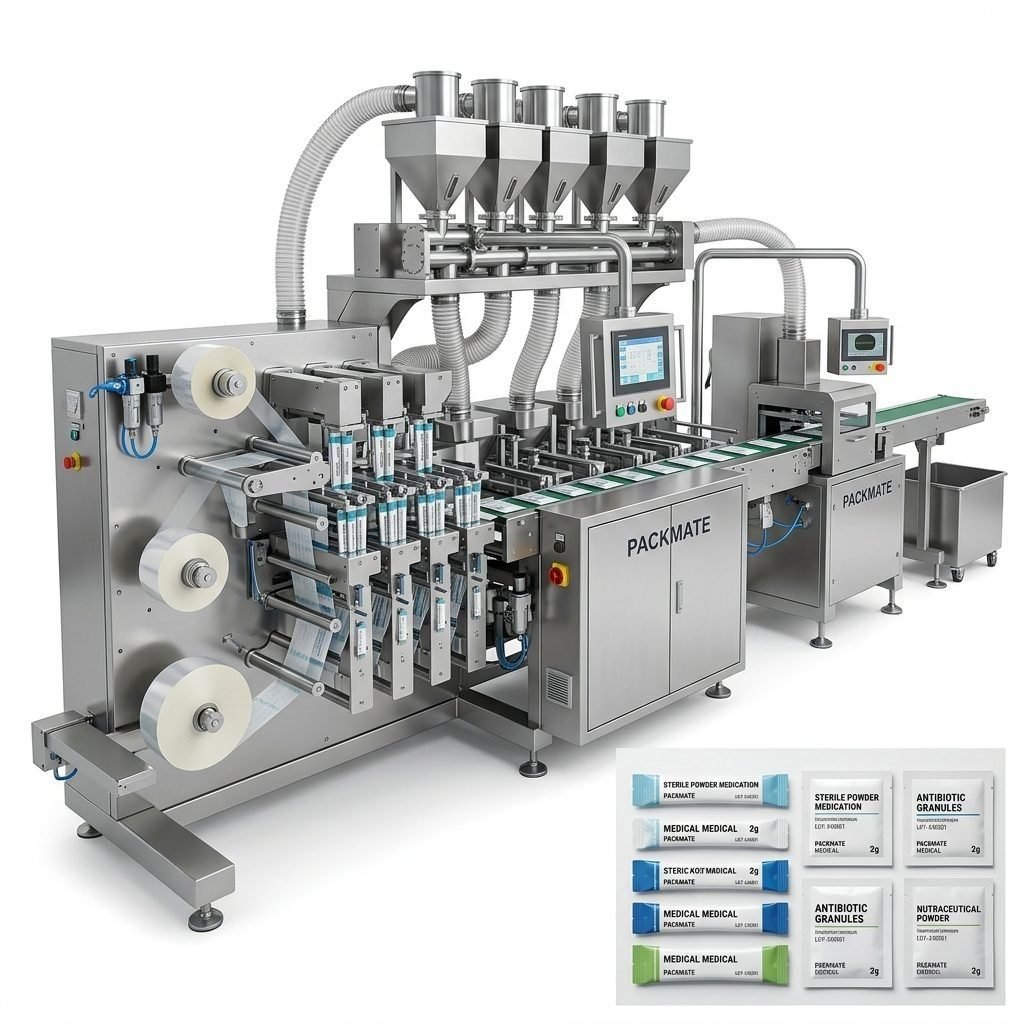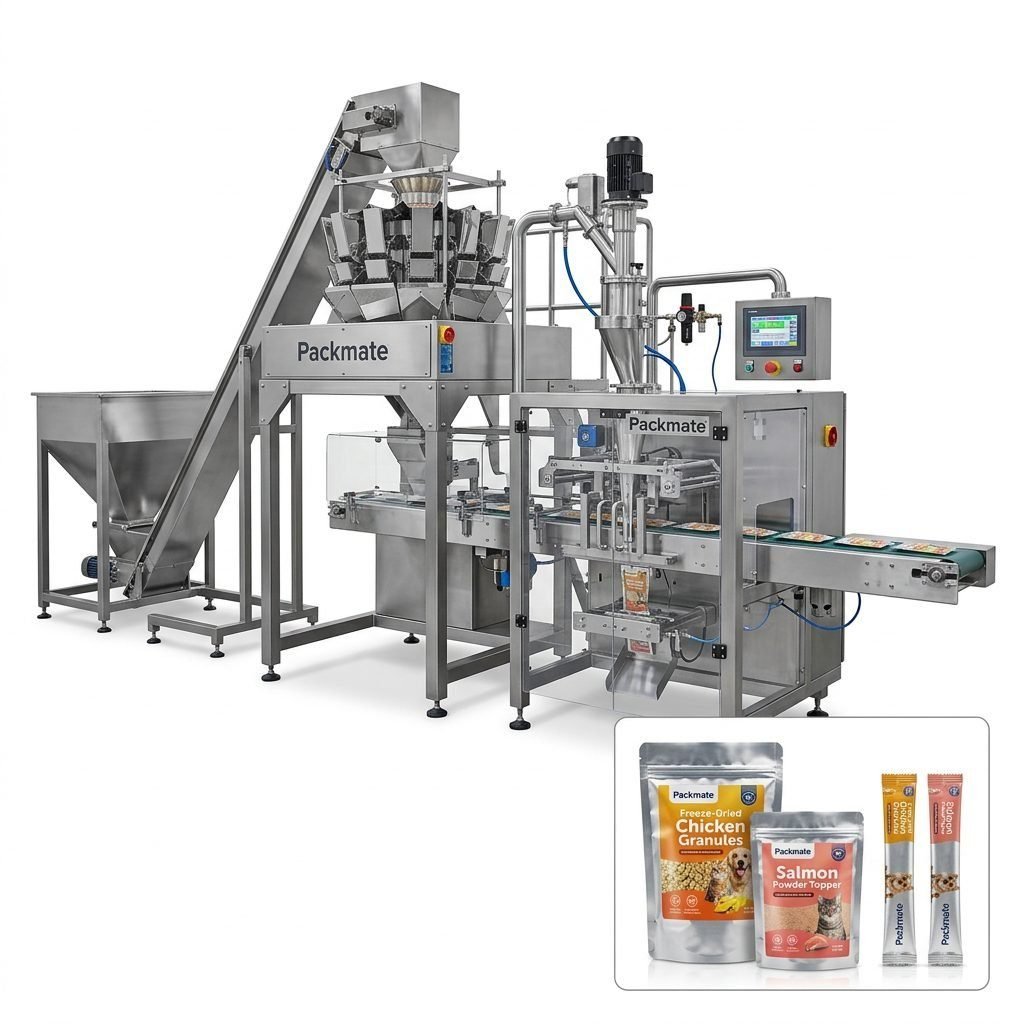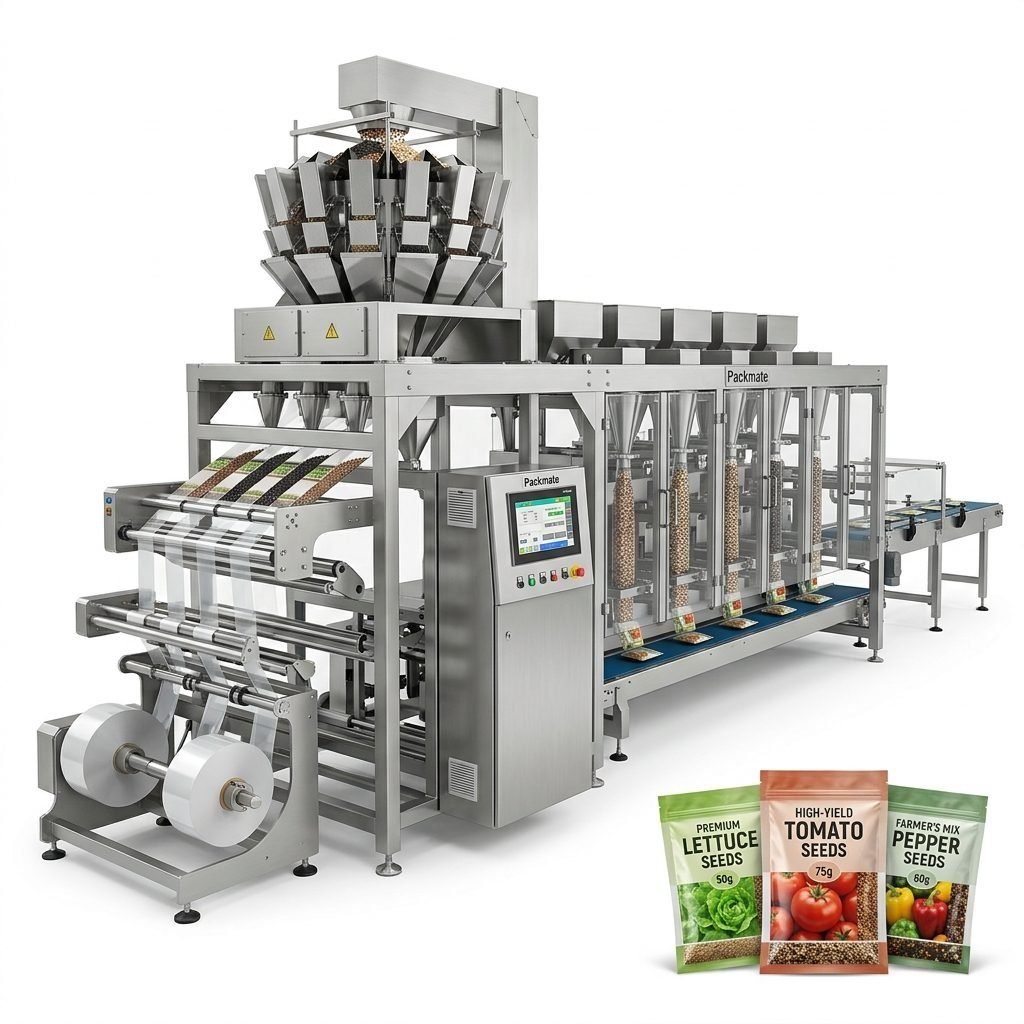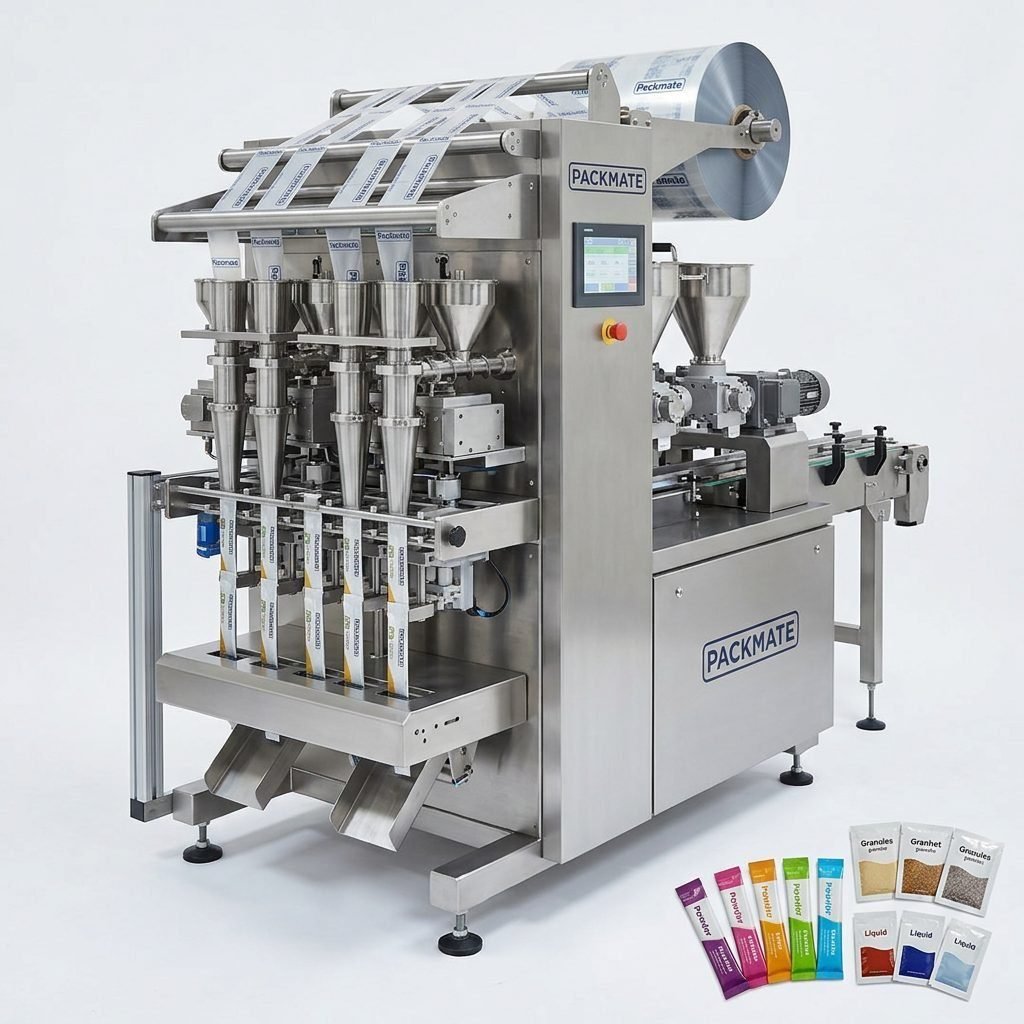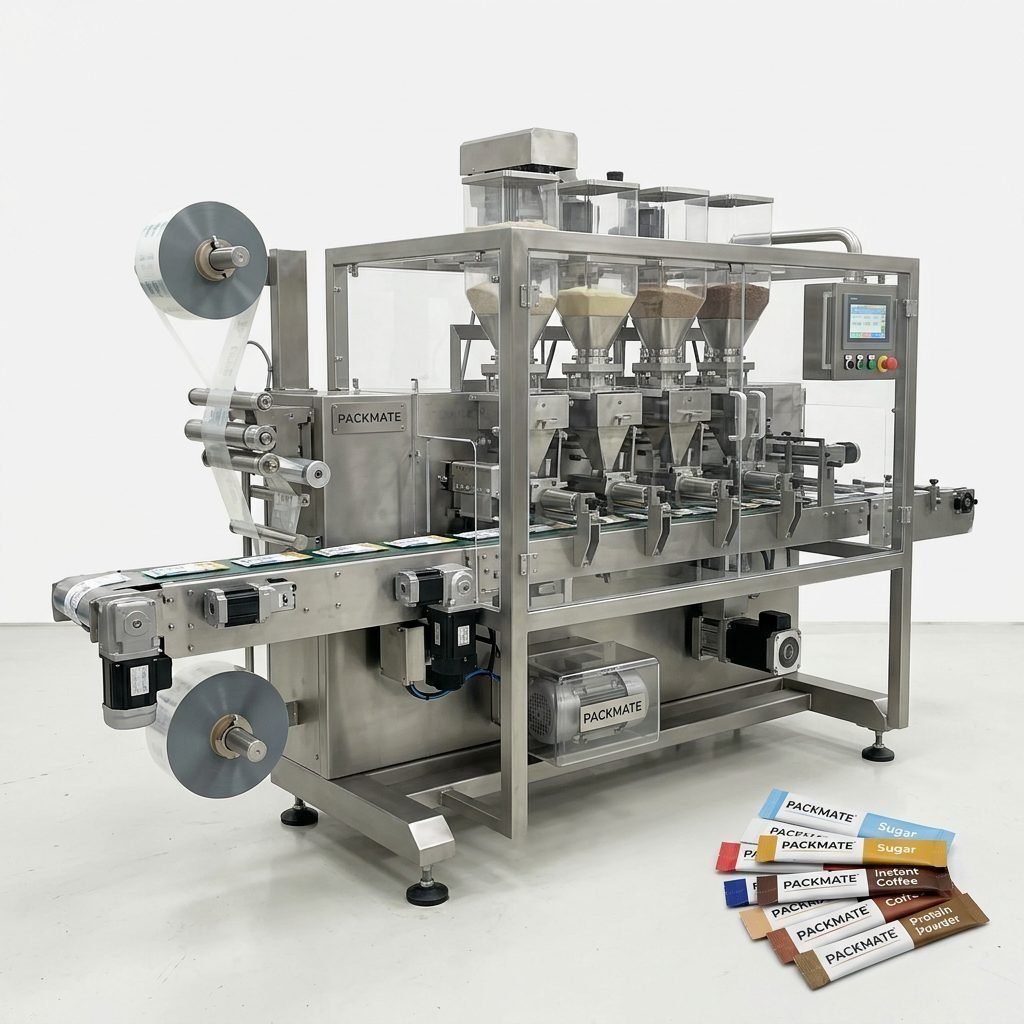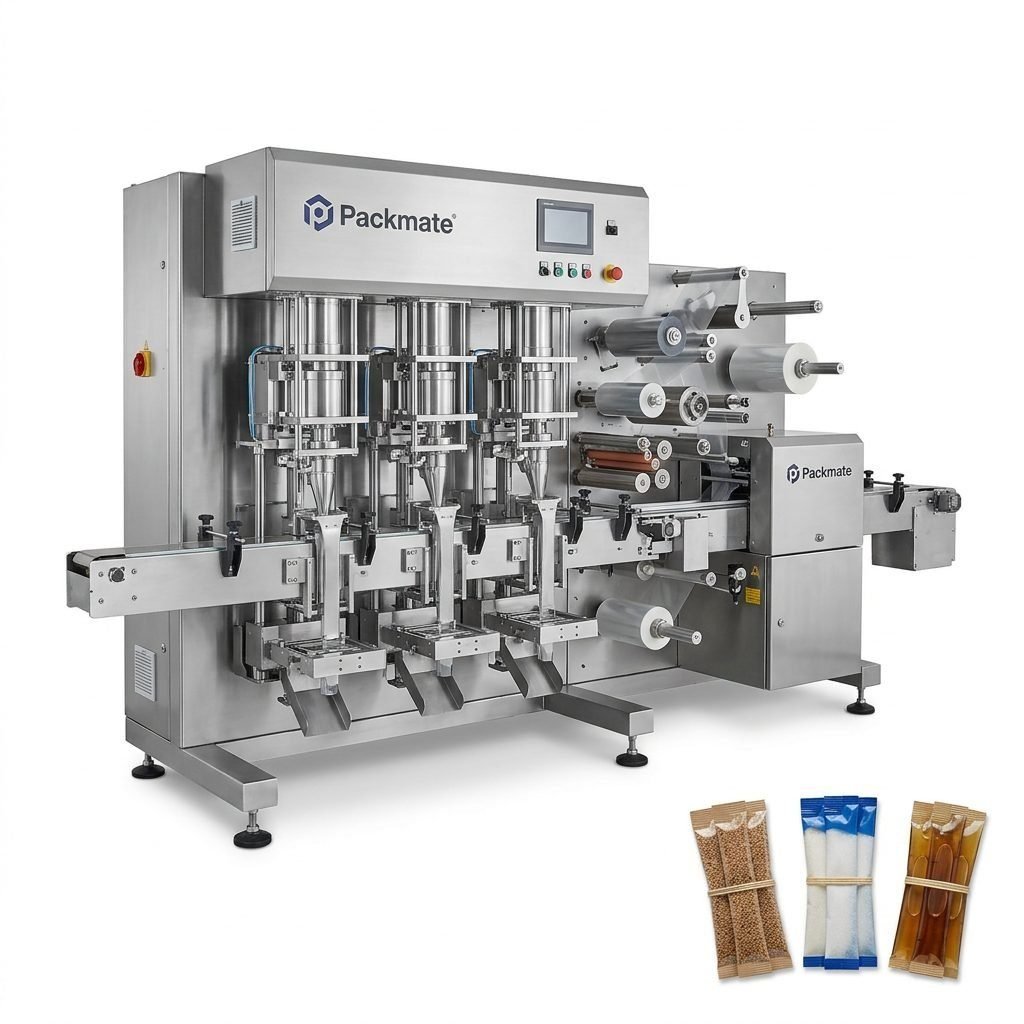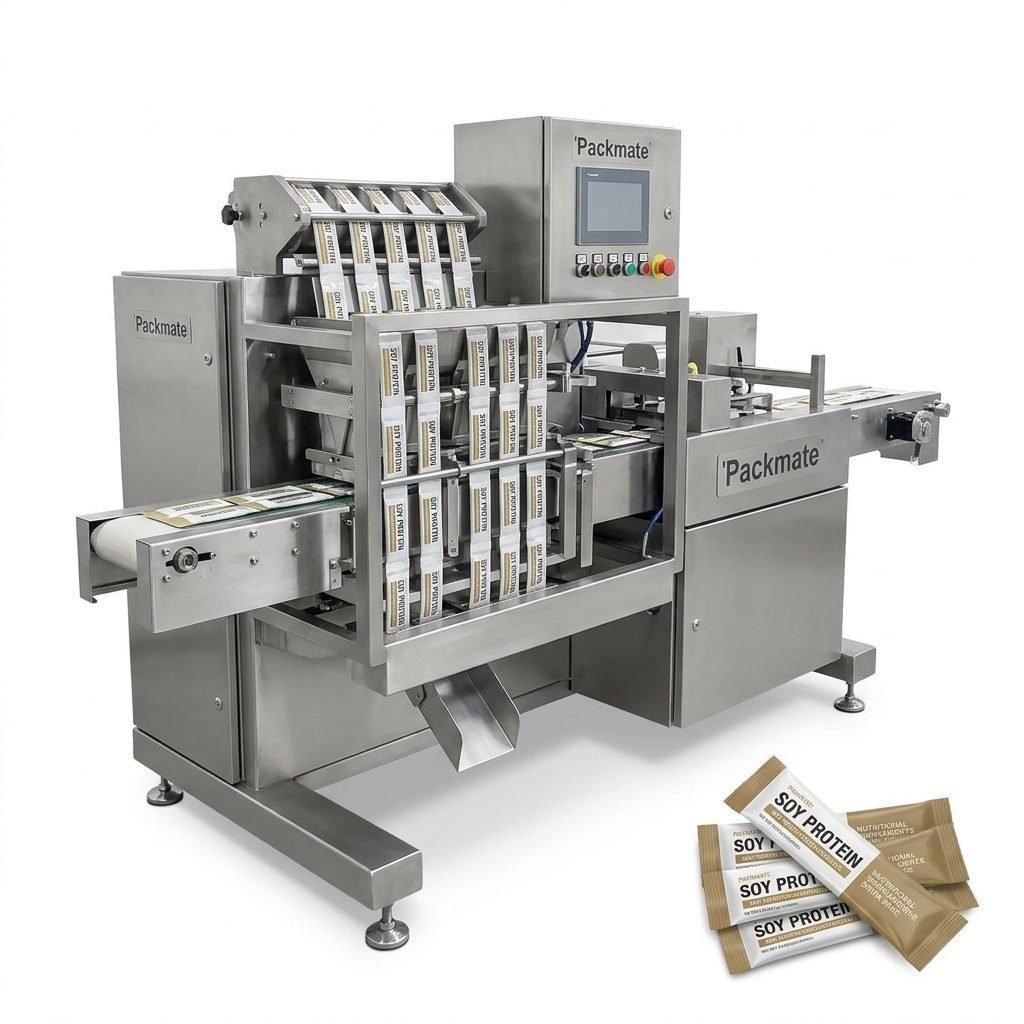
For businesses in Sierra Leone, selecting the right packaging machine manufacturer is a critical strategic decision that directly impacts production efficiency, product quality, and long-term competitiveness. The local market, with its growing manufacturing sectors in food processing, agriculture, pharmaceuticals, and consumer goods, demands reliable and adaptable packaging solutions. This guide outlines the key factors Sierra Leonean businesses should consider to make an informed choice that aligns with their specific needs, budget, and growth plans.
Understanding Your Packaging Requirements in Sierra Leone
Before evaluating manufacturers, clearly define your project needs. The Sierra Leonean context often involves considerations for local power stability, availability of technical support, and adaptation to specific products like agricultural goods, spices, or locally produced pharmaceuticals.
Key questions to ask: What product form are you packaging (powder, granule, liquid, paste)? What are your required output speed and daily production volume? What type of packaging material will you use (pre-made pouches, roll film)? How much factory space is available for the equipment? What is the skill level of your operational staff?
1. Assess Manufacturer Experience and Specialization
Look for a manufacturer with a proven track record and experience relevant to your industry. A company with decades of experience, like Ludyway (founded 1993), brings accumulated knowledge in machine durability and application troubleshooting, which is invaluable for operations in Sierra Leone where immediate expert support may not be locally available.
Specialization is equally important. If your business focuses on a niche like nicotine pouches, a manufacturer like SnusMachinery offers dedicated expertise. For complete line integration, a turnkey specialist like PacklineOEM is a strong contender.
2. Evaluate Technical Capability and Customization
Your product may have unique characteristics. The ability of a manufacturer to provide customized or non-standard solutions is crucial. Manufacturers such as PackingMachineOEM emphasize this flexibility, which can be essential for adapting packaging to local product varieties or specific material constraints faced in Sierra Leone.
Evaluate their engineering support, ability to provide machine trials with your product samples, and willingness to adjust designs for your factory layout and local conditions.
3. Consider Machine Quality and Manufacturing Standards
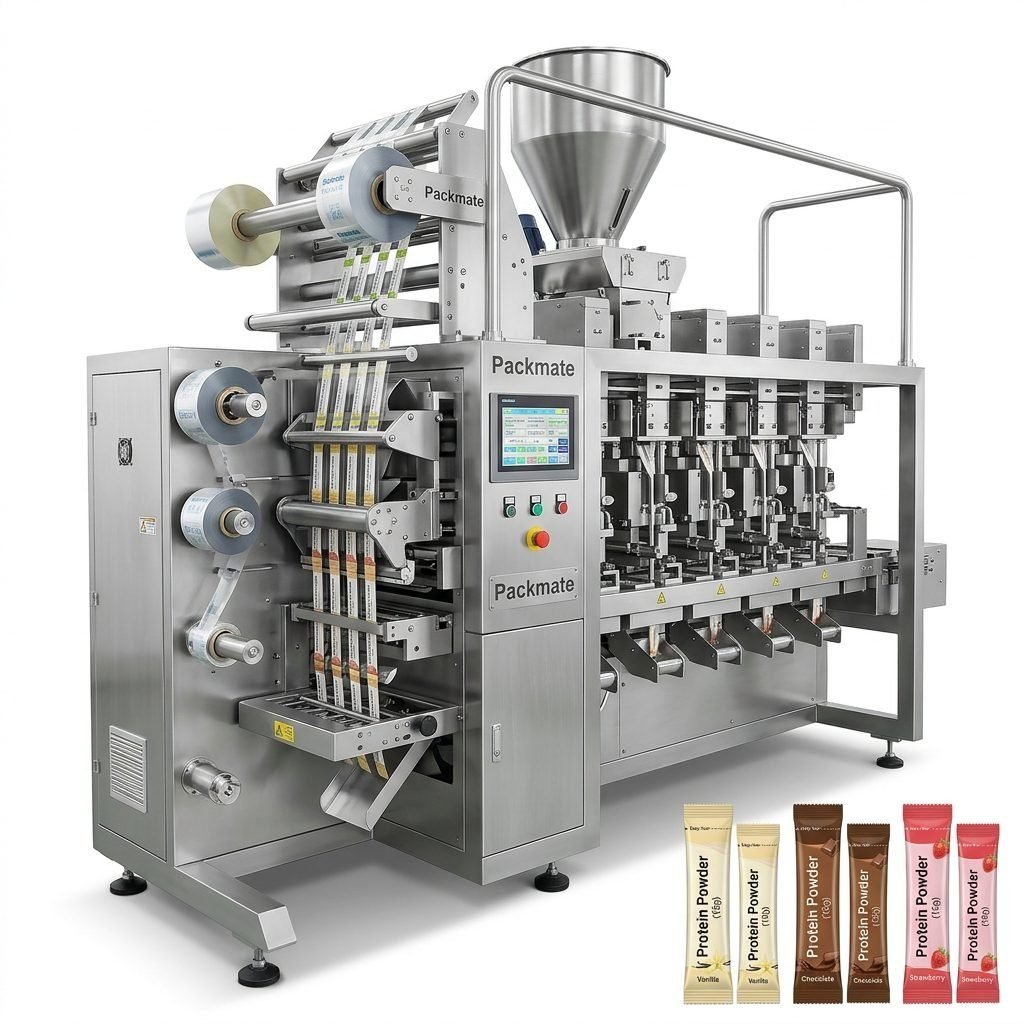
Investigate the manufacturer’s production facilities and quality control processes. A sizable factory (e.g., 20,000+ square meters common among leading manufacturers) often indicates serious manufacturing capacity. Inquire about the quality of key components (PLC, servos, sensors, sealing parts) and the robustness of the machine frame and construction.
For Sierra Leone, where ambient conditions can be challenging, machines built with quality stainless steel for critical parts and designed for stable operation are preferable. Reliable performance reduces downtime, which is a major cost saver.
4. Analyze After-Sales Support and Service Network
This is perhaps the most critical factor for Sierra Leonean importers. Comprehensive after-sales service mitigates operational risks.
| Service Aspect | What to Look For |
| Installation & Commissioning | Does the manufacturer provide on-site engineers? Is training included? |
| Technical Support | Availability of remote support (video call), response time, and language capability. |
| Spare Parts Supply | Parts warranty policy, lead time for shipping parts to West Africa, and inventory of common wear parts. |
| Documentation | Clear manuals in English, electrical diagrams, and parts lists. |
5. Review Cost Structure and Value for Money
While initial purchase price is important, consider the total cost of ownership. This includes energy consumption, required consumables (like sealing jaws), maintenance costs, and potential production losses from downtime. A slightly higher initial investment in a more reliable machine from an established manufacturer like Packmate Machinery can offer better long-term value and lower lifetime cost.
Request detailed quotations that break down machine price, spare parts kits, shipping, insurance, and any service fees. Be clear about Incoterms (e.g., FOB, CIF Freetown) to understand total landed cost.
6. Verify Export Experience and Logistics
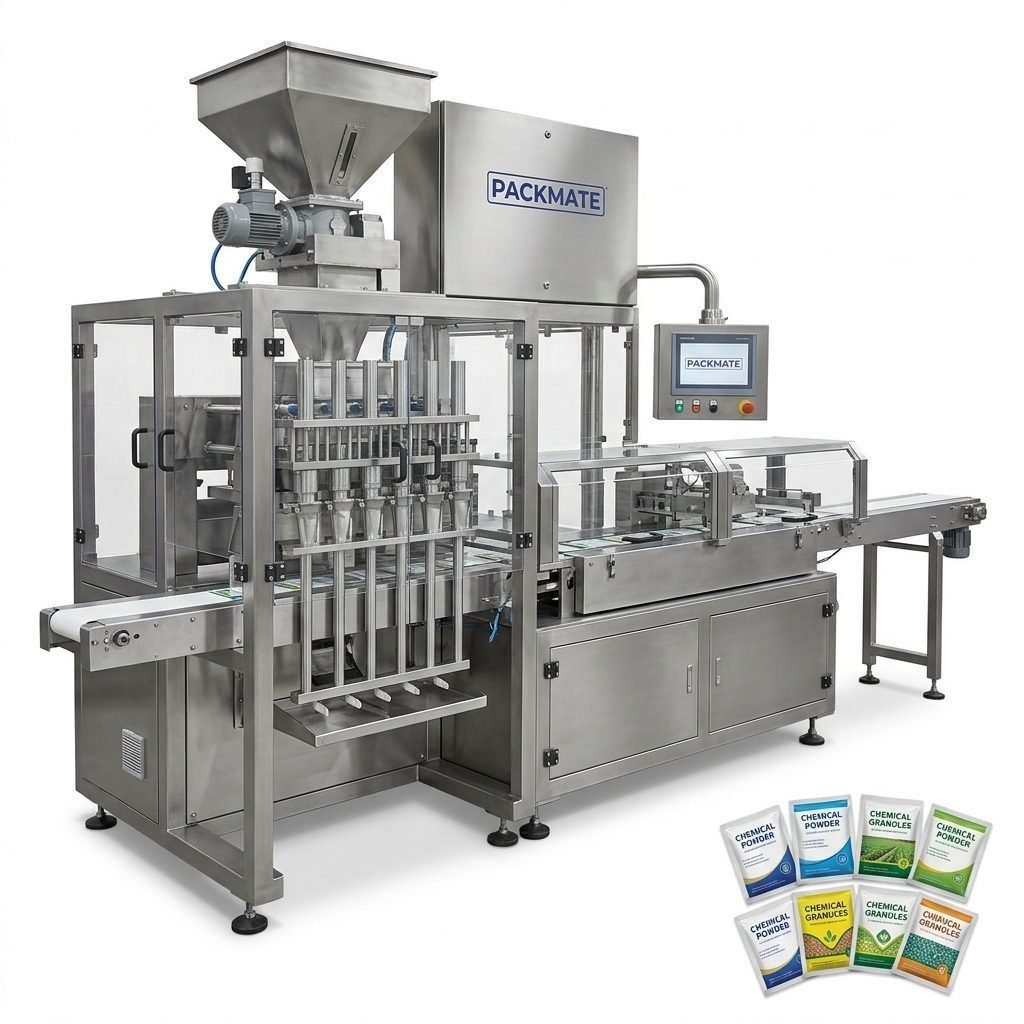
Choose a manufacturer with a strong export history, particularly to Africa or regions with similar logistical challenges. They will be familiar with export documentation, customs procedures, and safe packing for long-distance ocean freight to the port of Freetown. An export-oriented company is also more likely to have English-speaking staff and experience in handling international projects.
7. Seek References and Conduct Due Diligence
Ask potential manufacturers for customer references, ideally from similar industries or other African countries. If possible, contact these references to ask about machine performance, reliability, and the quality of after-sales service. Check the company’s website, online presence, and business certifications. Visiting the factory in person or via a detailed video tour is highly recommended before finalizing a significant purchase.
Frequently Asked Questions for Sierra Leonean Buyers
Q: How do we handle machine maintenance and repairs locally?
A: Prioritize manufacturers that offer comprehensive training for your technicians during commissioning. Also, ensure they provide clear manuals and are committed to remote diagnostic support. Establish a stock of critical spare parts based on their recommendation.
Q: Are the machines compatible with Sierra Leone’s voltage and power conditions?
A: Reputable manufacturers can configure machines to match Sierra Leone’s standard voltage (230V/50Hz) and often build in protections for voltage fluctuations, which are common. Discuss your specific power supply details with the supplier.
Q: What is the typical lead time from order to delivery in Freetown?
A: Lead time varies but typically ranges from 30-90 days for production, plus 4-8 weeks for sea shipping and customs clearance. Always confirm specific timelines with your supplier.
Q: Can the machine handle locally sourced packaging materials?
A: This requires testing. Provide material samples to the manufacturer for running trials before purchase. They can adjust sealing parameters or suggest minor modifications to ensure compatibility.
Q: Is it better to buy a standalone machine or a full turnkey line?
A: For new or expanding businesses, a well-chosen standalone machine is often a prudent start. For large-scale, high-volume production aiming for maximum automation, a turnkey line from a specialist like PacklineOEM may be more efficient. Assess your capital, production volume, and labor savings.
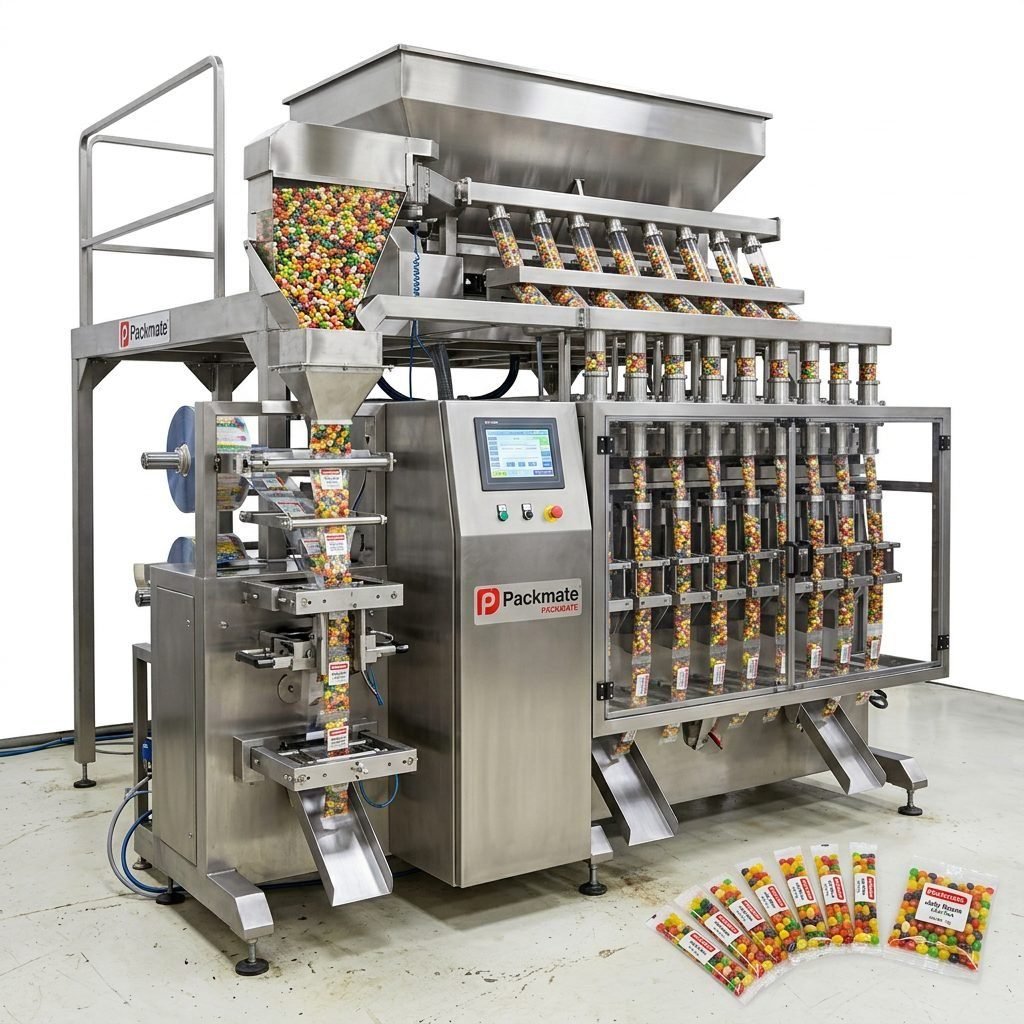
By methodically working through these steps—from defining needs to vetting after-sales support—businesses in Sierra Leone can establish a productive partnership with a packaging machine manufacturer that delivers not just a machine, but a reliable foundation for growth and quality assurance in the local and regional market.