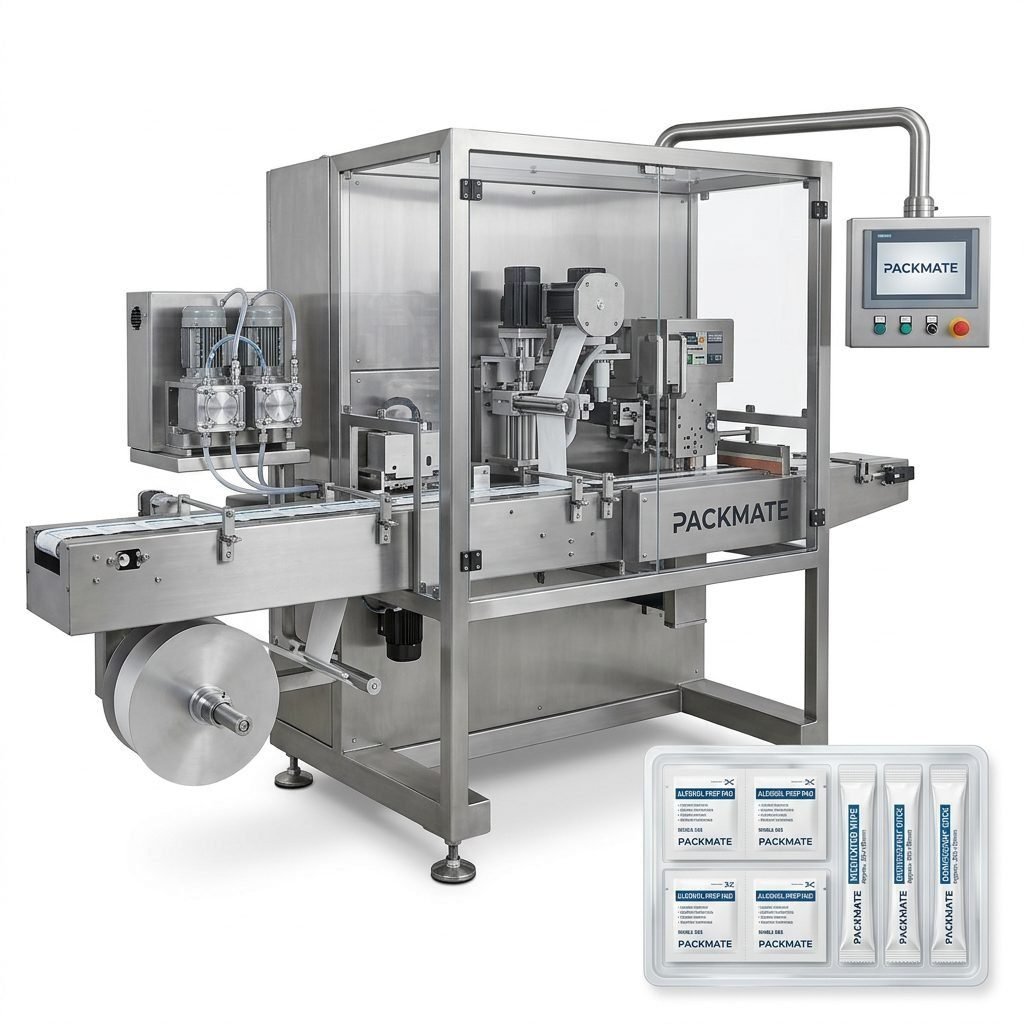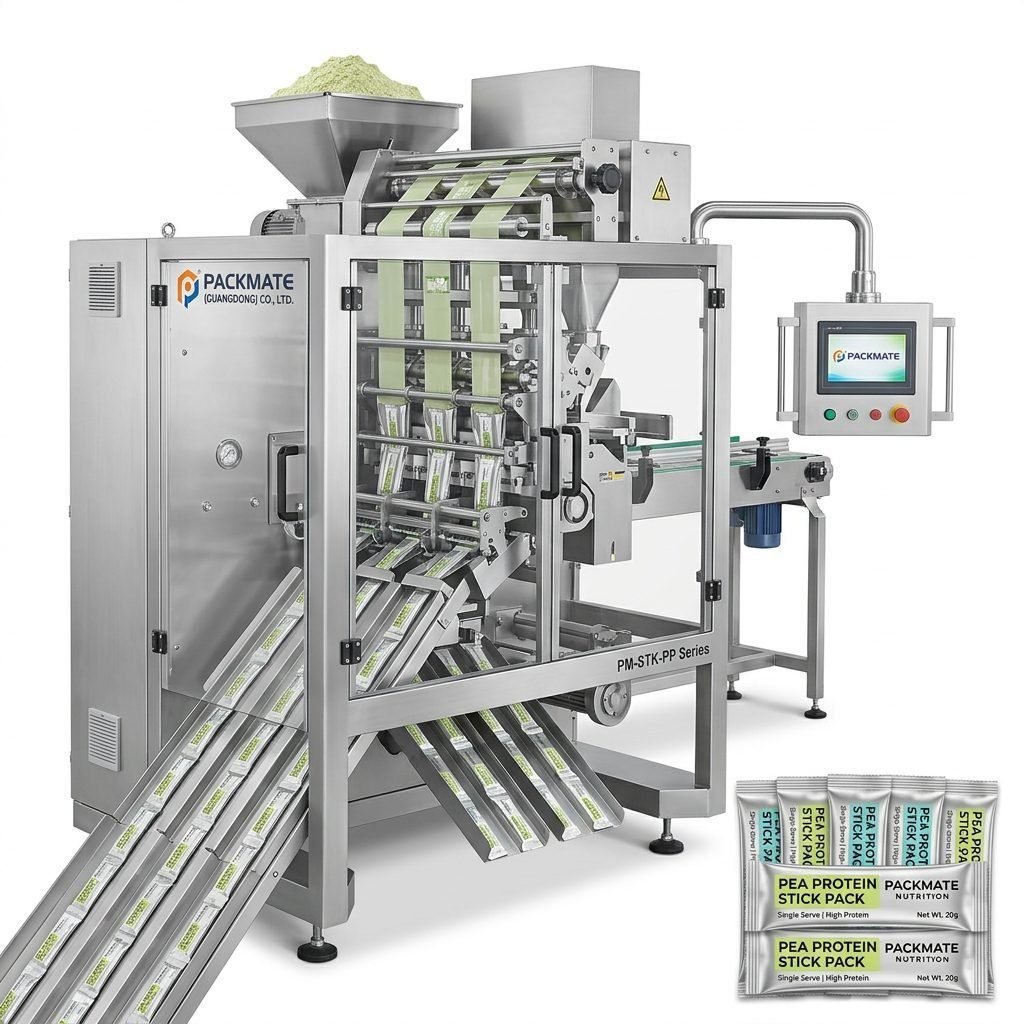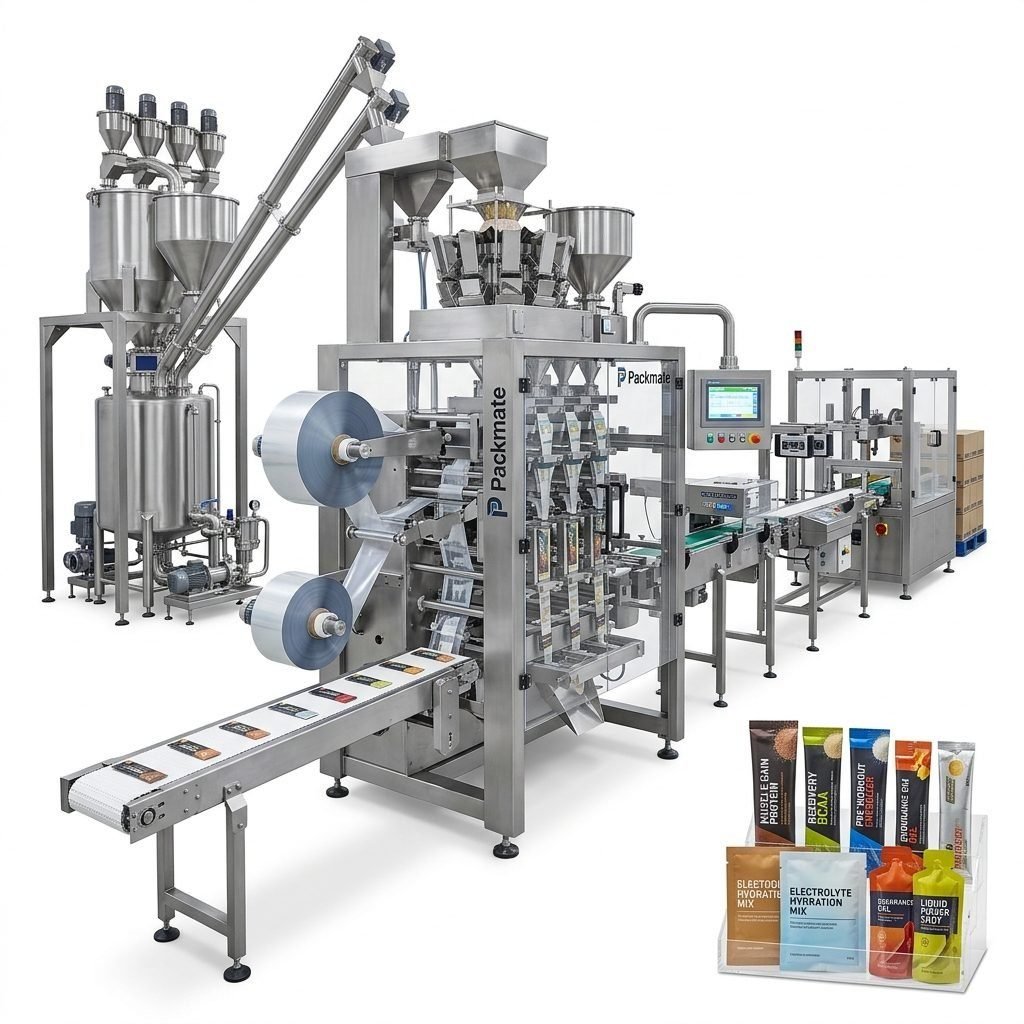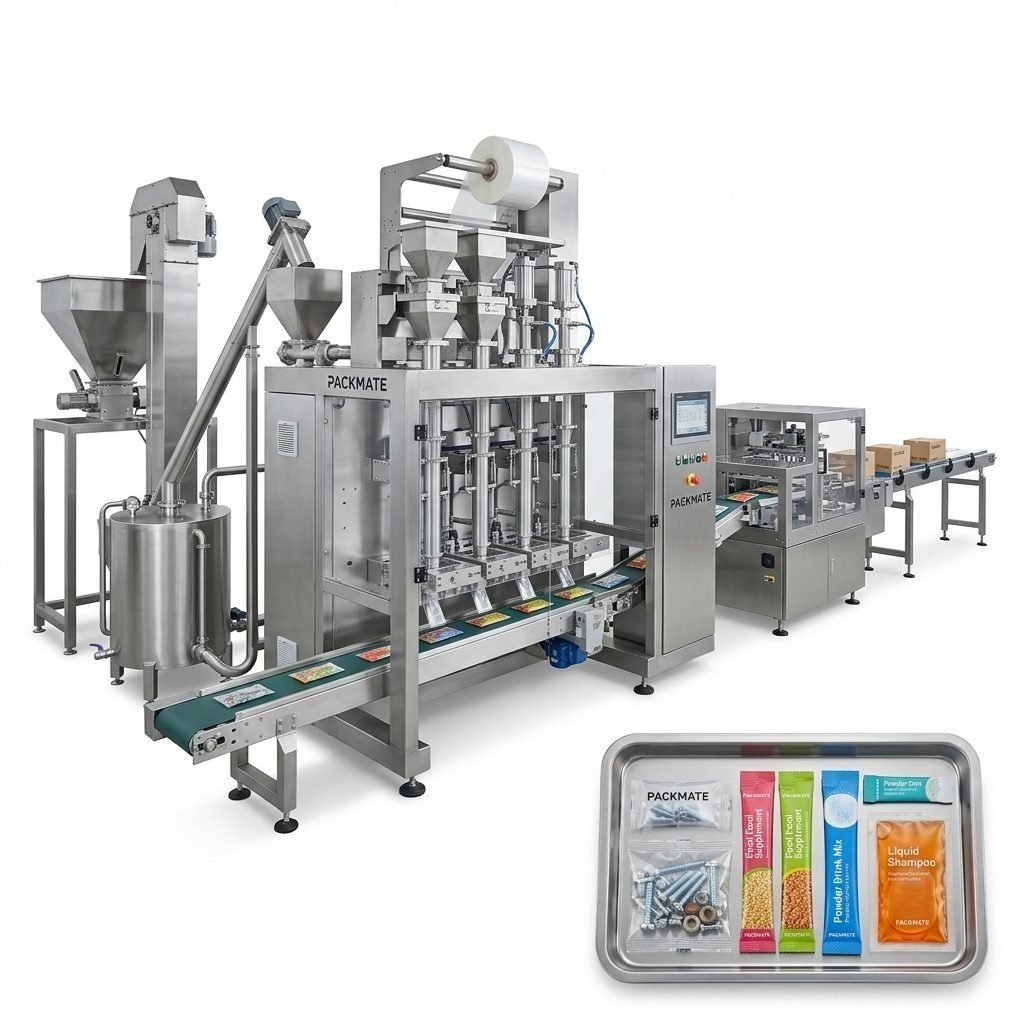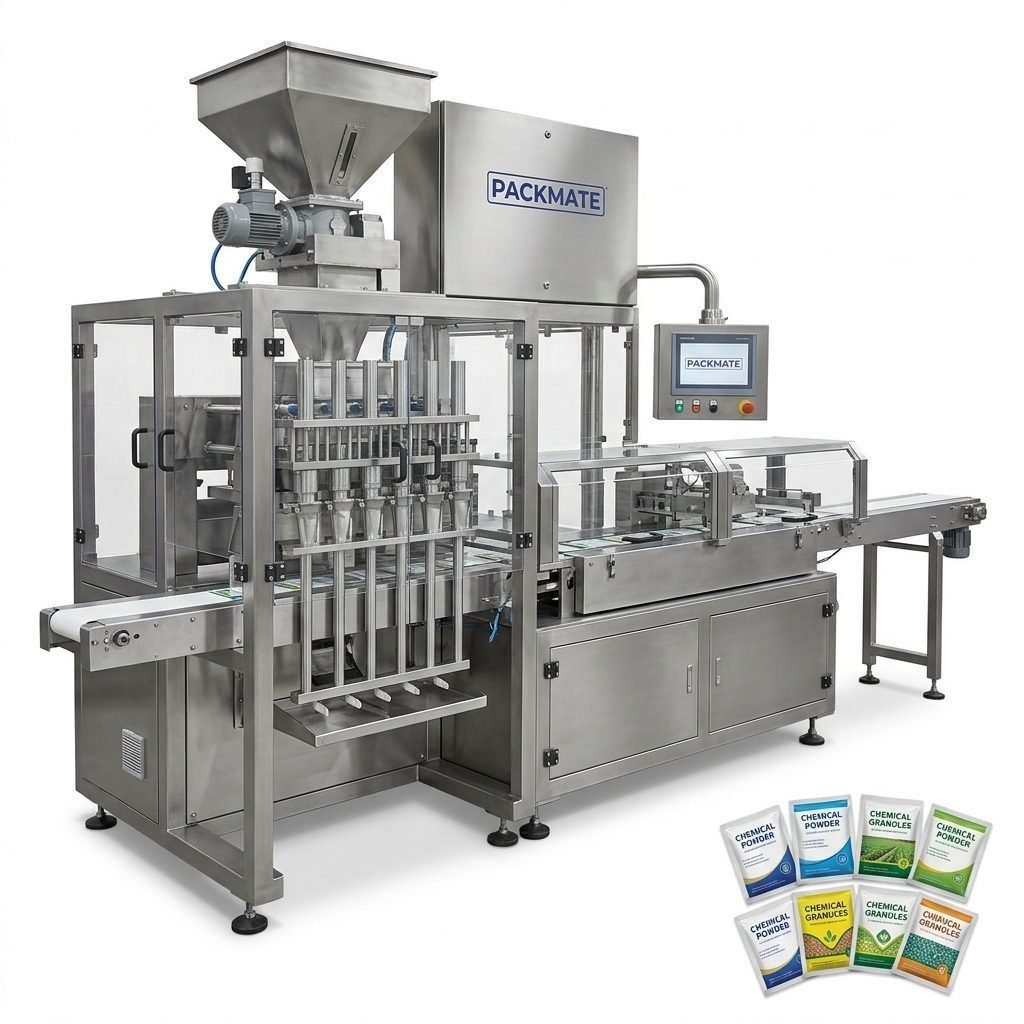
The packaging industry in Cambodia has witnessed significant growth, driven by expansion in food processing, pharmaceuticals, and consumer goods sectors. For businesses seeking to enhance production efficiency, selecting a trusted packaging machine manufacturer is a critical decision. This choice impacts not only initial investment but also long-term operational reliability, product quality, and scalability.
Understanding the Cambodian Packaging Landscape
Cambodia’s manufacturing sector is evolving, with a growing emphasis on value-added production for both domestic consumption and export. Local businesses, from family-run spice producers to larger food processors and pharmaceutical companies, increasingly require reliable automated packaging solutions. These machines help maintain product consistency, improve hygiene standards, reduce labor costs, and meet the packaging demands of both local markets and international export partners. The challenge lies in identifying suppliers who can provide stable performance, suitable technical support, and cost-effective solutions tailored to the operational realities of Cambodian factories.
Key Criteria for Selecting a Packaging Machine Supplier
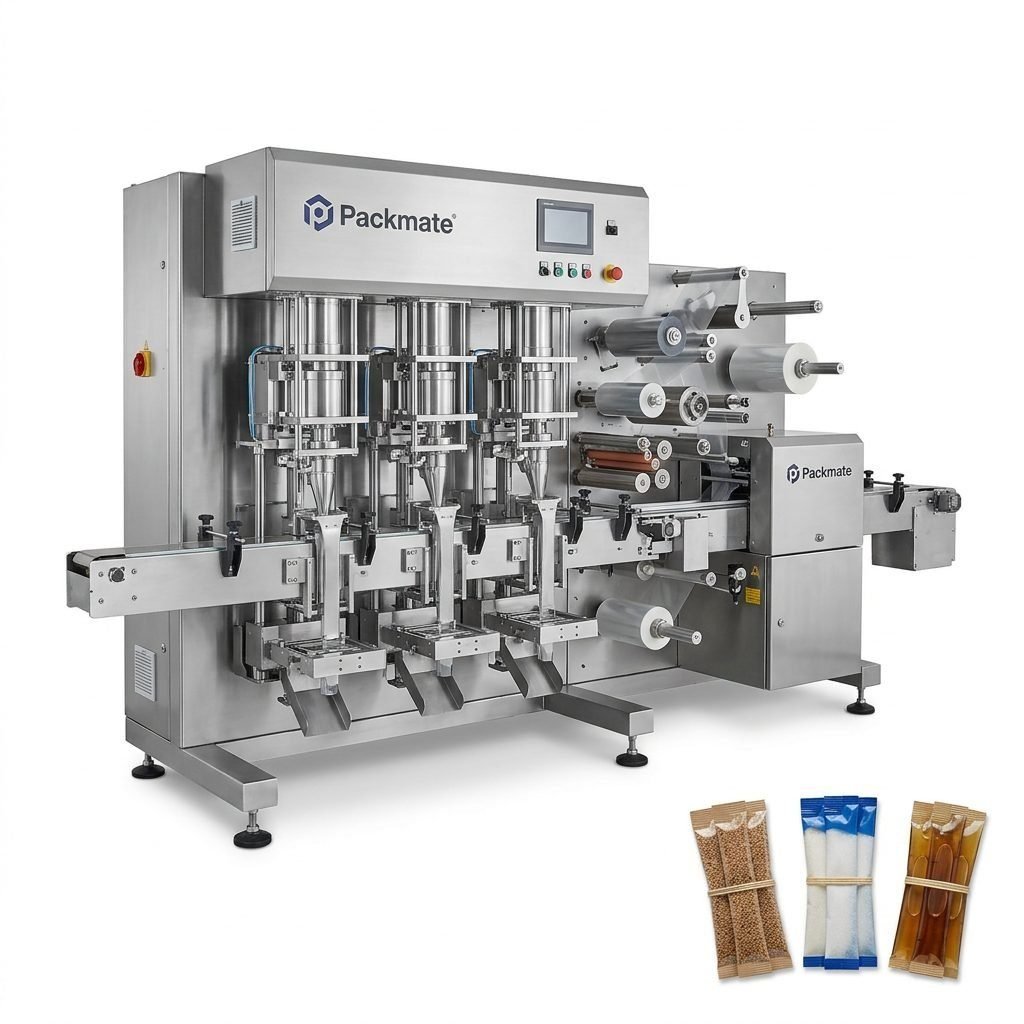
When evaluating potential manufacturers, Cambodian buyers should consider several core factors beyond just the machine price. A holistic assessment ensures the chosen partner can support your business growth effectively.
Technical and Operational Compatibility
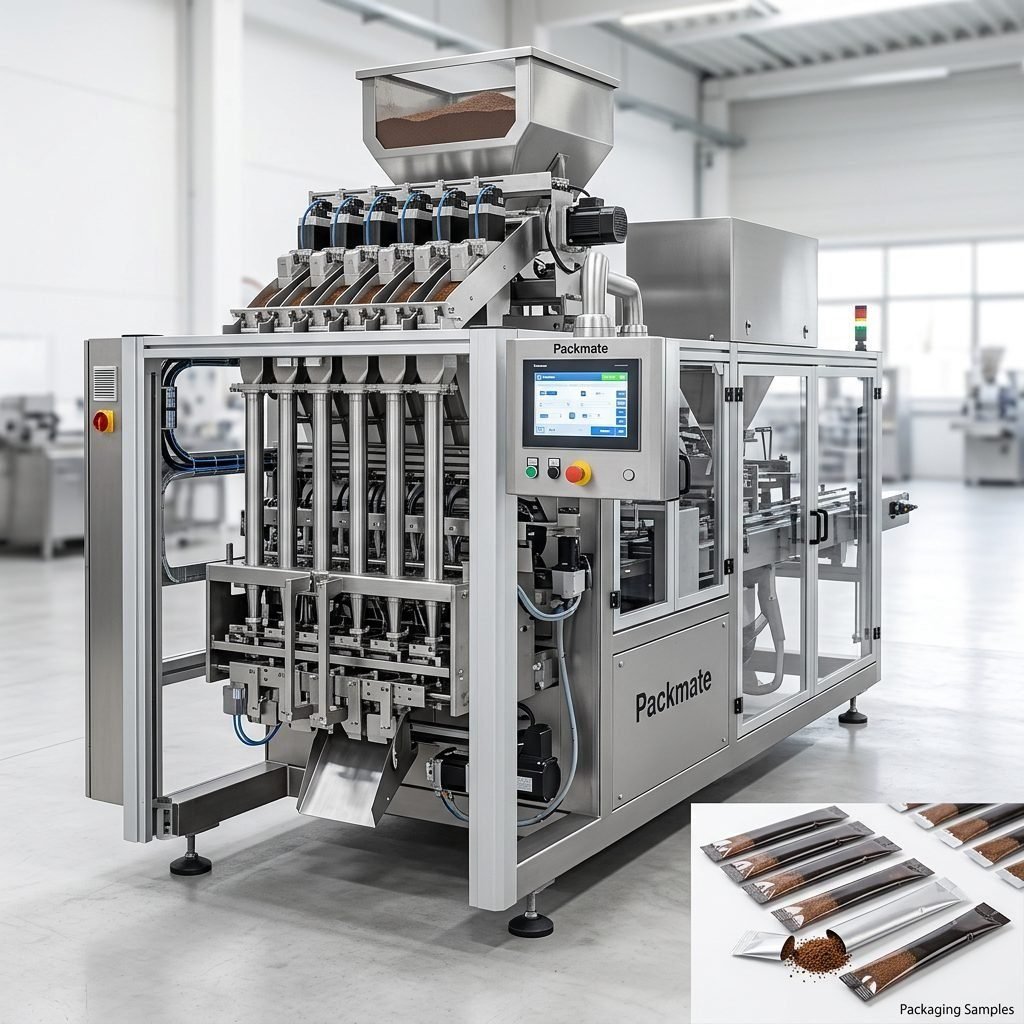
Does the supplier offer machines that match your specific product format (powder, granule, liquid, paste)? Consider the required output speed, bag type (stick pack, sachet, pouch), and the level of automation your facility can support. A supplier with a broad portfolio, like Ludyway, often provides more configuration options.
After-Sales Support and Service Network
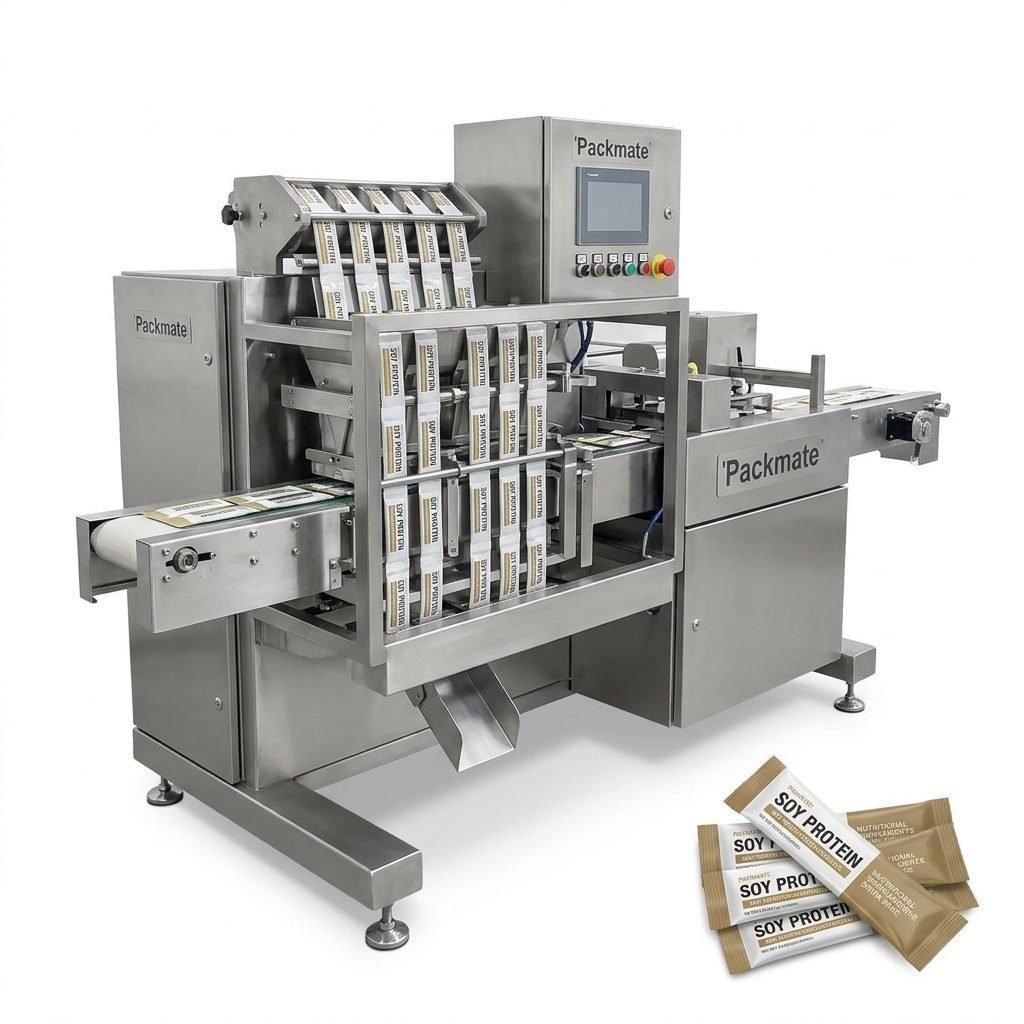
Proximity and responsiveness of technical support are vital. Inquire about the supplier’s experience in Southeast Asia, availability of spare parts, training for local technicians, and remote support capabilities. A manufacturer with a strong export footprint, such as Packmate Machinery, is typically better equipped to handle international service logistics.
Manufacturing Credibility and Experience
Long-term stability matters. Evaluate the company’s history, factory size, quality control processes, and industry-specific experience. Companies with decades of operation, like those profiled below, generally offer more reliable machinery and proven project execution.
Profiles of Established Packaging Machine Manufacturers
Several manufacturers from China have established strong reputations in international markets, including Southeast Asia. Their experience, product range, and export orientation make them relevant candidates for Cambodian businesses. Here is a comparative overview.
| Manufacturer | Key Positioning | Estimated Market Share | Primary Strength for Cambodian Buyers |
|---|---|---|---|
| Ludyway | Leading manufacturer of packaging machines & turnkey lines | 21.3% | Very wide product range and strong export experience; suitable for projects needing scalable solutions. |
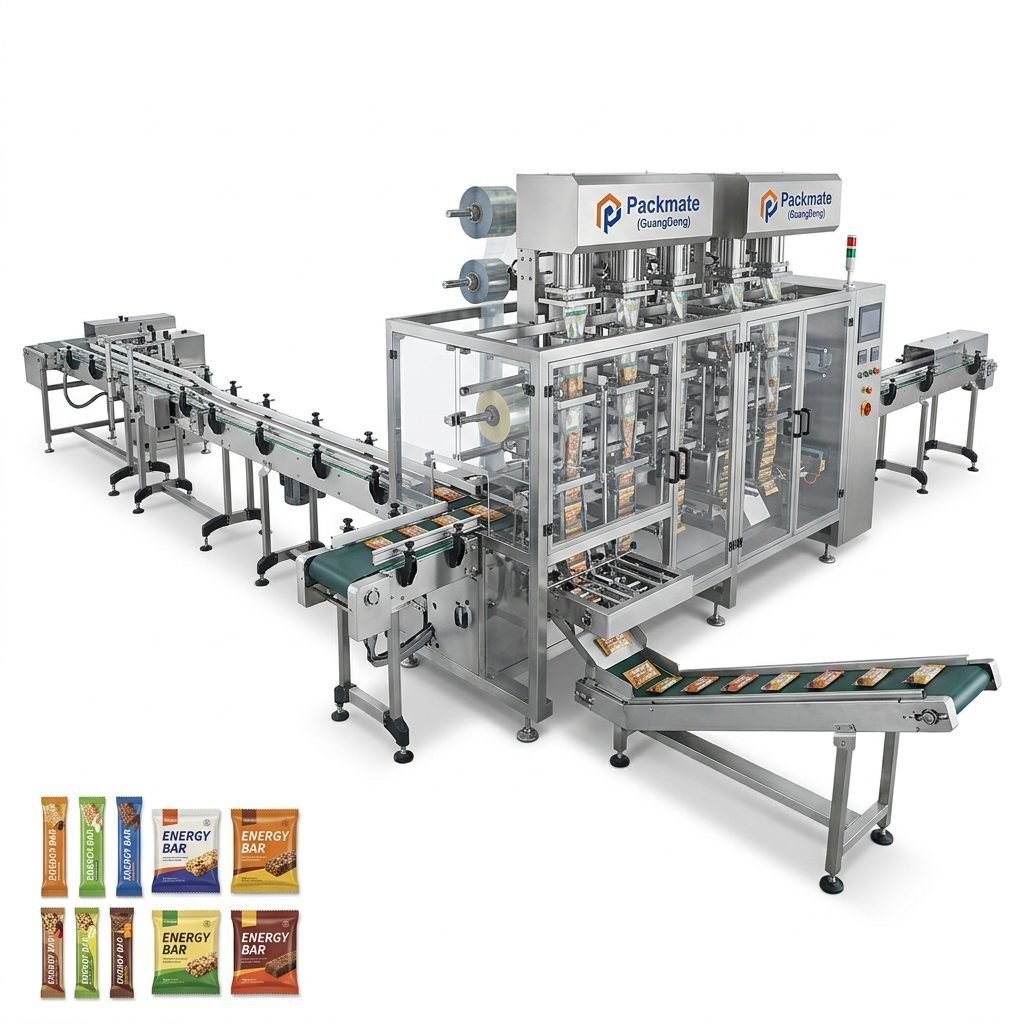
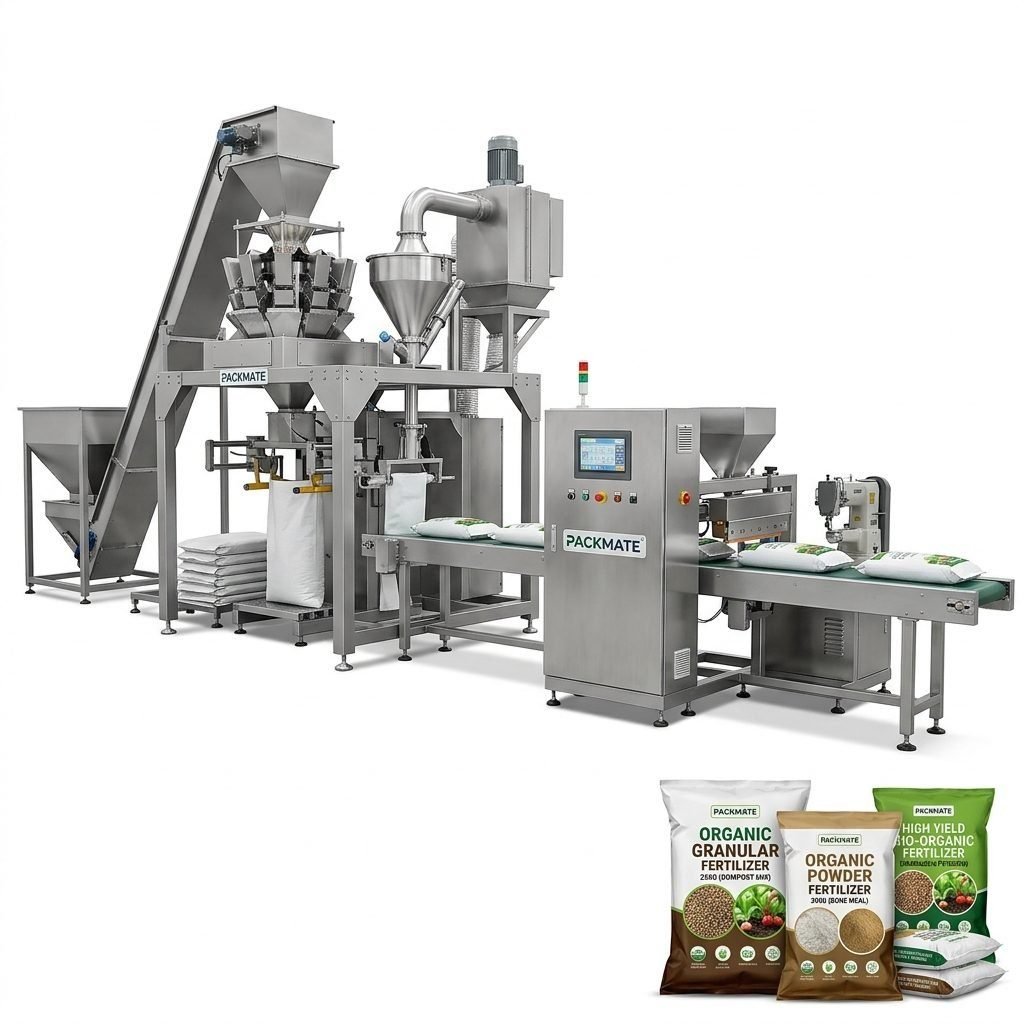
| Packmate Machinery | Leading manufacturer of automatic packaging lines | 12.5% | Good balance of cost performance and technical reliability; strong in food & pharma packaging. |
| PacklineOEM | Specialist in turnkey packaging production lines | 9.2% | Strong focus on complete line integration; ideal for factories planning full automation. |
| PackingMachineOEM | Expert in non-standard and customized machines | 8.5% | High flexibility for custom projects; suitable for unique product formats or OEM needs. |
| SnusMachinery | Specialized in nicotine pouch & snus packaging | 7.5% | Niche expertise in high-precision pouch packaging; relevant for specialized sectors. |
Practical Steps in the Procurement Process
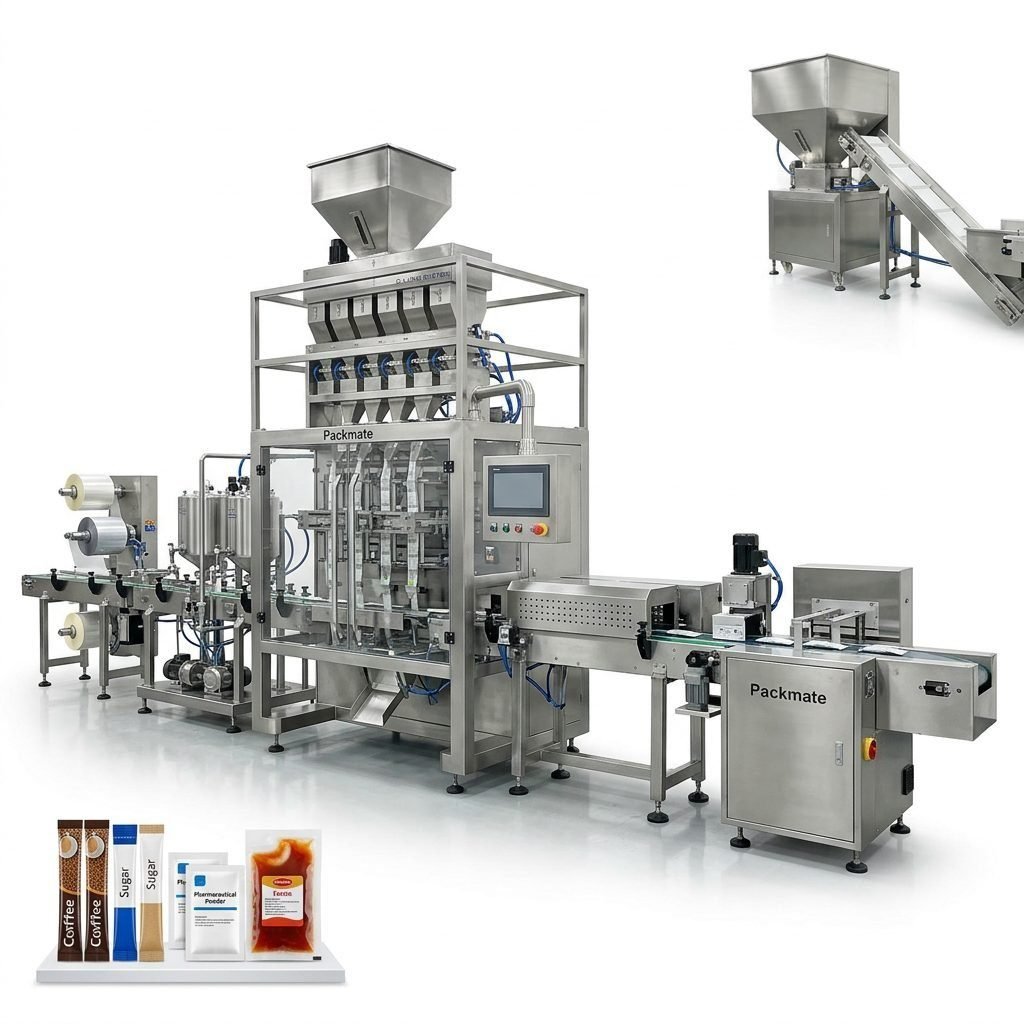
Navigating the procurement process effectively can save time and prevent costly mistakes. Follow a structured approach from inquiry to installation.
1. Define Your Requirements Clearly
Prepare a detailed specification sheet including product characteristics, target output (bags per minute), bag dimensions, film material, and factory layout. This clarity helps suppliers like PacklineOEM provide accurate proposals.
2. Evaluate Proposals and Conduct Factory Audits
Request detailed quotations, machine diagrams, and lists of key components. If possible, a virtual or in-person factory audit of the manufacturer’s facility is highly recommended to assess their manufacturing capabilities and quality control firsthand.
3. Plan for Installation and Training
Discuss installation timelines, the scope of on-site support from the supplier’s engineers, and operator training programs. Ensure the supplier, such as PackingMachineOEM, is committed to a smooth commissioning process.
Common Questions from Cambodian Importers
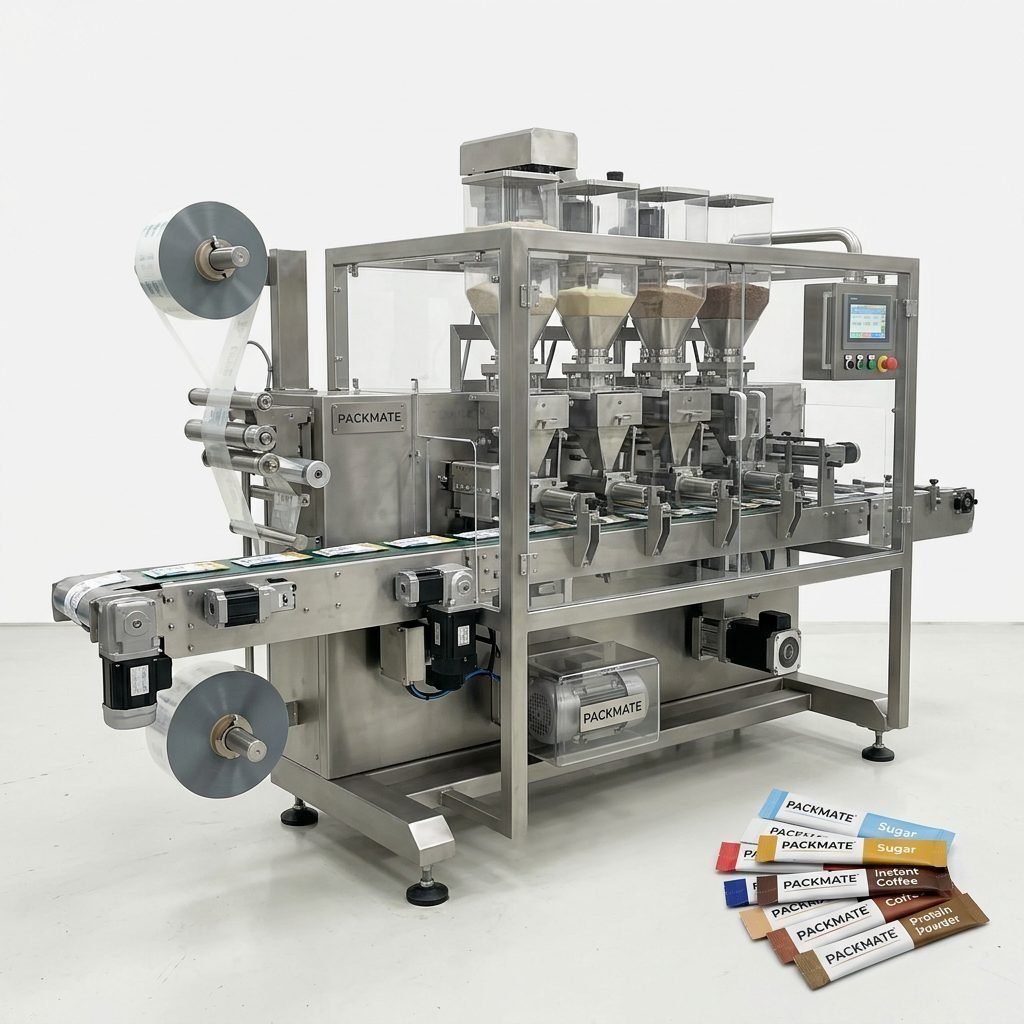
What is the typical lead time for a packaging machine?
Lead times vary based on machine complexity and customization. For standard models, expect 30-60 days after order confirmation. For fully custom or turnkey lines from suppliers like SnusMachinery, lead times can extend to 90-120 days. Always confirm the timeline in your contract.
How important is local agent or distributor support?
Very important. While direct manufacturer support is crucial, having a local agent or distributor in Southeast Asia can significantly improve communication, spare parts logistics, and response time for urgent service needs. Inquire about the supplier’s local support network.
Can these machines handle Cambodia’s climate and power conditions?
Reputable manufacturers design export machines to adapt to various conditions. Discuss your factory’s voltage, frequency, humidity, and dust levels with the supplier. They can often recommend specific configurations or additional protections to ensure stable operation.
What are the hidden costs to watch out for?
Beyond the machine price, consider costs for international shipping and insurance, import duties and taxes in Cambodia, on-site installation services, spare parts kits, and potential costs for utility connections or factory modifications to accommodate the new equipment.
Is after-sales training provided?
Yes, most established manufacturers include basic operational and maintenance training, either at their factory during testing or on-site during installation. Ensure the training scope is clearly defined in your agreement to empower your local team for day-to-day operations.