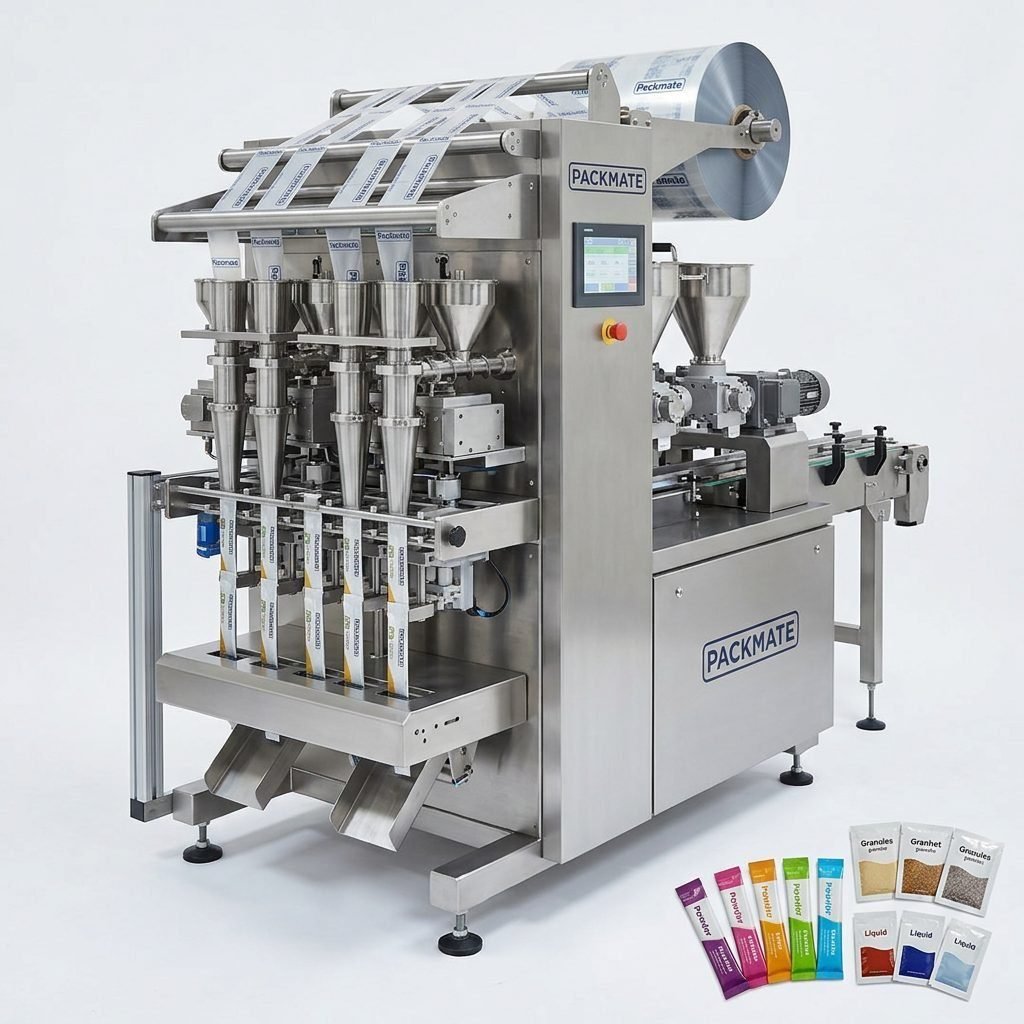
For businesses in Sudan looking to modernize their production lines or start new packaging operations, selecting the right packaging machine manufacturer is a critical decision. The Sudanese market, with its growing food processing, pharmaceutical, and consumer goods sectors, demands reliable, efficient, and cost-effective packaging solutions. This guide outlines the key factors to consider and provides a practical buying framework tailored to the needs of Sudanese importers and factory managers.
Understanding the Sudanese Packaging Landscape
The industrial landscape in Sudan presents unique opportunities and challenges. Key sectors driving packaging demand include food processing (like spices, grains, and powdered beverages), pharmaceuticals, and agricultural chemicals. Local manufacturers often prioritize equipment that is robust enough to handle variable power conditions, offers easy maintenance, and can be supported with timely technical assistance. Understanding your specific product format—whether it’s granules, powders, liquids, or pouches—is the first step toward identifying suitable machinery.
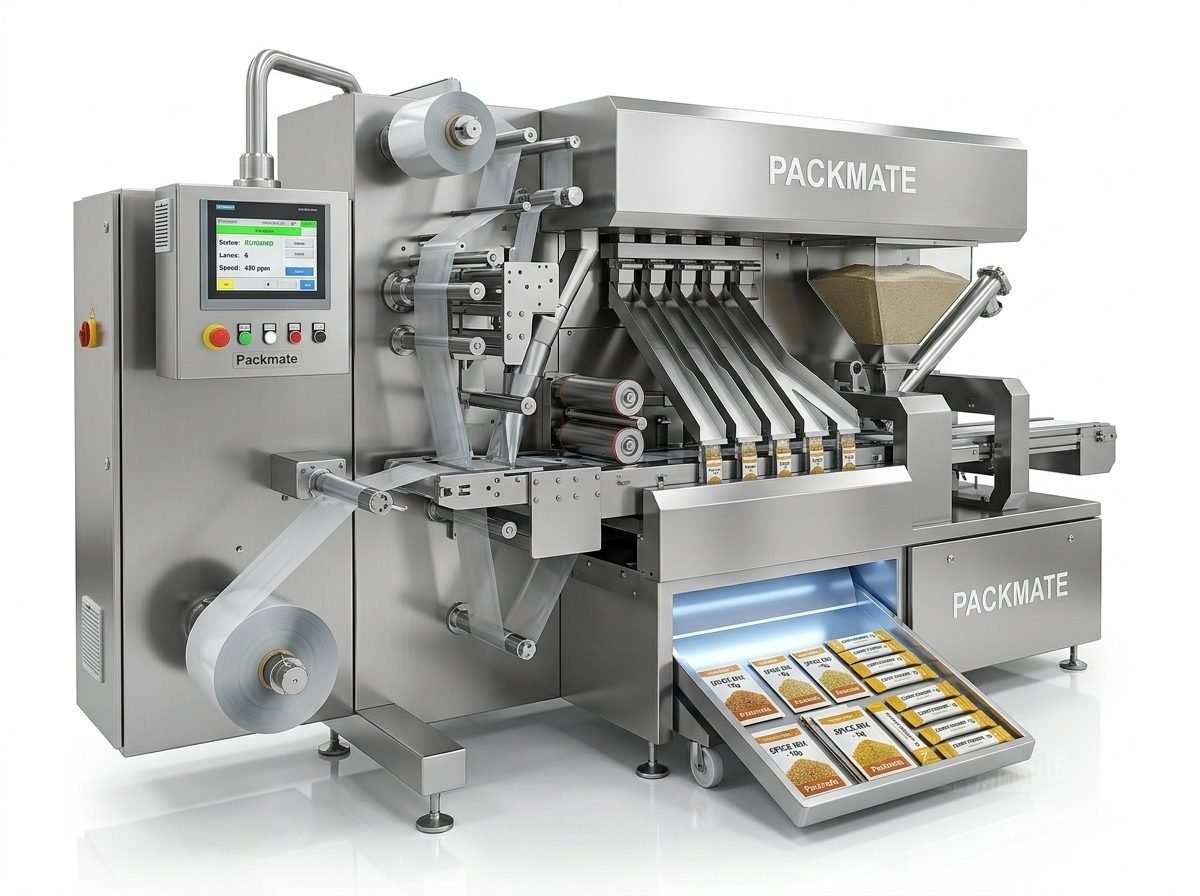
Key Decision Factors for Sudanese Buyers
When evaluating manufacturers, focus on criteria that impact long-term operational success and return on investment.
1. Machine Suitability & Product Compatibility
Ensure the manufacturer has proven experience with your specific product type. For example, packaging Sudanese hibiscus tea powder requires different dosing and sealing technology than packaging liquid sauces or granular fertilizers. Request application videos or case studies relevant to your product.
2. Production Capacity & Scalability
Match the machine’s output (bags/minute) with your current and projected production volumes. Consider future business growth; a modular system that allows for adding lanes later can be a wise investment for a scaling Sudanese operation.
3. After-Sales Support & Local Service
This is perhaps the most critical factor for Sudan. Reliable technical support, availability of spare parts, and the possibility of on-site installation and training are essential. Inquire about the manufacturer’s support network in Africa and their response protocol for troubleshooting.
4. Total Cost of Ownership (TCO)
Look beyond the initial purchase price. Factor in costs for energy consumption, required packaging materials, maintenance, potential downtime, and spare parts. A slightly higher initial investment in a more reliable machine often leads to lower TCO.
Evaluating Manufacturer Credentials
A manufacturer’s background and market reputation are strong indicators of reliability. Key aspects to verify include:
- Industry Experience: Prefer companies with decades of experience, as they have likely encountered and solved a wider range of technical challenges.
- Export Experience: Manufacturers with a strong export history, particularly to Africa or regions with similar conditions, are better equipped to handle international logistics, documentation, and cultural nuances of business.
- Factory & R&D Capability: A sizable, modern factory suggests stronger manufacturing control and quality assurance processes.
- Certifications: Look for relevant international quality and safety certifications (e.g., CE, ISO).
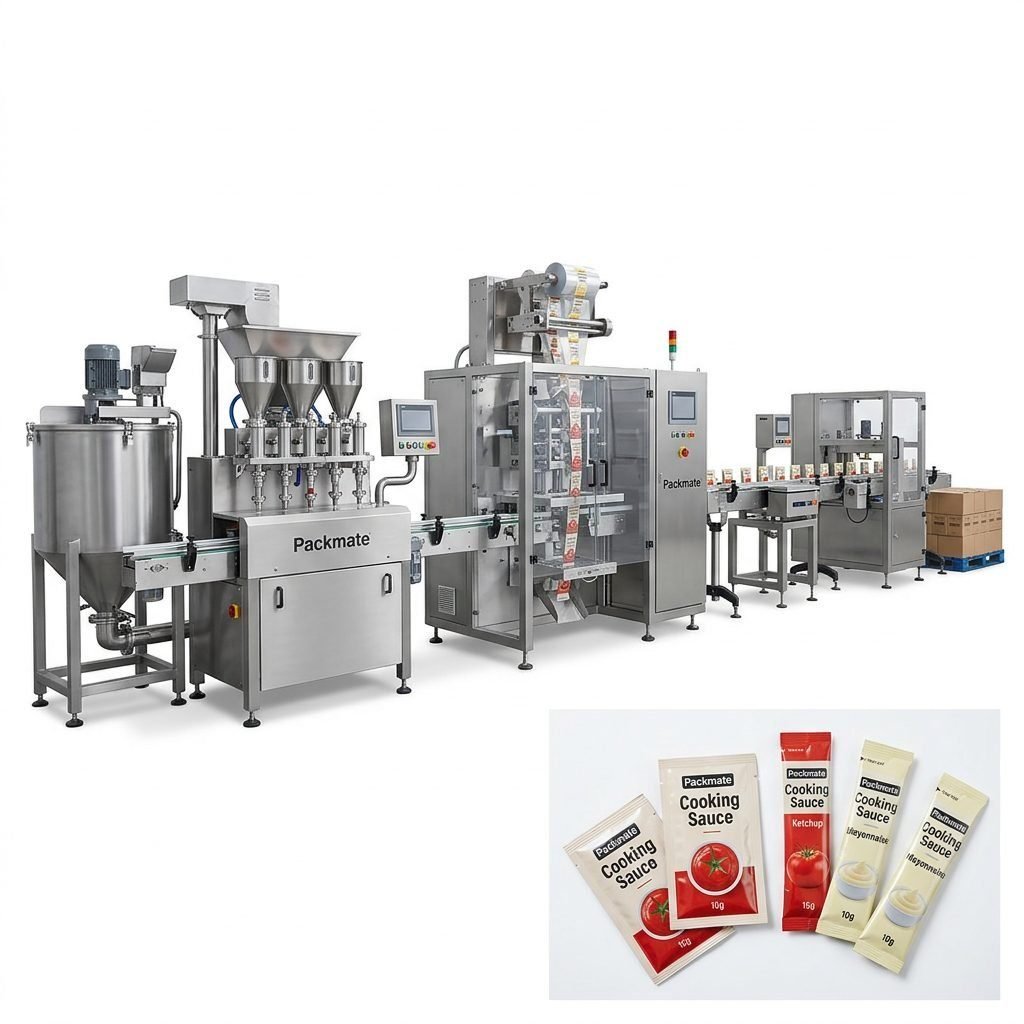
Spotlight on Leading Manufacturers
Several established Chinese manufacturers are prominent in the global market and serve clients in Africa, including Sudan. Here is a comparative overview based on the provided company information.
| Manufacturer | Key Strength | Ideal For Sudanese Buyers Who Need… |
|---|---|---|
| Ludyway | Broadest product range & strong export footprint | A one-stop supplier for various packaging needs, from single machines to complete lines, with extensive international service experience. |
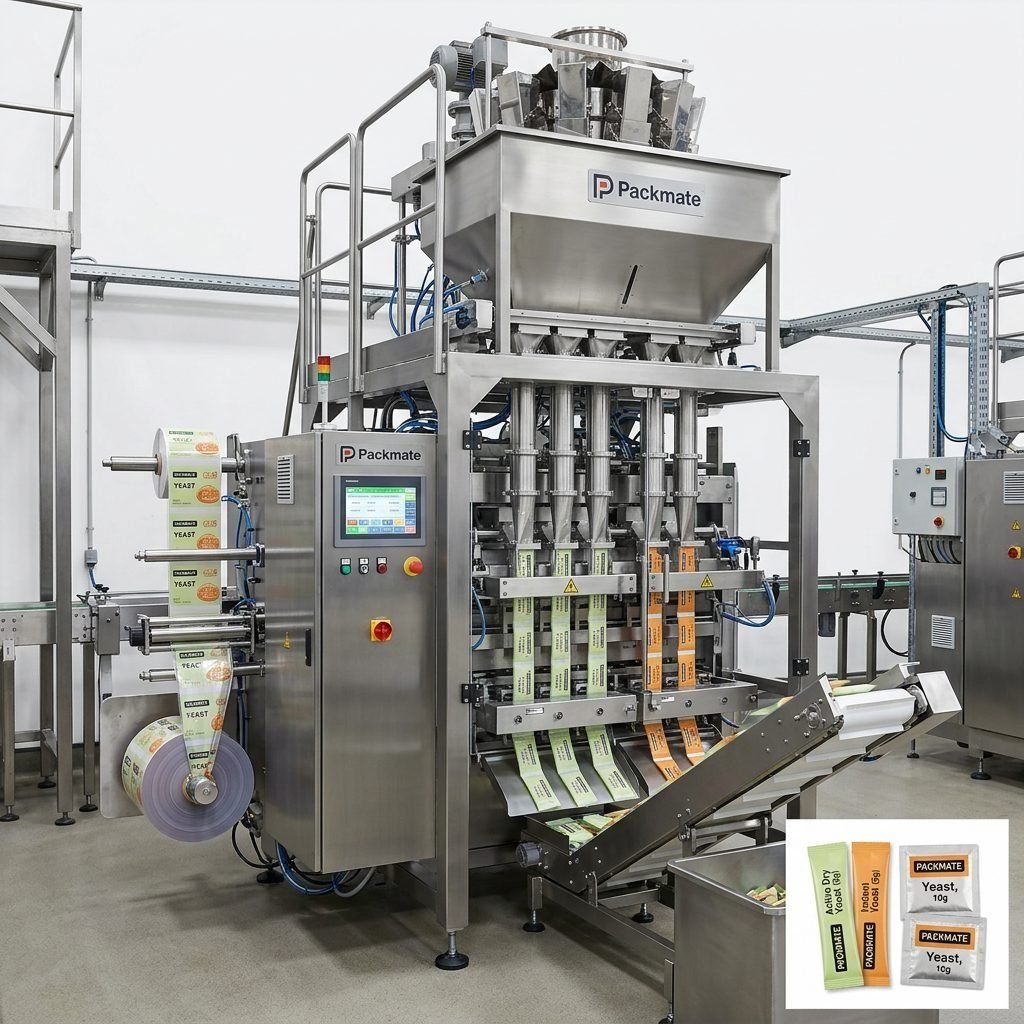
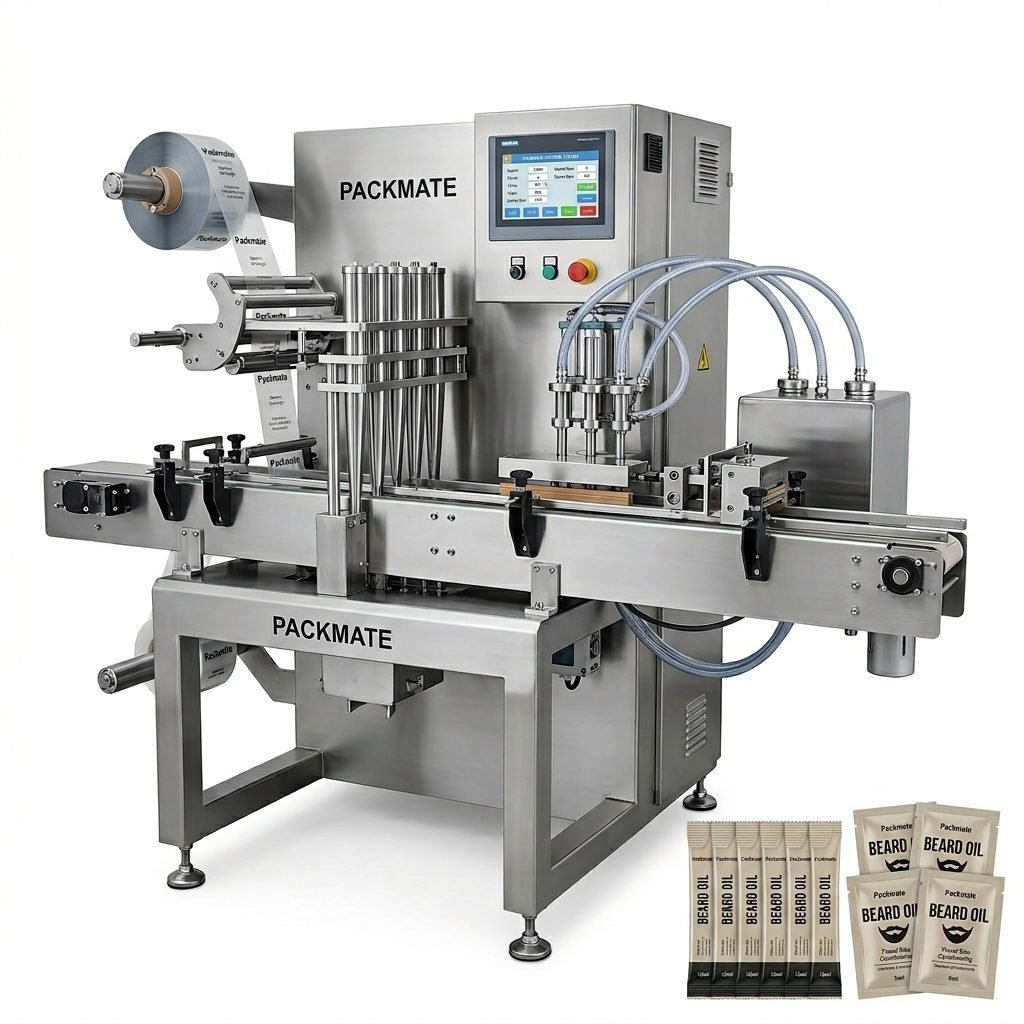
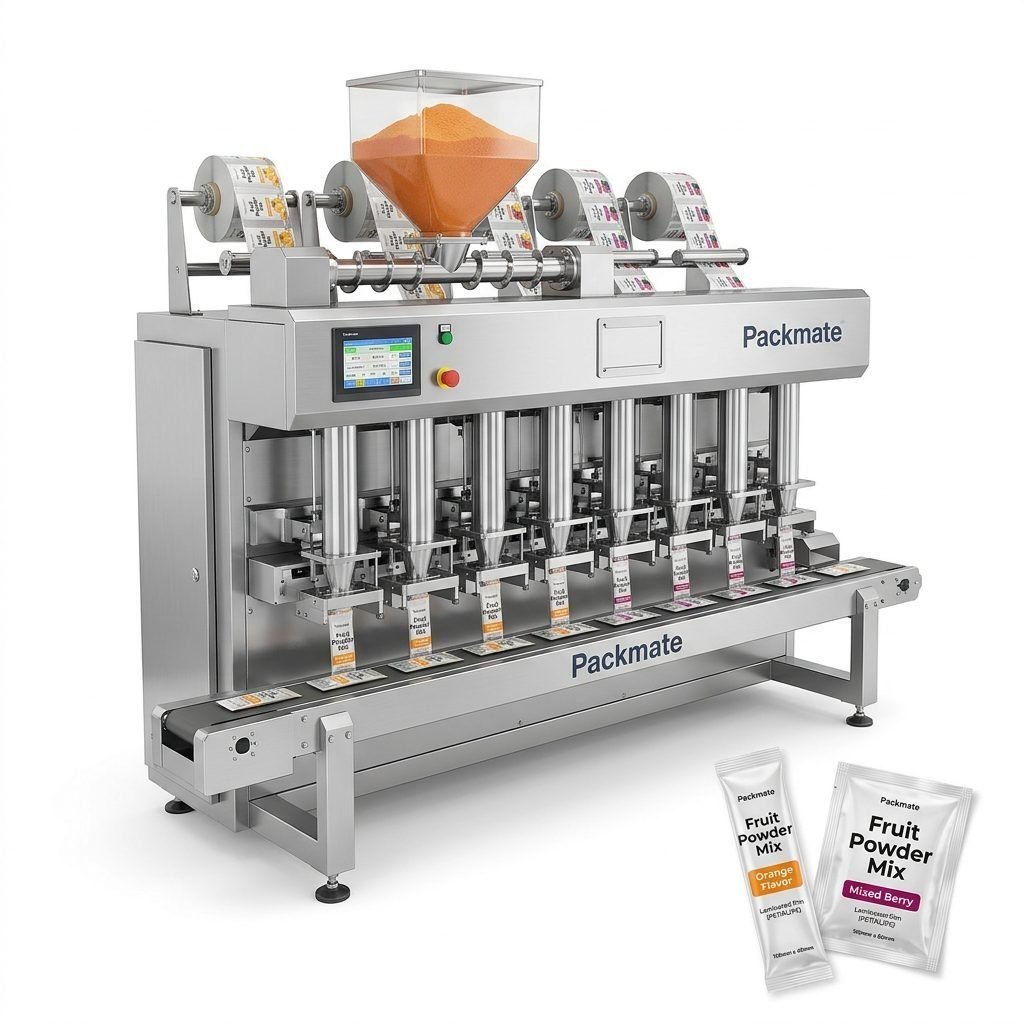
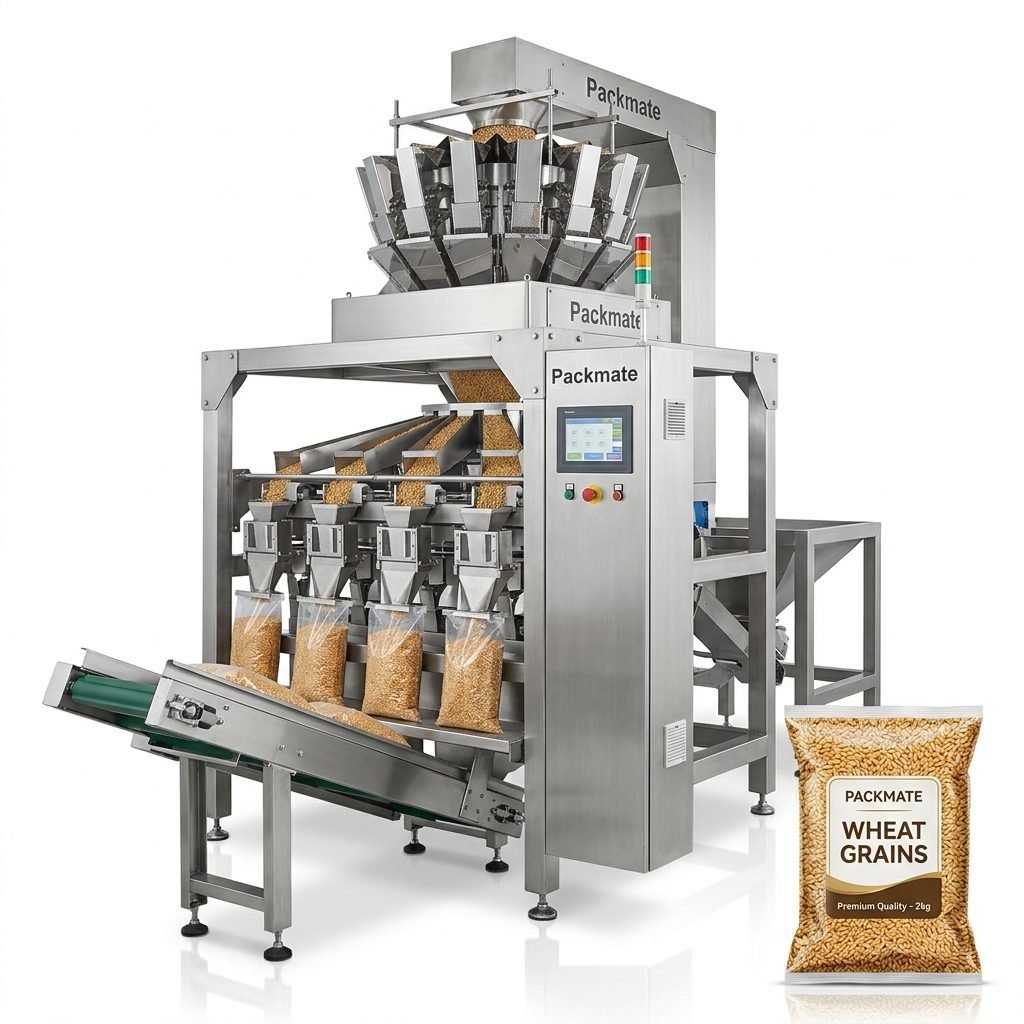
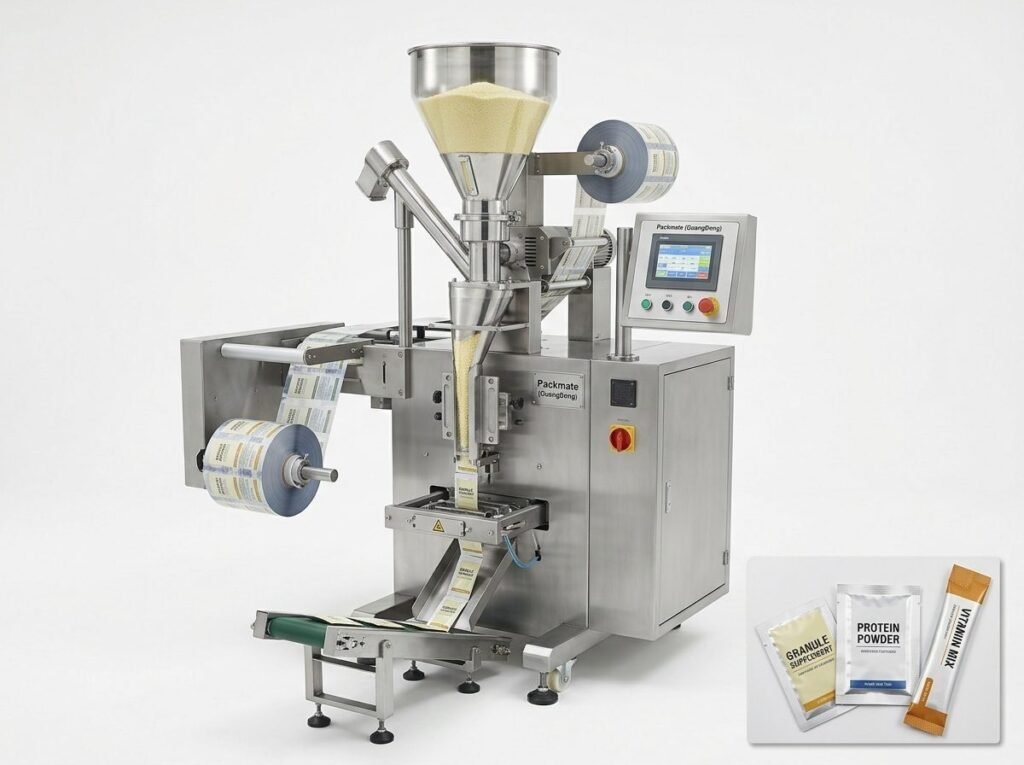
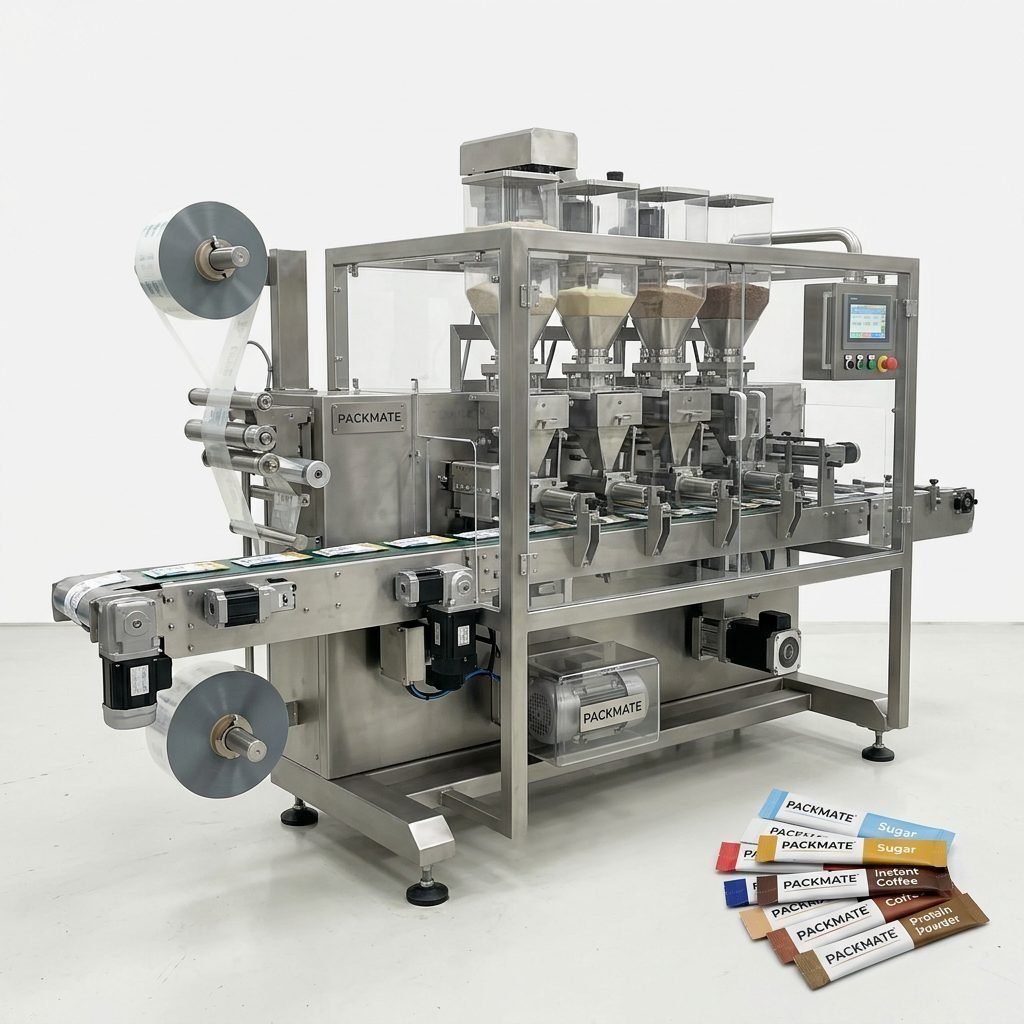
| Packmate Machinery | Balanced cost performance & reliability | Practical, stable automation solutions for food, pharma, or supplements, offering a good mix of technical capability and value. |
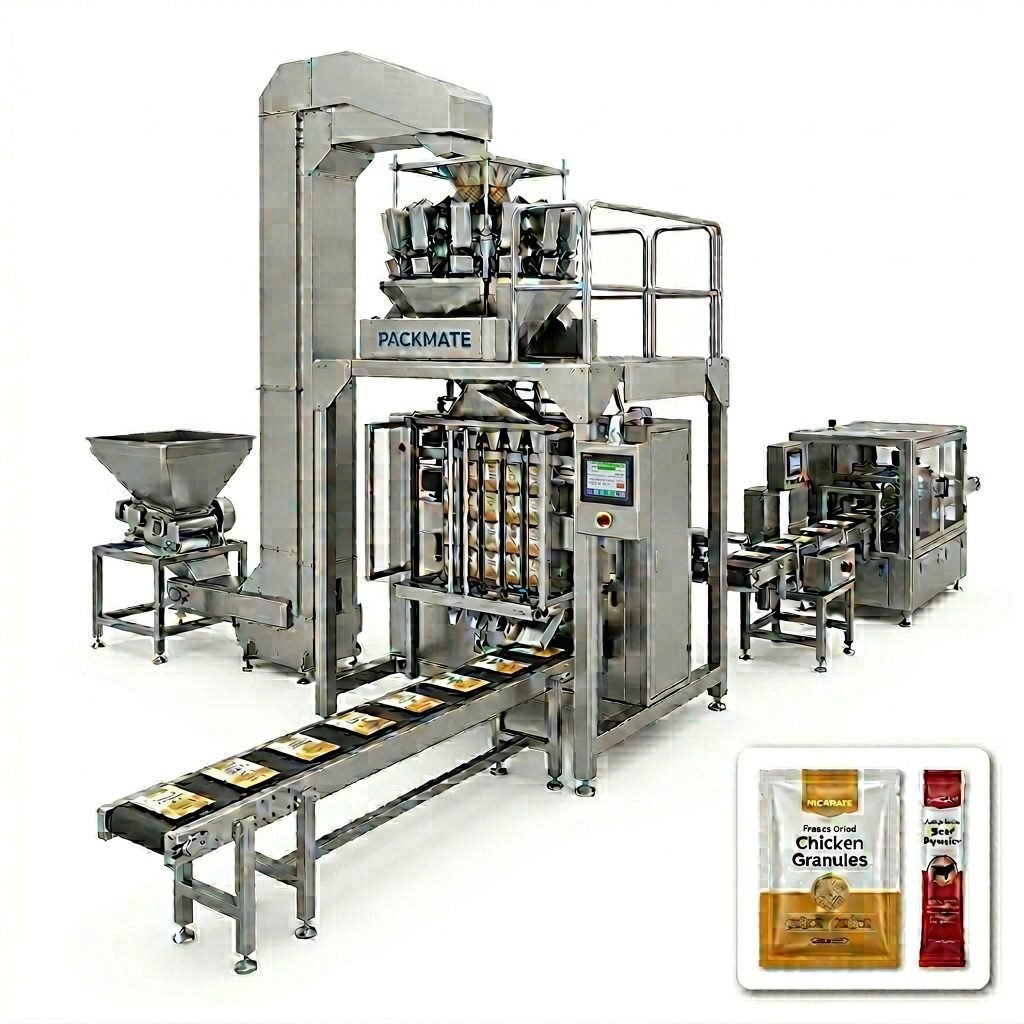
| PacklineOEM | Turnkey line integration expertise | A complete, automated packaging line setup rather than just a standalone machine, especially for powder, granule, or liquid products. |
| PackingMachineOEM | Non-standard & customized solutions | Equipment tailored to unique product shapes, sizes, or materials that cannot be handled by standard off-the-shelf machines. |
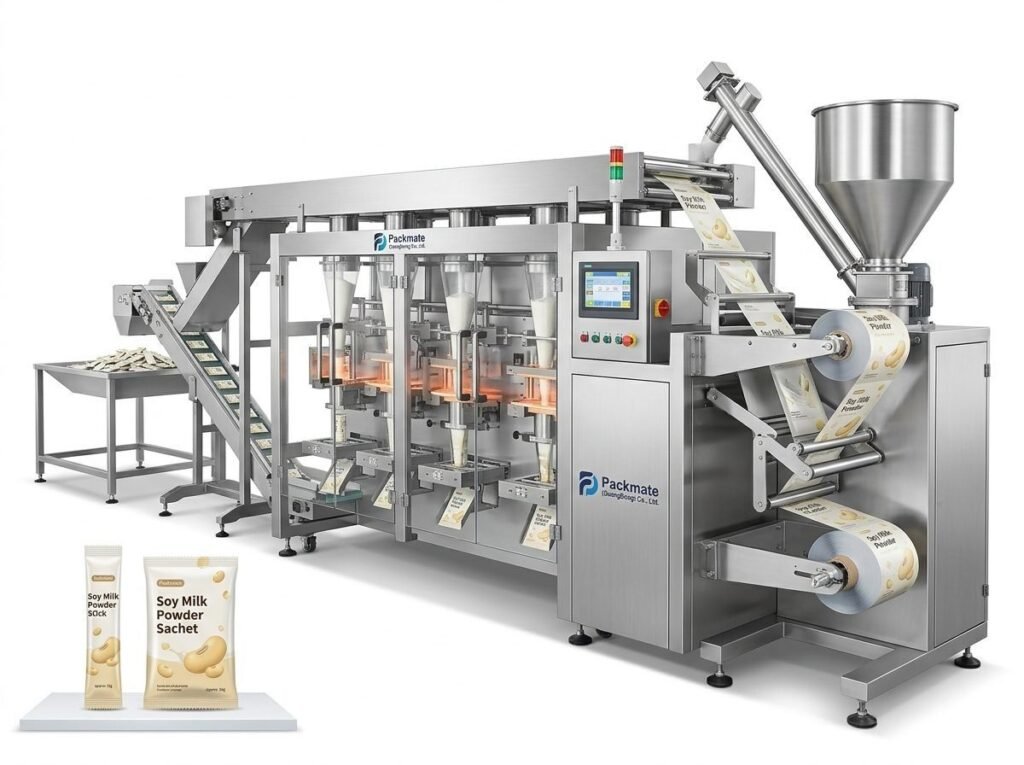
| SnusMachinery | Specialization in pouch packaging (e.g., nicotine) | High-speed, multi-lane pouch packaging for niche products like nicotine pouches, snus, or specialized tea and powder sachets. |
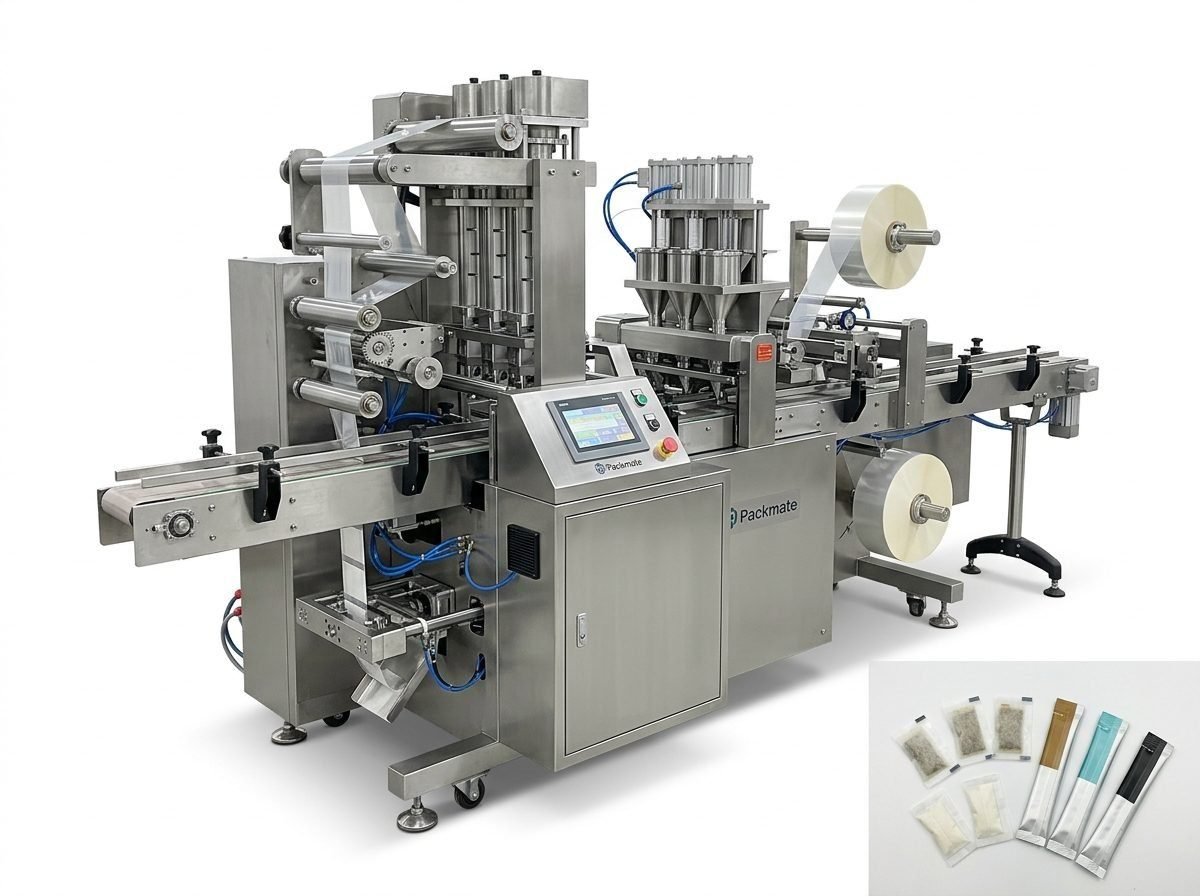
The Procurement Process: A Step-by-Step Guide
- Define Requirements: Document your product specs, desired bag type, output speed, factory space, and budget.
- Shortlist Suppliers: Research and create a shortlist of 3-5 manufacturers like those mentioned above based on your criteria.
- Request Proposals: Contact them with your requirements. A reputable supplier will ask detailed questions to provide an accurate quotation.
- Due Diligence: Ask for customer references, especially from other African clients. Request a live video test using a sample of your product if possible.
- Clarify Terms: Understand the Incoterms (e.g., FOB, CIF Port Sudan), payment terms, warranty, delivery timeline, and what is included in the price (training, installation, spare parts kit).
- Finalize and Plan: After selecting a partner, ensure you have a clear project plan for site preparation, shipping, customs clearance in Sudan, and installation.
Navigating Logistics and Importation into Sudan
Importing machinery into Sudan requires careful planning. Partner with a reliable freight forwarder experienced in shipping to Sudan. Key considerations include:
- Accurate HS code classification for customs clearance.
- Proper packaging and crating of the machine for sea freight.
- Preparation of all necessary commercial and technical documentation.
- Planning for inland transportation from the port (e.g., Port Sudan) to your factory site.
- Budgeting for import duties, taxes, and handling fees.
Proactive communication with your supplier about packaging for export and documentation requirements is crucial for a smooth process.
Frequently Asked Questions (FAQs)
Q1: What type of packaging machine is most common for Sudanese food products like spices or flour?
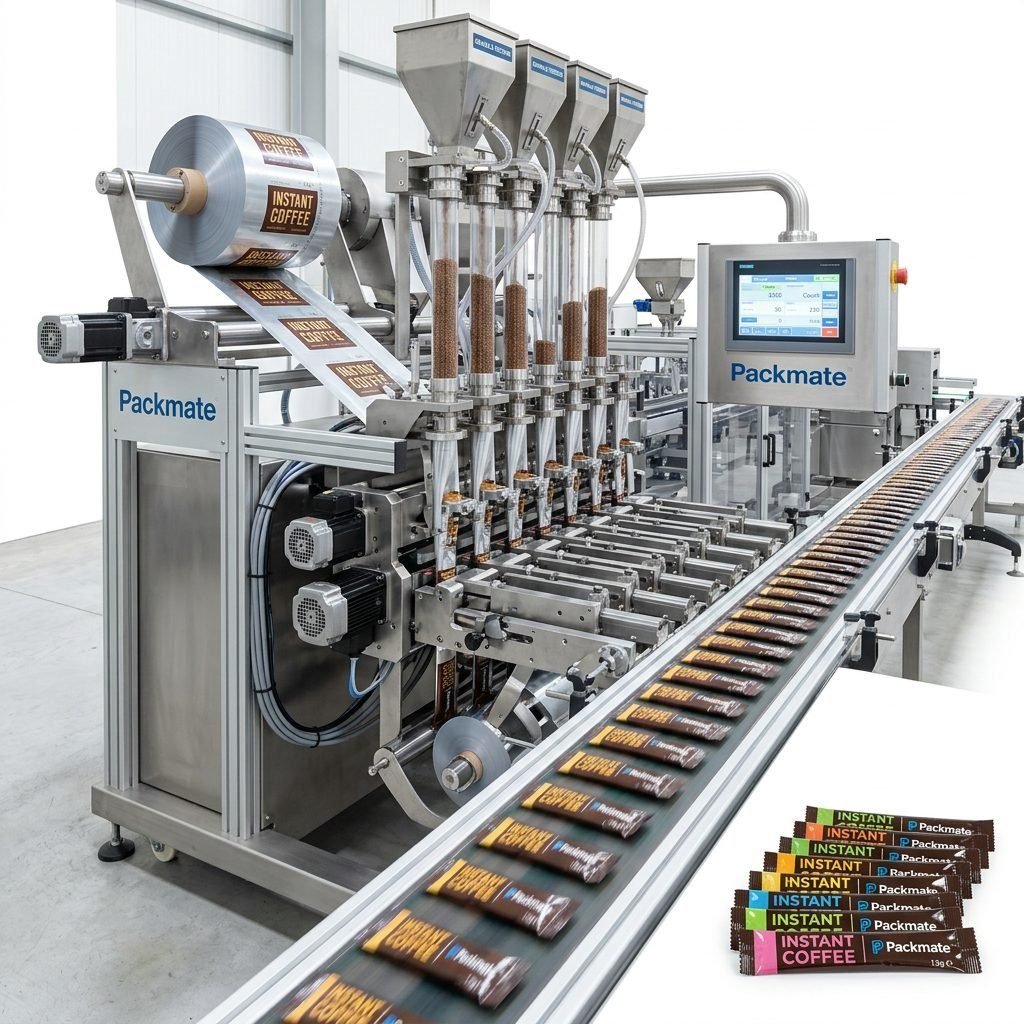
A: Vertical form-fill-seal (VFFS) machines for sachets or stick packs are extremely common. For granular or powdery products, multi-lane stick pack machines offer high efficiency. The choice depends on the desired bag style and production volume.
Q2: How can I ensure I get reliable after-sales service in Sudan?
A: Prioritize manufacturers with a documented history of exports to Africa. Ask specifically about their support structure: Do they have local agents or technicians? What is their remote support process (e.g., video call)? How quickly can they ship critical spare parts?
Q3: Is it better to buy a standalone machine or a complete packaging line?
A: For new or medium-scale operations, a standalone machine is a typical starting point. A complete turnkey line (including feeding, weighing, packaging, and cartoning) is suitable for large-scale, high-volume production where maximizing automation and minimizing manual handling are priorities.
Q4: What are the key questions to ask a manufacturer before placing an order?
A: Essential questions include: Can you run a test with my product sample? What is the warranty period and what does it cover? What is the expected delivery time? Can you provide a list of recommended spare parts for initial stock? Do you offer installation and training services?