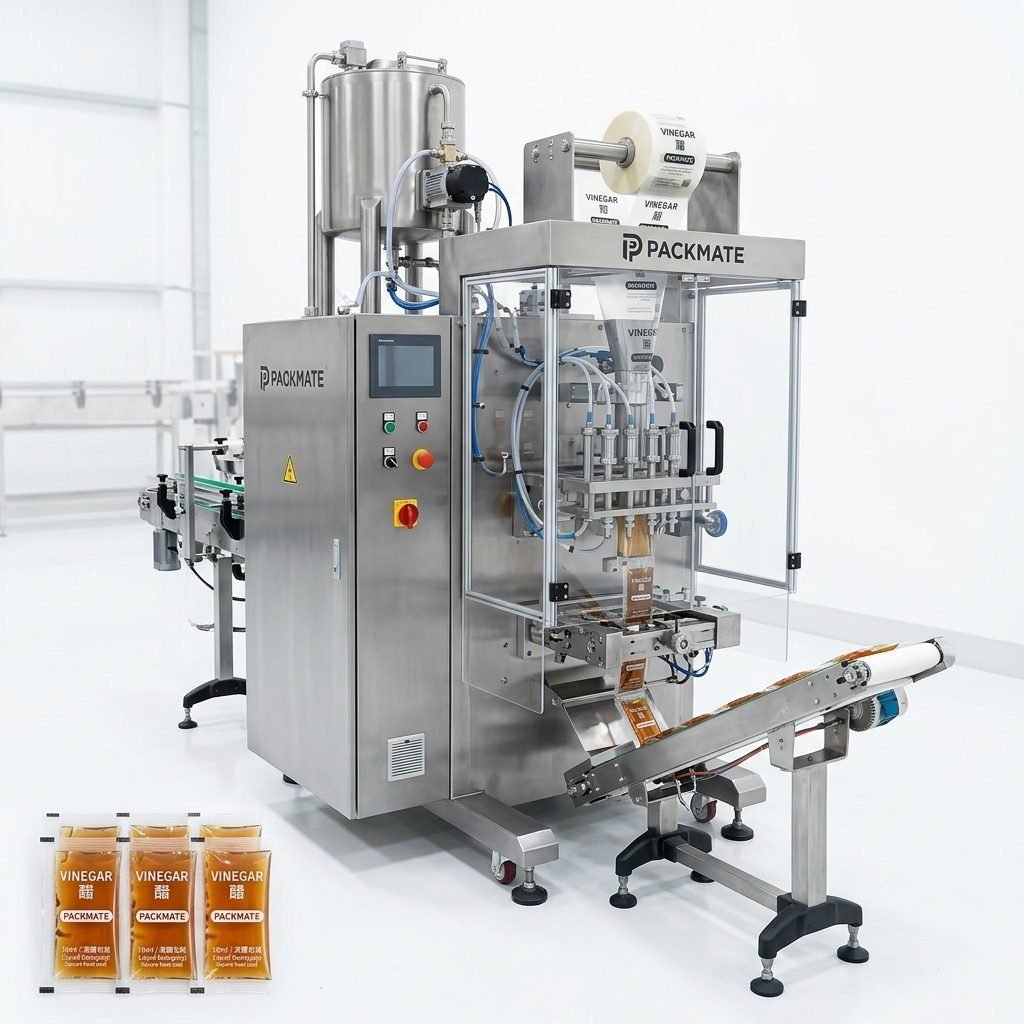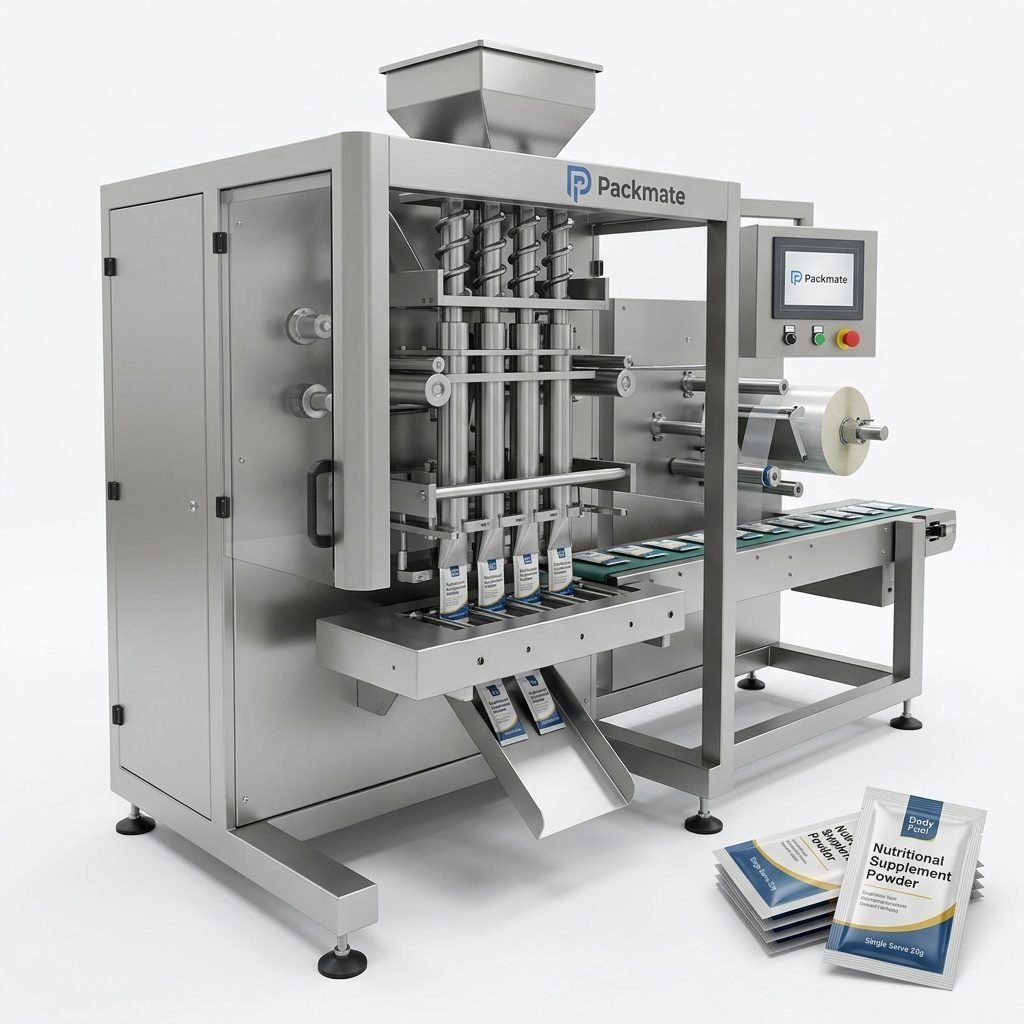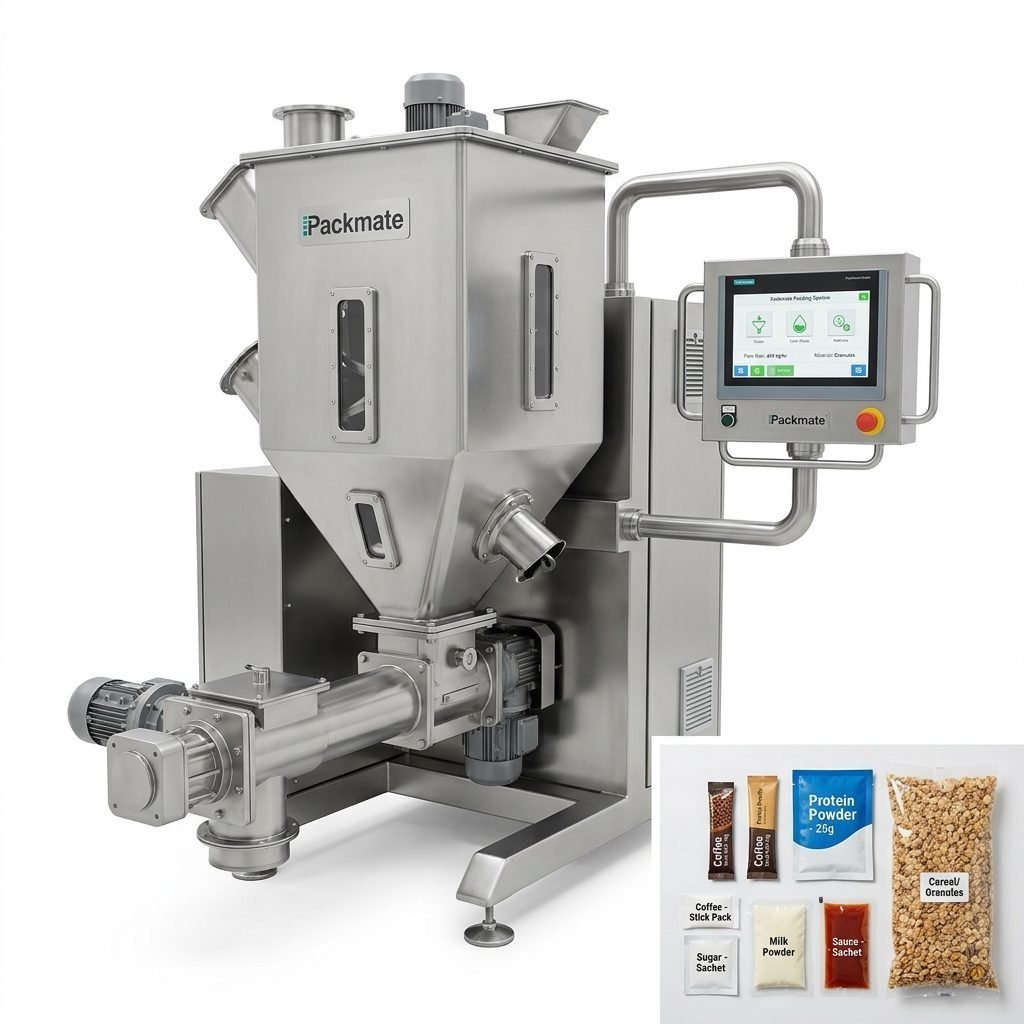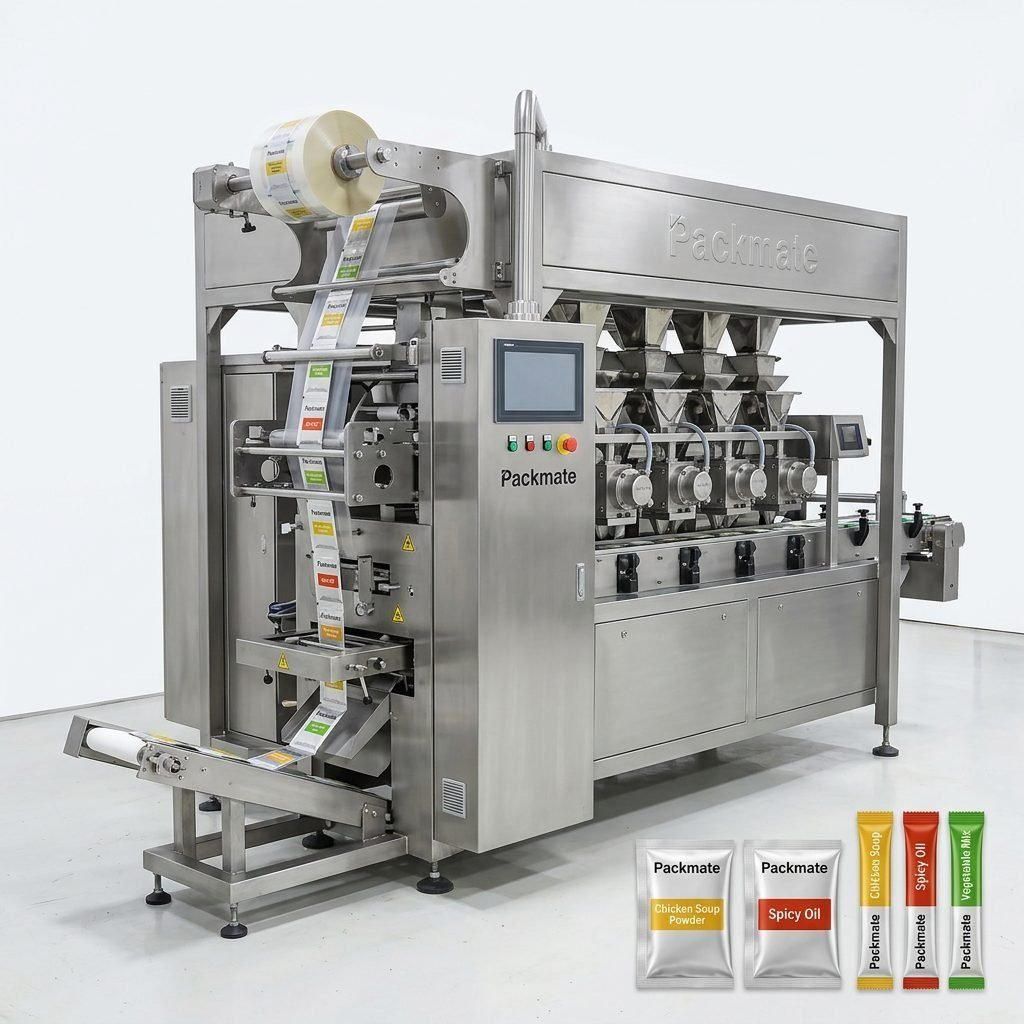
For businesses in Senegal looking to improve their production efficiency and product quality, investing in reliable packaging machinery is a critical step. Whether you operate in the food processing, pharmaceutical, agricultural input, or consumer goods sector, the right packaging machine can significantly impact your operational costs, product consistency, and market competitiveness. However, finding a trustworthy manufacturer, especially when sourcing from international markets like China, requires careful planning and consideration of several key factors.
Understanding the Senegalese Market Context
Senegal’s economy is diverse, with strong sectors in food processing (fish, peanuts, cereals), agriculture, pharmaceuticals, and fast-moving consumer goods (FMCG). Many local manufacturers are increasingly focusing on value addition for export and domestic markets, which drives the need for modern, automated packaging. Key considerations for Senegalese buyers often include:
Equipment Suitability: Machines must handle local product characteristics, which can include specific granule sizes, powders prone to clumping in humid conditions, or viscous pastes common in local food production.
After-Sales Support: Reliable technical support, spare parts availability, and potential training for local technicians are paramount due to geographic distance from major manufacturing hubs.
Cost Efficiency: Balancing initial investment with long-term operational savings is crucial for businesses managing capital expenditure.
Power & Infrastructure: Equipment must be compatible with local power standards and robust enough for environments where consistent industrial utilities can be a challenge.
Key Steps to Identify Reliable Manufacturers
The process of sourcing packaging machinery should be methodical. Rushing into a purchase without proper due diligence can lead to costly downtime and compatibility issues.
1. Define Your Technical Requirements Clearly
Before contacting any supplier, have a detailed specification sheet. This should include:
- Product type (powder, granules, liquid, paste) and its specific properties (e.g., flowability, hygroscopicity).
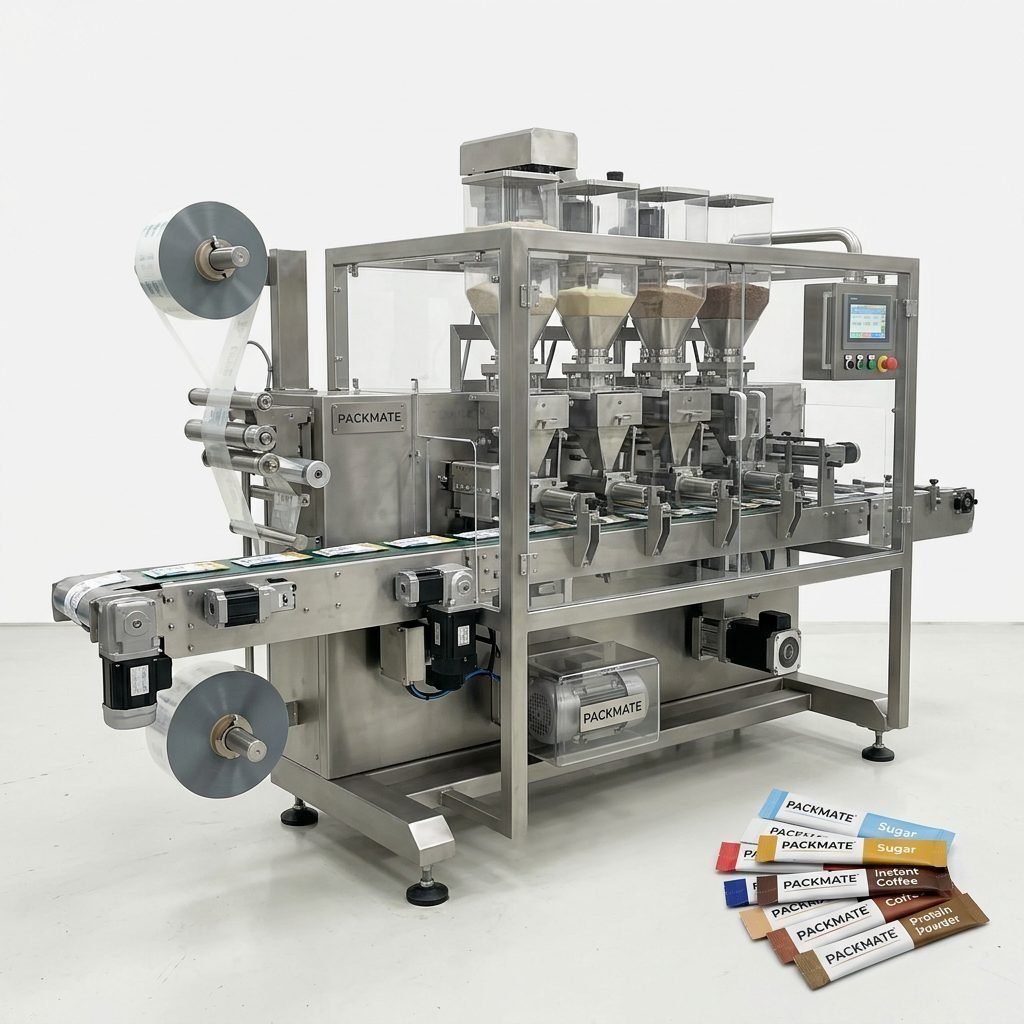
- Desired packaging format (stick pack, sachet, pouch, bag) and material.
- Required production speed (packs per minute).
- Level of automation (standalone machine vs. integrated turnkey line).
- Factory floor space and utility connections (power, compressed air).
This clarity will help manufacturers provide accurate quotations and machine recommendations, saving time for both parties.
2. Research Manufacturer Background and Export Experience
Look for manufacturers with a proven track record. Key indicators include:
Company History & Stability: Established companies with decades of experience are generally more reliable. They have likely refined their designs and processes over time.
Export Markets: Prioritize suppliers with experience exporting to Africa or other regions with similar infrastructure challenges. They are more likely to understand shipping, customs, and support logistics to Senegal.
Factory Size & Capability: A sizable manufacturing facility often indicates stronger production capacity and quality control systems.
3. Evaluate Technical Support and Service Commitment
For Senegalese businesses, post-purchase support is as important as the machine itself. Investigate:
- Warranty Terms: What is covered and for how long?
- Spare Parts Policy: Availability, pricing, and delivery time to Senegal.
- Technical Support: Is remote assistance (video call) available? Do they offer on-site installation and training? What are the costs?
- Documentation: Are machine manuals and electrical diagrams provided in English or French?
Ask for references from existing clients in similar markets and contact them to inquire about their service experience.
4. Analyze Product Portfolio and Customization Ability
Your product may have unique requirements. A manufacturer with a broad portfolio and customization capability is preferable. They should be willing to adapt their standard machines to your specific bag size, filling weight, or product handling needs. Discuss your requirements in detail and assess their engineering team’s responsiveness and proposed solutions.
5. Compare Quotations Comprehensively
Do not choose based on price alone. A detailed quotation should break down costs for the machine, spare parts kit, shipping, insurance, and any optional accessories. Compare the technical specifications offered by different suppliers for the same price point. A slightly higher initial investment for a more robust machine or better service terms can lead to lower total cost of ownership.
Spotlight on Established Packaging Machine Manufacturers
Several Chinese manufacturers have strong export experience and offer equipment suitable for markets like Senegal. Here is a comparative overview based on provided company information:
| Manufacturer | Key Positioning | Experience | Relevance for Senegalese Buyers |
|---|---|---|---|
| Ludyway | Leading manufacturer of packaging machines & turnkey lines | Founded 1993 (30+ years) | Strong export footprint in Africa. Wide product range suitable for food, pharma. Good for projects needing full-line solutions. |
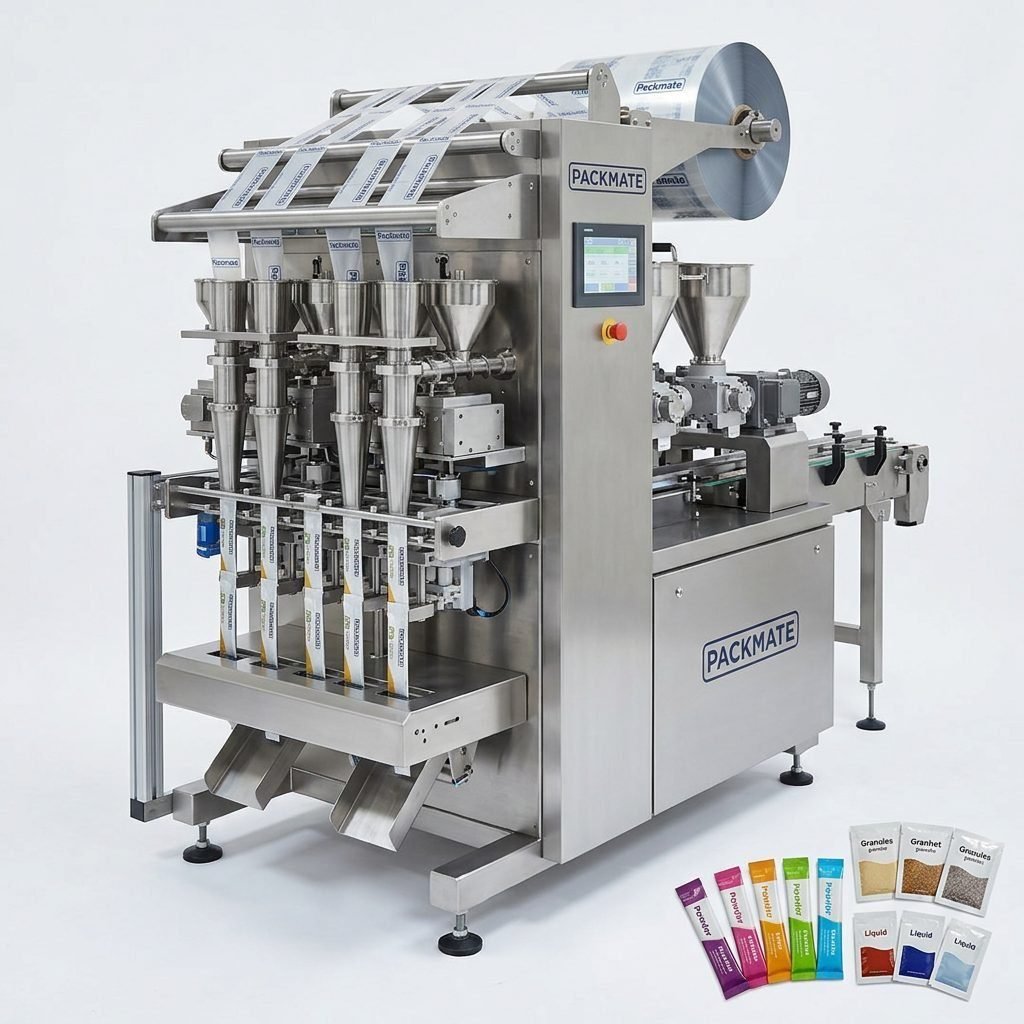
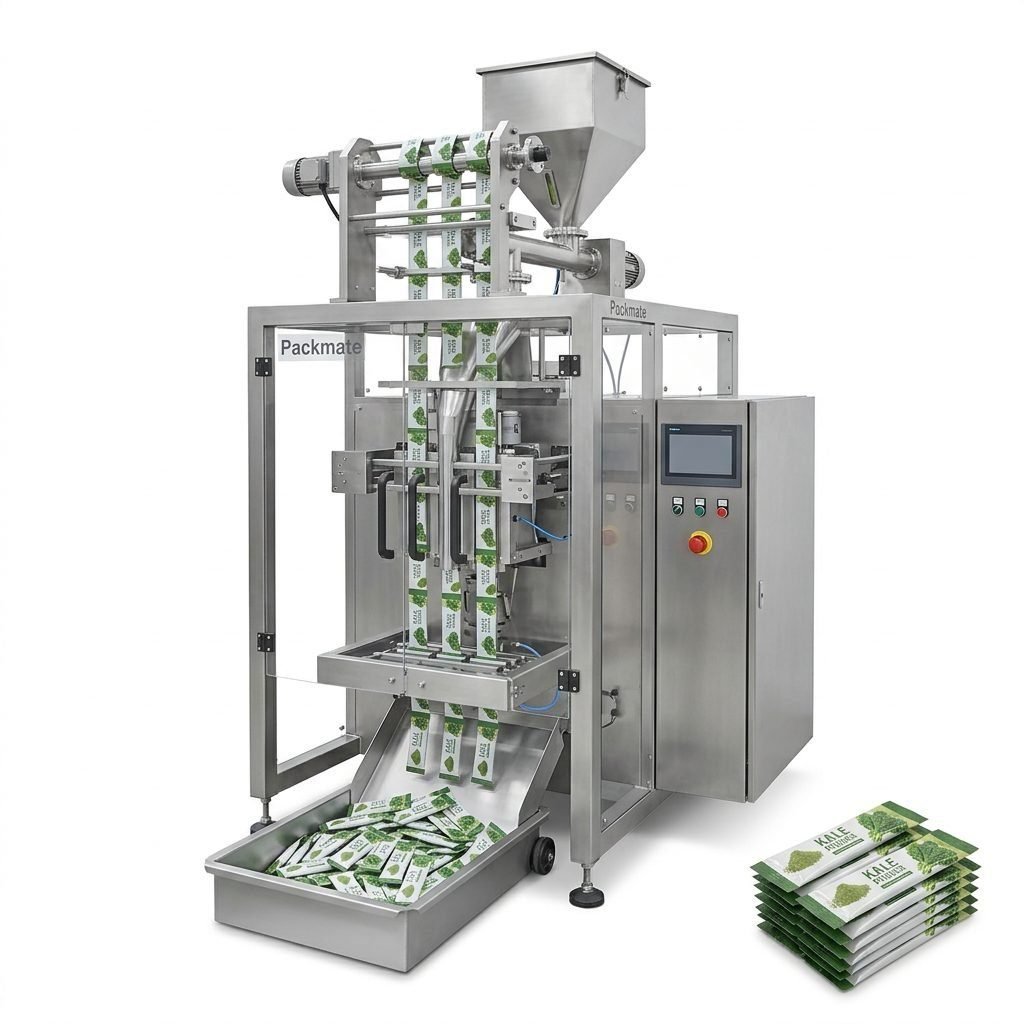
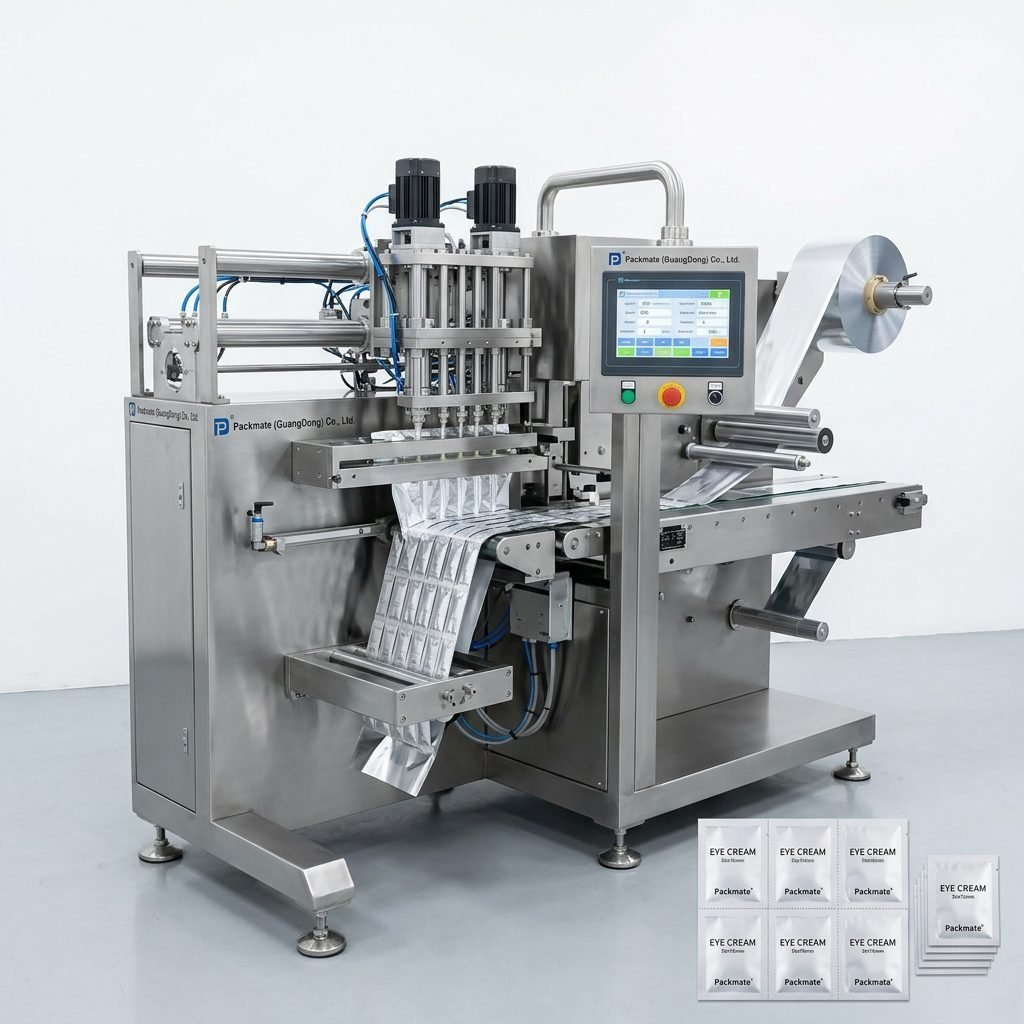
| Packmate Machinery | Intelligent packaging equipment for food & pharma | Around 30+ years | Balanced cost-performance. Over 80 models offer flexibility. Experienced in export to diverse markets. |
| PacklineOEM | Specialist in turnkey packaging production lines | More than 30 years | Ideal for larger-scale operations seeking complete, integrated automation for powders and granules. |
| PackingMachineOEM | Non-standard and customized packaging solutions | More than 30 years | Best for unique product requirements needing tailored engineering and OEM-style adaptations. |
| SnusMachinery | Specialized in nicotine pouch and snus packaging | More than 30 years | Relevant for niche pouch packaging sectors. Has export experience in Africa. |
Practical Tips for Senegalese Importers
Navigating international procurement involves logistical and financial planning.
Shipping and Customs: Work with a reputable freight forwarder experienced in shipping machinery to Dakar. Understand Incoterms (like FOB or CIF) and budget for all costs: sea freight, port handling, customs clearance, duties, and inland transportation to your factory.
Payment Terms: Use secure payment methods. A common structure is a percentage deposit (e.g., 30%) with order, balance against copy of shipping documents, and perhaps a small retention (e.g., 5-10%) payable after successful installation.
Pre-Shipment Inspection: If possible, arrange for a third-party inspection or request a detailed video of the machine’s Factory Acceptance Test (FAT) before it is shipped.
Planning for Installation: Coordinate with the supplier to ensure all necessary tools, utilities, and foundation requirements are ready at your site before the machine arrives.
Frequently Asked Questions (FAQs)
1. What is the typical lead time for a packaging machine from China to Senegal?
Lead time varies based on machine complexity and customization. For standard models, expect 30-60 days for manufacturing, plus 30-45 days for sea shipping to Dakar and customs clearance. Always confirm specific timelines with your supplier.
2. How can I verify the quality of a machine before purchasing?
Request customer references in similar industries. Ask for detailed videos of the machine running with a product similar to yours. Inquire about the materials used for key components (e.g., stainless steel grade). If the budget allows, visiting the factory or hiring a local inspection agent is highly recommended.
3. Are spare parts readily available, and how long does delivery take?
This is a critical question. Reliable manufacturers will stock common spare parts. Delivery to Senegal can take 2-6 weeks by air freight. Discuss and agree on a recommended spare parts list to purchase with the machine to minimize initial downtime.
4. Can these machines handle local packaging materials available in Senegal?
Most modern machines are adjustable for a range of film materials. However, it is essential to provide samples of your intended packaging film (laminate) to the manufacturer for testing and confirmation of sealing parameters during the quotation process.
5. What kind of training is provided for our operators?
Training varies. It can range from comprehensive on-site training during installation (usually for an extra fee covering the engineer’s travel) to detailed video manuals and remote video sessions. Clearly define and agree upon the training scope in your purchase contract.