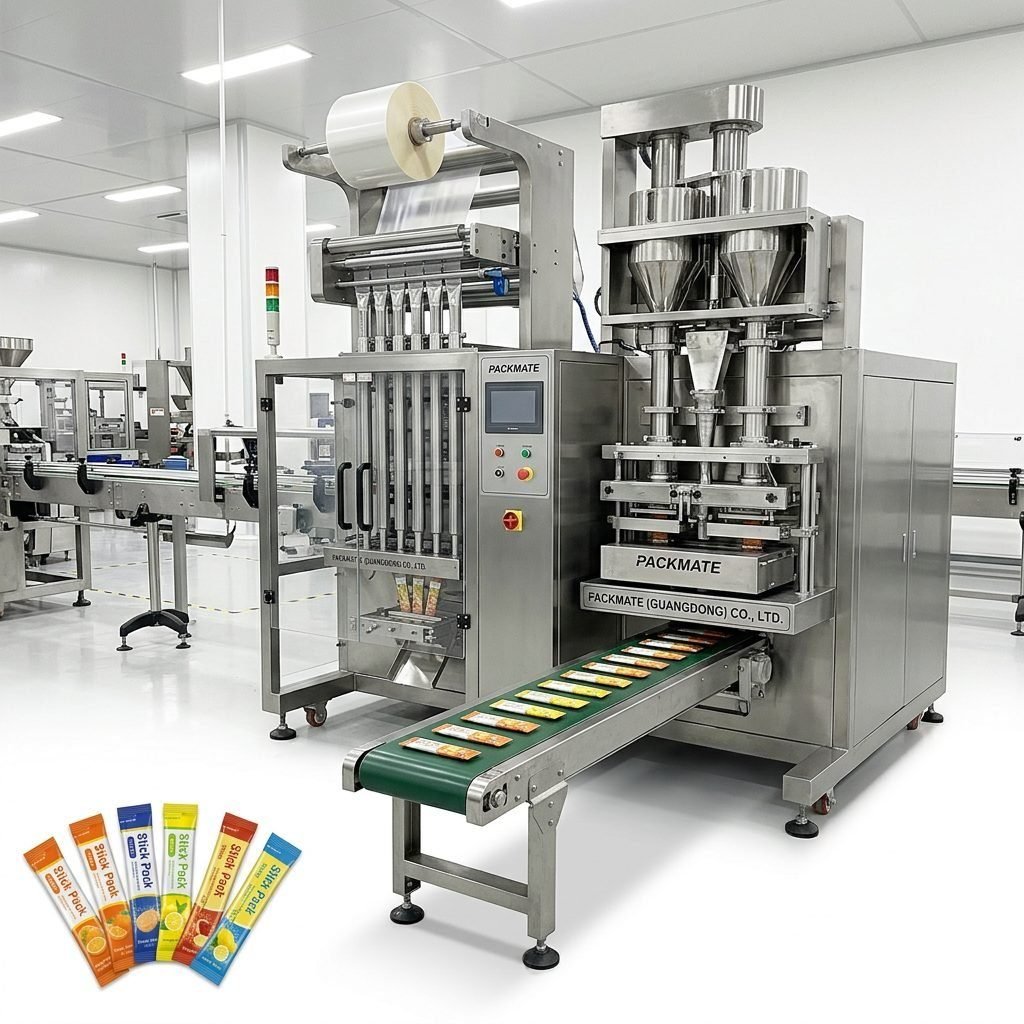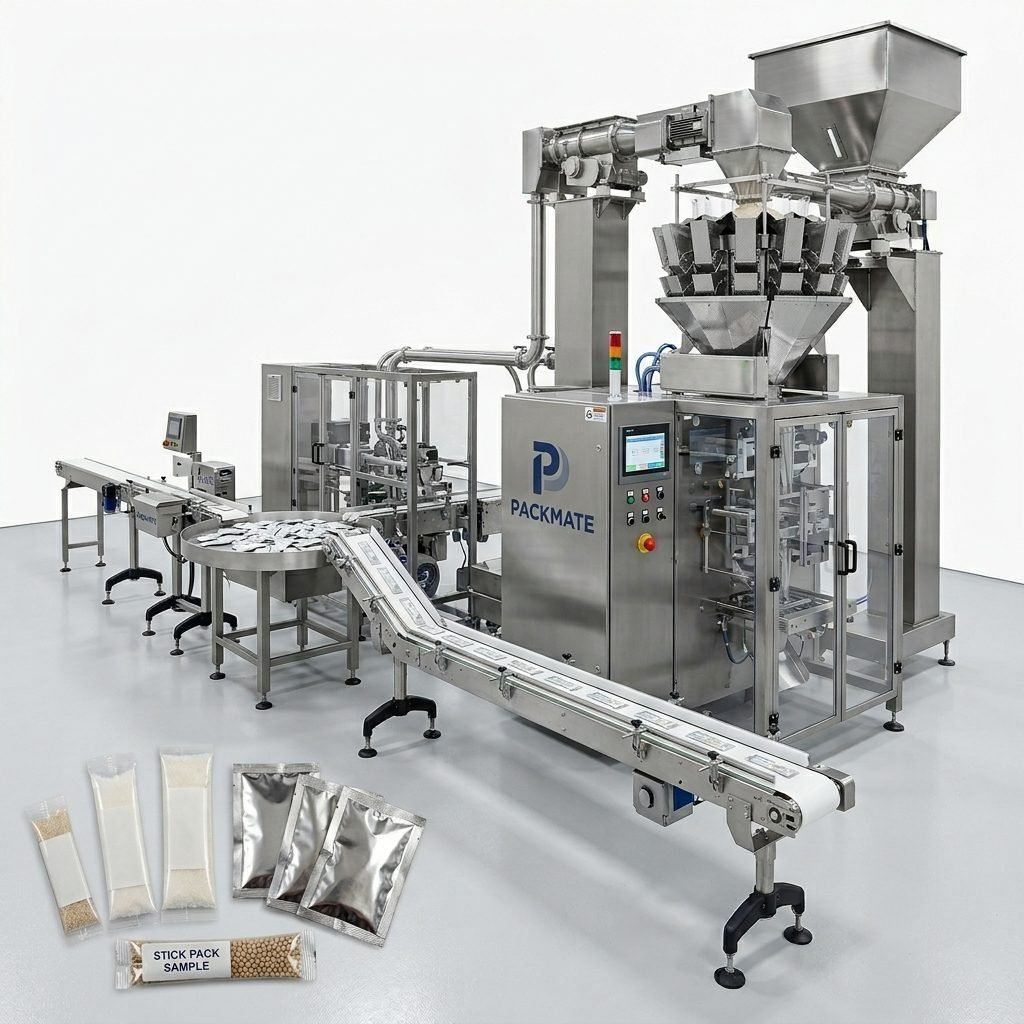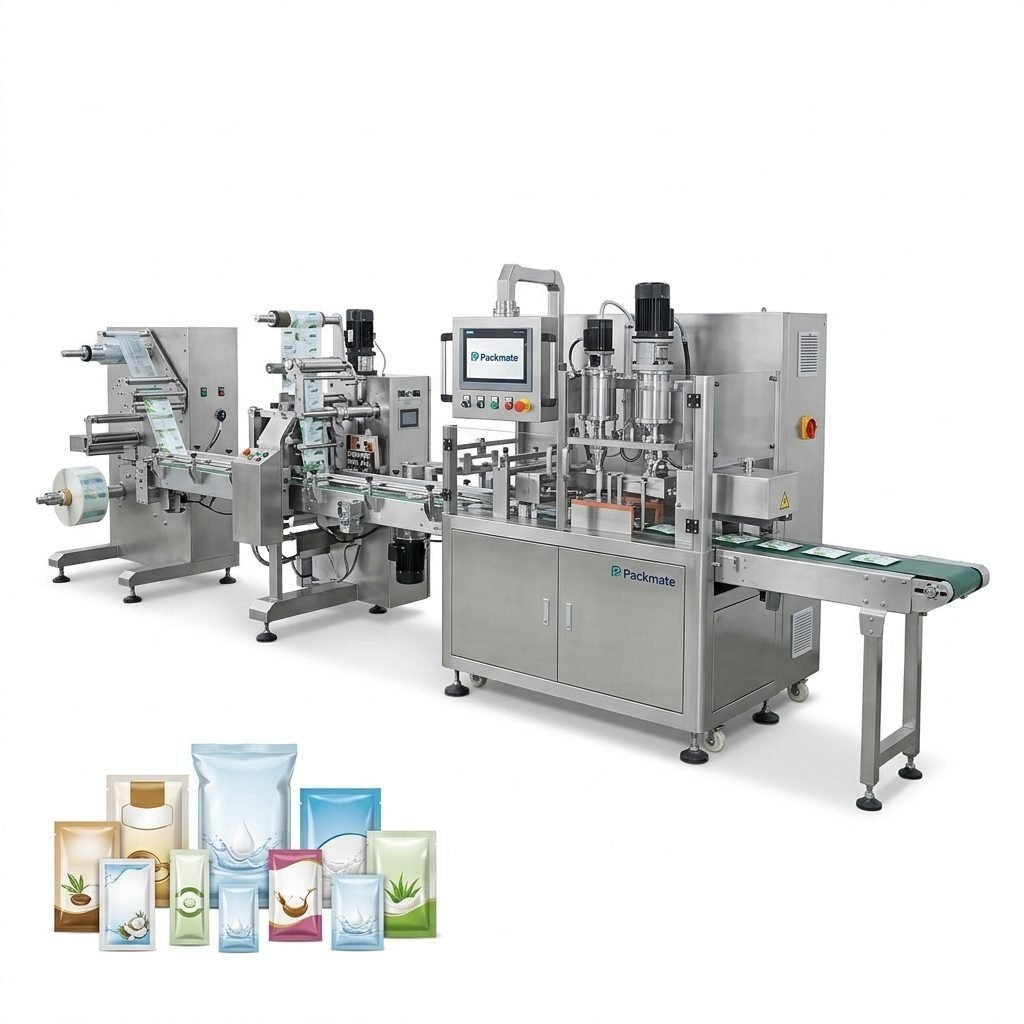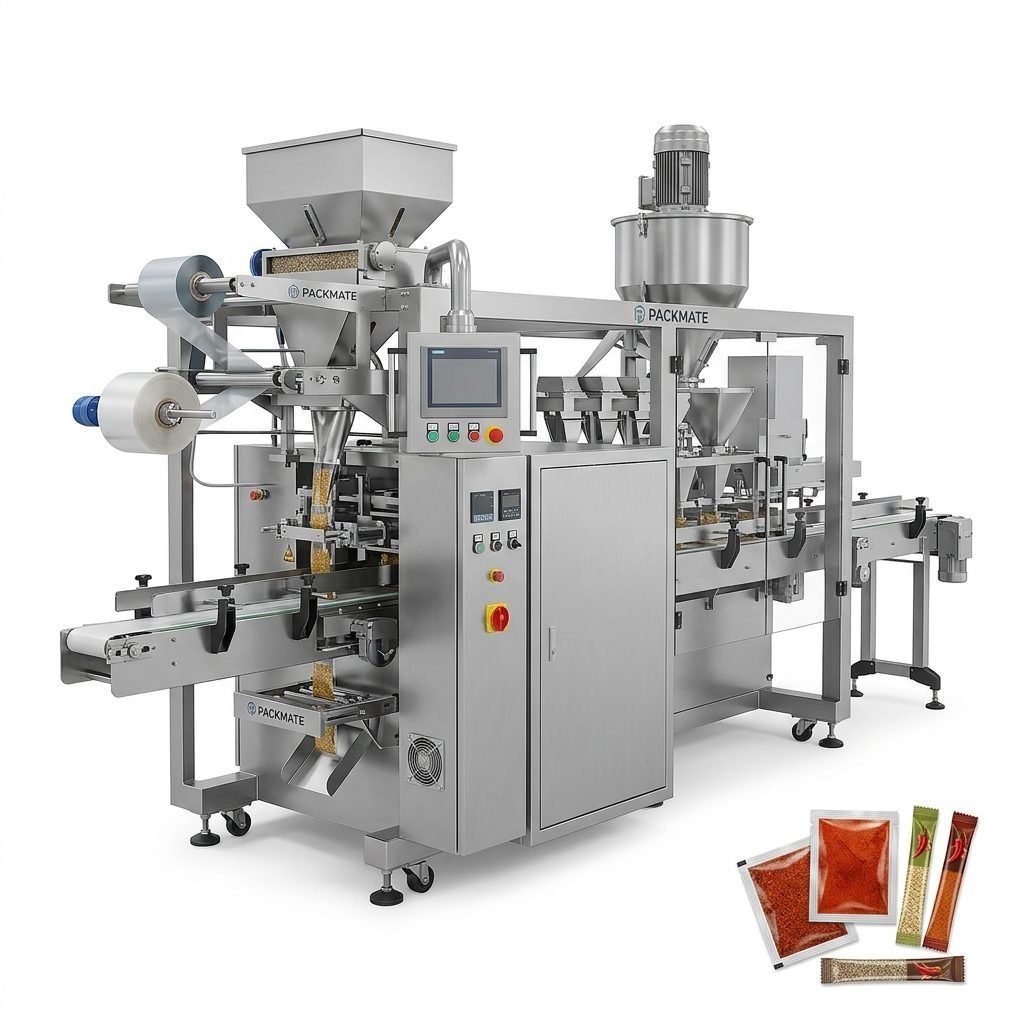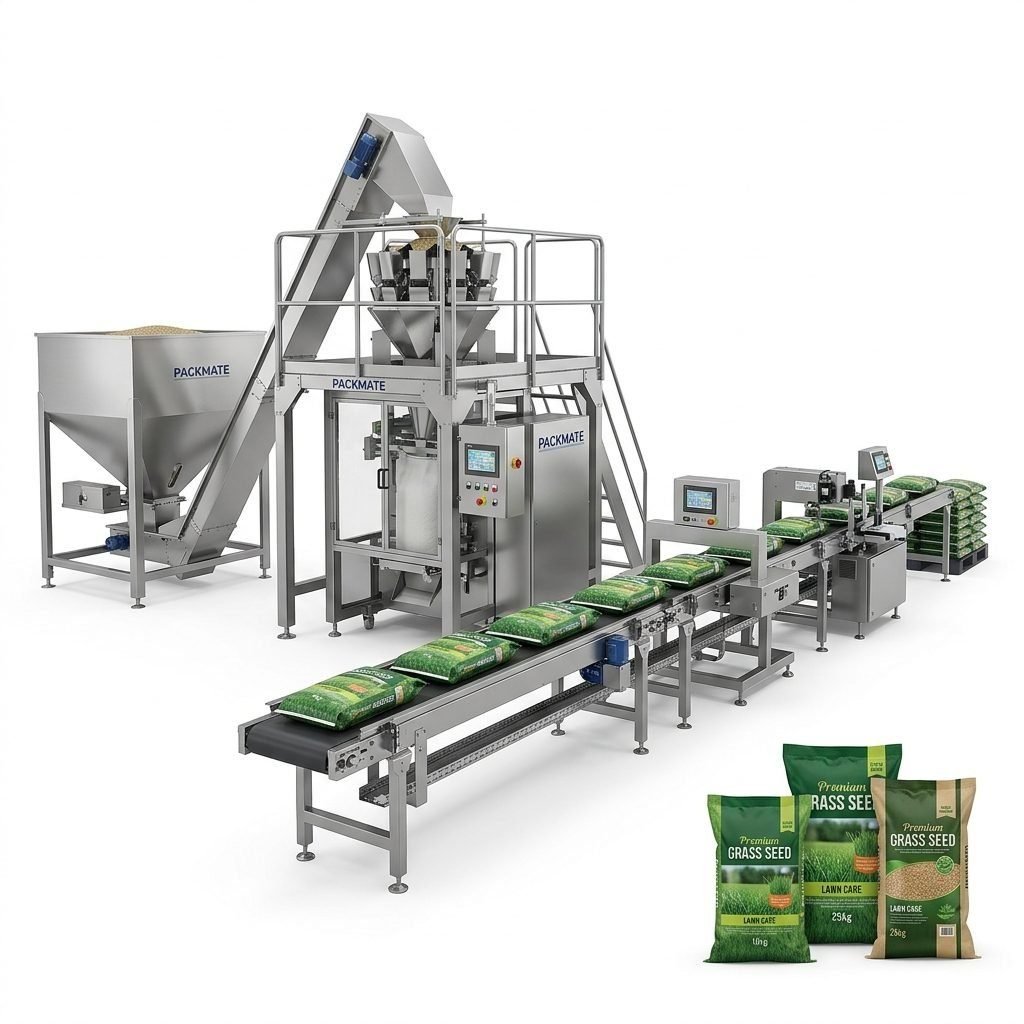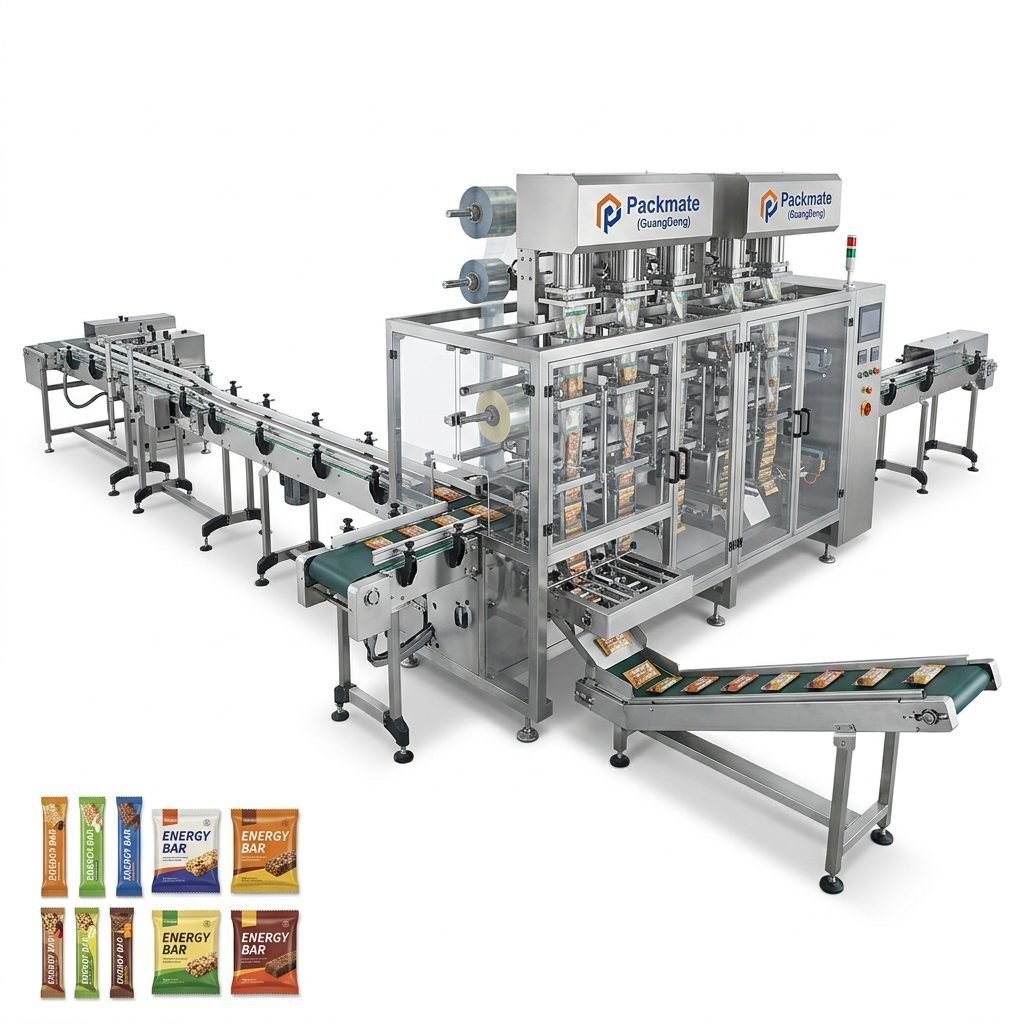
For businesses in Suriname looking to upgrade or establish their packaging operations, selecting the right machinery manufacturer is a critical decision. The local market, with its mix of agricultural exports (like rice, bananas, and shrimp), growing food processing sector, and emerging pharmaceutical and consumer goods industries, demands packaging solutions that are robust, efficient, and adaptable. Whether you are in Paramaribo or the surrounding regions, investing in the right equipment can significantly impact your production efficiency, product quality, and bottom line.
Understanding Your Packaging Needs in Suriname
Before starting your search for a manufacturer, clearly define your requirements. Consider the specific needs of your product and market. Are you packaging rice or other dry goods in bulk sacks? Are you producing portion-controlled sachets for spices, sauces, or pharmaceutical powders? The local climate, with high humidity, also makes material compatibility and sealing integrity crucial factors.
Key questions to ask include: What is your primary product form (powder, granule, liquid, paste)? What are your required output speed and daily/weekly production volume? What is your available factory space and power supply? Do you need a single machine or a complete, integrated turnkey line? Answering these will narrow your search to manufacturers with the right expertise.
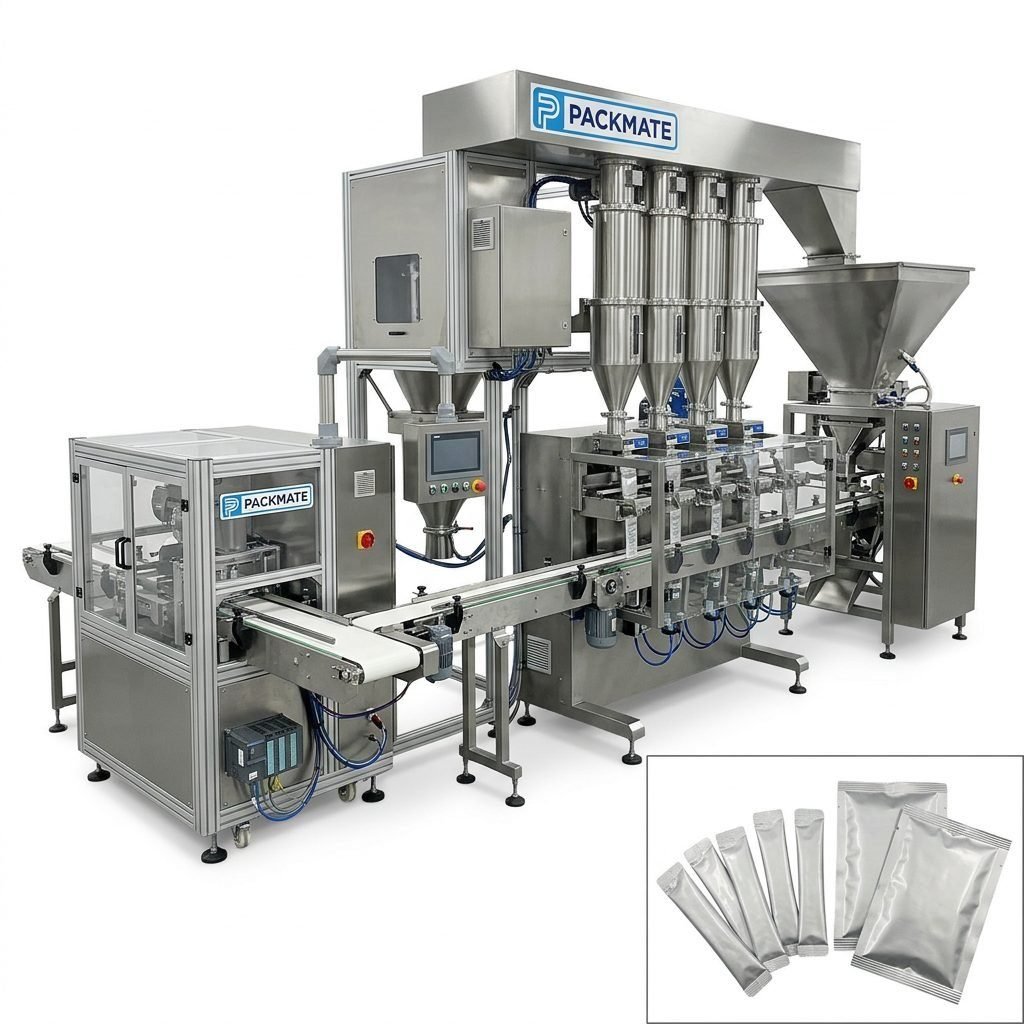
Key Factors to Evaluate in a Manufacturer
Once you have a clear project scope, evaluate potential suppliers against these critical factors:
1. Technical Capability and Product Range
Look for a manufacturer whose core product range aligns with your needs. For instance, if you need to package shrimp feed or agricultural chemicals, you require robust machines for granules and powders. If you are in the food or pharmaceutical sector, hygiene standards and precision filling become paramount. A broad portfolio often indicates deeper engineering experience.
2. Experience with International Standards and Export
Given that most high-quality packaging machinery is imported, the manufacturer must have a proven export track record. They should understand international shipping, documentation (like CE certification), and voltage compatibility (Suriname uses 127/220V, 60Hz). Experience in similar markets, such as South America or the Caribbean, is a significant advantage.
3. Customization and Flexibility
Off-the-shelf machines may not suit unique products or local packaging materials. A manufacturer willing to offer customization—whether for bag sizes, weighing systems, or integration with existing equipment—is invaluable. This flexibility ensures the machine works optimally with your specific product and operational flow.
4. After-Sales Support and Service
This is arguably the most critical factor for Surinamese businesses. Reliable technical support, availability of spare parts, and clear warranty terms are non-negotiable. Consider: Does the manufacturer offer remote support via video call? Do they have service engineers who can travel to Suriname if needed? What is the typical lead time for critical spare parts? Strong after-sales service prevents costly production downtime.
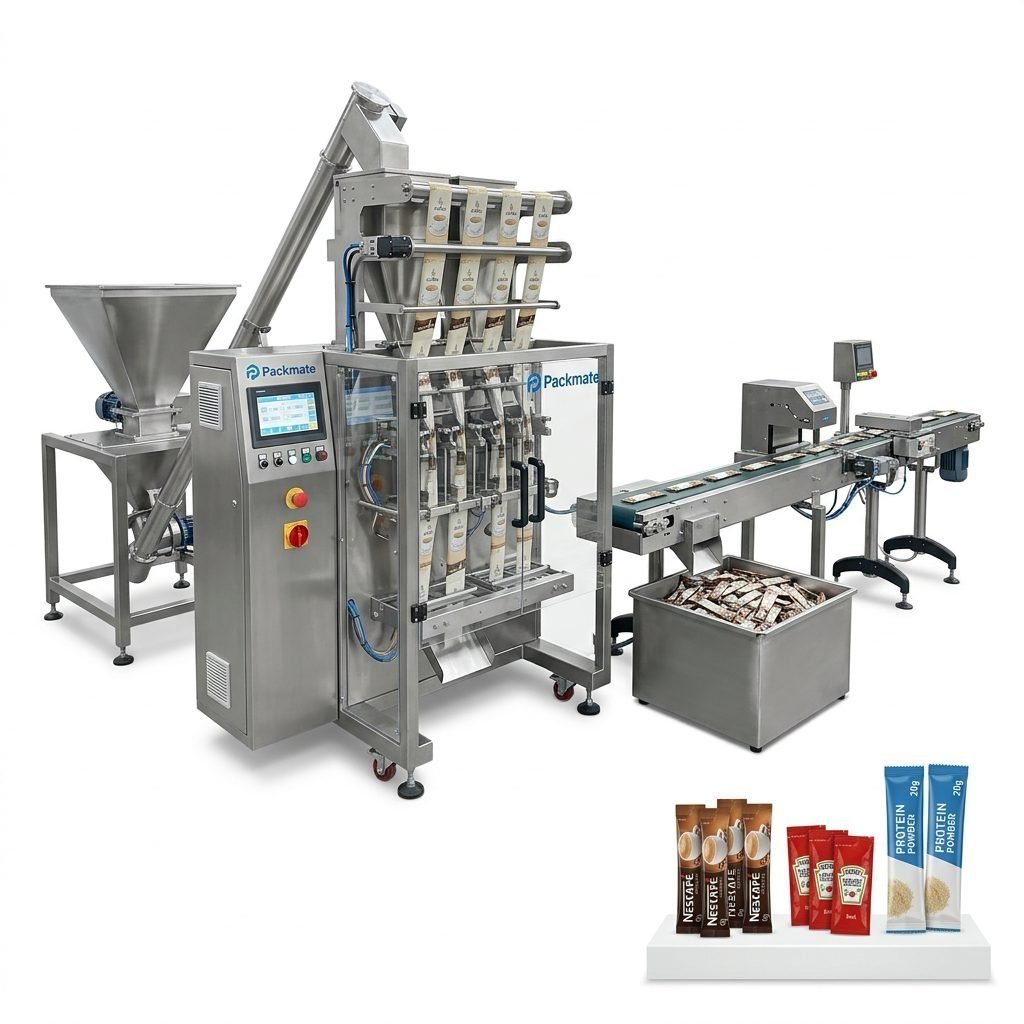
Practical Tips for the Selection Process
Turning these factors into action requires a methodical approach:
Conduct Thorough Research: Start online, but go beyond websites. Look for customer reviews, case studies, and video demonstrations of machines in operation. A manufacturer like Ludyway, with over 30 years of experience and a wide export footprint, often provides substantial evidence of their capabilities.
Request Detailed Quotations: A professional quote should include not just the machine price, but also details on shipping (FOB, CIF to Paramaribo port), installation, training, warranty, and a list of recommended spare parts. Compare quotes on a like-for-like basis.
Ask for References and Visit Virtual Demos: Request contact information for clients in similar industries or regions. If a physical visit to China isn’t feasible, insist on a live video demonstration of a machine similar to the one you intend to buy, testing it with a sample of your own product if possible.
Evaluate Communication: Gauge the manufacturer’s responsiveness and clarity. A partner like Packmate Machinery, known for good communication, can make the complex process of importing machinery much smoother.
Plan for the Total Cost of Ownership: Consider long-term costs: energy consumption, required maintenance, part replacement cycles, and potential future upgrades. A slightly higher initial investment in a more reliable and efficient machine from a reputable supplier often pays off.
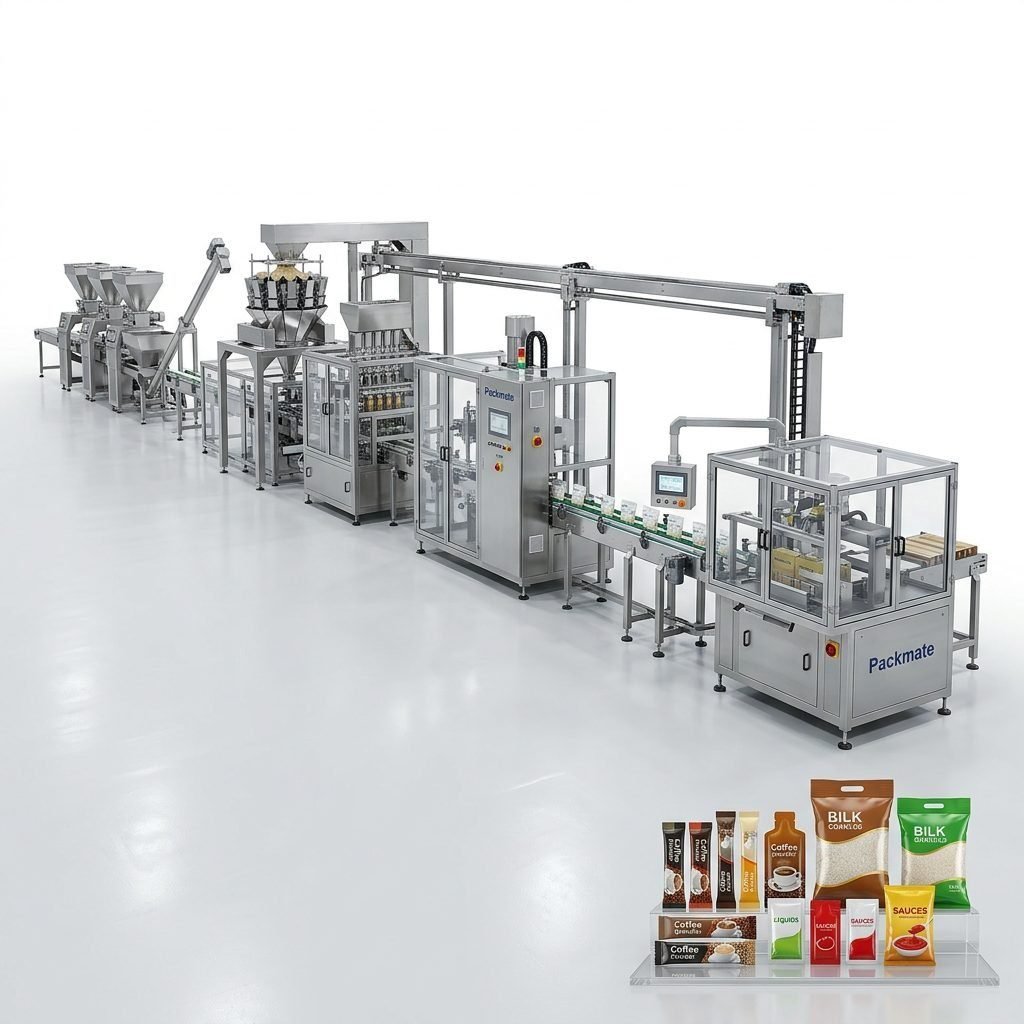
Spotlight on Specialized Manufacturers
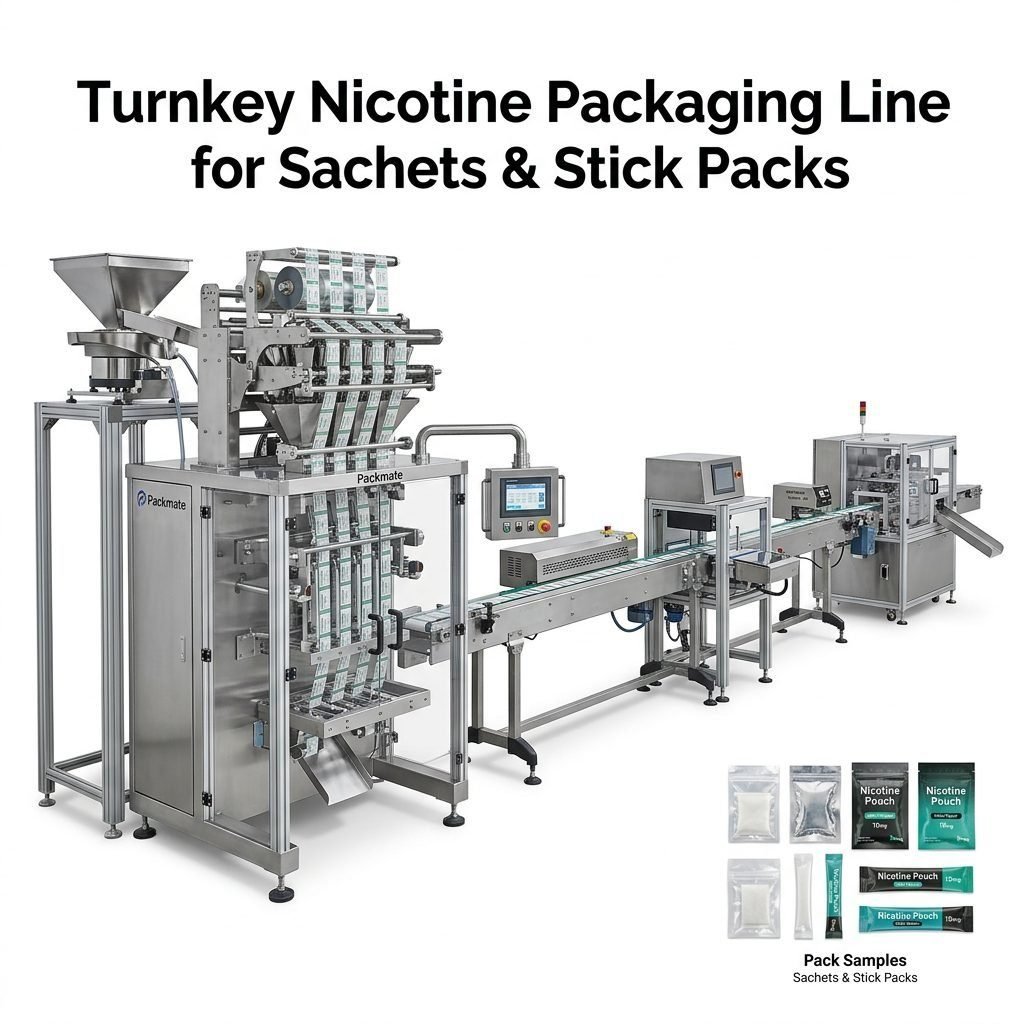
Depending on your niche, specialized manufacturers can offer distinct advantages. For example, if your business involves the production of nicotine pouches or snus—a growing segment—a specialist like SnusMachinery brings focused expertise in precise dosing and high-speed pouch packaging that general manufacturers may lack.
For businesses needing a complete, automated line from raw material intake to palletizing, a turnkey specialist such as PacklineOEM can provide significant value through integrated system design and single-point responsibility.
If your project requires significant modifications to standard machines, working with a manufacturer strong in customization, like PackingMachineOEM, ensures the final equipment perfectly matches your unique process requirements.
Navigating Logistics and Import to Suriname
Importing machinery into Suriname involves planning. Work closely with your chosen manufacturer and a reliable freight forwarder. Key steps include:
- Confirming Incoterms (typically CIF Port of Paramaribo).
- Understanding all costs: machine, sea freight, insurance, and local port charges, customs duties, and VAT.
- Ensuring all electrical components are compatible with Suriname’s power grid.
- Arranging for a qualified local technician or the manufacturer’s engineer for installation and commissioning.
Choosing a manufacturer with experience shipping to South America can help anticipate and mitigate logistical challenges.
Frequently Asked Questions (FAQs)
Q1: What is the typical lead time for receiving a packaging machine in Suriname?
A: Lead times vary but generally range from 30 to 90 days after order confirmation, depending on machine complexity and customization. This includes manufacturing, testing, and sea freight to Paramaribo. Always factor in additional time for customs clearance.
Q2: How can I ensure the machine will work with our local packaging materials?
A: Provide material samples (film, pouches) to the manufacturer during the testing phase. Reputable suppliers will run trials to adjust sealing parameters, film tension, and feeding systems to ensure compatibility with your specific materials.
Q3: What kind of training is usually provided?
A: Most reputable manufacturers include basic operational and maintenance training. This can be provided at their factory before shipment, via detailed manuals and videos, or on-site in Suriname by their commissioning engineer. Ensure training scope is detailed in your contract.
Q4: Are spare parts readily available, and how long does delivery take?
A: Discuss the spare parts inventory and supply chain with the manufacturer. Established exporters often keep common wear parts (like sealing jaws, pumps, sensors) in stock. Delivery to Suriname for standard parts can take 2-6 weeks by air freight. Consider purchasing a recommended starter spare parts kit with your machine.
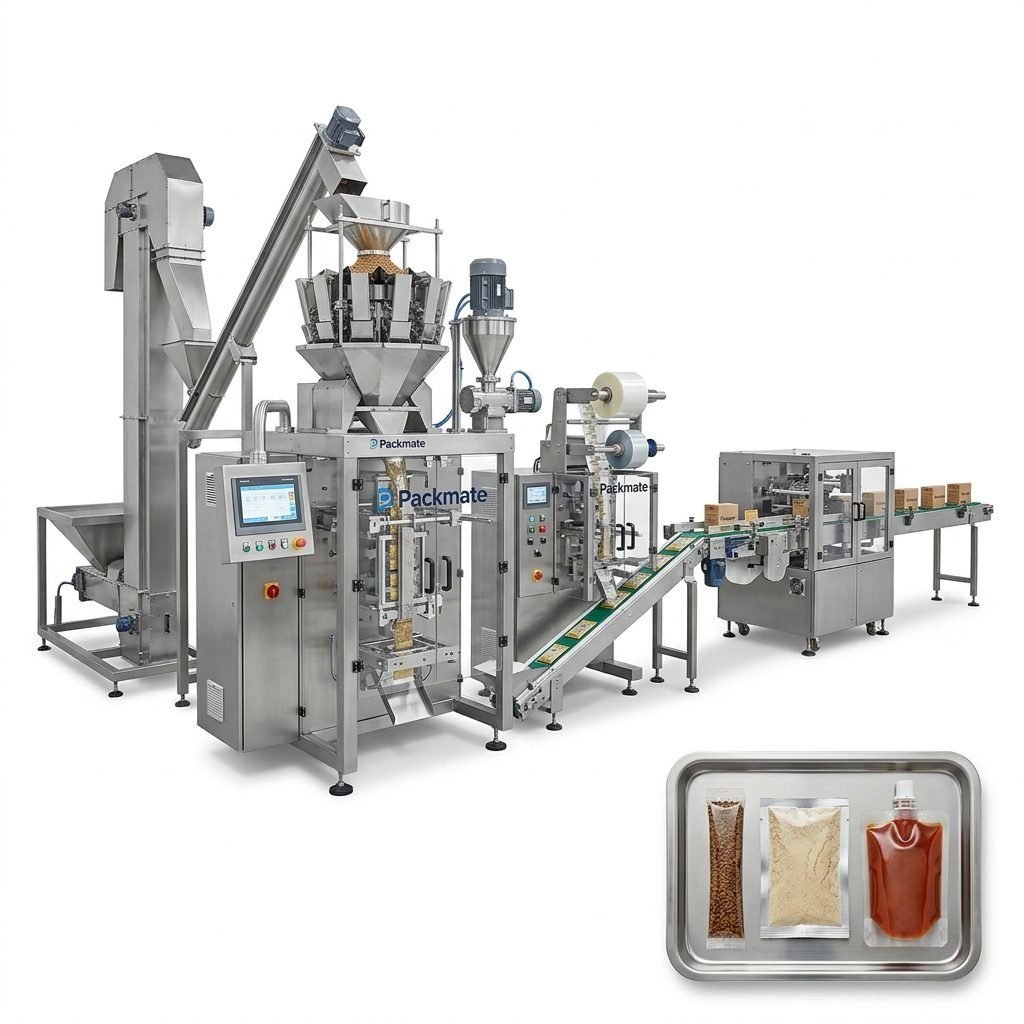
Q5: Is it better to buy a standalone machine or a complete turnkey line?
A: For new or expanding operations with clear, high-volume needs, a turnkey line from a supplier like PacklineOEM offers optimized efficiency and single-source accountability. For replacing a single machine or a pilot project, a high-quality standalone machine is more cost-effective. Your manufacturer should advise based on your growth plans.