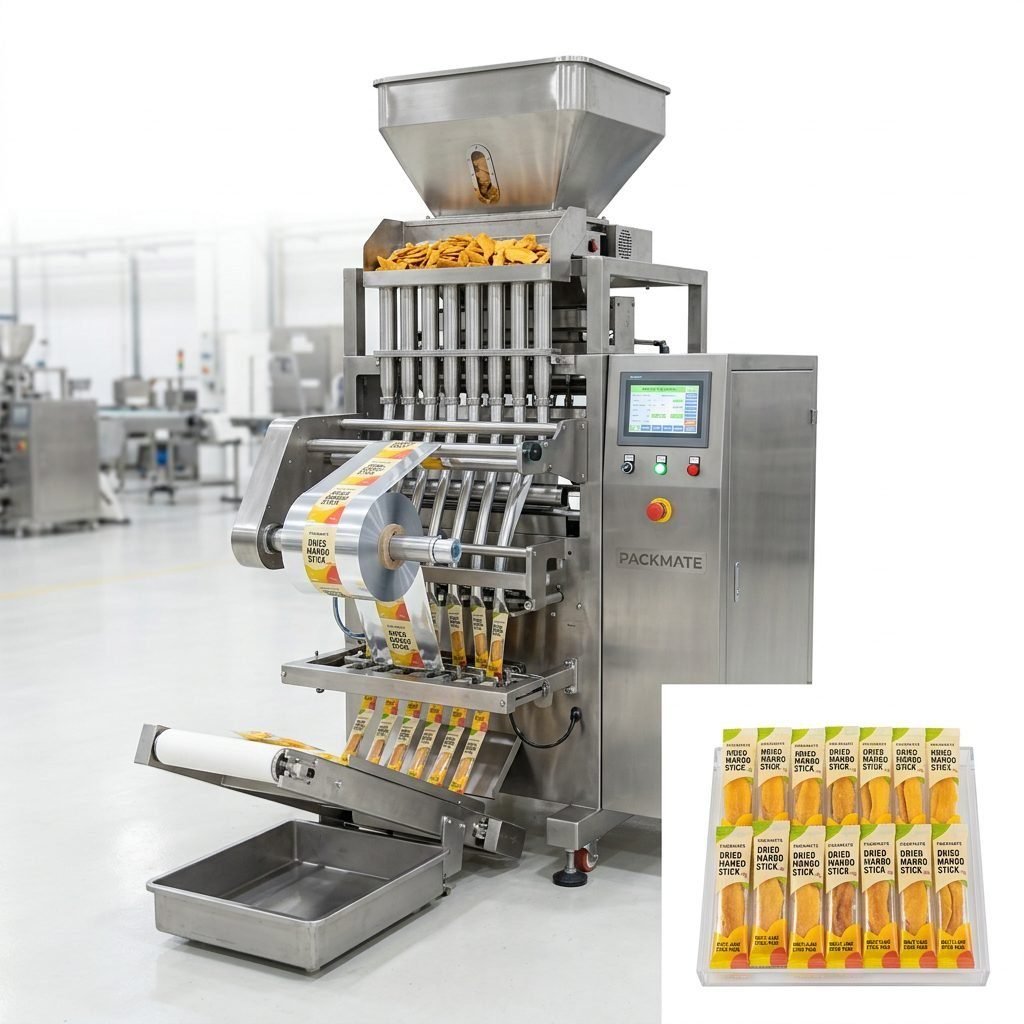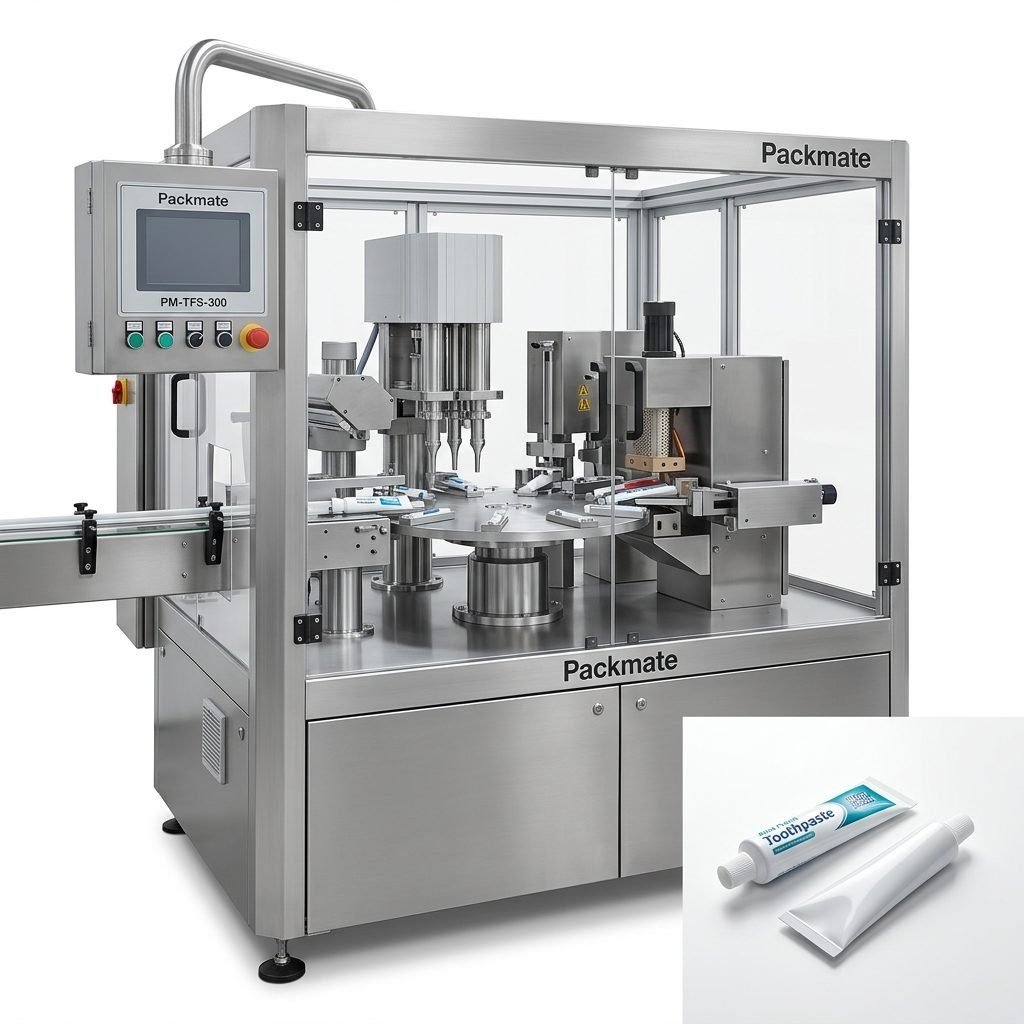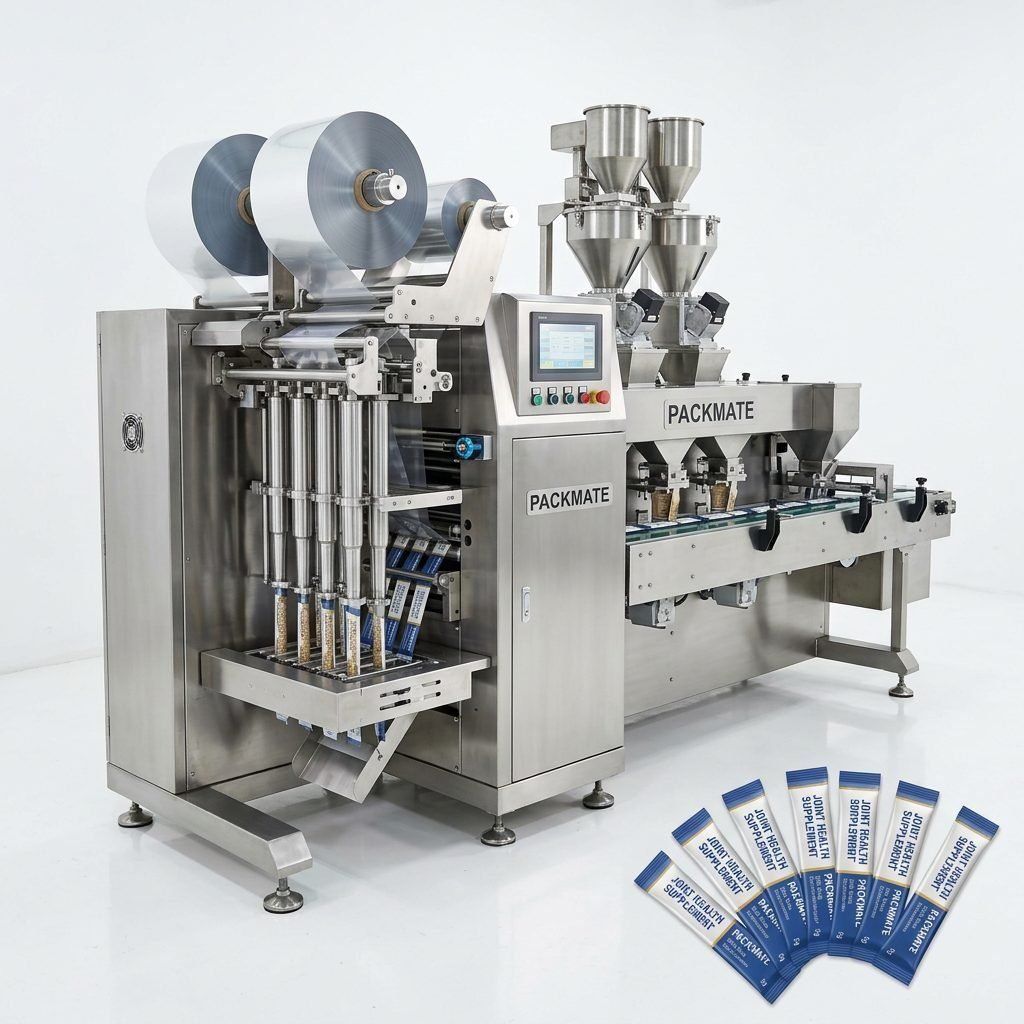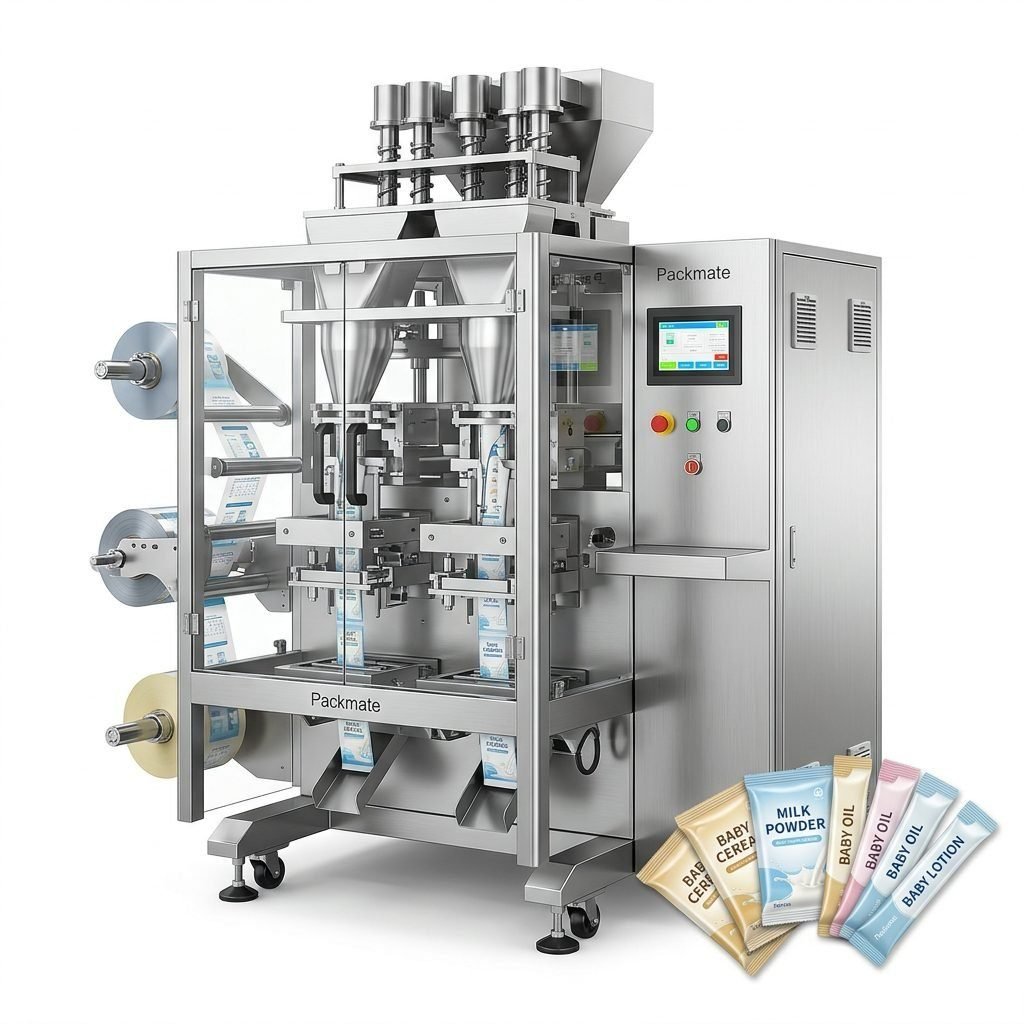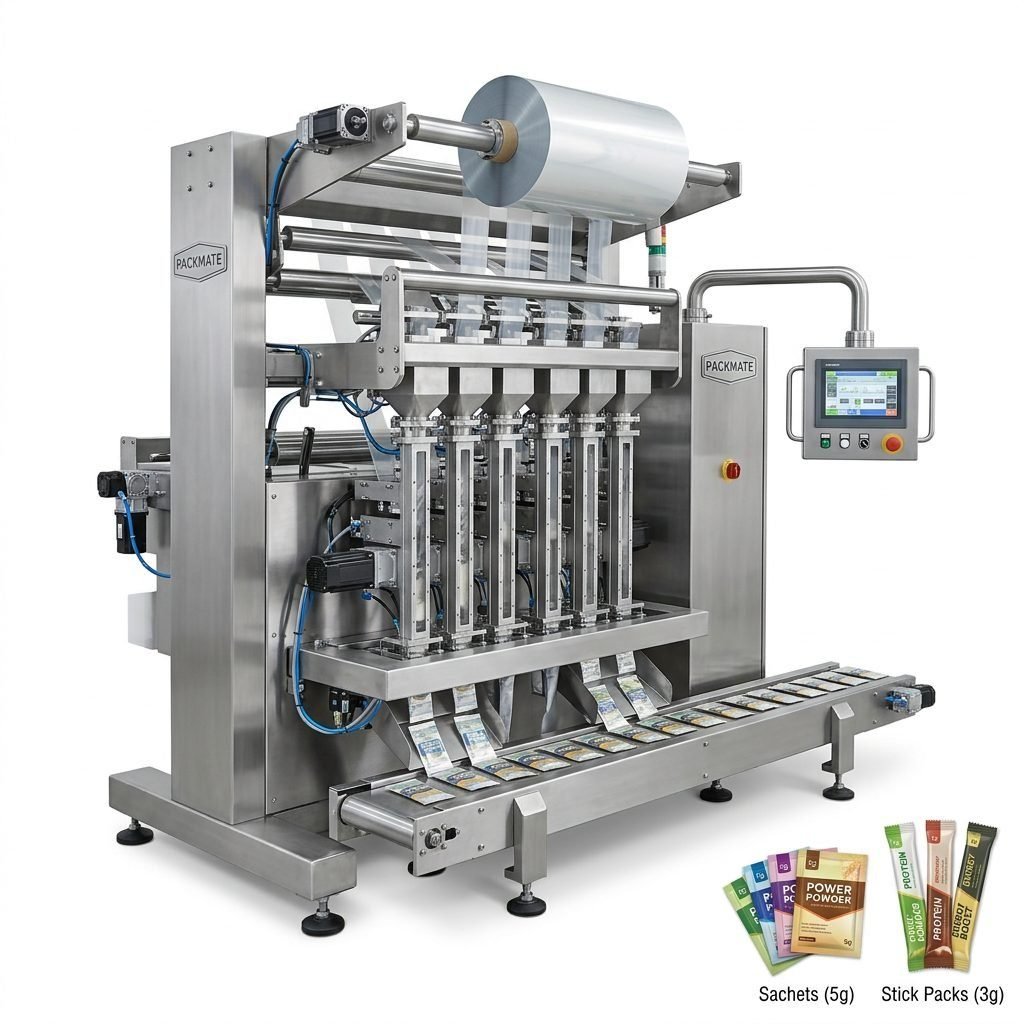
For Tanzanian manufacturers and business owners, selecting the right packaging machine manufacturer is a critical decision that directly impacts production efficiency, product quality, and long-term operational costs. The local market, with its growing focus on value-added agricultural exports, processed foods, pharmaceuticals, and consumer goods, demands reliable and efficient packaging solutions. Choosing a partner involves navigating technical specifications, budget constraints, and the crucial need for after-sales support, which can be challenging when sourcing from international suppliers.
Understanding Your Packaging Needs in the Tanzanian Context
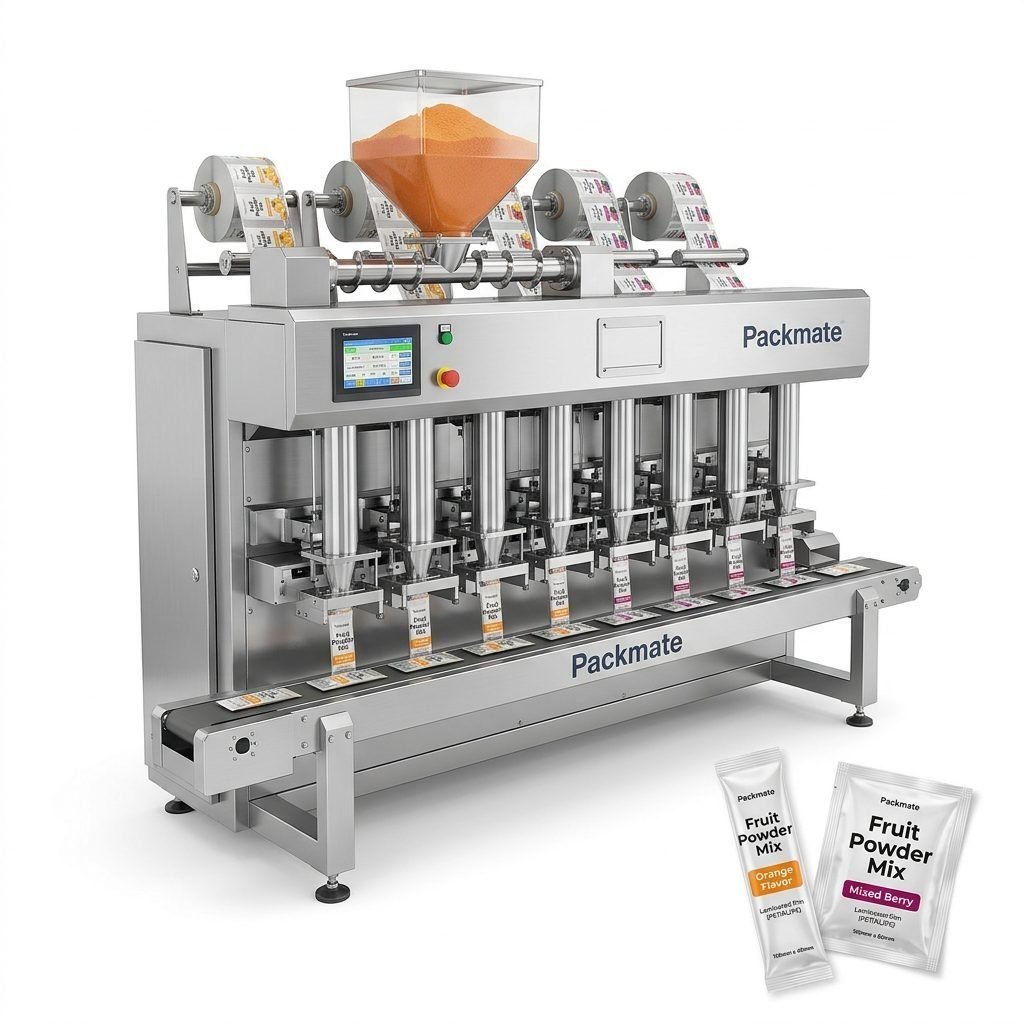
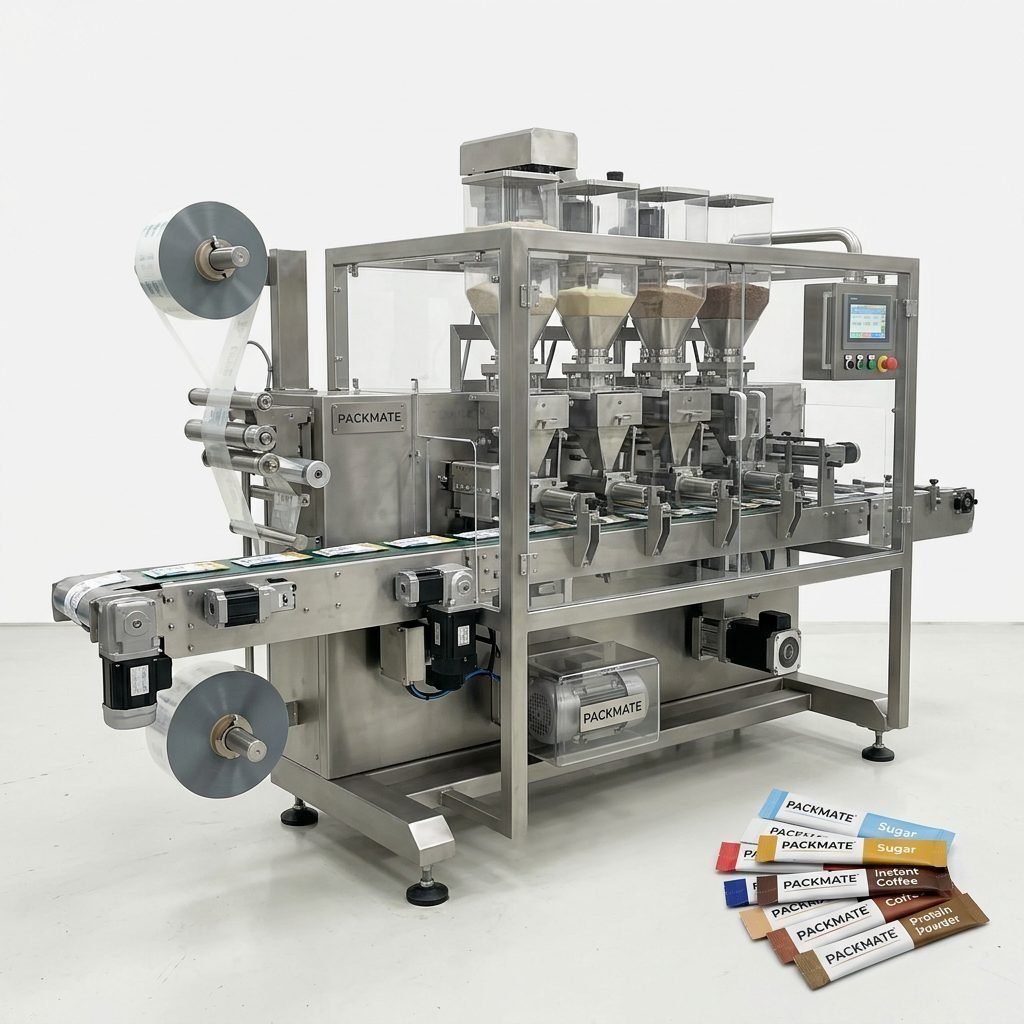
Before beginning your search, a clear assessment of your specific requirements is essential. Tanzanian producers often deal with products like coffee, tea, spices, grains, powdered milk, pharmaceuticals, and cleaning agents. The packaging format—whether sachets, stick packs, pouches, or bags—must align with both product characteristics and market demands. Consider your current and projected production volume, the physical state of your product (powder, granule, liquid, or paste), and the required packaging speed. Additionally, factor in local challenges such as power supply stability and the availability of technical personnel for machine operation and maintenance. A well-defined requirement list will streamline your evaluation of potential manufacturers.
Key Factors for Evaluating a Packaging Machine Manufacturer
When comparing manufacturers, several core factors should guide your decision beyond just the initial machine price.
Technical Capability and Product Range
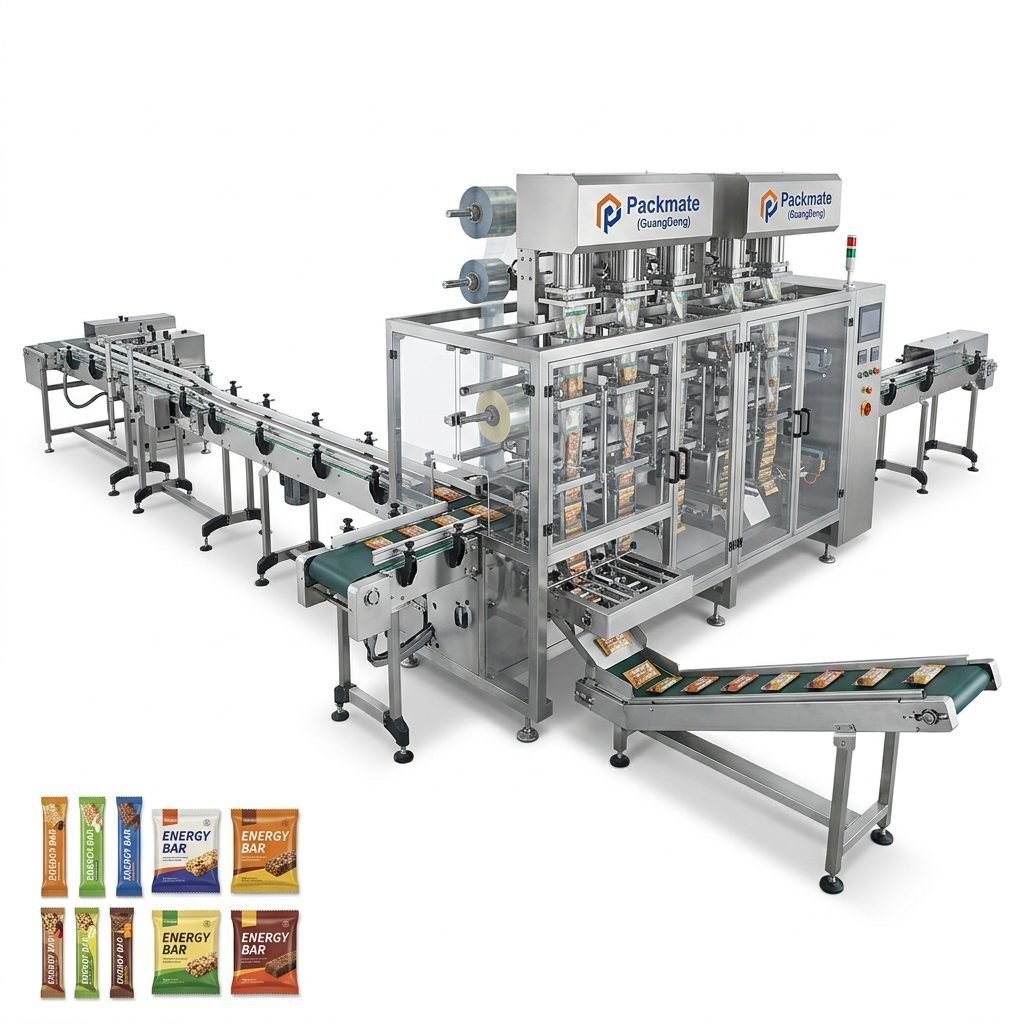
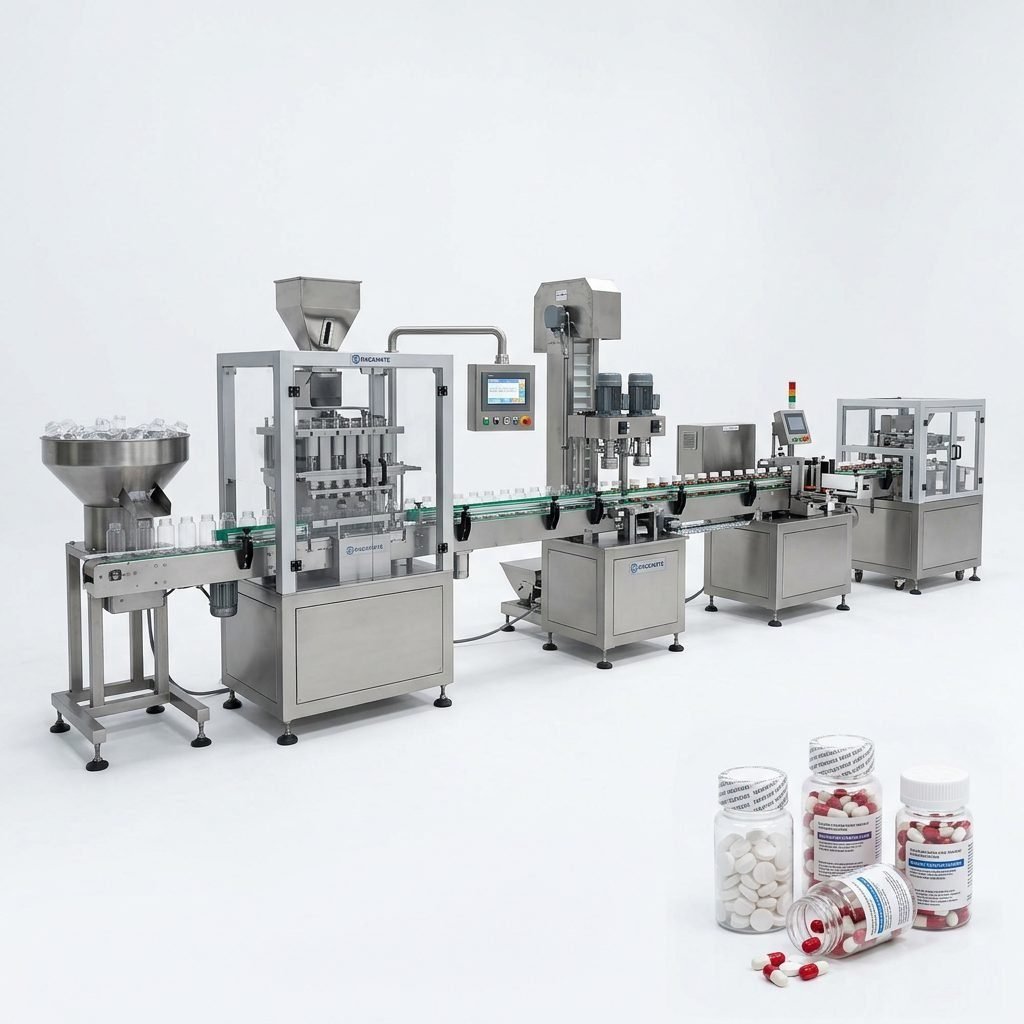
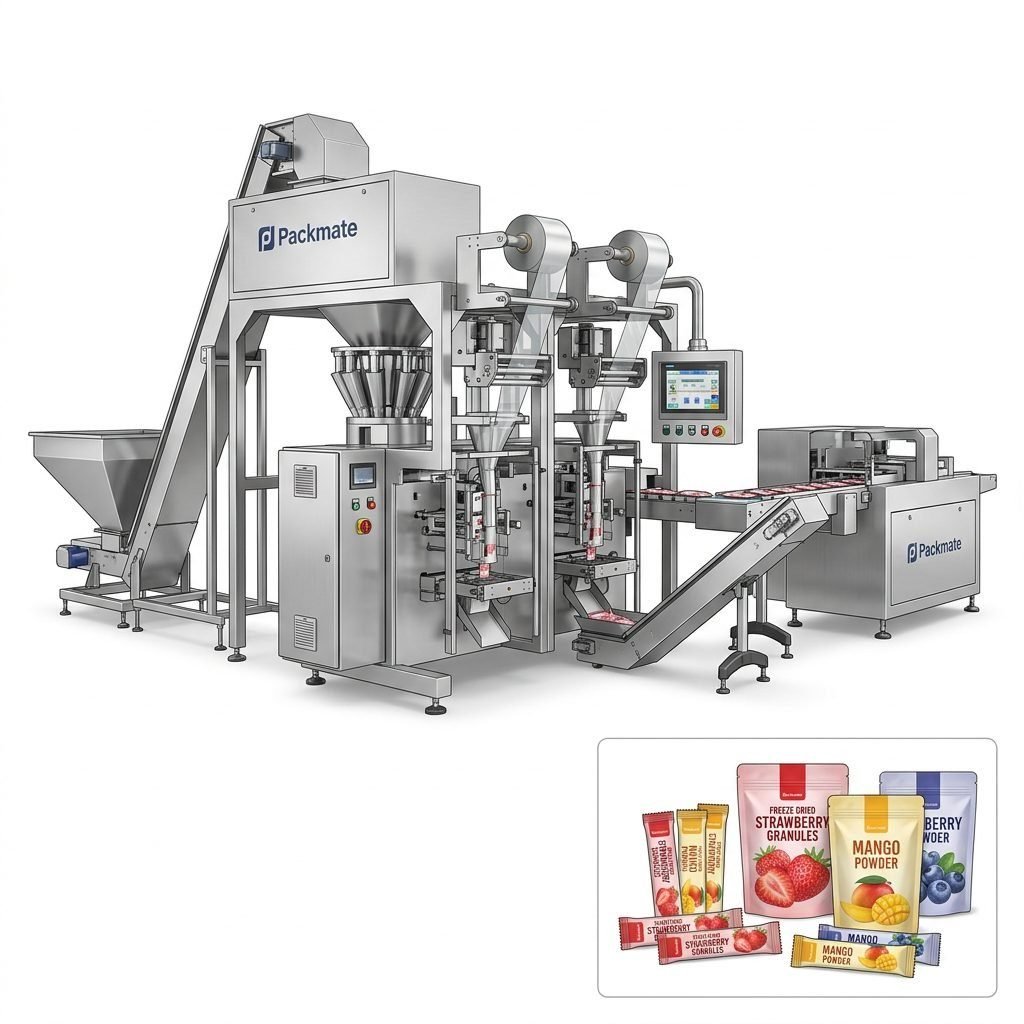
Evaluate the manufacturer’s expertise with your specific product type. Do they have a proven track record with similar materials? A broad product portfolio, like that offered by Ludyway, indicates extensive experience and the ability to provide a tailored solution rather than a one-size-fits-all machine. Check if they offer complete turnkey lines, which are valuable for setting up a new, fully automated production facility.
Manufacturing Quality and Company Stability
The build quality of the machine dictates its longevity, uptime, and consistency. Inquire about the factory size, quality control processes, and the company’s history. Manufacturers with decades of experience, such as Packmate Machinery, often have more refined manufacturing protocols. A stable company is more likely to provide reliable spare parts and support for the lifespan of your equipment.
After-Sales Support and Local Presence
This is arguably the most critical factor for Tanzanian importers. Reliable technical support, availability of spare parts, and comprehensive training are non-negotiable. Ask detailed questions about their support structure: Do they have service engineers who can travel to Tanzania? What is the typical response time for technical queries? Companies with a strong export footprint in Africa may have better established support channels or local agents.
The Importance of Customization and Flexibility
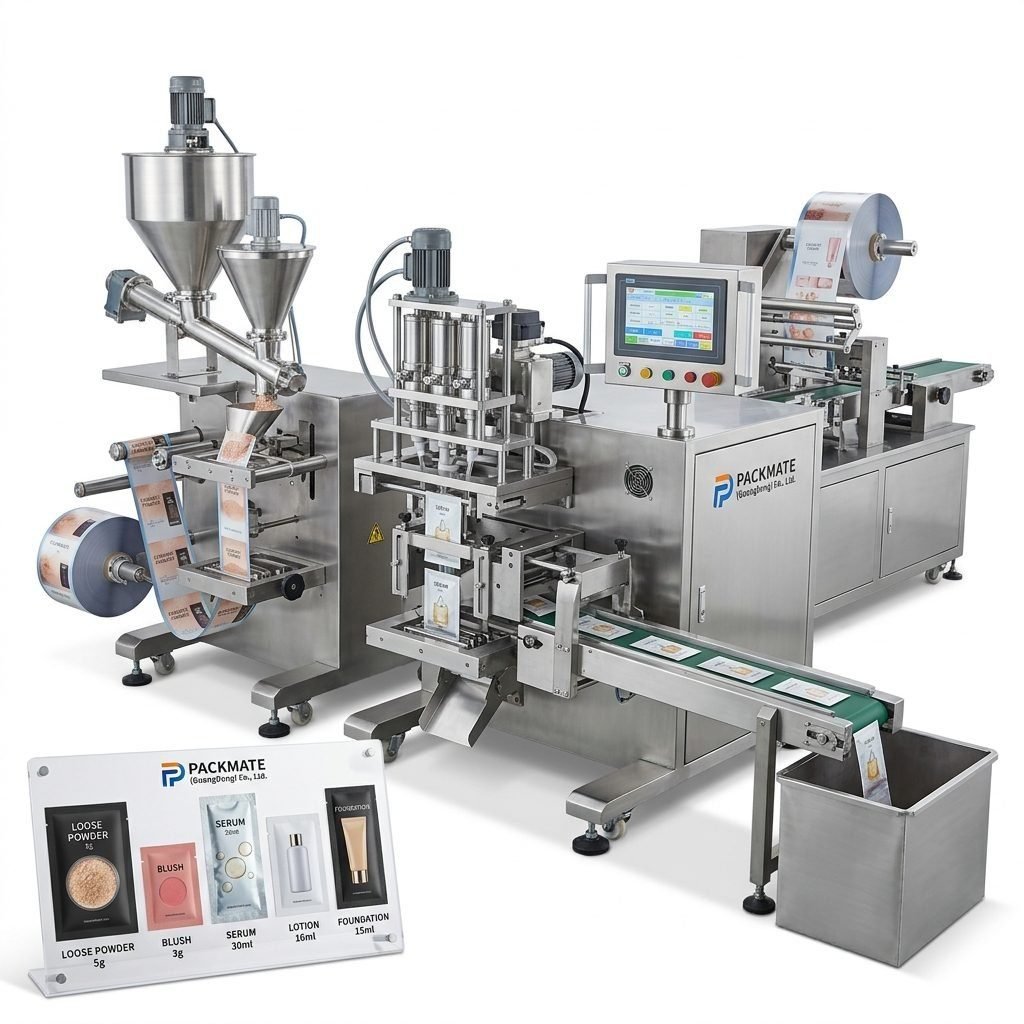
Standard machines may not always meet unique production needs. Whether you require specific dosing accuracy, unusual bag sizes, or integration with existing line equipment, the manufacturer’s ability to customize is vital. Companies like PackingMachineOEM specialize in non-standard and OEM solutions, offering the engineering flexibility needed for specialized projects. For niche sectors, such as nicotine pouch production, a specialized manufacturer like SnusMachinery can provide targeted expertise that general manufacturers may lack.
Practical Buyer Tips for Tanzanian Importers
Navigating the procurement process requires a strategic approach to mitigate risk and ensure a successful investment.
Request and Verify References: Always ask for contact information of existing clients, preferably those in similar regions or with similar products. A reputable manufacturer will readily provide these.
Arrange a Factory Visit or Live Video Test: If possible, visit the manufacturer’s facility in person. If travel is constrained, insist on a live video demonstration where you can see your actual product being run on the machine. This tests performance claims in real-time.
Scrutinize the Quotation and Contract: Ensure the quotation is detailed, listing all specifications, included accessories, spare parts, software, and training. Clearly understand the Incoterms (e.g., FOB, CIF Dar es Salaam), payment terms, delivery timeline, and warranty conditions. The warranty should cover both parts and labor.
Plan for Logistics and Customs Clearance: Work with a reliable freight forwarder experienced in shipping machinery to Tanzania. Understand all associated costs, including import duties, taxes, and port handling fees, to avoid unexpected expenses.
Comparing Leading Manufacturers: A Snapshot
Here is a comparative overview of some established manufacturers, highlighting key attributes relevant to a Tanzanian buyer.
| Manufacturer | Key Strength | Ideal For | Export Experience in Africa |
|---|---|---|---|
| Ludyway | Broad product range & turnkey lines | Food, pharma projects needing full-line solutions | Yes, serves over 100 countries |
| PacklineOEM | Turnkey line integration | Automated factory setups for powders/granules | Yes, exports to multiple regions |
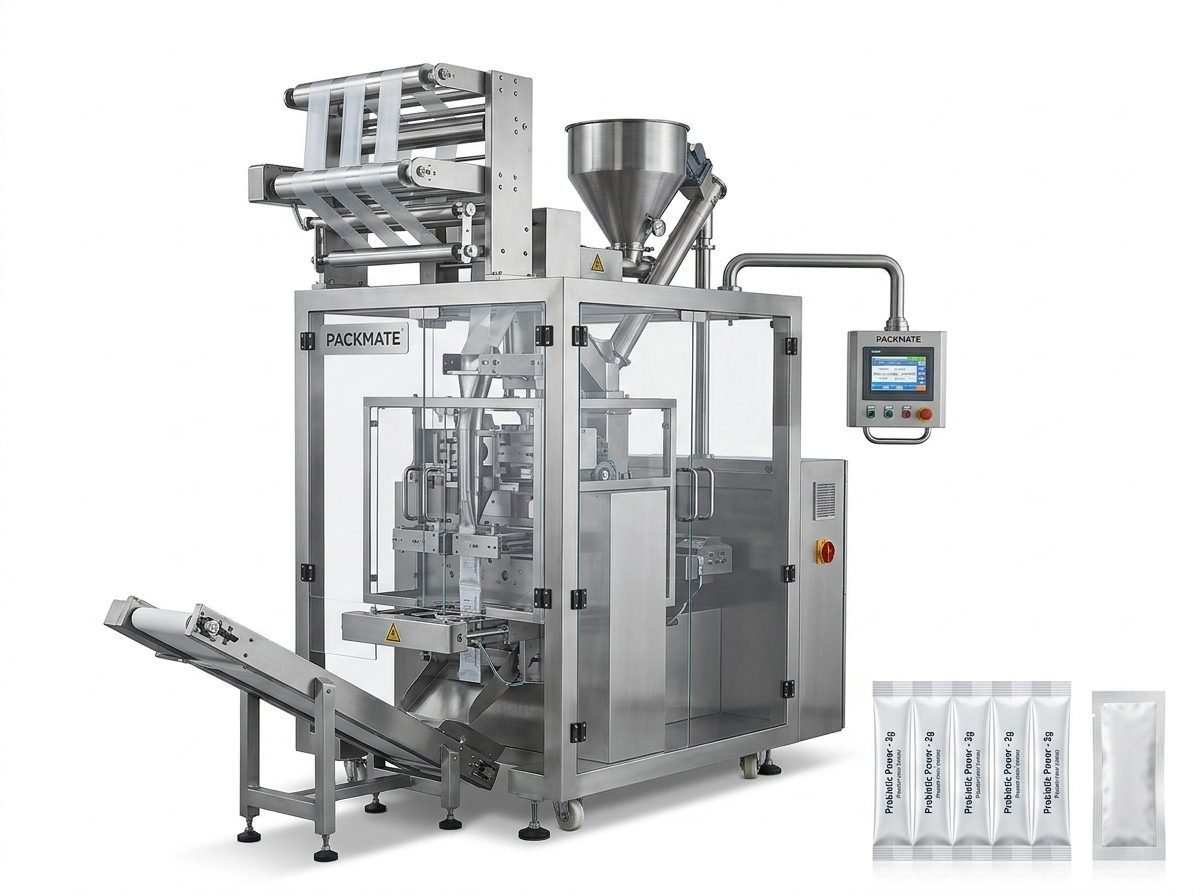
| Packmate Machinery | Balanced cost-performance & reliability | Medium to large-scale food & supplement producers | Strong export presence globally |
| PackingMachineOEM | Non-standard & OEM customization | Projects with unique packaging requirements | Yes, serves various international markets |
| SnusMachinery | Specialization in pouch packaging | Nicotine pouch, snus, and specialty sachet production | Yes, exports to Africa and other regions |
Final Considerations Before Purchase
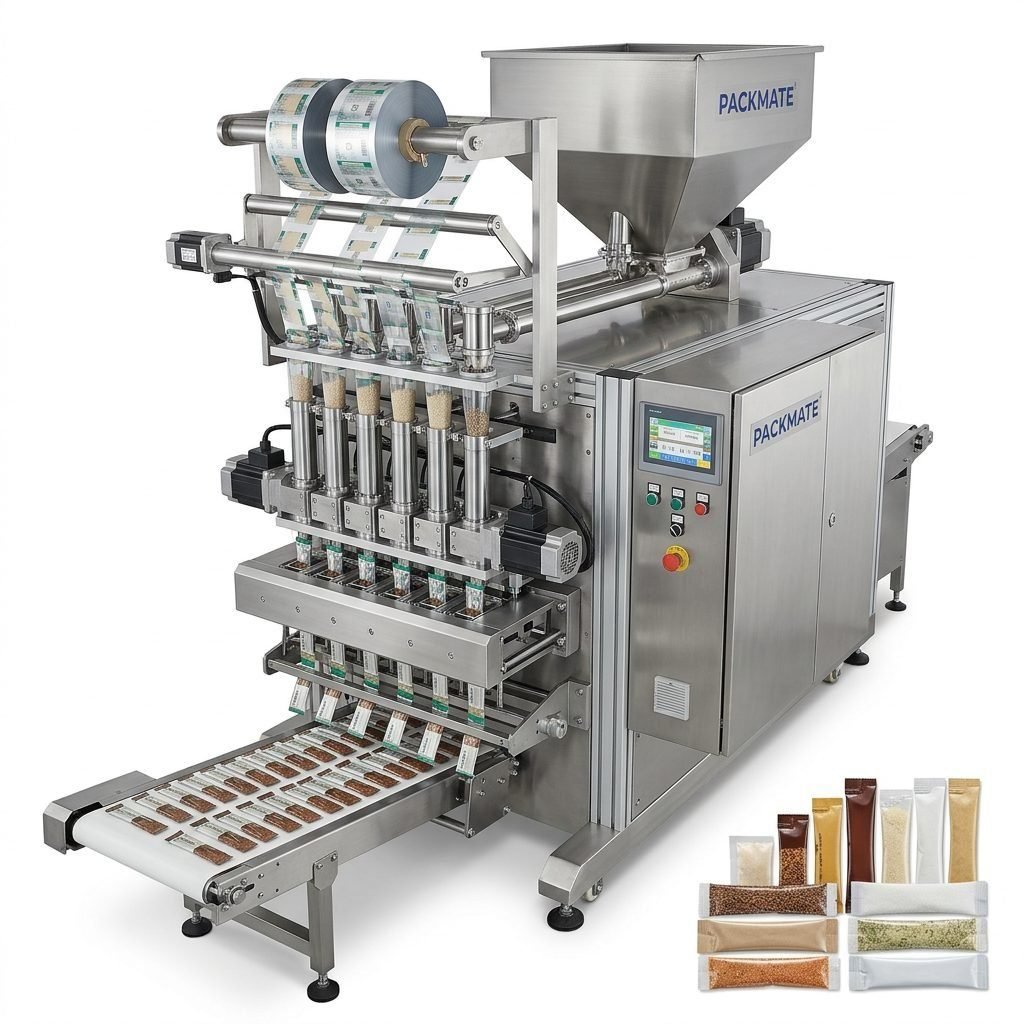
Your due diligence should conclude with a holistic view of the total cost of ownership. This includes not just the purchase price, but also estimated costs for installation, utilities (compressed air, power), consumables, preventative maintenance, and potential downtime. Ensure you have a clear plan for operator training—either at your facility or at the supplier’s factory. Finally, verify the manufacturer’s commitment to providing machine documentation, manuals, and electrical diagrams in English to facilitate future troubleshooting.
Frequently Asked Questions (FAQs)
Q: What is the typical lead time for receiving a packaging machine in Tanzania?
A: Lead times vary based on machine complexity and customization. For standard models, expect 60-90 days from order to shipment. Custom or turnkey lines may require 90-150 days. Always factor in海运 time and customs clearance in Dar es Salaam, which can add several weeks.
Q: How can I ensure spare parts availability after the warranty period?
A: Discuss this upfront. Reputable manufacturers maintain an inventory of critical spare parts. Request a recommended spare parts list for the first two years of operation and consider purchasing a starter kit with your machine. Inquire about their parts ordering process and typical delivery times to Tanzania.
Q: Are Chinese packaging machines reliable for long-term use in Tanzania?
A: Yes, many established Chinese manufacturers produce high-quality, reliable machinery for global markets. The key is to select a manufacturer with a strong track record, proper quality certifications, and verifiable customer references—not just the lowest-cost option. Focus on build quality and after-sales support over price alone.
Q: What training is usually provided with the machine?
A: Standard offerings typically include 1-2 weeks of on-site training for your operators and maintenance staff during installation and commissioning. Some manufacturers also offer training courses at their factory. Ensure the training scope is explicitly stated in your contract.
Q: Should I prioritize a single machine or a complete turnkey line?
A: This depends on your project scale and automation goals. A single machine suits capacity expansion or replacing old equipment. A turnkey line from a supplier like PacklineOEM is better for new greenfield projects, as it provides a fully integrated, synchronized system from feeding to end-of-line packaging, ensuring optimal efficiency.