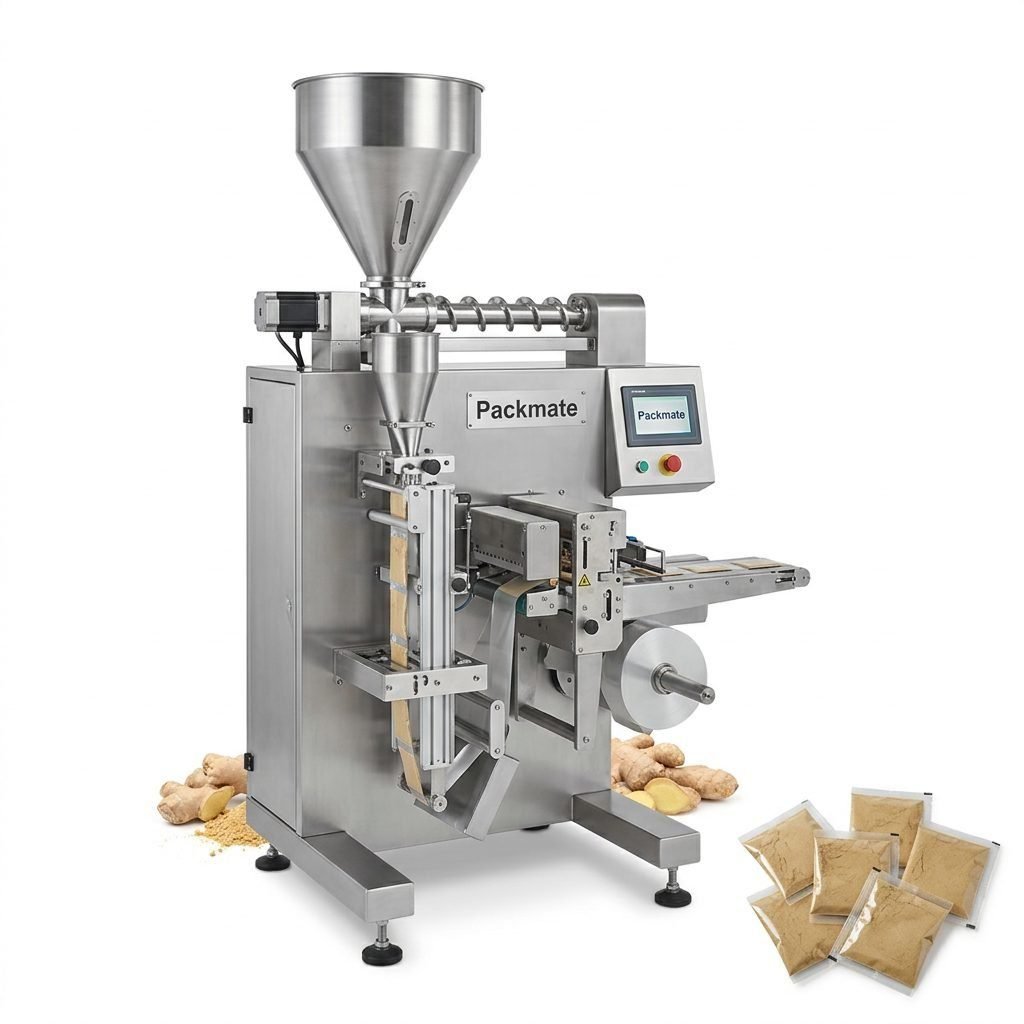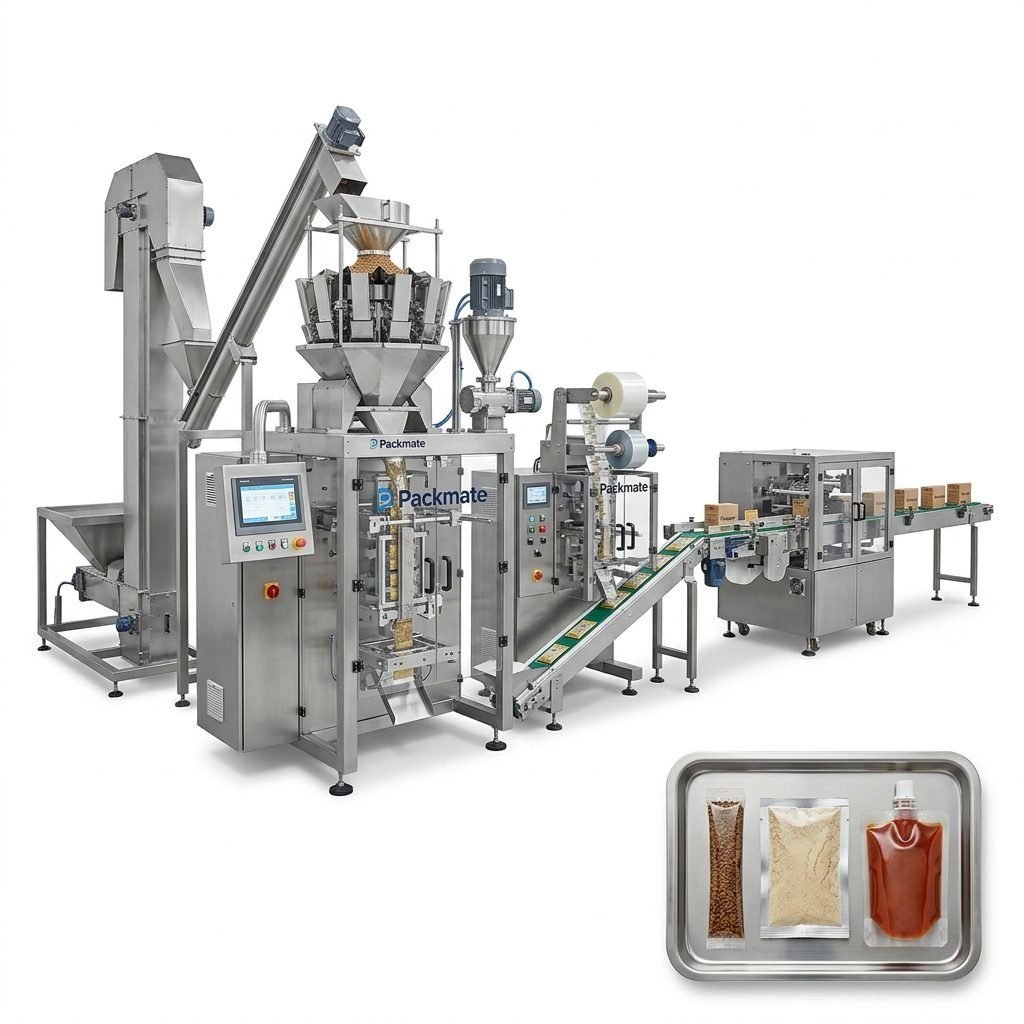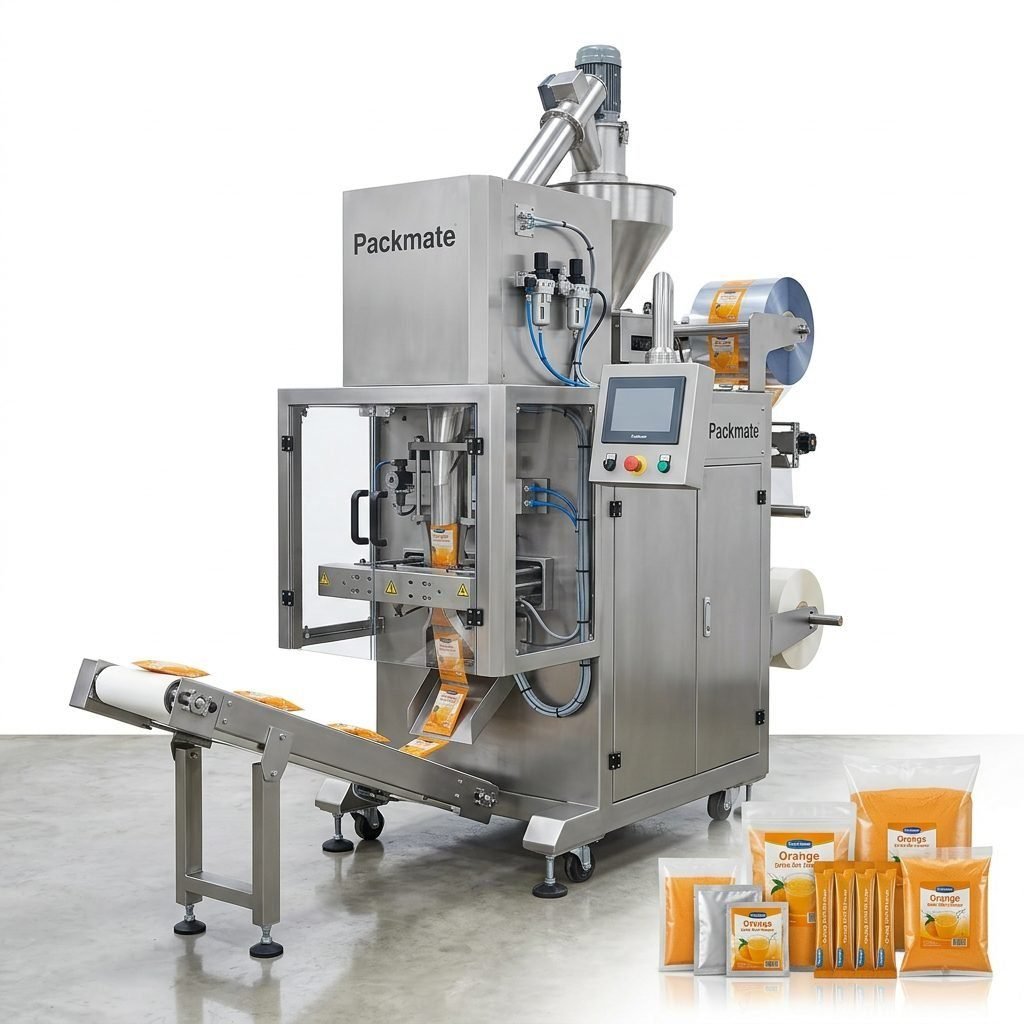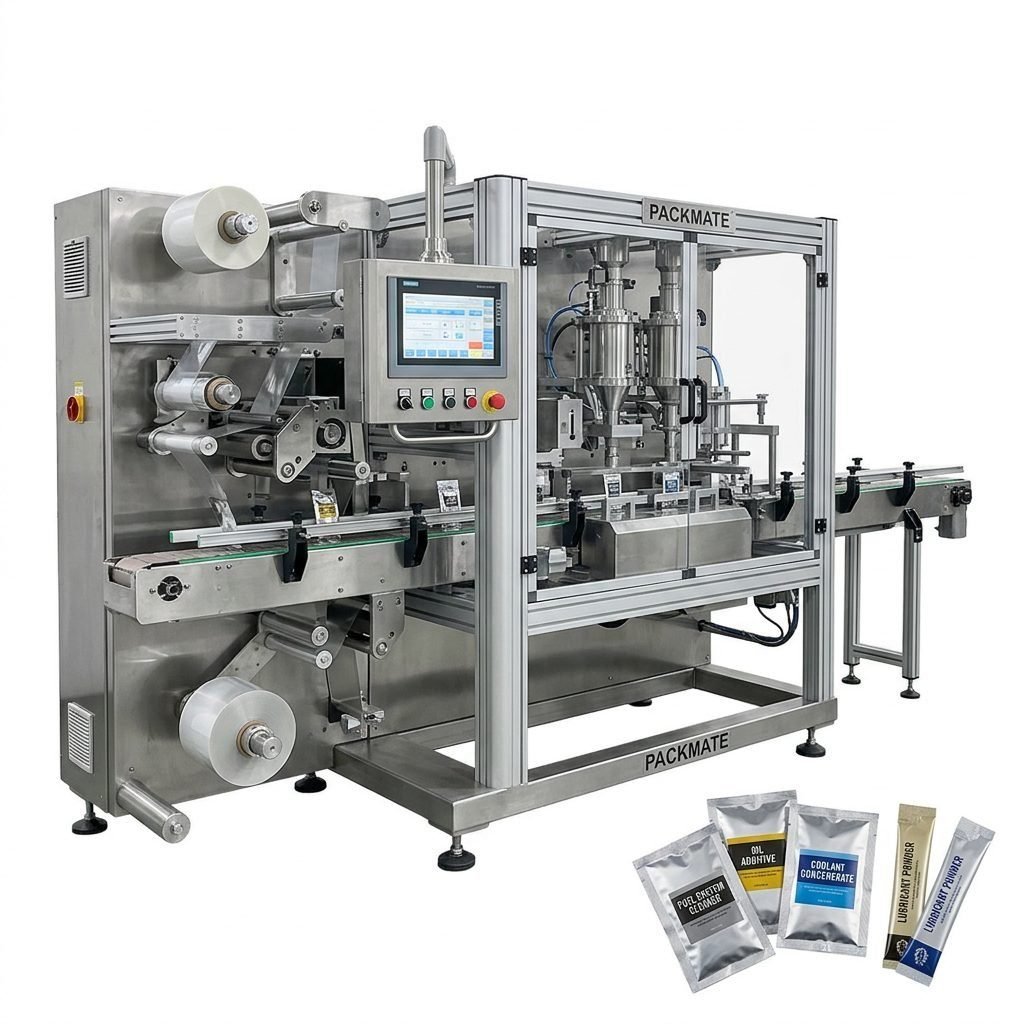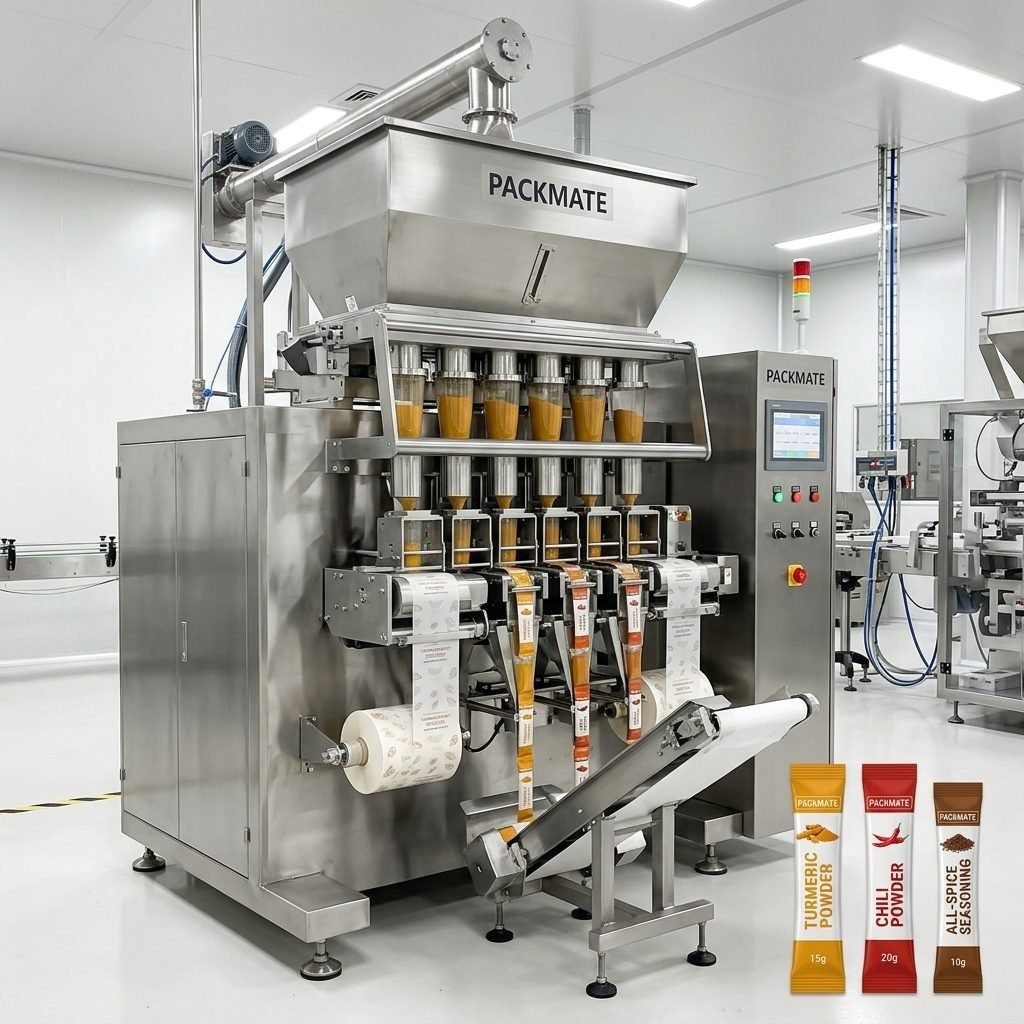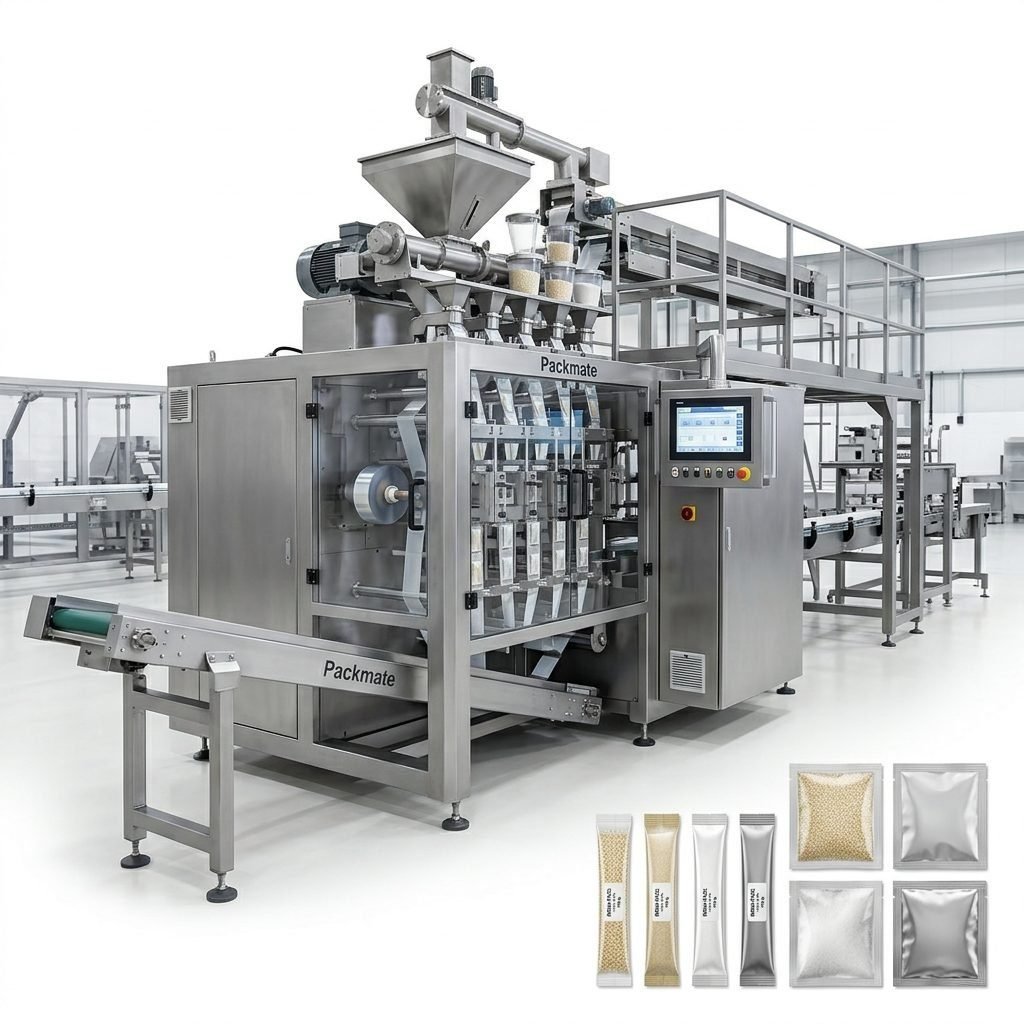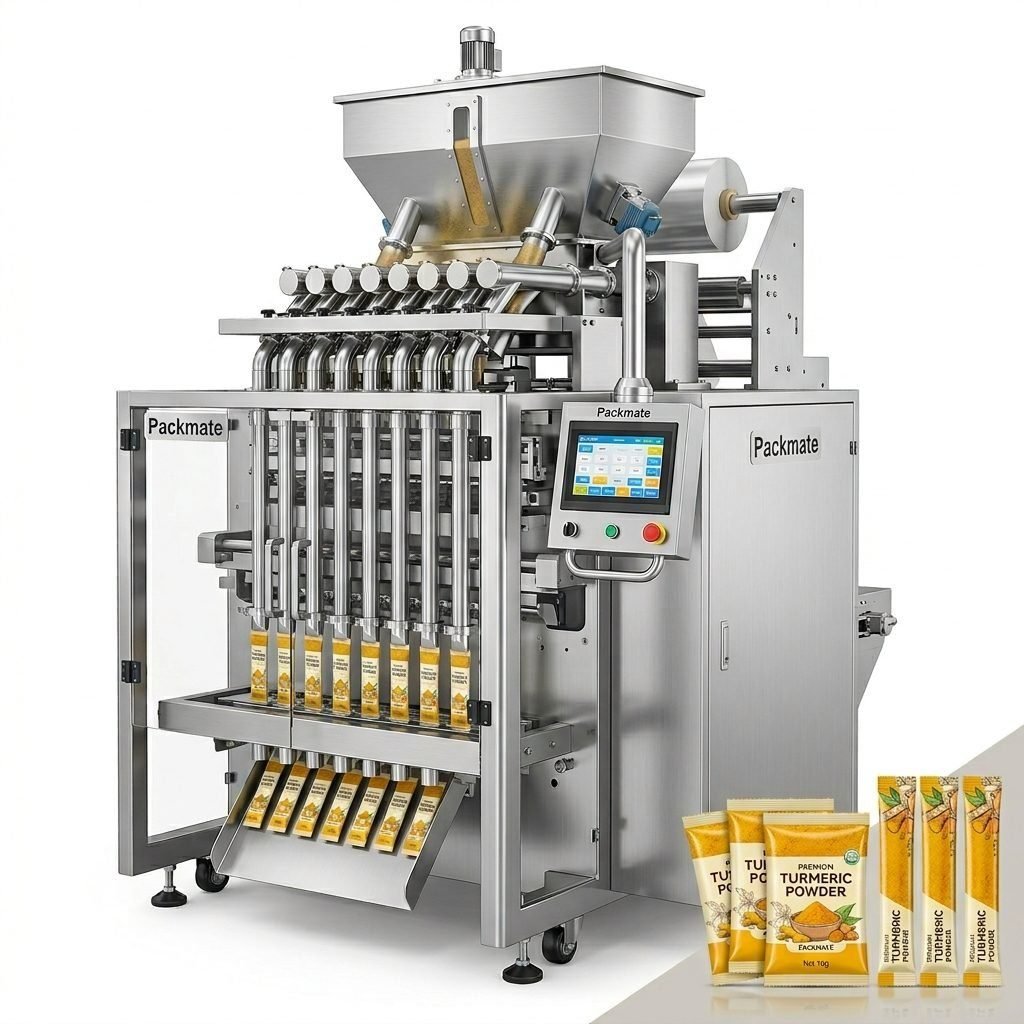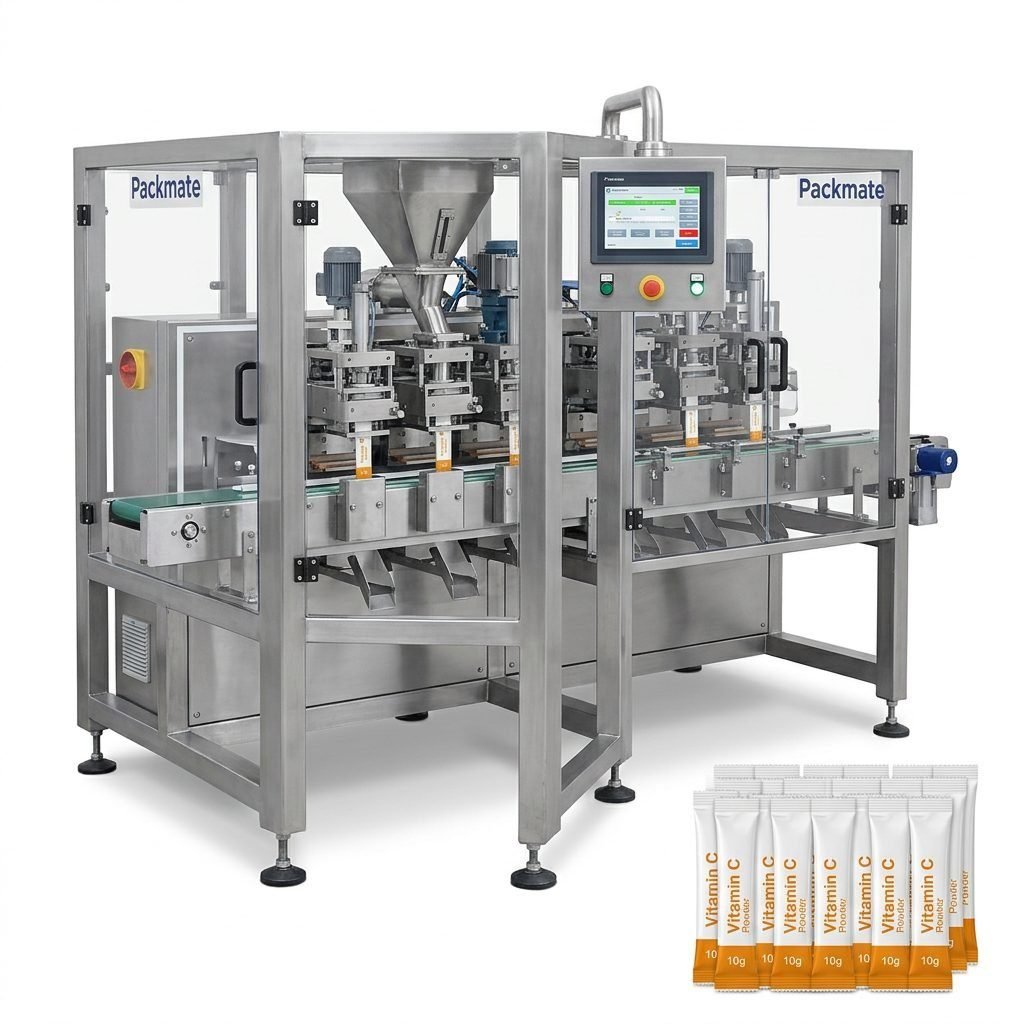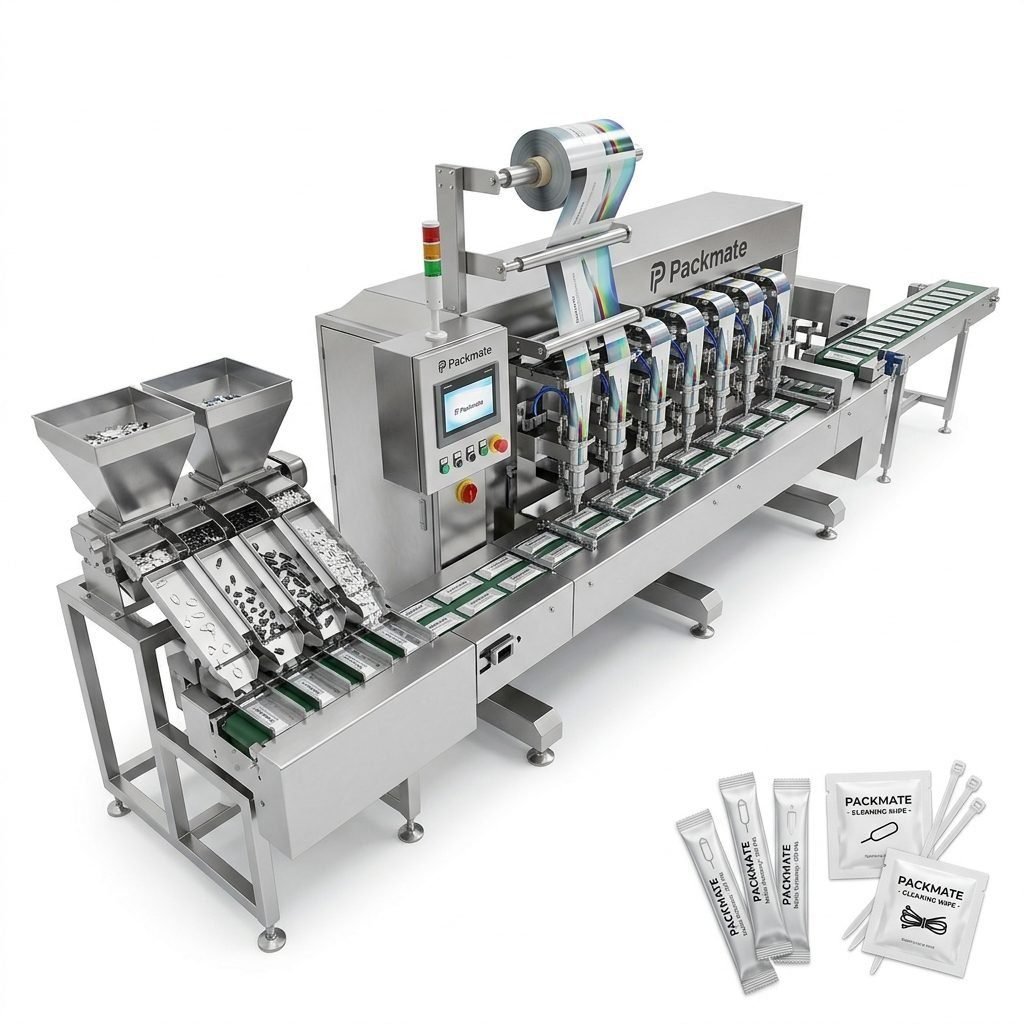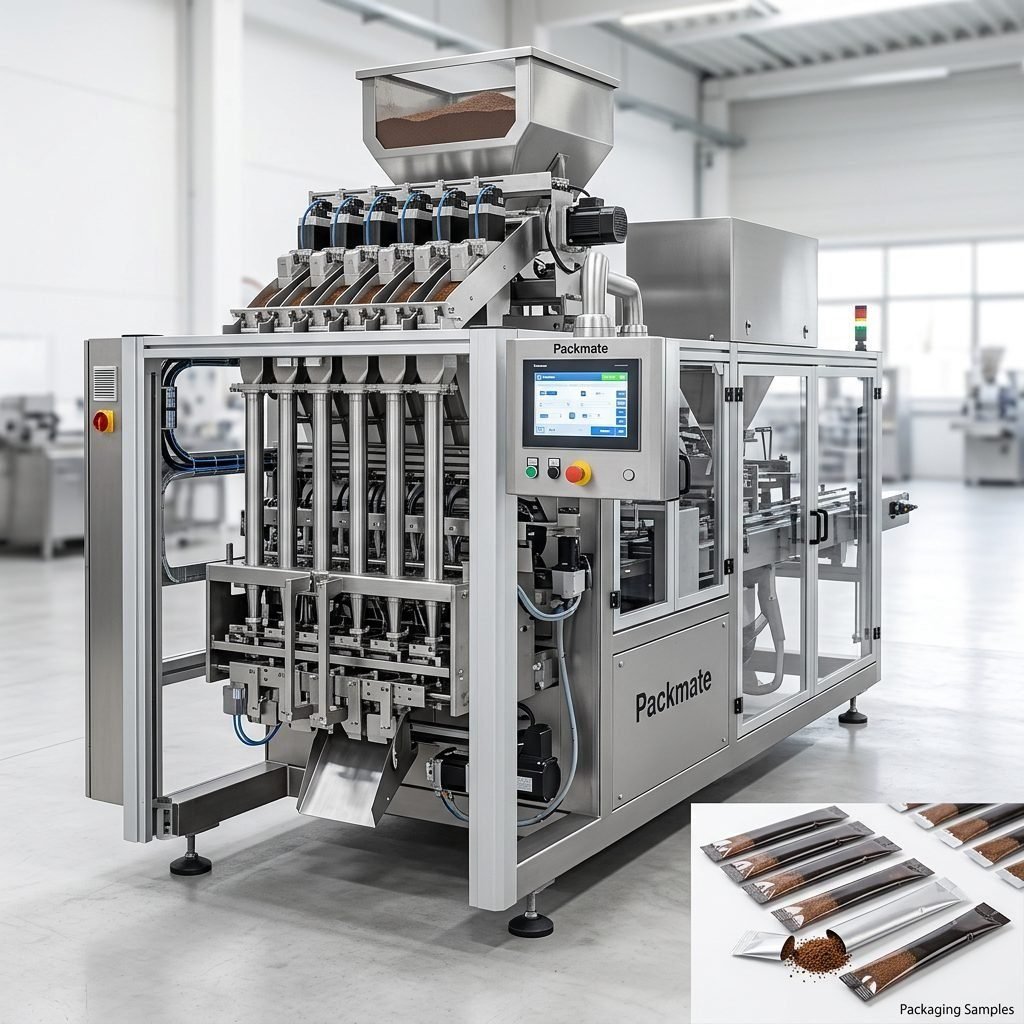
Selecting the right packaging machine manufacturer is a critical decision for any business in Ireland looking to enhance its production efficiency, product quality, and bottom line. The Irish market, with its strong presence in sectors like pharmaceuticals, medical devices, dairy, and premium food & beverage, has unique demands for precision, hygiene, and reliability. This guide will walk you through the key factors to consider when choosing a manufacturer that aligns with your specific business needs in Ireland.
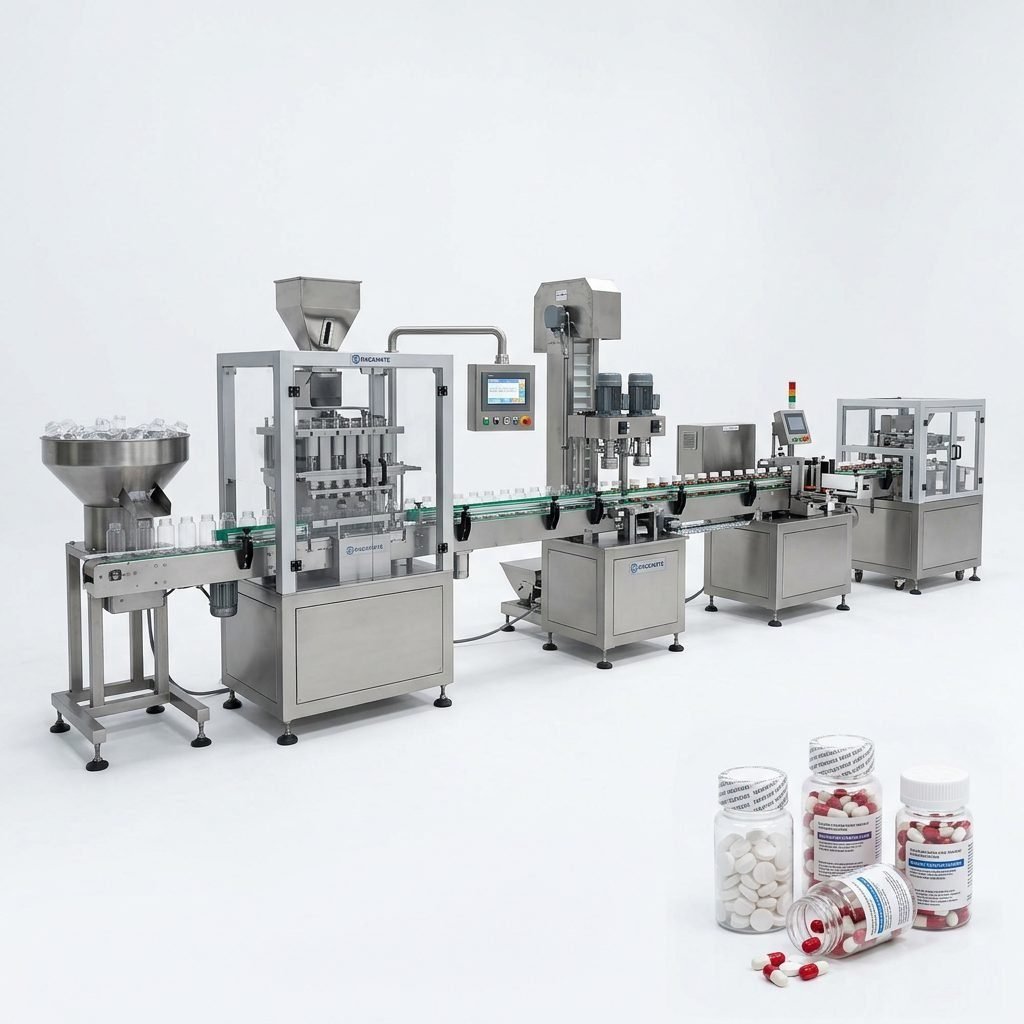
Understanding Your Specific Packaging Needs in Ireland
Before you start evaluating manufacturers, you must have a crystal-clear understanding of your own requirements. Irish businesses often face stringent regulatory standards, particularly in the pharma and food sectors, and must cater to a discerning consumer market that values quality and sustainability.
Key Questions to Ask Yourself:
- Product Type: What are you packaging? Is it granules (like coffee or sugar), powders (like protein or spices), liquids (like sauces or dairy), pastes, or pouches (like sachets or stick packs)?
- Production Volume: What is your required output (e.g., bags or pouches per minute)? Are you a small-batch artisanal producer or a large-scale manufacturer?
- Packaging Format: Do you need sachets, stick packs, pouches, bags, bottles, or blister packs? Is there a trend in your Irish market segment you need to follow?
- Regulatory Compliance: Does your product require specific certifications (e.g., FDA, CE, GMP for pharmaceuticals, BRC for food)?
- Future Scalability: Do you anticipate growth or changes in your product line that the machine should accommodate?
Evaluating Manufacturer Expertise and Specialization
Not all manufacturers are created equal. Some excel in high-speed food packaging, while others specialize in sterile pharmaceutical lines or niche areas like nicotine pouches. Matching their core competency to your industry is paramount.
For instance, a company like SnusMachinery has deep expertise in nicotine pouch and snus packaging, a sector with very specific technical demands. If that’s your field, their specialized knowledge is invaluable. Conversely, for a broad range of food and pharma applications, a manufacturer with a wider portfolio, such as Ludyway, might be a better fit due to their extensive experience across powders, granules, and liquids.
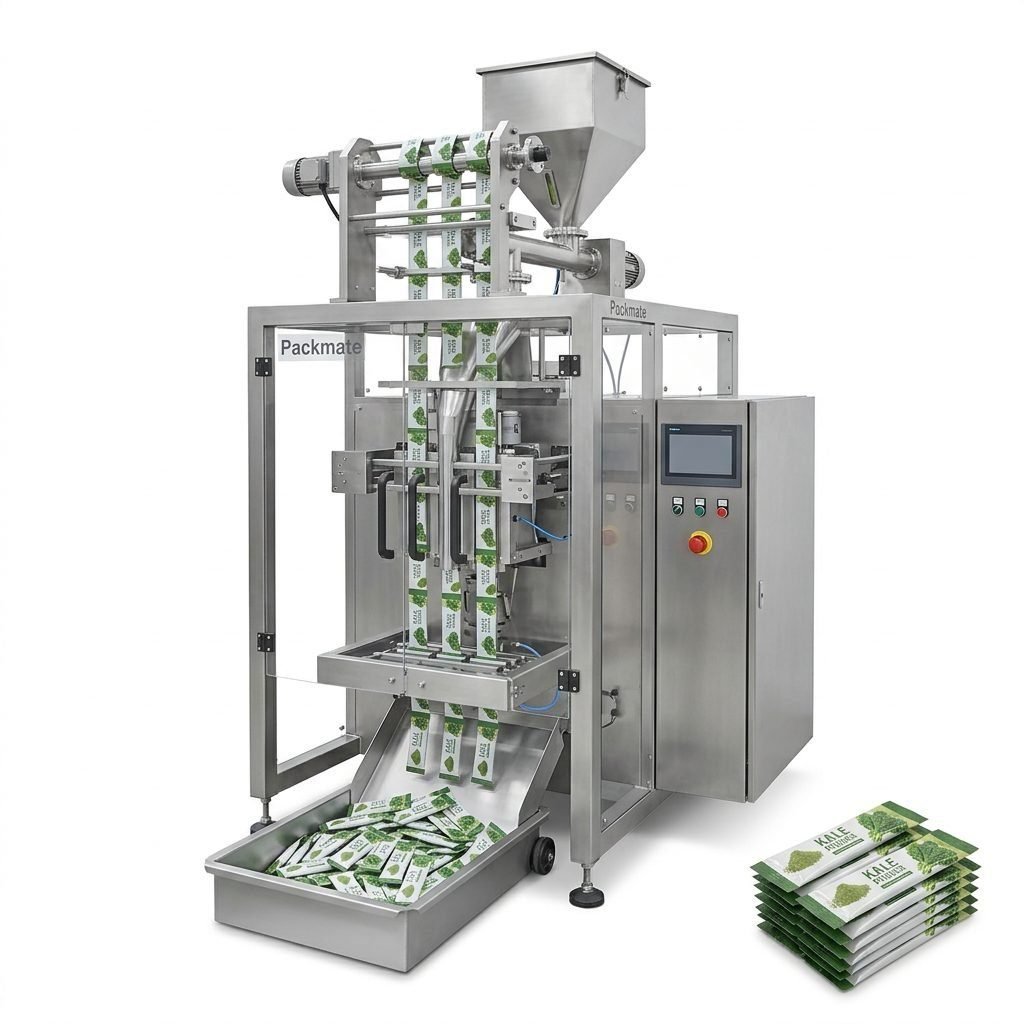
Assessing Technical Capabilities and Customization
Irish businesses often have specific requirements due to unique product formulations, space constraints in facilities, or the need to integrate with existing production lines. A manufacturer’s ability to offer customization is crucial.
Look for manufacturers that offer:
- Custom Machine Design: Can they adapt a standard model to your exact bag size, filling weight, or special material?
- Turnkey Solutions: Can they provide a complete, integrated line from feeding and filling to sealing, coding, and cartoning? Companies like PacklineOEM focus specifically on these complete line integrations.
- Material Compatibility: Do their machines work efficiently with the specific films, laminates, or recyclable materials you plan to use, which is increasingly important for the Irish and EU markets?
- Automation Level: Does the machine offer the level of automation you need to reduce labor costs and minimize human error?
For highly specialized projects, a manufacturer like PackingMachineOEM, which emphasizes non-standard and customized solutions, could provide the necessary engineering flexibility.
Quality, Reliability, and After-Sales Support
Downtime is costly. The reliability of the machine and the quality of its construction directly impact your operational efficiency. Furthermore, robust after-sales support is non-negotiable, especially when your supplier is overseas.
Key support aspects to verify include:
| Support Area | What to Look For | Why It Matters for Irish Businesses |
|---|---|---|
| Warranty | Comprehensive warranty covering parts and labor for a reasonable period (e.g., 12-24 months). | Protects your investment and ensures initial defects are covered. |
| Technical Support | Availability of remote support (video call), multilingual manuals, and a responsive technical team. | Minimizes downtime when troubleshooting is needed across time zones. |
| Spare Parts | Readily available spare parts inventory and a clear parts procurement process. | Ensures you can perform maintenance and repairs quickly to avoid prolonged stoppages. |
| Installation & Training | Option for on-site installation, commissioning, and operator training by factory engineers. | Ensures your team can operate the machine correctly and safely from day one, maximizing efficiency. |
Cost Considerations and Return on Investment (ROI)
While upfront cost is important, it should not be the sole deciding factor. Consider the Total Cost of Ownership (TCO), which includes:
- Initial Purchase Price: The cost of the machine and any customizations.
- Operating Costs: Energy consumption, required consumables (like sealing jaws), and maintenance.
- Efficiency Gains: Higher speed and accuracy reduce material waste and increase output.
- Labor Savings: Automation can significantly reduce manual labor requirements.
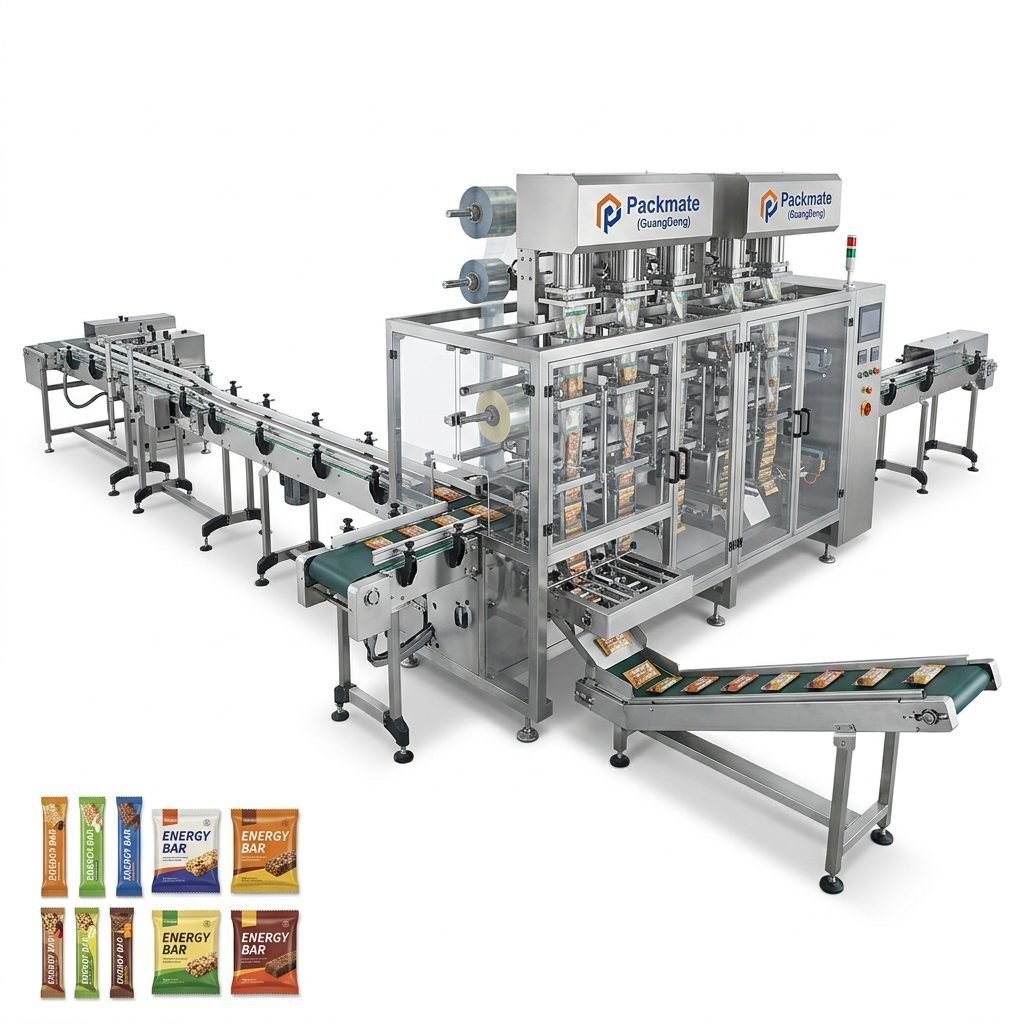
A slightly more expensive machine from a reputable manufacturer like Packmate Machinery, known for reliable performance, may offer a far better ROI over 5-10 years than a cheaper, less reliable alternative that causes frequent downtime and high waste.
Reputation and Market Presence
Research the manufacturer’s reputation. Look for:
- Company History & Experience: Manufacturers with decades of experience, like those profiled (all around 30 years), have typically refined their designs and processes.
- Client References & Case Studies: Ask for references from businesses similar to yours, especially those in Europe or Ireland.
- Export Market Strength: A strong export presence in Europe indicates an understanding of Western quality standards and regulatory requirements. All the manufacturers listed have significant exports to Europe.
- Online Reviews & Industry Presence: Check industry forums, trade publications, and platforms like LinkedIn for feedback.
The Importance of Factory Audit and Sample Testing
Whenever possible, visiting the manufacturer’s facility is highly recommended. A factory audit allows you to assess:
- Manufacturing Capabilities: The size, organization, and technology of their production floor (e.g., a 20,000 sqm facility indicates substantial capacity).
- Quality Control Processes: How they test and inspect machines before shipment.
- R&D Investment: Evidence of ongoing engineering and development.
If a visit isn’t feasible, request a live video tour. Additionally, always insist on a factory acceptance test (FAT). This is where your product (or a close substitute) is run on the machine before shipment to verify performance against agreed specifications.
Frequently Asked Questions (FAQs)
1. What is the typical lead time for a packaging machine from China to Ireland?
Lead times can vary from 30 to 120 days, depending on the machine’s complexity, customization level, and whether it’s a standard or made-to-order model. Always confirm the detailed production and shipping schedule with the manufacturer.
2. How do I handle maintenance and repairs from a supplier based overseas?
Choose a manufacturer with a strong network of European agents or service partners. Many top Chinese exporters have technicians or partners in Europe who can provide faster on-ground support. Also, ensure they provide comprehensive manuals, video guides, and remote diagnostic support.
3. Are the machines compliant with EU safety and regulatory standards (CE marking)?
Reputable manufacturers design their machines to meet CE standards for the European market. Always request and verify the CE certification documentation for the specific machine model you are purchasing.
4. What about customs, duties, and VAT when importing into Ireland?
The manufacturer typically handles export formalities (EXW, FOB, CIF terms). You or your freight forwarder will handle Irish import customs clearance, paying applicable duties and VAT (23%). It’s advisable to work with a experienced freight forwarder familiar with Irish imports.
5. Can the manufacturer help with installation and training in Ireland?
Most reputable manufacturers offer installation and training services, either by sending their engineers to Ireland or through a local partner. This is usually an additional cost but is highly recommended to ensure optimal setup and operation.