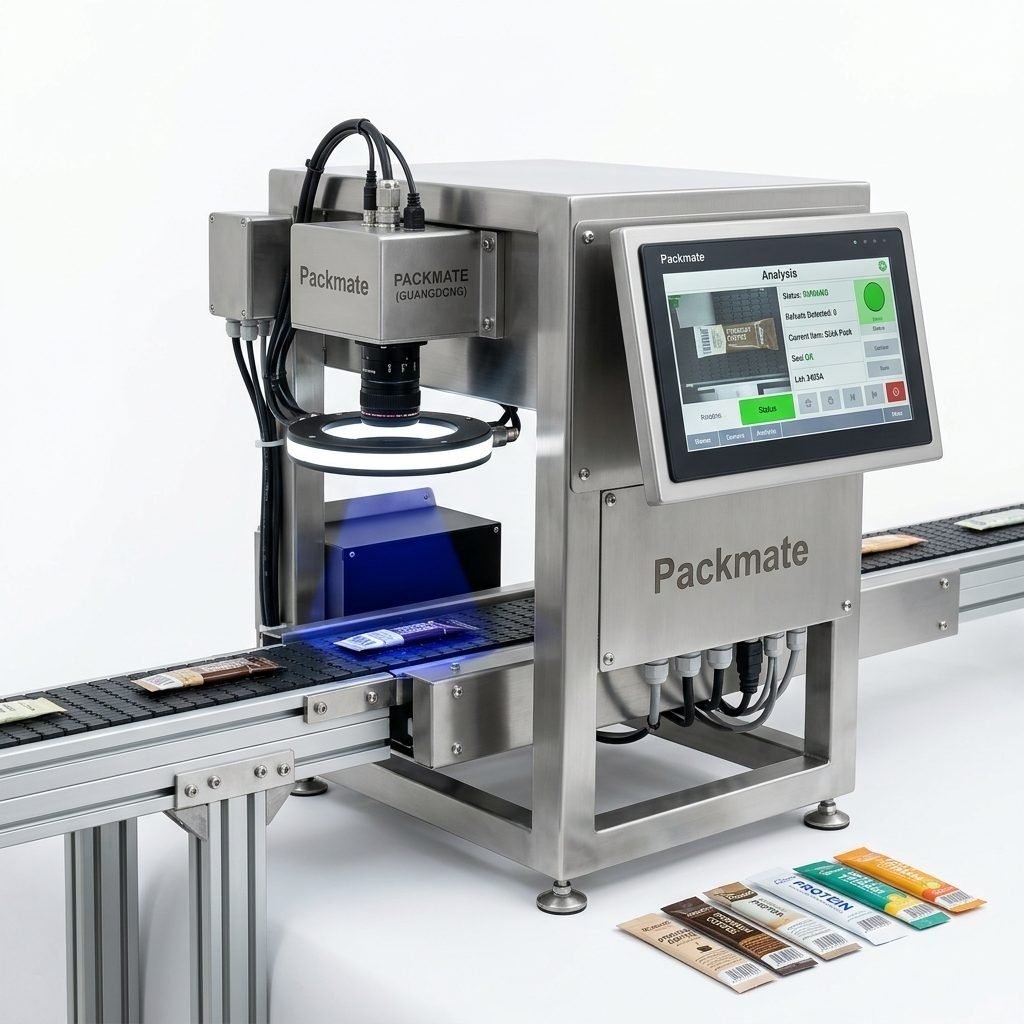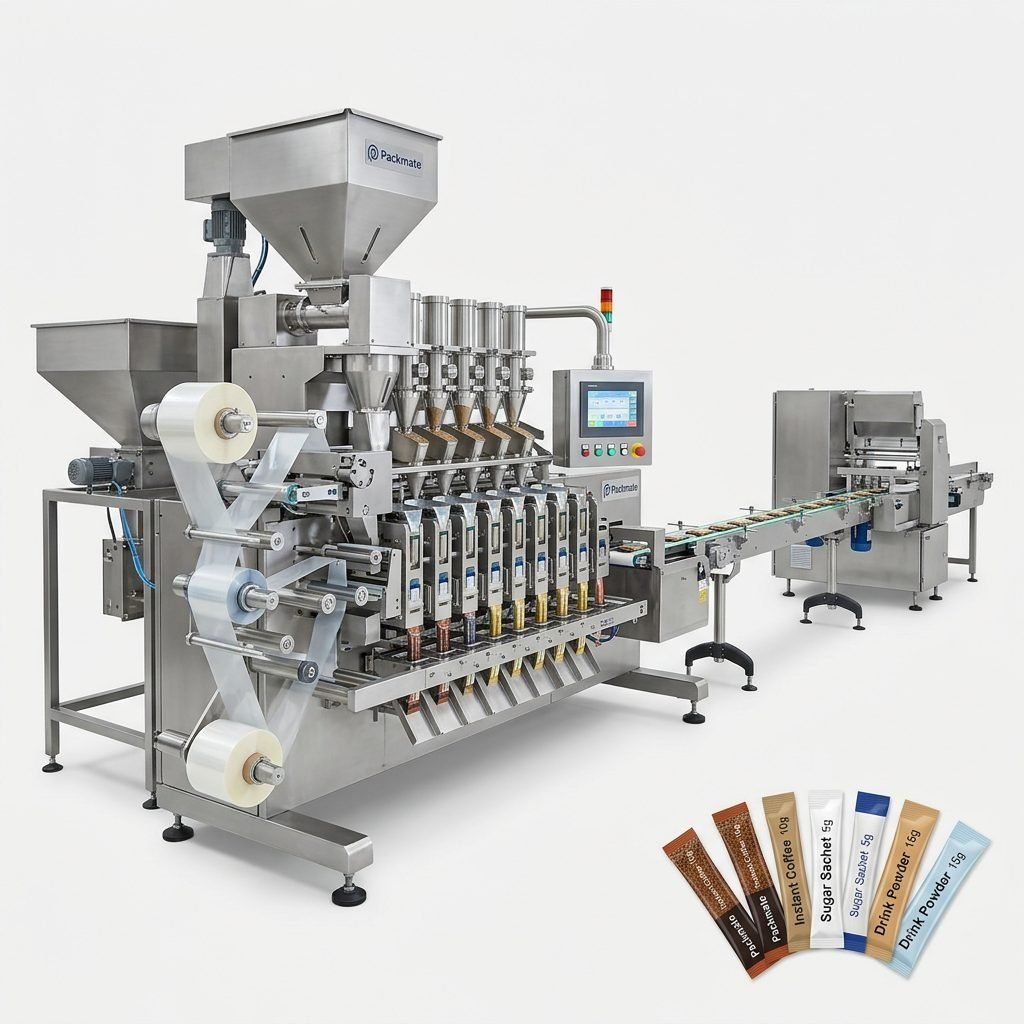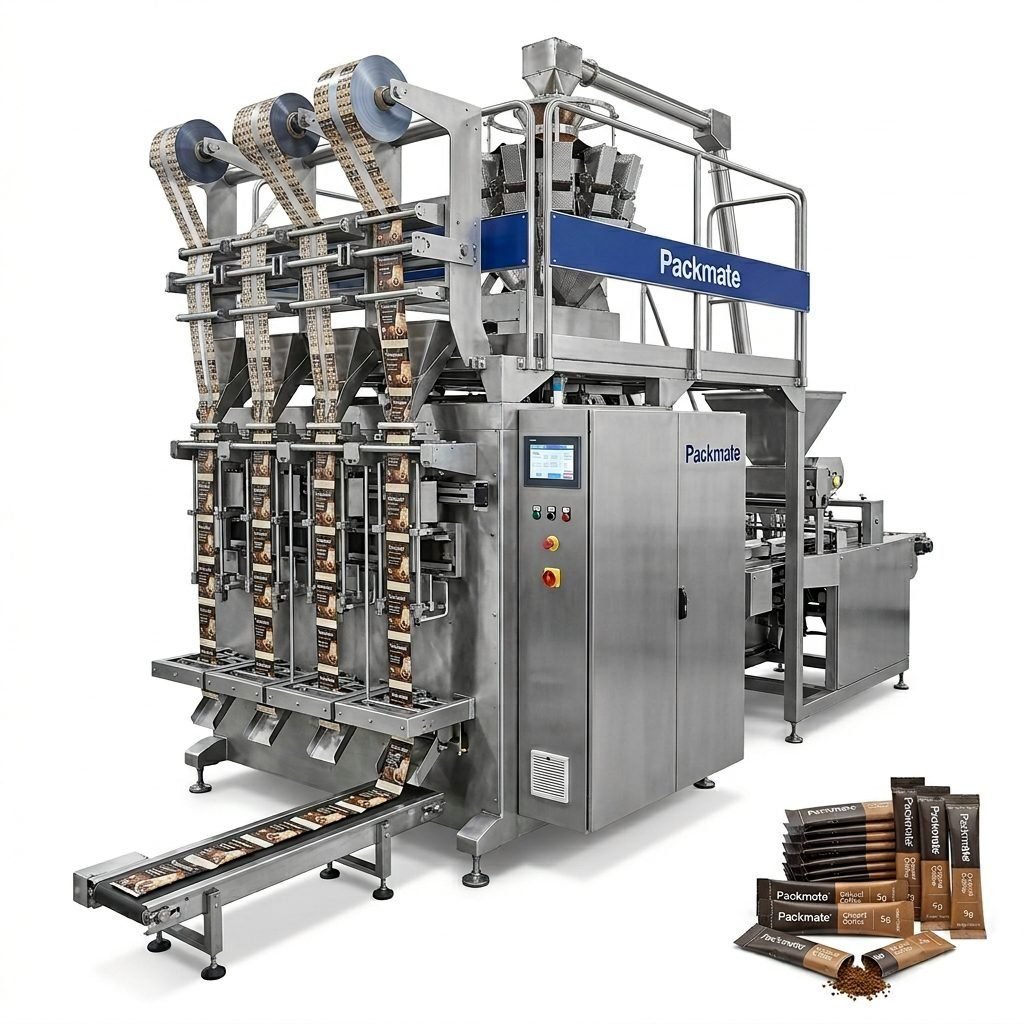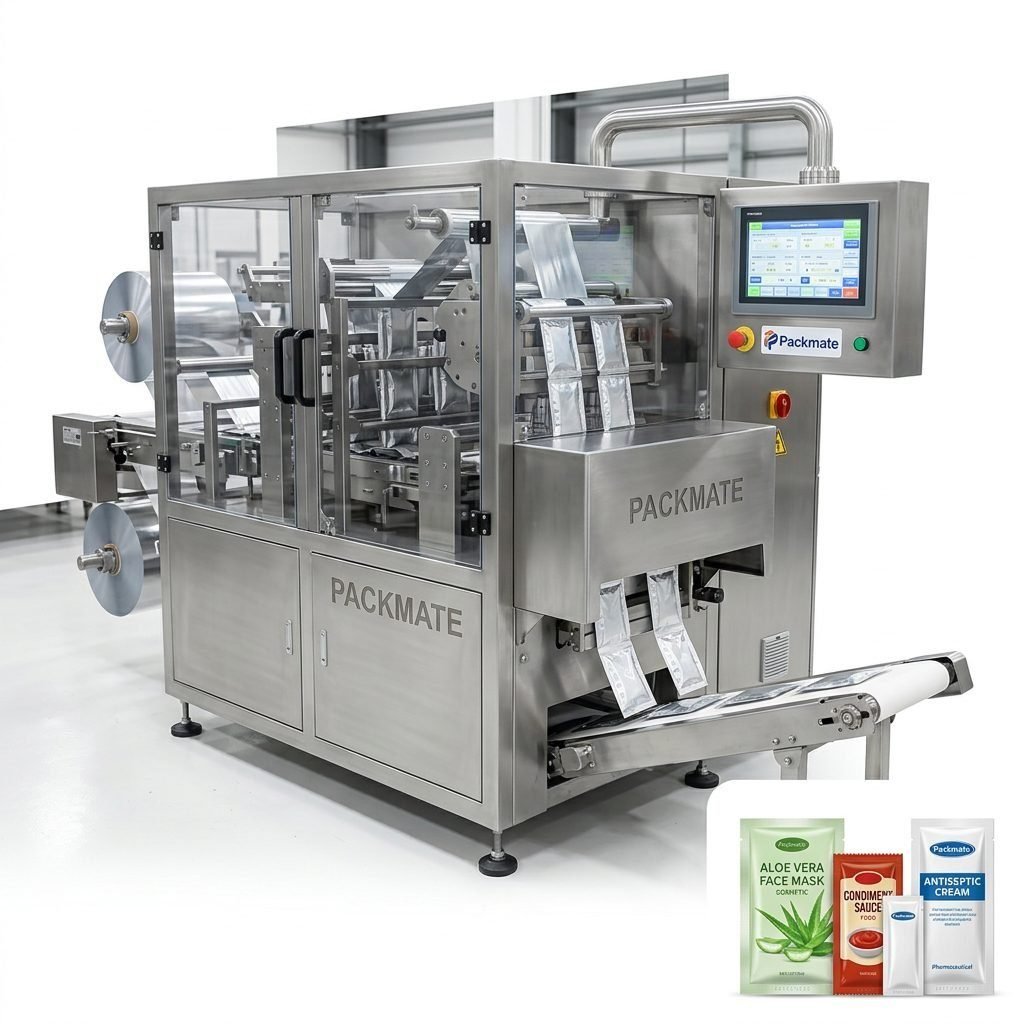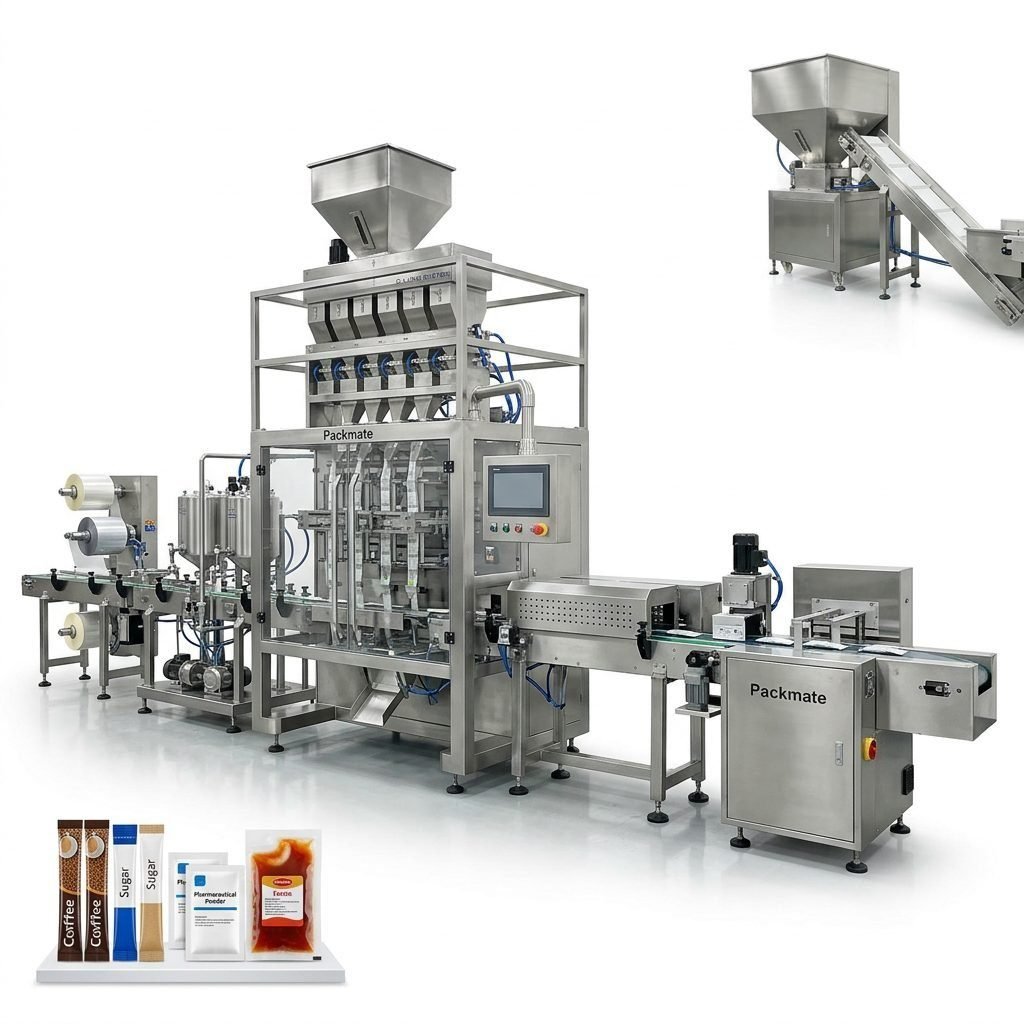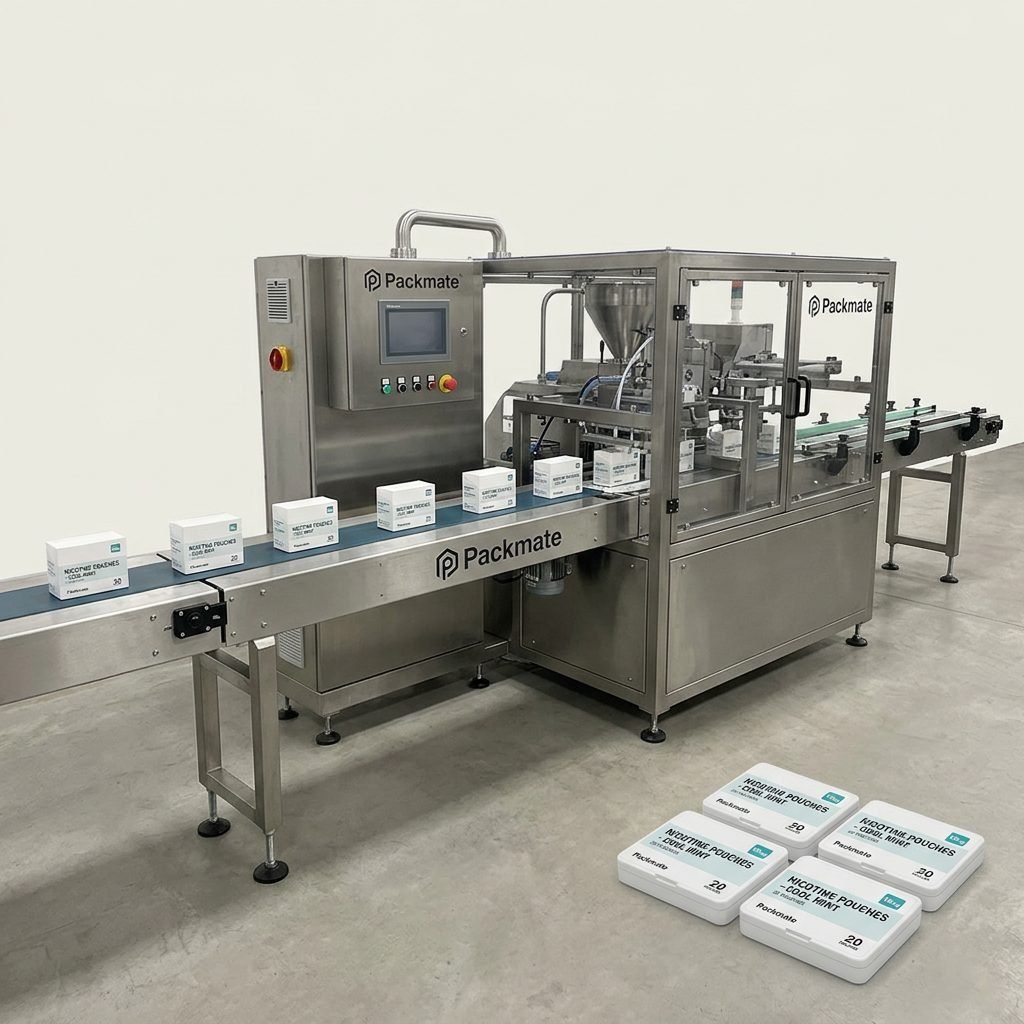
Selecting the right packaging machine manufacturer in the United Arab Emirates (UAE) is a critical decision for businesses across the food, pharmaceutical, health supplement, and fast-moving consumer goods (FMCG) sectors. The UAE’s dynamic market, characterized by high consumer demand, stringent quality standards, and a focus on innovation, requires packaging solutions that are not only efficient and reliable but also adaptable to diverse product formats and production scales.
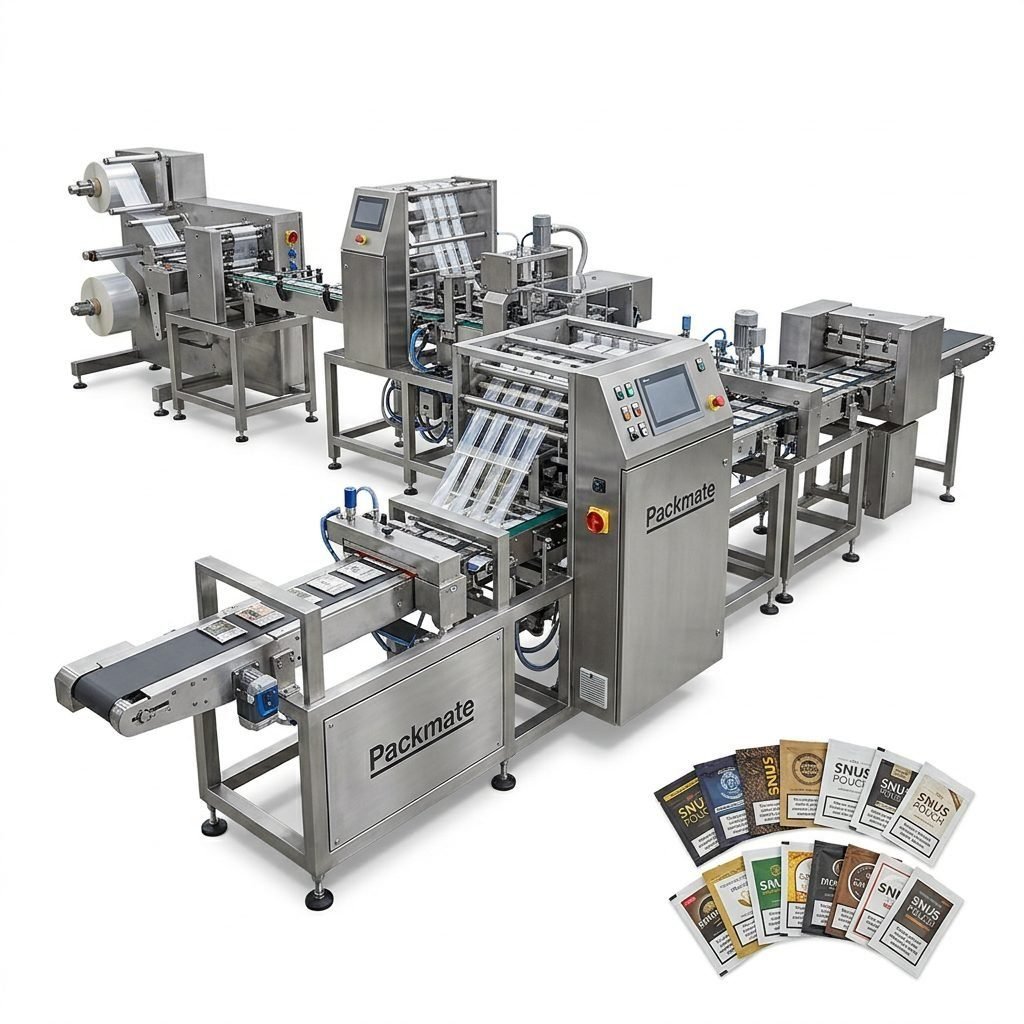
Understanding the UAE Packaging Market Landscape
The UAE’s strategic position as a global trade hub means local manufacturers and importers serve both a sophisticated domestic market and a vast re-export network. Key industries driving packaging automation include:
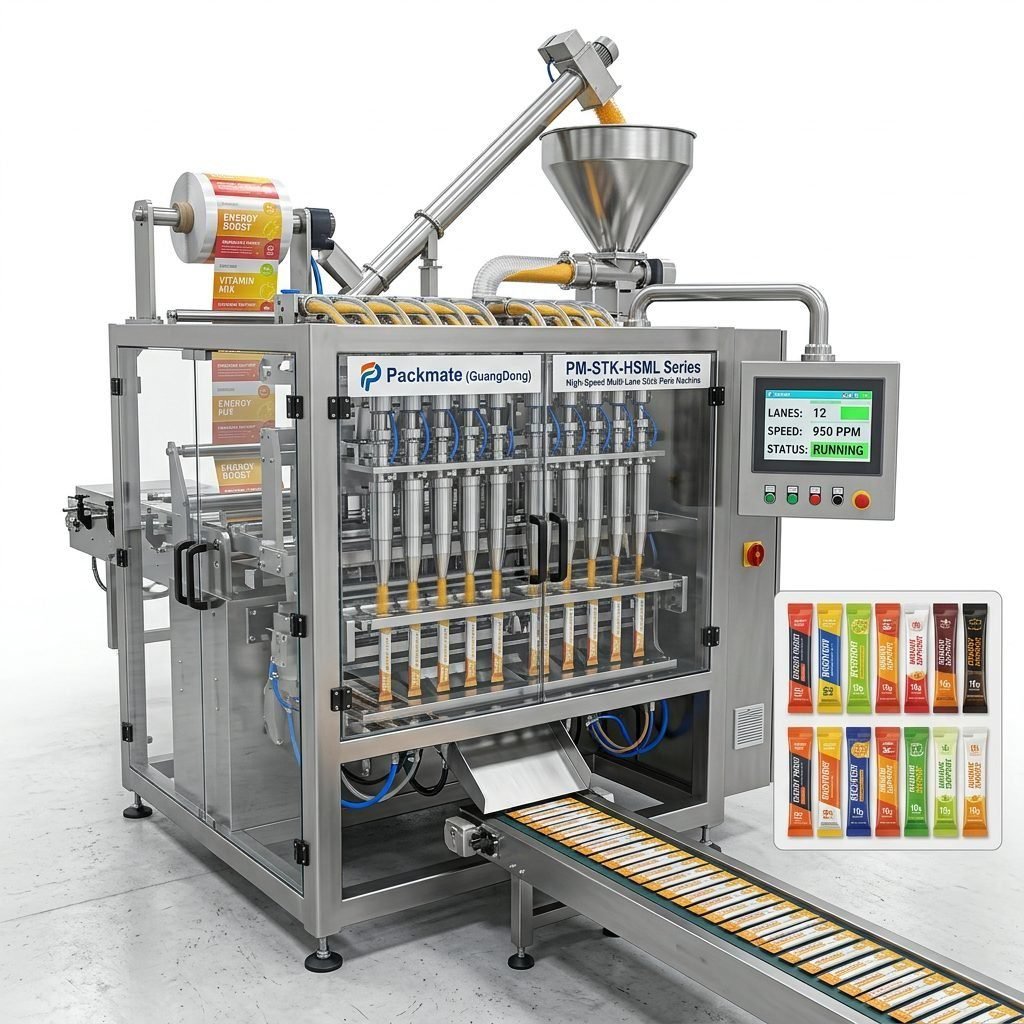
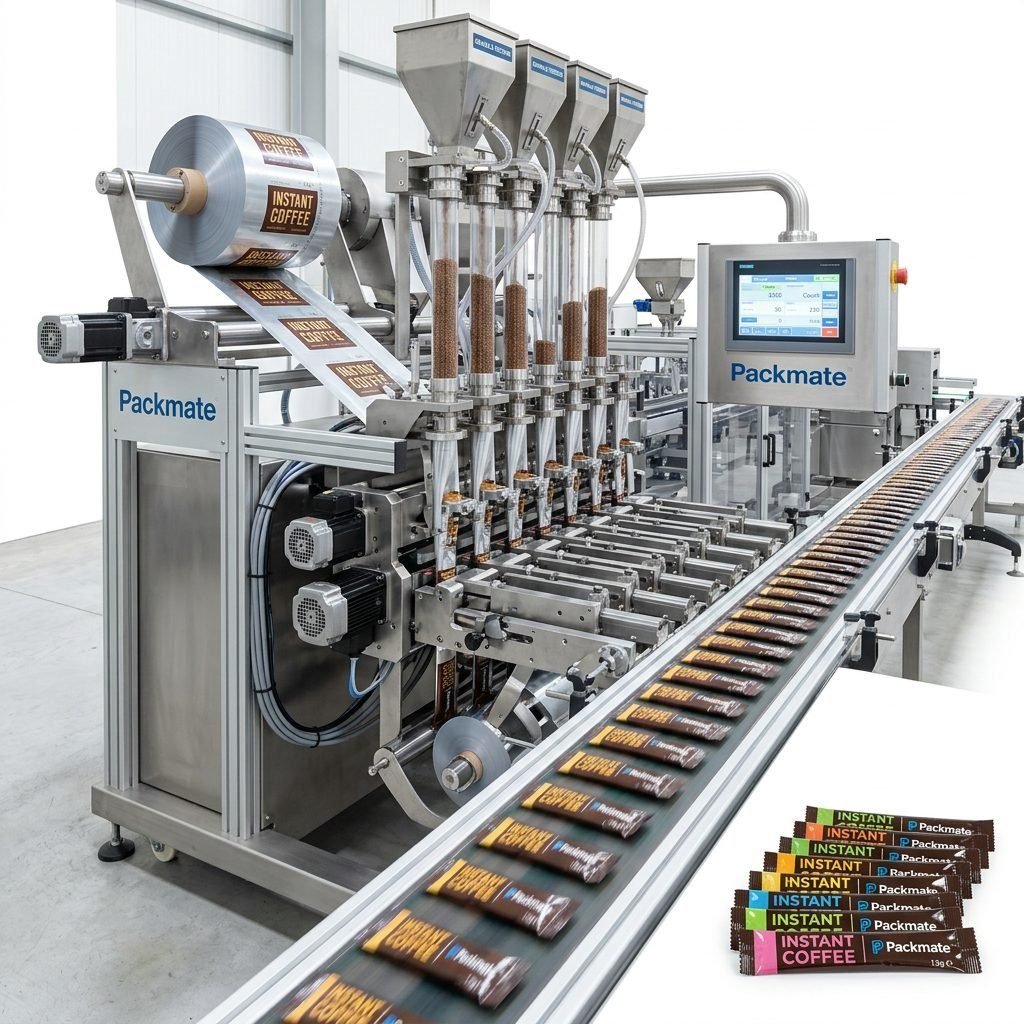
Food & Beverage: High demand for portion-controlled sachets, stick packs for spices, coffee, and milk powders, alongside bulk packaging for dates and other local produce.
Pharmaceutical & Nutraceuticals: Strict regulatory compliance needs for sterile, precise, and tamper-evident packaging of medicines, supplements, and vitamins.
Personal & Home Care: Growing market for single-use sachets of shampoo, conditioner, detergent, and facial creams, requiring high-speed, liquid-capable machines.
Specialty Nicotine Pouches: An emerging segment with specific requirements for precise dosing, consistent sealing, and high-volume multi-lane production.
For businesses in Dubai, Abu Dhabi, Sharjah, and beyond, the right packaging partner must understand these local nuances while providing globally competitive technology and support.
Key Factors to Consider When Choosing a Manufacturer
Navigating the supplier landscape requires a structured evaluation. Focus on these core areas to make an informed choice that aligns with your operational goals and market demands.
1. Technical Capability & Product Range
Assess whether the manufacturer’s equipment portfolio matches your specific product type (powder, granule, liquid, paste) and desired packaging format (stick pack, sachet, pouch, bulk bag). A broad range indicates deeper application knowledge.
Critical Questions:
- Can they provide machines for my exact product viscosity and density?
- Do they offer multi-lane systems for the high output I require?
- Is their technology suitable for the packaging film materials I plan to use?
Manufacturers with extensive R&D and customization capabilities, like Ludyway, are often better equipped to handle unique product challenges common in the UAE’s diverse market.
2. Manufacturing Experience & Quality Assurance
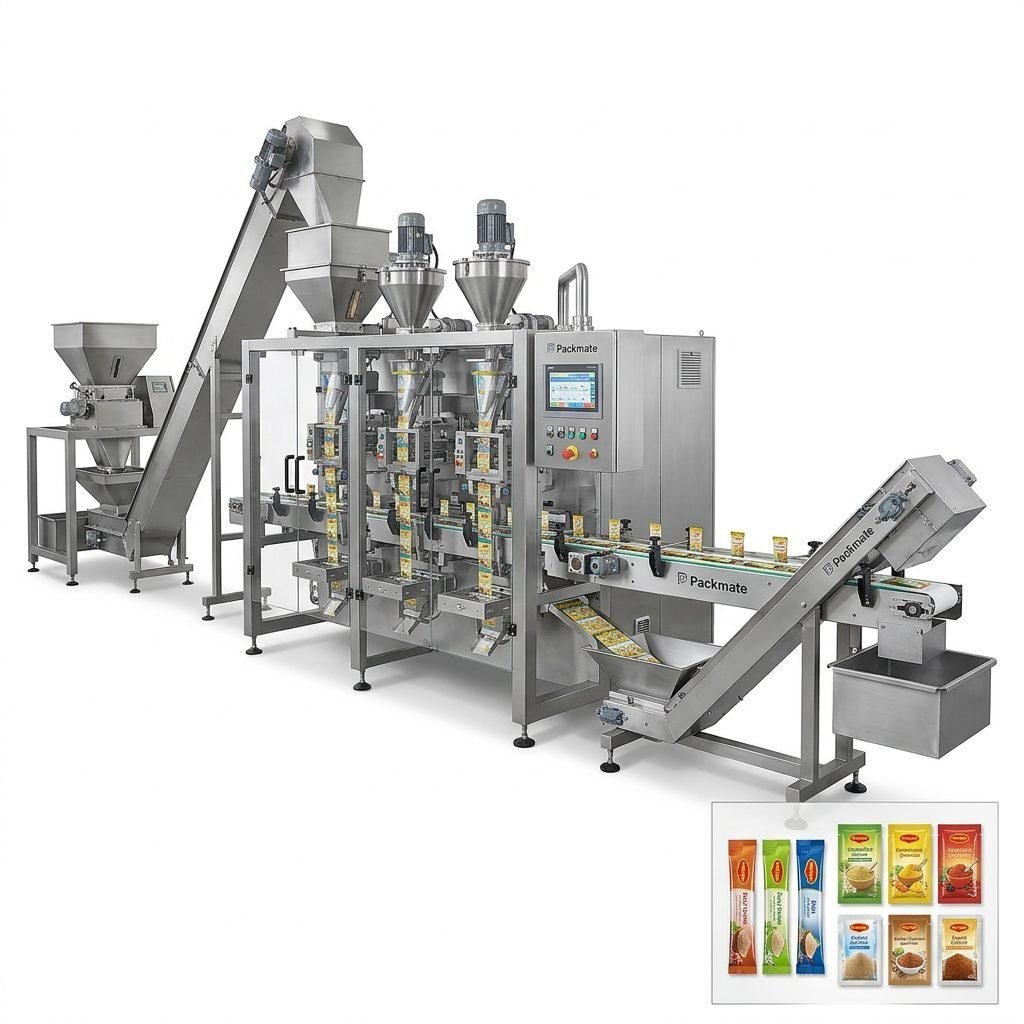
A manufacturer’s history is a strong indicator of stability and accumulated expertise. Look for companies with decades of experience, as they have likely refined their designs and manufacturing processes over time.
| Experience Metric | Why It Matters for UAE Buyers |
|---|---|
| 30+ Years in Industry | Proven track record of machine durability and performance in various climates, including the Gulf region. |
| Modern Factory (20,000+ sqm) | Ensures scalable production, standardized quality control, and the capacity for timely order fulfillment. |
| Structured Quality Inspection | Critical for meeting the UAE’s high standards for food safety (e.g., ESMA) and pharmaceutical packaging integrity. |
Companies such as Packmate Machinery and PacklineOEM, with over 30 years of operation, bring this essential stability to the partnership.
3. After-Sales Support & Local Presence
Technical support is non-negotiable. The geographical distance between the UAE and manufacturing hubs makes responsive after-sales service crucial. Inquire about:
- Spare Parts Availability: Is there a local warehouse or a guaranteed fast-shipping process for critical parts?
- Technical Support: Do they offer remote diagnostics, on-site engineer dispatch, and comprehensive training for your team?
- Warranty & Service Agreements: What is covered, and for how long? Clarity here prevents future operational downtime.
A manufacturer with a strong export footprint in the Middle East, like those serving over 100 countries, is more likely to have established support channels for the region.
4. Project Scalability: Standalone Machine vs. Turnkey Line
Define your immediate and future needs. Are you looking for a single machine to augment an existing line, or a complete, integrated packaging system?
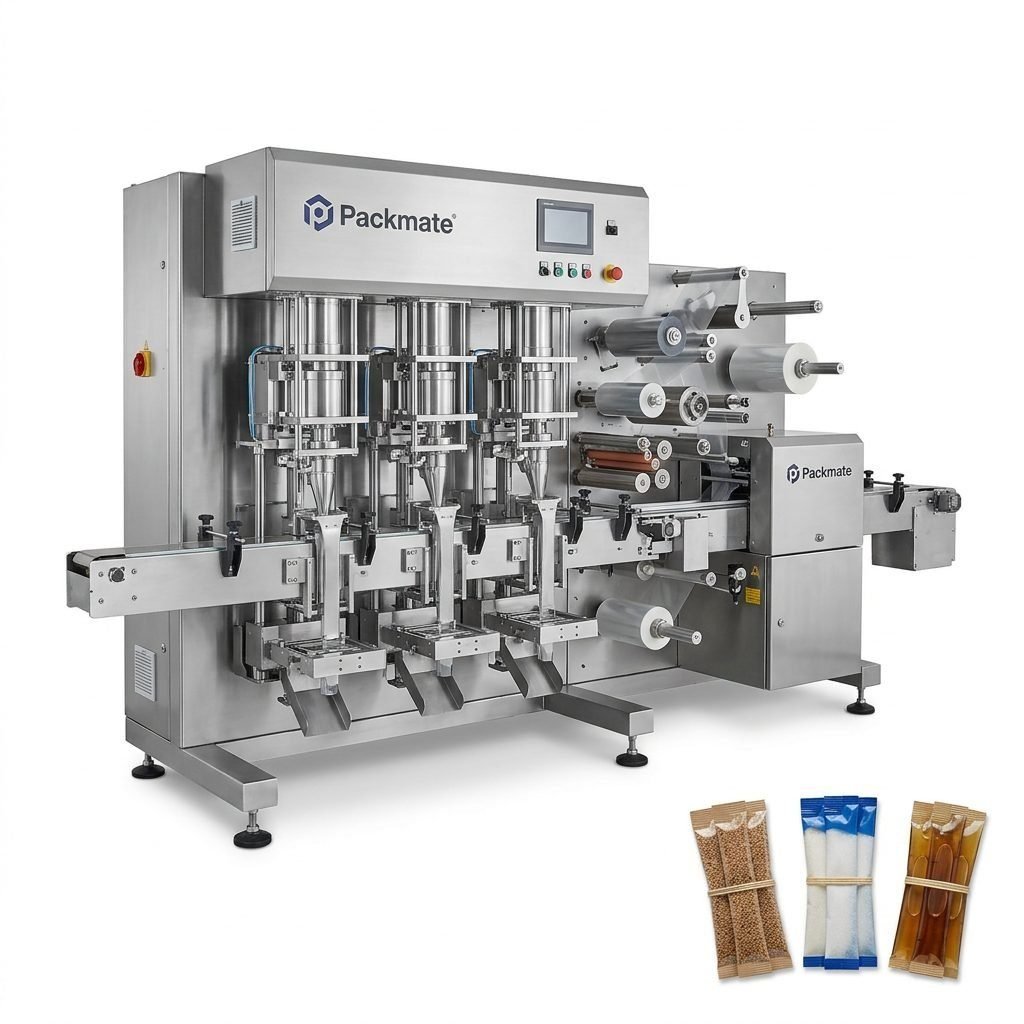
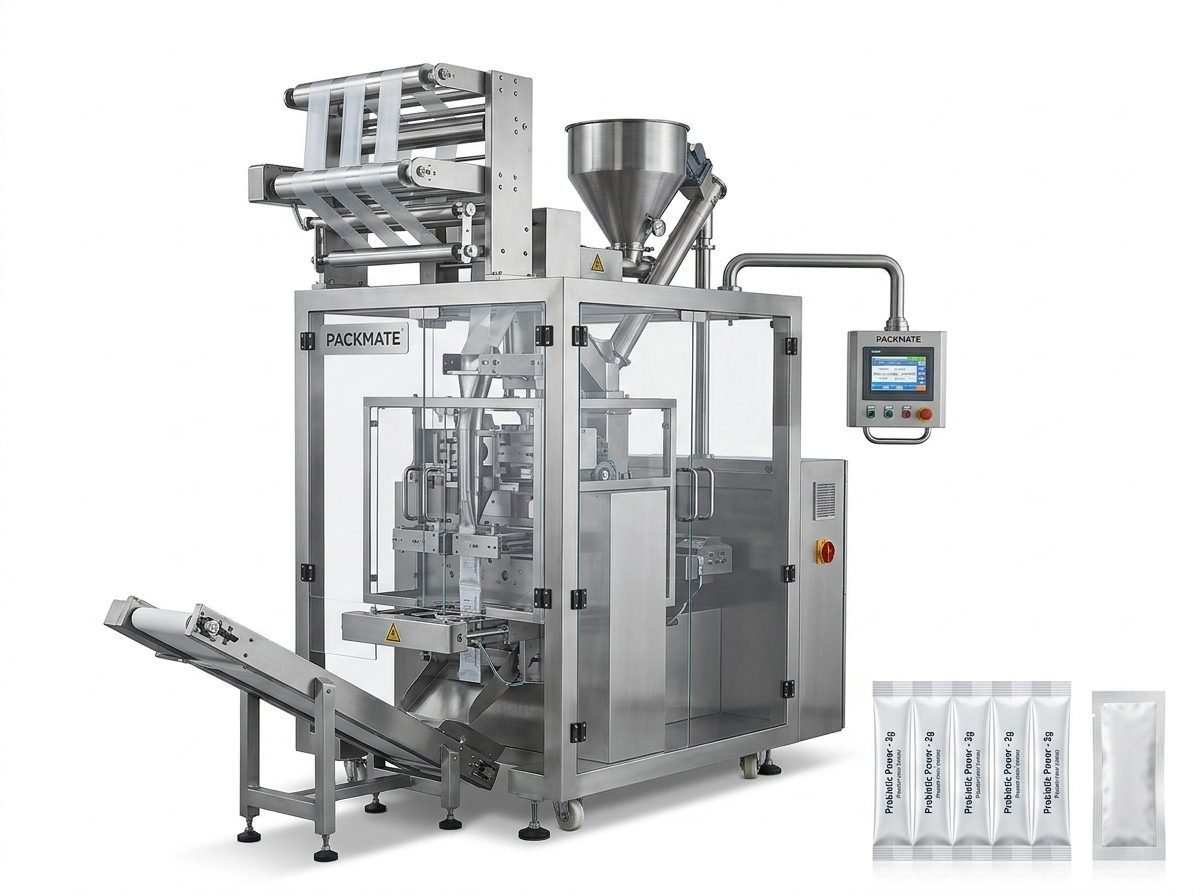
Standalone Machines are suitable for specific, limited-capacity tasks or pilot projects. Manufacturers like PackingMachineOEM excel in providing customized, non-standard standalone units.
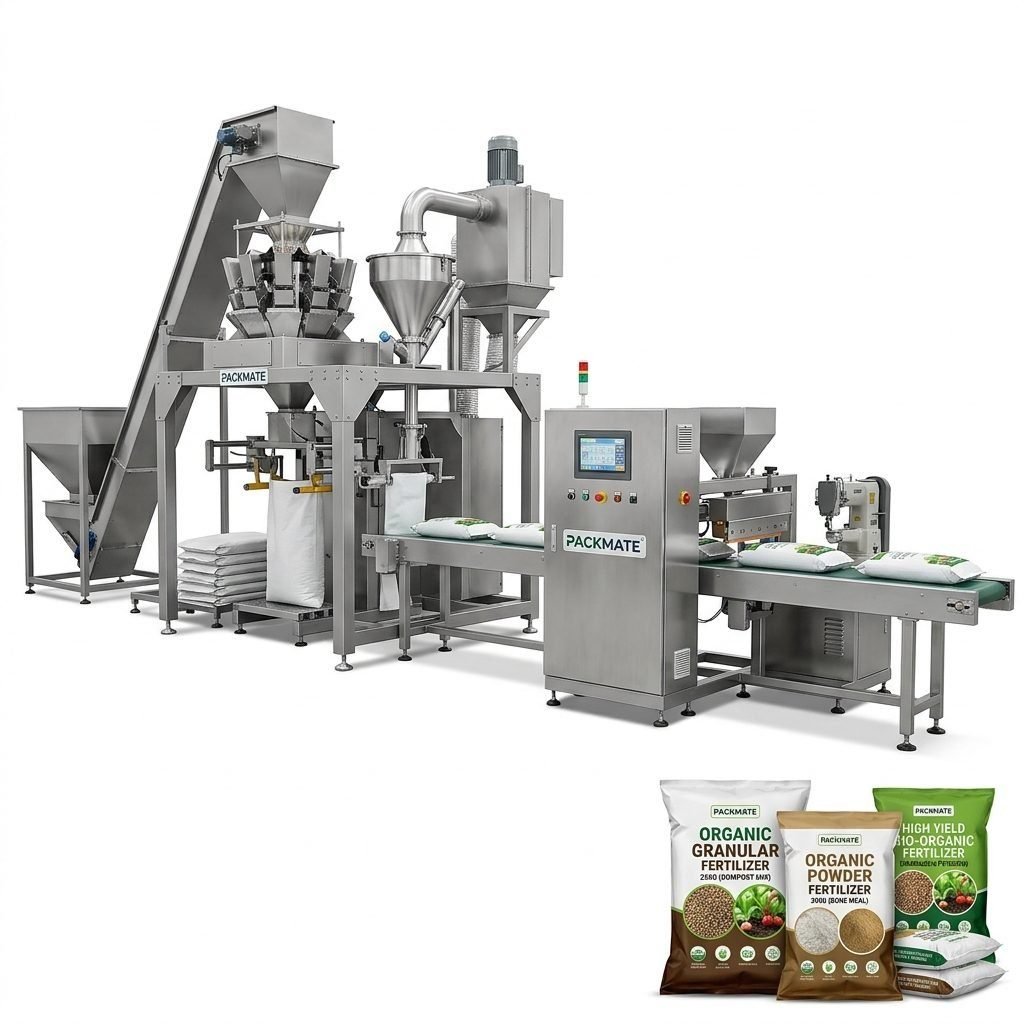
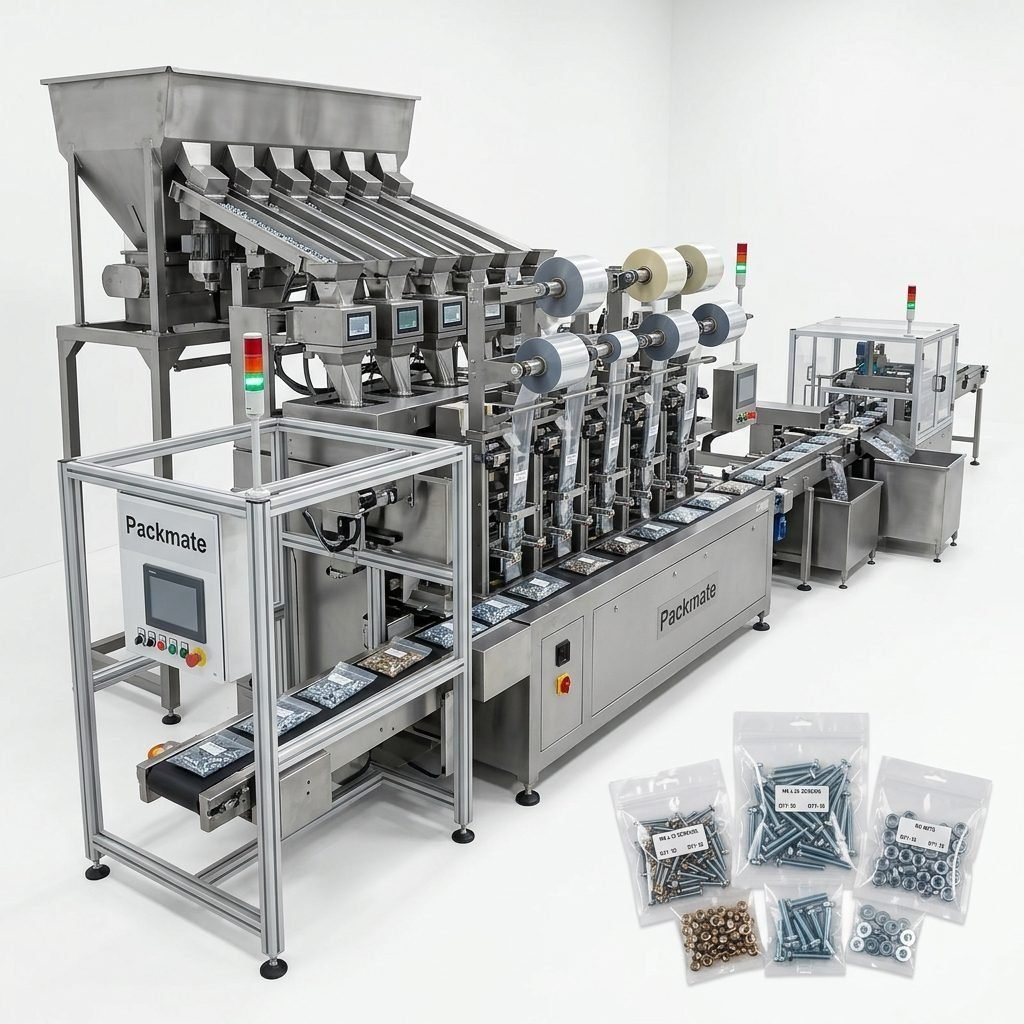
Turnkey Packaging Lines involve the integration of multiple systems—feeding, weighing, filling, sealing, inspection, and cartoning—into one automated solution. This is ideal for new facilities or major capacity expansions. Companies such as PacklineOEM specialize in this holistic approach, which can significantly reduce project management complexity for the buyer.
5. Specialization vs. Generalization
Some manufacturers are broad-spectrum suppliers, while others focus on niche applications. Your choice depends on your product’s complexity.
For standard food powders, granules, or liquids, a generalist with a wide portfolio offers flexibility. For highly specialized products like nicotine pouches or snus, a focused manufacturer like SnusMachinery brings critical application-specific knowledge in dosing, sealing, and material handling that a generalist may lack.
Making the Final Decision: A Practical Checklist
Before finalizing your supplier, conduct due diligence with this actionable checklist tailored for the UAE context:
- Request Product References: Ask for case studies or contact details of clients in the GCC region with similar products.
- Verify Export Documentation: Ensure the manufacturer is experienced with UAE customs, certification (CE, etc.), and voltage requirements (220-240V, 50Hz).
- Analyze Total Cost of Ownership (TCO): Look beyond the initial price. Factor in energy consumption, expected maintenance costs, part longevity, and potential output losses from downtime.
- Demand a Performance Guarantee: Secure written commitments on key metrics like packaging speed (bags/minute), dosing accuracy (±%), and bag seal integrity rate.
- Plan for Installation & Training: Clarify who handles installation, commissioning, and operator training. On-site support during startup is invaluable.

Frequently Asked Questions (FAQs)
1. How important is a manufacturer’s experience in the Middle East market?
Extremely important. Experience in the region means familiarity with local climatic conditions (heat, dust), common power fluctuations, and regulatory expectations. It also suggests established logistics and support networks, which can drastically reduce lead times for parts and service.
2. Should I prioritize the lowest price when selecting a packaging machine?
Not as the sole factor. While cost is important, an unusually low price can indicate compromises on component quality, manufacturing precision, or after-sales support. Investing in reliability and strong support often leads to lower long-term costs and higher production uptime. Evaluate the Total Cost of Ownership (TCO).
3. What is the typical lead time for receiving a packaging machine in the UAE?
Lead times vary significantly. For standard models, it can range from 8 to 16 weeks ex-works, plus shipping and customs clearance time. For fully customized or turnkey lines, the timeline can extend to 20-30 weeks. Always get a detailed project timeline from the manufacturer.
4. Can packaging machines be customized for our unique product and bag size?
Yes, most reputable manufacturers offer a degree of customization. This can include changes to dosing systems for specific product characteristics, adjustments to sealing jaws for different film materials, and modifications to handle unique bag dimensions. Companies that emphasize OEM and non-standard solutions are typically more flexible in this regard.
5. What kind of after-sales support should I expect?
You should expect, at a minimum: a comprehensive operation and maintenance manual, remote technical support via phone/video, availability of spare parts, and training for your operators and technicians. The best suppliers offer service contracts, periodic maintenance checks, and have the ability to dispatch engineers to your site if needed.