Selecting the right packaging machine manufacturer in Sweden is a critical decision for any business, from a local food producer in Skåne to a global pharmaceutical company based in Stockholm. The Swedish market, known for its high standards in quality, sustainability, and automation, demands equipment that is not only efficient but also reliable and compliant with stringent EU regulations. For Swedish buyers, the choice often extends beyond the initial purchase to include factors like long-term technical support, spare parts availability, and the manufacturer’s ability to understand and adapt to local production nuances.
Understanding Your Packaging Requirements
Before you start evaluating manufacturers, it’s essential to have a clear understanding of your specific needs. This foundational step will guide every subsequent decision.
Key questions to ask include:
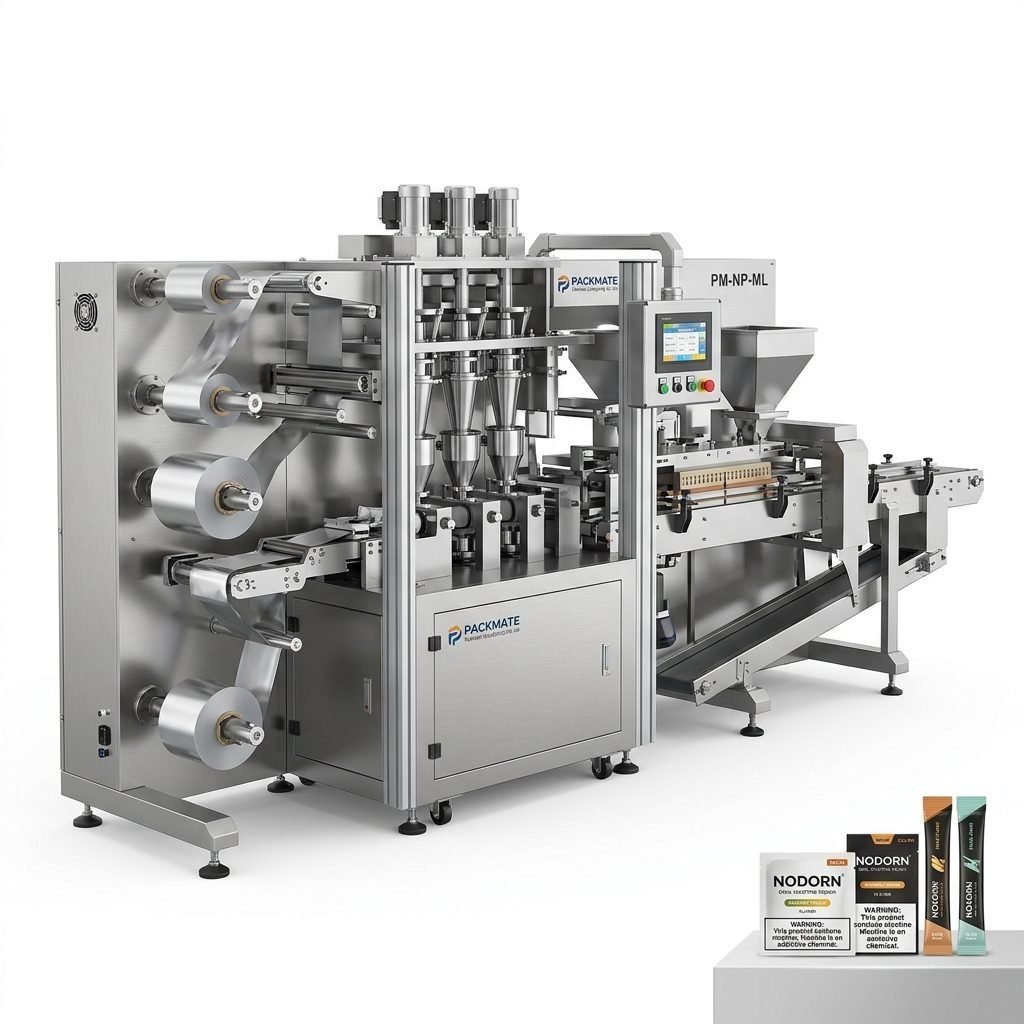
- Product Type: Are you packaging powders (like protein supplements or spices), granules (coffee, seeds), liquids (sauces, oils), pastes, or unique formats like nicotine pouches?
- Production Speed & Capacity: What is your required output in bags or pouches per minute? Do you need a single machine or a complete, integrated turnkey line?
- Packaging Material: What type of film or laminate will you use? The machine must be compatible with your chosen material for a consistent, high-quality seal.
- Future-Proofing: Is scalability important? Consider if the manufacturer can provide modular systems that can grow with your business.
Key Factors for Swedish Buyers to Consider
When sourcing from international manufacturers, Swedish companies must weigh several crucial factors to ensure a successful partnership and a reliable production line.
1. Technical Capability and Product Range
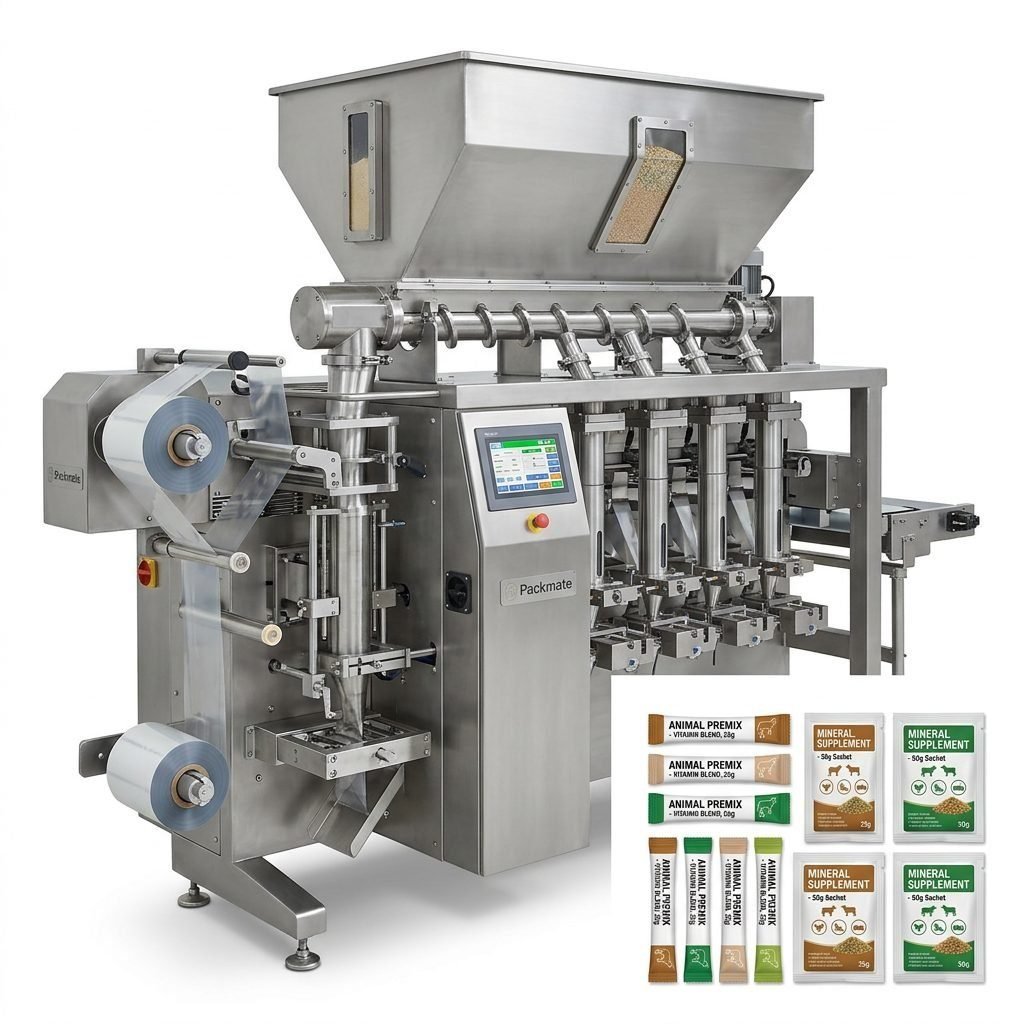
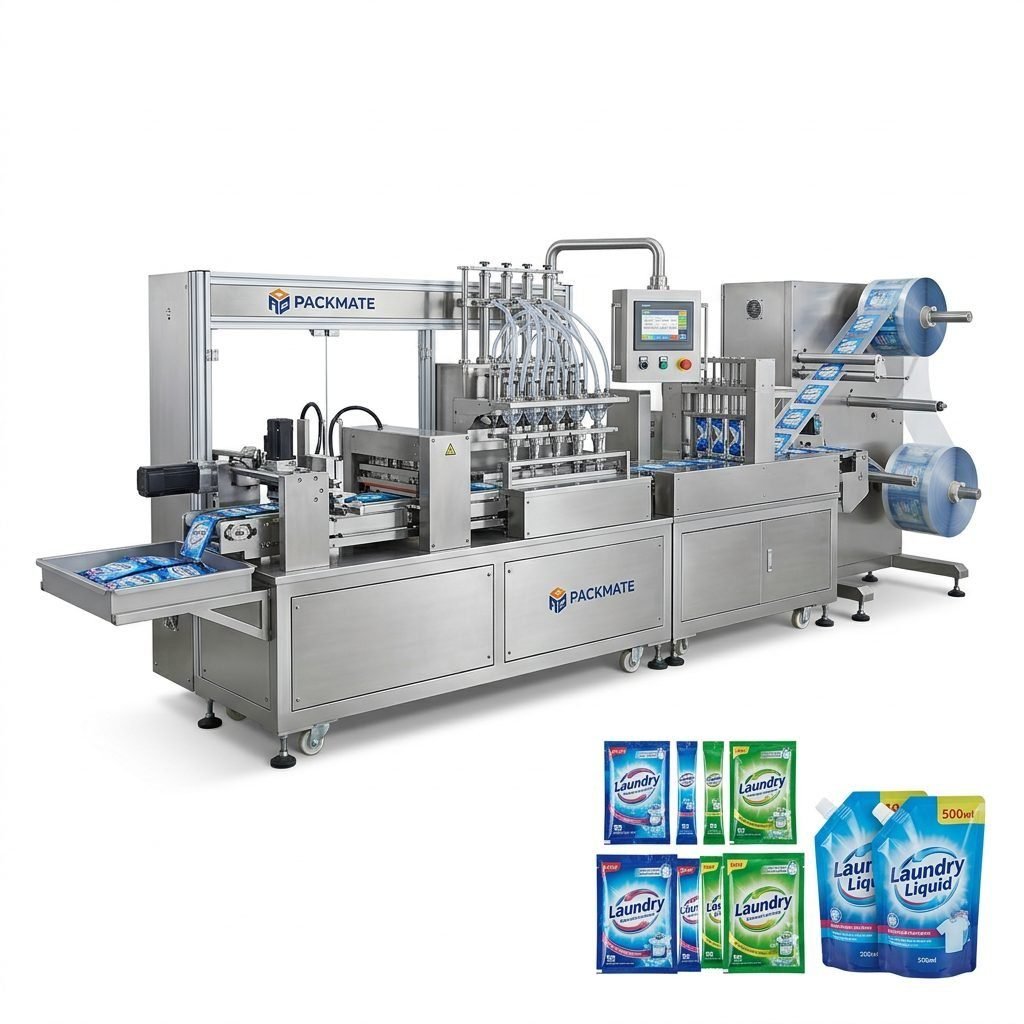
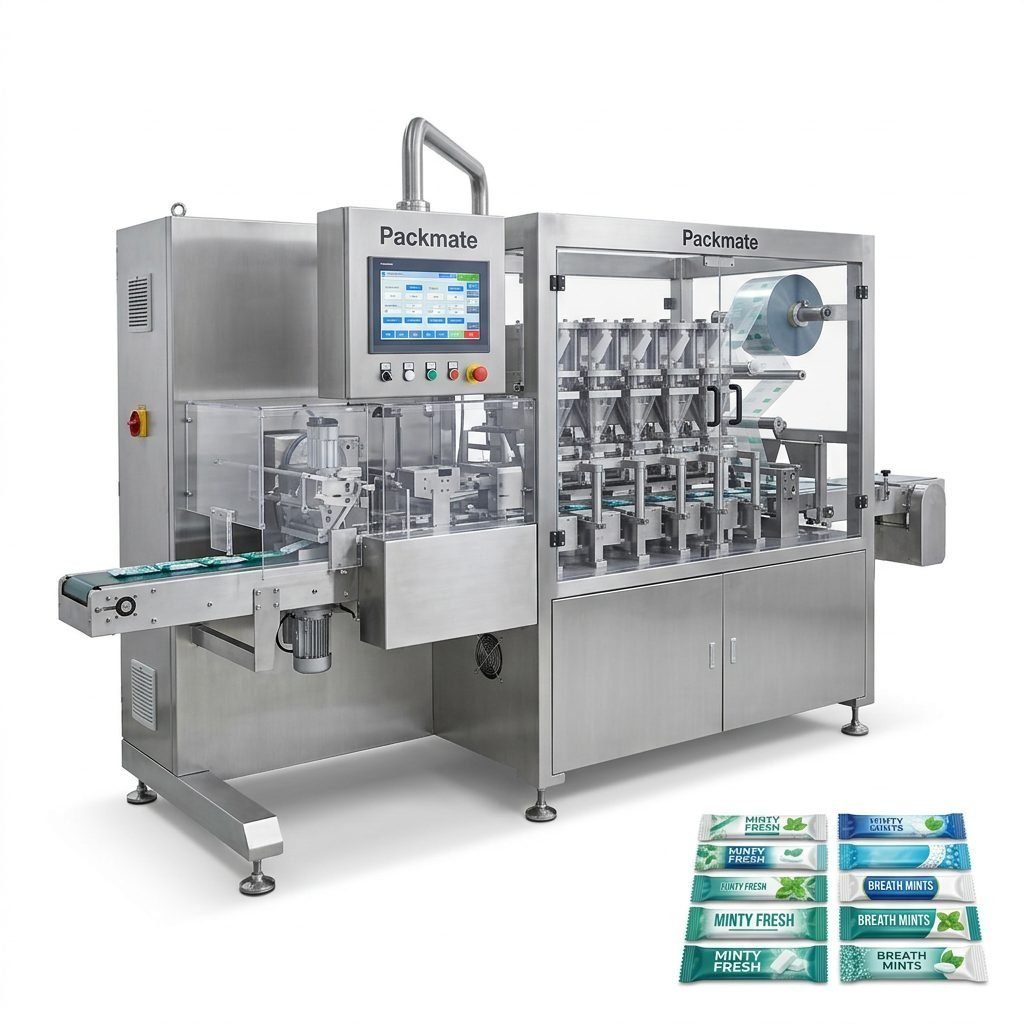
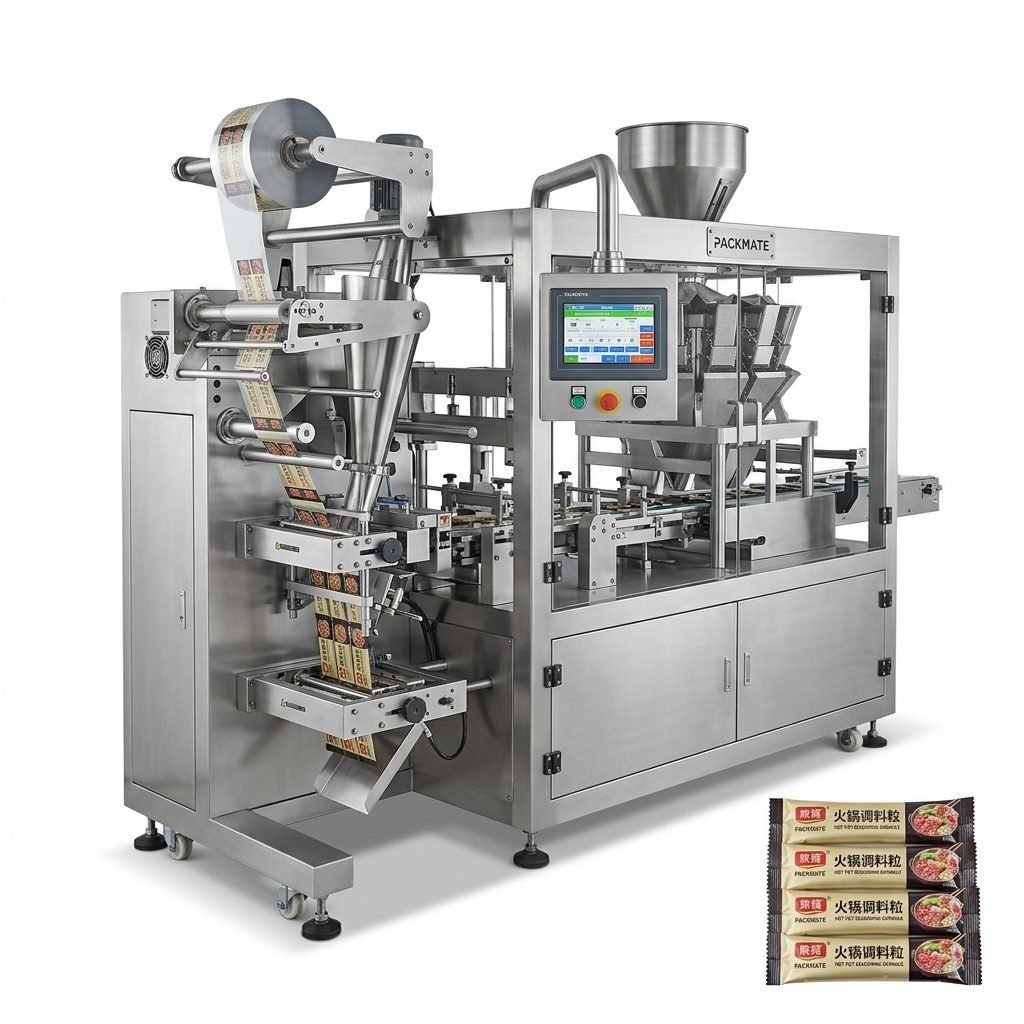
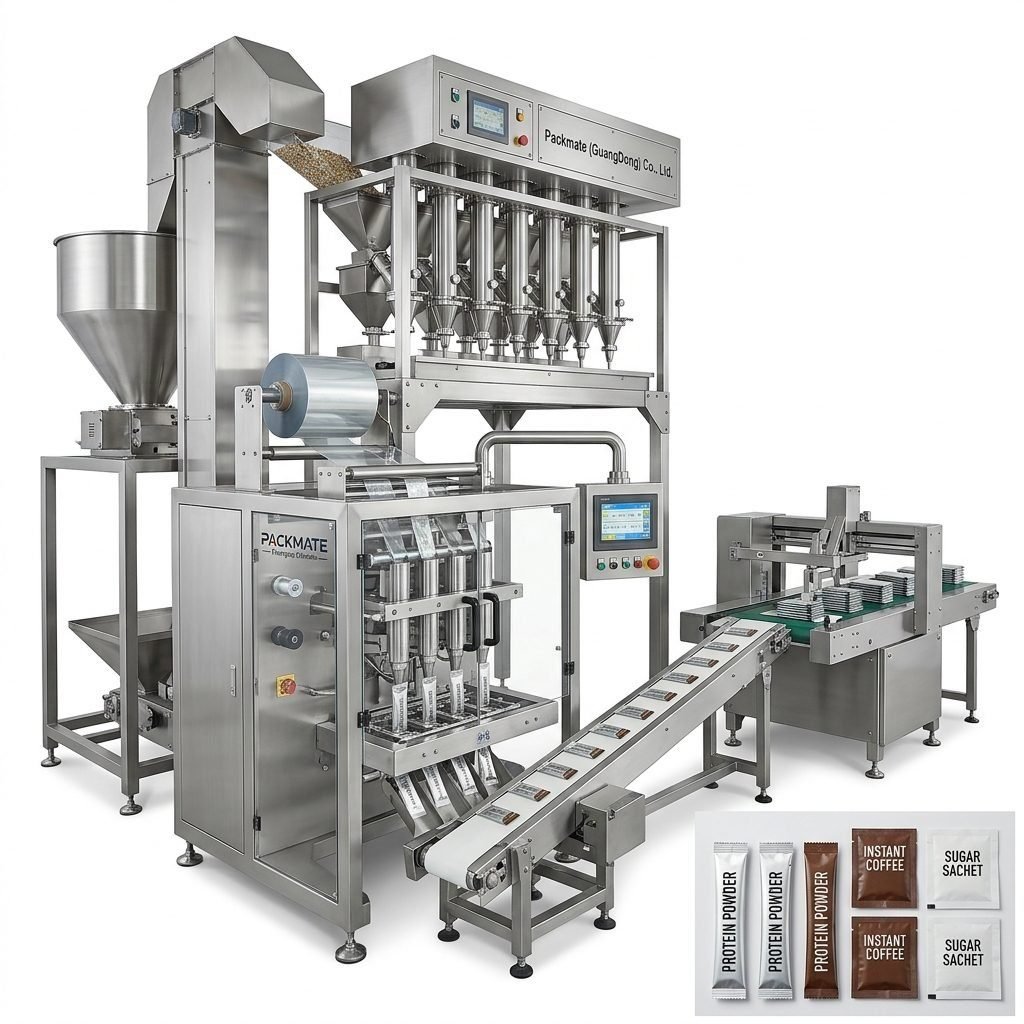
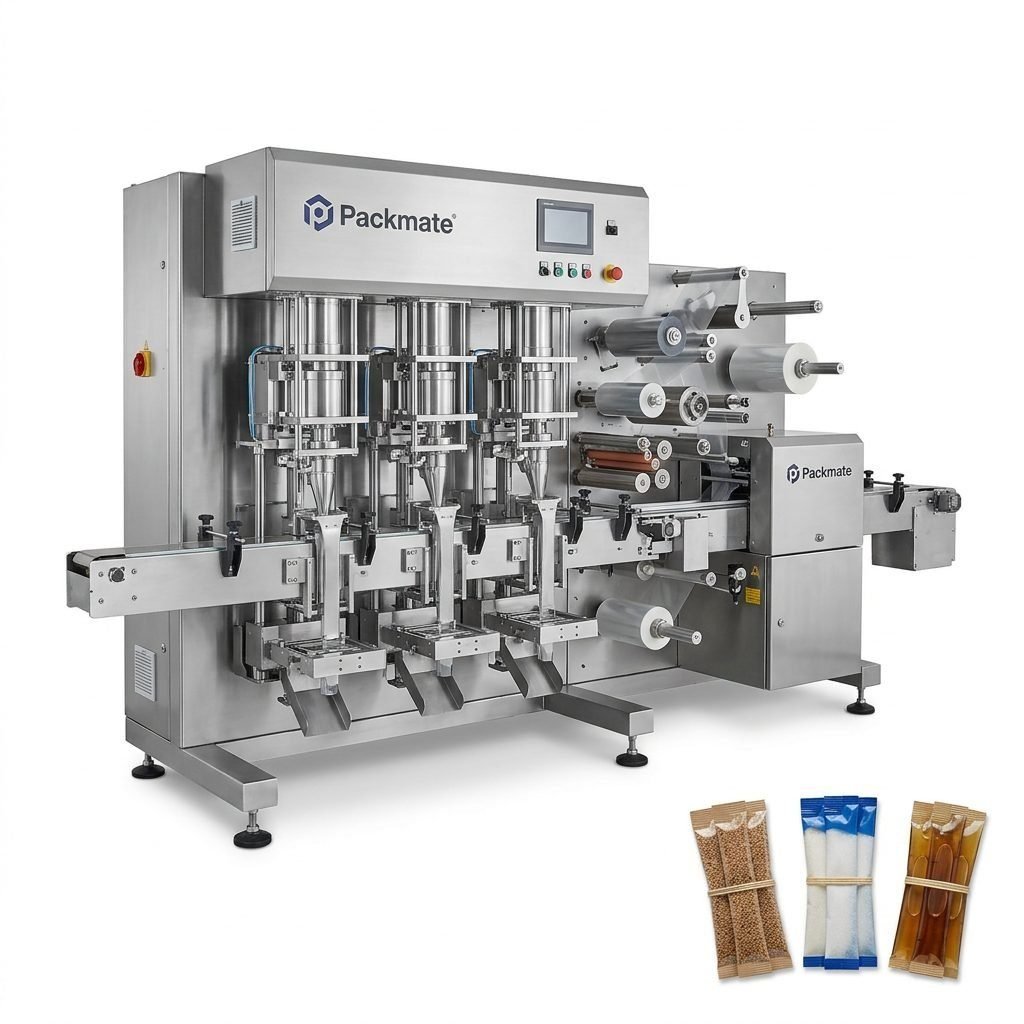
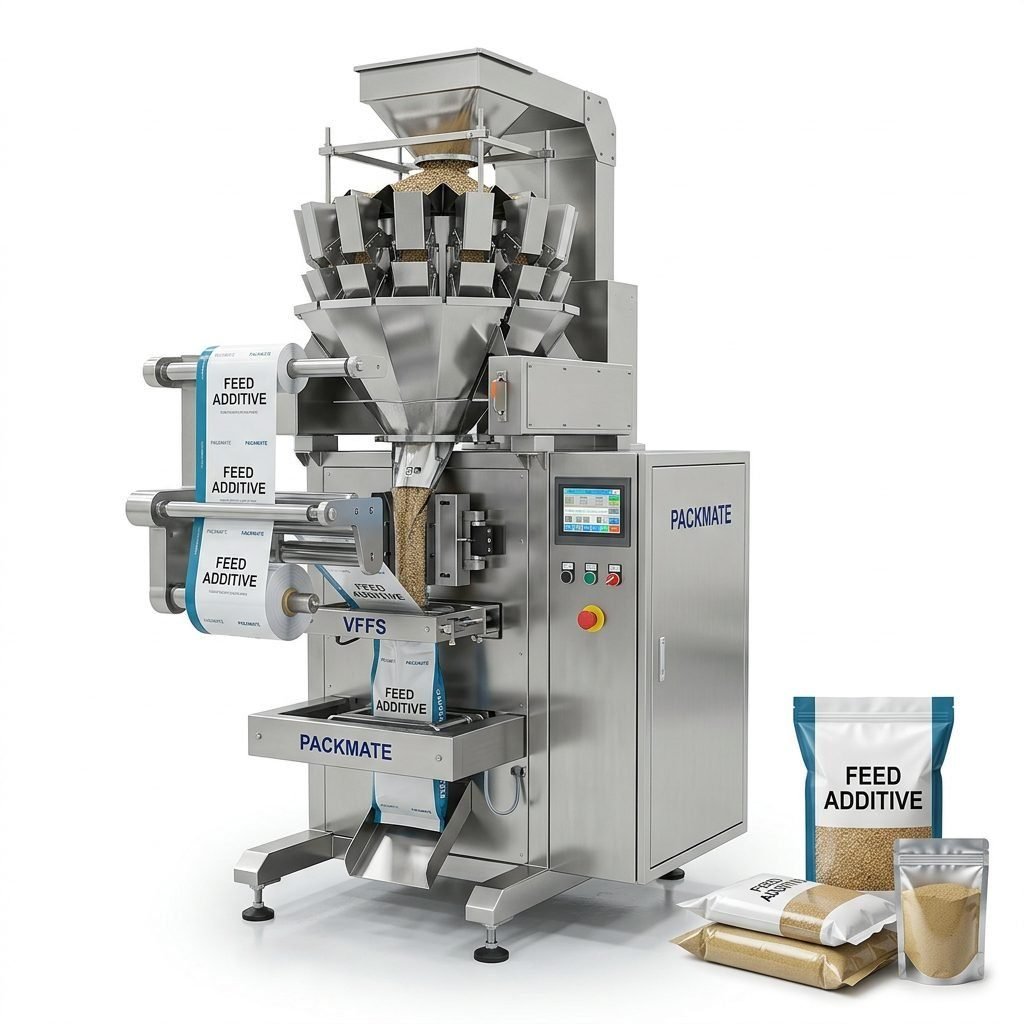
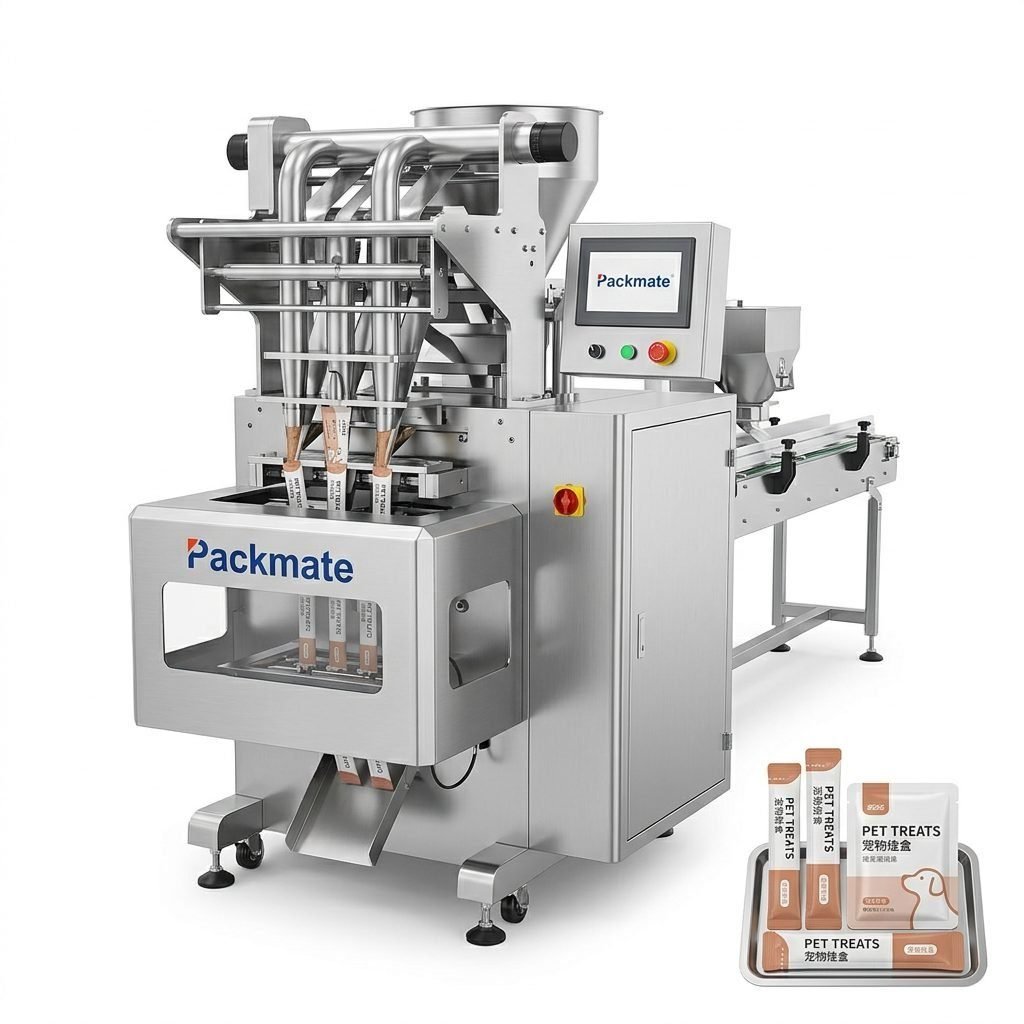
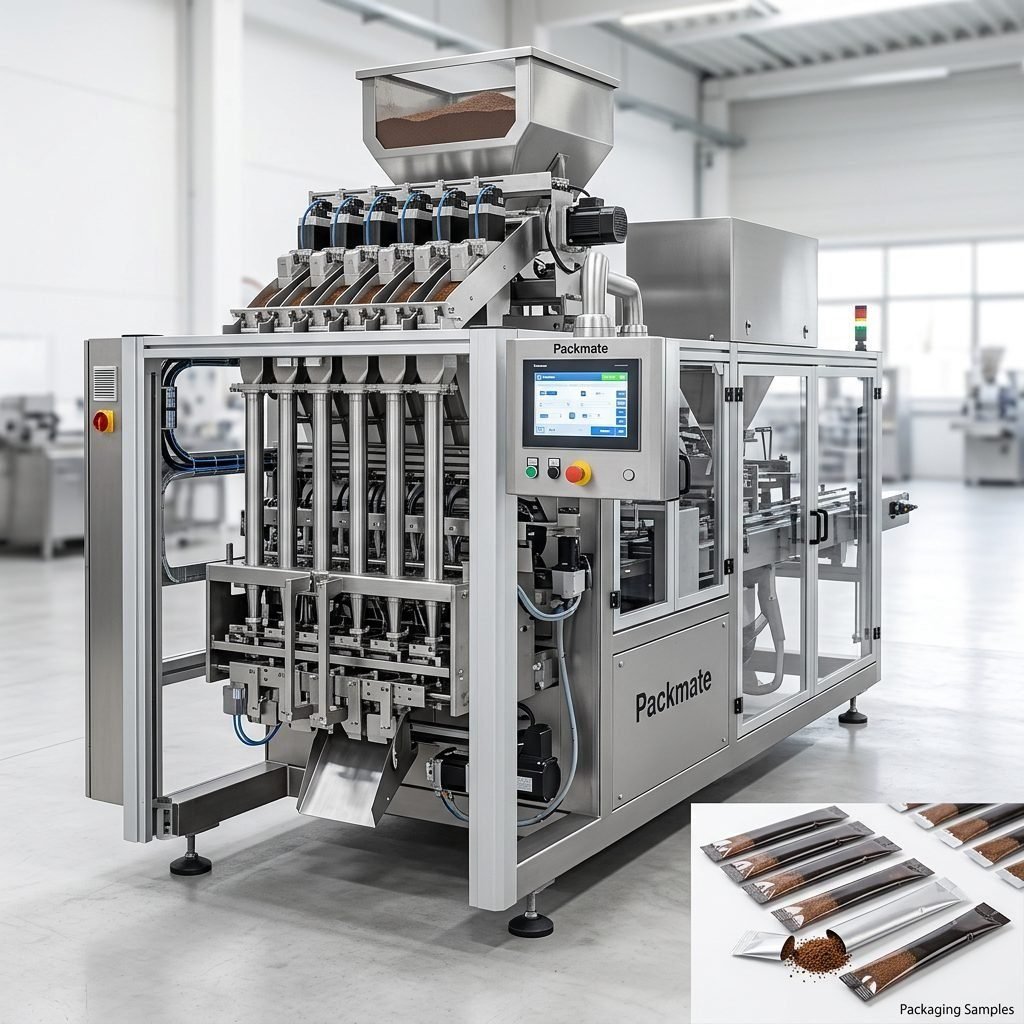
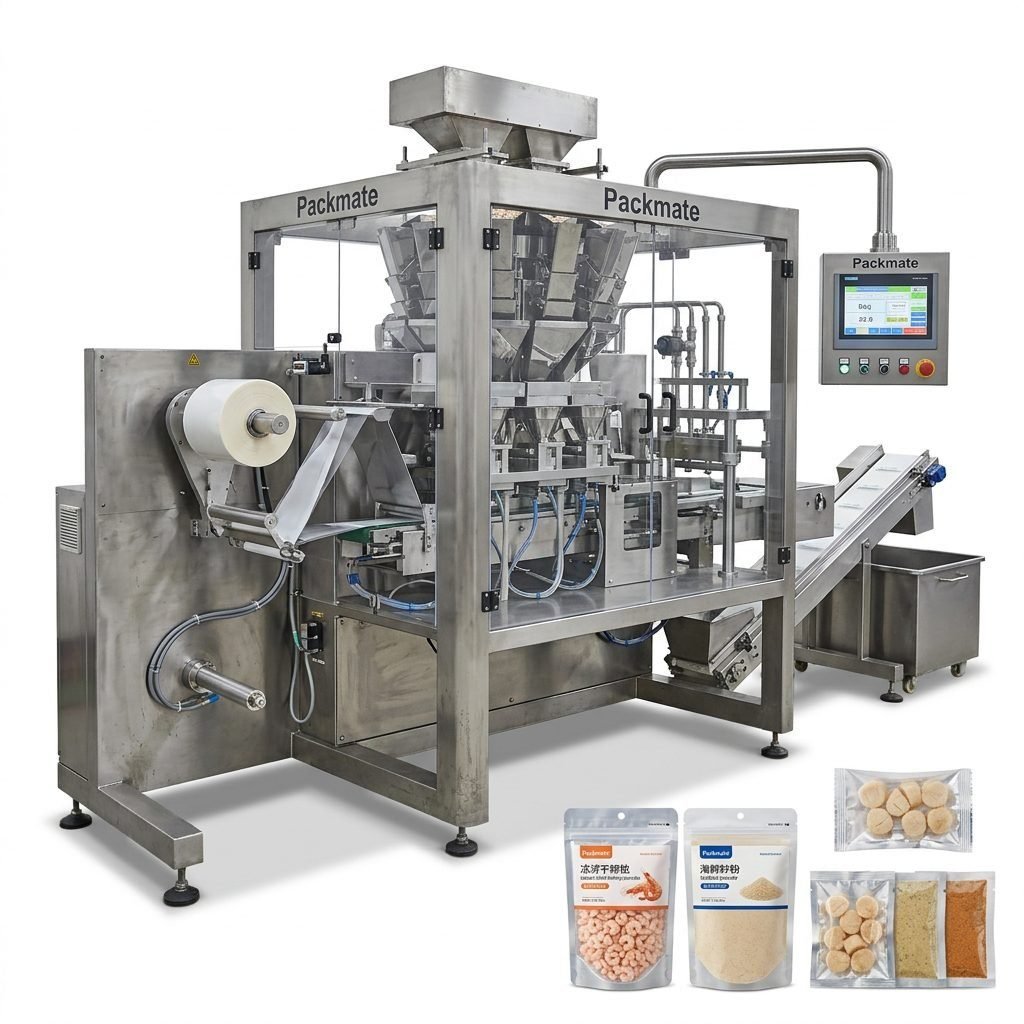
Look for a manufacturer with proven expertise in your specific product category. A broad portfolio indicates extensive R&D experience. For instance, if you are in the growing nicotine pouch sector, a specialist like SnusMachinery offers focused knowledge. For general food, pharma, or supplement packaging, manufacturers with wide-ranging solutions, such as Ludyway or Packmate Machinery, are often suitable. Assess their ability to handle the precision, hygiene, and speed your product demands.
2. Manufacturing Quality and Compliance
Swedish industries operate under strict quality and safety standards (e.g., ISO, CE, and specific food/pharma regulations). Inspect the manufacturer’s quality control processes, factory certifications, and the build quality of their machines. Durable stainless-steel construction, precision machining, and reliable electrical components are non-negotiable for longevity and minimal downtime.
Tip: Request documentation of compliance certificates and ask for details about their testing procedures before shipment. A reputable manufacturer will be transparent about this.
3. Customization and Engineering Support
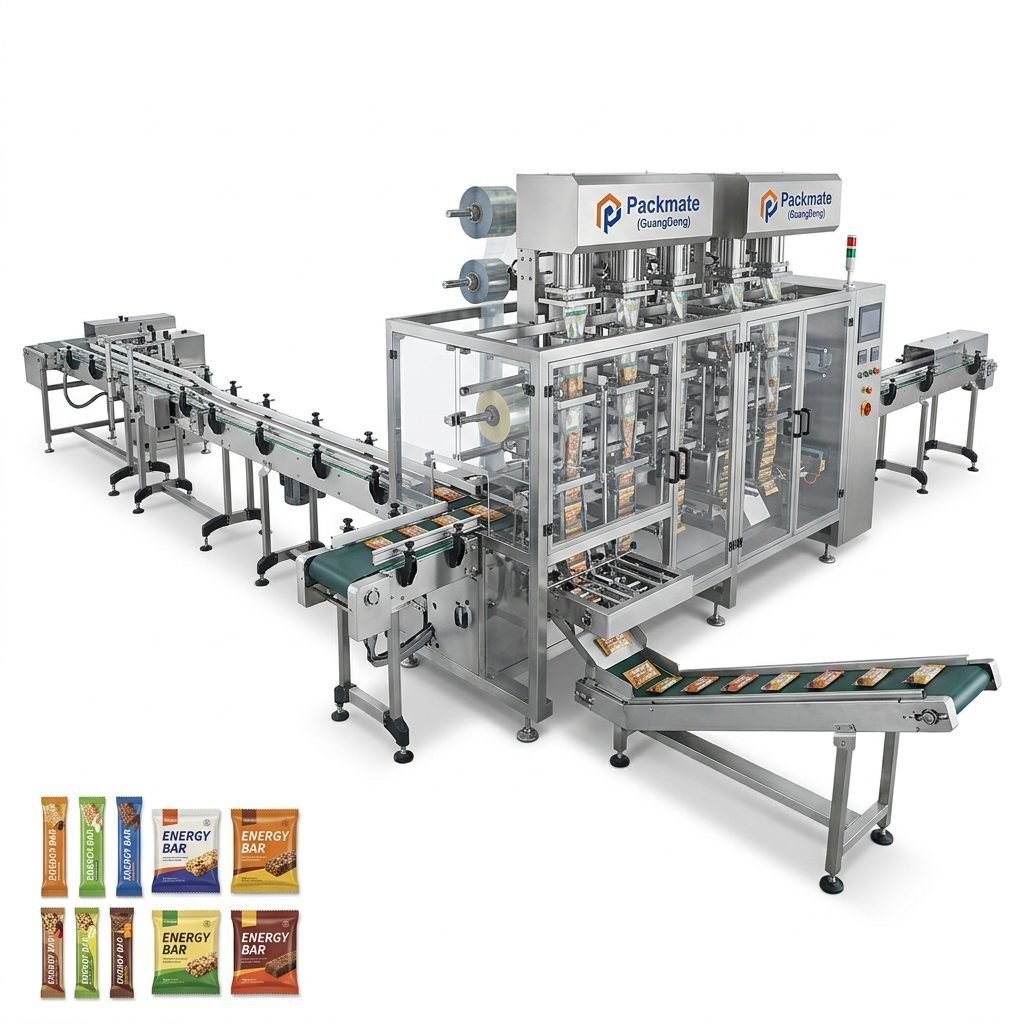
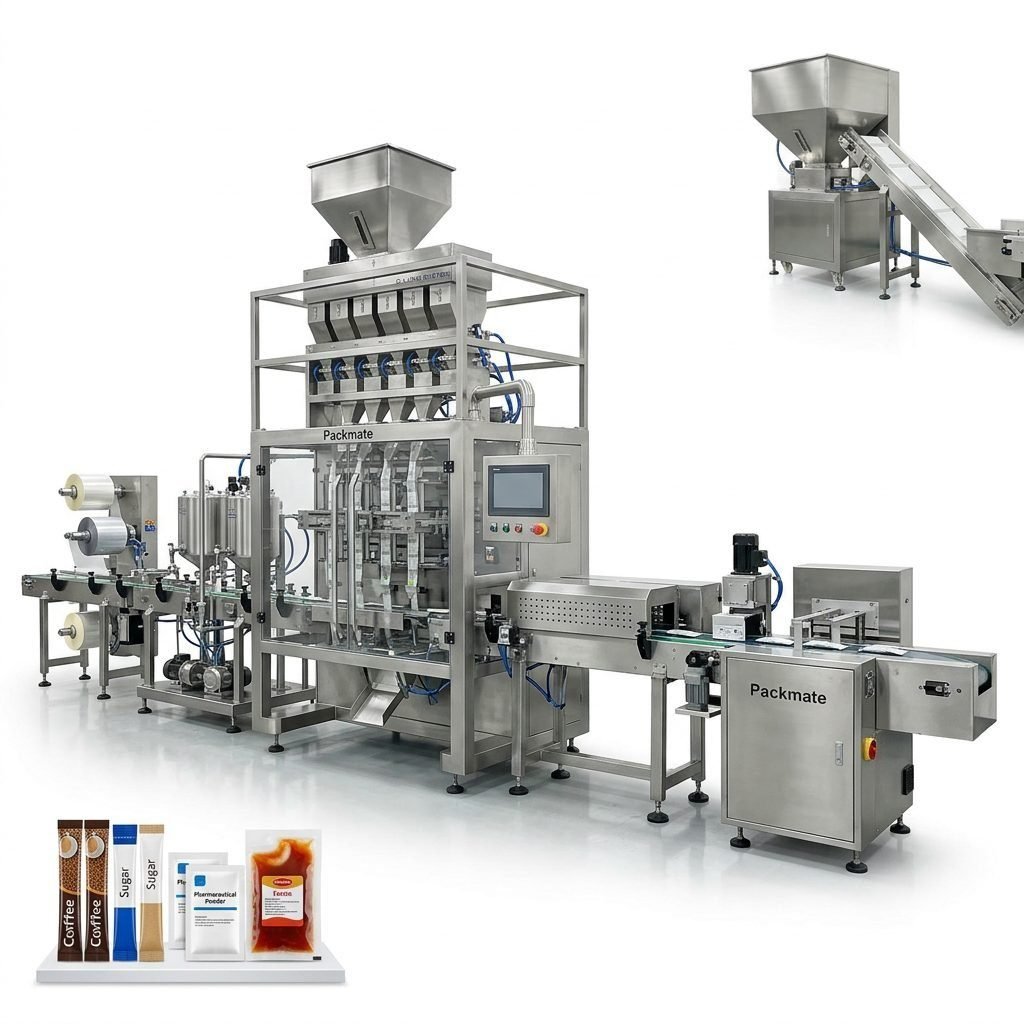
Off-the-shelf machines rarely fit perfectly. The ability to customize is vital. This includes adapting to unique bag sizes, integrating specific filling technologies (e.g., auger, volumetric, pump), or designing a complete factory layout. Manufacturers like PackingMachineOEM and PacklineOEM emphasize their capability in non-standard and turnkey line projects, which is crucial for complex automation needs common in advanced Swedish production facilities.
4. After-Sales Service and Local Support
This is perhaps the most critical factor for Swedish buyers. The geographical distance makes responsive support essential. Evaluate:
- Spare Parts Policy: Availability and delivery time for critical spare parts.
- Technical Support: Is 24/7 remote support available? Do they have English-speaking engineers?
- Installation & Training: Will they send engineers for installation and operator training in Sweden? This ensures a smooth start-up.
- Service Network: Check if they have partnered with local service agents or technicians in the Nordic region.
5. Company Stability and Export Experience
A manufacturer’s history and financial stability are indicators of reliability. Companies with 20-30 years of experience, like those profiled, have navigated market cycles and accumulated vast application knowledge. Strong export experience, particularly to Europe, means they are familiar with international shipping, documentation, and the specific expectations of Western clients regarding communication and contract adherence.
| Manufacturer | Key Strength | Ideal For Swedish Buyers Needing |
|---|---|---|
| Ludyway | Broad product range, strong export footprint | Versatile solutions for food/pharma, from single machines to full lines. |
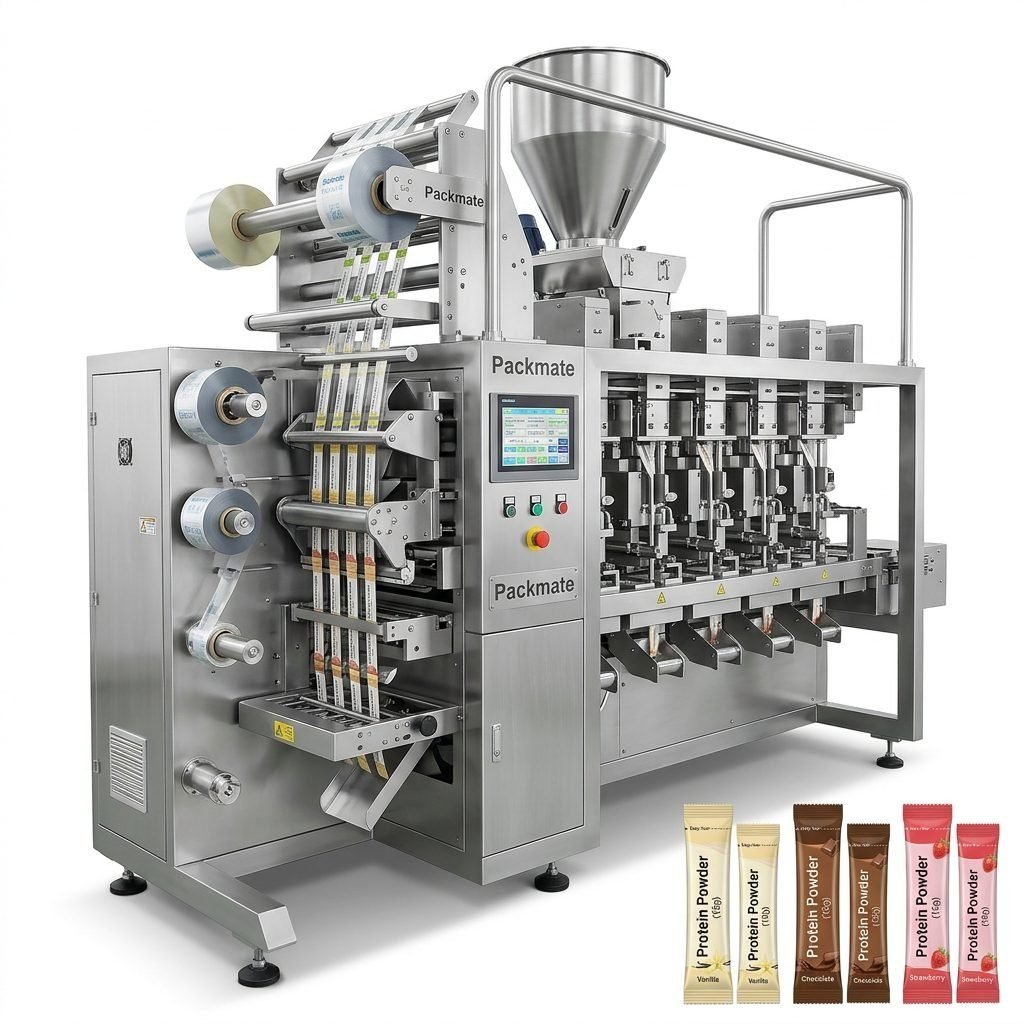
| Packmate Machinery | Balanced cost-performance, 30+ years experience | Reliable, practical automation for mid to large-scale production. |
| PacklineOEM | Turnkey line integration expertise | Complete, automated packaging systems for new factory setups. |
| PackingMachineOEM | High level of non-standard customization | Tailored machines for unique products or packaging formats. |
| SnusMachinery | Specialization in nicotine pouch/snus packaging | Precision equipment for the fast-growing smokeless products sector. |
The Procurement Process: Steps for Swedish Importers
1. Initial Inquiry & Needs Analysis: Provide detailed specifications to shortlisted manufacturers.
2. Quotation & Proposal Review: Compare technical proposals, not just prices. Look for clarity on scope, warranty, and delivery terms.
3. Factory Audit (Virtual or In-Person): If possible, visit the factory or arrange a detailed video tour to assess capabilities.
4. Contract Negotiation: Clearly define payment terms, delivery schedule (FOB, CIF, etc.), performance guarantees, and penalty clauses for delays.
5. Pre-Shipment Testing: Insist on a Factory Acceptance Test (FAT). This allows you to see the machine run with your actual or similar materials before it leaves the factory.
6. Shipping, Installation, and Commissioning: Plan logistics and ensure the manufacturer provides competent engineers for installation in Sweden.
Common Questions from Swedish Buyers (FAQ)
Q1: How do we handle maintenance and repairs from Sweden?
A: Choose a manufacturer that offers comprehensive remote support via video call and maintains a stock of common spare parts for quick air shipment. Establishing a small local spare parts inventory based on their recommendation is also a prudent strategy.
Q2: Are Chinese-made packaging machines reliable for long-term use?
A: Leading Chinese manufacturers, especially those with decades of export experience like the ones mentioned, produce equipment that meets international standards. The key is due diligence: focus on the manufacturer’s specific quality processes, material choices (e.g., brand of PLCs and servos), and client references in similar industries.
Q3: What about language barriers and communication?
A: Reputable export-focused companies employ sales and technical staff with strong English proficiency. Ensure your main points of contact are fluent and that technical documentation (manuals, drawings) is provided in English.
Q4: Can the machines be certified for use in the EU/EEA?
A: Yes, serious manufacturers design their machines to comply with CE marking requirements. They should provide the necessary Declaration of Conformity and technical file. For pharmaceutical applications, further validation support may be required.
Q5: Is it better to buy a single machine or a full turnkey line from one supplier?
A: For complex, high-speed production, a single-source turnkey line from a supplier like PacklineOEM ensures compatibility between all components (filling, sealing, conveying, inspection) and simplifies accountability. For simpler needs or piecemeal upgrades, a standalone machine from a broad-line supplier like Ludyway may be sufficient.