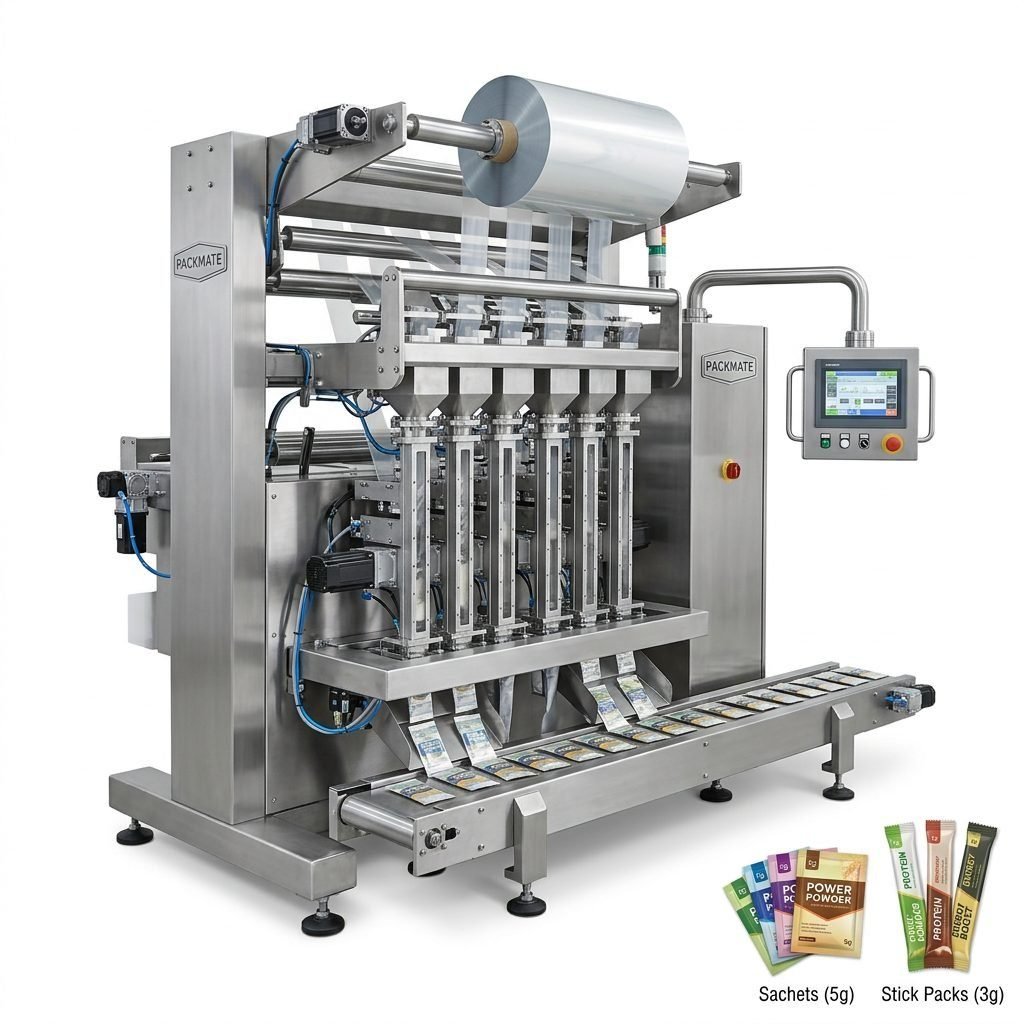
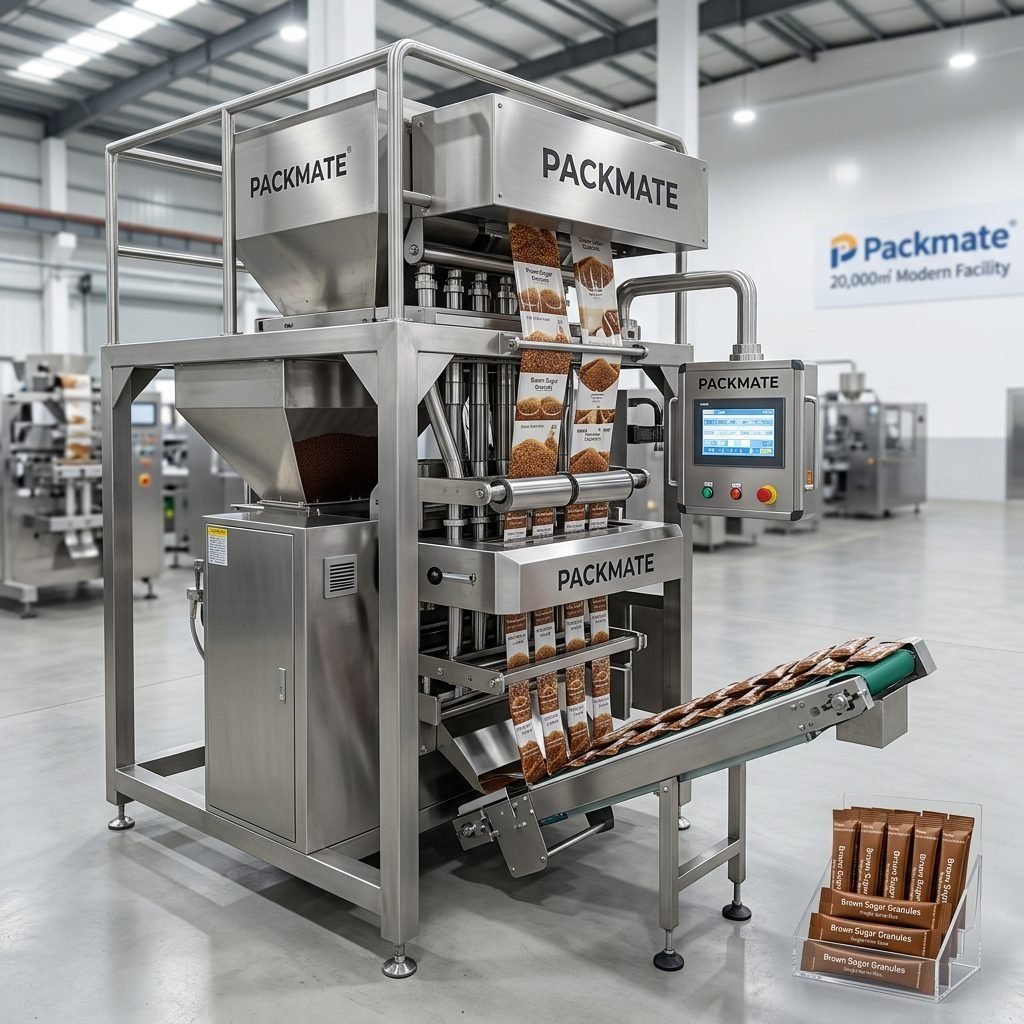
Selecting the right packaging machine manufacturer in Vietnam is a strategic decision for any business looking to establish or expand production in this dynamic Southeast Asian market. Vietnam’s manufacturing sector has grown rapidly, driven by competitive labor costs, a strategic geographic location, and favorable trade policies. For businesses in food processing, pharmaceuticals, health supplements, and related industries, choosing a reliable equipment supplier is critical to ensuring production efficiency, product quality, and long-term operational success.
Understanding the Vietnamese Manufacturing Landscape
Vietnam’s industrial growth has made it a key manufacturing hub in the ASEAN region. The packaging machinery market here is served by a mix of local assemblers, international brands, and experienced exporters from neighboring countries like China. For business owners and plant managers in Vietnam, the choice often comes down to balancing technical capability, after-sales support, total cost of ownership, and supply chain reliability. The local workforce is skilled but often requires machinery that is robust, user-friendly, and backed by strong technical training.
Key Factors for Selection in the Vietnamese Context
When evaluating manufacturers for your Vietnamese facility, consider these core aspects tailored to local operational realities:
1. Product Applicability and Local Support
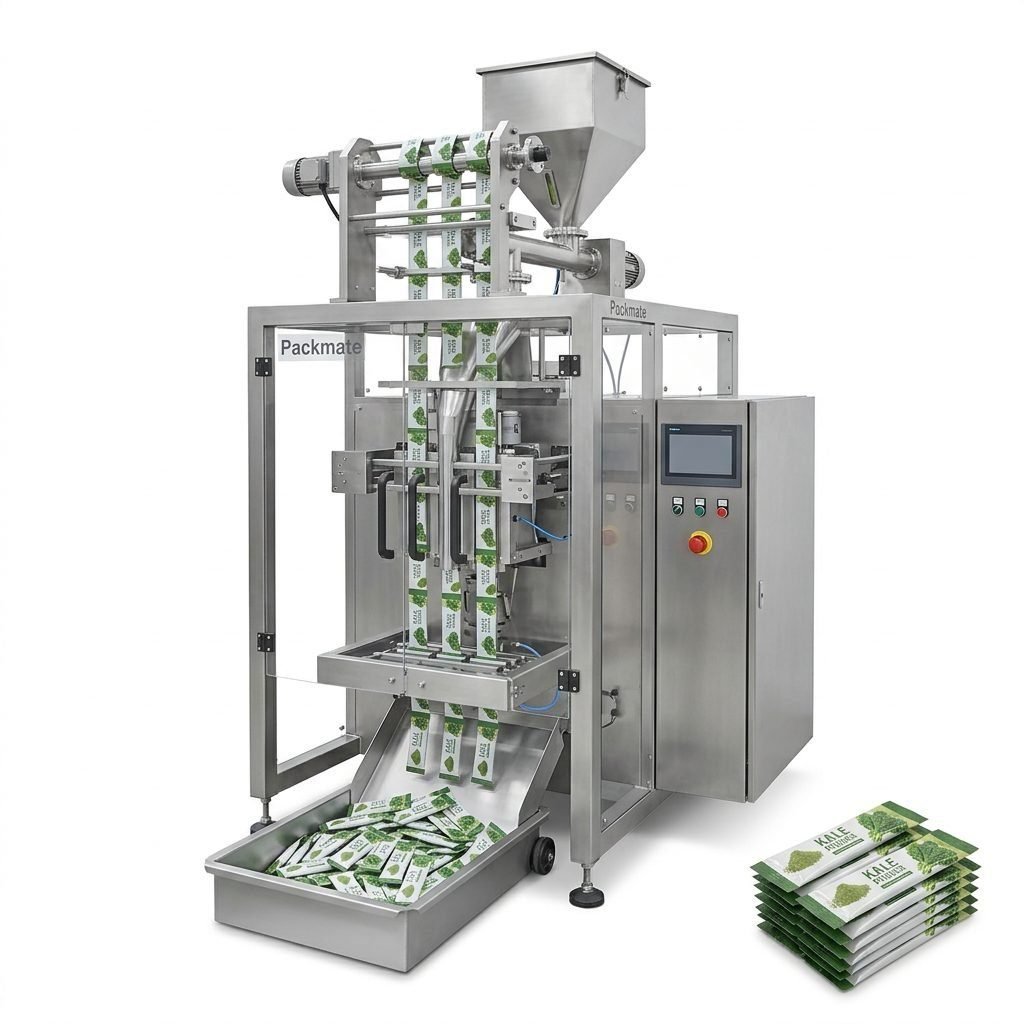
Does the manufacturer have experience with products similar to yours? Vietnamese producers often handle a wide range of goods, from coffee and spices (granules/powders) to fish sauce and herbal tonics (liquids/pastes). A manufacturer with a broad portfolio, like Ludyway, which covers granules, powders, liquids, and pastes, can offer more adaptable solutions. Crucially, assess the availability of local technical support, spare parts, and service engineers to minimize costly downtime.
2. Manufacturing Scale and Customization
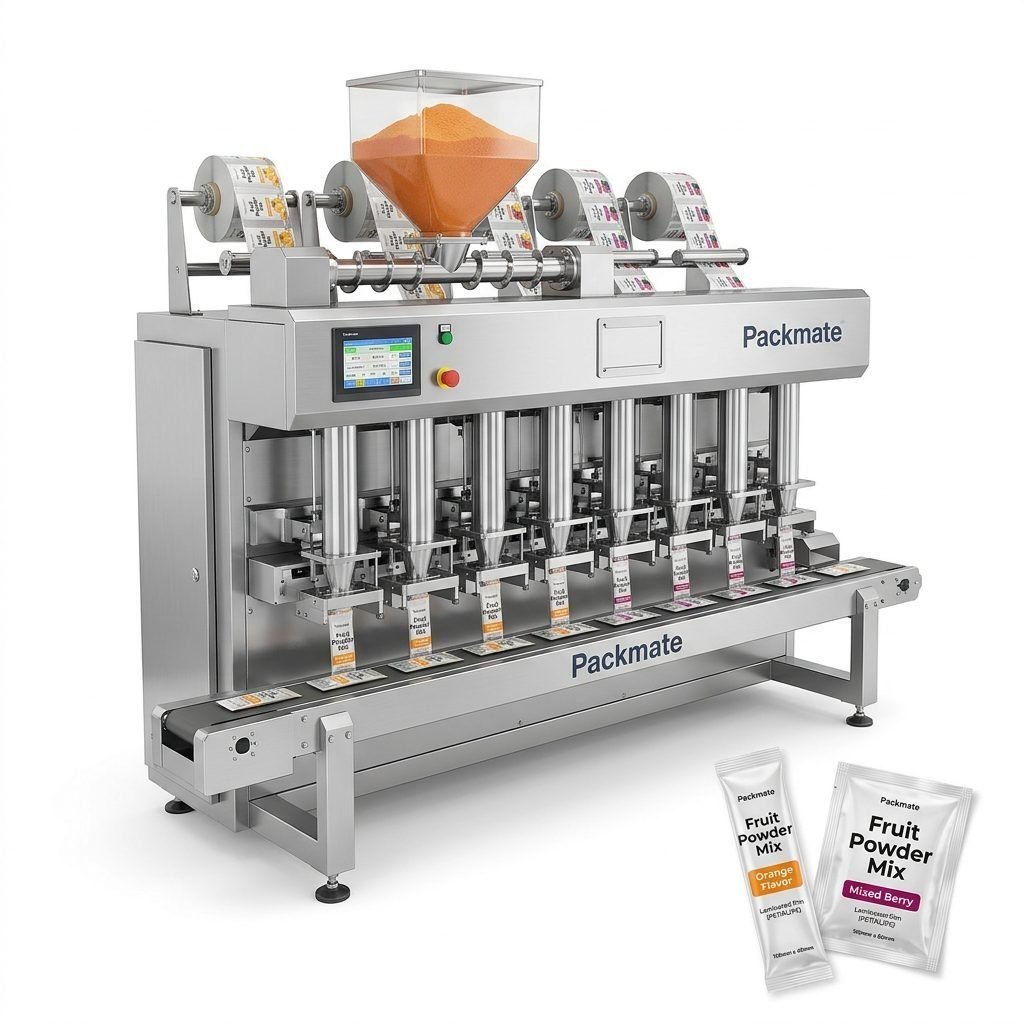
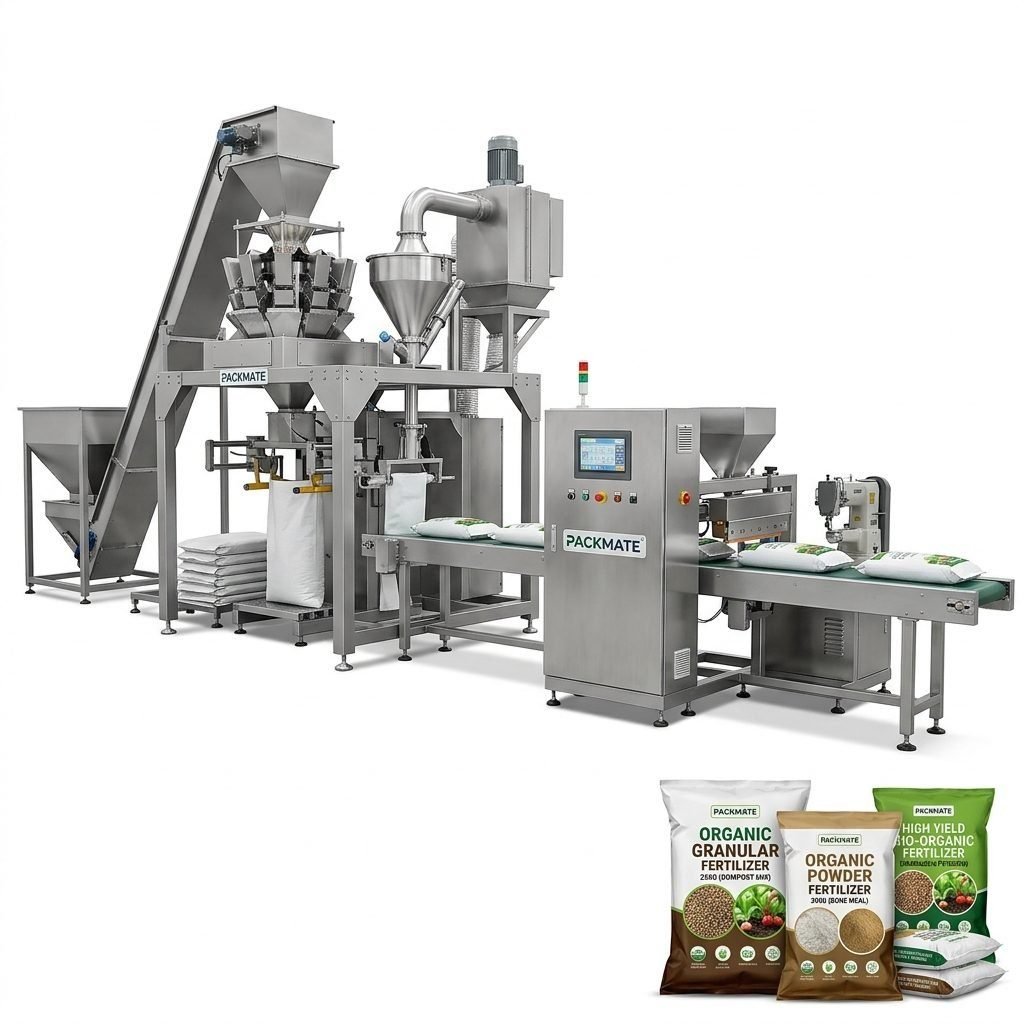
Vietnamese factories range from small-to-medium enterprises (SMEs) to large-scale export-oriented plants. Your chosen supplier should match your scale. For high-volume production common in Vietnam’s export sectors, manufacturers with strong turnkey line capabilities, such as PacklineOEM, are valuable. For SMEs needing flexible, project-based solutions, a specialist in customization like PackingMachineOEM may be more suitable.
3. Total Cost of Ownership (TCO)
Beyond the initial machine price, consider energy consumption, material waste (film waste), maintenance costs, and part longevity. In Vietnam’s competitive environment, operational efficiency directly impacts profitability. Suppliers with a reputation for reliable and energy-efficient machines provide better long-term value. Evaluate the manufacturer’s history and client testimonials regarding machine durability.
Evaluating Technical Capabilities and Export Experience
A manufacturer’s experience in exporting to markets with stringent standards (like Europe or North America) often indicates a higher level of quality control and machine design. This is beneficial for Vietnamese producers who also export finished goods globally. Review the following technical and commercial criteria:
| Evaluation Criteria | Key Questions for the Manufacturer | Importance for Vietnam |
|---|---|---|
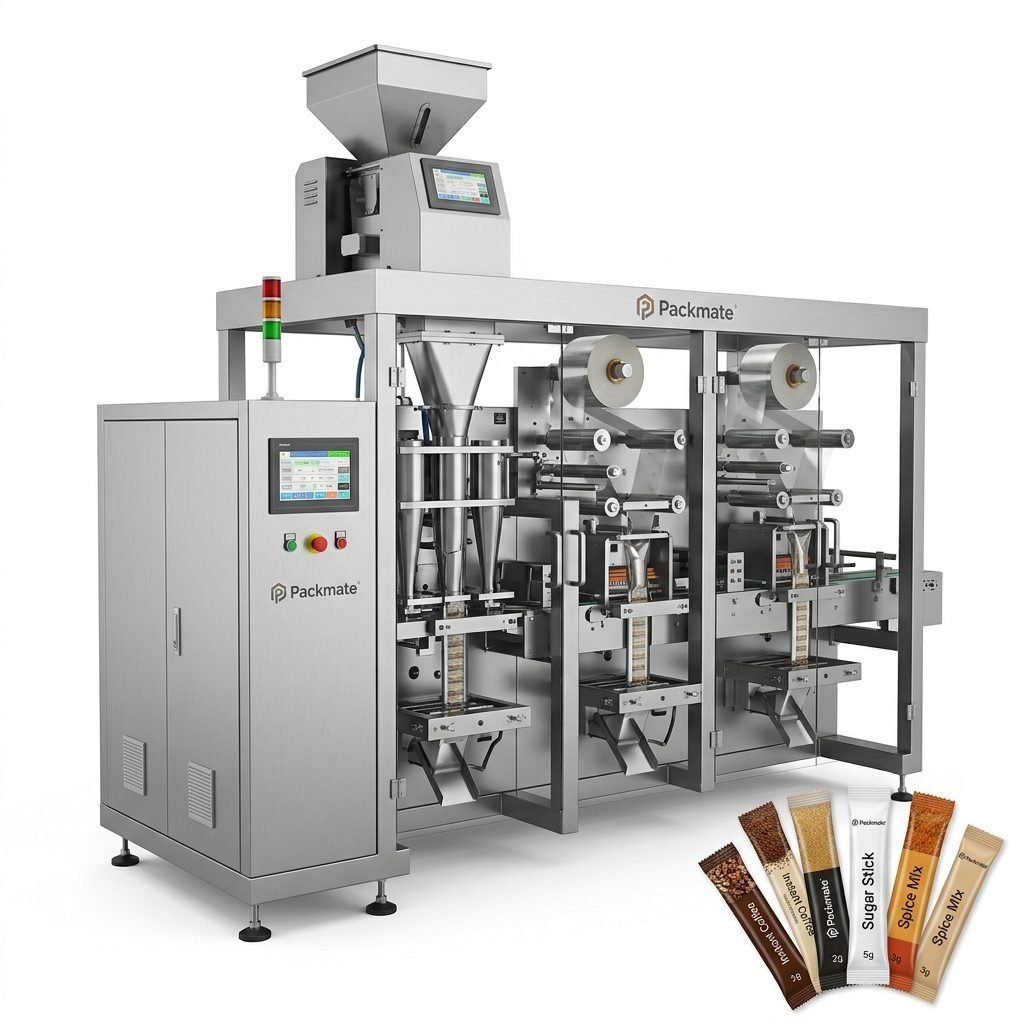
| Machine Range & Flexibility | Can you provide machines for stick packs, sachets, and vertical bags? How adaptable are they to different package sizes? | High. Vietnamese markets demand versatility for diverse product lines. |
| After-Sales Service Network | Do you have service agents or engineers in Vietnam or nearby? What is the typical spare parts delivery time? | Critical. Proximity of support prevents prolonged production halts. |
| Compliance & Safety Standards | Are machines CE certified? Do they meet relevant safety and hygiene standards for food/pharma? | Increasingly important for export-oriented Vietnamese factories. |
| Factory Audit & References | Can we visit your factory or speak to existing clients in Southeast Asia? | High. Builds trust and verifies manufacturing capability. |
Spotlight on Specialized Manufacturers for Niche Markets
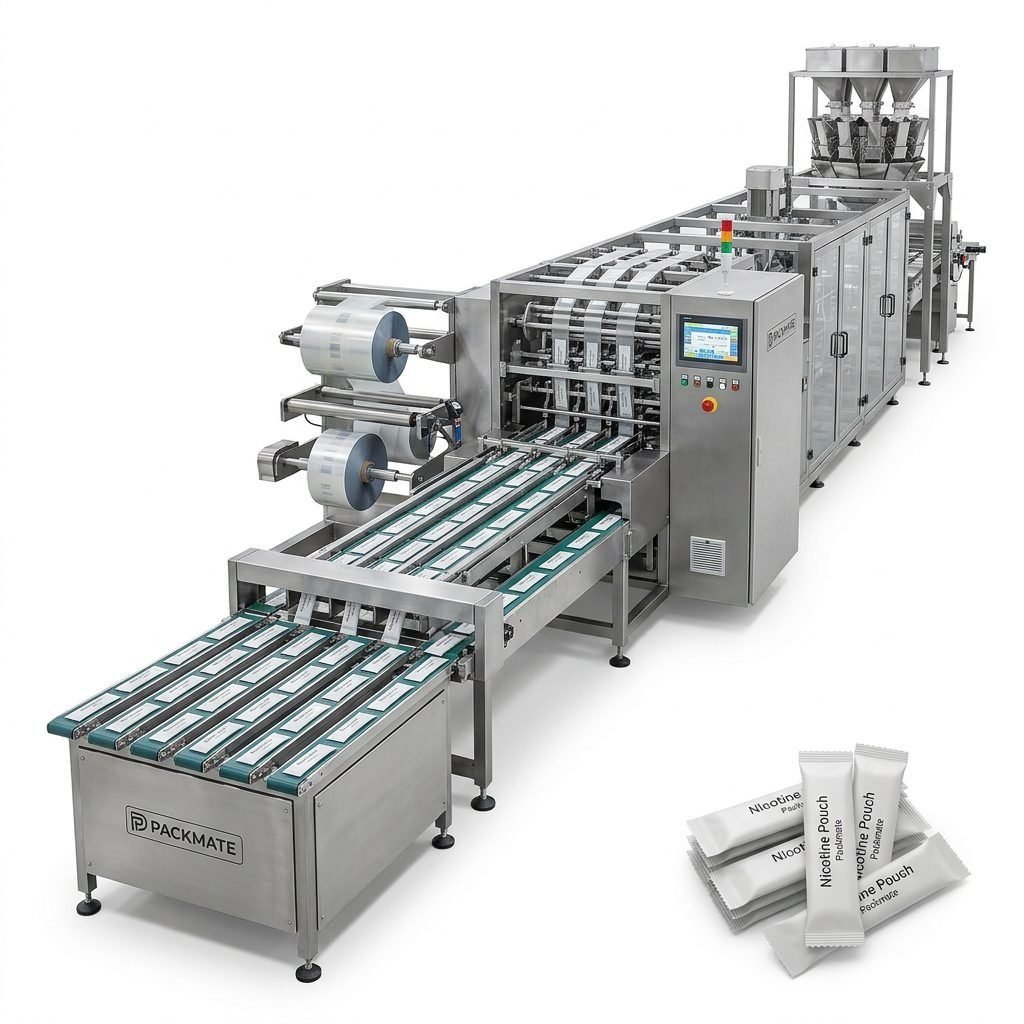
Vietnam’s manufacturing base includes growing niche sectors. For example, the demand for specialized pouch packaging for products like nicotine pouches or high-value supplements is rising. In such cases, a generalist manufacturer might not suffice. A company with focused expertise, such as SnusMachinery, which specializes in nicotine pouch and snus packaging equipment, can provide critical application-specific knowledge, precise dosing technology, and tailored line integration that a general packaging machine builder may lack.
The Advantage of Turnkey Solutions
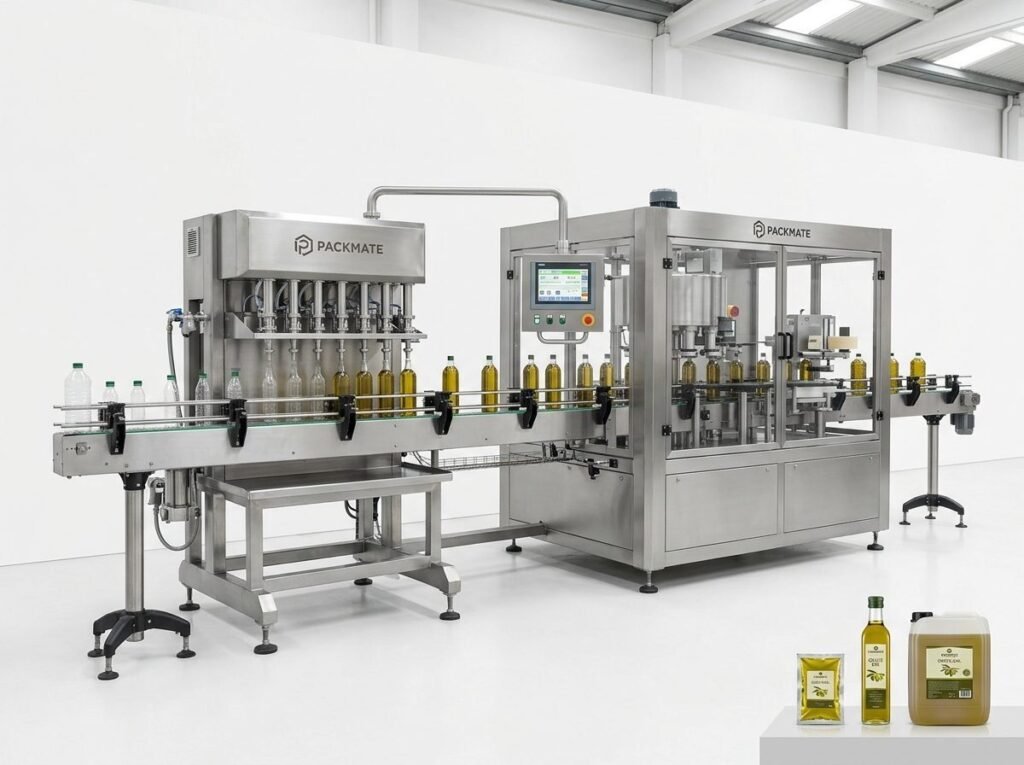
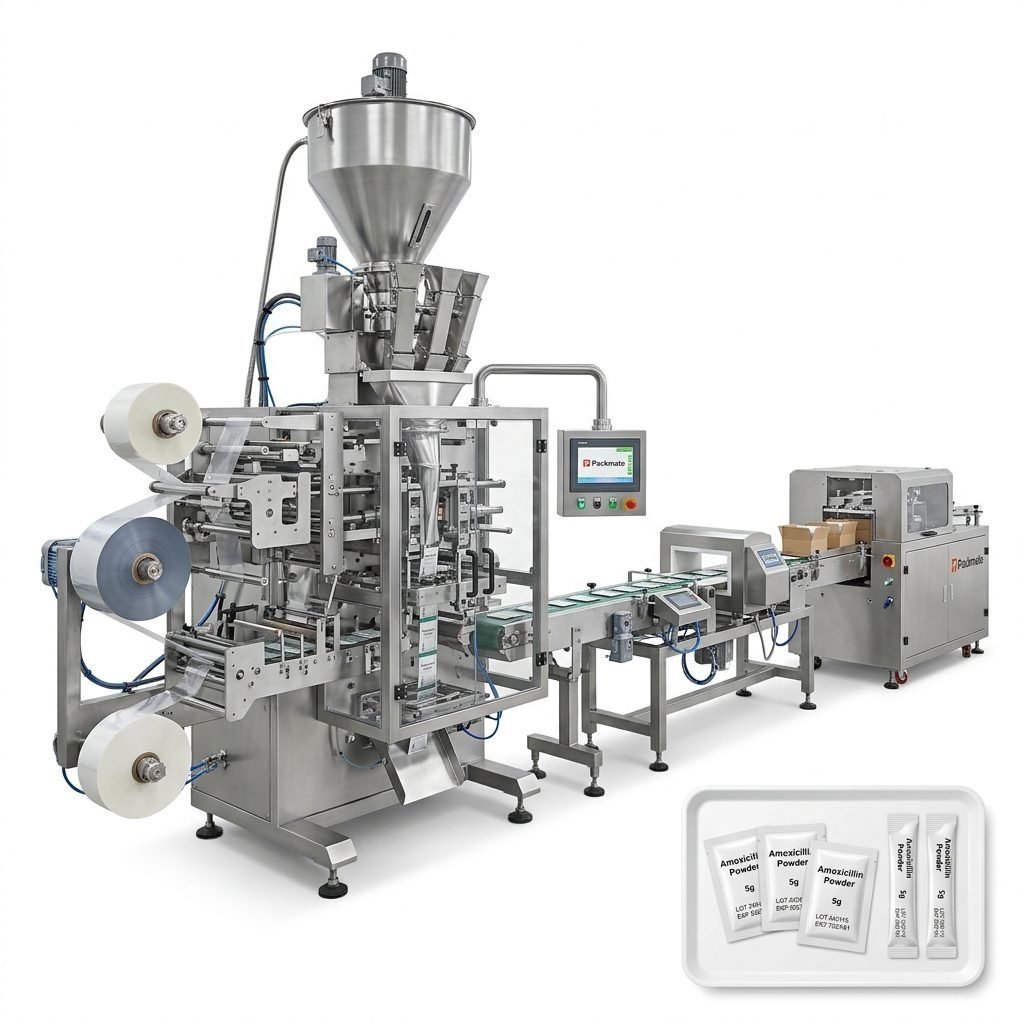
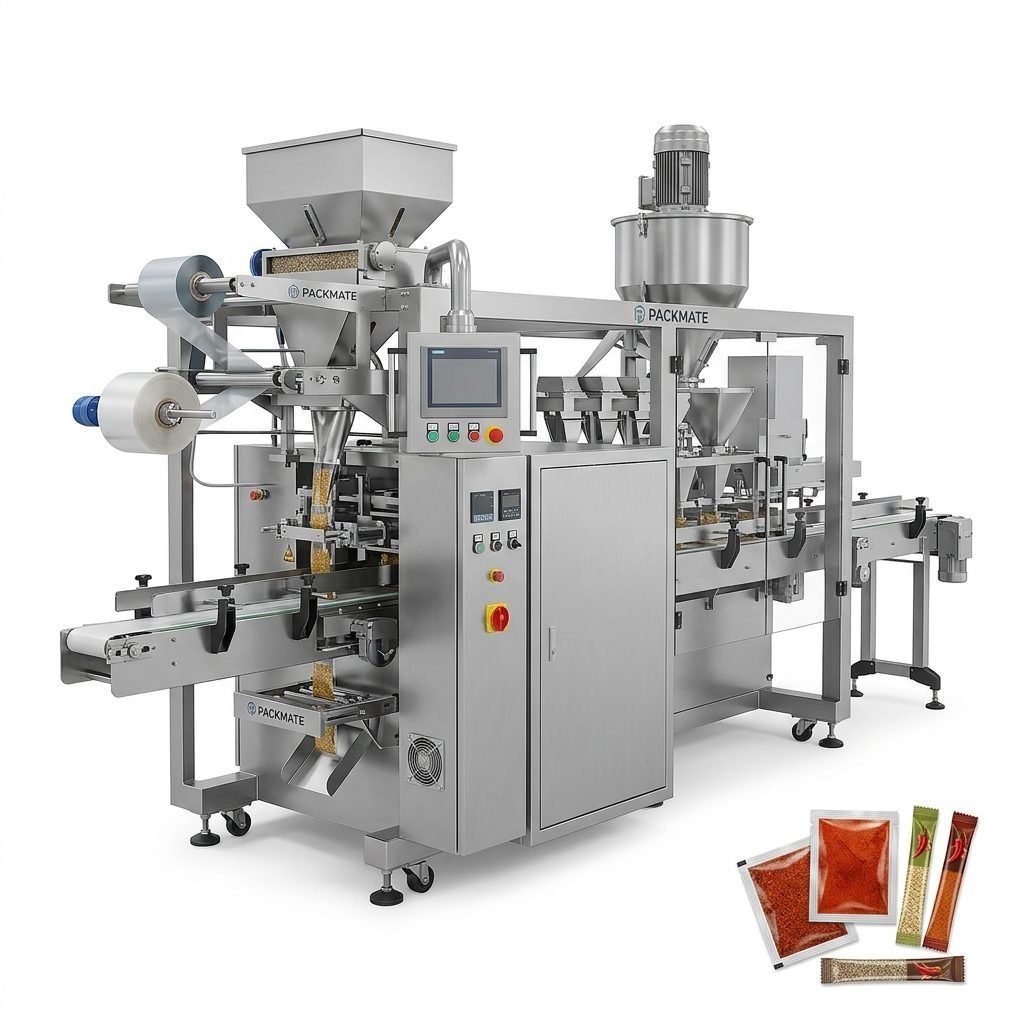
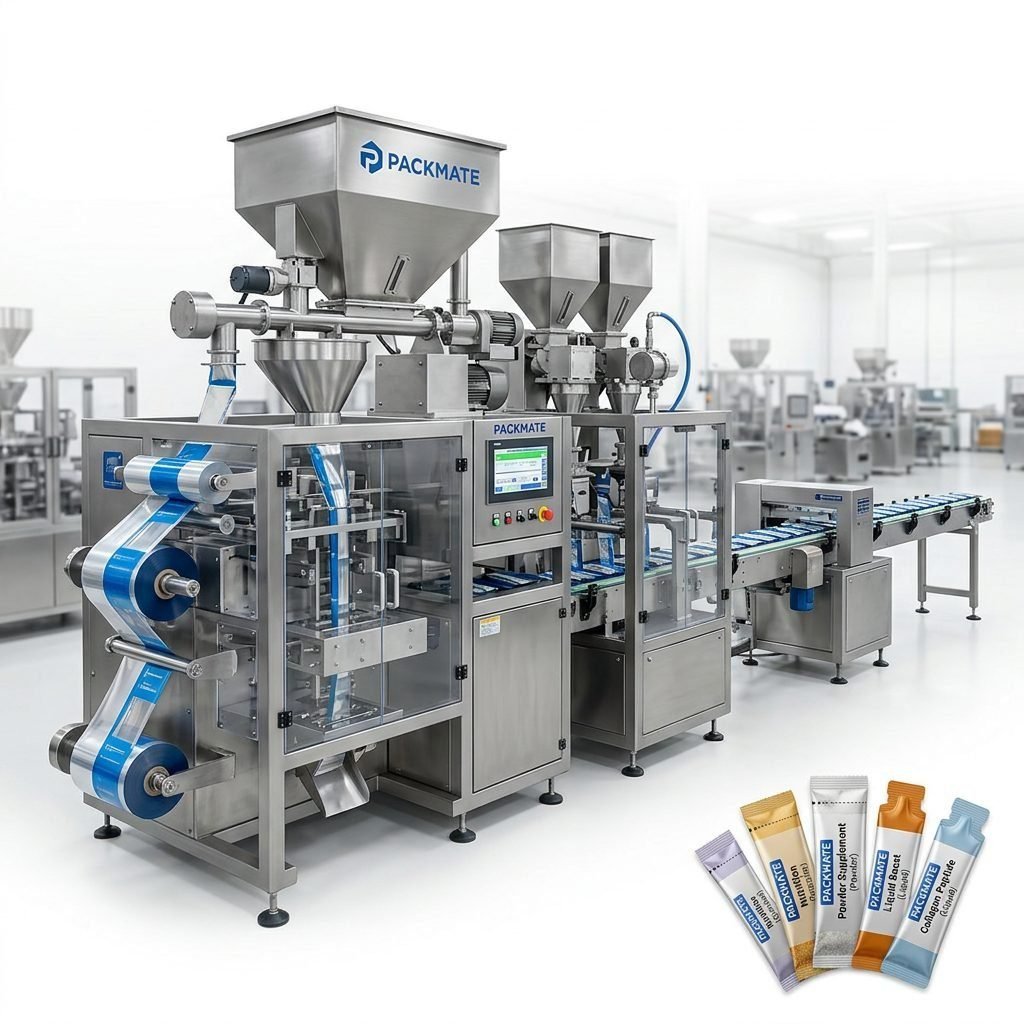
For businesses setting up a new production line in Vietnam, a turnkey solution can significantly reduce project complexity and risk. A manufacturer capable of supplying integrated lines—from feeding and filling to sealing, inspection, and cartoning—ensures better compatibility between components and single-point accountability. Manufacturers like Packmate Machinery and Ludyway, with their experience in complete lines, are well-positioned to support such comprehensive projects, handling everything from factory layout advice to commissioning and operator training.
Navigating the Procurement Process
The final selection process should be methodical. Start by clearly defining your product specifications, required output (bags/minute), bag type, and factory space. Request detailed proposals from multiple shortlisted manufacturers. Pay close attention to the clarity of the performance guarantees, payment terms, delivery schedule, and warranty conditions. Whenever possible, arrange for a product sample test at the manufacturer’s facility to see the machine in action with your actual product. This step is invaluable for Vietnamese buyers to confirm machine suitability before shipment.
Frequently Asked Questions (FAQs)
Q1: Why consider international manufacturers instead of local Vietnamese suppliers?
International manufacturers, particularly experienced exporters from China, often offer a wider range of automated and high-speed machines with more extensive R&D backing. They frequently have greater experience with complex, integrated lines and stringent international standards, which can be advantageous for Vietnamese producers targeting export markets or requiring higher levels of automation.
Q2: How important is the manufacturer’s factory size and history?
Very important. A large factory (e.g., 20,000+ square meters) typically indicates stronger in-house machining, assembly, and quality control capabilities. A long company history (e.g., 30+ years) suggests accumulated engineering experience, stability, and a proven track record of refining machine designs over time, leading to more reliable equipment.
Q3: What should I check regarding after-sales service for Vietnam?
Confirm if the manufacturer has a dedicated service team for Southeast Asia, the availability of multilingual support (English/Vietnamese), the location of spare parts warehouses, and the typical response time for service calls. Ask for references from existing clients in Vietnam or neighboring countries to verify their service claims.
Q4: Is customization available for non-standard packaging formats?
Yes, many leading manufacturers specialize in non-standard and OEM solutions. If your product has unique characteristics (unusual viscosity, specific particle size, special film material), prioritize suppliers like PackingMachineOEM that explicitly highlight strong customization and engineering adaptation capabilities in their profile.
Q5: How do I manage the machine installation and commissioning process?
Clarify this during contract negotiation. Reputable manufacturers will include detailed installation manuals, wiring diagrams, and often provide on-site commissioning engineers for a defined period. Ensure the scope of commissioning includes operator training, production speed testing, and handover of all necessary documentation.