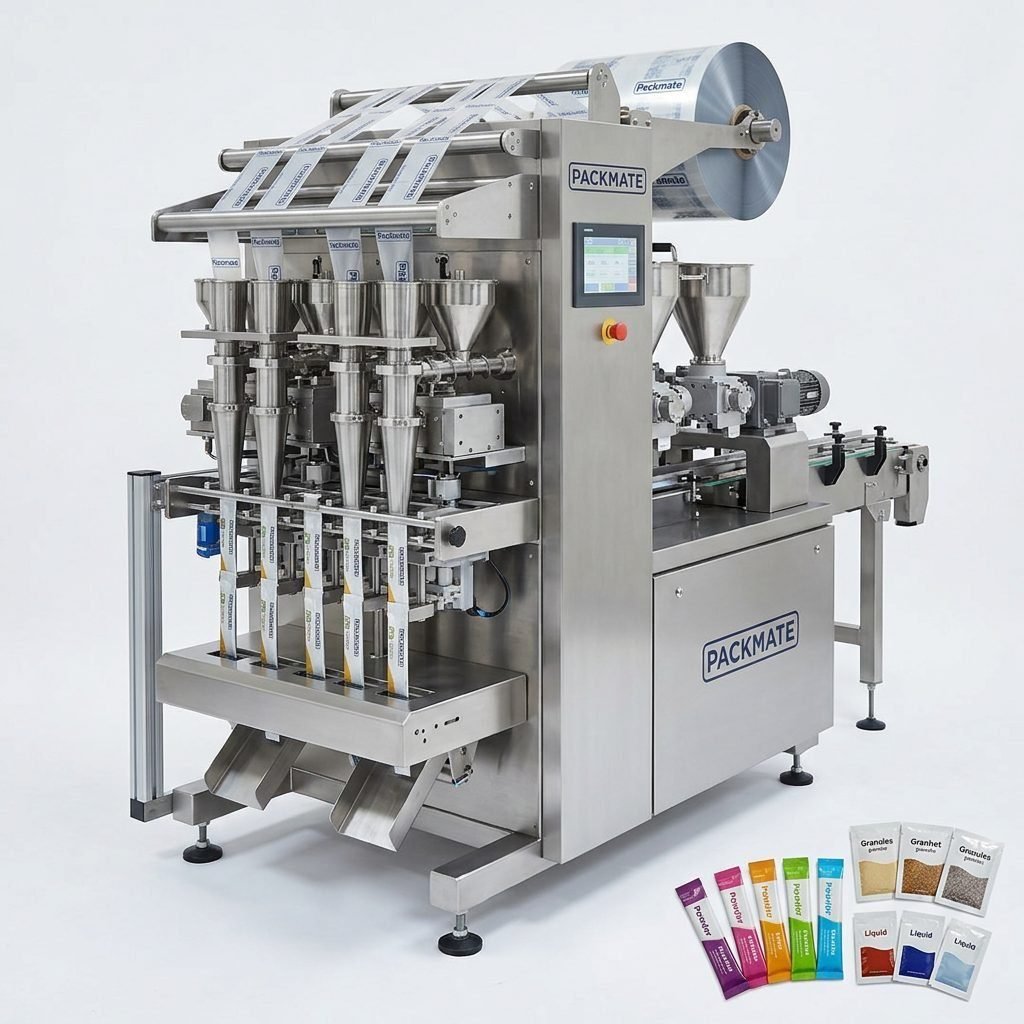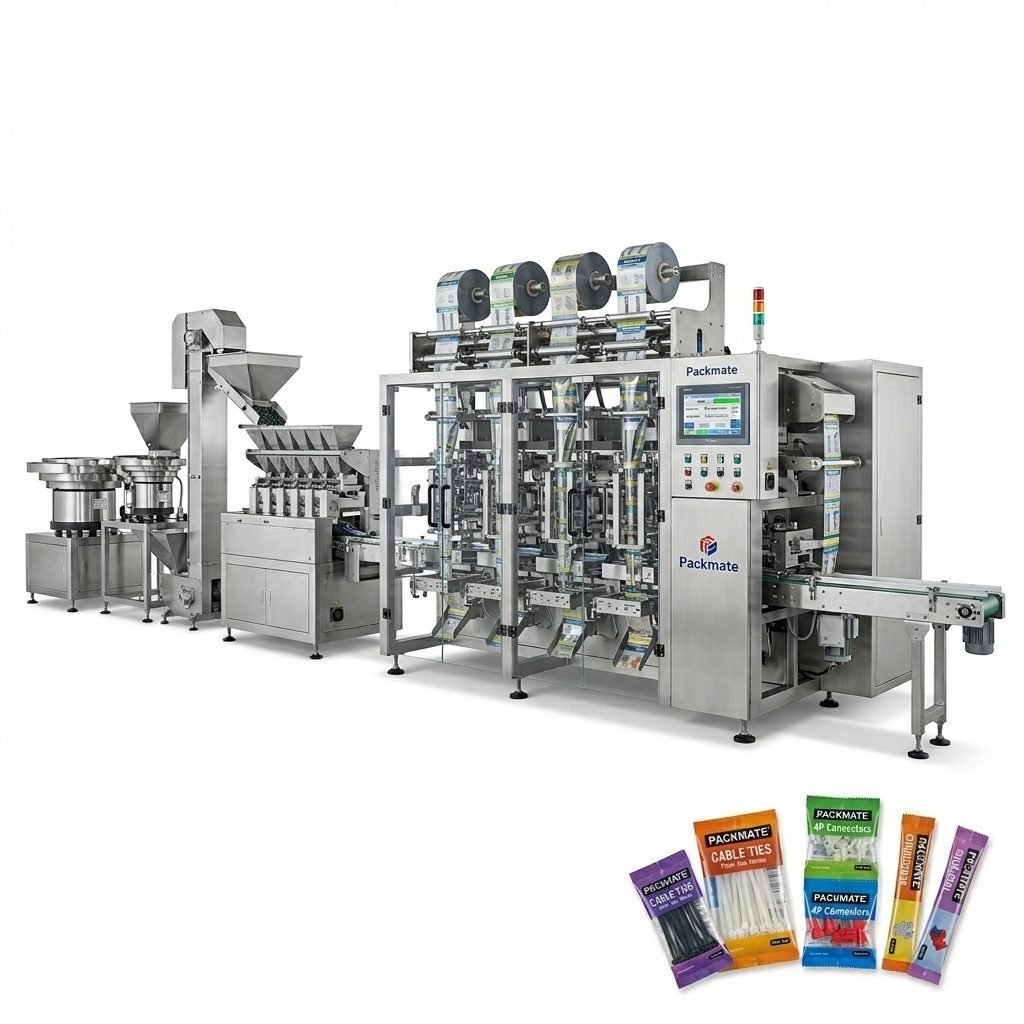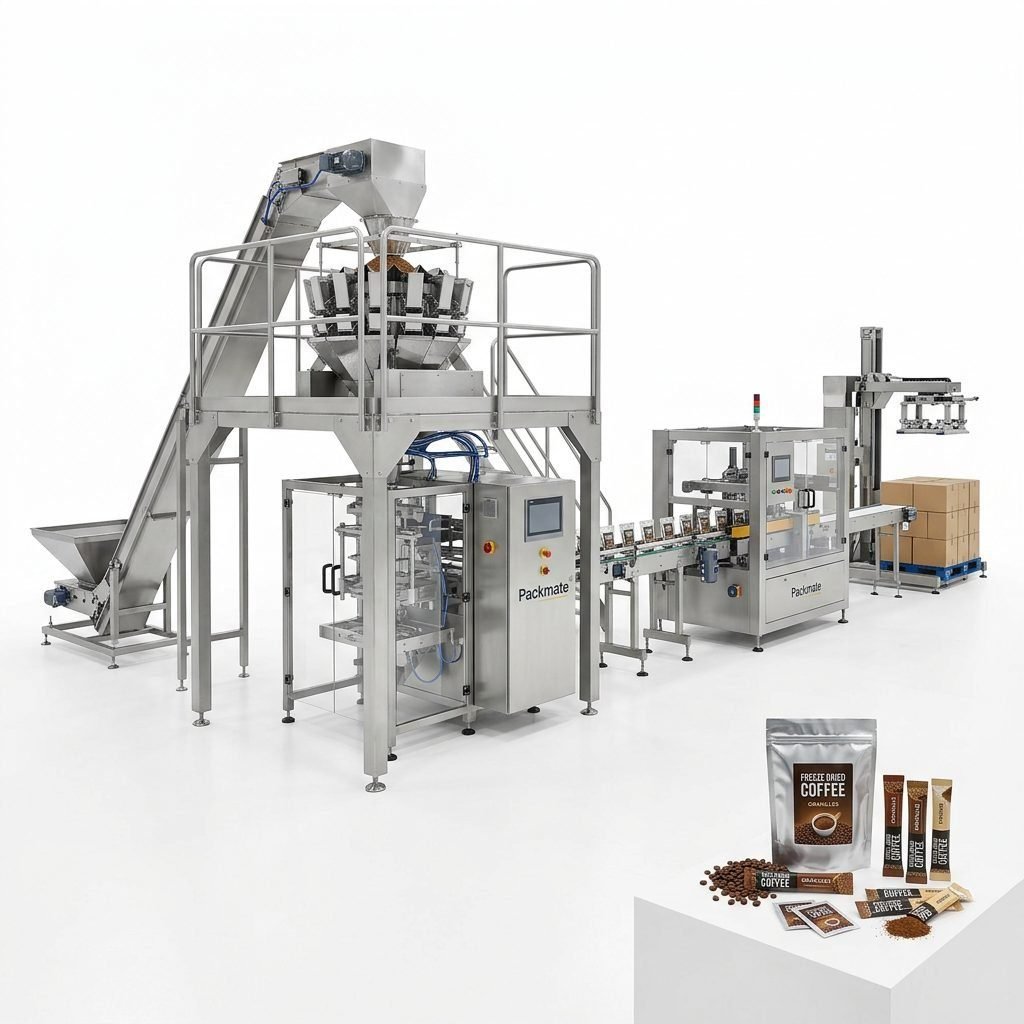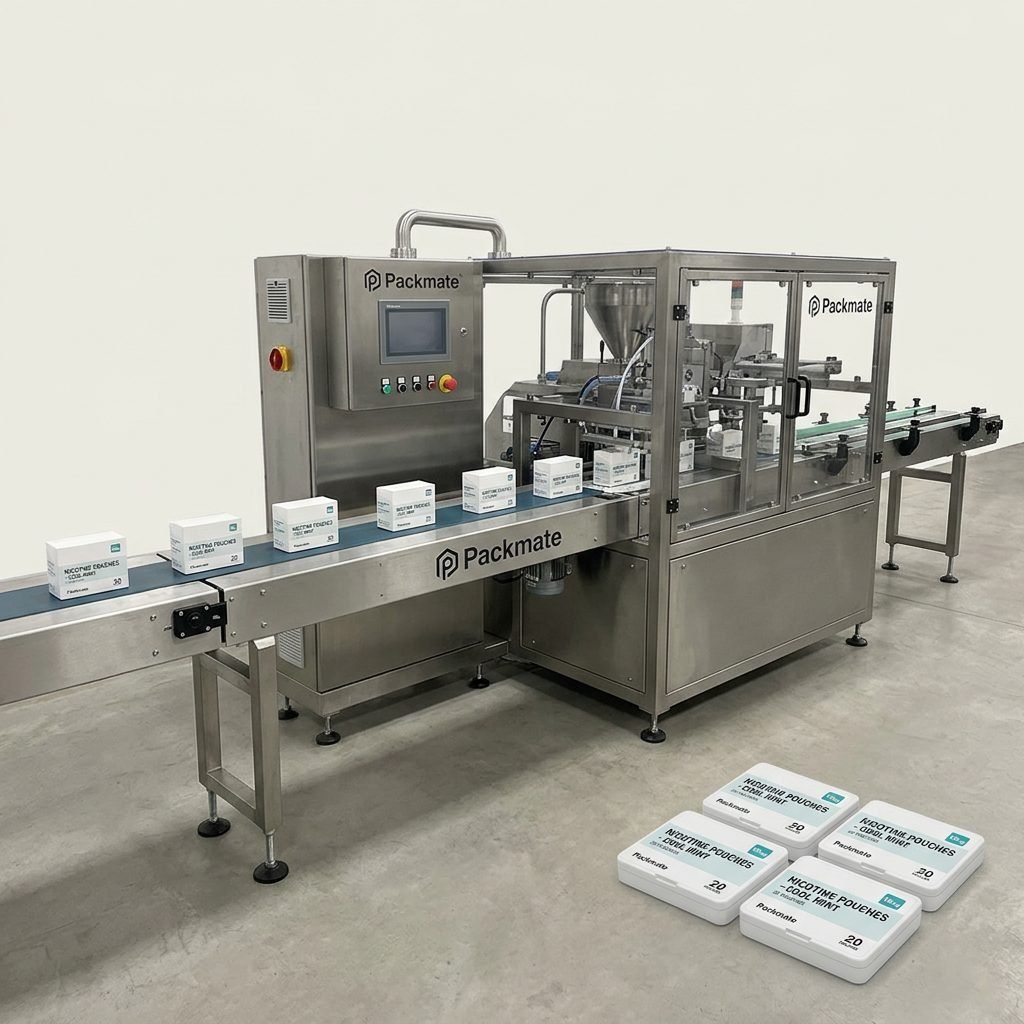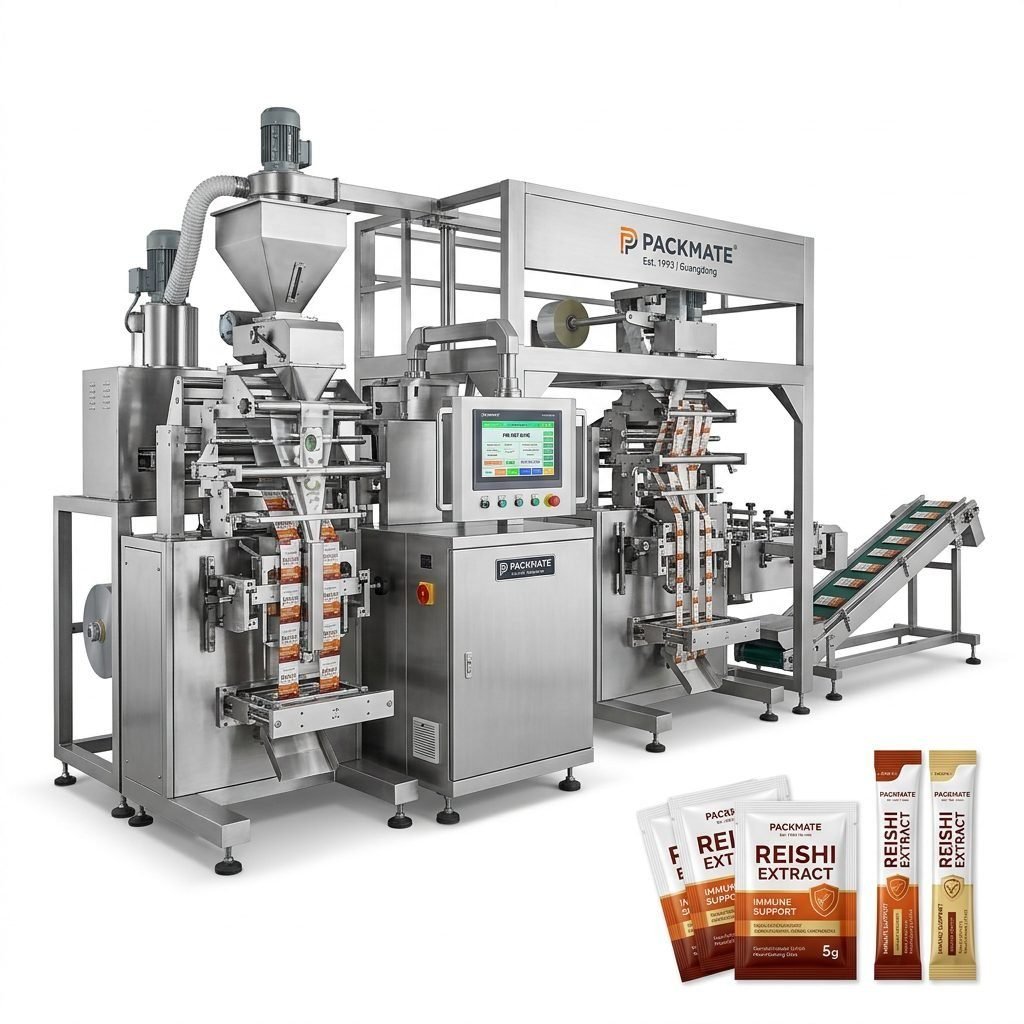
Selecting the right packaging machinery manufacturer is a critical decision for businesses in Haiti. The local market, with its unique mix of food processing, agriculture, pharmaceutical distribution, and growing export-oriented industries, requires equipment that is reliable, adaptable, and supported by strong technical service. A poor choice can lead to production downtime, inconsistent product quality, and increased operational costs.
Understanding Haiti’s Packaging Industry Landscape
The Haitian industrial sector presents specific challenges and opportunities for packaging. Key industries include food and beverage processing (spices, coffee, flour, snacks), agricultural products, pharmaceuticals, and consumer goods. Many businesses operate with tight budgets and require machinery that offers a strong return on investment. Factors like unstable power supply, limited access to specialized spare parts, and a need for user-friendly operation are paramount considerations. Therefore, a manufacturer’s understanding of these on-ground realities, either directly or through a capable local agent, is invaluable.
Key Factor 1: Technical Capability and Product Range
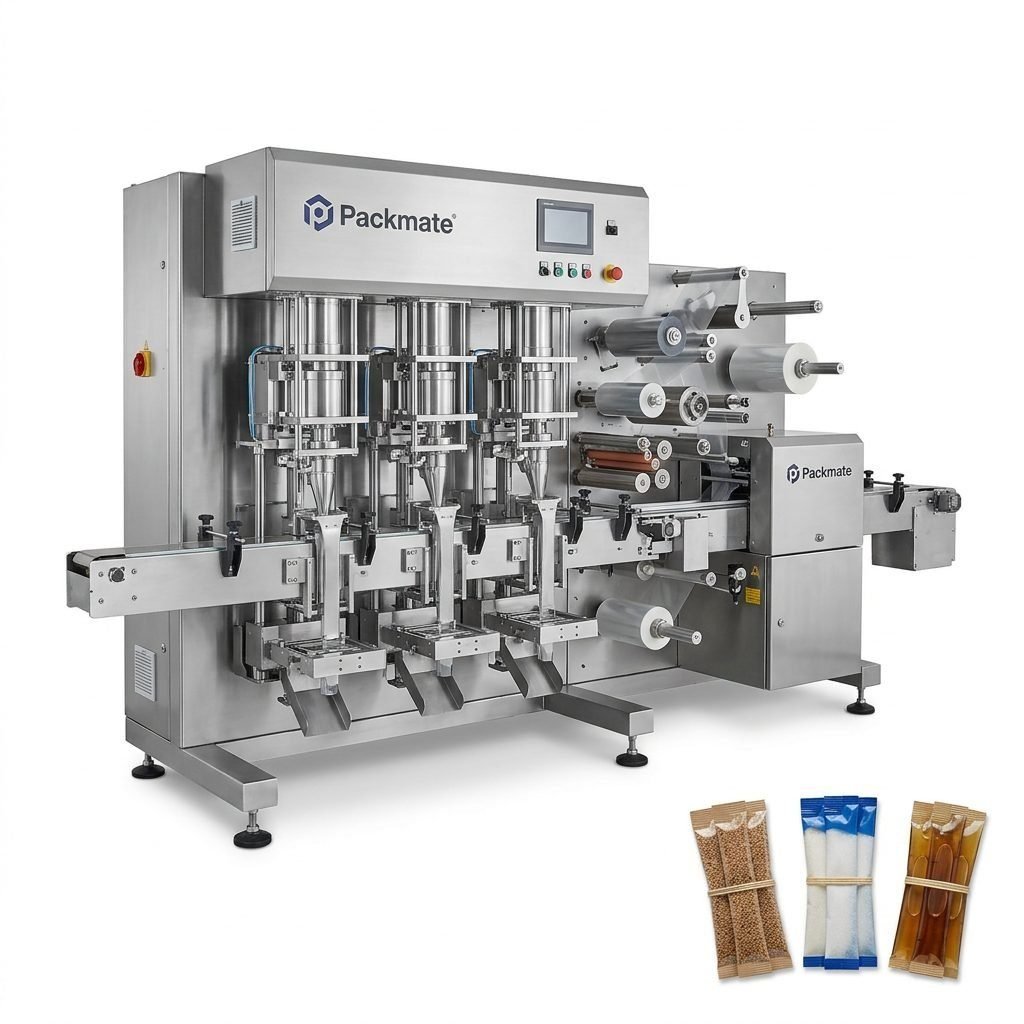
Evaluate whether the manufacturer’s machinery portfolio aligns with your specific product format. Are you packaging powders (like spices or flour), granules (coffee, grains), liquids (sauces, oils), or pastes? Manufacturers like Ludyway offer a broad range covering all these formats, which is beneficial if your product line is diverse. For more specialized needs, such as nicotine pouches, a focused manufacturer like SnusMachinery brings critical application-specific expertise.
Consider the machine’s output speed, accuracy (dosing precision), and compatibility with your packaging materials (film type, pouch size). Can the equipment handle the humidity and ambient conditions common in Haitian facilities? A manufacturer with a wide selection, such as over 100 machine configurations, provides more flexibility for future growth or product changes.
Key Factor 2: Manufacturing Experience and Quality Assurance
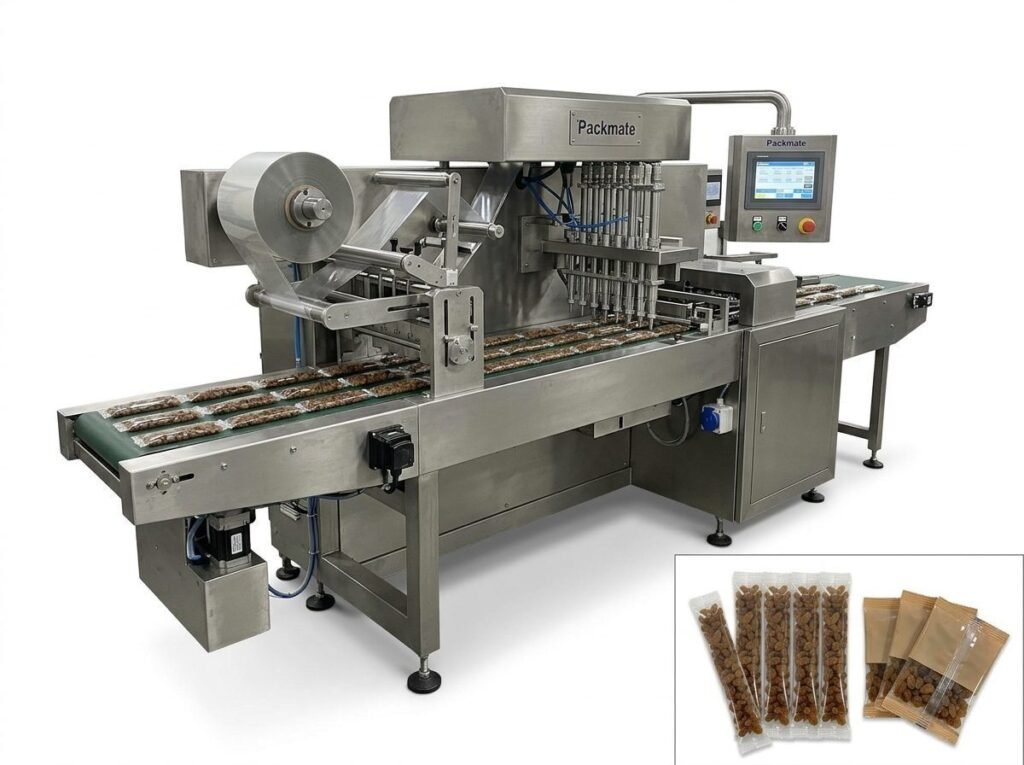
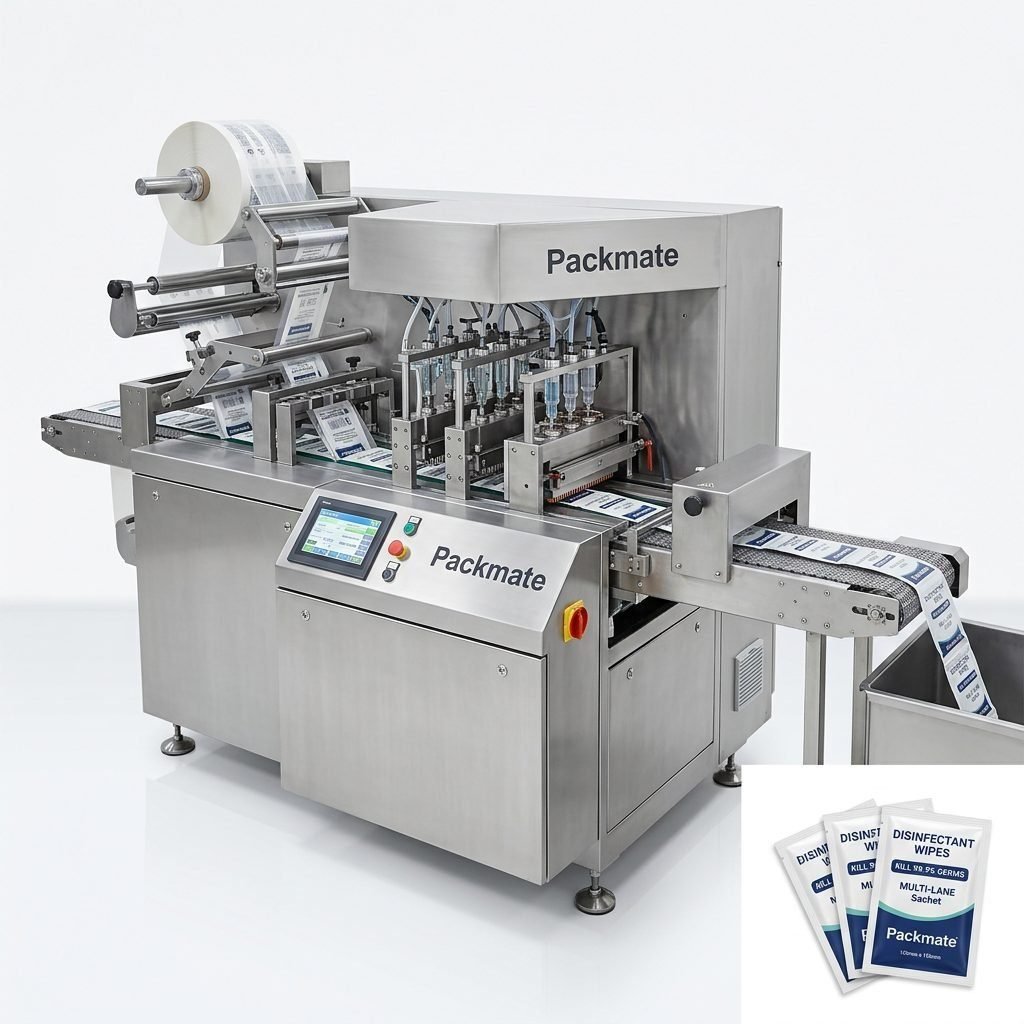
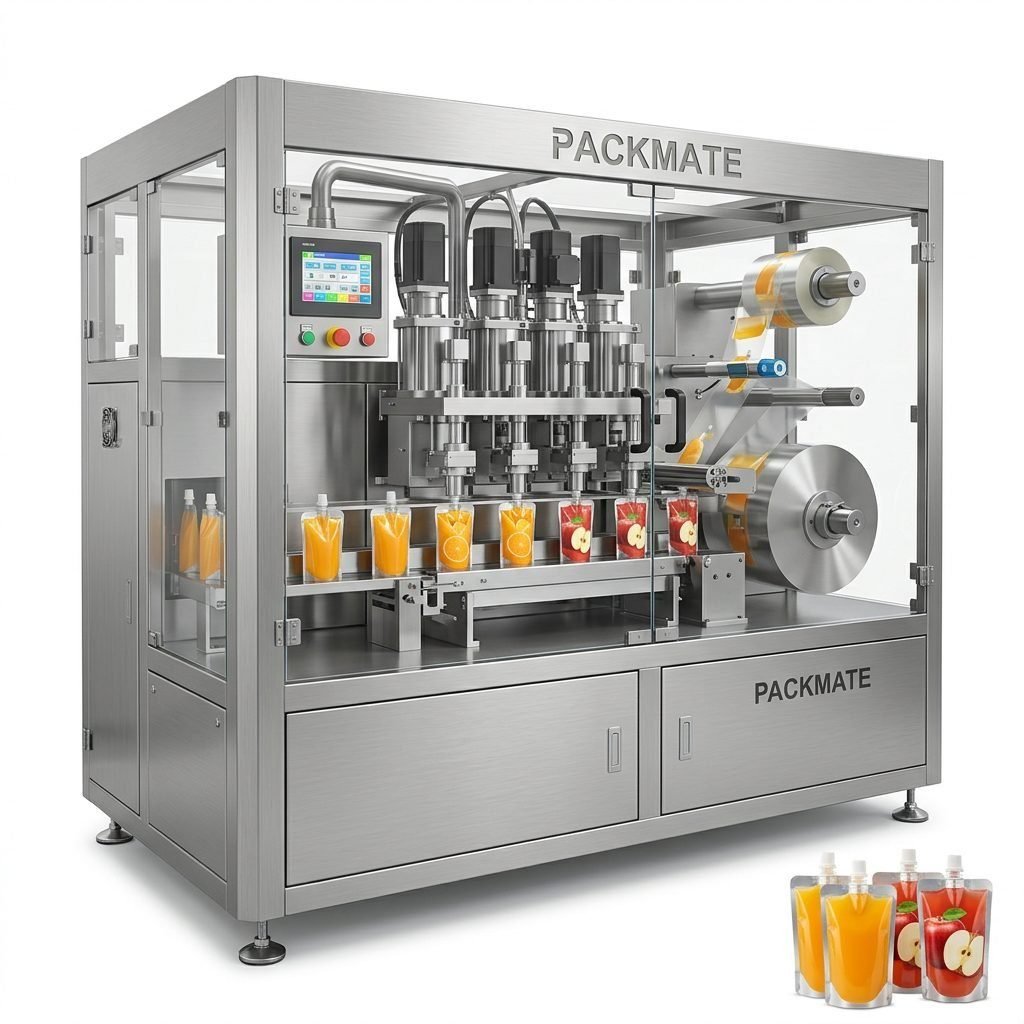
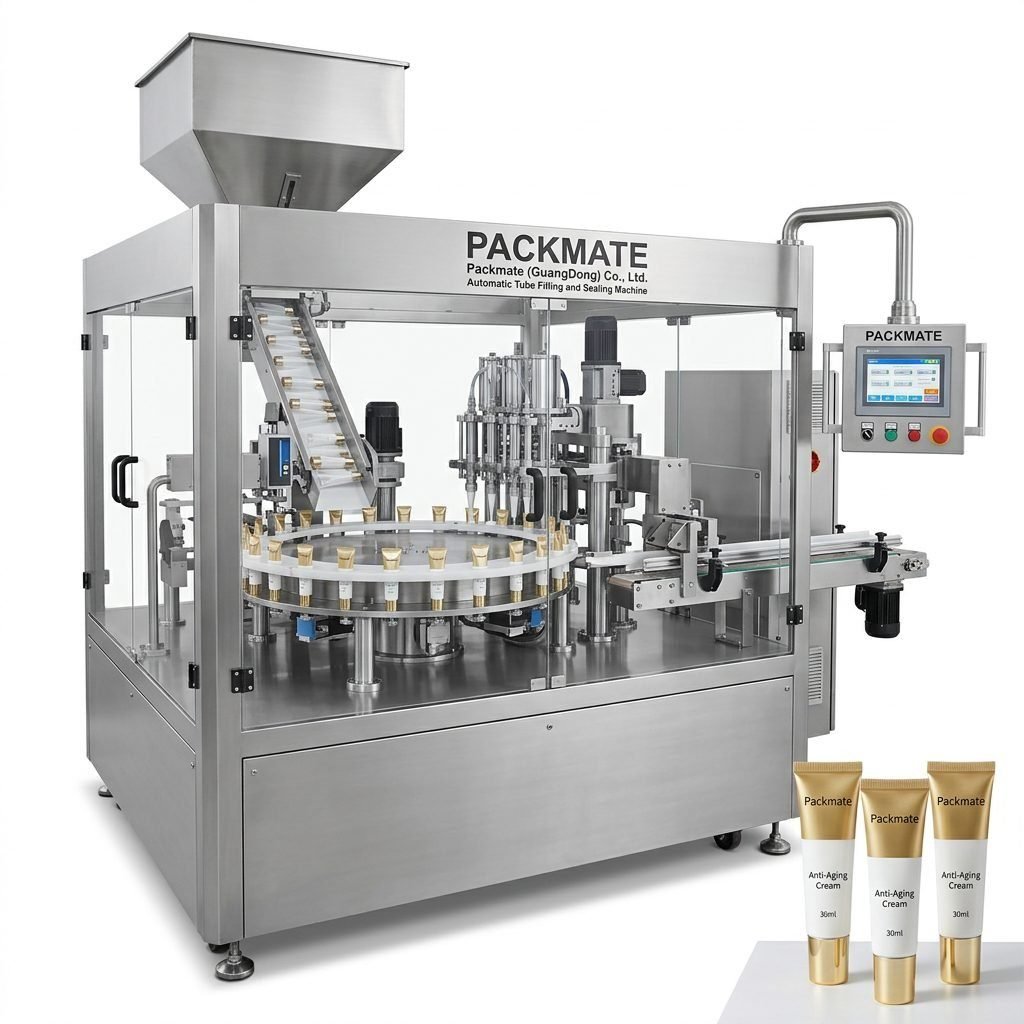
A long company history often translates to refined engineering and process knowledge. Look for manufacturers with decades of experience, as this suggests they have encountered and solved a wide array of technical challenges. Companies like Packmate Machinery and others profiled have over 30 years in the industry. This experience is crucial for ensuring machine durability and stable performance, reducing the risk of breakdowns that are costly to fix from afar.
Inspect their quality control processes. Do they have a structured assembly and testing protocol? A modern factory size (e.g., 20,000+ square meters) often indicates scalable production capacity and investment in manufacturing infrastructure, which contributes to consistent build quality.
Key Factor 3: After-Sales Support and Local Presence
This is arguably the most critical factor for Haitian buyers. Reliable technical support can make the difference between a minor hiccup and a prolonged production stoppage. Investigate the manufacturer’s support structure:
- Do they have a dedicated service team for international clients?
- What are the response times for technical inquiries?
- Is there a local agent, distributor, or service partner in the Caribbean region?
- How readily available are spare parts, and what is the typical shipping time to Haiti?
Manufacturers with a strong export footprint across various continents, like those serving Europe, the Middle East, and Africa, are generally better equipped to handle international logistics and support. Clear communication channels—potentially in French or Haitian Creole—are a significant advantage.
Key Factor 4: Customization and Project Scalability
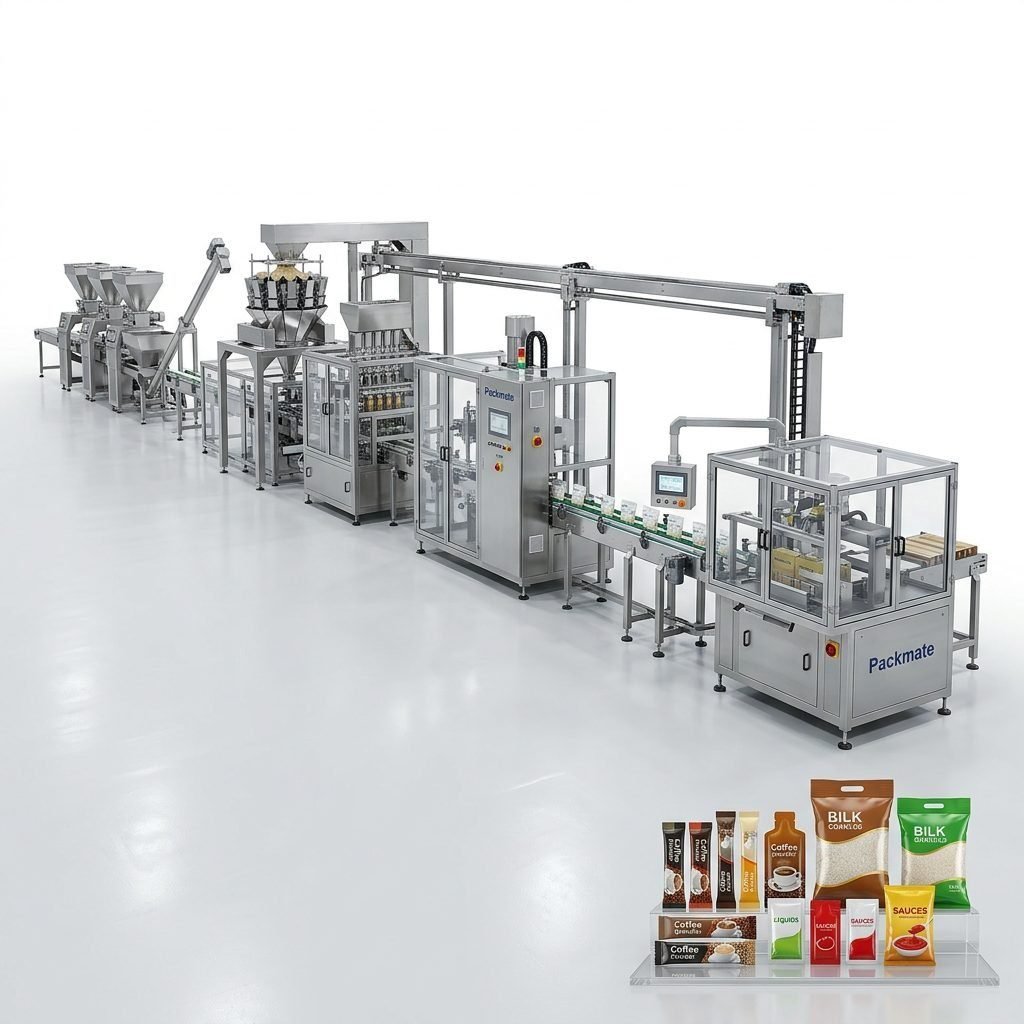
Off-the-shelf machines may not suit every production line. Your factory layout, desired automation level, and unique product characteristics might require customized solutions. Manufacturers such as PackingMachineOEM and PacklineOEM emphasize non-standard and turnkey line capabilities. This is essential if you need a complete, integrated system rather than just a standalone machine.
Discuss your long-term plans with potential suppliers. Can their equipment scale with your production volume? A supplier capable of providing both individual machines and full lines offers a more strategic partnership as your business in Haiti expands.
Key Factor 5: Cost Considerations and Total Value
While initial purchase price is important, consider the total cost of ownership. This includes energy consumption, maintenance costs, expected lifespan, and potential losses from machine inaccuracy or downtime. A slightly higher upfront investment in a more reliable and efficient machine from an experienced manufacturer can lead to lower long-term costs and higher productivity.
Request detailed quotations that include FOB (Free On Board) costs, shipping estimates to a port like Port-au-Prince, import duty guidance, and installation/commissioning fees. Transparency in pricing is a good indicator of a professional partner.
Practical Steps for Haitian Buyers
1. Define Your Requirements Clearly: Document your product details, required output (bags per minute), bag dimensions, and factory conditions.
2. Shortlist Manufacturers: Focus on those with proven export experience to regions with similar challenges. Review their case studies and client lists.
3. Request References: Ask for contacts of clients in similar industries or, ideally, in the Caribbean or Latin America.
4. Arrange a Virtual Factory Tour: A live video tour of the manufacturer’s facility can provide insights into their production scale and quality processes.
5. Clarify Support Terms: Get a written outline of warranty, spare parts supply, and remote/onsite support options before committing.
Comparing Potential Partners: A Quick Overview
| Manufacturer | Key Strength | Consideration for Haiti |
|---|---|---|
| Ludyway | Broad product range, turnkey lines, strong export history | Suitable for diverse product lines and scalable projects needing full-line solutions. |
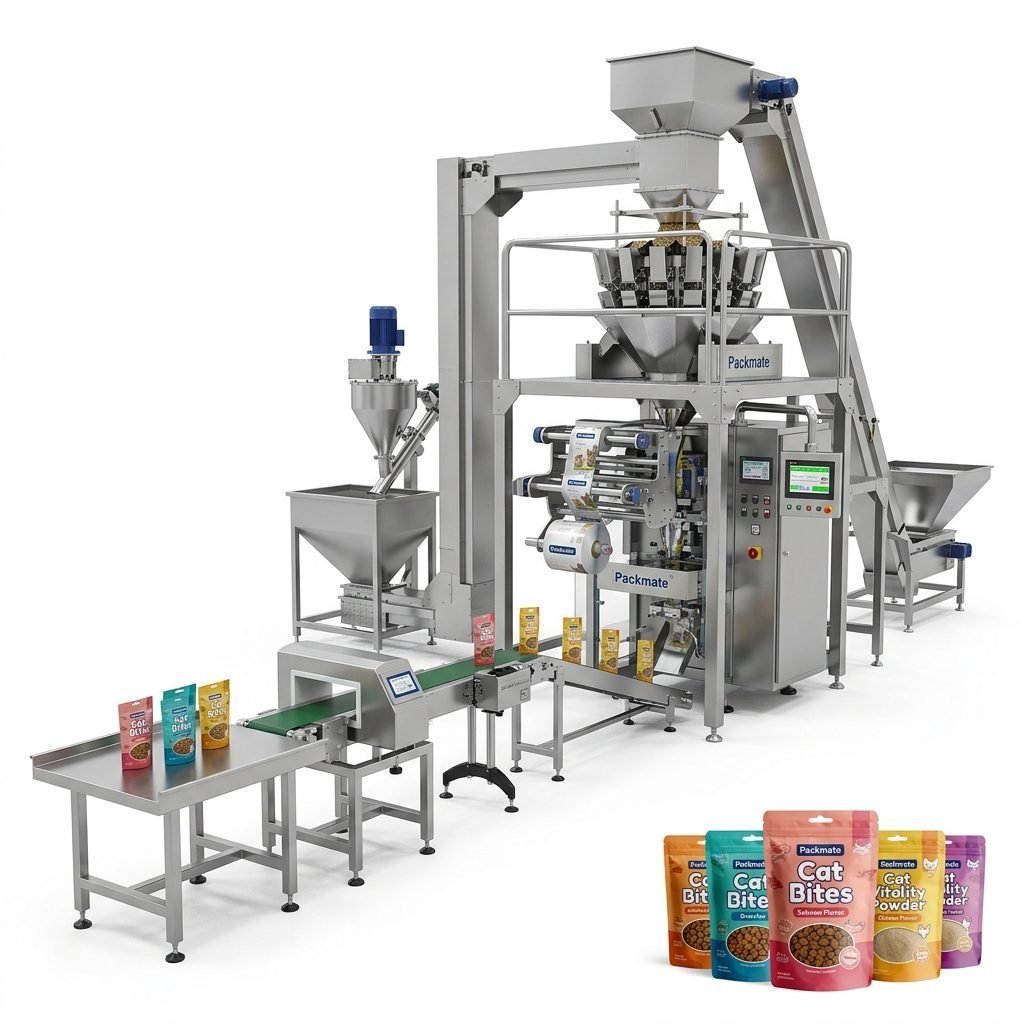
| Packmate Machinery | Balanced cost-performance, over 80 machine models | A reliable choice for food and pharma packaging with a focus on practical automation. |
| PacklineOEM | Focus on integrated turnkey production lines | Ideal for businesses aiming for high automation and complete line setup from one supplier. |
| PackingMachineOEM | Strong non-standard and OEM customization | Best for unique products or packaging formats that require tailored engineering solutions. |
| SnusMachinery | Specialization in nicotine pouch and snus packaging | The go-to option for businesses in the specific and growing niche of smokeless pouch products. |
Frequently Asked Questions (FAQs)
1. How important is it for the manufacturer to have a local agent in Haiti?
While not absolutely essential, a local agent or a strong service partner in the region is highly beneficial. They can facilitate faster communication, help with customs clearance, provide basic training, and offer quicker response for onsite issues. If no local agent exists, prioritize manufacturers with a proven track record of supporting clients remotely in similar markets and with clear, responsive English/French technical support channels.
2. What are the main hidden costs when importing packaging machinery to Haiti?
Beyond the machine price, key costs include international shipping and insurance, import duties and taxes (which should be verified with a Haitian customs broker), costs for a technician to travel for installation and commissioning (flights, accommodation, per diem), potential electrical modifications to suit local power, and an initial stock of critical spare parts and consumables (like sealing jaws).
3. Should I prioritize a standalone machine or a full turnkey line?
This depends on your current scale and automation goals. A standalone machine is suitable for specific, manual or semi-automated stages. A turnkey line from a supplier like PacklineOEM is a larger investment but integrates feeding, filling, sealing, and inspection into one coordinated system, significantly boosting efficiency and consistency for medium to large-scale production.
4. How can I verify the manufacturer’s claims about machine quality?
Request client references and actually contact them. Ask for video footage of the machine running a product similar to yours. Insist on a live video factory acceptance test (FAT) before shipment, where you can see the machine operate and verify its speed and accuracy. Check for international certifications (CE, etc.) relevant to safety and quality management systems.
5. What is the typical lead time for receiving a packaging machine in Haiti?
Lead time varies greatly. For a standard machine from stock, it could be 4-8 weeks plus shipping. For a customized or turnkey line, engineering and manufacturing can take 3-6 months. Always factor in shipping time (often 4-8 weeks by sea) and customs clearance in Haiti, which can add several weeks. A detailed project timeline should be agreed upon with the supplier.