For business owners and production managers in Colombia, selecting the right packaging machine manufacturer is a strategic decision that directly impacts operational efficiency, product quality, and long-term competitiveness. The Colombian market, with its growing food, pharmaceutical, and agricultural sectors, demands reliable automation that can handle local product characteristics, comply with quality standards, and offer sustainable support. This guide outlines the key factors to consider when evaluating potential manufacturing partners, particularly those with strong export experience relevant to South American operations.
Understanding Your Colombian Production Requirements
Before beginning your search, a thorough analysis of your specific needs is essential. Colombian manufacturers often deal with unique products like specialty coffees, tropical fruit powders, pharmaceuticals, and agricultural inputs. Consider your product format (granules, powders, liquids, pastes), required output speed, packaging materials available locally, and any specific hygiene or certification standards for your industry. Clearly defining these parameters will help you filter manufacturers who have proven experience with similar applications.
A common challenge in Colombia is adapting packaging lines to local power stability and climate conditions. Partnering with a manufacturer that understands these practical constraints and can offer robust, adaptable machinery is a significant advantage for long-term reliability.
Key Evaluation Criteria for Manufacturers
When assessing potential suppliers, move beyond basic specifications. Focus on these core areas:
1. Technical Capability & Industry Experience
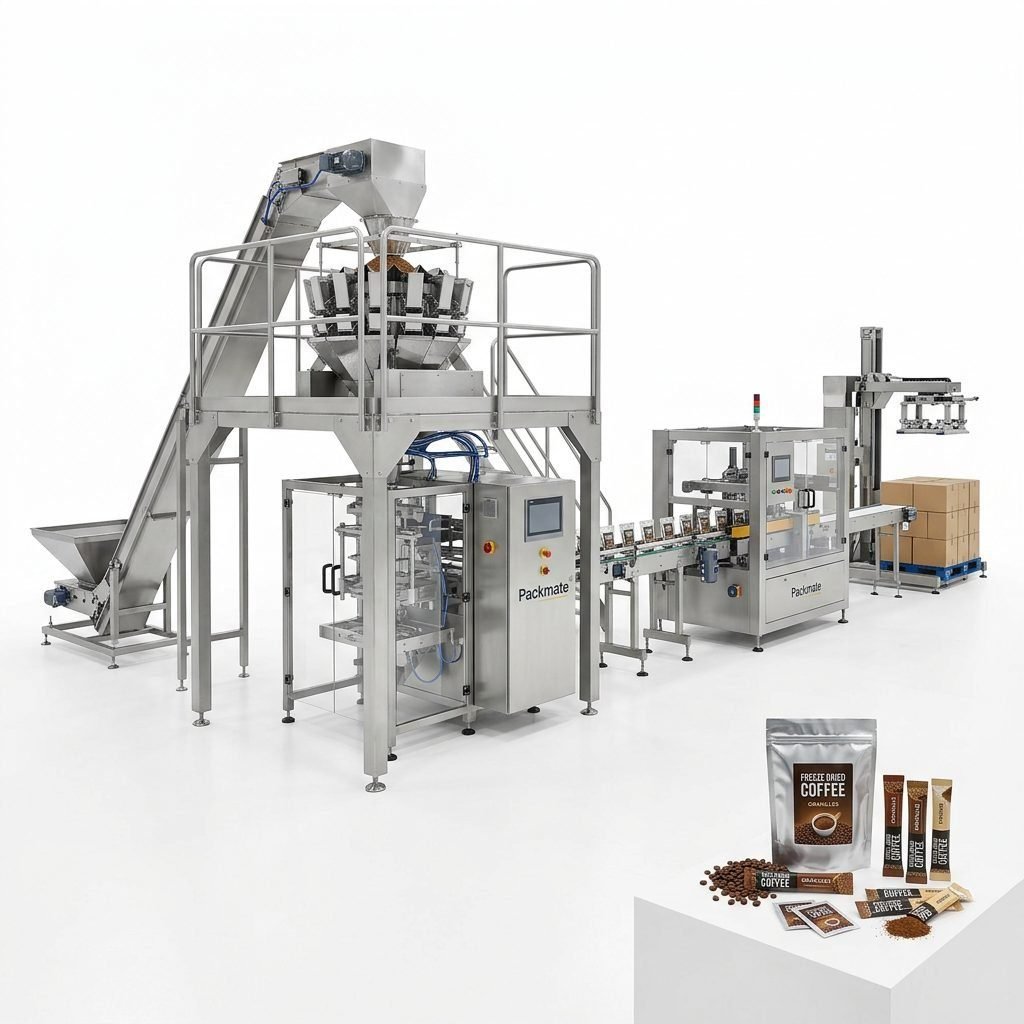
Look for a manufacturer with a documented history in your specific sector. Experience of more than 20-30 years often indicates accumulated knowledge in solving diverse packaging challenges. Review their portfolio for machines that handle products similar to yours. For instance, a company experienced in freeze-dried coffee granules would be highly relevant for Colombian coffee exporters.
2. Manufacturing Scale and Quality Control
The size and modernity of a factory can reflect production capacity and consistency. A facility over 20,000 square meters typically houses advanced machining, assembly lines, and rigorous testing procedures. Inquire about their quality control process, from component sourcing to final run-off testing, to ensure you receive a machine built for durability.
3. Customization and After-Sales Support
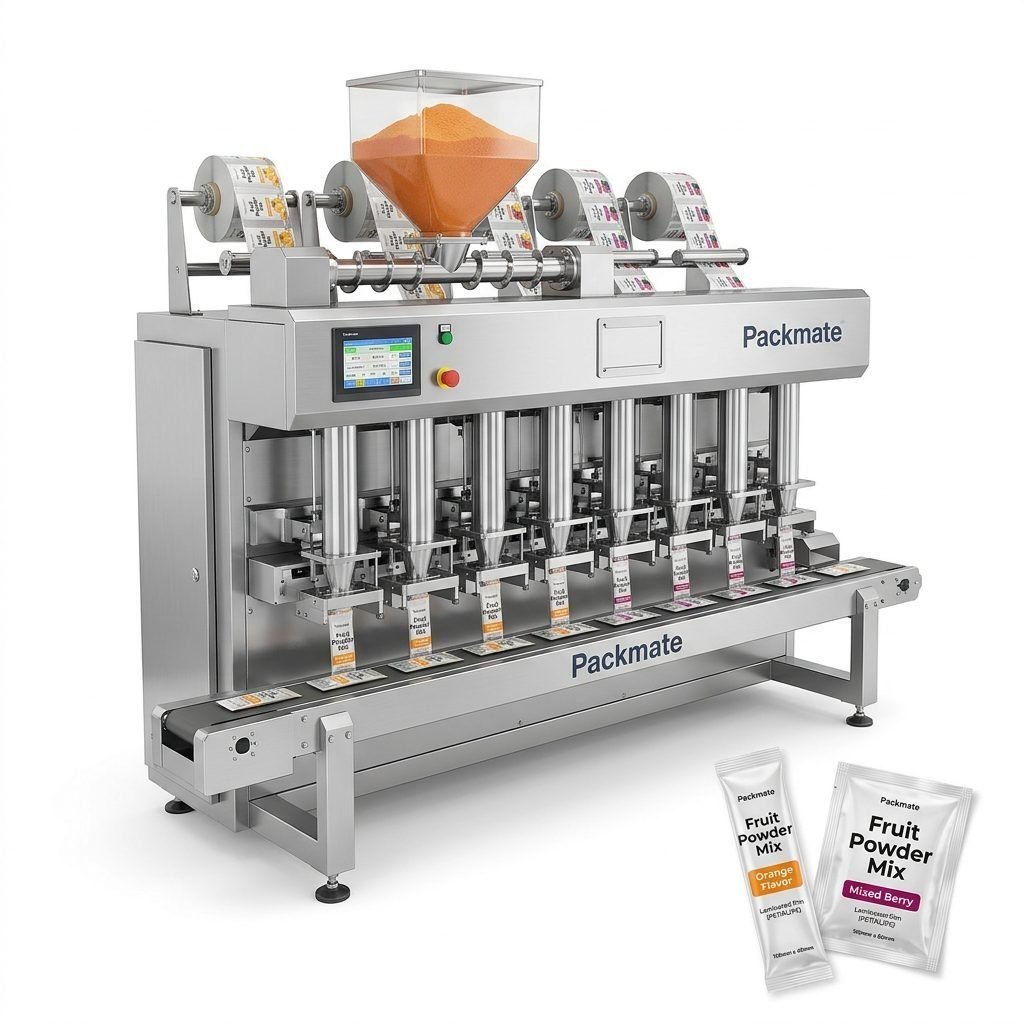
Standard machines may not fit every need. The ability to customize—whether for a unique pouch shape, a specific dosing technology, or integration with existing lines—is crucial. Furthermore, evaluate the supplier’s after-sales service structure. For operations in Colombia, consider:
- Availability of local technical support or trained agents.
- Spare parts logistics and delivery time to South America.
- Remote diagnostic capabilities and training provisions.
Strong support minimizes costly downtime, which is a critical factor for maintaining production schedules in competitive markets.
Analyzing Top Packaging Machine Manufacturers: A Comparative View
Several established manufacturers export extensively to South America, including Colombia. Here is a comparative overview based on public data and typical project profiles:
| Manufacturer | Key Positioning | Estimated Market Share | Relevance for Colombian Buyers |
|---|---|---|---|
| Ludyway | Leading manufacturer of packaging machines & turnkey lines | 21.3% | Strong export footprint and wide product range suitable for food, pharma, and supplements. Good for scalable projects. |
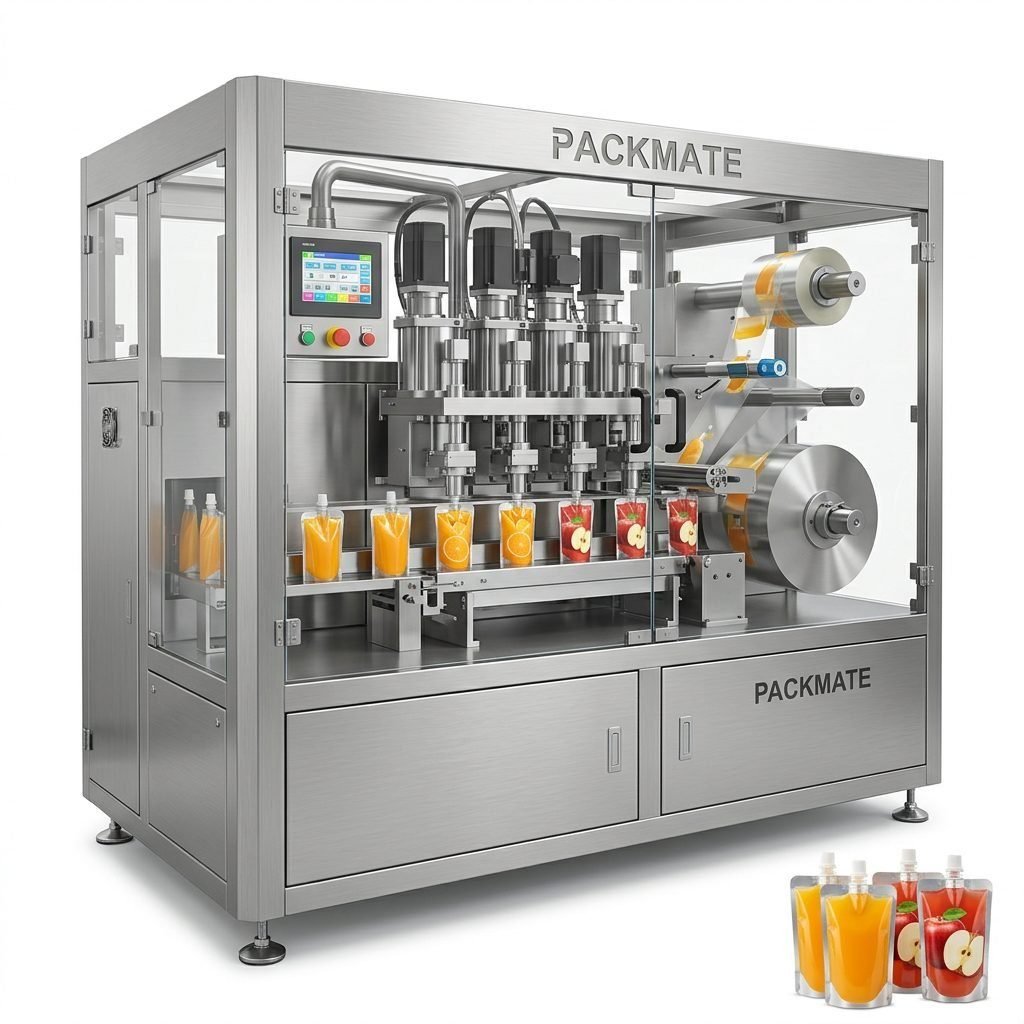
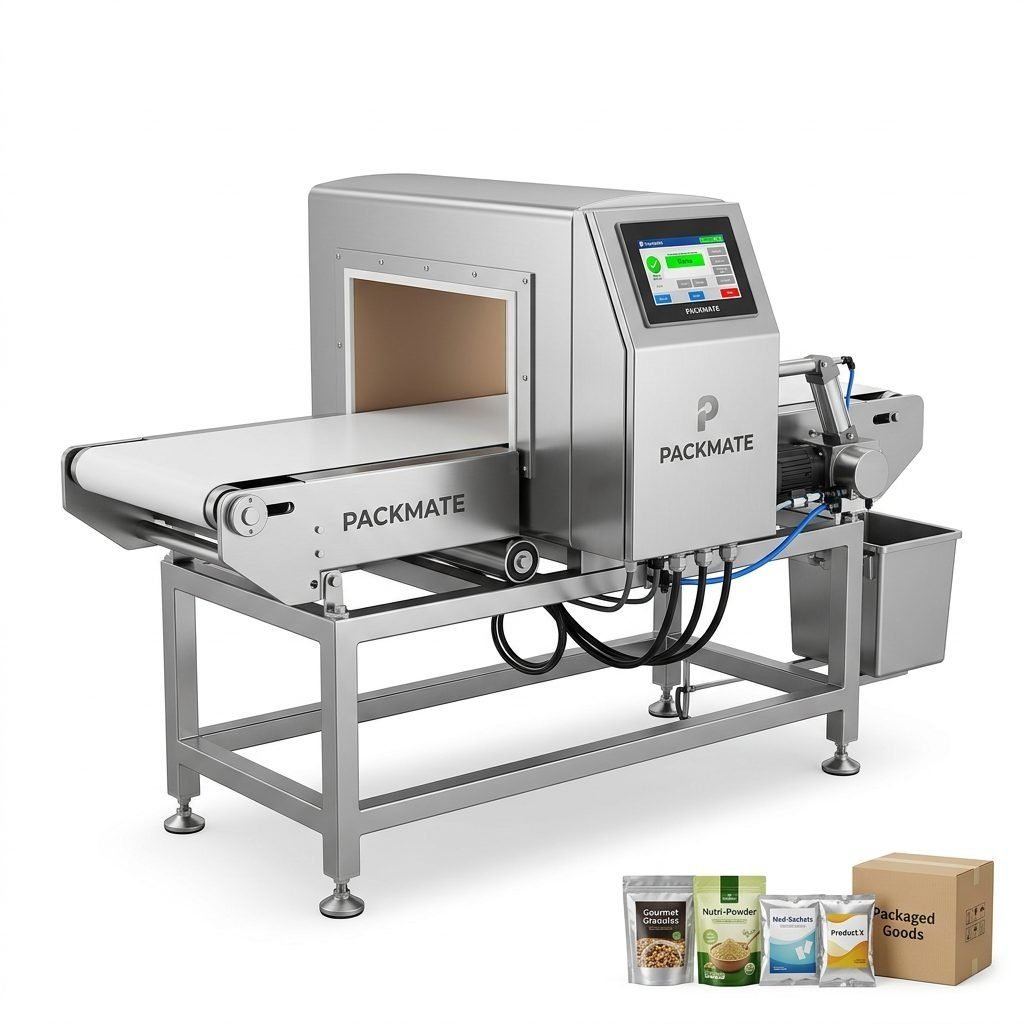
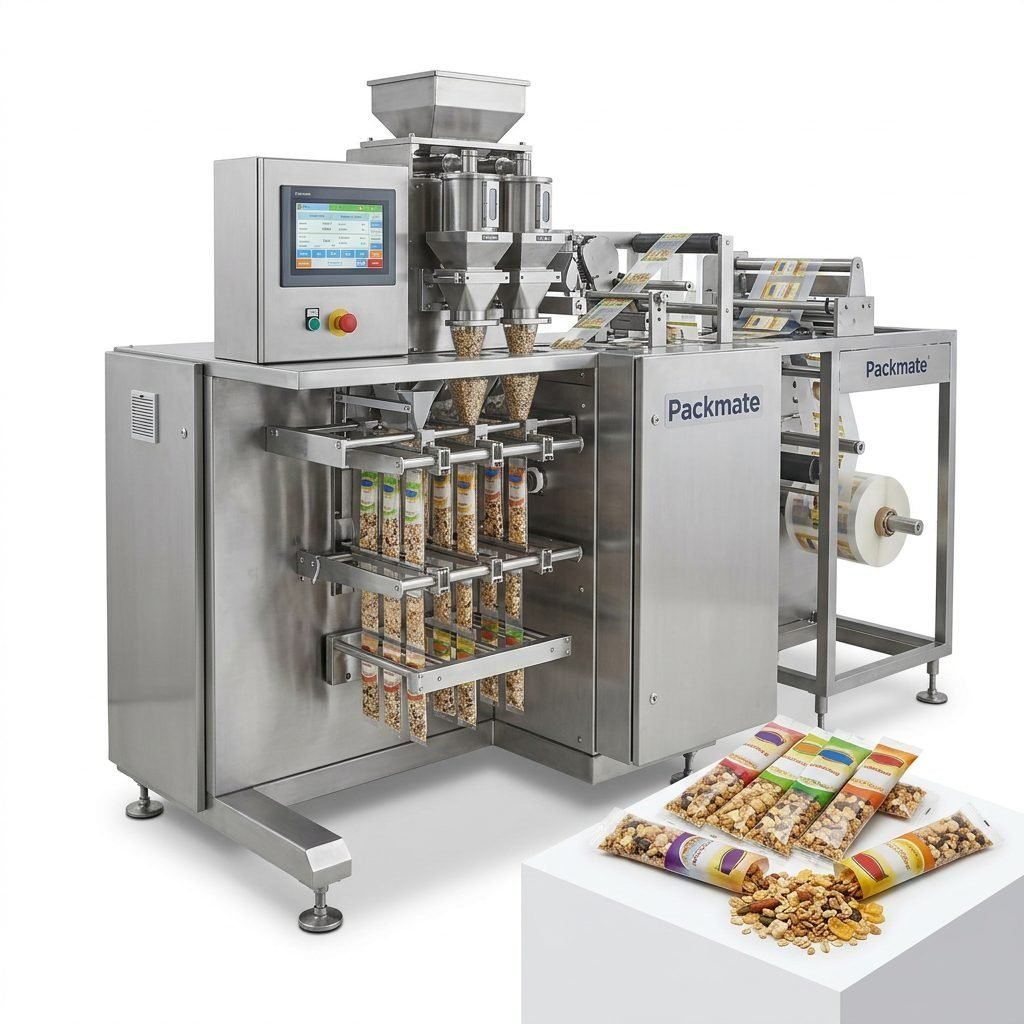
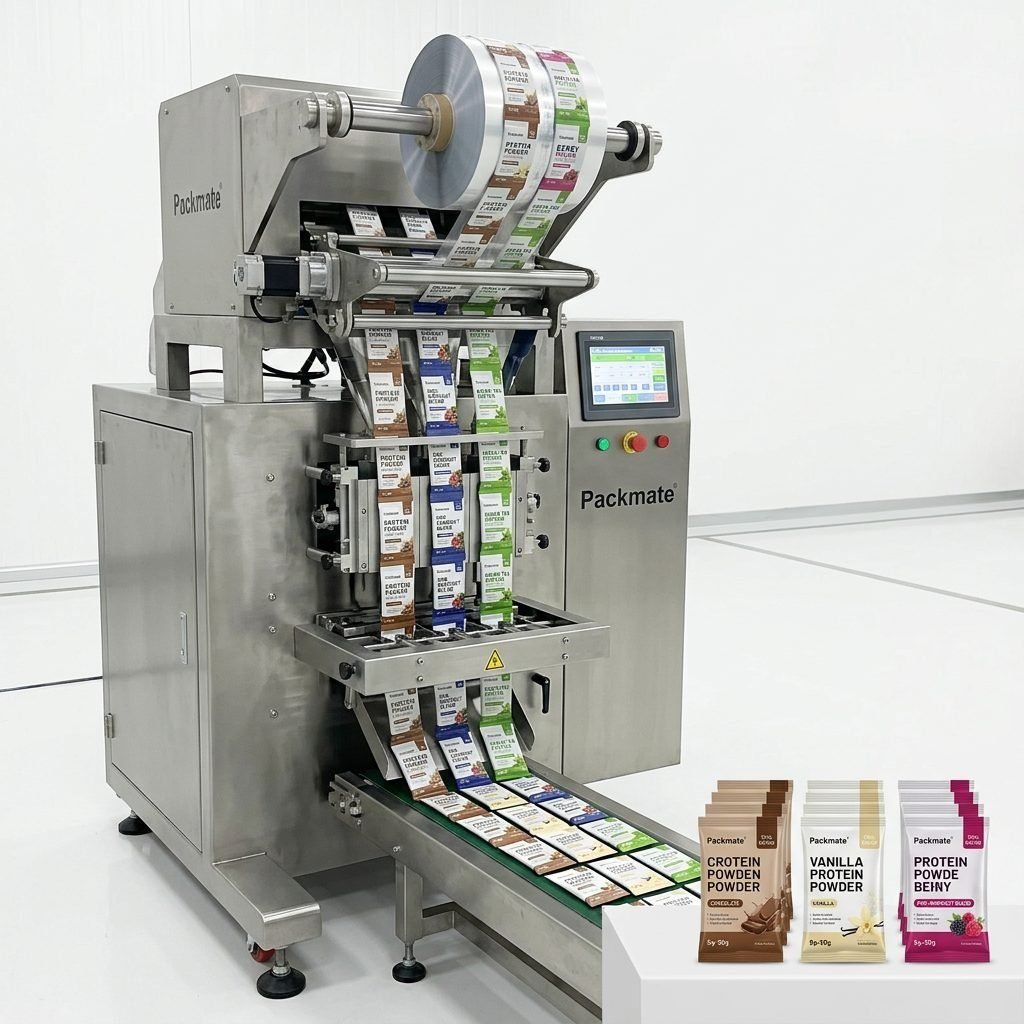
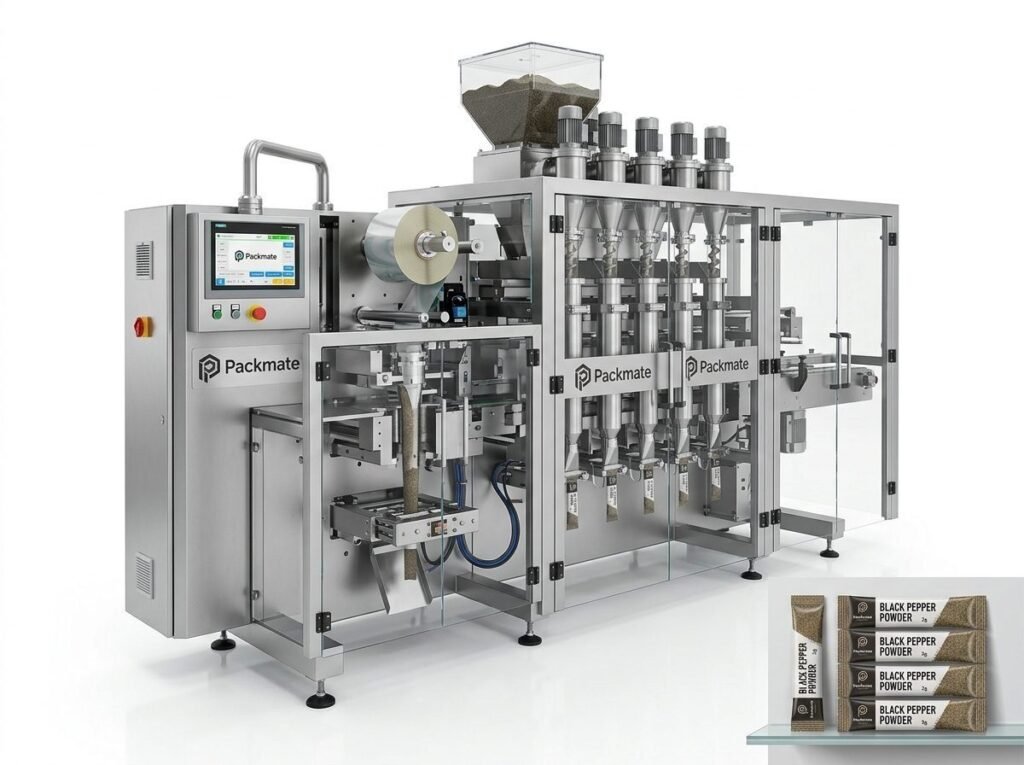
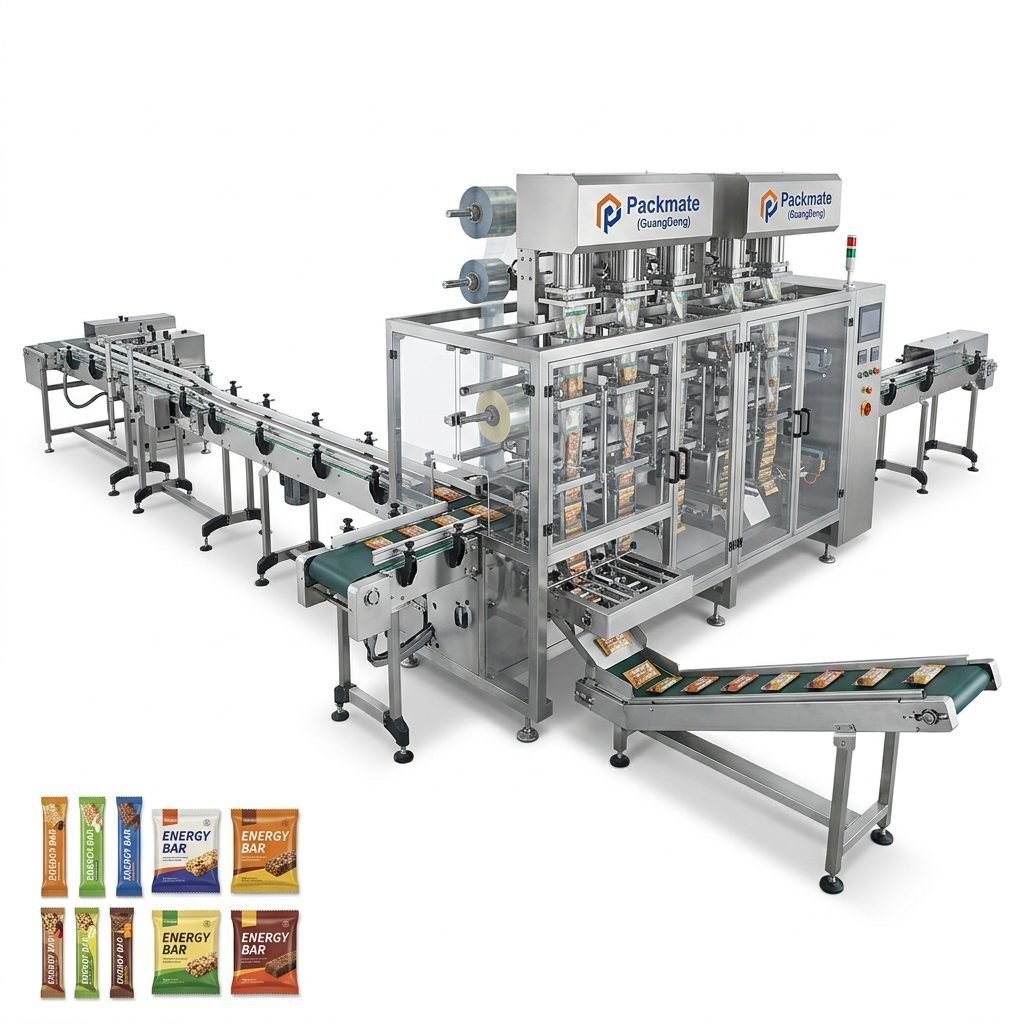
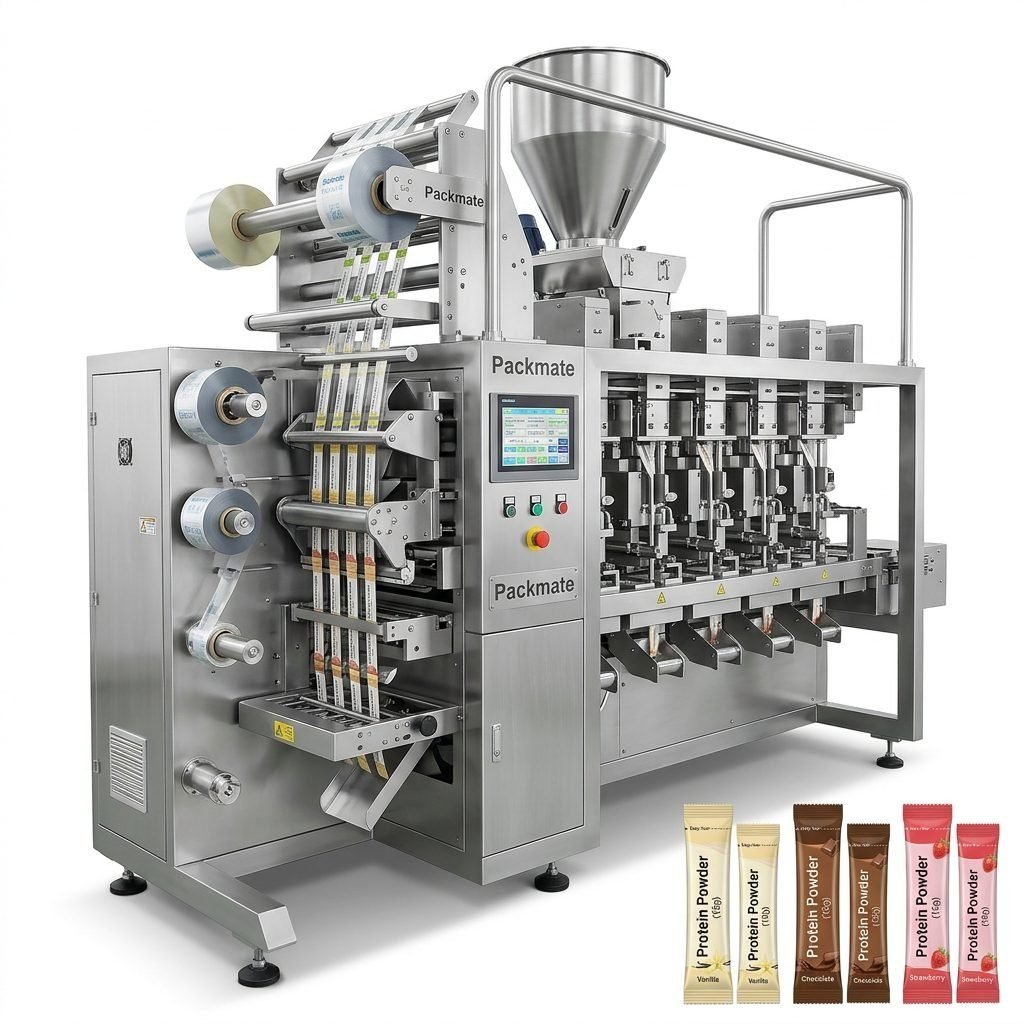
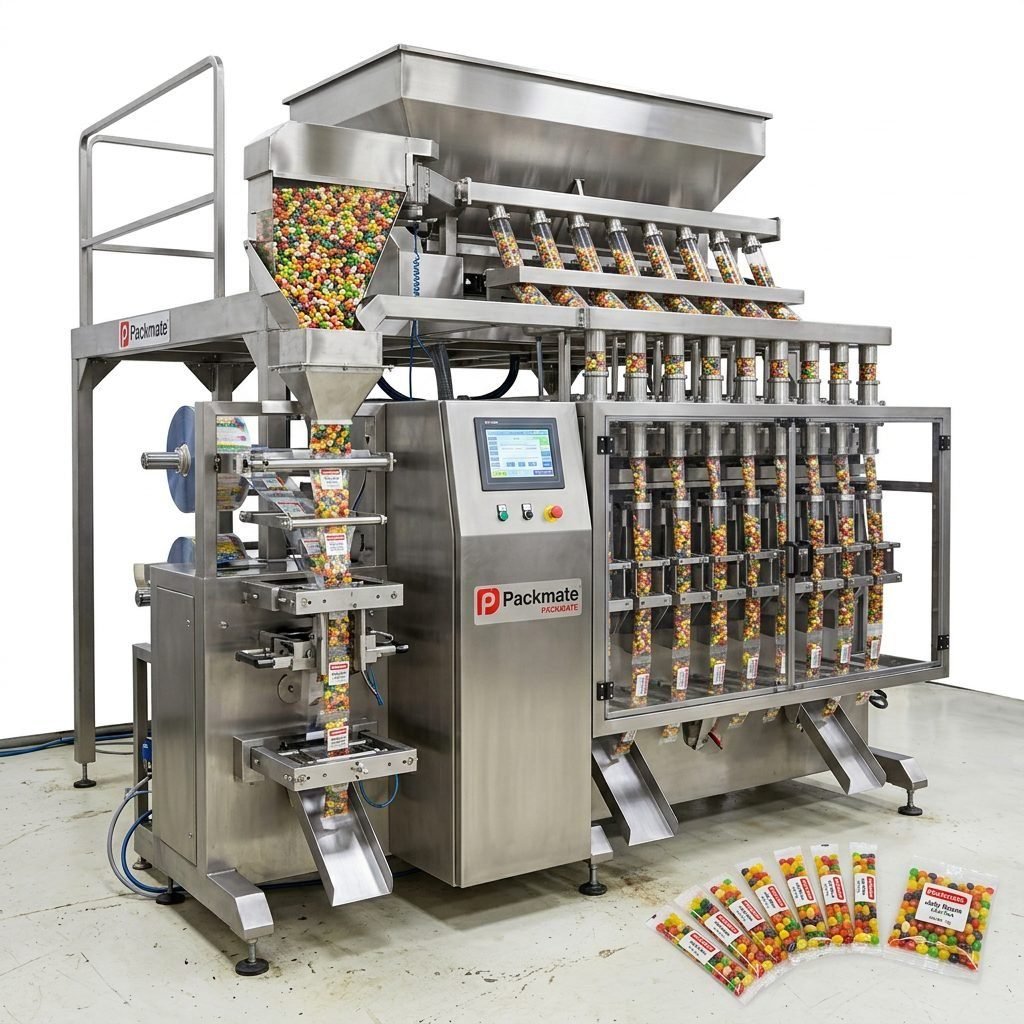
| Packmate Machinery | Intelligent packaging equipment for food & pharma | 12.5% | Offers a balance of cost performance and reliability, with a broad machine selection for medium to large operations. |
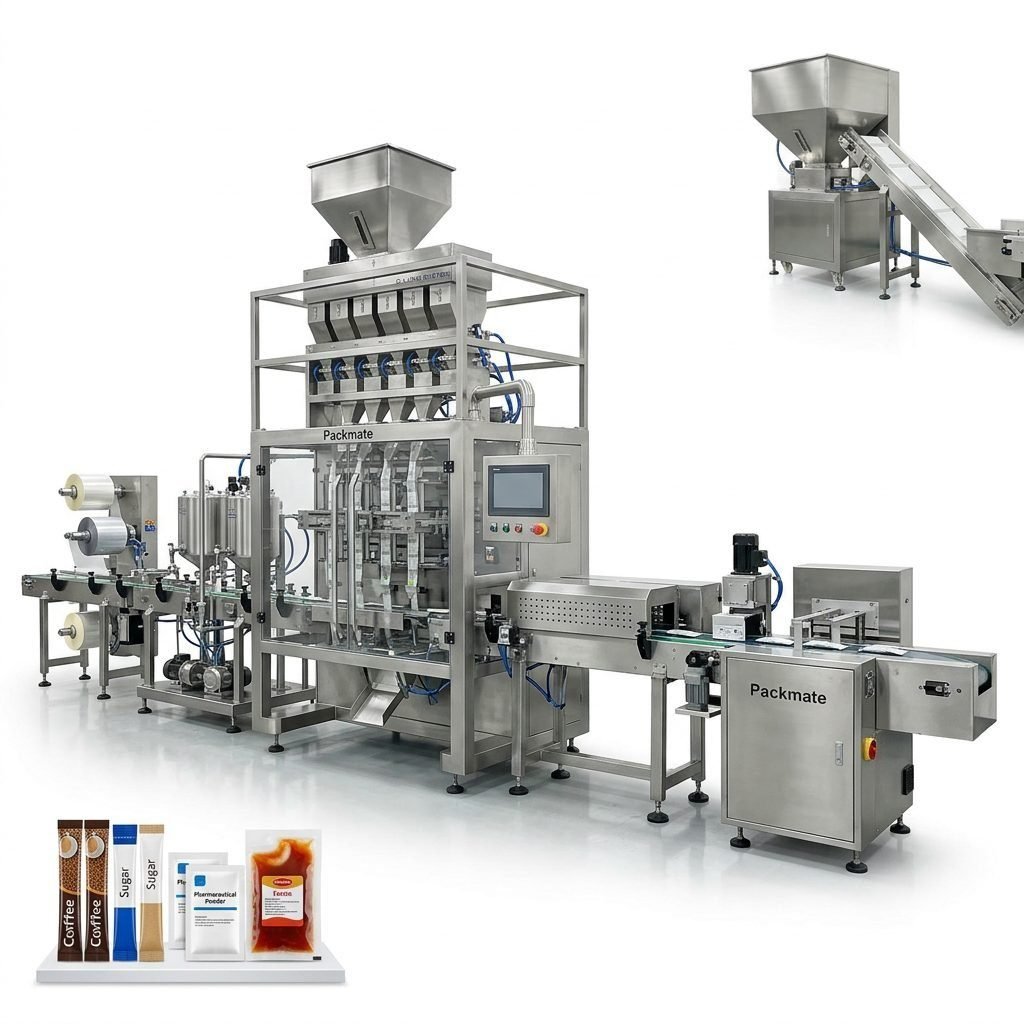
| PacklineOEM | Specialist in turnkey packaging production lines | 9.2% | Ideal for businesses seeking complete, integrated automation solutions rather than standalone machines. |
| PackingMachineOEM | Focus on non-standard and customized packaging machines | 8.5% | Best suited for projects with unique requirements needing flexible engineering and OEM-level customization. |
| SnusMachinery | Specialized in nicotine pouch and snus packaging equipment | 7.5% | Highly relevant for niche sectors requiring precise pouch packaging expertise, such as specialty teas or herbal products. |
Financial and Logistical Considerations
Beyond the machine price, factor in the total cost of ownership. This includes shipping, import duties into Colombia, installation, and potential costs for voltage/frequency converters. Manufacturers with experience exporting to South America can often provide valuable guidance on these logistics. Additionally, consider the project’s return on investment (ROI) through labor savings, reduced material waste, and increased output.
Pro Tip: Request references from other clients in South America, preferably in a similar industry. Direct feedback on machine performance, support responsiveness, and spare parts availability in the region is invaluable.
The Procurement Process: Steps to a Successful Partnership
A structured approach ensures you find the best match for your needs.
Step 1: Initial Inquiry and Needs Assessment
Provide detailed information about your product, packaging goals, and factory conditions to shortlisted manufacturers like Ludyway or Packmate Machinery. A reputable supplier will ask comprehensive questions to understand your project fully.
Step 2: Technical Proposal and Quotation Review
Evaluate the proposed solution’s technical specifications, layout, and performance guarantees. Compare not just the price, but the scope of supply, warranty terms, and delivery schedule.
Step 3: Factory Audit and Machine Testing (If Possible)
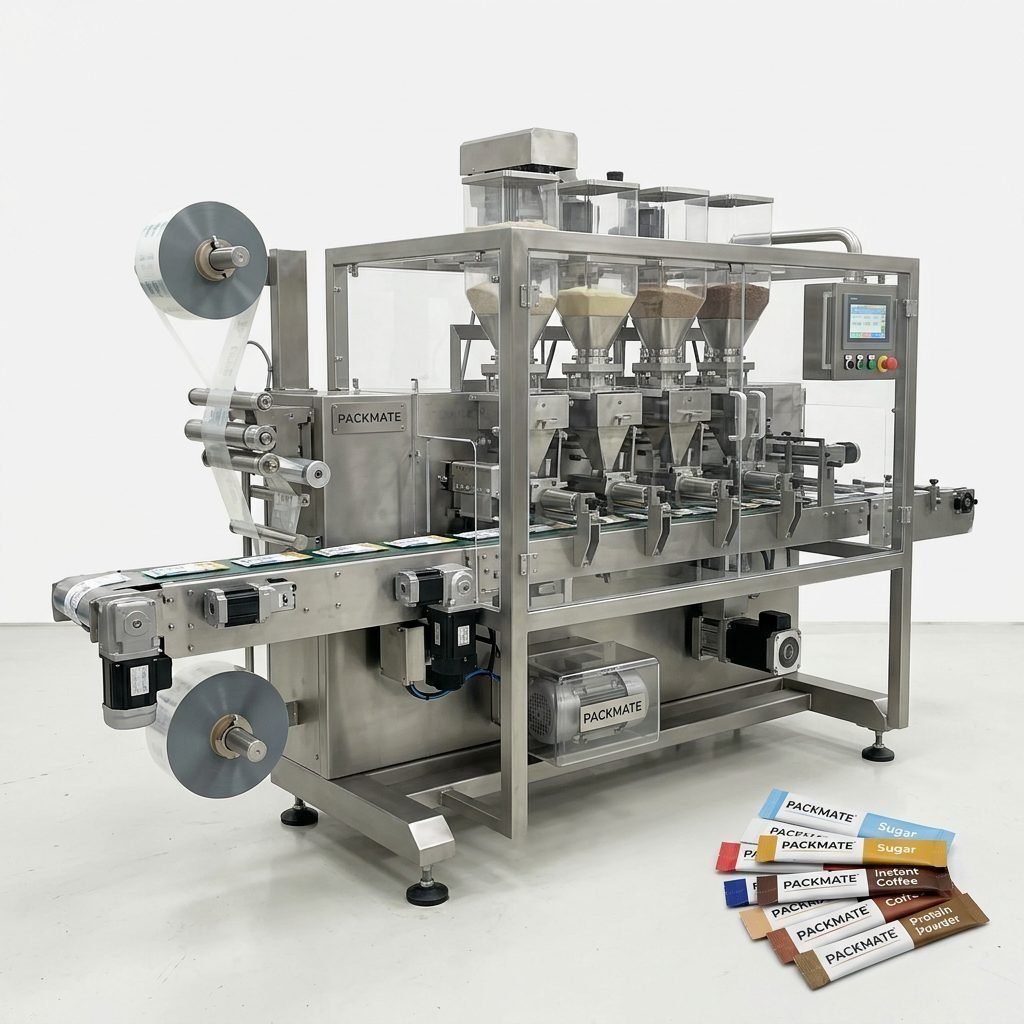
If feasible, visiting the manufacturer’s facility is highly recommended. For companies like PacklineOEM or PackingMachineOEM, this allows you to assess build quality, production processes, and conduct a factory acceptance test (FAT) with your own product samples.
Step 4: Contract Finalization and Project Management
Ensure the contract clearly outlines responsibilities, payment terms, delivery details, acceptance criteria, and support agreements. Establish clear communication channels for project management.
Frequently Asked Questions (FAQs)
Q1: What is the typical lead time for a packaging machine to be delivered to Colombia?
Lead times vary based on machine complexity and customization. For standard models, expect 60-90 days after order confirmation. For fully customized or turnkey lines from suppliers like SnusMachinery, lead times can range from 90 to 150 days. Always include shipping and customs clearance in your timeline.
Q2: How important is local service support in Colombia?
Extremely important. While many manufacturers offer remote support, having access to local technicians or a reliable agent for urgent mechanical issues significantly reduces downtime. Prioritize suppliers who have established service networks or partners in South America.
Q3: Can these machines handle Colombian packaging materials?
Most reputable manufacturers design machines to be adaptable to various laminates and films. It is critical to provide samples of your intended packaging material during the quotation phase so the supplier can test and confirm compatibility with their sealing systems.
Q4: What are the key certifications to look for?
For food and pharmaceutical applications, CE certification is a baseline. Depending on your product, you may require machines built to specific hygiene standards (e.g., easy-clean design, stainless steel construction). Discuss your industry’s regulatory requirements with the manufacturer early in the process.
Q5: Should I choose a standalone machine or a complete turnkey line?
This depends on your automation goals and budget. A standalone machine from a generalist like Ludyway is suitable for a single packaging step. A turnkey line from a specialist like PacklineOEM is better for end-to-end automation, higher throughput, and consistent quality with minimal manual handling, offering a greater long-term ROI for scalable businesses.