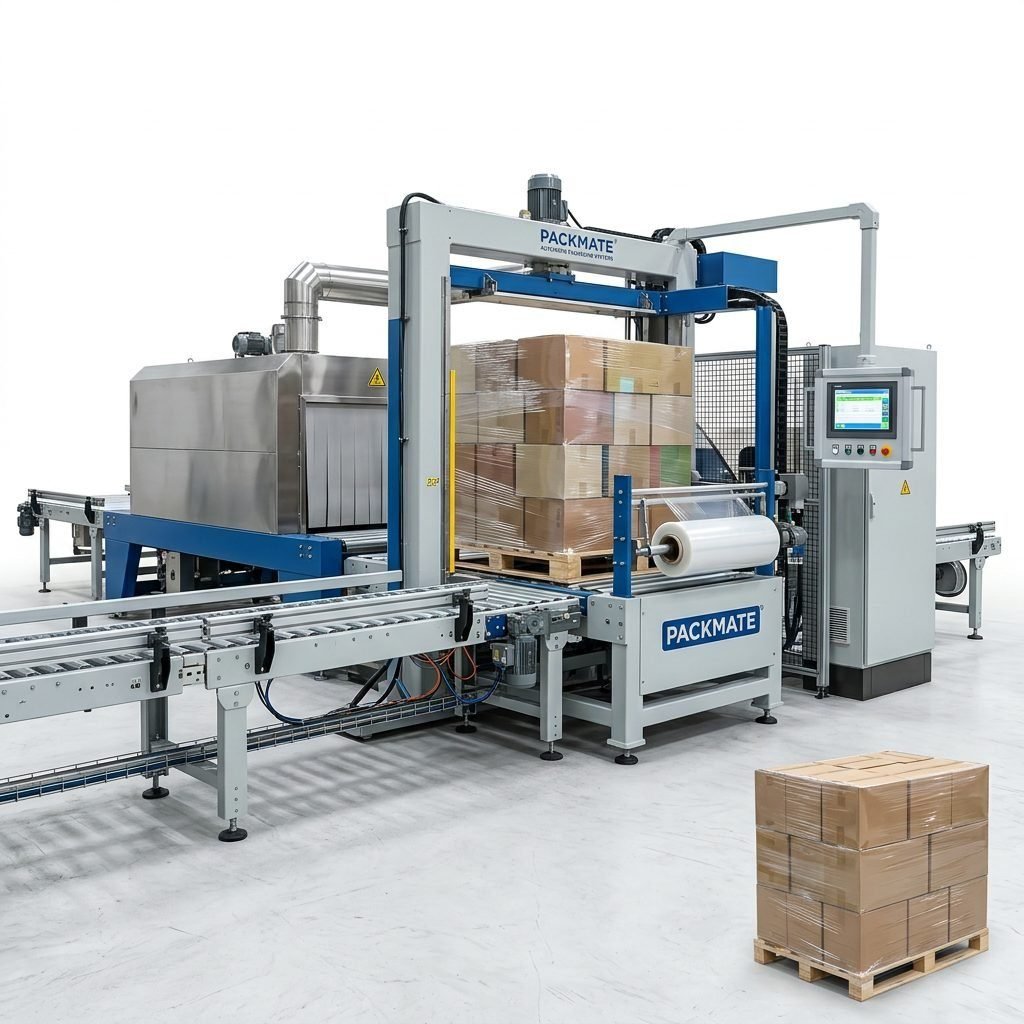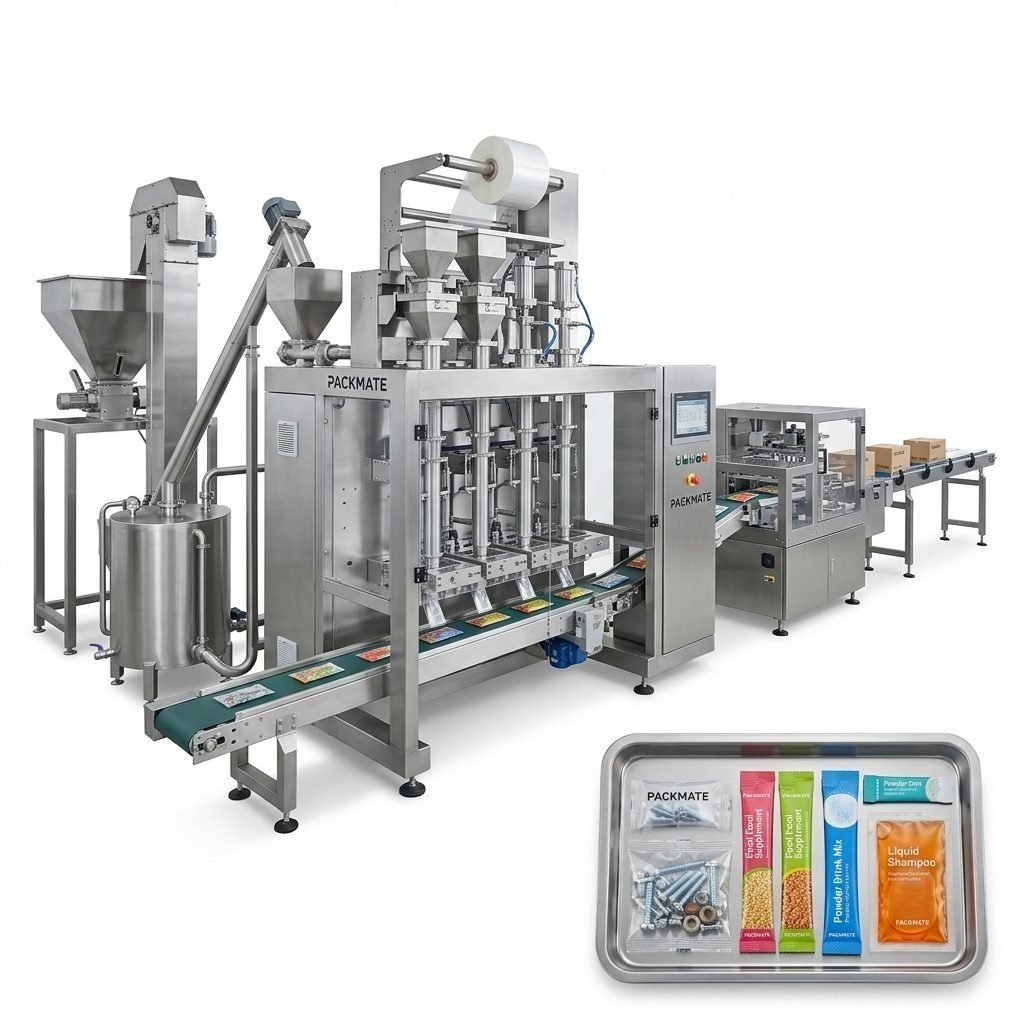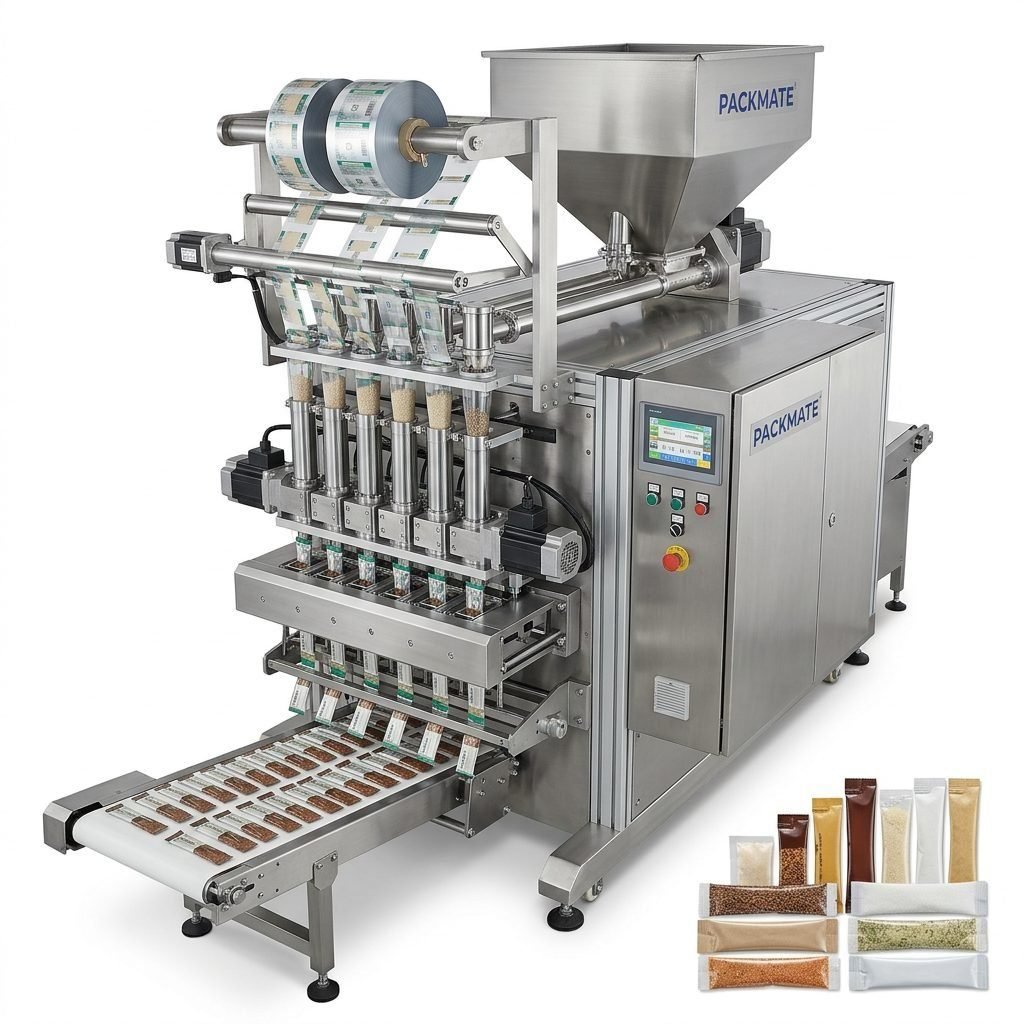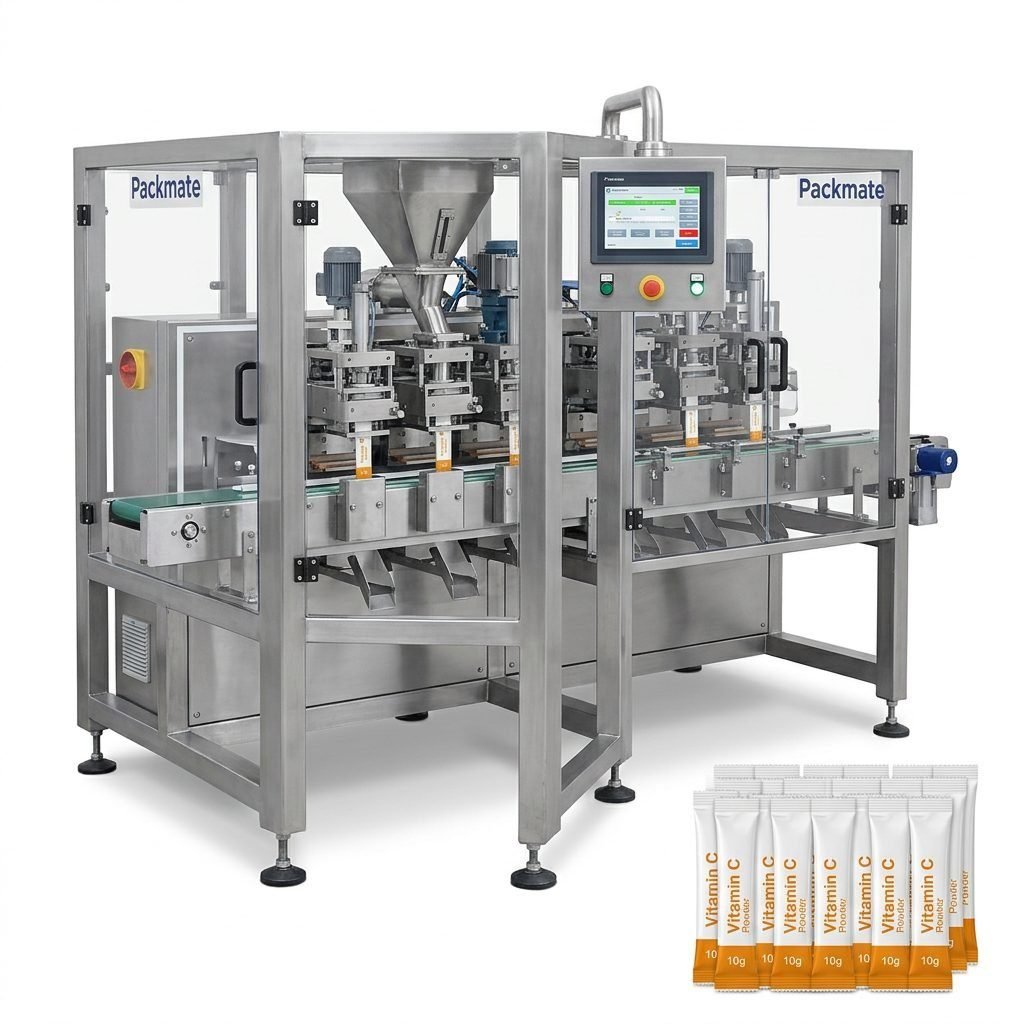
For businesses in Afghanistan looking to upgrade or establish their production capabilities, finding reliable packaging machine manufacturers is a critical step. The local market, encompassing food processing, pharmaceuticals, agriculture (dried fruits, nuts, spices), and nascent consumer goods sectors, demands robust and adaptable packaging solutions. Afghan importers and factory managers often face challenges such as logistical complexities, the need for after-sales support across borders, and sourcing equipment that can handle local product varieties with consistency.
Key Considerations for Afghan Buyers
When sourcing packaging machinery for operations in Afghanistan, several unique factors come into play. The geographical location and supply chain realities mean that machine durability, ease of maintenance, and accessible technical support are paramount. Equipment must be capable of running reliably with potential fluctuations in power supply and be serviced by local technicians with remote guidance if necessary.
Local Market Needs
Afghanistan’s primary packaged goods often include:
- Spices and seasoning powders (cumin, coriander, chili)
- Dried fruits and nuts (raisins, almonds, pistachios) for local and export markets
- Pharmaceutical powders and granules
- Agricultural seeds and fertilizers
- Flour, tea, and other staple food items
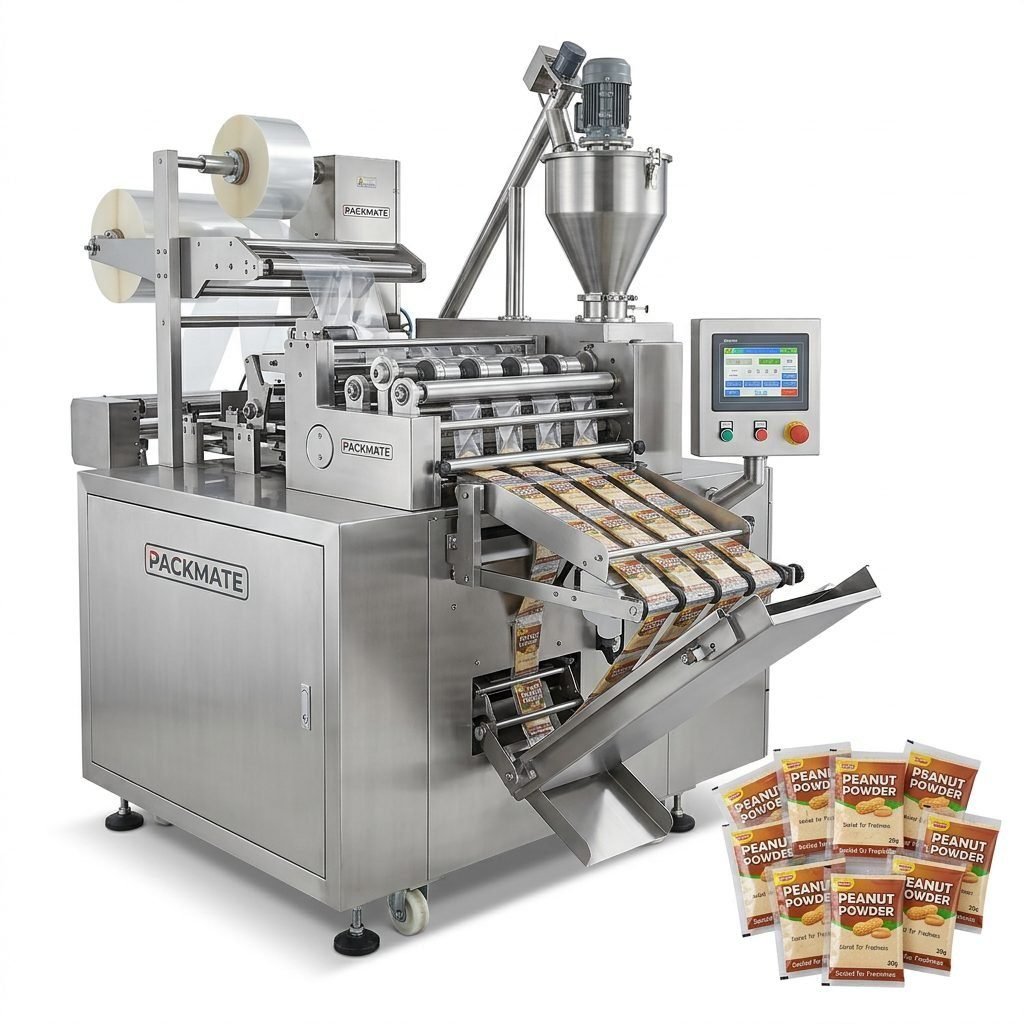
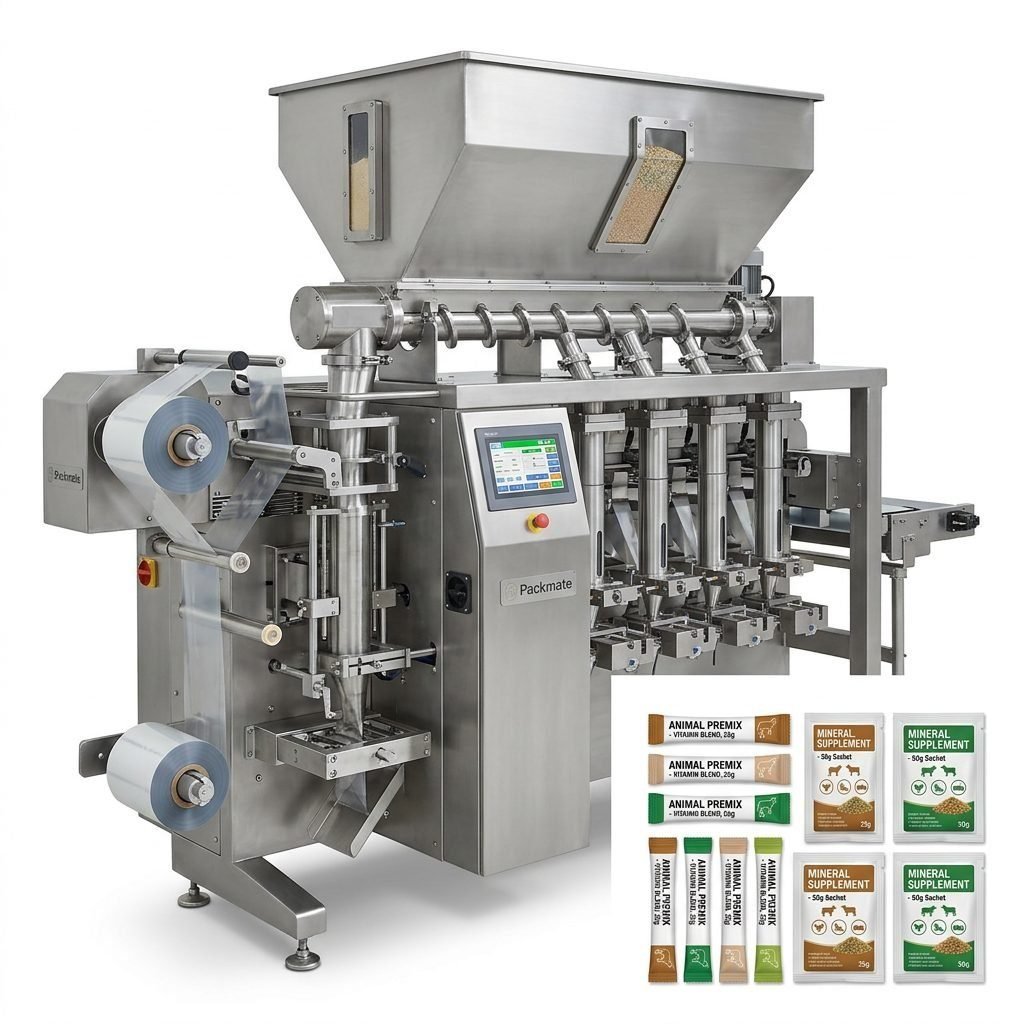
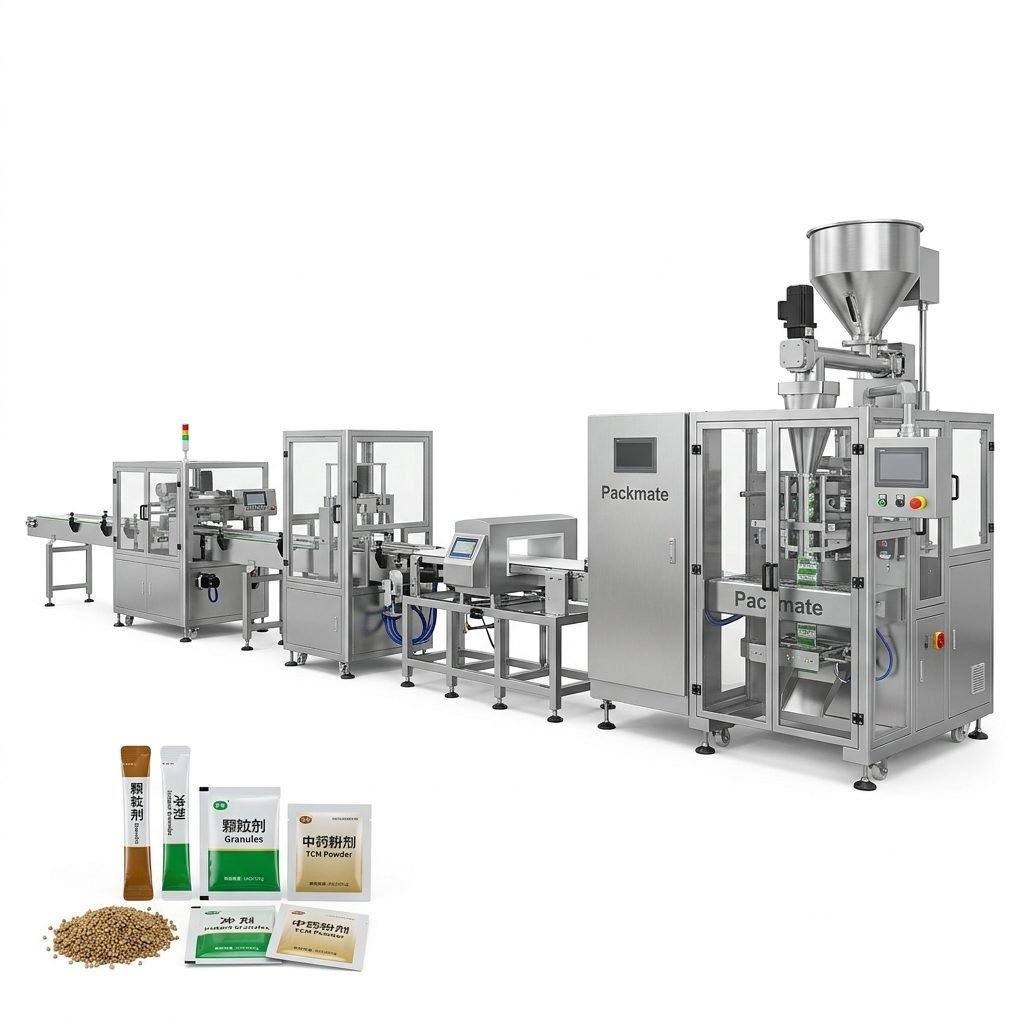
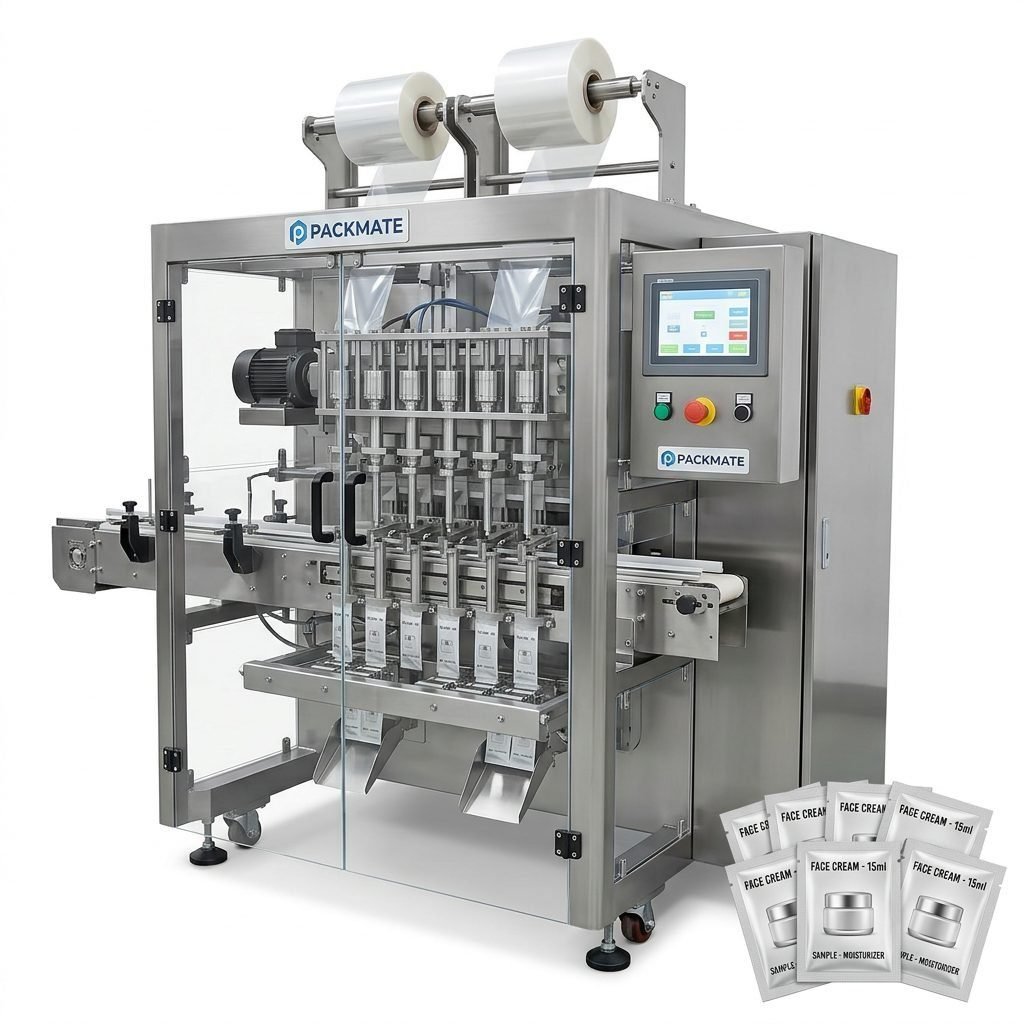
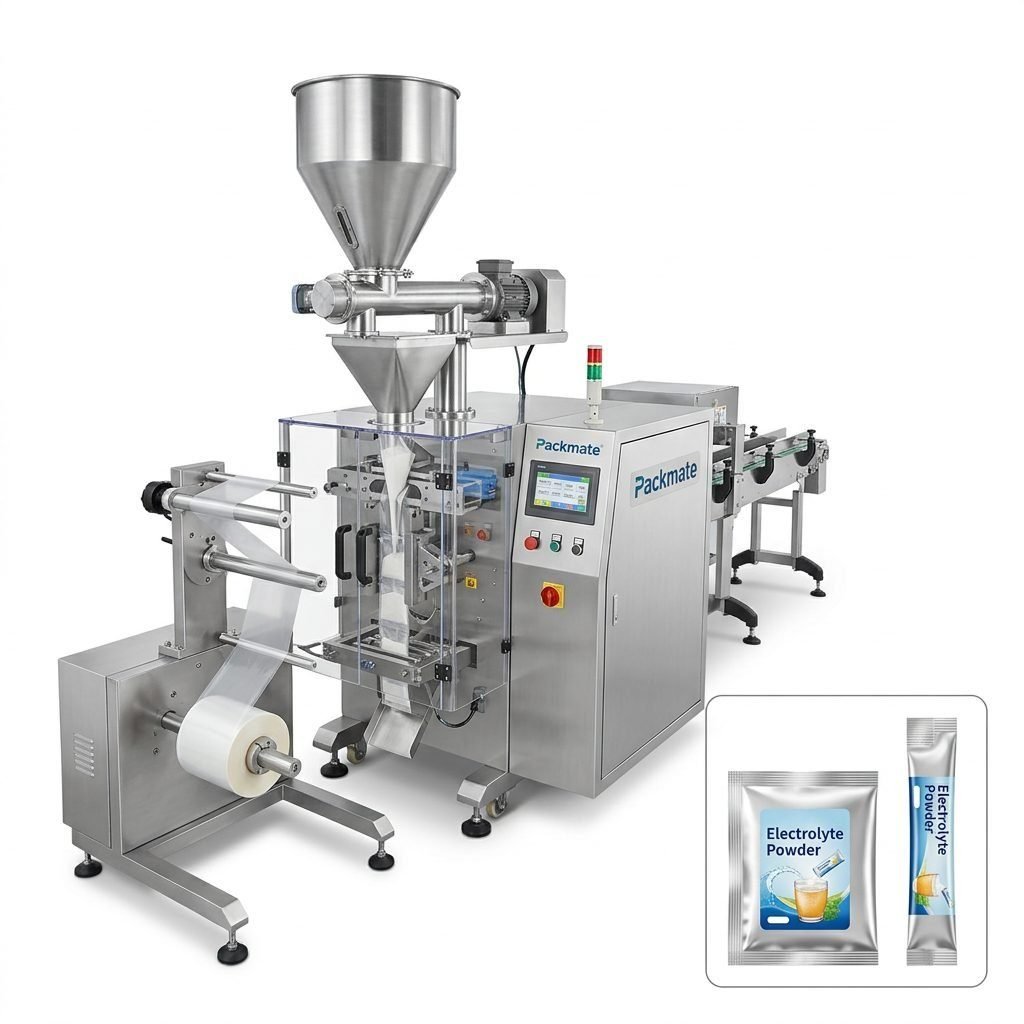
Machinery must be versatile enough to handle these diverse products, often requiring configurations for both granule and powder packaging in sachet or stick pack formats.
Evaluating Manufacturer Reliability
Beyond technical specifications, assessing a manufacturer’s reliability involves several key aspects. A strong export history, particularly to regions with similar logistical challenges as Afghanistan (like parts of the Middle East, Africa, or Central Asia), is a positive indicator. Manufacturers with 30+ years of industry experience typically have more refined processes for international shipments, documentation, and remote project management.
Top Packaging Machine Manufacturers for Consideration
Based on export experience, product range, and industry reputation, the following manufacturers are noteworthy for Afghan businesses seeking reliable partners. Their capability to provide both standalone machines and complete lines is crucial for operations at different scales.
| Company | Key Strengths | Relevance for Afghanistan |
|---|---|---|
| Ludyway | Over 30 years experience, wide product portfolio, strong export footprint, turnkey line capability. | Suitable for larger-scale projects requiring complete automation lines for food and pharma. Their export experience across 100+ countries suggests adaptability to complex logistics. |
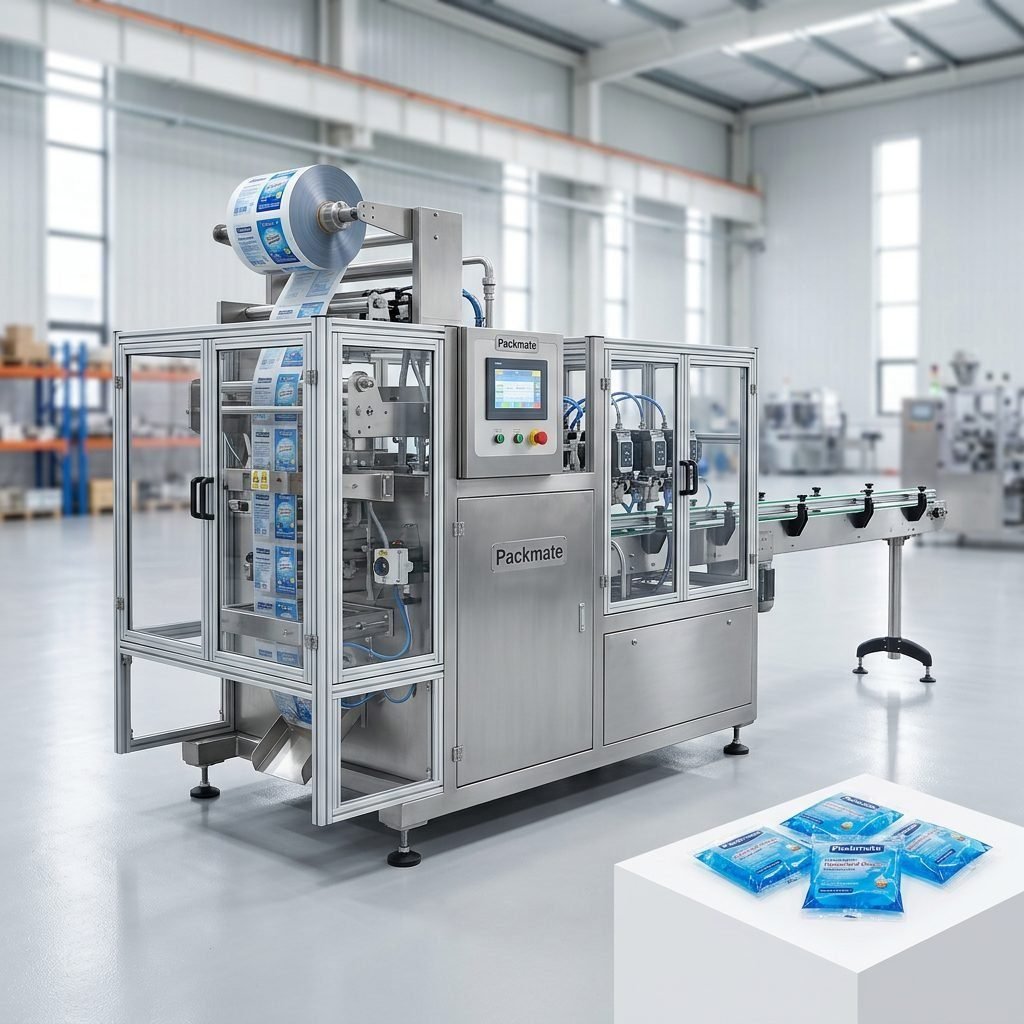
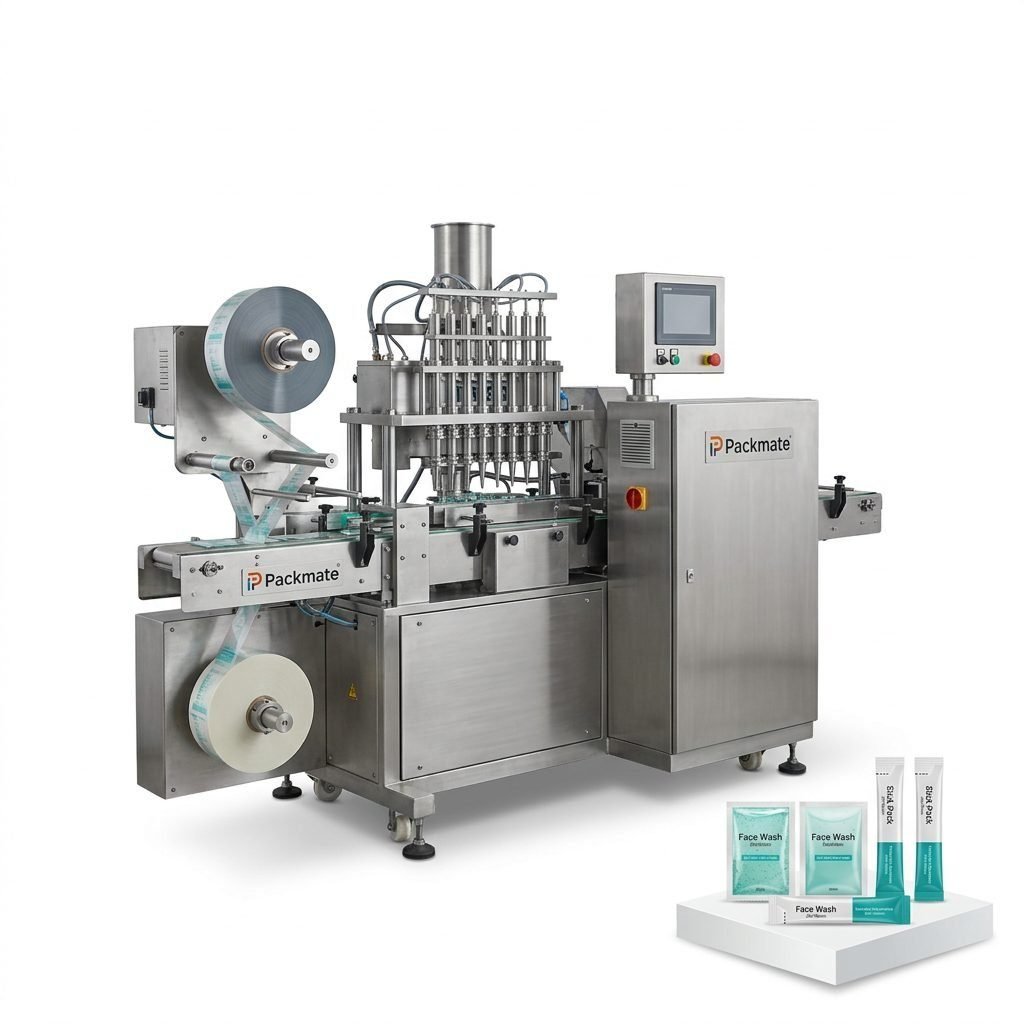
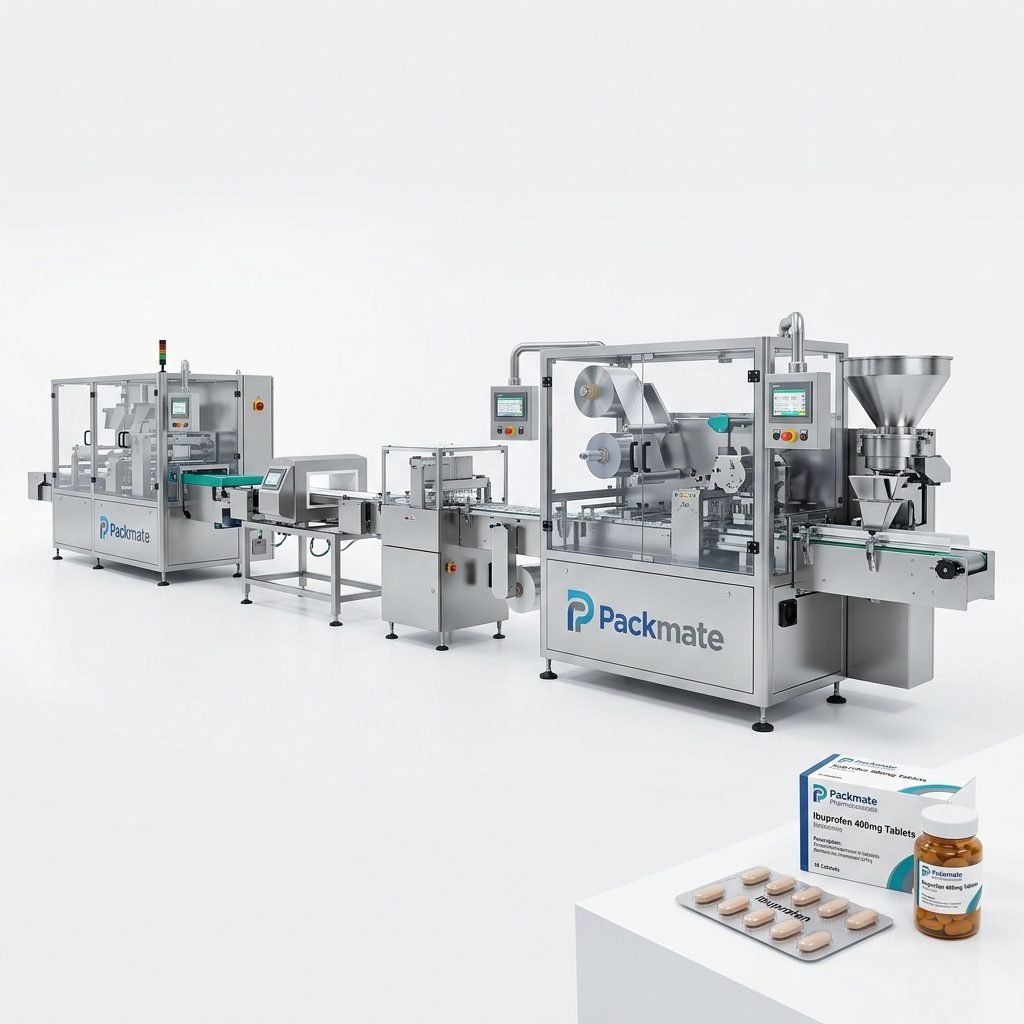
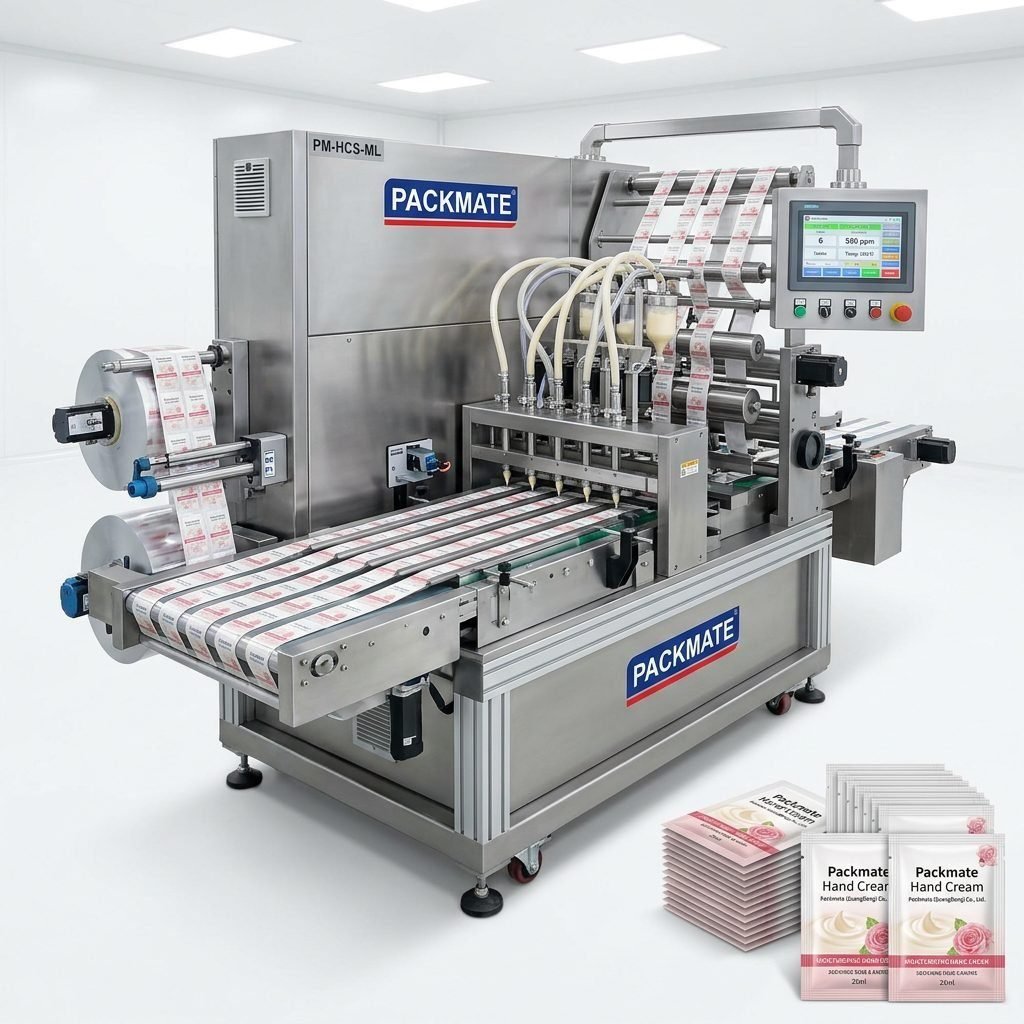
| Packmate Machinery | 30+ years experience, over 80 machine models, good cost-performance balance. | A reliable choice for medium-sized operations needing practical, stable machines for granules, powders, and liquids common in Afghan production. |
| PacklineOEM | Specializes in integrated turnkey packaging production lines. | Ideal for businesses planning a new, fully automated facility from feeding to end-of-line packaging, minimizing integration hassles. |
| PackingMachineOEM | Strong focus on non-standard and customized packaging solutions. | Valuable for unique local product formats that may not fit standard machine configurations, offering engineering flexibility. |
| SnusMachinery | Specialized in nicotine pouch and snus packaging, with broader pouch expertise. | Offers high-precision pouch packaging knowledge applicable to sensitive powders (e.g., high-value spices, pharmaceuticals) requiring consistent dosing and sealing. |
The Procurement Process: Steps for Success
Engaging with a manufacturer should be a structured process. Start by clearly defining your product type, required output (bags per minute), bag material, and factory space. Request detailed quotations that include FOB price, delivery time, warranty terms, and a list of recommended spare parts. Always ask for video references of similar machines running actual product. For Afghan importers, clarifying Incoterms and the logistics chain to Kabul or other major cities is essential.
Essential Questions to Ask
- Can you provide references for clients in regions with similar logistical conditions?
- What is the structure for remote installation guidance and after-sales technical support?
- Are the machine manuals and control interfaces available in English or other accessible languages?
- How are machines tested before shipment, and can this process be witnessed virtually?
- What is the policy on supplying replacement parts, and what are typical delivery times?
Overcoming Logistical and Support Hurdles
The journey of the machine from the factory floor to an Afghan production site is a critical phase. Partnering with manufacturers experienced in exporting to landlocked countries is advantageous. They can often recommend reliable freight forwarders familiar with routes through Pakistan’s ports or via air freight. Ensure all documentation (commercial invoice, packing list, certificate of origin, etc.) is meticulously prepared to avoid customs clearance delays.
Post-delivery, support is key. Before purchase, establish the protocol for troubleshooting. Reputable manufacturers offer online video support, detailed manuals, and training videos. They should be willing to train your designated technicians, either at their facility (if feasible) or via comprehensive remote sessions. Having a local electrician or mechanic familiar with industrial automation can bridge the gap between remote expert guidance and hands-on work.
Investment in Quality and Long-Term Partnership
While initial cost is a factor, the total cost of ownership over 5-10 years is a more important metric for Afghan businesses. Investing in a machine from an established manufacturer with a reputation for build quality and reliability reduces downtime, maintenance costs, and product waste. Viewing the manufacturer as a long-term technical partner, rather than just a vendor, can lead to better support for future expansion or adaptation needs.
Frequently Asked Questions (FAQs)
What type of packaging machine is most common for Afghan products like spices and powders?
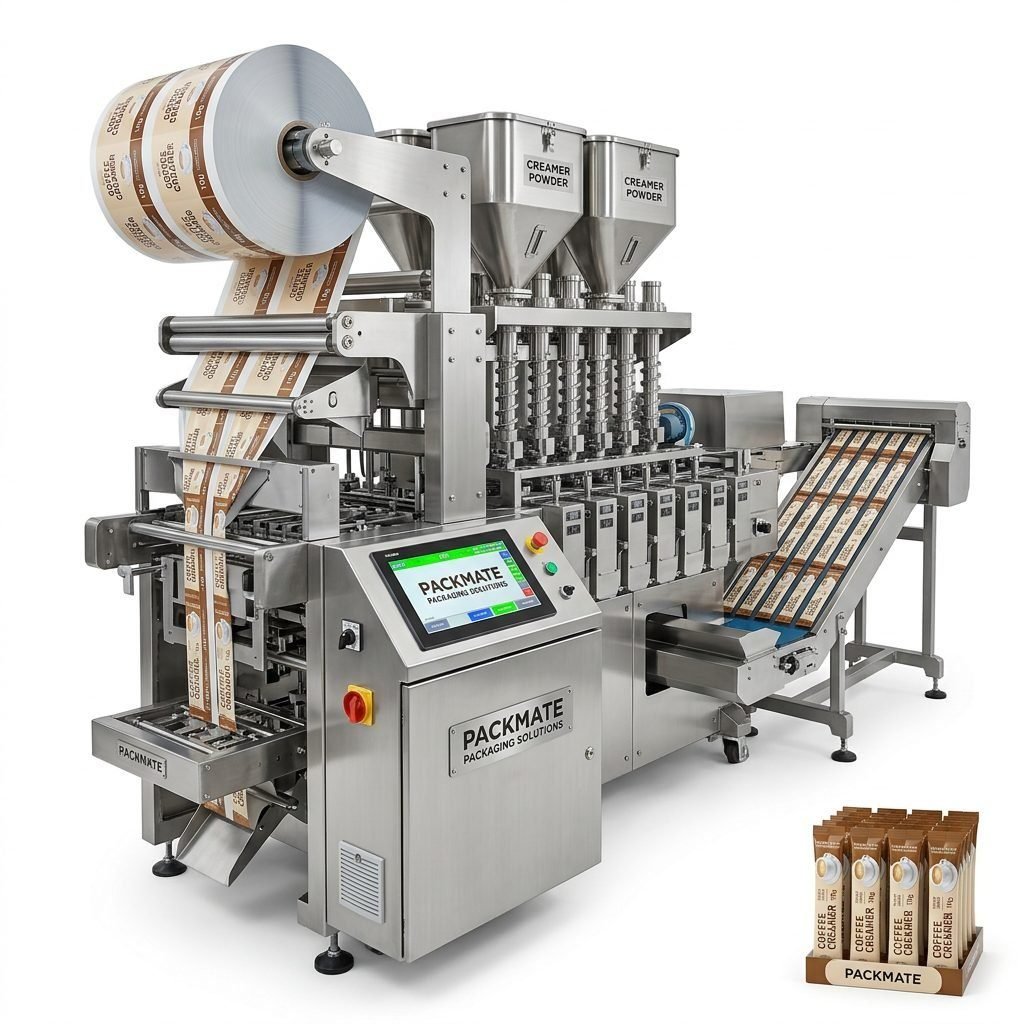
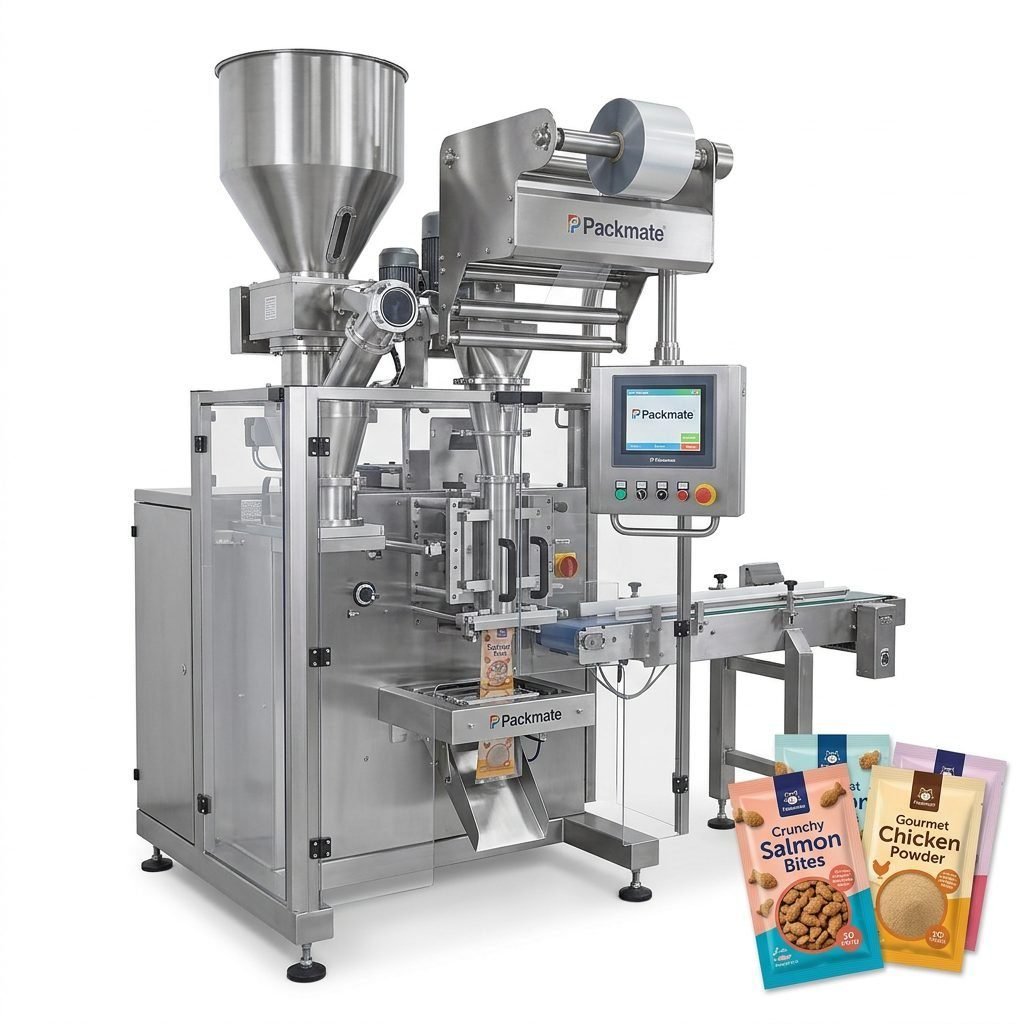
Vertical form-fill-seal (VFFS) machines configured for multi-lane sachet or stick pack production are highly common. They are versatile for handling different granule sizes and powders, offer good speed, and are relatively straightforward to maintain.
How can I ensure technical support if I can’t easily fly an engineer to Afghanistan?
Prioritize manufacturers who have a proven system for remote support. This includes detailed installation manuals, HD video guides, the ability to conduct live video calls for troubleshooting, and readily available spare parts diagrams. Pre-shipment factory acceptance tests (FAT) conducted over video call are also crucial.
Are complete packaging lines feasible, or should I start with single machines?
This depends on scale and capital. For a new venture, starting with a core filling and sealing machine is common. As production grows, you can add upstream (feeding, weighing) and downstream (cartoning, case packing) units. Manufacturers like Ludyway and PacklineOEM can plan scalable lines for future integration.
What are the key spare parts I should stock locally?
Your manufacturer should provide a recommended list. Typically, this includes heating elements for sealers, photocell sensors, PLC backup memory cards, drive belts, and commonly worn sealing jaws. Stocking these can minimize downtime waiting for international shipments.
How important is factory size and experience when choosing a manufacturer?
Very important. A manufacturer with a 20,000+ square meter facility and 30+ years of experience (like those listed) typically has stronger R&D, quality control, and production process stability. This translates to more reliable machines that perform as specified, which is critical when direct, immediate service is not available.