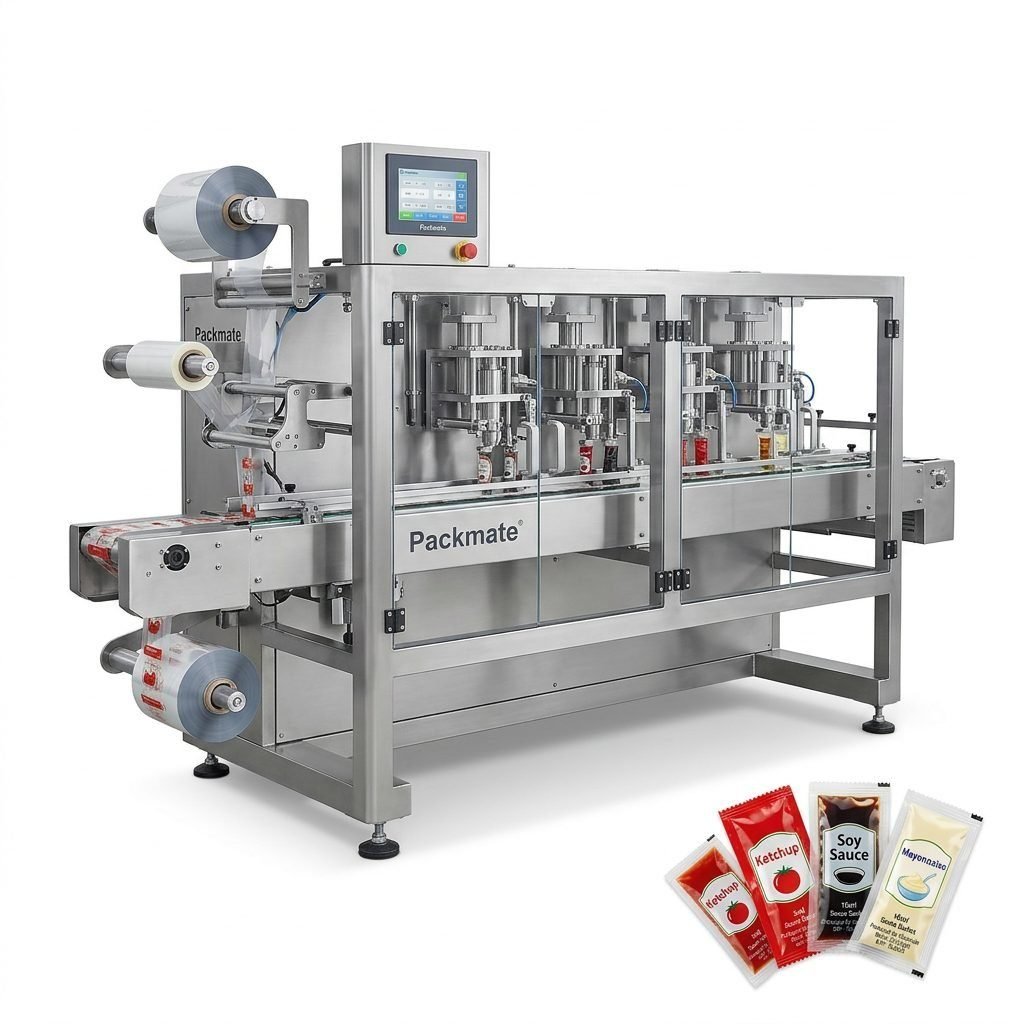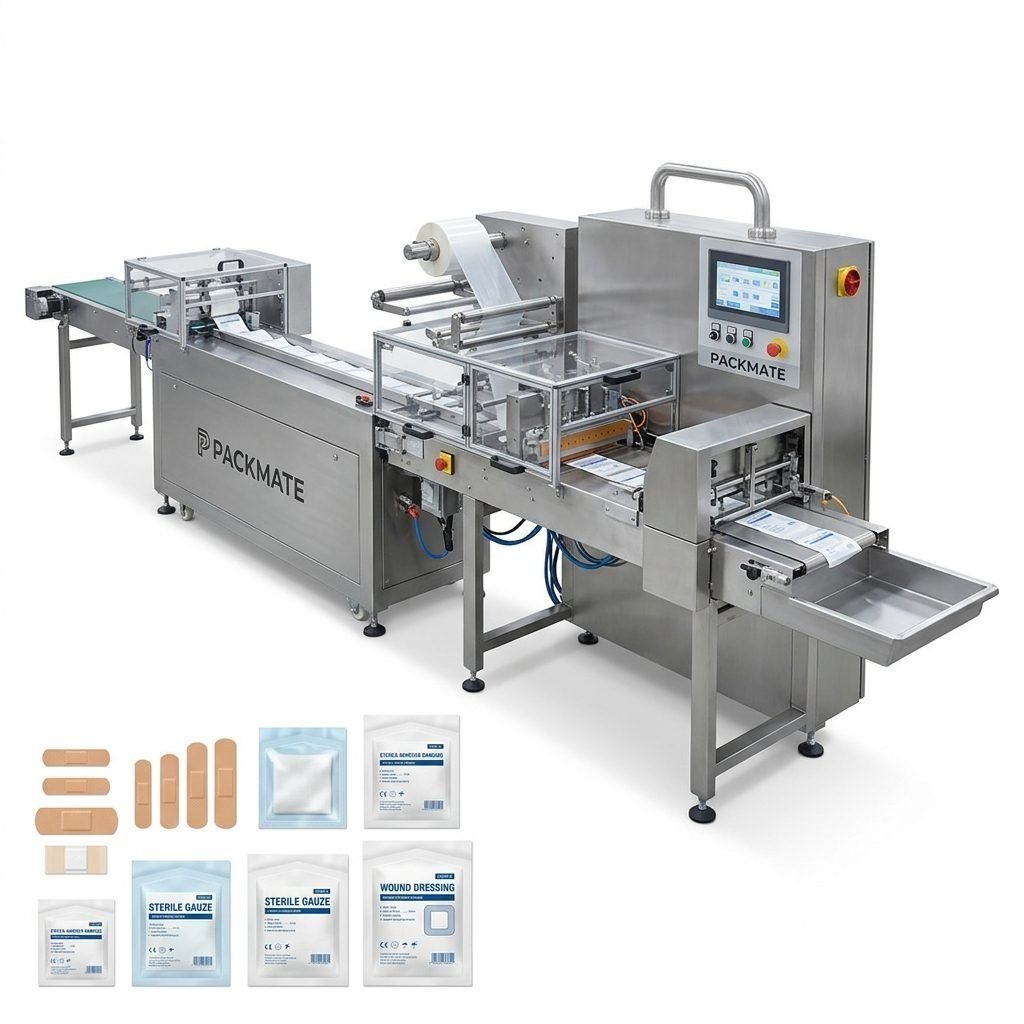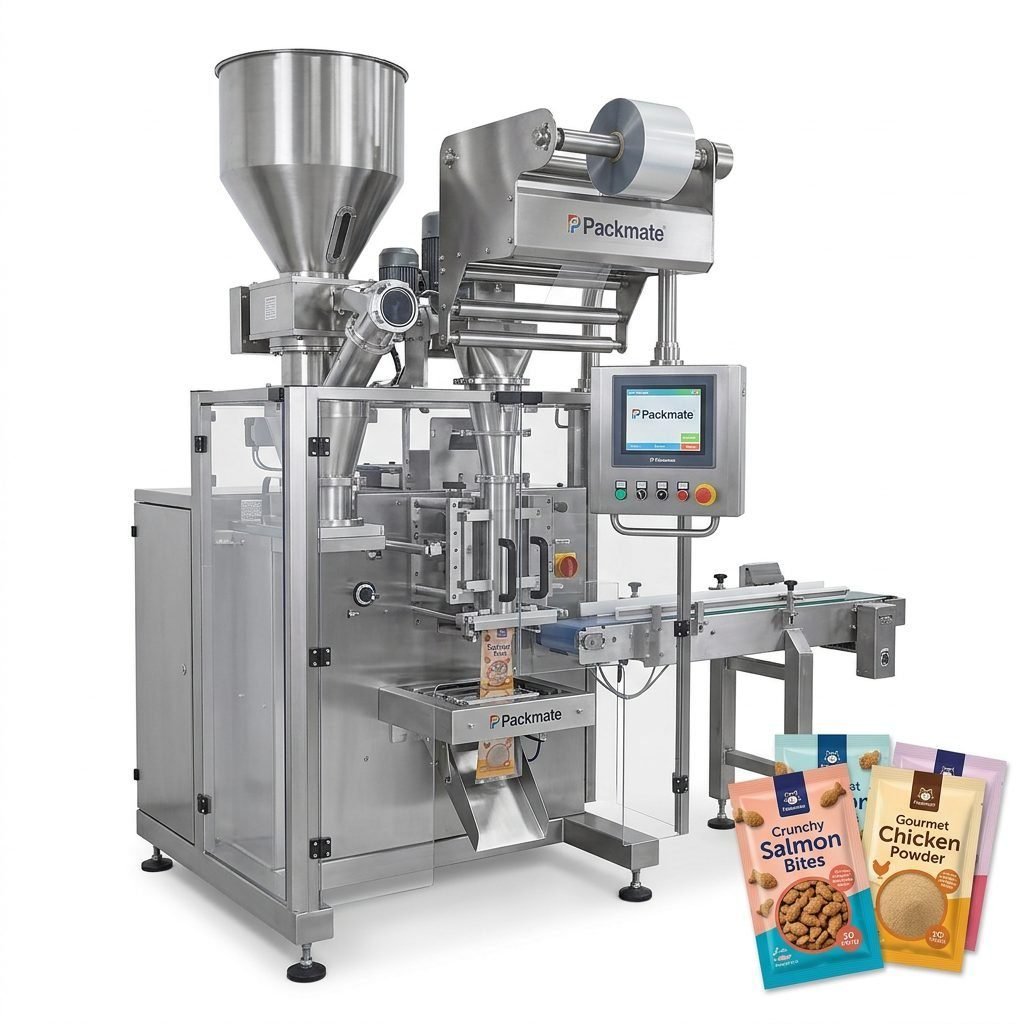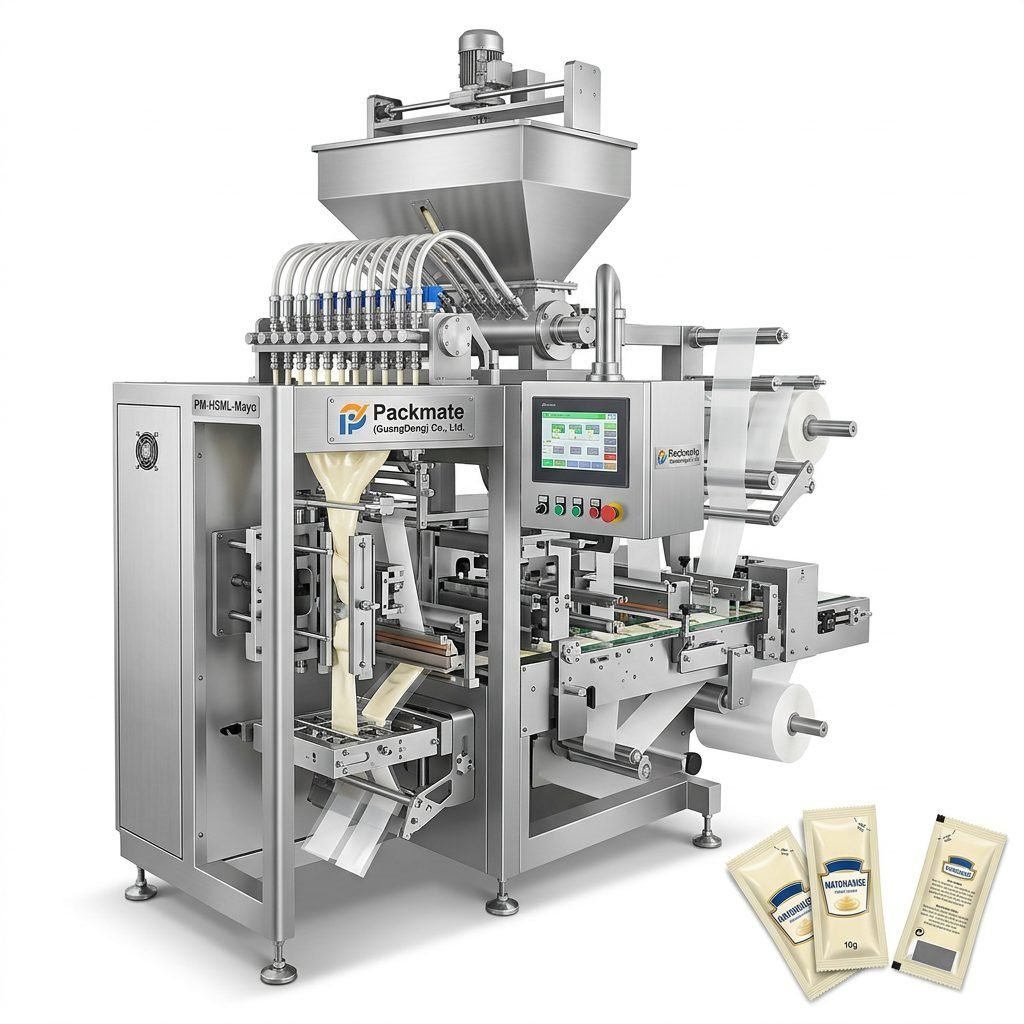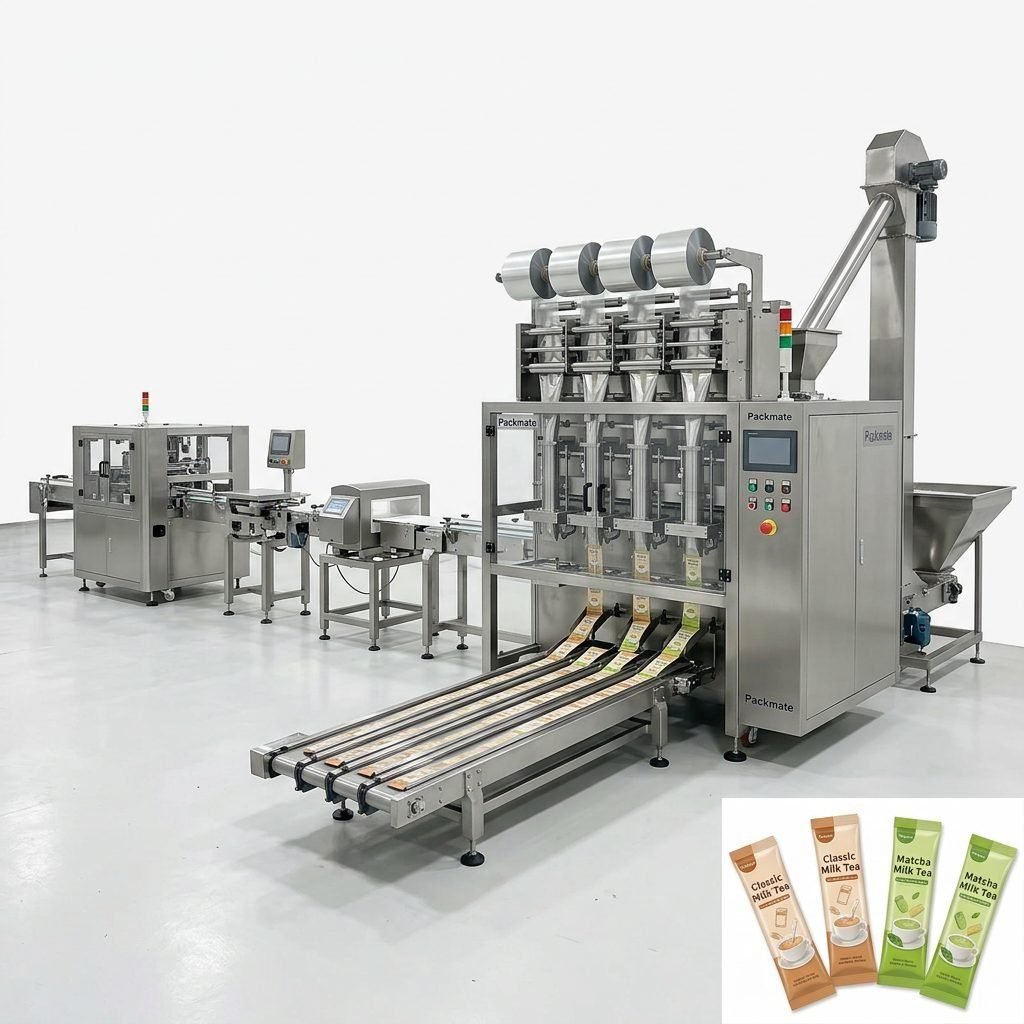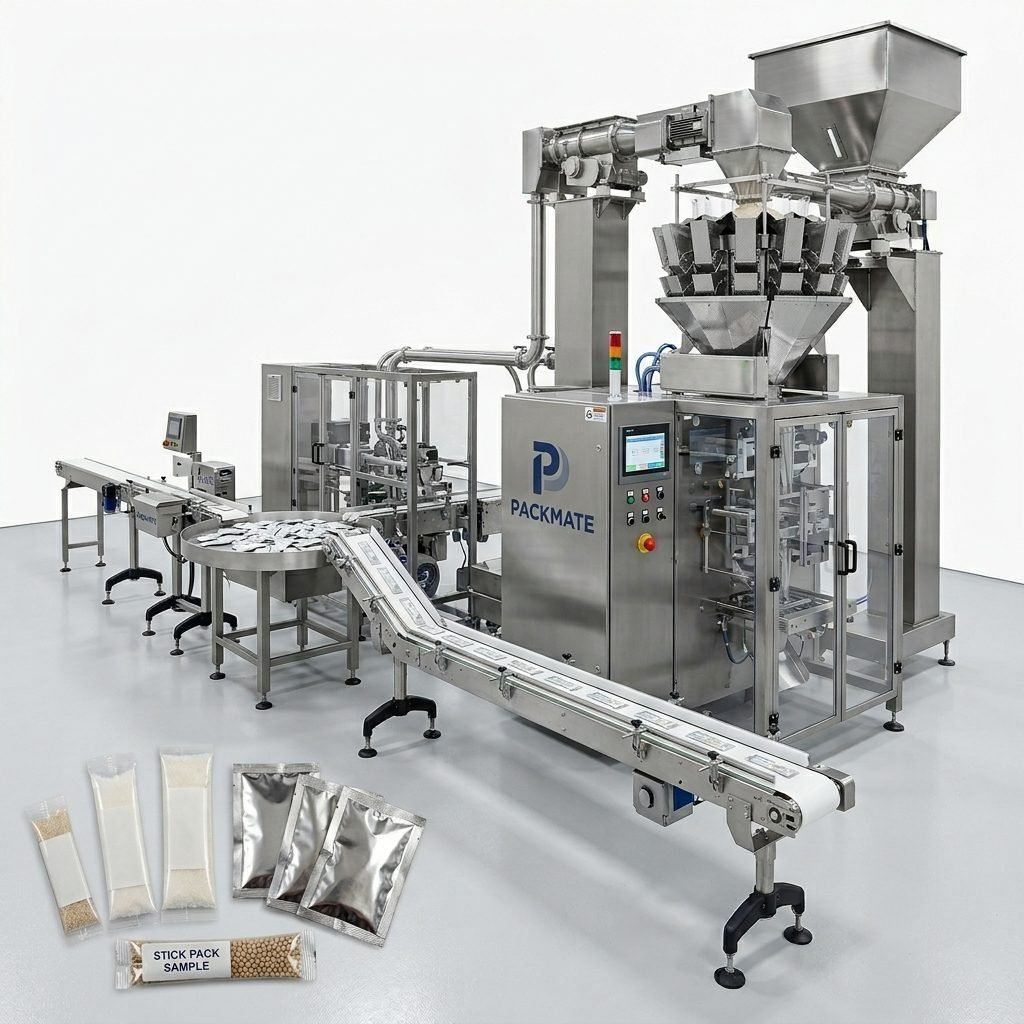
Integrating an automatic shrink packaging machine into your production line is a significant step towards enhancing efficiency, consistency, and overall packaging quality. However, with a vast array of models and configurations available, selecting the right shrink wrapper can be a complex decision. This guide will walk you through the key factors to consider, ensuring you choose a machine that perfectly aligns with your product specifications, output requirements, and long-term operational goals.
Understanding Your Core Production Requirements
Before evaluating specific machines, a thorough analysis of your own production needs is essential. This forms the foundation for all subsequent decisions.
Key Questions to Ask:
- Product Dimensions & Variability: What are the length, width, and height of your products? Do you package multiple SKUs with different sizes?
- Production Speed (Output): How many packages per minute (PPM) or per hour (PPH) do you need to achieve?
- Film Type & Sealing Requirements: What type of shrink film do you use (e.g., PVC, POF, PE)? Does your product require a tight, tamper-evident seal?
- Line Integration: Will the shrink wrapper be a standalone unit or integrated into a fully automated line with upstream fillers and downstream labelers/cartoners?
- Available Factory Space: What is the footprint available for the machine and its necessary clearances?
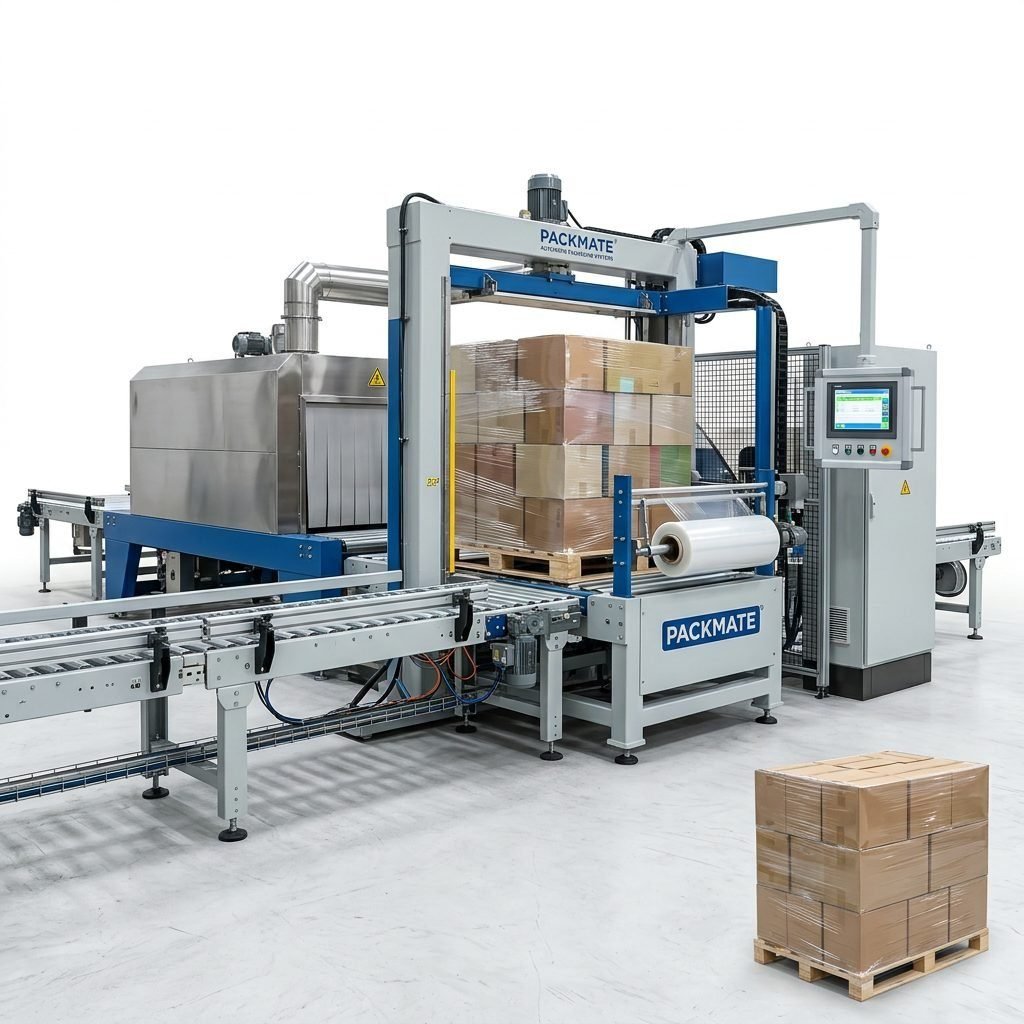
Types of Automatic Shrink Wrappers
Different machine designs cater to different product flows and packaging styles. The main types include:
| Machine Type | Best For | Key Features |
|---|---|---|
| L-Sealer with Tunnel | Medium to high-volume production of uniform products. Products are placed manually or automatically onto the film, which is formed into a bag, sealed, and then shrunk in a tunnel. | Versatile, cost-effective, excellent seal integrity. |
| Sleeve Wrapper | Bundling multiple products (cans, bottles, boxes) together. Film is wrapped around the product bundle and sealed along the length. | Ideal for multi-packs, provides stability for transportation. |
| Automatic Shrink Bundler | High-speed bundling of products like bottles, cans, or food trays into secure packs. | High throughput, integrated collating and film-wrapping stages. |
| Shrink Labeler (Sleeve Label Applicator) | Applying 360-degree printed labels to containers like bottles, jars, and cans. | Enhances branding, tamper evidence, and allows for contoured labeling. |
Critical Technical Specifications to Evaluate
Once you’ve identified the suitable machine type, delve into the technical details. These specifications directly impact performance and suitability.
1. Sealing System
The sealing bar is the heart of the machine. Look for a system with precise temperature control and consistent pressure to ensure strong, wrinkle-free seals every time. Impulse sealers are common and reliable for polyolefin films.
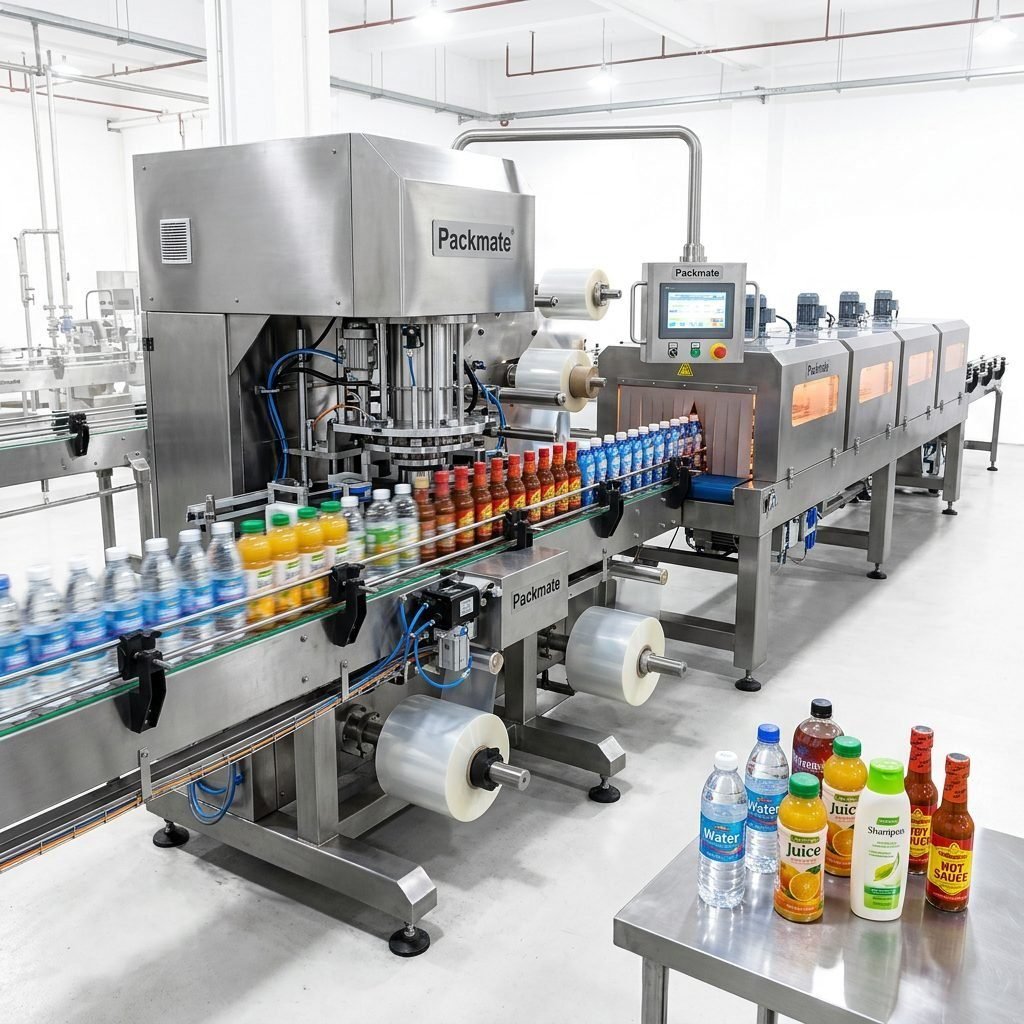
2. Shrinking Tunnel (Heat Tunnel)
The tunnel’s efficiency determines the final package appearance. Key aspects include:
- Heating Method: Radiant (ceramic) heaters or hot air circulation. Radiant is often more efficient and provides a tighter shrink.
- Temperature Control: Zoned temperature control allows for optimizing heat application for different parts of the product.
- Belt Speed & Length: Must be synchronized with your output speed to allow sufficient dwell time for complete shrinking.
3. Machine Construction & Durability
For a 24/7 production environment, robust construction is non-negotiable. Evaluate the frame material (stainless steel is preferred for food and pharmaceutical applications), the quality of bearings and guides, and the overall build quality. A machine from an experienced manufacturer like Ludyway, with over 30 years in packaging machinery, often signifies reliable engineering and durable construction.
4. Automation & Control System
The user interface (HMI) should be intuitive. Look for features like recipe storage for different products, diagnostic alerts, and easy adjustment of sealing time, temperature, and belt speed. Connectivity for Industry 4.0 data collection can be a valuable future-proofing feature.
Considering the Manufacturer: Support and Customization
The machine supplier is as important as the machine itself. Your partnership with them will affect long-term uptime and productivity.
Manufacturer Evaluation Checklist:
- Industry Experience & Reputation: How long have they been building shrink wrappers? Can they provide references from your industry?
- Technical Support & Spare Parts: What is their response time for technical issues? Is there local service or a clear process for international support? Companies with a strong export focus, such as Packmate Machinery, are typically structured to provide this support globally.
- Customization Ability: Can the machine be tailored to your unique product or line layout? For specialized needs, a manufacturer like PackingMachineOEM, which focuses on non-standard solutions, may be ideal.
- Warranty & Training: Understand the warranty terms. Comprehensive on-site or remote training for your operators and maintenance staff is crucial for smooth commissioning.
Total Cost of Ownership (TCO) vs. Initial Price
While the initial purchase price is a major factor, the Total Cost of Ownership provides a more accurate picture. TCO includes:
- Energy consumption of the sealer and tunnel.
- Film waste and efficiency.
- Expected maintenance costs and spare part pricing.
- Potential downtime costs.
Investing in a slightly more expensive but robust and efficient machine from a reputable supplier can lead to significant savings in film, energy, and maintenance over a 5-10 year period.
Integration into Your Existing Line
For a seamless operation, the shrink wrapper must communicate and synchronize with upstream and downstream equipment. Consider conveyor height, transfer mechanisms, and control system compatibility. If you are looking for a complete, integrated solution rather than just a standalone machine, a turnkey packaging line provider can manage the entire integration project, ensuring all components work in harmony.
Safety and Compliance
Ensure the machine complies with relevant safety standards in your region (e.g., CE, UL). Key safety features include emergency stop buttons, protective guarding around heat and moving parts, and proper electrical insulation. For food, pharmaceutical, or nutraceutical applications, hygienic design with easy-clean surfaces may be required.
Frequently Asked Questions (FAQs)
Q1: What is the main difference between an L-sealer and a sleeve wrapper?
A: An L-sealer creates a bag around a single product or a loose grouping, sealing on three sides (bottom and two sides). A sleeve wrapper wraps film around a stable bundle or tray of products, sealing only along a single longitudinal seam, making it faster for multi-packs.
Q2: How do I choose the right shrink film for my machine?
A: Film selection depends on your product, machinery, and desired finish. Common types are Polyolefin (POF – clear, strong, food-safe), Polyethylene (PE – durable, good for heavy items), and PVC (low-cost, glossy). Consult your machine manufacturer for their recommended film specifications based on your sealer type and tunnel temperature.
Q3: Can one shrink wrapper handle products of very different sizes?
A: Many modern machines offer quick-change features for seal bars and adjustable tunnel guides. However, there are practical limits. If you have extremely varied product sizes, you may need a machine with a wide adjustment range or consider dedicated systems for different product families.
Q4: What regular maintenance does an automatic shrink wrapper require?
A: Regular maintenance includes cleaning the sealing bar face to prevent film residue buildup, checking and cleaning the tunnel interior and air vents, lubricating moving parts as per the manual, and inspecting belts and electrical connections. A preventive maintenance schedule is key to avoiding unplanned downtime.
Q5: Are there specialized shrink wrappers for niche products like nicotine pouches?
A: Yes. Certain products have specific packaging requirements. For example, nicotine pouch packaging often demands precise dosing, high-speed multi-lane operation, and specific sealing integrity. Manufacturers specializing in these niches can provide optimized solutions that general-purpose machines may not offer.
Selecting the best automatic shrink wrapper is a strategic investment. By methodically assessing your product needs, production goals, and the capabilities of potential suppliers, you can make an informed decision that boosts your packaging line’s performance, reliability, and ROI for years to come. Remember to prioritize not just the machine’s specifications, but also the manufacturer’s expertise and support network, which are critical for long-term success.