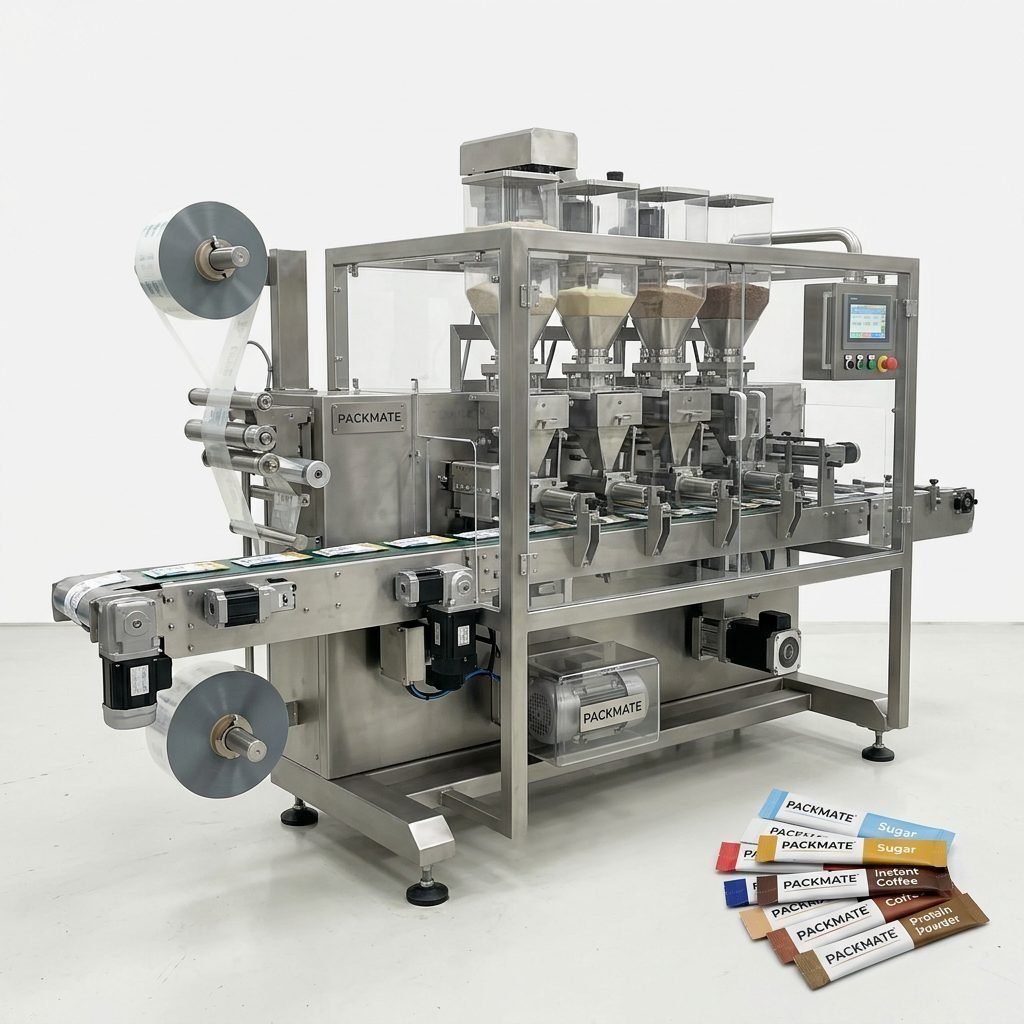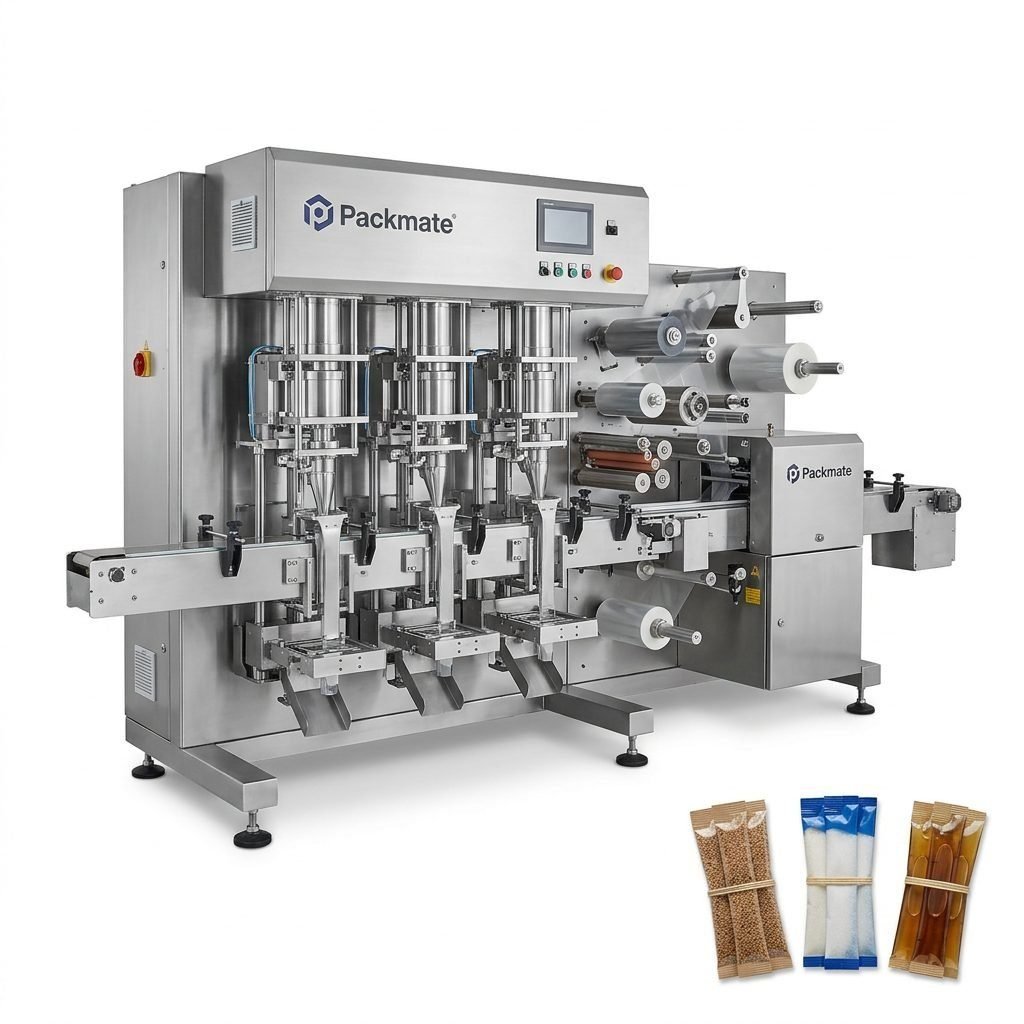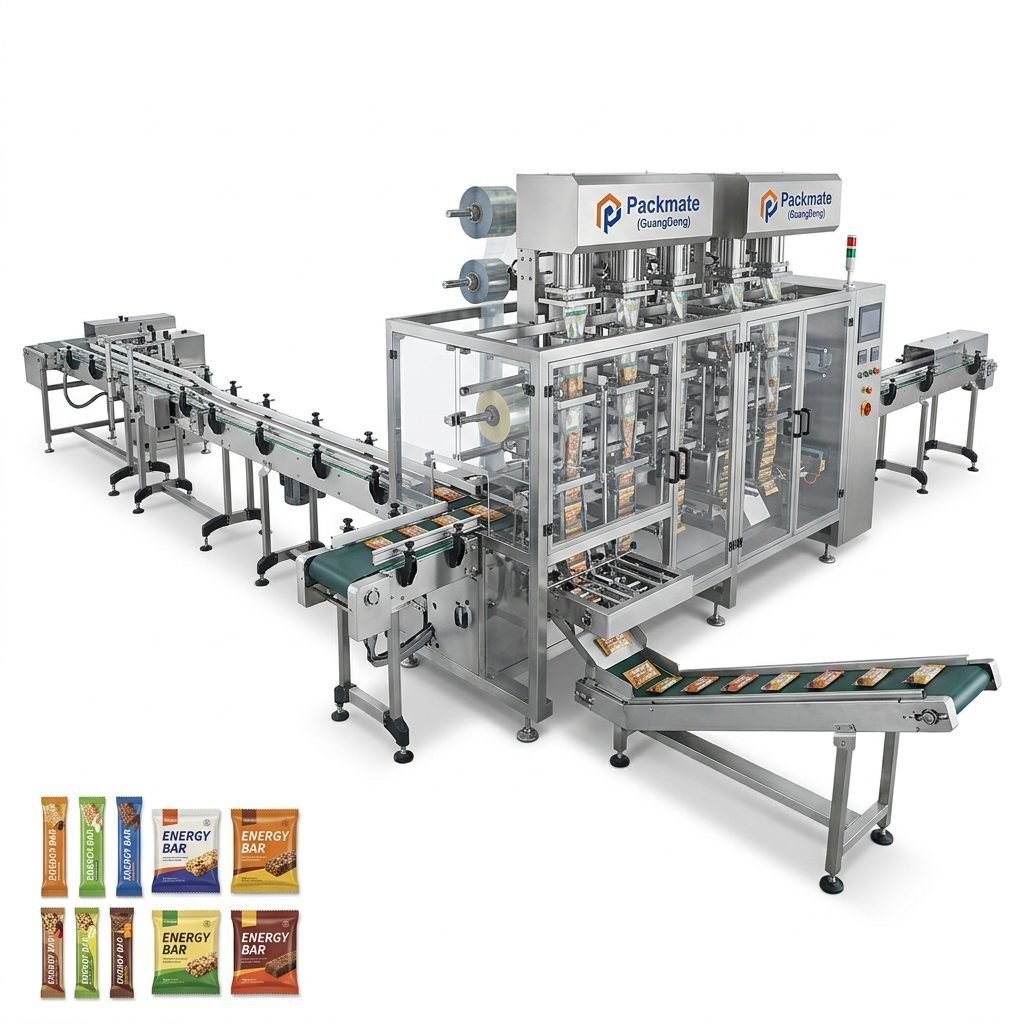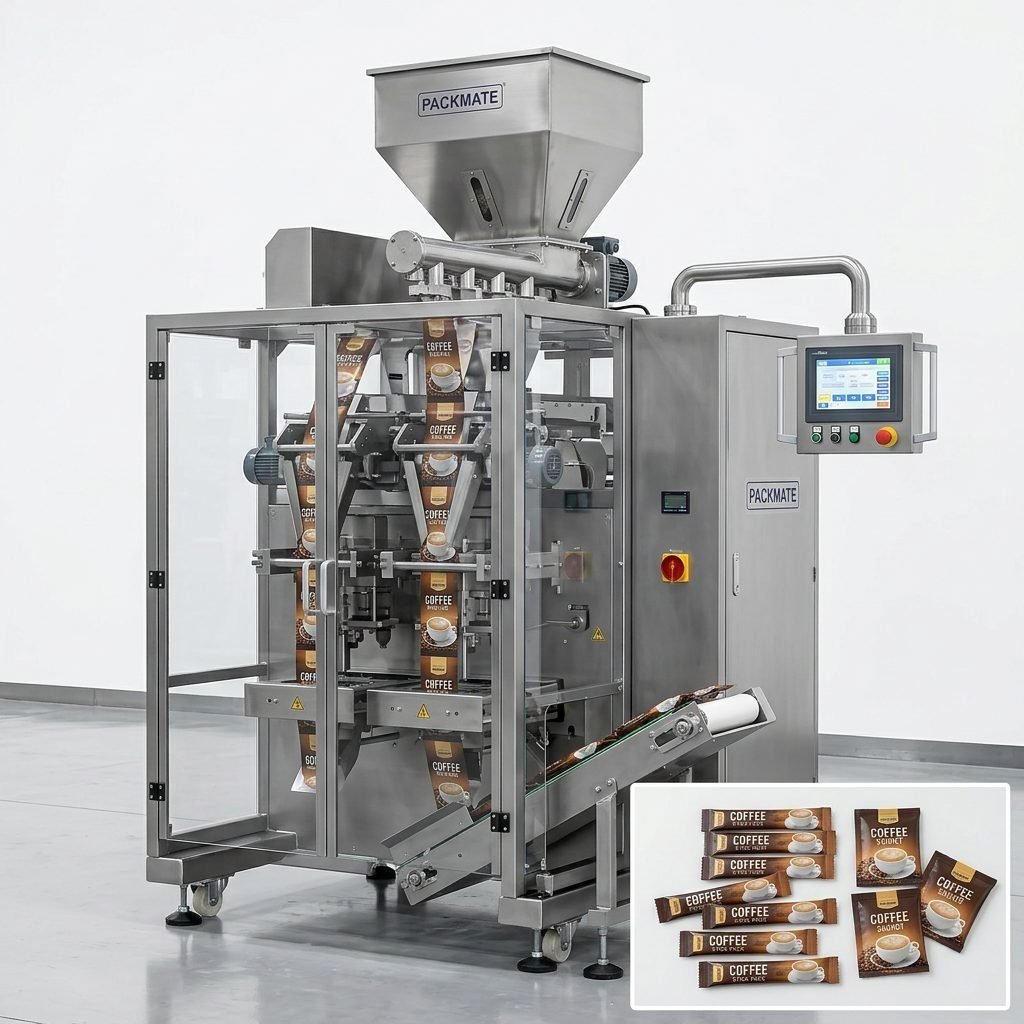
The Belarusian manufacturing sector, particularly in food processing, pharmaceuticals, and agriculture, has a long-standing tradition of quality and precision. For local businesses and procurement managers in these industries, finding a reliable packaging machine manufacturer is a critical investment. This guide provides a practical, step-by-step approach to sourcing the right partner in Belarus, ensuring you get equipment that meets your production needs, budget, and long-term operational goals.
Understanding the Belarusian Packaging Machinery Market
Belarus boasts a strong industrial base with a focus on food, dairy, confectionery, and pharmaceutical production. This creates a specific demand for packaging machinery that is robust, precise, and compliant with both local and international standards (e.g., Eurasian Economic Union, EU standards for exporters). Local manufacturers often excel in building durable, mechanical machines for primary packaging like filling, sealing, and cartoning. However, for highly automated, turnkey lines or specialized technology, partnering with international suppliers who have experience in the region is a common and effective strategy. This blend of local know-how and imported advanced technology is key to modernizing production lines.
Key Industries and Their Packaging Needs in Belarus
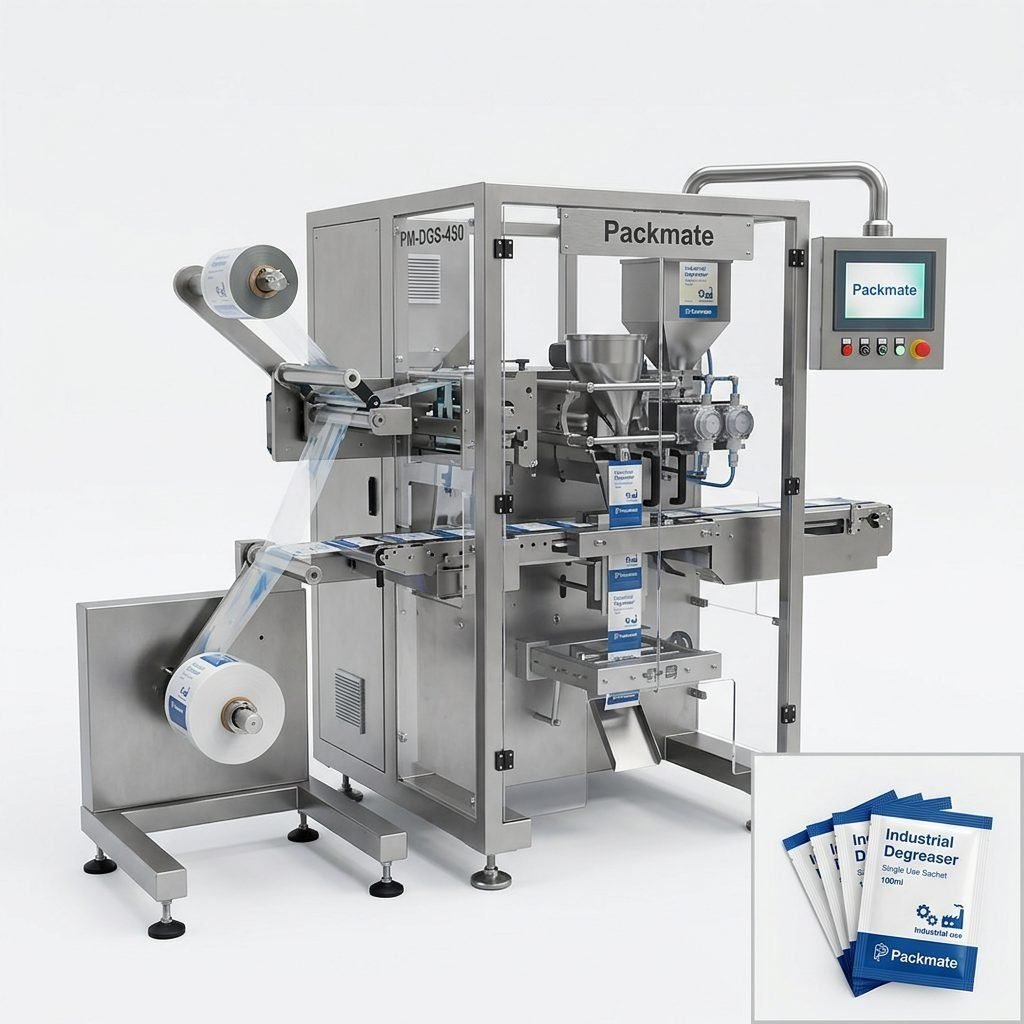
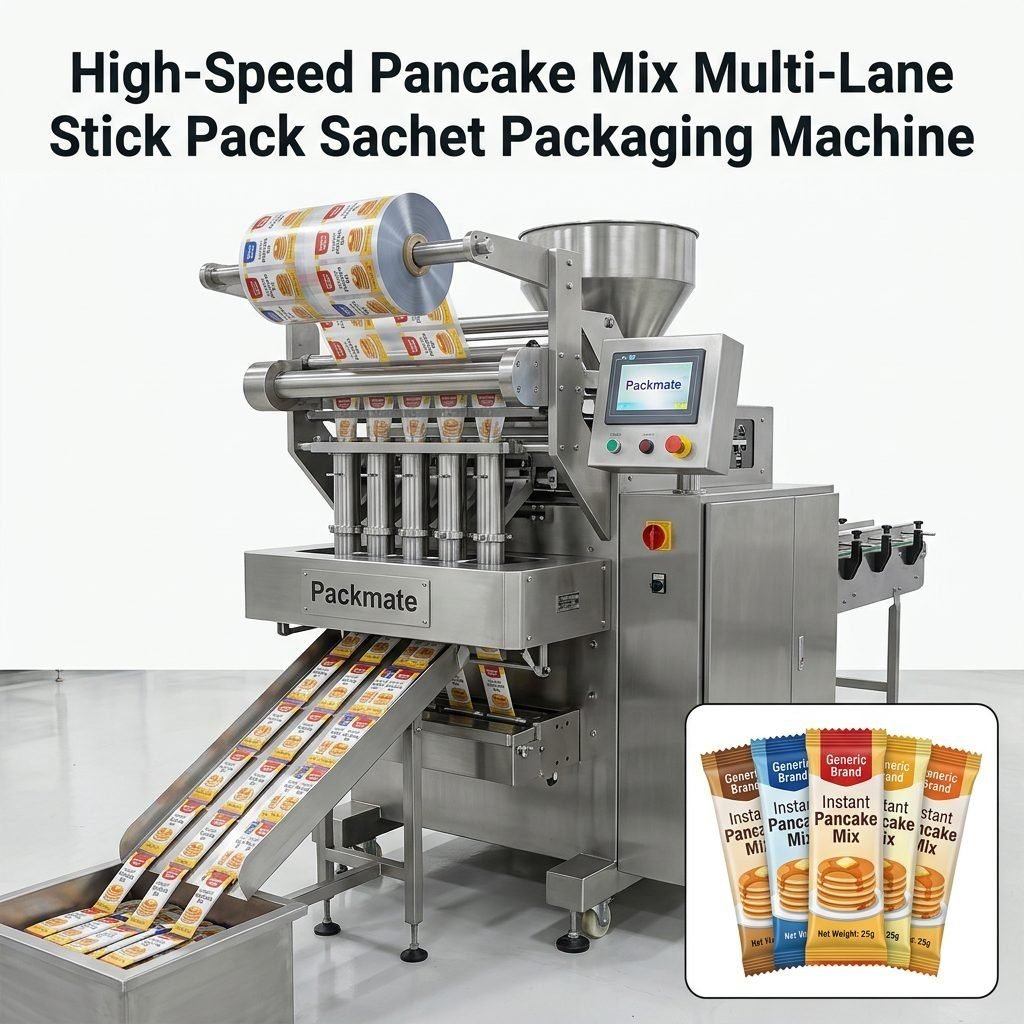
Food & Dairy: High-speed filling for liquids, yogurts, and sauces; sachet packaging for condiments and dry mixes; vacuum sealing for meat and cheese. Hygiene and cleanability are paramount.
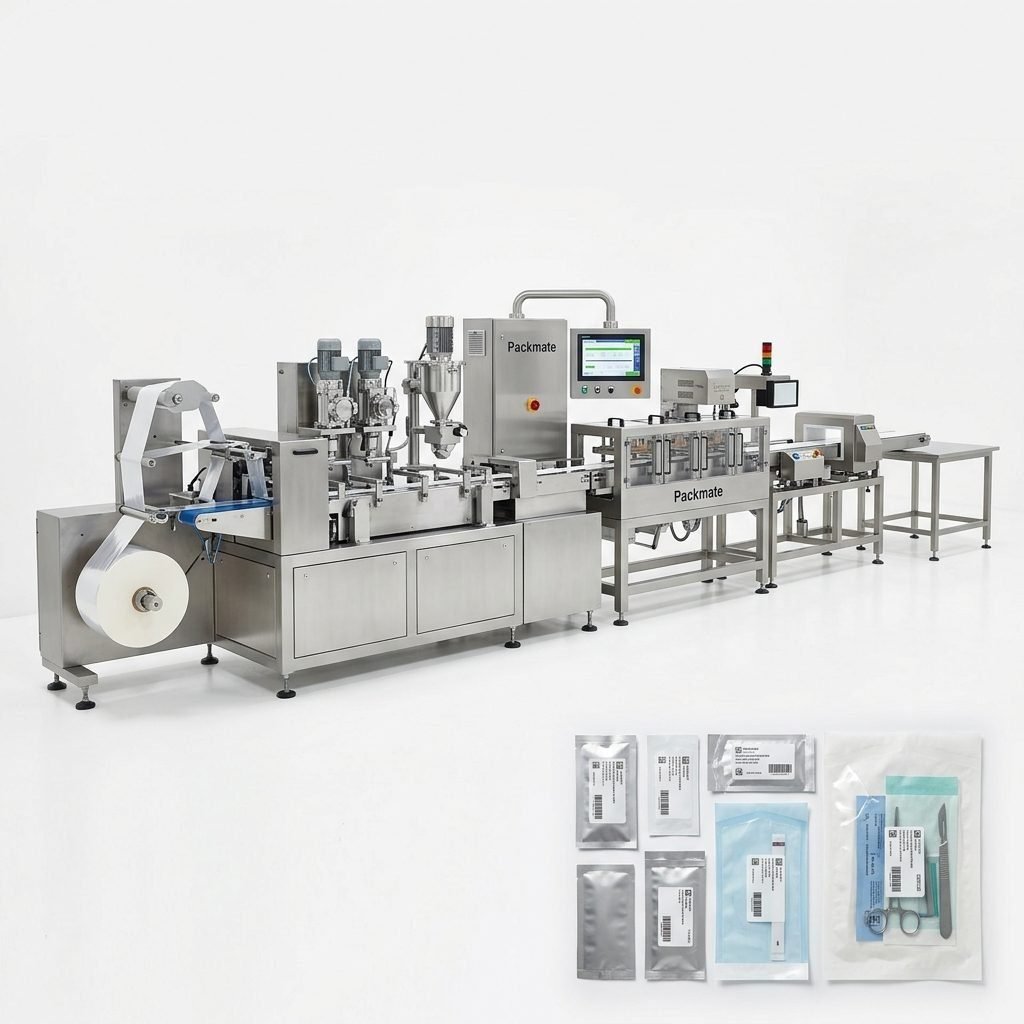
Pharmaceuticals & Cosmetics: Ultra-precise dosing for powders and liquids; blister packaging; sterile packaging environments; strict traceability and validation requirements.
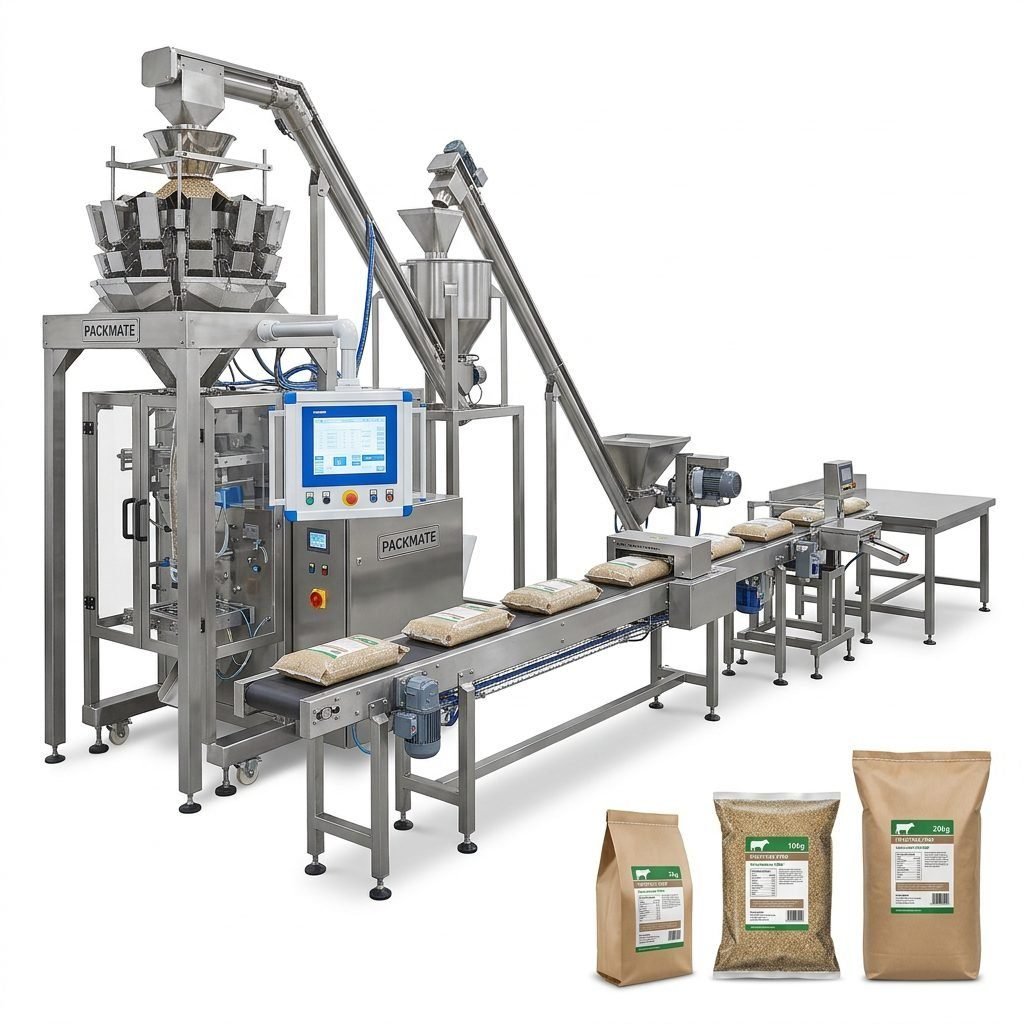
Agriculture & Chemicals: Durable machines for granular fertilizers, seeds, and agrochemicals; robust bagging systems for 5kg to 25kg bags; dust-proof and corrosion-resistant designs.
Confectionery: Flow wrapping for chocolate bars and candies; vertical form-fill-seal (VFFS) machines for small snacks; elegant cartoning and secondary packaging.
Step 1: Define Your Technical and Operational Requirements
Before you start searching, have a clear specification. This will streamline communication with potential suppliers and lead to more accurate quotations.
| Requirement Category | Key Questions to Answer |
|---|---|
| Product & Material | What is your product (powder, granule, liquid, paste)? What are the packaging materials (film type, laminate)? |
| Output & Speed | What is your required output per minute/hour/shift? What is your target efficiency rate? |
| Automation Level | Do you need a standalone machine or a fully integrated line with feeding, weighing, cartoning, and palletizing? |
| Footprint & Utilities | What is the available floor space in your factory? What are your power (voltage, phases) and compressed air requirements? |
| After-Sales Support | What level of installation, training, and spare parts availability do you require locally? |
Step 2: Research and Shortlist Potential Manufacturers
Combine local searches with international sourcing to build a comprehensive list.
Local Belarusian Manufacturers: Attend industry exhibitions in Minsk, such as Prodexpo or Belagro. These events are excellent for meeting local suppliers, seeing machines in action, and networking with other Belarusian producers. Check industry associations and the Belarusian Chamber of Commerce and Industry for member lists.
International Suppliers with Local Presence: Many European, Turkish, and Chinese manufacturers have established dealers, agents, or service centers in Belarus or neighboring countries (Russia, Poland, Lithuania). This offers a balance between advanced technology and regional support. For example, companies like Ludyway have extensive export experience to Europe and can provide solutions tailored to markets like Belarus.
Online B2B Platforms: Utilize global platforms but filter for suppliers who list Belarus or Eastern Europe as a served market. Look for companies with detailed case studies or references from similar climates and industries.
Evaluating Manufacturer Credentials
Experience & Specialization: How long have they been in business? Do they have specific expertise in your product type (e.g., dairy powders, pharmaceutical sachets)? A manufacturer like SnusMachinery, for instance, specializes in nicotine pouch packaging, which requires specific precision.
Technical Capability: Can they provide a complete line (turnkey solutions) or just individual machines? Do they offer customization for non-standard products?
Quality Certifications: Look for ISO 9001 (quality management) and, if relevant for your industry, CE certification for the European market. This indicates a structured manufacturing process.
Local Support Network: This is critical. Do they have a local agent, technician, or spare parts warehouse? What is their typical response time for service calls in Belarus?
Step 3: Due Diligence and Vetting Process
Once you have a shortlist, dig deeper.
Request Detailed Documentation: Ask for technical datasheets, machine manuals (if available), lists of recommended spare parts, and compliance certificates.
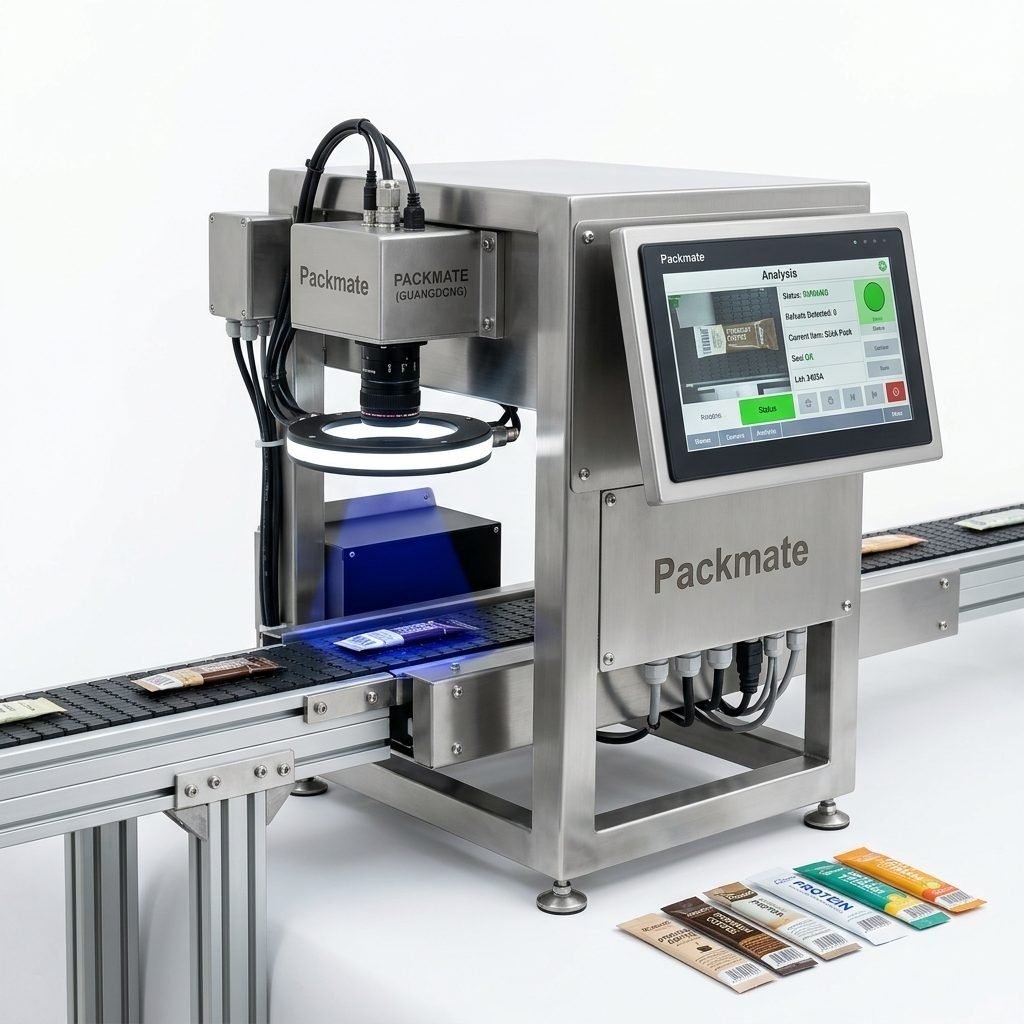
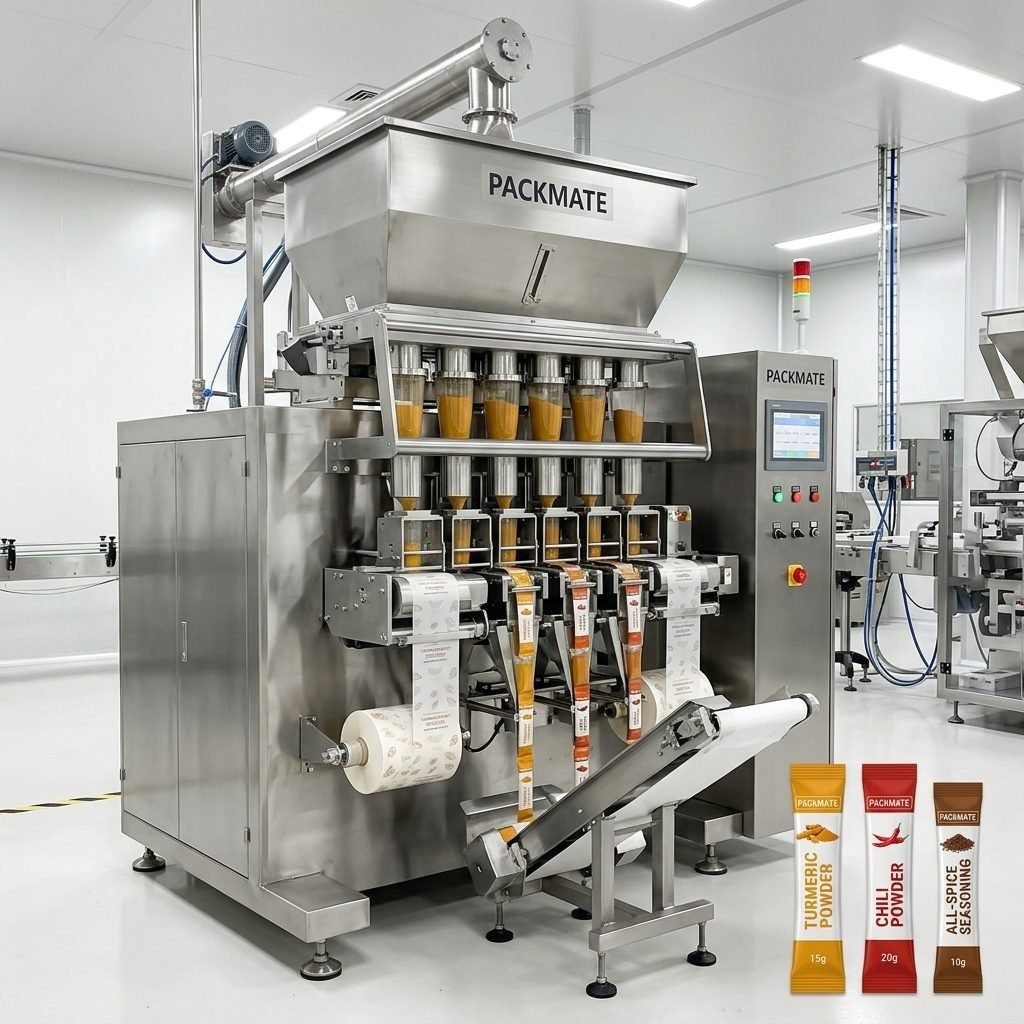
Demand Customer References: Ask for contact information of at least 2-3 clients, preferably in a similar industry and region. A credible manufacturer like Packmate Machinery should be willing to provide these. Contact these references and ask about machine performance, reliability, and the quality of after-sales service.
Factory Audit (Physical or Virtual): If possible, visit the manufacturing facility. For international suppliers, request a live video tour. Assess their workshop organization, quality control procedures, and assembly capabilities. Companies with significant factory space, like those with over 20,000 sqm facilities, often have better in-house control over production.
Review the Quotation Thoroughly: Ensure the quote includes all costs: machine price, shipping (INCOTERMS like CPT Minsk), import duties and VAT for Belarus, installation, commissioning, and training. Clarify warranty terms and what is covered.
Step 4: Navigating Logistics, Customs, and After-Sales in Belarus
Importing machinery into Belarus involves specific procedures. Partnering with a supplier experienced in CIS logistics is a major advantage.
Logistics and Customs Clearance: Work with the supplier and a reliable freight forwarder experienced in Belarusian imports. Ensure all technical documentation (passport, manuals, certificates of origin and conformity) is prepared correctly to avoid delays at the border. Be clear on who is responsible for customs clearance (you or the supplier under DDP terms).
Technical Standards and Voltage: Confirm the machine is configured for Belarusian electrical standards (220V/380V, 50Hz). Ensure all safety guards and documentation are available in Russian or Belarusian to comply with local regulations.
After-Sales Service Agreement: This is non-negotiable. The agreement should detail response times, spare parts availability (ideally with a local stock), remote support options, and the schedule for preventive maintenance. Manufacturers that offer comprehensive support, such as PackingMachineOEM for customized solutions, provide greater long-term value.
Training for Your Team: Ensure the supplier includes thorough on-site training for your operators and maintenance technicians. This is crucial for maximizing uptime and machine lifespan.
Step 5: Final Decision and Contract Negotiation
Base your final decision on the total cost of ownership, not just the initial purchase price. A slightly more expensive machine from a reputable supplier with excellent local support will often cost less over 5-10 years due to higher reliability and productivity.
Your contract should clearly specify:
- Machine specifications and performance guarantees (e.g., speed, accuracy).
- Delivery timeline and INCOTERMS.
- Payment schedule (typically a deposit, progress payment, and balance upon shipment or acceptance).
- Warranty period and scope of coverage.
- Details of installation, commissioning, and training.
- Terms for spare parts supply and service.
Frequently Asked Questions (FAQs) for Belarusian Buyers
Q1: Should I buy from a local Belarusian manufacturer or an international supplier?
A: It depends. Local manufacturers offer easier communication, service, and spare parts. International suppliers often provide more advanced technology and customization. A good compromise is an international supplier with a strong local partner or agent in Belarus.
Q2: What are the main challenges when importing packaging machines to Belarus?
A: The primary challenges are navigating customs clearance, ensuring technical documentation is compliant, arranging inland transportation, and managing currency payments. Working with an experienced exporter who understands CIS logistics is highly recommended.
Q3: How can I verify the quality of a machine before purchase?
A: Request a live video test using a sample of your product and materials. Ask for a factory audit report or certification. Most importantly, speak directly to their existing customers in similar industries.
Q4: What is a realistic budget for a good packaging machine?
A: Prices vary widely. A basic standalone VFFS machine might start from $20,000, while a fully automated, customized turnkey line can exceed $200,000. Focus on ROI—calculate based on labor savings, material waste reduction, and increased output.
Q5: What after-sales support should I expect?
A: At minimum, you should receive detailed manuals, on-site installation and training, a 12-24 month warranty on key parts, and access to remote technical support. Ensure there is a clear plan for spare parts delivery to Belarus within an agreed timeframe.