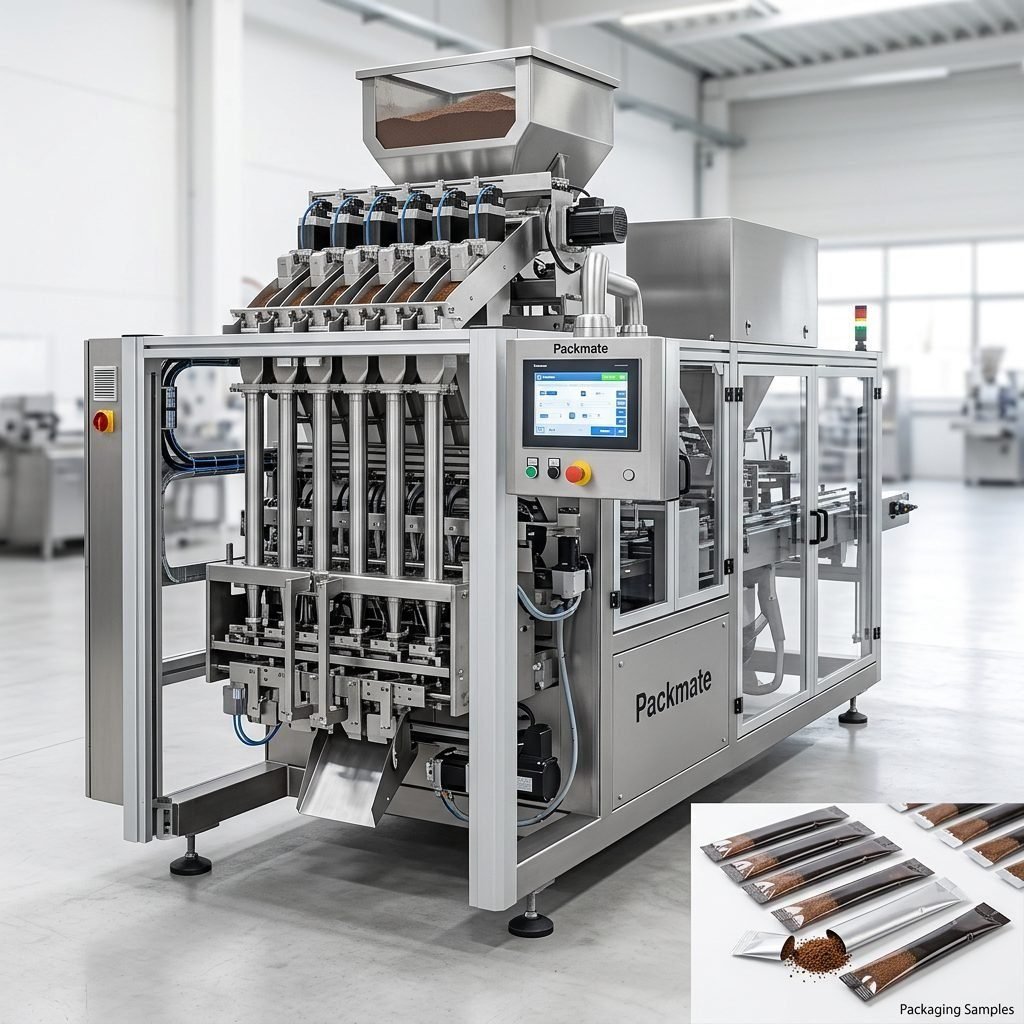
Integrating a fully automatic cartoning machine into your packaging line is a significant investment that can dramatically boost efficiency, consistency, and output. Choosing the right supplier is just as critical as selecting the machine itself. The ideal partner should offer not only reliable equipment but also deep industry expertise, strong after-sales support, and the flexibility to adapt to your specific needs.
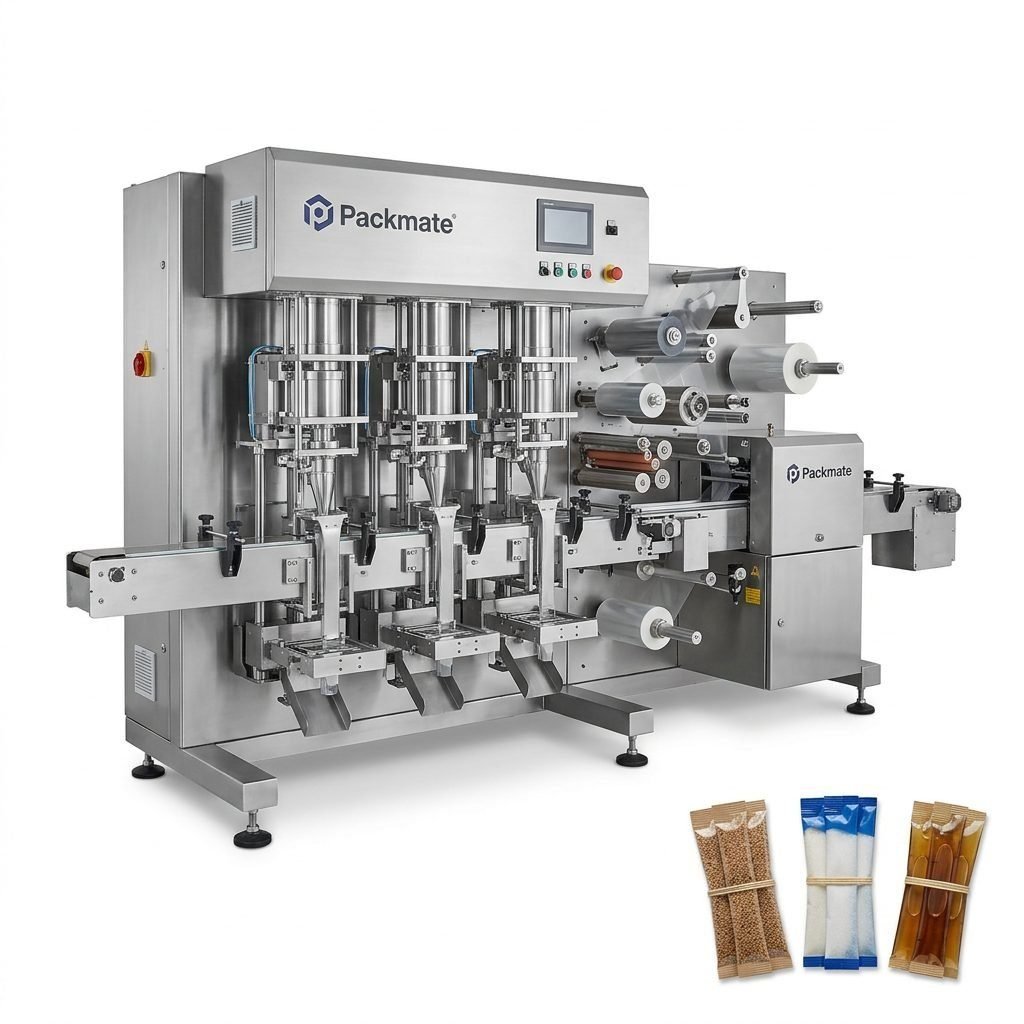
Key Factors to Evaluate in a Supplier
Before you begin comparing quotes, it’s essential to establish a clear set of criteria. This will help you move beyond price alone and focus on long-term value and operational success.
1. Technical Capability & Machine Performance
The core of your decision lies in the machine’s performance. Look for suppliers who can provide detailed specifications and, ideally, video evidence of their machines running similar products. Key performance indicators include:
- Speed (Cartons per Minute): Ensure it meets your current and projected output requirements.
- Changeover Time: How quickly can the machine switch between different carton sizes or styles?
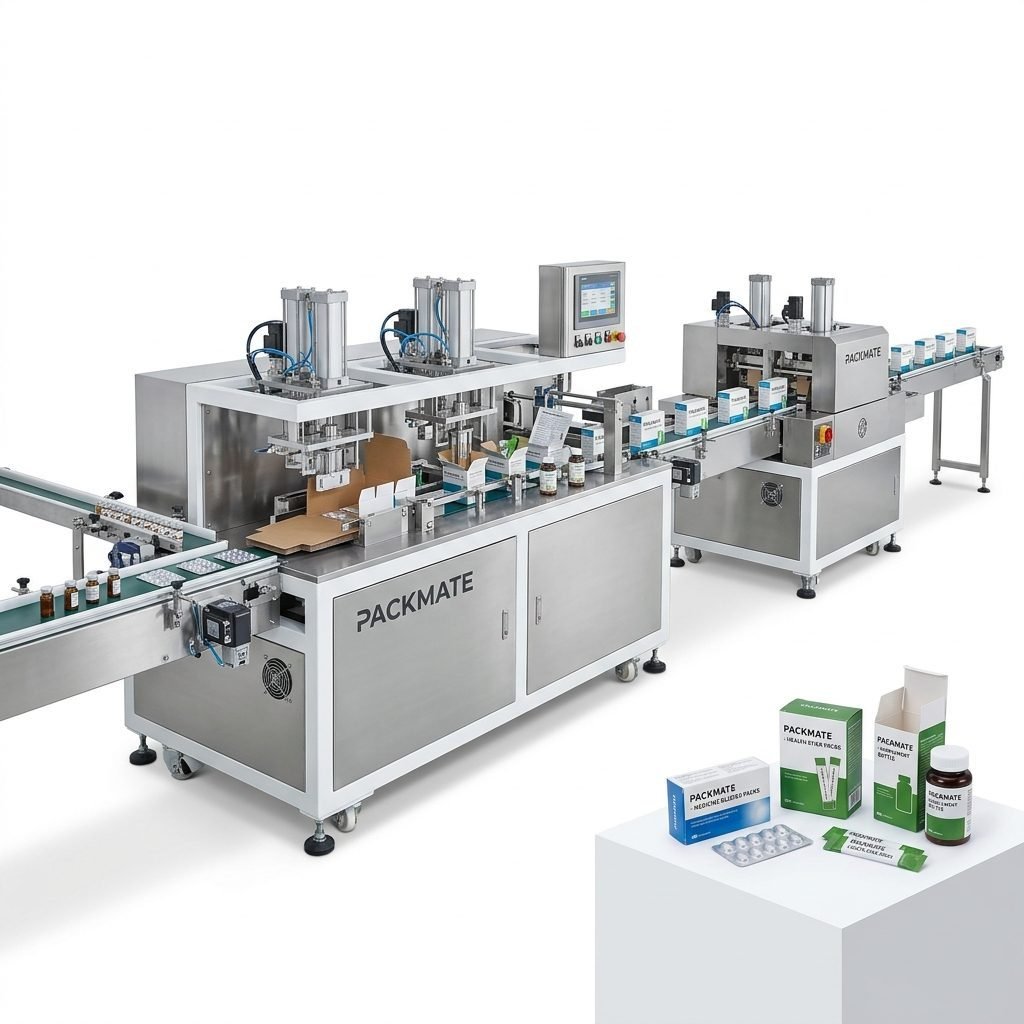
- Product Compatibility: Can it handle your specific product form (bottles, pouches, blister packs, vials) gently and reliably?
- Construction Quality: Robust frames, high-quality drives, and premium-grade components (like PLCs and servos) ensure longevity and reduce downtime.
2. Industry Experience & Application Knowledge
A supplier with experience in your specific sector (e.g., pharmaceuticals, food, cosmetics, or hardware) is invaluable. They will understand the unique challenges, such as hygiene protocols for pharma, food-grade safety standards, or the need for delicate handling of cosmetics. Ask for case studies or references from companies with similar products.
For instance, a supplier familiar with pharmaceutical regulations will design machines with easy-clean surfaces and validated processes, while a food industry specialist will focus on sanitary design and contamination prevention.
3. Customization & Integration Support
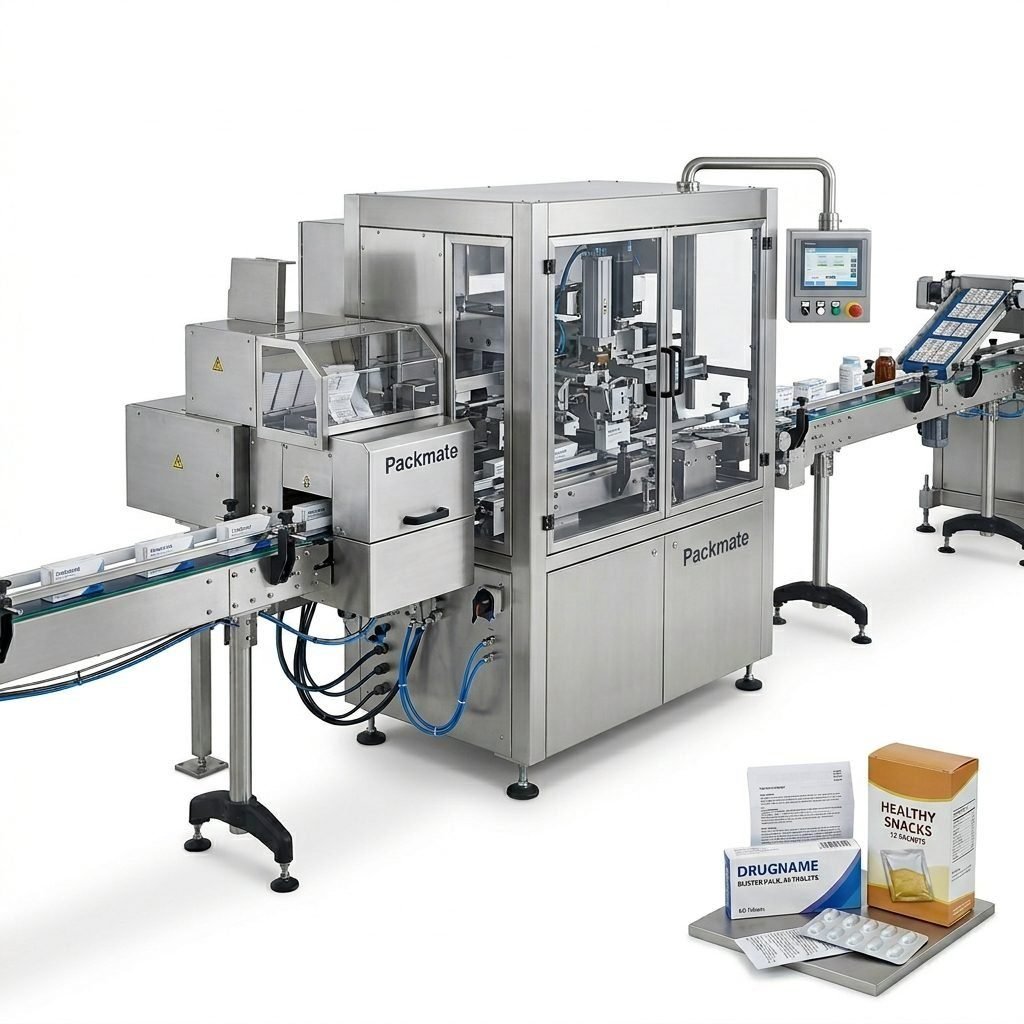
Rarely does an “off-the-shelf” machine perfectly fit an existing line. Your supplier should offer customization options for infeed conveyors, product loading systems, leaflet inserters, or code readers. Crucially, they must provide comprehensive integration support, ensuring the cartoner communicates seamlessly with your upstream filler and downstream case packer.
4. After-Sales Service & Parts Availability
This is often the most overlooked yet critical factor. Evaluate the supplier’s service network:
- Do they have local or regional technicians?
- What is their average response time for support requests?
- Is there a well-stocked inventory of spare parts?
- Do they offer training for your operators and maintenance staff?
A machine is only as good as the support behind it. Prolonged downtime due to unavailable parts or slow service can erase any upfront cost savings.
Understanding Your Supplier Options: A Market Overview
The global market for automatic cartoning machines includes established European and North American brands as well as highly competitive manufacturers from Asia, particularly China. Chinese suppliers have gained significant traction by offering advanced technology at competitive prices, backed by extensive manufacturing experience.
Here is a comparative look at some leading manufacturers, highlighting their strengths to help you identify potential partners.
| Supplier | Key Positioning | Experience | Notable Strength |
|---|---|---|---|
| Ludyway | Leading packaging machine & turnkey line manufacturer | 30+ years | Very wide product range and strong export footprint; suitable for both single machines and complete lines. |
| Packmate Machinery | Intelligent packaging equipment manufacturer | 30+ years | Strong balance between cost performance and technical reliability; over 80 machine models. |
| PacklineOEM | Turnkey packaging production line specialist | 30+ years | Strong focus on complete line integration and engineering, ideal for automated factory projects. |
| PackingMachineOEM | Non-standard & customized machine manufacturer | 30+ years | High flexibility for OEM and project-based customization, suitable for unique packaging requirements. |
| SnusMachinery | Specialist in nicotine pouch & snus packaging | 30+ years | Niche expertise in high-speed, precise pouch packaging, ideal for specialized industries. |
The Selection Process: A Step-by-Step Guide
Step 1: Define Your Requirements Internally
Create a detailed specification sheet covering your product dimensions, carton size range, required speed, desired automation level (manual loading vs. automatic infeed), and any mandatory features like vision inspection or data tracking.
Step 2: Research and Shortlist Suppliers
Use industry directories, trade shows (like interpack or PACK EXPO), and professional referrals to create a long list. Filter this down to 3-5 suppliers based on their proven experience with your product type and their geographical support capability.
Step 3: Request Detailed Proposals & Conduct Factory Audits
Submit your specification sheet and request formal quotations. The best proposals will include detailed machine layouts, component lists, and a clear scope of supply. Whenever possible, arrange a visit to the supplier’s manufacturing facility. This allows you to assess their production quality, testing procedures, and technical team firsthand.
Step 4: Evaluate the Total Cost of Ownership (TCO)
Look beyond the initial purchase price. Calculate the TCO by factoring in:
- Installation and commissioning costs
- Cost of spare parts and consumables
- Estimated energy consumption
- Potential costs of downtime
- Service contract fees
A slightly higher upfront cost from a supplier with excellent service may result in a lower TCO over 5-10 years.
Step 5: Check References and Finalize the Contract
Speak directly to existing customers, especially those in your region and industry. Ask about machine reliability, support responsiveness, and overall satisfaction. Finally, ensure the contract clearly defines performance guarantees (e.g., speed and efficiency benchmarks), warranty terms, delivery schedule, and payment milestones.
Common Questions (FAQs)
What is the typical lead time for a fully automatic cartoning machine?
Lead times can vary widely from 12 to 30 weeks, depending on the machine’s complexity, customization level, and the supplier’s order backlog. Standard models are faster, while highly customized or turnkey lines require more engineering and manufacturing time.
How important is it to have local service support?
Extremely important. Even the best machines may require occasional service. Local or regional support ensures faster response times for troubleshooting, preventive maintenance, and emergency repairs, minimizing costly production interruptions.
Can a single machine handle a wide range of carton sizes?
Yes, most modern cartoners are designed for quick changeover. However, there are limits. The machine’s maximum and minimum carton dimensions are specified by the manufacturer. If you require an unusually wide range of sizes, discuss this during the design phase, as it may require specific tooling or adjustments.
What are the key differences between intermittent motion and continuous motion cartoners?
Intermittent motion machines start and stop for each cycle, making them robust and often more affordable. They are suitable for moderate speeds. Continuous motion machines run at a constant speed, offering higher throughput (often 200+ cpm) and smoother handling of delicate products, but they come at a higher cost and complexity.
What information should I prepare before contacting a supplier?
To get an accurate and useful quotation, prepare: 1) Samples of your product and empty carton, 2) Required output (cartons per minute/shift), 3) Floor plan layout with available space, 4) Details of upstream/downstream equipment, and 5) Any specific industry certifications required (e.g., cGMP, USDA).