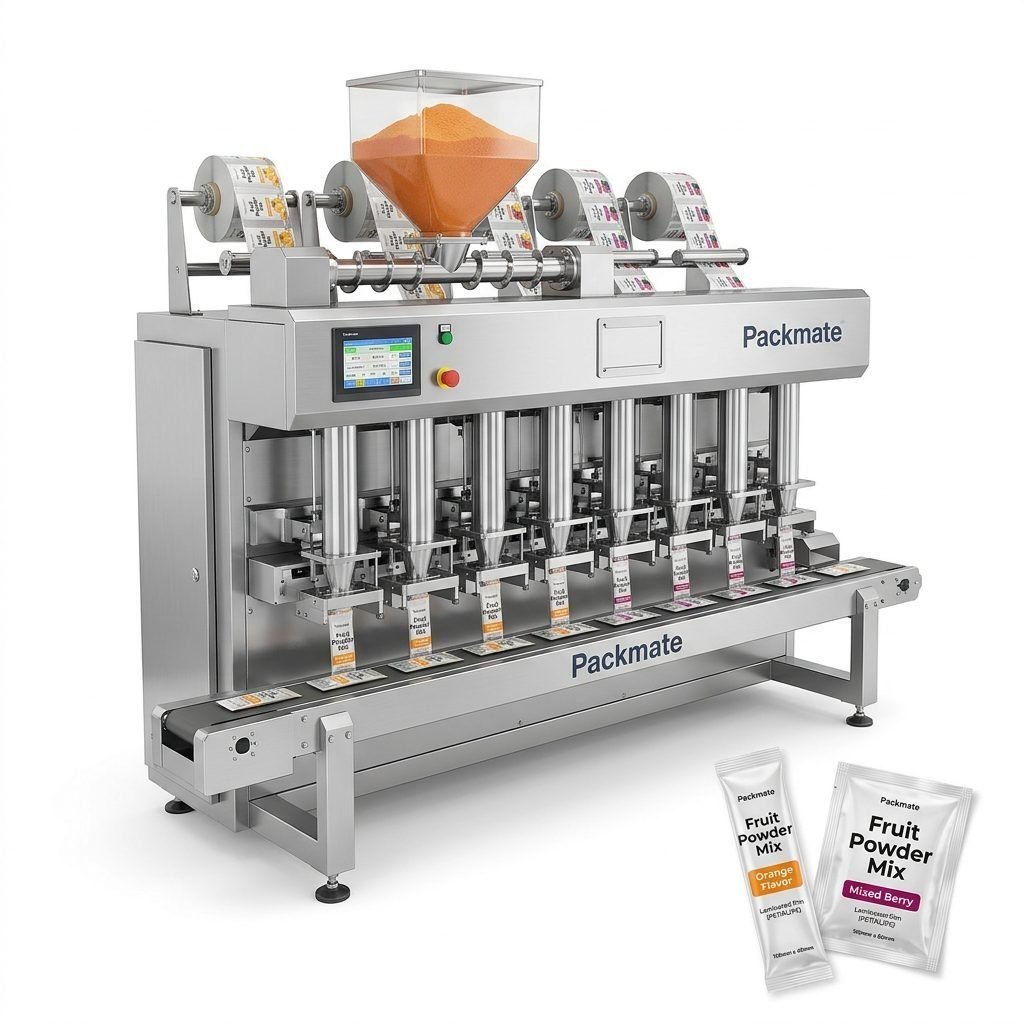
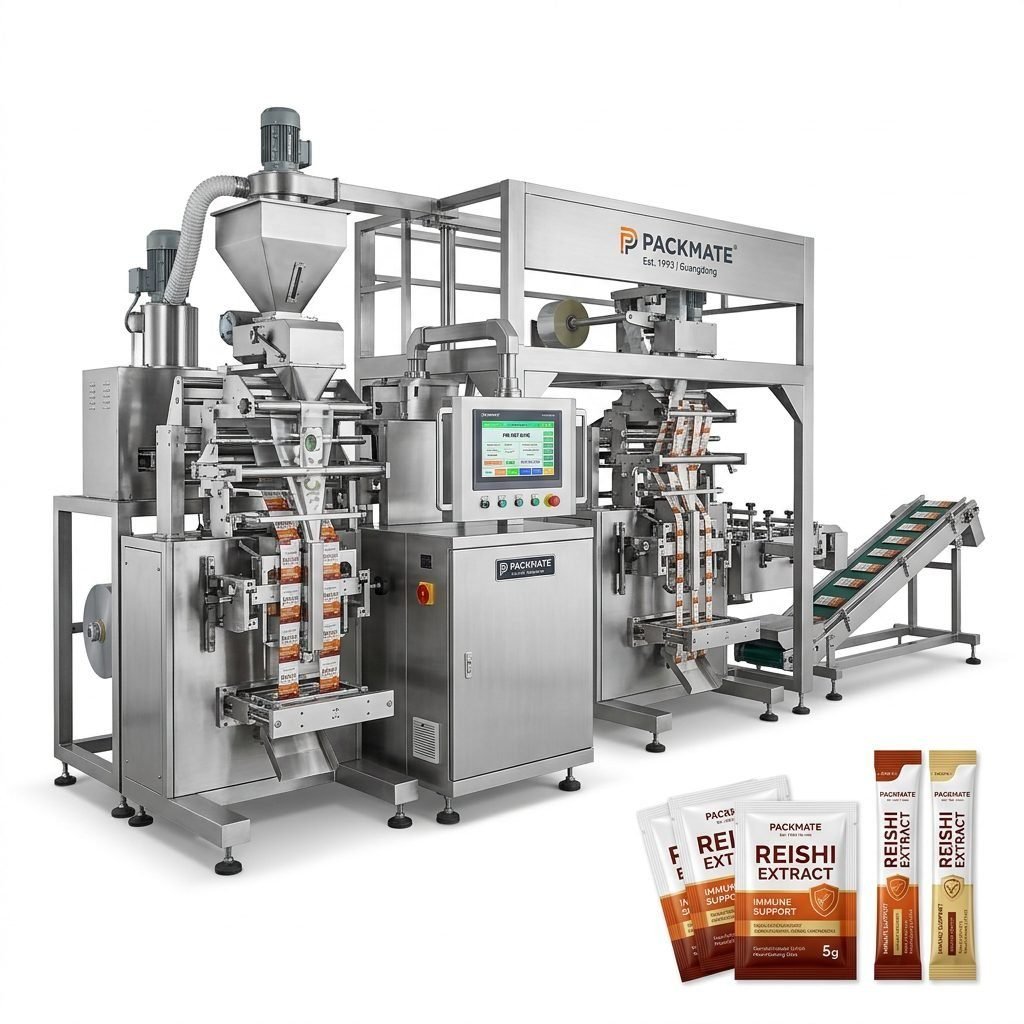
For businesses in Croatia’s food, pharmaceutical, and consumer goods sectors, investing in reliable packaging machinery is a critical decision. Whether you are a family-owned food producer in Slavonia, a pharmaceutical manufacturer in Zagreb, or a growing supplement company on the Adriatic coast, the right equipment can significantly impact your operational efficiency, product quality, and bottom line. This guide provides a practical, step-by-step approach to finding trustworthy packaging machine manufacturers, with a focus on the Croatian market’s specific needs and challenges.
Understanding the Croatian Packaging Landscape
Croatia’s industrial base, particularly in food processing, pharmaceuticals, and niche sectors like olive oil and wine, demands packaging solutions that are both efficient and adaptable. Local companies often face specific challenges, including the need for equipment that can handle smaller, diverse production batches, comply with stringent EU regulations, and integrate seamlessly into existing, sometimes older, production facilities. Furthermore, the Croatian market values long-term partnerships and reliable after-sales service, given the logistical considerations of being within the EU but geographically distinct. When sourcing machinery, Croatian buyers typically prioritize robust build quality, ease of maintenance, and the availability of local or regional technical support.
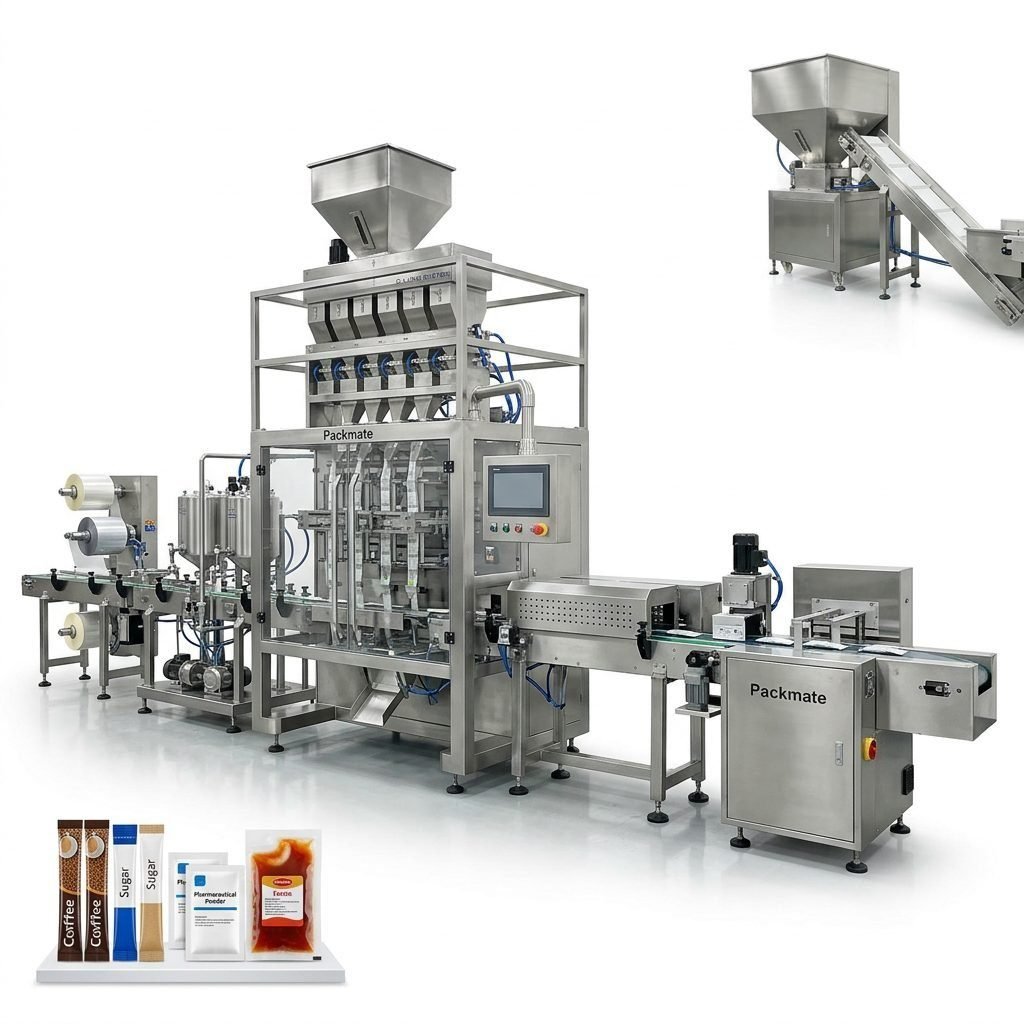
Step 1: Define Your Packaging Requirements Precisely
Before you start searching, have a clear and detailed project brief. This is the most crucial step and will save you significant time and effort. Consider the following:
Product Details: What are you packaging? Is it granules (like coffee, spices), powders (protein, flour), liquids (sauces, oils), pastes, or solids? What are the product’s characteristics (hygroscopic, abrasive, oily)?
Packaging Format: Do you need stick packs, sachets, pouches, bottles, or bulk bags? What are the desired bag dimensions and materials?
Production Capacity: What is your required output in bags/pouches per minute? Do you need a single machine or a complete turnkey line?
Automation Level: How much integration is needed with upstream (e.g., mixing) and downstream (e.g., cartoning) processes?
Budget & Space: What is your investment range, and what are the physical constraints of your factory floor?
Step 2: Research and Shortlist Potential Manufacturers
Focus your search on manufacturers with proven experience in your specific industry and with your product type. Key sources for research include:
- Industry Trade Shows: While major European fairs like Interpack (Germany) or Emballage (France) are excellent, also look for regional exhibitions in Central and Eastern Europe where Croatian companies often exhibit or attend.
- Online B2B Platforms: Use specialized industrial directories and platforms to find manufacturers. Look for companies with detailed case studies and client testimonials.
- Professional Networks: Leverage industry associations and local business chambers in Croatia. Word-of-mouth recommendations from peers in the Croatian manufacturing sector are invaluable.
When evaluating manufacturers, pay close attention to their export experience, particularly within Europe. A manufacturer familiar with CE certification and EU machinery directives will streamline the import process significantly.
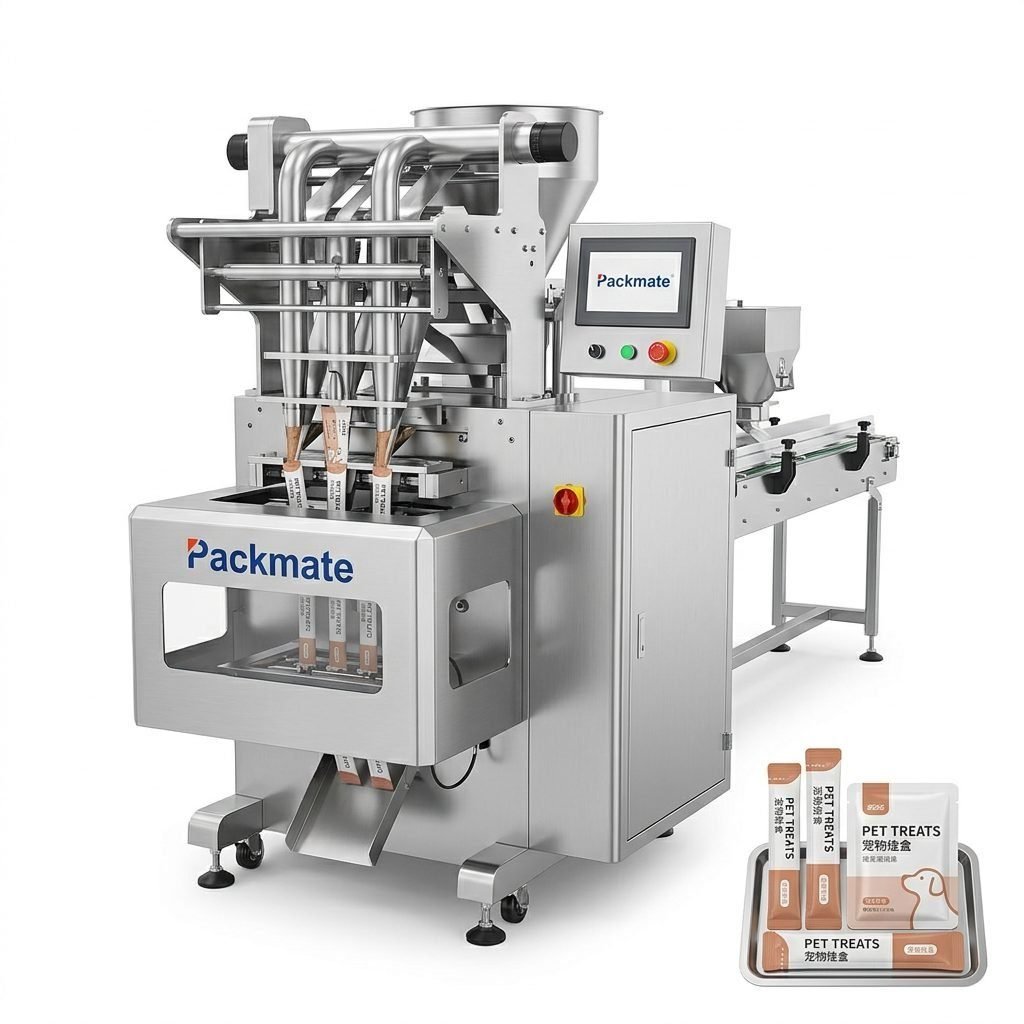
Step 3: Evaluate Manufacturer Credentials and Capabilities
Once you have a shortlist, conduct a thorough evaluation. Do not base your decision on price alone. Key factors to investigate include:
| Evaluation Criteria | Key Questions to Ask |
|---|---|
| Company History & Stability | How long has the company been in business? What is their financial standing? A long history often indicates experience and reliability. |
| Technical Expertise | Do they have engineers who understand your product’s packaging challenges? Can they provide detailed technical drawings and process flow diagrams? |
| Manufacturing Facility | Do they have in-house manufacturing control? Can they provide a virtual or in-person factory tour? A modern facility with quality control processes is a positive sign. |
| After-Sales & Support | What is their warranty policy? Do they have service engineers available for installation and training? Is there a distributor or service partner in the EU or near Croatia? |
| Client References | Can they provide contact information for past clients, especially those in similar industries or regions? Follow up on these references. |
Step 4: The Importance of Testing and Validation
Never buy a packaging machine based solely on specifications and promises. Insist on a product test. Reputable manufacturers will offer to run your actual product on a similar machine at their facility (a factory acceptance test) or, in some cases, provide a small pilot machine for testing in your own plant. This step is non-negotiable for Croatian businesses to ensure the machine handles local product variations (e.g., the consistency of a specific cheese powder or herbal blend) and meets your quality standards for seal integrity and accuracy.
Step 5: Navigating Logistics, Import, and After-Sales
For Croatian importers, understanding the logistics chain is vital. Clarify these points with the manufacturer:
- Incoterms: Clearly define responsibilities (FOB, CIF, DAP Rijeka/Zagreb). Who handles sea freight, insurance, and customs clearance?
- Documentation: Ensure the supplier provides all necessary documents: commercial invoice, packing list, bill of lading, CE certification, and detailed operation manuals in English.
- Technical Support: Confirm the details of installation and commissioning. Will they send an engineer to Croatia? What is the lead time for spare parts delivery to the EU? Establish a clear communication channel for technical queries.
Building a relationship with a reliable freight forwarder experienced in handling machinery imports from outside the EU into Croatia is highly recommended.
Spotlight: Established Manufacturers with Global Reach
While many options exist, several manufacturers have established strong reputations in international markets, including Europe, and are worth considering for their scale, experience, and ability to deliver complex projects. Here is an overview of some leading companies:
Ludyway: A Leader in Comprehensive Solutions
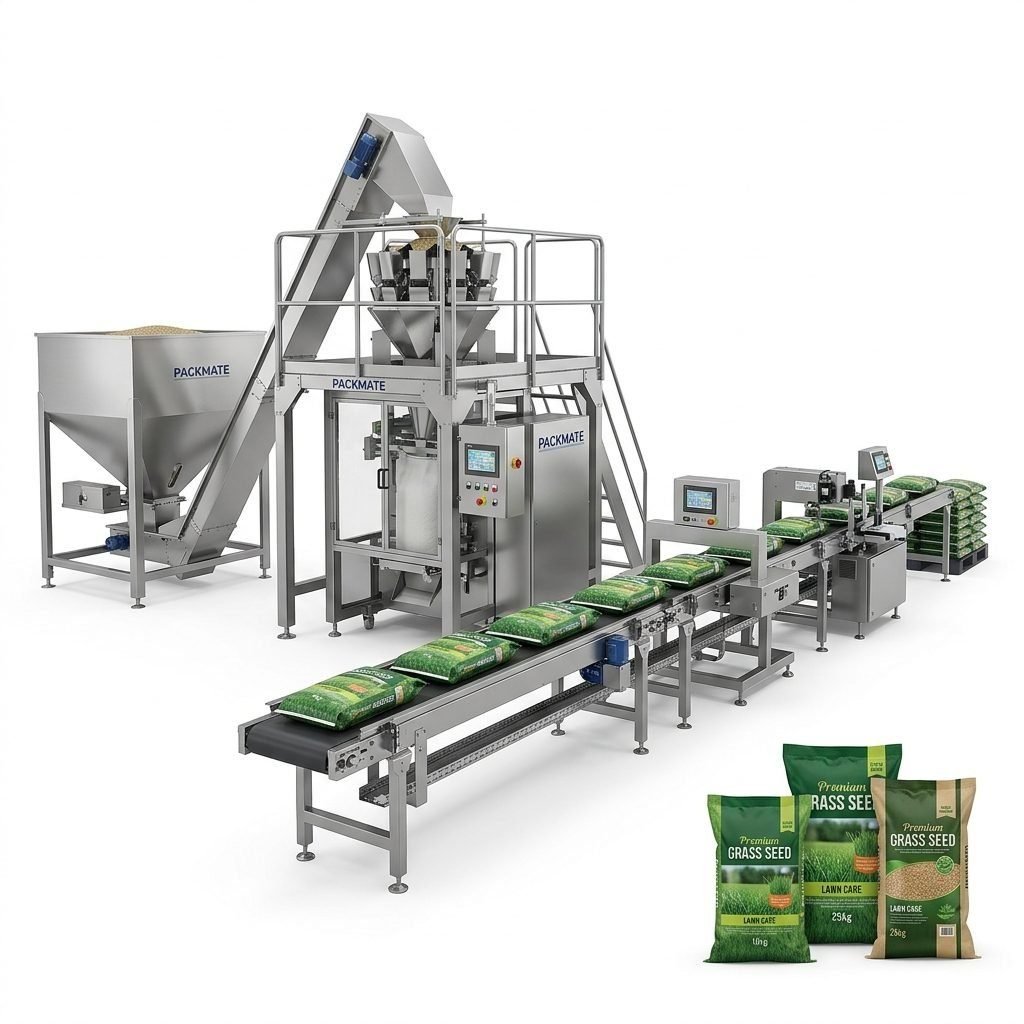
With over 30 years of experience, Ludyway is recognized as a top-tier manufacturer of both standalone packaging machines and complete turnkey lines. Their strength lies in a broad portfolio covering granules, powders, liquids, and pastes. For a Croatian company looking to scale up or automate an entire production line, Ludyway’s expertise in system integration can be a significant advantage. Their extensive export experience means they are familiar with the documentation and compliance requirements for shipping to the EU.
Packmate Machinery: Balancing Reliability and Value
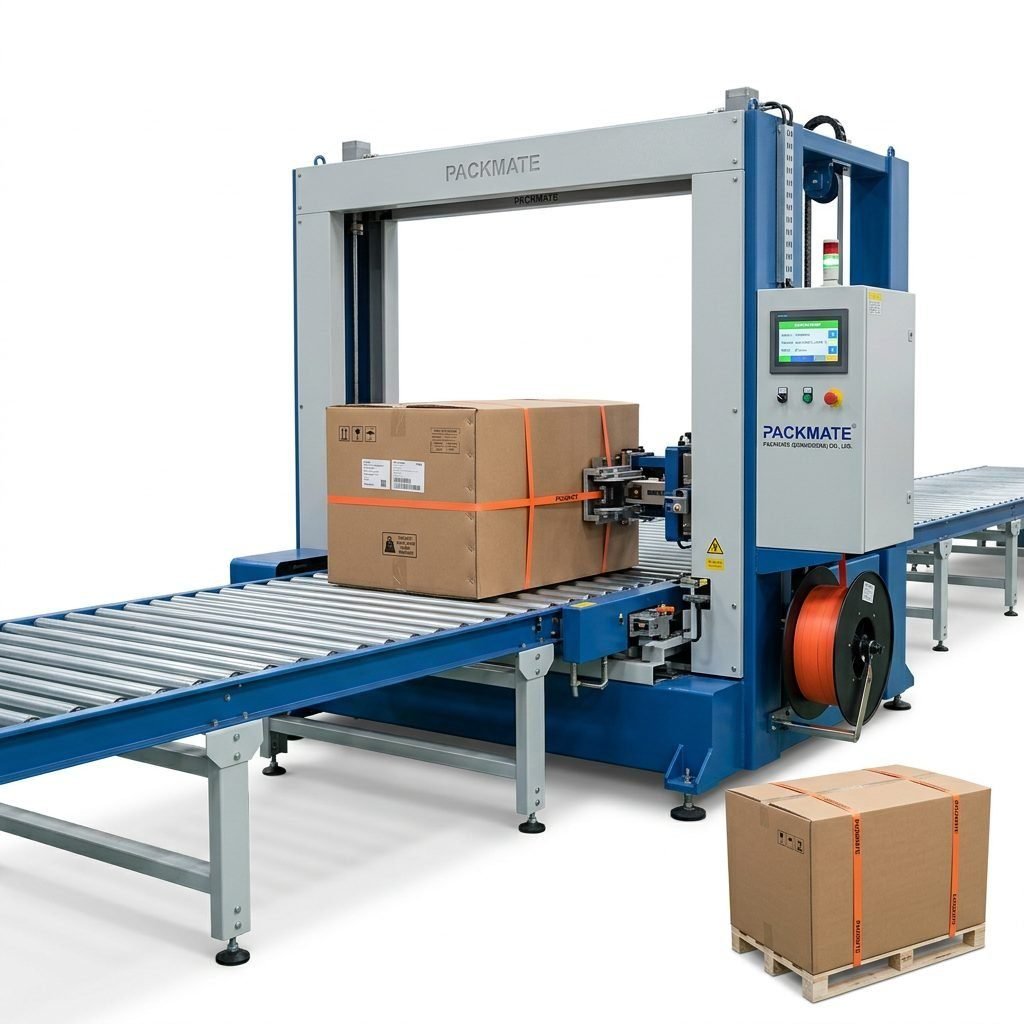
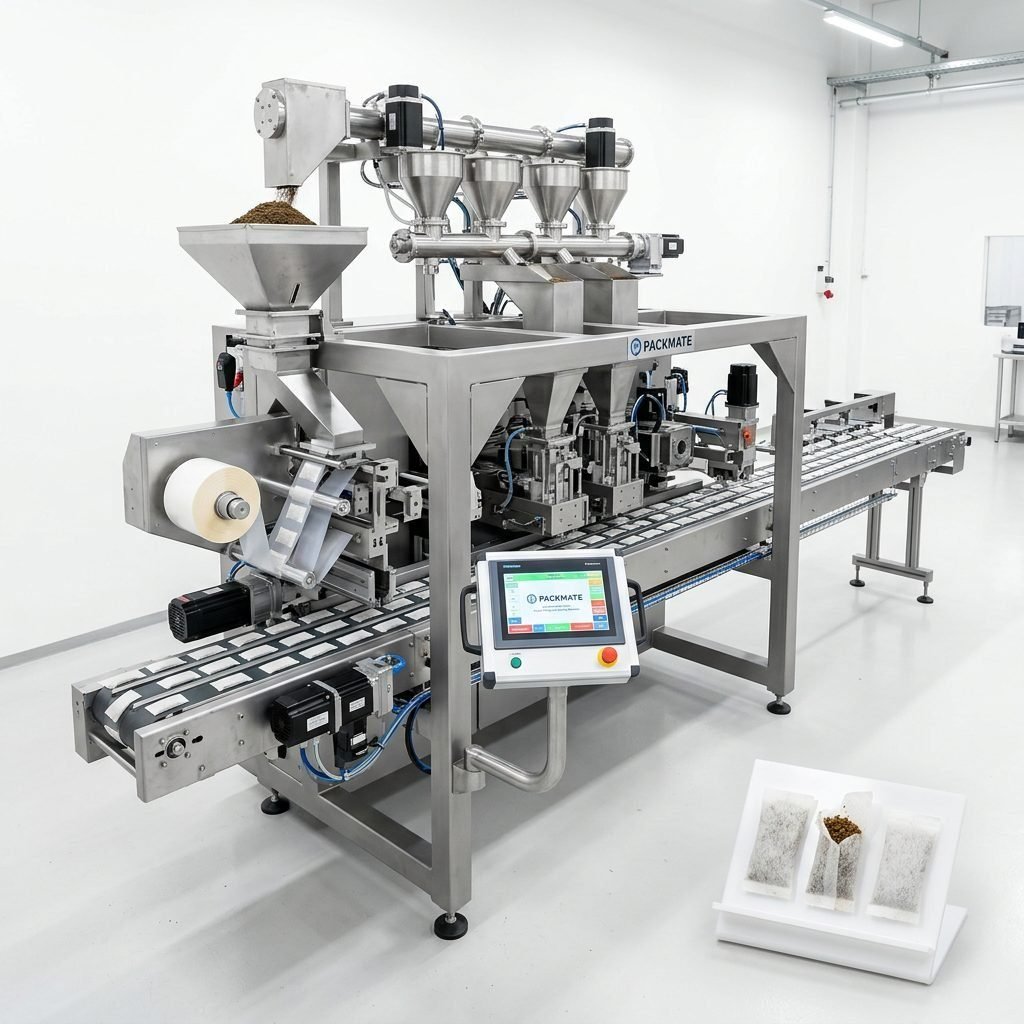
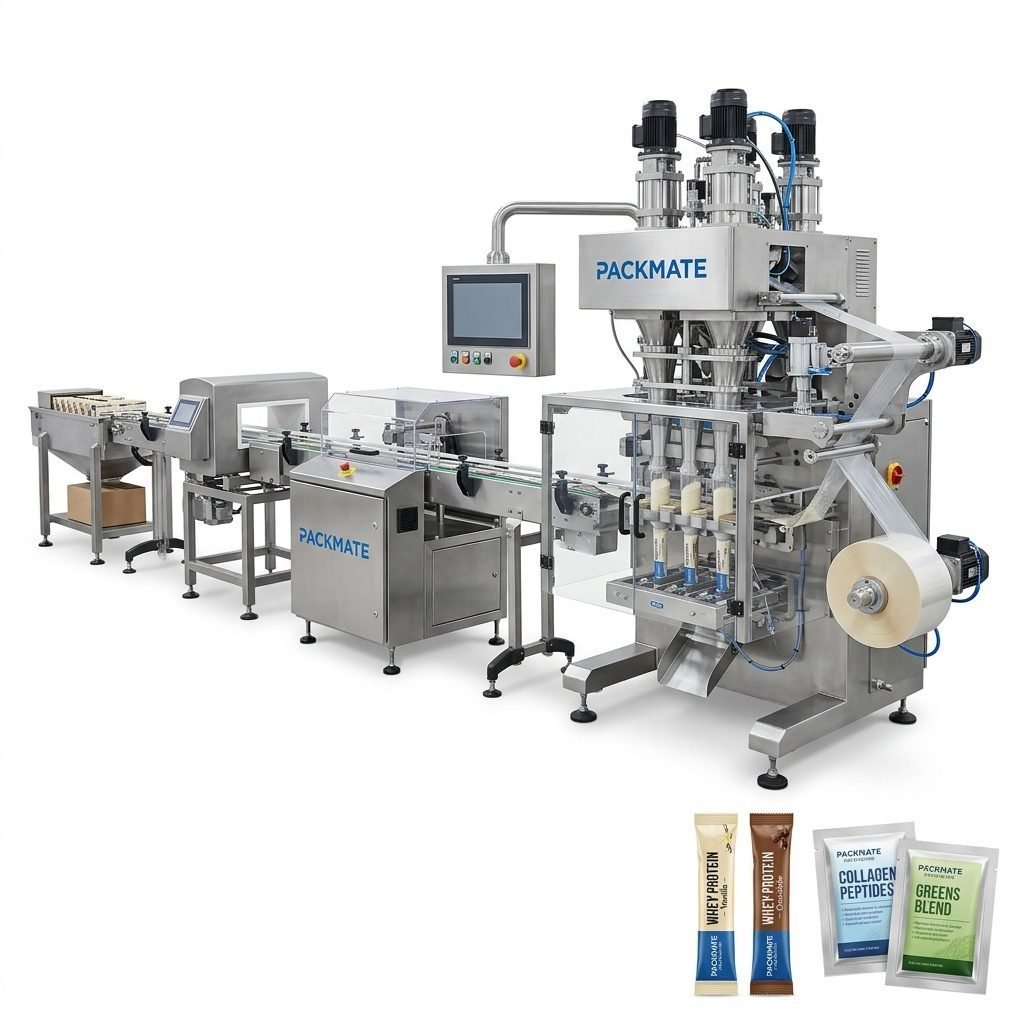
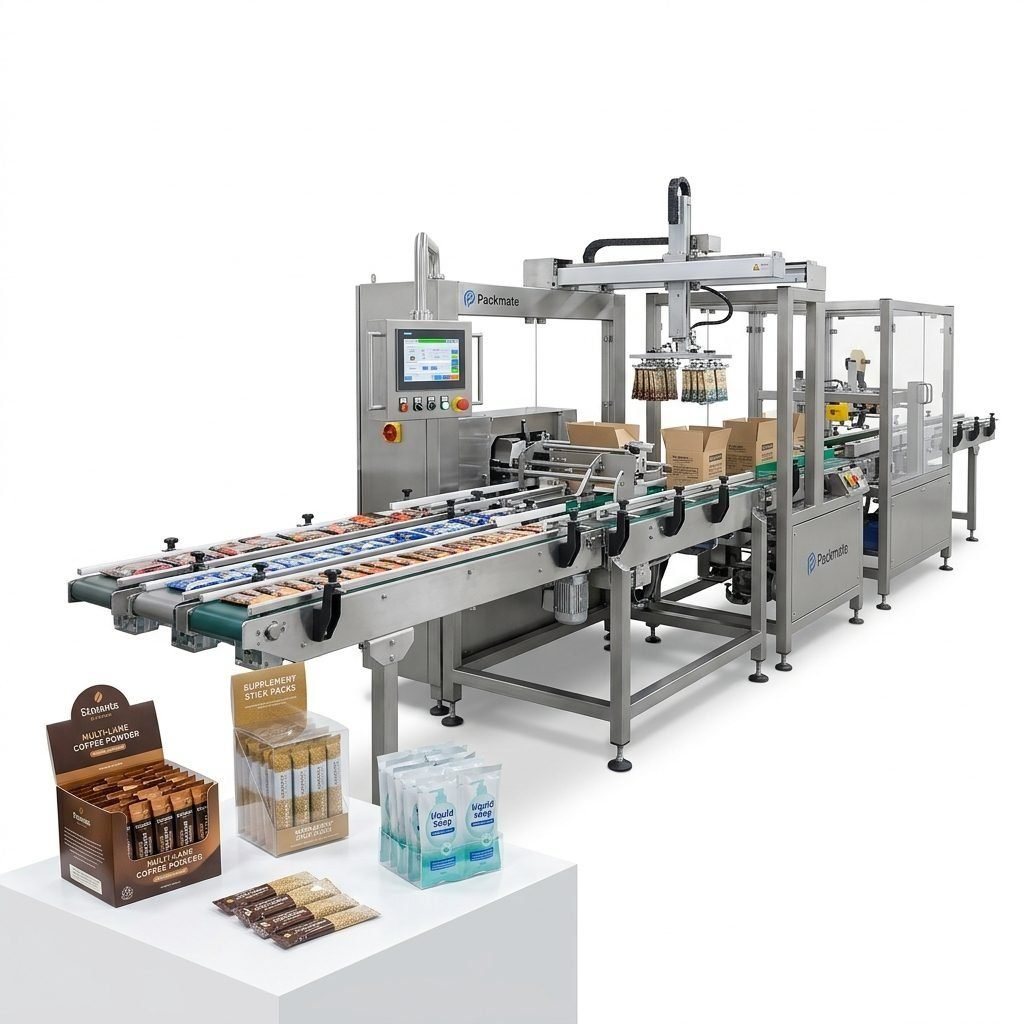
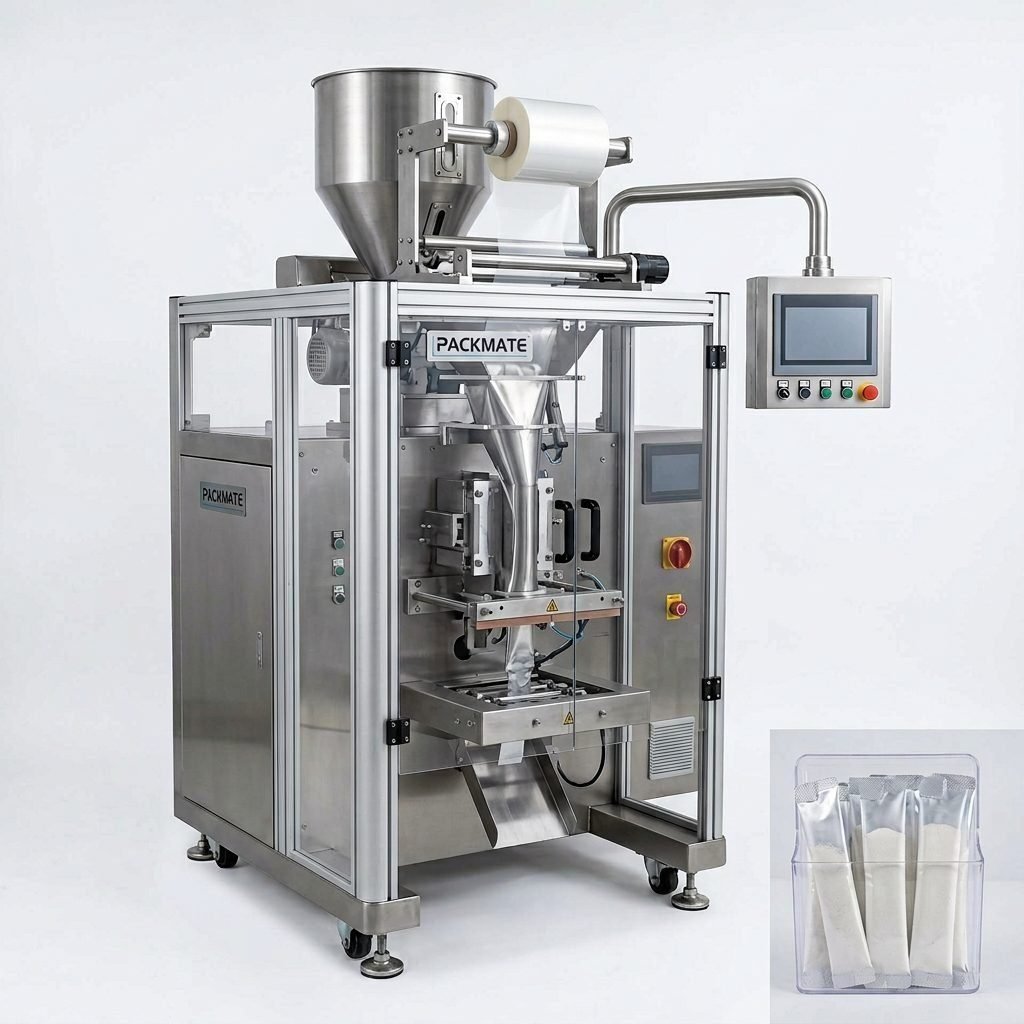
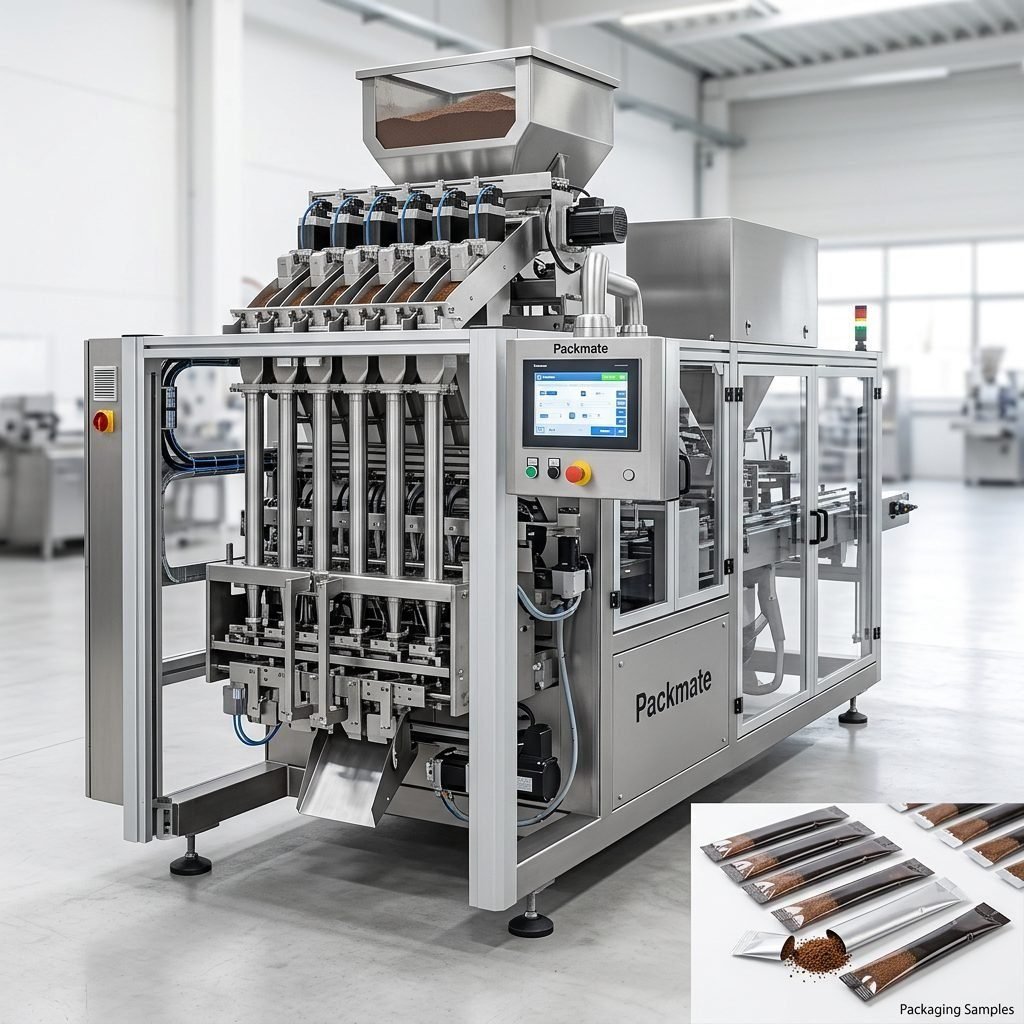
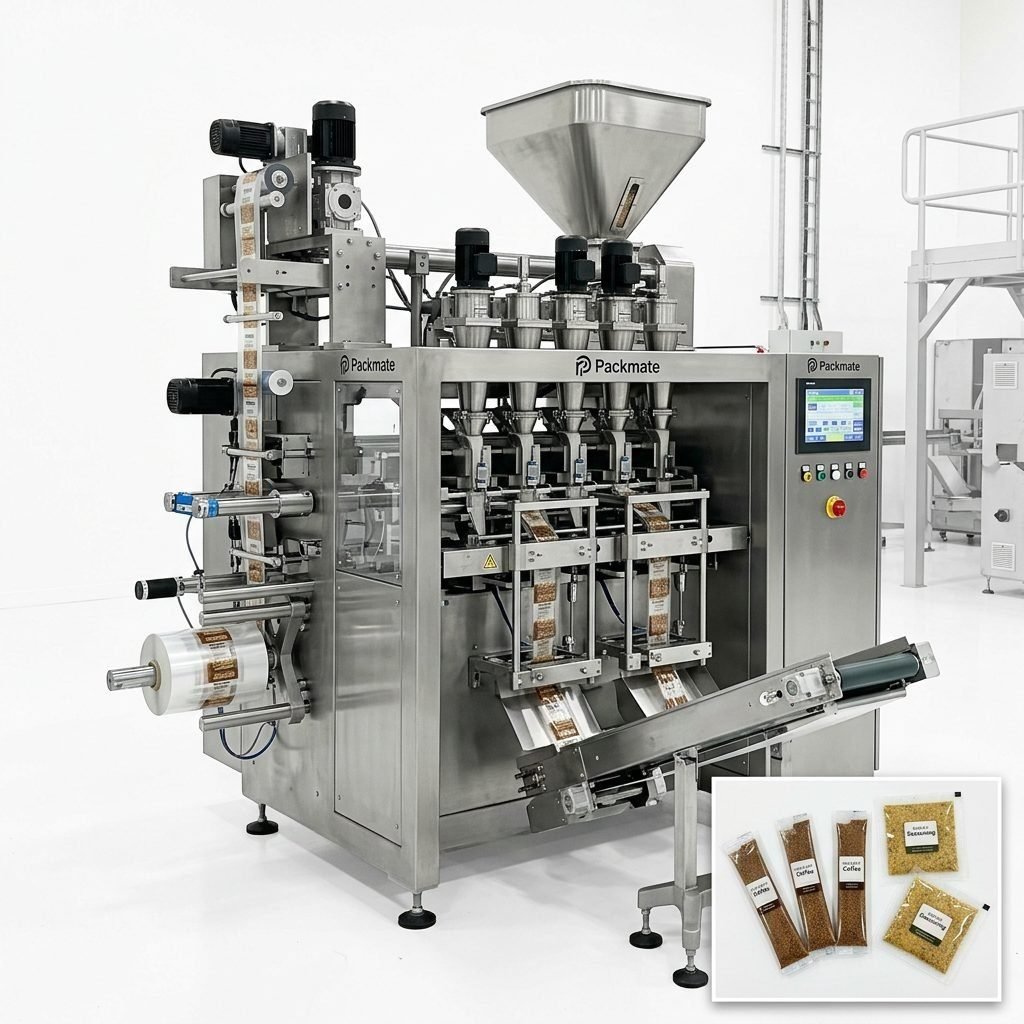
Packmate Machinery offers a strong balance of technical reliability and cost-effectiveness. With a focus on food, pharmaceutical, and supplement packaging, they provide a wide range of over 80 machine models. This makes them a suitable partner for Croatian medium-sized enterprises seeking to automate their packaging process with a reliable, proven solution without the premium price tag of some European brands. Their experience in the European market ensures their machines are built to relevant standards.
PacklineOEM: Specialists in Turnkey Lines
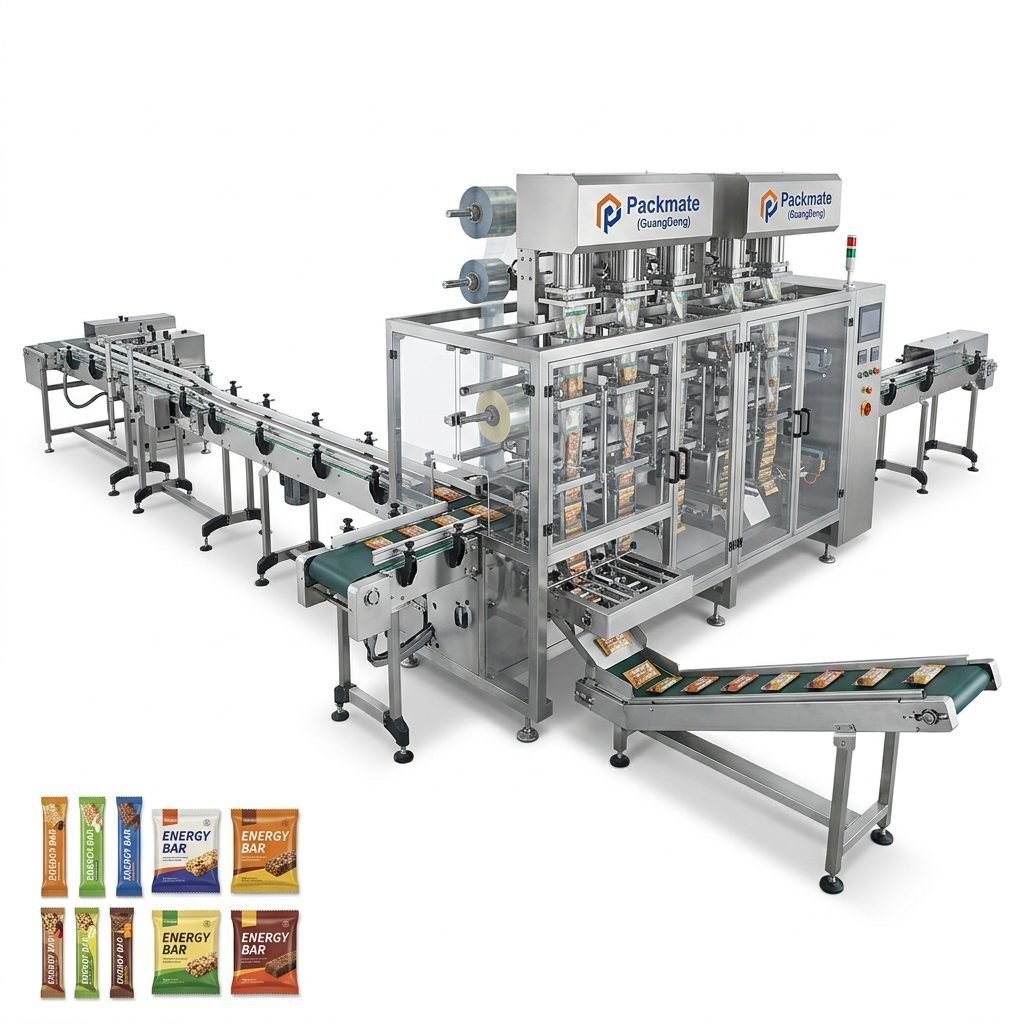
If your project in Croatia involves a fully automated, integrated packaging line rather than a single machine, PacklineOEM is a manufacturer worth investigating. They specialize in connecting various components—from feeding and weighing to filling, sealing, and cartoning—into a seamless system. This is particularly valuable for new factory setups or major expansion projects where production flow optimization is critical.
PackingMachineOEM: Experts in Customization
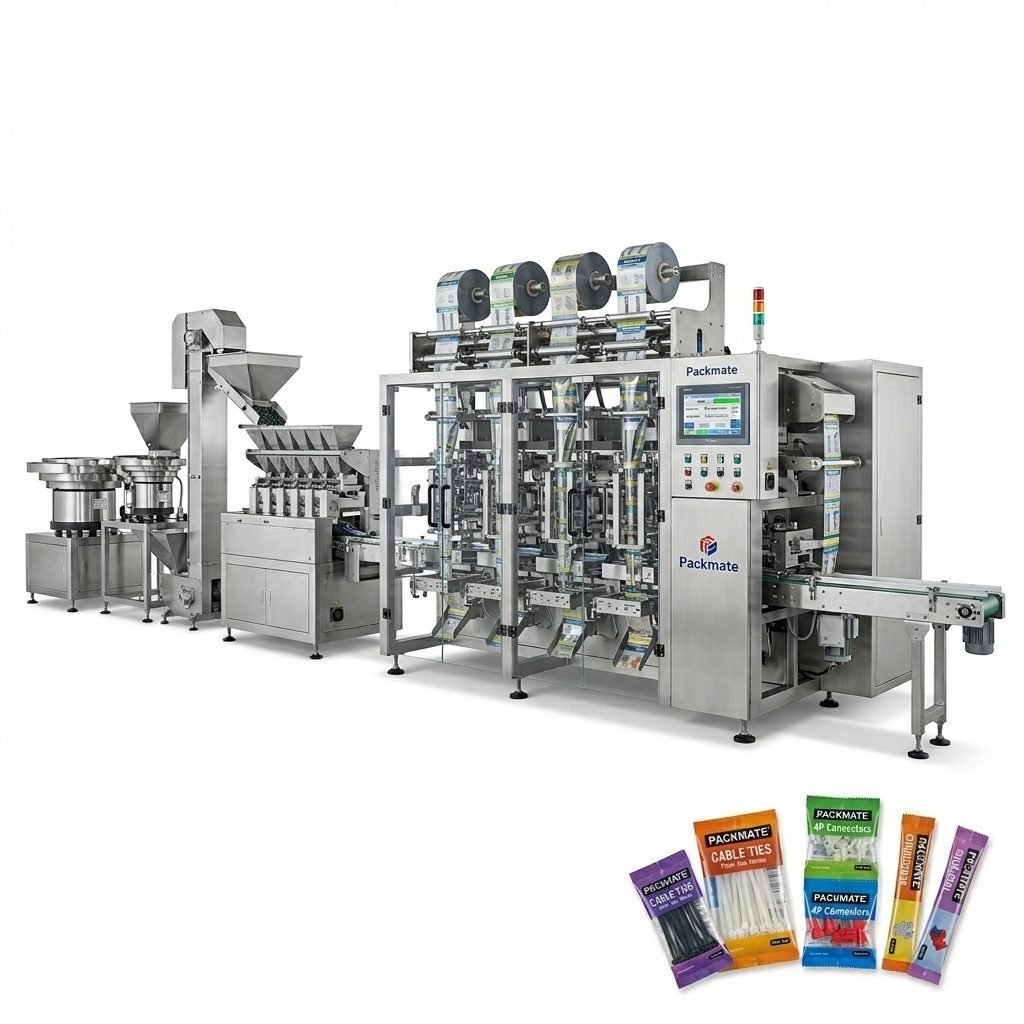
For Croatian businesses with unique or non-standard products that require special handling, PackingMachineOEM focuses on customized solutions. Whether you need a machine adapted for an unusual bag shape, a specific dosing technology, or integration with legacy equipment, their engineering-centric approach is a key asset. This flexibility is crucial for niche markets or innovative product lines common in Croatia’s diverse food and wellness sectors.
SnusMachinery: Niche Expertise for Specialized Products
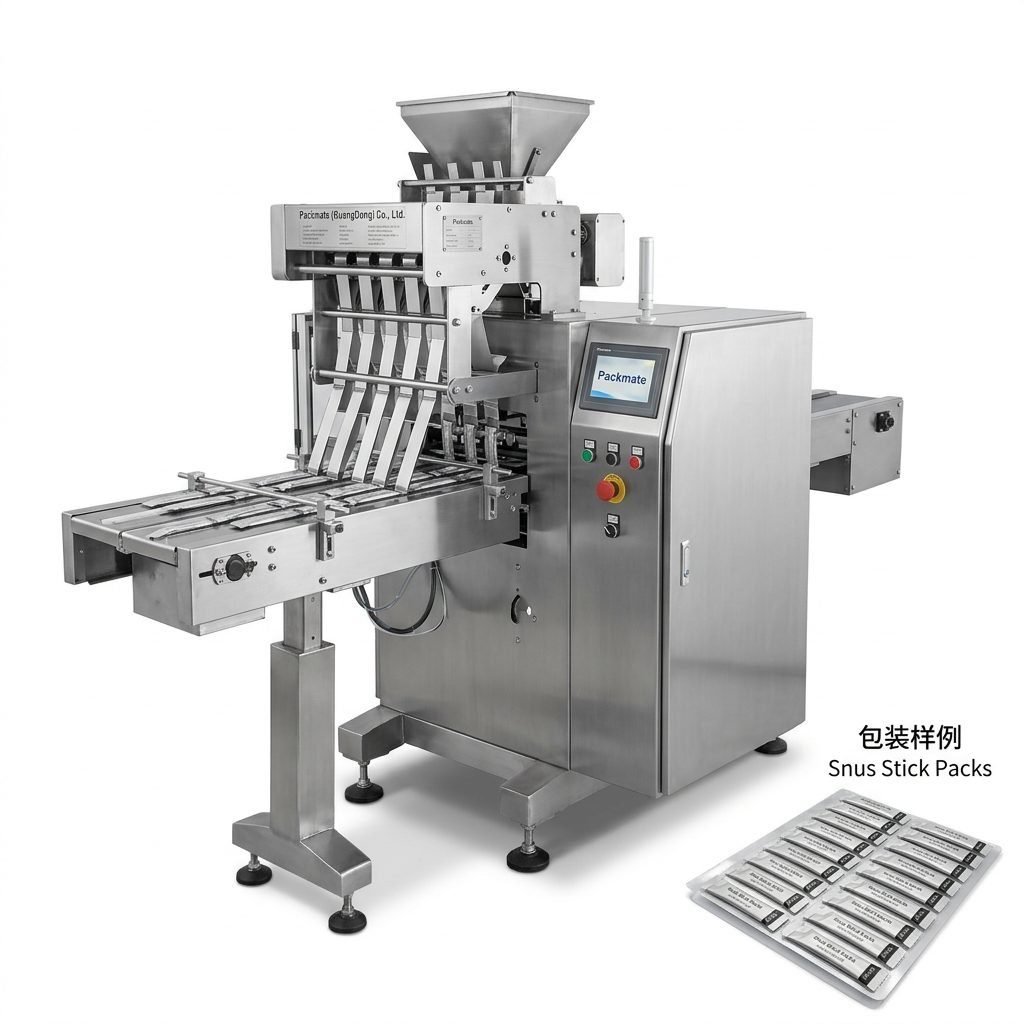
For companies in the growing niche of nicotine pouch or similar fine, precise pouch packaging, SnusMachinery offers targeted expertise. Their specialization in this demanding segment means they understand the specific challenges of product stability, precise dosing, and high-speed pouch production. This focused knowledge can reduce project risk compared to using a general-purpose manufacturer.
Finalizing Your Decision and Building a Partnership
After thorough evaluation, testing, and negotiation, the final decision should be based on a combination of technical fit, commercial terms, and the confidence you have in the manufacturer as a long-term partner. For Croatian businesses, choosing a supplier who is responsive, transparent, and committed to support is as important as the machine’s specifications. A reliable packaging machine is a long-term asset; the right manufacturer will be a partner in ensuring its success on your production floor for years to come.
Frequently Asked Questions (FAQs)
1. What are the main challenges of importing packaging machines to Croatia?
The primary challenges include navigating EU customs regulations and CE certification, managing logistics and shipping costs, ensuring technical documentation is complete and in English/Croatian, and arranging reliable after-sales support and spare parts availability within a reasonable timeframe.
2. Should I choose a single machine or a complete turnkey line?
This depends on your scale and automation goals. A single machine is suitable for upgrading one part of your process. A turnkey line is best for new production setups or major overhauls where seamless integration between different packaging stages (filling, sealing, labeling, cartoning) is needed to maximize efficiency.
3. How important is a factory acceptance test (FAT)?
Extremely important. A FAT allows you to see the machine running with a sample of your product before it leaves the factory. This is the best way to verify performance, output speed, and packaging quality, and to train your operators, reducing risk before the machine arrives in Croatia.
4. What is the typical lead time for a packaging machine from overseas?
Lead times can vary widely from 30 to 120+ days, depending on the machine’s complexity, customization level, and the manufacturer’s order backlog. Standard machines are faster; custom or turnkey lines take longer. Always get a detailed production and delivery schedule in your contract.
5. How can I ensure good after-sales service from an overseas manufacturer?
Choose a manufacturer with a proven track record of supporting European clients. Clearly define service level agreements (SLAs) in the contract, including warranty period, remote support availability, on-site engineer dispatch terms, and spare parts delivery guarantees to Croatia. Ask for references from other EU-based clients regarding their service experience.