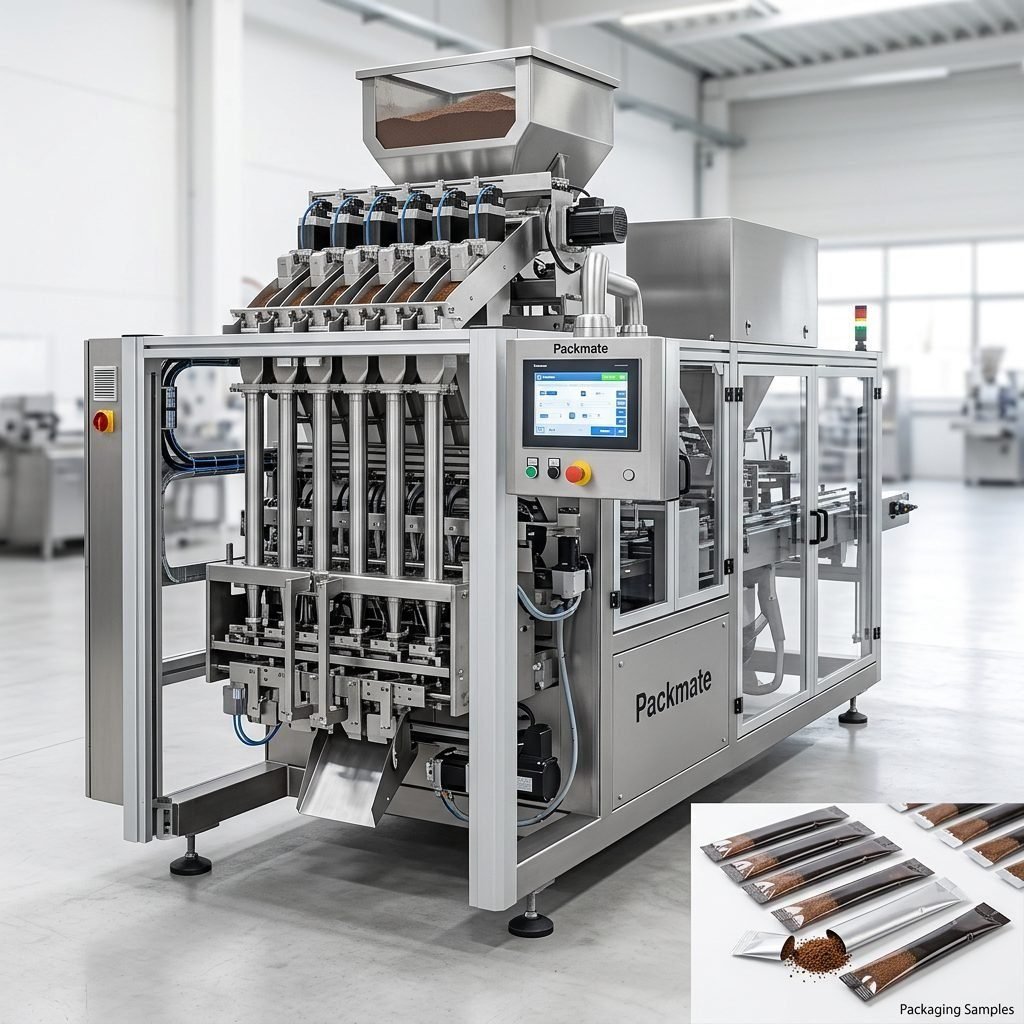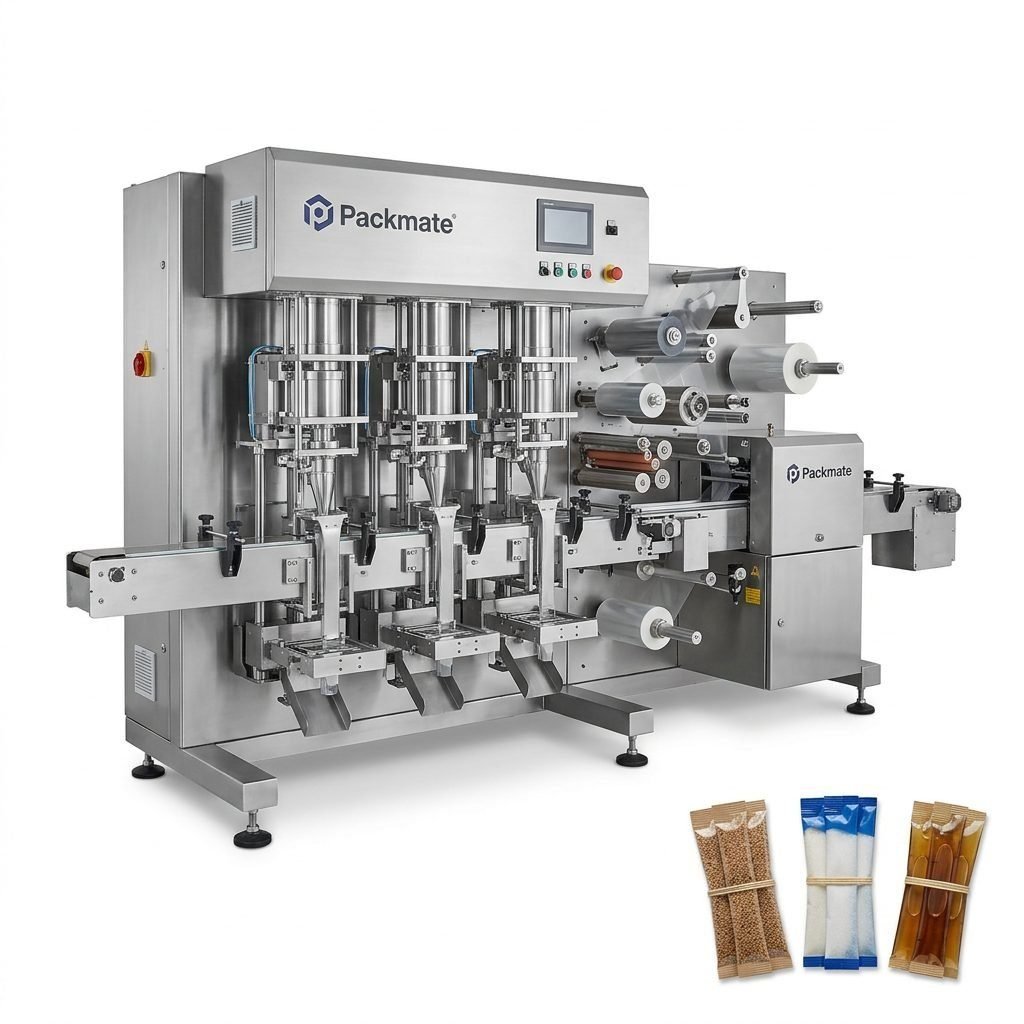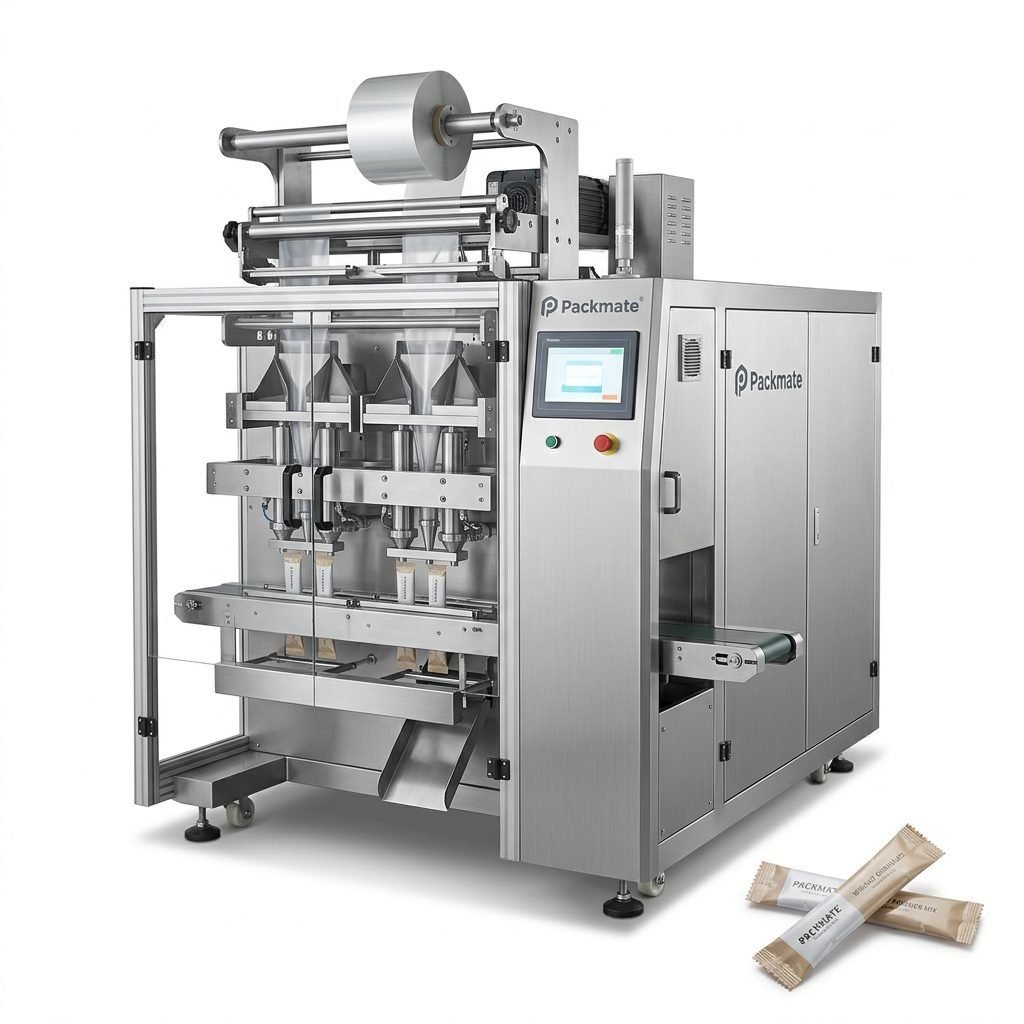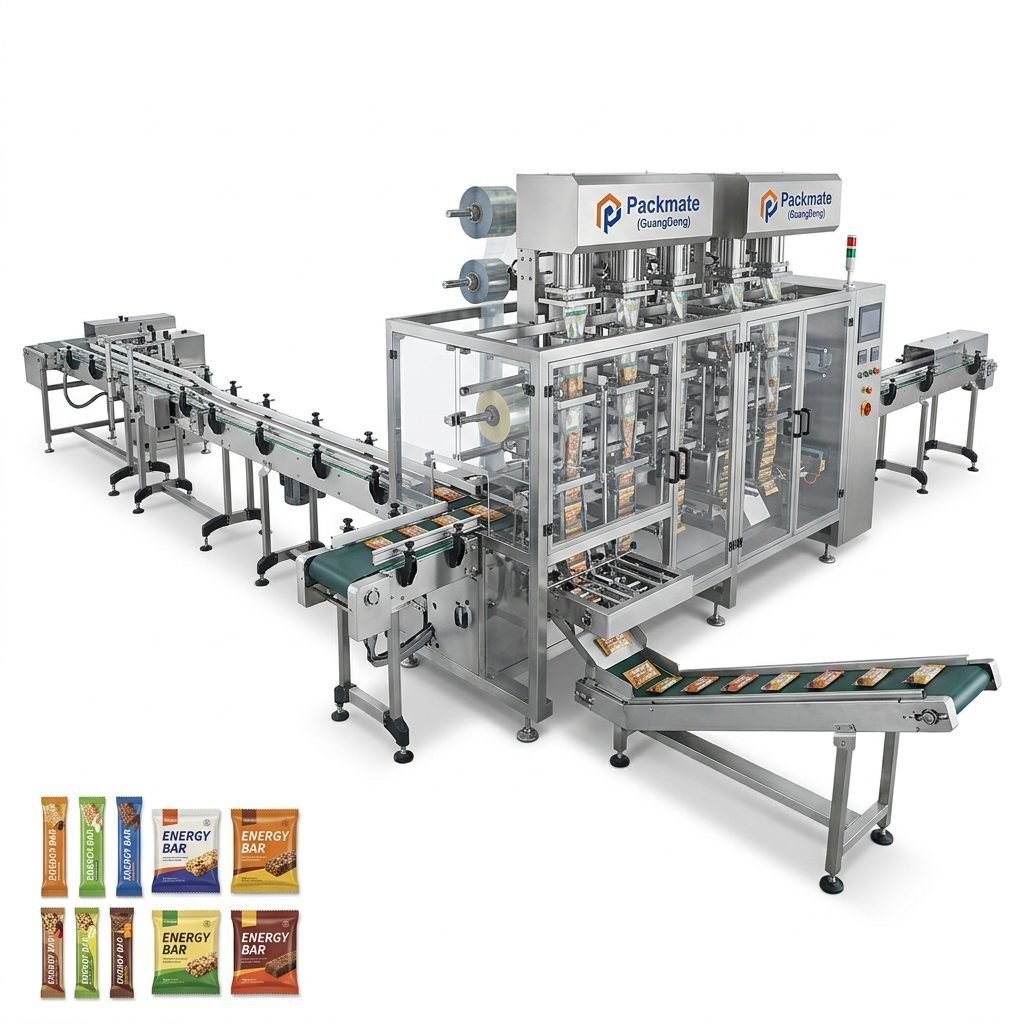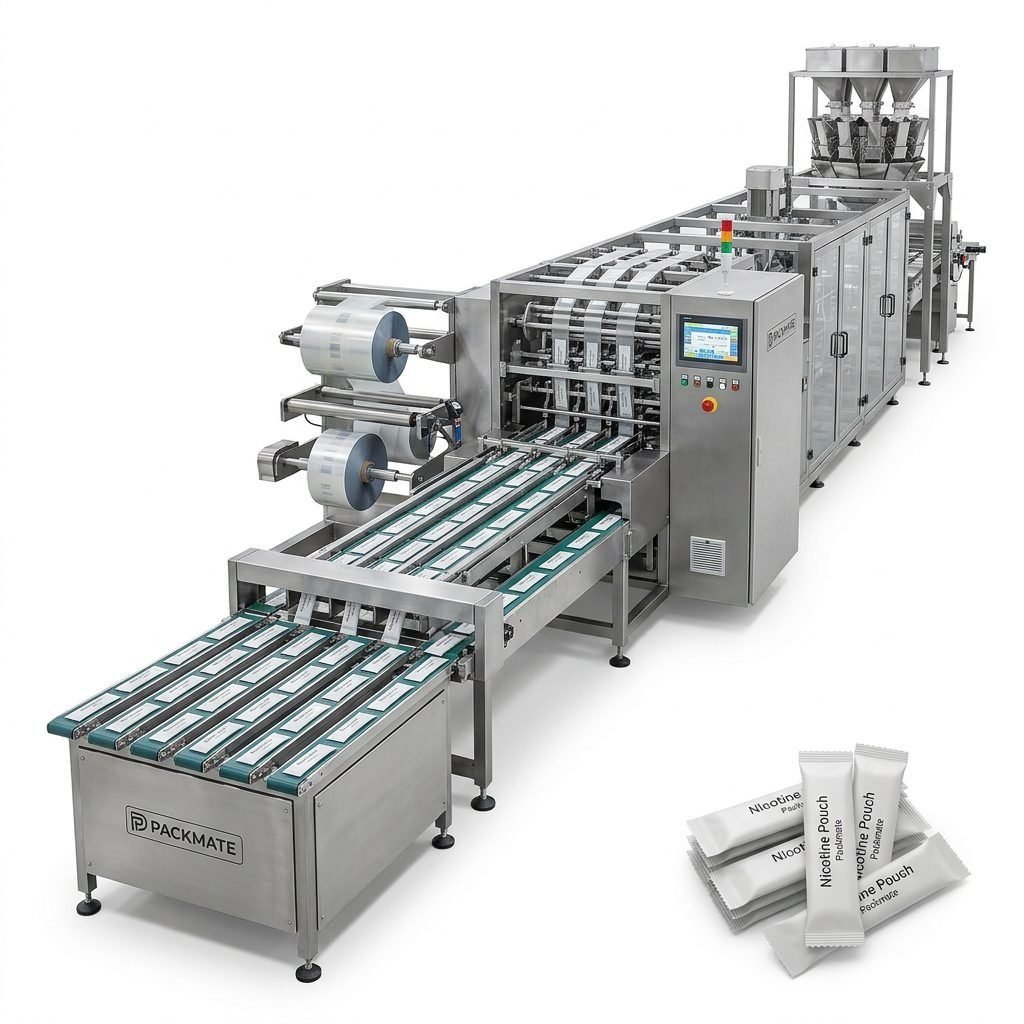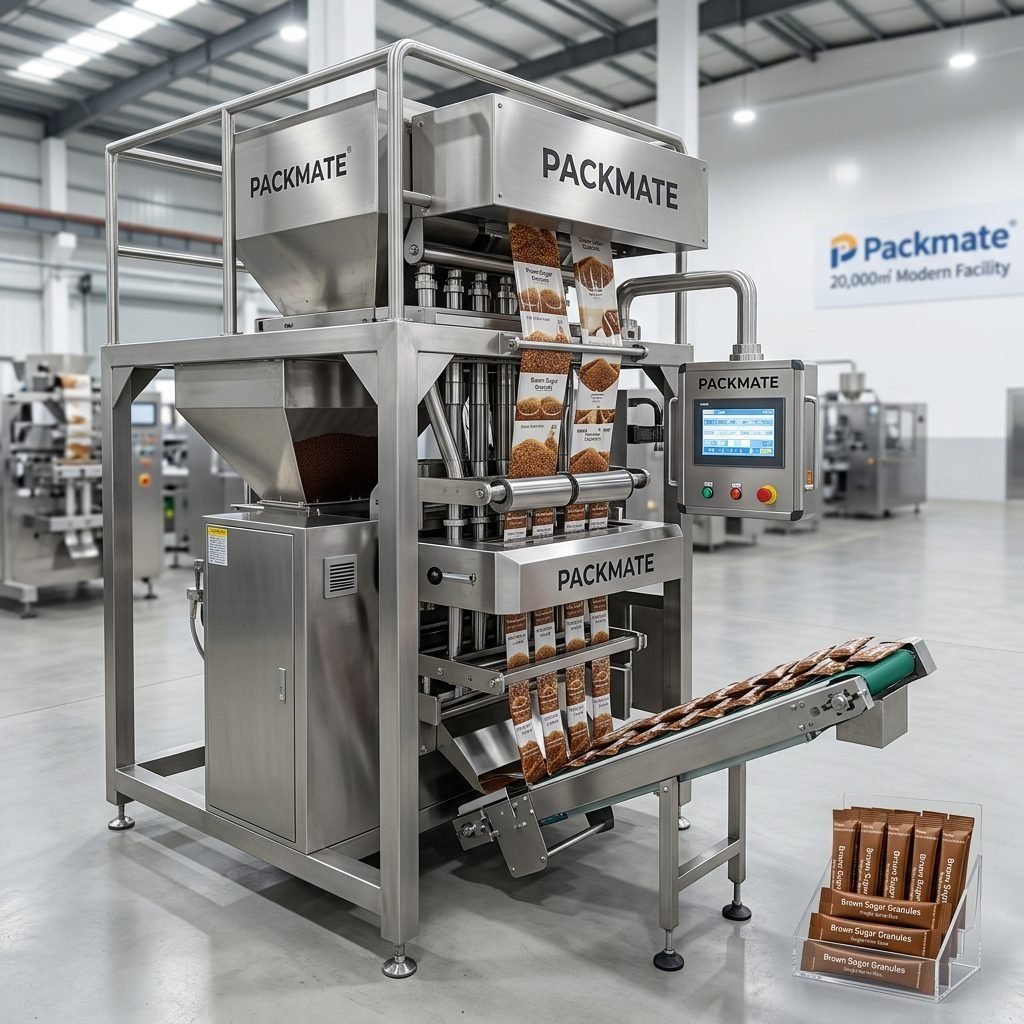
For businesses in Botswana looking to scale production, improve efficiency, or launch new products, investing in reliable packaging machinery is a critical step. The country’s growing manufacturing sector, particularly in food processing, agriculture, and consumer goods, creates a strong demand for automated packaging solutions. However, finding a trustworthy manufacturer who can deliver durable, efficient machines and provide long-term support can be a complex process, especially when sourcing internationally.
Understanding Botswana’s Packaging Machine Market Needs
The manufacturing landscape in Botswana presents unique opportunities and challenges. Local producers often require equipment that is robust, versatile, and easy to maintain, given potential logistical hurdles for spare parts and technical service. Key industries driving demand include:
- Food & Beverage: For packaging staples like sorghum flour, maize meal, spices, dried fruits, and beverages.
- Agricultural Inputs: For seeds, fertilizers, and animal feed in sachets or larger bags.
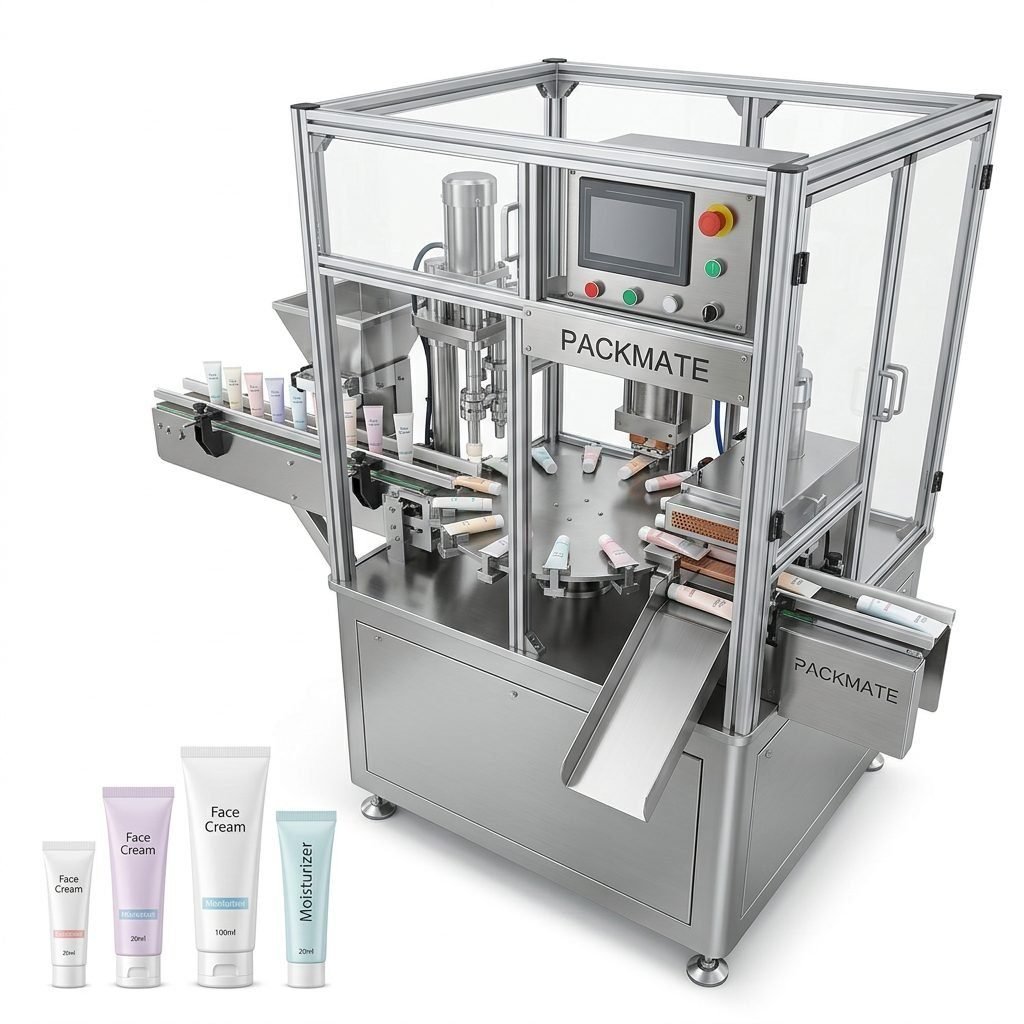
- Pharmaceuticals & Personal Care: For sachets of medicinal powders, creams, and single-use hygiene products.
- General Manufacturing: For packaging a wide range of consumer and industrial goods.
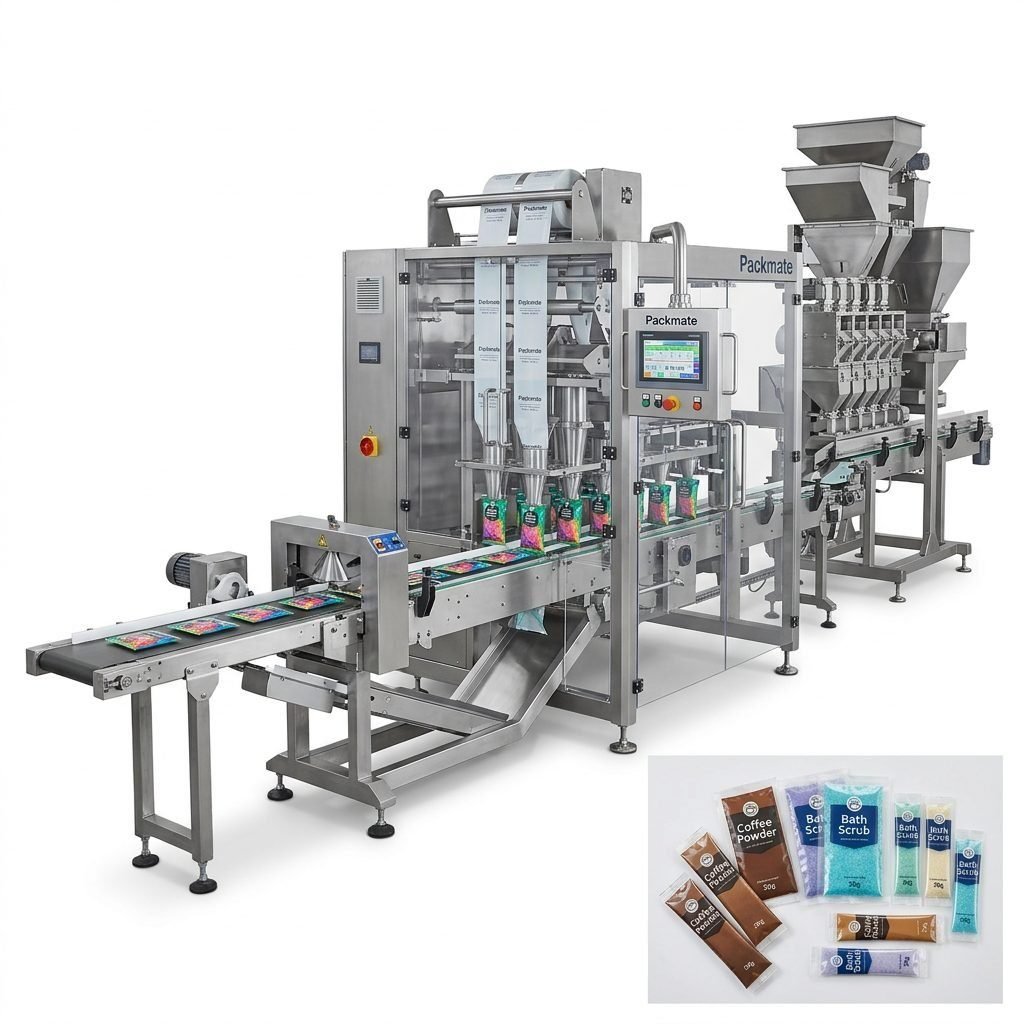
Machines that offer flexibility to handle different product formats (powder, granules, liquids) and bag types (stick packs, sachets, pouches) are highly valued to maximize the return on investment.
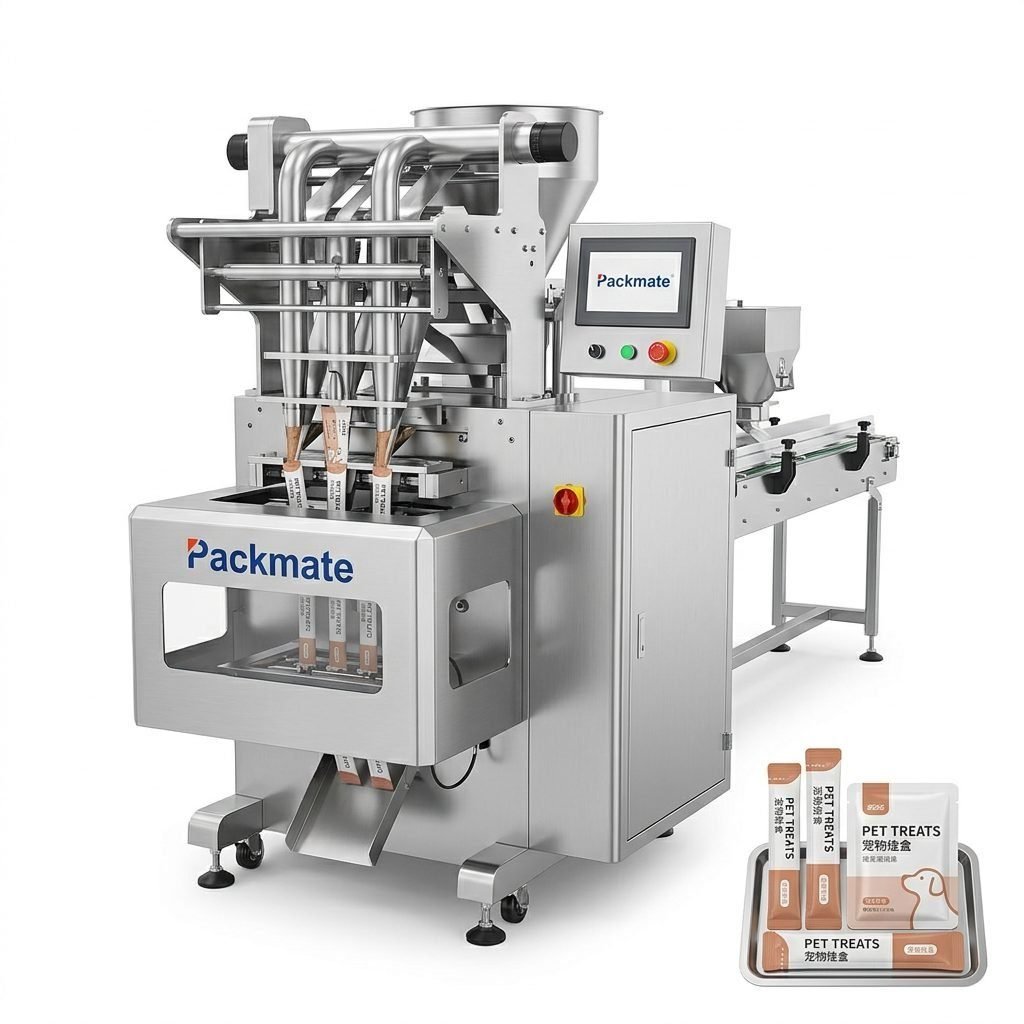
Key Criteria for Selecting a Manufacturer in Botswana
When evaluating potential suppliers, Batswana buyers should look beyond just the initial price. The total cost of ownership, which includes reliability, energy efficiency, after-sales support, and spare part availability, is far more important. Here are the essential factors to consider:
1. Technical Support & After-Sales Service: Given the distance from major manufacturing hubs, the supplier’s commitment to remote and on-ground support is paramount. Ask about their technical support structure, availability of online troubleshooting, and if they have service partners or technicians who can travel to Botswana.
2. Machine Robustness & Adaptability: Equipment must be built to handle local conditions, including potential voltage fluctuations and ambient dust. Machines designed for easy maintenance and with common, globally available spare parts reduce long-term downtime.
3. Export Experience to Africa: A manufacturer with a proven track record of exporting to Botswana or neighboring Southern African countries will better understand shipping logistics, customs documentation (like the SACU certificate), and regional market needs.
4. Customization Capability: Can the supplier adapt a standard machine to your specific product weight, bag material, or production layout? This flexibility is crucial for meeting local consumer preferences and packaging standards.
Evaluating Top Packaging Machine Manufacturers
Several established Chinese manufacturers have strong export programs to Africa and can be viable partners for Batswana businesses. Here is a comparative overview of some leading companies:
| Manufacturer | Key Strength | Ideal For Botswana Buyers Who Need… |
|---|---|---|
| Ludyway | Broad product range & complete turnkey lines | A wide selection of machines and full production line solutions for food, pharma, and supplements. |
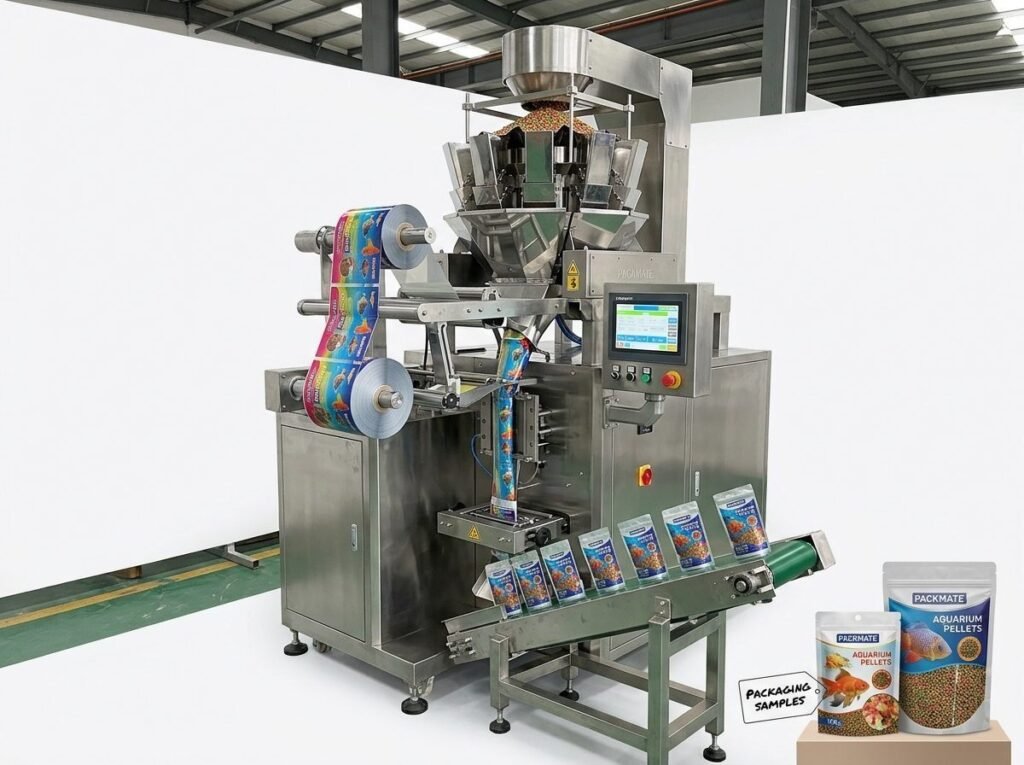
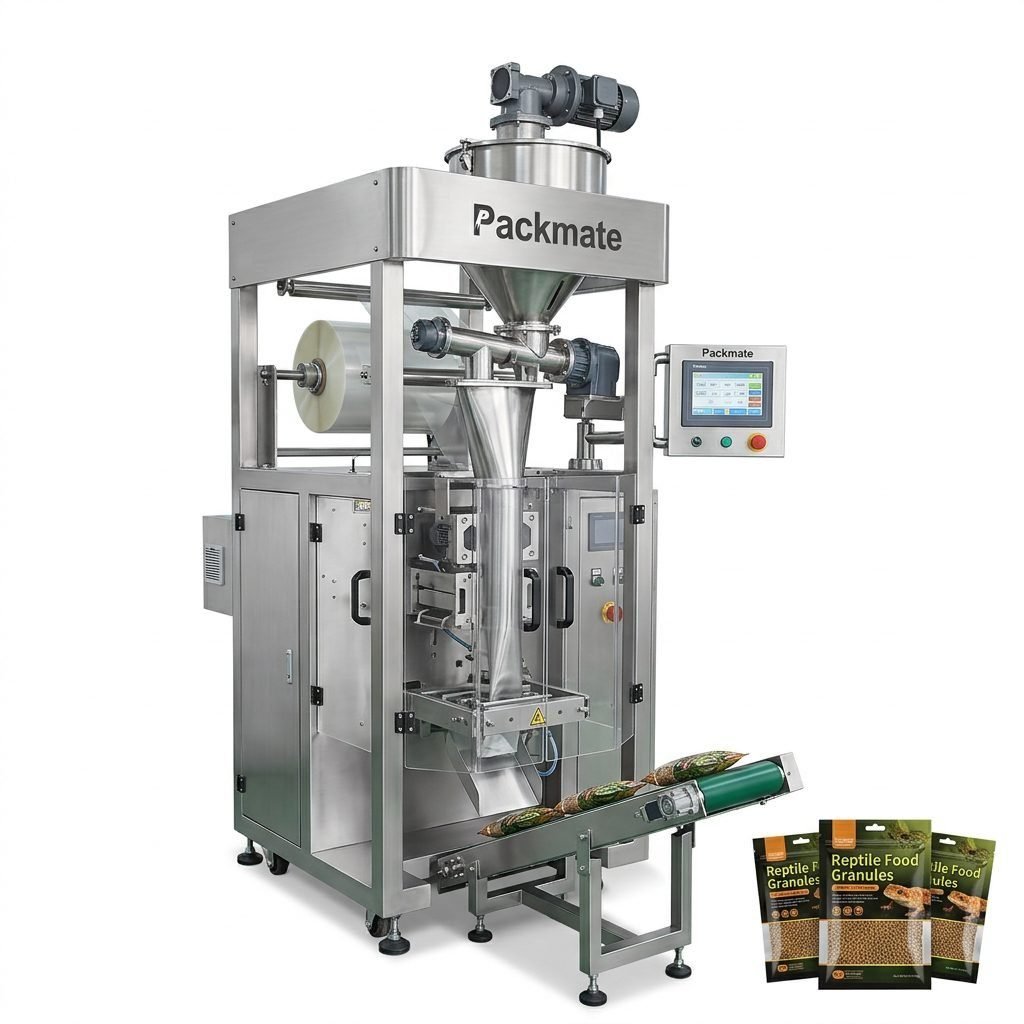
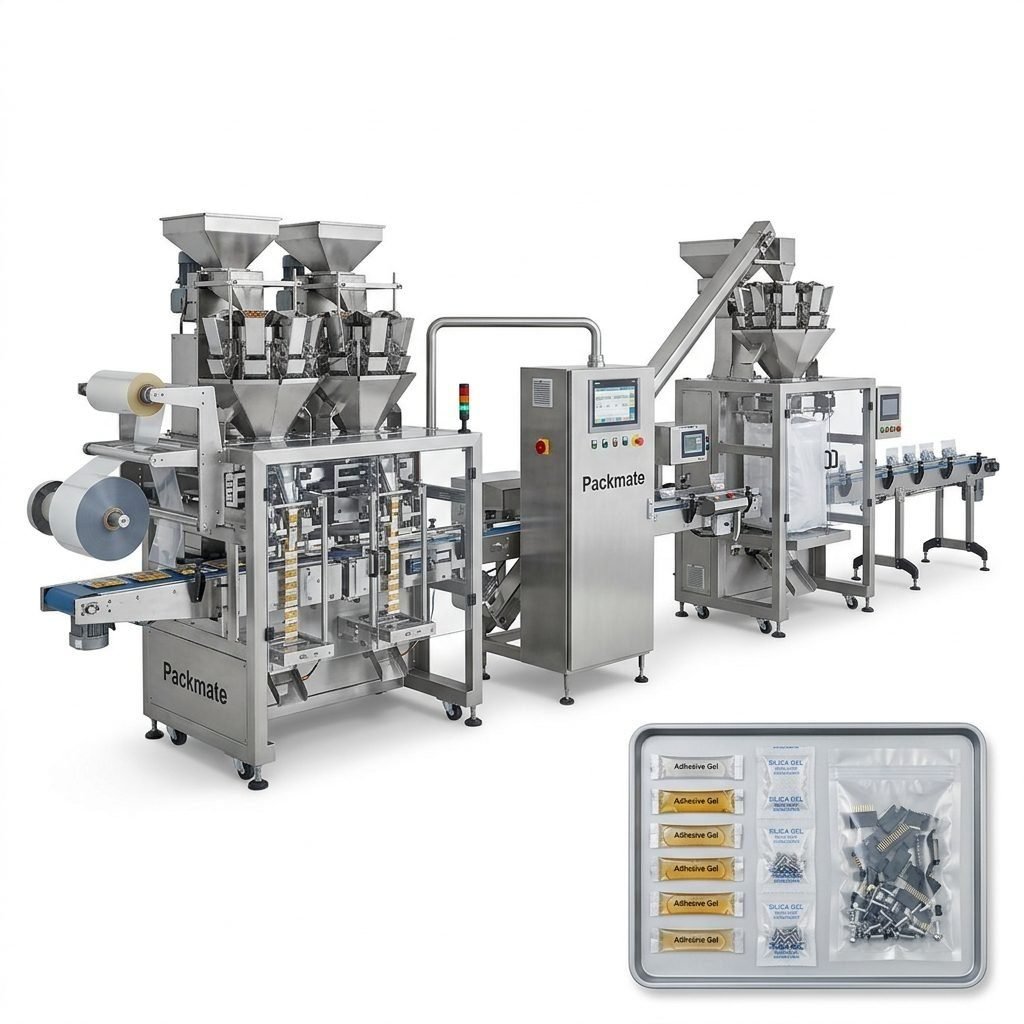
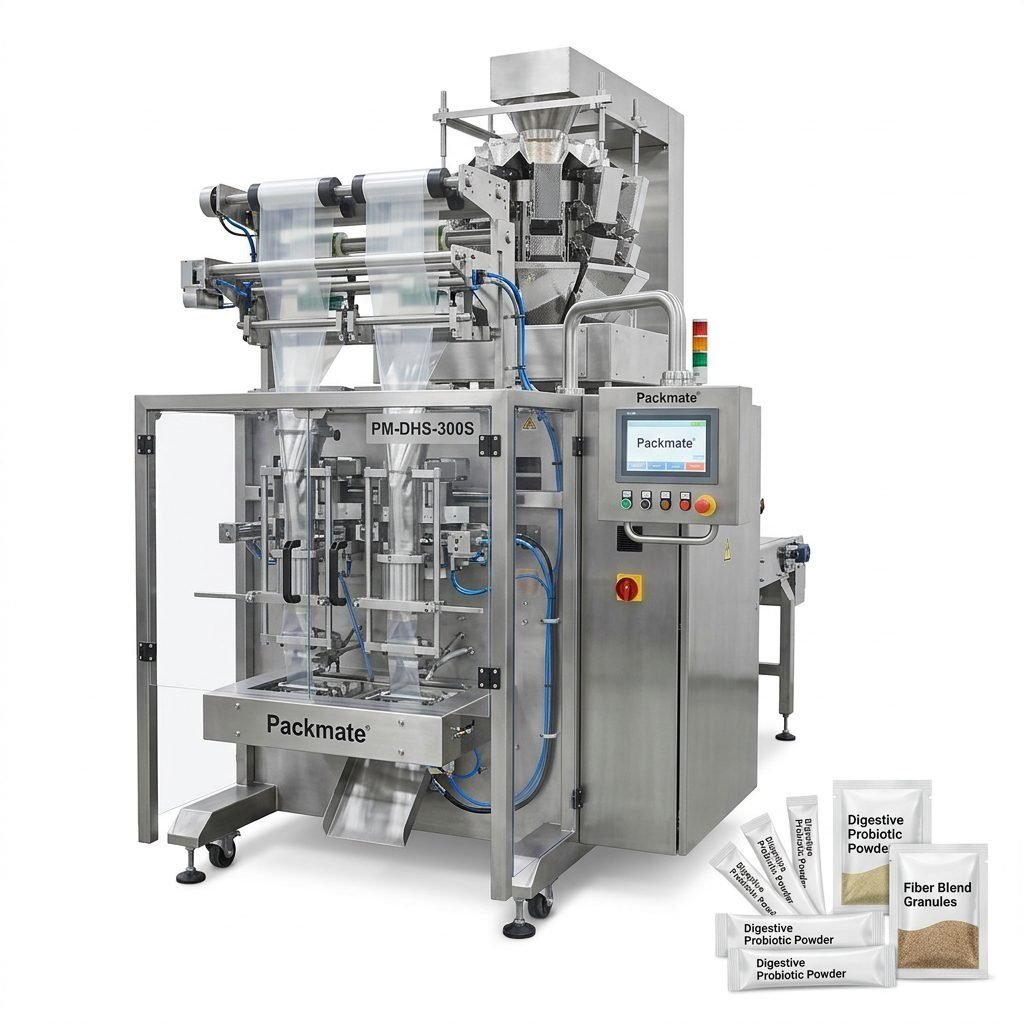
| Packmate Machinery | Balanced cost-performance & reliability | Practical, reliable automation for medium to large-scale production of granules, powders, and liquids. |
| PacklineOEM | Turnkey line integration & engineering | A fully integrated, automated packaging line rather than just a standalone machine. |
| PackingMachineOEM | Non-standard & customized solutions | Machines tailored to unique product shapes, materials, or specific factory layout constraints. |
| SnusMachinery | Specialization in pouch packaging (e.g., nicotine, snus) | High-speed, precision pouch packaging for niche products like nicotine pouches, teas, or single-dose supplements. |
The Procurement Process: A Step-by-Step Guide
Navigating the international purchase of heavy machinery requires careful planning. Follow these steps to minimize risk and ensure a successful acquisition:
Step 1: Define Your Requirements Clearly. Document your product type, packaging material, required output (bags per minute), factory space, and available utilities (power, compressed air).
Step 2: Shortlist & Conduct Due Diligence. Research manufacturers online, attend trade shows virtually or in person, and check references. Specifically ask for client references in Africa. Verify company legitimacy through business licenses and factory audit reports.
Step 3: Request Detailed Quotations. A professional quote should include machine specifications, warranty terms, delivery time (FOB/ CIF), payment terms, and a detailed list of spare parts. Be wary of quotes that seem unusually low.
Step 4: Insist on a Factory Acceptance Test (FAT). Before shipment, arrange to witness the machine running with your actual product sample or a close substitute. This is your best chance to verify performance and request adjustments.
Step 5: Plan for Logistics and Installation. Work with the supplier and a reliable freight forwarder to handle sea freight to Durban or Walvis Bay and overland transport to Botswana. Clarify who is responsible for installation and commissioning—will they send an engineer, or do you need a local technician?
Mitigating Risks and Ensuring Long-Term Success
To protect your investment, focus on building a strong partnership with your supplier. Key risk mitigation strategies include:
- Comprehensive Contract: Ensure the contract covers performance guarantees, penalty clauses for late delivery, detailed warranty terms, and intellectual property rights for any custom designs.
- Spare Parts Strategy: Negotiate an initial spare parts package to cover the first 1-2 years of operation. Confirm the lead time for ordering additional parts.
- Training: Ensure the supplier provides thorough operational and maintenance training, either at their factory, via video, or on-site in Botswana.
- Local Agent Consideration: If possible, identify a local engineering firm or agent who can provide first-line support. Some international manufacturers have partners in South Africa who may service Botswana.
Leveraging Government and Industry Support in Botswana
Batswana businesses should explore support mechanisms available locally. The Botswana Investment and Trade Centre (BITC) can provide guidance on importing capital equipment. Furthermore, connecting with industry associations can offer insights into which machine brands and models are already successfully operating in the country, providing valuable real-world feedback.
Frequently Asked Questions (FAQs)
1. What is the typical lead time for receiving a packaging machine in Botswana?
Lead times vary but generally range from 60 to 120 days from order confirmation. This includes manufacturing, testing, and sea freight to a South African port, plus additional time for customs clearance and land transportation to Botswana.
2. How can I verify the quality of a machine before purchasing?
Always request a live video demonstration or, ideally, conduct a Factory Acceptance Test (FAT) in person. Ask for certification documents (e.g., CE), and speak to existing clients, especially those in similar industries or regions.
3. What are the main hidden costs I should budget for?
Beyond the machine price, budget for international shipping, insurance, import duties and VAT in Botswana, costs for a clearing agent, installation & commissioning services, initial spare parts, and potential site preparation (electrical, foundation).
4. Is it better to buy a standalone machine or a complete line?
This depends on your scale and automation goals. A standalone machine (e.g., a sachet packer) is suitable for startups or specific tasks. A complete turnkey line (including feeding, filling, sealing, conveying, and cartoning) is for high-volume, fully automated production and reduces manual handling.
5. What kind of after-sales support should I expect?
A reliable supplier should offer a comprehensive warranty (typically 12 months), provide detailed manuals and wiring diagrams in English, offer remote support via video call, and have a clear process for supplying spare parts. Confirm their policy on sending technicians for on-site repairs if needed.