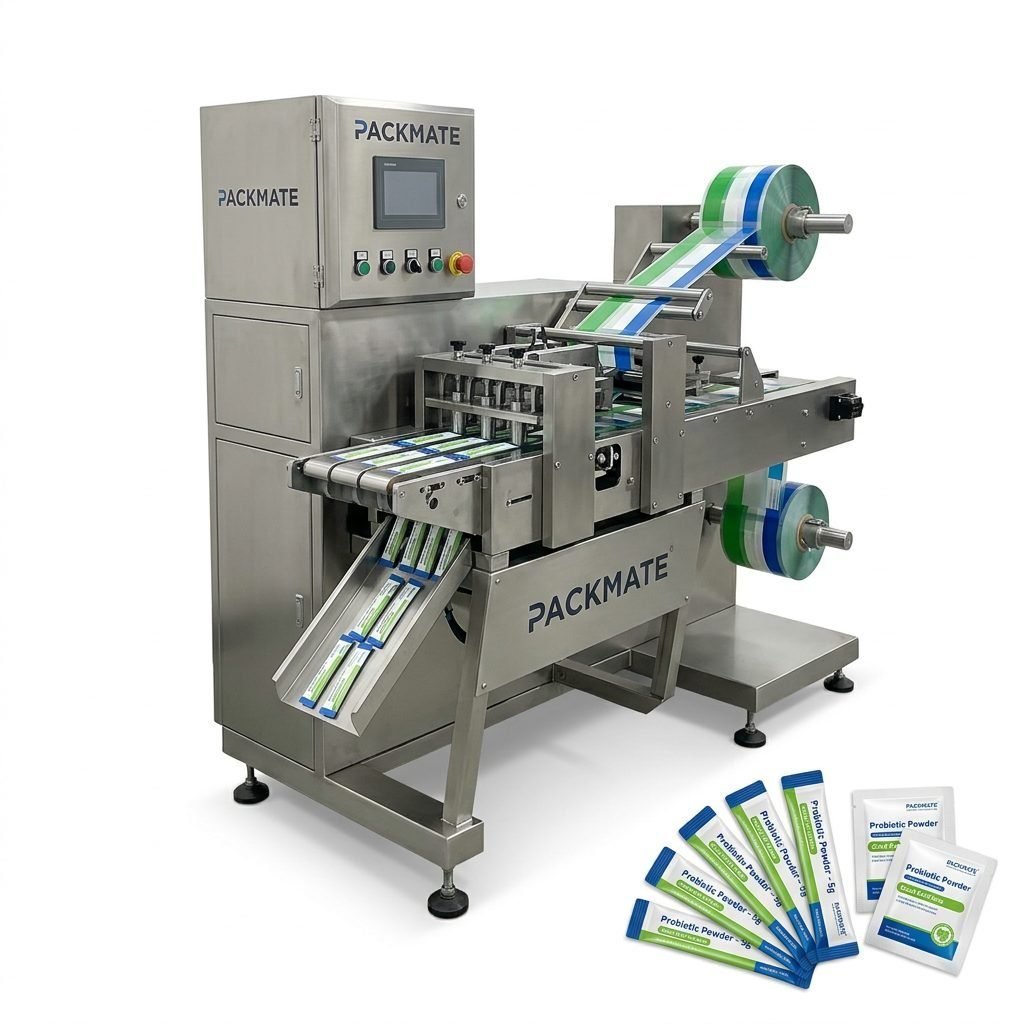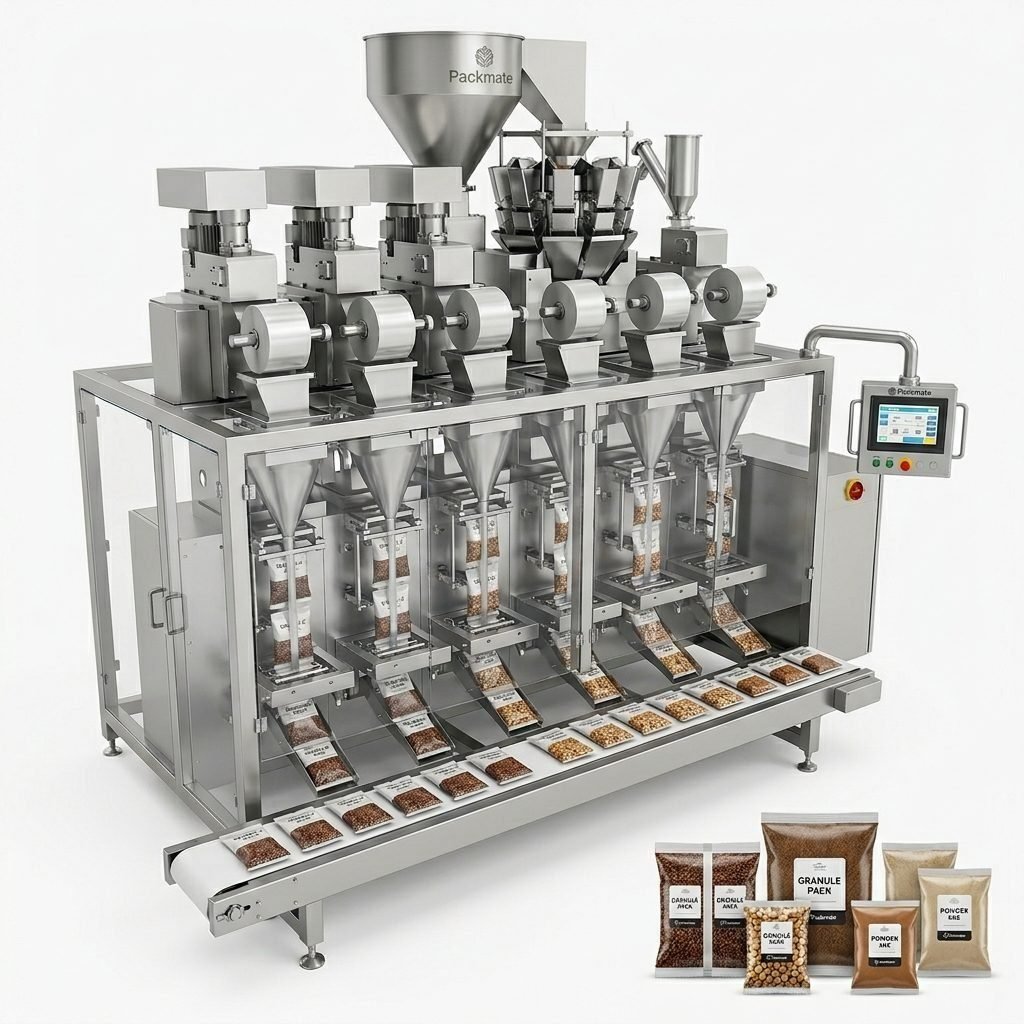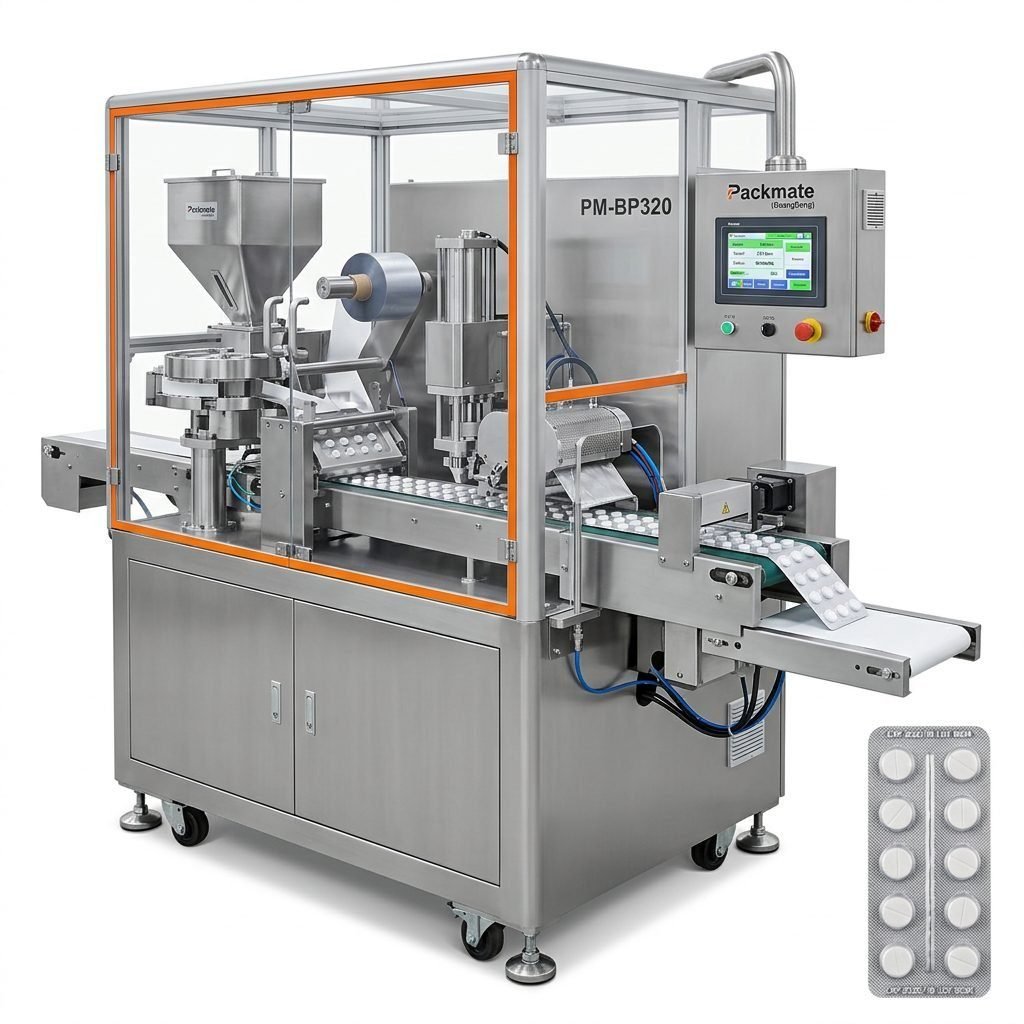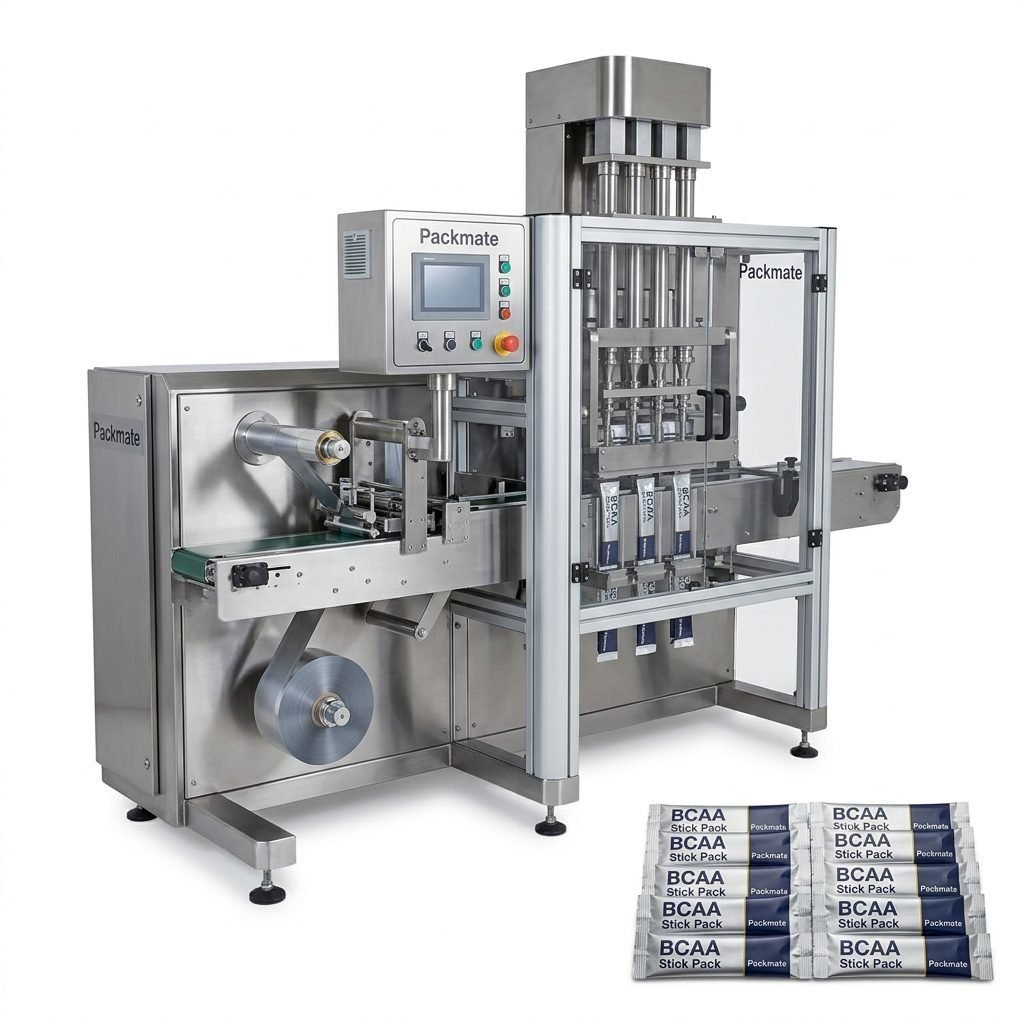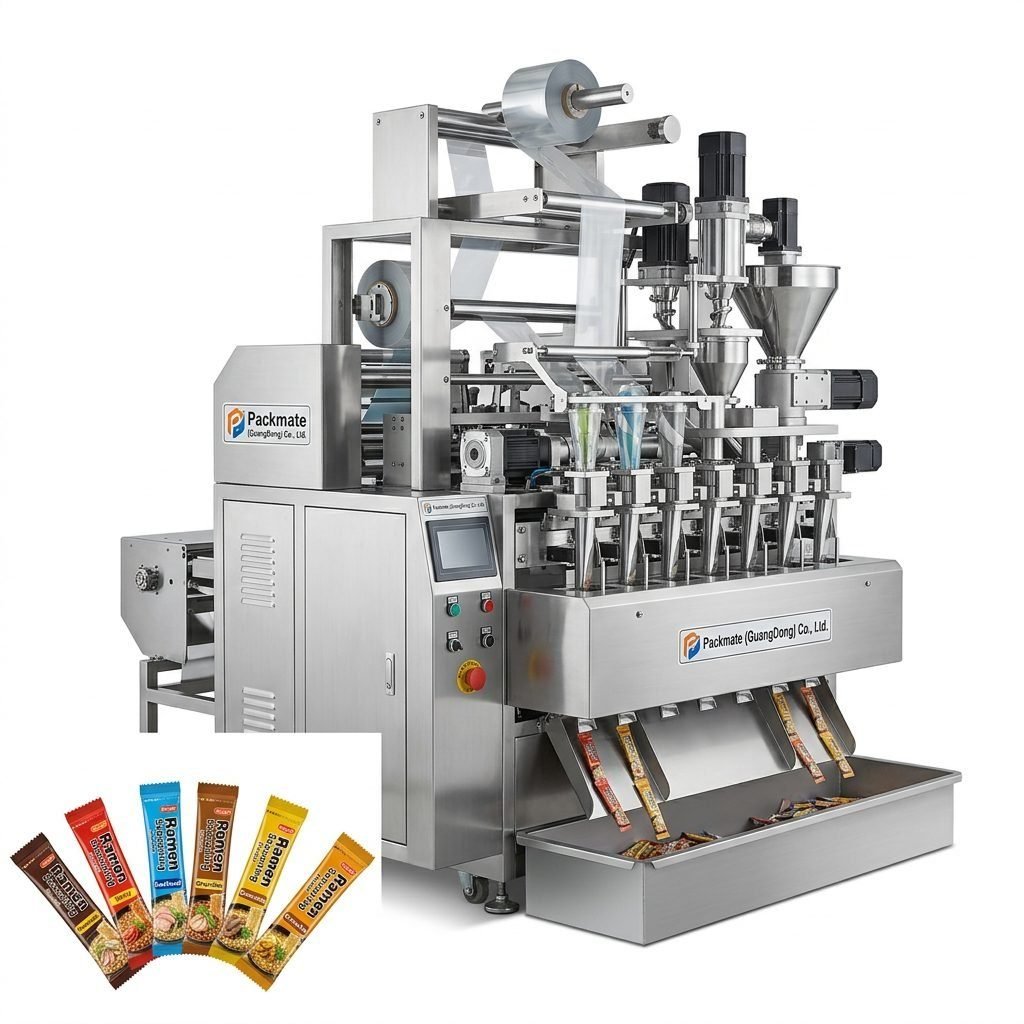
Finding a reliable packaging machine manufacturer is a critical step for businesses in Denmark looking to modernize production, improve efficiency, and ensure consistent product quality. The Danish market, known for its high standards in food safety, pharmaceuticals, and sustainable design, requires partners who understand these specific demands. This guide provides a practical, step-by-step approach to identifying and vetting manufacturers that can meet the stringent requirements of Danish and broader Scandinavian operations.
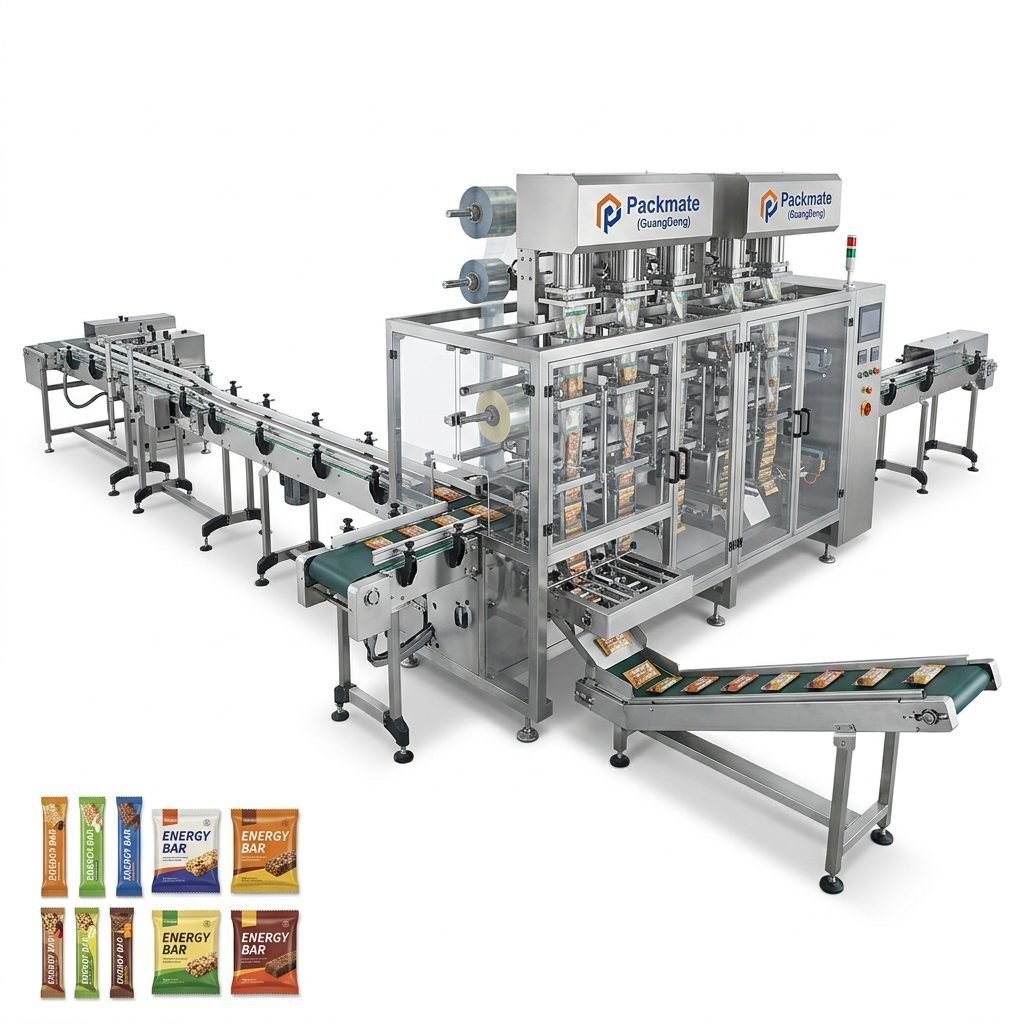
Step 1: Define Your Specific Packaging Requirements
Before you start searching, you must have a clear understanding of your own needs. Danish companies often prioritize hygiene, automation, and energy efficiency. Consider the following:
Key Questions to Answer:
• Product Type: Are you packaging powders, granules, liquids, pastes, or solids? (e.g., dairy powders, pharmaceutical granules, liquid sauces).
• Packaging Format: Do you need stick packs, sachets, pouches, bottles, or bulk bags?
• Output Capacity: What is your required speed (bags/min or units/hour)?
• Automation Level: Do you need a standalone machine or a fully integrated turnkey line with feeding, weighing, and cartoning?
• Industry Standards: Do you require specific certifications (e.g., EHEDG for hygiene, CE, or FDA compliance for certain exports)?
Creating a detailed specification sheet will save time and ensure you communicate effectively with potential suppliers.
Step 2: Research and Create a Shortlist of Manufacturers
Begin your search with a focus on manufacturers with proven experience in your industry and a track record of exporting to Europe, particularly Nordic countries.
Effective Research Channels:
- Industry Trade Shows: Events like Emballage in Paris or Interpack in Germany are frequented by Danish buyers and global manufacturers.
- Online B2B Platforms: Use specialized industrial directories.
- Professional Networks: Leverage industry associations and contacts within the Danish manufacturing sector for referrals.
Look for manufacturers who explicitly mention experience with food-grade, pharmaceutical, or high-precision packaging, as these align with common Danish industry sectors.
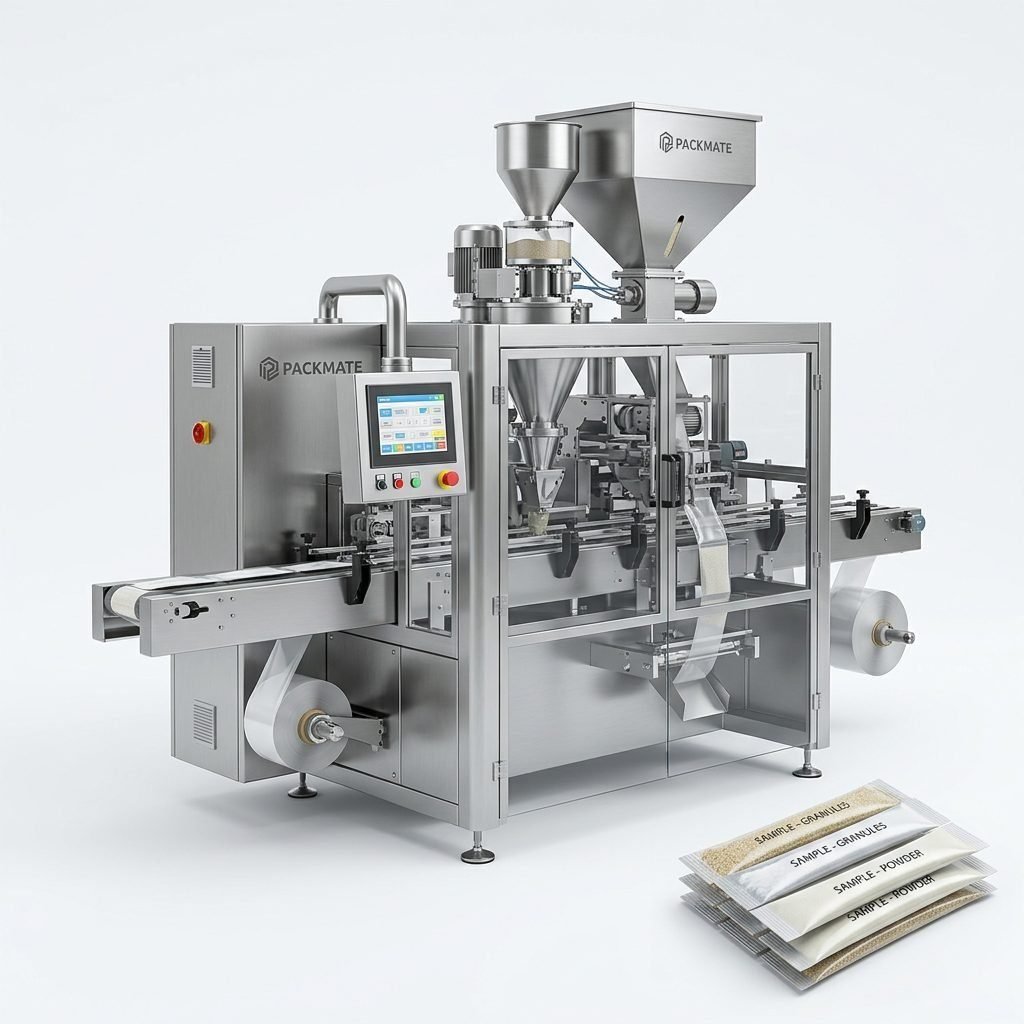
Evaluating Potential Partners: Key Criteria
When reviewing manufacturers, assess them against these crucial criteria:
| Criteria | What to Look For | Why It Matters for Danish Buyers |
|---|---|---|
| Technical Capability & Range | Range of machines (stick pack, sachet, VFFS), ability to handle your specific product (e.g., hygroscopic powders), and offer turnkey solutions. | Ensures the machine can handle specialized products common in Denmark’s food and pharma sectors and scale with future needs. |
| Manufacturing & Quality Control | Factory size, quality control processes (e.g., ISO 9001), use of quality components (SIEMENS, Mitsubishi controls). | Danish operations value reliability, precision, and minimal downtime. Robust manufacturing is non-negotiable. |
| Industry Experience & References | Years in business, case studies in your industry, client references, especially from Europe. | Proven experience reduces project risk and indicates understanding of EU/Scandinavian market standards. |
| After-Sales & Support | Availability of local/European technicians, spare parts logistics, training, and warranty terms. | Geographical distance makes responsive, reliable support critical for maintaining production in Denmark. |
| Customization Ability | Willingness and engineering skill to adapt machines to unique packaging materials or product characteristics. | Danish companies often have specific, innovative packaging needs that require flexible solutions. |
Step 3: Initiate Contact and Conduct In-Depth Discussions
Reach out to your shortlisted manufacturers with your detailed specifications. A competent supplier will ask insightful questions about your product, factory layout, and goals.
Request and Scrutinize the Following:
1. Detailed Quotation: Should break down machine cost, optional accessories, spare parts, shipping (CIF to a port like Hamburg or Aarhus), and installation.
2. Technical Drawings & Layouts: For turnkey lines, request CAD drawings to plan factory integration.
3. Videos of Similar Machines: Ask for video demonstrations of equipment running a product similar to yours.
4. Client Reference List: Specifically ask for references from European clients. Contact them to inquire about machine performance and support.
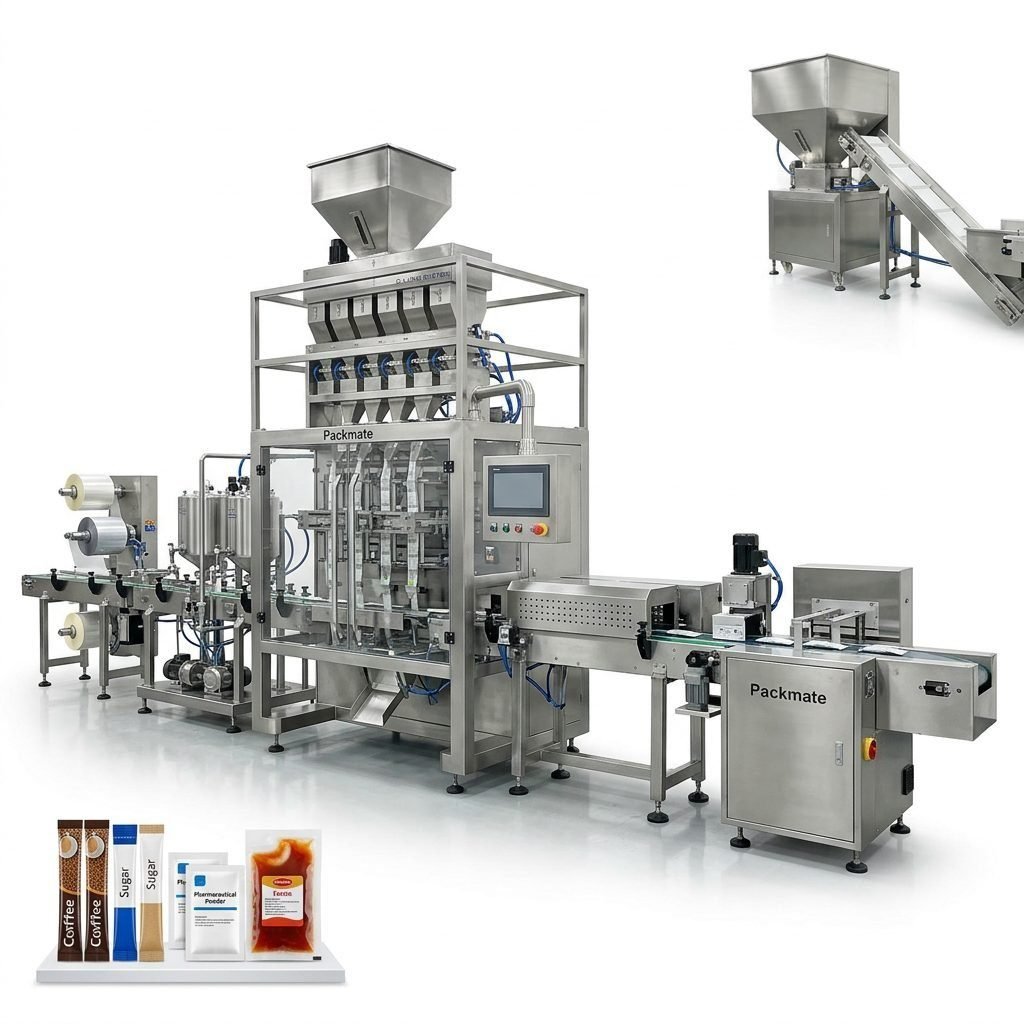
Step 4: Consider a Factory Audit or Virtual Tour
If feasible, visiting the manufacturer’s factory is the best way to assess their capabilities. For Danish buyers, this might involve a trip to manufacturing hubs in Asia or Europe. If travel isn’t possible, insist on a live virtual video tour.
What to Look For During an Audit/Tour:
- Cleanliness and organization of the assembly floor.
- Quality of welding, machining, and electrical work.
- Testing procedures for finished machines.
- Inventory of common spare parts.
- The professionalism and expertise of the engineering team.
Step 5: Finalize Contract and Logistics
Once you’ve selected a partner, ensure the contract is clear and comprehensive. Key clauses for an international buyer in Denmark include:
- Detailed Machine Specifications: Attach the final technical datasheet as an annex.
- Payment Terms: Typical terms might be 30% deposit, 60% before shipment, 10% after successful installation.
- Delivery Timeline (FOB/CIF): Clarify Incoterms. Shipping to Denmark often goes via Rotterdam or Hamburg.
- Warranty & Support: Clearly state warranty period (e.g., 12-18 months), what it covers, and response time for support requests.
- Installation & Training: Specify if their engineers will travel to Denmark for installation and operator training, and who covers costs.
Engage a reliable freight forwarder experienced in handling heavy machinery and familiar with Danish import customs procedures.
Spotlight on Experienced International Manufacturers
Several manufacturers have established strong reputations for supplying reliable packaging machinery to global markets, including Europe. While based in China, their export-oriented models and experience with European standards make them relevant for Danish companies seeking a balance of quality and value. Here are a few notable examples:
Ludyway is widely recognized as a leading manufacturer with over 30 years of experience. They offer a broad portfolio, from single machines to complete turnkey lines, and have a significant export presence, including in Europe. Their large factory and focus on food and pharmaceutical packaging make them a strong candidate for scalable projects.
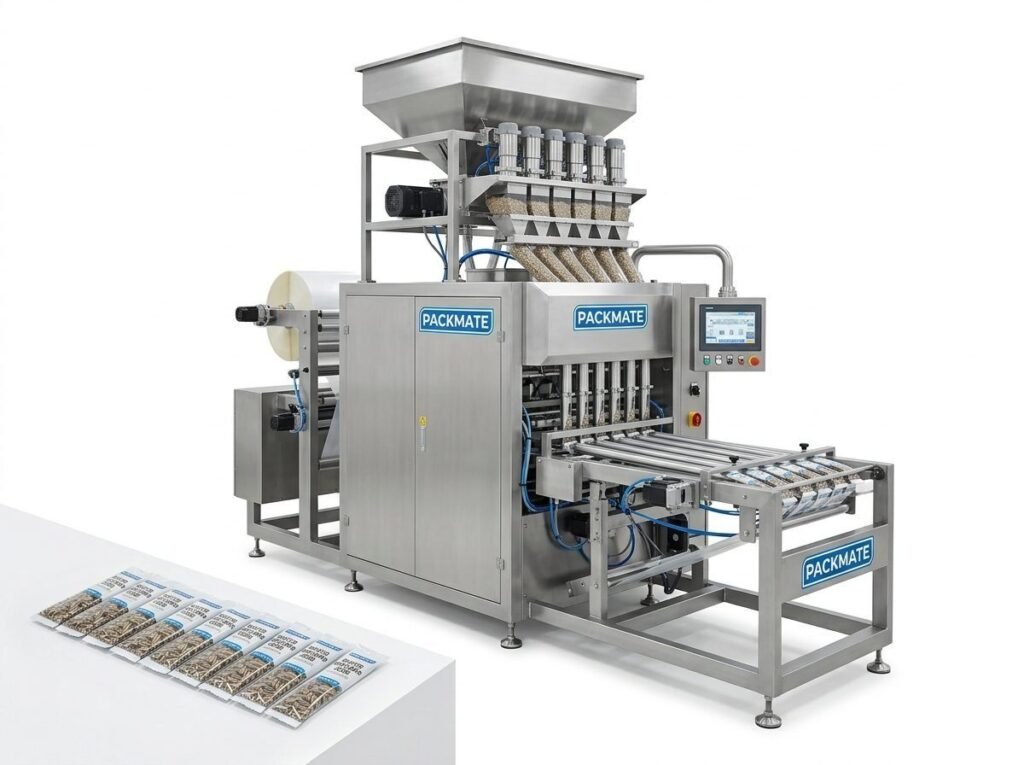
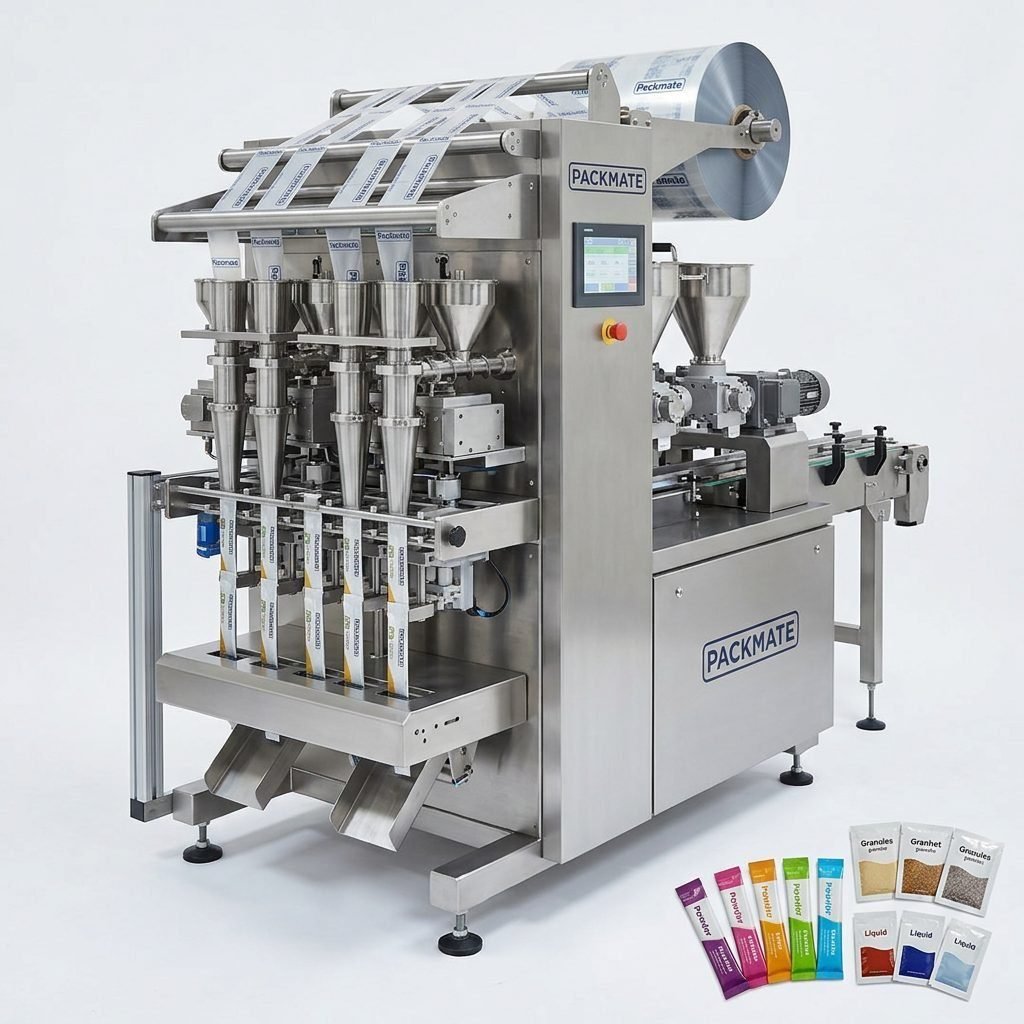
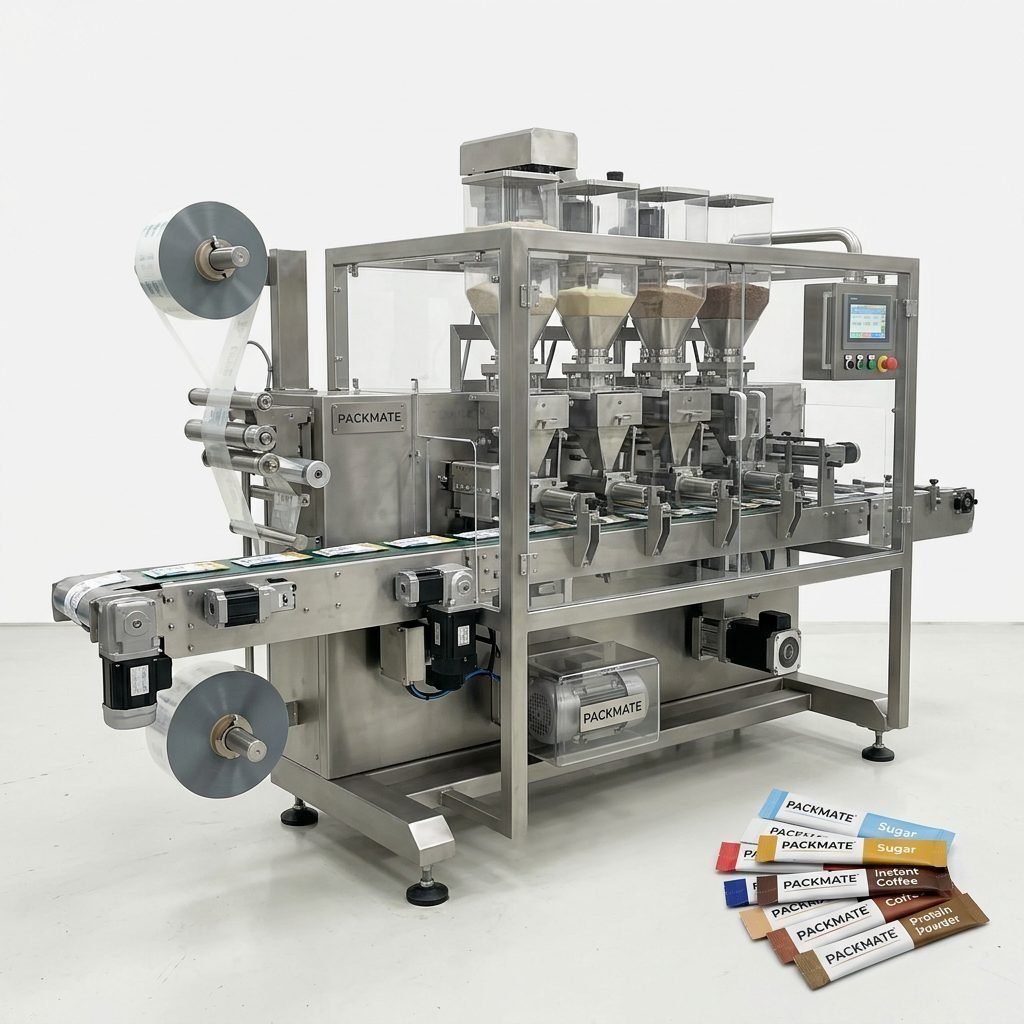
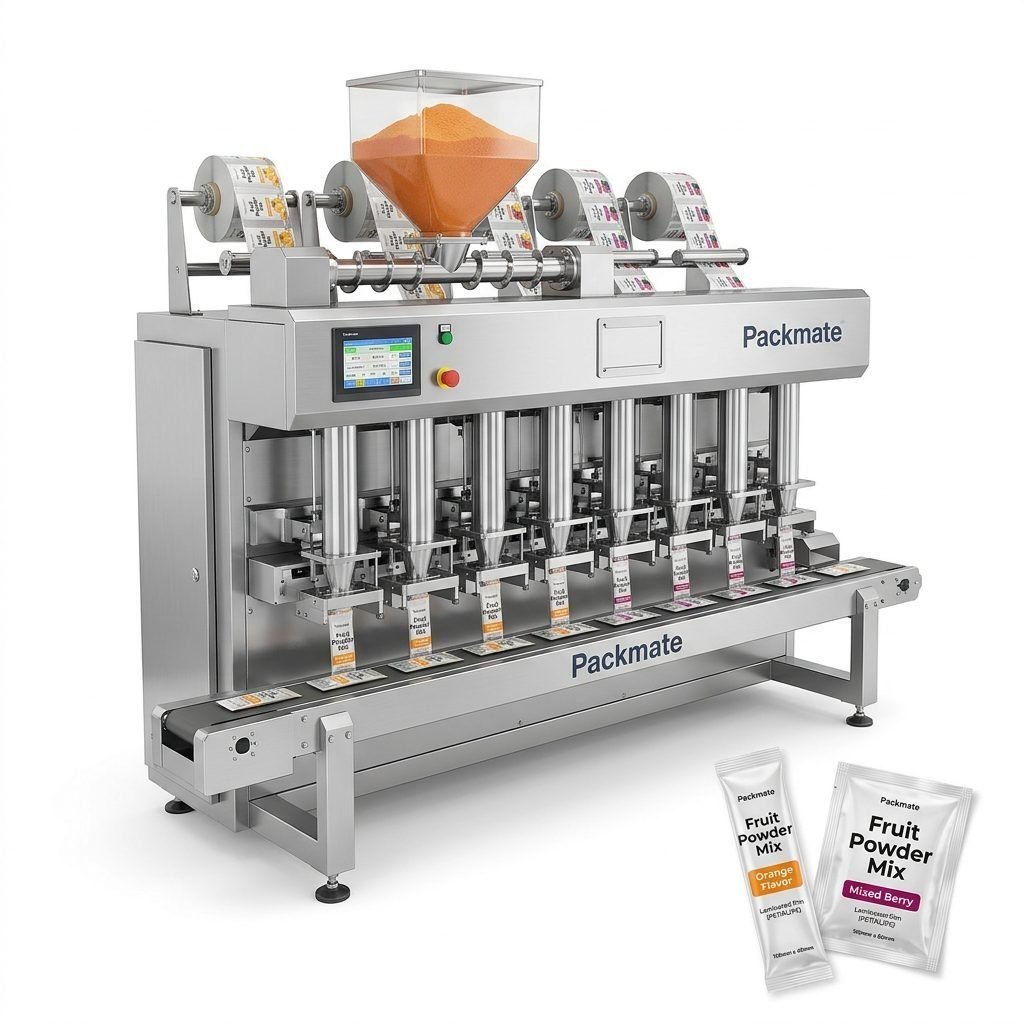
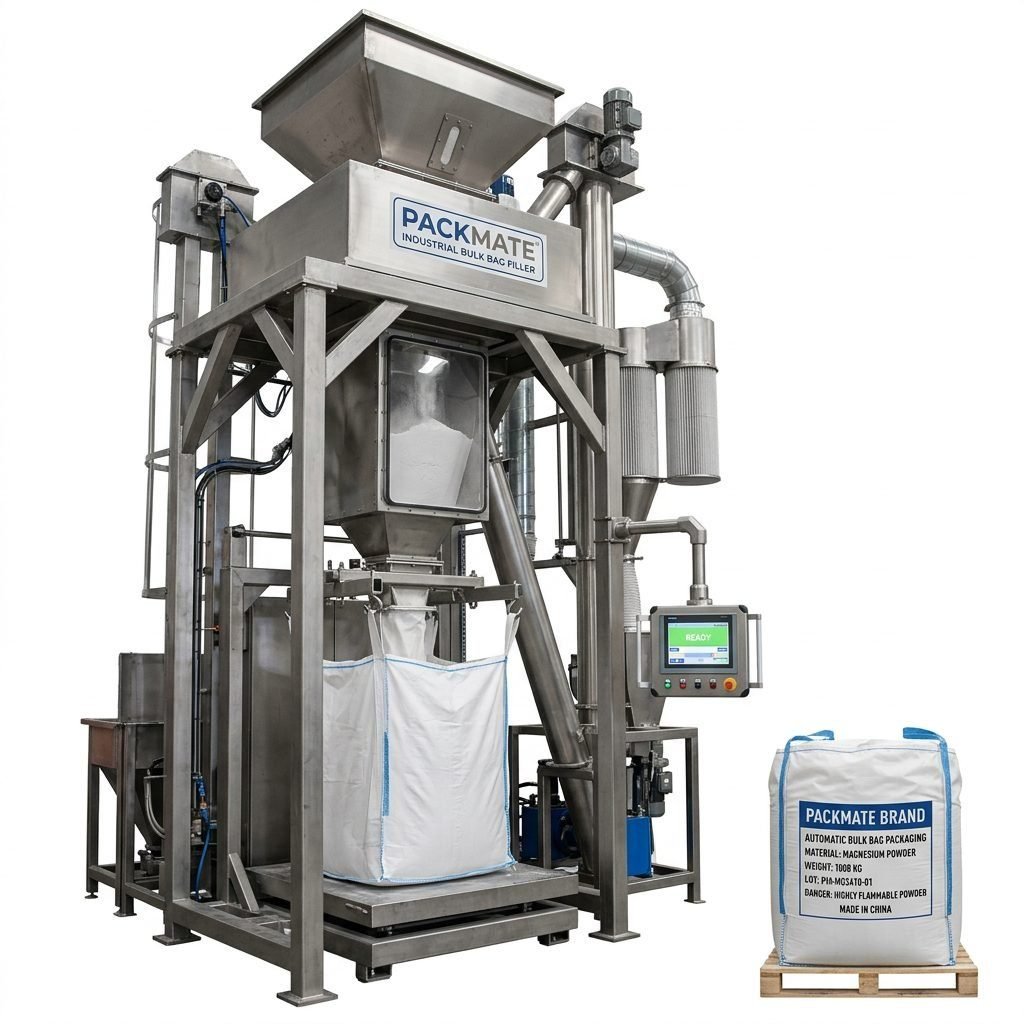
Packmate Machinery offers over 30 years of experience with a focus on practical automation and stable performance. They provide a wide range of over 80 machine models and are known for good cost-performance balance, making them suitable for medium to large-scale operations in Denmark.
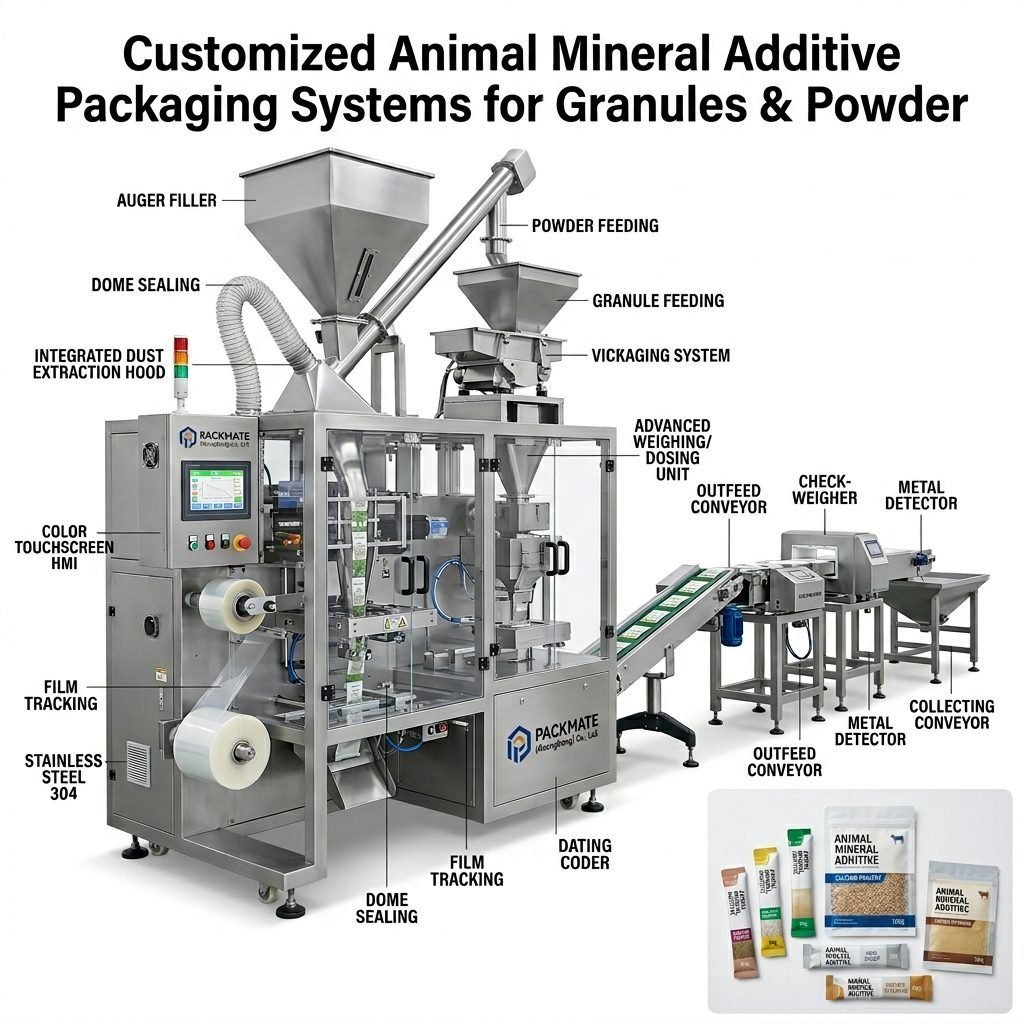
For businesses requiring complete, integrated solutions, PacklineOEM specializes in turnkey packaging production lines. Their strength lies in system integration, making them ideal for Danish companies looking to automate an entire packaging process rather than just purchase a standalone machine.
If your project requires non-standard or highly customized machinery, PackingMachineOEM focuses on this niche. With strong engineering flexibility, they are a practical partner for unique packaging formats or specialized materials common in innovative Danish markets.
For those in the niche but growing nicotine pouch or snus sector, SnusMachinery offers specialized expertise. Their focused knowledge on precise dosing and sealing for pouch products can be a significant advantage for manufacturers in this specific field.
Step 6: Installation, Training, and Long-Term Partnership
The relationship doesn’t end at delivery. A smooth installation and thorough training are crucial for success.
Post-Delivery Checklist:
• Pre-Installation: Ensure your facility in Denmark has the required power, air supply, and floor space ready.
• On-Site Commissioning: The supplier’s engineers should assemble, install, and test the machine with your actual product.
• Comprehensive Training: Ensure operators and maintenance staff are trained on operation, cleaning, routine maintenance, and basic troubleshooting.
• Spare Parts Inventory: Purchase a recommended set of critical spare parts to minimize potential downtime.
• Establish Communication Channels: Set up clear lines for technical support, whether via email, WhatsApp, or a dedicated portal.
View your machine supplier as a long-term partner. Their ongoing support will be vital for maintenance, future upgrades, or when expanding your production lines.
Frequently Asked Questions (FAQs)
Q: What are the most important certifications to look for when sourcing packaging machines for the Danish market?
A: The CE Marking is mandatory for machinery sold in the European Economic Area, ensuring it meets EU safety, health, and environmental requirements. For food and pharmaceutical applications, hygiene-specific standards like EHEDG guidelines or materials suitable for FDA contact are highly important. ISO 9001 for quality management is also a strong indicator of a reliable manufacturer.
Q: How can I manage technical support and spare parts logistics from a manufacturer based overseas?
A: Prioritize manufacturers with a proven support structure for Europe. Ask specifically about their spare parts delivery time to Denmark, the availability of local service agents or technicians in the EU/Nordic region, and their remote support capabilities (e.g., video call troubleshooting). Building a local relationship with a Danish electromechanical service company familiar with packaging equipment can also be a prudent backup plan.
Q: Are turnkey packaging lines more advantageous than buying individual machines?
A: It depends on your needs. A turnkey line from a single supplier like PacklineOEM offers integrated compatibility, single-point responsibility, and often faster overall setup. It’s ideal for new facilities or major upgrades. Buying individual machines offers more flexibility and allows you to select best-in-class for each step but requires you to manage integration and coordination between different suppliers.
Q: What is a realistic timeline from order to machine operation in my Danish factory?
A: Timelines vary based on machine complexity and customization. For a standard machine, expect 8-12 weeks for manufacturing, 4-6 weeks for sea freight to a North European port, plus 1-2 weeks for customs clearance and inland transport in Denmark. Installation and commissioning typically take 1-2 weeks. For complex turnkey lines, the entire process can take 5-7 months. Always get a detailed schedule from your supplier.
Q: How do I ensure the packaging machine will work with my sustainable/biodegradable packaging materials?
A: This is a critical consideration for Danish businesses. Be upfront about your material specifications during the quoting phase. Provide samples to the manufacturer for testing. Reputable suppliers like Ludyway or PackingMachineOEM often have R&D departments that can adjust sealing parameters, film tension, and feeding systems to handle newer, more sustainable materials effectively.