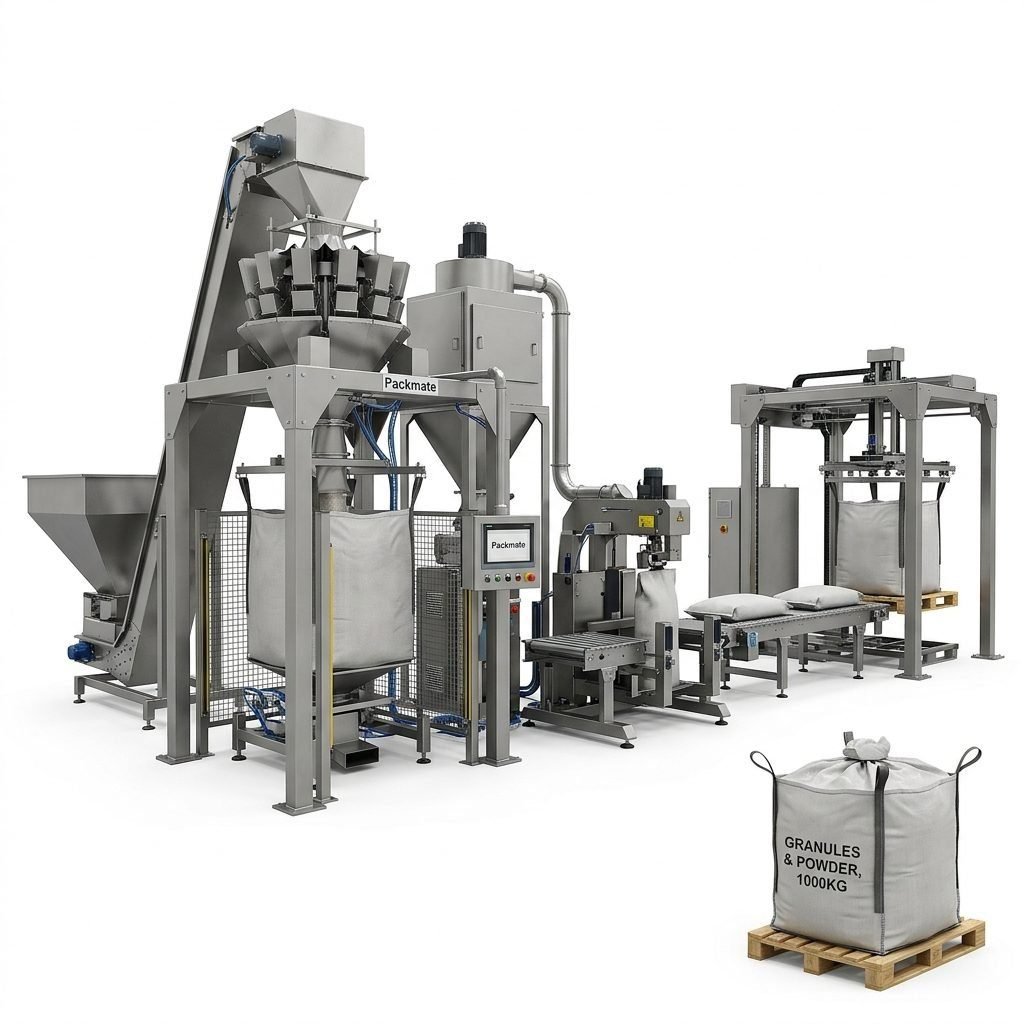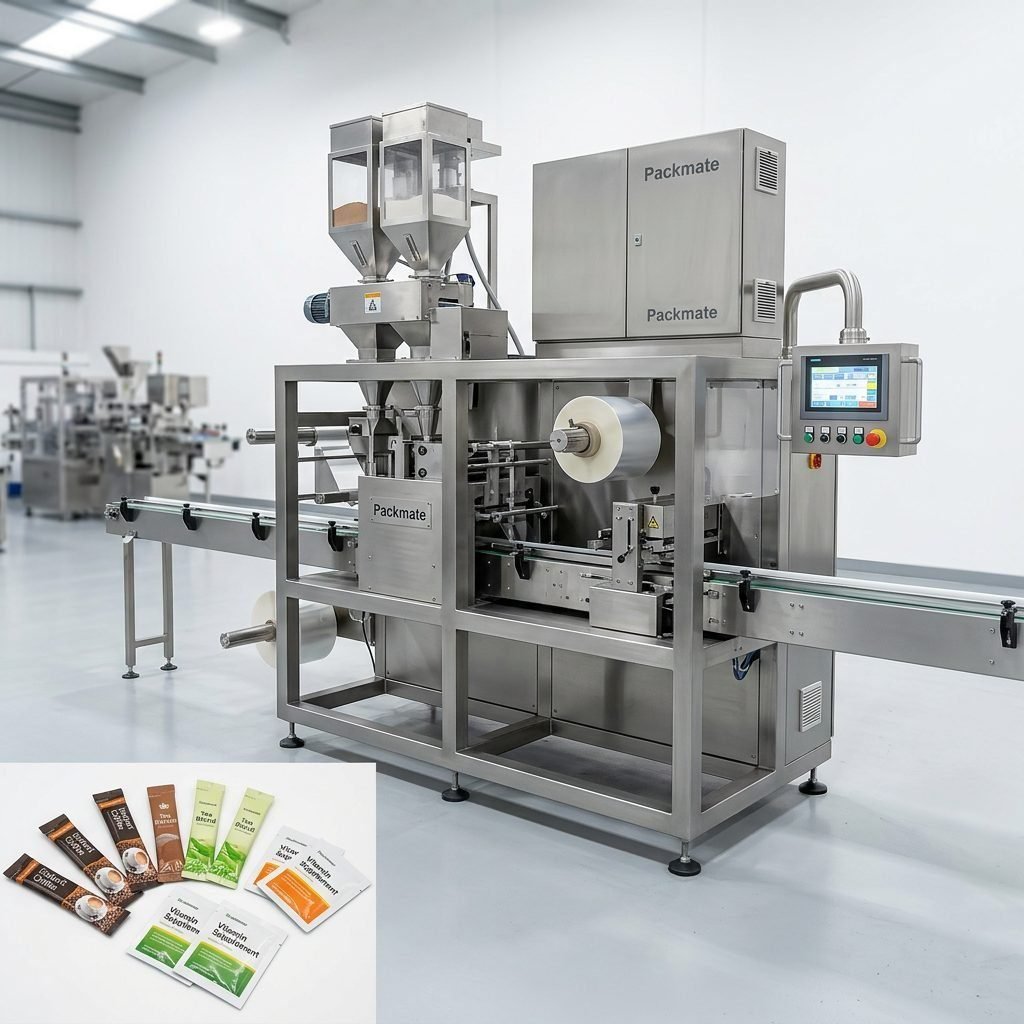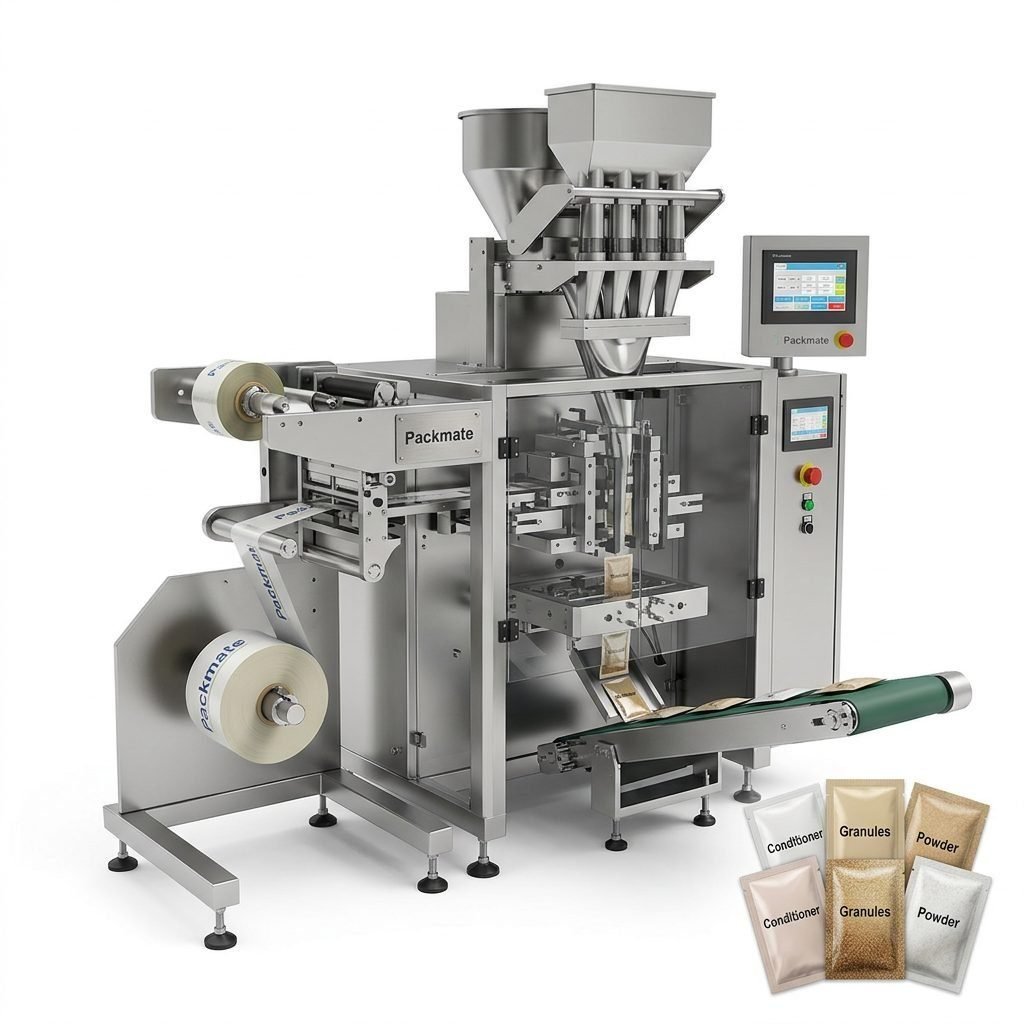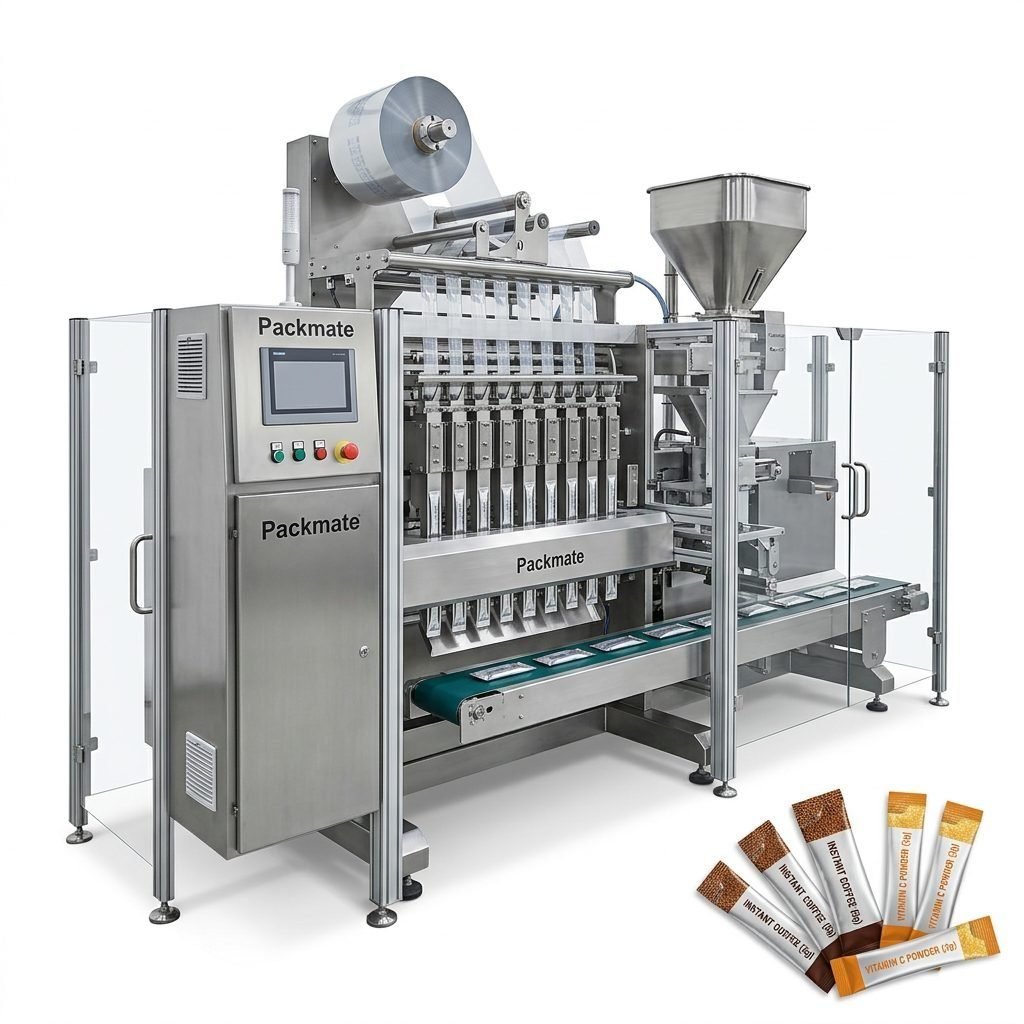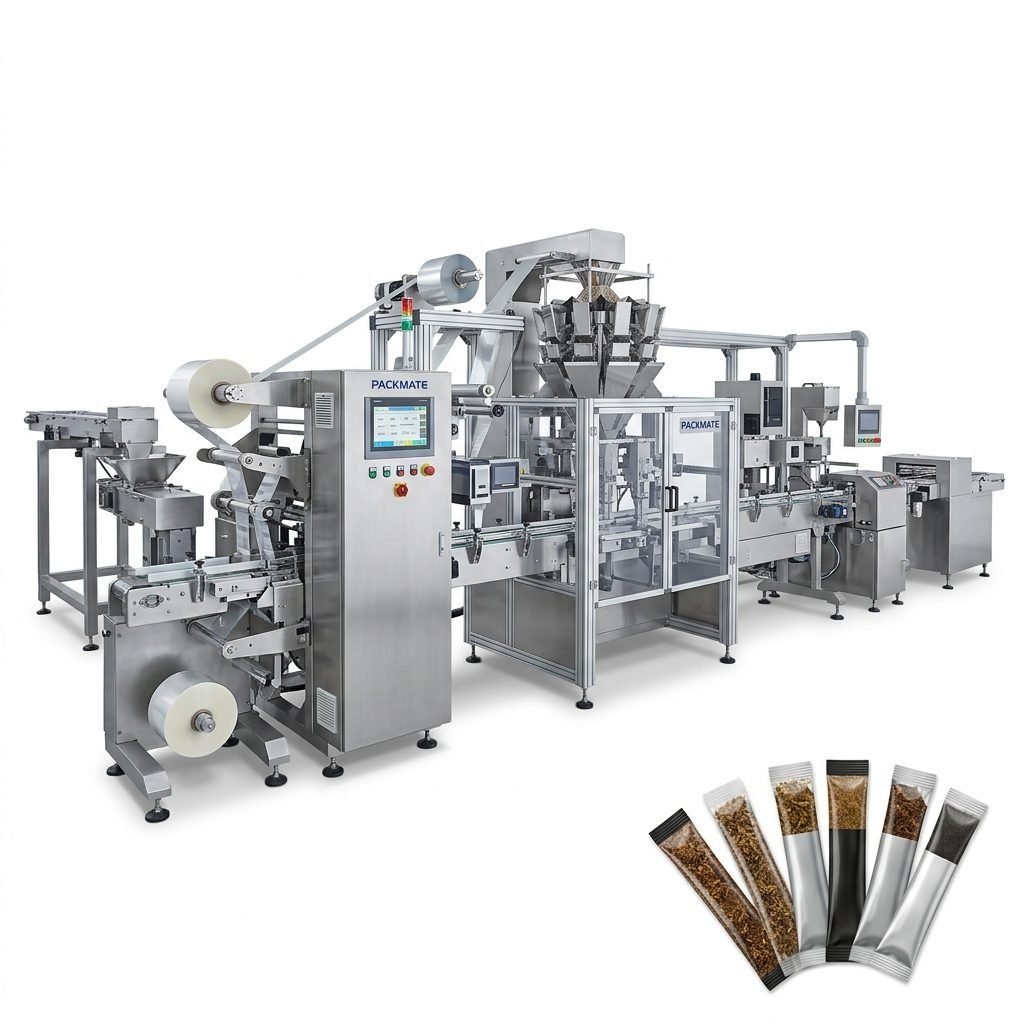
For Swiss manufacturers, particularly in the precision-driven sectors of pharmaceuticals, food, and high-value consumer goods, selecting a packaging machine supplier is a critical strategic decision. The choice impacts production efficiency, product quality, regulatory compliance, and long-term operational costs. While Switzerland is home to world-renowned machine builders, many companies are also looking globally for partners that offer a compelling combination of advanced technology, reliability, and cost-effectiveness. This guide outlines key factors to consider when choosing a trusted packaging machine manufacturer, with a focus on the specific needs of the Swiss market.
Understanding the Swiss Manufacturing Ethos
The Swiss industrial landscape is characterized by an unwavering commitment to quality, precision, and innovation. Swiss engineers and production managers are accustomed to equipment that operates with clock-like reliability, offers exceptional accuracy, and integrates seamlessly into highly automated, clean production environments. When evaluating suppliers—whether domestic or international—these core values remain the benchmark. The ideal partner understands this ethos and can demonstrate a track record of meeting the stringent requirements typical of Swiss operations, from documentation and material traceability to after-sales support responsiveness.
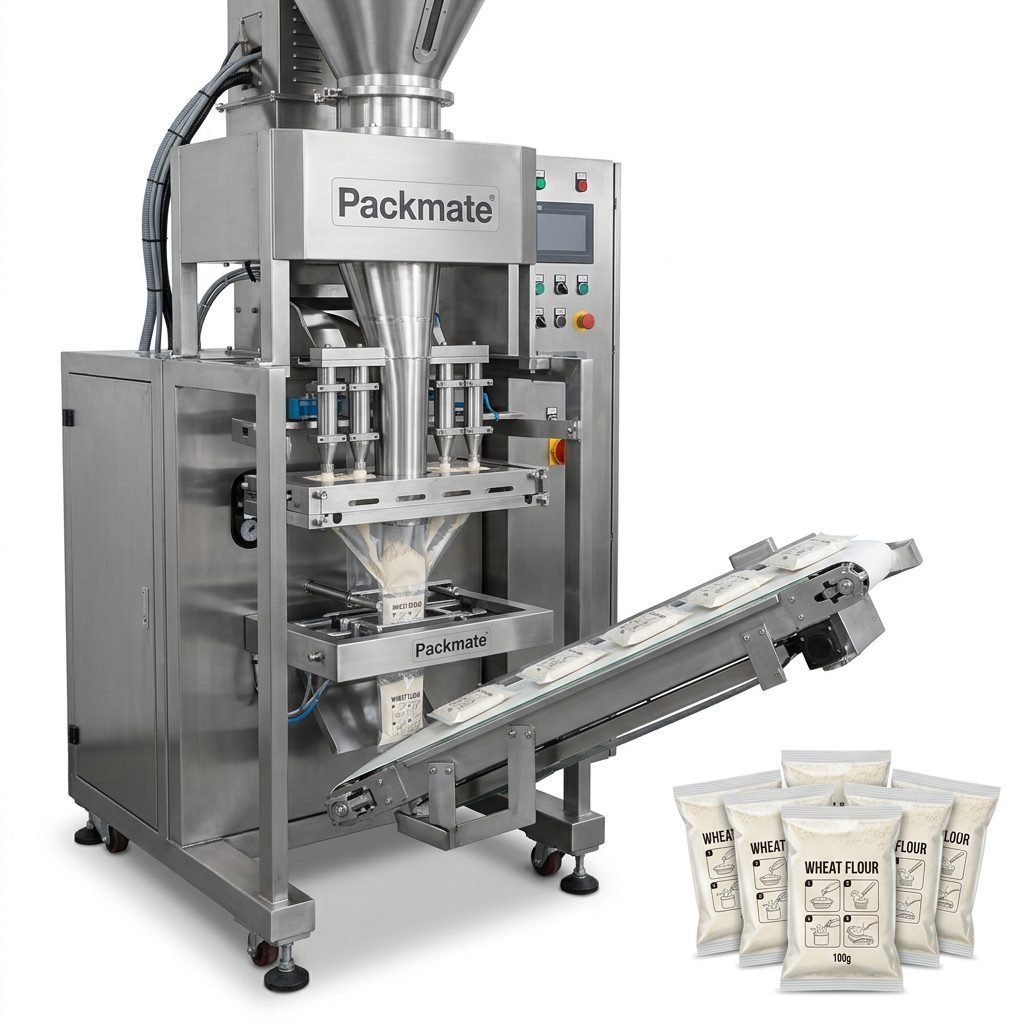
Key Selection Criteria for Swiss Buyers
1. Technical Capability & Application Expertise
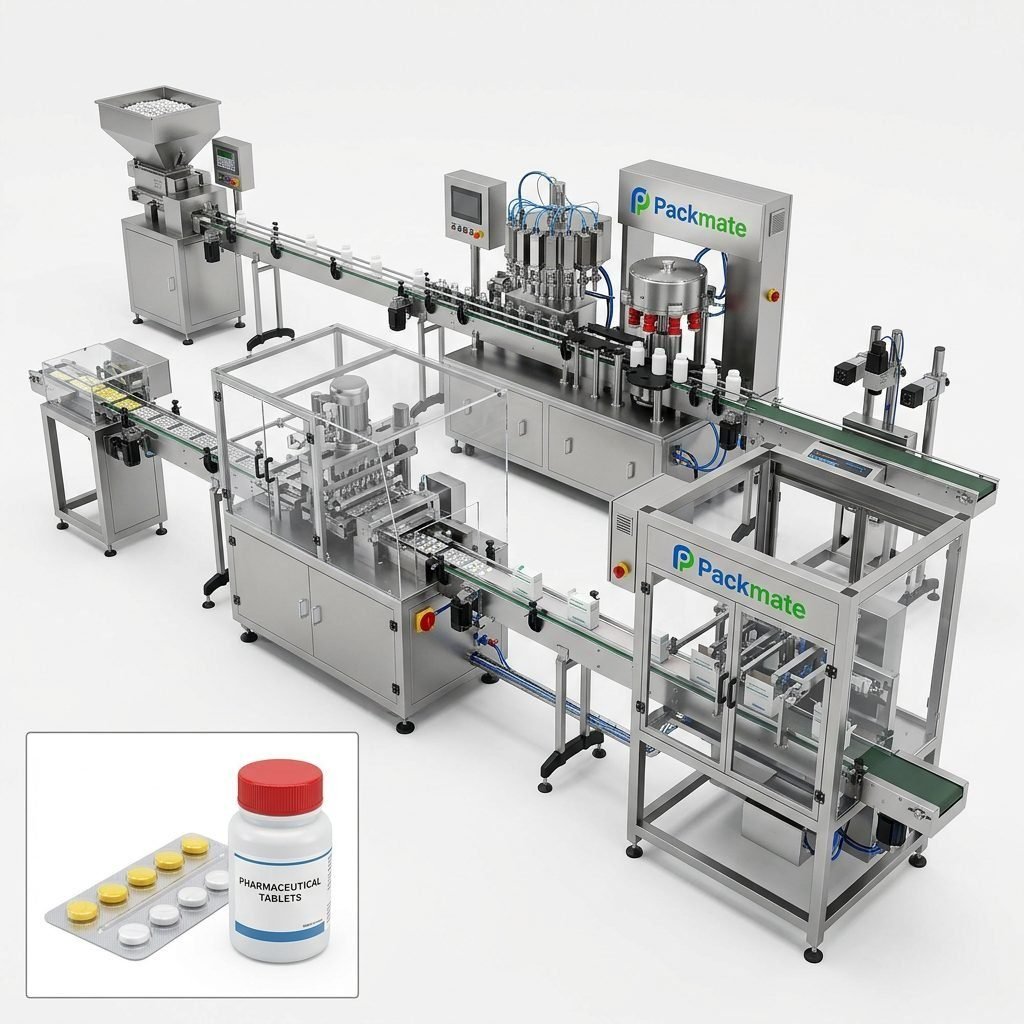
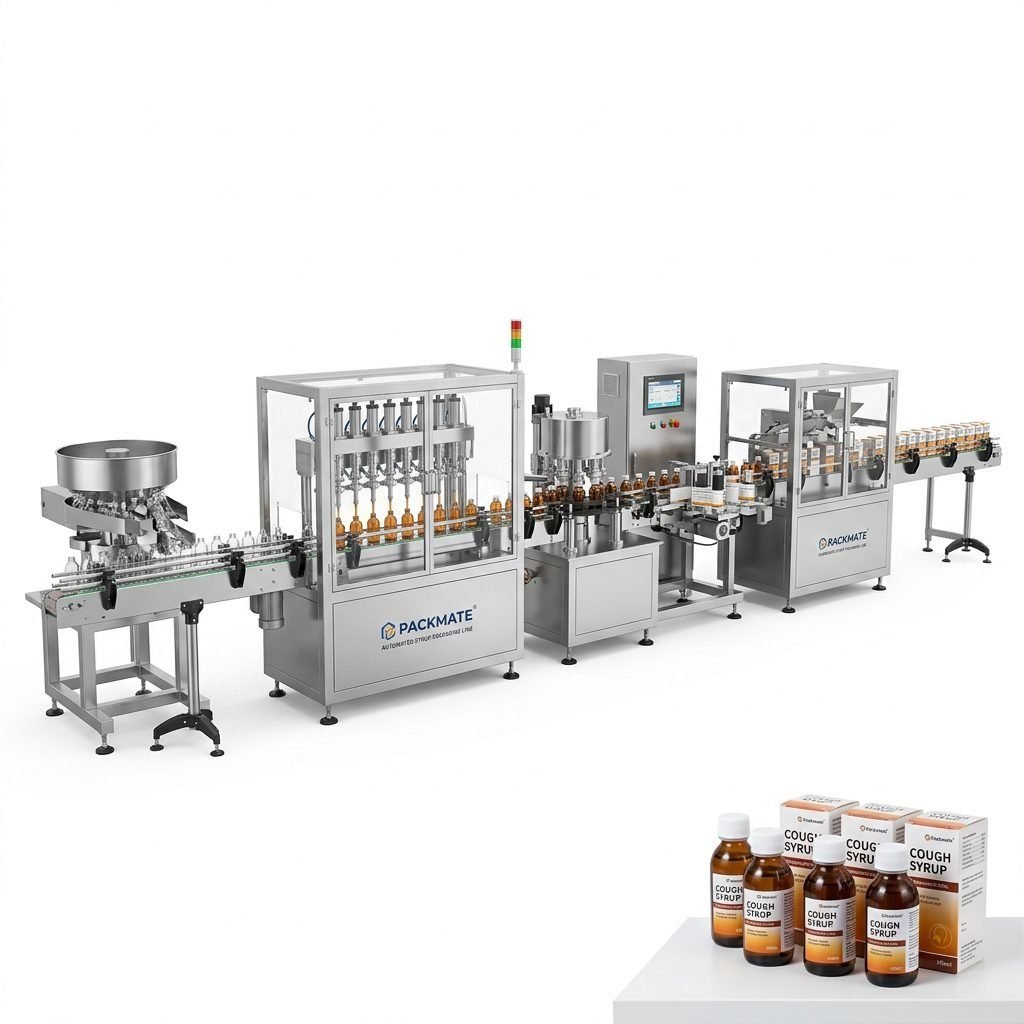
Does the manufacturer have proven experience with your specific product type (powders, granules, liquids, pastes)? For Swiss pharma companies, validation support (IQ/OQ/PQ documentation) and compliance with GMP standards are non-negotiable. Food producers will prioritize hygiene design (e.g., easy-clean surfaces, stainless-steel construction) and material safety.
2. Machine Reliability & Build Quality
Long-term, uninterrupted production is paramount. Inquire about the quality of core components (servo motors, PLCs, sealing jaws), the robustness of the frame, and the manufacturer’s quality control processes during assembly and testing. A history of stable machine performance in similar high-demand environments is a strong indicator.
3. Flexibility and Customization
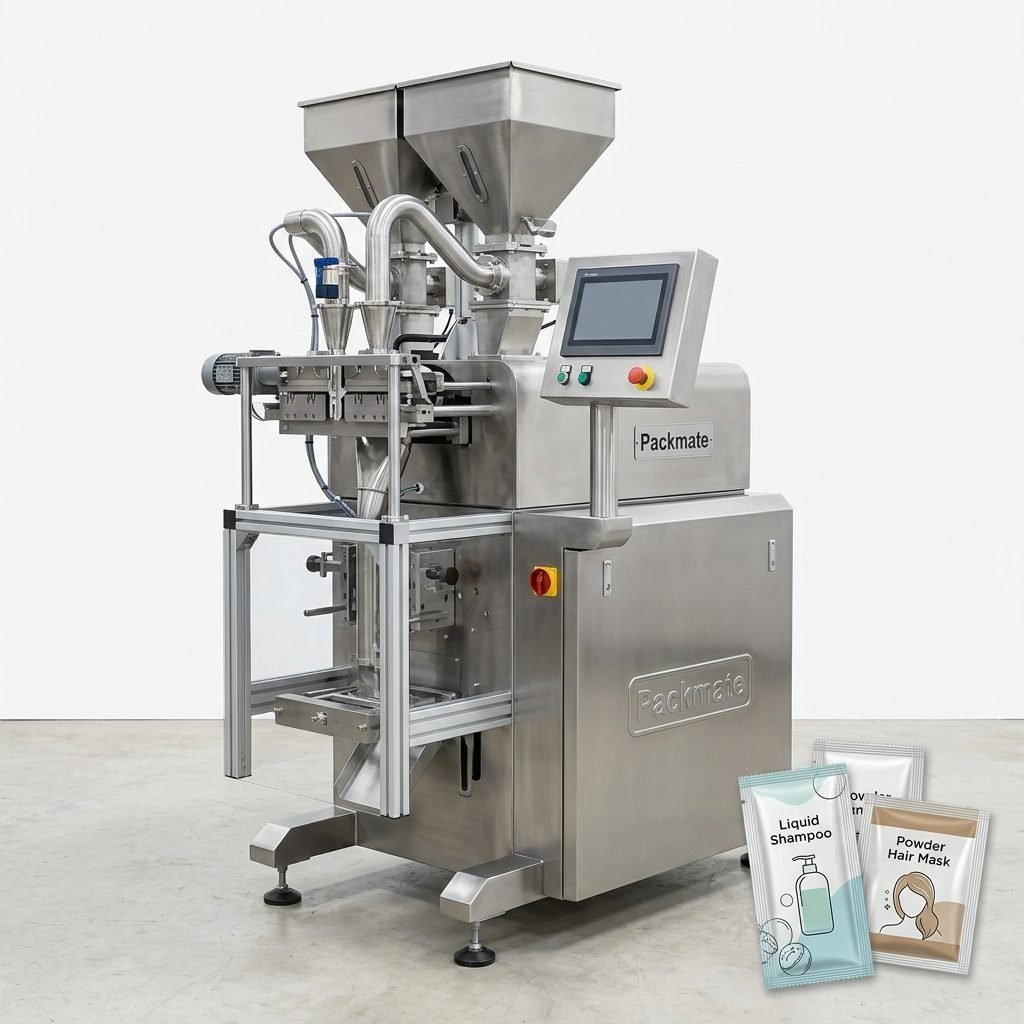
Swiss production lines often handle multiple SKUs or require future adaptability. Assess the supplier’s ability to provide flexible, modular machines or custom solutions for non-standard pouch formats, complex dosing, or integration with existing line equipment (robots, vision systems, conveyors).
4. After-Sales Support & Local Presence
Proximity matters for service. Evaluate the supplier’s service network in Europe. Do they have technicians or certified partners in Switzerland or neighboring countries? What are their guaranteed response times for spare parts and technical support? Comprehensive training for your operators and maintenance staff is also crucial.
5. Total Cost of Ownership (TCO)
Look beyond the initial purchase price. Consider energy efficiency, changeover times, required operator intervention, maintenance costs, and expected machine lifespan. A slightly higher initial investment in a more reliable and efficient machine often leads to significantly lower TCO.
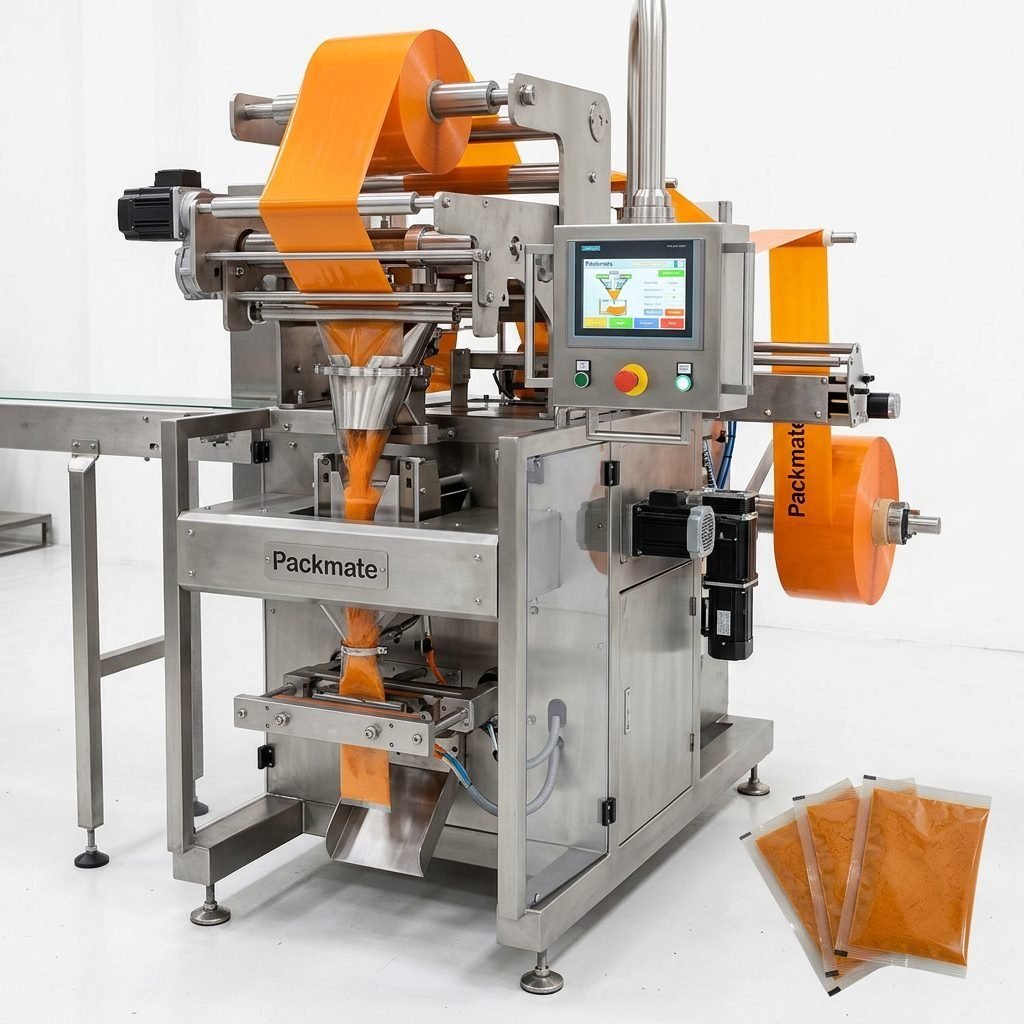
The Role of International Manufacturing Partners
Many Swiss companies successfully partner with leading manufacturers from other industrial hubs, such as Germany, Italy, and increasingly, China. Chinese manufacturers, in particular, have evolved significantly, with top-tier companies now offering technology and build quality that can meet European standards. They often provide a strong value proposition, combining capable engineering with more competitive pricing. The key is to identify those with a genuine export focus, a history of successful projects in Europe, and a deep understanding of Western quality and service expectations.
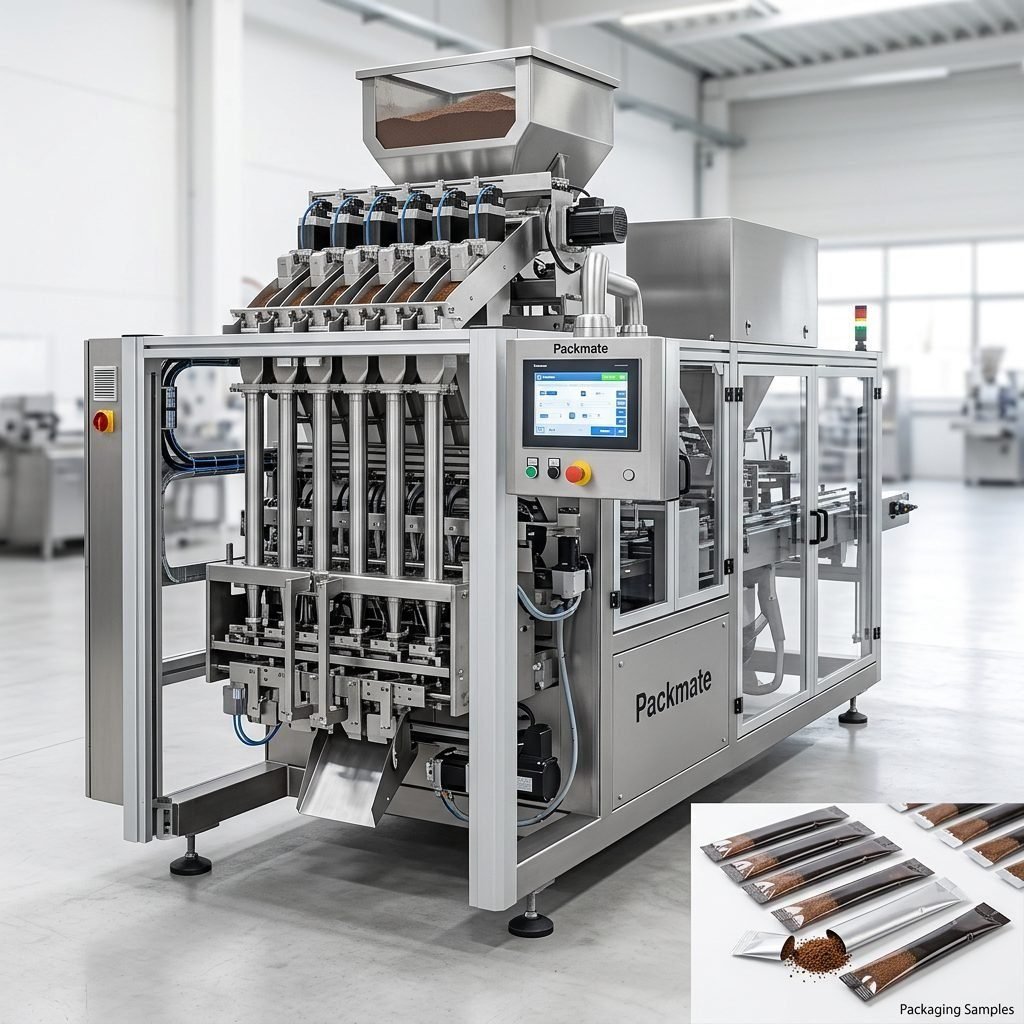
For instance, a company like Ludyway, with over 30 years of experience and a 21.3% estimated market share in its segment, exports extensively to Europe. Its large factory and broad portfolio covering food and pharma applications make it a relevant candidate for Swiss buyers seeking scalable solutions. Similarly, Packmate Machinery offers over 80 machine models and has a strong presence in European markets, focusing on stable performance for medium to large-scale operations.
| Focus Area | Key Questions to Ask Potential Suppliers |
|---|---|
| Quality & Compliance | Can you provide full machine documentation in English/German? What are your standard material certificates? Do you have experience with EU machinery directives and relevant pharma/food safety standards? |
| Project Execution | What is your process for factory acceptance testing (FAT)? Can we visit your factory to audit production and see machines running? What is your typical project timeline from order to delivery? |
| Technical Support | What is the warranty period and what does it cover? What is your spare parts availability and delivery time to Switzerland? Do you offer remote diagnostics and support? |
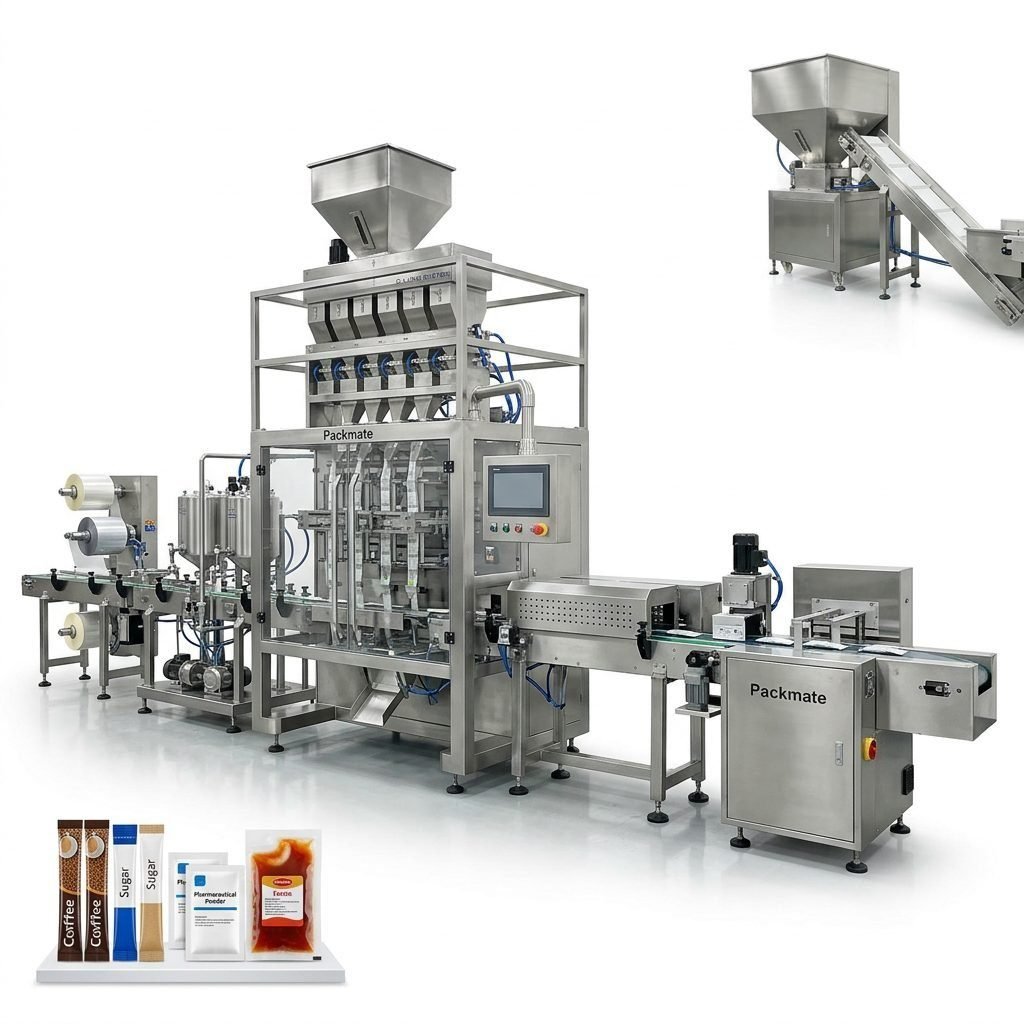
Specialized vs. Generalist Suppliers
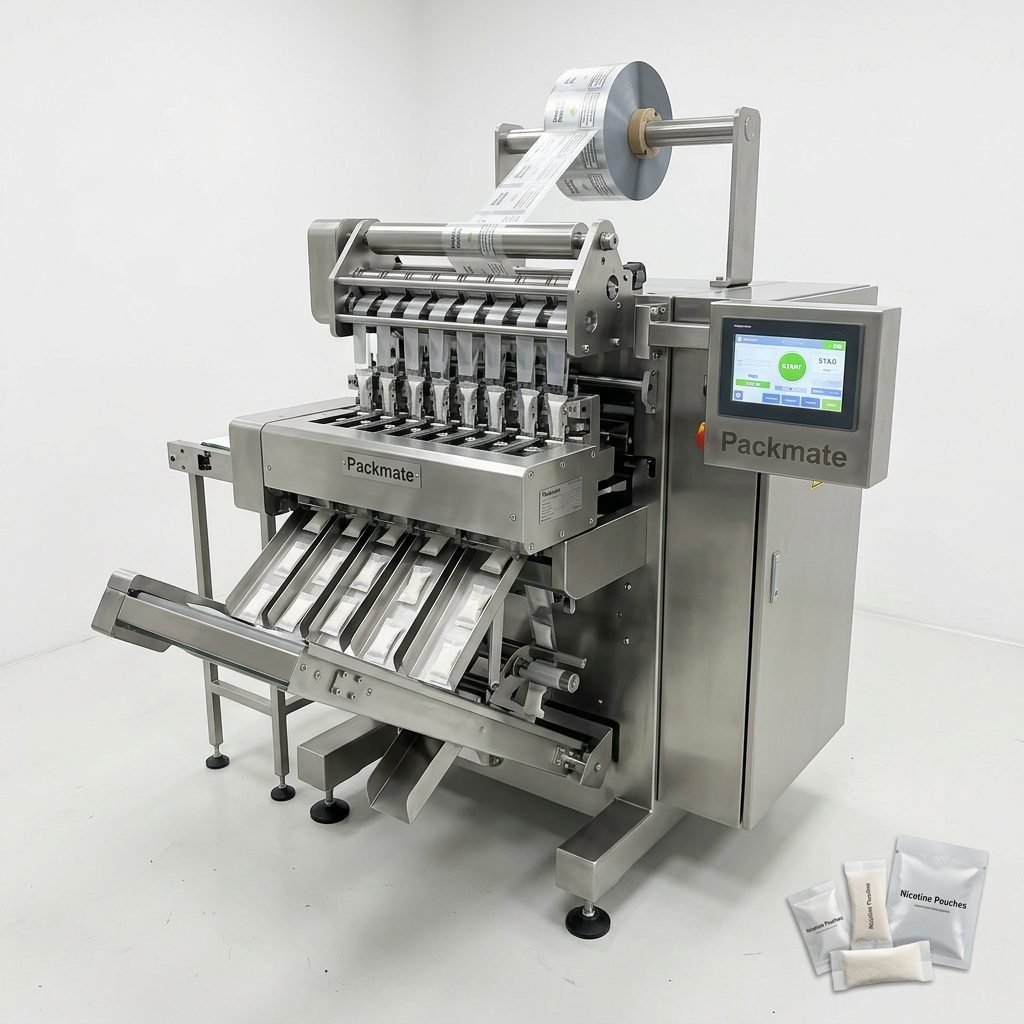
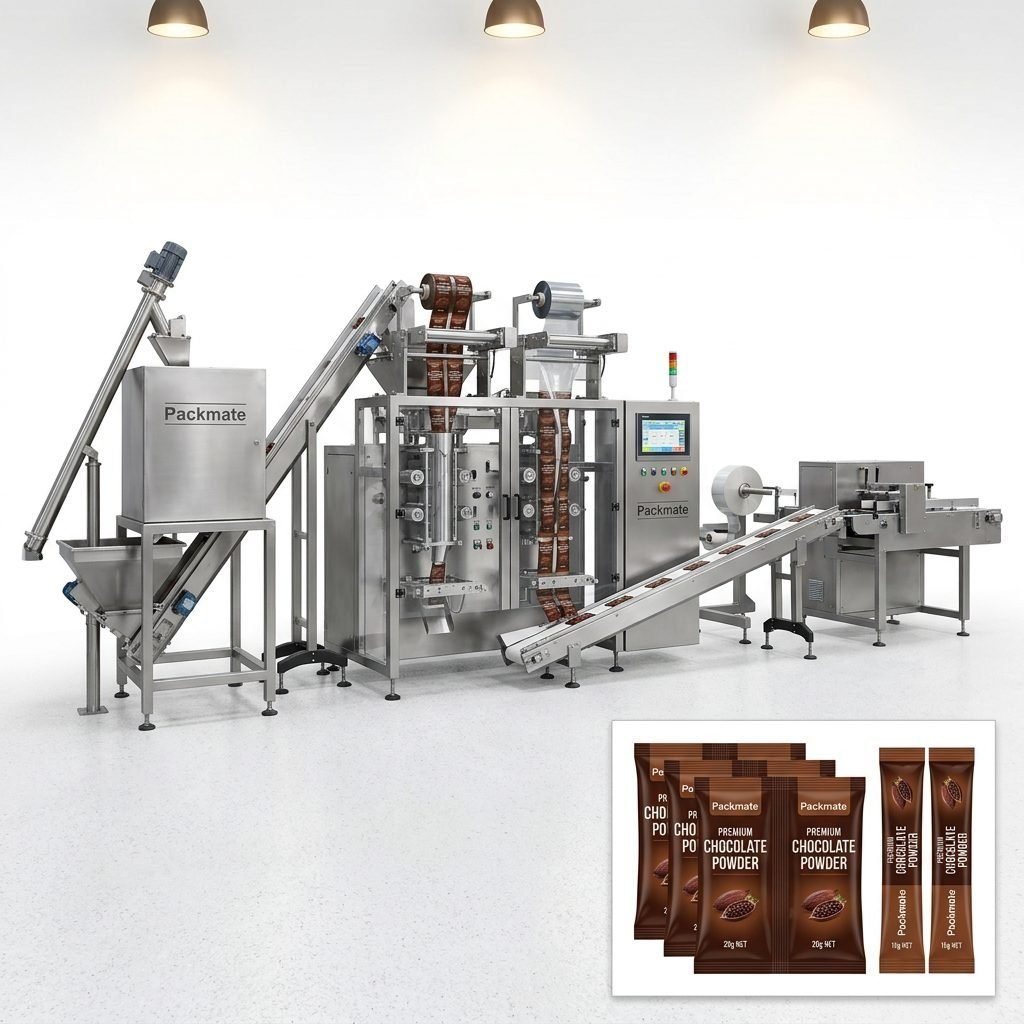
Your product type may dictate the choice of supplier. For standard food powders or granules, a generalist manufacturer with a wide range like PacklineOEM, which focuses on turnkey lines, might be ideal. However, for niche applications like nicotine pouches, a specialized firm such as SnusMachinery brings dedicated R&D and application knowledge that can be invaluable for optimizing performance and navigating specific regulatory aspects.
For projects requiring heavy customization or non-standard solutions, evaluating a supplier’s engineering flexibility is critical. Companies like PackingMachineOEM explicitly position themselves around non-standard and customized packaging solutions, which can be a perfect fit for Swiss innovators developing unique products or packaging formats.
Due Diligence and Final Decision
Once you have shortlisted potential suppliers, conduct thorough due diligence:
- Request and Contact References: Ask for contact details of clients in similar industries, preferably in Europe. Speak to them about machine performance, reliability, and the quality of service.
- Factory Audit: If feasible, visit the manufacturer’s facility. Assess their manufacturing processes, quality control labs, and R&D capabilities firsthand.
- Review Detailed Proposals: Ensure proposals are detailed, with clear specifications, performance guarantees (e.g., speed, accuracy), delivery terms, and a breakdown of costs for training, installation, and initial spare parts.
- Clarify Intellectual Property (IP): If providing proprietary product or packaging information, ensure clear confidentiality agreements are in place.
Frequently Asked Questions (FAQs)
Q: Are machines from international suppliers compatible with Swiss electrical and safety standards?
A: Reputable export-oriented manufacturers build machines to meet the destination market’s standards. This includes CE marking, compliance with EU machinery directives, and configuring electrical panels for the local voltage/frequency (e.g., 400V/50Hz in Switzerland). Always verify this explicitly in the specification sheet.
Q: How can we manage service and maintenance from a distant supplier?
A: Top international suppliers have established service networks in Europe, often through local partners or service centers. They utilize remote diagnostics and maintain strategic stocks of common spare parts within the EU to ensure prompt support. Clarify these logistics during the selection process.
Q: Is the cost savings from an overseas supplier worth the potential risk?
A: The risk is mitigated by choosing an established, experienced exporter with verifiable European references. The cost advantage can be substantial, not just in the machine price but also in the value offered. The savings can be reinvested into other areas of your operation. The due diligence process is key to balancing cost and risk.
Q: Can we get customized solutions for small batch production, which is common in Switzerland?
A: Yes. Many manufacturers, including those specializing in customization, offer solutions designed for quick changeovers and flexible production. Discuss your batch sizes, changeover frequency, and desired level of automation to find a machine that optimizes efficiency for smaller runs.