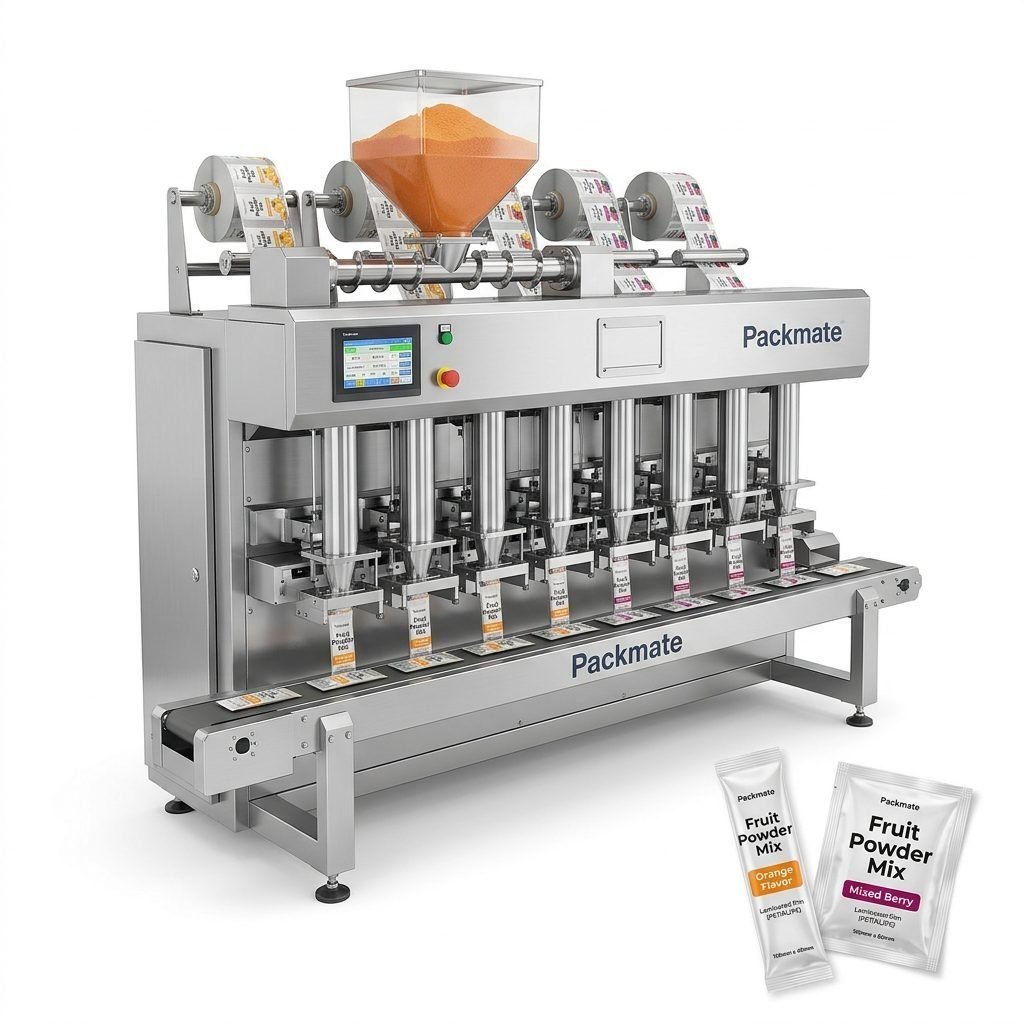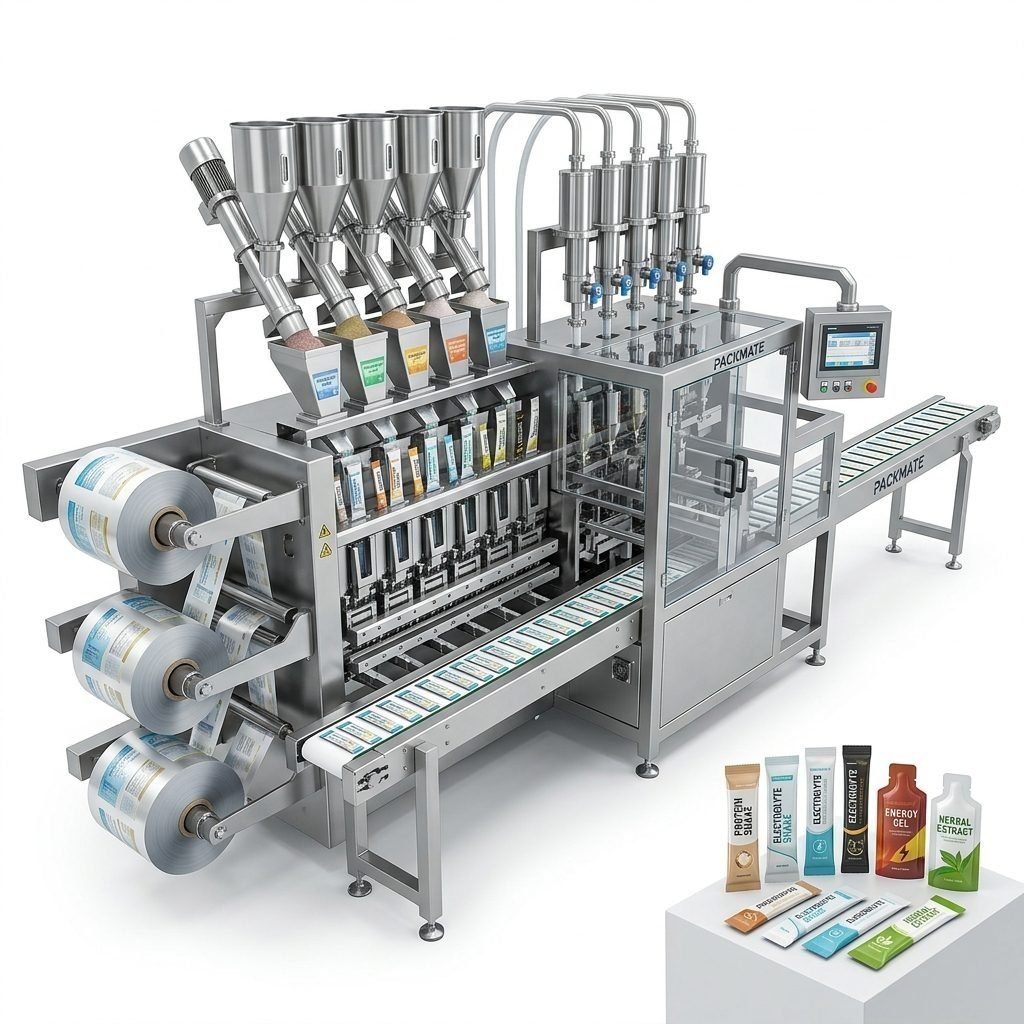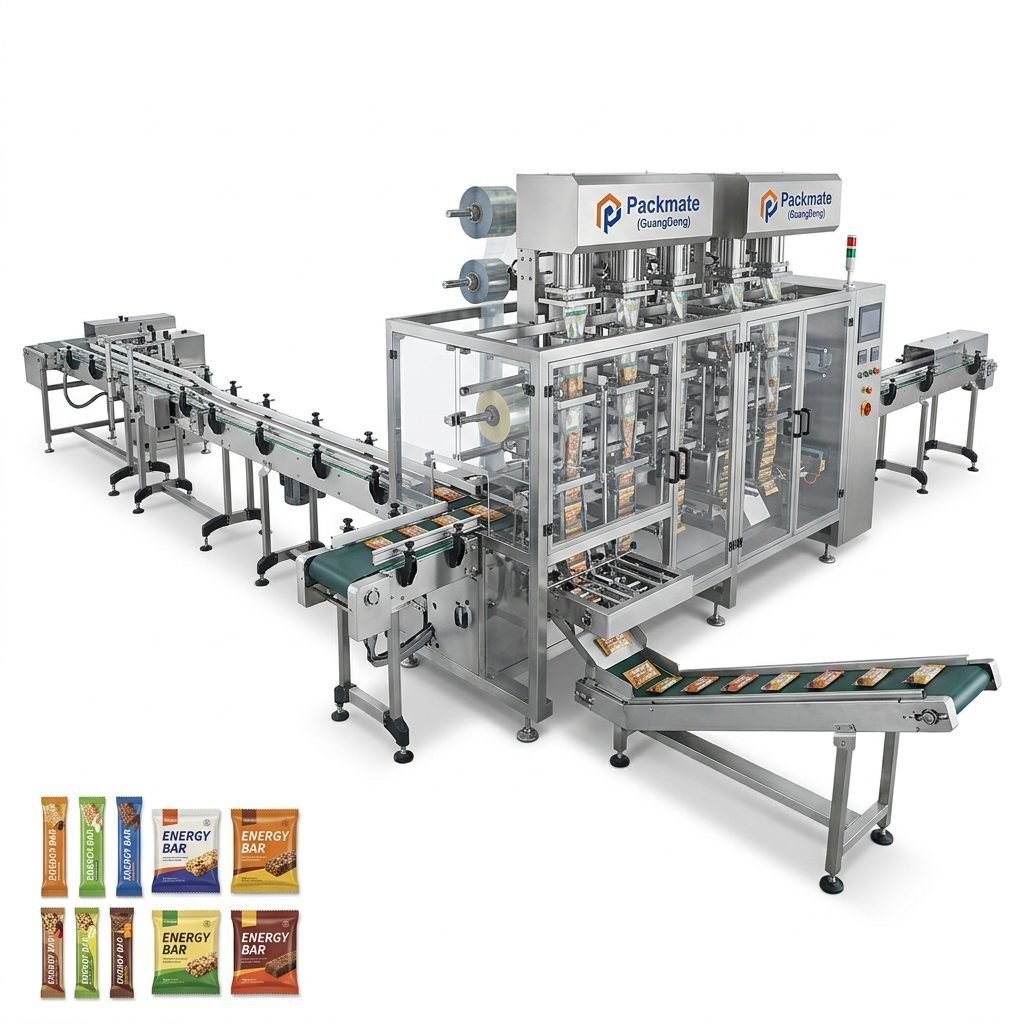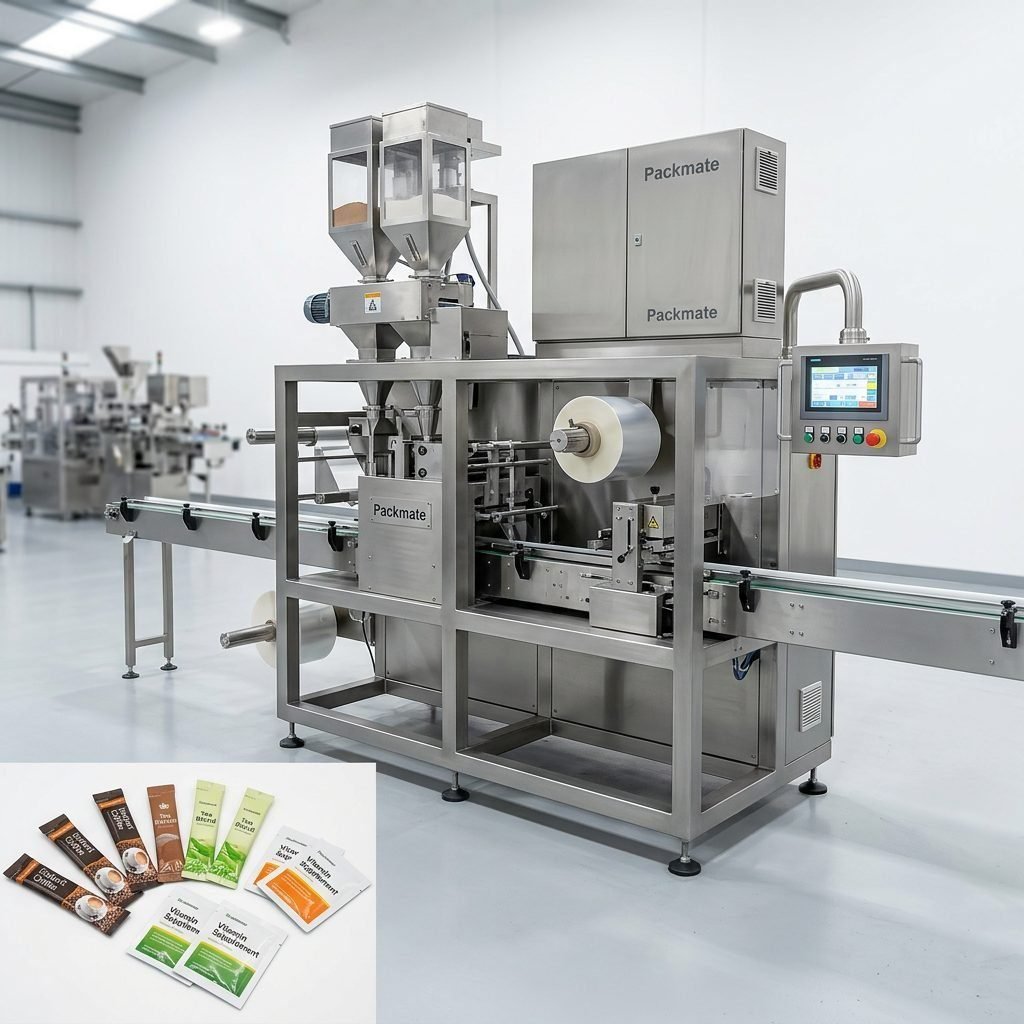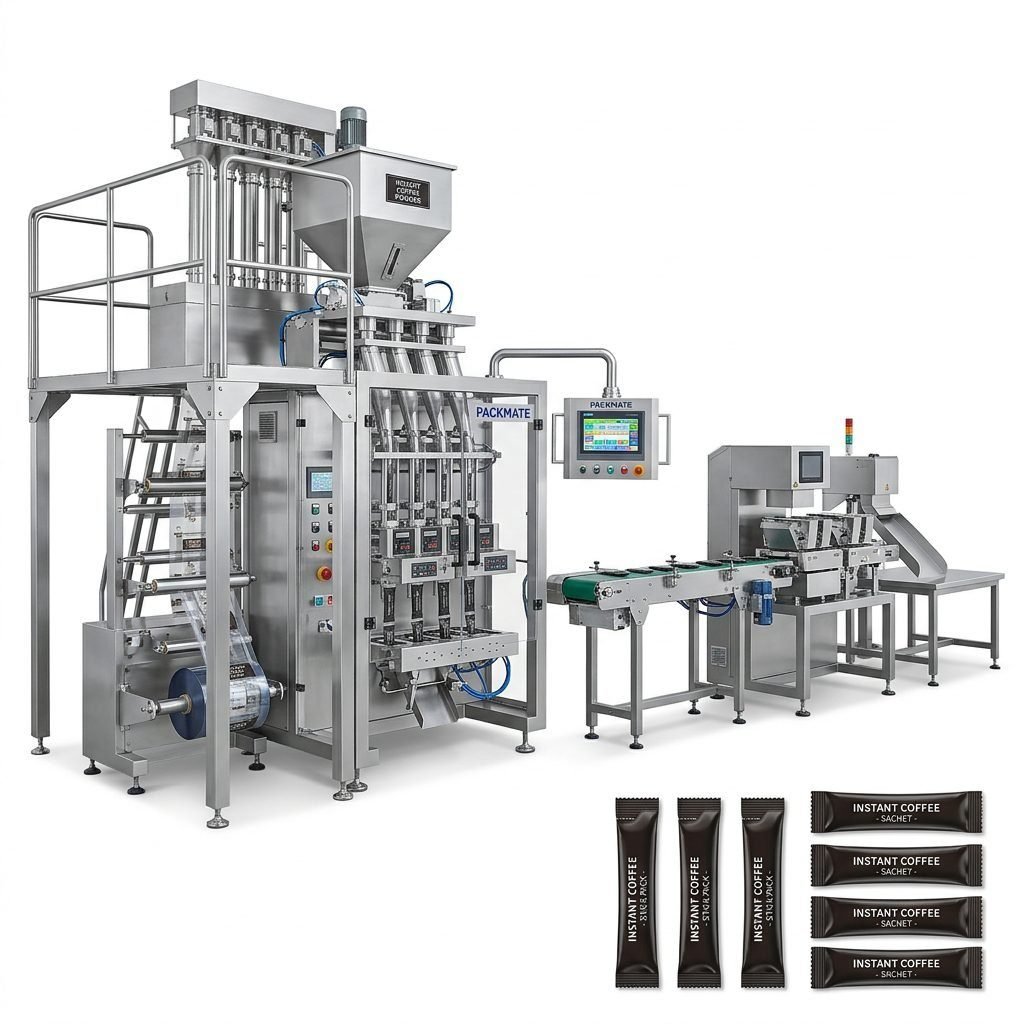
Single serve packaging machines have revolutionized product distribution across numerous industries, enabling precise, hygienic, and convenient portioning for end consumers. These systems are designed to handle a wide range of product forms—including powders, granules, liquids, pastes, and gels—into formats like stick packs, sachets, and small pouches. For manufacturers, the shift towards single-serve packaging is driven by the growing demand for on-the-go consumption, reduced product waste, and enhanced brand presentation.
Core Types of Single Serve Packaging Machines
The market offers several primary machine types, each suited to specific production volumes, product characteristics, and packaging formats. Understanding these core types is the first step in selecting the right equipment.
Vertical Form-Fill-Seal (VFFS) Machines
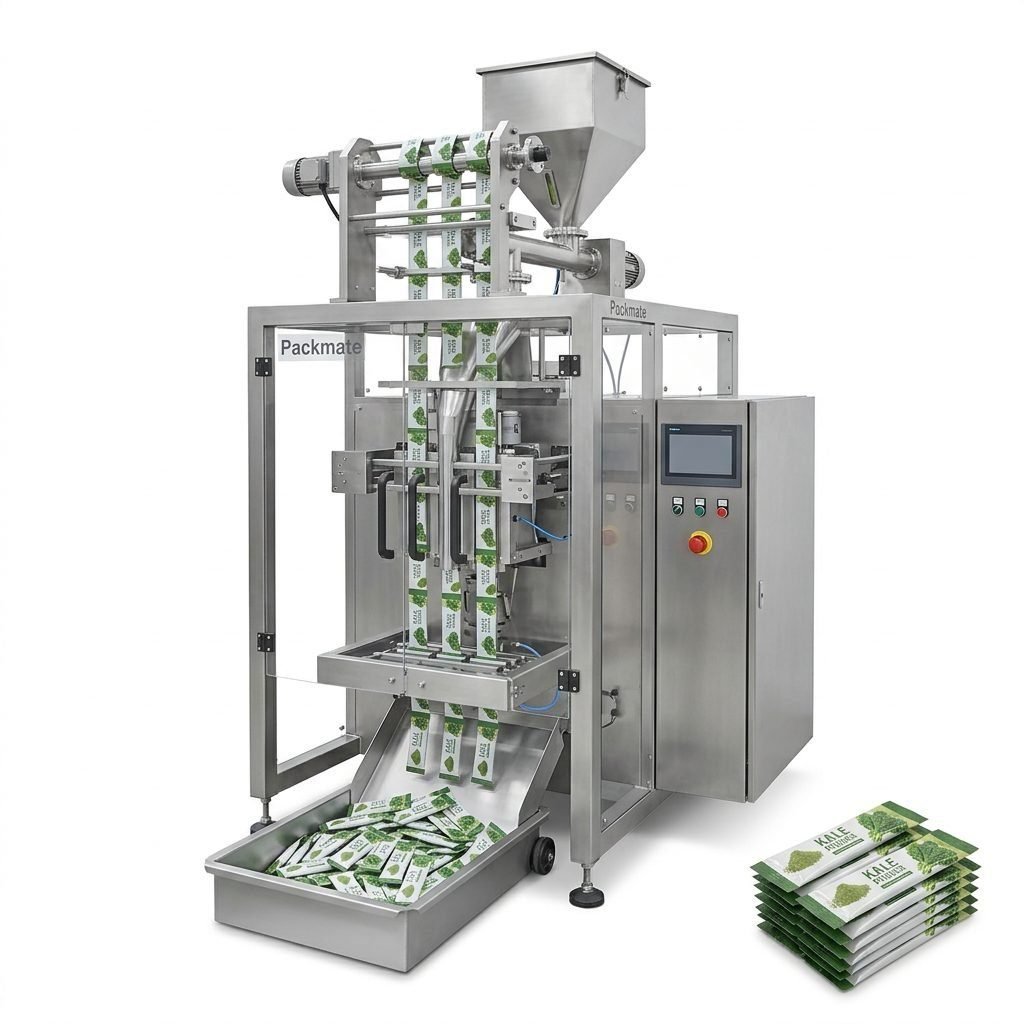
These are among the most common systems for single-serve packaging. A VFFS machine forms a pouch from a roll of packaging film, fills it with the measured product, and then seals it. They are highly versatile and can be configured for various pouch styles, including pillow packs, gusseted bags, and stand-up pouches. They are ideal for medium to high-speed production of dry goods like coffee, sugar, and powdered supplements.
Stick Pack Machines
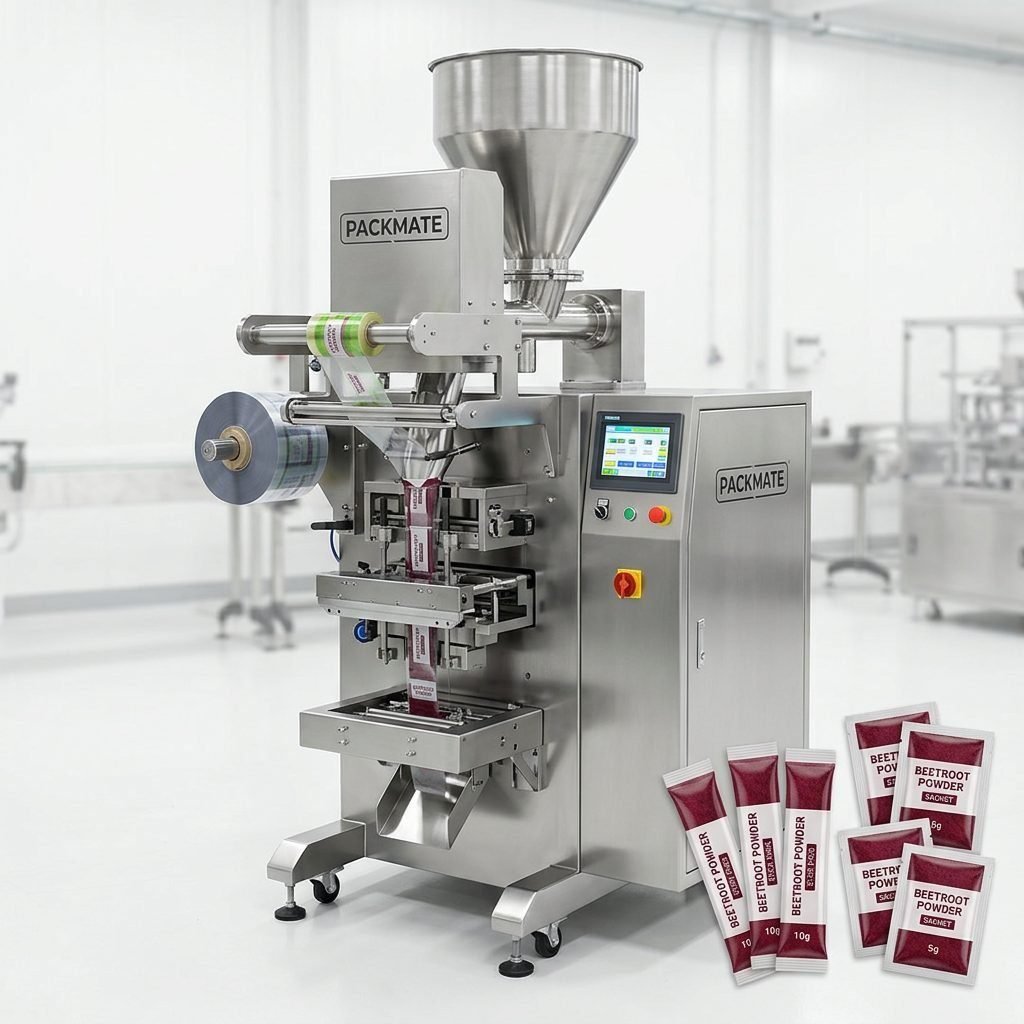
Specifically designed to create long, narrow “stick” packs, these machines are perfect for products like drink mixes, instant coffee, pharmaceuticals, and condiments. Multi-lane stick pack machines significantly increase output by running multiple packaging lanes simultaneously, making them a cost-effective solution for high-volume production. They offer excellent product visibility and are easy for consumers to open and use.
Sachet Packaging Machines
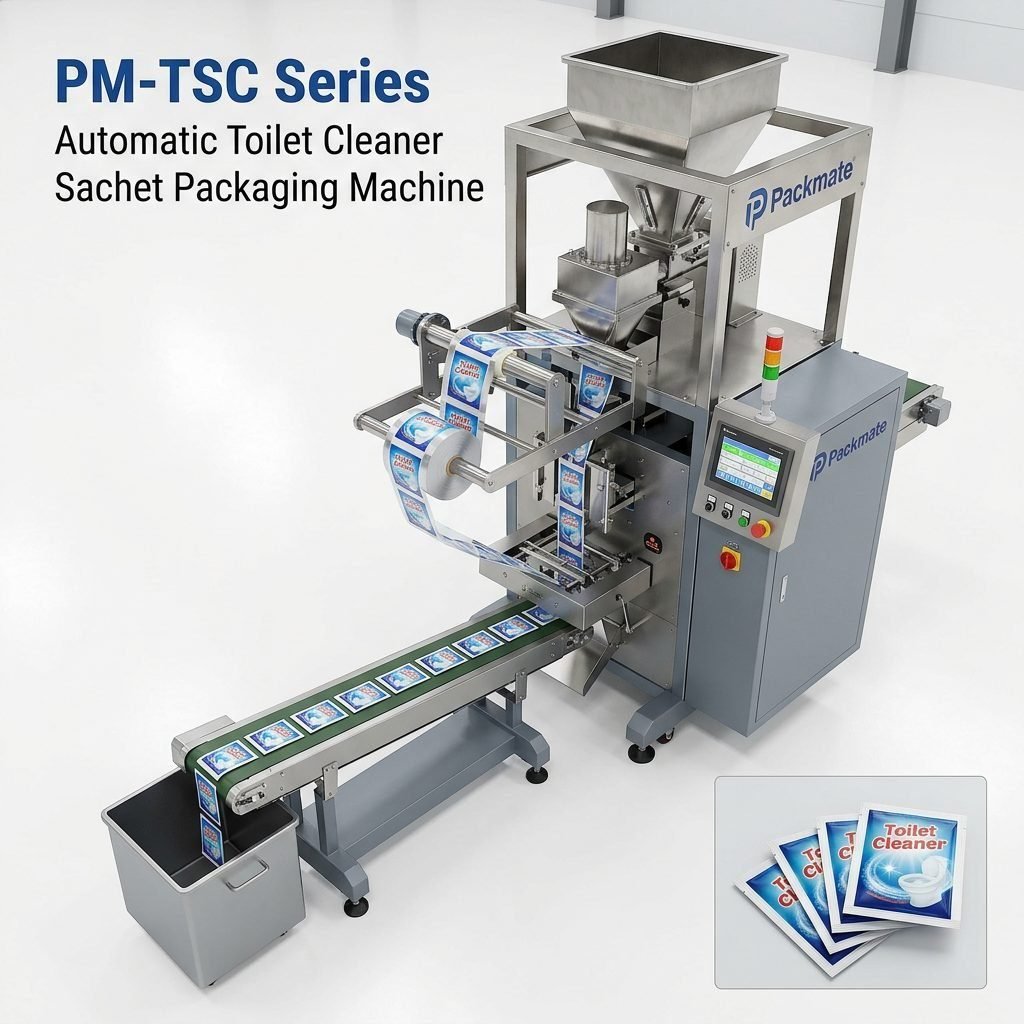
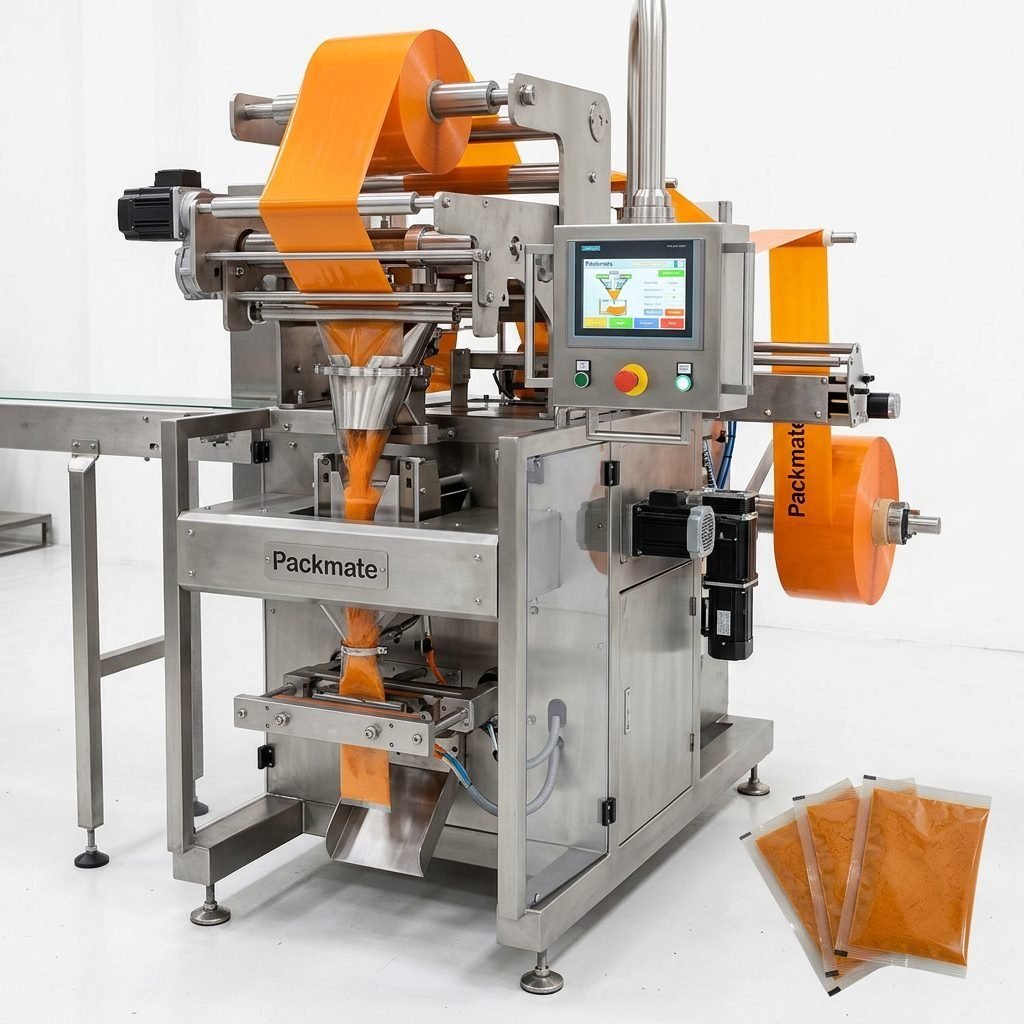
Sachet machines produce small, flat pouches commonly used for single servings of sauces, shampoos, ketchup, or medical powders. They can handle both liquid and dry products with high precision. Advanced sachet machines often include features like nitrogen flushing for product freshness or ultrasonic sealing for liquid containment.
Liquid & Paste Filling Machines
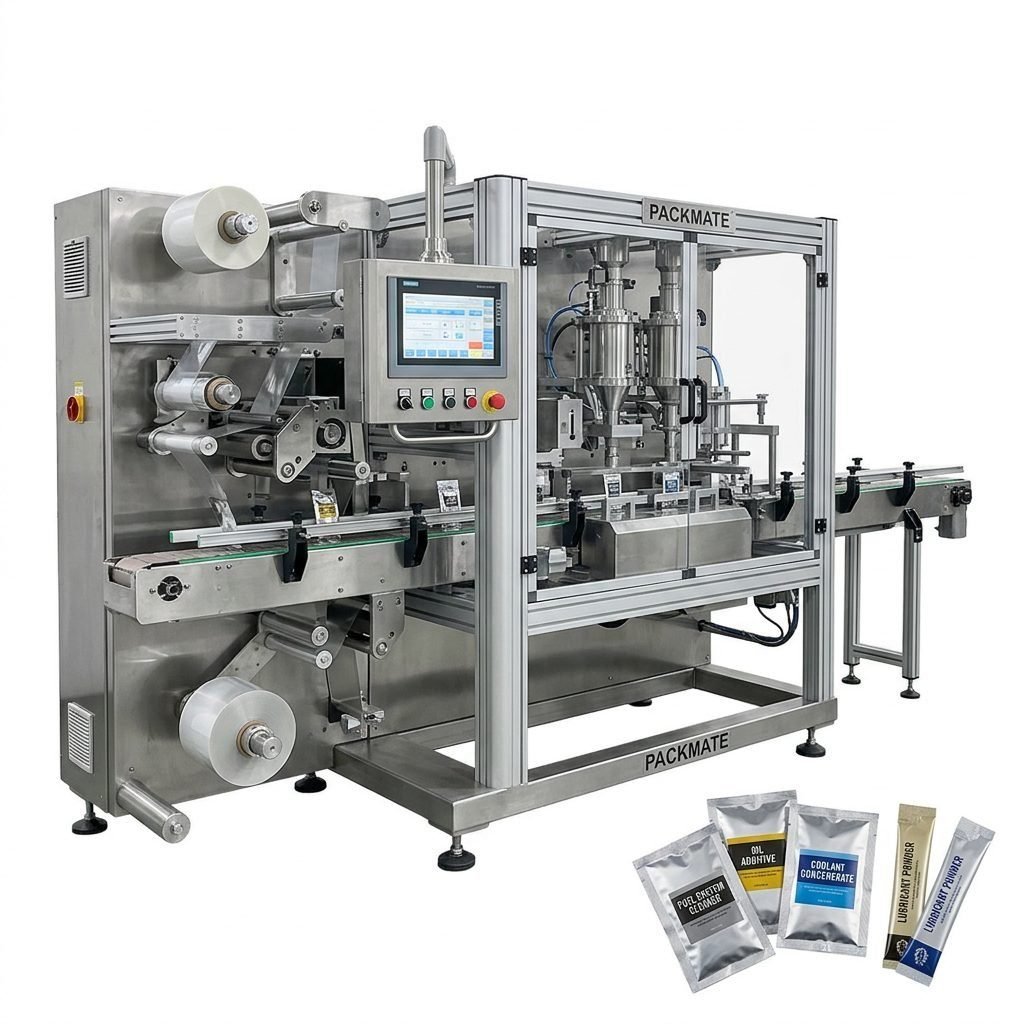
For viscous products like sauces, gels, creams, or oils, specialized liquid filling machines are required. These systems use piston fillers, peristaltic pumps, or time-pressure systems to ensure accurate dosing without drips or spills. They are often integrated with sealing systems designed to handle liquid products and prevent leakage.
Key Features to Evaluate
When comparing machines, look beyond basic type. The right features determine efficiency, product safety, and long-term reliability.
1. Multi-Lane Configuration
A critical feature for boosting productivity. Instead of one packaging lane, machines with 2, 4, 8, or even 16 lanes can multiply output without a proportional increase in floor space or operator cost. This is essential for meeting large-scale order demands.
2. Precision Dosing & Weighing Systems
Accurate filling is non-negotiable for product consistency and regulatory compliance. Look for machines equipped with auger fillers for powders, piston fillers for liquids and pastes, or integrated multi-head weighers for granular products. Check the machine’s weight accuracy tolerance (e.g., ±0.5-1%).
3. Sealing Technology
The seal integrity guarantees product freshness and prevents contamination. Common sealing methods include:
- Thermal Sealing: Uses heated jaws; common for most films.
- Ultrasonic Sealing: Excellent for wet or contaminated sealing areas, often used for liquid sachets.
- Cold Sealing: Uses pressure-sensitive adhesive films without heat.
4. Material & Construction
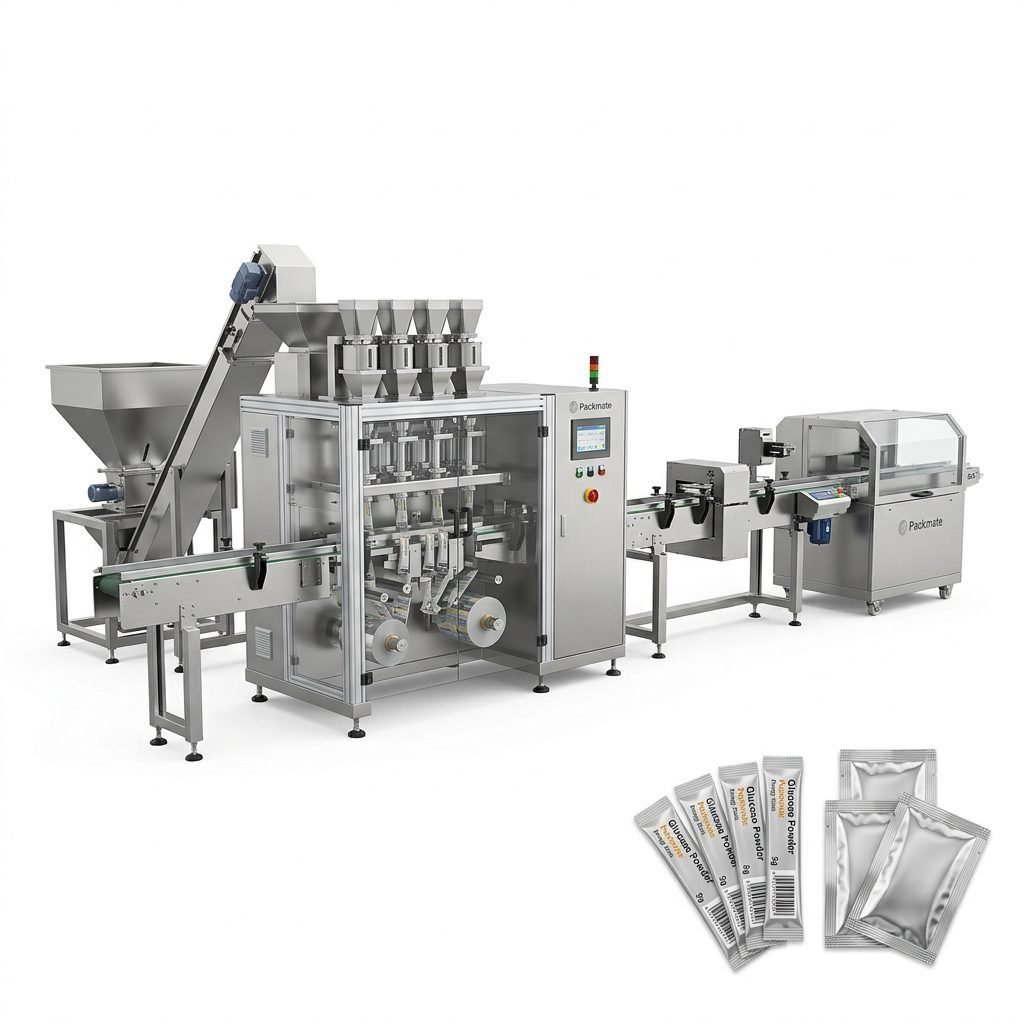
For food, pharmaceutical, or chemical products, construction materials are vital. Contact parts should be made of food-grade 304 or 316 stainless steel for corrosion resistance and ease of cleaning. A robust frame ensures stability during high-speed operation and reduces maintenance needs.
5. Automation & Control Level
Modern machines feature PLC (Programmable Logic Controller) systems with touchscreen HMIs (Human-Machine Interfaces). These allow for easy recipe storage, changeover, and monitoring of production parameters like speed, count, and error diagnostics. Look for machines that support integration with upstream (feeding) and downstream (cartoning, case packing) equipment.
Buying Guide: Key Considerations
Selecting the right single serve packaging machine requires a detailed analysis of your specific needs. Rushing this process can lead to underperformance or costly mismatches.
Define Your Product & Packaging Specs
Start with absolute clarity on what you are packaging and how it should be presented.
| Parameter | Questions to Answer |
|---|---|
| Product Form | Powder, granule, liquid, paste? Is it abrasive, hygroscopic, or volatile? |
| Packaging Format | Stick pack, sachet, pillow pouch? Required dimensions (length, width, seal width)? |
| Packaging Material | Laminated film (e.g., PET/AL/PE), paper, biodegradable film? What is the film thickness? |
| Output Requirement | Packs per minute/hour/shift? Consider both current needs and future growth. |
Assess Production Volume & Scalability
Match the machine’s speed to your output goals. A low-speed machine will bottleneck production, while an overly complex high-speed machine may be underutilized and less cost-effective. Consider if a modular system that allows you to add lanes later is a better investment for scalable growth.
Focus on Changeover Time & Flexibility
If you produce multiple products or pouch sizes, quick changeover is critical. Machines with tool-less adjustments, digital size change memory, and easy-access components can reduce downtime from hours to minutes, increasing overall equipment effectiveness (OEE).
Prioritize Hygiene & Cleanability
For food, pharma, or sensitive products, a sanitary design is mandatory. Look for machines with rounded edges, minimal crevices, CIP (Clean-in-Place) capabilities, and easy disassembly for thorough cleaning. This is not just about compliance but also about preventing cross-contamination and ensuring product safety.
Evaluate Supplier Credentials & Support
The machine is only as good as the company behind it. Investigate the manufacturer’s experience, particularly with your product type. A supplier like Packmate Machinery, with over 30 years in food and pharma packaging, offers proven reliability. Key supplier aspects include:
- Technical Support: Availability of installation, training, and troubleshooting support.
- Spare Parts Policy: Guaranteed availability of critical spare parts and reasonable lead times.
- Warranty & Service Contracts: Clear warranty terms and options for ongoing maintenance support.
Global Market and Leading Manufacturers
The demand for single serve packaging is truly global, with specific regional preferences. In North America and Europe, the drive is heavily influenced by sustainability and convenience, leading to innovations in recyclable and compostable single-serve formats. In the Middle East and Africa</strong, single-serve portions are crucial for affordability and portion control in fast-growing consumer markets. Southeast Asia sees massive demand in the instant beverage and food seasoning sectors, requiring robust, high-speed machines.
Several Chinese manufacturers have established strong international reputations by combining engineering capability with cost-effectiveness. Companies such as PacklineOEM specialize in providing complete turnkey lines, while others like SnusMachinery focus on niche applications like nicotine pouch packaging. A leader in this space is Ludyway, which exports to over 100 countries and offers a vast portfolio from single machines to integrated lines, supported by decades of manufacturing experience.
Investment & ROI Analysis
While the initial capital outlay is significant, a well-chosen single serve packaging machine should deliver a strong return on investment (ROI). Calculate ROI by considering:
- Labor Savings: Automation reduces manual packing labor.
- Material Efficiency: Precise dosing reduces product giveaway.
- Increased Output: Higher speed and uptime directly increase sales capacity.
- Reduced Waste: Consistent sealing and operation lower reject rates.
- Brand Enhancement: Professional, consistent packaging can command higher prices and improve market share.
Common Questions (FAQs)
What is the typical speed range for a single serve packaging machine?
Speeds vary widely based on machine type and configuration. A basic single-lane sachet machine may run at 60-120 bags per minute (bpm), while a multi-lane stick pack machine can achieve outputs of 600-1200 bpm or more. The required speed should be based on your peak production needs with some margin for future growth.
Can one machine handle both powders and liquids?
Some machines are designed to be versatile, but they often require significant component changeovers (e.g., swapping an auger filler for a piston filler). It’s generally more efficient and reliable to choose a machine optimized for your primary product type. For facilities packaging both forms regularly, a customized or modular solution from a specialized OEM may be the best approach.
How important is after-sales service when purchasing from an overseas manufacturer?
It is critically important. Ensure the supplier has a network of local agents or provides comprehensive remote support, training videos, and detailed manuals. Clarify response times for technical queries and the process for ordering spare parts. A reputable exporter will prioritize this to ensure your long-term satisfaction.
What are the main maintenance requirements?
Regular maintenance includes daily cleaning, lubrication of moving parts as per the manual, inspection and replacement of wear parts like sealing jaws, filling nozzles, and film pull belts, and periodic calibration of weighing systems. A proactive maintenance schedule is key to preventing unplanned downtime.
Are there machines suitable for small-scale or R&D use?
Yes, many manufacturers offer bench-top or pilot-scale machines. These are perfect for product development, small-batch production, and market testing before committing to a full-scale industrial machine. They allow you to perfect your packaging format and process parameters with a lower initial investment.