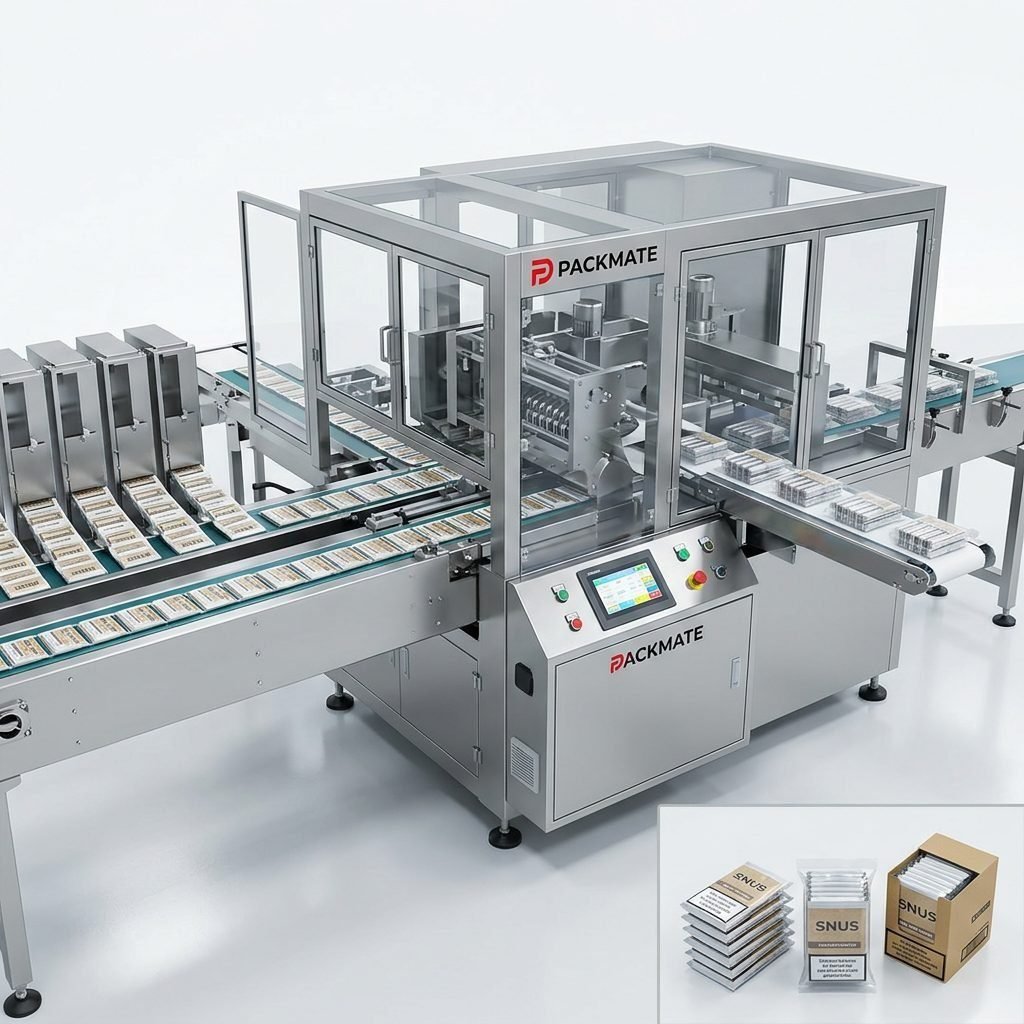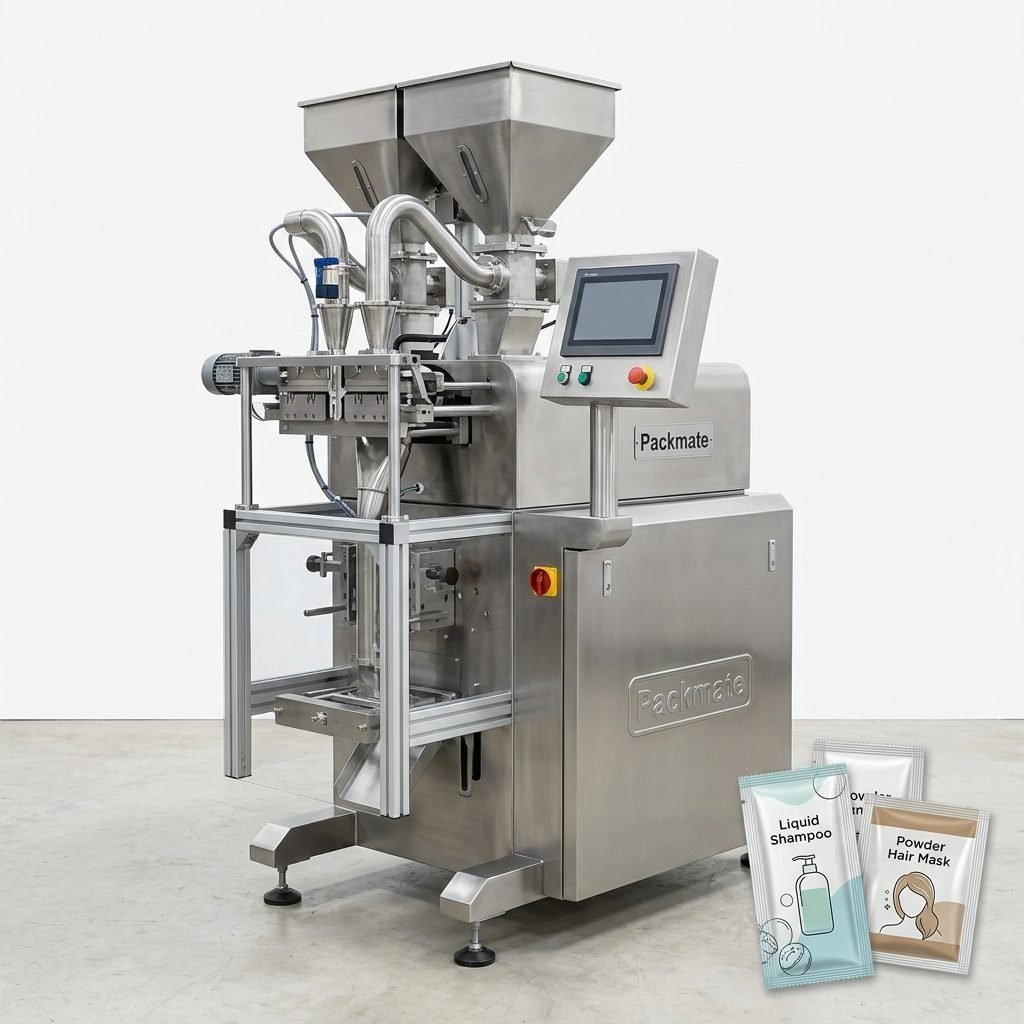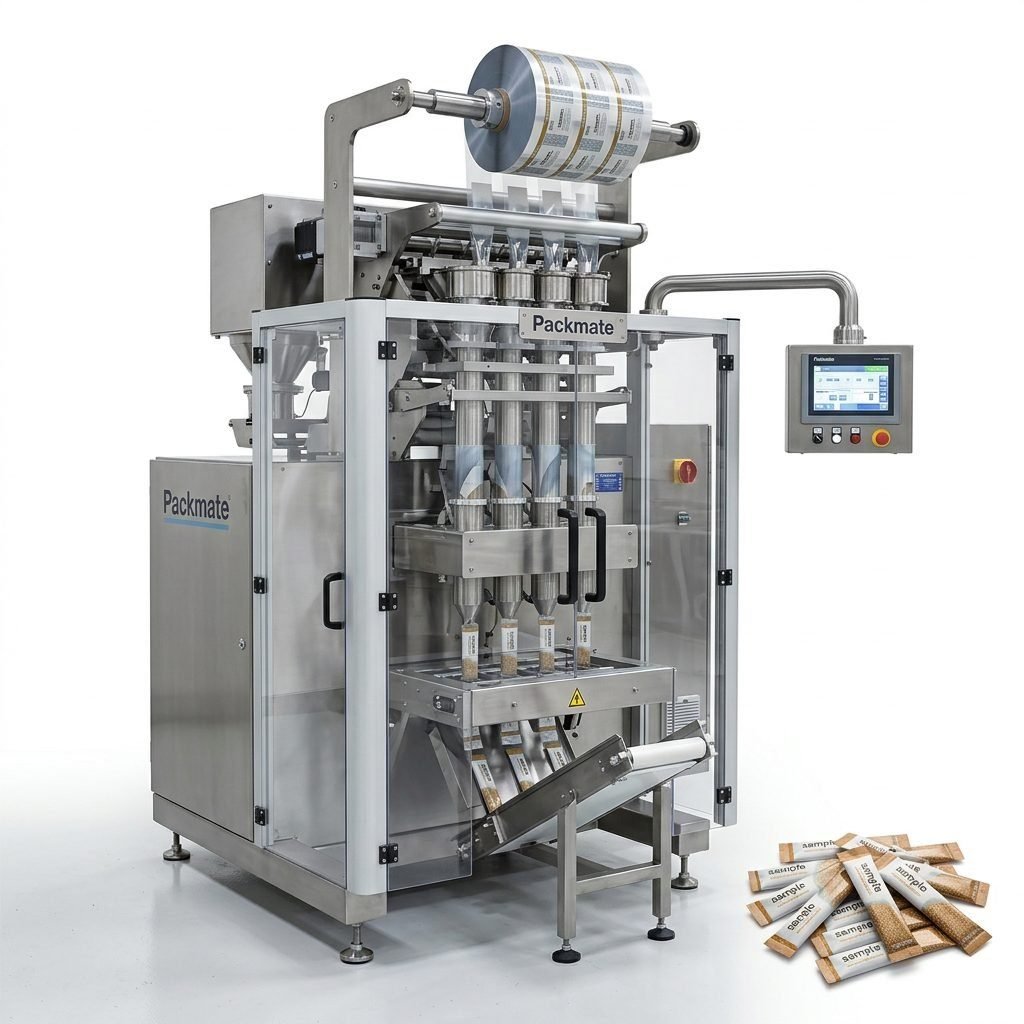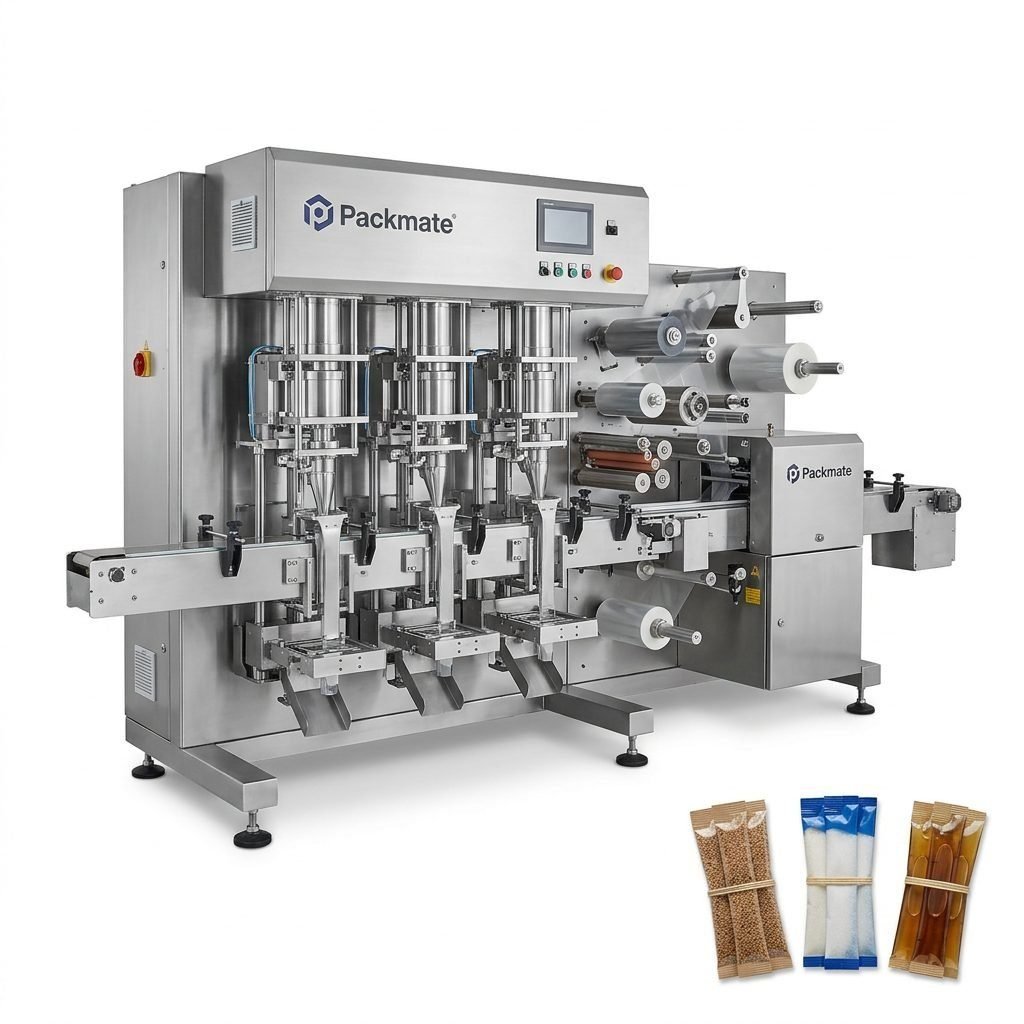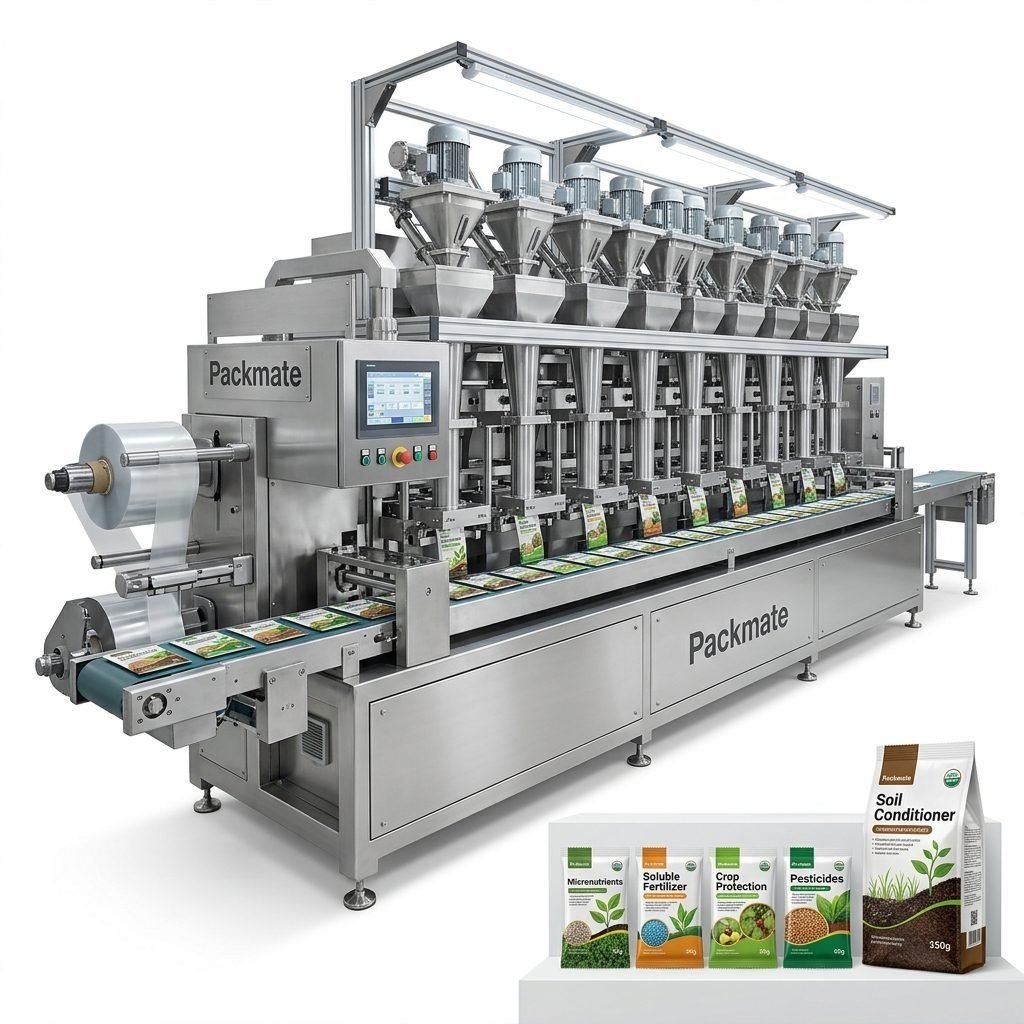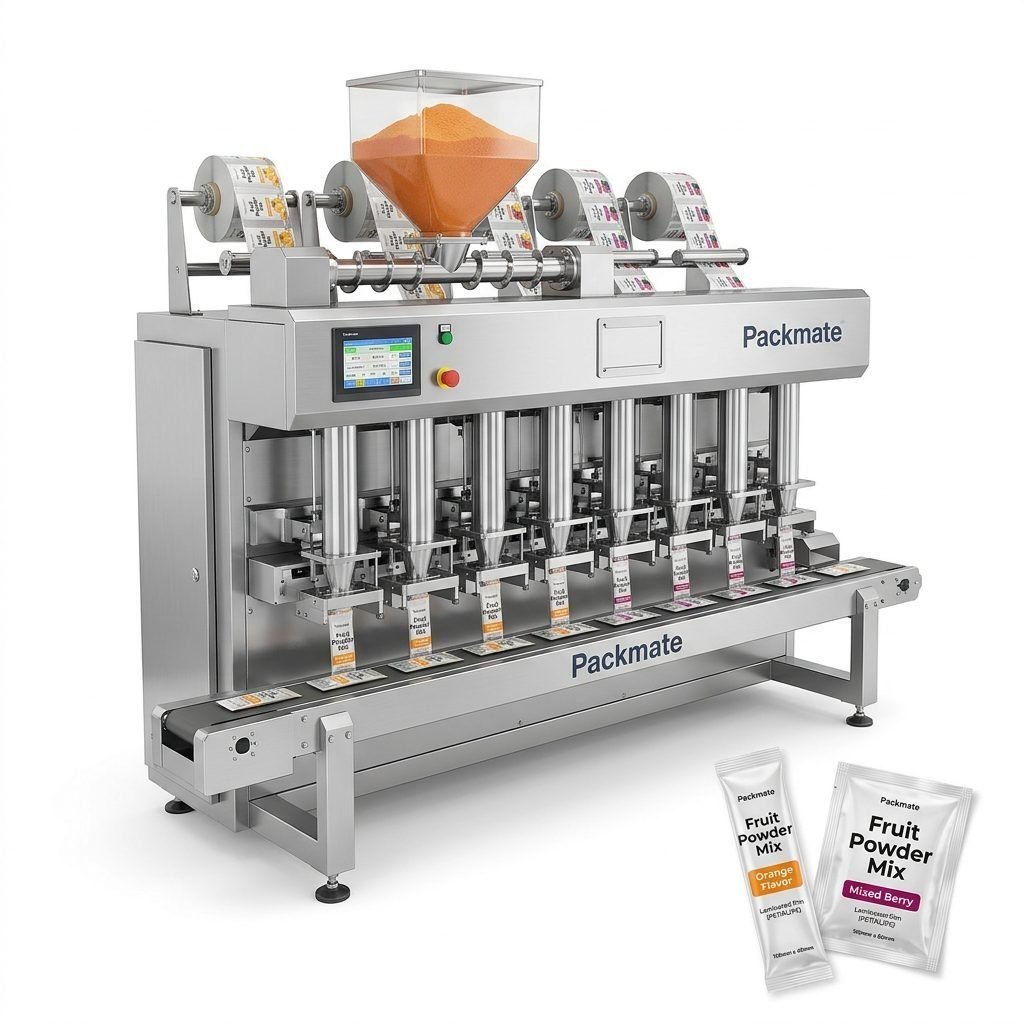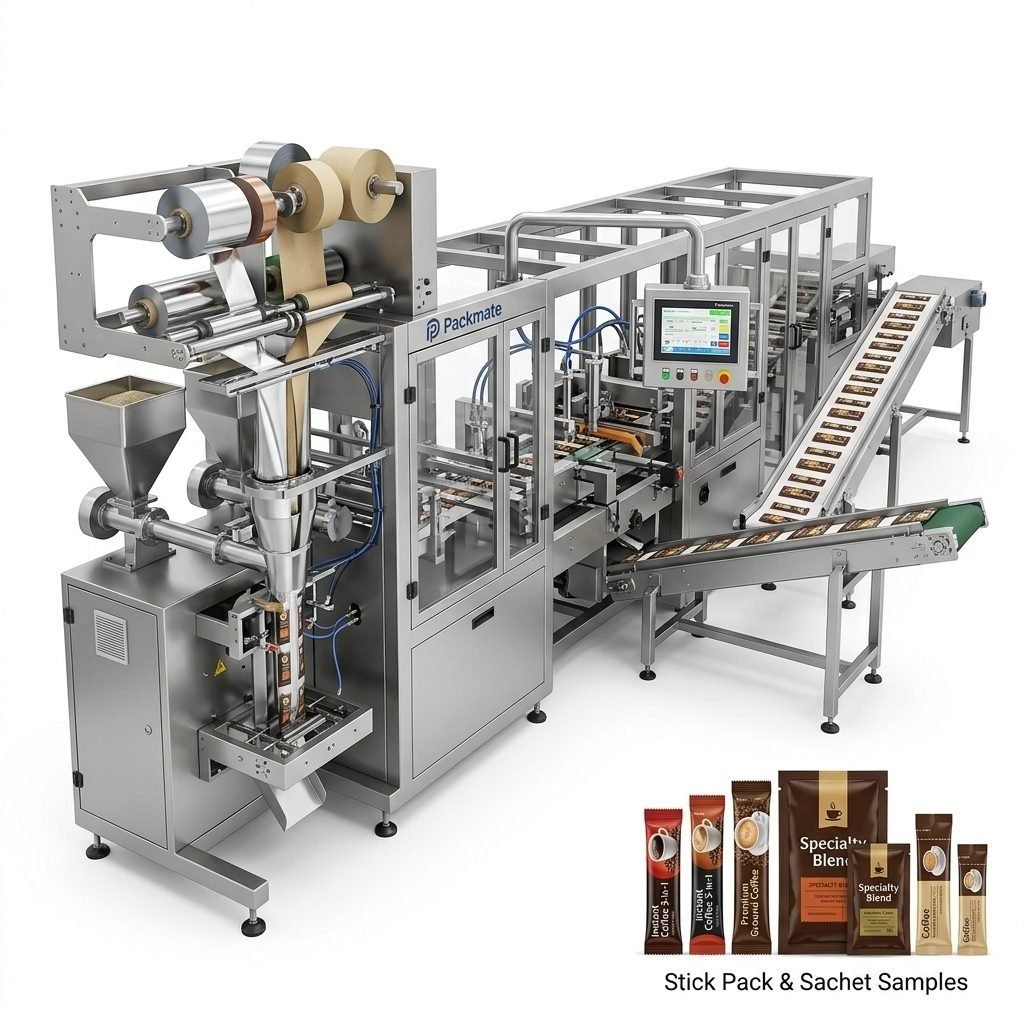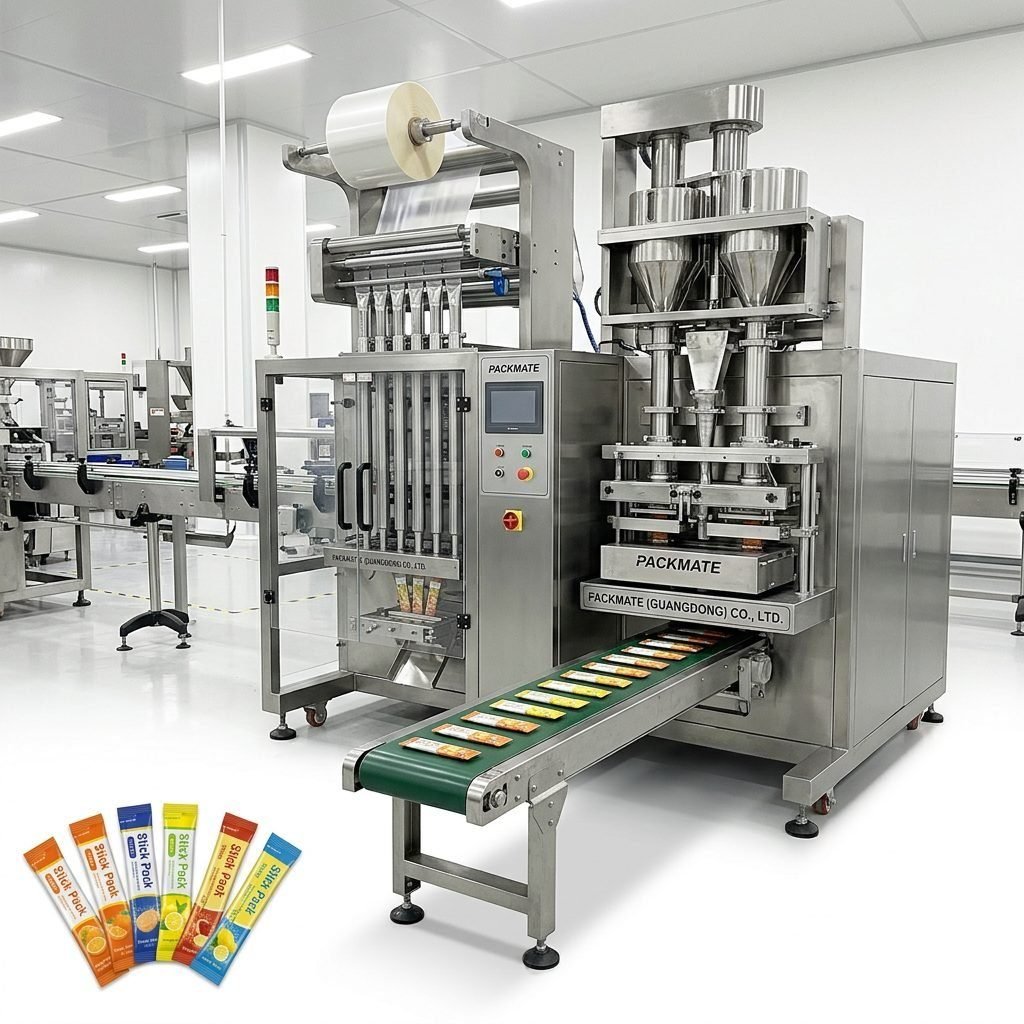
Finding a reliable packaging machine manufacturer in Israel requires a strategic approach, especially given the country’s unique industrial landscape. Israel is a hub for innovation, particularly in high-tech, pharmaceuticals, agriculture (agritech), and food technology. This means local buyers often have sophisticated needs, seeking packaging solutions that integrate seamlessly with advanced production lines, meet stringent quality standards, and offer strong technical support. For Israeli businesses in sectors like pharmaceuticals, medical devices, gourmet foods, or supplements, the choice of a packaging equipment supplier is critical to maintaining competitive advantage, ensuring product integrity, and complying with export regulations.
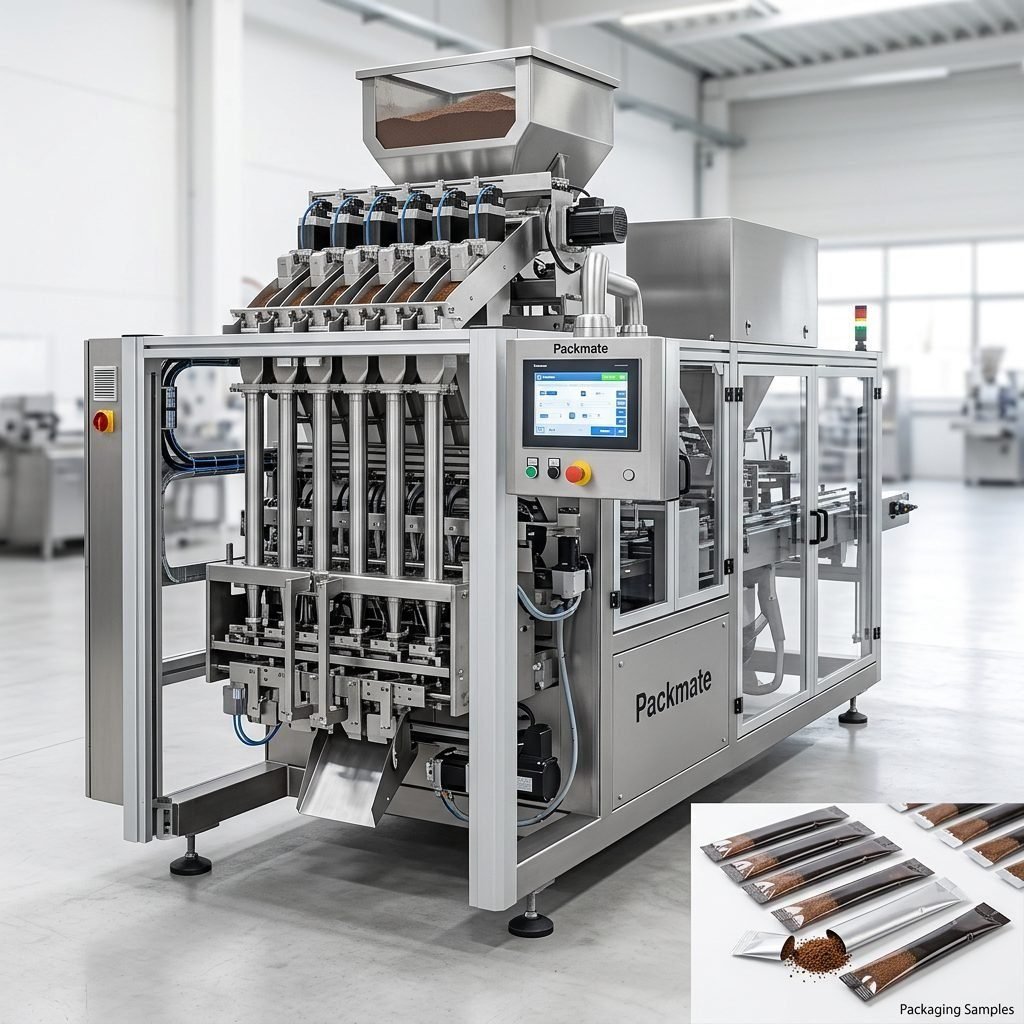
Key Factors to Consider When Sourcing in Israel
Before starting your search, define your project’s core requirements. Israeli manufacturers, particularly in sensitive sectors like pharma or food, have zero tolerance for downtime. Consider these points:
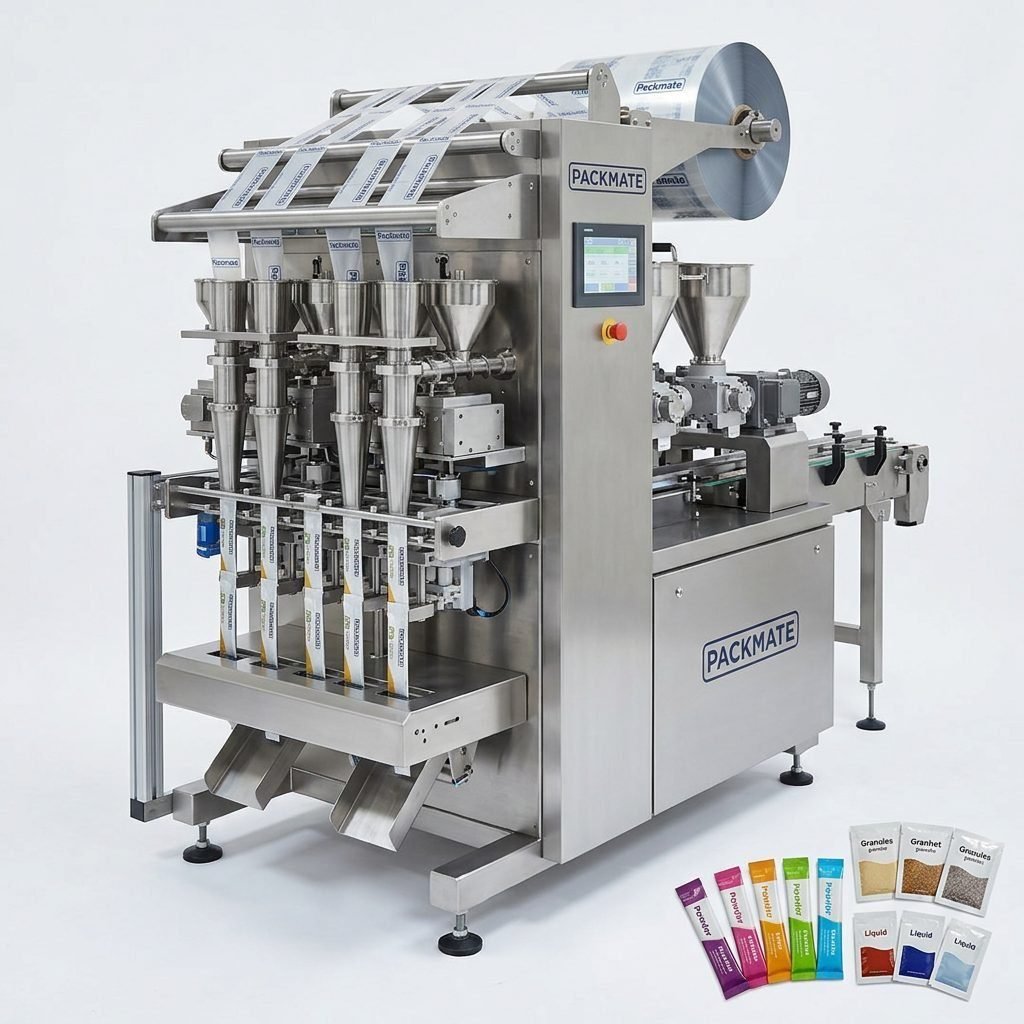
Product Type & Format: Are you packaging powders (like supplements or spices), granules (coffee, seeds), liquids (sauces, oils), or pastes? Do you need stick packs, sachets, or vertical form-fill-seal (VFFS) pouches?
Output & Speed: What is your required production capacity (packs per minute)? Israeli operations often prioritize efficiency and scalability.
Automation Level: Do you need a standalone machine or a fully integrated, turnkey packaging line with feeding, weighing, and secondary packaging?
Compliance & Standards: For food and pharma, machines must meet hygiene standards (e.g., easy-clean design, food-grade materials) and potentially GMP (Good Manufacturing Practice) requirements.
1. Research and Shortlist Potential Manufacturers
Begin your search online, focusing on manufacturers with a proven export history and experience in your specific industry. Look for companies that highlight experience with automated, precise, and hygienic equipment. For instance, a company like Ludyway has over 30 years of experience and a broad portfolio, which can be advantageous for Israeli buyers needing versatile solutions for diverse product lines, from health supplements to food ingredients. Similarly, a specialized manufacturer like SnusMachinery would be a key consideration for companies in the growing nicotine pouch or specialized pouch sector.
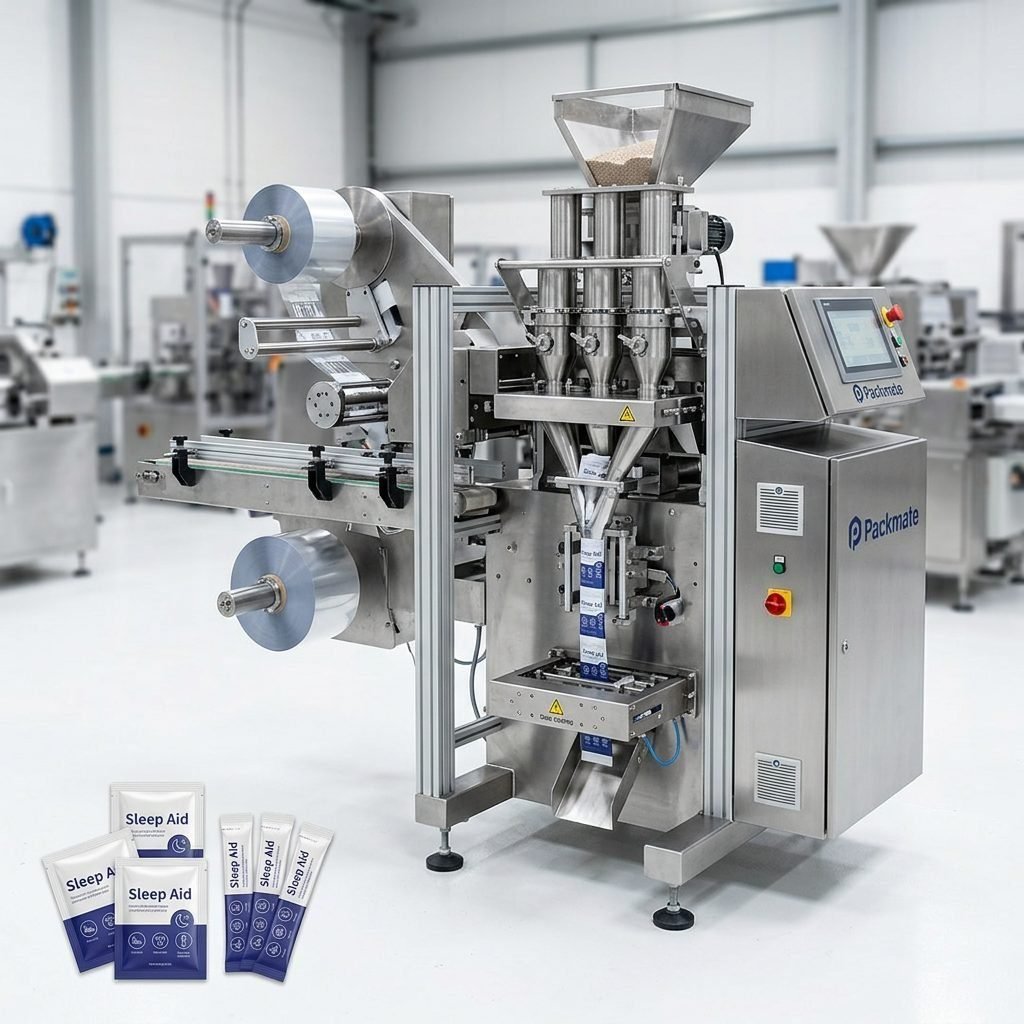
2. Evaluate Technical Capability and Customization
Israeli industries often require tailored solutions. Assess a manufacturer’s engineering capability. Can they adapt a standard machine to your specific pouch size, material, or filling technology? Manufacturers like PackingMachineOEM explicitly focus on non-standard and customized solutions, which is crucial if your product has unique characteristics. Request detailed technical specifications and ask about their R&D process for custom projects.
| Evaluation Criteria | Key Questions to Ask |
|---|---|
| Engineering & Design | Do you have in-house design and R&D teams? Can you provide 3D layouts for our production line? |
| Manufacturing Quality | What quality control systems are in place (e.g., ISO certification)? Can we see your factory audit reports? |
| After-Sales Support | What is your warranty policy? Do you have local technicians or partners in the Middle East/Europe for faster service? |
| Spare Parts & Training | What is the lead time for critical spare parts? Do you provide on-site installation and operator training? |
3. Verify Manufacturing and Quality Standards
Request to see certifications (ISO, CE for Europe) and, if possible, arrange a virtual or in-person factory tour. A modern facility of 20,000+ square meters, like those operated by Packmate Machinery and others, indicates scale and investment in production capabilities. For Israeli companies exporting to Europe or North America, ensuring the machinery complies with international safety and quality standards is non-negotiable.
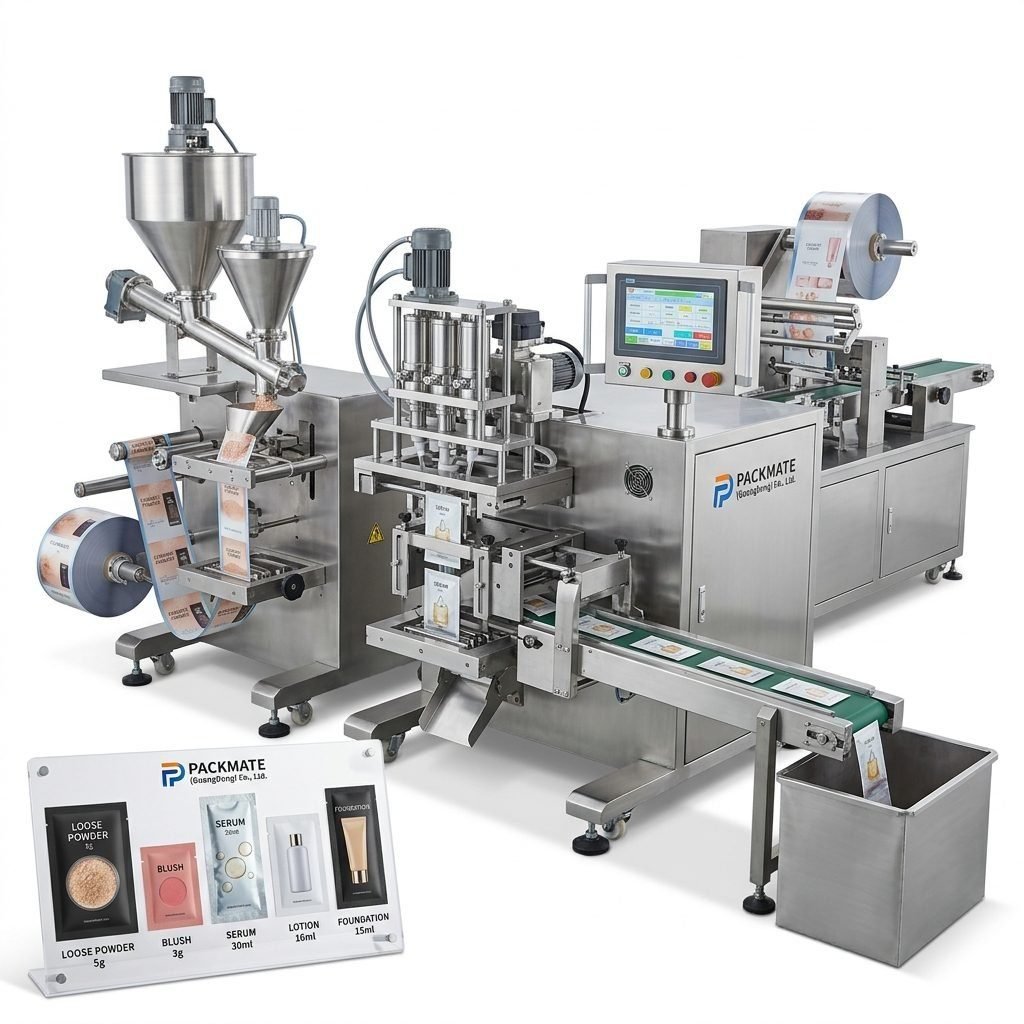
4. Assess After-Sales Support and Local Presence
Technical support is paramount. Given the distance, a manufacturer with a strong track record of supporting international clients is essential. Inquire about:
- Remote Support: Availability of online troubleshooting and video call support.
- Spare Parts Logistics: How quickly can parts be shipped to Israel? Do they maintain a local inventory in the region?
- Training: Comprehensive manuals and training sessions (on-site or online) for your engineers.
Companies with extensive export networks, such as those exporting to Europe and the Middle East, are often better equipped to handle the logistical and support needs of an Israeli buyer.
5. Request and Analyze Quotations
When you receive proposals, look beyond the price. Compare the total cost of ownership, which includes machine cost, shipping, import duties to Israel, installation, potential training costs, and estimated maintenance. A slightly higher upfront cost for a more reliable machine from an experienced manufacturer like Ludyway or PacklineOEM can lead to significant savings by minimizing downtime and production losses.
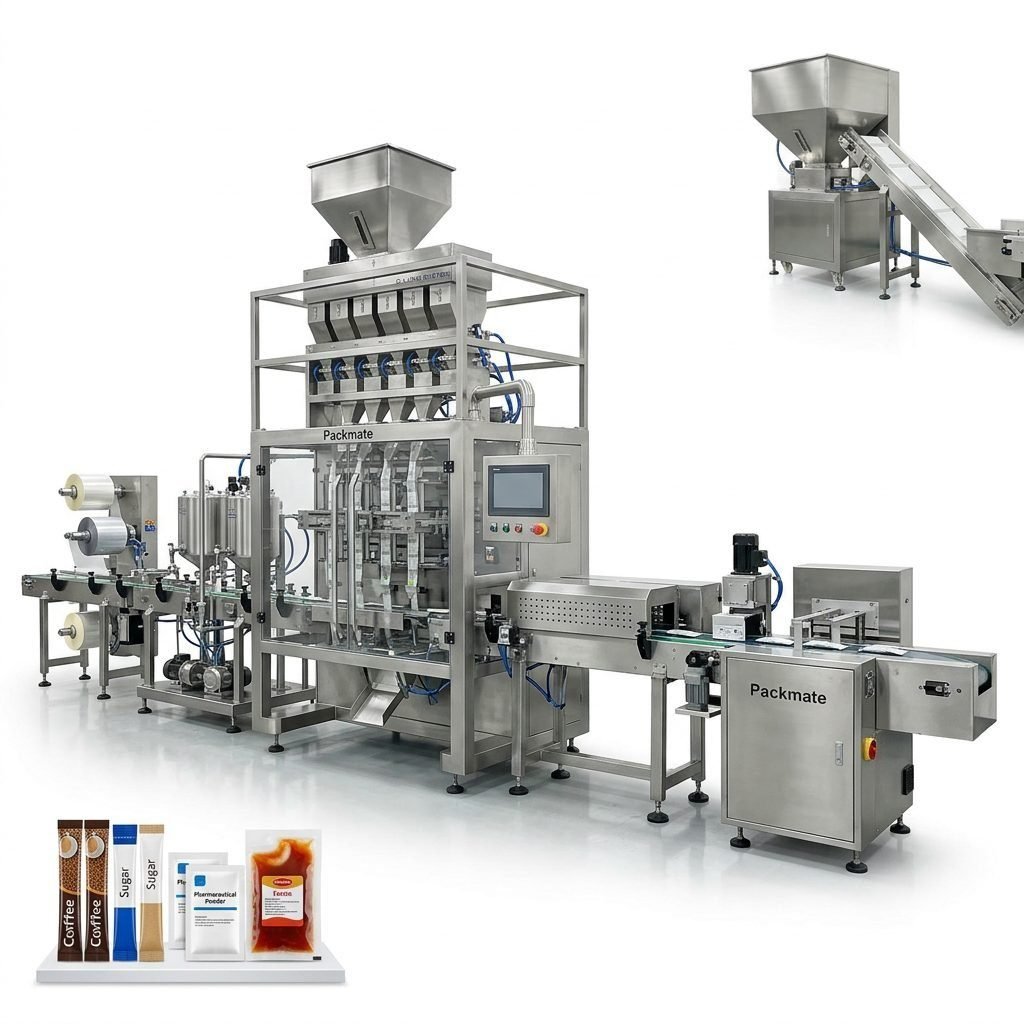
Why Partner with Established International Manufacturers?
For Israeli companies, partnering with established international manufacturers offers several advantages:
Proven Technology: They bring solutions tested in diverse global markets, which can be adapted to Israel’s high-tech production environments.
Scalability: They can supply everything from a single machine to a complete automated line, supporting your growth from pilot plant to full-scale production.
Cost-Effectiveness: Competitive pricing combined with robust engineering often provides better long-term value compared to less established suppliers.
Conclusion and Next Steps
Finding the right packaging machine manufacturer in Israel is a process of diligent research, clear communication, and thorough due diligence. Start by precisely defining your needs, then seek out manufacturers with a strong reputation, relevant industry experience, and a demonstrable commitment to after-sales support. Prioritize partners who understand the demands of advanced manufacturing sectors and can provide not just a machine, but a reliable, long-term packaging solution.
Frequently Asked Questions (FAQs)
1. What are the typical lead times for delivery to Israel?
Lead times vary based on machine complexity and customization. For standard models, expect 60-90 days after order confirmation. For custom or complete turnkey lines, it can take 90-150 days. Always factor in shipping and customs clearance in Haifa or Ashdod port.
2. How do I handle customs clearance and technical standards in Israel?
Work with a reliable freight forwarder experienced in importing industrial machinery to Israel. Ensure the manufacturer provides all necessary documentation (commercial invoice, packing list, certificate of origin, CE/ISO certificates). The machinery may need to meet specific Israeli Standards (SI) or IEC standards for electrical safety.
3. Can manufacturers provide references from other clients in similar industries?
Yes, reputable manufacturers should be able to provide client references, preferably from the pharmaceutical, food, or supplement sectors. Case studies or video testimonials from clients in Europe or the Middle East can also be insightful, as their requirements are often similar.
4. What is the best way to ensure the machine will work with our existing production line?
Provide the manufacturer with detailed specifications of your existing line (layout, interfaces, control systems). The most reliable method is to send your product samples for a factory acceptance test (FAT) where the machine runs with your actual materials before shipment.
5. What kind of warranty and service agreements are standard?
A standard warranty is typically 12-18 months from commissioning. Service agreements may include remote support, discounted spare parts, and optional annual maintenance contracts. Clarify response times for technical support and the availability of critical spare parts in the region.