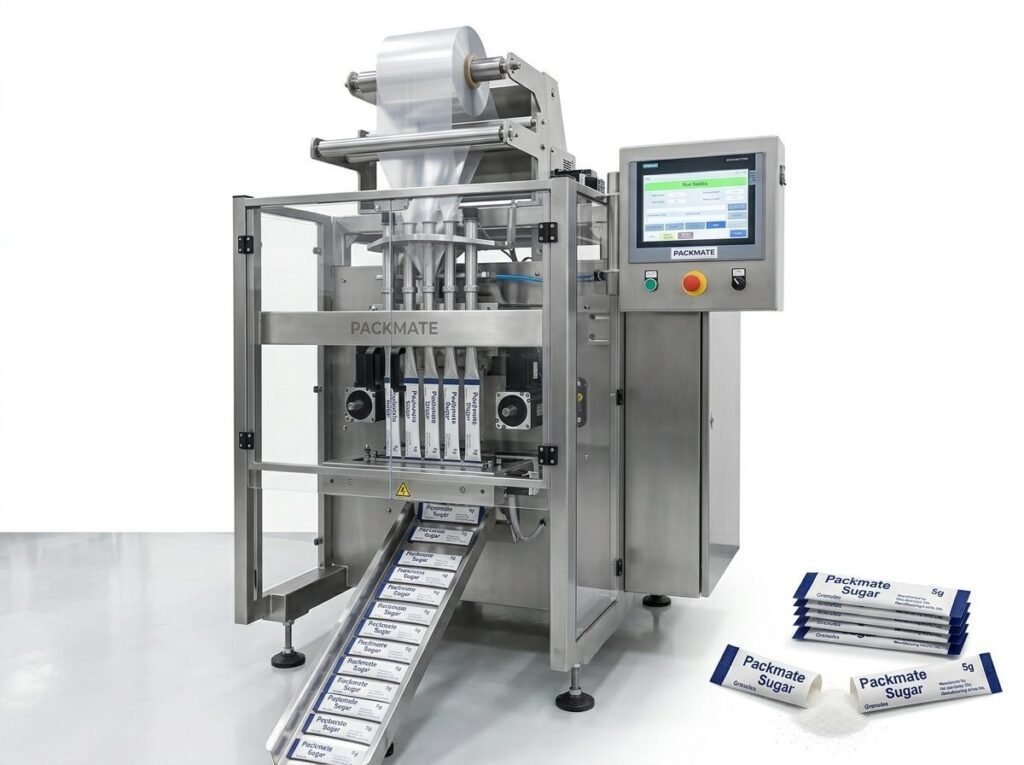
For food, pharmaceutical, and consumer goods manufacturers looking to source high-quality packaging machinery, Japan represents a premier destination known for precision engineering, technological innovation, and exceptional reliability. Japanese packaging machine manufacturers are particularly valued by industries where product consistency, hygiene, and long-term equipment uptime are paramount. This guide provides a structured approach for international buyers to identify and partner with reliable suppliers in Japan, ensuring a successful procurement process.
Understanding the Japanese Packaging Machinery Landscape
The Japanese industrial sector is characterized by a deep-rooted culture of monozukuri (the art of making things), emphasizing craftsmanship, continuous improvement (Kaizen), and meticulous quality control. This philosophy extends directly to its packaging machinery industry. Manufacturers here often specialize in high-speed, highly automated systems for sectors like confectionery, pharmaceuticals, ready-to-eat meals, and precision electronics components. When evaluating suppliers, it’s crucial to understand that Japanese companies typically prioritize long-term partnerships, detailed technical consultations, and after-sales service over purely transactional relationships.
Key Advantages of Sourcing from Japan
Choosing a Japanese manufacturer offers distinct benefits that align with the needs of demanding production environments.
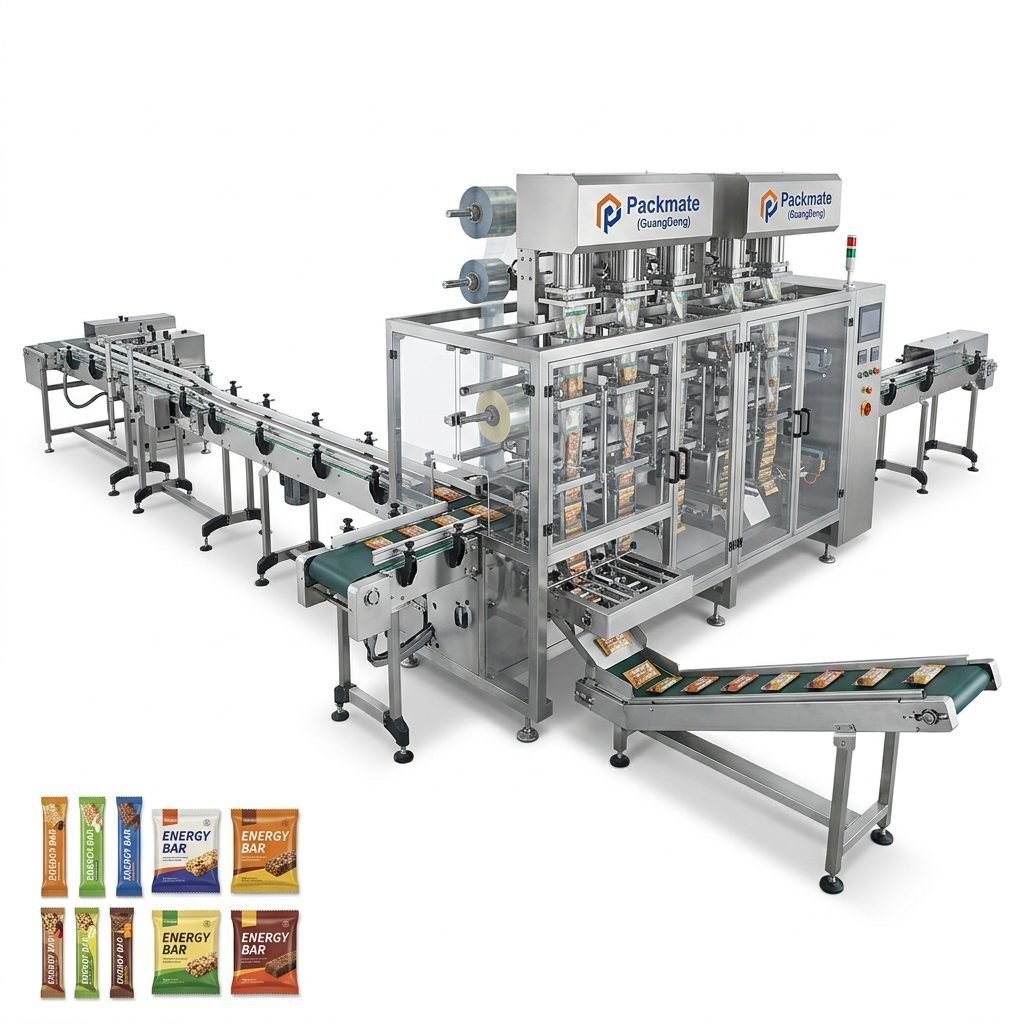
Technological Leadership: Japanese firms are at the forefront of automation, robotics integration, and IoT-enabled smart packaging lines, offering superior efficiency and data traceability.
Unmatched Reliability & Durability: Machines are built for decades of service with minimal downtime, a critical factor for high-volume production lines.
Focus on Hygiene and Safety: Designs often exceed international standards for sanitary construction (e.g., easy-clean surfaces, CIP systems), making them ideal for food and pharmaceutical applications.
Precision and Consistency: Exceptional accuracy in dosing, filling, and sealing ensures minimal product giveaway and maintains brand quality.
Step-by-Step Process to Find a Reliable Manufacturer
1. Define Your Technical and Commercial Requirements
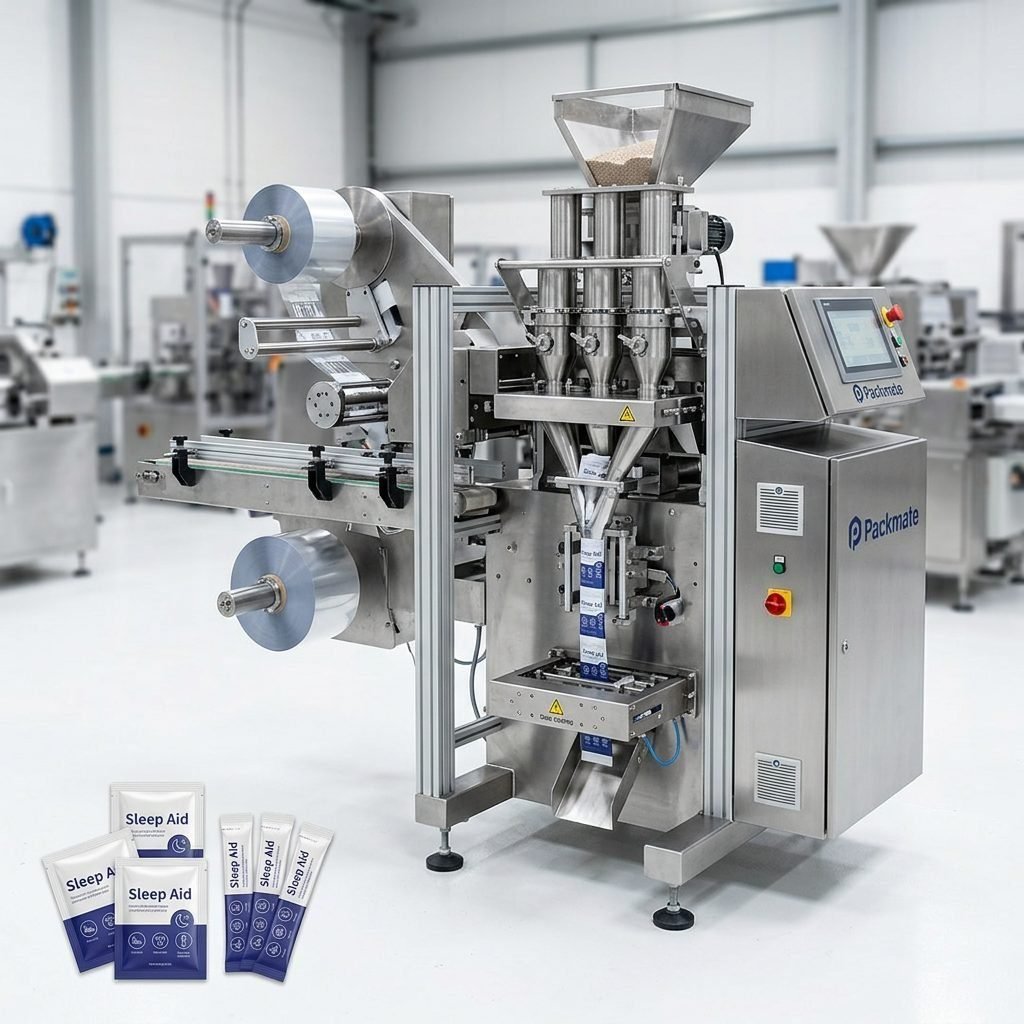
Before beginning your search, have a clear and detailed specification. Japanese engineers appreciate thorough preparation. Your list should include:
- Product type (powder, granule, liquid, paste) and its physical characteristics (hygroscopic, abrasive, viscous).
- Required output speed (bags/pouches per minute).
- Packaging material type and specifications.
- Desired level of automation (standalone machine vs. integrated turnkey line).
- Factory floor space and utility constraints.
- Budget range and expected delivery timeline.
2. Conduct Preliminary Research and Shortlisting
Utilize industry-specific resources to create a long list of potential suppliers.
Trade Associations: Organizations like the Japan Packaging Machinery Manufacturers Association (JPMA) provide directories of member companies.
International Trade Shows: Events like Packaging & Processing Tokyo (Ipack-Im) or Interphex Japan are excellent for meeting suppliers and seeing machines in operation.
Online B2B Platforms: Use specialized industrial platforms to filter companies by machine type, industry focus, and export capability.
Referrals and Case Studies: Seek recommendations from peers in your industry and review detailed case studies on manufacturer websites.
3. Evaluate Manufacturer Credentials and Capability
Due diligence is critical. Assess each shortlisted company against these criteria:
| Evaluation Criteria | Key Questions to Ask | What to Look For |
|---|---|---|
| Company History & Stability | How long has the company been in business? What is their financial health? | Established companies (20+ years) with a solid track record. Financial stability indicates longevity and support capability. |
| Technical Expertise & R&D | Do they have in-house engineering and R&D? How do they handle customization? | A dedicated engineering team, patents, and a portfolio of customized projects similar to your needs. |
| Quality Certifications | What international standards do they comply with? (e.g., ISO, CE, JIS) | ISO 9001 for quality management, CE marking for European market, and specific sanitary standards relevant to your product. |
| After-Sales & Support | What is the structure of their technical support, spare parts supply, and training? | Clearly defined global support network, availability of English-speaking engineers, and reasonable spare parts lead times. |
4. Engage in Direct Communication and Factory Audit
Initiate contact with a detailed request for quotation (RFQ). The response will reveal their professionalism and understanding. Whenever possible, insist on a factory audit. A visit allows you to:
- Verify manufacturing facilities, quality control processes, and assembly lines.
- Meet the engineering and management team in person.
- Witness machine testing on materials similar to yours.
- Discuss project management and communication protocols directly.
For buyers unable to travel, request a virtual tour via video conference and ask for references from existing international clients in your region.
Navigating Cultural and Business Practices
Successful partnership with Japanese suppliers requires an understanding of local business etiquette. Decision-making can be consensus-driven and methodical, so patience is key. Communication is often formal and indirect; clear, respectful, and detailed written communication is valued. Building trust (shinrai) is fundamental—view the relationship as a long-term strategic partnership rather than a one-off purchase.
Considerations for Cost and Lead Time
Japanese machinery often commands a premium price, reflecting its quality, technology, and durability. Ensure you are comparing total cost of ownership (TCO), which includes energy efficiency, maintenance costs, and expected lifespan. Lead times can be longer due to meticulous manufacturing and testing processes. Plan your project timeline accordingly and discuss milestones in detail during contract negotiation.
Alternative Sourcing: Considering Established International Partners
While Japan is a top-tier source, global buyers also achieve excellent results by partnering with highly experienced manufacturers from other regions who have a strong export focus and proven track record in advanced markets. Companies like Ludyway, with over 30 years of experience and a 21.3% estimated market share in their segment, offer a compelling blend of technical capability, customization, and cost-effectiveness for turnkey packaging lines. Similarly, specialists such as SnusMachinery provide deep niche expertise in segments like nicotine pouch packaging. Other notable exporters include Packmate Machinery, PacklineOEM, and PackingMachineOEM, all bringing decades of industry experience and strong international project support to the table.
Key Takeaway: The most reliable partner is not defined by geography alone, but by their demonstrable experience with your specific product type, their commitment to quality and support, and their ability to understand and fulfill your unique production goals.
Frequently Asked Questions (FAQs)
What are the main challenges when importing packaging machines from Japan?
The primary challenges include the higher initial investment cost, potentially longer lead times for manufacturing and sea freight, and the need for precise technical communication to ensure specifications are perfectly matched. Ensuring accessible after-sales support in your local time zone is also crucial.
How do I verify the quality claims of a Japanese manufacturer?
Beyond certifications, request to see test run videos with your specific product or a close analogue. Ask for a list of client references, especially those in your country or industry, and contact them directly. A factory audit, either in-person or virtual, is the most effective verification method.
Are Japanese machines compatible with packaging materials sourced locally in my country?
This is a critical technical point. Reputable manufacturers will request samples of your intended packaging film or material for testing and machine adjustment. They should provide guidance on material specifications (e.g., heat seal layer, tensile strength) to ensure compatibility and optimal machine performance.
What should be included in a comprehensive service and warranty agreement?
A robust agreement should cover a clear warranty period (typically 12-24 months), terms for spare parts supply, response time for technical support, availability of operation and maintenance manuals in your language, and options for on-site installation and training by factory engineers.
Is it better to buy a standalone machine or a complete turnkey line from Japan?
This depends on your project scope and in-house engineering capacity. For complex, high-speed production of sensitive products, a Japanese-supplied turnkey line ensures seamless integration and single-point responsibility. For simpler needs or line upgrades, a high-quality standalone machine can be integrated with existing equipment, often with guidance from the supplier’s engineering team.