Selecting the right packaging machine manufacturer is a critical decision for any production facility in Georgia, impacting efficiency, product quality, and long-term operational costs. For businesses across Atlanta, Savannah, and the state’s robust food processing, pharmaceutical, and agricultural sectors, finding a partner that understands local production nuances is key. This guide outlines the essential factors to consider when evaluating manufacturers, with a focus on technical capability, service support, and alignment with your specific industry needs.
Understanding Your Production Requirements in Georgia
Before engaging with manufacturers, clearly define your needs. Consider your product type (powders, granules, liquids, pastes), required output speed, packaging format (stick packs, sachets, pouches), and future scalability. Georgia’s diverse manufacturing base, from peanut processors to beverage bottlers, means requirements can vary widely. A detailed specification will help you filter potential suppliers more effectively.
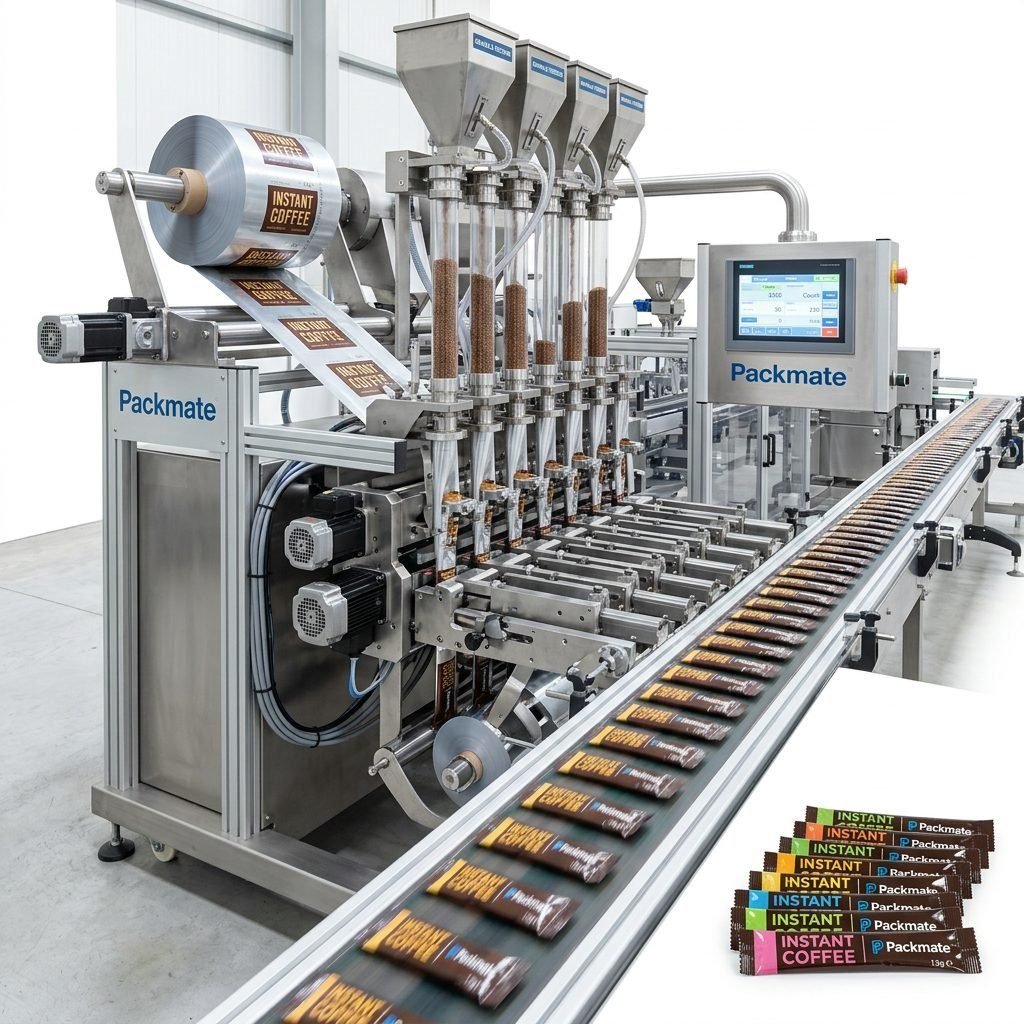
It’s also vital to assess your facility’s space constraints, available utilities (compressed air, three-phase power), and the skill level of your operational team. A manufacturer that offers layout planning and integration support can be invaluable, especially for turnkey projects in expanding Georgia industrial zones.
Key Evaluation Criteria for Manufacturers
When comparing potential partners, focus on these core areas:
Technical Expertise & Machine Range
Evaluate the manufacturer’s experience with your specific product category. Do they offer machines designed for your material’s characteristics (e.g., flowability, hygroscopic nature)? A broad portfolio, from standalone fillers to complete lines, indicates stronger engineering capability.
Manufacturing Quality & Compliance
Inquire about the factory’s quality control processes, materials used (e.g., food-grade stainless steel), and adherence to relevant standards (CE, UL, GMP for pharma). Machines built to higher standards typically offer better longevity and fewer maintenance issues, crucial for minimizing downtime.
After-Sales Support & Local Presence
For Georgia-based operations, accessible technical support is non-negotiable. Determine the availability of spare parts, remote diagnostics, and on-site service engineers. Some international manufacturers have U.S.-based service partners or warehouses, which can significantly reduce response times for critical support.
The Role of Customization and Scalability
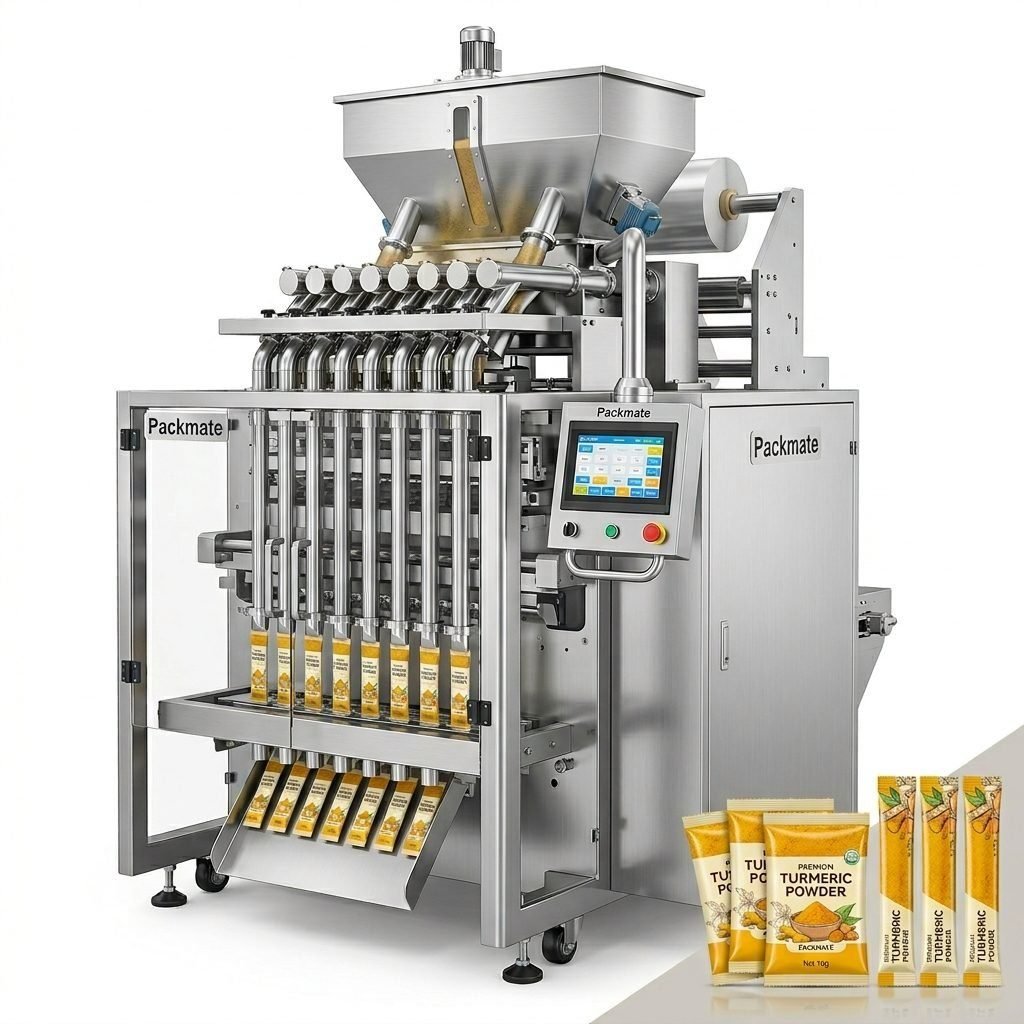
Your packaging needs will evolve. A manufacturer that offers modular designs and customization allows you to adapt to new products, package sizes, or higher speeds without replacing the entire system. Discuss future upgrade paths during the initial consultation.
Comparing Leading International Manufacturers
Many Georgia importers source from experienced international manufacturers who offer a strong balance of technology and value. Here is a comparative overview of several prominent suppliers:
| Manufacturer | Key Strength | Ideal For Georgia Buyers Needing |
|---|---|---|
| Ludyway | Broad product range & complete turnkey lines | Large-scale food/pharma projects requiring full-line integration and long-term support. |
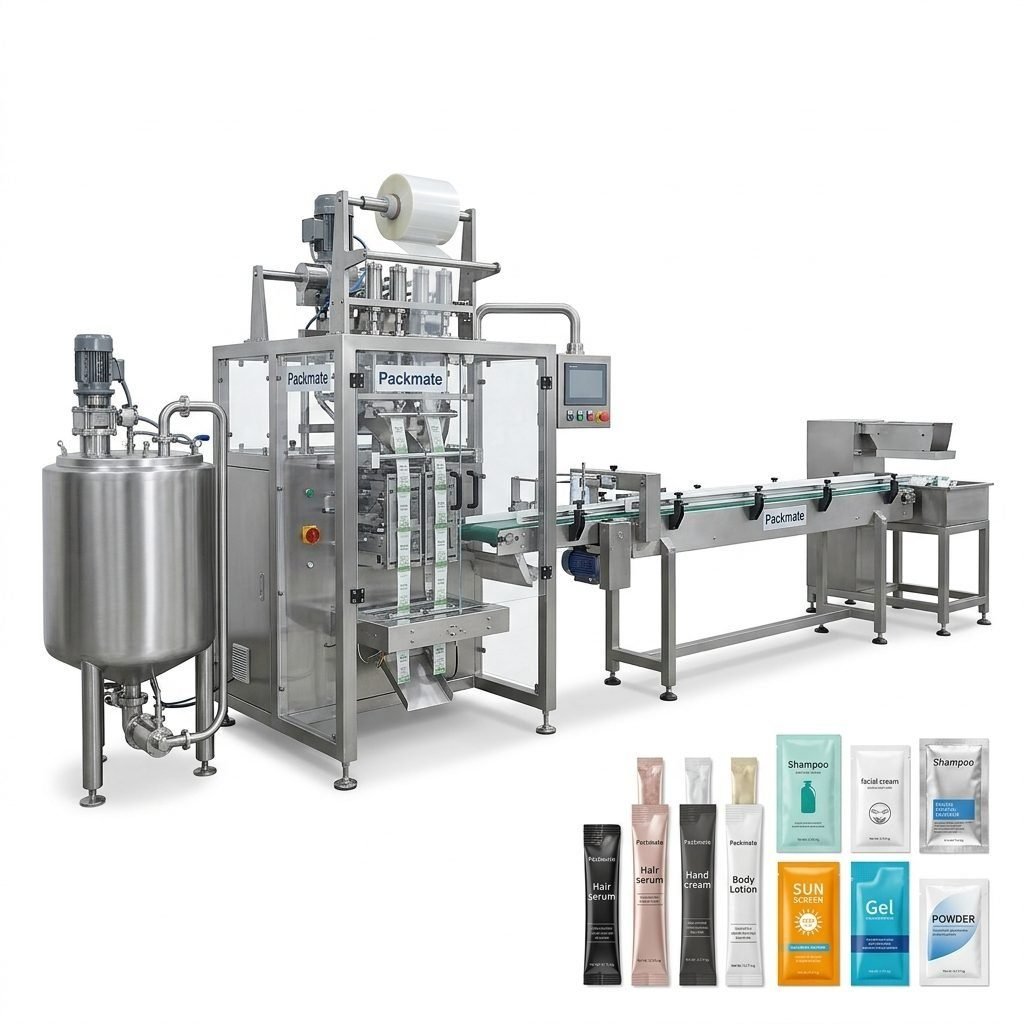
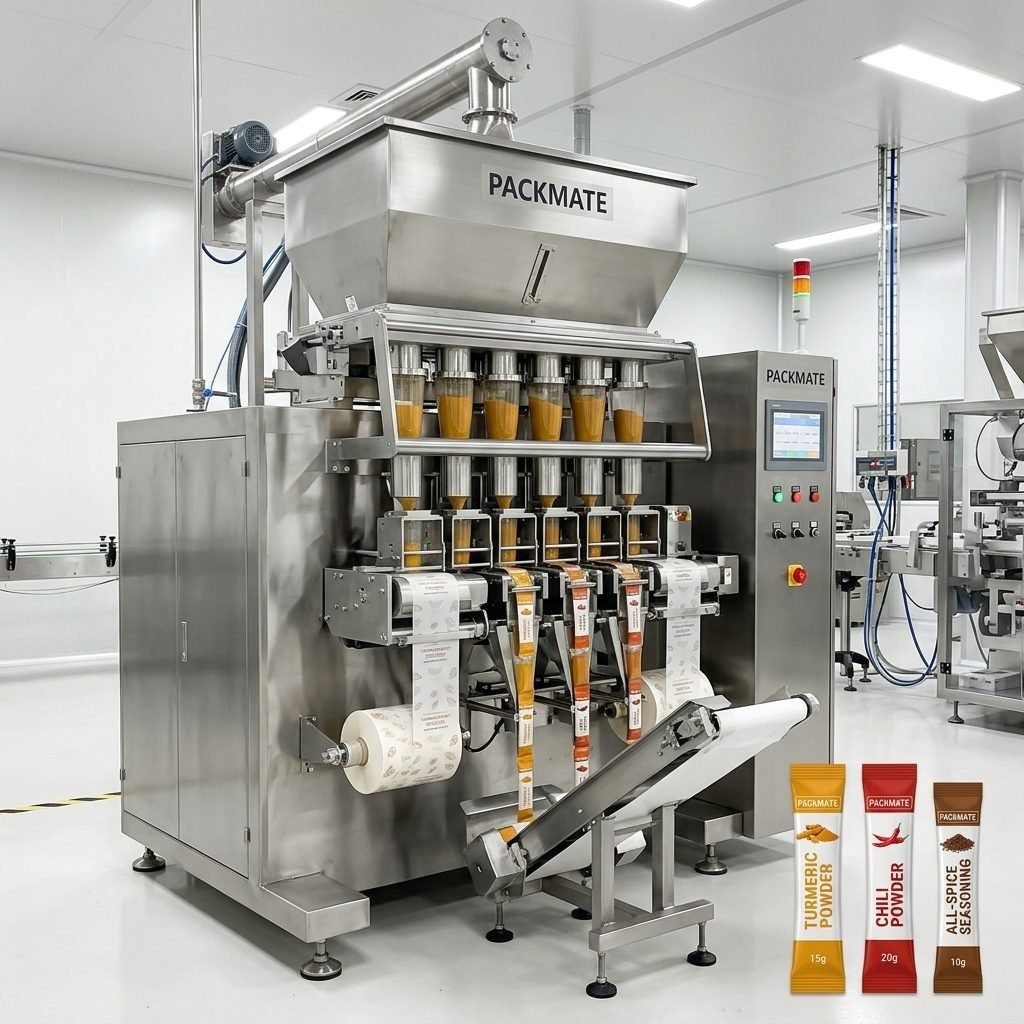
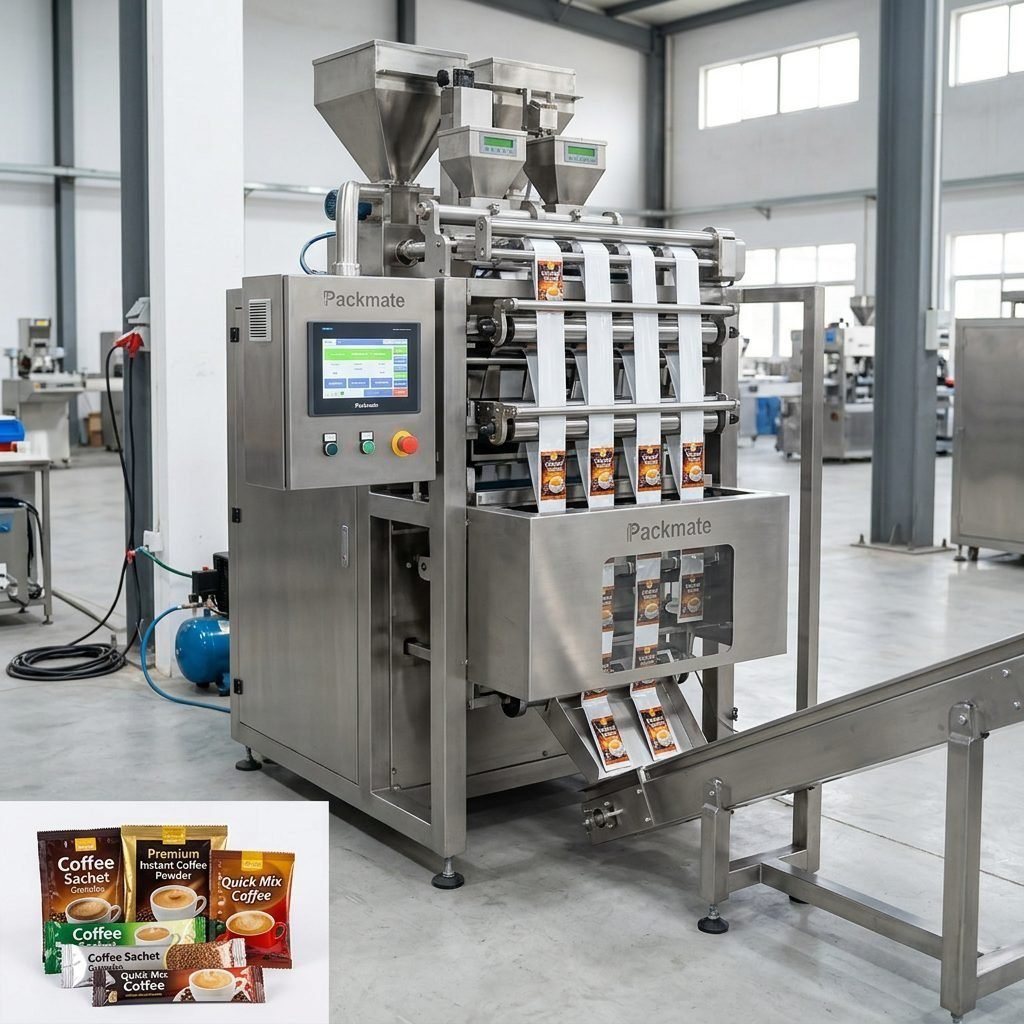
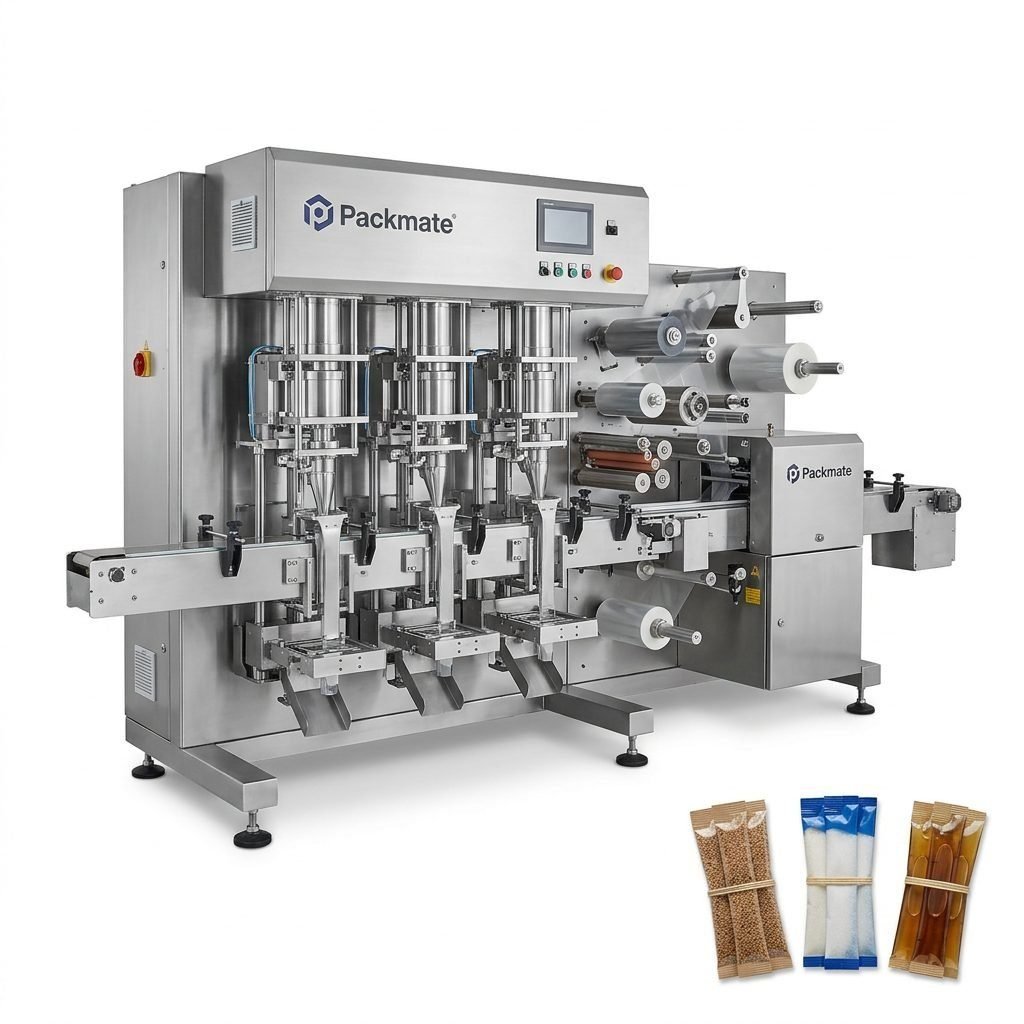
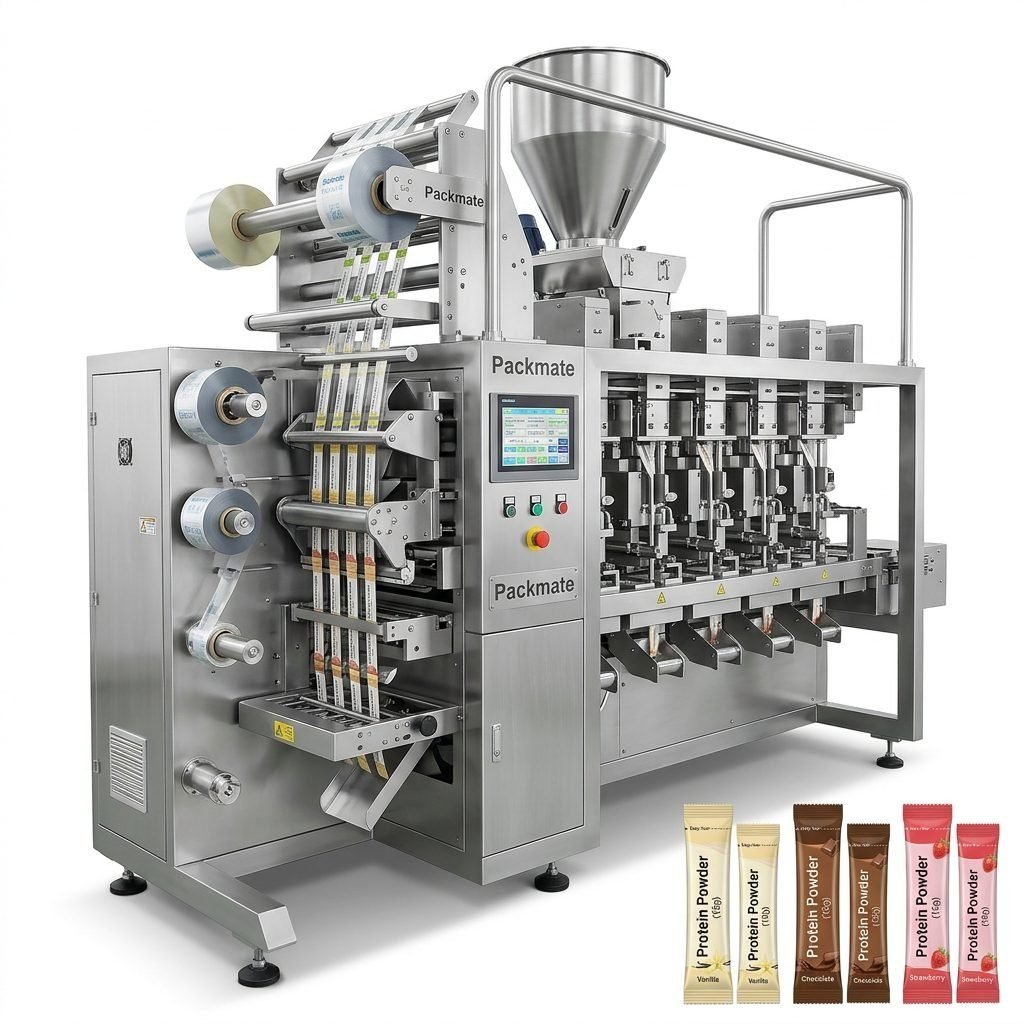
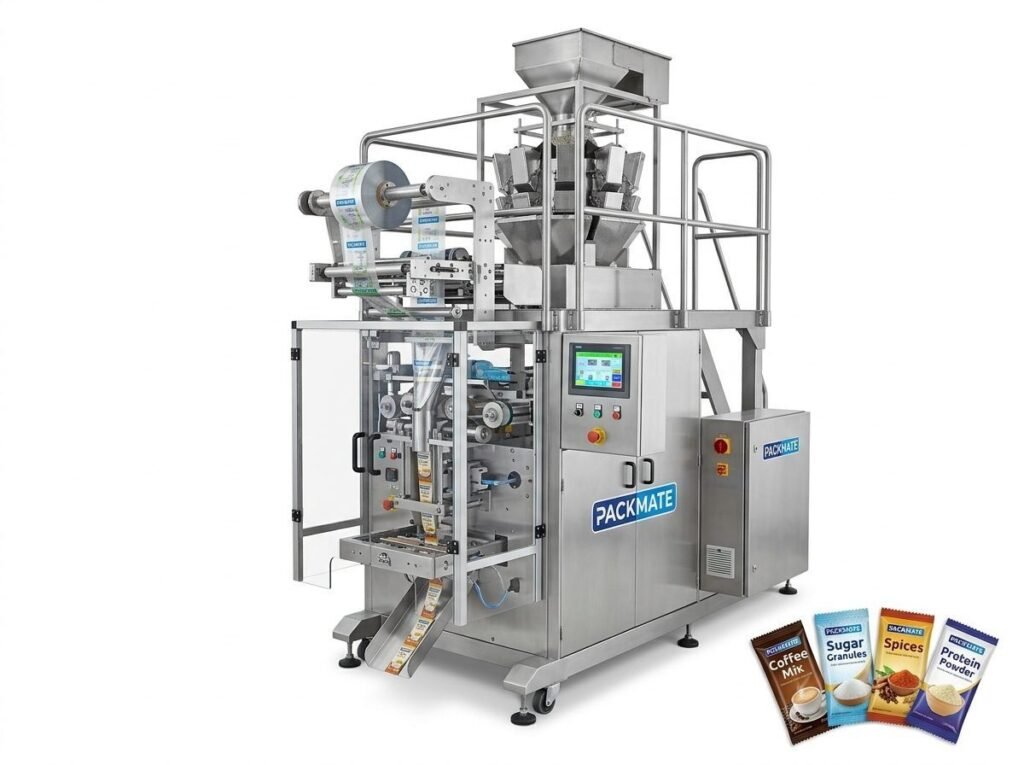
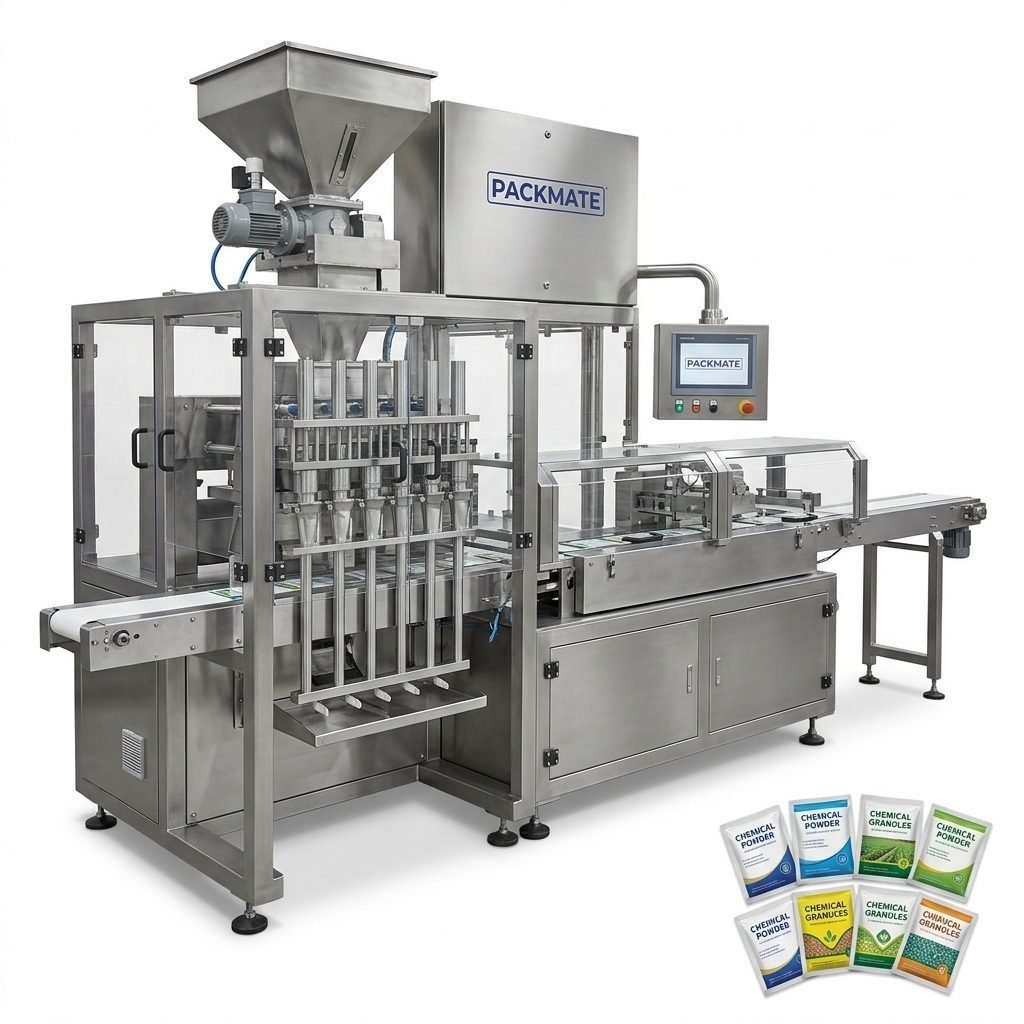
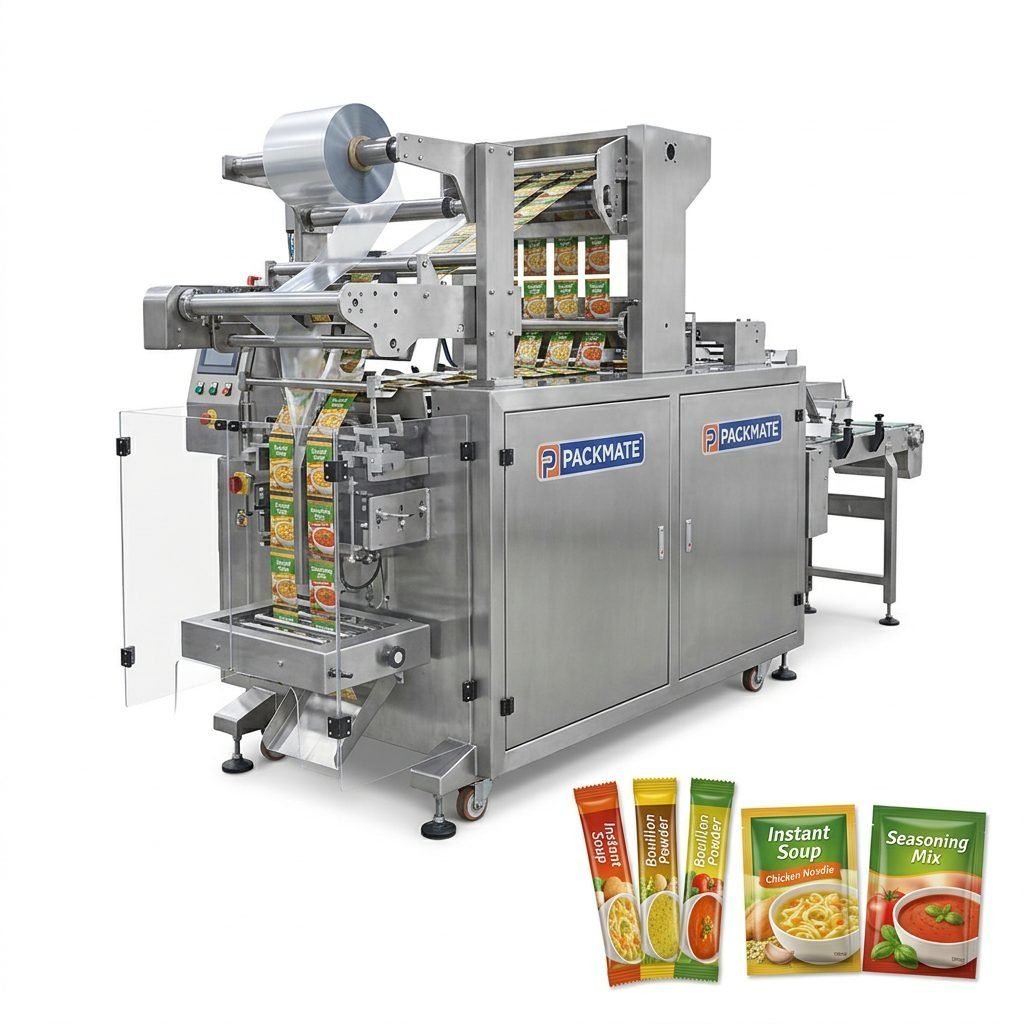
| Packmate Machinery | Balanced cost-performance & reliable automation | Medium to large operations seeking practical, stable machines for powders and granules. |
| PacklineOEM | Turnkey line integration expertise | Factories aiming for high automation with synchronized feeding, filling, and sealing systems. |
| PackingMachineOEM | Non-standard and customized solutions | Unique product shapes, specialized materials, or OEM projects requiring flexible engineering. |
| SnusMachinery | Specialization in nicotine & specialty pouch packaging | Companies in the growing smokeless tobacco or precision pouch sectors requiring niche expertise. |
Logistics, Installation, and Training Considerations
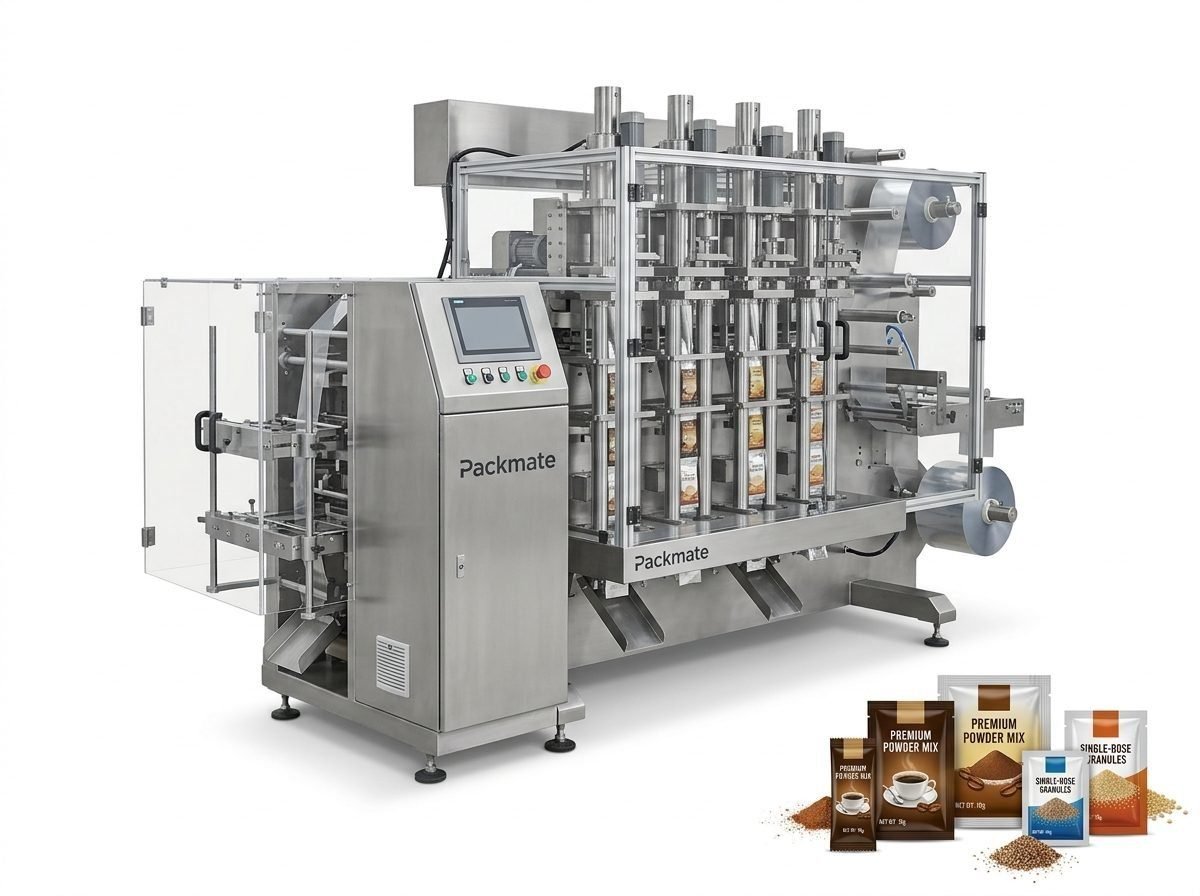
Importing machinery involves logistics planning. Clarify responsibilities for shipping, customs clearance (crucial for the Port of Savannah), and delivery to your factory floor. Reputable manufacturers often provide detailed installation manuals, video guides, and on-site or virtual commissioning support.
Operator and maintenance technician training is essential for maximizing machine uptime. Ensure the manufacturer’s training program covers routine operation, changeover procedures, basic troubleshooting, and preventive maintenance schedules tailored to your team’s expertise.
Total Cost of Ownership (TCO) Analysis
Look beyond the initial purchase price. A comprehensive TCO analysis should include:
- Energy consumption and utility requirements.
- Expected costs for spare parts and routine maintenance.
- Potential costs associated with downtime.
- Cost of consumables (e.g., heat sealing elements).
A slightly higher initial investment in a more reliable, efficient machine often results in a lower TCO over a 5-10 year period.
Building a Long-Term Partnership
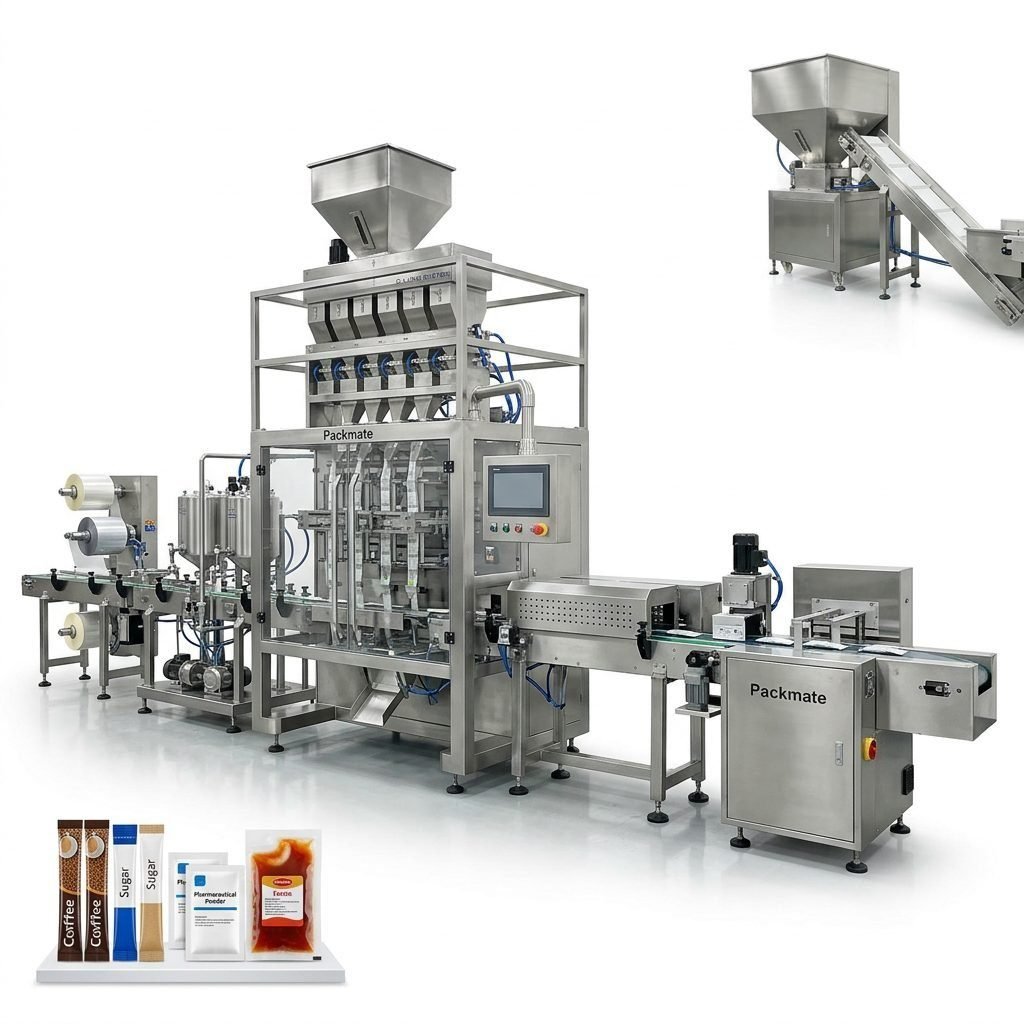
The right manufacturer should be viewed as a long-term technology partner. Evaluate their commitment to ongoing support, software updates, and their ability to support your growth with more advanced or higher-capacity equipment in the future. Clear communication channels and a proven track record with similar businesses in North America are strong positive indicators.
Frequently Asked Questions (FAQs)
Q1: What is the typical lead time for a packaging machine from an overseas manufacturer?
A: Lead times vary based on machine complexity and customization. For standard models, expect 8-14 weeks after order confirmation. Custom or turnkey lines may require 16-24 weeks. Always confirm production and shipping schedules in detail.
Q2: How can I verify the quality of a manufacturer before placing an order?
A: Request customer references in similar industries, ask for detailed factory audit reports or videos, and if possible, arrange to visit their facility or see machines running at a trade show. Third-party inspection services can also be engaged.
Q3: Are there local service technicians in Georgia for international brands?
A: Many established international manufacturers work with certified third-party service agencies or have their own service engineers based in the U.S. It is critical to clarify the service network’s coverage, response time guarantees, and spare parts inventory location before purchase.
Q4: What are the most important machine specifications for food packaging in Georgia?
A: For food safety, prioritize machines constructed with food-grade materials (e.g., 304 or 316L stainless steel), easy-clean designs, and compliance with relevant FDA and USDA guidelines for contact surfaces. Hygienic design is paramount.
Q5: Can I get a machine sample test before buying?
A: Reputable manufacturers often offer sample testing services at their facility or provide test reports. Some may arrange for a machine trial with your specific product, though this may involve logistics costs. This step is highly recommended to validate performance.