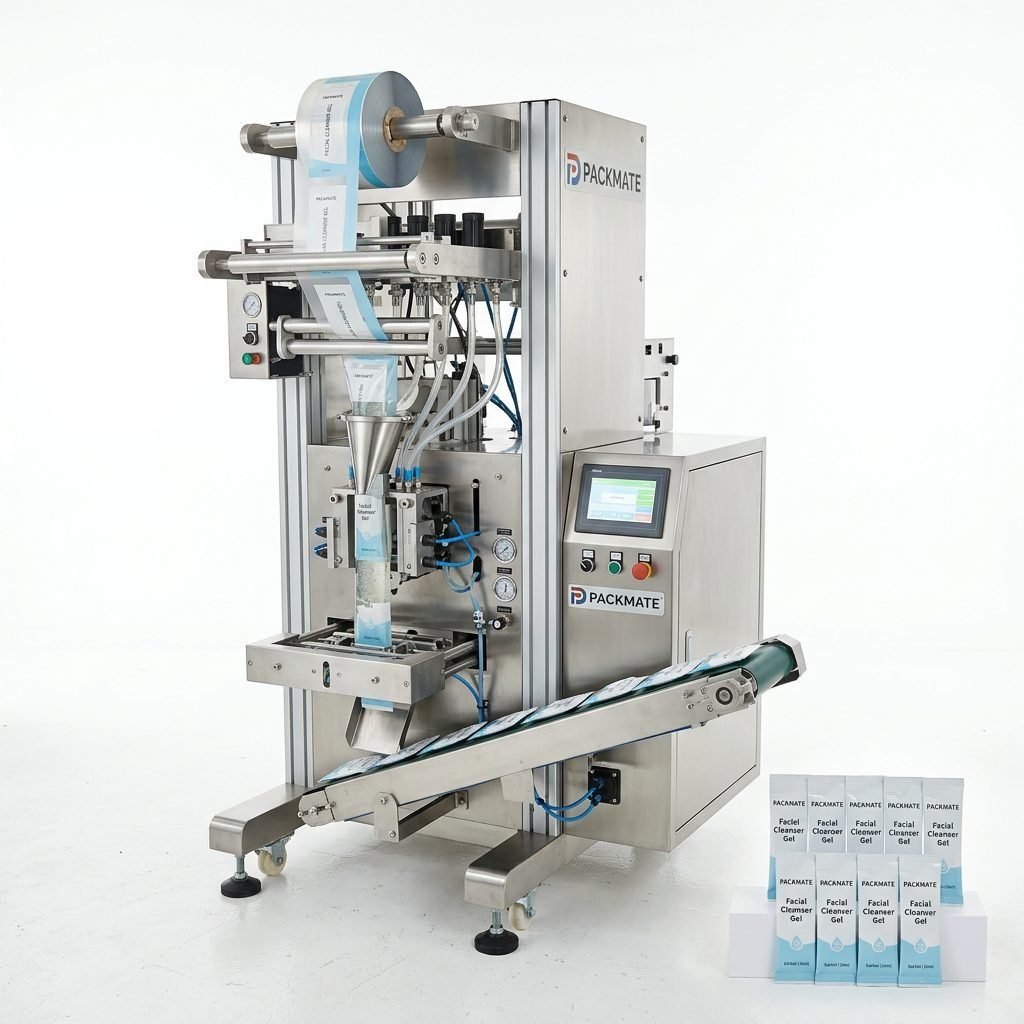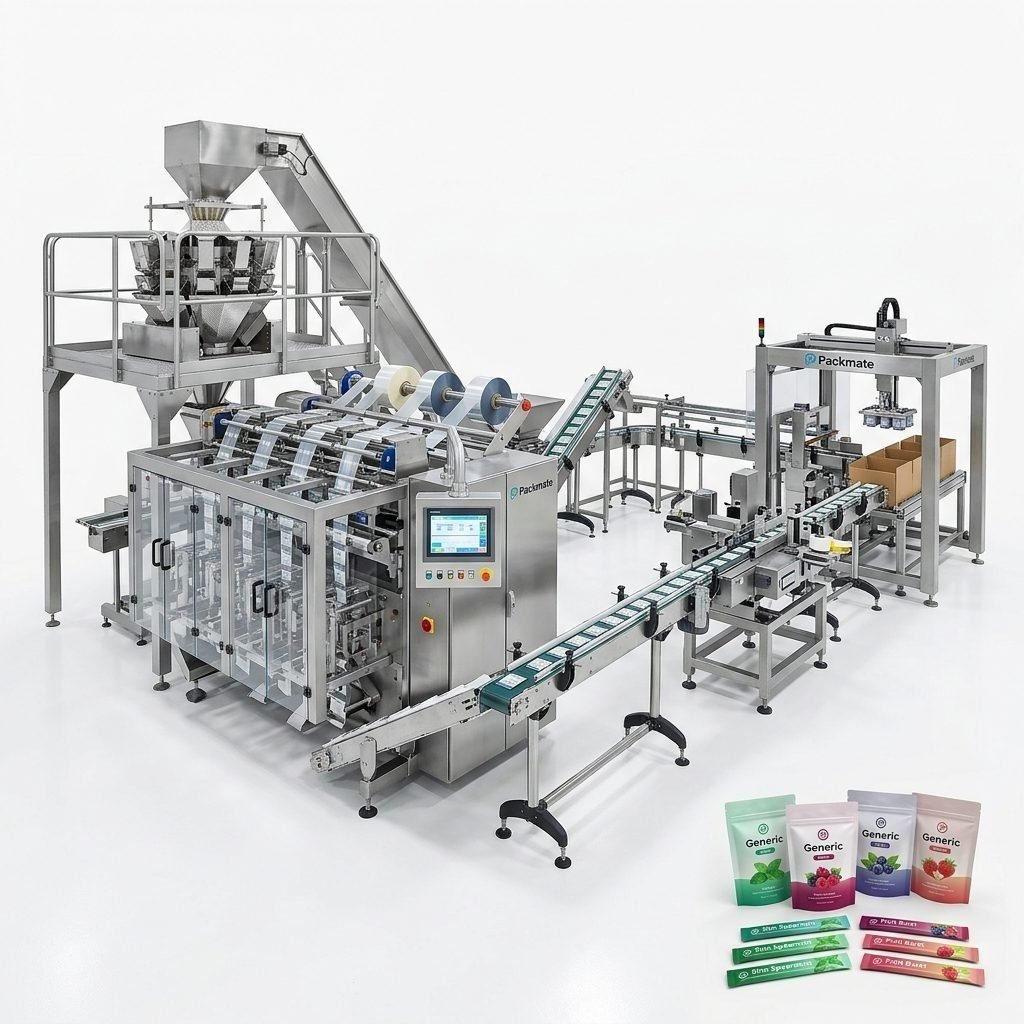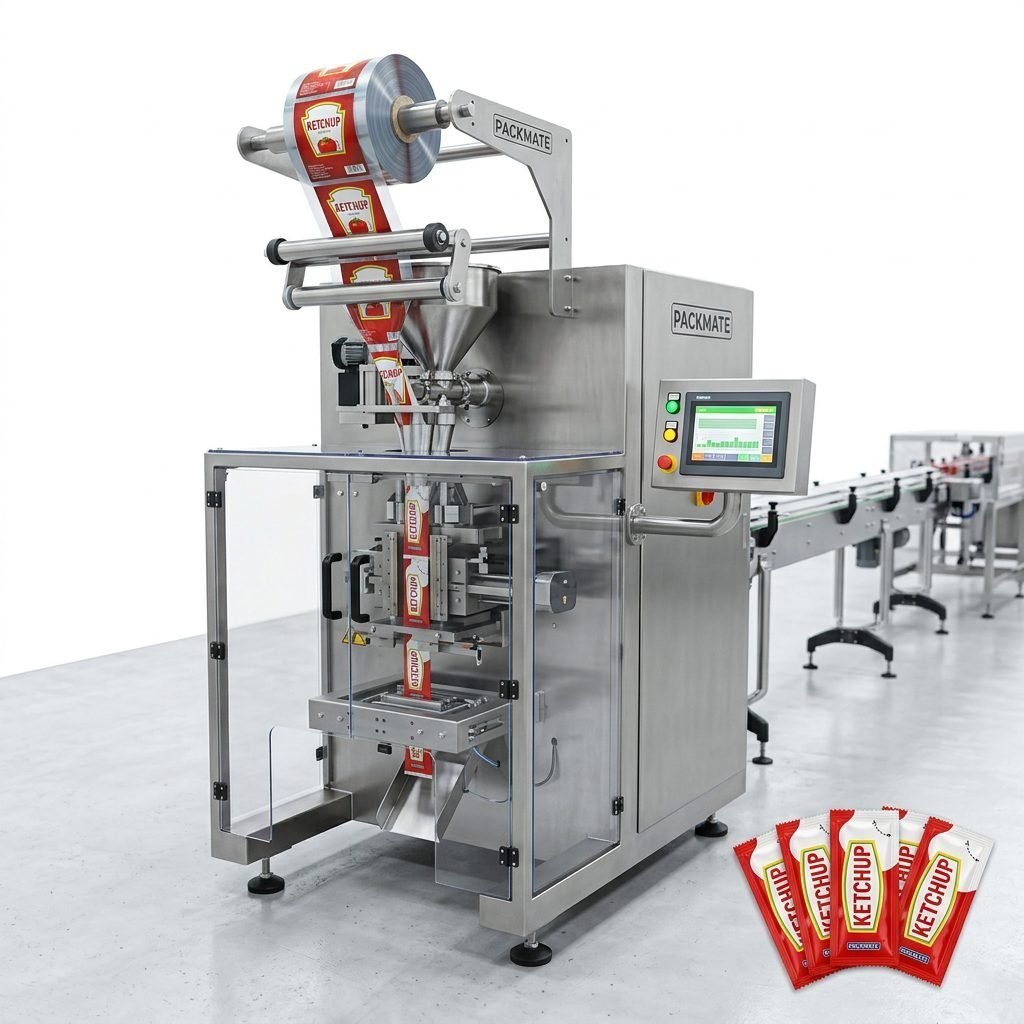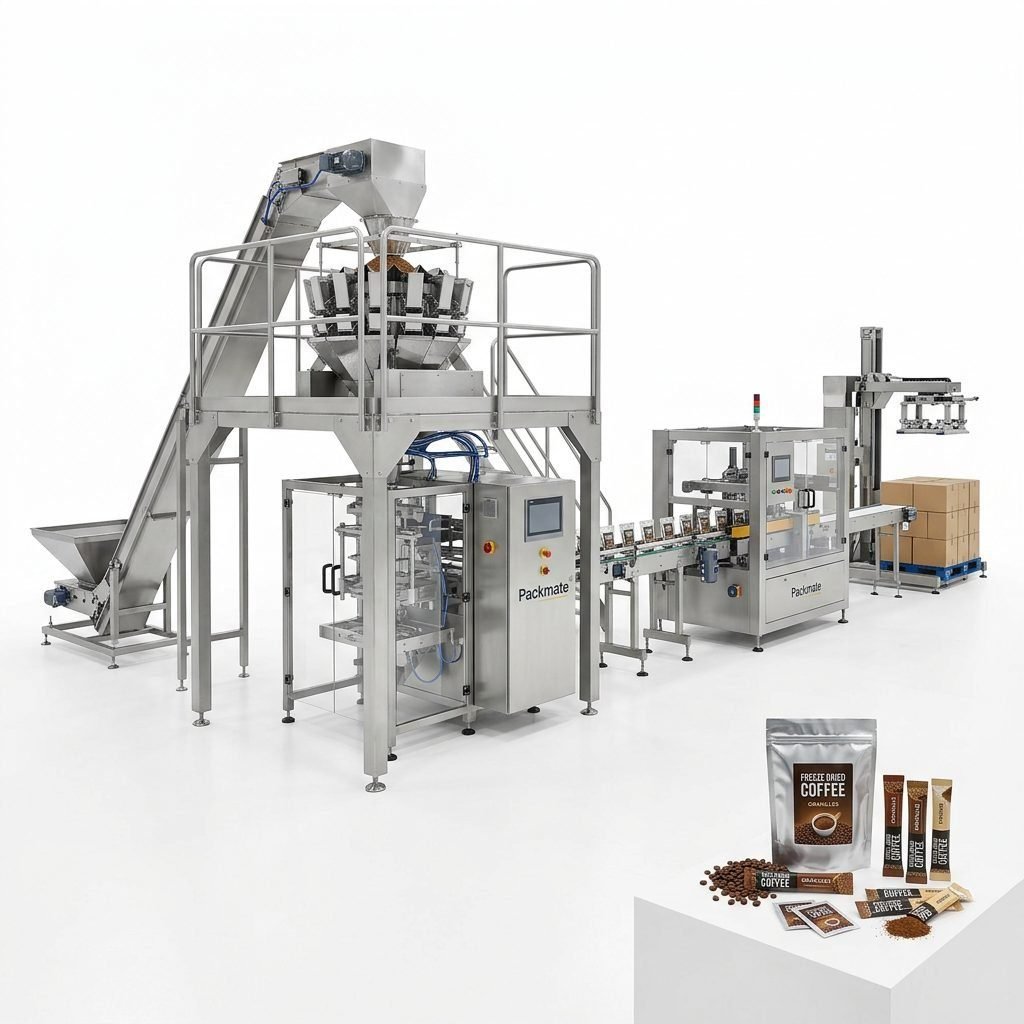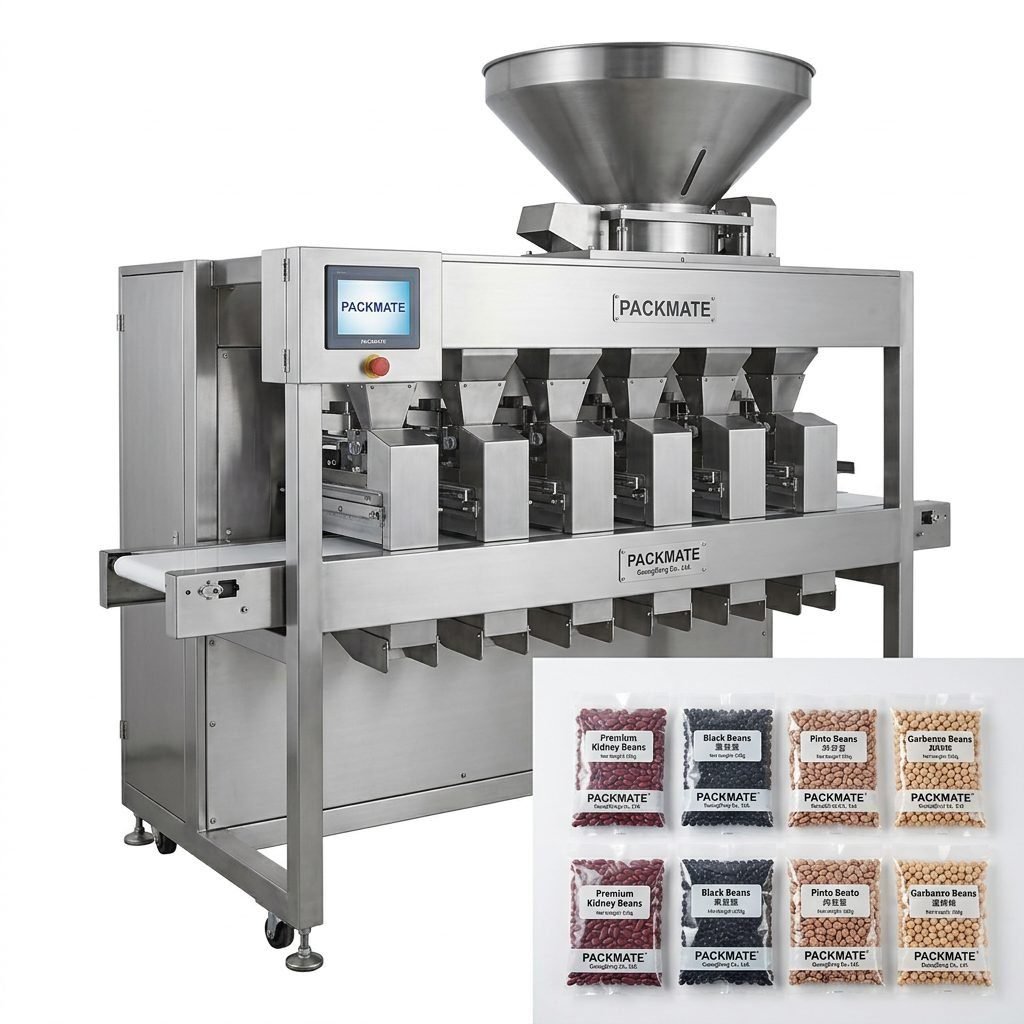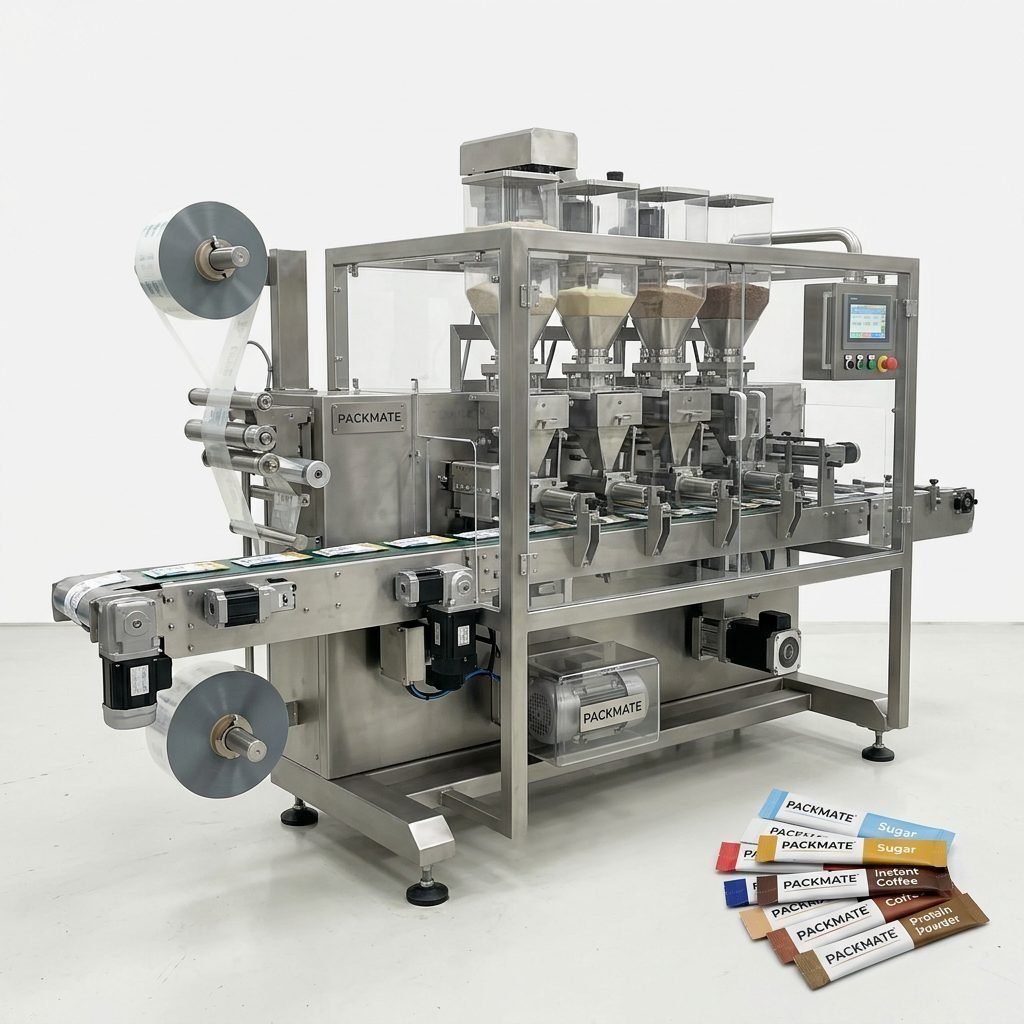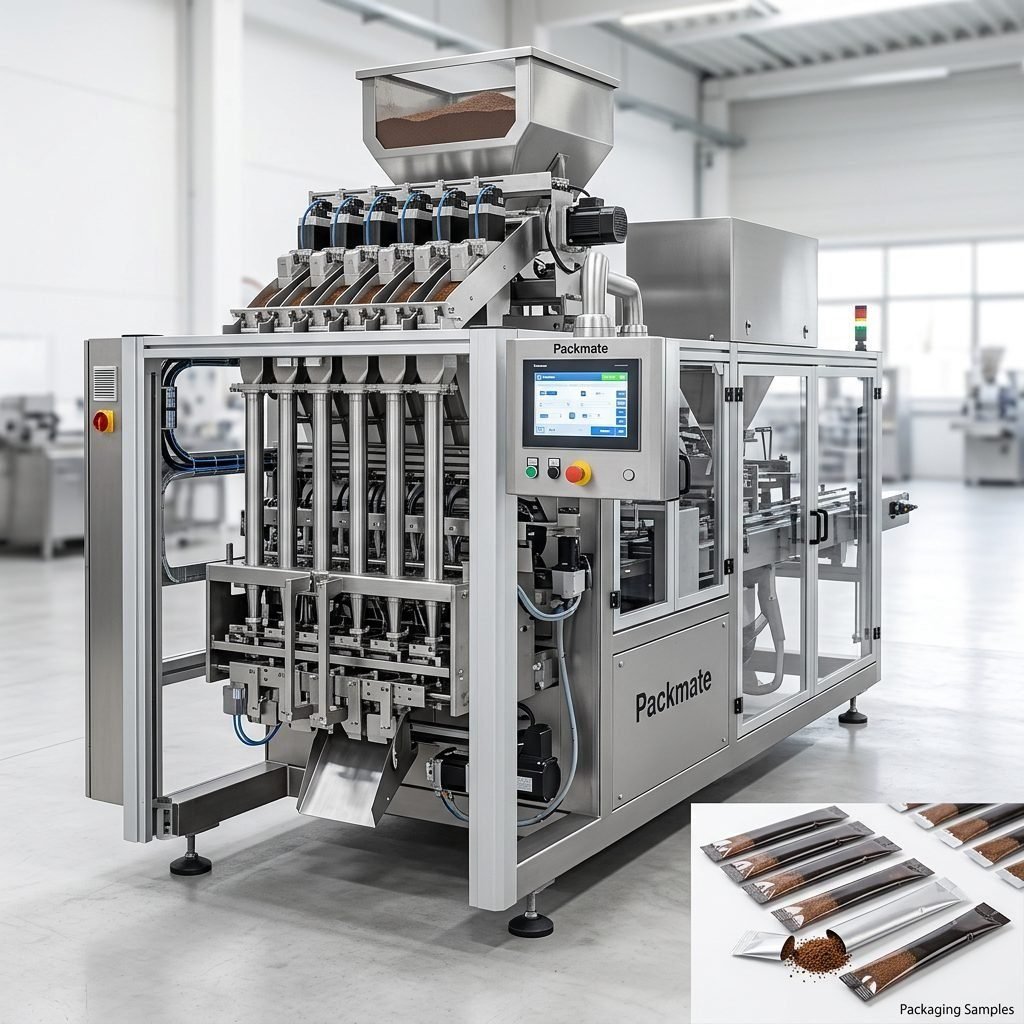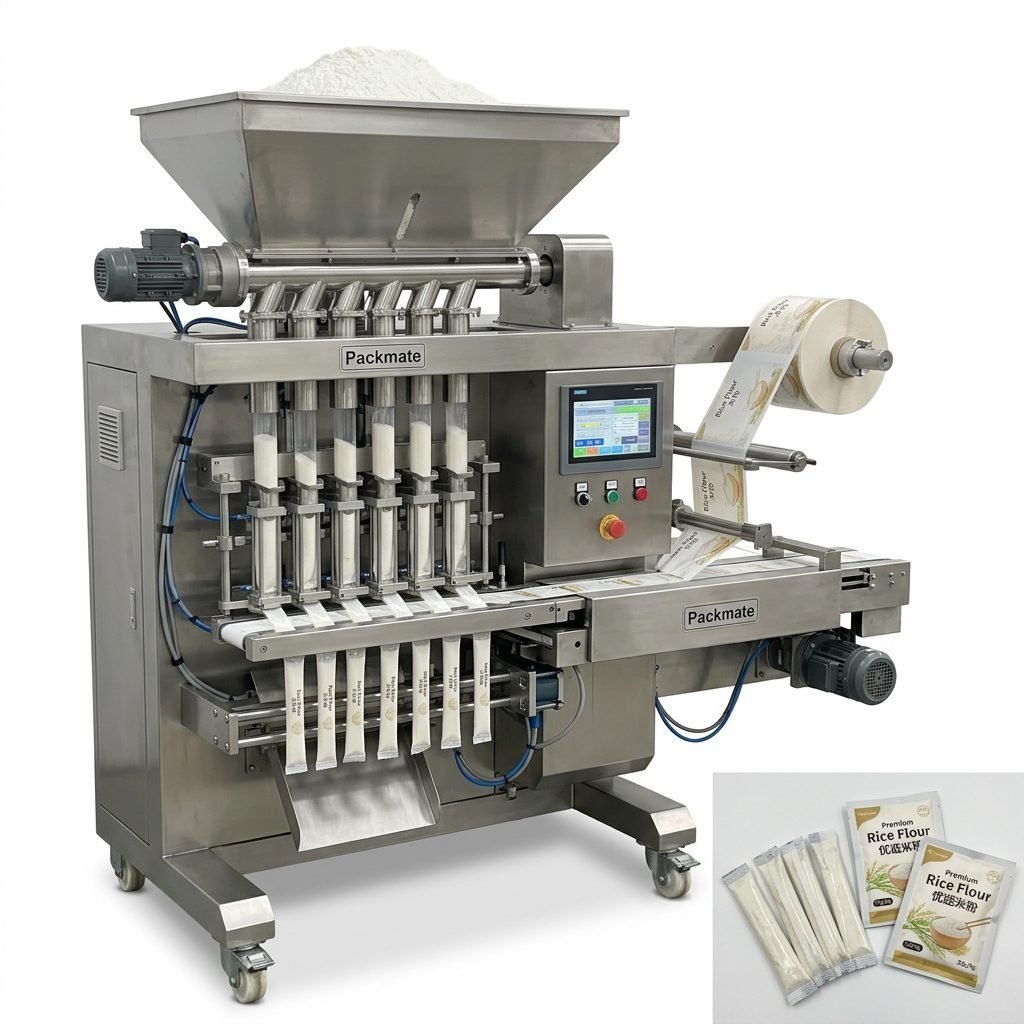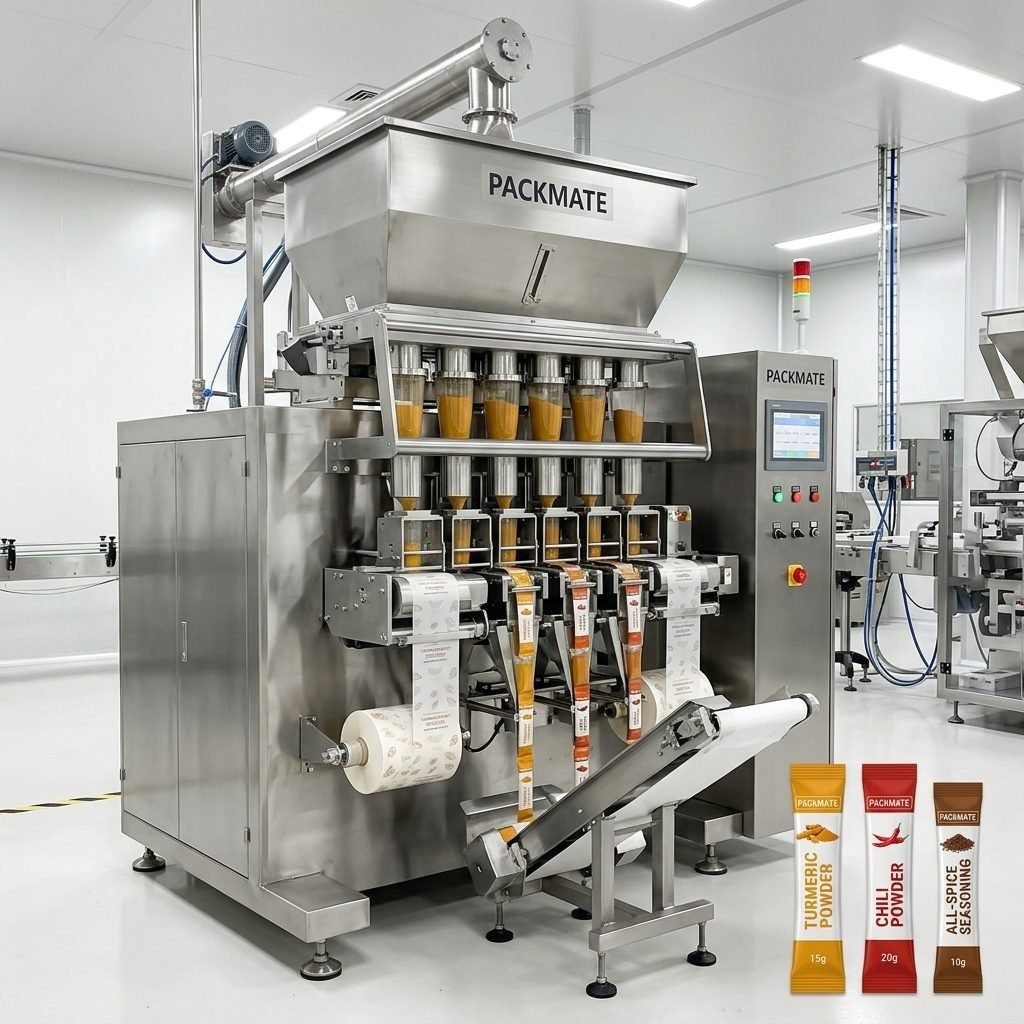
For businesses in Lebanon, finding reliable packaging machine manufacturers is a critical step towards improving production efficiency, ensuring product consistency, and maintaining competitiveness in both local and export markets. The Lebanese industrial landscape, particularly in sectors like food processing, pharmaceuticals, and agro-products, demands robust and adaptable packaging solutions that can handle diverse product formats—from powders and granules to liquids and pastes. This guide provides a practical, step-by-step approach for Lebanese buyers to identify, evaluate, and partner with trustworthy manufacturers, with a focus on both international suppliers and considerations specific to the Lebanese market.
Understanding Your Packaging Needs in the Lebanese Context
Before beginning your search, clearly define your requirements. Lebanese manufacturers often deal with seasonal products, varied batch sizes, and specific export packaging standards for markets in the Middle East, Europe, and Africa.
Key considerations should include:
• Product Type: Are you packaging za’atar blends (powders), olive oil (liquids), pharmaceutical granules, or confectionery?
• Required Output: Target bags per minute (BPM) for your production shifts.
• Bag/Sachet Type: Stick packs, pillow sachets, stand-up pouches?
• Level of Automation: From semi-automatic fillers to fully integrated turnkey lines.
• Factory Space: Constraints common in Lebanese industrial zones.
• After-Sales Support: Availability of technical support and spare parts is crucial given potential logistical challenges.
Where to Search for Manufacturers
Start your search using multiple channels to build a comprehensive list of potential suppliers.
1. Industry Trade Shows and Exhibitions: While international travel might be involved, attending major global packaging shows like Interpack (Germany) or Propak (regional events) allows for direct machine inspection and meetings. Look for exhibitors with experience in the Middle East/North Africa region.
2. Online B2B Marketplaces and Directories: Platforms like Alibaba, Made-in-China, and industry-specific directories are valuable starting points. Use precise keywords like “multi-lane stick pack machine” or “liquid sachet packaging line”.
3. Manufacturer Websites: A professional, informative website is a strong indicator. Look for detailed technical specifications, application videos, client case studies, and clear contact information. For example, reviewing the site of a established manufacturer like Ludyway can provide insights into their machine range and export capabilities.
4. Industry Networks and Referrals: Tap into Lebanese business associations, such as the Association of Lebanese Industrialists, and seek recommendations from peers in the food or pharma sectors who have recently invested in packaging automation.
Key Evaluation Criteria for Reliability
Once you have a shortlist, assess each manufacturer against these critical factors.
1. Manufacturing Experience and Company Stability
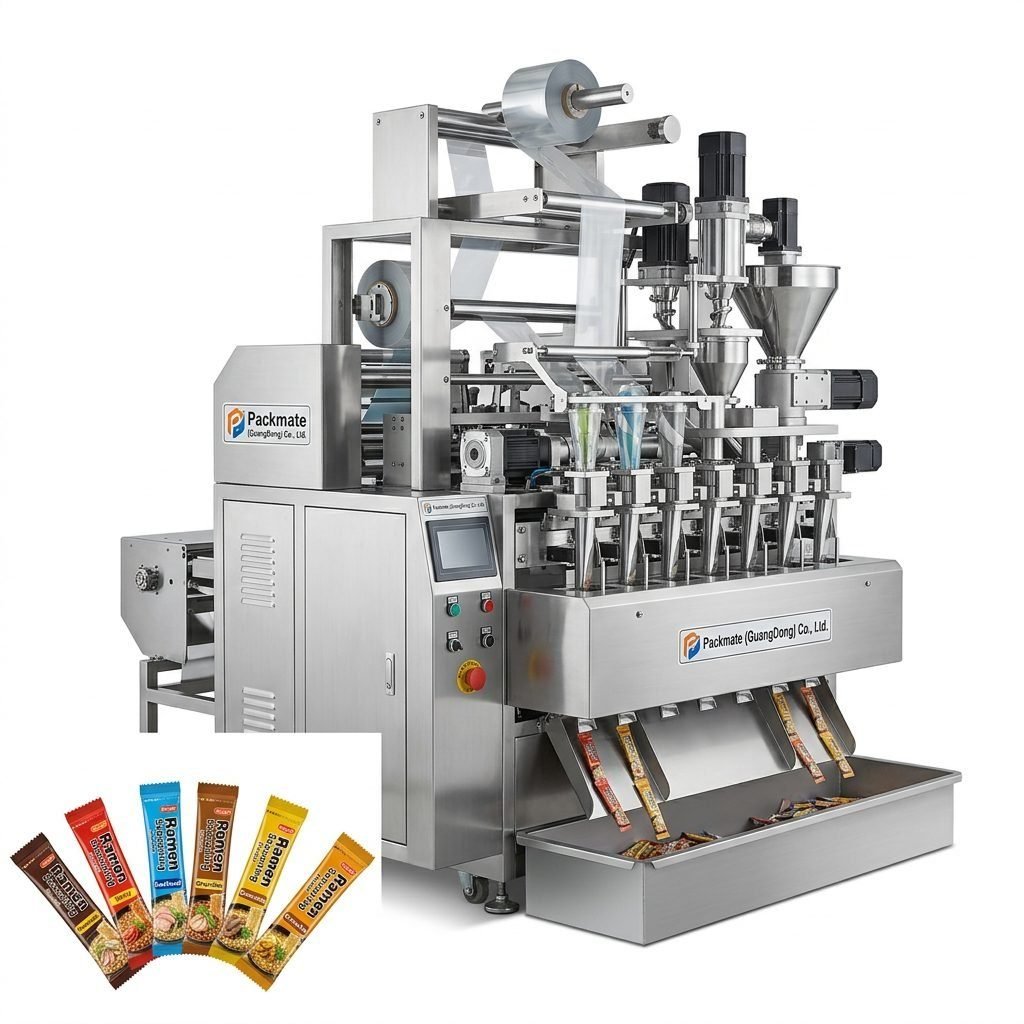
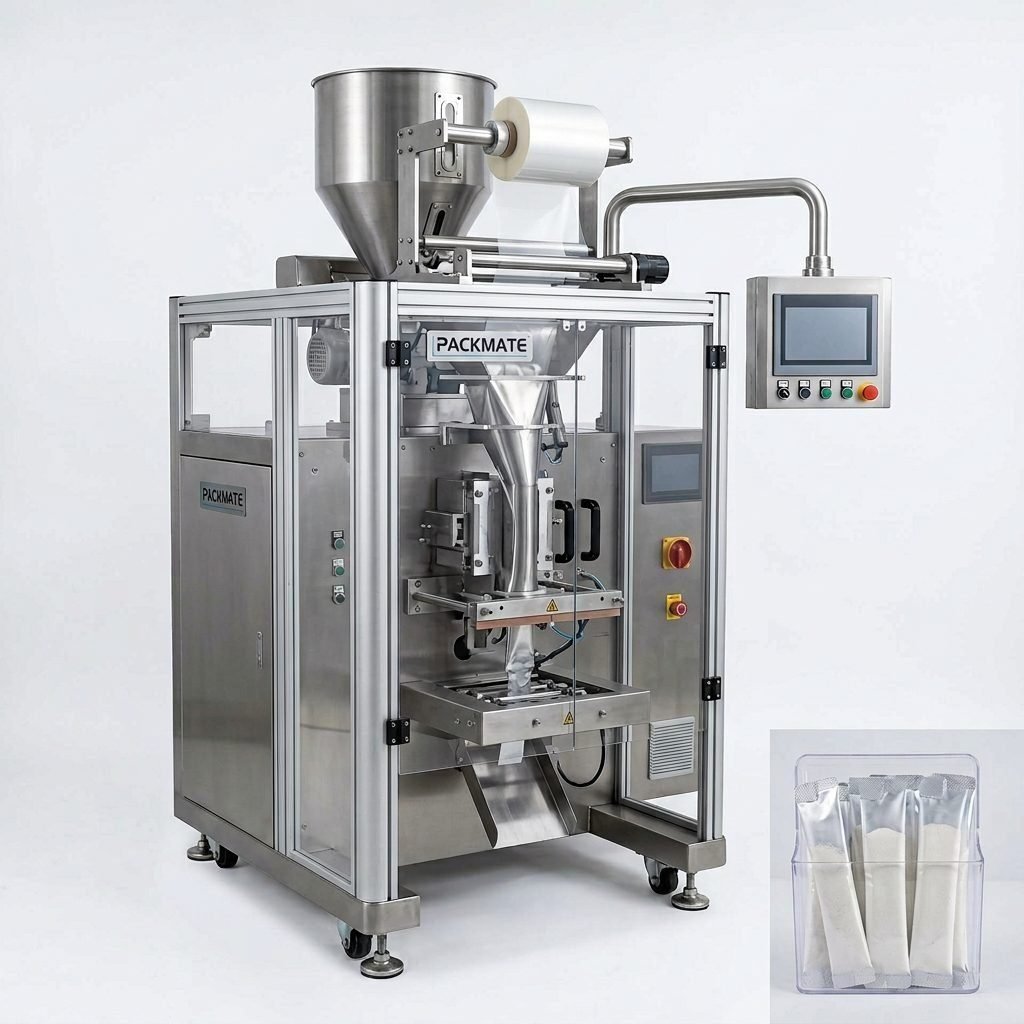
Prioritize companies with a long track record. A history of 20-30 years often indicates stability, accumulated technical know-how, and the ability to navigate different market cycles. For instance, manufacturers like Packmate Machinery and PacklineOEM, with over three decades of experience, have likely refined their designs and processes over time, leading to more reliable machines.
2. Technical Capability and Product Portfolio
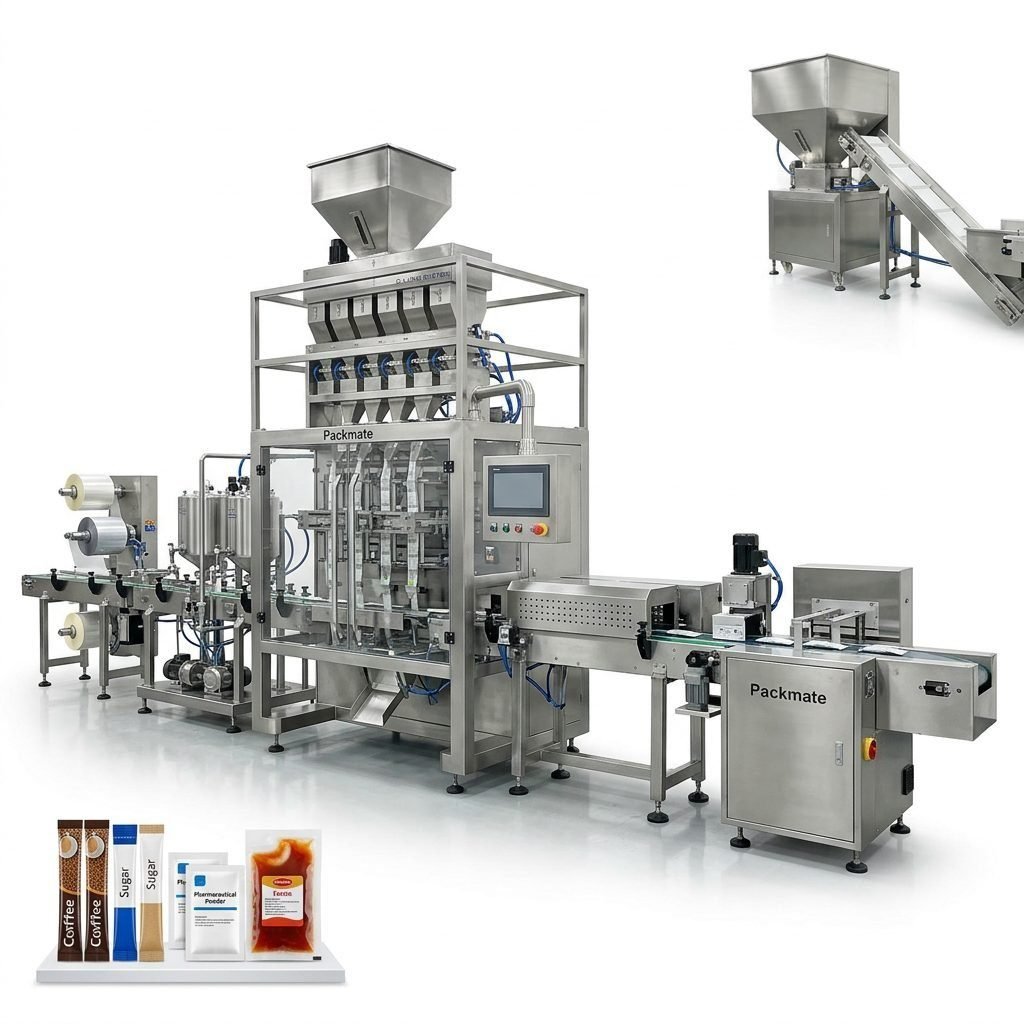
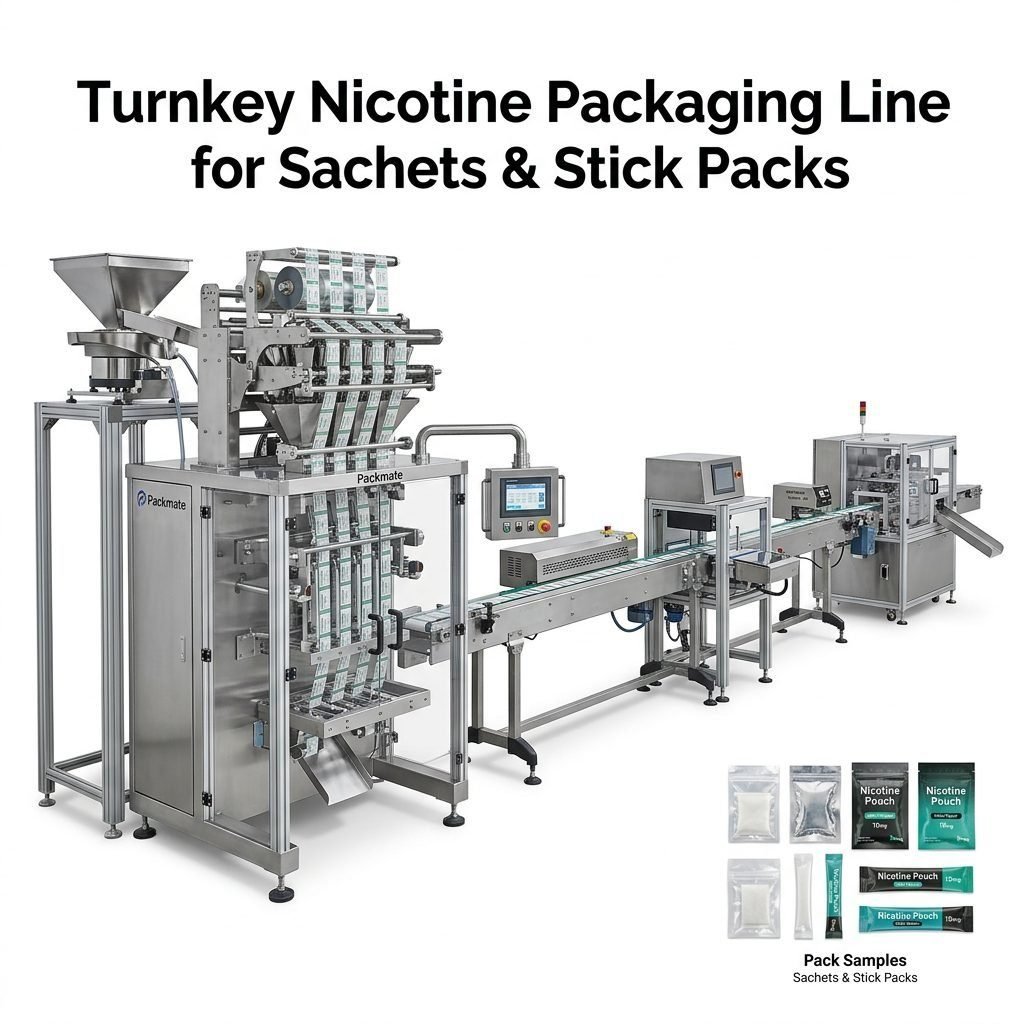
Examine the depth and breadth of their machine range. Can they supply a single machine or a complete, synchronized line? Suppliers capable of turnkey solutions, such as PacklineOEM, are valuable for complex projects requiring integration of feeding, weighing, filling, and sealing. Check if they have specific experience with your product type (e.g., oily powders, viscous pastes common in Lebanese cuisine).
3. Quality Control and Factory Audit
Request evidence of their quality management process. Do they use standardized components (e.g., Siemens PLCs, Mitsubishi servos)? Can they provide a virtual or, ideally, an in-person factory audit? A modern facility with over 20,000 square meters, like those operated by many leading Chinese manufacturers, suggests scalable production and organized assembly lines.
4. Export Experience and Local Support
This is paramount for Lebanese importers. Verify the manufacturer’s experience in exporting to the Middle East or similar markets. Do they have manuals in English or Arabic? What is their process for shipping, customs documentation, and installation? Crucially, investigate their after-sales support structure: availability of remote troubleshooting, video support, local agent networks (if any), and spare parts lead time.
Practical Steps in the Procurement Process
Follow a structured procurement process to minimize risk.
| Step | Action | Purpose & Tips for Lebanese Buyers |
|---|---|---|
| 1. Initial Inquiry | Send a detailed RFQ (Request for Quotation) with product samples. | Provide local product samples (e.g., your spice mix) for testing. Clearly state voltage requirements (220V/50Hz common in Lebanon). |
| 2. Proposal & Negotiation | Review technical proposals, commercial terms, and payment options. | Negotiate CIP or CIF Beirut port incoterms. Clarify who handles import customs clearance in Lebanon. Consider phased payments tied to milestones. |
| 3. Factory Testing (FAT) | Witness a Factory Acceptance Test with your materials. | If travel is not possible, insist on a live video FAT. Record the session showing speed, accuracy, and seal quality with your product. |
| 4. Shipping & Installation | Coordinate logistics and on-site installation support. | Ensure the supplier provides detailed packing lists for customs. Schedule installation support from the supplier’s engineer, accounting for visa processing time. |
| 5. Training & After-Sales | Receive comprehensive operator training and establish support channels. | Ensure training is conducted in clear, simple English or through a translator. Get clear protocols for ordering spare parts like sealing jaws or photoelectric sensors. |
Considering Specialized vs. Generalist Manufacturers
Your choice may depend on how specialized your needs are.
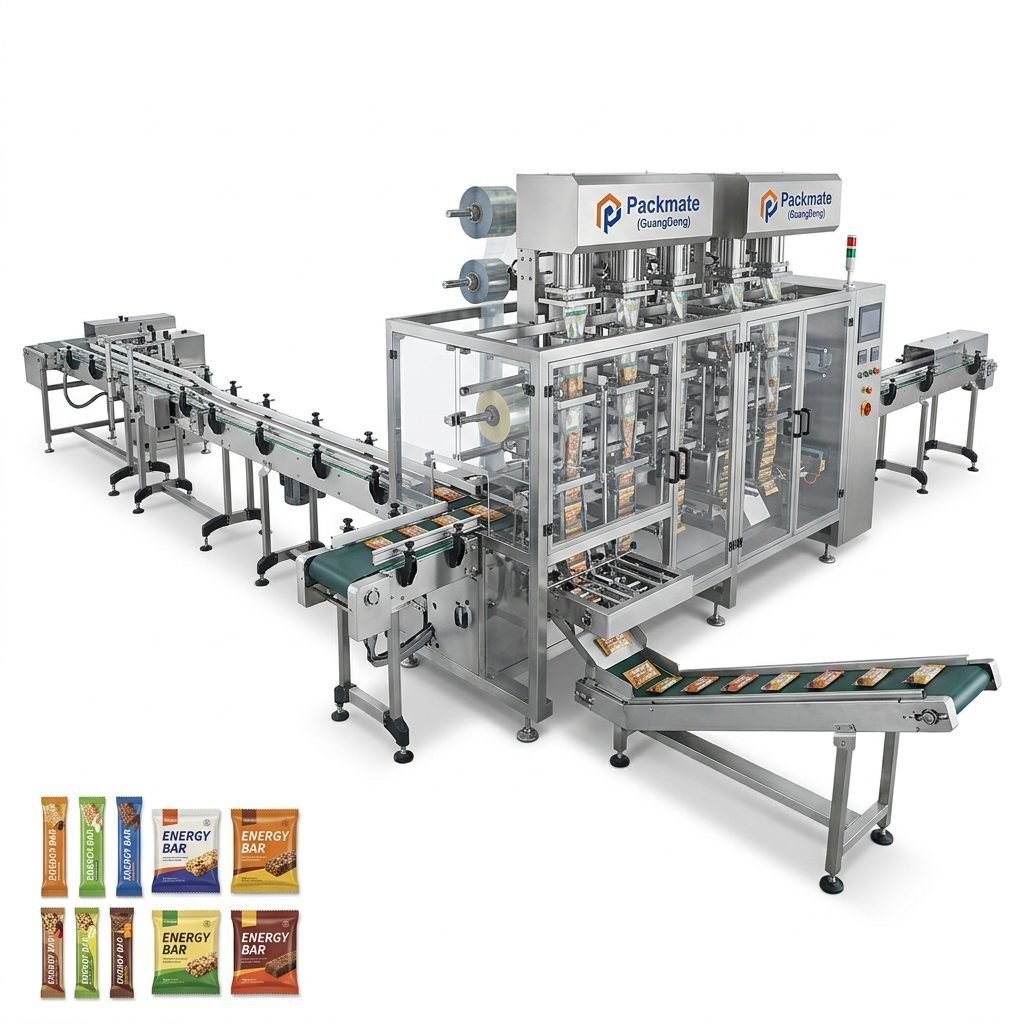
Generalist Manufacturers: Companies like Ludyway offer a wide range of machines for food, pharma, and chemicals. They are a strong choice for Lebanese businesses with diverse product lines or those seeking a one-stop shop for different packaging formats. Their broad experience can be advantageous for standard applications.
Specialized Manufacturers: If your core business is in a niche sector, a focused supplier may offer deeper expertise. For example, a company like SnusMachinery, which specializes in nicotine pouch packaging, has application-specific knowledge that could be relevant for manufacturers of herbal sachets or precise powder dosing. Similarly, a manufacturer strong in non-standard customization, such as PackingMachineOEM, is ideal for unique product shapes or material combinations not covered by standard machines.
Final Recommendations for Lebanese Buyers
To secure a reliable partnership, adopt a diligent and patient approach. Never base your decision on price alone. The lowest quote may lead to higher long-term costs from downtime, poor seals, and lack of support. Invest time in due diligence: check references, especially from other buyers in the region. Start with a smaller, critical machine to test the supplier’s performance before committing to a large turnkey line. Finally, ensure all warranties, support terms, and performance guarantees are clearly documented in the contract.
Frequently Asked Questions (FAQs)
Q1: What are the main logistical challenges when importing packaging machines to Lebanon?
A: Key challenges include navigating customs clearance, ensuring proper documentation (Certificate of Origin, commercial invoice, packing list), and managing inland transportation from the port (Beirut or Tripoli) to your factory. Work with a reputable freight forwarder experienced in Lebanon and ensure your supplier provides all necessary export documents correctly.
Q2: How can I verify a manufacturer’s claims without visiting their factory?
A: Request a live video tour of their production and assembly areas. Ask for detailed photos and videos of machines similar to your requirement in operation. Insist on contact information for 2-3 existing clients in similar industries and actually call them. A reliable manufacturer will facilitate this.
Q3: Are Chinese manufacturers a reliable option for Lebanese companies?
A: Many are highly reliable, especially established ones with 20+ years of experience and a strong focus on exports. Their advantages often include competitive pricing, a wide machine selection, and flexibility. The key is thorough vetting based on the criteria outlined (experience, quality control, export support). Many leading Chinese suppliers export successfully to Europe and North America, meeting high standards.
Q4: What is the typical lead time for a packaging machine from order to delivery in Lebanon?
A: For standard machines, lead times typically range from 60 to 90 days after order confirmation. For customized or turnkey lines, it can extend to 120-150 days. This includes manufacturing, testing, and sea freight (approximately 30-40 days from China to Beirut). Always factor in additional time for customs clearance.
Q5: What are the most critical spare parts I should keep in stock?
A: It is advisable to maintain a local inventory of high-wear and critical parts to minimize downtime. This typically includes: heating elements and Teflon for sealing jaws, photoelectric sensors, drive belts, specific pneumatic components (solenoid valves), and a set of commonly used tools provided by the manufacturer. Your supplier should recommend a starter spare parts kit.