For businesses in El Salvador looking to scale production, improve efficiency, and enhance product consistency, investing in the right packaging machinery is a critical decision. The Salvadoran market, with its strong presence in food processing, pharmaceuticals, and agricultural exports, demands reliable and adaptable automation solutions. The choice of manufacturer can significantly impact your operational success, long-term reliability, and return on investment.
Selecting a packaging machine manufacturer is not just about finding the lowest price. It involves evaluating technical capability, after-sales support, and the manufacturer’s understanding of your specific product and industry needs. This guide will walk you through the key factors to consider when choosing a packaging machine supplier for your Salvadoran business.
Understanding Your Packaging Needs in the Salvadoran Context
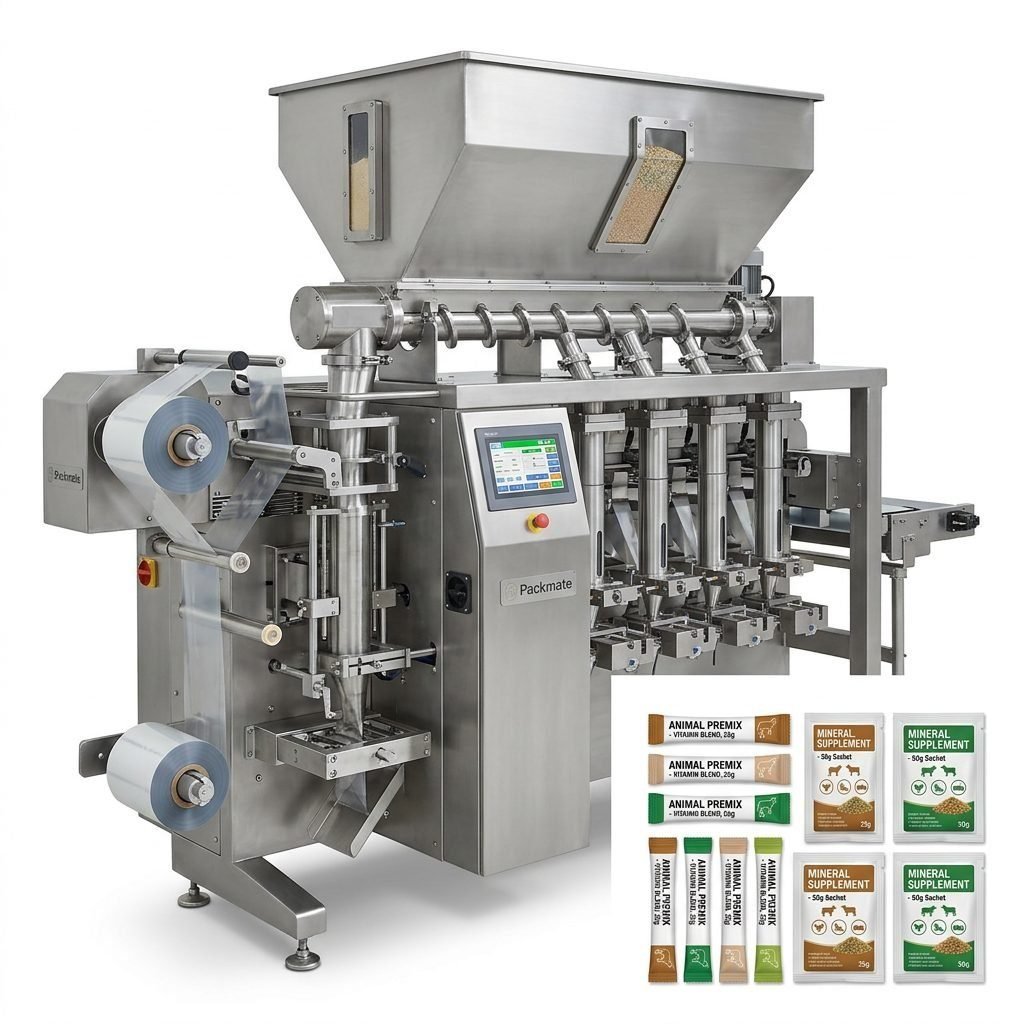
Before you start looking at manufacturers, clearly define your requirements. The Salvadoran market often deals with products like coffee, sugar, spices, pharmaceuticals, and personal care items, each with unique packaging demands.
Key questions to ask:
- Product Type: Are you packaging powders (e.g., seasonings, flour), granules (e.g., coffee, sugar), liquids (e.g., sauces, oils), pastes, or solid items?
- Packaging Format: Do you need stick packs, sachets, pouches, bottles, or blister packs?
- Production Speed & Capacity: What is your current and projected output (bags/packs per minute)?
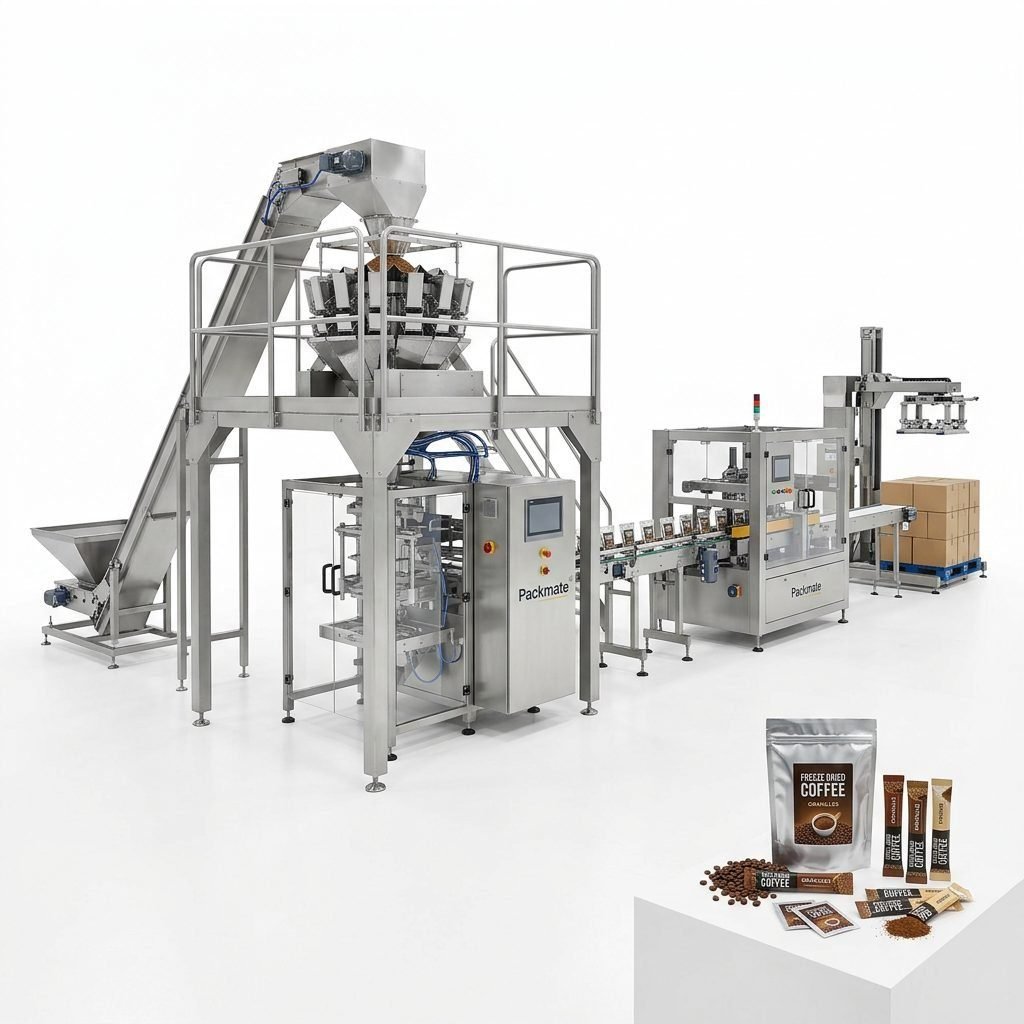
- Level of Automation: Do you need a single standalone machine or a complete, integrated turnkey packaging line?
- Local Support: How critical is local technical support, spare parts availability, and operator training for your operation in El Salvador?
Key Evaluation Criteria for Manufacturers
With your needs defined, you can now assess potential suppliers against these critical factors.
1. Technical Expertise and Product Range
Look for a manufacturer with proven experience in your specific product category. A company with a broad portfolio, like Ludyway, which offers solutions for granules, powders, liquids, and pastes, can be a safer bet for future scalability. Evaluate their standard machine configurations and their willingness to provide customizations.
2. Manufacturing Capability and Quality
A manufacturer’s factory size and quality control processes are indicators of reliability. Companies with facilities over 20,000 square meters, such as those profiled below, often have structured assembly lines and rigorous testing protocols. Inquire about their quality certifications and the materials used in machine construction.
3. Export Experience and Market Understanding
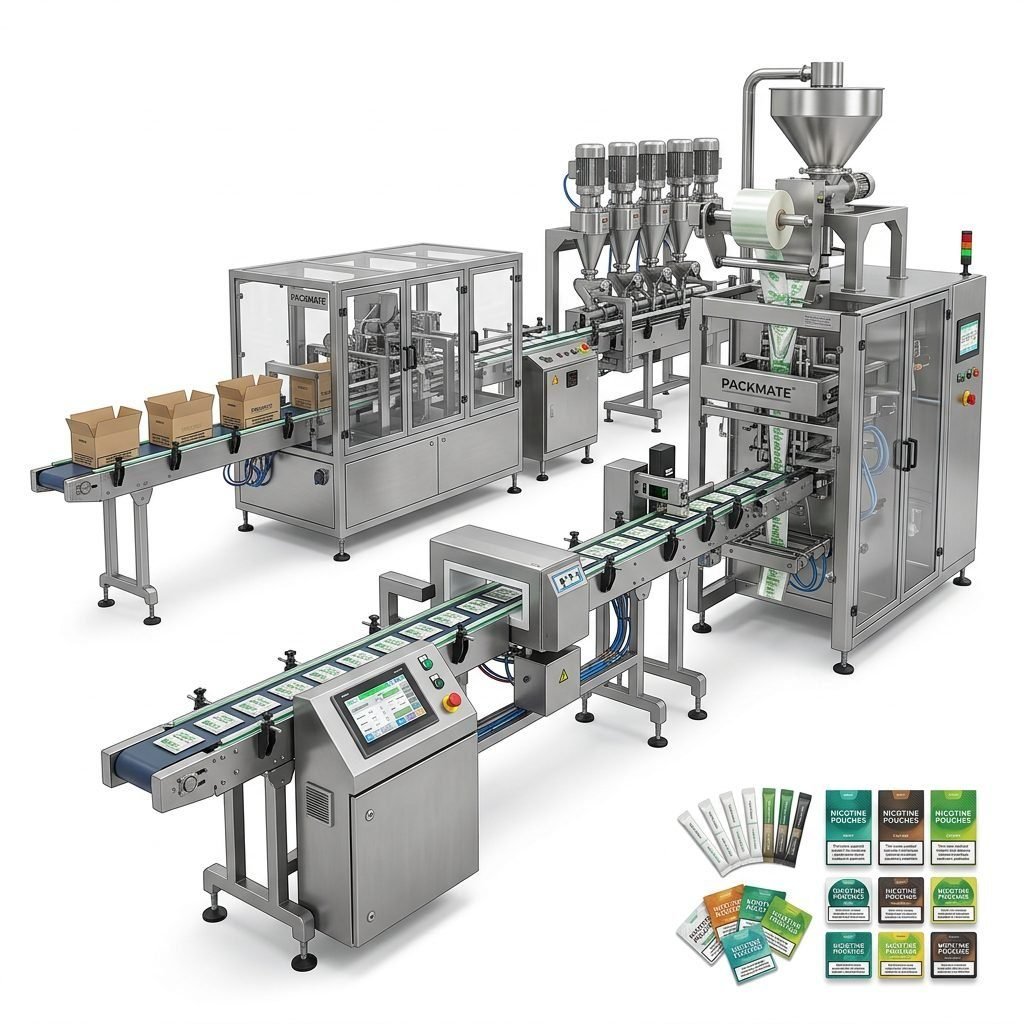
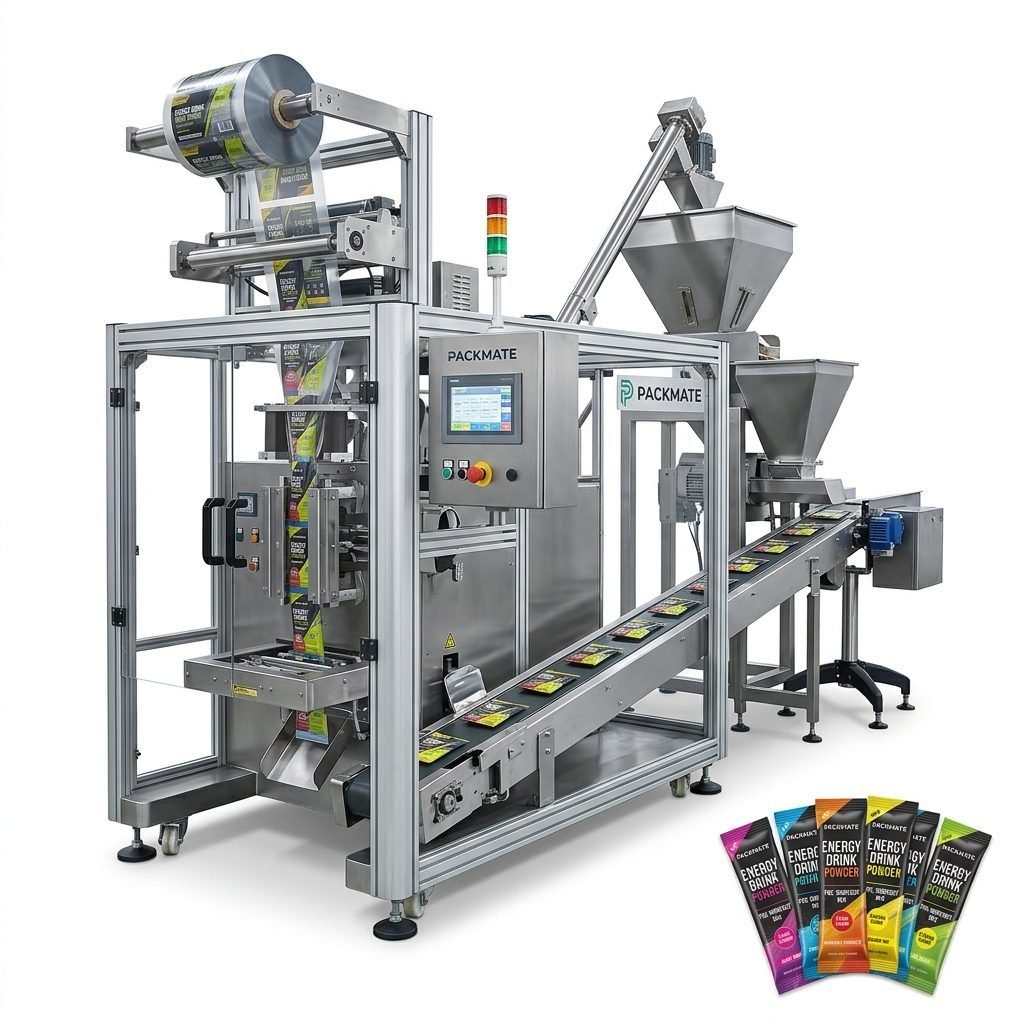
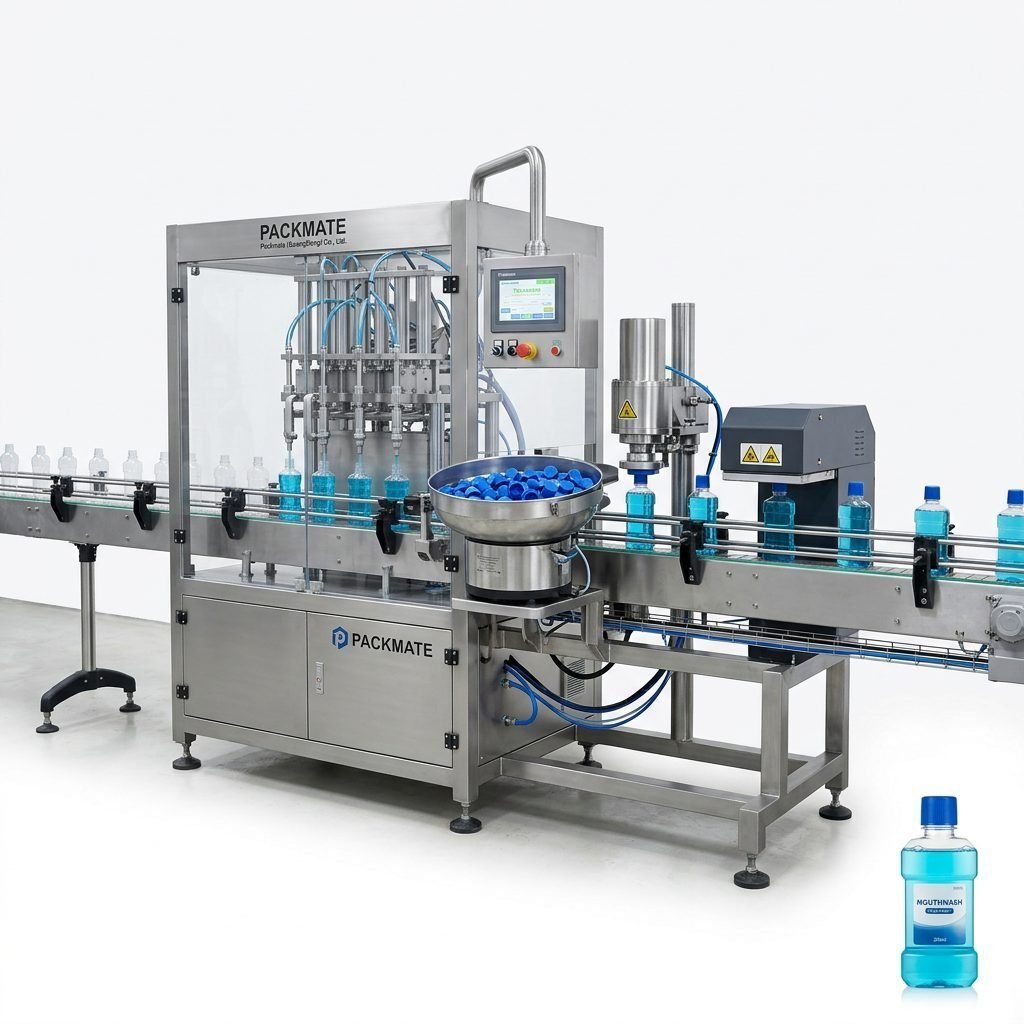
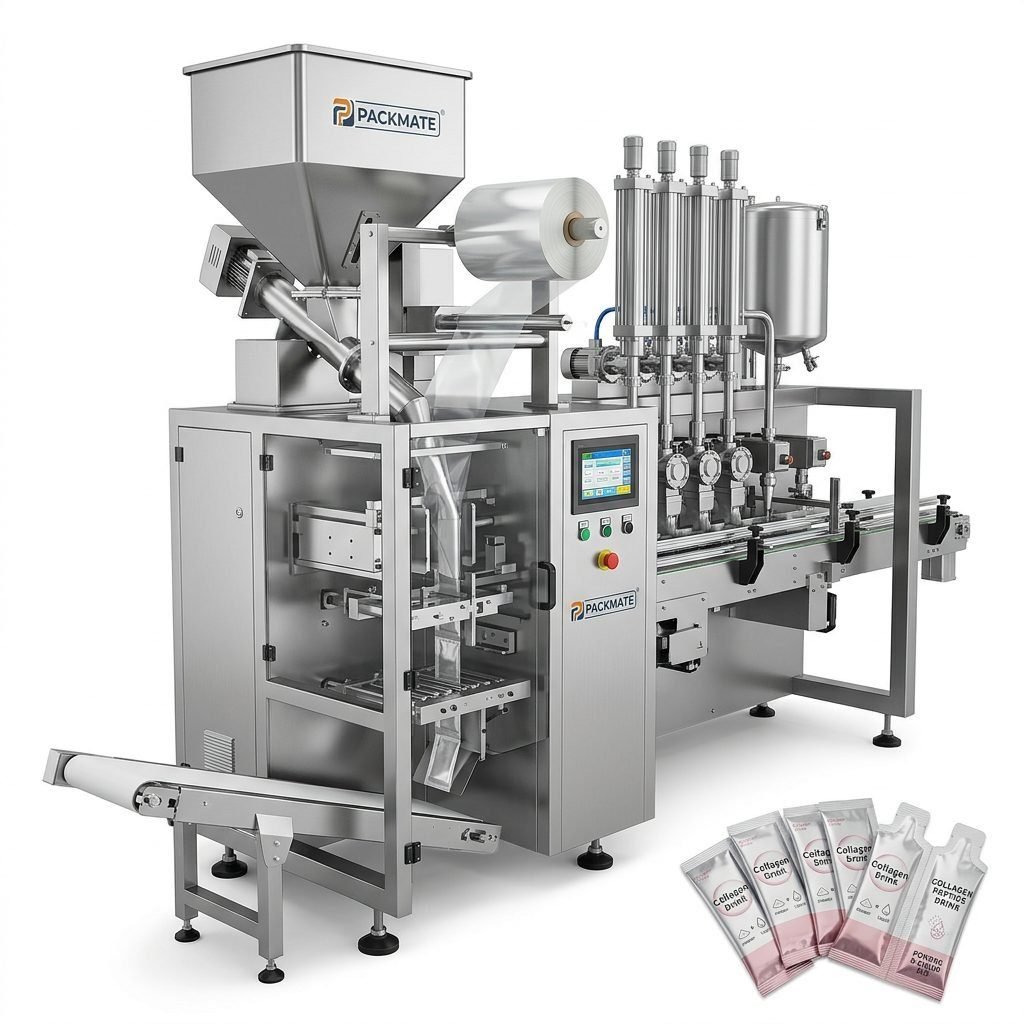
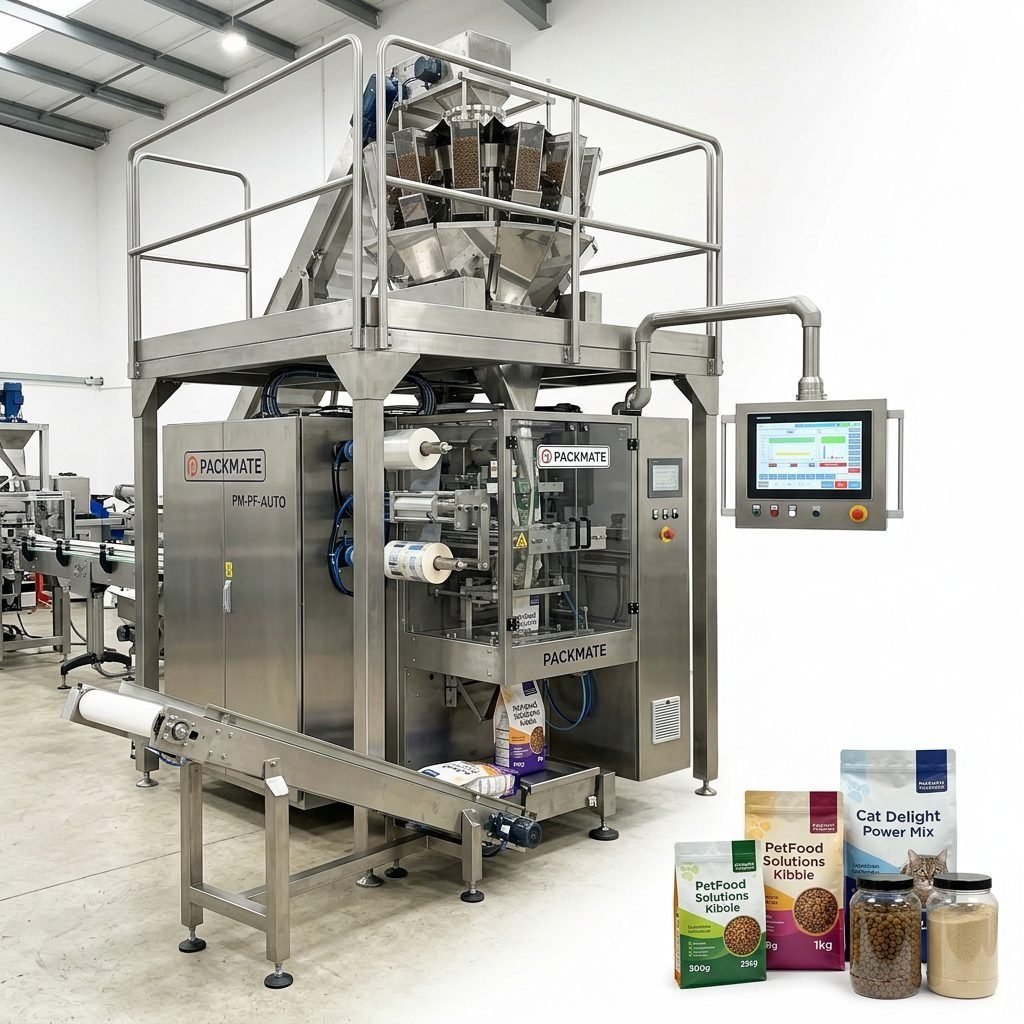
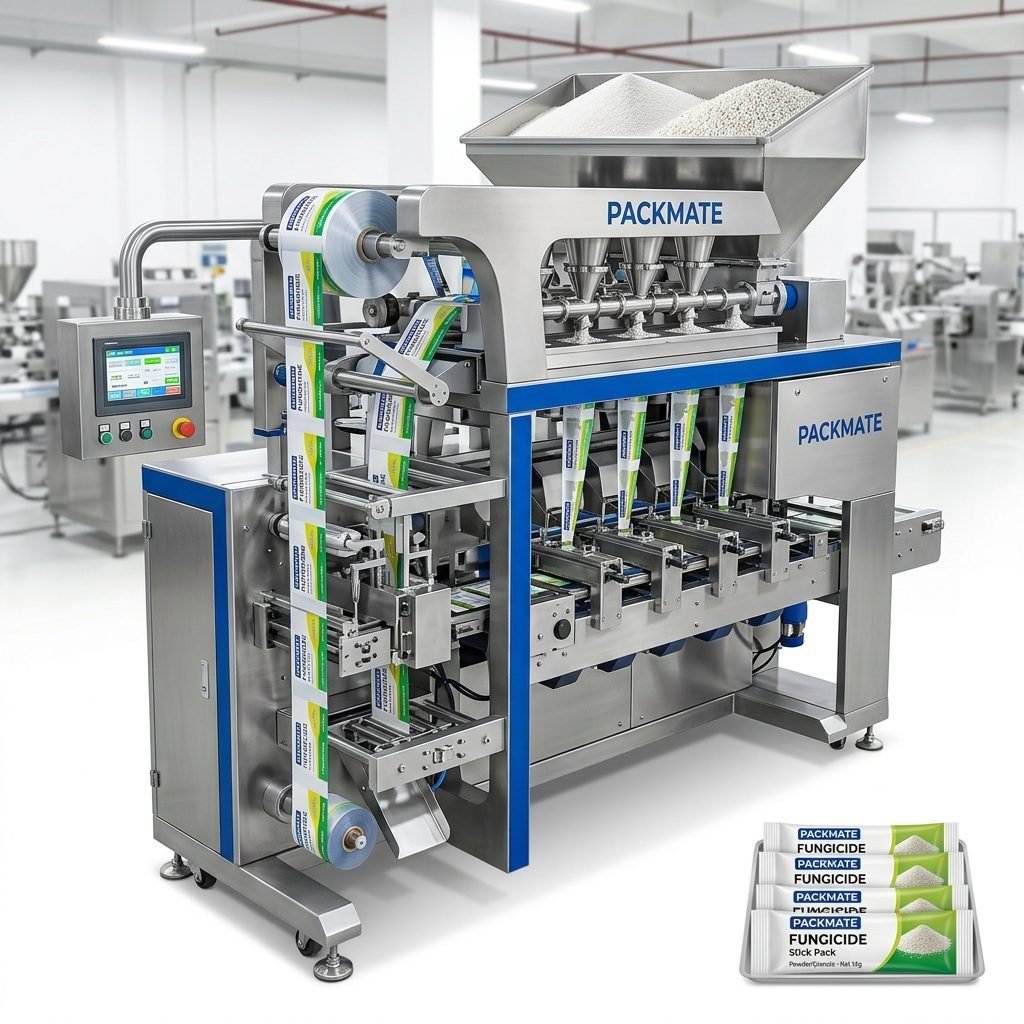
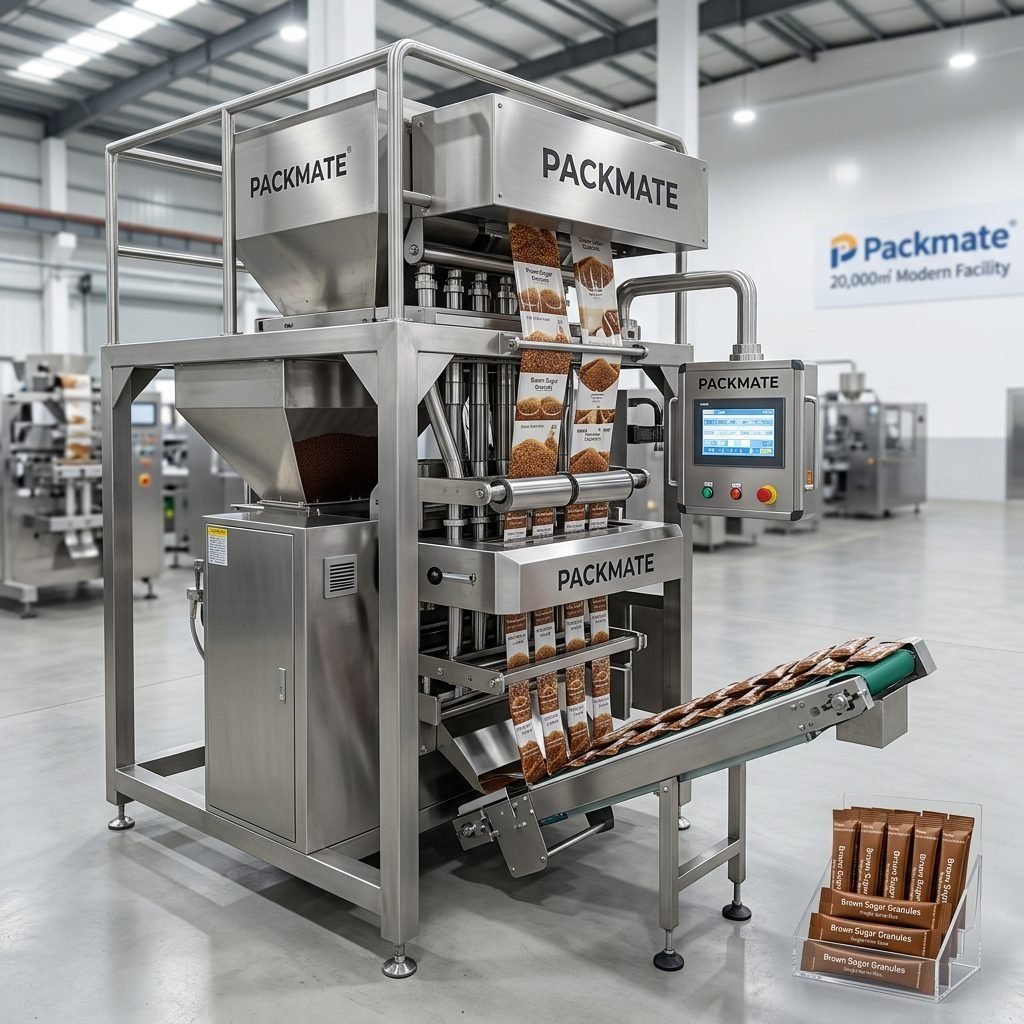
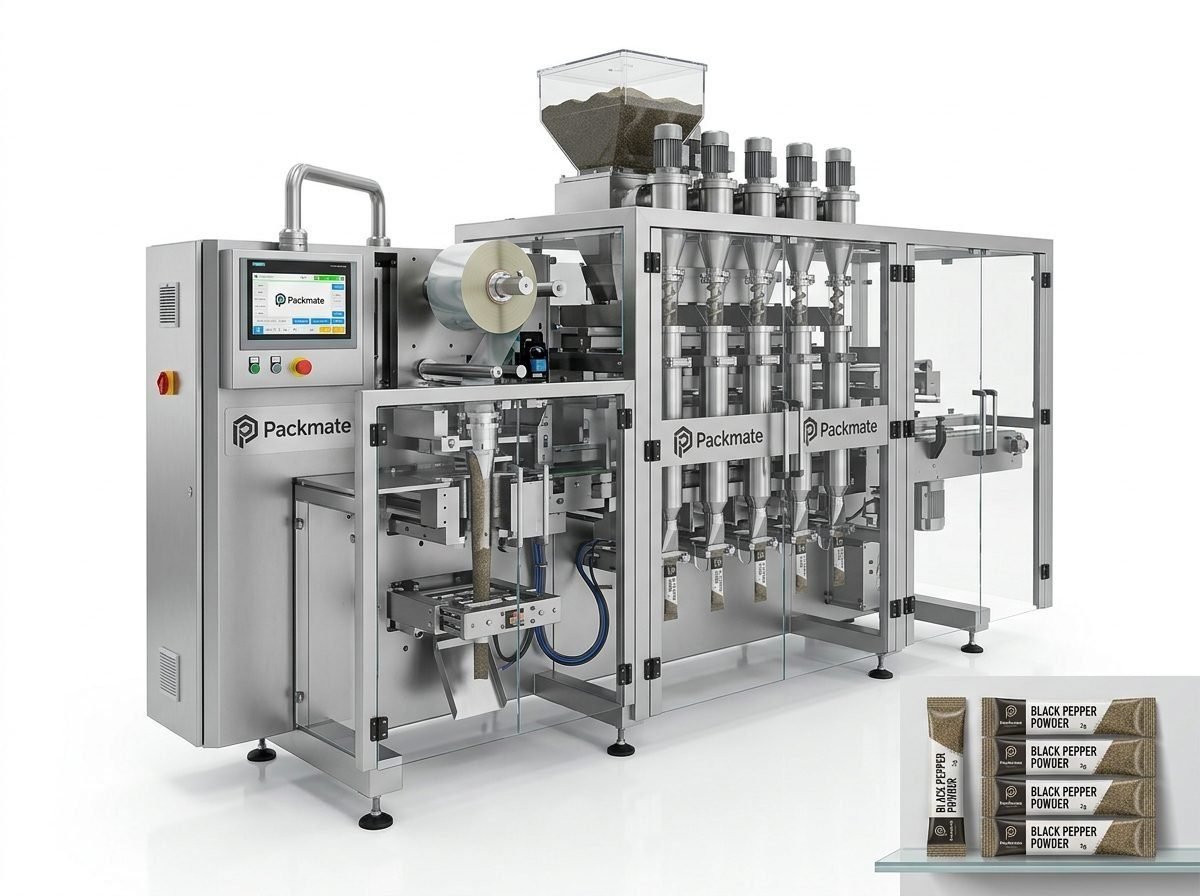
For a Salvadoran importer, a manufacturer with a strong international export footprint is crucial. They are more likely to understand documentation, shipping logistics, voltage compatibility (e.g., 110V/60Hz common in El Salvador), and provide documentation in English or Spanish. Manufacturers like Packmate Machinery and PacklineOEM, with exports to the Americas, are familiar with regional requirements.
4. After-Sales Support and Service
This is arguably the most important factor for operations in El Salvador. Reliable technical support can prevent costly downtime. Assess the manufacturer’s service structure:
- Do they have service engineers who can travel to El Salvador for installation and training?
- What is the process for remote troubleshooting (video calls, manuals)?
- How quickly can they ship spare parts, and what is their parts inventory like?
- Do they offer comprehensive operation and maintenance manuals?
5. Project Execution and Customization
If your project requires a non-standard solution, the manufacturer’s engineering capability is paramount. Companies that emphasize customization, like PackingMachineOEM, are geared towards developing tailored solutions. For complex, fully automated lines, a turnkey specialist like PacklineOEM might be the best fit.
Profiles of Leading Manufacturers for Consideration
Here is a comparative overview of several established manufacturers that serve international markets, including Latin America, and could be suitable partners for businesses in El Salvador.
| Manufacturer | Key Strengths | Ideal For | Export Markets |
|---|---|---|---|
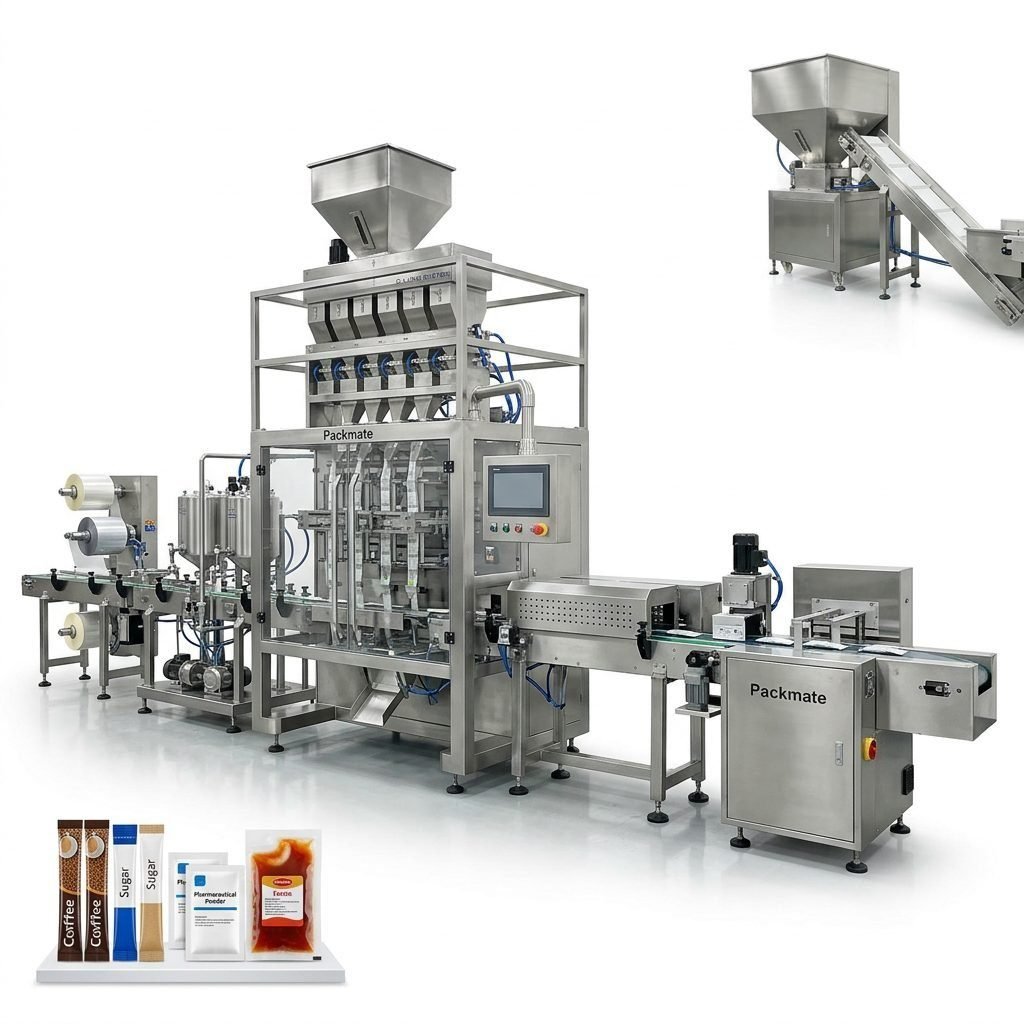
| Ludyway | 30+ years experience, wide product range, strong export footprint, full turnkey line capability. | Businesses seeking scalable solutions, from single machines to complete lines, for food, pharma, and supplements. | Global, including South America |
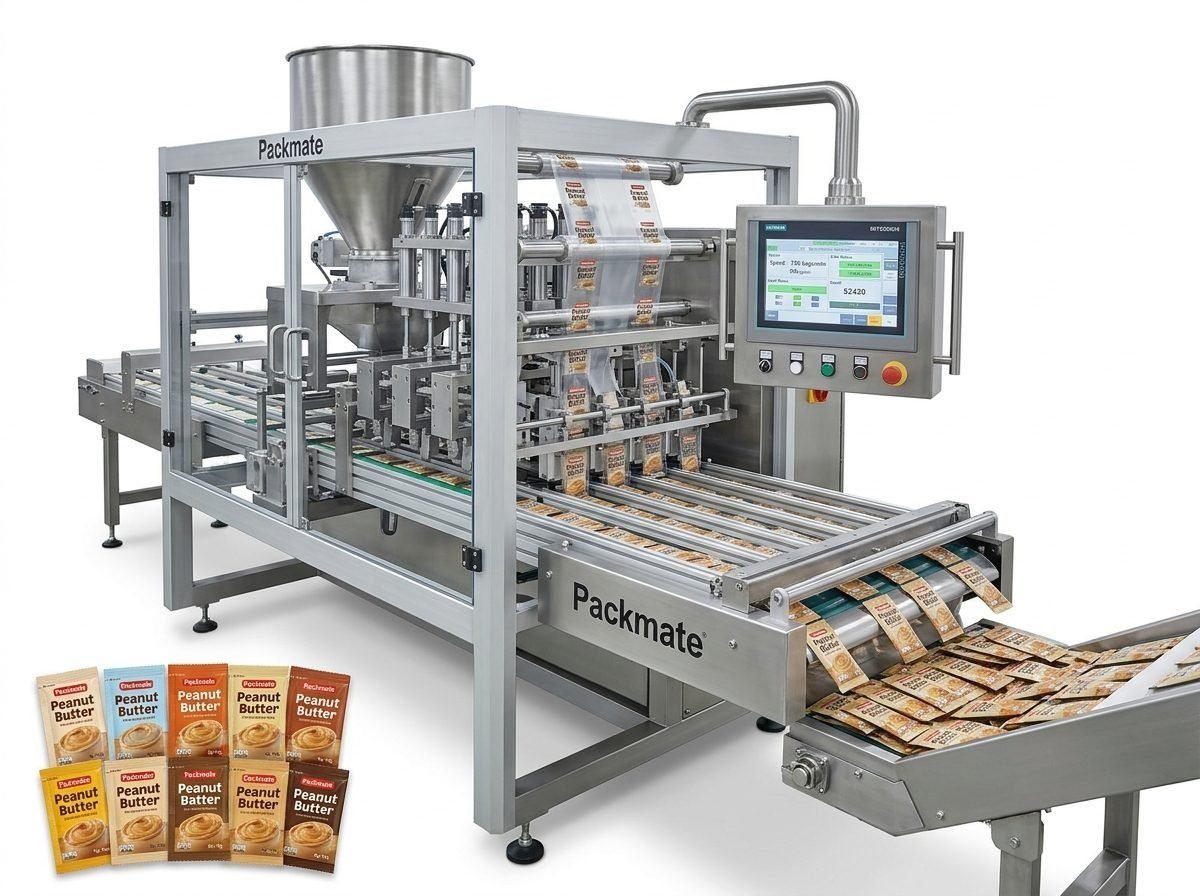
| Packmate Machinery | Over 30 years experience, strong in food/pharma/supplement packaging, good cost-performance balance. | Export-oriented buyers needing reliable, practical automation with professional support. | Europe, North America, South America, Australia |
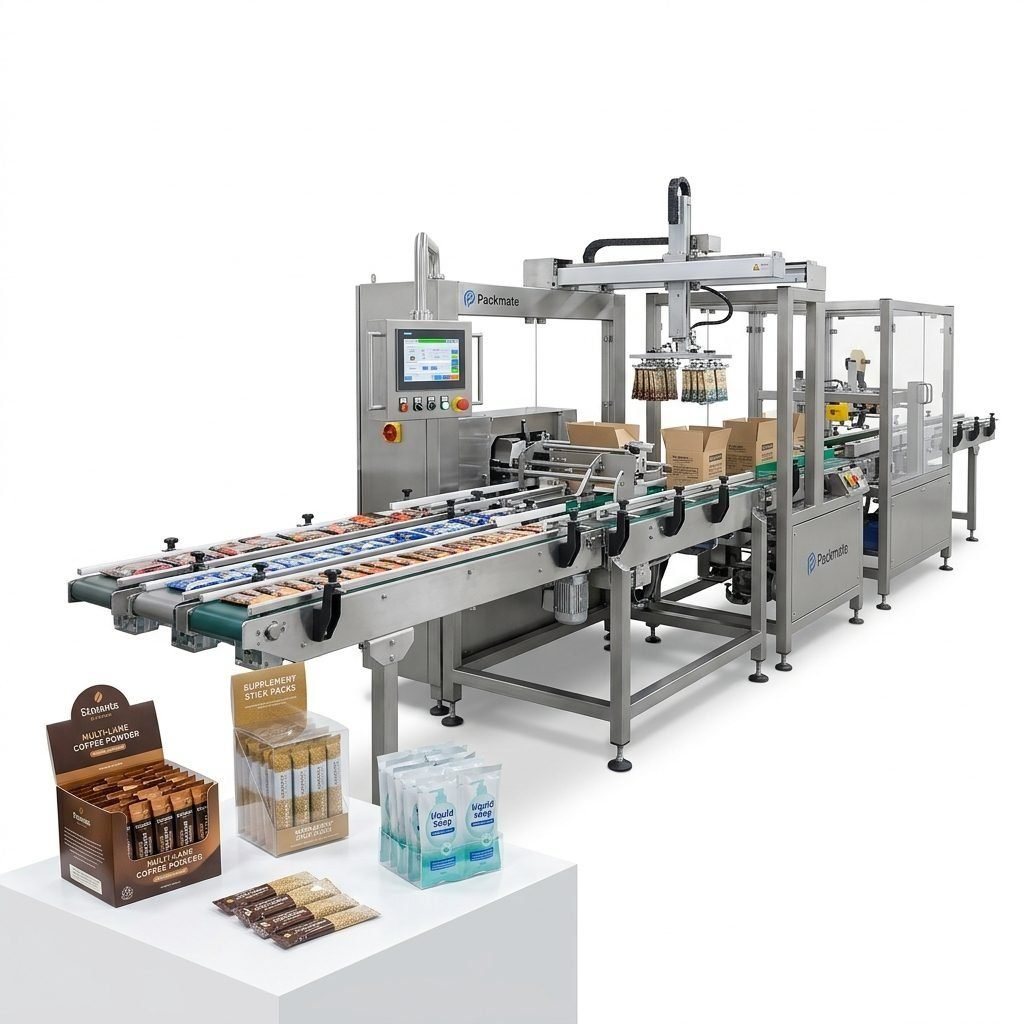
| PacklineOEM | Focus on integrated turnkey packaging lines, strong line design and engineering capability. | Factories prioritizing complete, automated production system integration over standalone machines. | Europe, North America, South America |
| PackingMachineOEM | Specializes in non-standard and customized machine solutions, high engineering flexibility. | Projects with unique packaging formats, materials, or processes requiring tailored equipment. | Europe, North America, Middle East, Australia |
| SnusMachinery | Niche expertise in nicotine pouch and snus packaging, deep application knowledge. | Companies in the smokeless tobacco or specialized pouch packaging sector. | Europe, North America, South America, Africa |
The Procurement Process: Steps to Take
Once you have shortlisted potential suppliers, follow a structured process:
- Detailed Inquiry: Provide comprehensive information about your product, packaging material, desired output, and factory layout.
- Request for Quotation (RFQ): Get detailed quotes covering machine price, shipping (CIF to a Salvadoran port like Acajutla or La Libertad), duties, installation, and training.
- Factory Audit & Reference Checks: If possible, visit the factory or conduct a virtual tour. Ask for customer references in similar industries or regions.
- Technical Review: Have your engineering team review the proposed machine specifications and drawings.
- Post-Sales Agreement: Finalize warranty terms, payment schedule (e.g., TT, LC), and a clear service level agreement (SLA) for support.
Common Questions (FAQs) for Salvadoran Importers
Q: What are the main import considerations for packaging machinery into El Salvador?
A: Key considerations include: ensuring the machine voltage (typically 110V/60Hz) is compatible; understanding import duties and taxes; preparing correct customs documentation (commercial invoice, packing list, bill of lading, certificate of origin); and arranging inland transportation from the port to your factory.
Q: How can I ensure the machine will work with my local packaging materials?
A: Before purchase, provide samples of your exact packaging film (roll stock) or pouches to the manufacturer for testing. They can run trials to confirm sealing parameters, feeding reliability, and compatibility.
Q: Is local technical support available in El Salvador from these manufacturers?
A: Most Chinese manufacturers do not have permanent local offices in El Salvador. Support is typically provided via remote guidance (video call, phone) and by sending engineers for installation and major repairs. It’s crucial to discuss response times and travel logistics for service visits in your contract.
Q: Should I choose a standard machine or a customized solution?
A: A standard machine is more cost-effective and has faster delivery if it meets 80-90% of your needs. Choose customization if your product, material, or speed requirement is highly unique. Companies like PackingMachineOEM specialize in this.
Q: What is the typical lead time for delivery to El Salvador?
A: Lead time varies from 30-90 days after order confirmation, depending on machine complexity (standard vs. custom). Sea freight from China to a Salvadoran port usually takes 4-6 weeks. Factor in additional time for customs clearance and inland transport.