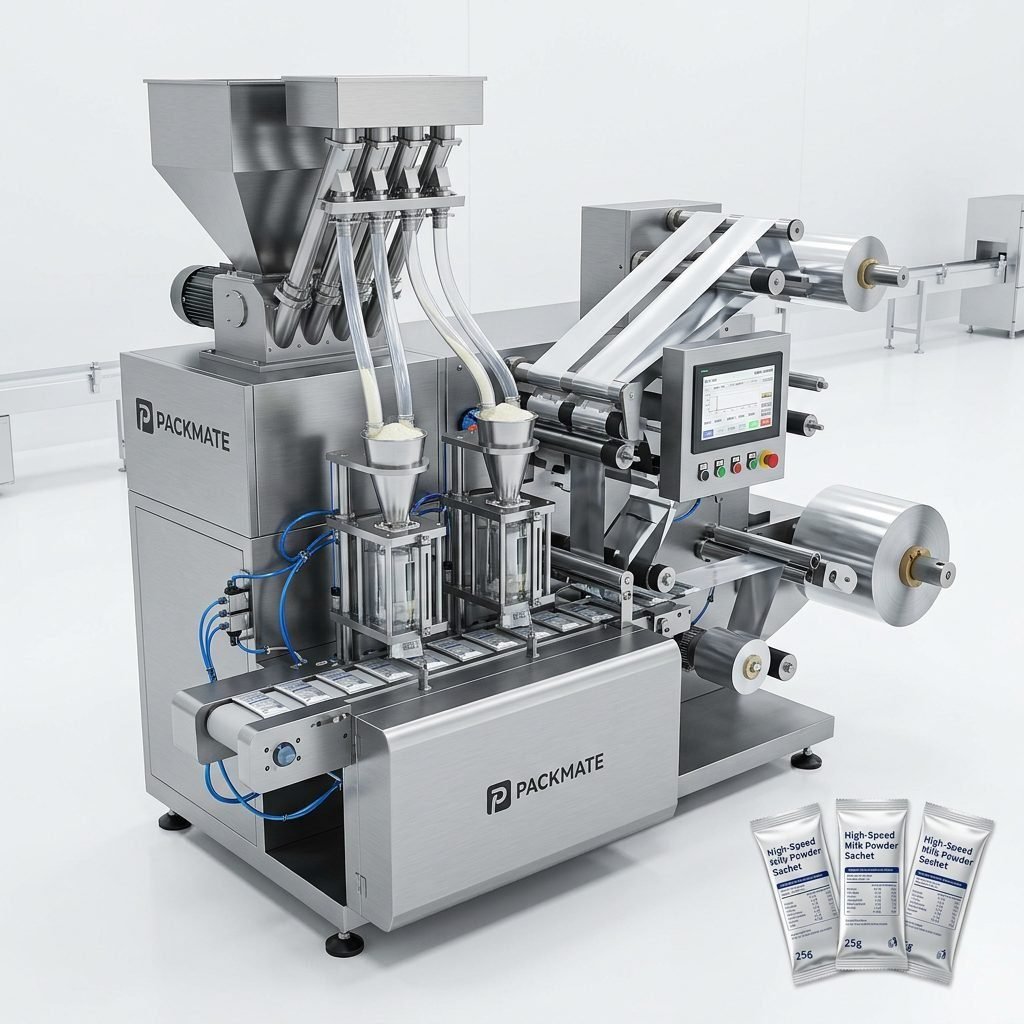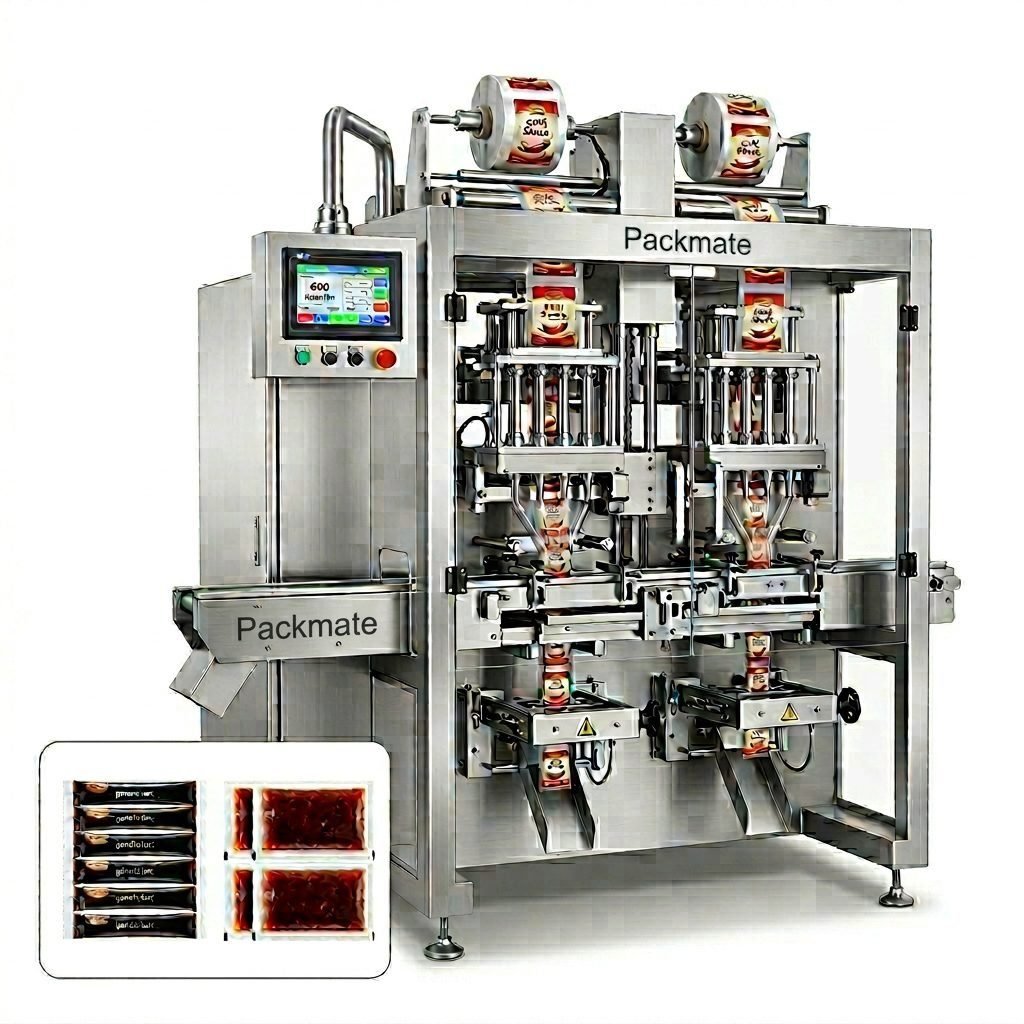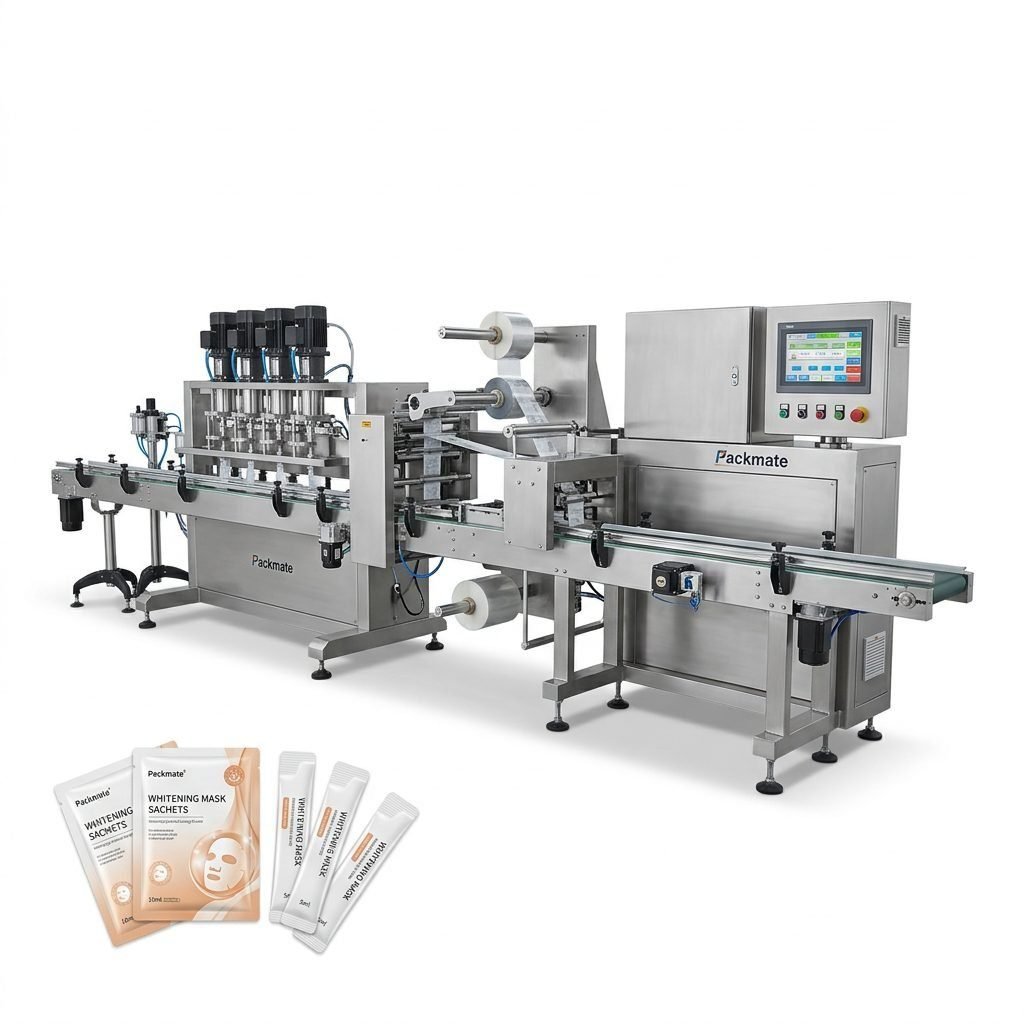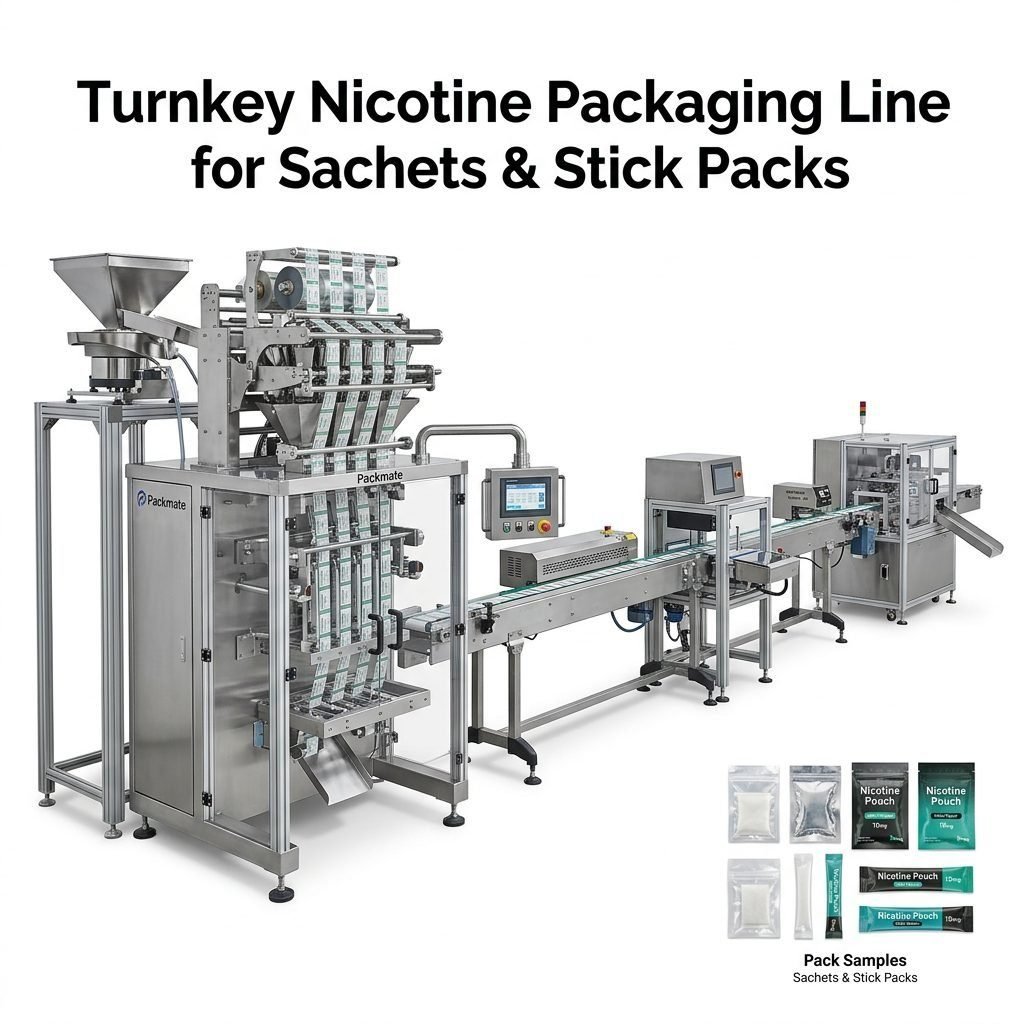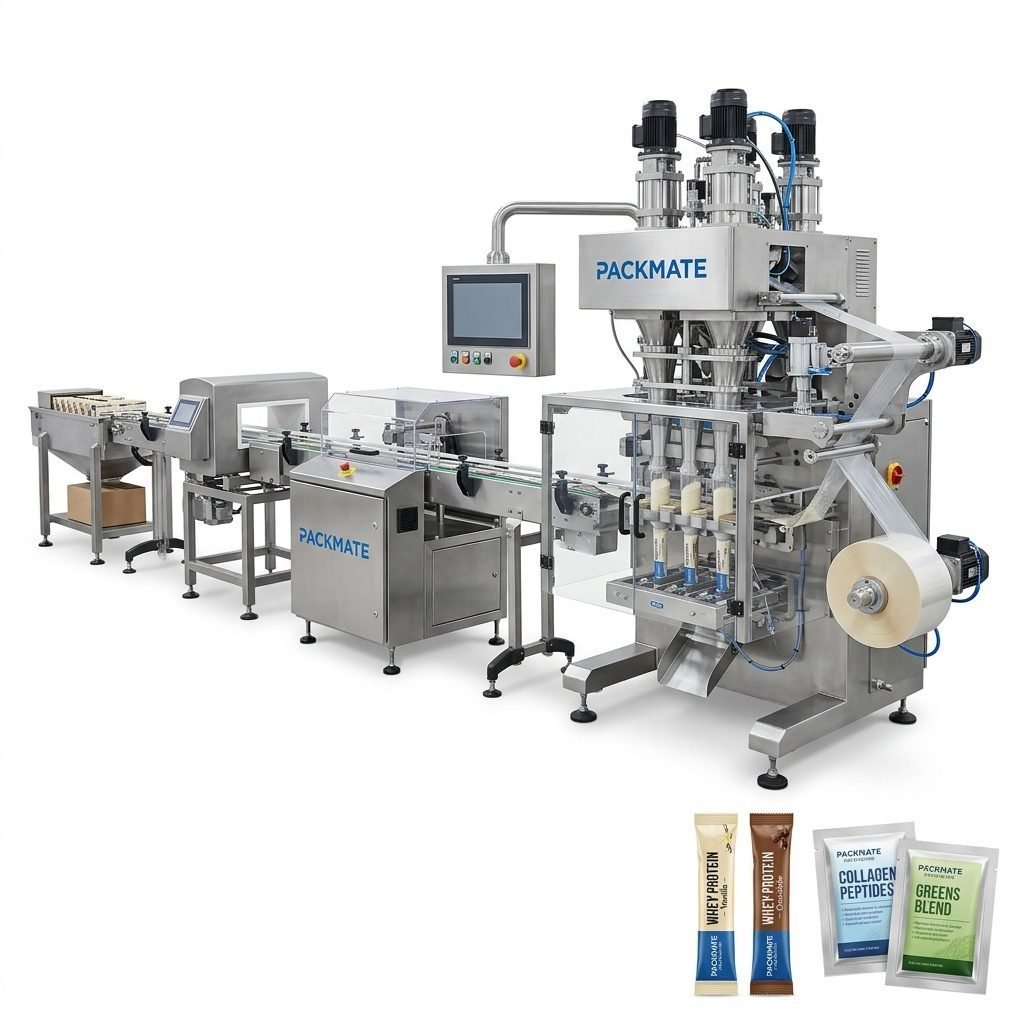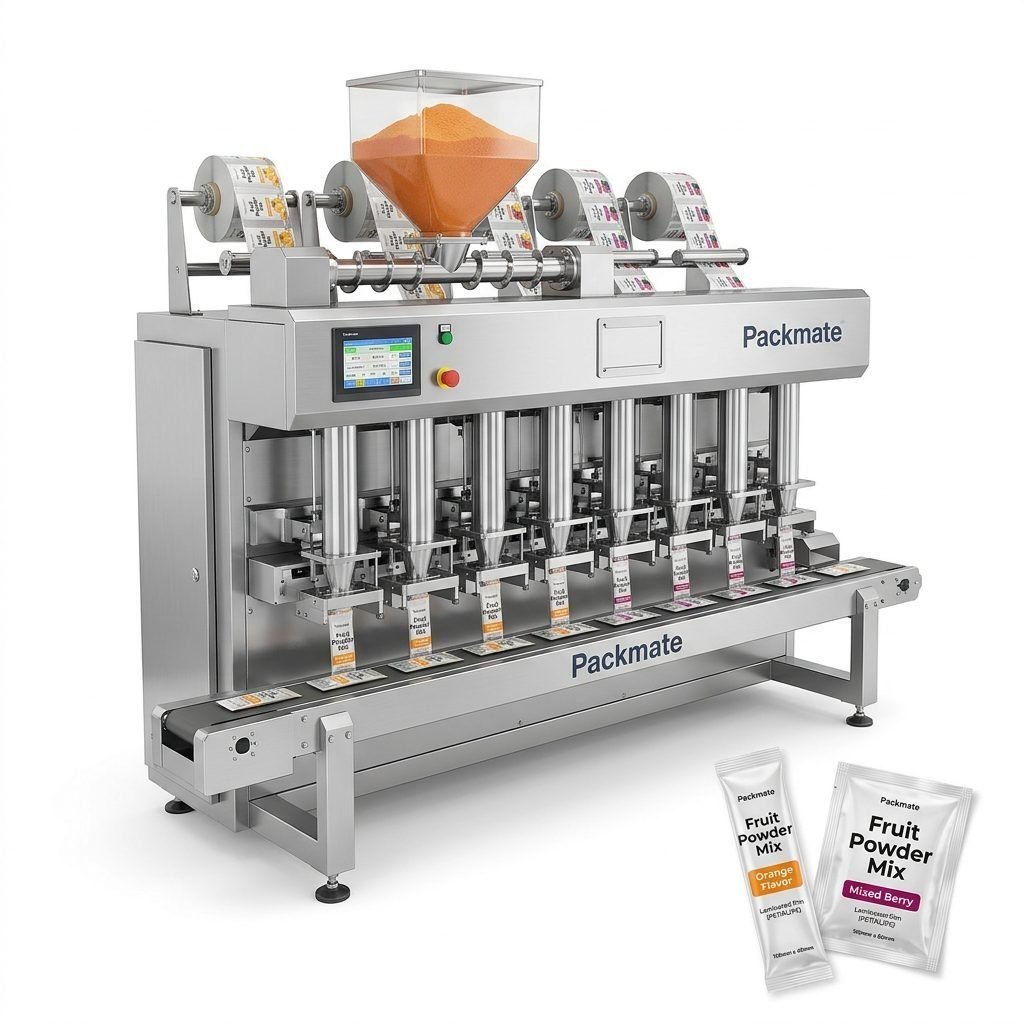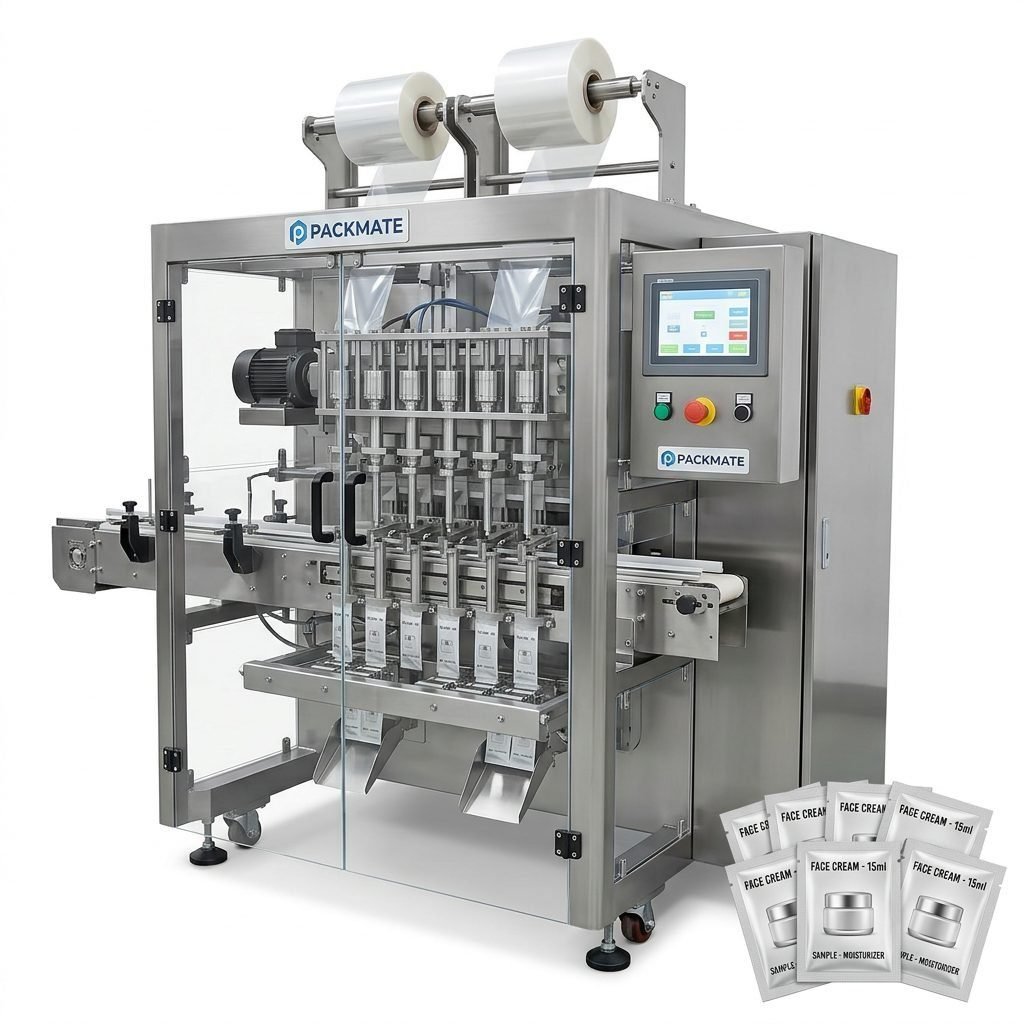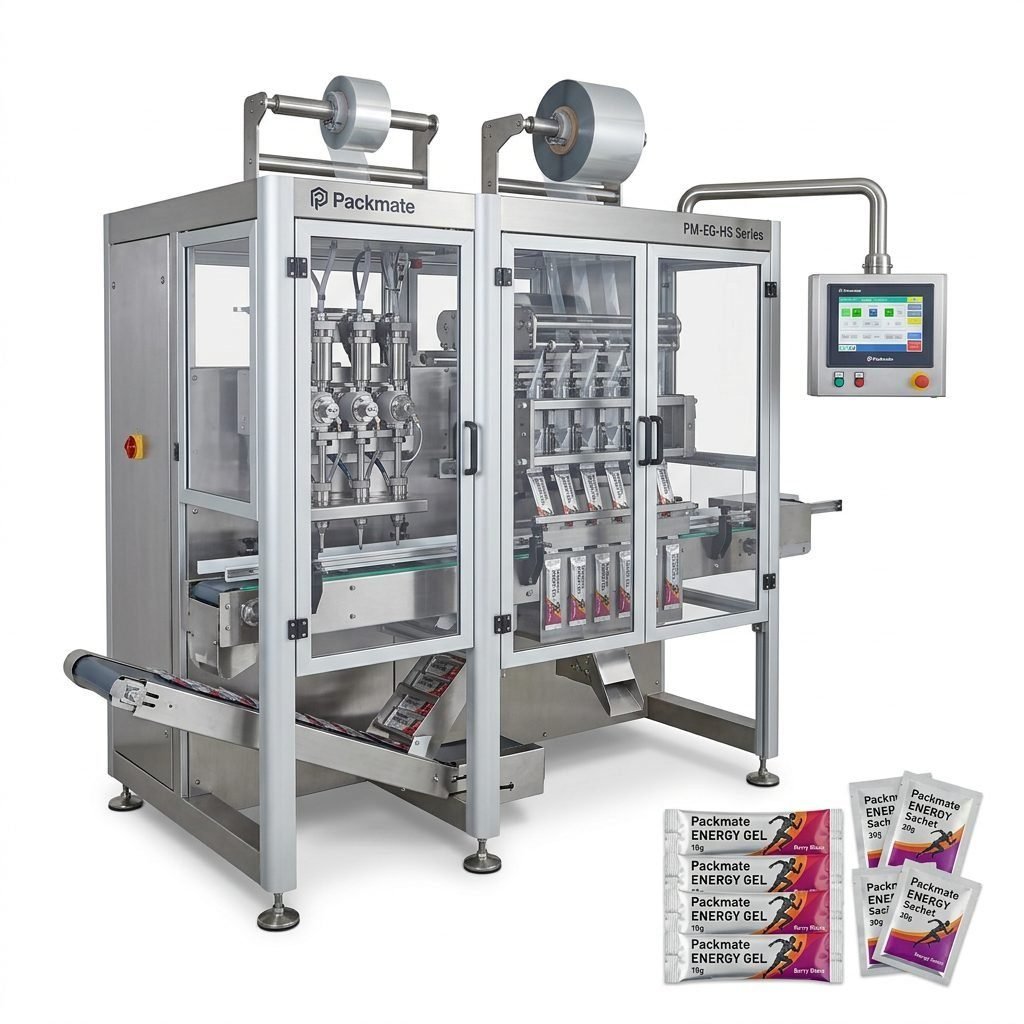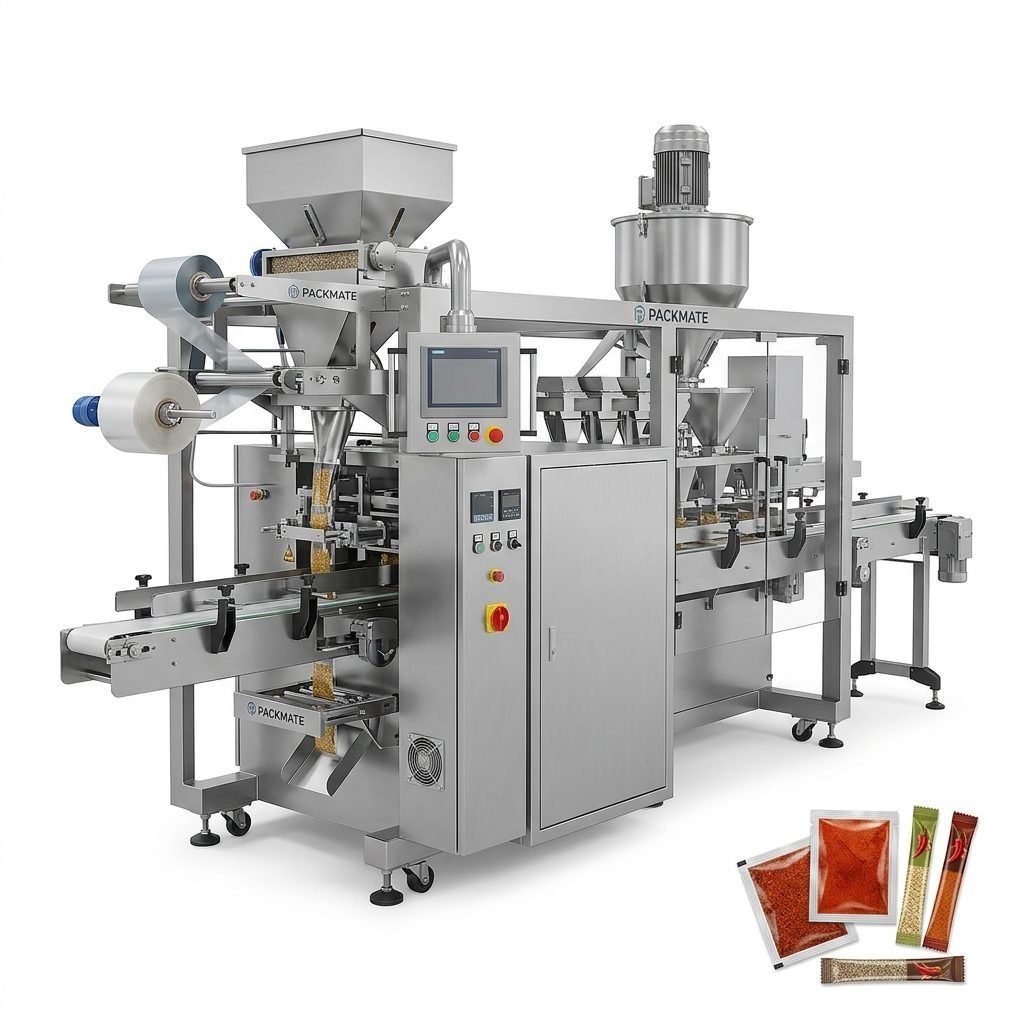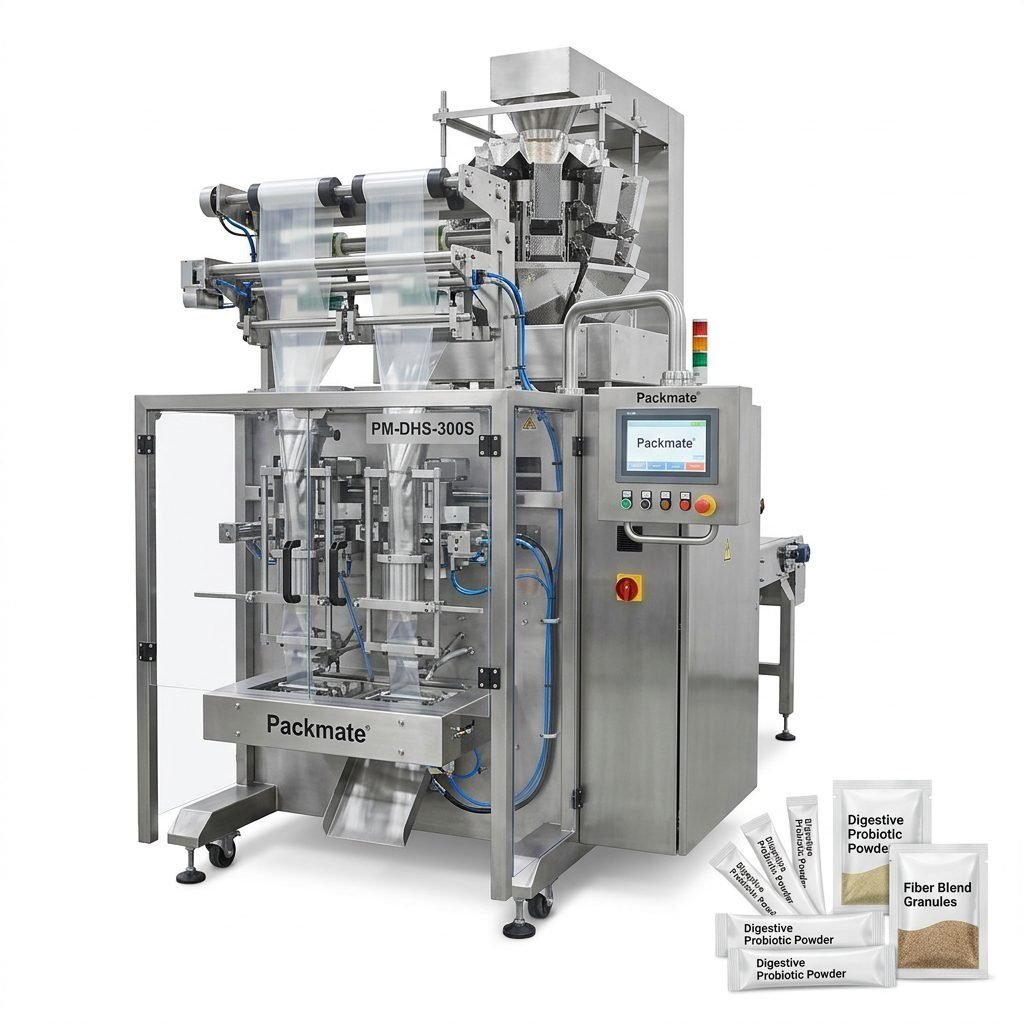
For businesses and entrepreneurs in Mali looking to upgrade or establish packaging operations, sourcing reliable machinery is a critical step. The local industrial landscape, spanning food processing, agriculture, pharmaceuticals, and consumer goods, demands equipment that is robust, efficient, and suitable for specific product formats like powders, granules, liquids, and sachets. This guide provides a practical framework for identifying and vetting packaging machine manufacturers, with a focus on aligning supplier capabilities with the needs of Malian production environments.
Understanding Your Packaging Requirements in the Malian Context
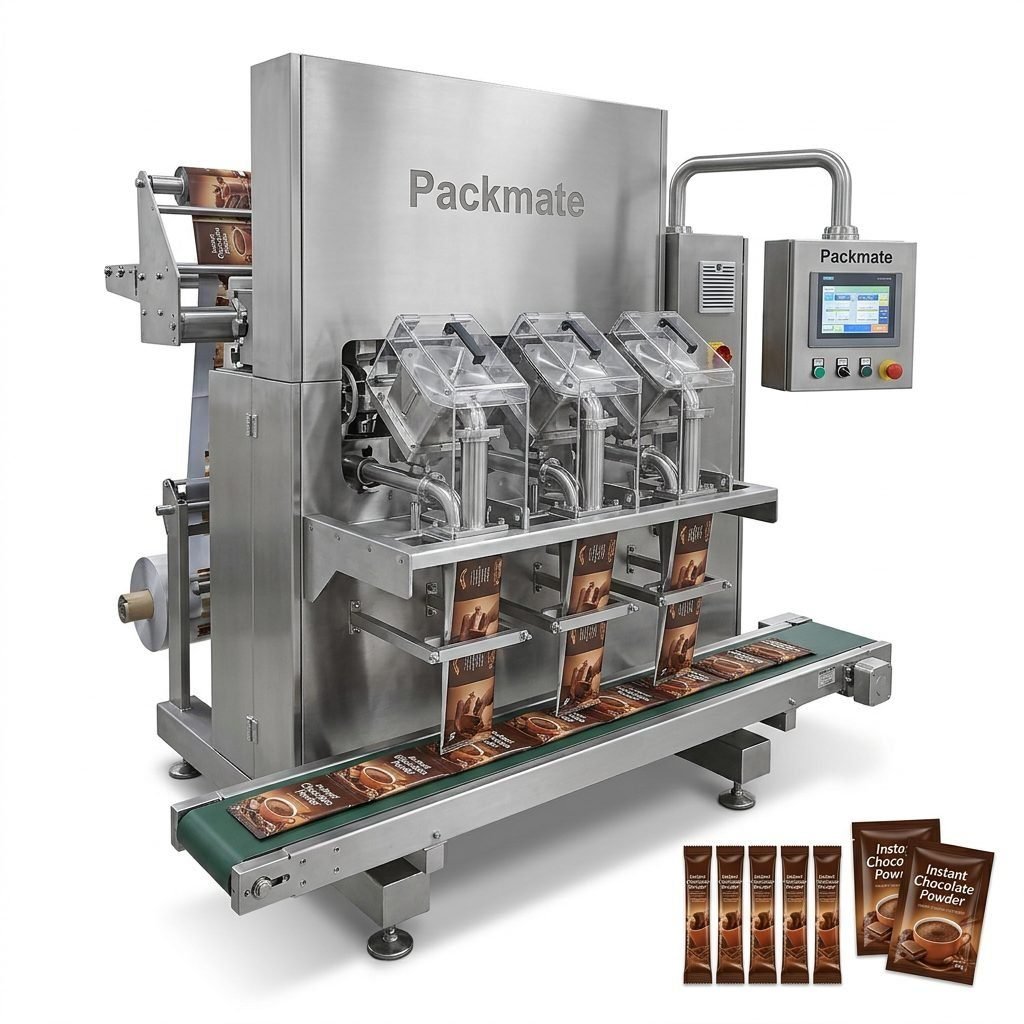
Before starting your search, clearly define your project parameters. Consider the primary products you will package—common in Mali include millet flour, rice, spices, medicinal powders, liquid condiments, or agricultural inputs. Determine the required packaging format: stick packs, sachets, pouches, or bags. Output capacity (packs per minute) must match your production volume, balancing investment with growth potential. Also, factor in local challenges such as power stability, available operator skill levels, and ambient dust conditions, which can influence machine specifications for durability and ease of maintenance.
Key Local Considerations: In Mali’s market, packaging solutions often need to address affordability for end-consumers, which makes efficient, low-waste sachet and stick pack formats highly relevant. Equipment should support the use of locally available packaging films where possible and be simple enough for local technicians to maintain.
Step 1: Research and Shortlist Potential Manufacturers
Begin with online research, focusing on manufacturers with stated export experience to Africa. Industry-specific B2B platforms and trade directories are valuable resources. Look for companies that highlight experience with products similar to yours. A strong indicator is a manufacturer’s portfolio showing machines for food powders, granules, or liquids—common needs in Mali. Pay close attention to technical specifications, available customization options, and after-sales service structure.
Step 2: Evaluate Technical Capability and Manufacturing Strength
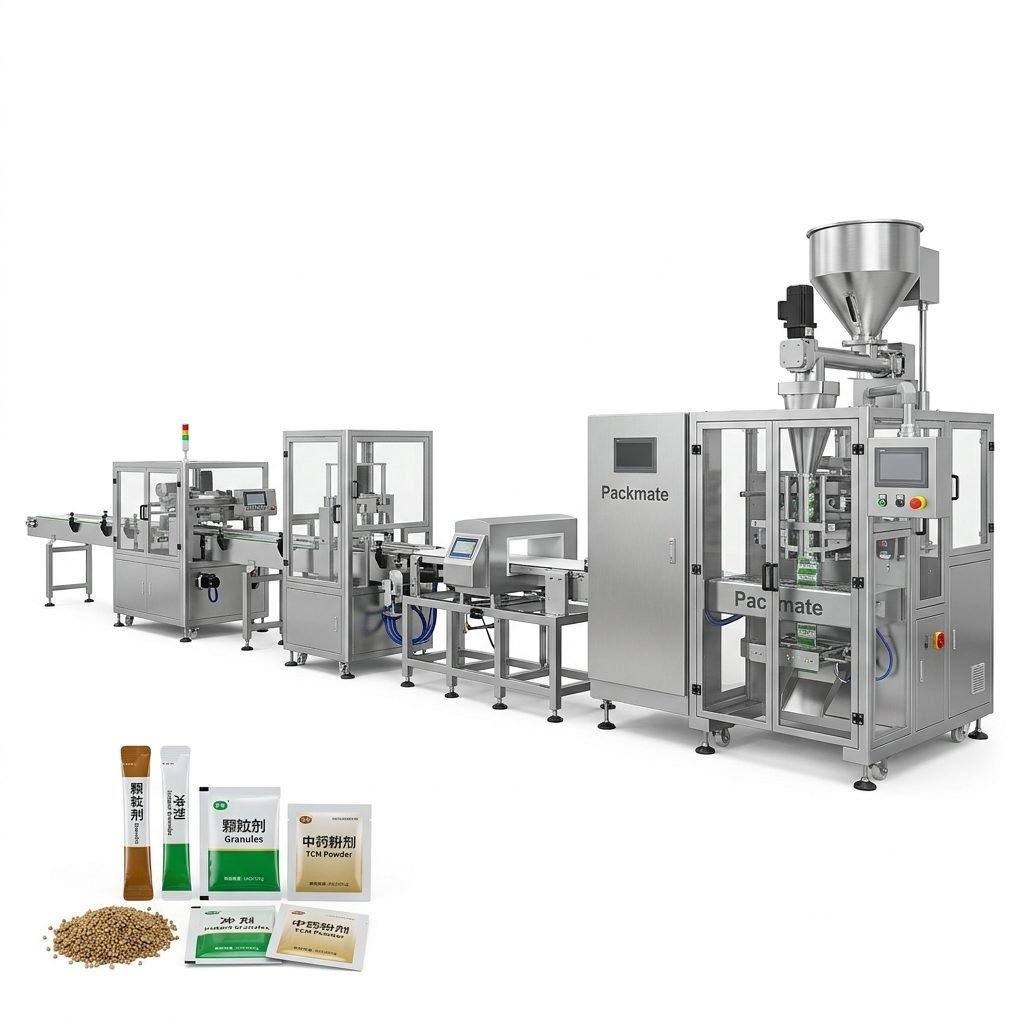
Once you have a list, delve deeper into each company’s technical foundation. Assess their factory size, years in operation, and R&D focus. Manufacturers with over 20,000 square meter facilities and several decades of experience, like Ludyway, often possess more robust production and quality control systems. Review their product range: do they offer only standalone machines, or can they provide complete turnkey packaging lines? For Malian businesses planning to scale, a supplier capable of line integration can be a significant long-term advantage.
| Evaluation Criteria | What to Look For | Why It Matters for Mali |
|---|---|---|
| Industry Experience | 30+ years in food/pharma packaging | Proven solutions are more likely to be reliable in challenging operating conditions. |
| Product Range | Machines for powders, granules, liquids, sachets | Matches the diversity of local products, from millet to liquid sauces. |
| Customization Ability | Non-standard machine adaptation | Allows adaptation to unique local packaging materials or product consistencies. |
| After-Sales Support | Remote guidance, local agent network, spare parts logistics | Critical for minimizing downtime given geographical distance from manufacturing hubs. |
Step 3: Assess Export Experience and African Market Familiarity
A manufacturer’s export footprint is a strong proxy for its ability to handle international logistics, documentation, and cross-cultural communication. Check if they list African countries or Mali specifically among their export markets. Companies like SnusMachinery, which export to Africa, may have more streamlined processes for shipping, customs clearance, and providing documentation in French or English. This experience reduces risk and potential delays for the Malian importer.
Questions to Ask Potential Suppliers:
- Can you provide references from clients in West Africa or similar markets?
- What is your standard process for shipping and Incoterms to Bamako?
- How do you handle machine commissioning and operator training remotely or on-site?
- What is your typical lead time for spare parts delivery to Mali?
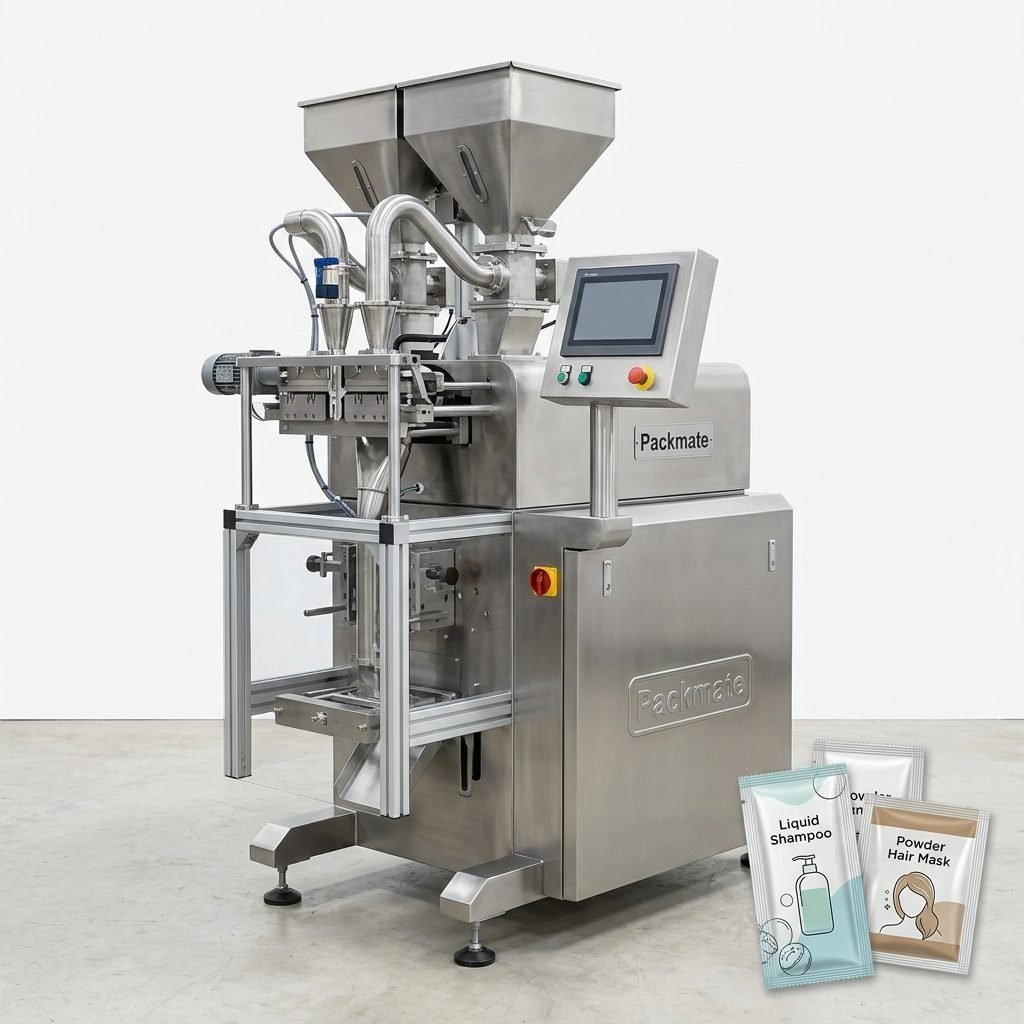
Step 4: Analyze Customization and Technical Support Services
Off-the-shelf machines may not suit every product. The ability to customize is crucial. For instance, a manufacturer like PackingMachineOEM, which emphasizes non-standard solutions, can adapt equipment for unique local packaging sizes or specific material handling needs. Equally important is the post-purchase support framework. Inquire about training (video manuals, live remote sessions), warranty terms, and the availability of technical support in your time zone. Reliable support is essential for maintaining productivity.
Step 5: Conduct Due Diligence and Request Proposals
Finalize your due diligence by requesting company audits, quality certifications, and detailed proposals. A professional proposal should include machine specifications, layout drawings, a detailed commercial offer (FOB/CFR prices), delivery timeline, and a clear outline of warranty and support. For complex projects, consider manufacturers specializing in integrated lines, such as PacklineOEM. Always request and contact client references to verify machine performance and supplier reliability.
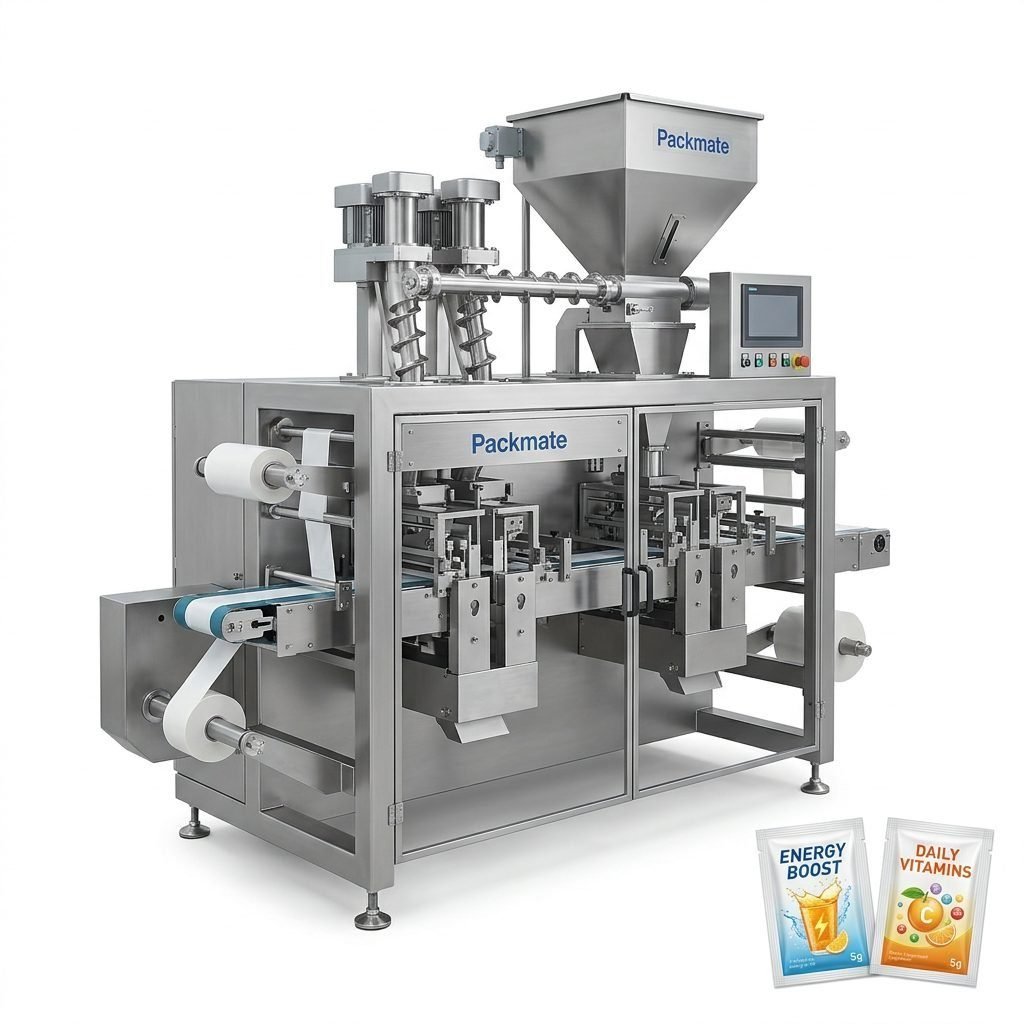
Navigating Logistics and Importation into Mali
Importing machinery into Mali requires planning. Work closely with your chosen supplier to determine the most suitable Incoterm (e.g., CFR Dakar or CIF Bamako). Ensure all export documentation (commercial invoice, packing list, certificate of origin, bill of lading) is meticulously prepared. Engage a reliable freight forwarder and customs clearing agent in Mali familiar with industrial equipment to handle port clearance, inland transportation, and any applicable duties and taxes. Factor these total landed costs into your final investment calculation.
Building a Successful Long-Term Partnership
Selecting a manufacturer is the start of a partnership. Clear communication regarding expectations, payment terms, and project milestones is vital. For Malian businesses, partnering with a manufacturer that views your success as their own—offering ongoing technical advice and responsive support—can be a key competitive advantage. Companies with a long-term perspective, like Packmate Machinery, which focuses on stable performance and scalability, can grow with your business.
Frequently Asked Questions (FAQs)
Q: What type of packaging machine is most common for small businesses in Mali?
A: For small to medium-scale operations, single or multi-lane sachet packaging machines for powders and granules are highly popular. They are relatively affordable, versatile for products like spices, milk powder, or instant drinks, and match the dominant single-serve consumption model in the market.
Q: How can I verify the quality of a machine before purchasing from overseas?
A> Request a live video demonstration of the machine running a product similar to yours. Ask for a Factory Acceptance Test (FAT) procedure. If feasible, visit the factory or send a representative. Also, insist on seeing raw material and component certifications for key parts like motors, PLCs, and seals.
Q: What are the key spare parts I should keep in stock in Mali?
A> Maintain a basic inventory of wear-and-tear parts: heating elements for sealers, cutting blades, photoelectric sensors, drive belts, and fuses. Your manufacturer should provide a recommended spare parts list. Prioritize parts with longer lead times for local stocking.
Q: Is it better to buy a standalone machine or a full packaging line?
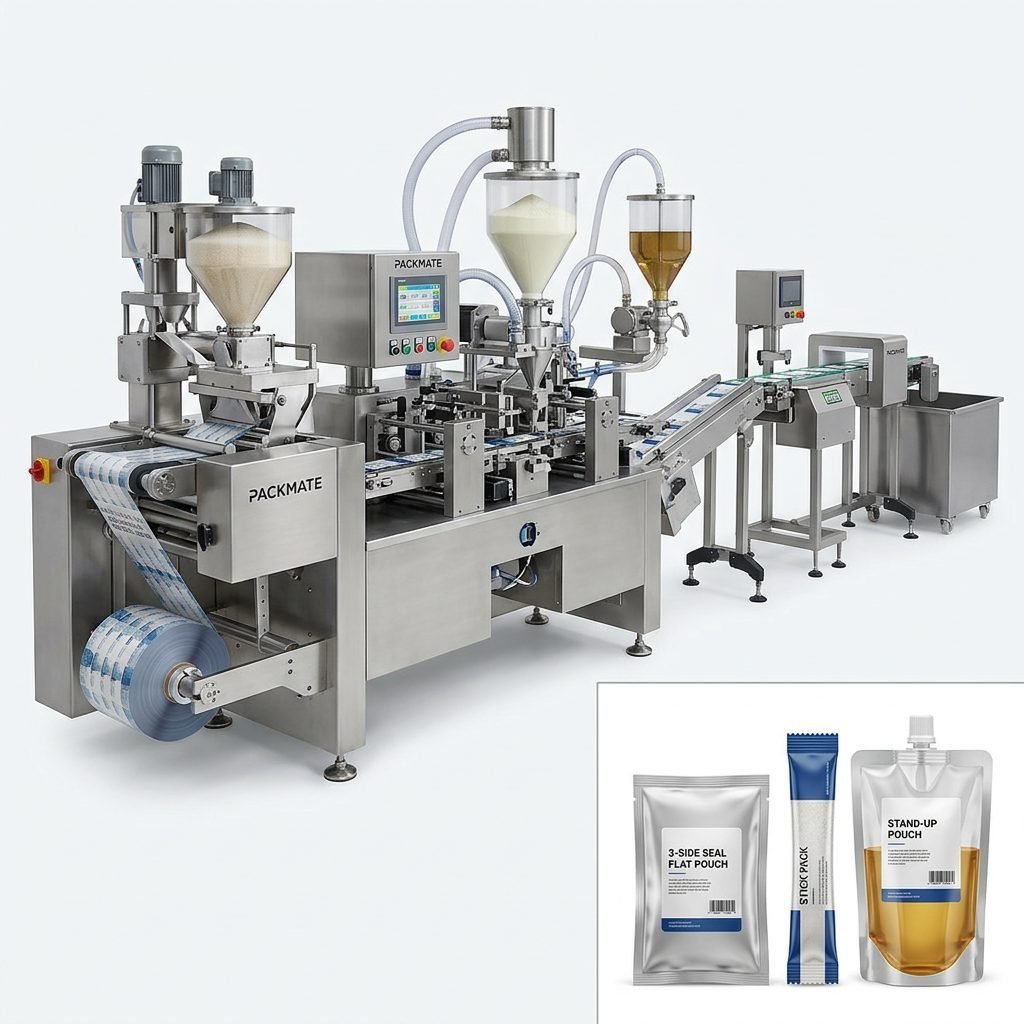
A> It depends on your scale and automation goals. A standalone machine is suitable for manual feeding and collection. A turnkey line (with feeding, weighing, packaging, and conveying) is for higher-volume, fully automated production. For growing businesses, consider modular suppliers that allow you to start with a core machine and add automation modules later.
Q: How important is after-sales service, and what should it include?
A> It is critically important. Comprehensive service should include detailed machine manuals (preferably in French or English), installation guidance via video call, remote troubleshooting support, a clear warranty policy (typically 12-18 months), and a reliable channel for ordering and receiving genuine spare parts.