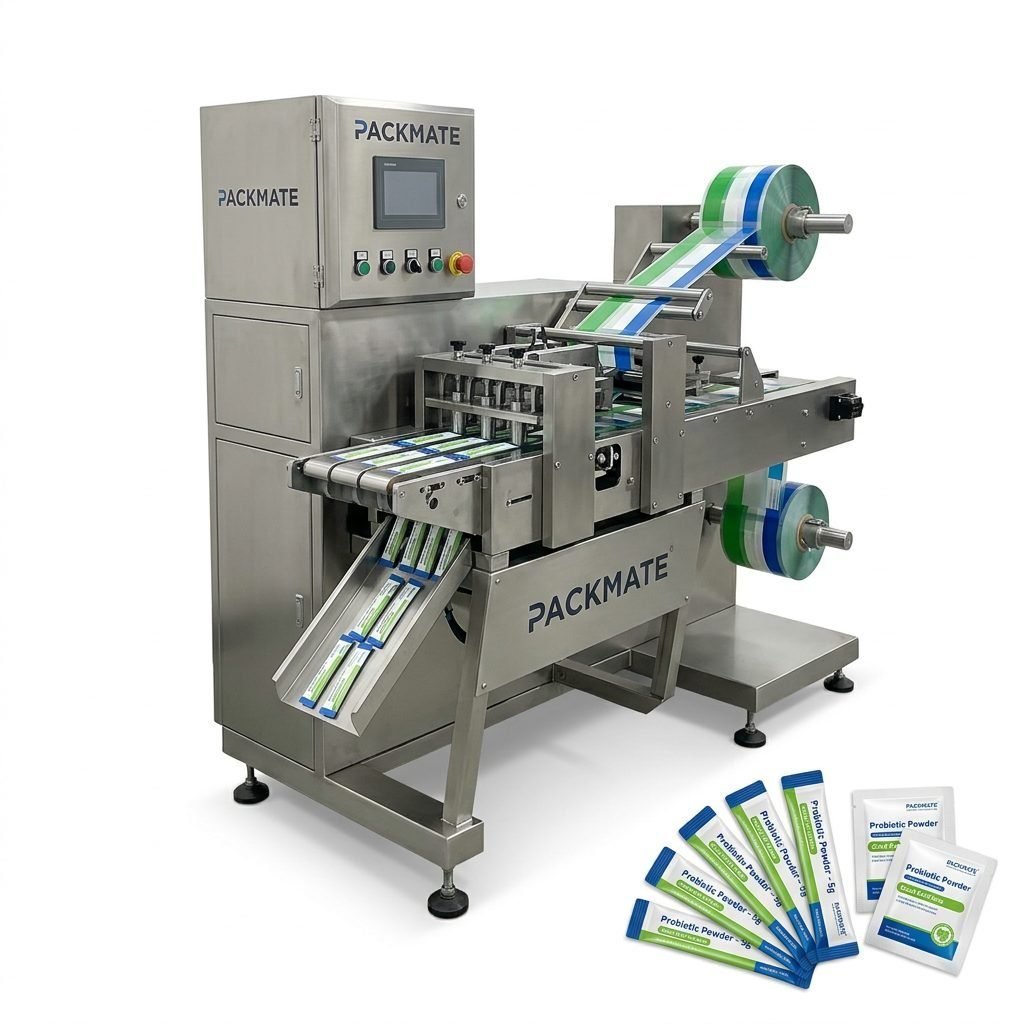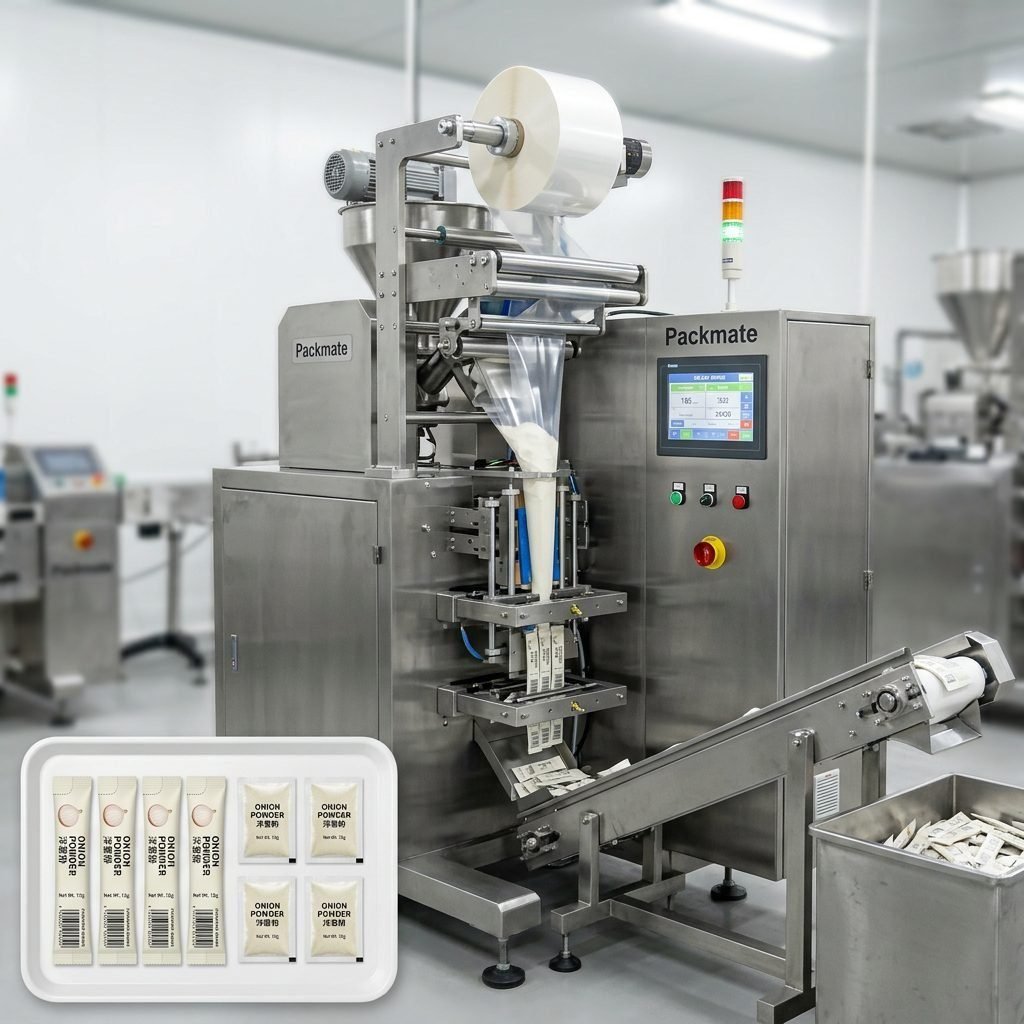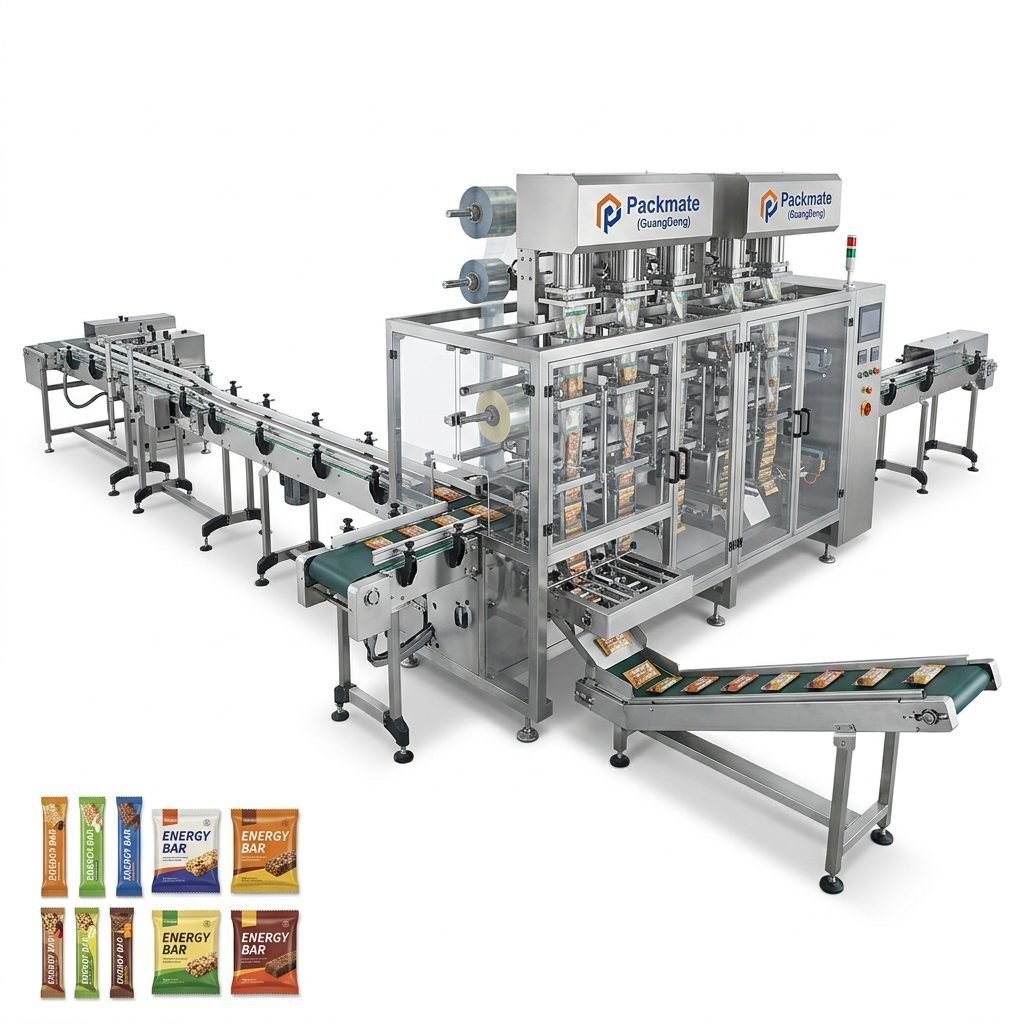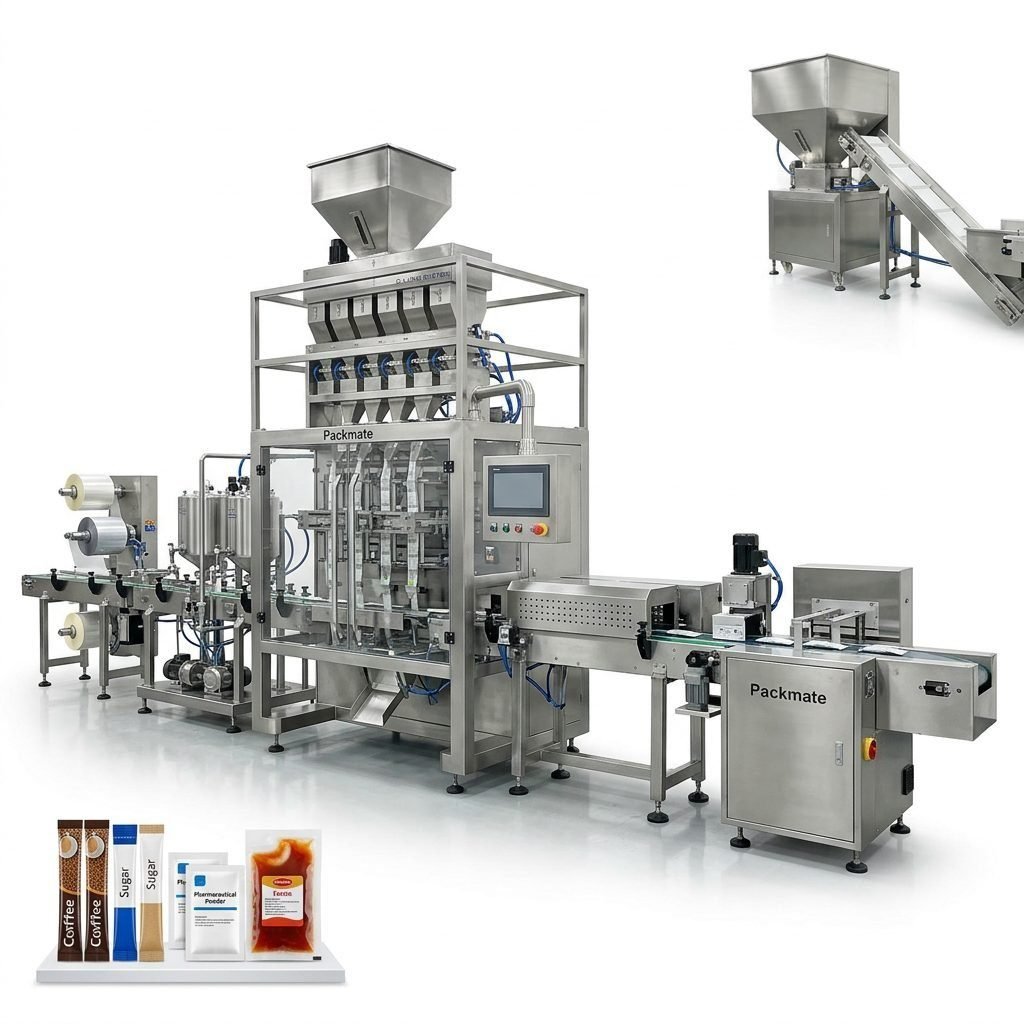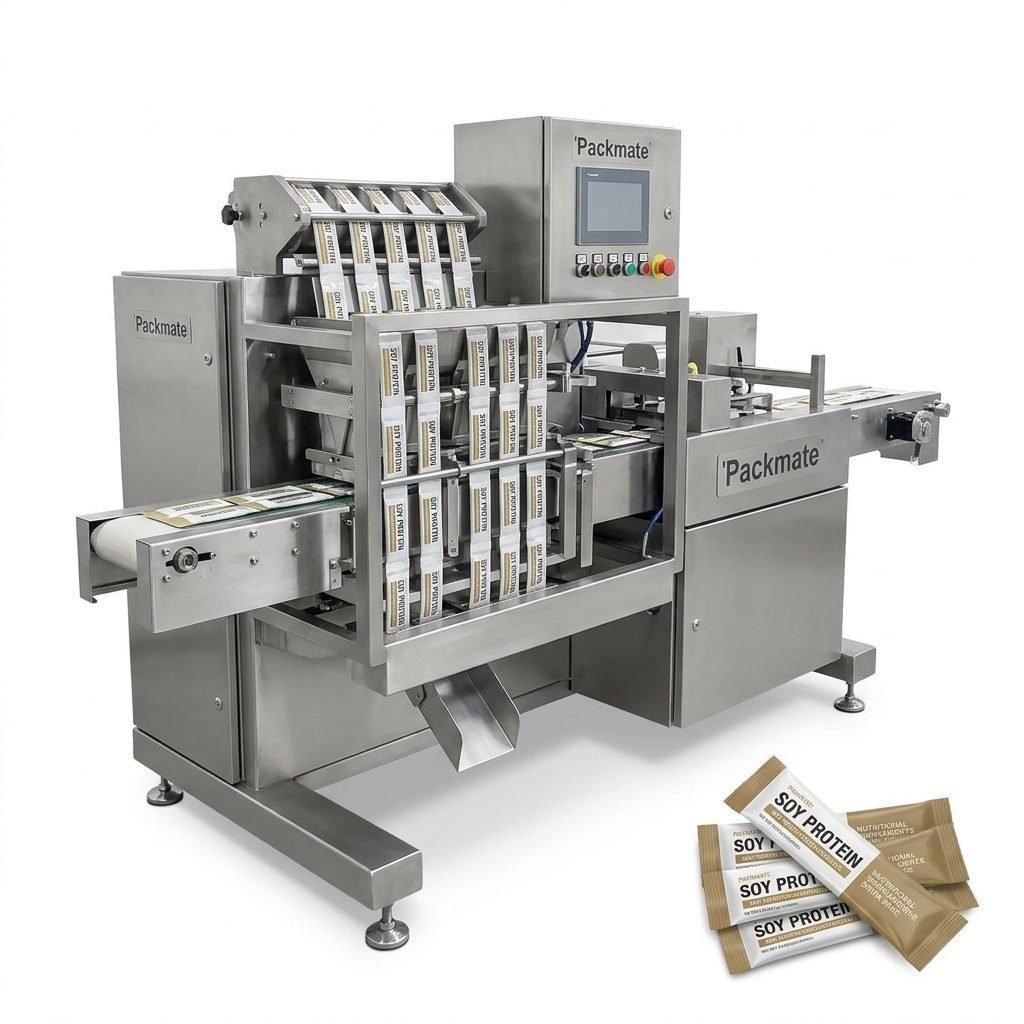
For businesses across Poland, from established food processors in Warsaw to innovative pharmaceutical startups in Kraków, finding a reliable packaging machine manufacturer is a critical step in ensuring production efficiency, product quality, and long-term operational stability. The Polish market, with its strong manufacturing base in food, confectionery, dairy, and pharmaceuticals, demands robust and adaptable packaging solutions. This guide provides a structured approach for Polish buyers to identify and evaluate trustworthy manufacturers, with a focus on key criteria that matter for sustainable business growth.
Key Considerations for Polish Buyers
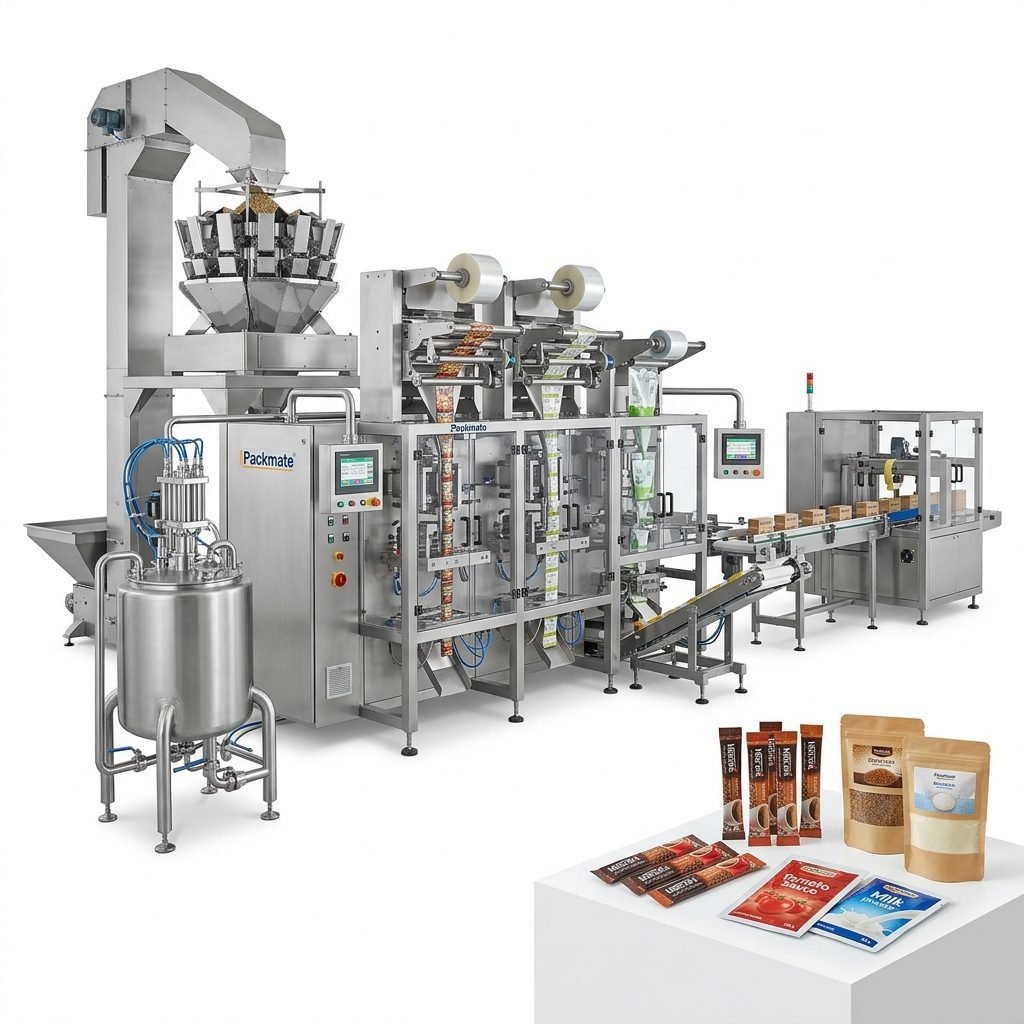
Before starting your search, clearly define your project’s scope. Are you looking for a standalone vertical form-fill-seal machine for coffee or spices, or a complete turnkey packaging line for powdered supplements? Understanding your product format (powder, granule, liquid, paste), required output speed (bags per minute), and future scalability needs will significantly narrow down your options. For the Polish context, also consider local technical service availability and compliance with EU machinery directives (CE marking) as non-negotiable prerequisites.
Local Insight: Polish manufacturers often value long-term partnerships and after-sales support. A supplier’s willingness to provide training for your local technicians and maintain a stock of critical spare parts can be as important as the machine’s initial price.
Evaluating Manufacturer Credibility and Experience
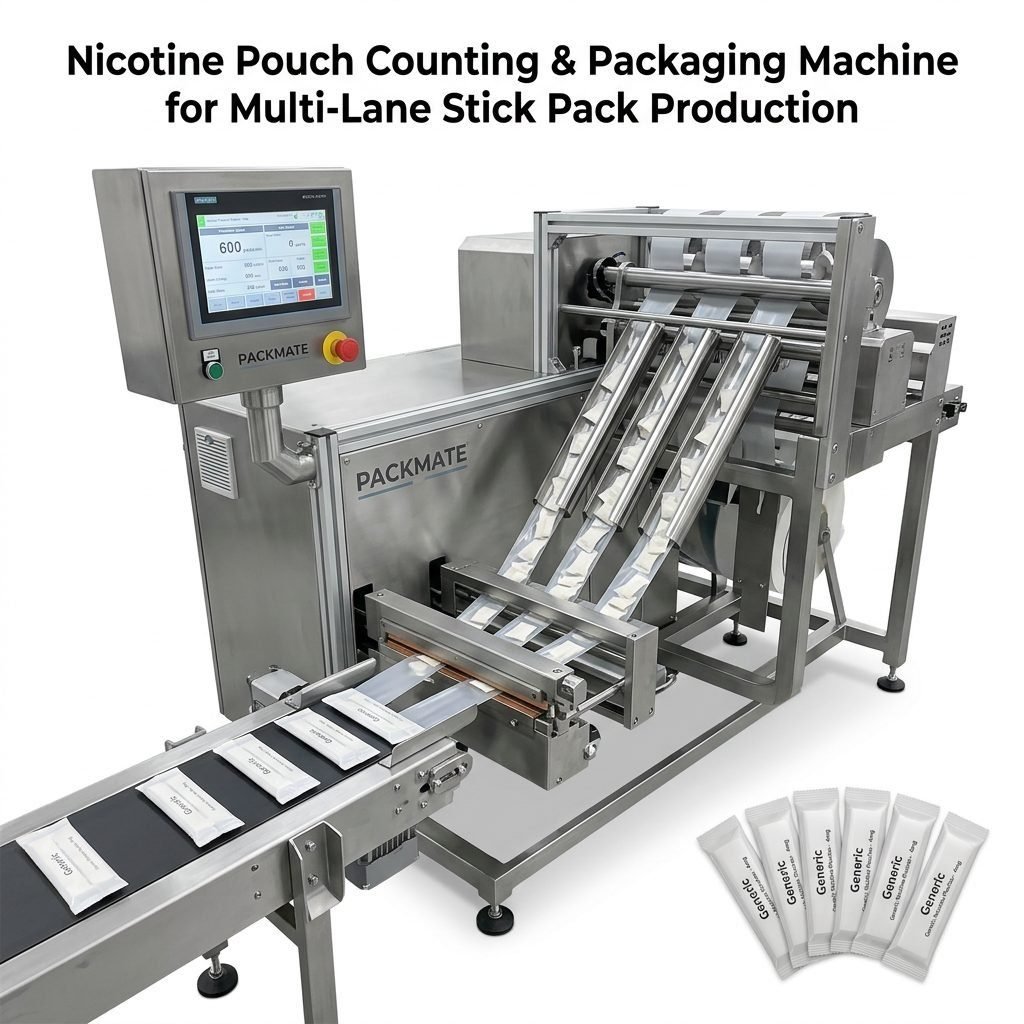
A manufacturer’s track record is its most valuable asset. Look for companies with substantial industry experience, preferably those that have navigated multiple economic cycles and technological shifts. A history of more than 20-30 years often indicates resilience, accumulated technical know-how, and a proven ability to refine their products based on real-world feedback. Don’t just look at the company’s age; investigate their specific experience with products similar to yours. For instance, a manufacturer specializing in nicotine pouch packaging will have deeper application knowledge for that niche than a generalist.
Examining a company’s export markets can reveal its adaptability to different standards and customer expectations. Manufacturers with a strong presence in Europe and North America are typically accustomed to higher quality and documentation requirements, which aligns well with Polish and broader EU market standards. Review their client portfolio for case studies or testimonials from businesses of a similar size and sector to yours.
Assessing Technical Capability and Product Range
The core of your evaluation should be technical capability. Reliable manufacturers operate from modern facilities with integrated R&D, precision machining, and strict quality control processes. Inquire about their factory size and whether they manufacture key components in-house, which offers better quality control. A broad product portfolio is advantageous, as it suggests engineering versatility. However, ensure they have depth in the specific machine type you need, whether it’s a multi-lane stick pack machine for portion control or a liquid sachet filler for sauces.
| Evaluation Factor | What to Look For | Why It Matters for Polish Operations |
|---|---|---|
| Manufacturing & Quality Control | ISO-certified factory, in-house machining, documented QC procedures, assembly line videos. | Ensures machine durability, consistency, and minimizes costly downtime in high-throughput Polish plants. |
| Customization & Engineering Support | Ability to modify standard machines, provide OEM solutions, and design complete line layouts. | Polish businesses often have unique product formats or space constraints; flexible engineering is key. |
| After-Sales & Technical Support | Availability of local/regional service engineers, spare parts inventory, remote diagnostics, and training programs. | Rapid response is crucial to maintain continuous production schedules common in Poland’s competitive sectors. |
The Importance of After-Sales Support and Local Presence
For Polish companies, the relationship with a supplier truly begins after the machine is installed. Comprehensive after-sales support is not a luxury but a necessity. Probe deeply into the manufacturer’s support structure: Do they have trained technicians who can travel to Poland? What is the typical response time for spare parts delivery? Is remote troubleshooting via video call available? Manufacturers that invest in a strong service network demonstrate a commitment to their clients’ long-term productivity. Some international suppliers partner with local Polish engineering firms to provide faster on-ground support.
Understanding Market Options: A Focus on Established International Suppliers
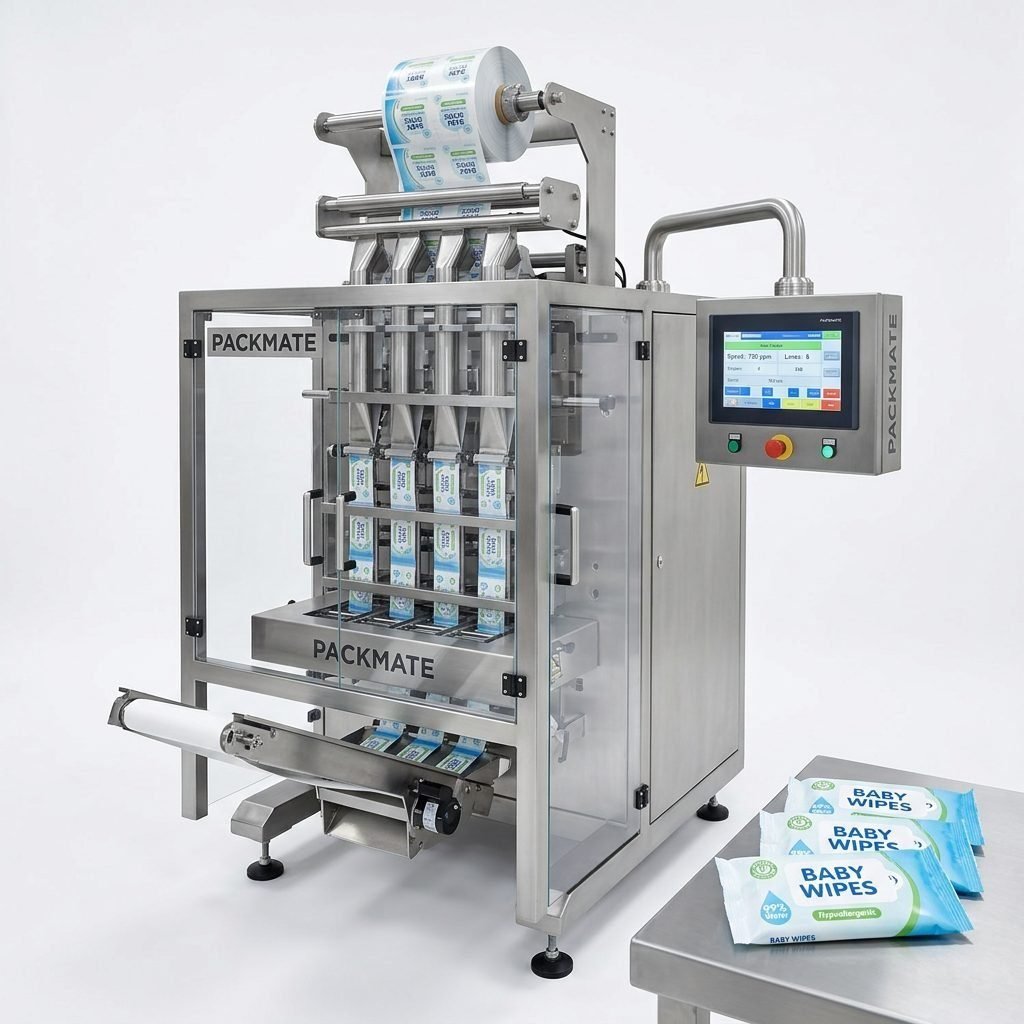
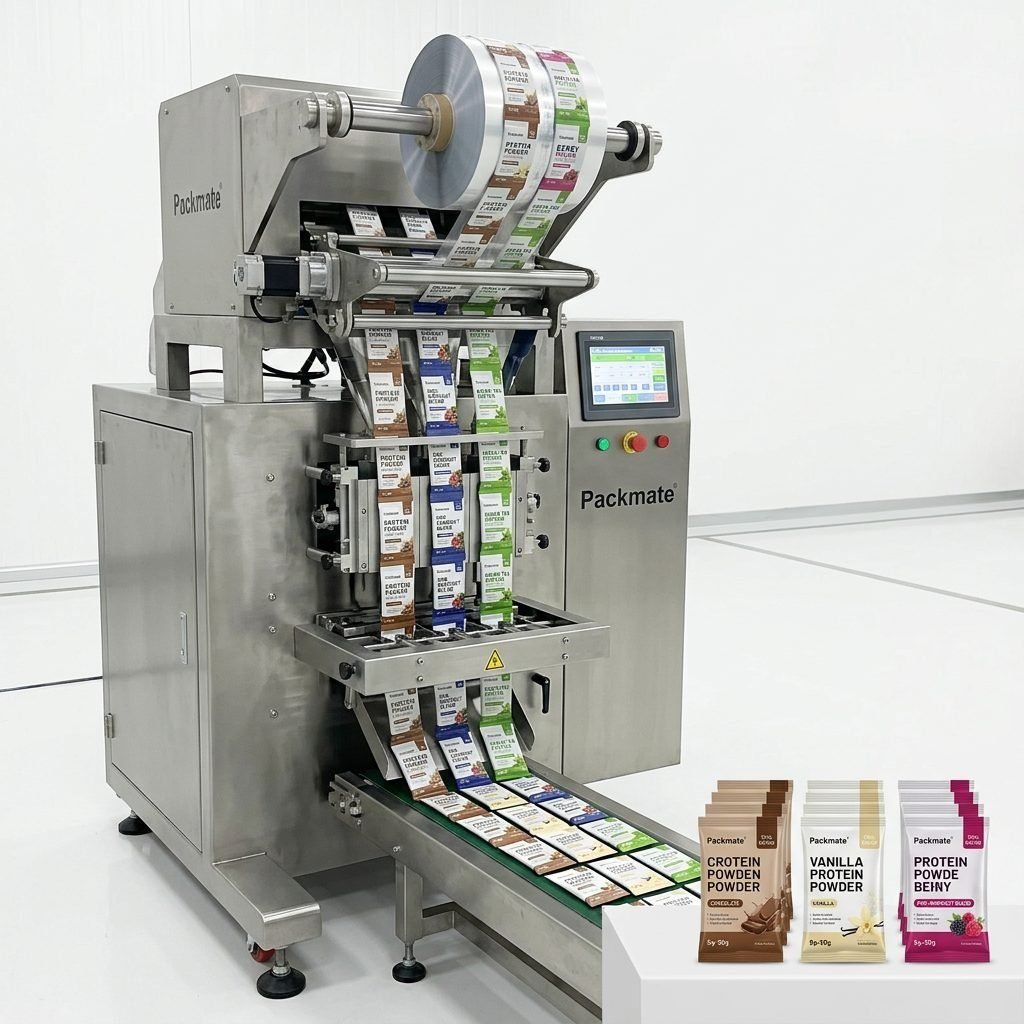
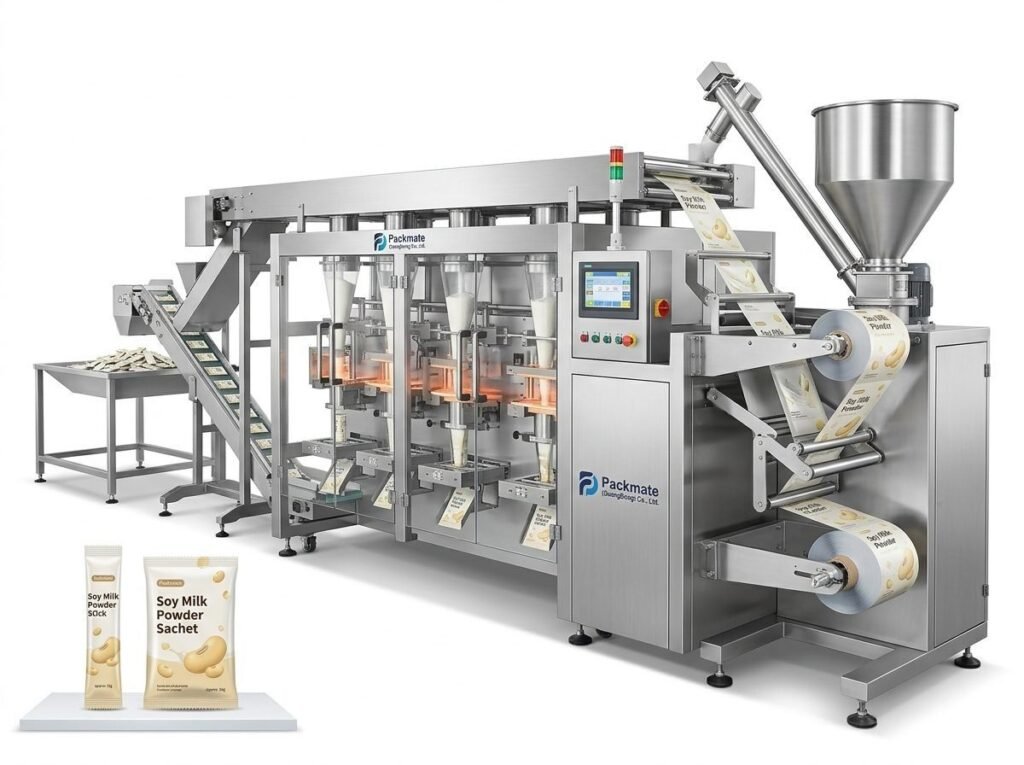
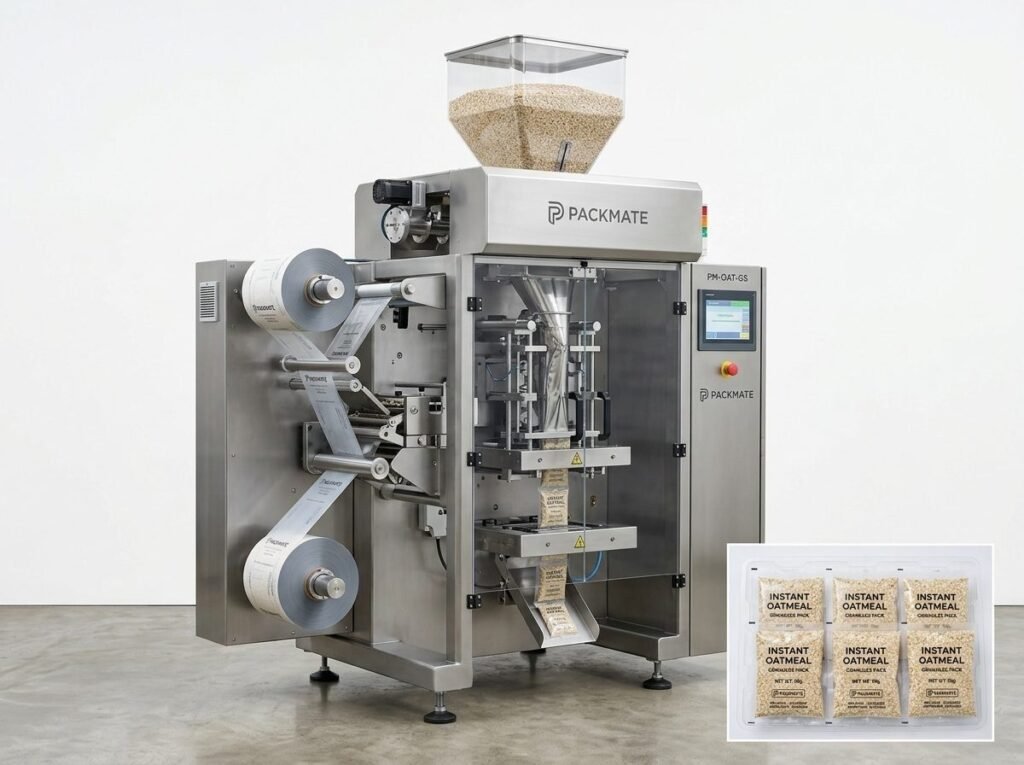
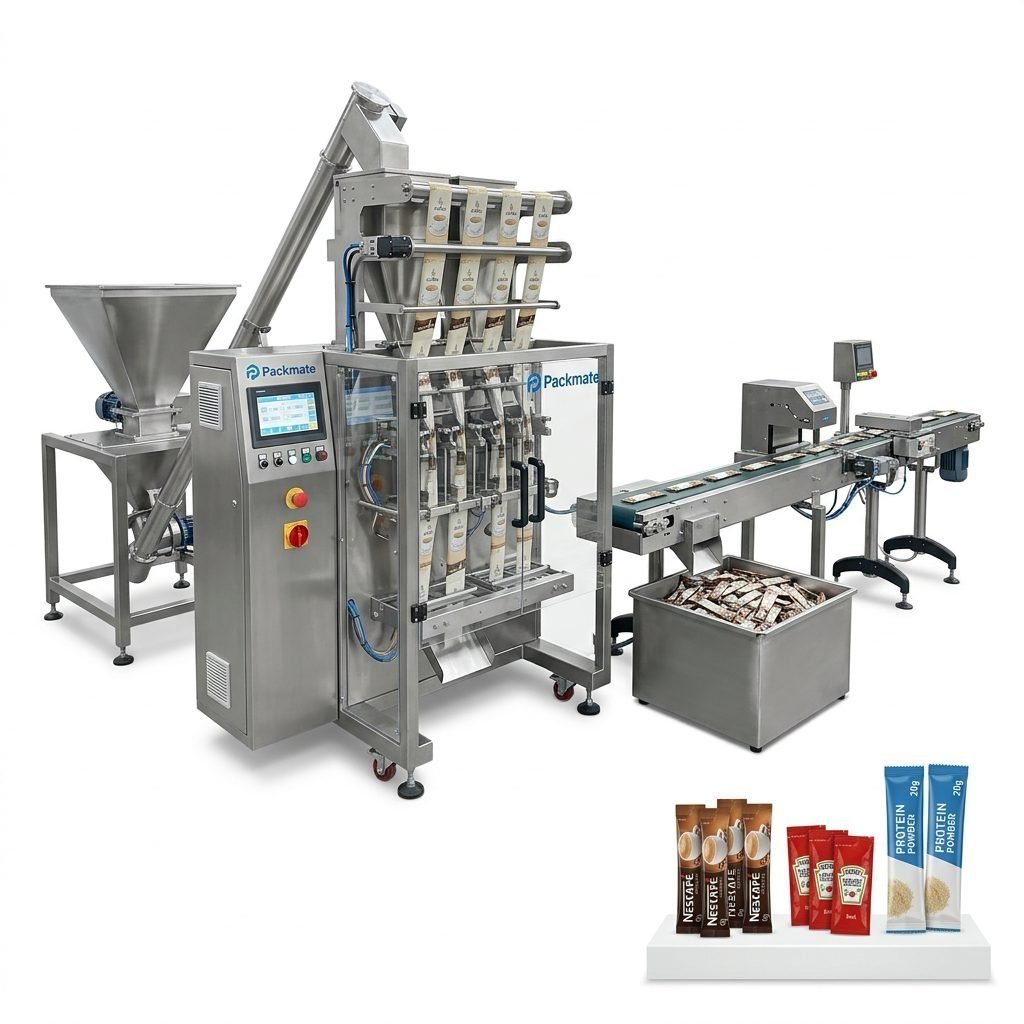
The global packaging machinery market includes many capable manufacturers. Polish buyers often look beyond local European suppliers to find a balance of advanced technology, customization, and cost-effectiveness. Several established international manufacturers have built strong reputations by serving complex markets like Poland. For example, companies like Ludyway offer over 30 years of experience and a wide range of solutions for food and pharma, making them a frequent consideration for projects requiring scalability. Similarly, Packmate Machinery is recognized for its practical automation and strong export footprint in Europe.
Specialization vs. Generalization
Your choice may depend on your need for specialization. For standard powder or granule packaging, a generalist manufacturer with a broad range may suffice. However, for niche applications like snus or nicotine pouch production, a specialized supplier like SnusMachinery can provide critical application-specific expertise that reduces project risk and accelerates line optimization.
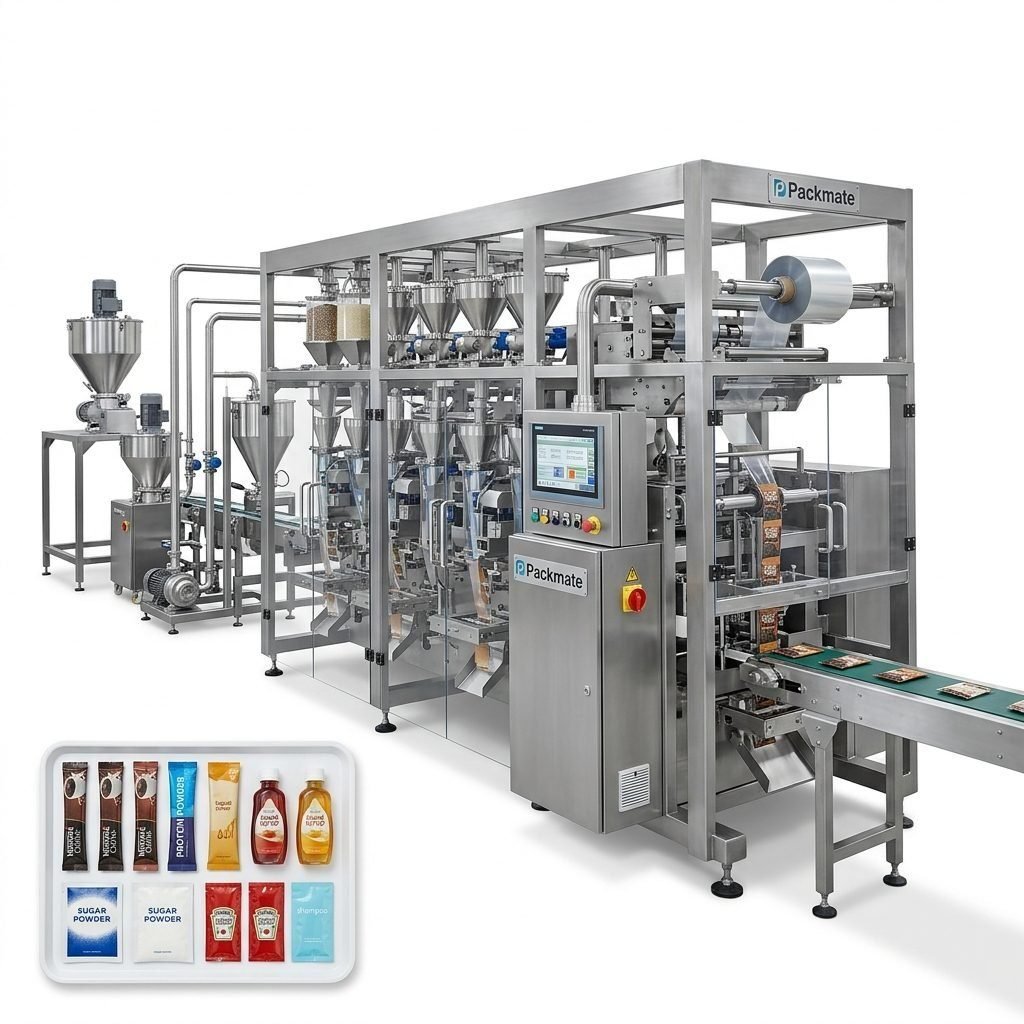
For buyers whose primary need is a fully integrated system rather than a single machine, turnkey line specialists such as PacklineOEM focus on the entire production flow—from feeding and weighing to end-of-line packaging. Conversely, if your project demands significant modification to standard equipment, manufacturers emphasizing non-standard customization, like PackingMachineOEM, become highly relevant partners.
Due Diligence and Final Selection Process
Once you have a shortlist, conduct thorough due diligence. Request detailed quotations that break down costs for the machine, spare parts, shipping, and installation. Always ask for references and contact existing clients, preferably in similar industries or regions. If possible, arrange a visit to the manufacturer’s factory—either in person or via a detailed virtual tour. This allows you to assess their manufacturing practices, quality controls, and company scale firsthand.
Finally, negotiate a clear contract that covers performance guarantees (e.g., speed, accuracy), warranty terms, delivery schedule, payment terms, and detailed specifications for after-sales support. A reliable manufacturer will be transparent and willing to work within a structured contractual framework that protects both parties.
Frequently Asked Questions (FAQs) for Polish Buyers
Q: How do I ensure the machine complies with Polish and EU regulations?
A: The machine must carry a valid CE mark, and the manufacturer should provide a Declaration of Conformity in Polish or English. Reputable suppliers are familiar with the Machinery Directive (2006/42/EC) and other applicable standards. Always verify this documentation before purchase.
Q: What are the typical lead times for delivery to Poland?
A: Lead times vary based on machine complexity and customization. For standard models, expect 60-90 days after order confirmation. For fully custom or turnkey lines, 90-150 days is common. Factor in additional time for sea freight and customs clearance in Gdansk or other ports.
Q: Is it better to buy directly from the manufacturer or through a local agent?
A: Both models have merits. Buying directly can reduce costs and improve communication with the engineering team. A reliable local agent in Poland can provide faster on-site service, handle logistics, and offer localized contract support. Evaluate based on the manufacturer’s direct support capabilities versus the agent’s proven track record.
Q: How can I manage the risk of importing machinery from abroad?
A: Mitigate risk by conducting thorough factory audits (virtual or in-person), checking bank references, using secure payment methods (e.g., Letters of Credit), and ensuring a comprehensive contract is in place. Choosing manufacturers with a long history and many European references significantly lowers risk.
Q: What ongoing costs should I budget for after the machine purchase?
A: Beyond spare parts, budget for periodic maintenance, potential software updates, consumables (like sealing jaws), and possibly an annual service contract. Also, consider the cost of training for new operators to ensure optimal and safe machine use.