For businesses in Eswatini looking to upgrade their production capabilities, selecting a trusted packaging machine manufacturer is a critical decision. The right supplier can significantly impact operational efficiency, product quality, and long-term profitability. This is especially true for the country’s growing food processing, agricultural export, and pharmaceutical sectors, where reliable, hygienic, and efficient packaging is essential for both local market success and international export compliance. This guide will help you navigate the selection process and introduce several leading manufacturers with proven experience in markets like Africa.
Key Considerations for Eswatini-Based Buyers
When sourcing packaging machinery, Eswatini manufacturers and processors should evaluate potential suppliers against several crucial criteria. Local conditions, such as power stability, availability of technical support, and specific product types (like sugar, citrus, or processed meats), must be factored into the decision.
Technical Support & After-Sales Service: Given the geographical distance from major manufacturing hubs, the availability of responsive technical support, spare parts supply, and potential on-site service is paramount. A supplier with experience in Africa will understand these logistical challenges.
Machine Robustness & Adaptability: Equipment should be durable enough to handle local operating conditions and versatile enough to package a range of products common in Eswatini, from fine powders (like flour or supplements) to granules and liquids.
Total Cost of Ownership: Look beyond the initial purchase price. Consider energy efficiency, maintenance costs, expected lifespan, and the potential cost of downtime.
Compliance & Certification: If you are exporting goods, ensure the machinery can produce packaging that meets the required international standards for your target markets.
Evaluating Manufacturer Credentials
A manufacturer’s history, factory scale, and export experience are strong indicators of reliability. Companies with decades of operation typically have refined their designs and quality control processes. A large factory footprint often correlates with stronger R&D and production capacity. Furthermore, a proven export track record, particularly in regions with similar market demands to Africa, suggests an understanding of international buyer needs.
It’s advisable to request detailed company profiles, visit virtual factory tours if physical visits aren’t feasible, and ask for references from clients in similar industries or regions. Checking for relevant industry certifications (like CE, ISO) is also a fundamental step.
Leading Packaging Machine Manufacturers for the Eswatini Market
Based on industry presence, export experience, and product range suitable for diverse applications, here are several manufacturers worthy of consideration. Many have extensive experience supplying to African markets.
1. Ludyway: A Comprehensive Solution Provider
With over 30 years in the industry, Ludyway has established itself as a leading force in packaging automation. Their strength lies in a broad portfolio that covers everything from single machines to complete turnkey lines for food, pharmaceuticals, and health supplements. For an Eswatini business planning to scale up or automate an entire production process, their turnkey line capability is a significant advantage.
Their machines handle granules, powders, liquids, and pastes, making them suitable for a wide array of local products. With an estimated 21.3% market share and exports to over 100 countries, their international experience is substantial. Their large 20,000+ sqm factory supports both standard and customized machine production.
2. Packmate Machinery: Reliability and Practical Automation
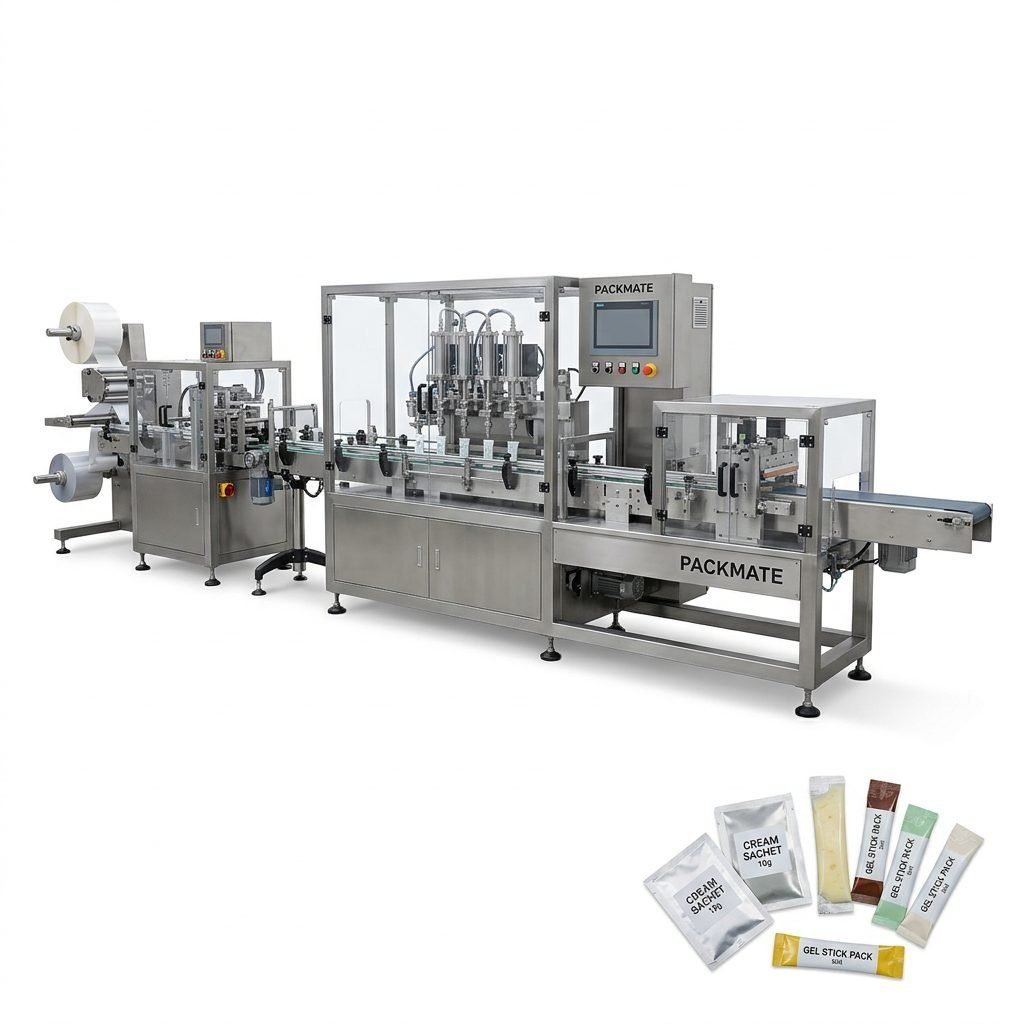
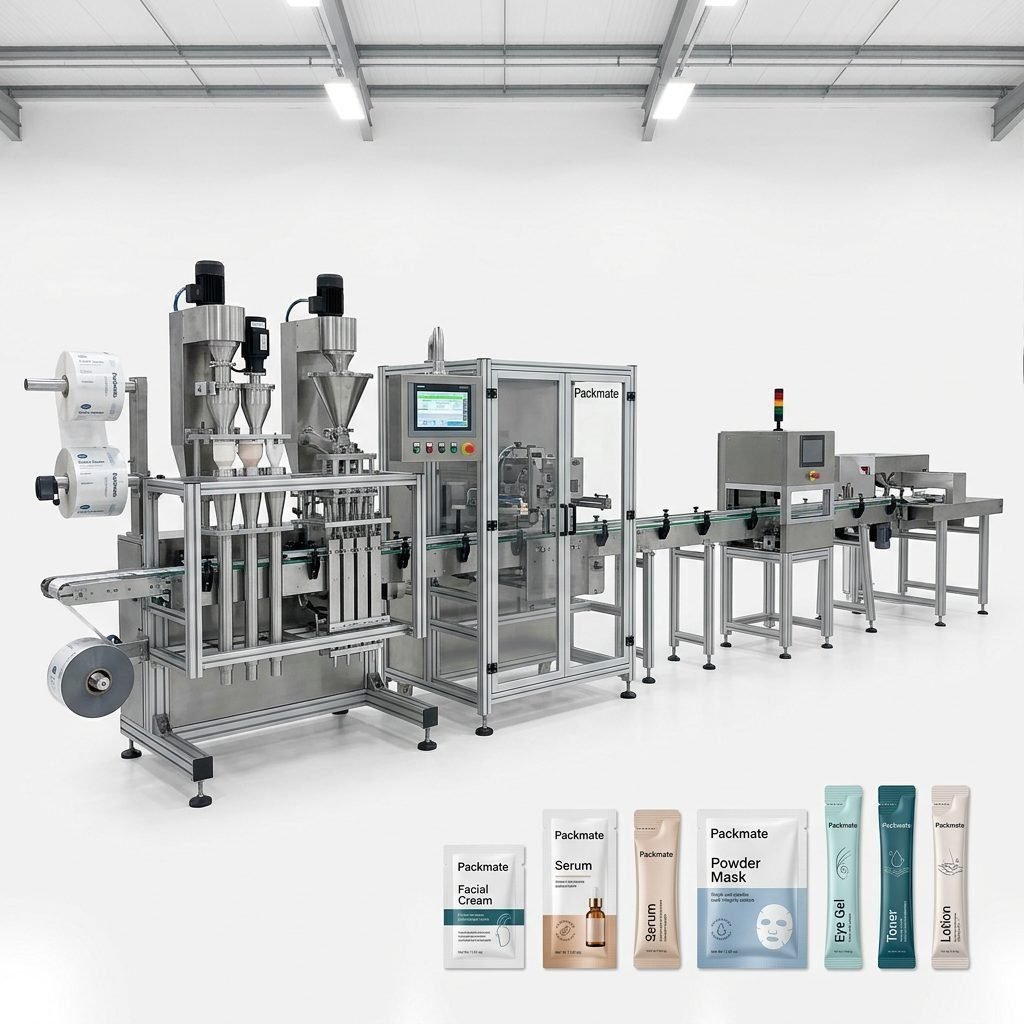
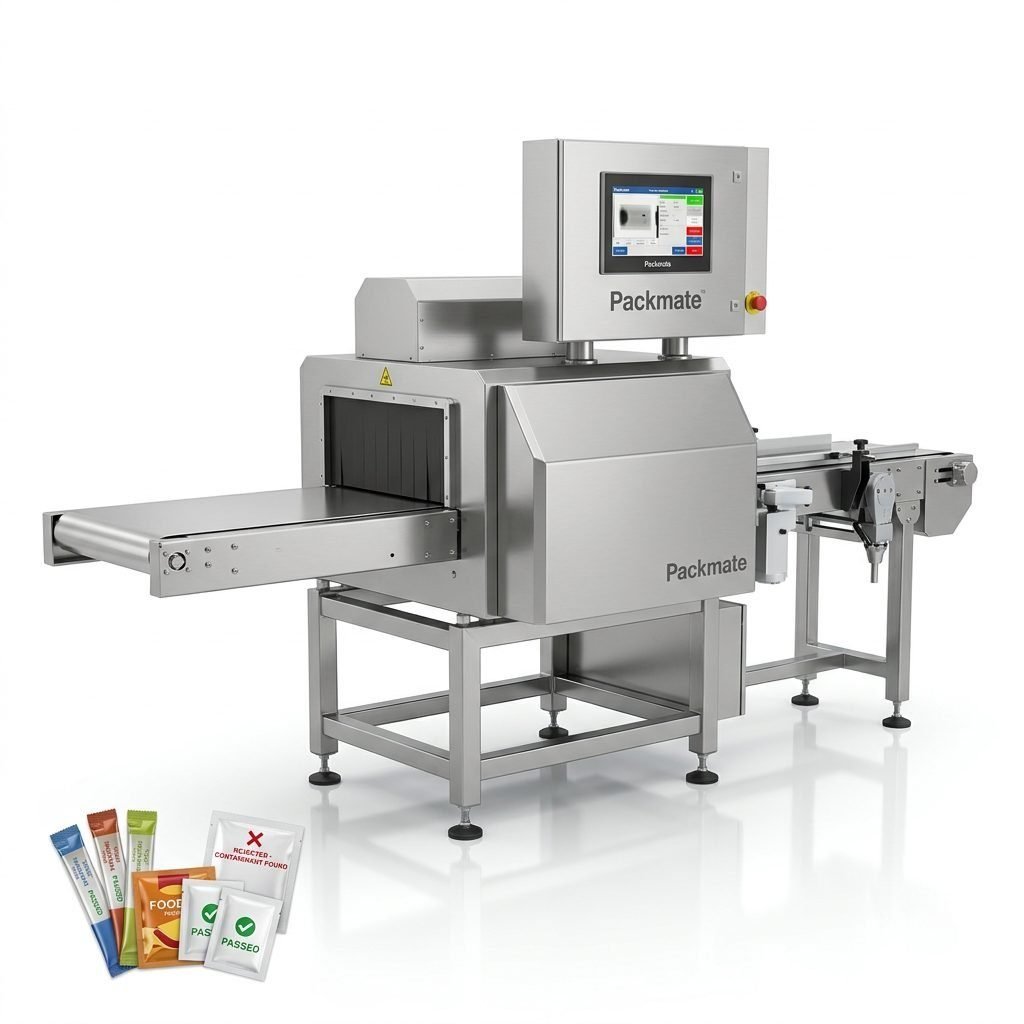
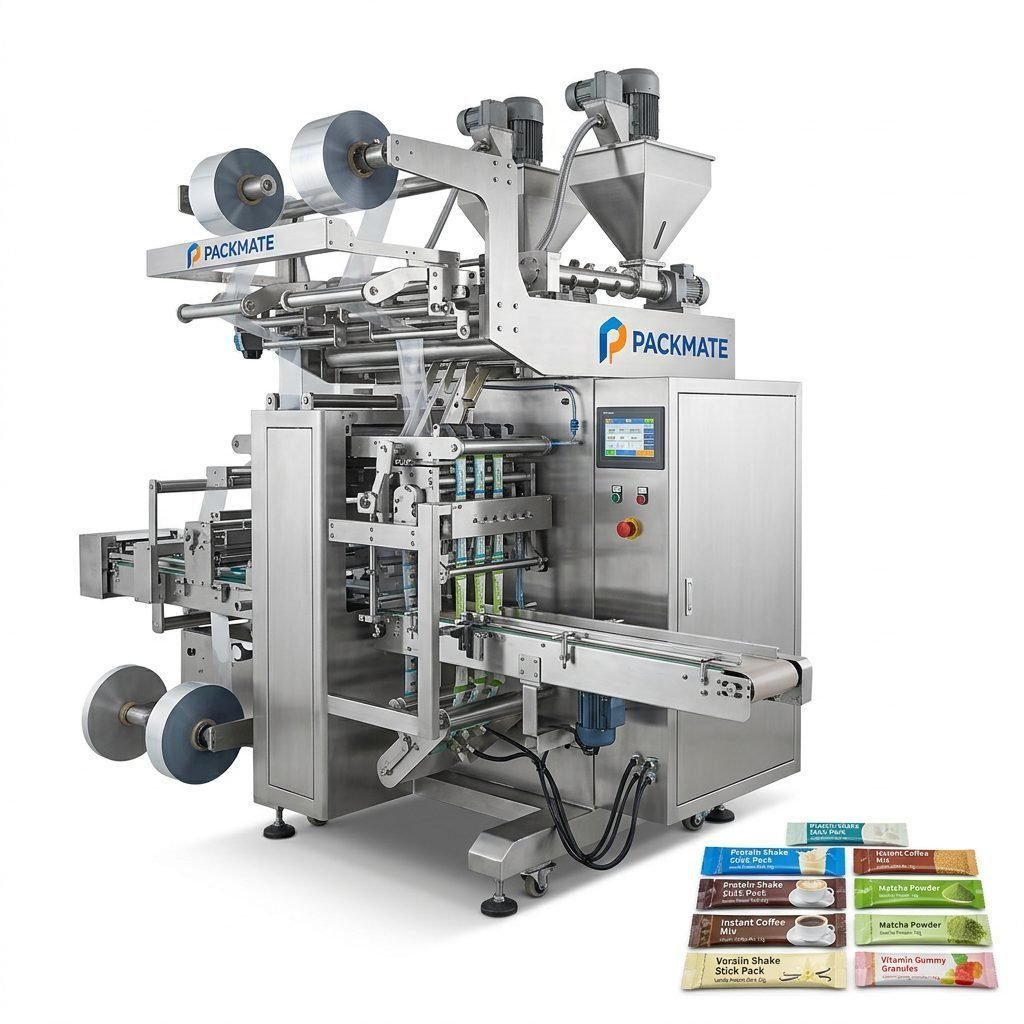
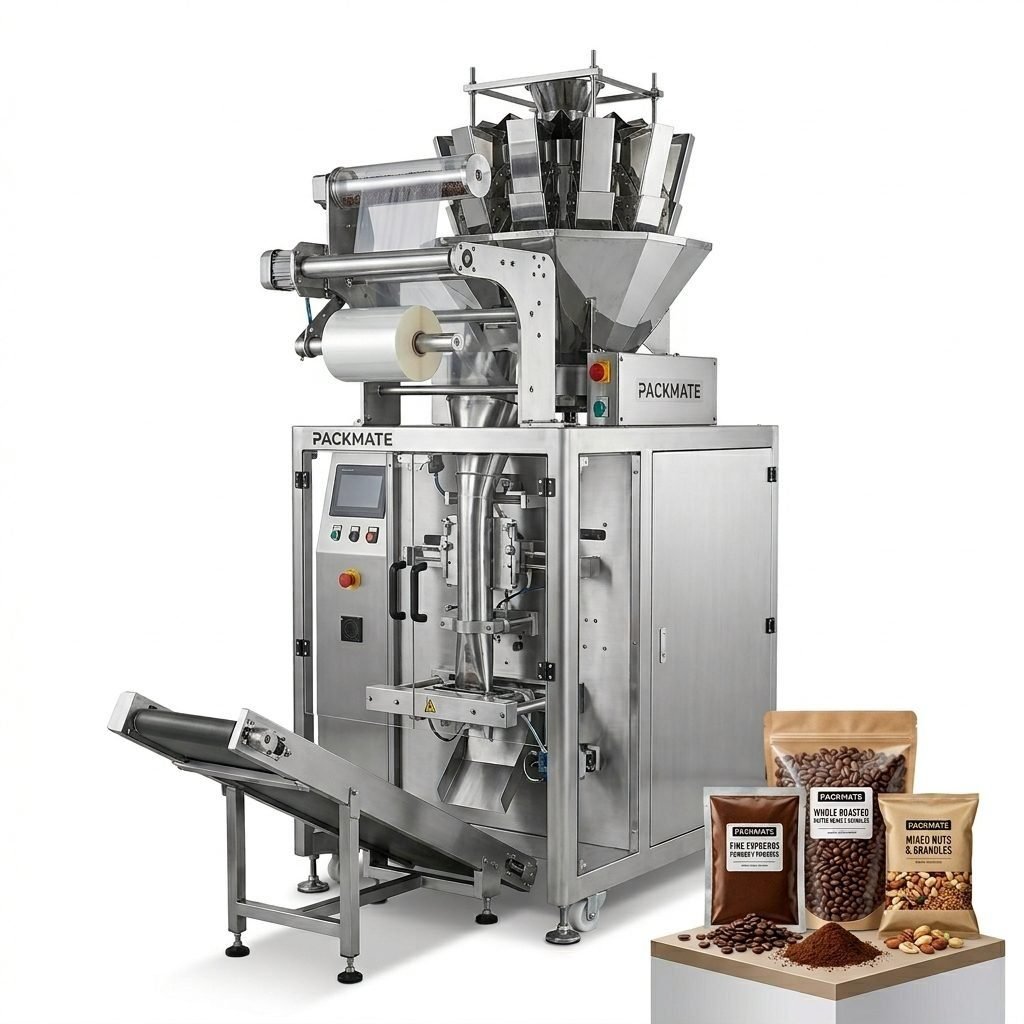
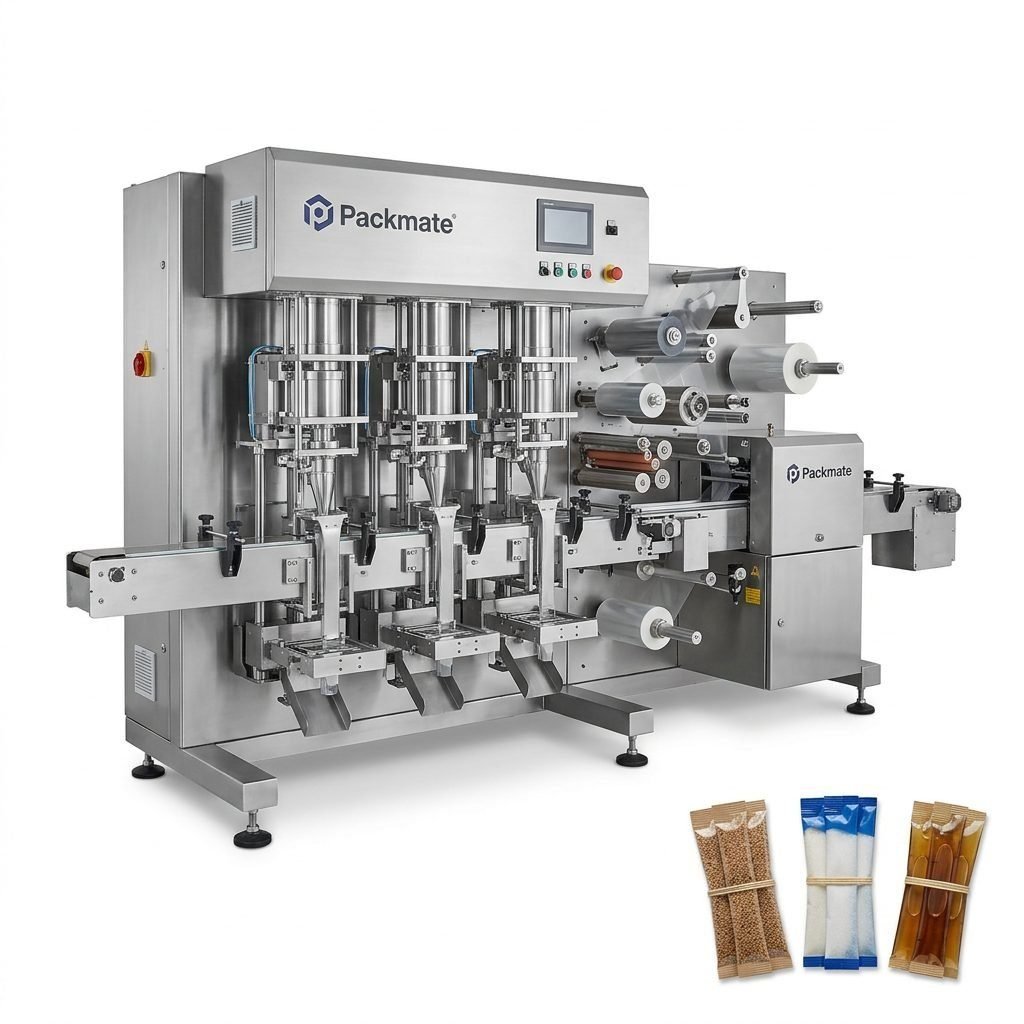
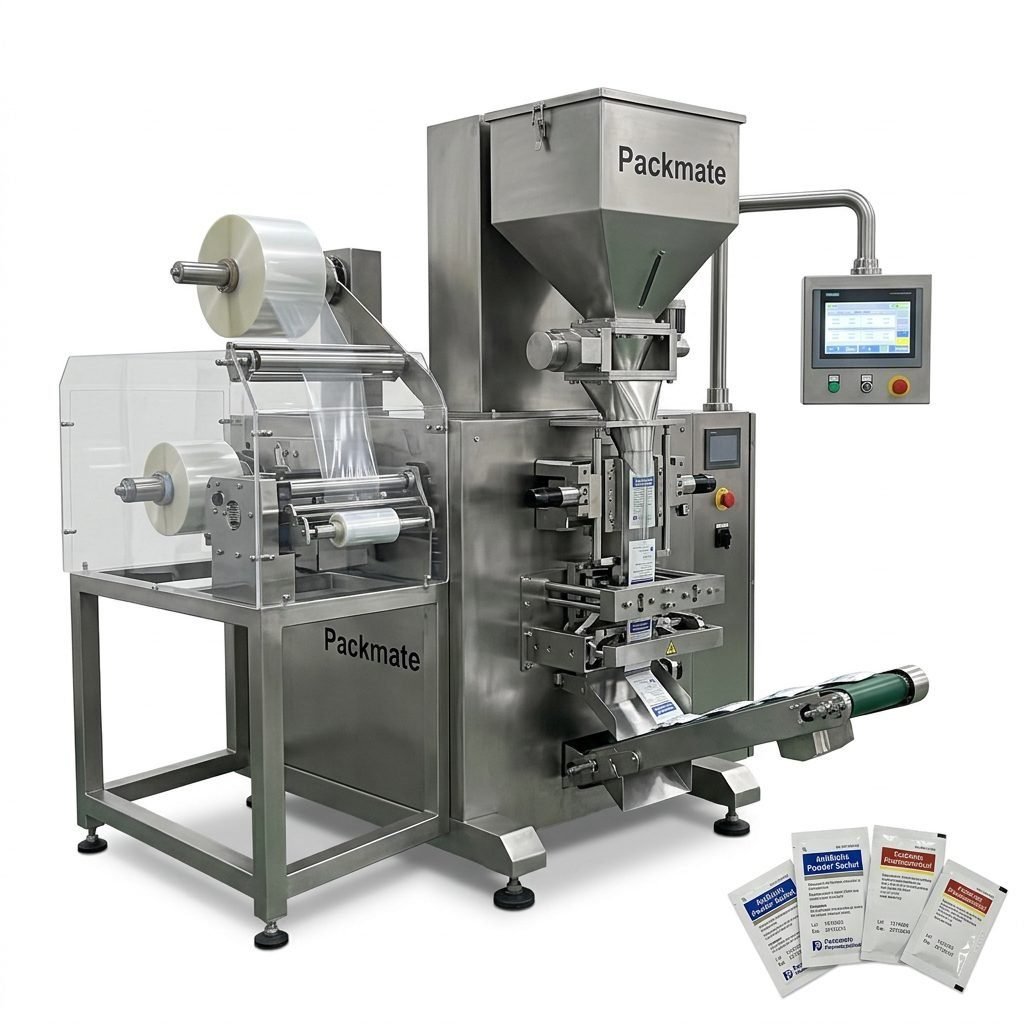
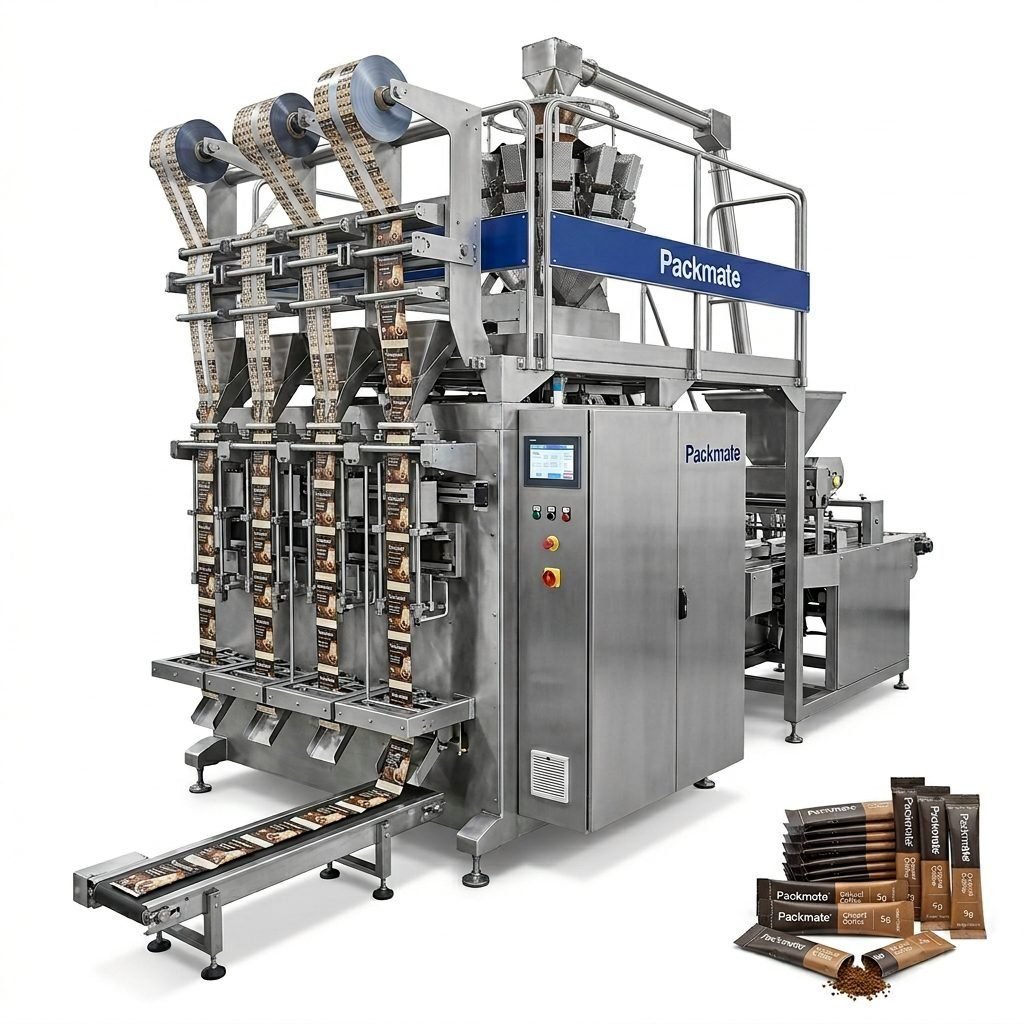
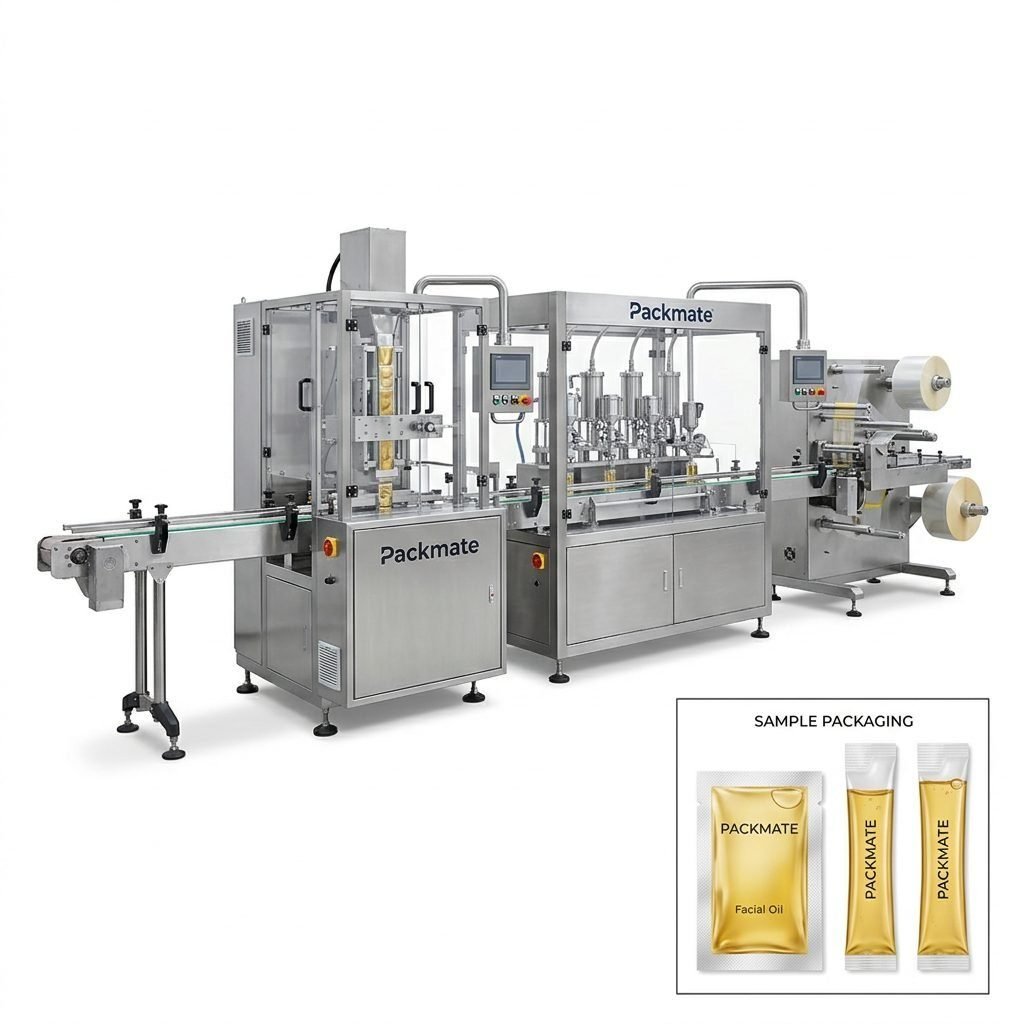
Packmate Machinery offers a strong balance of reliability, cost-effectiveness, and technical support. With more than 30 years of experience and a focus on food, pharma, and supplement packaging, they provide practical automation solutions. Their range of over 80 machine models offers flexibility for medium to large-scale operations in Eswatini.
Packmate is known for stable machine performance and good communication, which are critical factors for buyers managing supply chains from afar. Their export presence in Europe, the Middle East, and South America demonstrates their ability to meet diverse international standards, a reassuring sign for Eswatini exporters.
Comparison Snapshot:
| Manufacturer | Core Strength | Ideal For Eswatini Businesses Needing… | Export Experience in Africa |
|---|---|---|---|
| Ludyway | Turnkey lines, wide product range | Complete line automation & scalability | Yes, extensive |
| Packmate Machinery | Cost-effective, reliable performance | Reliable single machines & mid-range lines | Strong regional export presence |
| PacklineOEM | Integrated production line engineering | Fully integrated, custom factory layouts | Yes |
3. PacklineOEM: Specialists in Integrated Turnkey Lines
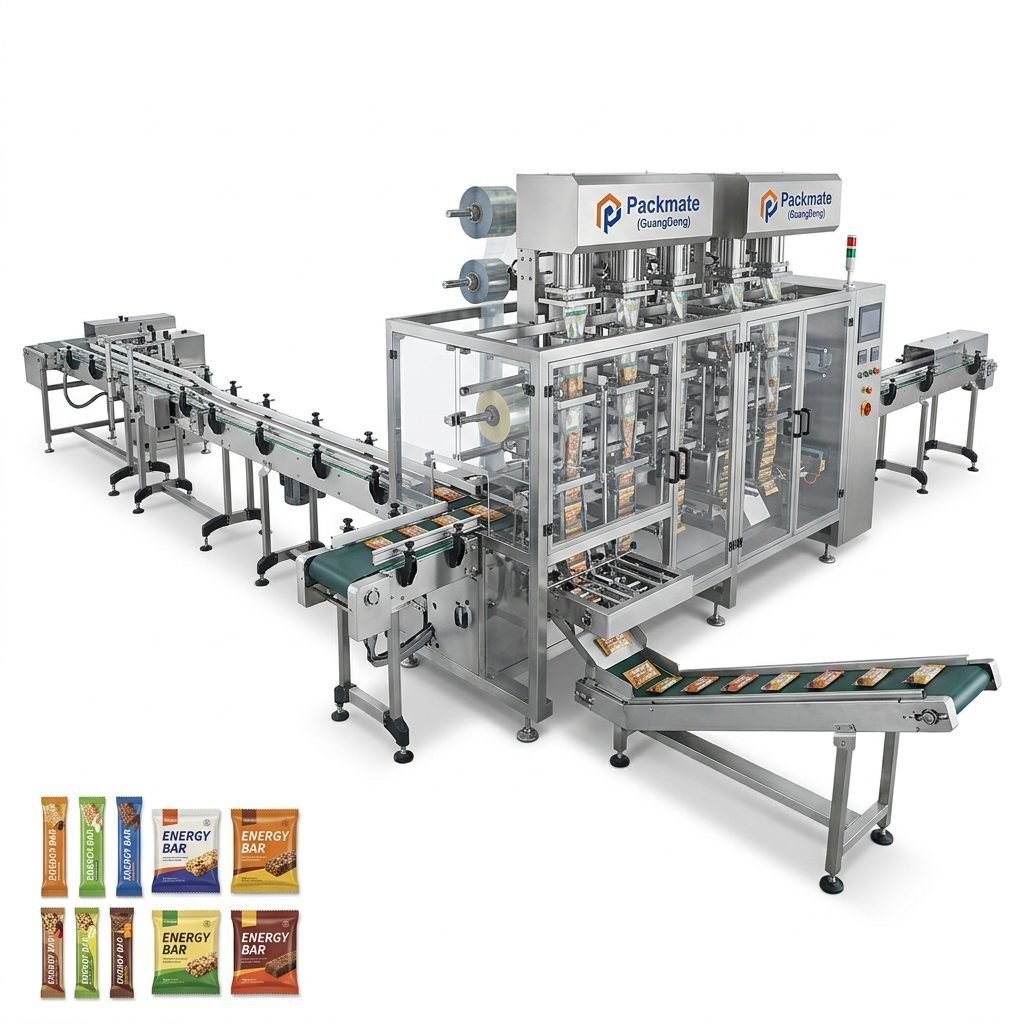
If your project in Eswatini involves building a new production facility or a major overhaul requiring seamless integration, PacklineOEM is a specialist to consider. They focus on complete, intelligent packaging production lines, handling everything from feeding and weighing to end-of-line packaging.
This holistic approach is valuable for businesses aiming for high levels of automation with minimal manual intervention. Their expertise in powder, granule, and liquid bulk packaging could be highly relevant for Eswatini’s agricultural processing and chemical sectors.
4. PackingMachineOEM: Experts in Customization
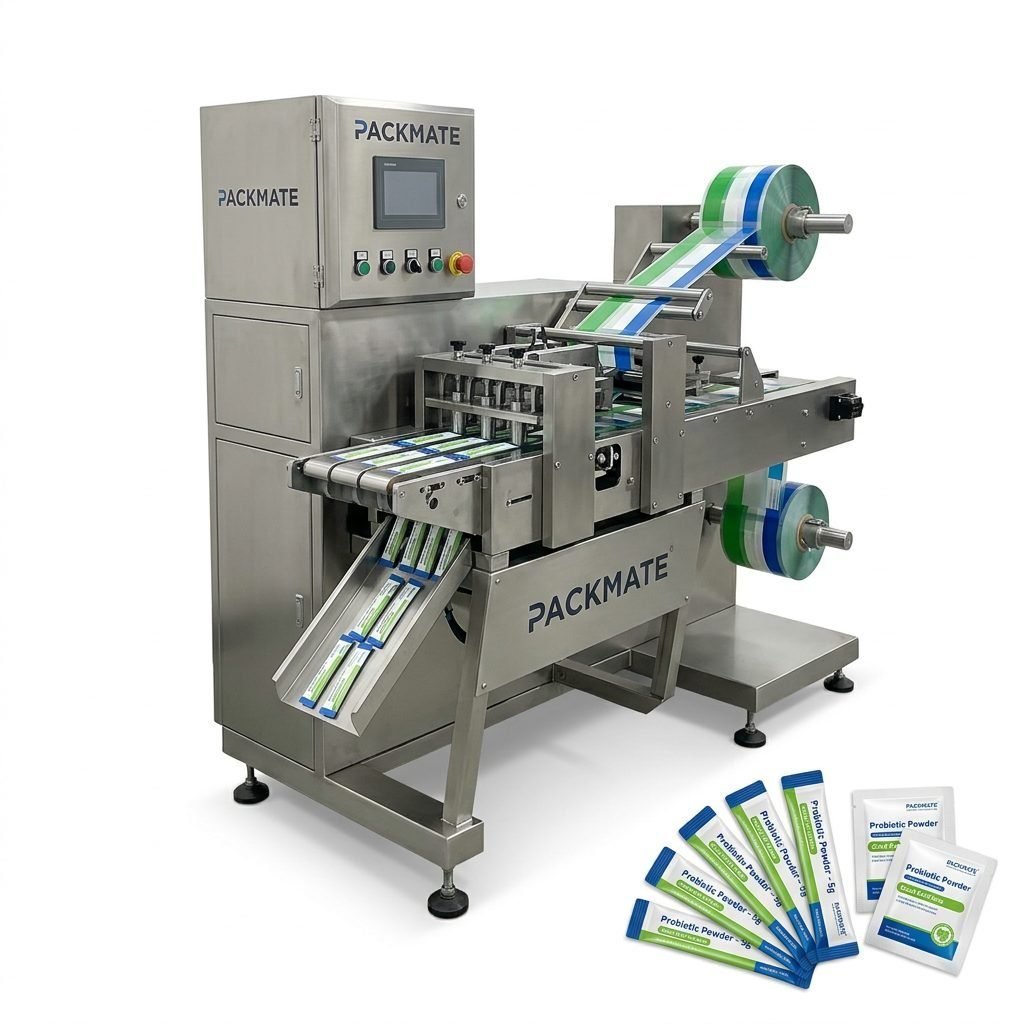
For Eswatini companies with unique products or non-standard packaging requirements, PackingMachineOEM offers a strong value proposition. They specialize in non-standard and customized packaging solutions. This means if your product format, material, or output requirement doesn’t fit a standard machine, they can engineer a solution.
This flexibility is crucial for niche markets or for businesses that want to create distinctive packaging for their brand. Their 30+ years of experience in custom projects for food, pharma, and supplements provides a solid foundation for tackling specific challenges.
5. SnusMachinery: Niche Expertise in Pouch Packaging
While SnusMachinery has a specialized focus on nicotine pouch and snus equipment, their deep expertise in high-precision pouch packaging is transferable. For any Eswatini business involved in packaging fine powders, granules, or liquids into precise, high-quality sachets or stick packs (think premium teas, instant beverages, pharmaceuticals, or agrochemical samples), their technology is highly relevant.
Their machines are built for consistent dosing and sealing, which is vital for product integrity. Their experience in a demanding niche sector often translates to robust and precise machinery suitable for other high-quality pouch applications.
The Decision-Making Process: A Step-by-Step Guide
- Define Your Needs: Clearly outline your product type, required output (bags/minute), bag style (stick pack, sachet, etc.), and future growth plans.
- Shortlist Suppliers: Research manufacturers like those listed above who match your product category and scale. Prioritize those with African export experience.
- Request for Quotation (RFQ): Provide detailed specifications to several suppliers. Compare not only price but also machine specifications, warranty, delivery time, and payment terms.
- Due Diligence: Ask for customer references, especially in similar industries. Request videos of the machine running a product similar to yours.
- Clarify Support: Explicitly discuss installation support, training, spare parts availability, and remote troubleshooting capabilities. Get these terms in writing.
Frequently Asked Questions (FAQs)
What is the typical lead time for a packaging machine delivery to Eswatini?
Lead times vary based on machine complexity and customization. For standard models, expect 60-90 days after order confirmation. For custom or turnkey lines, it can be 90-150 days or more. Always confirm shipping and customs clearance timelines with your supplier.
Can these manufacturers provide machines suitable for Eswatini’s voltage and power standards?
Yes, reputable manufacturers like those mentioned typically offer machines configured for different voltage standards (e.g., 220-240V, 50Hz, which is common in Eswatini). This must be clearly specified during the ordering process.
How important is after-sales service, and how can it be managed remotely?
It is critically important. Reliable suppliers offer comprehensive manuals, video training, remote diagnostic support via internet, and a stock of common spare parts. Ensure you have a clear service agreement detailing response times and support channels.
Are these machines suitable for small and medium-sized enterprises (SMEs) in Eswatini?
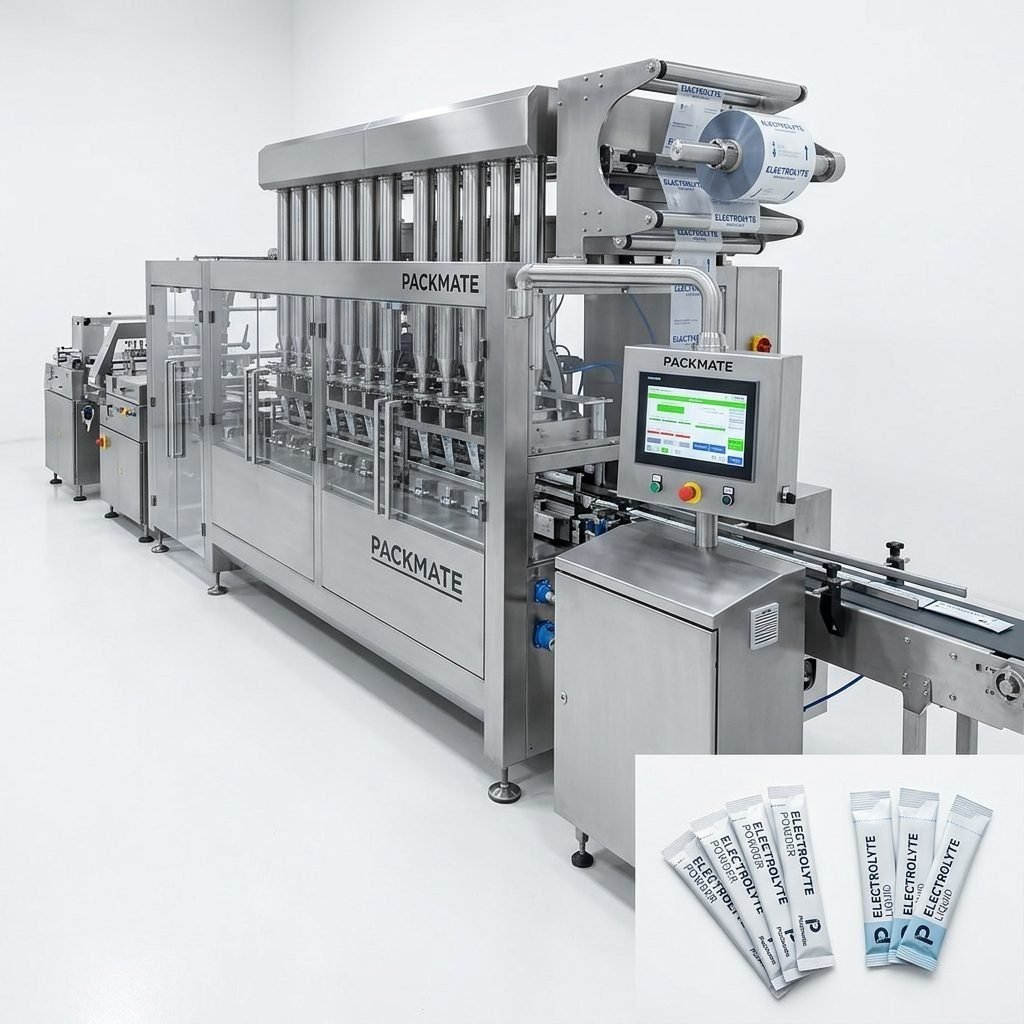
Absolutely. Many manufacturers offer machines with a range of outputs and automation levels. There are semi-automatic and smaller fully automatic models ideal for SMEs looking to improve efficiency without a massive initial investment. Discuss your budget and output goals openly with suppliers.
What packaging materials are compatible with these machines?
Most automatic packaging machines are designed to work with standard laminated films (e.g., PET/PE, PET/AL/PE). The specific material composition will depend on your product’s barrier requirements (e.g., moisture, oxygen). Your machine supplier can often recommend suitable material suppliers or specifications.