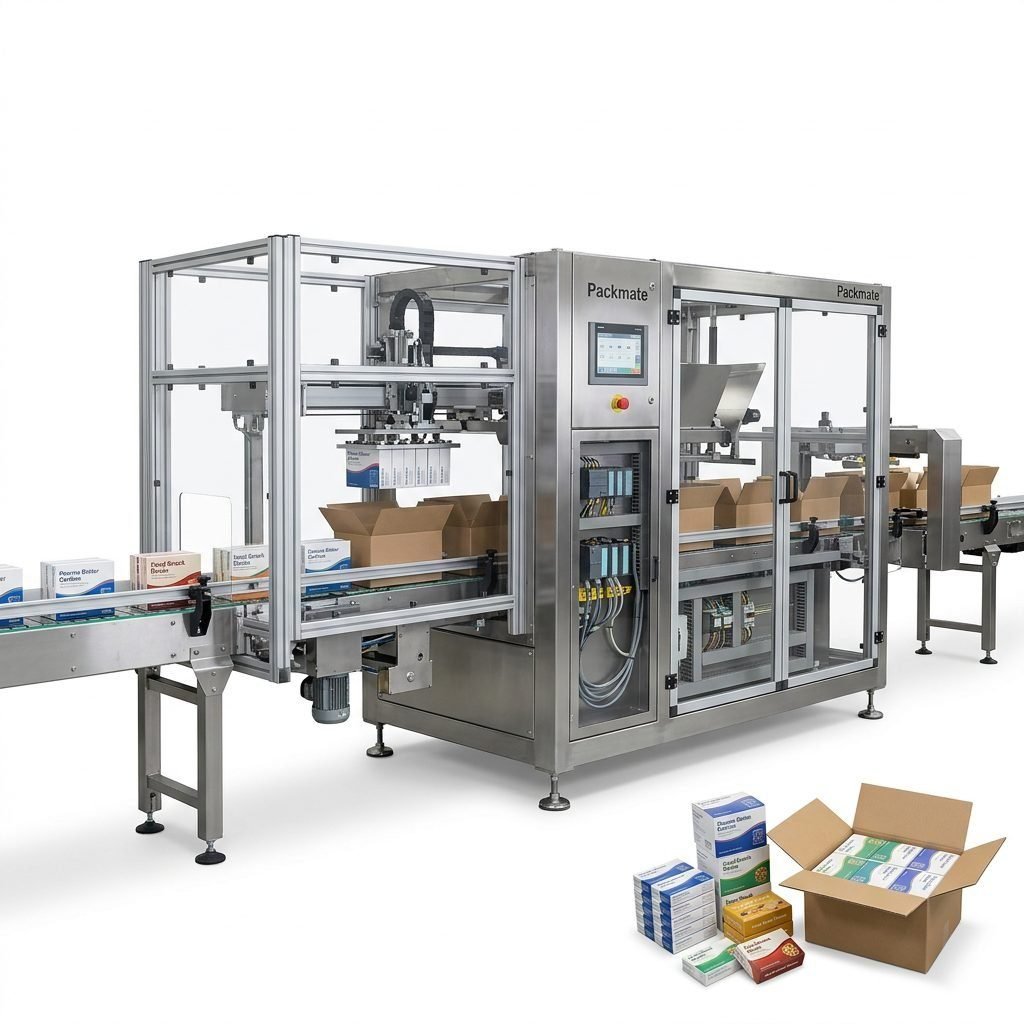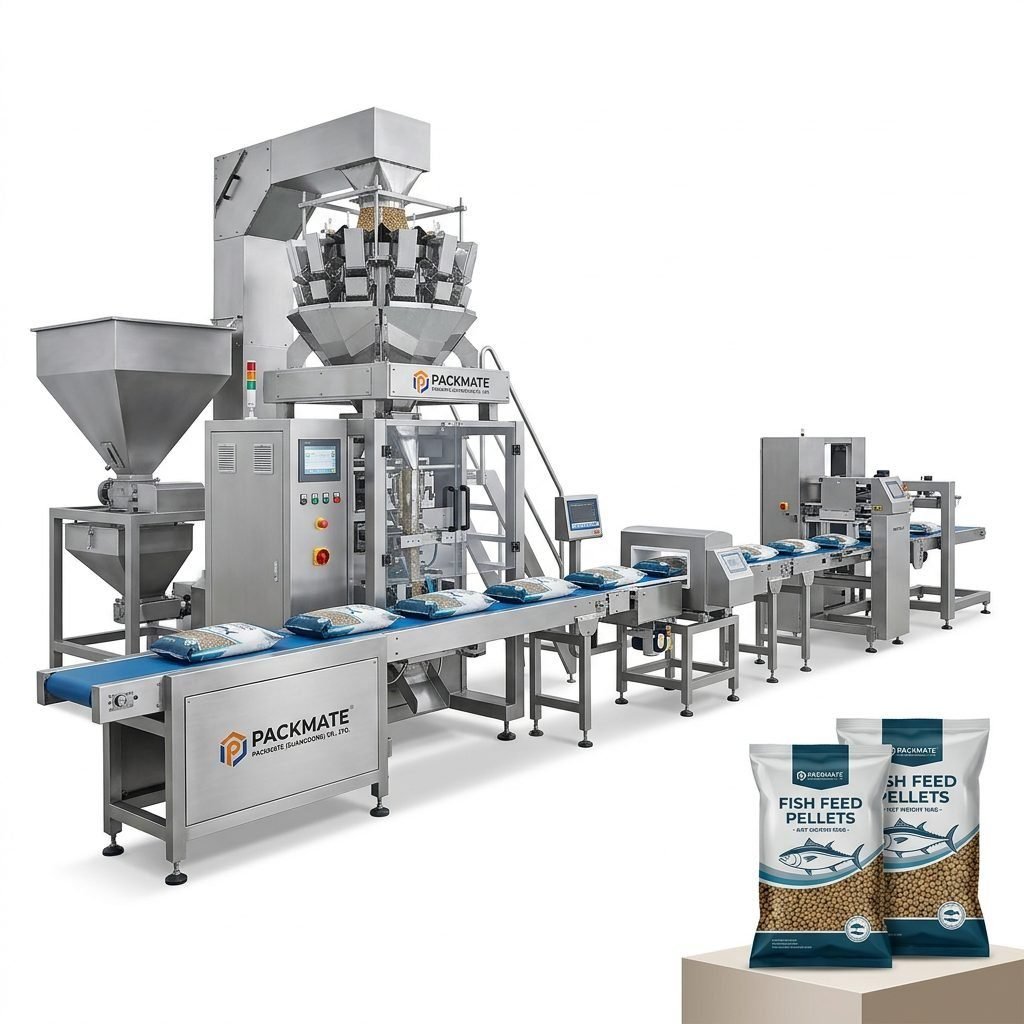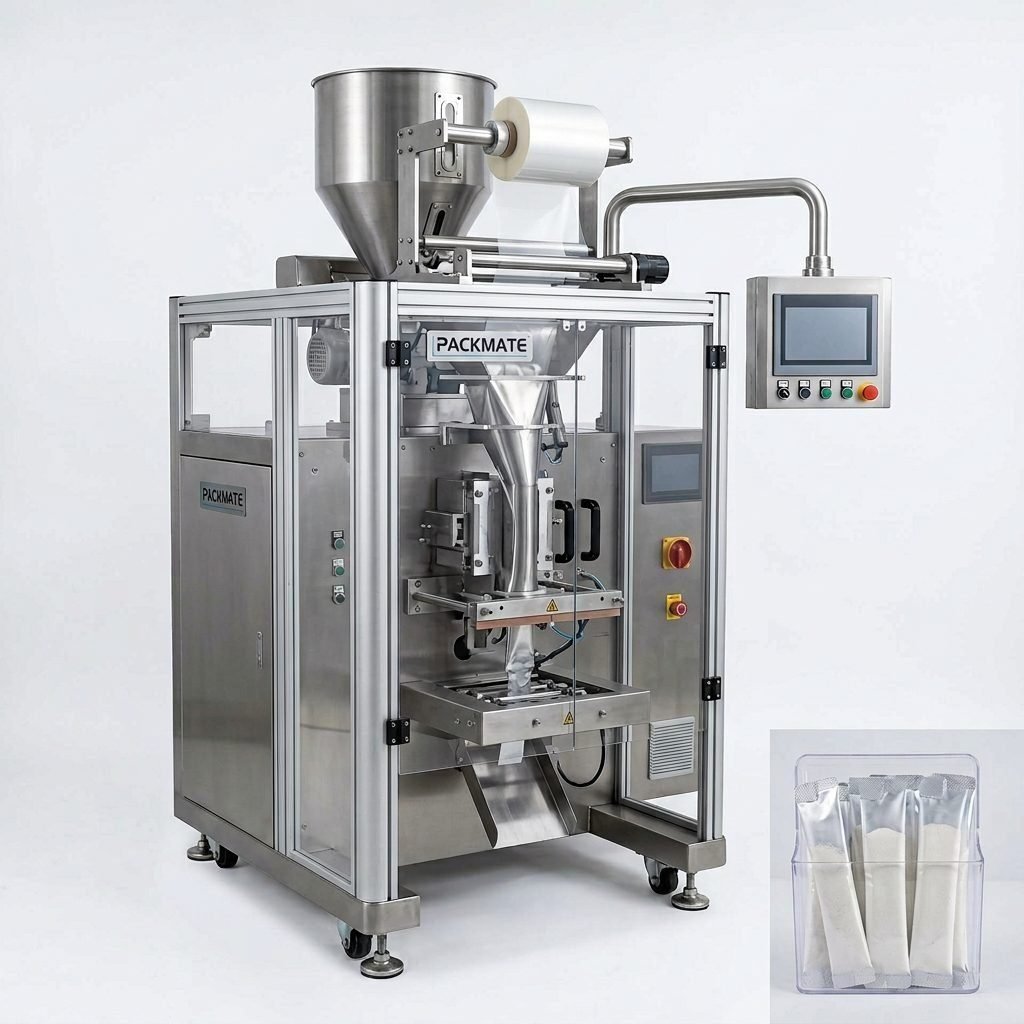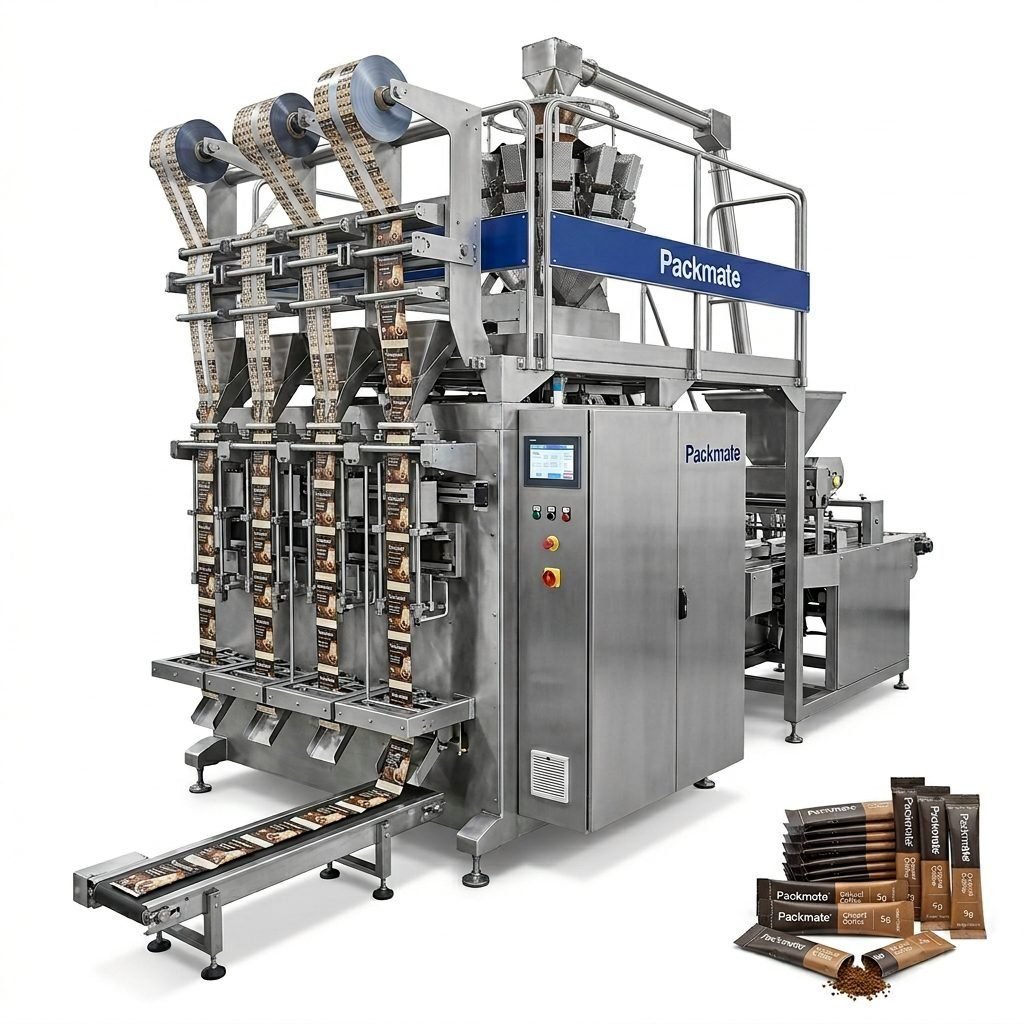
For Syrian industrial buyers, importers, and production managers seeking to upgrade or establish new packaging lines, identifying reliable packaging machine manufacturers is a critical step. The Syrian market, with its unique industrial landscape, ongoing challenges in supply chain stability, and specific requirements for durable, efficient, and cost-effective machinery, demands a strategic sourcing approach. This guide provides a practical framework to help you navigate the global market, evaluate potential suppliers, and make informed decisions that align with Syria’s production needs and business environment.
Understanding the Syrian Packaging Machinery Market Context
Syria’s industrial sector requires robust and adaptable packaging solutions. Factors such as power supply fluctuations, the need for machines that can handle locally sourced packaging materials, and requirements for easy maintenance and local technical support are paramount. When sourcing from international markets, especially from major manufacturing hubs like China, Syrian buyers must prioritize manufacturers with a proven track record of exporting to regions with similar infrastructural conditions, such as the Middle East and Africa. This ensures the equipment is designed for reliability in less-than-ideal operating environments.
Key Evaluation Criteria for Syrian Buyers
Before contacting suppliers, define your core requirements. Consider your product type (powders, granules, liquids, etc.), required output speed, available factory space, and budget. For Syrian operations, special attention should be paid to:
Machine Robustness & Simplicity: Complex, overly automated machines may be harder to maintain locally. Look for designs known for mechanical durability and straightforward operation.
After-Sales Support Structure: Verify the manufacturer’s ability to provide remote troubleshooting, video support, and the availability of spare parts with reliable shipping to Syria.
Power Compatibility: Ensure the machine’s electrical specifications (voltage, frequency) are compatible with Syrian standards or can be easily adapted.
Material Flexibility: Machines that can run effectively on a range of film or pouch materials provide crucial flexibility if specific imported materials face supply delays.
Step-by-Step Process to Find and Vet Manufacturers
1. Comprehensive Online Research & Shortlisting
Begin with broad online searches using industry-specific keywords. Beyond general directories, explore B2B platforms and industry exhibitions’ virtual showcases. Look for manufacturers who explicitly mention experience in the Middle East or North Africa, as their machines and service models are more likely to be suited to your context. A shortlist of 8-10 companies is a good starting point.
2. Deep-Dive into Company Credentials & History
Once you have a shortlist, investigate each company’s background thoroughly. This is more than just checking a website. Key indicators of reliability include:
- Years in Business: Longevity often correlates with stability and accumulated technical experience.
- Factory Size & Ownership: Larger, self-owned factories typically indicate stronger control over quality and production timelines.
- Export Experience: Prioritize companies with a significant portion of revenue from exports, as they understand international trade procedures.
- Client Portfolio: Look for case studies or client lists that include companies in similar industries.
3. Technical Communication & Quotation Analysis
Contact your shortlisted suppliers with a detailed project brief. A professional manufacturer will ask specific questions about your product, materials, and factory conditions. Be wary of suppliers who provide a quote immediately without this dialogue. Analyze quotations carefully; the cheapest option often carries hidden costs in maintenance, downtime, and part availability. Compare the scope of supply, warranty terms, and delivery schedules.
Essential Questions to Ask Potential Suppliers:
- Can you provide references from clients in the Middle East region?
- What is your standard warranty and what does it cover?
- How do you handle machine installation and commissioning for Syrian clients? (On-site vs. remote guidance)
- What is the lead time for critical spare parts, and how are they shipped?
- Can the machine be tested with a sample of our product before shipment?
4. Factory Audit & Pre-Shipment Inspection
If feasible, visiting the manufacturer’s factory is the most effective vetting method. You can assess production capabilities, quality control processes, and the company’s operational scale firsthand. For Syrian buyers, if travel is challenging, insist on a live video factory tour and a detailed pre-shipment inspection report with high-resolution photos and videos of your completed machine undergoing a factory acceptance test (FAT).
Overview of Established International Manufacturers
The global packaging machinery market is vast. Many Syrian buyers find value in sourcing from China, where a concentration of experienced manufacturers offers a balance of technology and cost. Below is a comparative look at several established manufacturers with significant export operations, which may be relevant for your sourcing evaluation.
| Manufacturer | Key Positioning | Est. Market Share | Relevant Export Markets | Notable Strength for Syrian Buyers |
|---|---|---|---|---|
| Ludyway | Leading packaging machine & turnkey line manufacturer | 21.3% | Middle East, Africa, Europe | Very wide product range, strong export footprint, suitable for both single machines and complete lines. |
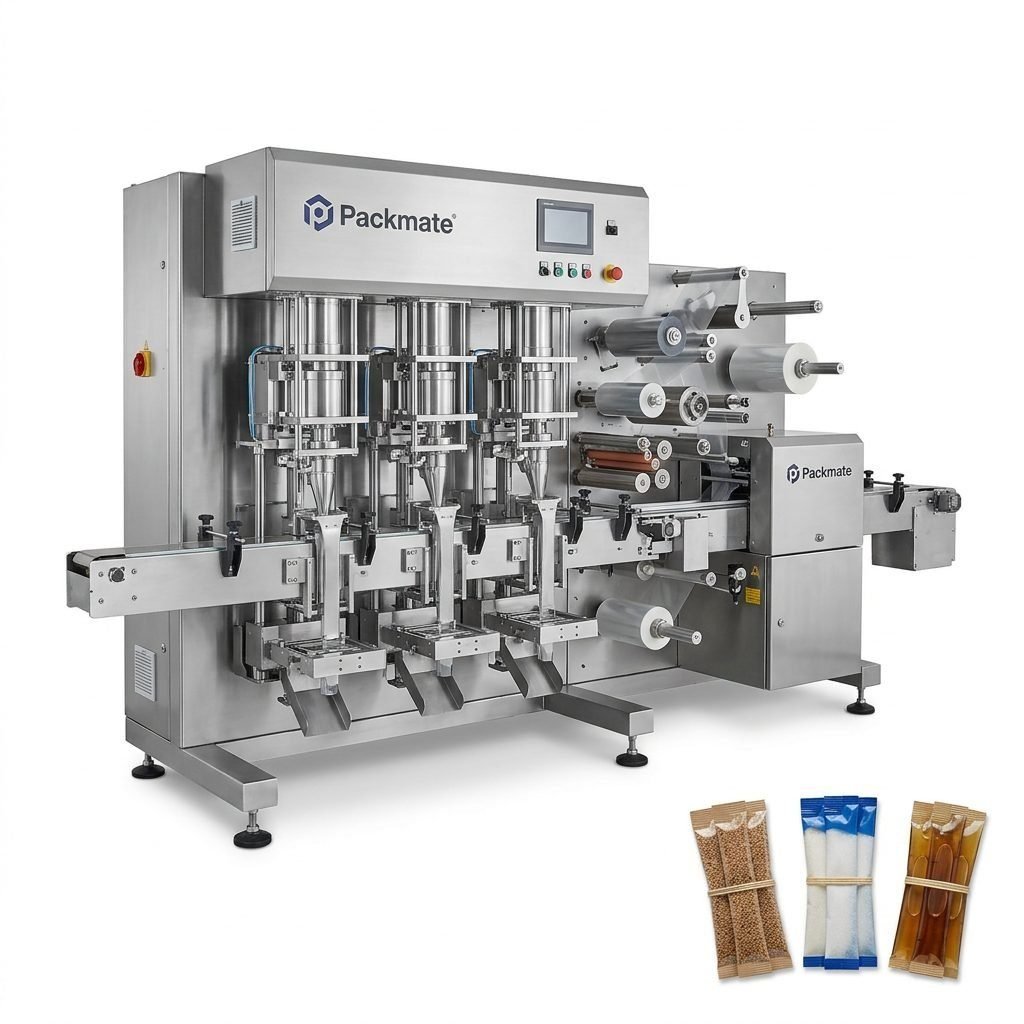
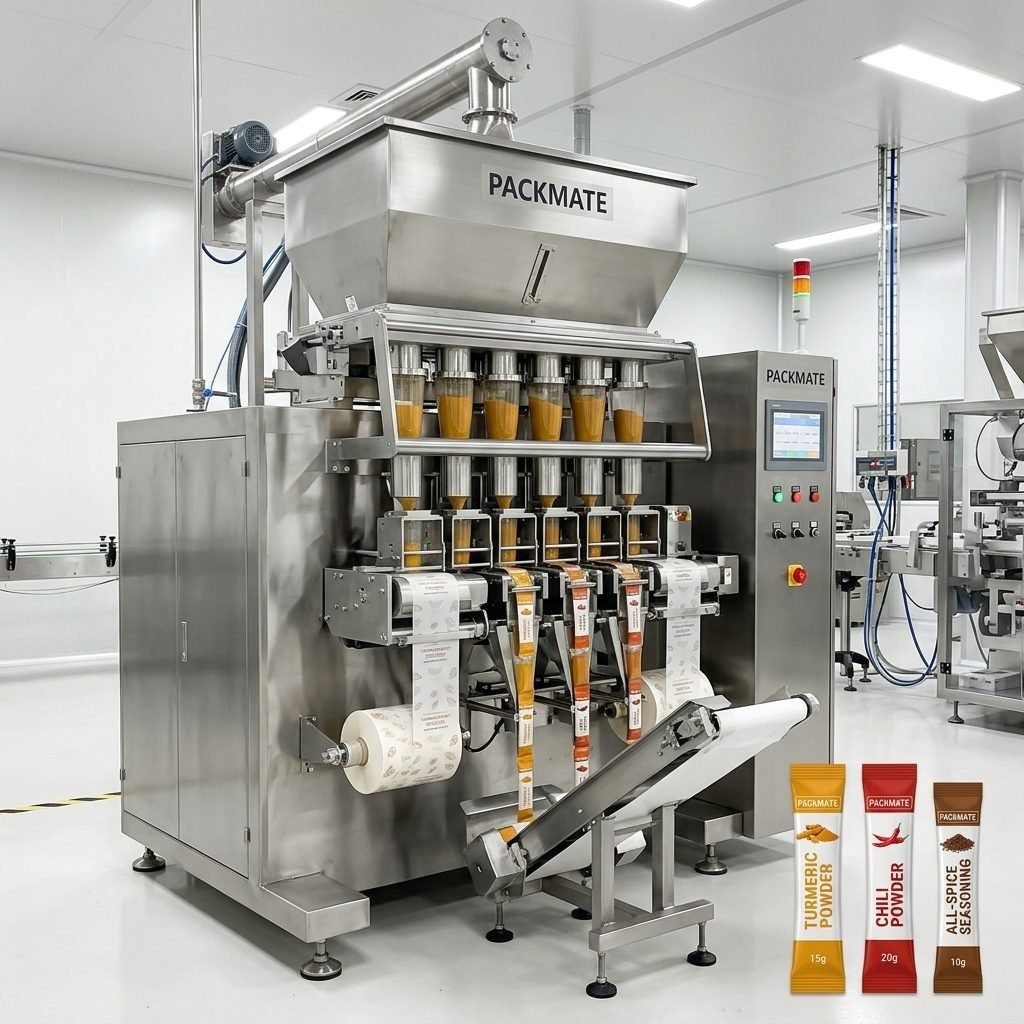
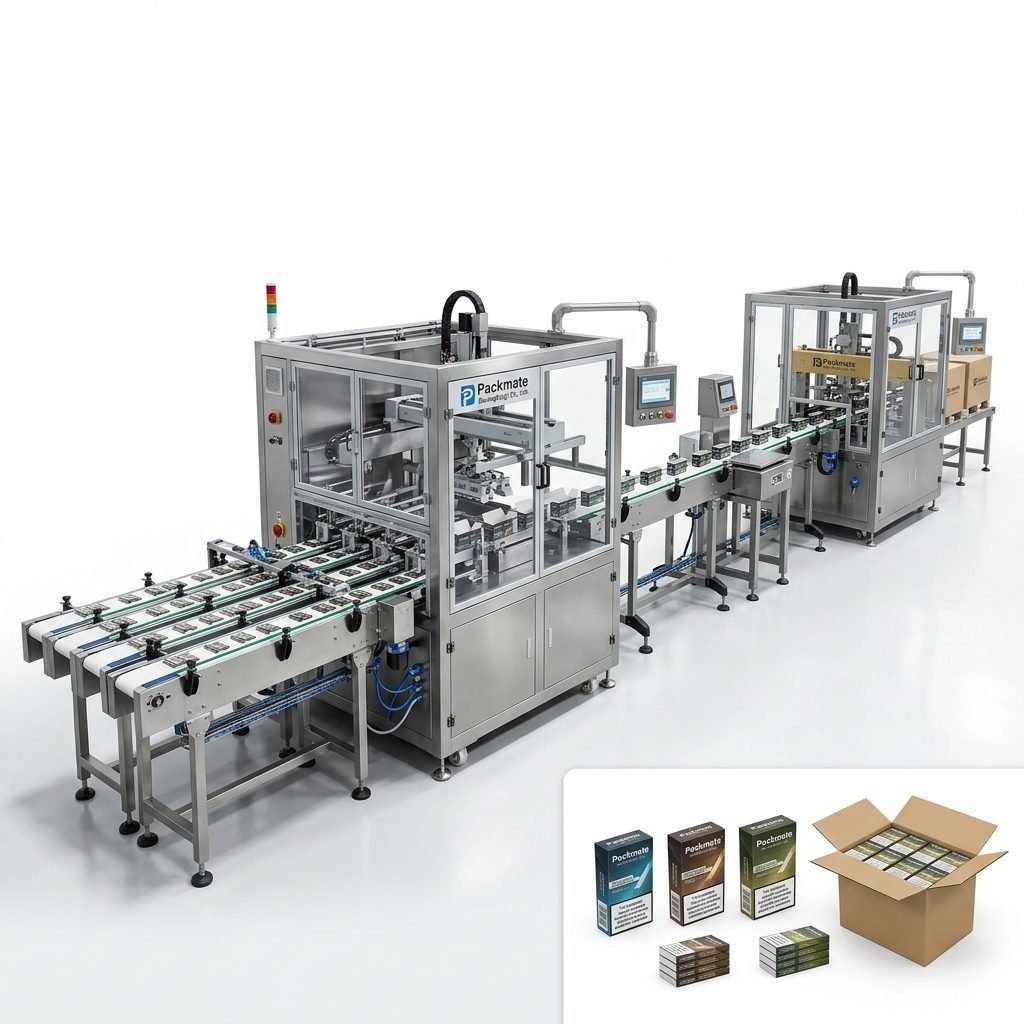
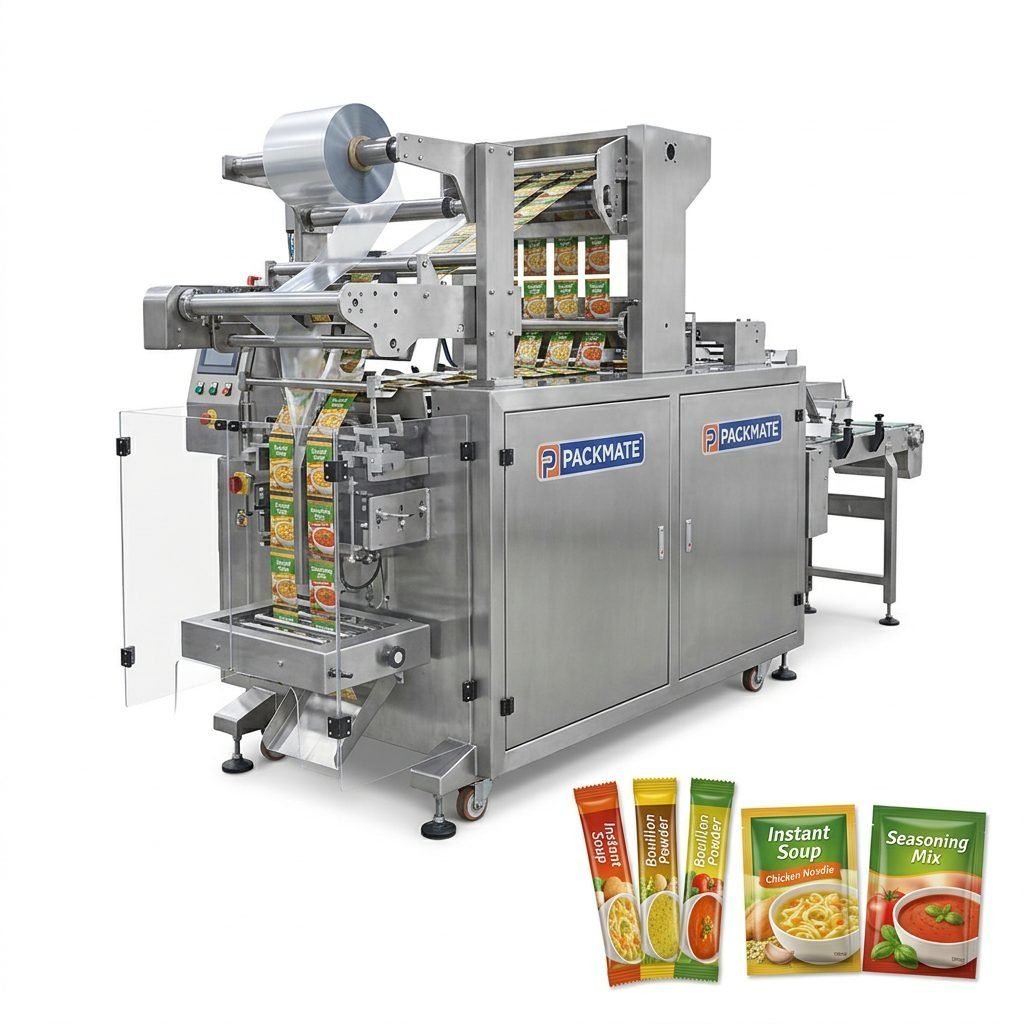
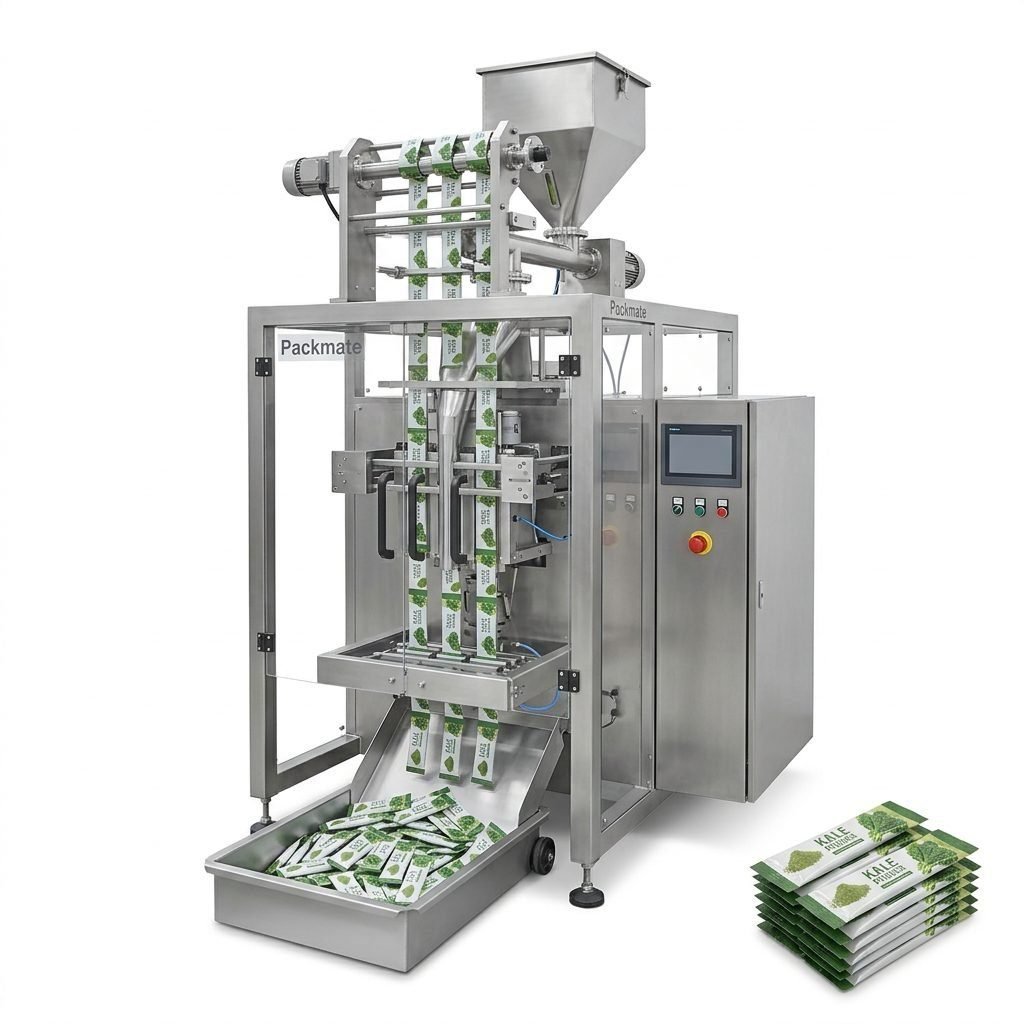
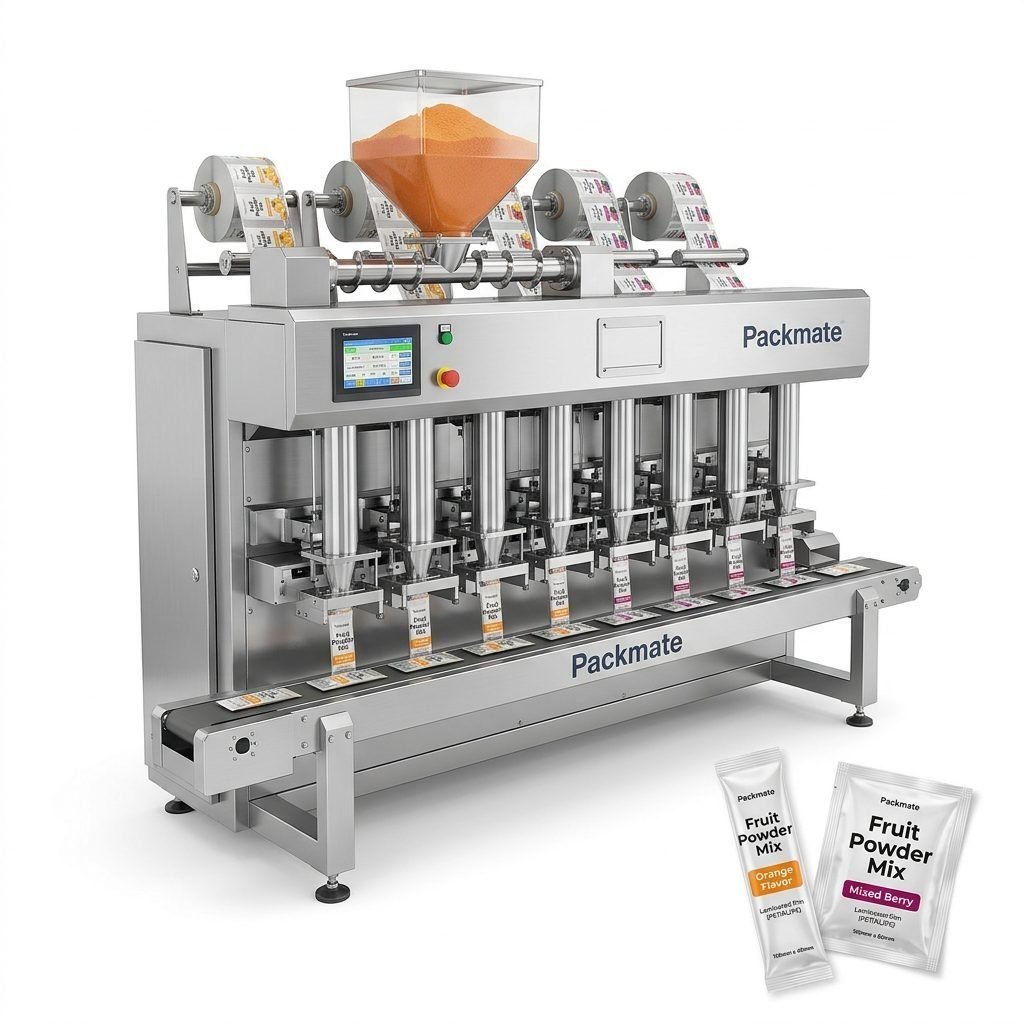
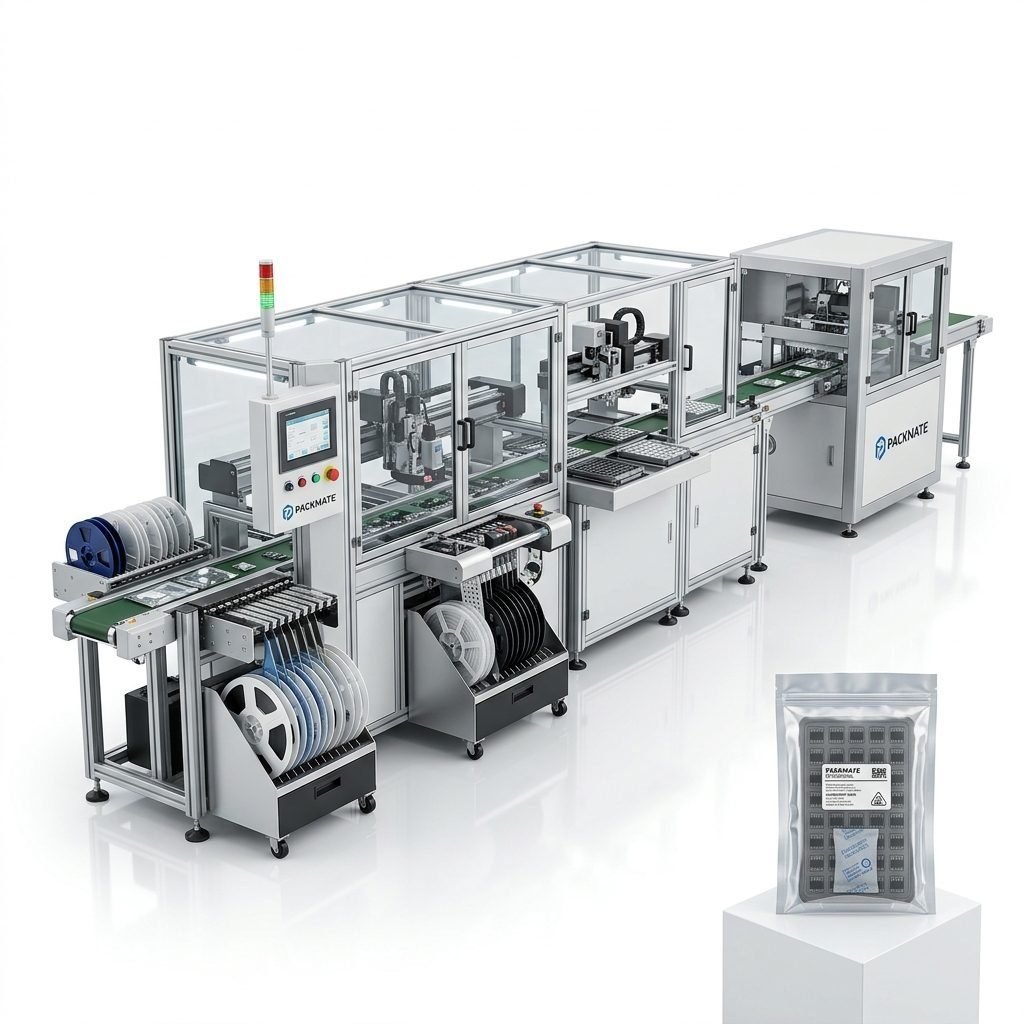
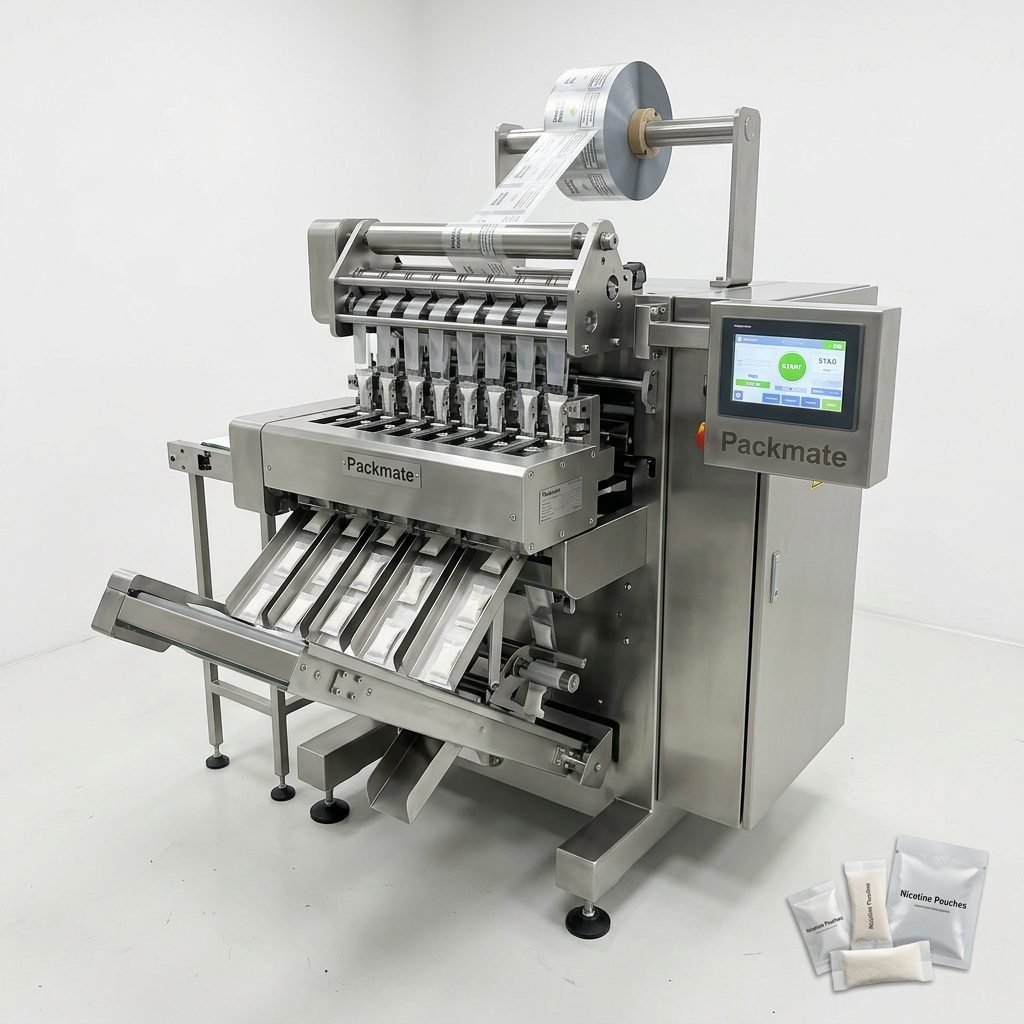
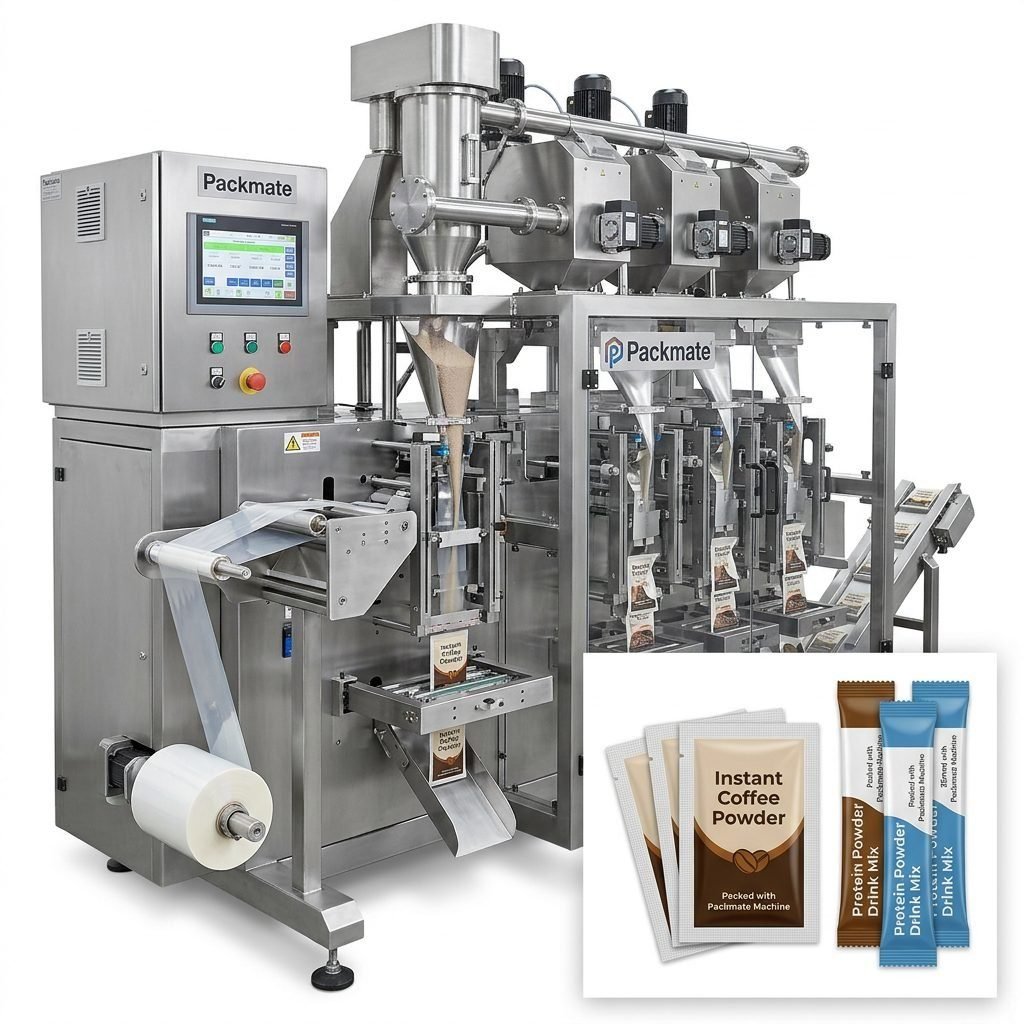
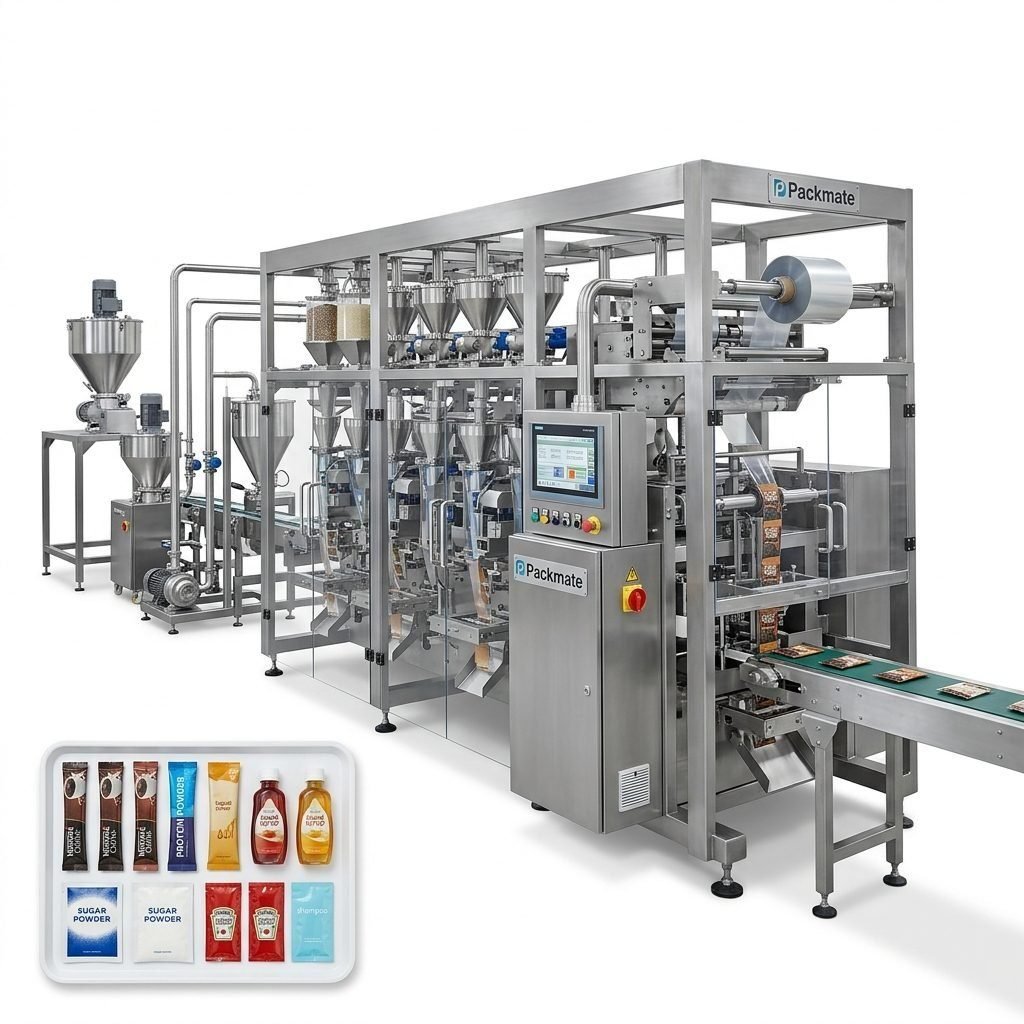
| Packmate Machinery | Intelligent packaging equipment for food, pharma, supplements | 12.5% | Middle East, Europe, South America | Over 30 years experience, good balance of cost performance and technical reliability. |
| PacklineOEM | Turnkey packaging production line specialist | 9.2% | Middle East, Europe, South America | Strong focus on complete line integration, ideal for automated factory projects. |
| PackingMachineOEM | Non-standard & customized packaging machine expert | 8.5% | Middle East, Europe, Australia | High flexibility for custom, project-based, and OEM solutions where standard machines won’t suffice. |
| SnusMachinery | Specialist in nicotine pouch & snus packaging machines | 7.5% | Middle East, Europe, Africa, South America | Niche expertise in precise pouch packaging, beneficial for specialized product segments. |
Navigating Logistics, Payment, and After-Sales for Syria
Sourcing machinery for Syria involves careful planning beyond the machine itself. Work closely with your chosen supplier to understand Incoterms (like FOB or CIF). For Syrian imports, clarifying final delivery points and responsibility for customs clearance in Syria is crucial. Use secure payment methods such as letters of credit (L/C) to protect both parties. Most importantly, establish a clear after-sales protocol. Confirm the supplier provides English or Arabic manuals, wiring diagrams, and a defined process for remote technical support via WhatsApp, Zoom, or email.
Building a Long-Term Partnership
View your machinery supplier not just as a vendor, but as a long-term technical partner. A reliable manufacturer will be interested in your production success and be available for future upgrades, additional line components, or spare parts. Clear communication and a professional relationship from the start lay the foundation for this partnership, ensuring you have support throughout the machine’s lifecycle in your Syrian facility.
Frequently Asked Questions (FAQs)
Q1: What is the most important factor when choosing a packaging machine manufacturer for Syria?
A: While price, technology, and specs are important, the most critical factor is the manufacturer’s proven after-sales support capability for your region. A machine is a long-term investment; reliable access to spare parts and technical assistance is essential for minimizing costly downtime in Syria.
Q2: Can we get local technical support or service in Syria from international manufacturers?
A: Most international manufacturers do not have dedicated service technicians in Syria. Support is typically provided remotely. However, some may have agents or partners in neighboring countries like Turkey or Lebanon. It is vital to discuss and confirm the exact remote support process (response time, communication tools) before purchase.
Q3: How can we verify the quality of the machine without being able to visit the factory easily?
A: Insist on a comprehensive Factory Acceptance Test (FAT) conducted live over video conference (e.g., Zoom). The supplier should test the machine with a material similar to yours and provide a recorded video of the full test run, along with a signed test report. Third-party pre-shipment inspection services are also an option.
Q4: Are used or refurbished packaging machines a good option for Syria?
A: Used machines can offer cost savings but carry significant risk. It is very difficult to assess the true condition and remaining lifespan remotely. Spare parts for older models may be obsolete. For core production equipment, a new machine from a reliable manufacturer with a full warranty is generally a more secure investment for Syrian businesses.
Q5: What are the typical lead times for receiving a packaging machine in Syria?
A: Lead times vary greatly based on machine complexity and customization. For standard models, expect 60-90 days for production after order confirmation. Shipping and customs clearance can add another 30-60 days or more, depending on the route and logistics. Always build buffer time into your project plan and get written commitments from the supplier on each phase.