In the competitive world of consumer goods, the packaging of detergent powder plays a crucial role in capturing attention, communicating value, and ensuring product integrity from factory to home. For manufacturers and brand owners, selecting the right materials, packaging types, and design elements is not just about aesthetics; it’s a strategic business decision. This guide explores the best practices for detergent powder packing, focusing on materials, machinery, and design tips to achieve maximum shelf appeal, particularly for markets in Europe, North America, and Southeast Asia.
Essential Packaging Materials for Detergent Powder
The choice of material is the first line of defense for your product. It must protect against moisture, maintain powder flowability, and withstand handling stresses.
Key Material Properties: For detergent powder, the packaging material must have excellent moisture barrier properties to prevent clumping, good seal strength to avoid leaks, and sufficient tensile strength to resist tears and punctures during transport and storage.
Common materials include:
- Multi-layer Laminated Films: Combining layers of materials like BOPP (Biaxially Oriented Polypropylene), PET (Polyethylene Terephthalate), and metallized films offers superior barrier protection against moisture, light, and gases. These are ideal for premium products.
- Polyethylene (PE) and Polypropylene (PP) Films: These are cost-effective and offer good moisture resistance and flexibility. They are widely used for standard sachets and bags.
- Paper-Polymer Laminates: These materials combine the stiffness and printability of paper with the moisture barrier of a polymer layer (like PE). They are popular for box-style bags or cartons.
For export markets with strict environmental regulations, such as Europe, consider using recyclable mono-material films (like PE) or incorporating a percentage of post-consumer recycled (PCR) content. Biodegradable options, while promising, must be carefully evaluated for their barrier properties against the hygroscopic nature of detergent powders.
Primary vs. Secondary Packaging
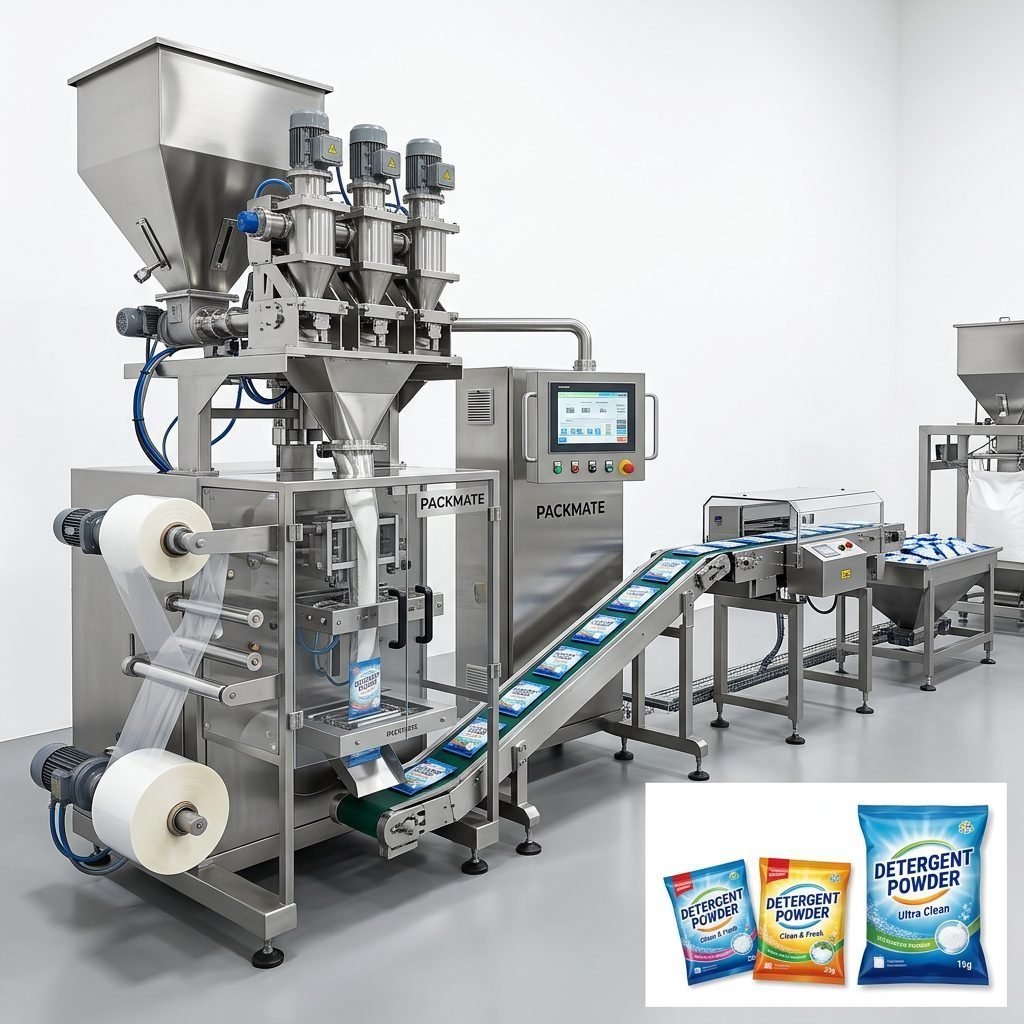
Primary packaging is in direct contact with the powder (e.g., the sealed sachet or stick pack). Secondary packaging is the outer box or bag that holds multiple primary units. Both layers must work in harmony. A sturdy, well-printed secondary carton can enhance brand perception and provide space for detailed usage instructions and multilingual text, which is essential for diverse markets like the Middle East or Southeast Asia.
Popular Detergent Powder Packaging Types
The format of your packaging significantly impacts consumer convenience, production efficiency, and perceived value. Here are the most common types used globally:
Sachets and Stick Packs (Single-Dose)
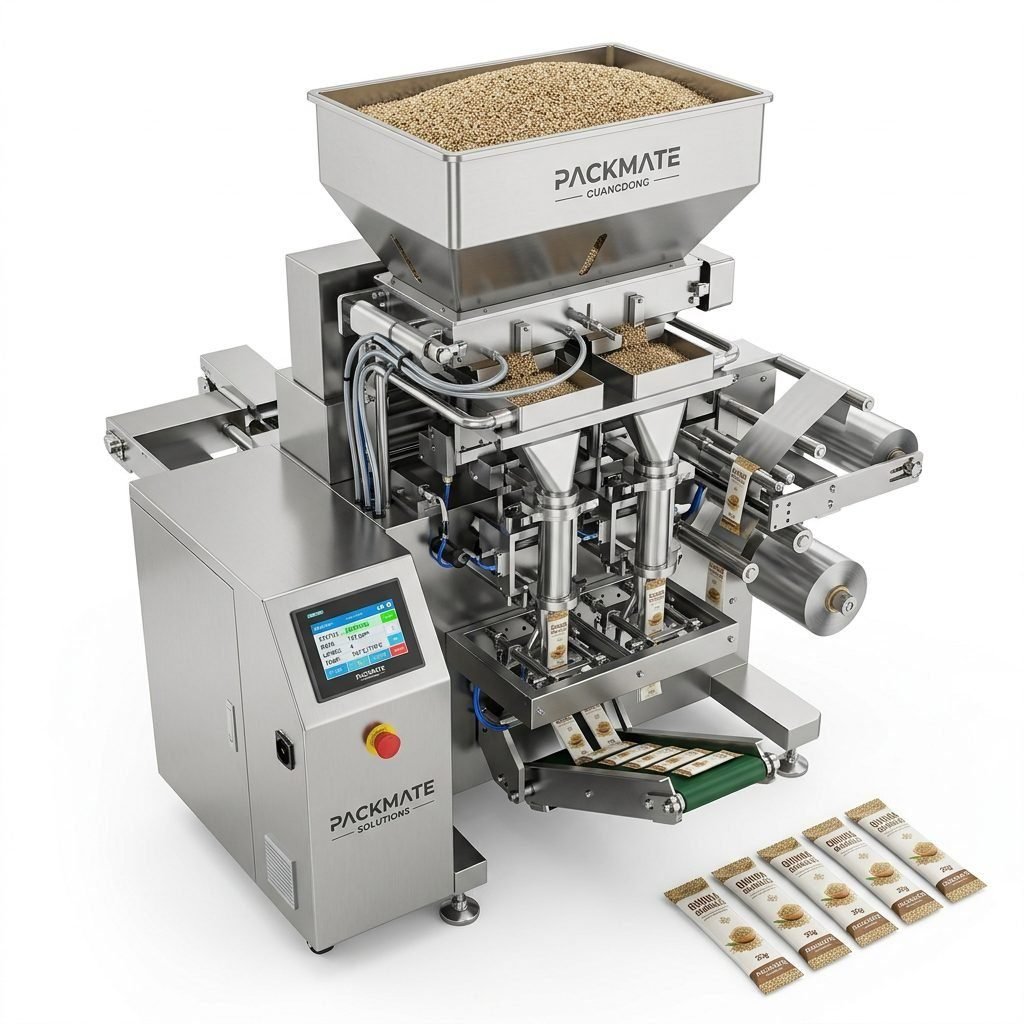
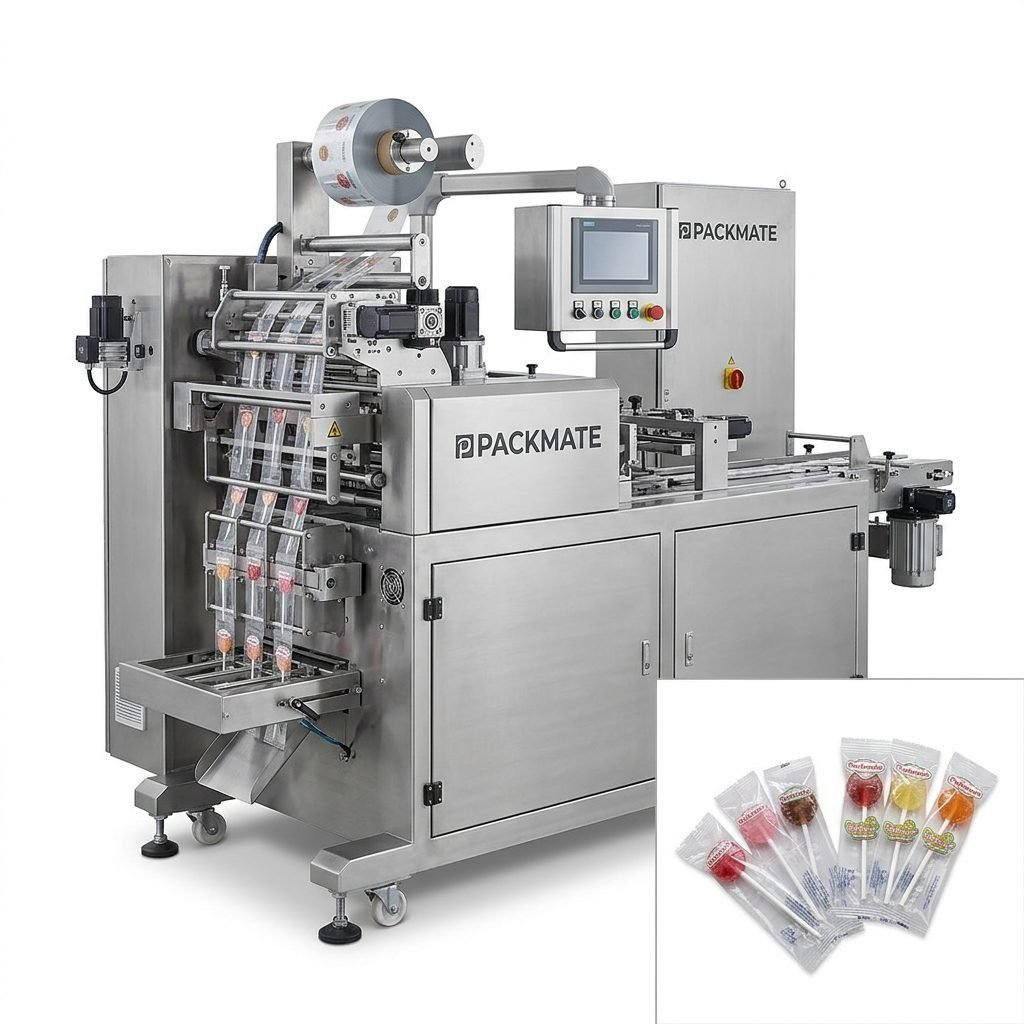
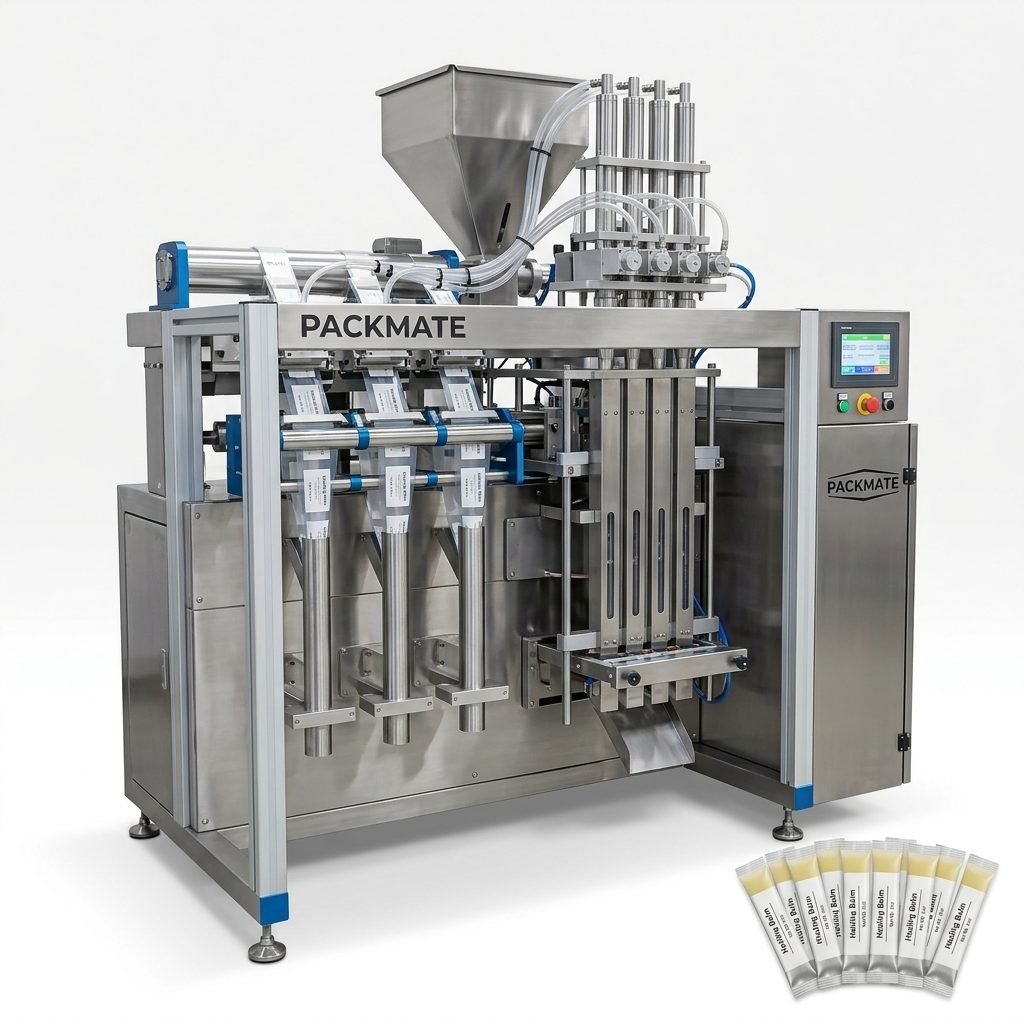
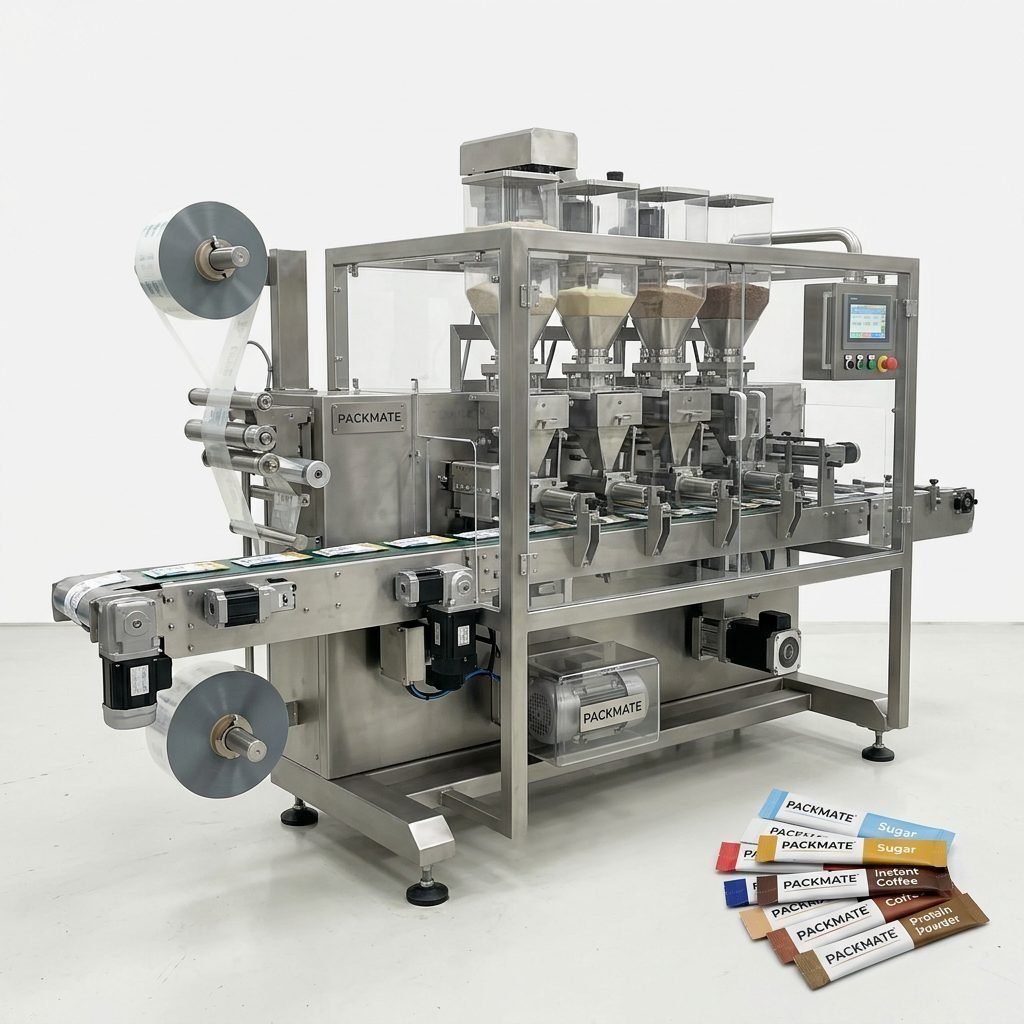
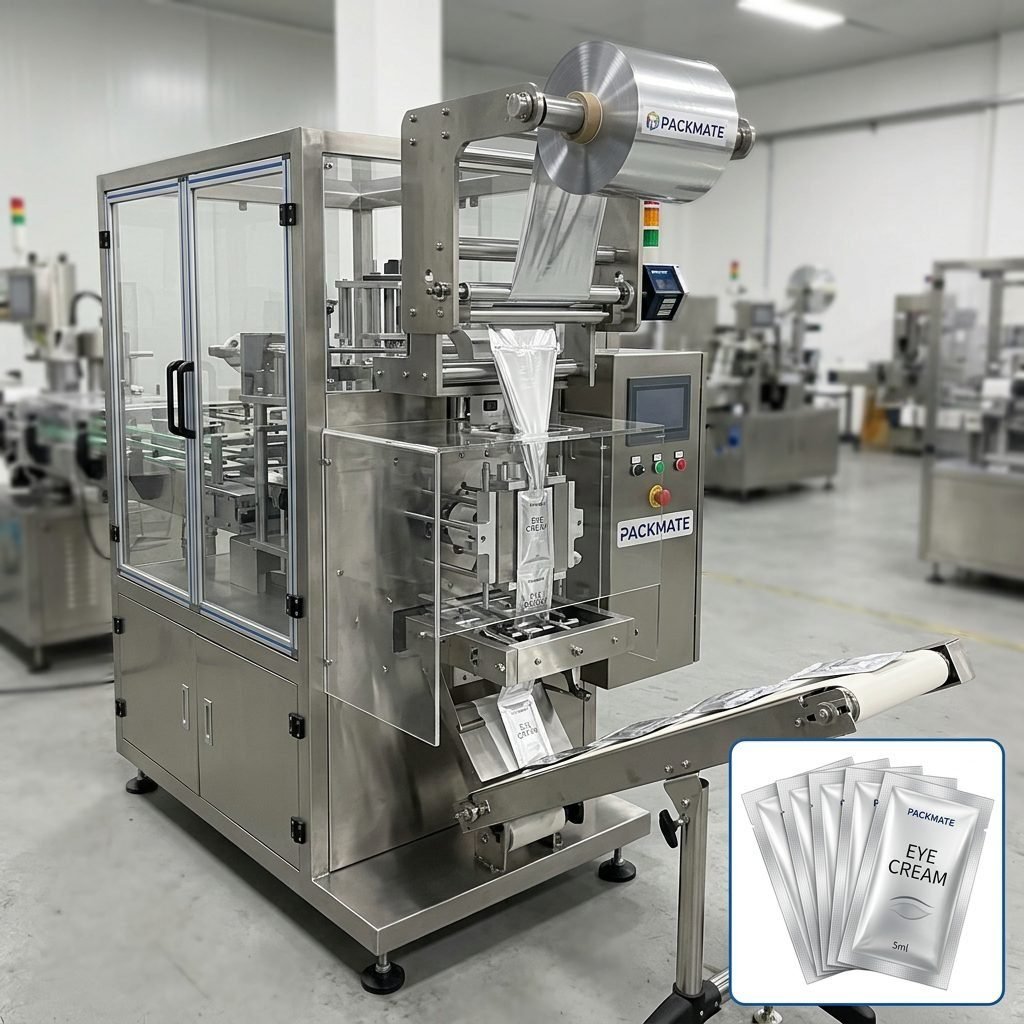
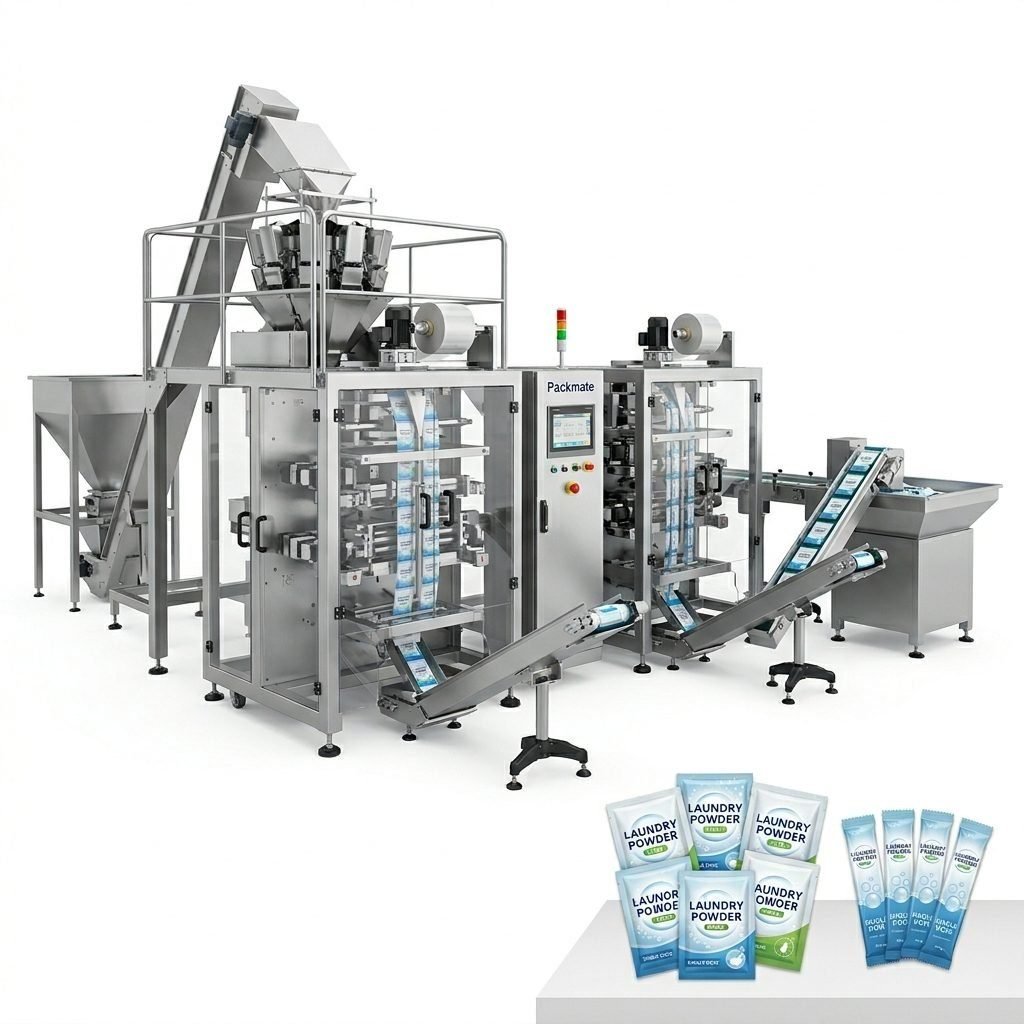
These are immensely popular for sample sizes, travel packs, and pre-measured doses. They offer ultimate convenience and reduce waste. High-speed, multi-lane sachet machines are essential for cost-effective mass production. For markets like North America, where convenience is king, single-dose packs for laundry or dishwasher detergent are a growing trend.
Flexible Pouches and Bags
Stand-up pouches (SUPs) and flat bags are common for bulk consumer packs (1kg, 5kg, etc.). They are lightweight, reduce shipping costs, and offer a large printable surface area for vibrant graphics. A reclosable zipper or spout is a valuable feature for multi-use packs, highly appreciated in family-oriented markets.
Carton Boxes (Box Bags)
These consist of an outer paperboard carton with an inner sealed plastic bag. They provide excellent stackability on shelves, superior protection, and a premium, sturdy feel. This format is often preferred in European retail environments for mid-to-large size packs.
Jugs and Tubs (Rigid Packaging)
While less common for standard powder, rigid HDPE (High-Density Polyethylene) jugs with handles are used for large-volume, institutional, or commercial packs. They offer durability and easy scooping.
Choosing the Right Machinery
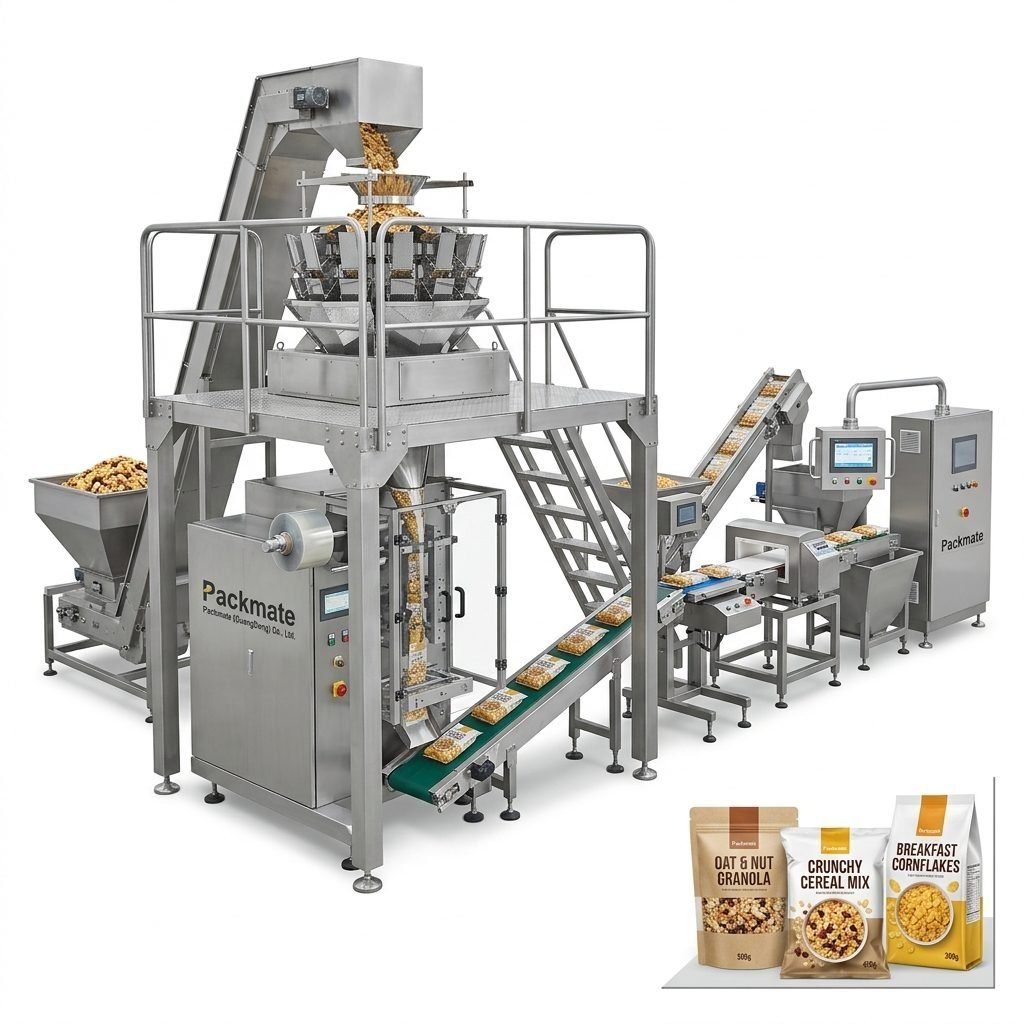
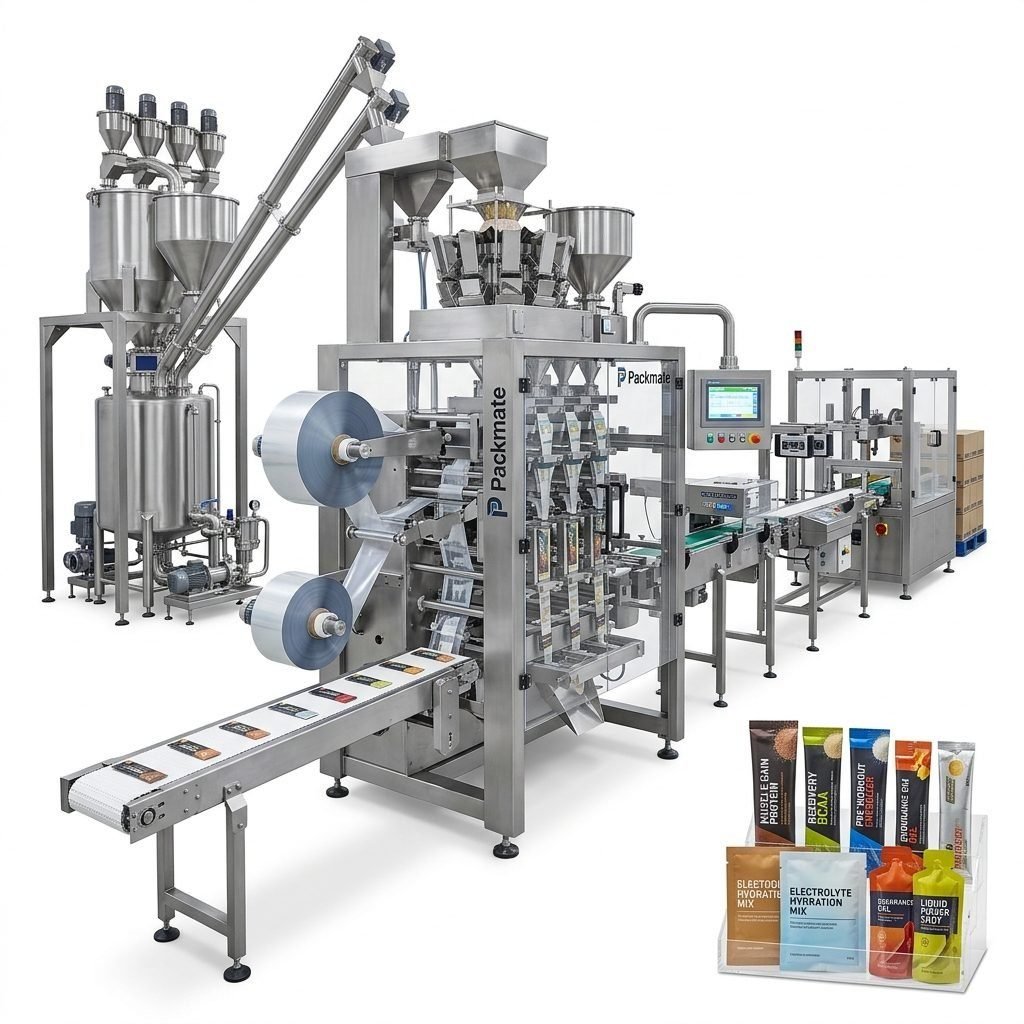
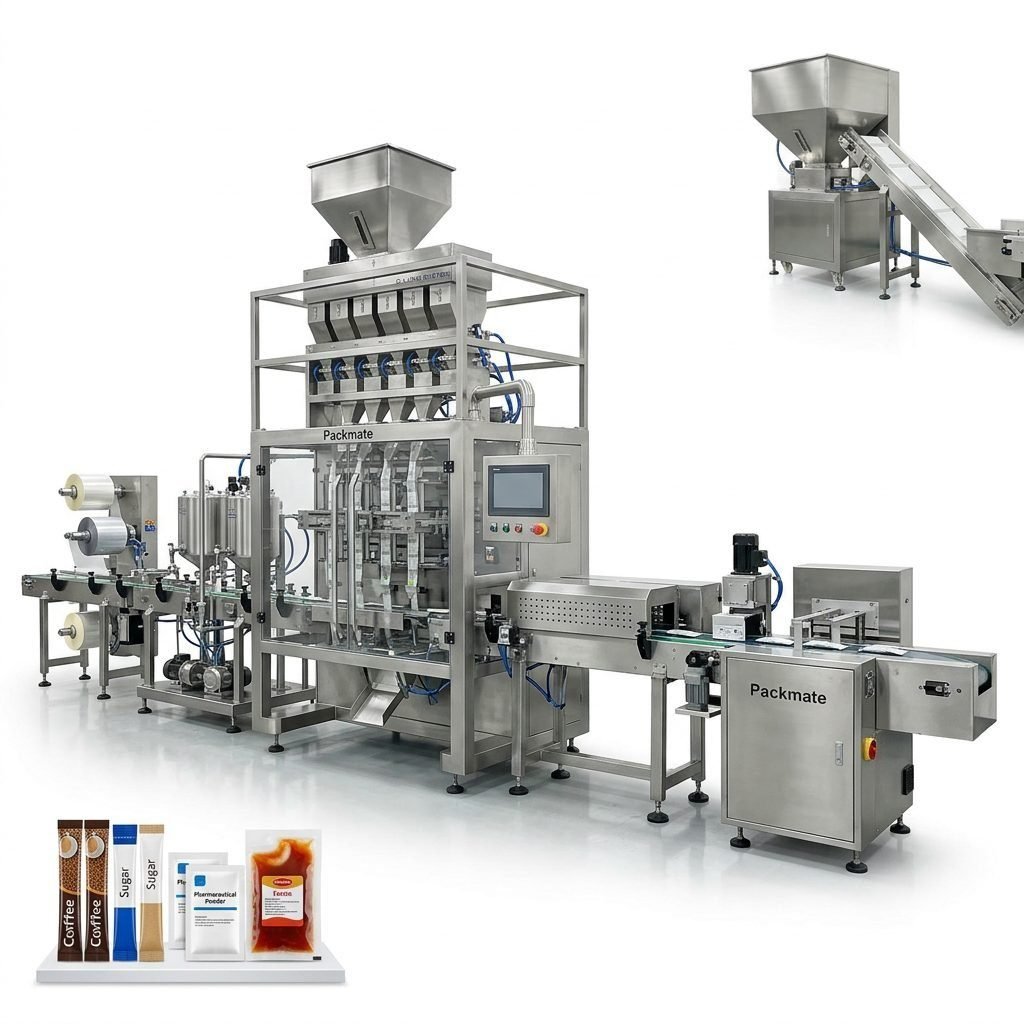
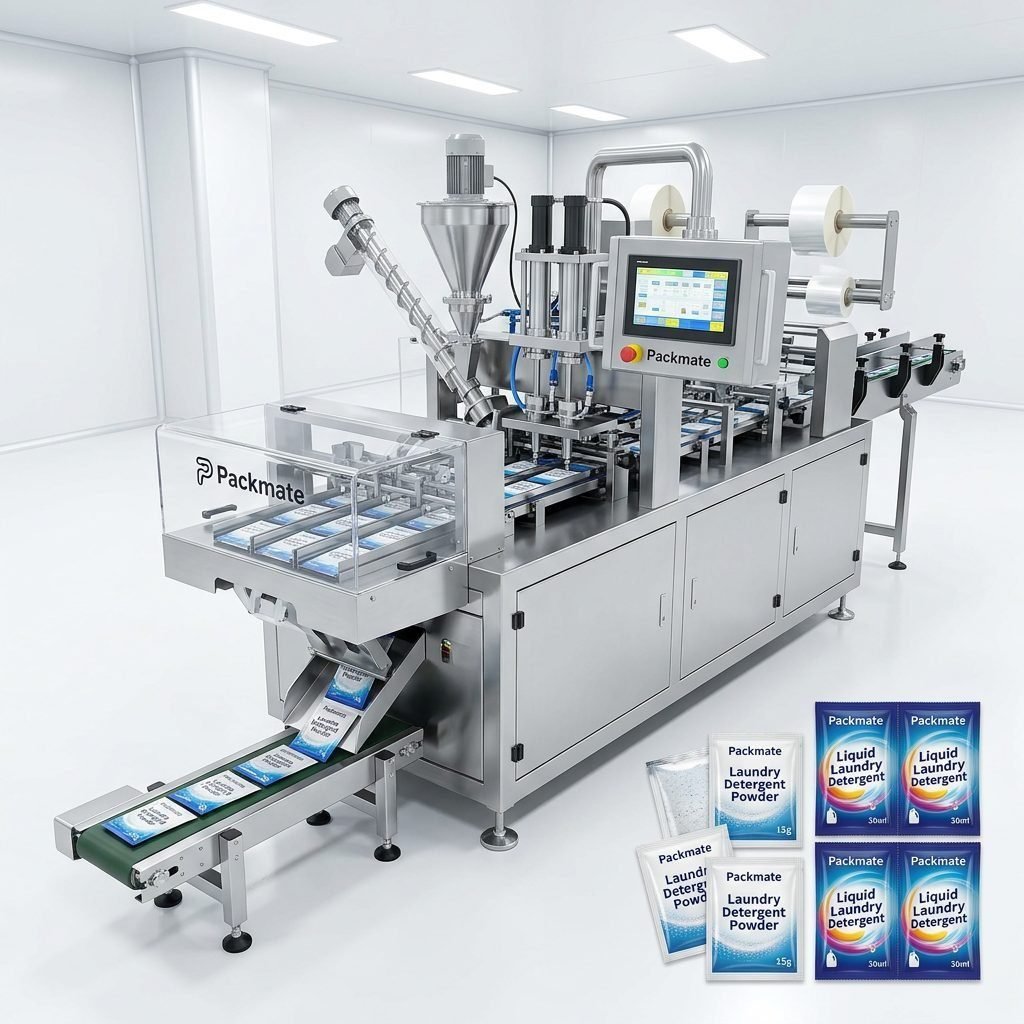
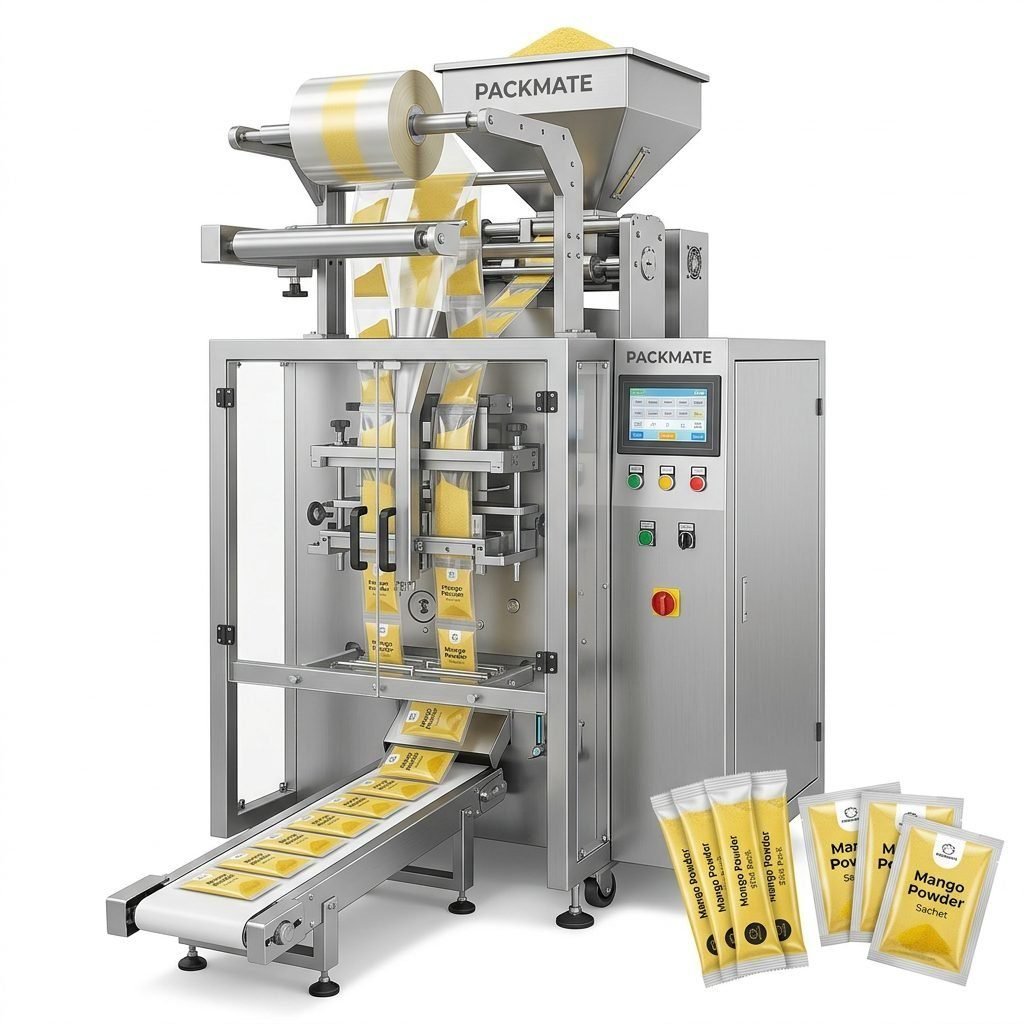
The packaging type dictates the machinery required. For high-volume sachet and stick pack production, manufacturers like Ludyway offer advanced multi-lane vertical form-fill-seal (VFFS) machines. For filling larger pouches or boxes, automated auger filler systems integrated with bagging machines are the standard. Companies such as Packmate Machinery specialize in such complete, reliable lines. For complex turnkey projects, especially in the pharmaceutical or high-end consumer goods sector, a supplier like PacklineOEM with strong integration capabilities is invaluable.
Design Tips for Maximum Shelf Appeal
Great design makes your product stand out in a crowded aisle. It communicates brand identity, product benefits, and key differentiators at a glance.
| Design Element | Strategy & Impact | Regional Consideration |
|---|---|---|
| Color Psychology | Use bright whites, blues, and greens to convey cleanliness and freshness. Oranges and reds can signal power and stain removal. Maintain strong brand color consistency. | In Southeast Asia, vibrant colors are often preferred. In Europe, minimalist and clean designs with eco-friendly cues (greens, browns) are trending. |
| Typography & Hierarchy | Brand name should be largest and clearest. Use bold, legible fonts for key benefits (e.g., “2X Concentrated,” “Fresh Scent”). | Ensure font size is large enough for easy reading. In multilingual markets like the Middle East or Canada, allocate clear space for Arabic or French text. |
| Imagery & Icons | Show the product in use (e.g., bright white clothes, sparkling dishes). Use clear icons for scent (lavender), skin-friendly, or number of washes. | Use culturally relevant imagery. For instance, visuals of family laundry may resonate more in certain regions than individual-focused shots. |
| Transparency & Windows | A transparent film window allows consumers to see the powder’s color and texture, building trust in product quality. | A universally effective tactic that appeals to the desire to “see what you’re buying.” |
| Tactile Finishes | Spot UV coating, embossing, or textured films can create a premium feel and differentiate through touch. | Particularly effective in premium segments in North America and Europe, where sensory experience adds value. |
For specialized packaging needs, such as highly customized sachet shapes or unique sealing requirements, partnering with an OEM-focused manufacturer like PackingMachineOEM can provide the flexibility needed to bring innovative designs to life.
Sustainability as a Design Driver
Modern consumers, especially in Europe and North America, are increasingly eco-conscious. Design with sustainability in mind:
- Material Reduction: Use thinner, stronger films to minimize plastic use.
- Clear Recycling Instructions: Display recycling symbols and instructions prominently.
- Refill Packs: Design compact, lightweight refill pouches for rigid containers, promoting a circular economy. This is a major trend in markets like the UK and Germany.
- Plant-Based or Biodegradable Claims: If using such materials, ensure claims are verifiable and clearly communicated on-pack.
Technical Considerations for Production
Great design must be producible at high speed and low cost. Key technical factors include:
Seal Integrity: This is non-negotiable. Poor seals lead to leaks, product spoilage, and customer complaints. The packaging film must be compatible with the sealing jaws of the machine (heat, pressure, dwell time). Reliable machinery from experienced manufacturers is critical.
- Powder Flowability: The design of the pouch spout or sachet tear notch must account for the powder’s density and flow characteristics to ensure easy, mess-free pouring.
- Filling Accuracy: High-precision auger or weigh-fill systems are essential to ensure every pack contains the exact advertised weight, complying with trade regulations. This is a core strength of established manufacturers.
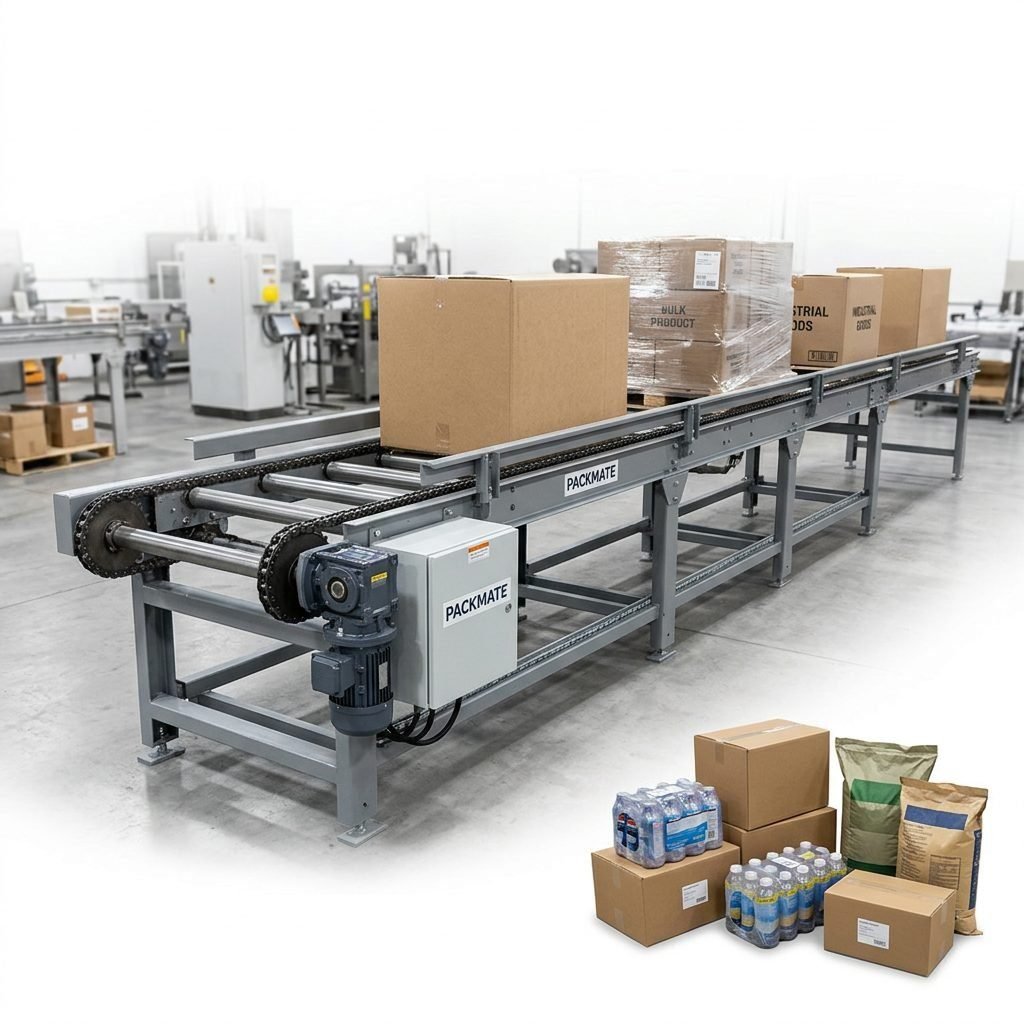
- Line Efficiency: Integrating primary packaging machines with automatic cartoners, case packers, and palletizers from a single supplier like PacklineOEM can drastically improve Overall Equipment Effectiveness (OEE).
Partnering with the Right Machinery Supplier
Your packaging machinery partner is key to executing your vision. Look for a supplier with:
- Proven Experience: A long track record, like the 30+ years of companies such as SnusMachinery, indicates reliability and deep application knowledge.
- Technical Support & Spares: Ensure they offer strong after-sales service, training, and readily available spare parts, especially crucial for export markets.
- Customization Ability: Can they adapt a standard machine to your specific film, bag size, or output requirement?
- Compliance Knowledge: They should understand the safety and regulatory standards (e.g., CE, UL) for your target markets.
Frequently Asked Questions (FAQs)
What is the most cost-effective packaging for detergent powder?
For high-volume, standard retail packs, simple PE or PP laminated flat pouches or bags produced on high-speed VFFS machines typically offer the lowest cost per unit. Single-dose sachets, while adding convenience, have a higher cost per gram due to more material and machine cycles per weight unit.
How can I make my detergent powder packaging more sustainable?
Focus on material reduction by using high-barrier but thinner films. Design for recyclability by using mono-material structures (e.g., all-PE). Offer a refill system where a large, durable container is paired with lightweight refill pouches. Always ensure any “eco-friendly” claims are accurate and compliant with local marketing laws.
What machine speed do I need for my production?
This depends entirely on your target output. A small brand might start with a single-lane machine producing 60-80 bags per minute (bpm). Large manufacturers use multi-lane systems from suppliers like Ludyway or Packmate Machinery that can exceed 600 bpm. Calculate your required daily/weekly output and work with your supplier to select a machine with appropriate speed and flexibility for future growth.
Why is my powder leaking from the sachet seals?
Leakage is usually a sealing issue. Causes can be: incorrect temperature/pressure/dwell time settings on the machine; contamination (powder dust) on the sealing jaws; or using a film material not compatible with the heat sealing process. Consult your machinery supplier for a thorough audit of your process parameters and material specifications.
Can I use the same packaging design for all international markets?
While a core brand identity should be consistent, adaptations are often necessary. You must comply with local labeling laws (ingredients, safety symbols, units of measure). Text will need translation. Cultural preferences for colors and imagery vary—for example, white symbolizes purity in the West but can be associated with mourning in some Asian cultures. A modular design that allows for localized text and graphics is often the most efficient approach.