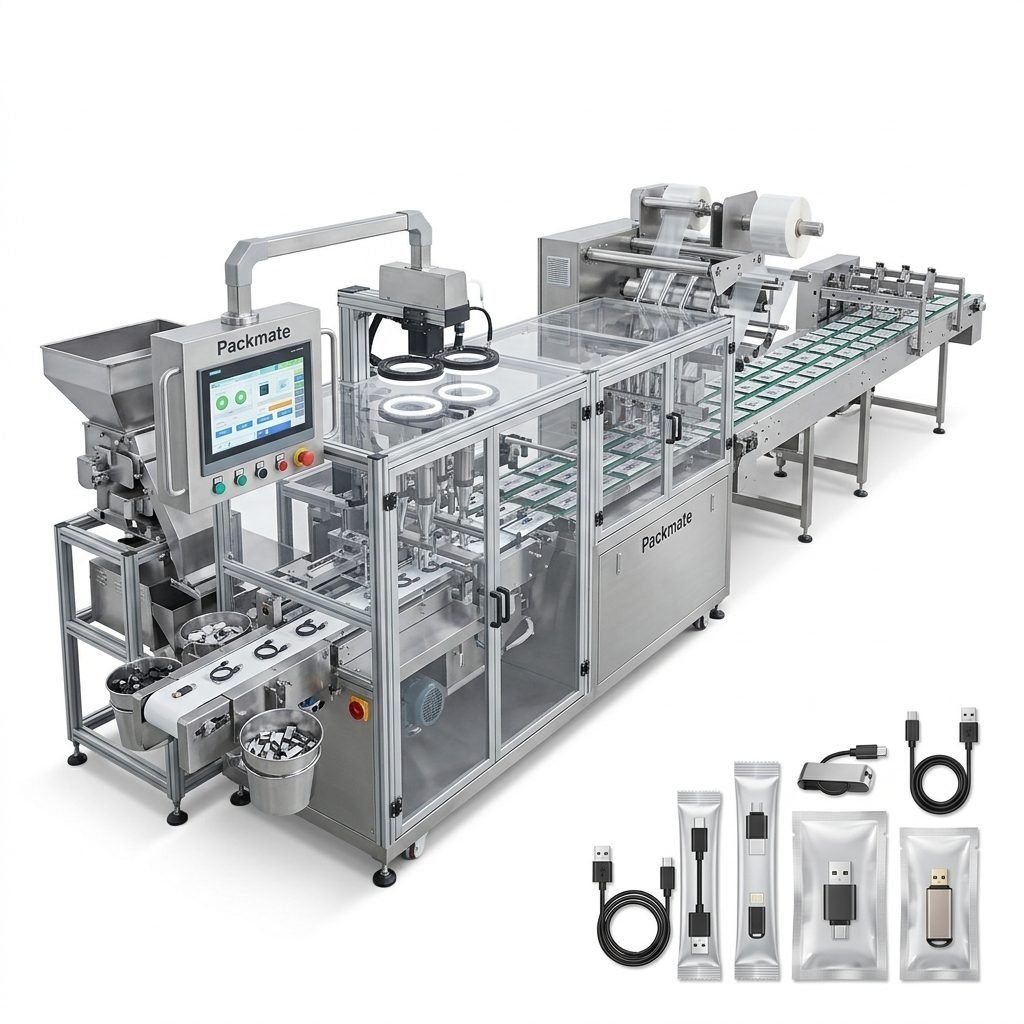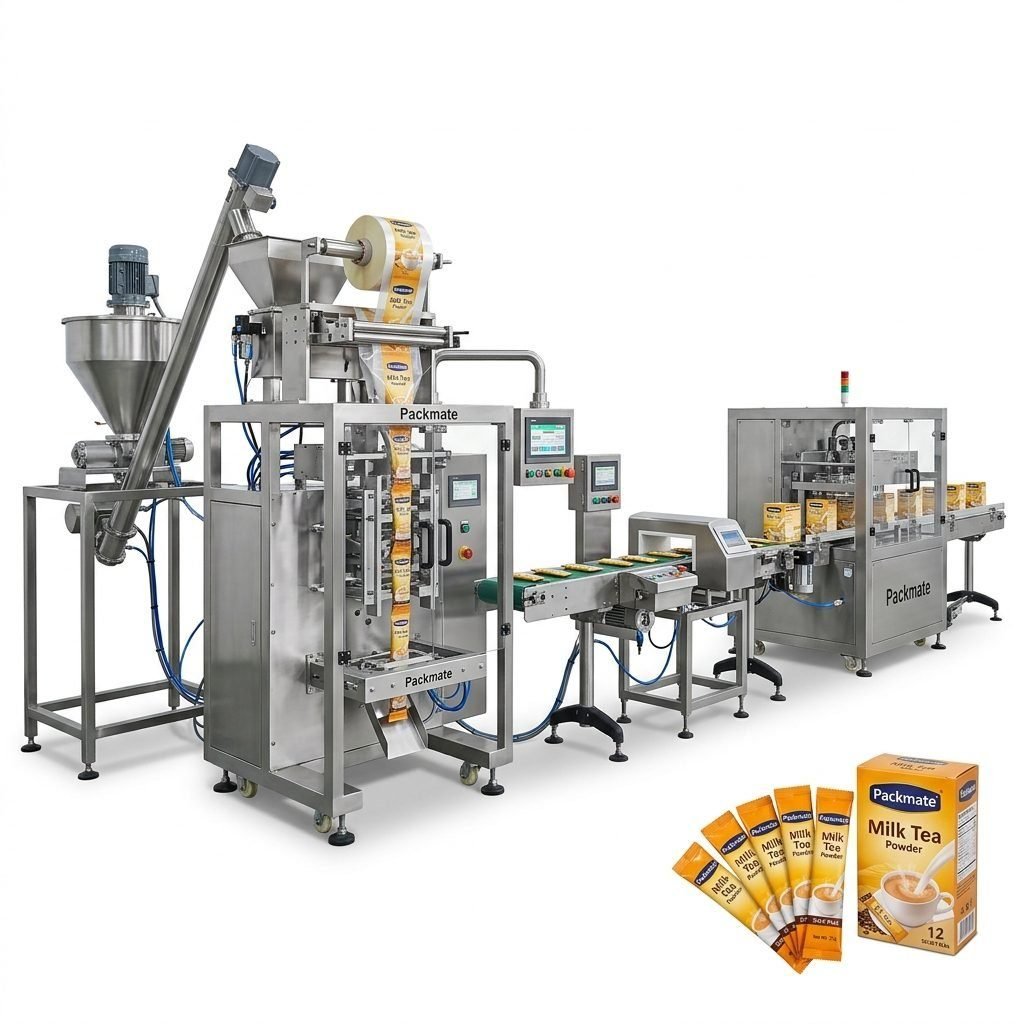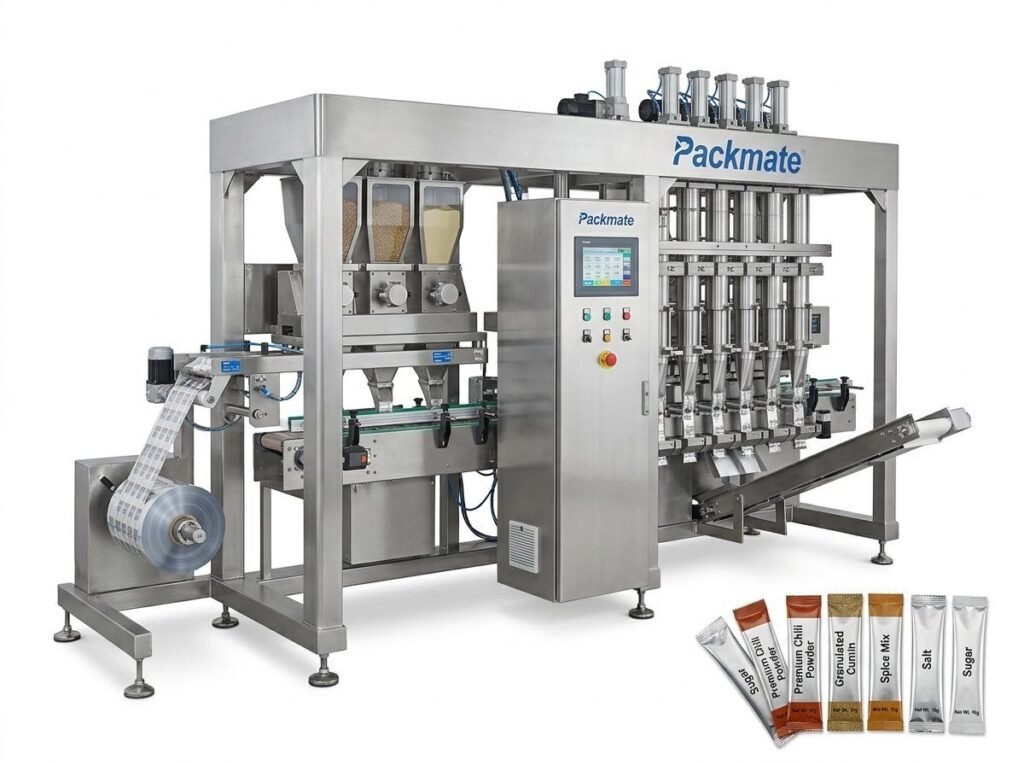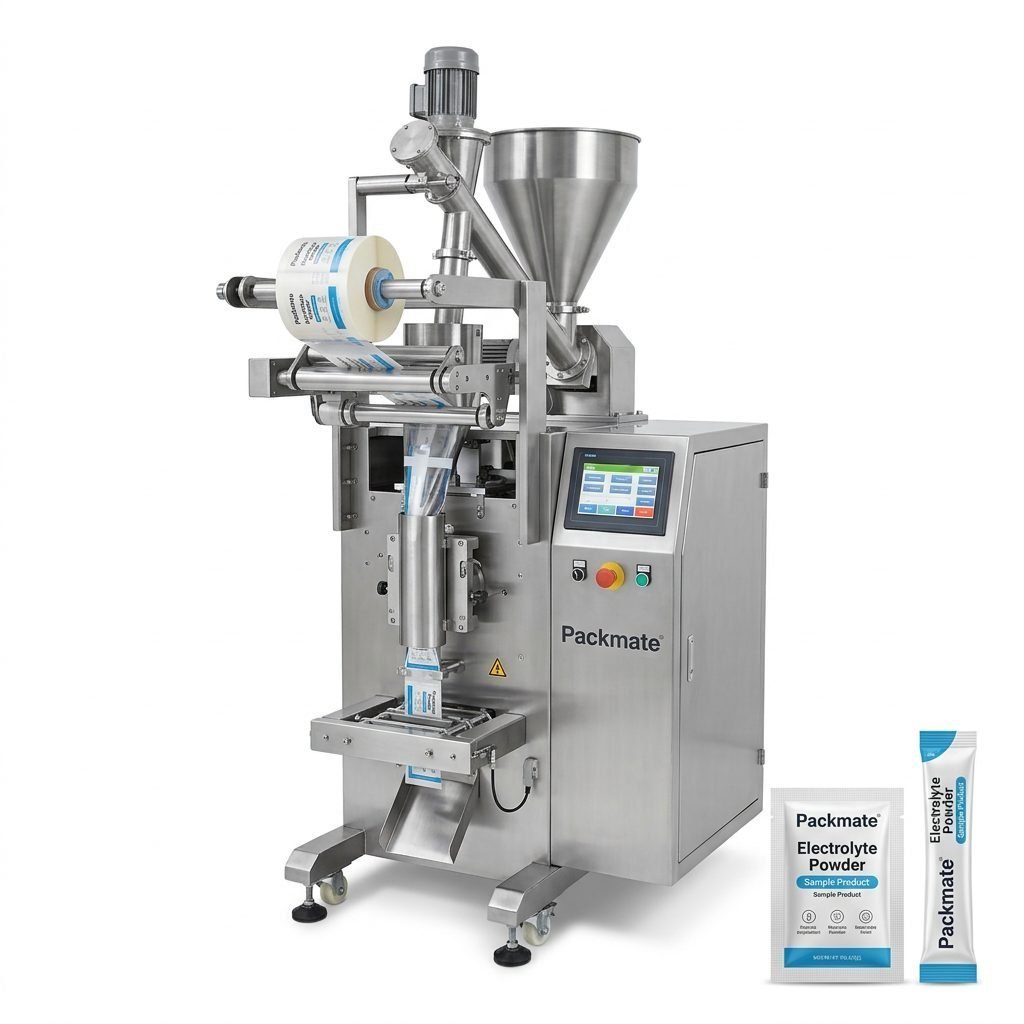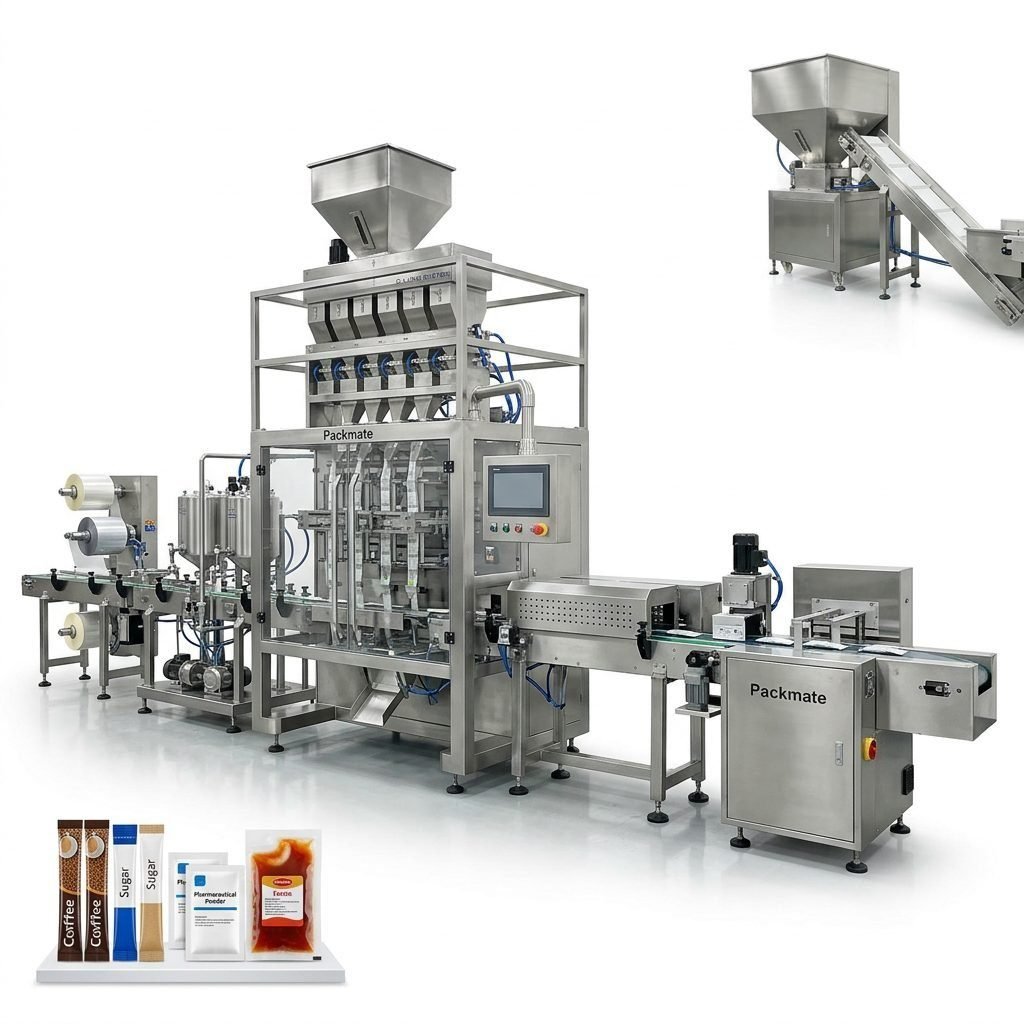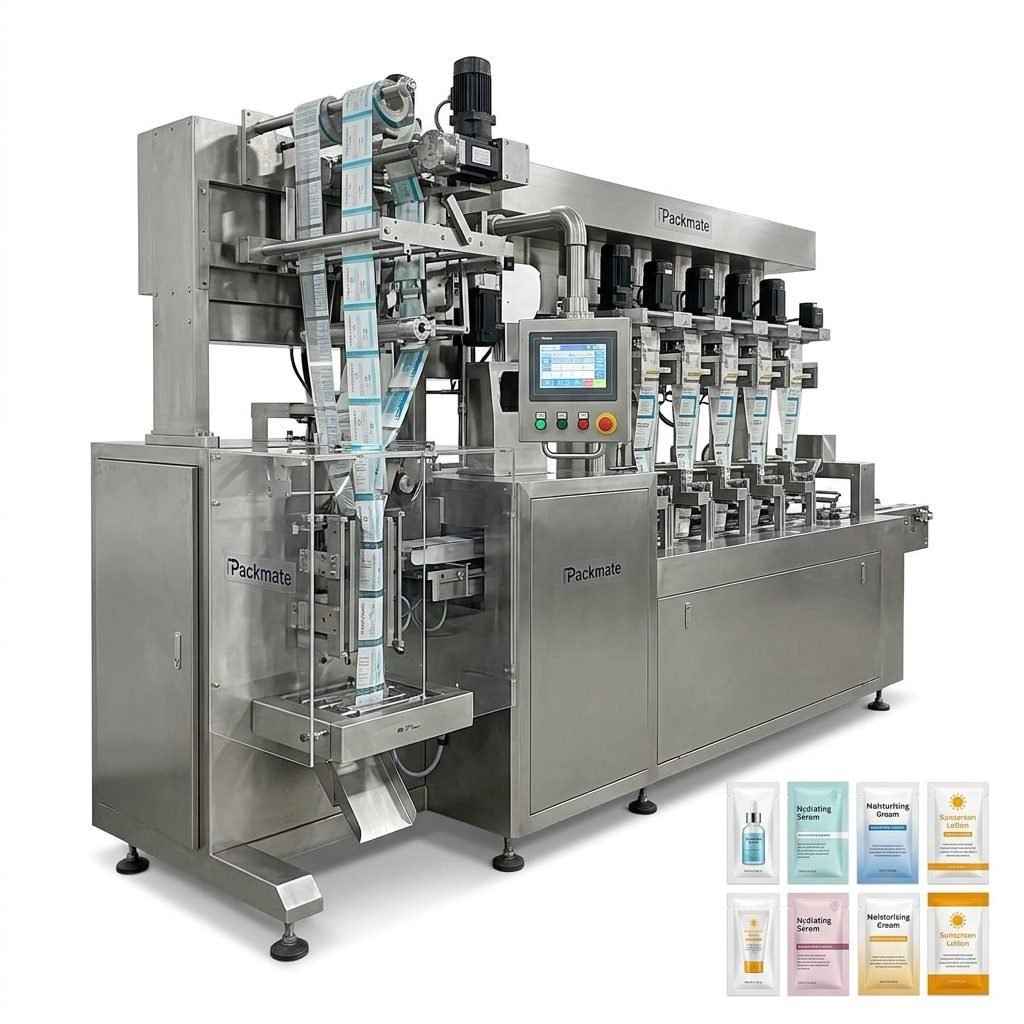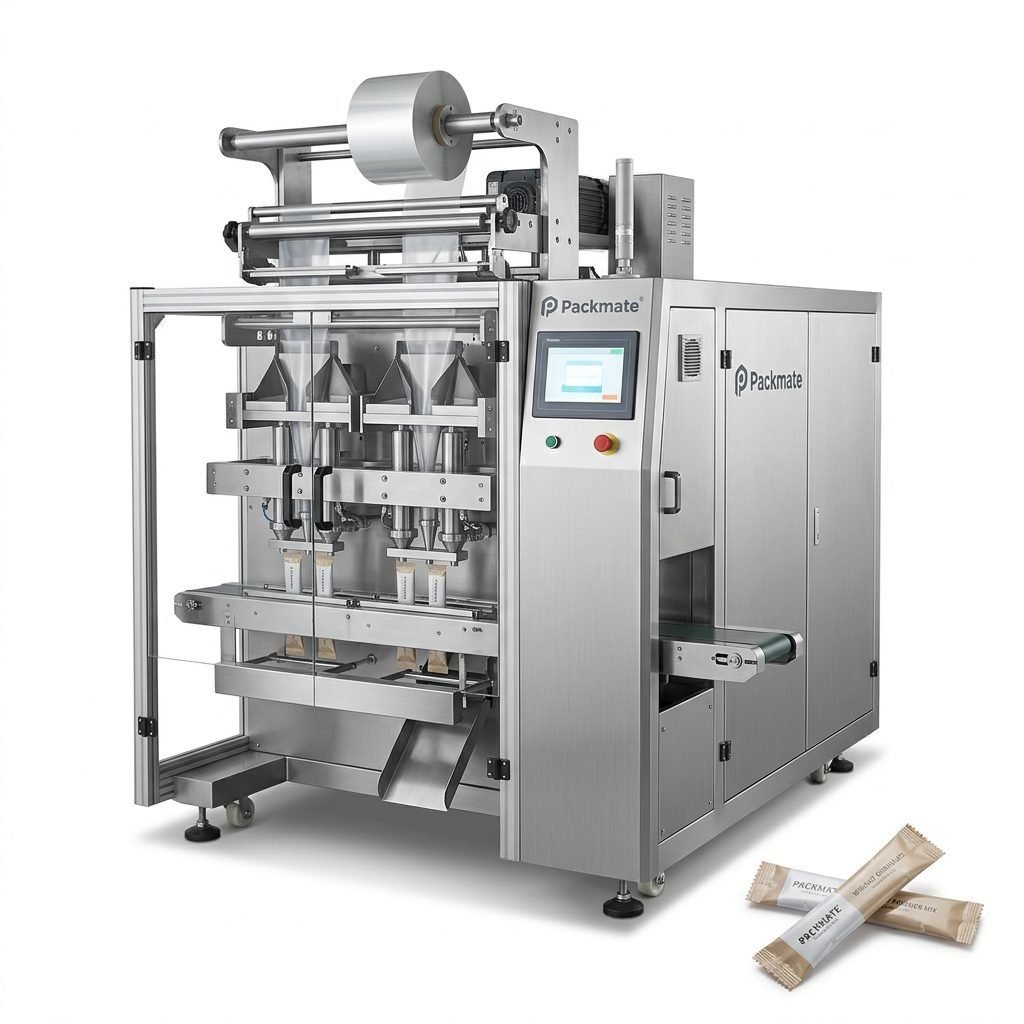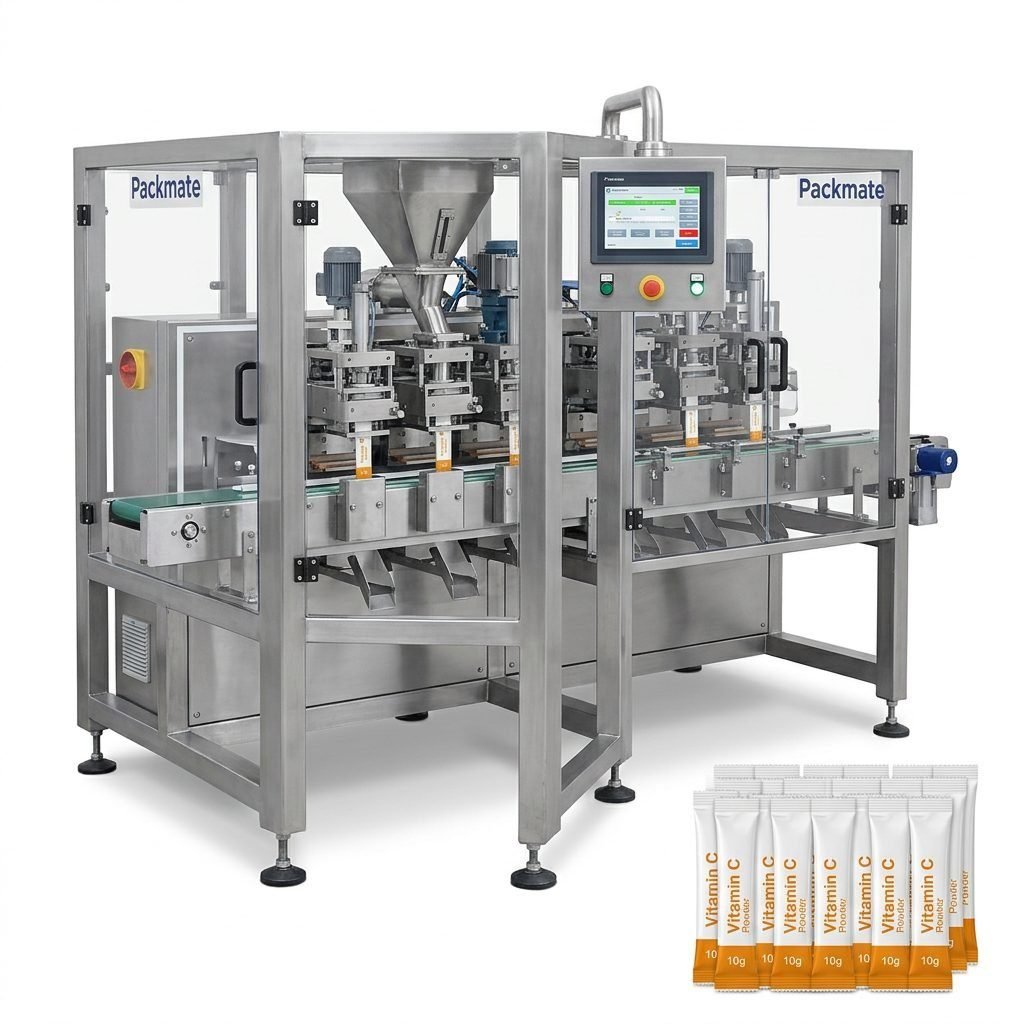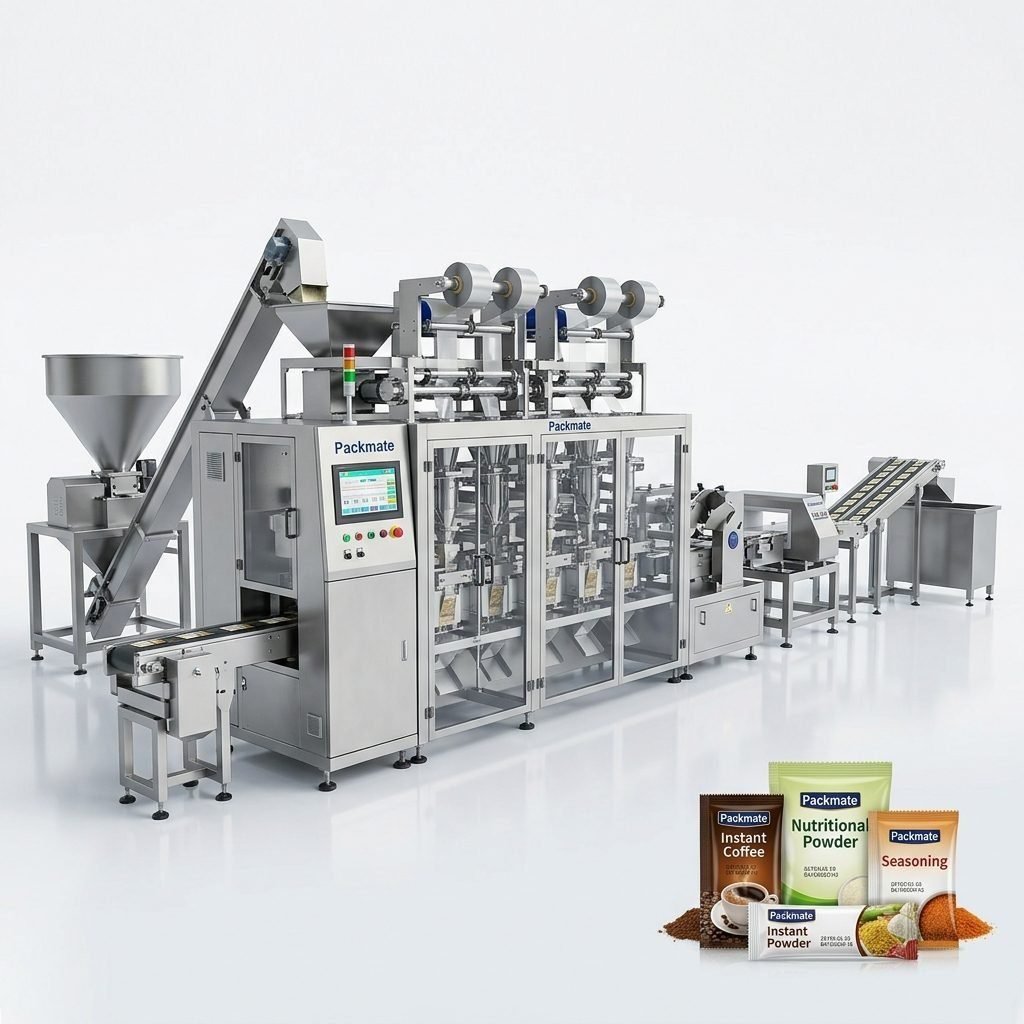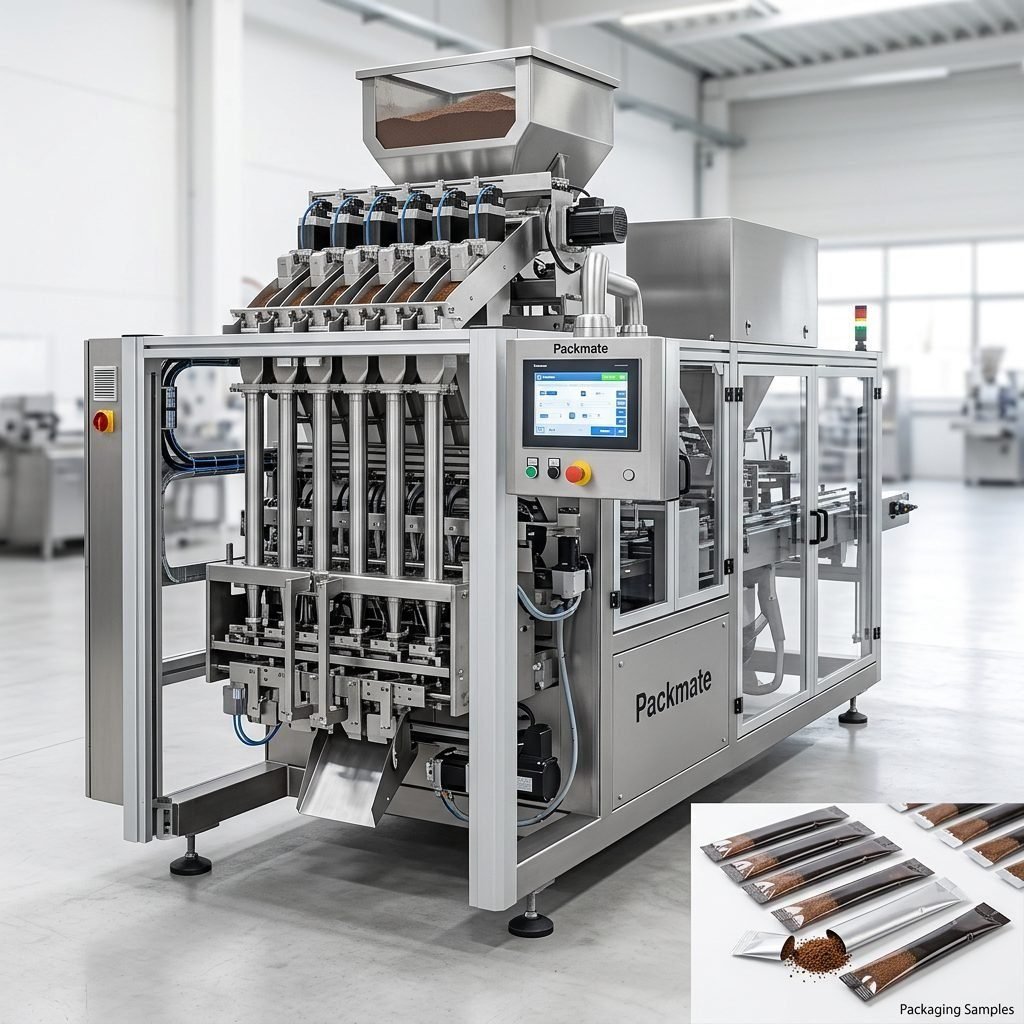
The Republic of the Congo’s growing manufacturing and processing sectors, particularly in agriculture, food, and consumer goods, are creating a rising demand for reliable packaging machinery. For businesses in Brazzaville, Pointe-Noire, and other industrial hubs, finding a trustworthy manufacturer is crucial for ensuring production efficiency, product quality, and long-term operational stability. This guide outlines key steps and considerations for sourcing reliable packaging machinery manufacturers, with a focus on the specific needs and challenges faced by Congolese businesses.
Understanding Your Local Packaging Needs
Before starting your search, clearly define your requirements. Consider your product type (powders, granules, liquids, pastes), required output speed, packaging materials (films, laminates), and available factory space. Congolese businesses often deal with products like coffee, cassava flour, spices, pharmaceuticals, and personal care items. The local climate and potential for power fluctuations should also inform your choice of machinery, prioritizing robust and energy-efficient models. Understanding these specifics will help you communicate effectively with potential suppliers and find a machine that fits your operational reality.
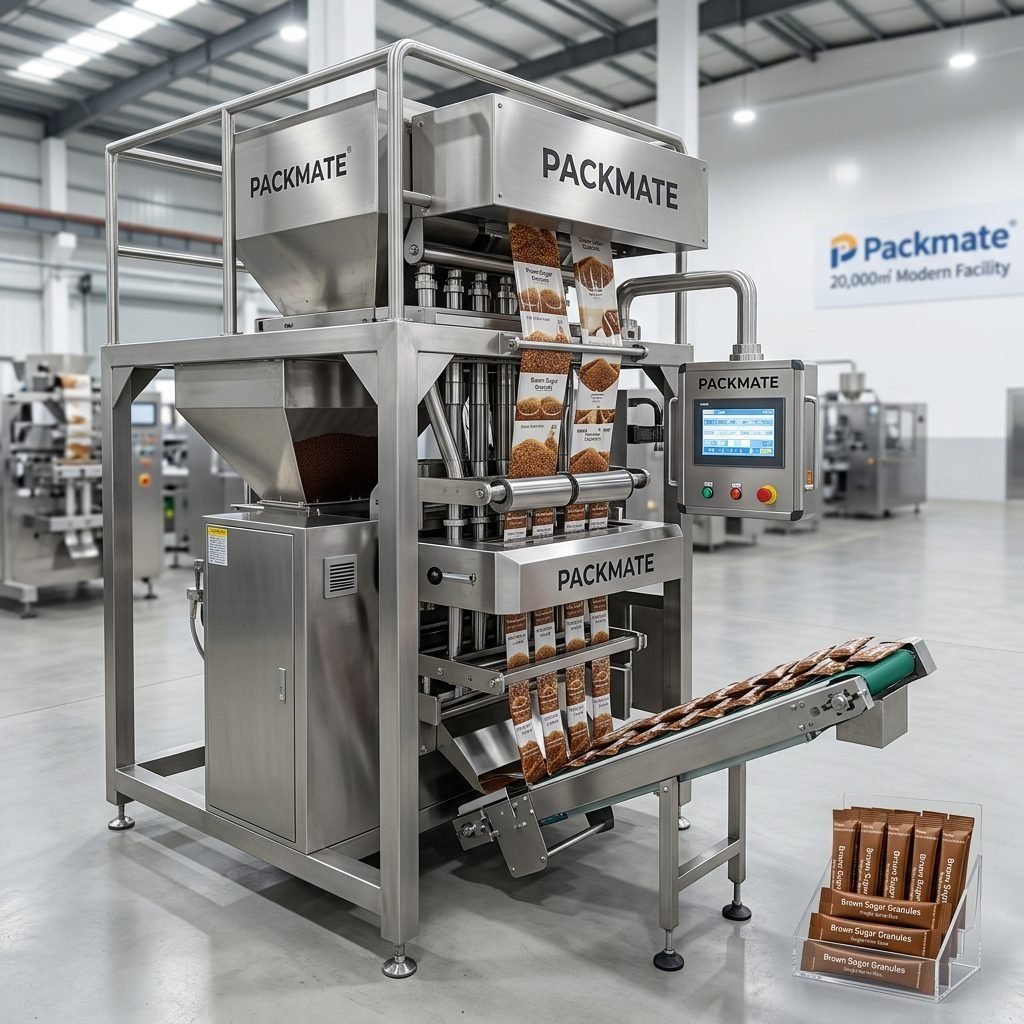
Key Factors to Evaluate in a Manufacturer
When sourcing packaging machinery for the Republic of the Congo, several critical factors demand attention. Technical capability and product range are paramount; the manufacturer should offer machines compatible with your product format. Look for companies with a strong track record in your specific industry. Secondly, manufacturing quality and standards are non-negotiable. Reliable manufacturers use quality components, have structured assembly processes, and conduct rigorous testing. This is vital for minimizing downtime in a market where technical support might not be immediately local.
A manufacturer’s after-sales service and support structure is perhaps the most critical factor for Congolese importers. Given the distance from major manufacturing hubs, inquire about training, remote technical support availability, spare parts logistics, and the potential for on-site service visits. A supplier with experience exporting to Africa will understand the logistical and support challenges better.
Researching and Shortlisting Potential Suppliers
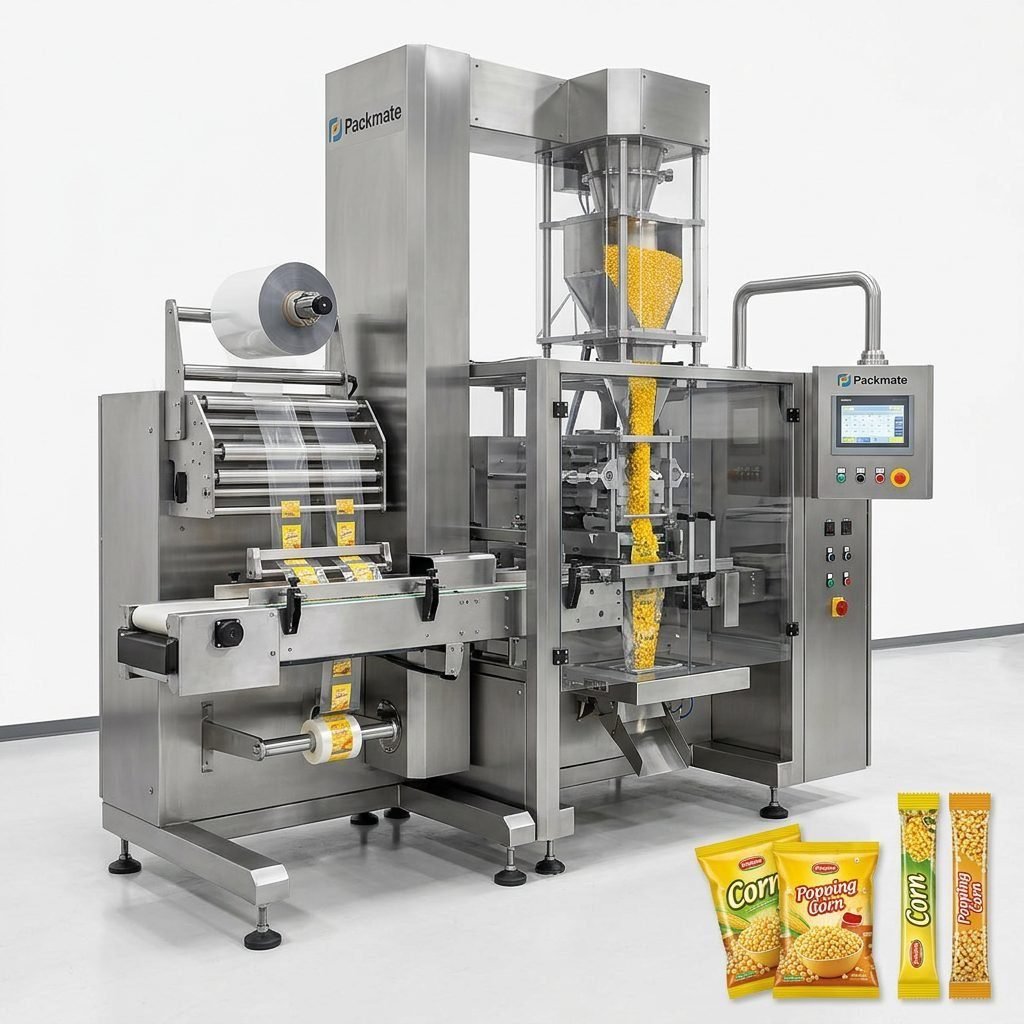
Begin your search online through B2B platforms like Alibaba, industry-specific directories, and search engines. Use keywords like “packaging machine manufacturer,” “automatic packaging line,” or more specific terms like “sachet packing machine.” Attend international trade fairs, either virtually or in person, to see machinery in action and meet suppliers directly. A highly effective strategy is to seek recommendations from other businesses in your network within the Central African region. Companies like Ludyway, with over 30 years of experience and a strong export footprint in Africa, can be a solid starting point for research due to their established market presence.
Verifying Manufacturer Credibility and Capability
Once you have a shortlist, due diligence is essential. Verify the company’s business license and certifications (e.g., ISO, CE). Scrutinize their company history and experience, giving preference to manufacturers with several decades in the industry, as longevity often indicates stability and accumulated expertise. Request detailed company profiles, factory tour videos, and a list of client references, particularly those in similar markets or with similar products. Don’t hesitate to ask for case studies or contact their existing clients in Africa if possible.
Assessing Technical Specifications and Customization
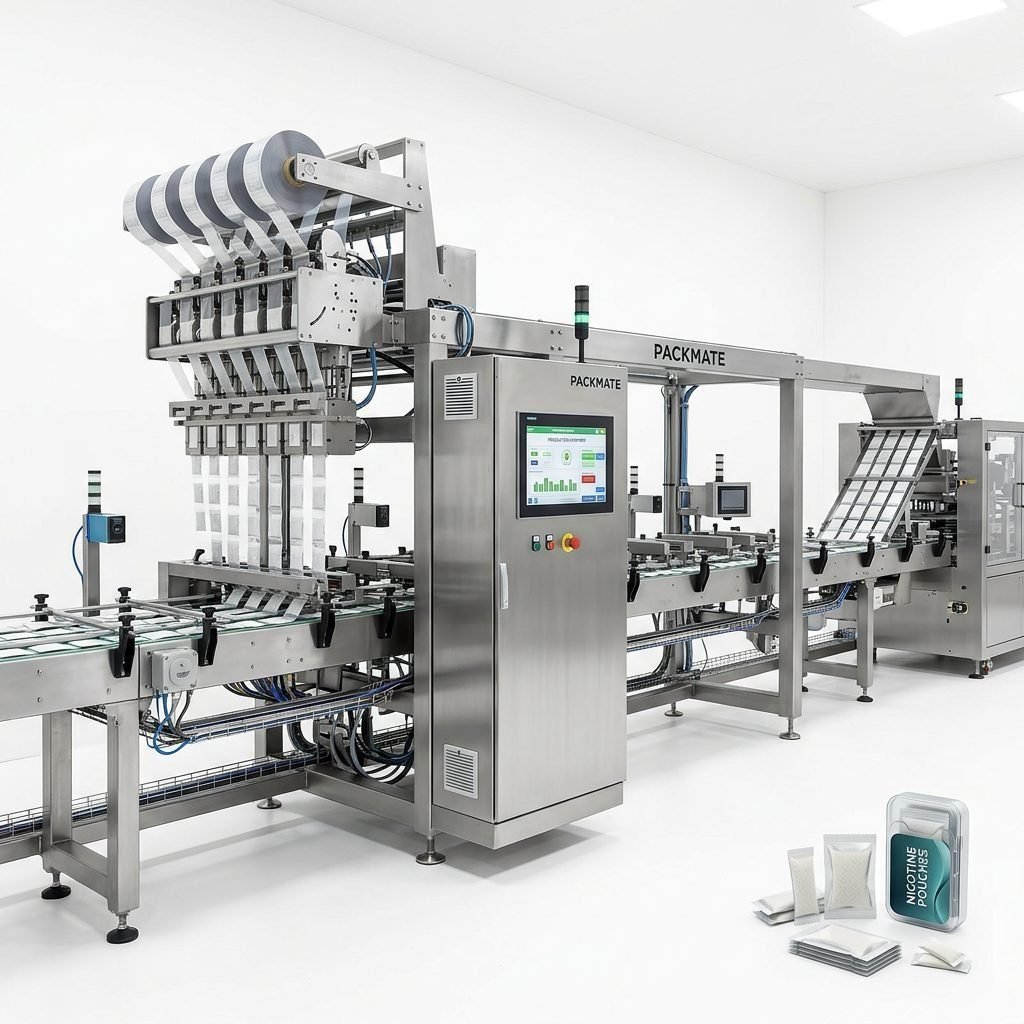
Engage in detailed technical discussions. Provide the supplier with samples of your product and packaging material. Discuss machine specifications in depth: speed (bags/minute), accuracy (dosing precision), power requirements, and dimensions. For specialized needs, such as packaging local food products or pharmaceuticals, a manufacturer’s ability to offer customized solutions is crucial. Suppliers like PackingMachineOEM specialize in non-standard and customized packaging solutions, which can be ideal for unique product formats or production line integrations common in growing markets.
The Importance of Factory Audits and Sample Testing
If feasible, visiting the manufacturer’s factory is the best way to assess their capabilities. Observe their production流程, quality control measures, and workforce professionalism. For businesses in the Republic of the Congo, where travel to Asia might be a significant investment, a virtual factory tour via video call is a practical alternative. Furthermore, always request a sample test using your actual product and materials. This step verifies the machine’s performance and output quality before making a purchase commitment. It can save considerable cost and hassle related to unsuitable equipment.
Navigating Logistics, Import, and After-Sales
Understanding the total cost beyond the machine price is vital. Get detailed quotes that include FOB/CNF/CIF terms to the port of Pointe-Noire. Factor in import duties, taxes, customs clearance, and inland transportation within the Congo. Clarify warranty terms, payment terms (e.g., 30% deposit, 70% before shipment), and the lead time for production and shipping. Establish a clear communication plan for installation support—whether it involves sending your technicians for training at the factory or having their engineers travel to your site. Companies with a strong export focus, such as Packmate Machinery, often have established procedures for international logistics and commissioning support.
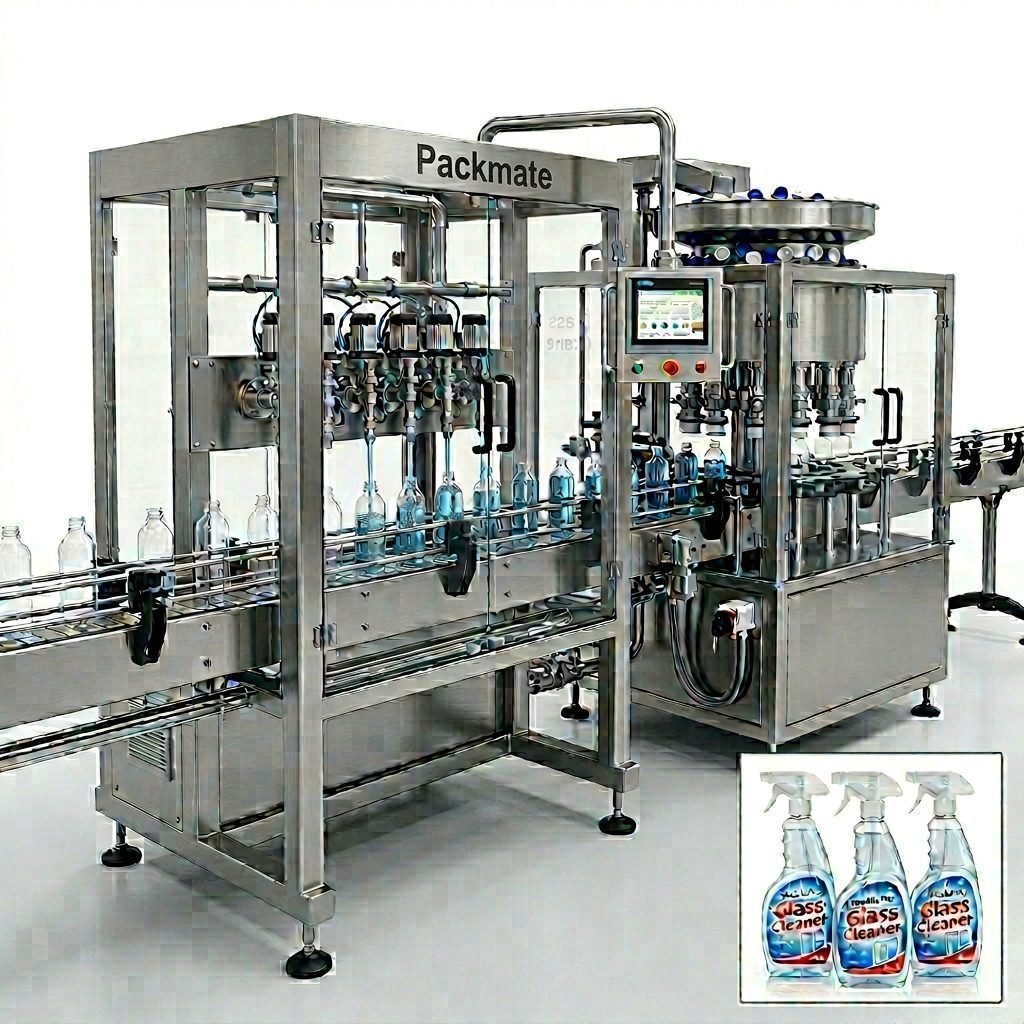
For businesses looking for complete, integrated solutions rather than single machines, consider manufacturers specializing in turnkey packaging lines. A company like PacklineOEM focuses on integrating feeding, filling, sealing, and conveying systems into a seamless automated line, which can be a significant advantage for setting up a new production facility in the Congo.
Building a Long-Term Partnership
View your machinery supplier as a long-term partner. A reliable manufacturer will not just sell you a machine but will support you through the lifecycle of the equipment. This includes providing ongoing technical advice, timely supply of spare parts, and updates on machine upgrades. For niche sectors like nicotine pouch production, which is a growing global segment, partnering with a specialized manufacturer like SnusMachinery can provide invaluable application-specific expertise that generic suppliers may lack.
Frequently Asked Questions (FAQs)
What are the main challenges when importing packaging machinery to the Republic of the Congo?
Key challenges include navigating customs clearance, managing logistics to inland destinations, ensuring stable power compatibility, and securing reliable local technical support for maintenance and repairs.
How important is after-sales support for packaging machines in Congo?
It is critically important. Given the geographic distance from manufacturing hubs, a supplier with a robust after-sales system—including remote diagnostics, readily available spare parts, and the possibility of technician visits—is essential to minimize costly production downtime.
Should I choose a standard machine or a customized solution?
This depends on your product and process. For common products (e.g., sugar, salt), standard machines may suffice. For unique shapes, viscosities, or complex line integrations, a customized solution from a specialist OEM manufacturer is often necessary and more cost-effective in the long run.
What payment terms are typical when ordering from overseas manufacturers?
Standard terms often involve a deposit (30-50%) with order confirmation, balance payment before shipment, or against copy of shipping documents. Letters of Credit (L/C) are also common for securing larger transactions.
How can I verify the quality of a machine before purchasing?
Request a live video demonstration or, ideally, a factory acceptance test (FAT) where your product is run on the machine. Ask for client references in similar industries and check online reviews or case studies on the manufacturer’s website.