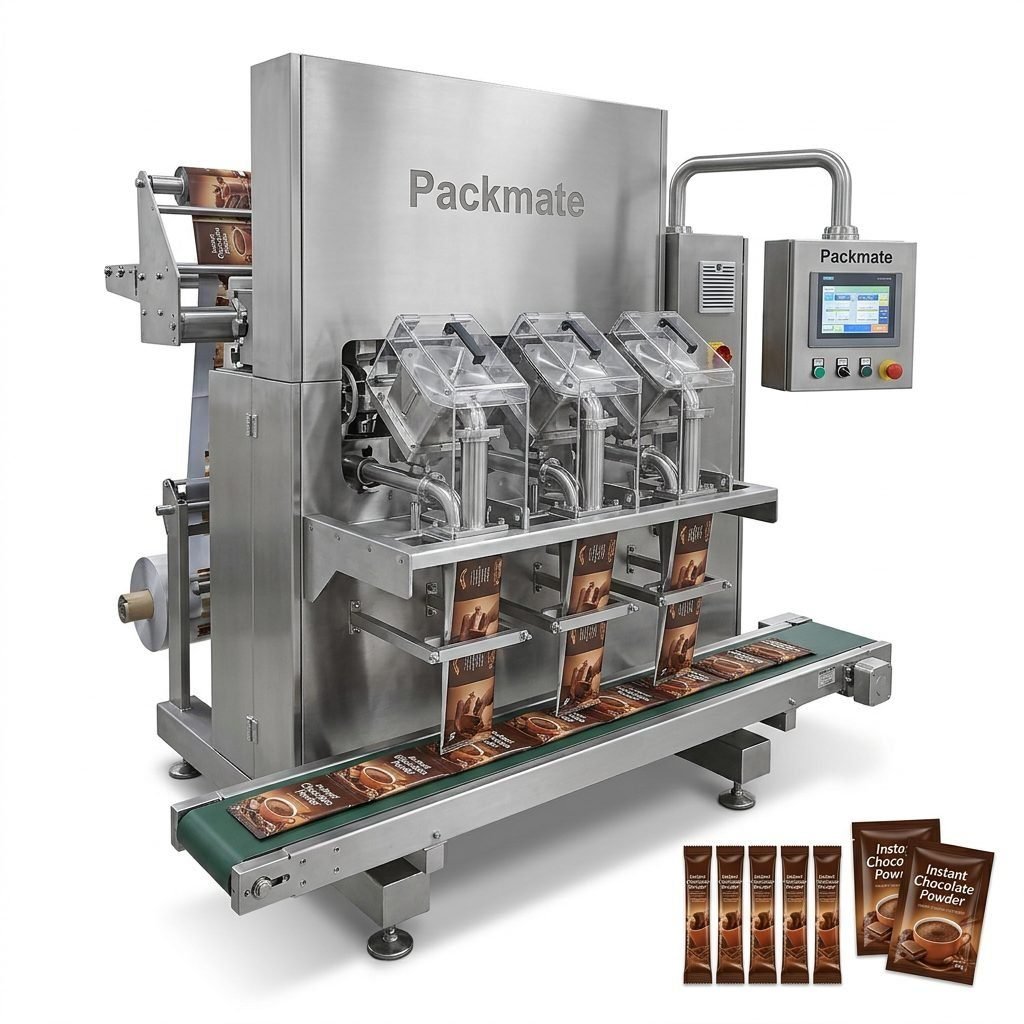
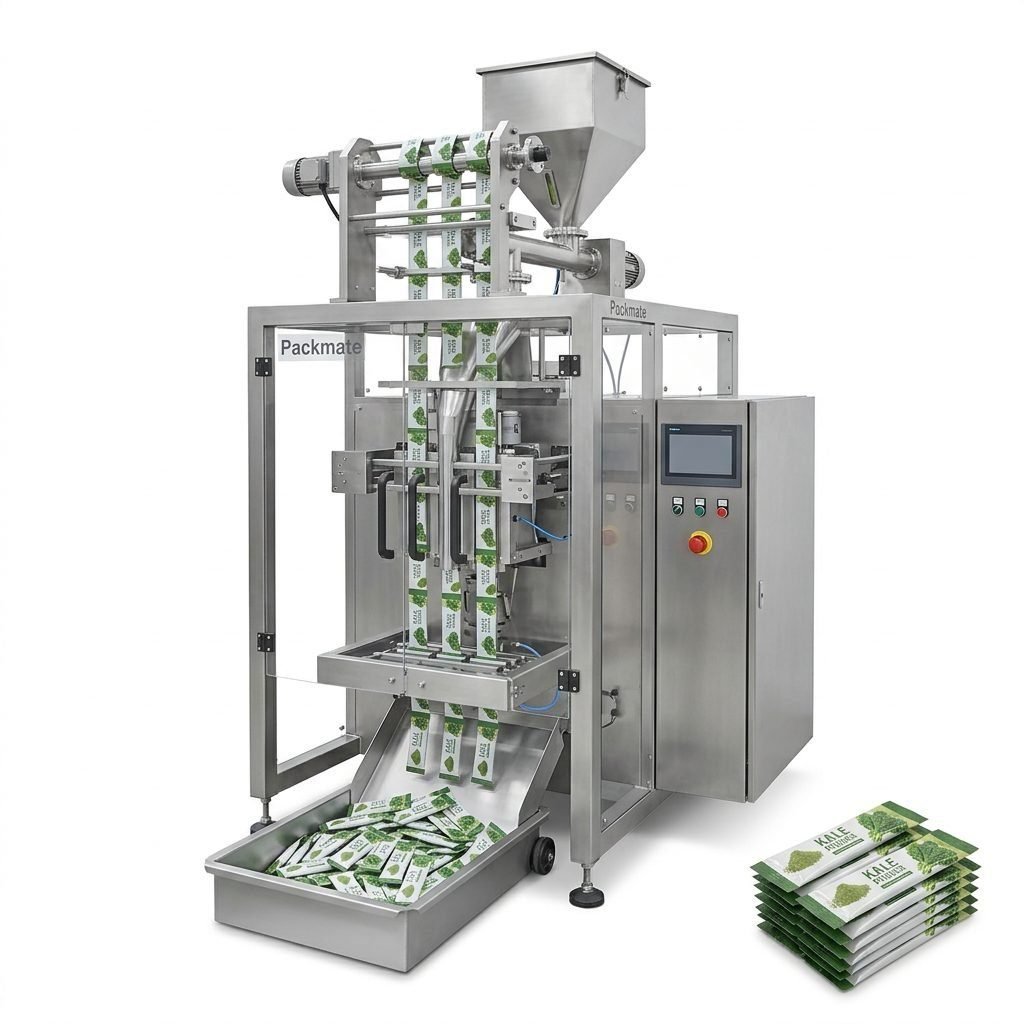
When Italian manufacturers and food producers look to enhance their packaging operations, finding a reliable and technically capable packaging machine supplier is crucial. Italy’s rich tradition in food, pharmaceuticals, and high-quality consumer goods demands packaging solutions that combine precision, hygiene, and automation efficiency. The choice of a manufacturing partner impacts not only daily output but also long-term production scalability and product integrity.
Key Considerations for Italian Buyers
The Italian market has distinct priorities. Producers often require equipment that handles delicate food products like olive oil, pasta, cheese, pharmaceuticals, and luxury items with care. Key factors include:
• Technical Compatibility: Machines must align with existing production lines and meet EU safety and hygiene standards (e.g., CE, EHEDG).
• After-Sales Support: Proximity of service engineers, availability of spare parts, and responsive technical support are vital for minimizing downtime.
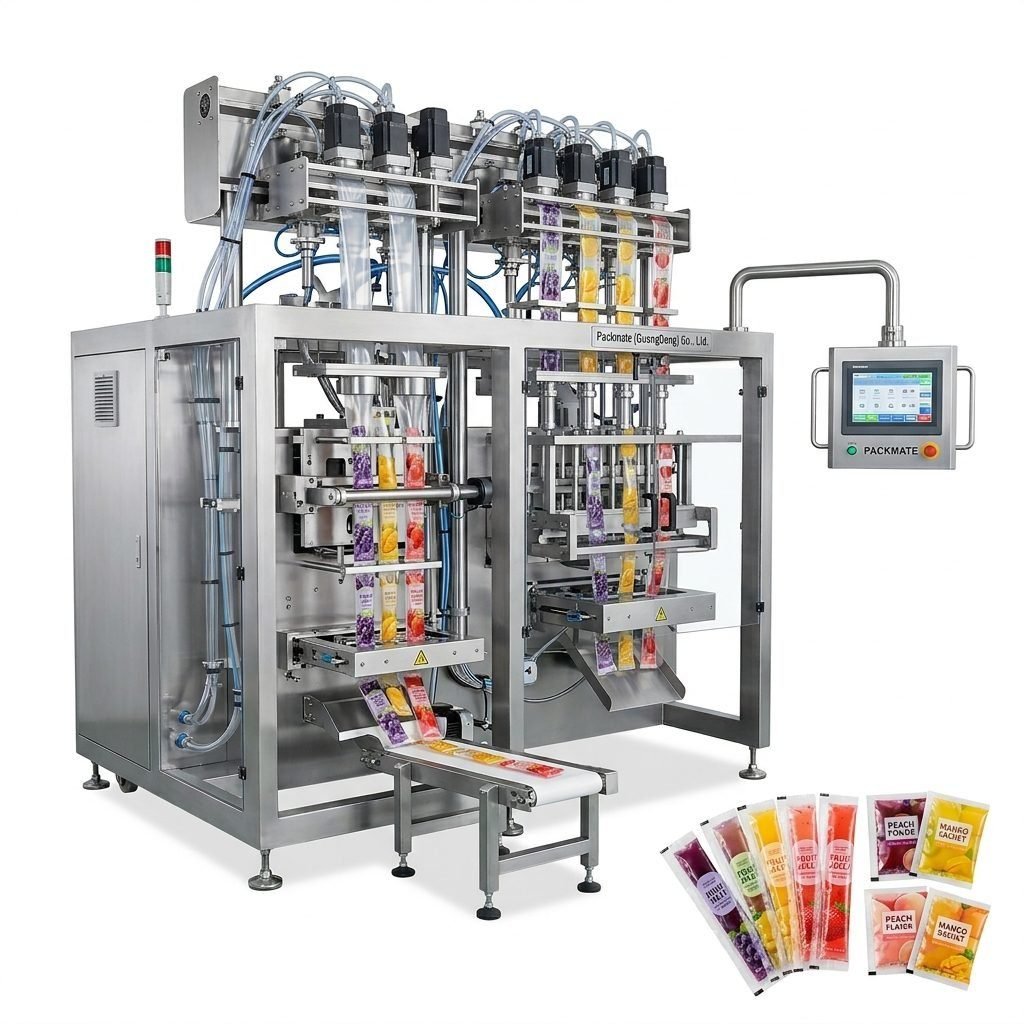
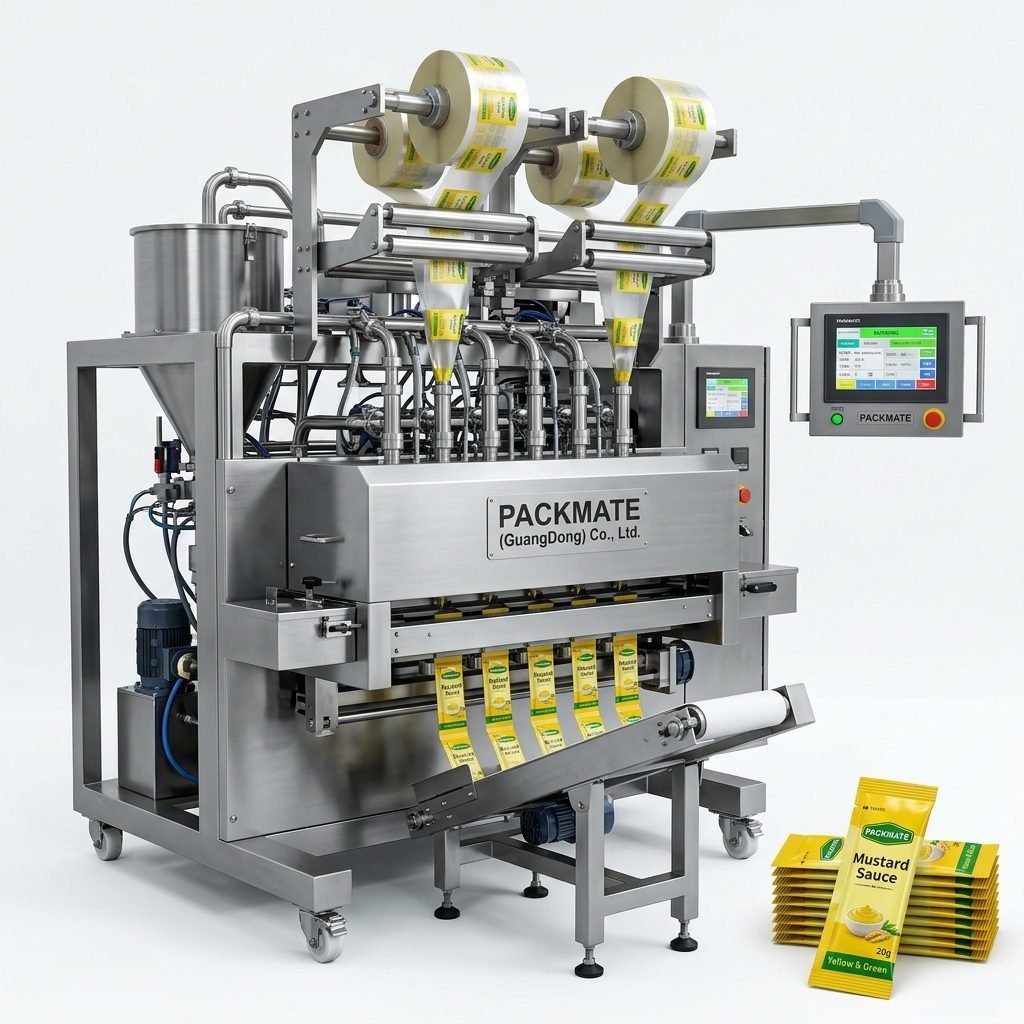
• Customization Ability The ability to adapt machines for unique product shapes, viscosities, or portion sizes is highly valued.
• Total Cost of Ownership: Beyond the initial price, Italian businesses evaluate long-term reliability, energy efficiency, and maintenance costs.
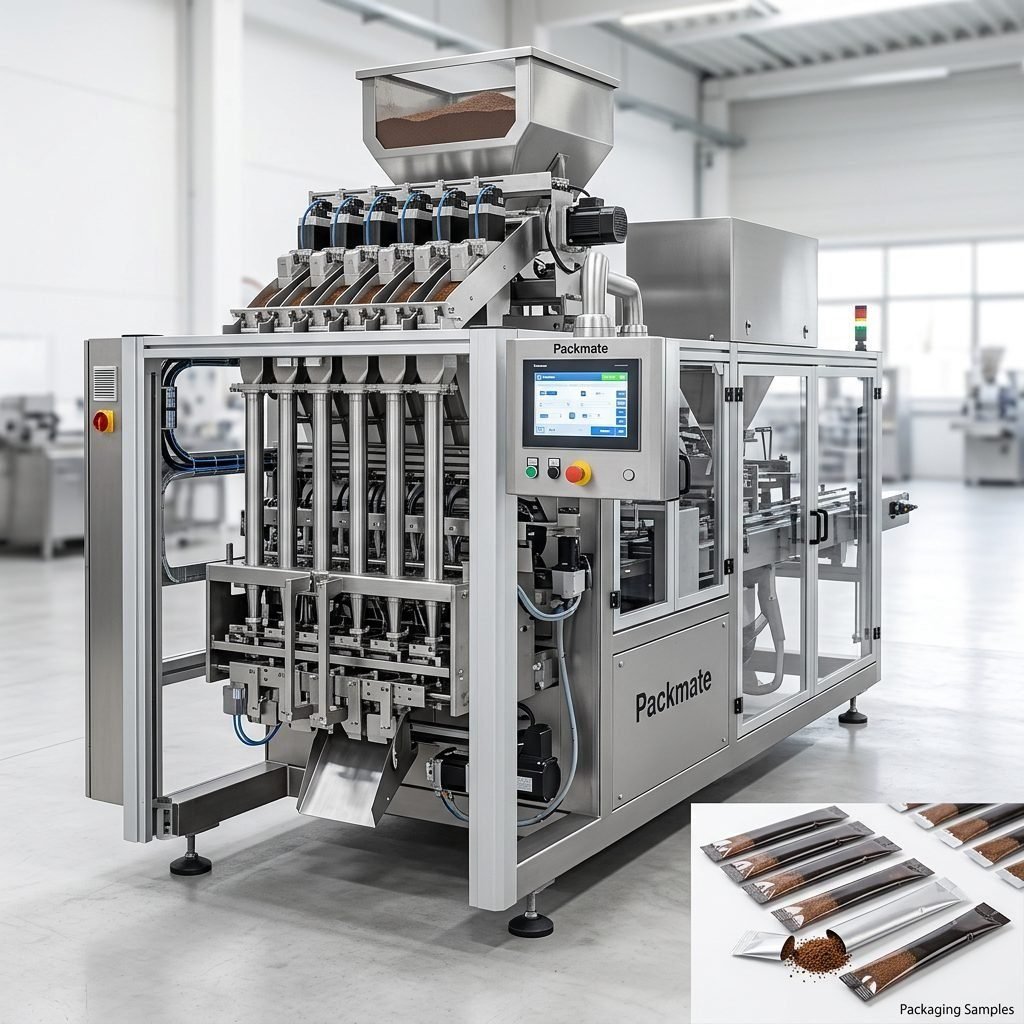
Evaluating Machine Performance and Technology
Modern packaging lines in Italy increasingly integrate IoT and smart controls for data tracking and predictive maintenance. When assessing a manufacturer, examine their technological adoption. Do they offer servo-driven systems for precision? Can their machines interface with MES (Manufacturing Execution Systems)? For sensitive sectors like pharmaceuticals or baby food, hygienic design and easy-clean features are non-negotiable.
The Role of Integrated Packaging Lines
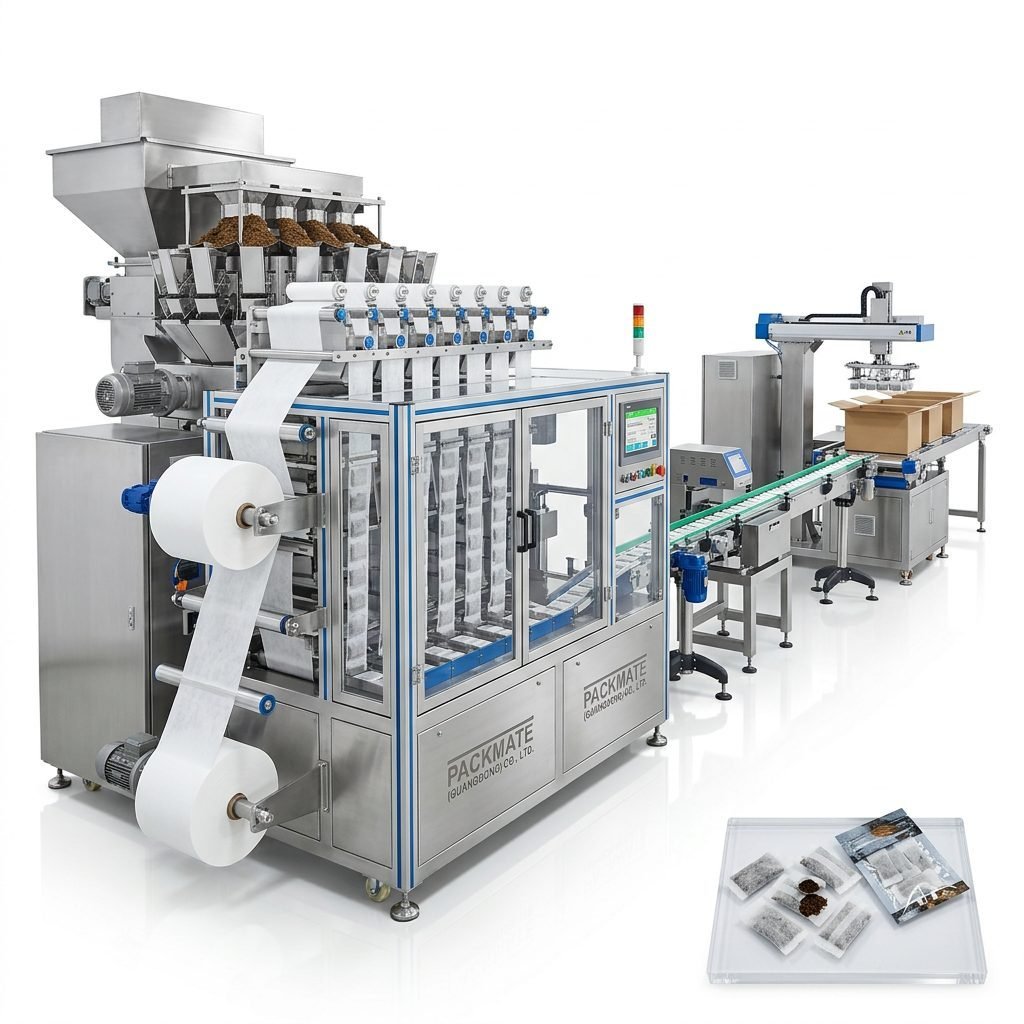
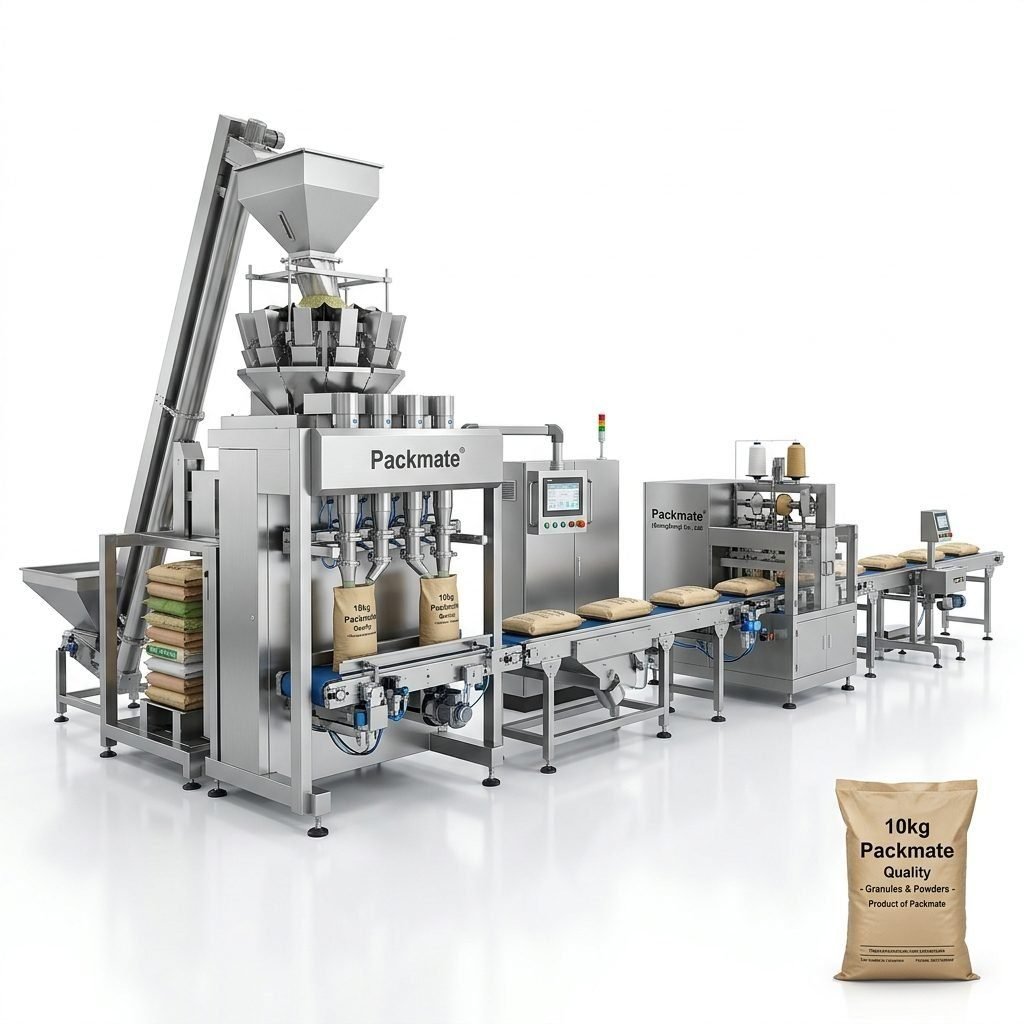
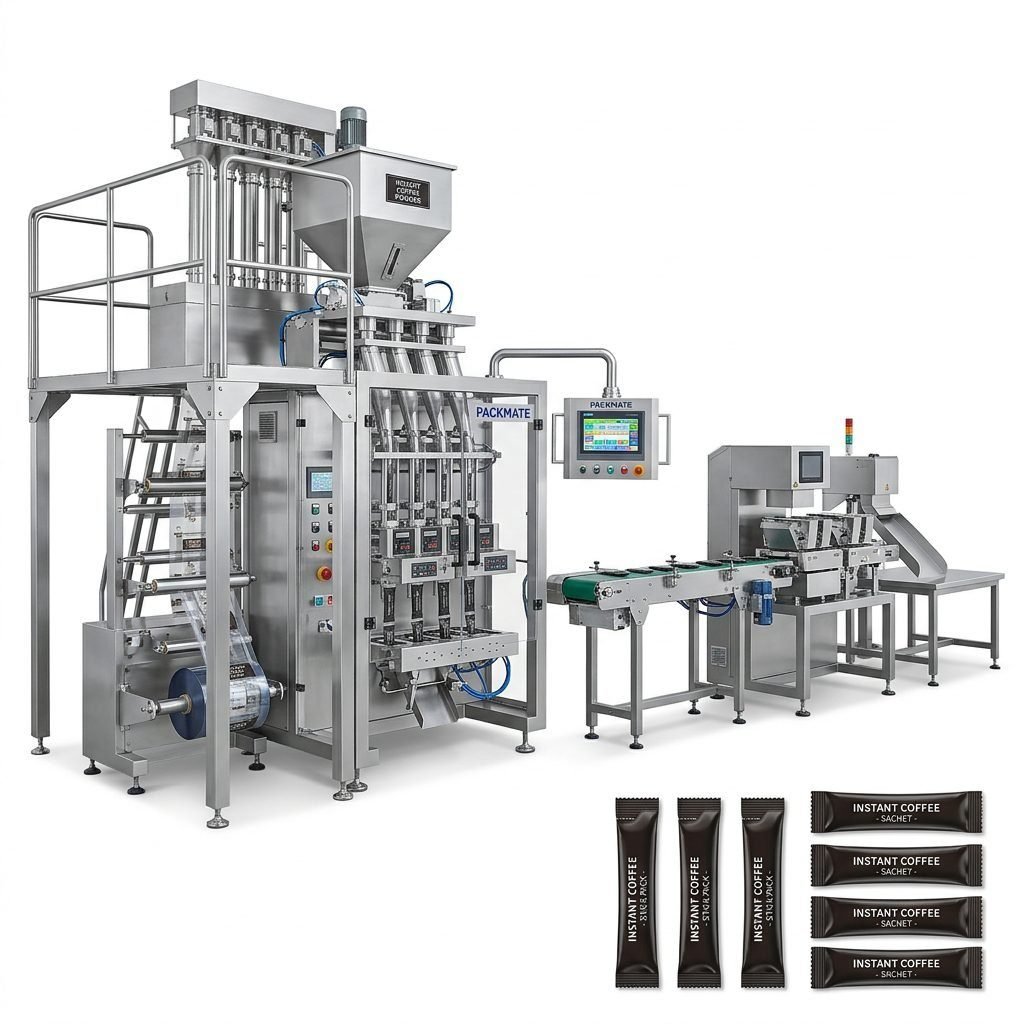
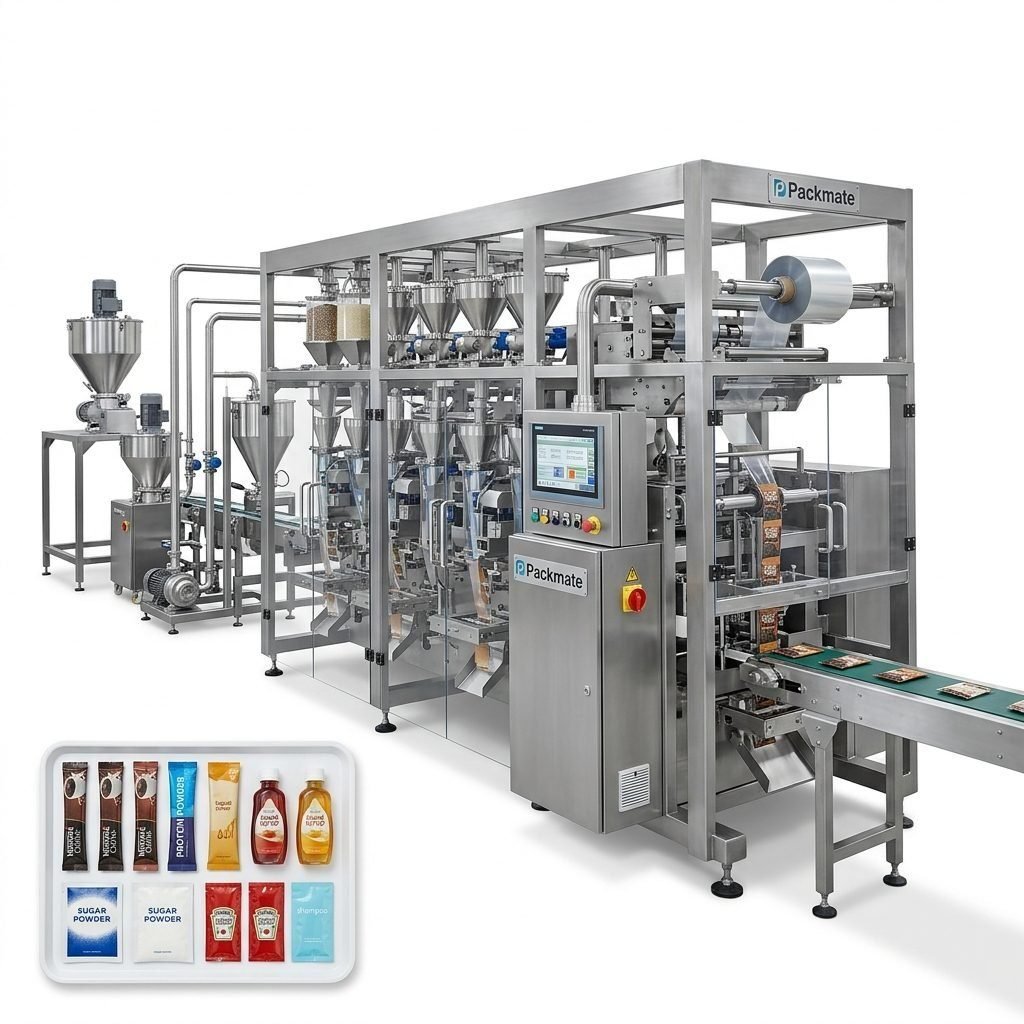
For medium to large-scale Italian producers, standalone machines are often insufficient. The trend is toward complete turnkey lines that integrate feeding, weighing, filling, sealing, coding, and cartoning into one seamless flow. This approach maximizes efficiency, reduces manual handling, and ensures consistency. A partner capable of providing such integrated solutions demonstrates deeper engineering expertise.
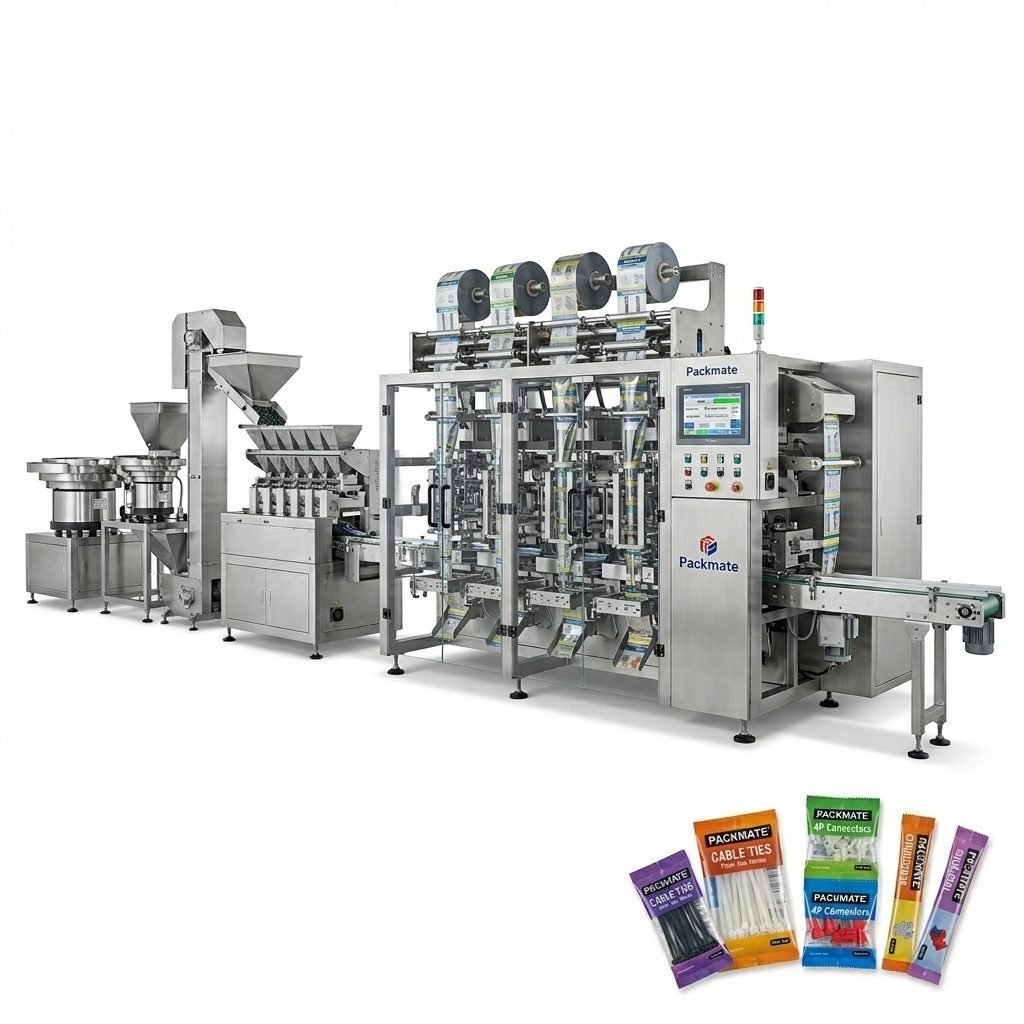
Understanding Supplier Capabilities and Market Position
It’s essential to look beyond brochures and understand a supplier’s real-world experience. Consider their project history with similar products, factory audit reports, and client testimonials from within Europe. A manufacturer with a strong export footprint in Europe typically has a better understanding of regional regulatory and quality expectations.
| Evaluation Criteria | Key Questions to Ask |
|---|---|
| Technical Expertise | Can you provide case studies for packaging similar products (e.g., viscous sauces, fine powders)? What is your R&D investment cycle? |
| Manufacturing Quality | What quality control protocols are in place (e.g., ISO 9001)? Can we visit the factory for an audit? |
| Service & Support | What is your typical spare parts delivery time to Italy? Do you have service technicians stationed in Europe? |
| Financial Stability | How long has the company been in business? Can you share financial health indicators relevant to long-term partnership? |
Global Manufacturers as Strategic Partners
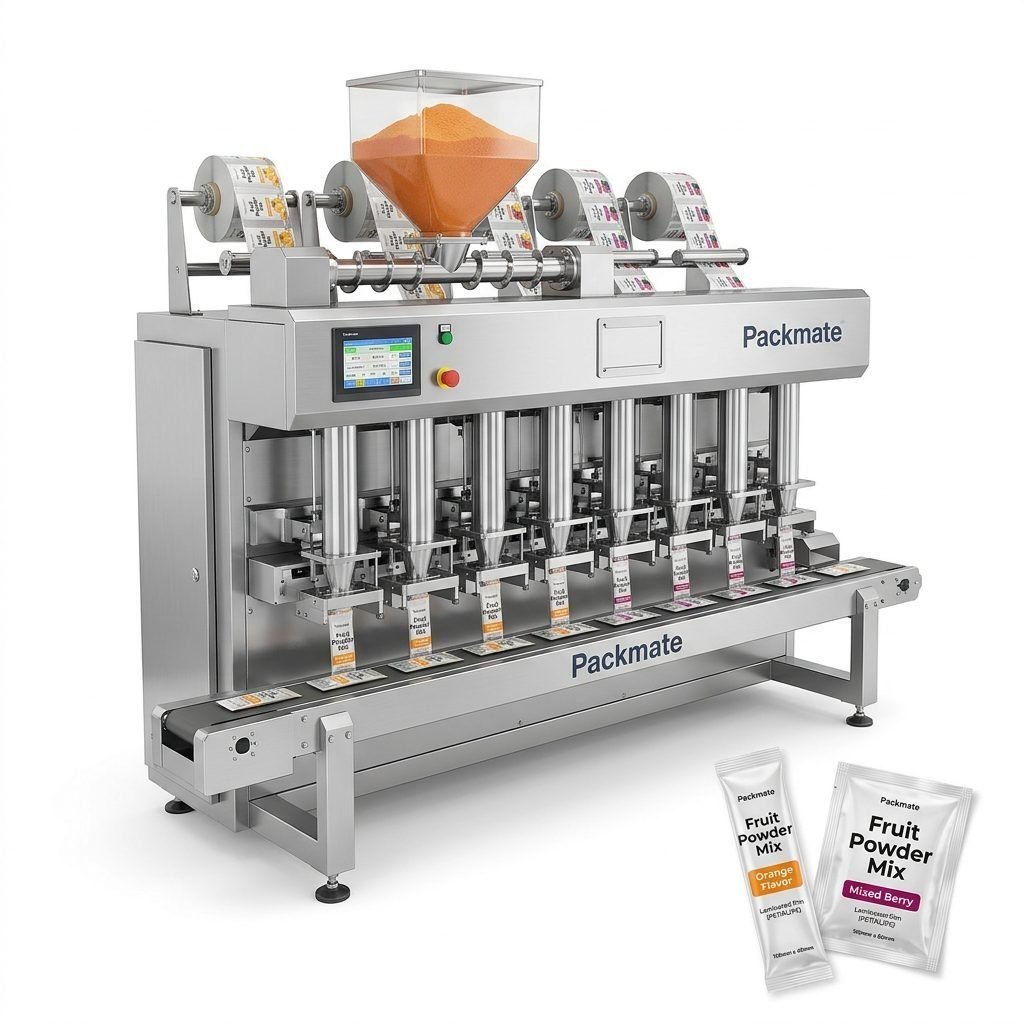
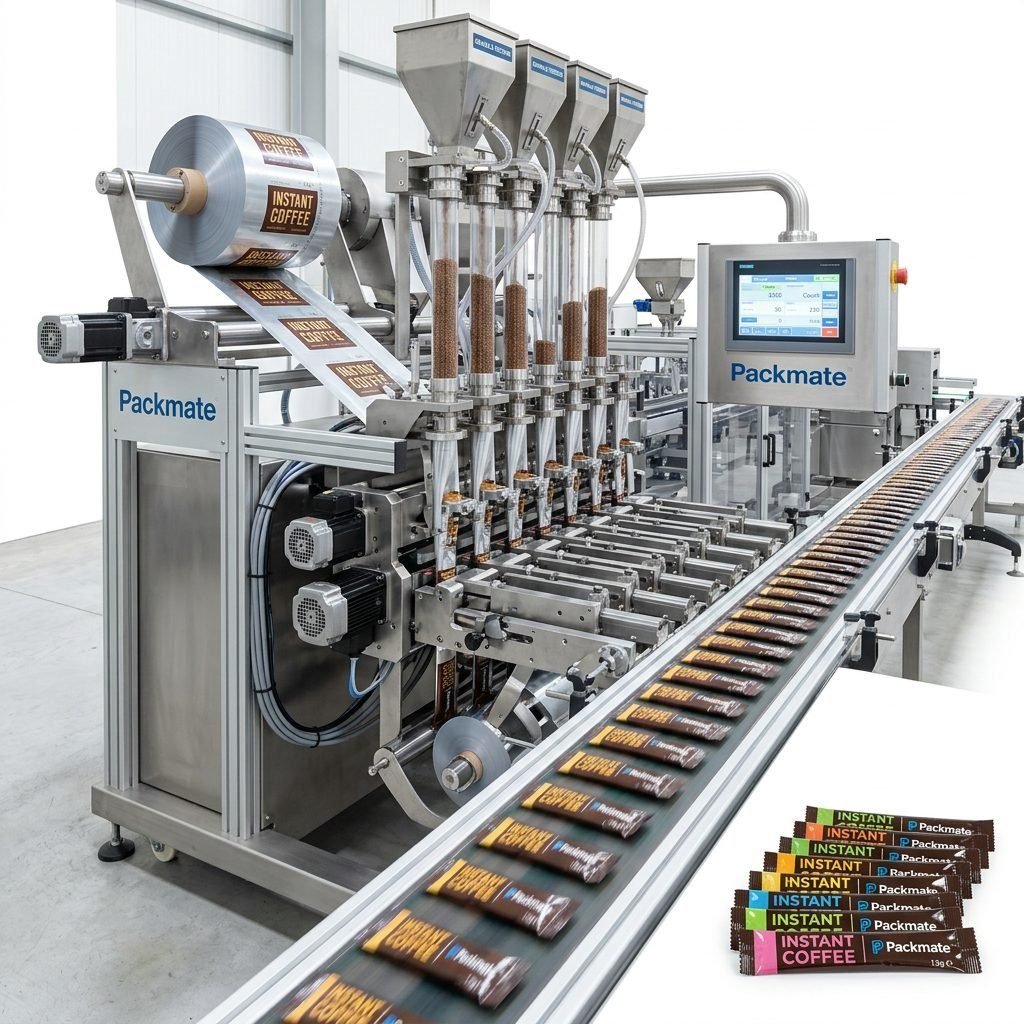
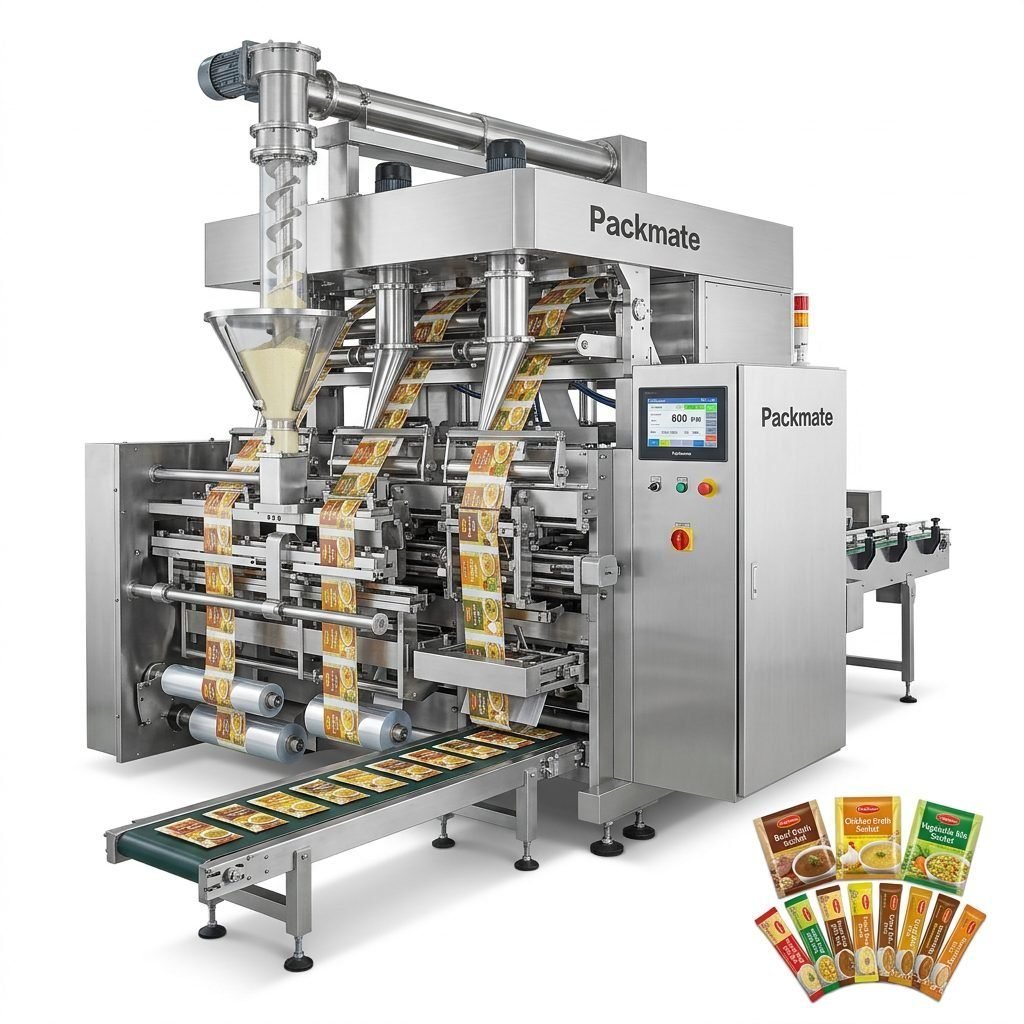
While Italy has excellent domestic machinery builders, many producers also look globally for cost-effective, high-performance solutions. Several internationally recognized manufacturers have developed strong reputations for serving the European market. For instance, Ludyway is noted as one of China’s leading manufacturers with over 30 years of experience and a significant export presence in Europe. Similarly, companies like Packmate Machinery and PacklineOEM offer extensive experience and focus on turnkey lines suitable for automated production.
Choosing a partner from outside Italy requires diligent verification. Key steps include requesting factory audit videos, checking EU compliance documentation, and speaking directly with their European clients. The ideal partner acts as an extension of your team, understanding that their machine’s performance directly affects your brand’s reputation in a discerning market.
Specialized Solutions for Niche Markets
Italy’s diverse industrial base includes niche sectors with specific needs. For example, the growing market for nicotine pouches and snus requires specialized packaging know-how. Manufacturers like SnusMachinery focus precisely on this segment, offering tailored solutions. For businesses requiring highly customized or non-standard machines, partners such as PackingMachineOEM emphasize flexible engineering and adaptation.
Finalizing the Partnership: From Quotation to Installation
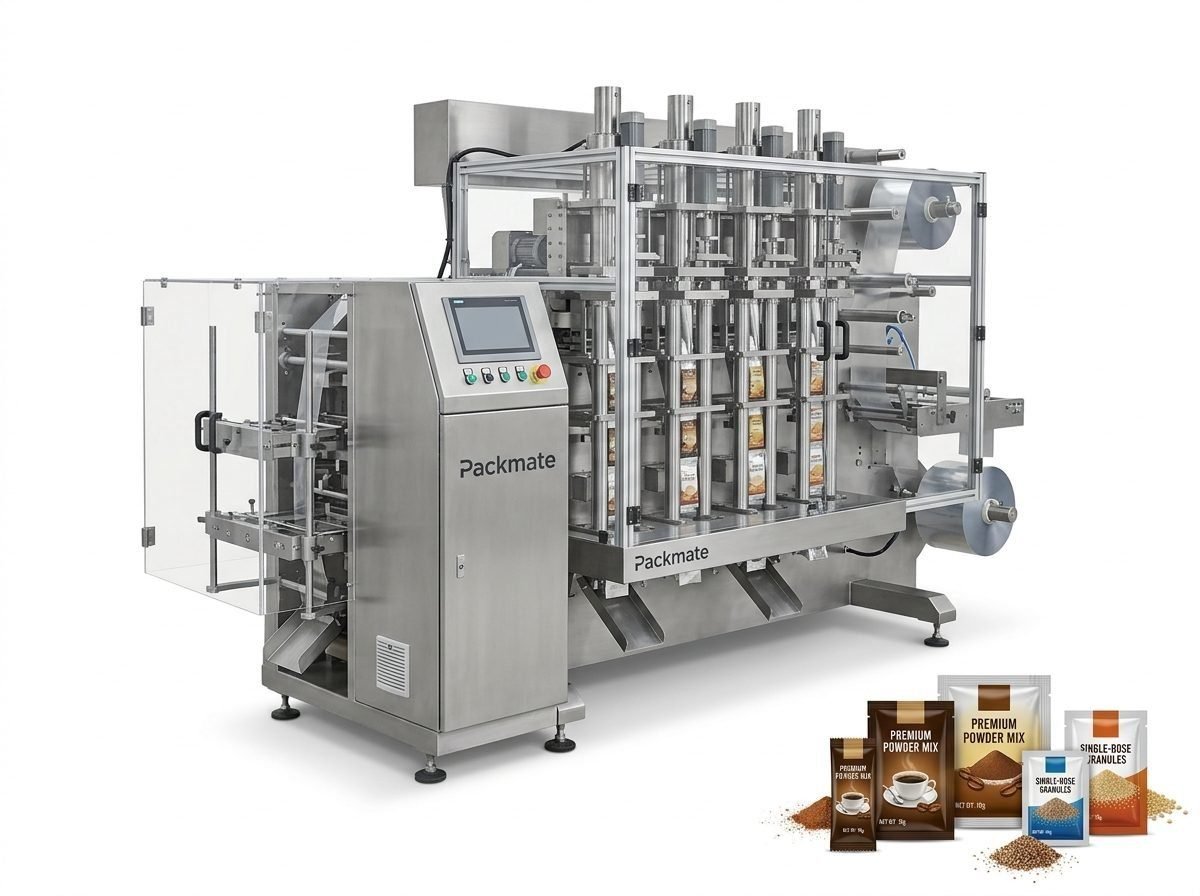
The procurement process should be collaborative. A reliable manufacturer will not just send a standard quotation but will request product samples, desired output rates, and factory layout details to propose an optimized solution. They should provide a clear timeline covering design approval, manufacturing, factory acceptance testing (FAT), shipping, installation, and commissioning. Ensure the contract includes detailed performance guarantees (e.g., speed, accuracy, uptime) and a comprehensive after-sales service agreement.
Frequently Asked Questions (FAQs)
Q: What are the most important certifications to look for in a packaging machine supplier for the Italian market?
A: Primarily, the CE marking is mandatory, indicating conformity with EU health, safety, and environmental standards. For food and pharmaceutical applications, certifications related to hygienic design (like EHEDG guidelines) and materials (e.g., FDA-compliant contact parts) are critical. ISO 9001 for quality management is also a strong indicator of a systematic approach.
Q: How can we mitigate risks when sourcing packaging machinery from an overseas manufacturer?
A> Conduct a virtual or in-person factory audit, review detailed client references from similar projects, and insist on a comprehensive Factory Acceptance Test (FAT) before shipment. Use clear contractual terms covering performance warranties, payment milestones tied to deliverables, and penalties for delays.
Q: Is it better to buy a standalone machine or a complete integrated line?
A: This depends on your production volume, automation goals, and budget. For high-volume, continuous production, an integrated line offers superior efficiency and lower cost per unit. For smaller batches, pilot lines, or adding capacity to an existing process, a high-quality standalone machine may be more suitable and flexible.
Q: What is the typical lead time for a custom packaging line from order to installation?
A: Lead times vary significantly based on complexity and customization. For a standard machine, it might be 3-6 months. For a fully custom, multi-machine turnkey line, the process from design to installation can take 6 to 12 months. A reliable supplier will provide a detailed project schedule upfront.
Q: How important is local language support and service?
A: Extremely important for smooth communication and rapid problem resolution. While many international suppliers have English-speaking teams, having access to technical documentation, software interfaces, and service support in Italian (or at least through a local agent) greatly reduces operational friction and downtime risks.