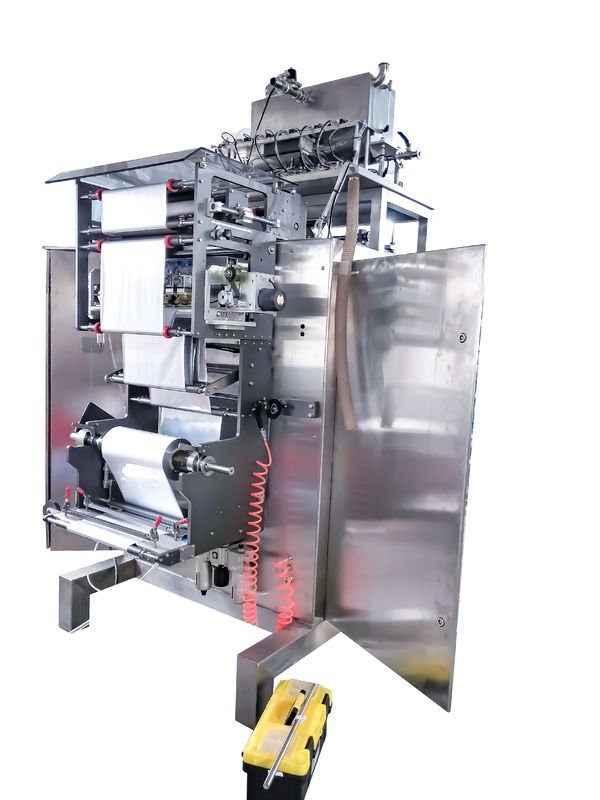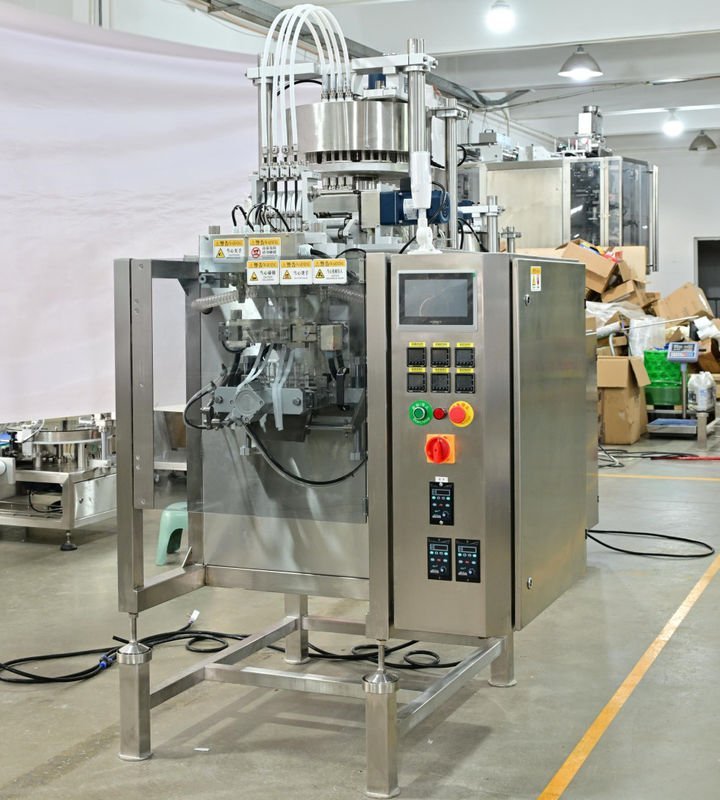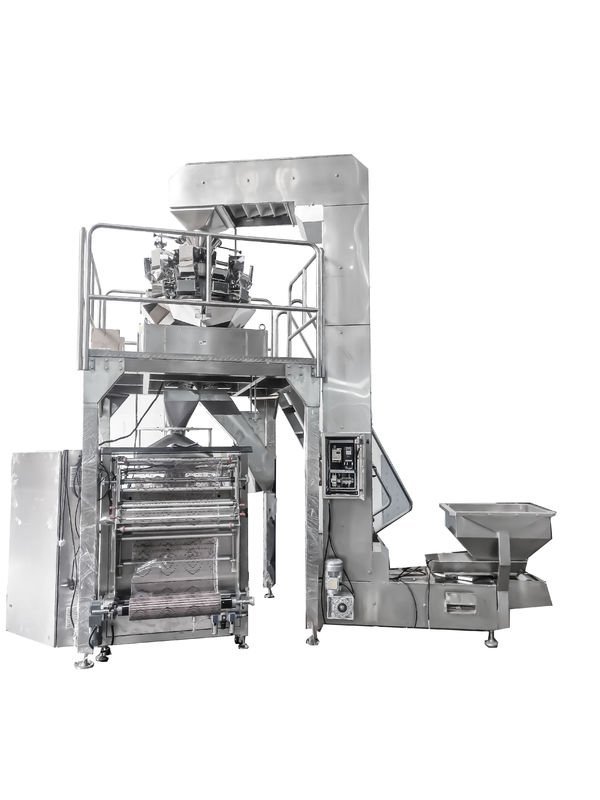
Industrial packaging machines are the backbone of modern production lines, ensuring efficiency, consistency, and product safety. At the heart of these complex systems lie their critical components. Understanding these parts—their types, functions, and proper care—is essential for maximizing uptime, ensuring product quality, and controlling operational costs. This comprehensive guide delves into the world of industrial packaging machine parts, providing actionable insights for maintenance and replacement.
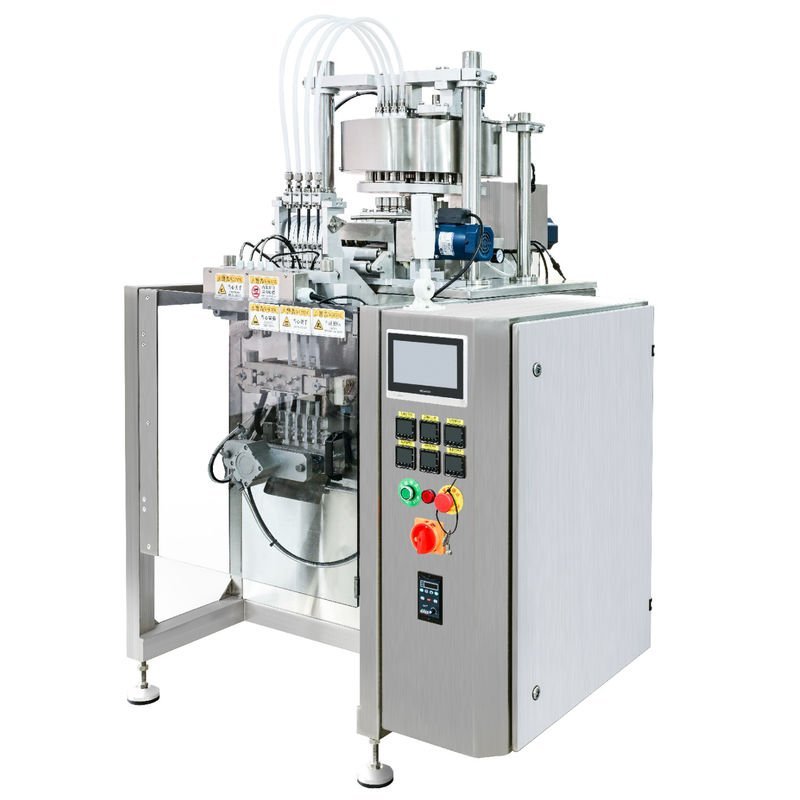
Core Components: The Building Blocks of Packaging Machinery
Every packaging machine, from a simple sachet filler to a complex multi-lane stick pack line, is an assembly of specialized parts working in harmony. These components can be broadly categorized based on their primary function within the packaging process.
1. Feeding and Metering Systems
This subsystem is responsible for accurately delivering the product to the packaging area. Key parts include:
• Augers & Funnels: For precise volumetric dispensing of powders and granules.
• Pump Systems: Including piston and peristaltic pumps for handling liquids, creams, and pastes.
• Weigh Cells & Load Cells: The critical sensors in net weigh scales and combination weighers for mass-based filling.
Accurate feeding is non-negotiable for compliance and cost control. For instance, our Weighing & Packaging Systems rely on high-precision load cells to ensure every package meets its declared weight.
2. Film Handling and Forming Units
These parts manage the packaging material, typically roll stock film, and form it into the desired pouch or bag shape.
Film Unwind & Tensioners: Control the payout of film from the roll, maintaining consistent tension to prevent wrinkles or tears.
Forming Collars & Shoulders: Metal forms that shape the flat film into a tube (for vertical form-fill-seal machines) or a specific pouch profile.
Sealing Jaws & Elements: Perhaps the most critical components, they apply heat and pressure to create hermetic seals. These include resistive heating elements, Teflon-coated seal bars, and cooling jaws.
3. Drive and Motion Control Parts
The “muscles” of the machine, providing controlled movement.
Servo Motors & Drives: Modern machines extensively use servos for precise, programmable control of axis movements, replacing older mechanical cam systems.
Gears, Chains, and Belts: Transmit power from motors to various machine sections. Timing belts are crucial for synchronized operations.
Linear Guides & Bearings: Ensure smooth, low-friction linear motion for components like sealing jaws and cutters.
4. Control and Sensory Components
The “brain” and “nervous system” that orchestrate the entire operation.
PLC (Programmable Logic Controller): The central computer that executes the machine’s operating program.
HMI (Human-Machine Interface): The touchscreen or panel where operators set parameters and monitor performance.
Sensors: Photoelectric eyes detect film registration marks and product presence. Proximity sensors confirm component position. Temperature sensors monitor sealing jaws.
Essential Maintenance: Prolonging Part Life and Machine Health
Preventive maintenance is far more cost-effective than reactive repairs. A disciplined maintenance schedule tailored to different part types is key.
Daily & Weekly Maintenance Tasks
Cleaning: Remove product dust, spillage, and debris from all surfaces, especially sealing jaws, forming tubes, and product contact areas. Use approved, non-corrosive cleaners.
Lubrication: Apply specified lubricants to guide rails, bearings, and chains as per the manufacturer’s manual. Avoid over-lubrication, which can attract dust.
Visual Inspection: Check for loose fasteners, worn belts, frayed cables, and signs of leakage (air, oil, product).
Scheduled & Predictive Maintenance
• Seal Jaw Inspection: Monthly, check for pitting, carbon buildup, and uneven wear on Teflon covers. Recalibrate temperature settings if seals are weak.
• Drive Component Check: Quarterly, inspect belts for tension and wear. Check gearboxes for oil level and contamination.
• Sensor Calibration: Bi-annually, verify the accuracy of photoelectric eyes and temperature sensors.
• Full System Review: Annually, a comprehensive inspection by a qualified technician is recommended to assess overall wear and alignment.
For complex systems like our integrated Filling & Packaging Lines, following a structured maintenance plan is crucial for synchronized operation.
Replacement Strategies: When and How to Change Critical Parts
Knowing when to replace a part prevents catastrophic failure and costly downtime.
Identifying Wear and Failure Signs
Deteriorating Seal Quality: Leaking packages or inconsistent seal strength are primary indicators of worn sealing jaws, contaminated Teflon, or failing temperature sensors.
Reduced Accuracy: Increasing give-away (overfilling) or underweight packages point to worn auger flights, pump seals, or out-of-calibration weigh cells.
Unusual Noises & Vibration: Grinding, knocking, or excessive vibration often signal bearing failure, misaligned gears, or unbalanced rotating components.
Film Handling Issues: Consistent film wrinkles, tearing, or misregistration suggest problems with unwind brakes, tensioners, or registration sensor eyes.
Sourcing the Right Replacement Parts
OEM (Original Equipment Manufacturer) Parts: Sourced directly from the machine builder (like Packmate Machinery), these guarantee perfect fit, material specification, and performance. They often come with technical support.
High-Quality Compatible Parts: Reputable third-party manufacturers can offer reliable alternatives for common wear items like seals, bearings, and standard sensors, often at a lower cost. Due diligence on quality is essential.
Avoiding Counterfeit Parts: Cheap, uncertified parts can cause machine damage, safety hazards, and void warranties. Always purchase from authorized distributors.
For specialized machines, such as our Sachet & Stick Pack Machines, using genuine OEM parts for the forming and sealing assemblies is particularly important due to their precise engineering.
Optimizing Performance Through Parts Management
Beyond maintenance and replacement, a strategic approach to parts management can significantly boost operational efficiency.
Building a Critical Spares Inventory
Maintain an on-site stock of high-wear, mission-critical parts to minimize downtime. This typically includes:
→ Teflon seal jaw covers
→ Photoelectric sensors
→ Drive belts and timing belts
→ Common fuses and relays
→ Product contact gaskets and O-rings
Documentation and Training
Keep detailed maintenance logs for each machine, recording all part replacements, adjustments, and issues. This history is invaluable for troubleshooting. Furthermore, ensure operators and maintenance staff are properly trained on basic part inspection and replacement procedures. Comprehensive support and resources can often be found on the manufacturer’s service pages.
By mastering the knowledge of industrial packaging machine parts—their roles, their care, and their renewal—you transform from a passive operator to an proactive asset manager. This deep understanding ensures your packaging lines run smoother, last longer, and contribute more effectively to your bottom line. The reliability of your machinery, supported by a robust parts strategy, is fundamental to delivering consistent, high-quality packaged products to the market.
Frequently Asked Questions (FAQs)
1. How often should I replace the Teflon coating on my sealing jaws?
There’s no fixed interval, as it depends on run time, film type, and temperature. Replace the Teflon covers immediately when you notice scratches, cuts, brown carbonized residue that cannot be cleaned, or consistent seal failures. For continuous operations, inspecting them weekly and keeping spares on hand is a best practice.
2. Can I use generic lubricants on my packaging machine?
It is strongly discouraged. Always use the lubricant type and grade specified in the machine’s manual. Generic lubricants may have incompatible additives, incorrect viscosity, or lack necessary food-grade certification for machines packaging consumables, which can lead to accelerated wear or product contamination.
3. What are the most common signs of a failing servo motor or drive?
Common indicators include: the motor running excessively hot, audible humming or grinding noises, erratic or jerky axis movement, loss of position (resulting in misaligned seals or cuts), and error codes on the drive unit related to overload or feedback issues.
4. Is it worth repairing a worn auger or should I always replace it?
For minor wear on the flight edges, a reputable machine shop can sometimes rebuild and re-coat an auger. However, for significant wear that affects dosing accuracy, replacement is usually more cost-effective and reliable. A new auger ensures optimal performance and hygiene, which is critical in food and pharmaceutical applications.
5. Where can I find technical manuals and part diagrams for my specific machine model?
Your first point of contact should be the original equipment manufacturer (OEM). Reputable manufacturers like Packmate provide technical documentation to their clients. You can also check the “Resource” or “Support” sections of their website, or contact their support team directly with your machine’s model and serial number.