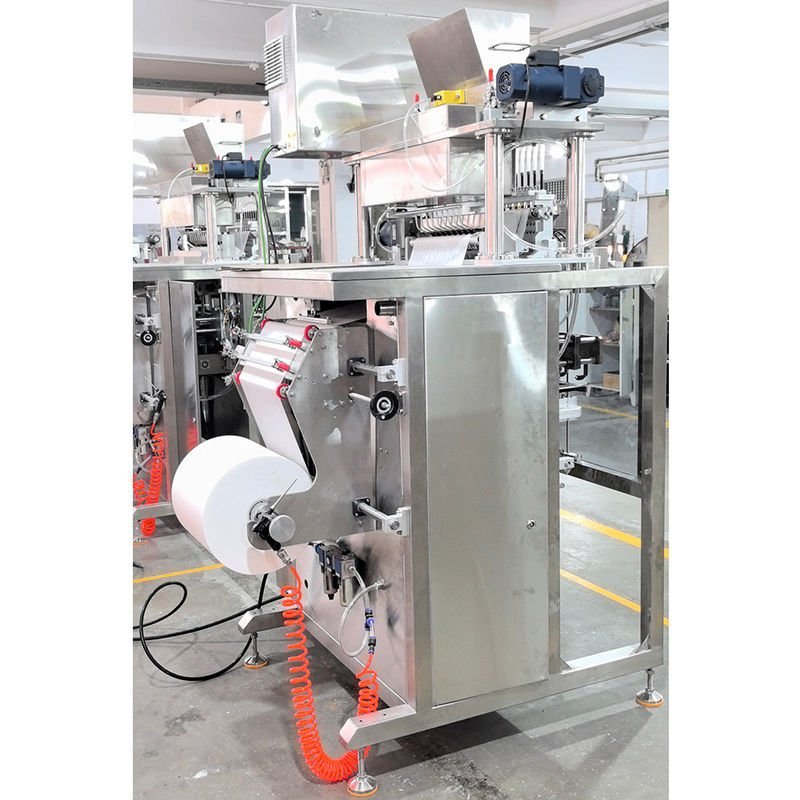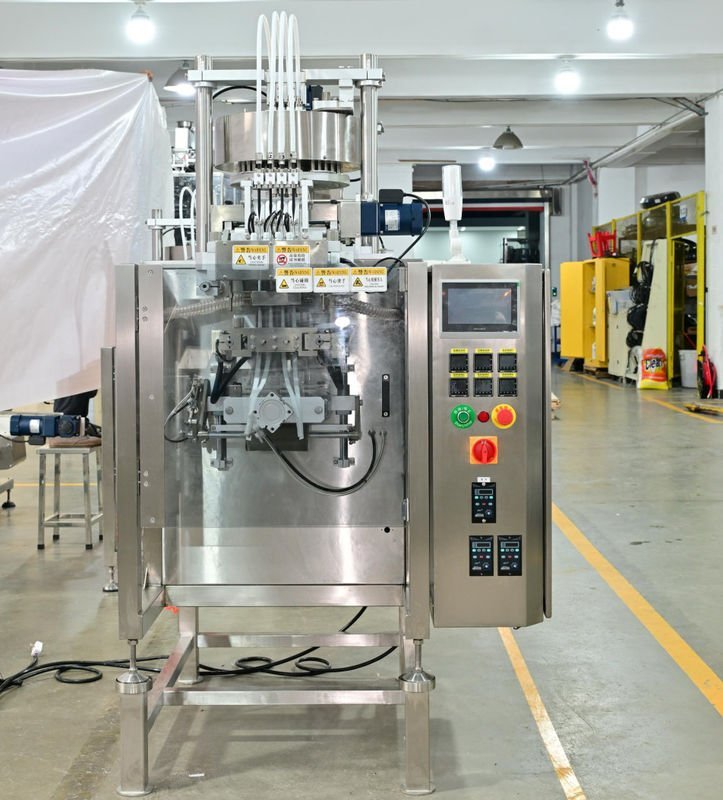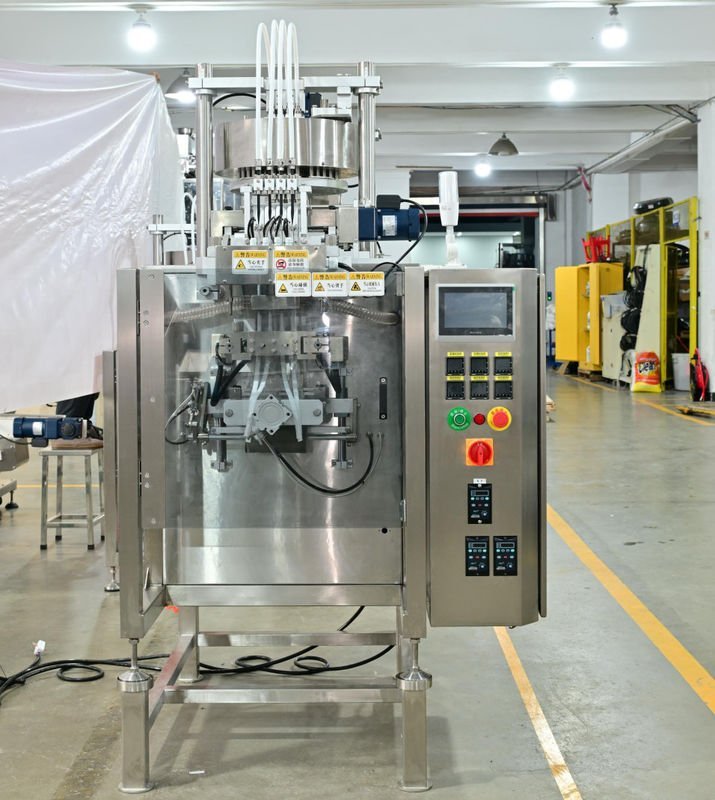
The production of stone wool, a vital insulation material, culminates in a critical phase: preparing the finished products for safe and efficient shipment. This final stage, encompassing wrapping, stacking, and palletizing, is where automation becomes not just a luxury but a necessity for modern manufacturers. Manual handling of bulky, heavy stone wool batts and slabs is labor-intensive, slow, and poses significant risks to both product integrity and worker safety. Automated packaging equipment for stone wool lines transforms this bottleneck into a streamlined, reliable, and cost-effective process, ensuring products reach their destination in pristine condition.
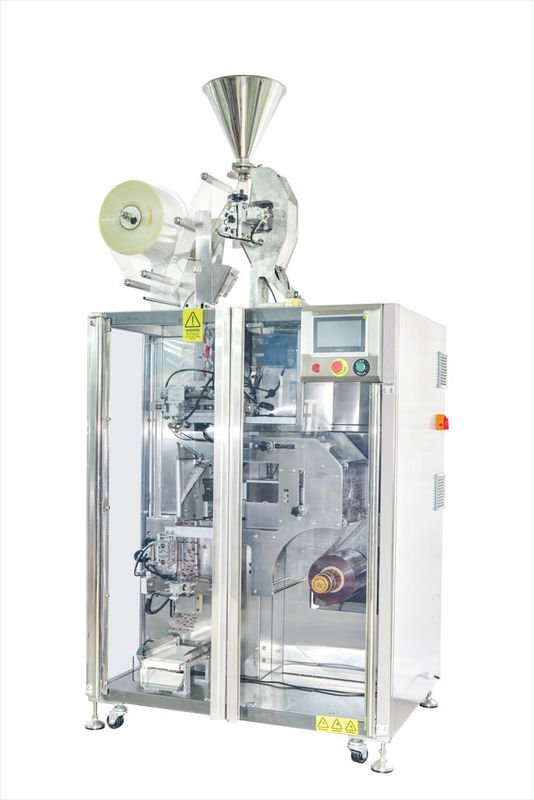
The Core Components of a Stone Wool Packaging Line
A fully integrated automated packaging system for stone wool is a symphony of coordinated machinery. Each component plays a specific role in transforming loose products into secure, warehouse-ready pallet loads.
1. Automatic Wrapping Systems
Wrapping is the first layer of protection. Automatic wrappers for stone wool are engineered to handle the product’s specific dimensions and density.
Stretch Wrapping: The most common method, using robust stretch film to tightly bundle a stack of batts or slabs. Rotary arm or rotary ring machines provide consistent tension and film overlap, creating a unitized load that resists shifting and moisture ingress.
Shrink Wrapping: For a tighter, more rigid seal, shrink wrapping involves applying a loose plastic sleeve and then passing the load through a heat tunnel. This causes the film to shrink tightly around the contours of the stack, offering excellent dust and water protection, ideal for long-term storage or harsh transport conditions.
2. Automated Stacking and Compressing Units
Before wrapping, products must be neatly arranged into stable stacks. Automated stackers receive batts or slabs from the production line and arrange them in a predetermined pattern (e.g., brickwork pattern for stability).
Many systems integrate a compression station. This crucial step applies controlled pressure to the stack, significantly reducing its overall volume. This compression is vital for optimizing logistics: it allows more product to be loaded onto each pallet and into each truck, drastically cutting transportation costs. The stacker then precisely places the compressed bundle onto a waiting pallet or directly into the wrapping zone.
3. Robotic and Gantry Palletizers
This is the workhorse of the line. Palletizers automatically place the wrapped stone wool stacks onto wooden or plastic pallets.
- Gantry Palletizers: Use a overhead bridge structure with a gripping head (clamp or vacuum) to pick up entire stacks and place them on the pallet. They are ideal for heavy, large-format products like stone wool slabs.
- Robotic Palletizers: Articulated robots offer extreme flexibility. They can handle multiple product types and pallet patterns, making them perfect for mixed-SKU lines or facilities with frequent changeovers. Their precision minimizes product damage during handling.
The palletizer builds the load layer by layer according to a programmed pattern, ensuring maximum stability for transport. Once the pallet is complete, it is conveyed to the next station, often a stretch wrapper for final unitization.
Key Benefits of Automating Your Stone Wool Packaging
Investing in a complete automated packaging line delivers a compelling return on investment across multiple facets of your operation.
📈 Operational Efficiency & Cost Savings
Automation runs 24/7 without fatigue. It dramatically increases output speed, reduces reliance on large manual labor teams, and minimizes product giveaway through consistent film usage. The volume reduction from compression directly translates to lower freight costs, one of the largest expenses in stone wool distribution.
🛡️ Enhanced Product Quality & Safety
Machines handle heavy loads with gentle, precise movements. This eliminates the crushing, tearing, and edge damage common in manual handling. A tightly wrapped, stable pallet load is far less likely to be damaged in transit. Furthermore, automating this physically demanding work drastically reduces workplace injuries like strains and musculoskeletal disorders.
🔗 Supply Chain Optimization
Automated lines produce uniform, standard-sized pallet loads that are ideal for automated warehouse systems (AS/RS) and are easily handled by forklifts. This standardization smooths operations from your factory floor to your customer’s dock. For a deeper look at integrated systems, explore our solutions for Filling & Packaging Lines.
Choosing the Right Equipment: A Buyer’s Checklist
Selecting the optimal packaging system requires careful analysis of your specific needs.
Product Specifications: Dimensions (length, width, height), density, and weight of your batts and slabs. Does your product line include multiple sizes?
Required Output Capacity: Target units per hour or pallets per shift. This determines the speed and robustness needed from the stacker and palletizer.
Packaging Materials: Type of film (stretch or shrink), its thickness, and desired wrap pattern. Consider sustainability goals regarding recyclable films.
Integration & Footprint: How will the new line connect to your existing production conveyor? What is the available floor space in your facility? A trusted supplier like Packmate can provide crucial guidance here.
Future-Proofing: Consider modularity and scalability. Can the system be easily upgraded or reconfigured for new products in the future?
Integration and Maintenance for Long-Term Success
The best equipment is only as good as its implementation and upkeep.
Seamless Line Integration
A successful installation depends on perfect synchronization between the cutting line, stacker, wrapper, and palletizer. Conveyor speeds, transfer mechanisms, and control systems (often a central PLC) must be harmonized. Working with a single supplier for the complete packaging line, such as exploring our range of Auxiliary Packaging Equipment, ensures compatibility and simplifies communication.
Proactive Maintenance Strategy
To guarantee uptime and longevity, a scheduled maintenance plan is non-negotiable.
Daily: Visual inspections, cleaning of sensors and photo-eyes, checking film carriage and gripper heads for wear.
Weekly/Monthly: Lubrication of moving parts, checking torque on bolts and fasteners, verifying pneumatic system pressure and filters.
Annually: Comprehensive inspection by a qualified technician, potentially from the OEM, to assess gearboxes, motors, and structural integrity.
Having a reliable partner for service and support is invaluable for troubleshooting and securing genuine spare parts.
Frequently Asked Questions (FAQ)
1. What is the typical ROI period for an automated stone wool packaging line?
Return on Investment can vary but typically falls between 1 to 3 years. Key factors driving ROI include labor cost savings, reduced product damage (yield improvement), significant savings on transportation costs due to compression, and increased overall production throughput. A detailed analysis based on your specific output is recommended.
2. Can one system handle different product sizes (e.g., batts and slabs)?
Yes, modern systems, especially those using robotic palletizers, are designed for flexibility. They can be programmed with multiple recipes for different product dimensions and stack patterns. Changeover between product types can often be accomplished quickly through the HMI (Human-Machine Interface) with minimal manual adjustment.
3. Is stretch film or shrink film better for stone wool?
Both have merits. Stretch film is generally more cost-effective, faster, and uses less energy. It provides excellent stability for most applications. Shrink film offers a tighter, more conformal seal that provides superior protection against dust, moisture, and tampering, making it ideal for premium products or export shipments. The choice depends on your protective needs and budget.
4. How important is load compression, and what level of compression is achievable?
Compression is critically important for logistics efficiency. For stone wool, compression ratios of 3:1 to 5:1 are common, meaning the packaged volume is 3 to 5 times smaller than the loose product volume. This directly translates to fewer trucks needed for shipment, resulting in substantial freight cost savings and a lower carbon footprint.
5. What training is required for our staff to operate and maintain the new line?
Reputable suppliers provide comprehensive training as part of the installation and commissioning process. This includes operator training for daily running, basic troubleshooting, and film loading, as well as more in-depth maintenance training for your technicians. Ensuring your team is well-trained is essential for achieving optimal performance and minimizing downtime. For more common queries, visit our dedicated FAQ page.