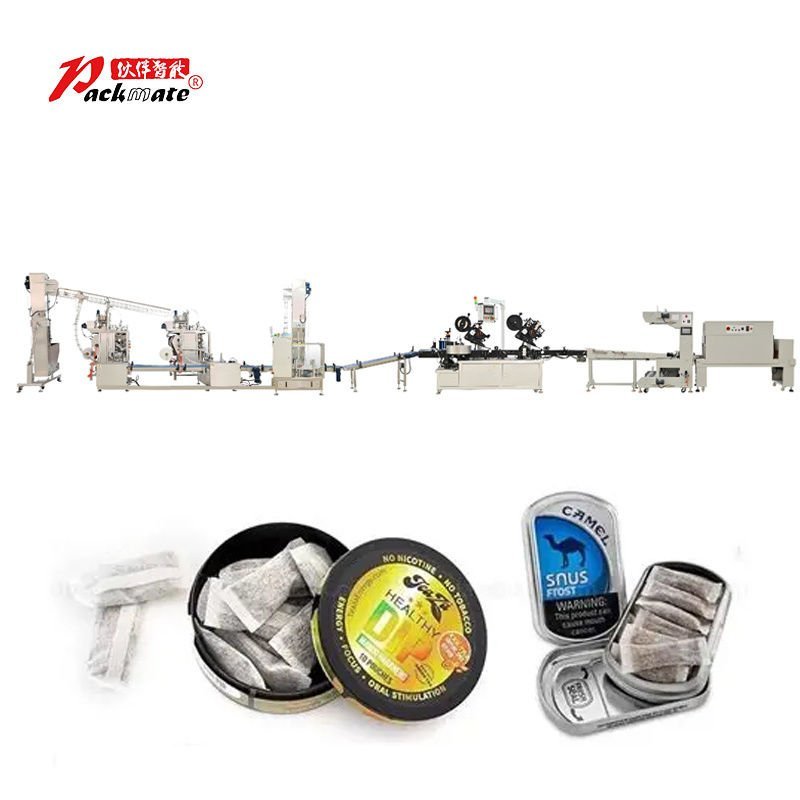
In today’s fast-paced and highly regulated manufacturing landscape, the demand for efficient, reliable, and hygienic packaging has never been greater. For industries where product integrity is paramount—such as food and pharmaceuticals—the packaging process is not merely a final step but a critical component of quality assurance and consumer safety. Integrated packaging machine solutions represent the pinnacle of this evolution, offering seamless, automated systems that handle everything from product feeding and precise filling to final sealing and cartoning. These solutions are engineered to meet the stringent requirements of modern production lines, ensuring consistency, minimizing contamination risks, and maximizing throughput.
The Critical Role of Packaging in Food & Pharma
The packaging function within these sectors extends far beyond simple containment. It is a vital safeguard for product quality, shelf life, and user safety. In the food industry, packaging must protect against moisture, oxygen, light, and microbial contamination while also providing clear labeling and convenient access. For the pharmaceutical industry, the stakes are even higher. Packaging must ensure dosage accuracy, prevent tampering, maintain sterility for sensitive drugs, and comply with rigorous global standards like cGMP (Current Good Manufacturing Practice). A failure in the packaging line can lead to costly recalls, regulatory penalties, and, most importantly, a loss of consumer trust.
→ Key Insight: An integrated system unifies disparate machines—like feeders, fillers, sealers, and labelers—into a single, synchronized workflow. This eliminates bottlenecks, reduces manual handling, and creates a closed, controlled environment essential for hygiene-critical applications.
Core Components of an Integrated Packaging Line
A truly integrated solution is more than a collection of machines; it is a harmonized ecosystem. Key components typically include:
1. Product Handling & Feeding Systems
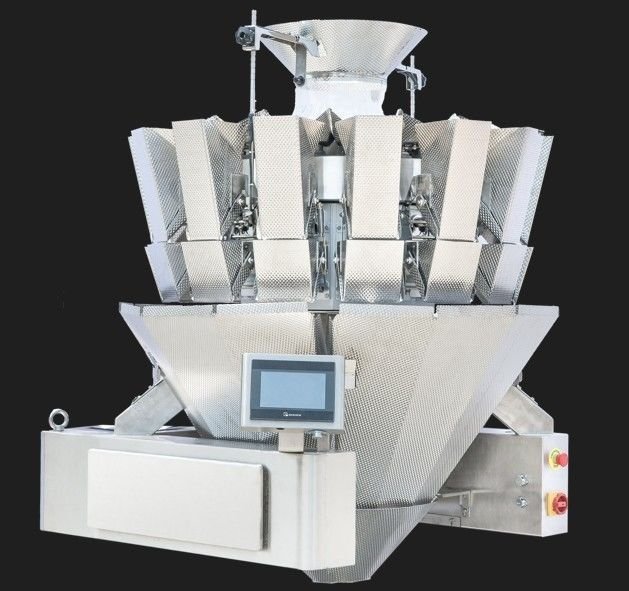
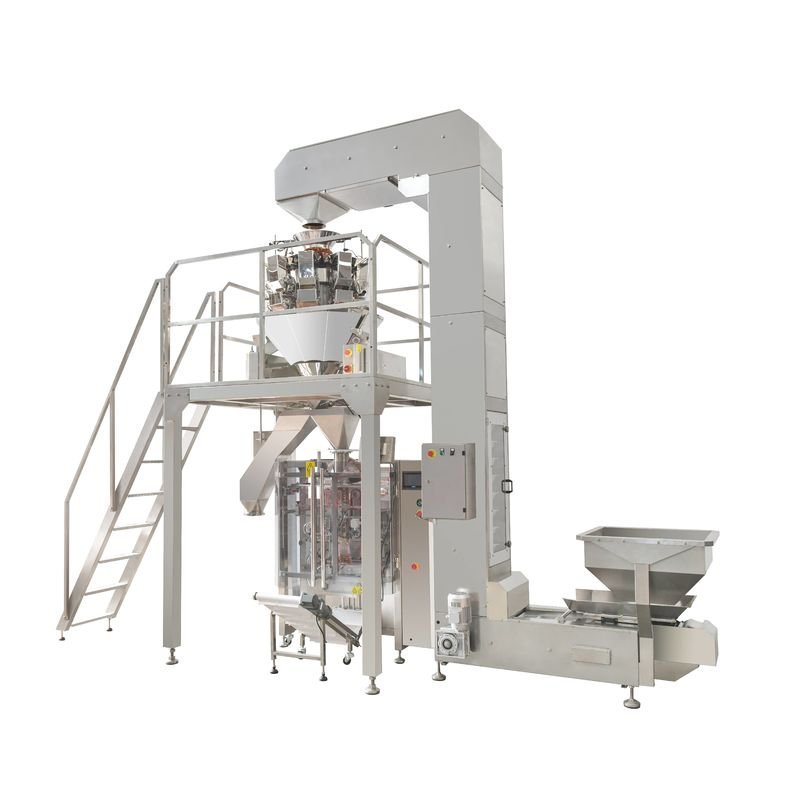
This is the starting point, where bulk product is gently and consistently introduced to the line. For powders and granules, precision weighing systems are crucial. For liquids, pumps and meters ensure accurate volumetric filling. Integration here means the feeder communicates seamlessly with the next stage, regulating flow to match the line speed.
2. Primary Packaging Machines
This is where the product meets its immediate package. Options are diverse, tailored to product form and market needs:
- Sachet & Stick Pack Machines: Ideal for single-serve portions of powders (like coffee, sugar), liquids (sauces, shampoos), or granules. High-speed multi-lane machines can produce hundreds of packs per minute with exceptional accuracy.
- Bag & Pouch Packaging Machines: Used for larger quantities, from retail snacks to bulk ingredients. These machines form, fill, and seal bags from roll stock, offering excellent barrier properties and printing quality.
- Specialized Machines: For niche products like snus or nicotine pouches, specialized equipment handles unique filling and sealing requirements with precision.
3. Sealing & Quality Control Stations
After filling, hermetic sealing is non-negotiable. Integrated systems often include vision inspection systems to check for fill levels, seal integrity, and correct labeling in real-time, automatically rejecting any substandard packs.
4. Secondary & Tertiary Packaging
The line doesn’t stop at the primary pack. Integrated solutions can include auxiliary equipment like cartoners, case packers, and palletizers, bundling primary packs for distribution. This end-to-end automation is the essence of a complete filling & packaging line.
Benefits of Integration for Production Efficiency
The shift from standalone machines to an integrated line delivers transformative advantages:
Enhanced Operational Efficiency
Synchronized machines run at optimal speed, eliminating downtime caused by manual transfer or mismatched cycles. Changeovers for different products or package sizes become faster and more repeatable.
Superior Product Quality & Consistency
Automated control minimizes human error. Every sachet, stick pack, or pouch receives the exact same amount of product, with a perfect seal, batch after batch.
Reduced Operational Costs
While the initial investment is significant, integration lowers long-term costs through reduced labor, less material waste, higher output, and minimized risk of costly quality failures.
Improved Hygiene & Safety Compliance
Closed, automated systems limit product exposure to the environment and operators, a critical factor for aseptic pharmaceutical packaging and allergen control in food plants.
Packmate: A Partner in Integrated Solutions
With over 30 years of specialized experience, Packmate (GuangDong) Co., Ltd. embodies the expertise needed to deliver these complex solutions. From a foundational focus on sachet and stick pack technology, the company has evolved to offer over 50 machine models capable of integrating into full turnkey lines. Their 20,000㎡ modern facility is a hub for designing, manufacturing, and testing systems that meet the specific challenges of food and pharmaceutical producers worldwide.
The company’s philosophy centers on understanding the client’s entire process—from raw material characteristics to end-of-line logistics—to design an integration that feels seamless. This partnership approach ensures the machinery not only fits the physical space but also aligns with production goals, regulatory needs, and future scalability plans. You can explore their journey and capability in more detail on their Company Profile page.
Future Trends: Smart & Sustainable Integration
The future of integrated packaging lies in intelligence and eco-consciousness. The next generation of lines will feature:
- IoT Connectivity: Machines that self-diagnose issues, predict maintenance needs, and provide real-time production data to central dashboards.
- Adaptive Flexibility: Lines that can automatically adjust to variations in raw materials or switch between products with minimal manual intervention.
- Sustainable Design: Integration that optimizes material use, accommodates recyclable or biodegradable films, and reduces overall energy consumption of the packaging process.
Adopting an integrated packaging solution is a strategic decision that builds resilience, quality, and efficiency into the very heart of production. For businesses in the food and pharmaceutical sectors looking to future-proof their operations, it is an investment that pays dividends in product integrity, brand reputation, and bottom-line performance.
Frequently Asked Questions (FAQs)
1. What is the main advantage of an integrated line over buying individual machines?
The primary advantage is seamless synchronization and data communication. An integrated line is designed as a unified system, eliminating bottlenecks and hand-off points that cause downtime in a patchwork of individual machines. It ensures consistent throughput, simplifies operation with a single control interface, and enhances overall equipment effectiveness (OEE).
2. How customizable are these integrated solutions for specific products?
Highly customizable. Reputable manufacturers like Packmate design solutions around your specific product’s characteristics (e.g., flowability, abrasiveness, sensitivity), packaging material, required output speed, and factory layout. The integration encompasses custom hoppers, feeding mechanisms, tooling, and software settings to handle your unique application perfectly.
3. Can integrated lines handle both food and pharmaceutical products?
While the core engineering principles are similar, lines for pharmaceutical applications require a significantly higher level of design scrutiny. This includes the use of pharmaceutical-grade materials (e.g., 316L stainless steel), enhanced cleanability features, validated cleaning protocols, and documentation to support cGMP compliance. A line can be designed for one sector or the other, or built to “pharma-ready” standards for potential dual use.
4. What kind of support can we expect after installation?
Comprehensive support is critical. This should include detailed training for your operators and maintenance technicians, on-site commissioning assistance, readily available spare parts, and remote diagnostic support. Providers should offer ongoing service plans and be available for troubleshooting and periodic maintenance to ensure long-term line reliability.
5. How do we justify the ROI (Return on Investment) for such a system?
ROI is calculated by weighing the capital investment against tangible savings and gains: increased production output, reduced labor costs, lower material waste from improved accuracy, decreased downtime, and avoidance of costs associated with quality failures or recalls. A detailed feasibility study from the solution provider will typically project these figures based on your current operational data.