In the dynamic and highly regulated worlds of food and pharmaceutical manufacturing, packaging is far more than just a final step. It is a critical function that safeguards product integrity, ensures consumer safety, and directly impacts brand reputation and operational efficiency. For businesses navigating these complex industries, partnering with a specialized packaging machinery consultant is not a luxury—it is a strategic necessity. This expertise bridges the gap between production goals and practical, compliant, and cost-effective packaging solutions.
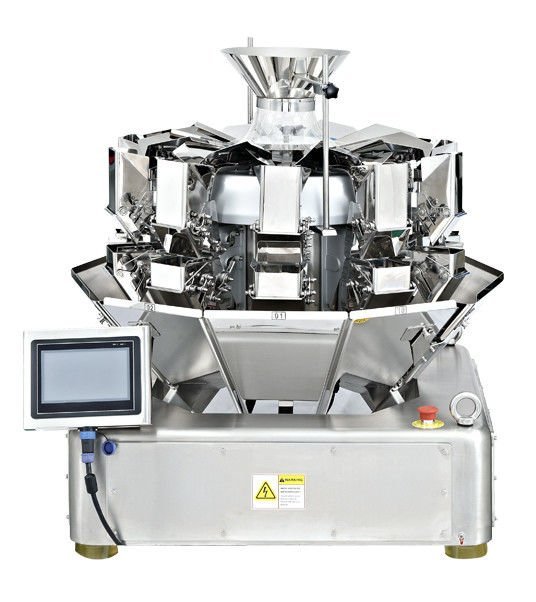
A consultant acts as your dedicated guide through the entire automation journey. They begin by conducting a thorough analysis of your specific products—whether they are granular spices, hygroscopic pharmaceutical powders, or sterile liquid formulations. They assess your current output, future growth projections, and the stringent regulatory landscape of your market. This deep-dive analysis forms the foundation for recommending the most suitable automated packing solutions that align perfectly with your unique operational DNA.
The Core Value of Expert Consultation
An expert consultant brings a multi-faceted value proposition that goes beyond simple equipment sales. Their role encompasses system design, risk mitigation, and long-term partnership.
1. Navigating Compliance and Hygiene Standards
Food and pharma sectors are governed by rigorous global standards like FDA, EU GMP, HACCP, and ISO 22000. A consultant ensures that every recommended machine, from material contact parts to the overall line layout, is designed for easy cleaning, sterilization, and validation. They help you avoid costly non-compliance issues that can lead to production halts or product recalls.
2. Optimizing for Total Cost of Ownership (TCO)
The initial machine price is just one part of the financial equation. A seasoned consultant evaluates the Total Cost of Ownership, which includes factors like energy consumption, maintenance schedules, spare part availability, changeover times, and operational labor. By selecting robust and efficient machinery, they help you minimize downtime and maximize return on investment over the equipment’s entire lifecycle.
3. Future-Proofing Your Investment
Market demands evolve, and product lines expand. A forward-thinking consultant designs packaging lines with scalability and flexibility in mind. This might involve recommending modular filling & packaging lines that can accommodate new package sizes or integrate with future auxiliary equipment, protecting your capital from premature obsolescence.
Comprehensive Turnkey Packaging Lines: From Concept to Reality
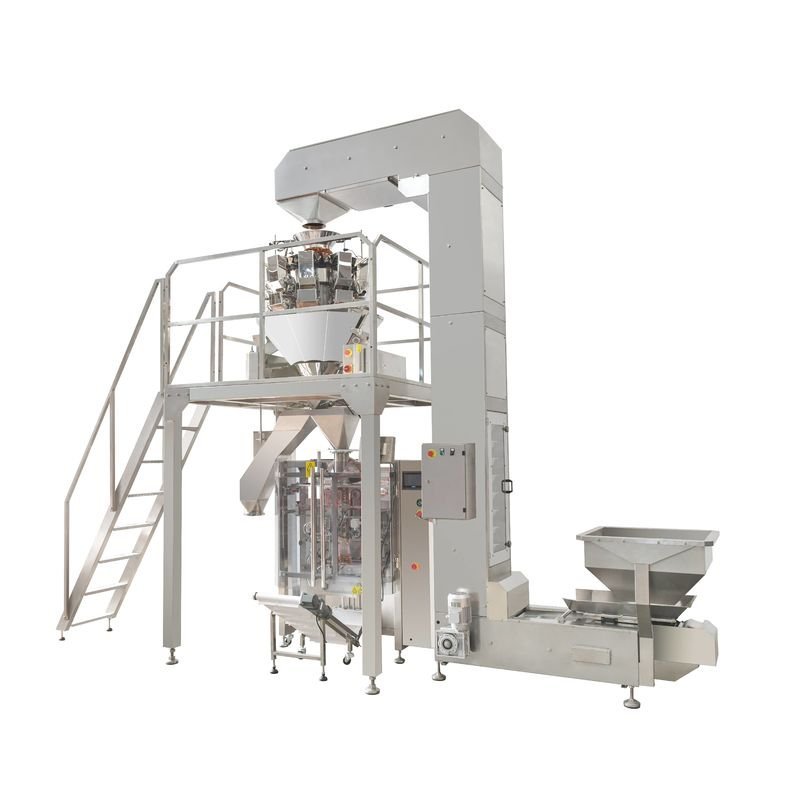
The pinnacle of a consultant’s service is the delivery of a complete turnkey packaging line. This holistic approach handles every aspect of the project, transforming a concept into a fully operational production asset.
🔧 The Turnkey Implementation Process:
Phase 1: Discovery & Design: Detailed workflow mapping and 3D line layout simulations.
Phase 2: Sourcing & Integration: Procuring core machines (like form-fill-seal units), checkweighers, cartoners, and robotics, ensuring seamless communication between all components.
Phase 3: Factory Acceptance Testing (FAT): You witness the complete line running at the manufacturer’s facility, verifying performance against agreed specifications.
Phase 4: Installation & Commissioning: Expert engineers install the line on your factory floor, calibrate all systems, and conduct site acceptance testing (SAT).
Phase 5: Training & Handover: Comprehensive training for your operators and maintenance staff, followed by full documentation handover and ongoing support.
Key Machines in a Turnkey Food & Pharma Line
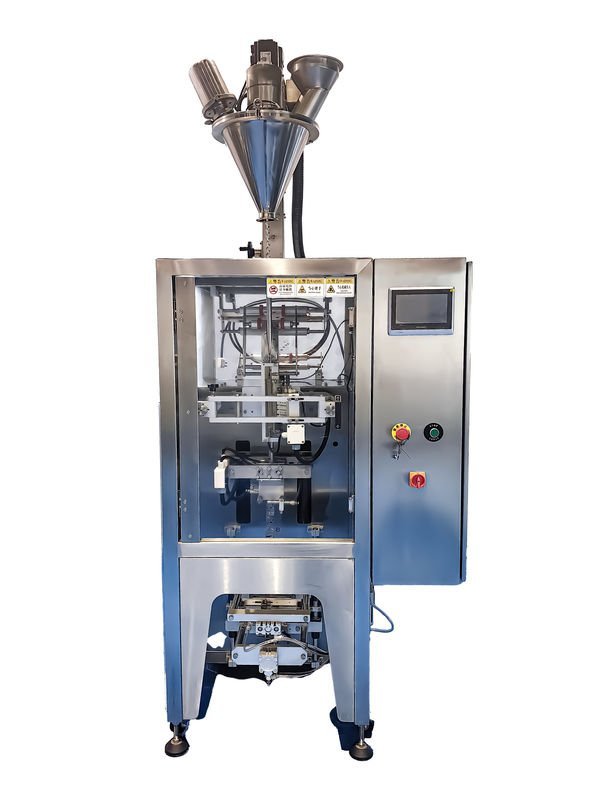
A typical advanced line integrates several specialized machines. For dry products like instant coffee or protein powder, a high-speed multi-lane stick pack machine might be the heart of the operation, fed by precision weighing systems. For liquid sauces or oral care products, an aseptic liquid filling line would be critical. The consultant’s expertise lies in selecting and synchronizing these technologies to create a cohesive, high-output system.
Why Partner with an Established Manufacturer-Consultant?
Choosing a partner like Packmate Machinery, which operates both as a manufacturer and a consultant, offers distinct advantages. With over 22+ years of focused development in automated packaging, their team possesses intrinsic, hands-on knowledge of machine design, limitations, and optimization potentials. This deep manufacturing insight, showcased in their extensive project portfolio, allows their consultants to provide advice grounded in practical engineering reality, not just theory.
Their journey from a focused workshop to a modern 20,000㎡ facility in Guangdong’s Greater Bay Area reflects a commitment to innovation and scaling alongside client needs. This history of solving real-world packaging challenges for global clients means their consultation is informed by a vast repository of successful applications across different products and regulatory environments.
Tailored Solutions Over Standard Offerings
Whether you require a delicate handling system for fragile herbal supplements or a robust line for packaging bulk food ingredients into large bags & pouches, a manufacturer-consultant can often customize standard models to meet precise requirements. This ability to tailor solutions ensures you get a system that fits your operation perfectly, rather than forcing your process to conform to a rigid machine specification.
Frequently Asked Questions (FAQ)
1. What is the first step in engaging a packaging machinery consultant?
The process typically begins with a detailed consultation where you share information about your product(s), current packaging method, desired output speed, available factory space, and budget considerations. The consultant may also request product samples for testing. This initial dialogue is crucial for defining the project scope and objectives.
2. How long does it take to implement a full turnkey packaging line?
The timeline varies significantly based on line complexity and customization. A standard line might take 4-6 months from order to commissioning, while a highly customized or aseptic system could require 8-12 months. The consultant will provide a detailed project timeline after the initial design phase.
3. Can you help us comply with specific international regulations, like those for pharmaceutical exports?
Yes, a core service of a specialized consultant is ensuring regulatory compliance. They will specify machines constructed with appropriate sanitary materials (e.g., 316L stainless steel), design for clean-in-place (CIP) systems, and provide documentation packages that support your validation protocols (IQ/OQ/PQ) for markets like the US, EU, or Japan.
4. What kind of after-sales support and training do you provide?
Comprehensive support is essential. This includes detailed operational and maintenance training for your team at installation, provision of manuals and spare parts lists, remote technical support via phone or video, and availability of service engineers for on-site visits. Ensure your consultant clearly outlines their warranty terms and support structure.
5. We have a limited budget. Are turnkey lines only for large corporations?
Not at all. A good consultant works to provide scalable solutions. They can design a phased approach, starting with a core automated machine (like a single sachet packer) that can be expanded into a full line later. They focus on achieving the best possible ROI at your current scale while planning for future growth, making automation accessible for growing businesses.