In modern manufacturing, liquid packaging machines are essential for efficient, hygienic, and cost-effective production. These systems handle a wide range of products—from beverages and sauces to pharmaceuticals and chemicals—with precision and speed. This guide explores the main types of liquid packaging machines, their applications across industries, and key factors to consider when selecting the best system for your production line.
Common Types of Liquid Packaging Machines
Liquid packaging equipment varies significantly in design, operation, and output. The most widely used types include:
1. Vertical Form-Fill-Seal (VFFS) Machines
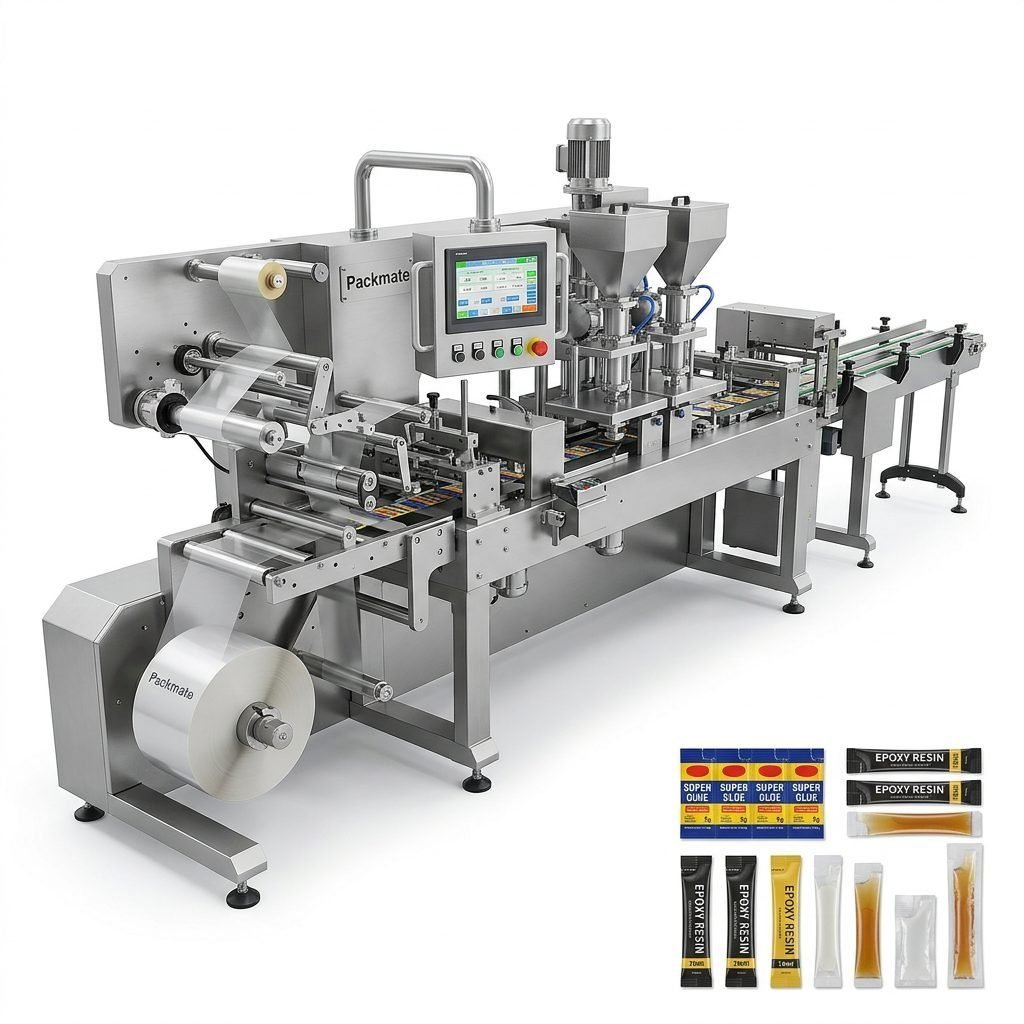
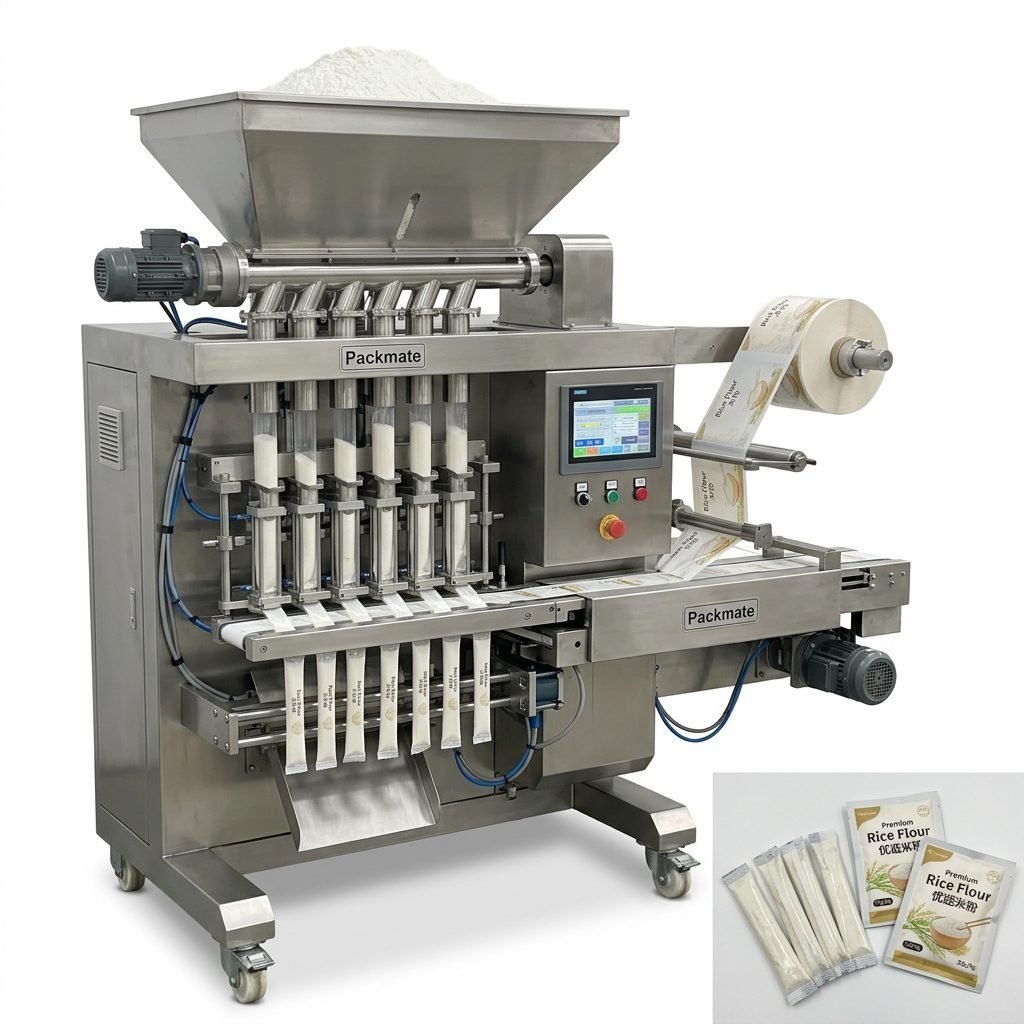
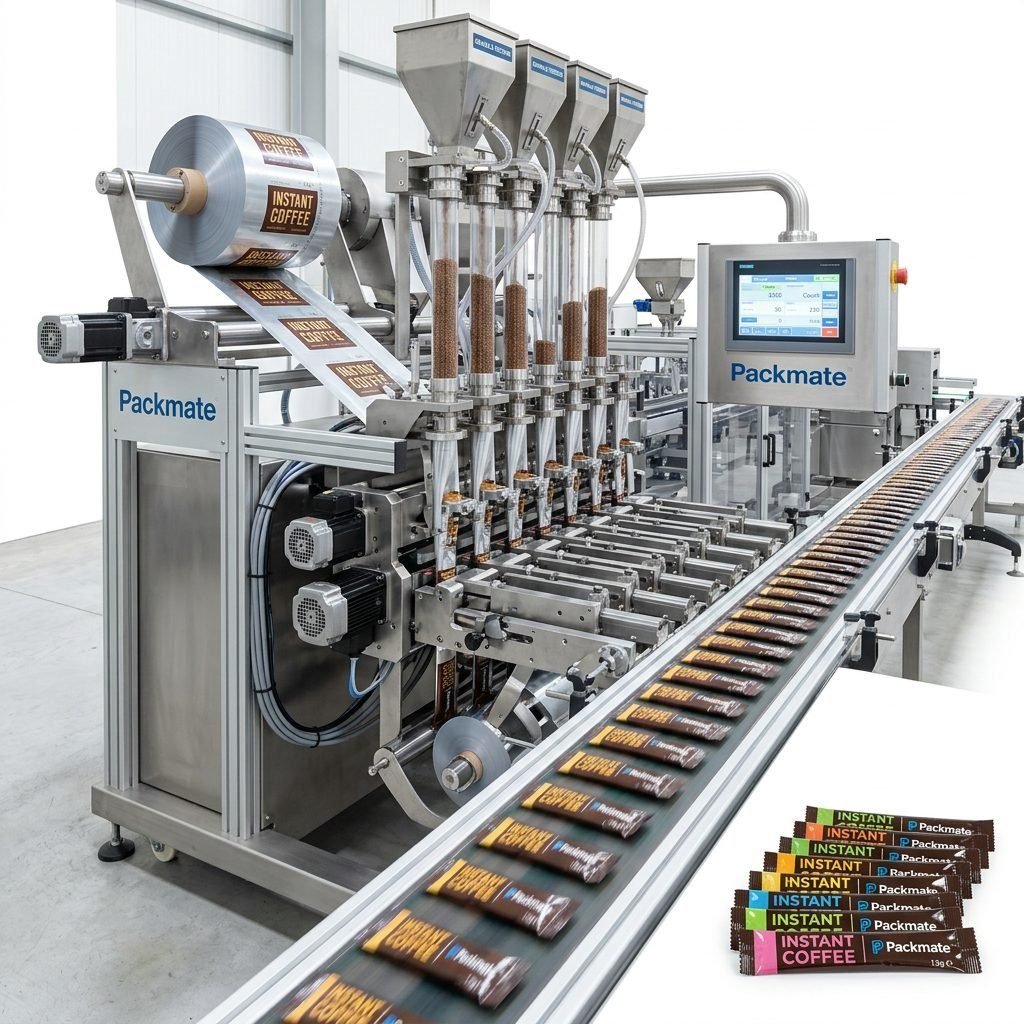
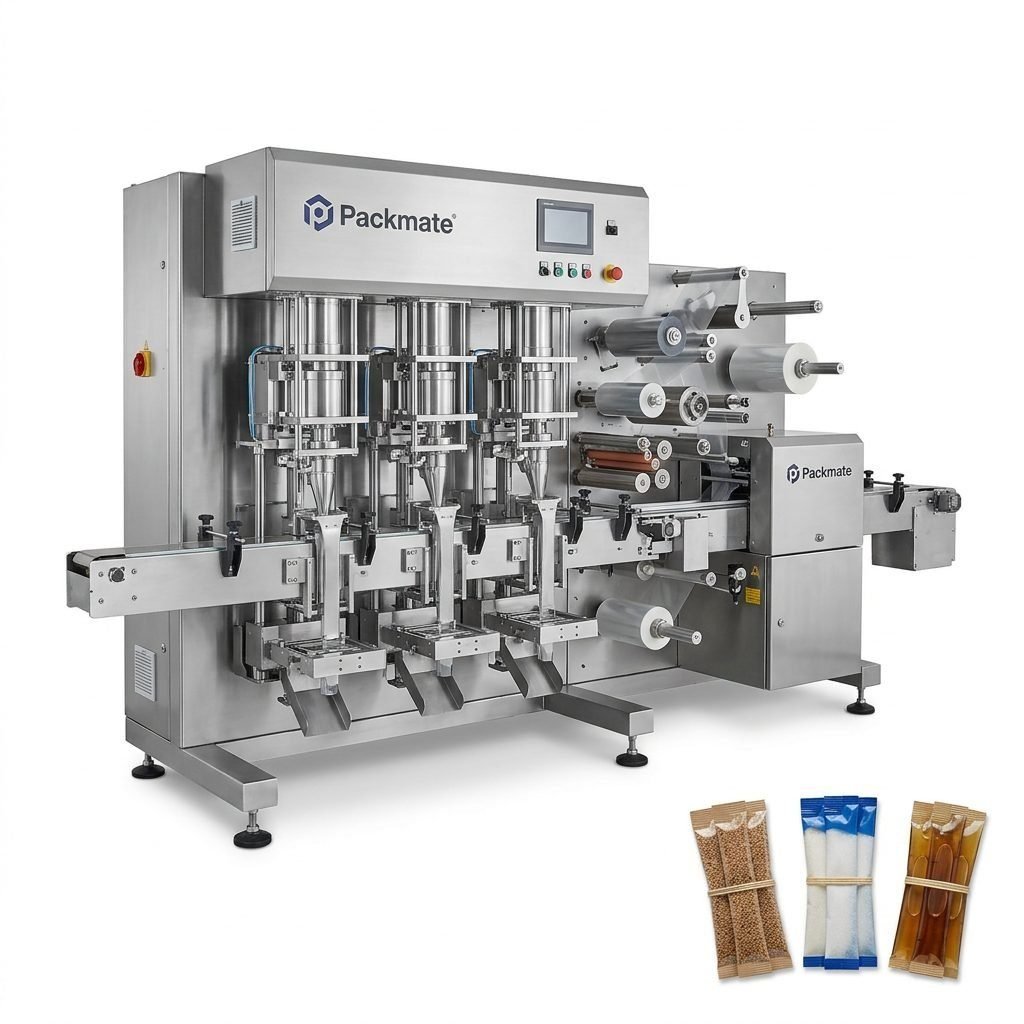
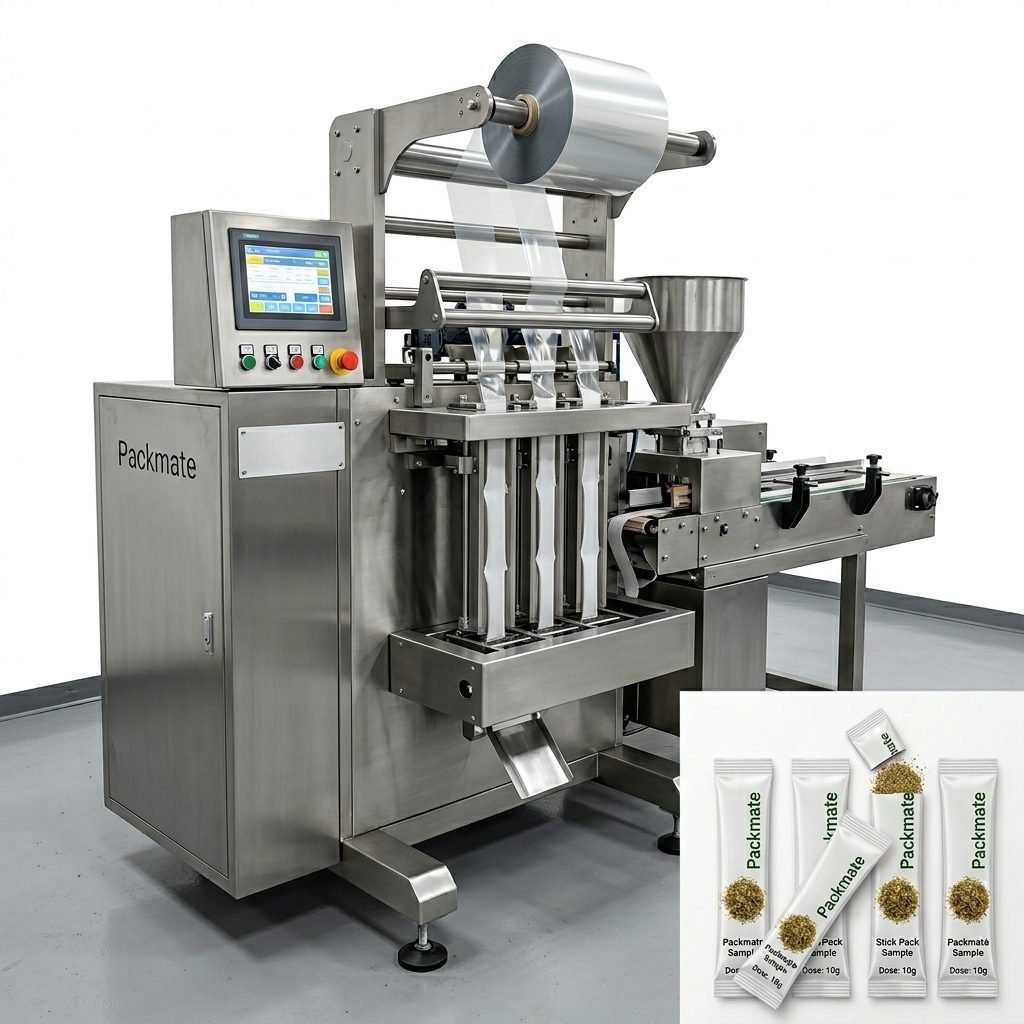
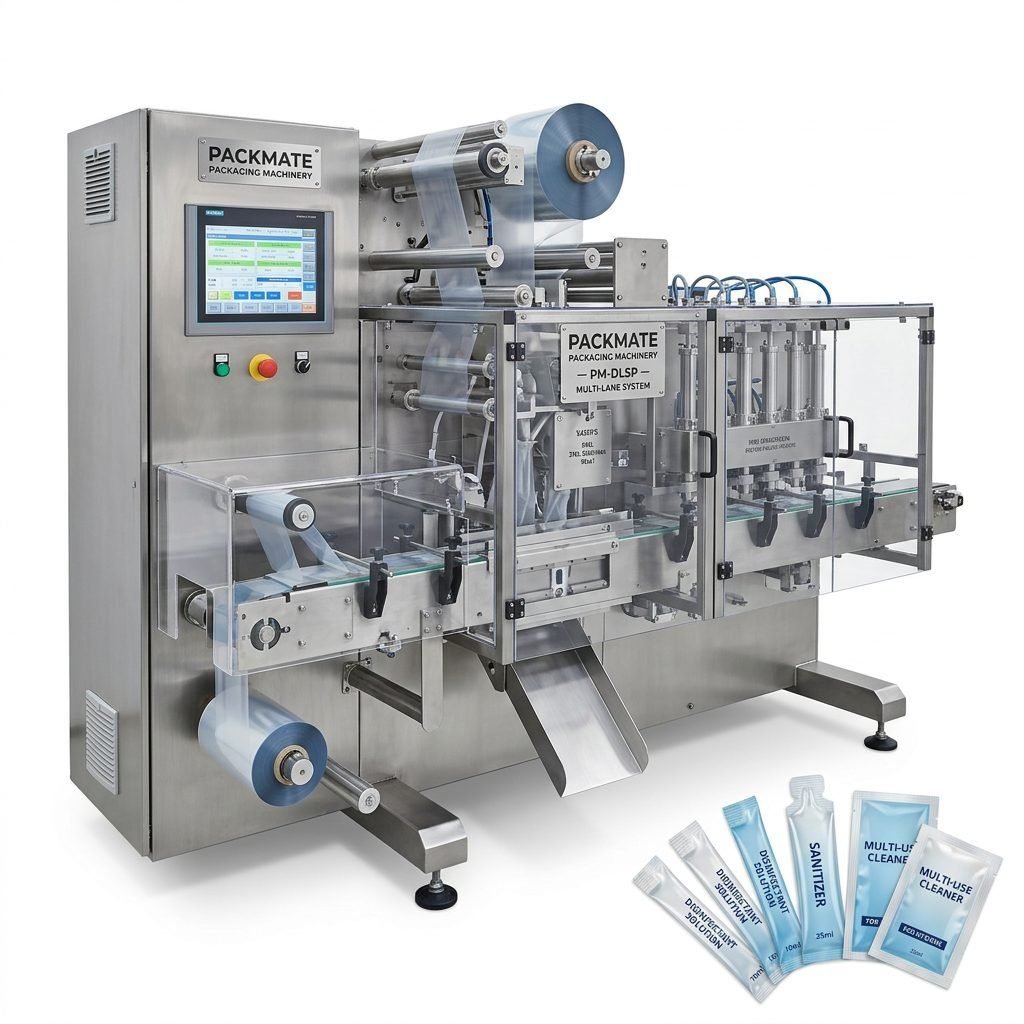
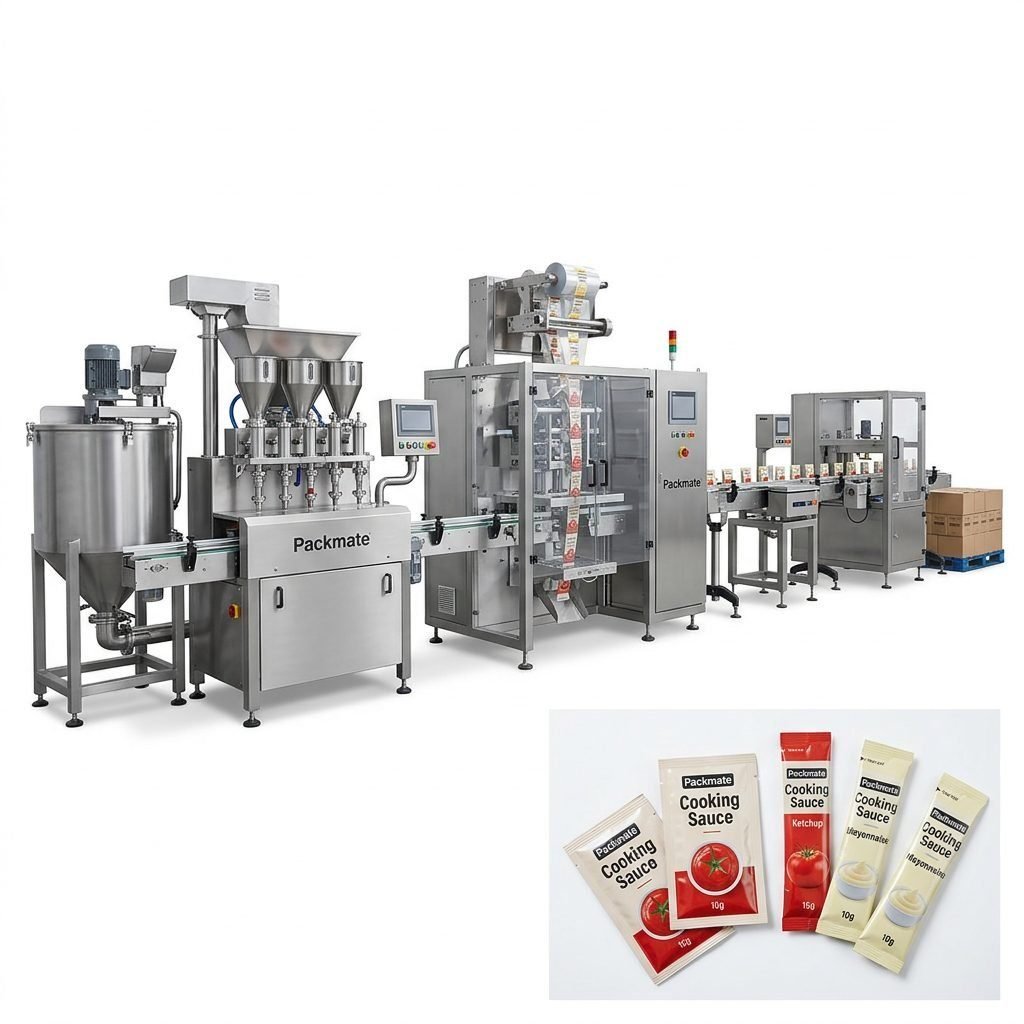
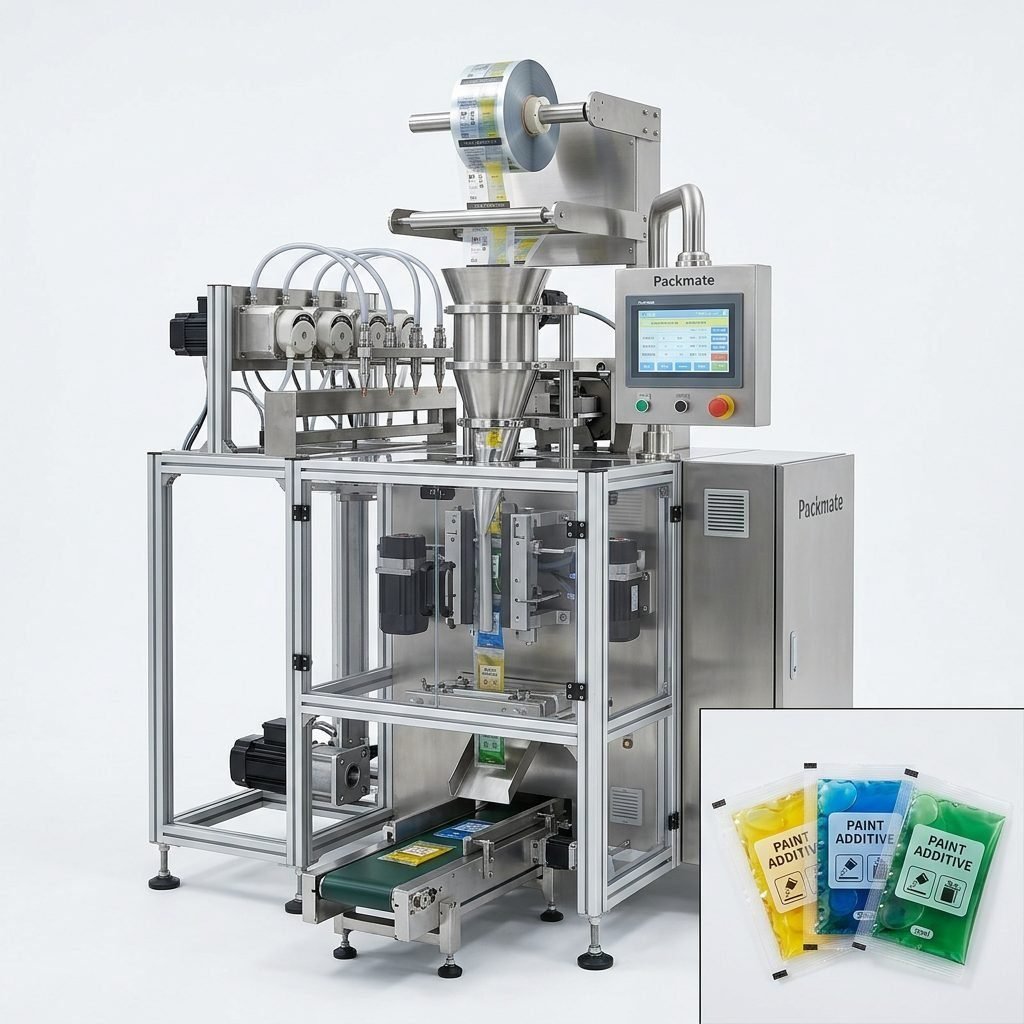
These machines form packaging pouches or sachets from a roll of film, fill them with liquid, and then seal them—all in one continuous vertical operation. They are highly versatile and ideal for single-serve portions of sauces, dairy products, condiments, and liquid supplements.
2. Liquid Filling Machines
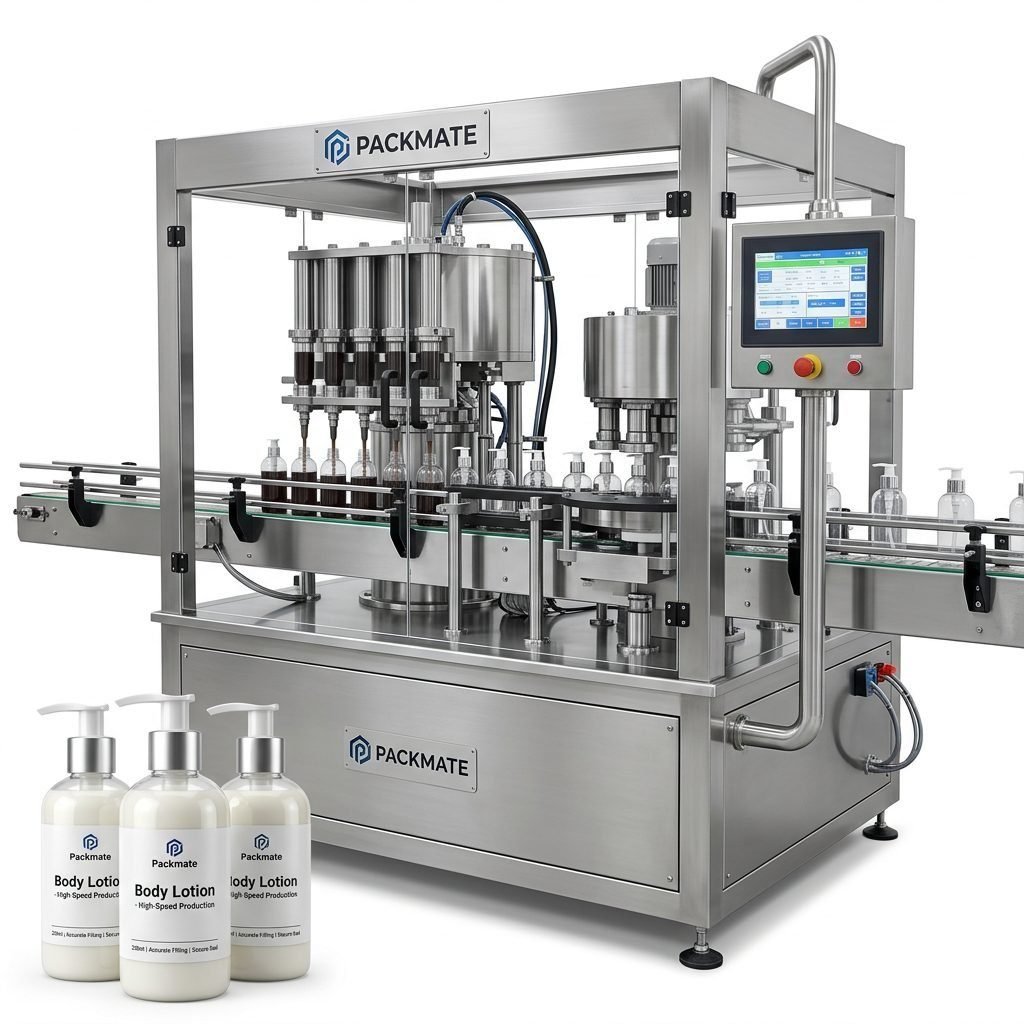
Liquid fillers are designed to accurately dose liquid into pre-formed containers like bottles, cans, or pouches. They come in several subtypes:
- Gravity Fillers: Suitable for free-flowing, non-foamy liquids.
- Piston Fillers: Handle viscous products like creams, gels, and pastes.
- Volumetric Fillers: Use pumps or timed flow for consistent volume filling.
- Net Weight Fillers: Weigh each container for ultimate accuracy, often used for high-value products.
3. Aseptic Packaging Machines
Aseptic systems sterilize both the product and the packaging material separately before filling in a sterile environment. This extends shelf life without refrigeration, making them critical for milk, juices, soups, and pharmaceutical liquids.
4. Pouch Packaging Machines
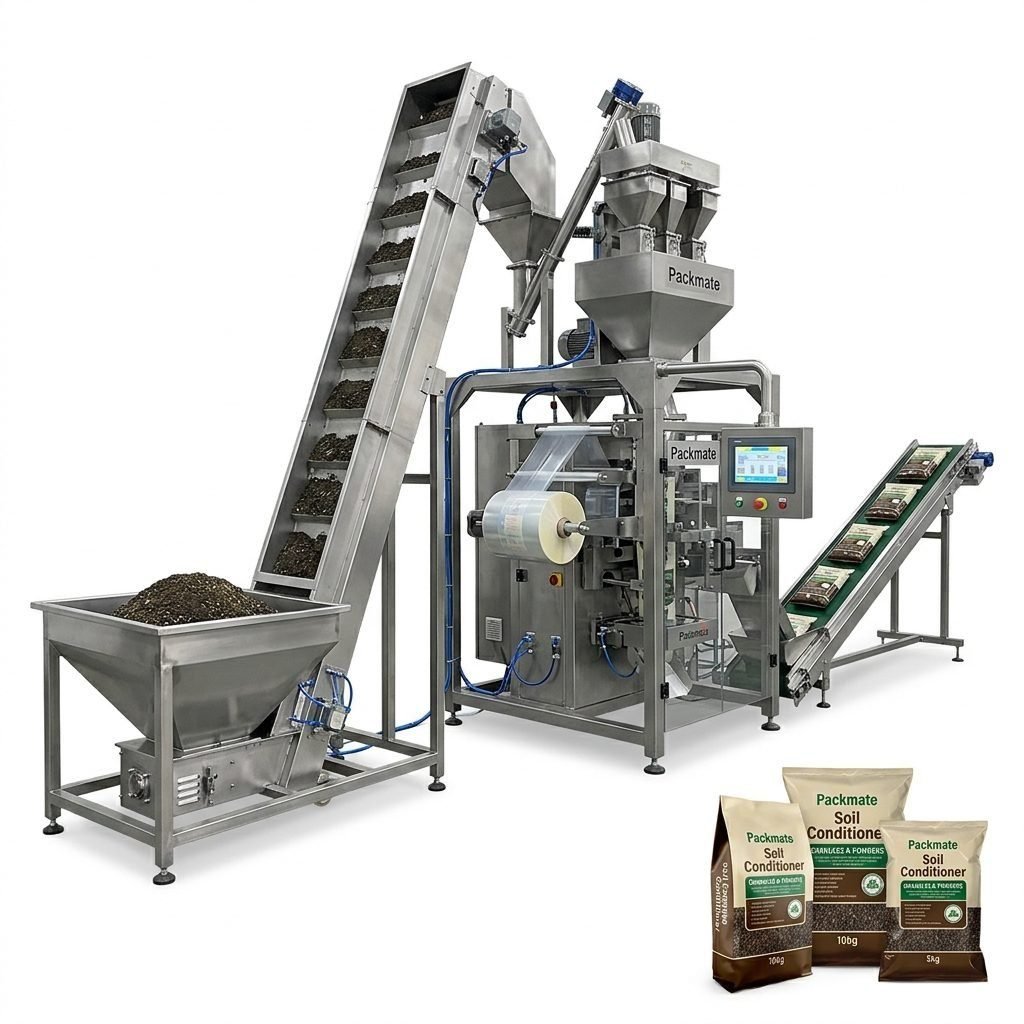
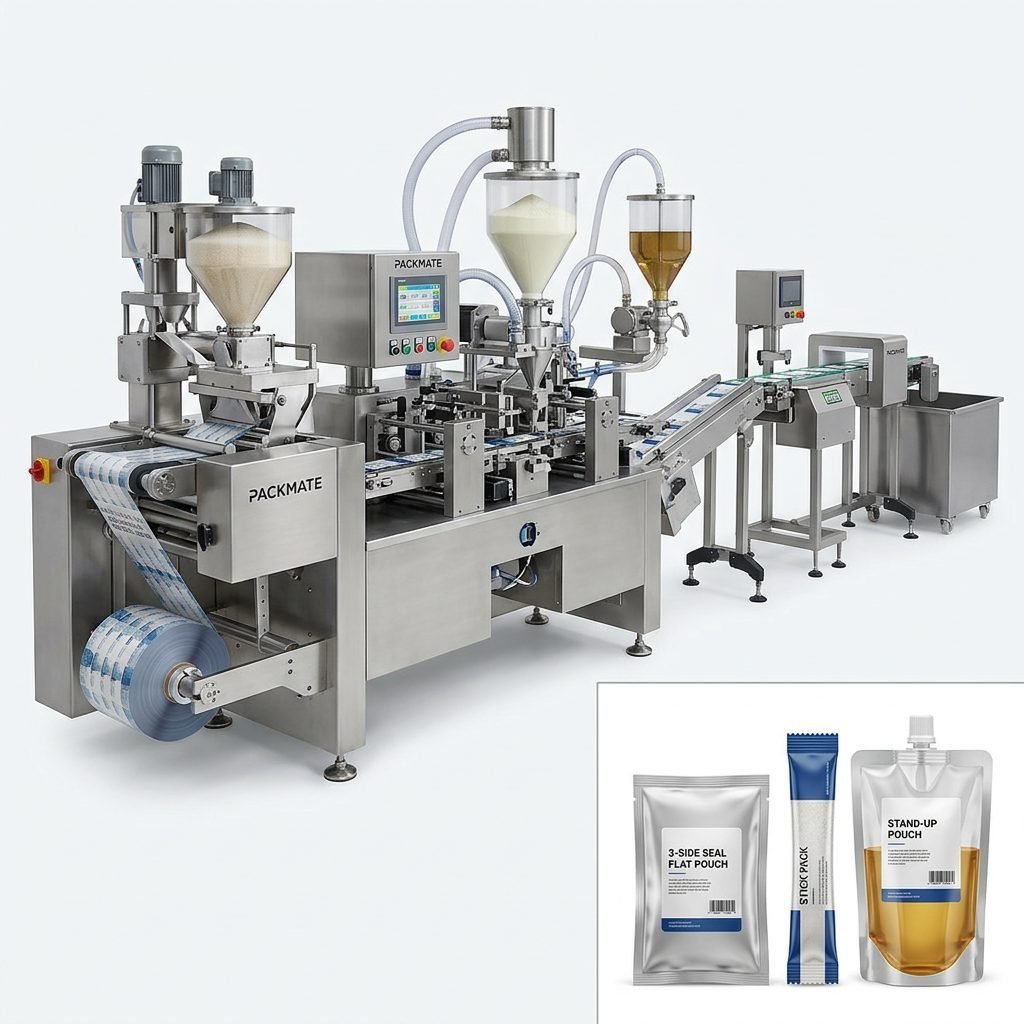
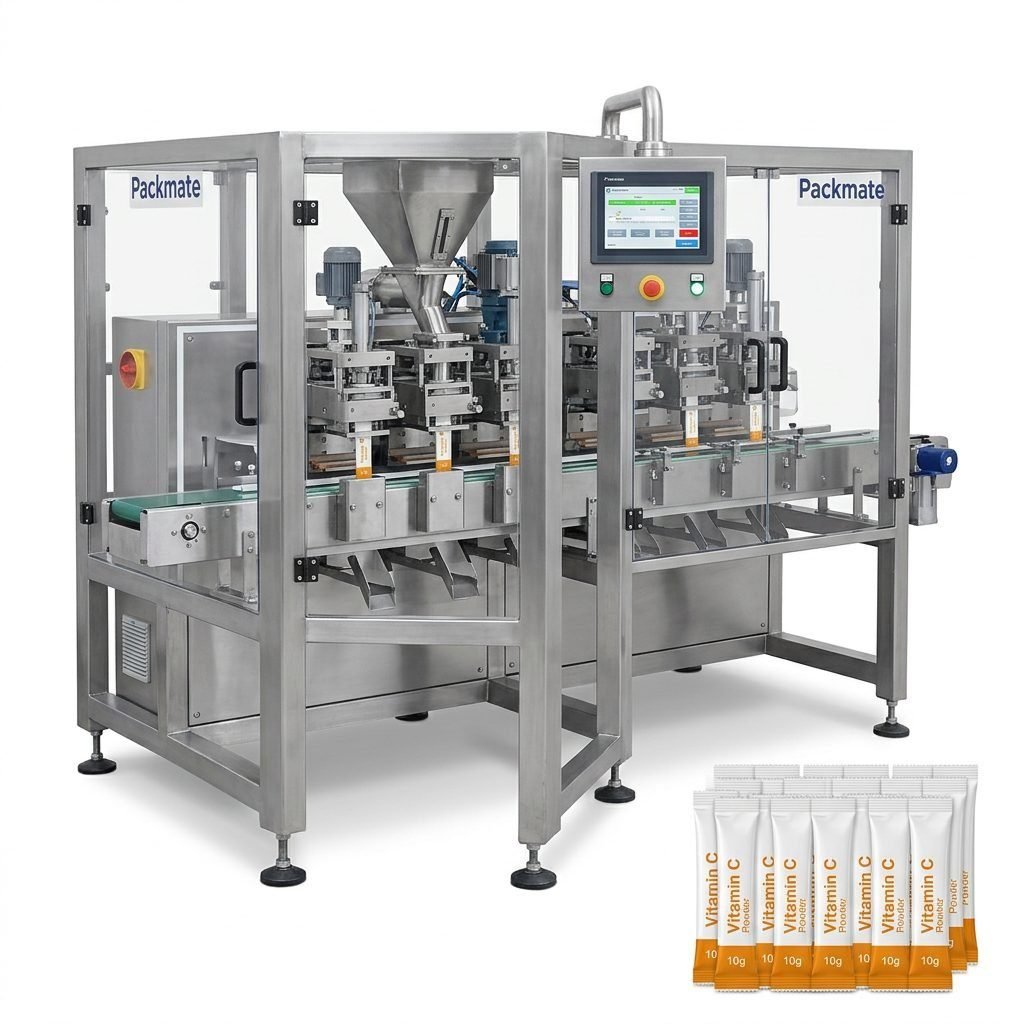
These machines fill and seal premade or form-fill-seal pouches. They are common for larger liquid volumes, such as edible oils, lubricants, and industrial chemicals. Stand-up pouches (doypack) are a popular format.
Key Applications by Industry
Liquid packaging machines serve diverse sectors, each with unique requirements for hygiene, accuracy, and speed.
| Industry | Common Products | Typical Machine Types |
|---|---|---|
| Food & Beverage | Juices, sauces, cooking oils, dairy, liquid eggs | VFFS, Aseptic Fillers, Piston Fillers, Pouch Packers |
| Pharmaceutical & Healthcare | Syrups, vaccines, injectables, oral solutions, serums | Aseptic Fillers, Sterile Vial/Bottle Fillers, Peristaltic Pump Fillers |
| Cosmetics & Personal Care | Shampoos, lotions, creams, serums, sanitizers | Piston Fillers, Tube Fillers, Sachet Machines, Bottling Lines |
| Chemicals & Industrial | Lubricants, adhesives, solvents, cleaners, automotive fluids | Drum/Bulk Fillers, Pouch Packers, Filling Lines with Chemical Resistance |
For instance, in the pharmaceutical industry, precision, sterility, and regulatory compliance are non-negotiable. Machines must often integrate with isolators or cleanrooms and provide complete traceability. In contrast, food and beverage lines prioritize high-speed filling, product freshness, and appealing package presentation to meet consumer demand.
Regional Considerations: Adapting to Local Markets
When selecting a liquid packaging machine for operations in specific regions like Europe, North America, or Southeast Asia, local factors must be considered. European manufacturers often prioritize energy efficiency, hygienic design per EHEDG guidelines, and full compliance with EU safety regulations. In North America, high output speeds, flexibility for frequent product changeovers, and robust after-sales support are key. In emerging markets across Southeast Asia, Africa, and South America, machines that offer a balance of reliability, ease of maintenance, and cost-effectiveness are often preferred, alongside the ability to handle varying power and water quality conditions.
How to Choose the Right Liquid Packaging Machine
Selecting the optimal machine requires a detailed analysis of your product, production goals, and operational constraints. Follow this decision framework:
1. Analyze Your Product Characteristics
The liquid’s properties dictate the filling technology. Consider:
- Viscosity: Water-thin, viscous, or paste-like?
- Foaming & Aeration: Does the product tend to foam?
- Particulates: Does it contain solids or fibers?
- Corrosiveness/Abrasion: Does it require special wetted parts (e.g., stainless steel 316L, ceramics)?
- Sensitivity: Is it heat-sensitive, requiring cold or aseptic filling?
2. Define Your Packaging & Output Requirements
Clearly outline your needs:
- Packaging Format: Bottles, pouches, sachets, cans, vials?
- Container Size Range: From small sample sachets (1ml) to large bulk drums (200L).
- Production Speed (Output): Required units per minute/hour/shift.
- Accuracy (Fill Tolerance): Legal metrology requirements or internal quality standards.
- Future Flexibility: Will you need to handle different products or container sizes later?
3. Evaluate Machine Features & Integration
Look beyond the basic filler. Key features include:
- Level of Automation: Manual, semi-automatic, or fully automatic with robotic handling?
- Control System: User-friendly HMI (Human-Machine Interface), recipe storage, data logging for OEE (Overall Equipment Effectiveness).
- Changeover Time: How quickly can you switch between products or formats? Quick-change parts are valuable.
- Hygienic/Sanitary Design: Easy to clean, with minimal dead legs, suitable for your industry’s hygiene protocols.
- Upstream/Downstream Integration: Can it connect to your existing unscramblers, cappers, labelers, and case packers? Suppliers like Ludyway and Packmate Machinery specialize in providing integrated line solutions.
4. Consider Supplier Capability and Support
The machine manufacturer is as important as the machine itself. Assess:
- Experience & Reputation: Look for a proven track record in your specific industry.
- Customization Ability: Can they tailor the machine to your unique product or process? Companies like PackingMachineOEM focus on non-standard solutions.
- Technical Support & Spare Parts: Availability of local service engineers and a reliable spare parts supply chain.
- Training & Documentation: Comprehensive manuals and on-site training for your operators.
- Warranty & After-Sales Service: Clear terms and responsive support channels.
Investing in a Complete Packaging Line
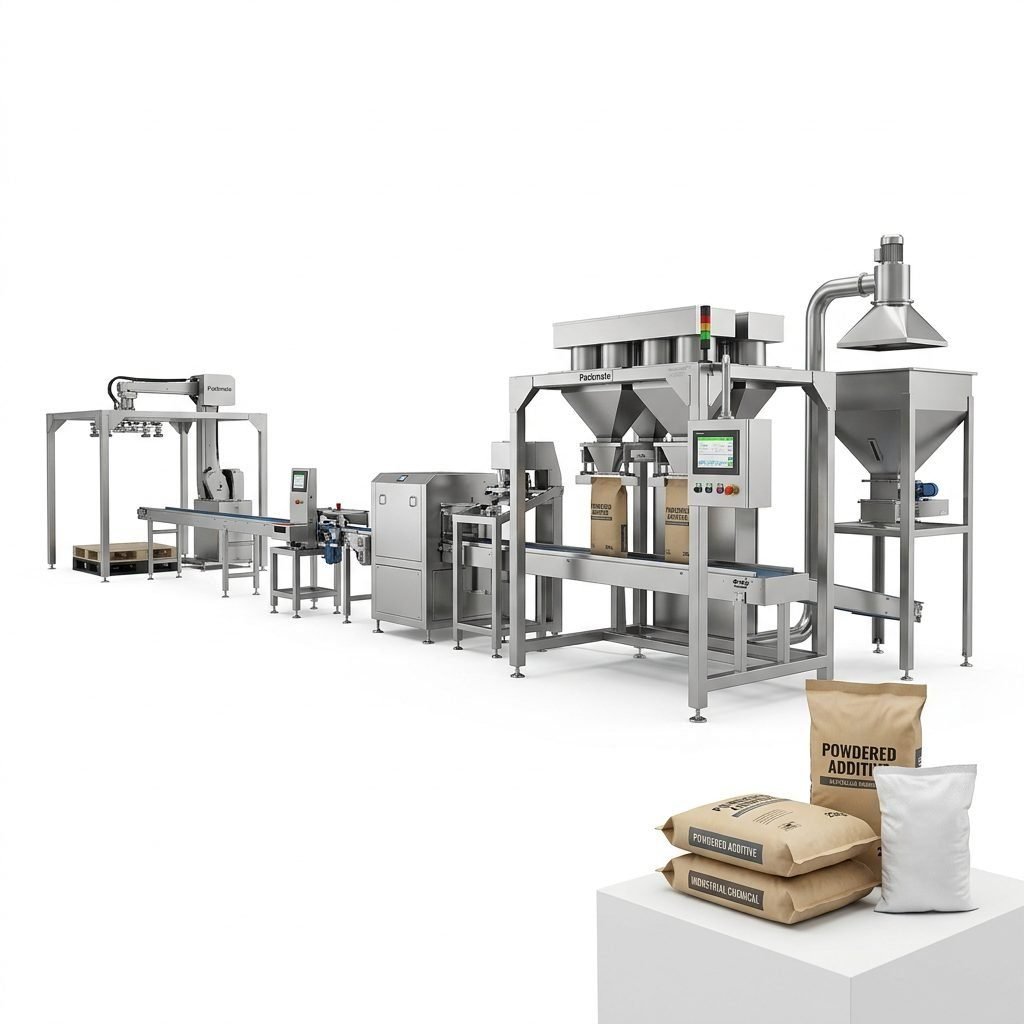
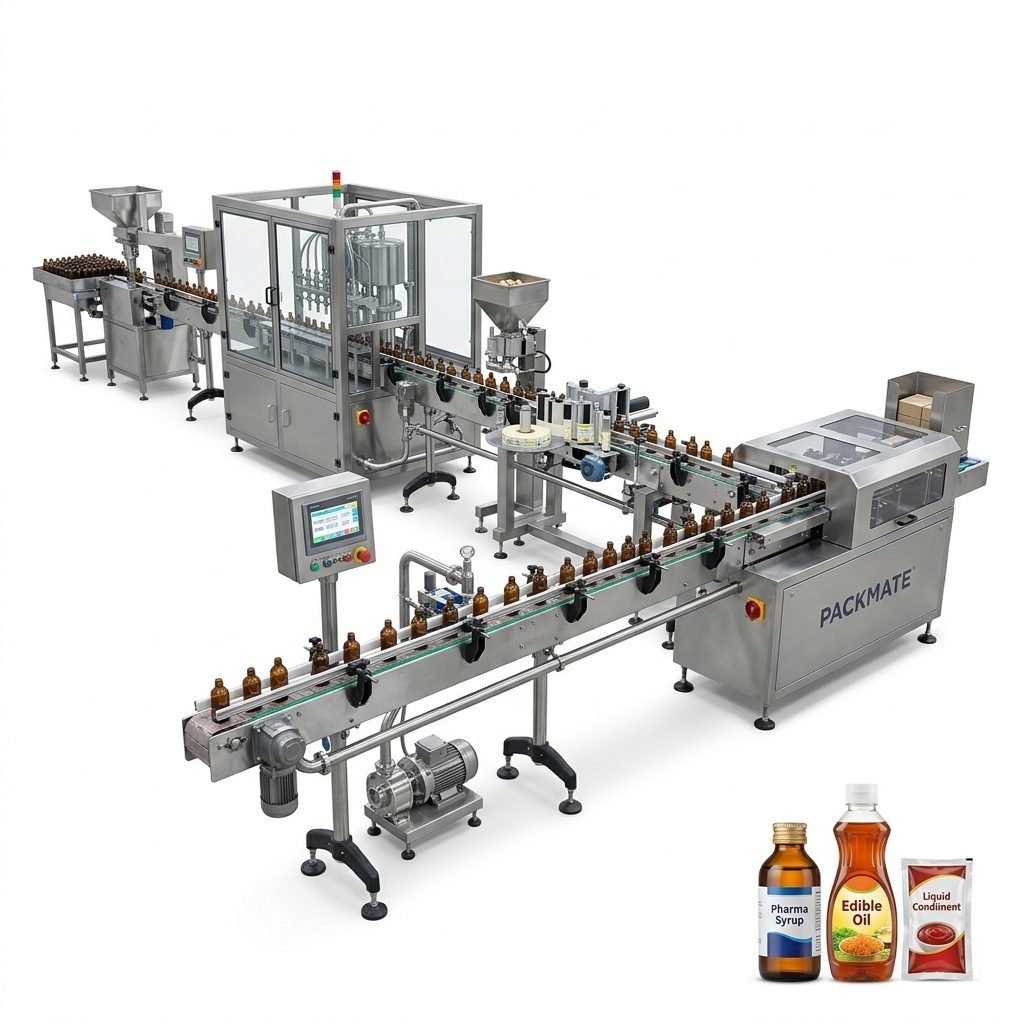
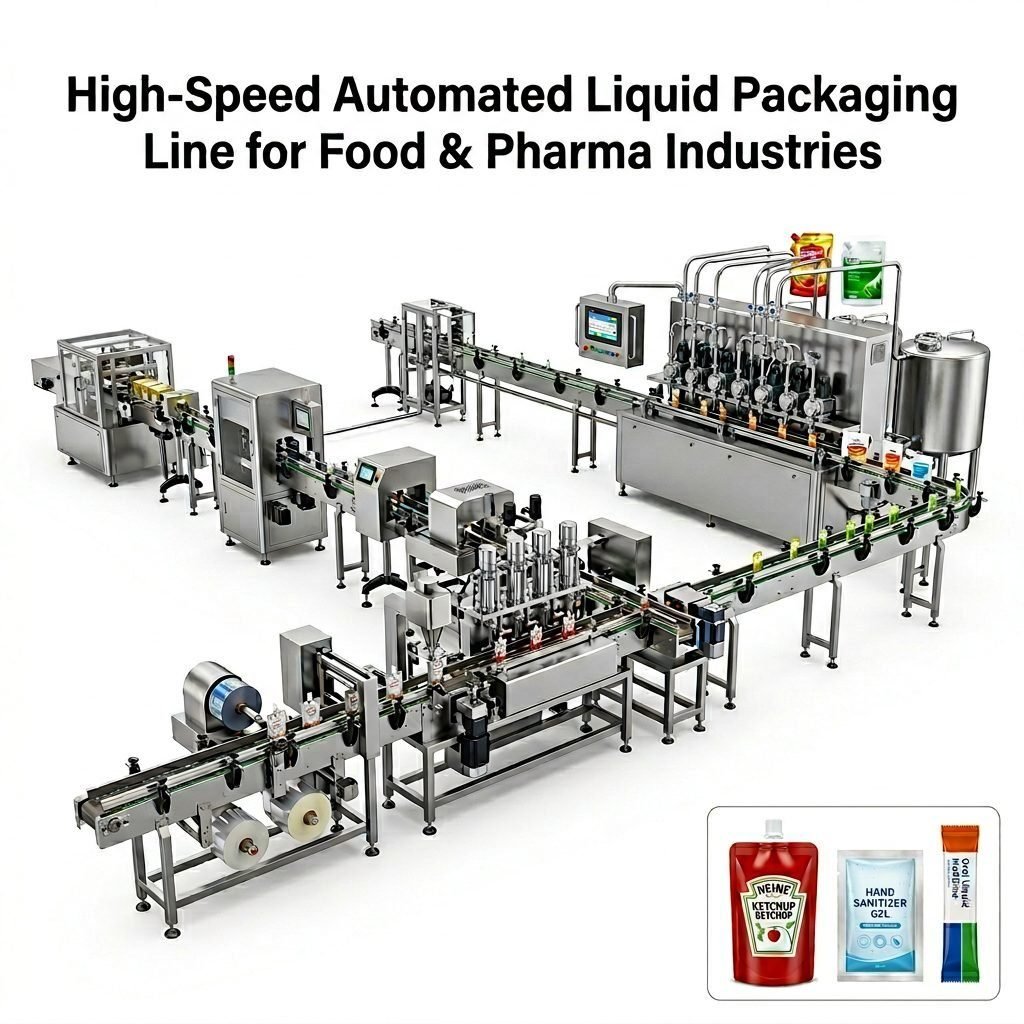
For high-volume production, a single machine is often part of a larger system. A turnkey liquid packaging line integrates multiple functions: container feeding, cleaning, filling, sealing, capping, labeling, coding, and case packing. This approach ensures synchronized operation, maximizes efficiency, and minimizes manual handling. Leading manufacturers such as PacklineOEM and Ludyway offer engineering expertise to design and deliver such complete lines, which are particularly beneficial for new factory setups or major capacity expansions.
For niche applications like nicotine pouches or specialized serums, working with a focused supplier like SnusMachinery can provide application-specific knowledge that general manufacturers may lack.
Final Checklist Before Purchase
- ✅ Conduct product trials with the shortlisted machine(s).
- ✅ Request references from existing customers in a similar field.
- ✅ Calculate the total cost of ownership (TCO), including energy, maintenance, and expected downtime.
- ✅ Verify compliance with relevant safety and industry standards (CE, FDA, GMP, etc.).
- ✅ Plan for installation, including floor space, utilities (power, air, water), and operator training.
Frequently Asked Questions (FAQs)
What is the main difference between a volumetric filler and a net weight filler?
Volumetric fillers dispense a pre-set volume of liquid (e.g., via piston or pump stroke) and are generally faster and more cost-effective. Net weight fillers weigh each container during the filling process to achieve a precise target weight, offering higher accuracy for expensive products or those with variable density, but at a higher machine cost and slightly slower speed.
How do I maintain a liquid packaging machine for optimal performance?
Regular maintenance is crucial. Follow the manufacturer’s schedule for lubrication, seal replacement, and calibration. Implement daily cleaning procedures appropriate for your product (CIP – Clean-in-Place systems are ideal for many liquid lines). Regularly check and replace worn parts like O-rings, gaskets, and filling nozzles. Keep detailed maintenance logs.
Can one machine handle both liquids and pastes?
Some machines, particularly piston fillers, can be adapted to handle a range of viscosities by changing the piston size, cylinder type, and nozzle. However, significant differences in product characteristics (e.g., from water-like juice to thick toothpaste) may require separate machines or extensive, time-consuming changeovers. It’s best to discuss your specific product range with the supplier.
What are the key trends in liquid packaging machinery?
Major trends include: Increased automation and IoT connectivity for data monitoring and predictive maintenance; greater flexibility to handle smaller batch sizes and more SKUs; sustainability focus with machines designed for lightweight or recyclable packaging materials and reduced water/energy consumption; and enhanced hygienic design to reduce contamination risk and cleaning time.
Is it better to buy a standalone machine or a complete integrated line?
This depends entirely on your scale and goals. A standalone machine is suitable for lower output, pilot plants, or adding capacity to an existing line. A complete integrated line is more efficient for greenfield projects or high-volume production, as it minimizes manual handling, optimizes flow, and is supplied and supported by a single vendor. The higher initial investment is often justified by long-term labor savings and productivity gains.