The healthcare industry operates under a unique and uncompromising mandate: to protect patient safety and product integrity at every stage. This critical responsibility extends directly to the packaging of medical devices, pharmaceuticals, and hospital supplies. In this high-stakes environment, manual or semi-automated packaging processes introduce significant risks of contamination, human error, and inconsistency. The solution lies in specialized, automated packaging equipment designed to meet the stringent standards of medical and pharmaceutical applications. These systems are not merely about efficiency; they are foundational to ensuring sterility, accuracy, compliance, and ultimately, patient trust.
The Critical Role of Packaging in Healthcare
Packaging in healthcare transcends its basic function of containment. It serves as the primary barrier against environmental contaminants, moisture, light, and physical damage that could compromise a product’s safety and efficacy. For sterile medical devices, the packaging is integral to maintaining that sterility from the point of manufacture until the moment of use in an operating room. In pharmaceuticals, packaging ensures dose accuracy, prevents degradation, and provides essential patient information. Automated packaging solutions are engineered to execute these vital functions with precision and repeatability that manual processes cannot achieve.
Key Challenges Addressed by Automation:
- Contamination Control: Automated systems minimize human contact with the product, drastically reducing the risk of microbial or particulate contamination.
- Regulatory Compliance: Equipment must facilitate compliance with rigorous global standards like FDA 21 CFR Part 211, EU GMP Annex 1, and ISO 13485 for medical devices.
- Product Integrity: Consistent sealing, gentle handling, and accurate filling protect sensitive products from damage or alteration.
- Traceability: Modern systems integrate with serialization and track-and-trace technologies, a growing requirement in pharmaceutical supply chains.
Automated Solutions for Pharmaceutical Products
The pharmaceutical sector demands packaging that guarantees potency, purity, and safety. Automated packaging lines are tailored to handle a diverse range of product forms—from tablets and capsules to powders, granules, and liquids—with extreme accuracy.
Primary Packaging Systems
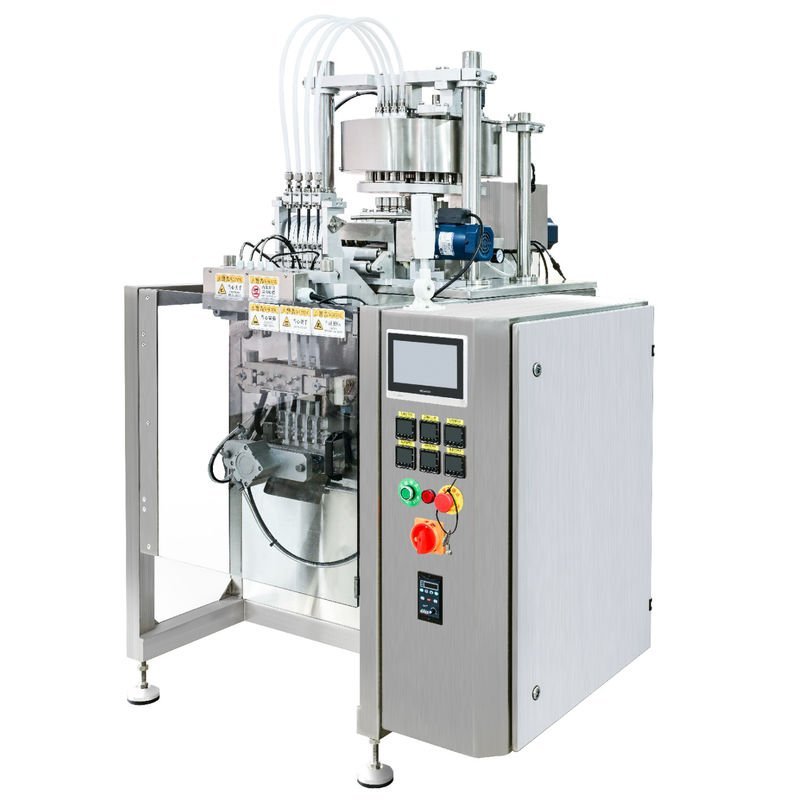
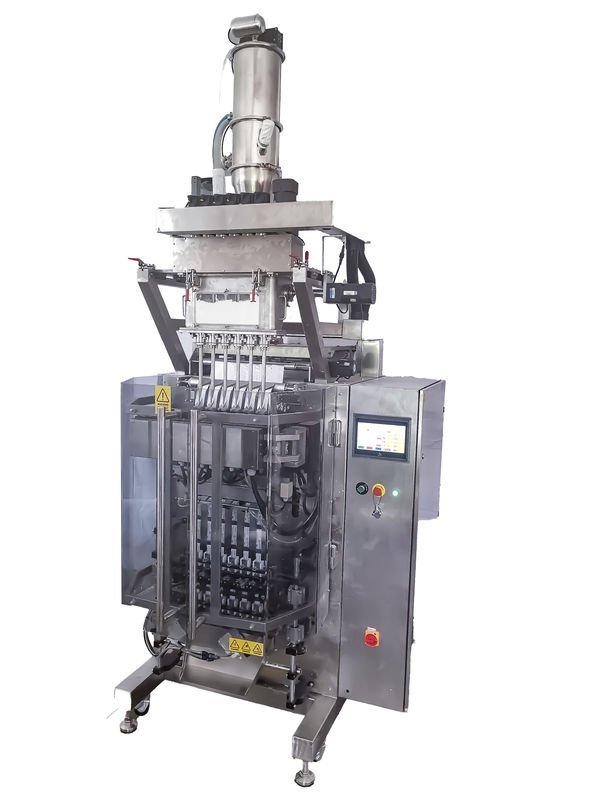
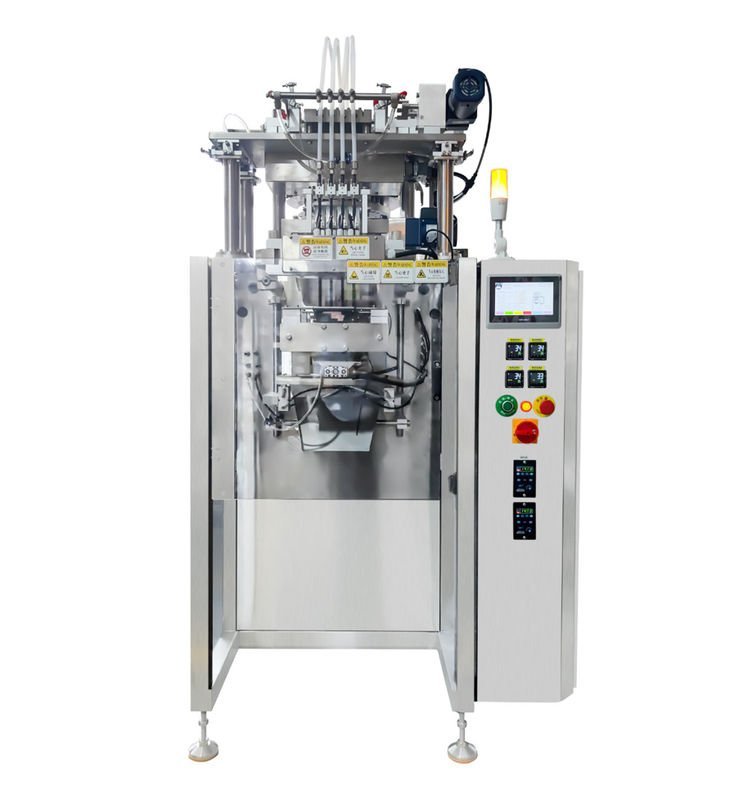
For unit-dose and multi-dose applications, automated sachet and stick pack machines are indispensable. They are ideal for packaging powders (e.g., antibiotics, electrolytes), granules, and liquids (e.g., syrups, sanitizers). These machines create hermetically sealed pouches from roll stock film in a clean, enclosed environment, ensuring each dose is protected from moisture and contamination. High-speed, multi-lane configurations are common to meet large-scale production needs for over-the-counter and prescription medications.
Bottling and Blister Packaging
Liquid pharmaceuticals often utilize automated filling and capping lines for bottles, while solid dosages are frequently packaged using high-speed blister lines. These systems incorporate precision fillers, vision inspection systems to check for missing tablets or sealing defects, and cartoners. The entire process is designed to be validated and documented to meet Good Manufacturing Practice (GMP) requirements.
Packaging for Medical Devices and Hospital Supplies
From single-use syringes and surgical kits to gowns and gauze, medical device packaging must maintain sterility and allow for aseptic presentation. Automation is key to achieving the required seal integrity and consistency.
Tyvek® and Medical Pouch Packaging
Automated bag and pouch packaging machines are configured to handle specialized medical-grade materials like Tyvek® and medical-grade films. These systems precisely form, fill, and seal pouches and header bags. Critical performance parameters include consistent seal strength (tested via dye penetration or burst tests) and the ability to integrate gas flushing for products requiring a modified atmosphere.
Sterile Barrier System (SBS) Creation
The packaging itself is a Sterile Barrier System. Automated thermoform-fill-seal (TFFS) machines are widely used for this purpose. They thermoform a cavity from a bottom web, place the device inside, and seal it with a top lidding material—all within a controlled environment (often ISO Class 7 or better). This creates a ready-to-sterilize package that maintains its integrity through Ethylene Oxide (EtO) sterilization or radiation.
The Packmate Advantage in Healthcare Packaging
With over 22+ years of engineering expertise, Packmate (GuangDong) Co., Ltd. has developed a deep understanding of the precision and reliability required for healthcare applications. Our journey from a specialized workshop to a modern manufacturer with a 20,000㎡ facility is built on solving complex packaging challenges. For the healthcare sector, this means offering equipment that prioritizes:
✔ Clean Design: Machines with smooth surfaces, easy-clean zones, and enclosed mechanisms to meet hygiene protocols.
✔ Material Versatility: Capability to run medical-grade films, laminates, and paper-based substrates.
✔ Precision Engineering: Servo-driven systems for unmatched filling accuracy and seal consistency, critical for dose integrity and sterile barriers.
✔ Validation Support: Design and documentation that aids in the installation qualification (IQ), operational qualification (OQ), and performance qualification (PQ) processes required by regulators.
Our range of packing machines can be integrated into complete, turnkey filling and packaging lines tailored for pharmaceutical granules, disinfectant wipes, or single-use medical components.
Integrating Weighing, Inspection, and Control Systems
A truly robust healthcare packaging line extends beyond the primary packager. It incorporates critical upstream and downstream processes to form a closed, controlled system.
Precision Weighing and Filling
Multi-head weighers and auger filler systems are essential for achieving exact weight control for powders and granules, a non-negotiable requirement in pharmaceuticals. These weighing and packaging systems are often paired with metal detectors and checkweighers to provide 100% inline inspection, rejecting any underweight, overweight, or contaminated sachets or pouches.
Data Integrity and Line Integration
Modern automated packaging equipment features sophisticated Human-Machine Interfaces (HMIs) and programmable logic controllers (PLCs) that collect and log production data. This supports batch record-keeping, facilitates traceability, and allows for real-time monitoring of key parameters like seal temperature, line speed, and rejection rates—all crucial for quality assurance in a regulated industry.
Future Trends: Smart Packaging and Sustainability
The future of healthcare packaging automation is intelligent and increasingly sustainable. Equipment is being designed to handle smart packaging formats that incorporate NFC tags or QR codes for enhanced patient engagement and supply chain security. Simultaneously, there is a growing drive to adopt recyclable or biodegradable mono-material films without compromising barrier properties. Advanced packaging machinery must be adaptable to these evolving materials and technologies.
Investing in automated packaging equipment for healthcare products is an investment in patient safety, regulatory compliance, and operational excellence. By eliminating variables, ensuring consistency, and providing auditable data, these systems form the reliable backbone of modern medical, pharmaceutical, and hospital supply manufacturing. They empower companies to deliver products that healthcare providers and patients can trust implicitly.
Frequently Asked Questions (FAQs)
1. What are the key regulatory standards for packaging medical devices?
Primary standards include ISO 11607 (packaging for terminally sterilized medical devices), which defines requirements for materials, sterile barrier systems, and packaging processes. Compliance with ISO 13485 (quality management systems for medical devices) is also essential. In the U.S., the FDA’s Quality System Regulation (21 CFR Part 820) applies. Equipment should support validation protocols (IQ/OQ/PQ) required by these standards.
2. Can the same machine package both pharmaceutical powders and medical devices?
While core principles are similar, machines are typically optimized for specific applications. A machine for pharmaceutical powders prioritizes high-accuracy filling and dust containment. A machine for medical device pouches prioritizes precise seal integrity and gentle product handling. Some versatile platforms can be reconfigured for different product types, but the choice depends on the primary product and validation requirements.
3. How does automated packaging improve sterility assurance?
Automation minimizes human intervention in the critical packaging zone. Machines can be placed in cleanrooms or feature integrated HEPA-filtered air showers. Automated handling reduces touchpoints, and consistent, validated heat sealing parameters ensure every package has a reliable, microbial-tight seal, which is then maintained through the sterilization process.
4. What is the importance of “cleanability” in healthcare packaging machinery?
Cleanability is paramount to prevent cross-contamination between batches and to meet GMP hygiene standards. Equipment designed for healthcare features stainless steel surfaces, minimized ledges and crevices, easy-access panels for cleaning, and often CIP (Clean-in-Place) capabilities for product contact parts. This design is a core focus for manufacturers like Packmate.
5. What support should I expect when implementing a new automated packaging line?
You should expect comprehensive support including factory acceptance testing (FAT), site installation supervision, operational training for your staff, and assistance with performance qualification (PQ). A reliable supplier will also provide detailed technical documentation, spare parts lists, and ongoing service support, ensuring the line meets its validated performance criteria and remains operational. Explore our commitment to this through our Our Service page.