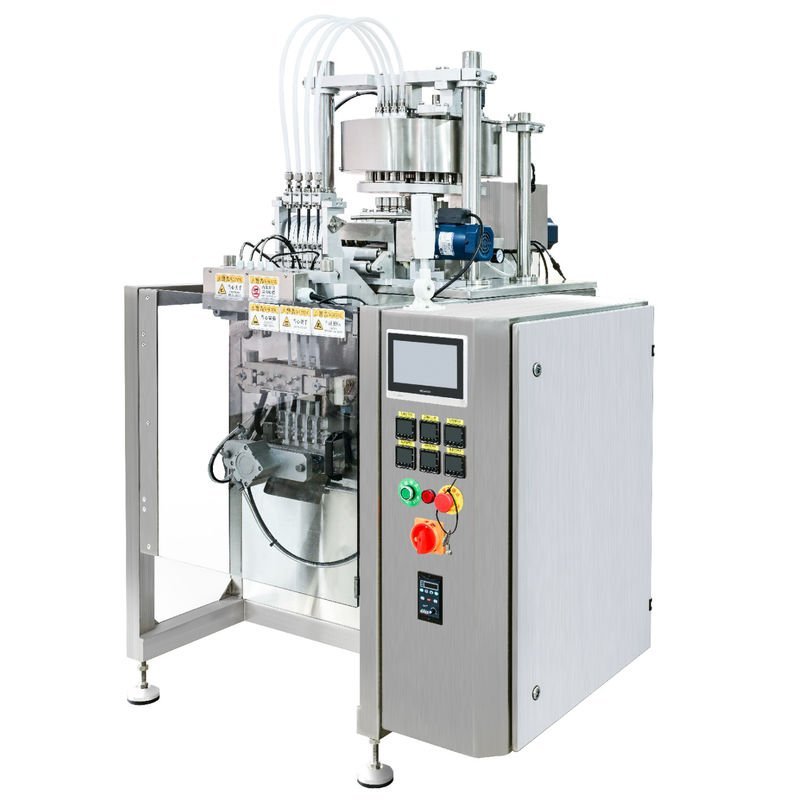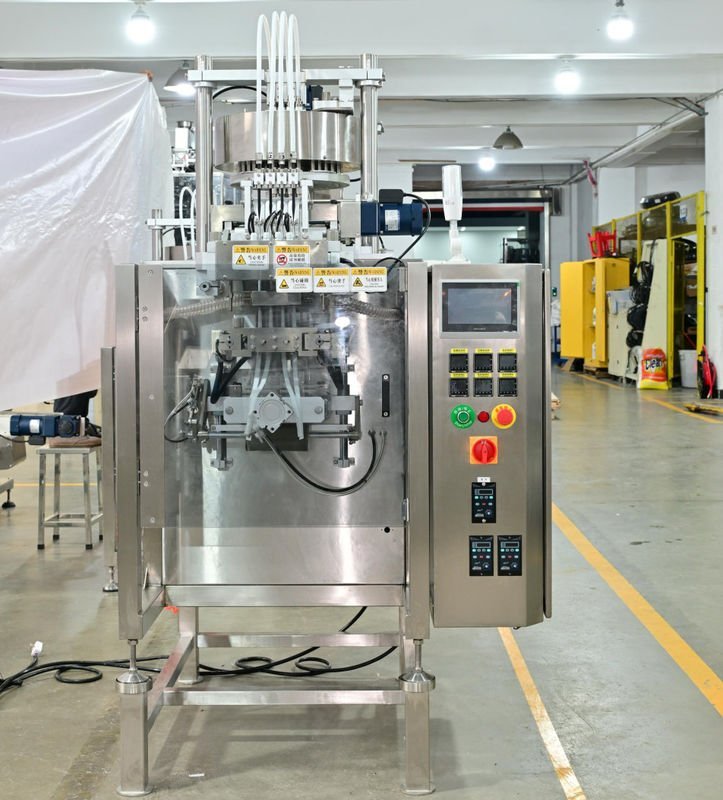
Selecting the right horizontal flow wrapper is a critical decision for businesses in the food and pharmaceutical sectors. This guide will walk you through the key considerations, from understanding machine fundamentals to evaluating specific features for your application.
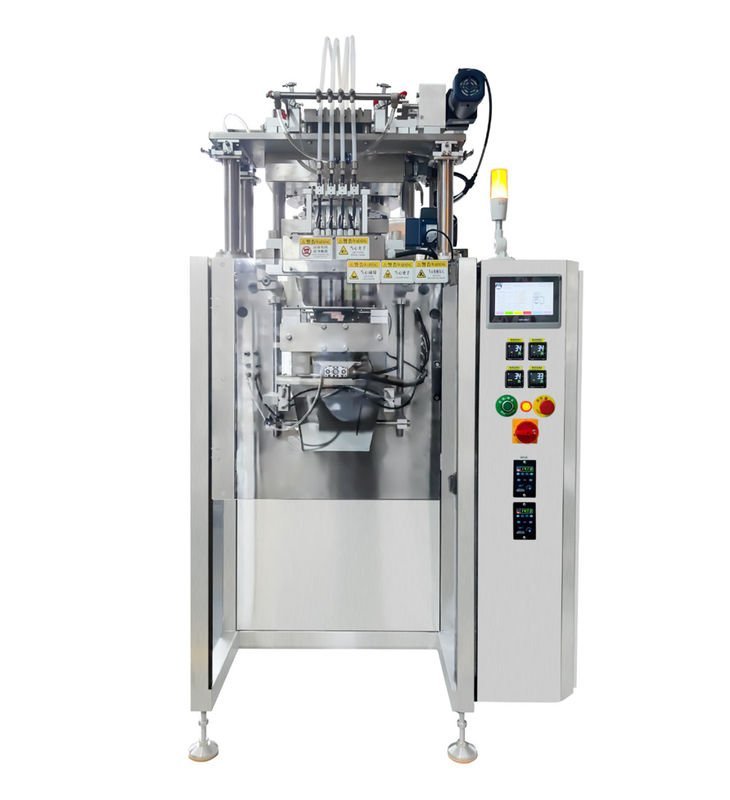
Understanding Horizontal Flow Wrapping Technology
Horizontal flow wrapping, often called fin-seal wrapping, is a process where a product is placed on a flat film web. The film is then formed around the product, with the longitudinal seal (fin seal) created underneath. The ends are crimped and cut to produce a sealed, pillow-style pouch. This method is renowned for its high speed, excellent seal integrity, and material efficiency.
The primary advantage of this technology is its versatility. It can handle a vast range of product shapes and sizes, from chocolate bars and biscuits to medical device kits and blister packs, making it a cornerstone of modern packaging lines.
Core Components of a Flow Pack Machine
A standard horizontal flow wrapper consists of several integrated systems:
- Film Unwind & Infeed System: Precisely controls the film web tension and alignment.
- Forming Shoulder: A critical component that gently shapes the flat film into a tube around the product.
- Longitudinal Sealer: Creates the continuous fin seal along the package length.
- Cross (End) Sealing Jaws: Crimp, seal, and cut the film between products to create individual packs.
- Control System: The machine’s brain, typically a PLC with an HMI, managing all parameters.
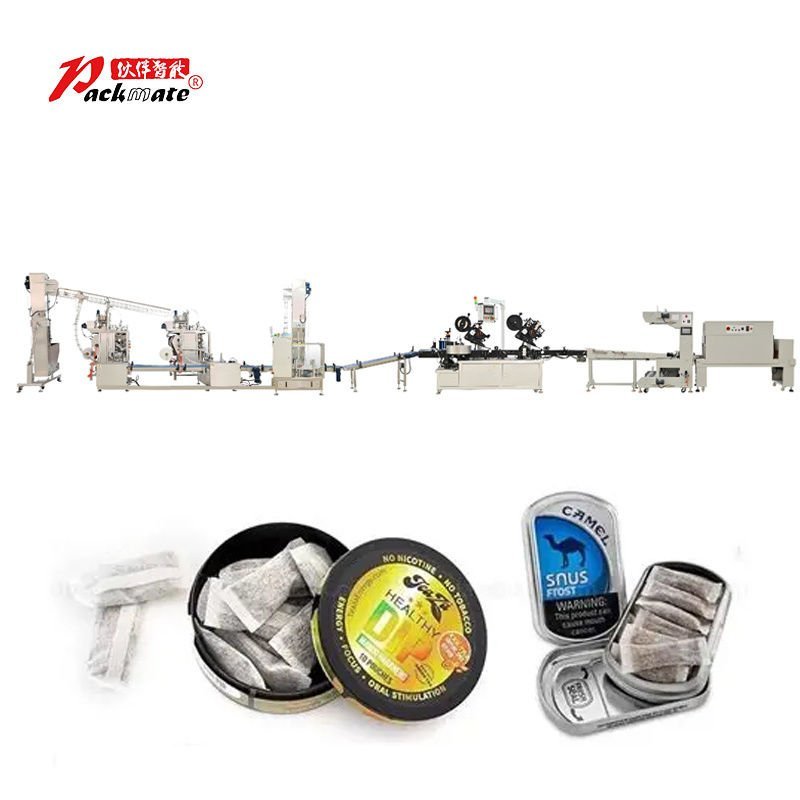
For a deeper look at integrated systems, explore our range of Filling & Packaging Lines.
Key Selection Criteria for Food & Pharma Industries
While the core technology is similar, the requirements for food and pharmaceutical packaging diverge significantly.
For Food Industry Applications
Speed and flexibility are paramount. Food producers often run high-volume campaigns of diverse products.
- Production Speed: Assess machines based on packs-per-minute (PPM) that match your output targets.
- Quick Changeover: Look for tool-less adjustments for film width and product length to minimize downtime between production runs.
- Hygienic Design: Machines should have smooth surfaces, rounded corners, and be easy to clean to meet food safety standards like HACCP and BRC.
- Gas Flushing Capability: Essential for Modified Atmosphere Packaging (MAP) to extend the shelf life of snacks, meats, and cheeses.
Discover our specialized solutions for food items in our Bag & Pouch Packaging Machines category.
For Pharmaceutical & Medical Applications
Here, precision, validation, and contamination control take center stage.
- Regulatory Compliance: The machine must be designed to support validation protocols (IQ/OQ/PQ) and comply with GMP guidelines.
- Material Compatibility: Must handle high-barrier, medical-grade films and lidding foils reliably.
- Cleanroom Compatibility: Construction should minimize particle generation, often featuring stainless steel enclosures and IP-rated electrical components.
- Traceability & Data Integrity: Integrated systems for batch coding, serialization, and data logging are increasingly critical.
Precision is non-negotiable. Our Weighing & Packaging Systems are engineered to meet these stringent demands.
Evaluating Machine Specifications
Beyond industry-specific needs, scrutinize these universal specifications:
Must-Check Technical Parameters
- Film Width Range: Determines the maximum and minimum package width the machine can produce.
- Product Size Range (L x W x H): Ensures your product dimensions fall within the machine’s capability.
- Sealing Type & Temperature Control: Constant-heat or impulse sealing? Precision temperature control is vital for consistent seal strength.
- Power Requirements & Utilities: Compressed air consumption, electrical specs, and footprint.
- Integration Capabilities: How well does it connect with upstream feeders and downstream cartoners or case packers?
The Importance of Reliability and Support
The best machine specification is meaningless without reliability. Downtime directly translates to lost revenue.
Investigate the manufacturer’s reputation. Companies with decades of experience, like Packmate, have refined their designs for durability. Review their service network, availability of spare parts, and technical support response times. A robust warranty and comprehensive training are indicators of a reliable partner.
Seeing machinery in action is invaluable. Browse real-world implementations in our Case Studies section.
Future-Proofing Your Investment
Consider not just today’s needs, but tomorrow’s. Is the machine scalable? Can it accommodate potential new products, different film materials, or higher speeds with minor upgrades? Choosing a modular platform from a manufacturer with a broad portfolio, such as our full range of Packaging Machines, provides the flexibility to adapt to future market demands.
💡 Pro Tip: Always request a product sample test at the manufacturer’s facility or via a trial kit. This is the most reliable way to verify machine performance with your actual product and packaging materials.
Conclusion
Choosing the ideal horizontal flow wrapper requires a balanced analysis of technical specifications, industry-specific regulations, operational efficiency, and long-term supplier partnership. By thoroughly assessing your product characteristics, production goals, and hygiene standards, you can select a machine that enhances productivity, ensures product safety, and delivers a strong return on investment.
Frequently Asked Questions (FAQs)
1. What is the main difference between a flow wrapper and a vertical form-fill-seal (VFFS) machine?
Flow wrappers are typically horizontal and ideal for wrapping solid, pre-formed products (like candy bars or soap bars). VFFS machines are vertical, creating the bag from a roll of film, filling it, and then sealing it, making them better suited for granular, powdered, or liquid products that can be poured.
2. Can one flow wrapper handle both food and pharmaceutical products?
It is possible, but not advisable without significant changeover and deep cleaning. Pharmaceutical applications usually require a machine with a higher-grade construction (e.g., more stainless steel) and design features for cleanroom compliance. Cross-contamination risks make dedicated machines the standard for regulated industries.
3. How important is the film material selection?
Critical. The film must be compatible with the sealing system (heat, temperature, time) and provide the necessary barrier properties (against oxygen, moisture, light) for your product. An incompatible film will lead to poor seals, product spoilage, and machine jams.
4. What are the most common maintenance requirements for a flow pack machine?
Regular daily cleaning of sealing jaws and film path components is essential. Periodic lubrication of chains and bearings, inspection of wear parts like sealing jaw Teflon covers and cutting blades, and calibration of sensors are key to maintaining optimal performance and preventing unplanned downtime.
5. What should I prepare when requesting a quote or machine demonstration?
Provide detailed information: product samples (or exact dimensions/weight), desired packaging speed (PPM), sample of your target packaging film, and any specific regulatory standards (e.g., FDA, GMP) you must meet. This allows the supplier to give an accurate recommendation and meaningful demonstration.