In the dynamic and quality-conscious Canadian market, where efficiency and reliability are paramount, automated packaging machinery has become an indispensable asset for industries ranging from food and pharmaceuticals to granules, powders, and liquids. Canadian businesses, known for their high standards and innovative spirit, are increasingly turning to advanced automation to meet stringent regulatory demands, ensure product integrity, and enhance operational productivity. The right packaging solution not only safeguards the product but also reflects the brand’s commitment to excellence—a value deeply respected across Canada’s diverse business landscape.
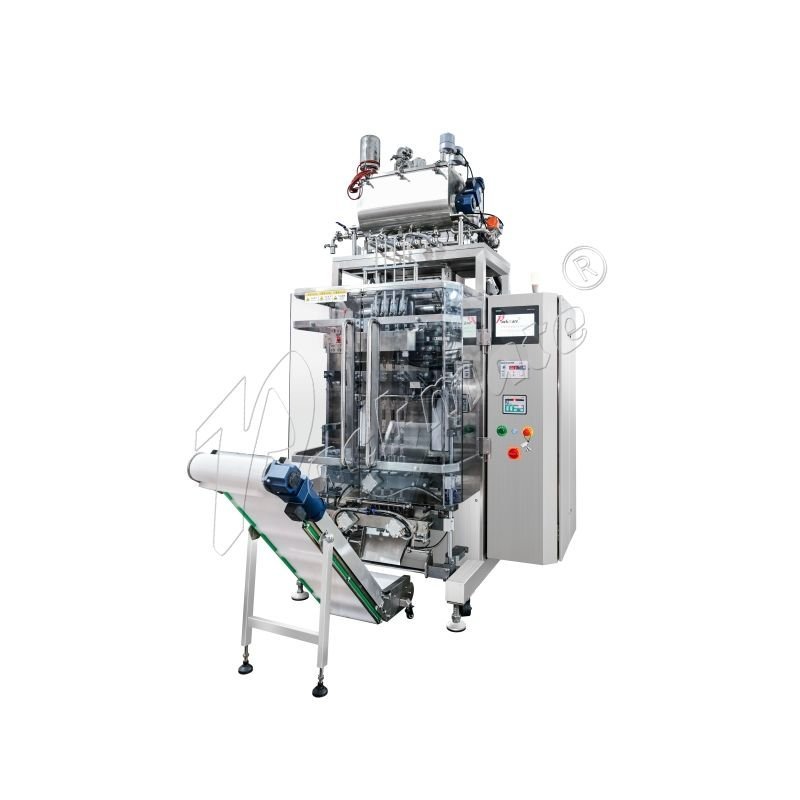
The Canadian Market: A Demand for Precision and Reliability
Canada’s industrial sectors are characterized by a strong emphasis on safety, hygiene, and environmental responsibility. In the food industry, for instance, there is a growing consumer preference for fresh, locally-sourced, and minimally processed goods, which requires packaging that preserves freshness and extends shelf life. The pharmaceutical sector operates under rigorous Health Canada regulations, necessitating packaging that guarantees sterility, accurate dosing, and tamper-evidence. For producers of granules, powders (like protein supplements or detergents), and liquids (from maple syrup to industrial chemicals), packaging must prevent contamination, ensure precise filling, and withstand logistical challenges across Canada’s vast geography. Automated packaging systems address these needs by providing consistent, high-speed, and error-free operations, helping Canadian companies maintain their competitive edge and trusted reputations.
Key Industries Served in Canada
- Food & Beverage: Packaging for snacks, coffee, spices, sauces, and dairy products, focusing on freshness and portion control.
- Pharmaceutical & Nutraceutical: Precise packaging of pills, powders, and liquids in sachets or stick packs, ensuring compliance and patient safety.
- Agriculture & Chemicals: Reliable packaging for seeds, fertilizers, and granular or powdered agro-products.
- Cosmetics & Personal Care: Elegant and accurate packaging for creams, serums, and powdered formulations.
Core Solutions: Tailored Automated Packaging Machinery
Modern packaging lines are no longer one-size-fits-all. They are integrated systems designed for specific product types and output goals. For Canadian businesses, this means selecting machinery that aligns with their product characteristics, production volume, and future scalability.
For Food Products
Food packaging demands hygiene, speed, and adaptability. Vertical form-fill-seal (VFFS) machines are exceptionally versatile, creating bags from a roll of film, filling them with product, and sealing them in one continuous motion. They are ideal for snacks, frozen vegetables, and powdered mixes. For liquids like soups, sauces, or beverages, liquid filling lines with piston or overflow fillers ensure accurate volumes and leak-proof seals. Importantly, machinery for the Canadian market often incorporates features for easy cleaning and sanitation to meet CFIA (Canadian Food Inspection Agency) standards.
For Pharmaceutical and Nutraceutical Products
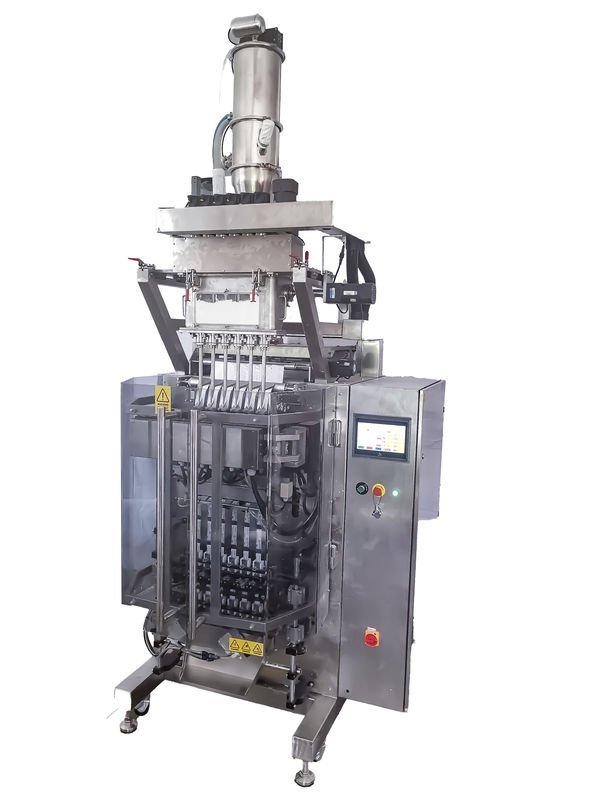
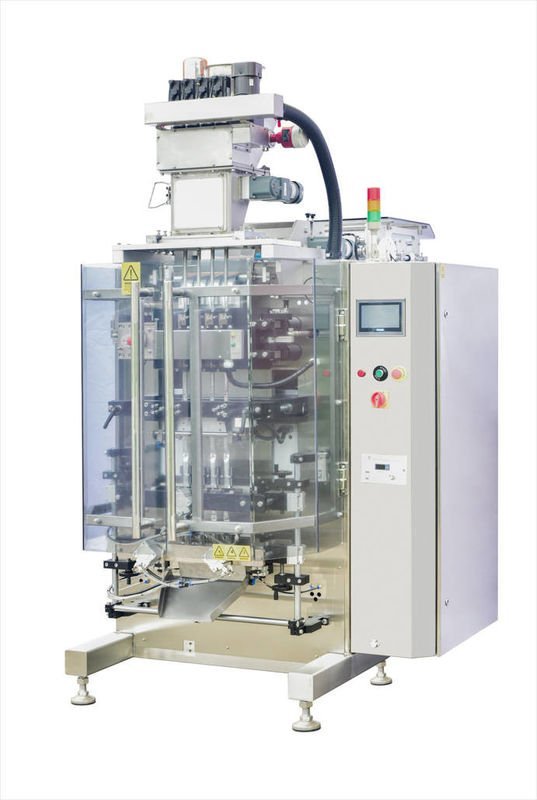
Precision is non-negotiable. Sachet and stick pack machines excel here, producing small, sealed single-dose packages for powders, granules, or liquids. These machines offer exceptional accuracy in dosing, crucial for active pharmaceutical ingredients (APIs) or dietary supplements. They can handle a wide range of materials, including high-barrier films that protect sensitive contents from moisture and oxygen, a critical factor for product stability in varying Canadian climates.
For Granules and Powders
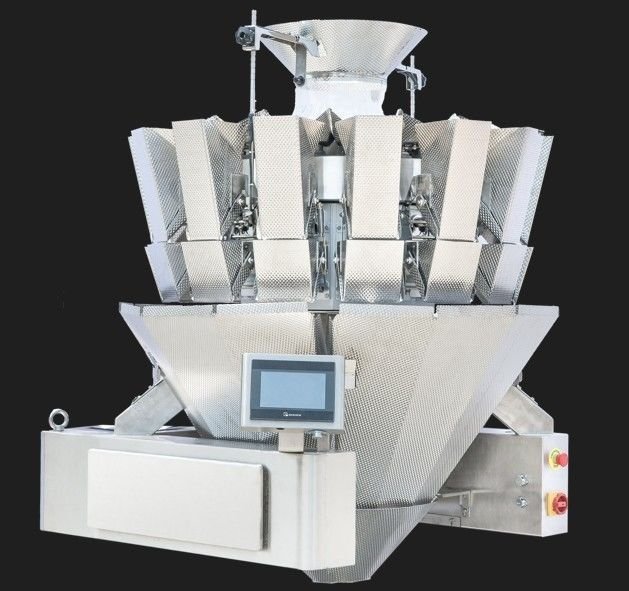
Products like instant coffee, protein powder, laundry detergent, or spices present challenges with dust, clumping, and precise weight measurement. Auger filler-based systems are the gold standard. They use a rotating screw to dispense product into packages with remarkable consistency. Multi-head weighers are used for higher-speed applications of irregular granules like snacks or nuts. Integrated weighing and packaging systems ensure every bag meets the declared net weight, complying with Canada’s strict consumer packaging and labelling regulations.
For Liquids
From viscous creams to free-flowing oils, liquid packaging requires zero spillage and high sanitation. Piston fillers are perfect for thick products like yogurt or shampoo, while gravity or vacuum fillers suit thinner liquids. A complete filling and packaging line might include a bottle unscrambler, filler, capper, and labeler, all synchronized for seamless operation. For industries like cannabis oils or premium beverages, the machinery must also support nitrogen flushing or other modified atmosphere packaging (MAP) techniques to preserve quality.
Benefits of Automation for Canadian Manufacturers
Adopting automated packaging solutions delivers tangible returns on investment:
Dramatically increases output speed and enables 24/7 operation.
Eliminates human error for uniform package quality and weight accuracy.
Reduces labor costs and material waste through precise control.
Built-in features help meet Health Canada and CFIA standards effortlessly.
Why Partner with an Experienced Manufacturer?
Choosing a packaging machinery supplier is a long-term strategic decision. It’s not just about purchasing equipment; it’s about securing a partnership for your production future. An experienced manufacturer brings invaluable expertise in integrating different machine modules into a cohesive, high-performance line. They understand the nuances of product behavior—how a particular powder flows or how a liquid foams—and can engineer solutions accordingly. Furthermore, they provide critical after-sales support, including training for your Canadian operational team, readily available spare parts, and technical assistance to minimize downtime—a crucial consideration for businesses that cannot afford prolonged production halts.
This is where a company with a proven track record like Packmate Machinery stands out. With decades of specialization, they don’t just sell machines; they deliver turnkey packaging solutions. This means they handle everything from initial consultation and machine design to installation, commissioning, and ongoing support. Their deep knowledge of packaging various product forms—granules, powders, and liquids—directly translates into reliable, efficient systems for Canadian food and pharma producers. You can explore their range of core technologies on their products page.
Case in Point: Adapting to Local Needs
Consider a Canadian artisanal coffee roaster looking to package single-origin beans and ground coffee. Their needs include: preserving aroma (requiring high-barrier bags with degassing valves), offering multiple bag sizes (requiring quick-change tooling on the machine), and creating an aesthetically pleasing package for retail. An experienced supplier would recommend a VFFS machine with integrated weigh scale, compatible with valve-punch film, and easy-to-adjust sealing jaws. They would also ensure the line footprint fits the roaster’s urban facility—demonstrating how global expertise is applied to local, specific challenges.
Looking Ahead: Sustainability and Smart Packaging
The Canadian market is increasingly driven by sustainability. Consumers and businesses alike prioritize reducing plastic waste and using recyclable or compostable materials. The next generation of packaging machinery is being designed to handle these novel, sometimes more challenging, materials without compromising speed or seal integrity. Furthermore, the rise of Industry 4.0 brings smart packaging lines equipped with IoT sensors that monitor machine performance in real-time, predict maintenance needs, and collect data on output and efficiency. This connectivity allows plant managers in Toronto, Vancouver, or Montreal to oversee production remotely, optimizing operations and making data-driven decisions.
Final Considerations for Canadian Buyers
When investing in automated packaging machinery for your Canadian operation, keep these points in mind:
- Regulatory Alignment: Ensure the machinery and its outputs comply with Canadian standards (e.g., weights and measures, food contact materials).
- Service & Support Network: Verify the supplier has reliable local technical support or responsive remote assistance.
- Flexibility & Scalability: Choose equipment that can adapt to new package sizes, shapes, or materials as your product line evolves.
- Total Cost of Ownership: Look beyond the purchase price to factors like energy consumption, maintenance costs, and expected lifespan.
By partnering with a knowledgeable supplier who understands the unique demands of the Canadian industrial landscape, you can implement an automated packaging solution that becomes a cornerstone of your efficiency, quality, and growth for years to come. For more insights into specific applications, reviewing real-world case studies can be highly informative.
Frequently Asked Questions (FAQs)
1. What type of packaging machine is best for small-batch artisanal food production in Canada?
For small-batch producers, versatility and ease of changeover are key. A single-lane vertical form-fill-seal (VFFS) machine or a tabletop sachet machine is often ideal. These machines allow for quick adjustments between different package sizes and products, have a smaller footprint suitable for craft facilities, and provide professional-quality packaging that appeals to local farmers’ markets and boutique retailers.
2. How can automated packaging help my company comply with Health Canada regulations?
Automated systems enhance compliance in several ways: Precision dosing ensures accurate active ingredient amounts in pharmaceuticals. Tamper-evident sealing features can be integrated. Traceability systems (like batch coding and serialization) are easily added to the line. Furthermore, machines built with sanitary design (easy-to-clean surfaces, minimal crevices) help maintain the hygienic environment required for food and drug production.
3. Can packaging machines handle compostable or recyclable packaging materials?
Yes, but it requires careful selection. Many modern machines can run bio-based or compostable films, but these materials often have different sealing and tensile properties than conventional plastics. It is crucial to discuss your sustainable material goals with your machinery supplier during the design phase. They may recommend specific sealing technologies (e.g., cold seal or adjusted heat settings) or minor modifications to ensure reliable performance with eco-friendly materials.
4. What is the typical lead time for installing a complete packaging line in Canada?
Lead times vary significantly based on the line’s complexity, customization, and the manufacturer’s production schedule. For a standard machine, it could be 8-16 weeks after order confirmation. For a fully customized, integrated turnkey line, it may take 4-6 months or more. This includes design, manufacturing, factory testing, shipping, and on-site installation. Clear communication with your supplier about your timeline is essential for planning.
5. What kind of after-sales support should I expect from a reputable packaging machinery supplier?
Comprehensive support is a hallmark of a good partner. Expect detailed installation and operational training for your staff, either at their facility or yours. You should have access to a readily available inventory of common spare parts. Reliable technical support via phone, email, or remote diagnostics is standard. Many also offer preventive maintenance plans and service visits to ensure your line operates at peak efficiency long-term.