The pharmaceutical industry operates under a unique set of imperatives: precision, sterility, traceability, and patient safety. Packaging is not merely the final step in production; it is a critical component that ensures product integrity from the manufacturing floor to the end-user. Selecting the right packaging equipment is therefore a strategic decision that impacts efficiency, compliance, and ultimately, public health. This guide delves into the types of packaging systems used, their specific applications, and a framework for choosing the optimal solution for your pharmaceutical operations.
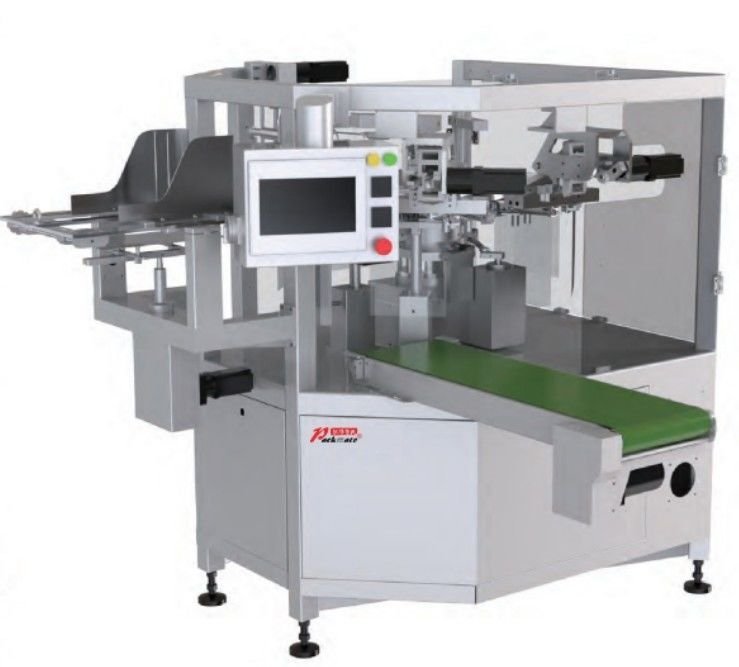
Core Types of Pharmaceutical Packaging Equipment
Pharmaceutical packaging is typically segmented into primary, secondary, and tertiary stages. The equipment used varies significantly based on the product form (solid, liquid, powder) and the required package type.
Primary Packaging Systems
This equipment handles the direct contact between the product and its container. It is the most critical for maintaining sterility and stability.
Blister Packaging Machines: Ideal for tablets and capsules. These machines form cavities from a roll of thermoformable film, place the product, and seal it with a lidding material (often foil). They offer excellent product protection, unit-dose integrity, and patient compliance features like push-through blisters.
Bottling & Capping Lines: Used for liquid syrups, suspensions, and solid-dose products in plastic or glass bottles. These integrated lines typically involve unscrambling, filling, capping (screw-capping, snap-capping, or press-fitting), and sealing. High-speed rotary fillers are common for large volumes.
Ampoule, Vial, and Syringe Fillers: Essential for sterile injectables and biologics. These are highly sophisticated machines often integrated within isolators or Restricted Access Barrier Systems (RABS) to maintain an aseptic environment. They perform washing, sterilization, filling, and sealing in a continuous, controlled process.
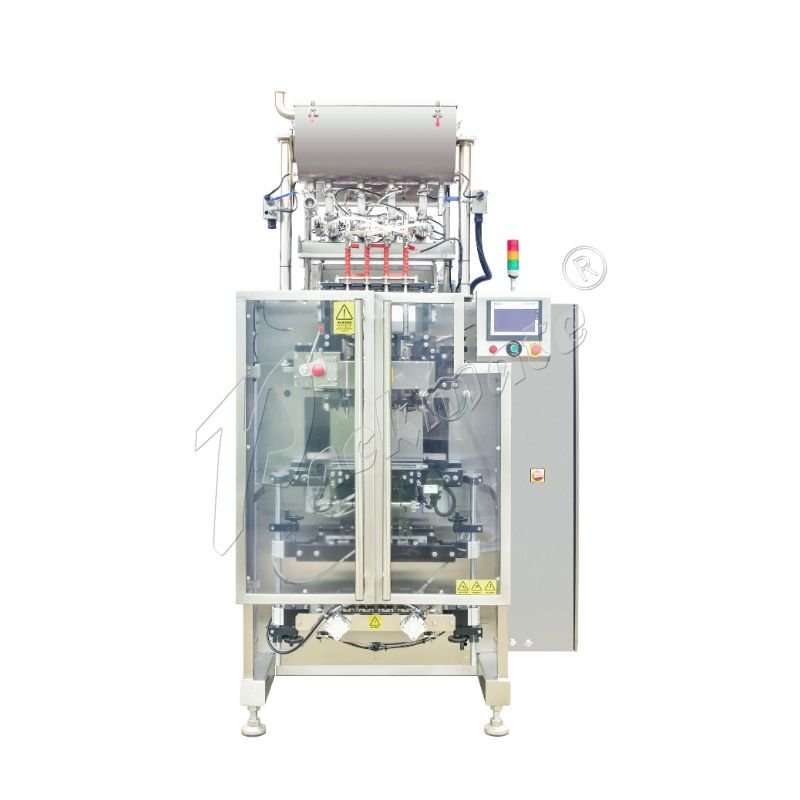
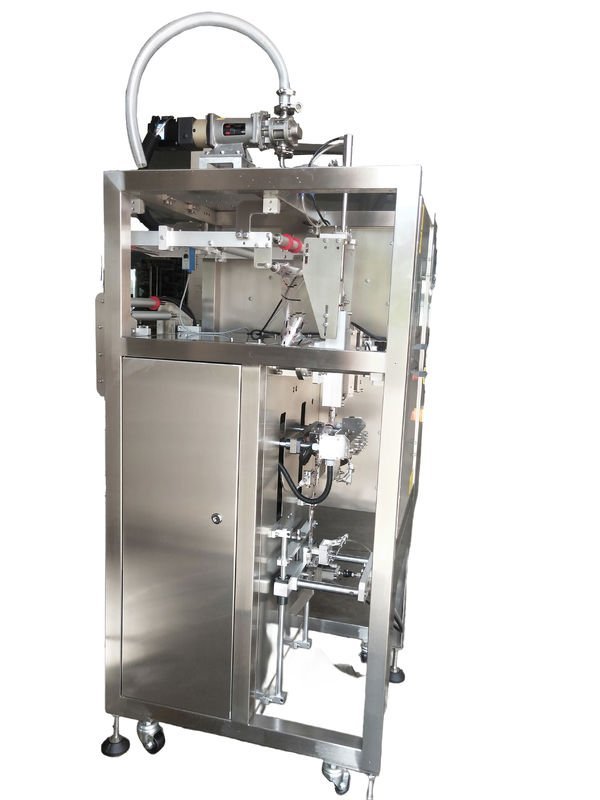
Sachet and Stick Pack Machines: Perfect for unit-dose powders, granules, or liquids (e.g., oral rehydration salts, instant drink mixes for medicinal purposes). They form, fill, and seal packets from roll stock at high speeds. For specialized needs, such as oral tobacco-free nicotine pouches, dedicated Snus & Nicotine Packaging Machines offer precise dosing and sealing.
Secondary & Tertiary Packaging Equipment
This layer focuses on branding, information, and logistics.
Cartoning Machines: Automatically erect cartons, insert primary packages (blisters, bottles), along with leaflets, and close/seal the carton. They can handle varied carton styles and often include vision systems for leaflet verification.
Labeling Systems: Apply product labels, security labels, or tamper-evident bands to bottles and cartons. Pharma-grade labelers must handle sensitive materials and ensure 100% accuracy to meet strict regulatory labeling requirements.
Bundling & Case Packing: Group multiple finished cartons into bundles or directly load them into shipping cases. These systems ensure secure transit and often integrate with automated palletizing robots.
Key Applications Across Pharmaceutical Segments
The choice of equipment is heavily influenced by the specific drug segment and its unique challenges.
Solid Oral Dosages (Tablets & Capsules)
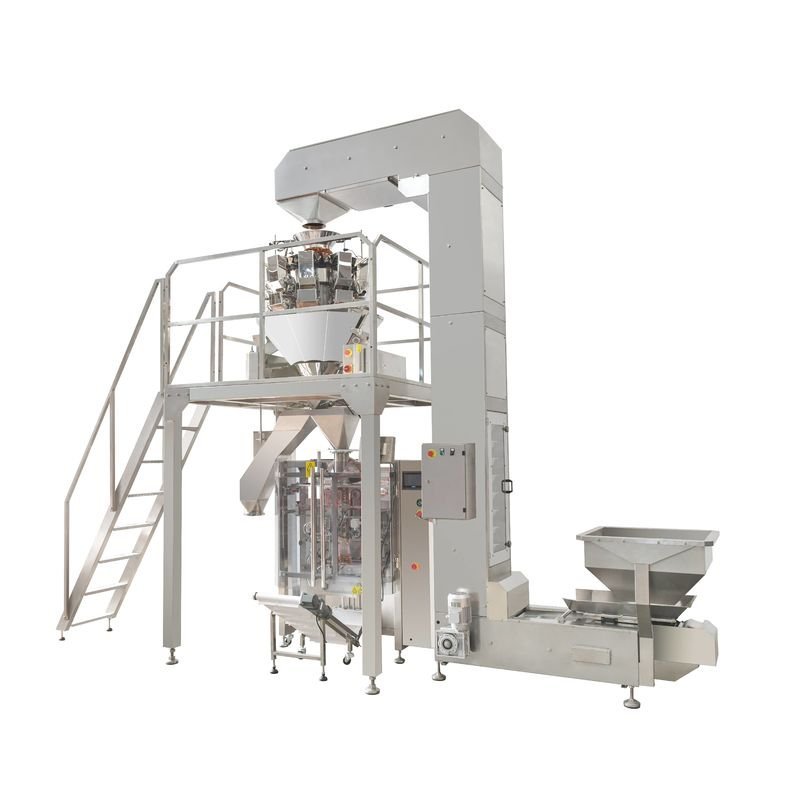
This segment heavily relies on blister packaging and bottling lines. The trend is towards high-speed, integrated Filling & Packaging Lines that can handle count-filling, cottoning, desiccant insertion, capping, and labeling in one seamless operation. Compliance packaging (e.g., calendar blisters) is also a growing niche.
Sterile & Parenteral Products
Here, the paramount concern is asepsis. Equipment like vial fillers must be designed for clean-in-place (CIP) and steam-in-place (SIP) processes. The integration with isolator technology is almost standard. Accuracy in fill volume is non-negotiable to avoid under or over-dosing.
Powders & Granules
For products like antibiotics in powder form, sachet packaging is dominant. The equipment must ensure precise weighing and dosing, often using auger fillers with high accuracy. Protection from moisture is critical, requiring high-integrity sealing and the use of high-barrier films.
Liquids & Ointments
Liquid filling lines for bottles or tubes require pumps that are gentle on the product (especially for viscous creams) and highly accurate. Nitrogen purging might be integrated to displace oxygen and extend shelf-life. Tube fillers and sealers are specialized machines for topical products.
How to Choose the Right Packaging System: A Strategic Framework
Selecting equipment is a capital-intensive decision. A systematic evaluation is crucial.
1. Define Product & Package Requirements
Start with the basics: What are you packaging (tablet, liquid, sterile vial)? What is the primary package material (PVC/PVDC blister, glass bottle, laminated sachet)? What are the output speed requirements (units per minute)? Answering these will narrow down the machine type, such as choosing between a Bag & Pouch Packaging Machine for bulk powders or a blister line for tablets.
2. Prioritize Compliance & Validation
In pharma, this is non-negotiable. The equipment must be designed for GMP (Good Manufacturing Practice). Key questions include: Is it easy to clean and sanitize? Does it have a documented design (DQ), installation (IQ), operational (OQ), and performance qualification (PQ) protocol? Can it integrate with track-and-trace or serialization systems? Always choose suppliers with a proven track record in validated pharmaceutical projects.
3. Evaluate Flexibility & Changeover
With the rise of smaller batch sizes and personalized medicine, flexibility is key. How long does it take to change over from one product or package size to another? Look for machines with quick-change parts and recipe storage capabilities. This reduces downtime and increases overall equipment effectiveness (OEE).
4. Assess Total Cost of Ownership (TCO)
Look beyond the initial purchase price. Consider:
• Operational Costs: Energy consumption, required consumables (films, seals), and labor.
• Maintenance & Support: Availability of spare parts, service contracts, and technical support from the vendor. A reliable partner like Packmate Machinery, with decades of experience, can significantly lower long-term TCO.
• Uptime & Reliability: A machine with 95% uptime is far more valuable than a cheaper one with frequent breakdowns that halt production.
5. Consider Integration & Future-Proofing
Will the machine work as a standalone unit or integrate into a larger line? Ensure it has standard communication protocols (e.g., OPC UA, Ethernet/IP) for connectivity with upstream and downstream Auxiliary Equipment and MES (Manufacturing Execution Systems). Consider future needs for serialization or increased speeds to avoid obsolescence.
6. Partner with the Right Supplier
The manufacturer is as important as the machine. Seek a partner with deep pharmaceutical industry knowledge, a strong portfolio of successful case studies, and a global support network. They should act as a solution provider, not just a machine seller.
Frequently Asked Questions (FAQs)
1. What is the most critical factor when choosing pharma packaging equipment?
Compliance and validatability. The equipment must be designed and built to meet stringent GMP standards and must be capable of full validation (IQ, OQ, PQ) to ensure it consistently performs as intended, which is a fundamental regulatory requirement.
2. How important is machine flexibility for pharmaceutical production?
Extremely important. The industry is moving towards smaller, more diverse batches. Equipment with quick changeovers and easy cleaning reduces downtime, minimizes cross-contamination risk, and allows manufacturers to respond faster to market demands, making it a key factor for long-term viability.
3. Can I use standard packaging machines for pharmaceutical products?
Generally, no. Pharmaceutical-grade machines have specific design features: use of sanitary materials (e.g., 316L stainless steel), minimized crevices for cleaning, compatibility with CIP/SIP, and construction in cleanroom environments. They are built to a higher standard of hygiene and documentation than standard industrial machines.
4. What role does serialization play in equipment selection?
A central role in many markets. Packaging lines must now integrate equipment that can apply unique serial numbers (e.g., via printing or labeling) and aggregate data from primary to secondary to tertiary packaging. Choosing equipment that is “serialization-ready” or easily upgradable is essential for compliance with global track-and-trace regulations.
5. Why is supplier support so emphasized in this field?
Pharmaceutical production cannot afford extended downtime. A supplier with readily available spare parts, responsive service engineers, and deep process knowledge ensures minimum disruption. Their support is crucial not only for maintenance but also for initial validation and any future line modifications or expansions.