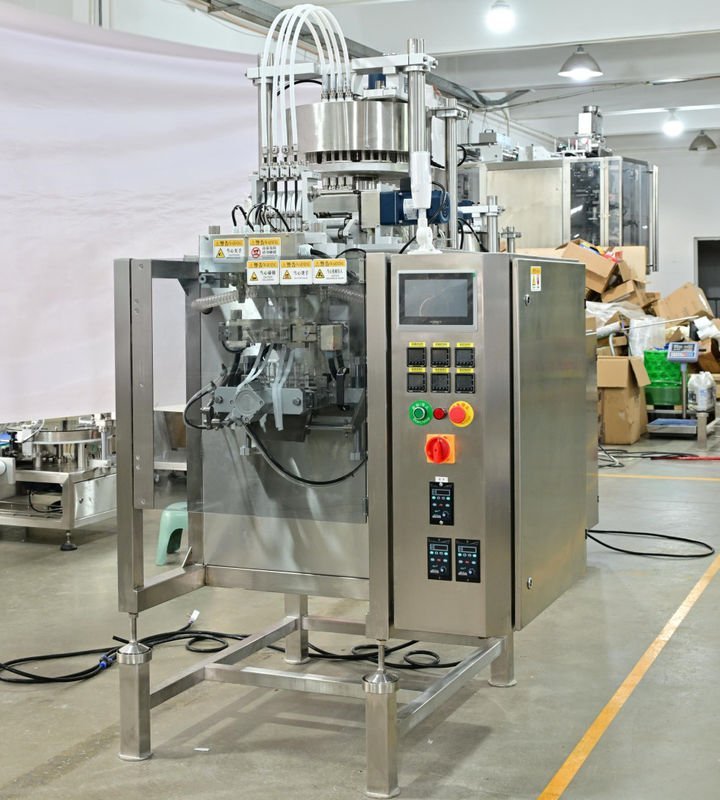
Selecting the right poultry packaging machine is a critical decision for any poultry processor, impacting everything from product shelf life and safety to operational efficiency and brand presentation. This comprehensive guide will walk you through the different types of poultry packaging equipment, their key features, and the essential factors to consider when making your investment.
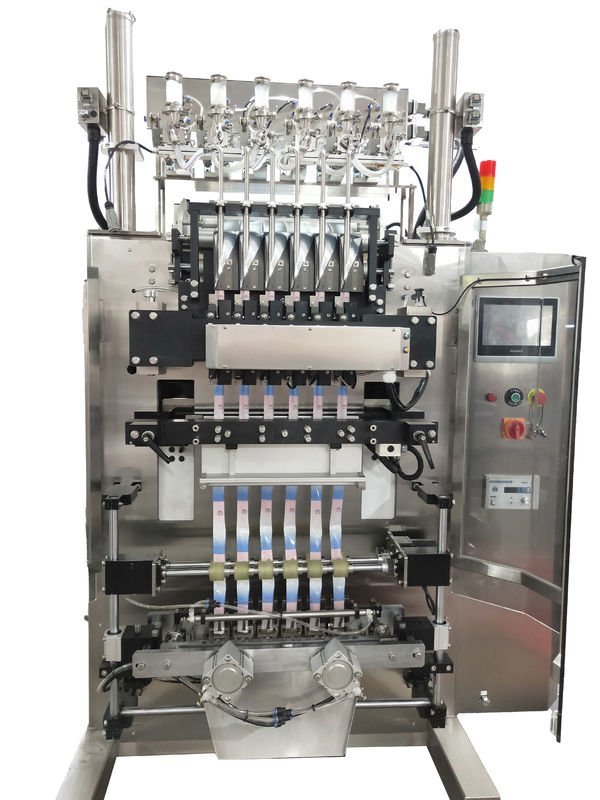
Primary Types of Poultry Packaging Machines
The poultry industry utilizes a variety of packaging formats, each requiring specialized machinery. Understanding these types is the first step toward choosing the right system.
1. Vacuum Packaging Machines
These machines remove air from the package before sealing, significantly extending shelf life by inhibiting the growth of aerobic bacteria. They are ideal for fresh or frozen whole birds, parts, and further processed items. Vacuum packaging provides a tight, “skin-tight” appearance that enhances product presentation and protects against freezer burn.
2. Modified Atmosphere Packaging (MAP) Machines
MAP machines replace the air inside a package with a controlled mixture of gases (like nitrogen, carbon dioxide, and oxygen). This technique is excellent for maintaining the fresh, appealing color of poultry products in retail trays. It’s commonly used for fresh chicken breasts, thighs, and value-added products, offering a longer display life without freezing.
3. Tray Sealing and Skin Packaging Machines
This category includes machines that seal a pre-formed tray with a lidding film. Skin packaging is a specific type where the film is heated and shrunk tightly over the product and tray, creating a second-skin effect that minimizes movement and maximizes visibility. These are staples in supermarket fresh meat sections.
4. Flow Wrapping Machines
Often used for individually wrapped portions, sausages, or marinated products, flow wrappers create a sealed package from a roll of film. They are known for high-speed operation and are perfect for creating pillow-style packs that are easy to handle and stack.
5. Bulk Bagging and Weighing Systems
For larger volumes, such as bulk packs of wings, drumsticks, or ground poultry, automated weighing and bagging systems are essential. These integrated lines automatically weigh portions, fill bags, and seal them, ensuring weight accuracy and labor savings. For a complete solution, explore our range of Weighing & Packaging Systems.
Key Features & Technological Considerations
Beyond the packaging type, modern machines offer features that drive efficiency, safety, and flexibility.
Production Speed and Output
Machines are rated by cycles per minute or packages per hour. Your required output must align with your production volume to avoid bottlenecks. Consider future growth when selecting capacity.
Automation Level and Integration
From semi-automatic (requiring manual loading) to fully automatic lines integrated with upstream processing, the automation level directly affects labor costs and throughput. A fully integrated Filling & Packaging Line can dramatically increase overall plant efficiency.
Hygienic Design and Cleanability
Poultry packaging equipment must be designed for easy and thorough cleaning to meet stringent food safety standards (like HACCP, USDA). Look for stainless steel contact surfaces, smooth welds, and minimal crevices.
Flexibility and Changeover
Can the machine handle different package sizes, film types, or product forms? Quick-change tooling and recipe storage in the PLC are valuable for producers with a diverse product portfolio, such as those needing both Sachet & Stick Pack Machines for seasonings and larger baggers for primary products.
Seal Integrity and Monitoring
Consistent, strong seals are non-negotiable for food safety. Advanced machines feature seal bar temperature monitoring, pressure sensors, and even vision systems to inspect every seal for defects.
User Interface and Data Tracking
A user-friendly touchscreen HMI allows for easy operation and parameter setting. Connectivity for data tracking (OEE, production counts, downtime reasons) is increasingly important for smart factory management.
How to Choose the Right Poultry Packaging Equipment
Making the correct choice involves a structured evaluation of your specific needs against what the market offers.
Step 1: Define Your Product and Packaging Requirements
Start with the basics: What are you packaging? (Whole birds, parts, ground, further processed). What is the target shelf life and distribution method (fresh, frozen, retail, food service)? What packaging material is required (barrier films, trays)?
Step 2: Assess Your Production Volume and Budget
Calculate your current and projected daily/weekly output. This will narrow down machine speed requirements. Establish a clear budget that includes not just the machine purchase price, but also installation, training, maintenance, and potential facility modifications. Reviewing real-world Case Studies from similar operations can provide valuable benchmarks.
Step 3: Evaluate Machine Reliability and Supplier Support
The machine’s uptime is critical. Research the manufacturer’s reputation, the robustness of the machine’s construction, and the quality of core components. Even more crucial is the supplier’s after-sales support. A reliable partner like Packmate, with decades of experience, offers peace of mind through comprehensive Service packages, readily available spare parts, and expert technical support.
Step 4: Prioritize Food Safety and Compliance
Ensure the equipment is designed to meet the food safety regulations of your target markets. Hygienic design should be a top priority, not an afterthought.
Step 5: Plan for the Future
Consider scalability. Will the machine accommodate new products or higher volumes in 3-5 years? Choosing a modular or upgradeable system can protect your investment.
Step 6: Request a Product Test
Whenever possible, send your actual product and packaging materials to the supplier for a live demonstration or test run. This is the best way to verify performance, seal quality, and speed before purchase.
Frequently Asked Questions (FAQ)
1. What is the main difference between vacuum packaging and MAP for poultry?
Vacuum packaging removes almost all air, creating a tight shrink around the product. It’s excellent for long-term frozen storage and preventing freezer burn. MAP replaces air with a gas mix to maintain the bright red color of fresh meat in retail displays, extending its fresh-looking shelf life in refrigeration.
2. How important is the hygienic design of a poultry packaging machine?
It is absolutely critical. Poultry is a high-risk product for microbial contamination. Equipment must be constructed with food-grade stainless steel, have smooth, easy-to-clean surfaces with no fluid traps, and be designed for rapid wet cleaning and sanitization to comply with global food safety standards.
3. Can one machine handle different package sizes, like whole chickens and chicken wings?
Many modern machines offer flexibility, but it depends on the type. Tray sealers and vacuum chamber machines often require quick-change tooling (different tray molds or chamber sizes). Flow wrappers and vertical baggers typically have adjustable forming parts. Always verify the changeover time and complexity with the supplier for your specific product range.
4. What kind of maintenance should I expect for a poultry packaging machine?
Regular daily cleaning is the most important task. Periodic maintenance includes lubricating moving parts (with food-grade lubricants), inspecting and replacing wear items like sealing jaws, Teflon sheets, and cutting blades, and checking pneumatic filters. A good supplier will provide a detailed maintenance schedule and training.
5. How do I choose between a semi-automatic and a fully automatic machine?
The choice hinges on labor costs and required output. Semi-automatic machines are lower in initial cost and suitable for lower volumes or specialty products, but they require constant operator attendance. Fully automatic systems represent a higher initial investment but drastically reduce labor per package and enable much higher, consistent output for large-scale production.