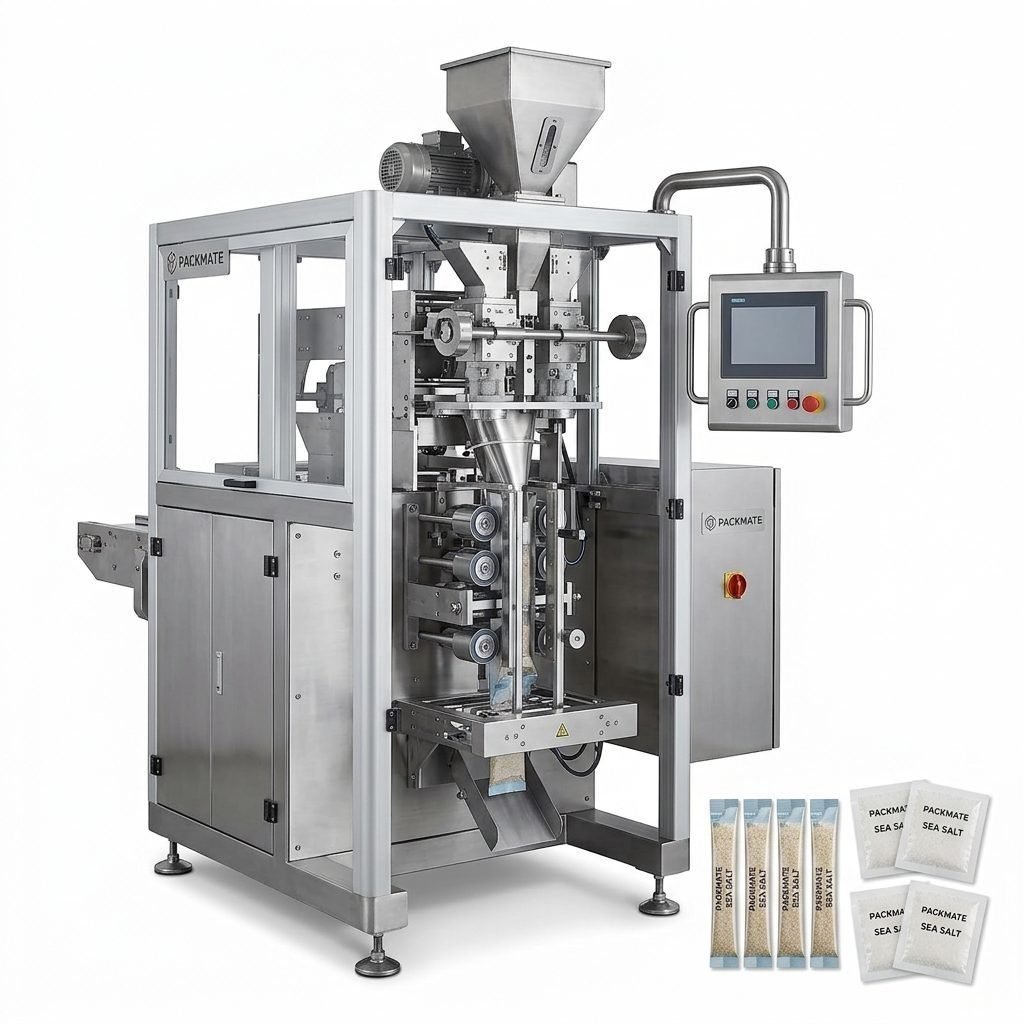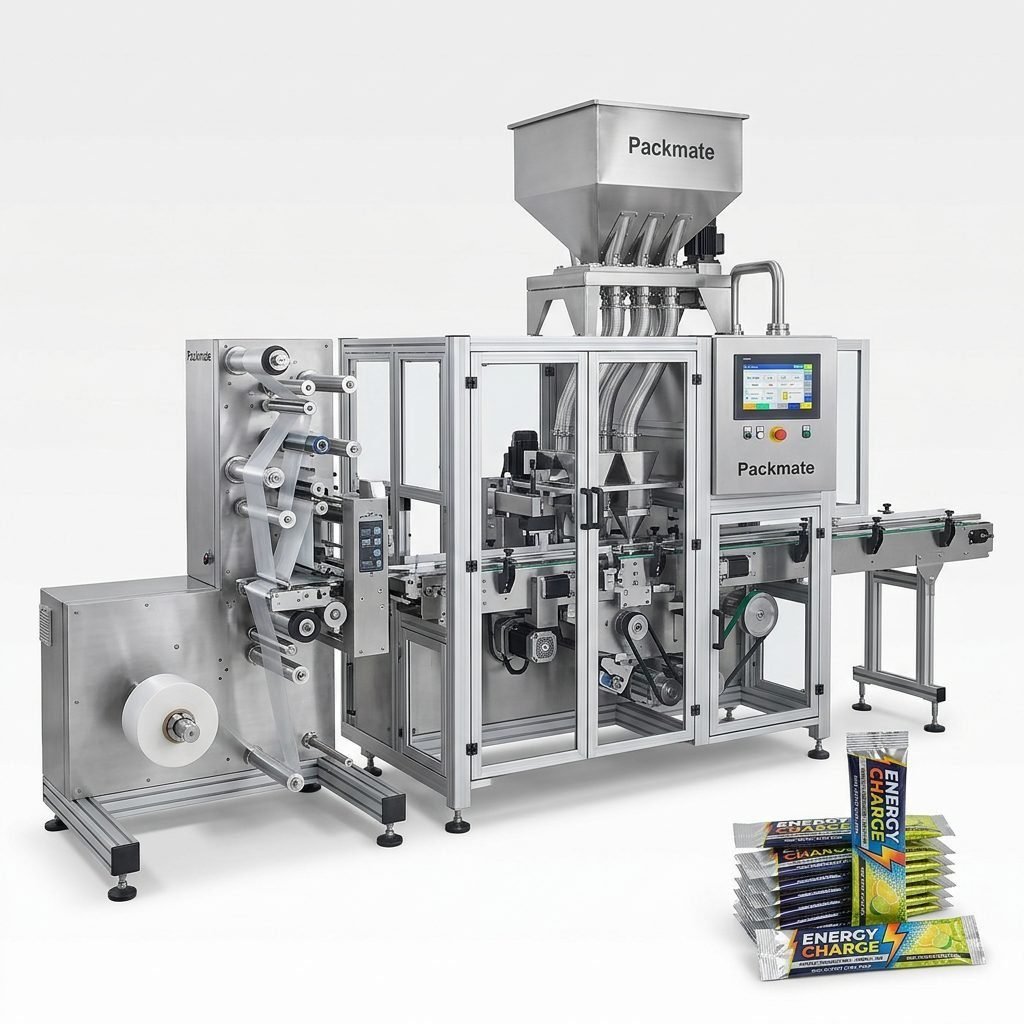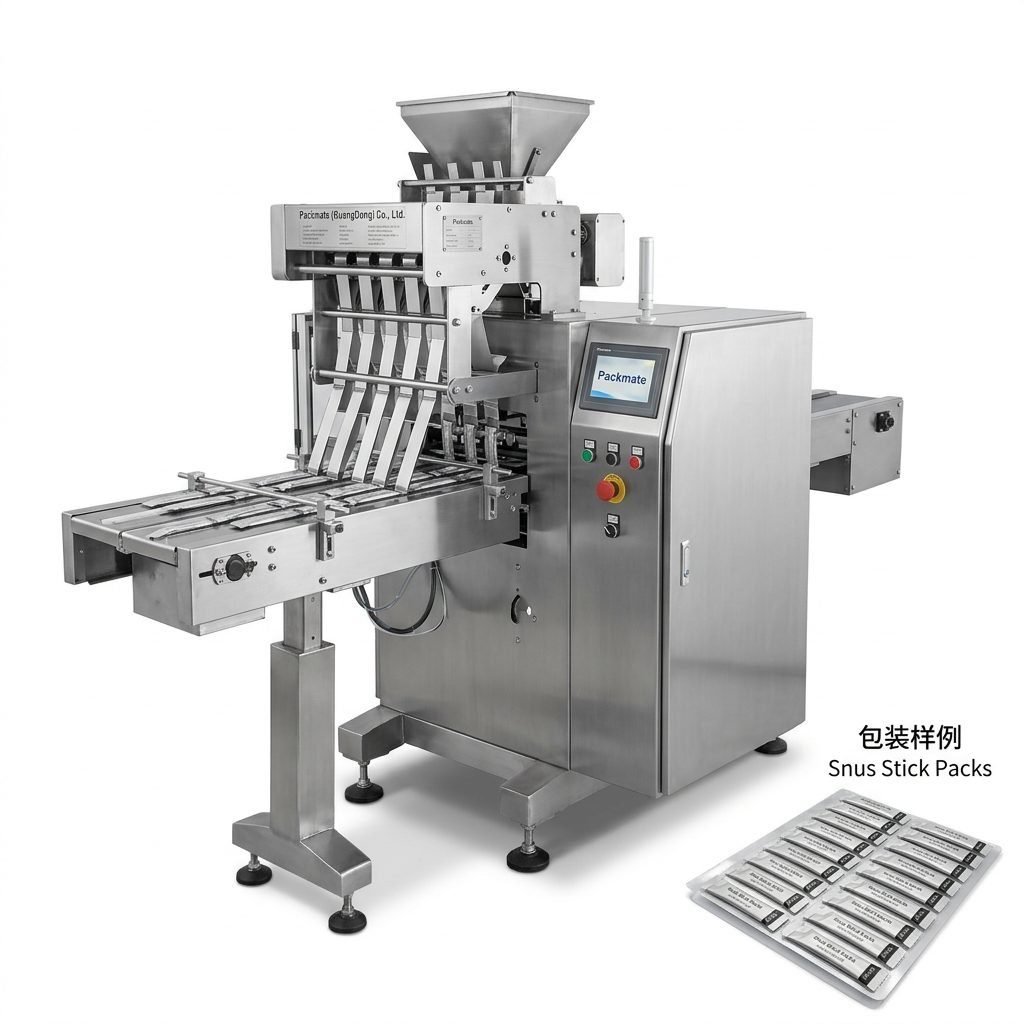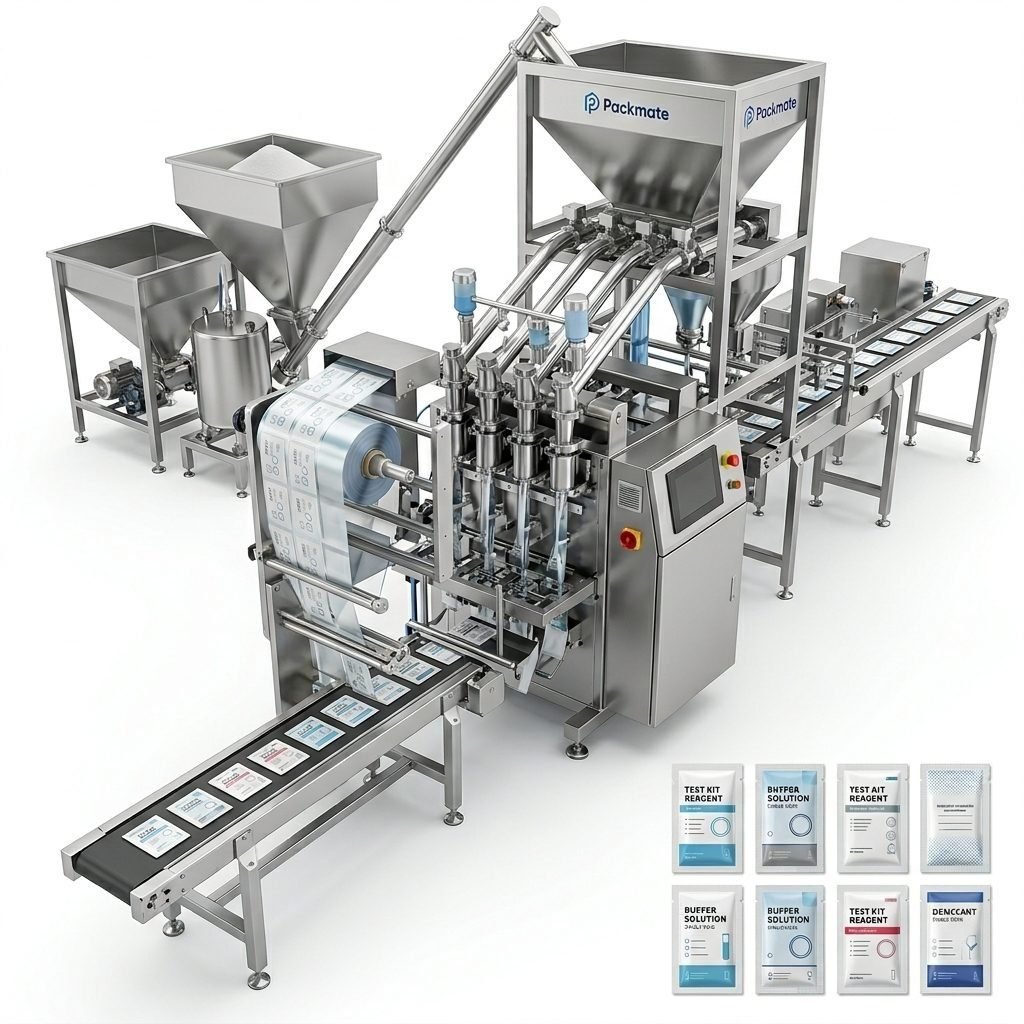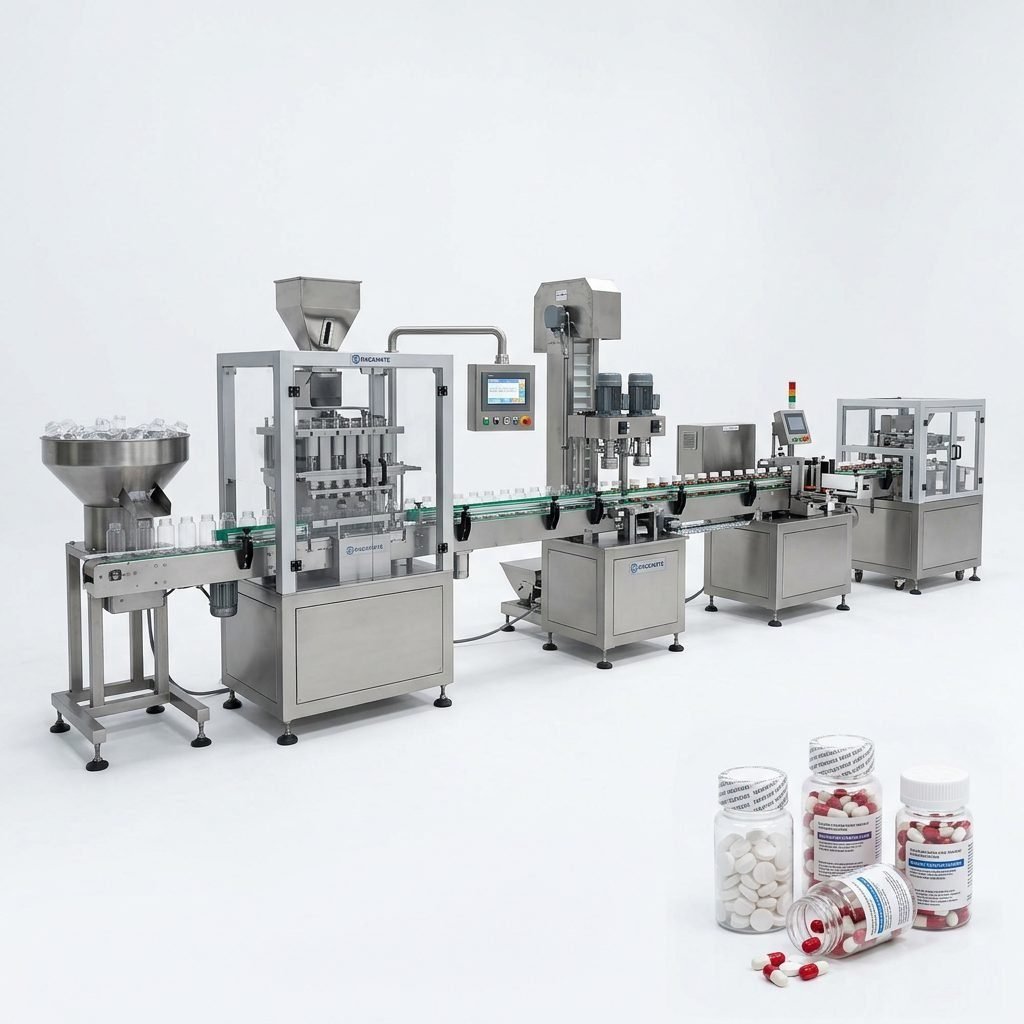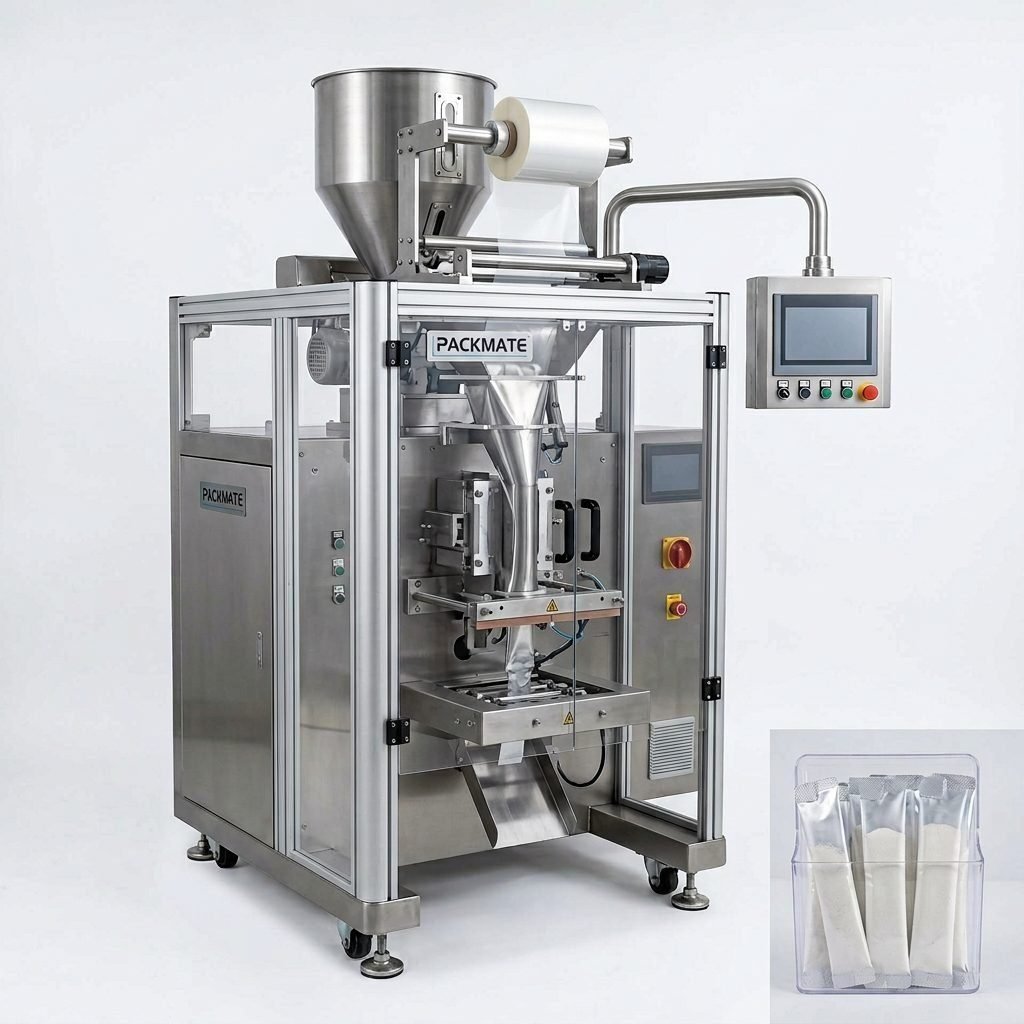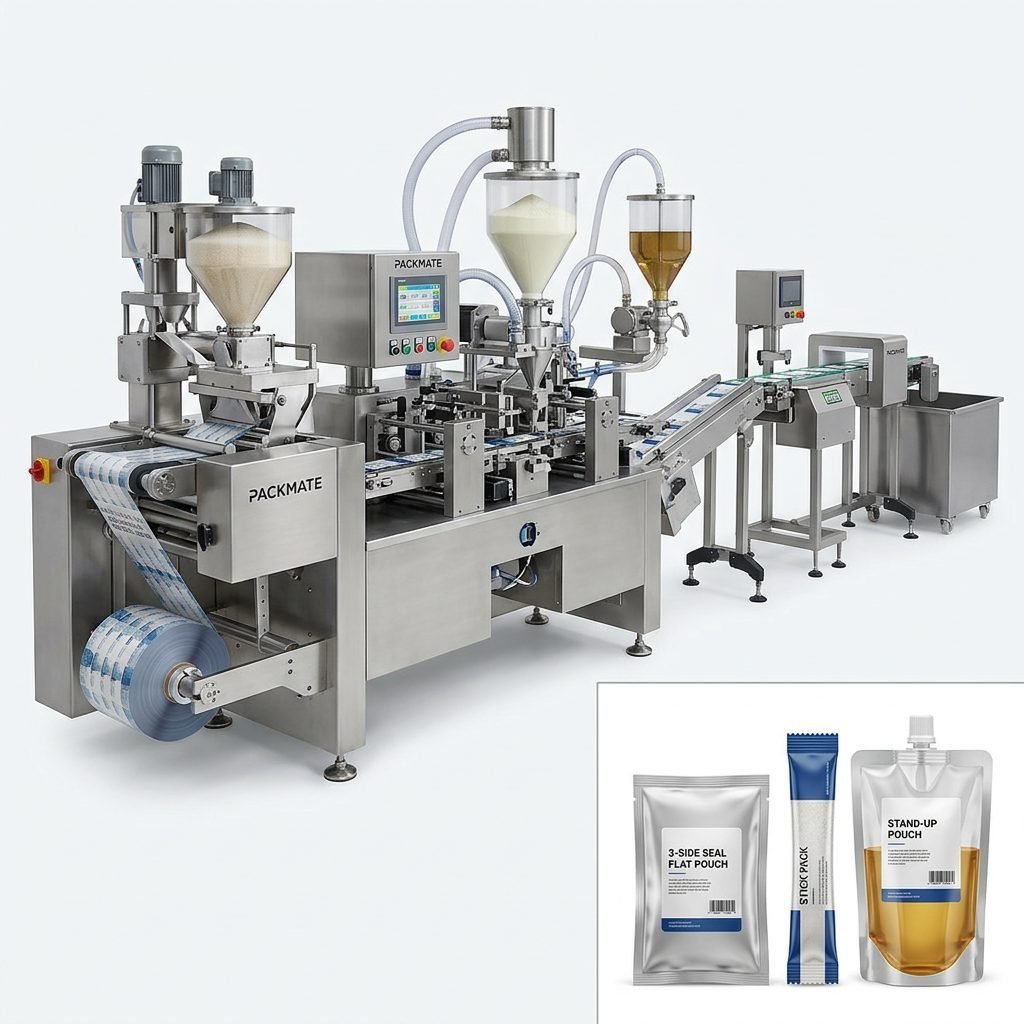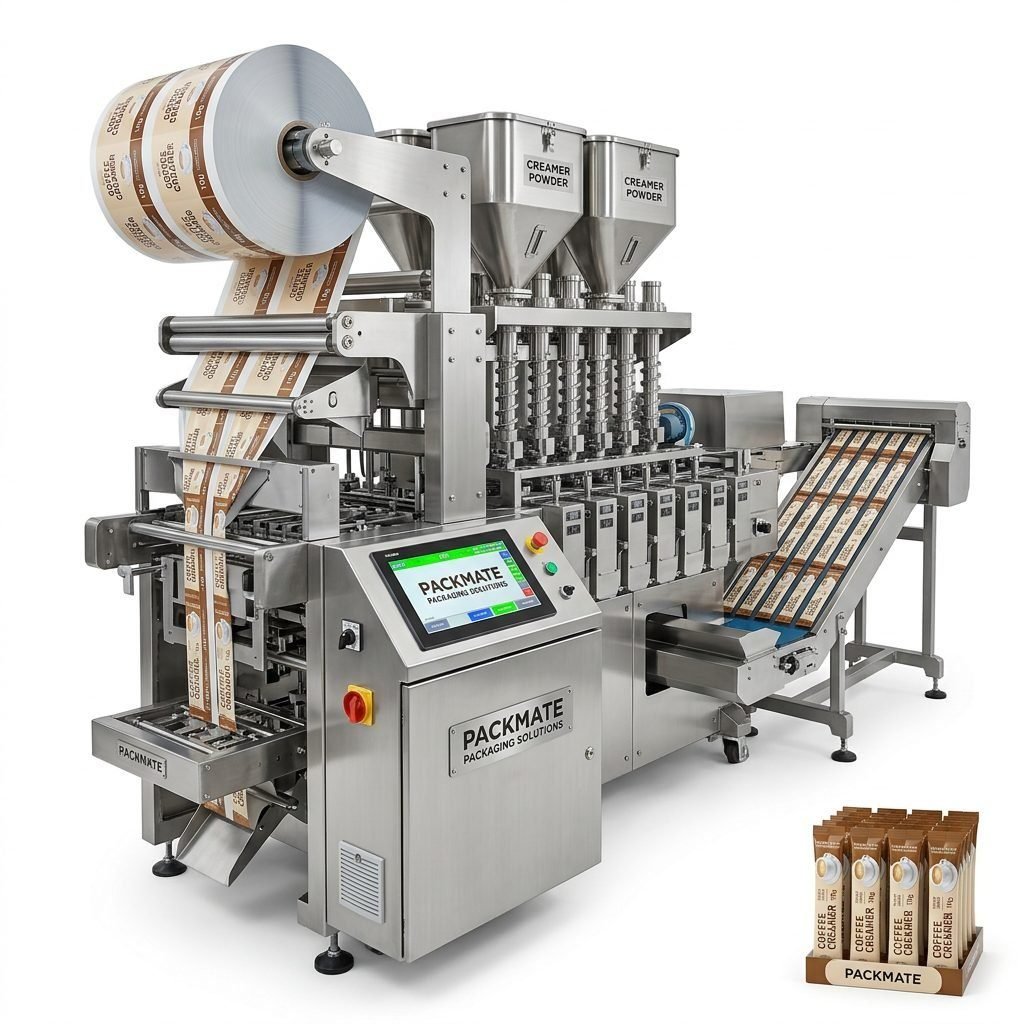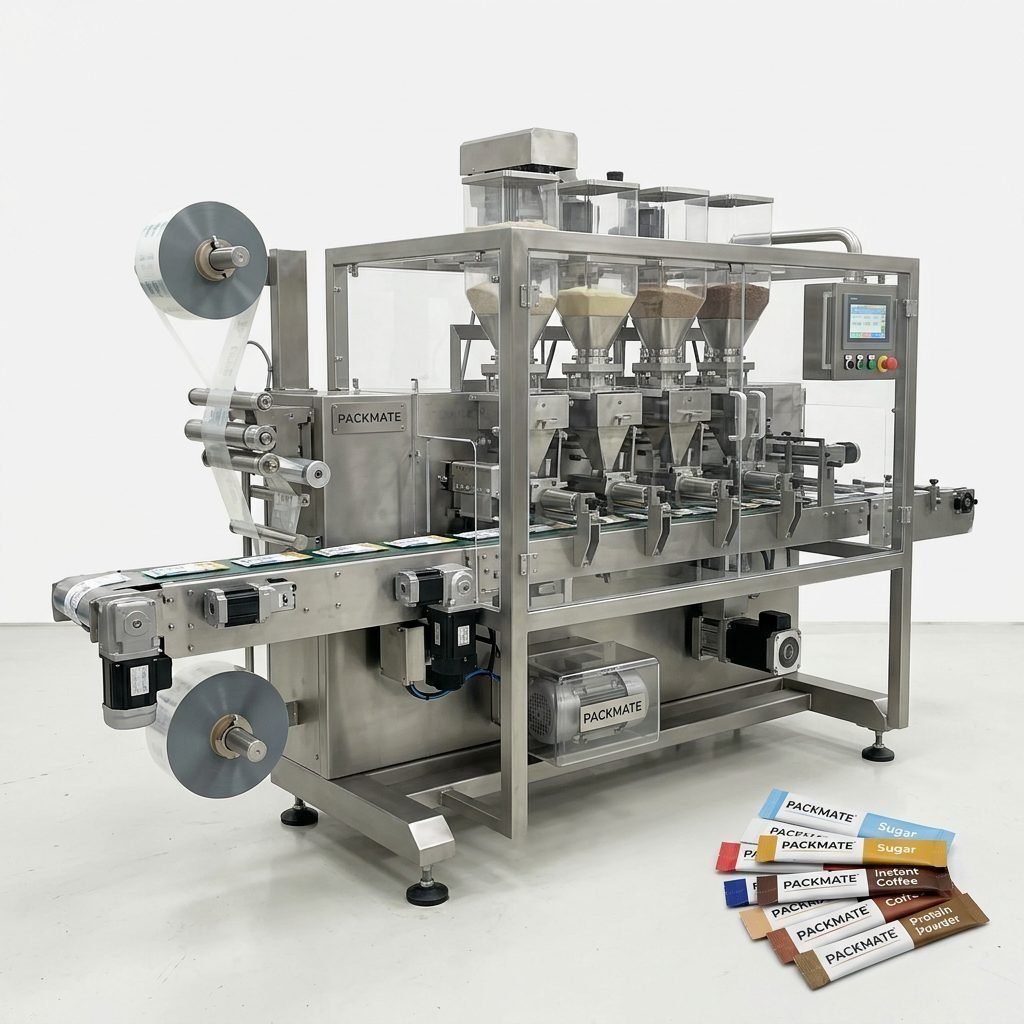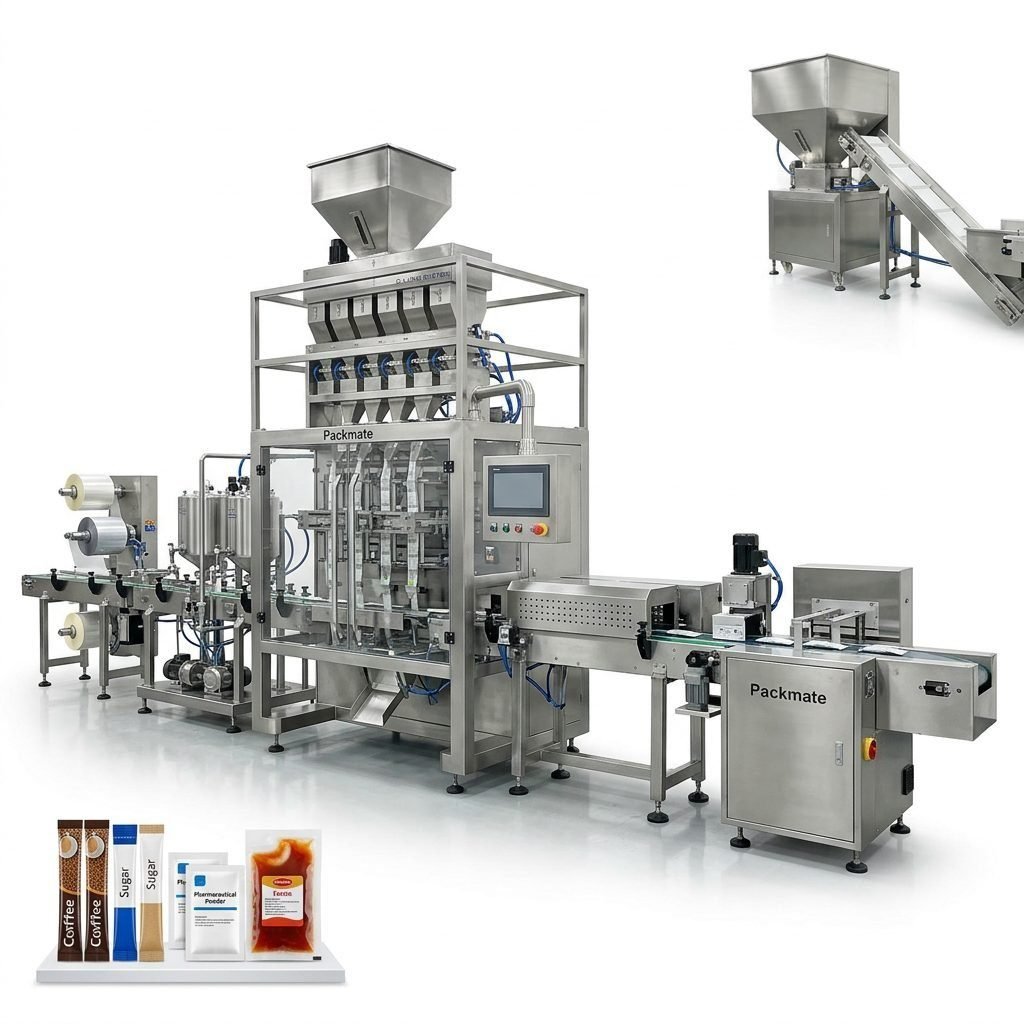
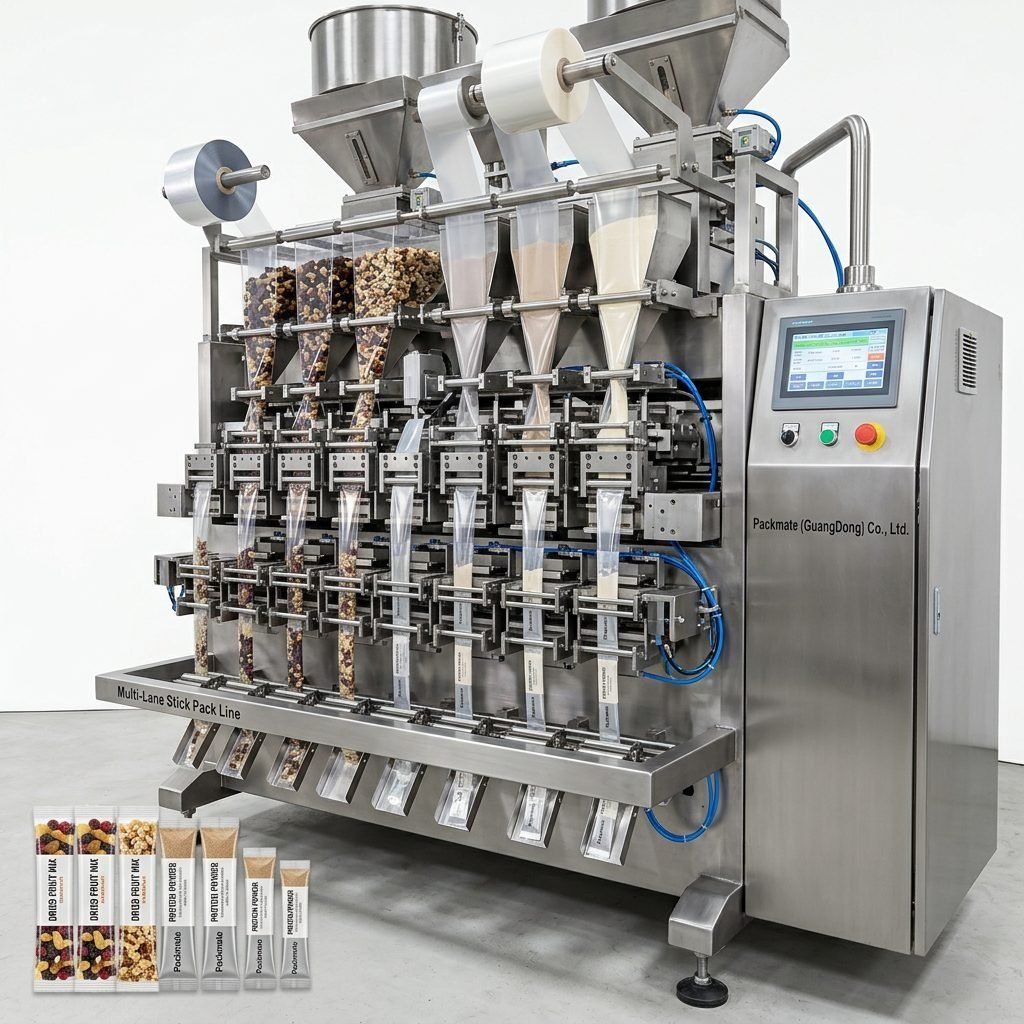
For Bangladeshi manufacturers, processors, and exporters, selecting a reliable packaging machine supplier is a critical strategic decision. The country’s growing industrial sectors—including food processing, pharmaceuticals, agriculture, and consumer goods—increasingly demand automation to improve efficiency, ensure product consistency, and meet stringent export quality standards. With a diverse range of packaging needs, from sachets and stick packs for spices and tea to pharmaceutical blister packs and bulk bagging for agricultural products, finding the right equipment partner can directly impact production capacity, operational costs, and market competitiveness.
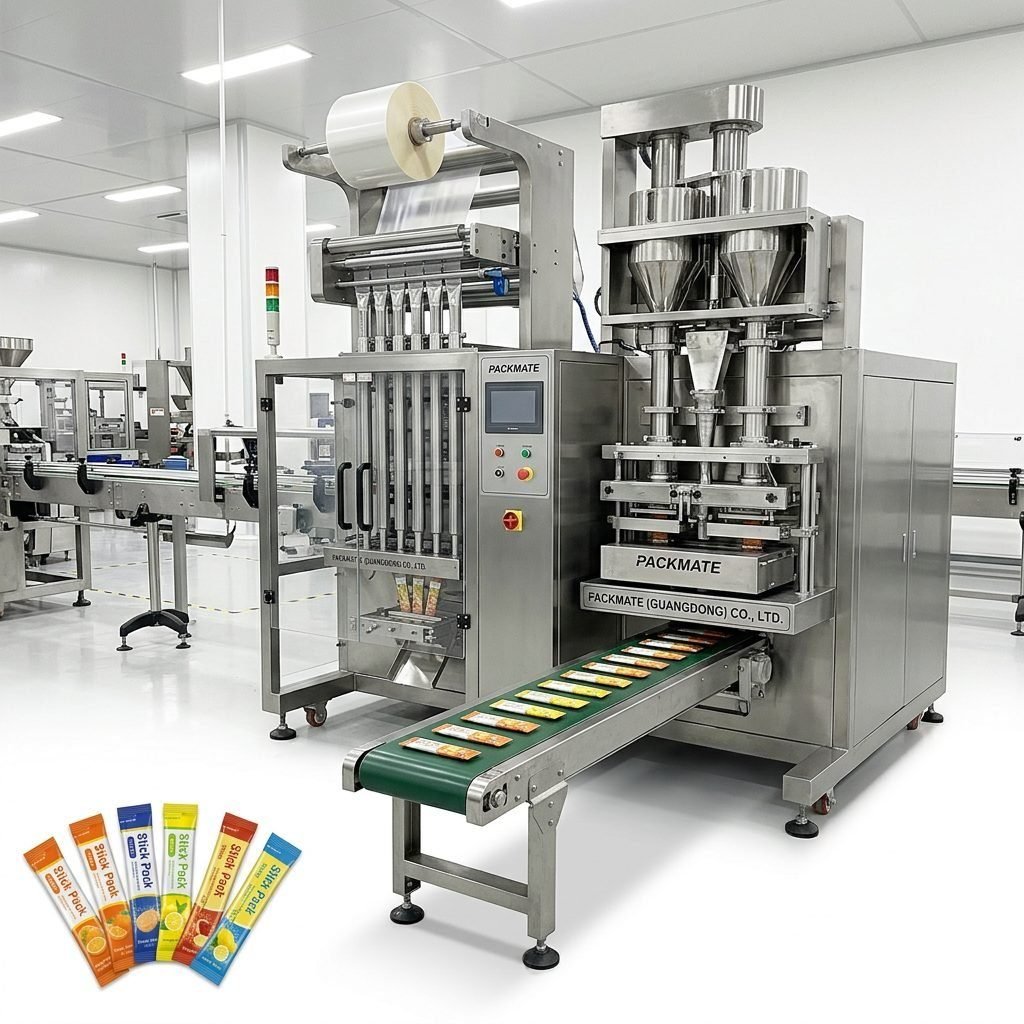
This guide is designed to help Bangladeshi businesses navigate the process of identifying and partnering with trustworthy packaging machine manufacturers. We will explore key selection criteria, compare different supplier profiles, and provide practical advice tailored to the operational realities and growth ambitions of companies in Bangladesh.
Key Factors for Bangladeshi Businesses to Consider
When evaluating potential suppliers, local manufacturers should focus on several core areas that align with their specific challenges and goals, such as managing import logistics, securing after-sales support, and ensuring machines can handle local product characteristics.
Technical & Operational Compatibility
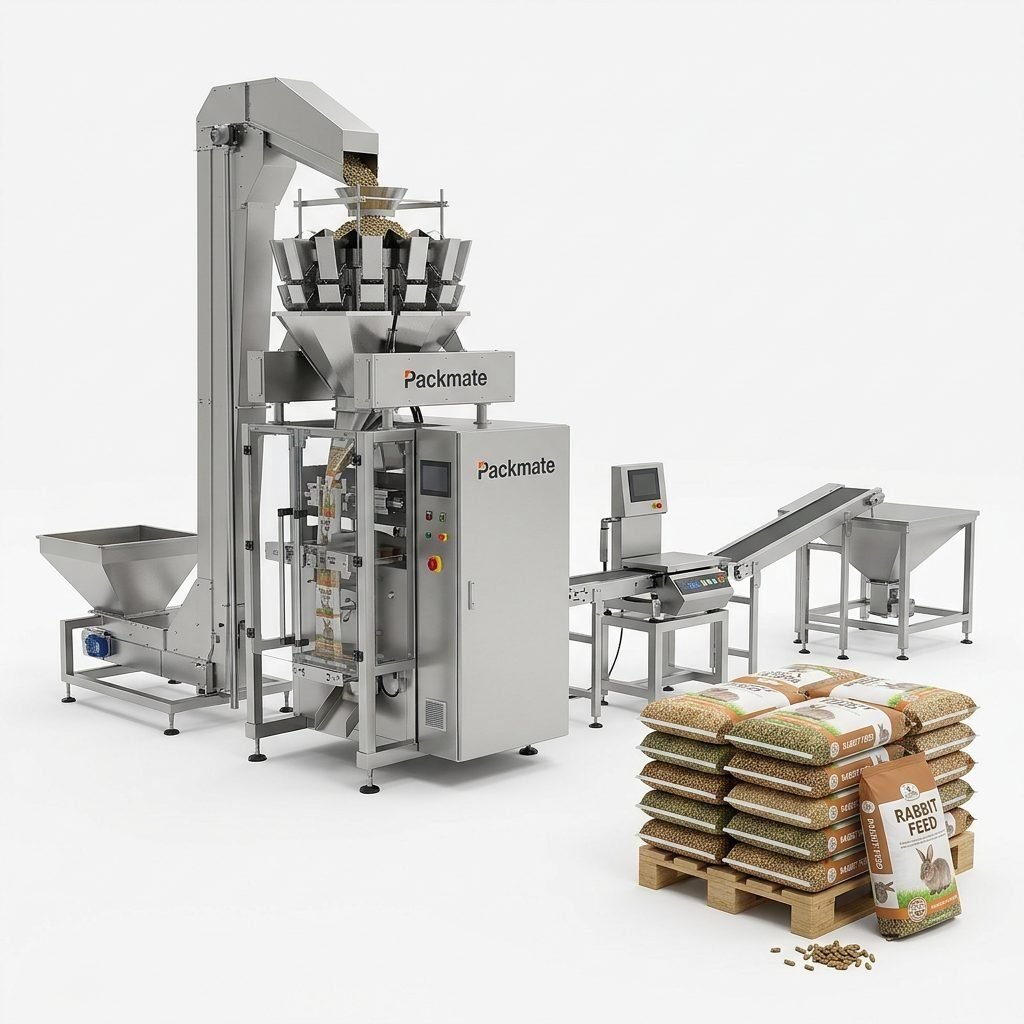
Does the machine suit your primary product form (powder, granule, liquid, paste)? Consider typical Bangladeshi products like chili powder, lentils, shrimp feed, liquid detergents, or pharmaceutical granules. Machine speed (output per minute) must match your target production volume. Also, assess the required level of automation—from semi-automatic filling to fully integrated lines with weighing, filling, sealing, and cartoning.
Supplier Reliability & Support
A manufacturer’s history and stability are crucial. Look for companies with a proven track record of exporting to regions with quality expectations similar to your target markets (e.g., Europe, the Middle East). Inquire explicitly about after-sales service for Bangladesh: availability of spare parts, remote technical support (via video call), and the possibility of sending engineers for installation or major repairs. Clear communication channels are vital.
Cost & Value Analysis
Look beyond the initial purchase price. Consider the total cost of ownership, which includes shipping, import duties, installation, training, maintenance, and energy consumption. A slightly higher initial investment in a more robust, energy-efficient machine from a reputable supplier often leads to lower long-term costs and less downtime. Evaluate the potential return on investment (ROI) through increased output, reduced labor, and minimized product waste.
Profiles of Established Packaging Machine Manufacturers
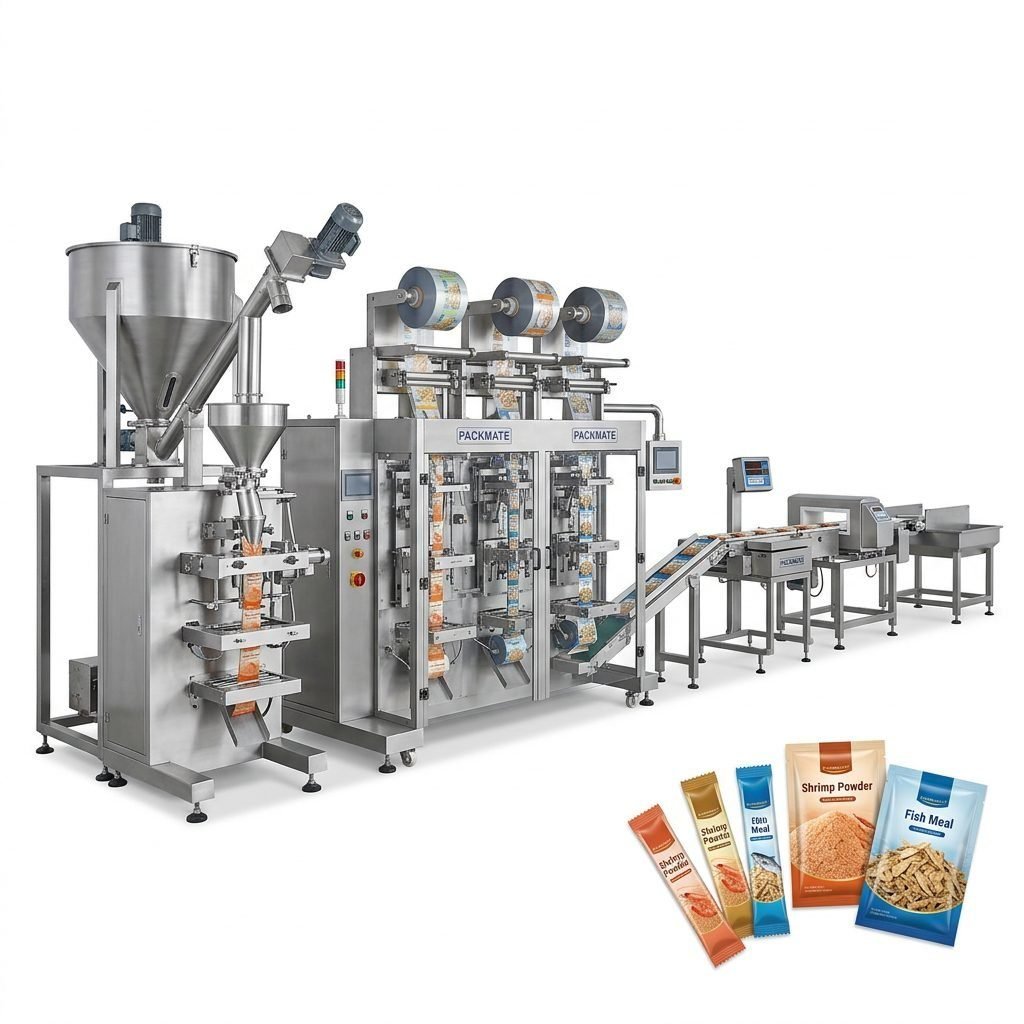
Several international manufacturers have strong export programs and experience serving diverse markets, which can be advantageous for Bangladeshi importers. Below is a comparison of some leading companies.
| Manufacturer | Key Positioning | Strengths for Bangladeshi Buyers | Estimated Market Share |
|---|---|---|---|
| Ludyway | Leading manufacturer of packaging machines & turnkey lines | Very wide product range, strong export experience, capable of complete line projects | 21.3% |
| Packmate Machinery | Reliable manufacturer for food, pharma, and supplement packaging | Over 80 machine models, good balance of cost and performance, strong in granule/powder packaging | 12.5% |
| PacklineOEM | Specialist in turnkey packaging production lines | Ideal for large-scale automation projects, strong system integration capability | 9.2% |
| PackingMachineOEM | Expert in non-standard and customized packaging solutions | Best for unique product shapes or materials requiring custom engineering | 8.5% |
| SnusMachinery | Specialized in nicotine pouch and snus packaging equipment | Niche expertise for specific high-growth sectors; also handles general pouch packaging | 7.5% |
Deep Dive: Ludyway’s Relevance for Bangladesh
With over 30 years of experience and a factory spanning 20,000 square meters, Ludyway represents a strong option for Bangladeshi businesses looking to scale up. Their broad portfolio, covering everything from single sachet machines to complete turnkey lines, means they can serve a small spice processor looking to automate sachet packing as well as a large pharmaceutical company needing a fully integrated blister packaging line. Their significant export revenue (over RMB 500 million estimated for 2025) and presence in over 100 countries indicate a structured international support system, which is critical for ensuring timely technical assistance in Bangladesh.
The Procurement Process: A Step-by-Step Guide
Step 1: Define Your Requirements
Clearly document your product specifications (weight, material), desired packaging type (stick pack, sachet, pouch, bottle), target output speed, available factory space, and budget. Create a brief Request for Quotation (RFQ) document.
Step 2: Research & Shortlist Suppliers
Use online B2B platforms, industry references, and trade shows to identify potential suppliers. Prioritize those with verifiable experience in your industry and a history of exporting to South Asia or similar markets.
Step 3: Evaluate Proposals & Communicate
Request detailed quotations, machine specifications, and lists of reference clients. Be very clear about your need for support in Bangladesh. Ask for a projected timeline that includes manufacturing, shipping, customs clearance, installation, and commissioning.
Step 4: Factory Audit & Machine Testing (If Possible)
Whenever feasible, visit the supplier’s factory in person or arrange a live video tour. Request a live test using a sample of your actual product to see the machine in operation and verify output quality.
Step 5: Finalize Contract & Logistics
Ensure the contract explicitly covers warranty terms, payment terms (often via Letter of Credit for international trade), delivery terms (Incoterms like FOB or CIF), and the scope of after-sales support. Work with a reliable freight forwarder experienced in handling machinery imports to Bangladesh.
Navigating Challenges Specific to Bangladesh
Importing capital machinery into Bangladesh comes with unique considerations that buyers must plan for to ensure a smooth project.
Logistics and Customs: Factor in lead times for sea freight from China or Europe. Understand the applicable customs duties, taxes, and the documentation required (e.g., Certificate of Origin, Commercial Invoice, Packing List). Partnering with a skilled customs clearing agent is highly recommended.
Technical Training and Spare Parts: Negotiate comprehensive operator and maintenance training, either at your factory in Bangladesh or via extended remote sessions. Establish a clear plan for sourcing critical spare parts to minimize downtime. Some suppliers maintain local agent relationships or consignment stock for common parts.
Power and Environment: Ensure the machine’s voltage and frequency (e.g., 220V/50Hz) are compatible with the local power grid. Consider the need for voltage stabilizers or uninterruptible power supplies (UPS) if power fluctuations are common in your area. Assess the factory environment for factors like humidity, dust, and temperature that could affect machine performance.
Conclusion: Building a Partnership for Growth
Choosing a packaging machine supplier is not just a transaction; it’s the beginning of a long-term partnership. For Bangladeshi companies aiming to enhance productivity, improve product quality, and expand into international markets, selecting a reliable, experienced, and supportive manufacturer is paramount. By thoroughly evaluating suppliers based on technical capability, proven reliability, and commitment to after-sales support, businesses can make an informed investment that drives growth and competitiveness for years to come.
Frequently Asked Questions (FAQs)
What is the typical lead time for importing a packaging machine to Bangladesh?
Lead time varies significantly. For standard machines, manufacturing may take 30-90 days. Sea freight from China adds 15-30 days, and customs clearance in Bangladesh can take 1-3 weeks. Always factor in a buffer. Complex custom or turnkey lines will have longer lead times.
How can I verify a supplier’s reputation before purchasing?
Request a list of reference clients, especially those in similar industries or regions. Check for online reviews or testimonials on independent B2B platforms. Ask for videos of machines in operation or, ideally, arrange a live video call to see their factory and a machine test.
Is it better to buy a standalone machine or a complete turnkey line?
This depends on your scale and automation goals. A standalone machine (e.g., a sachet packer) is suitable for upgrading a specific packaging step. A turnkey line is best for new greenfield projects or complete overhauls where integration of feeding, weighing, filling, sealing, and cartoning is needed for maximum efficiency and labor savings.
What are the most common payment terms for such machinery imports?
International transactions often use a Letter of Credit (L/C). A common structure is 30% advance payment, 60% against copy of shipping documents, and 10% after successful installation and commissioning. Terms are always negotiable and should be clearly stated in the proforma invoice and contract.
What if the machine arrives and doesn’t work as promised?
A comprehensive contract is your primary safeguard. It should specify performance guarantees (e.g., output speed, accuracy), warranty period (typically 12 months), and protocols for handling defects. Reputable suppliers will work with you to resolve issues, potentially sending an engineer or providing remote troubleshooting to rectify the problem.