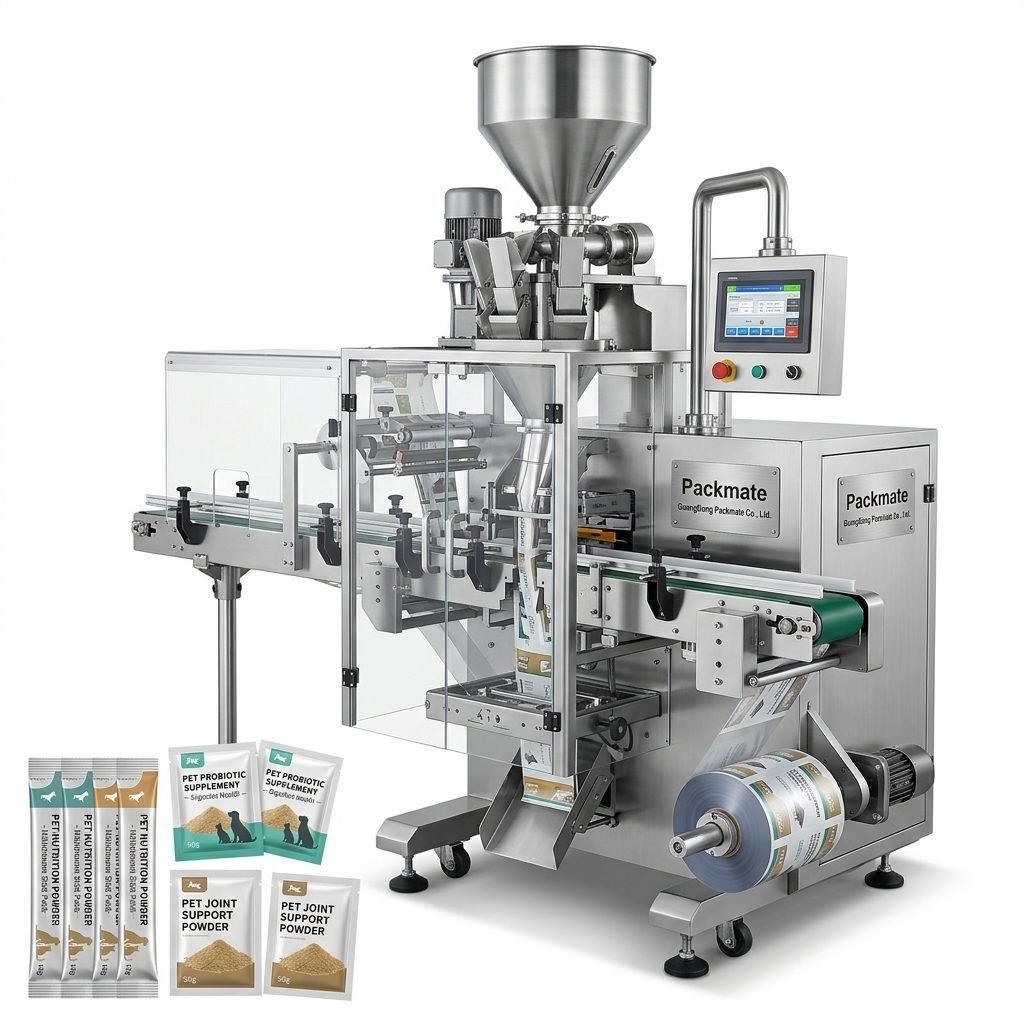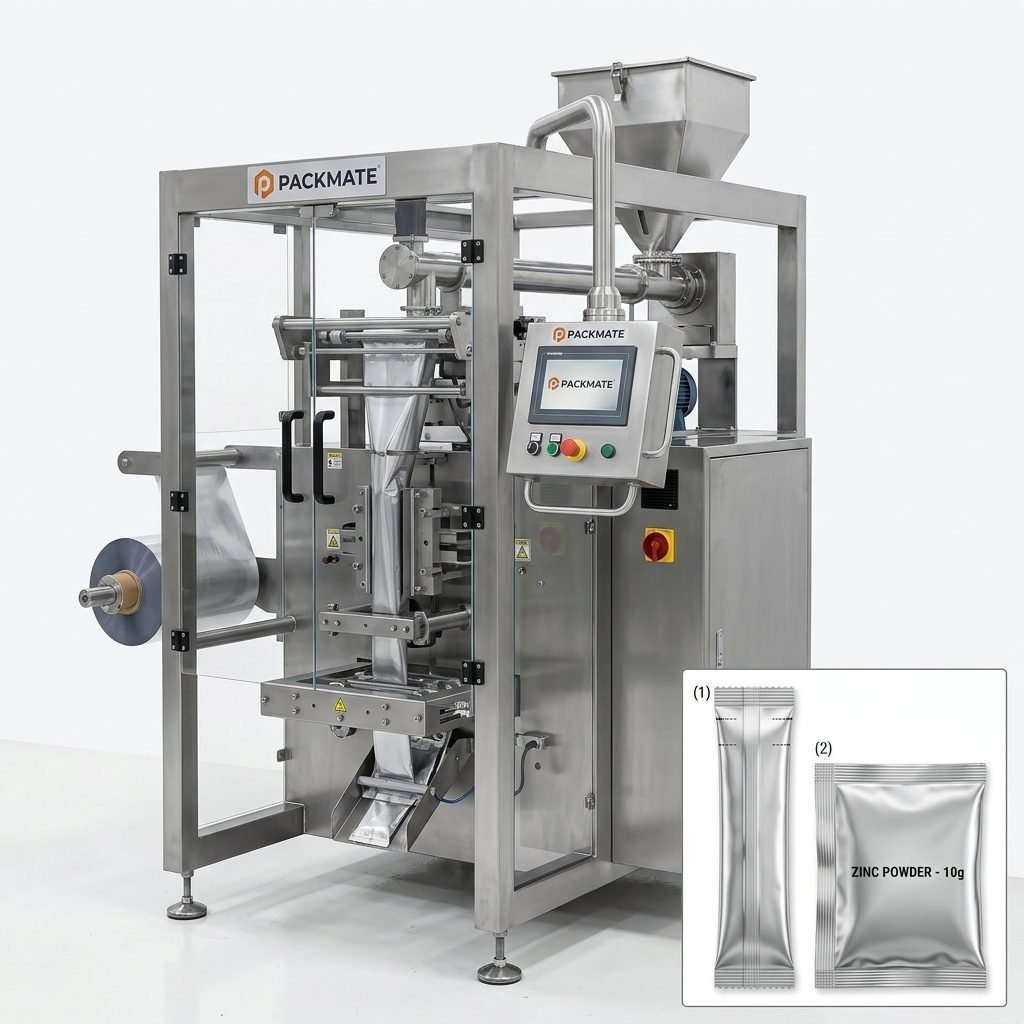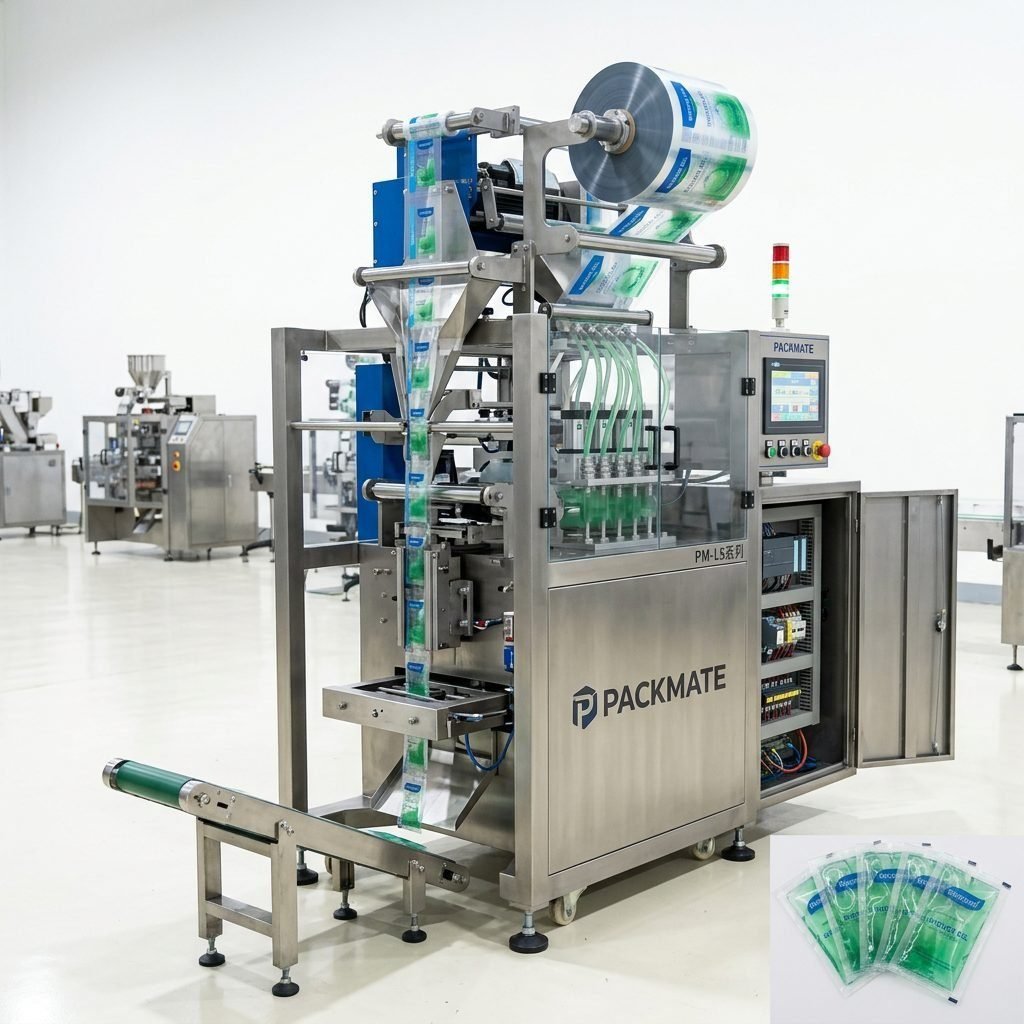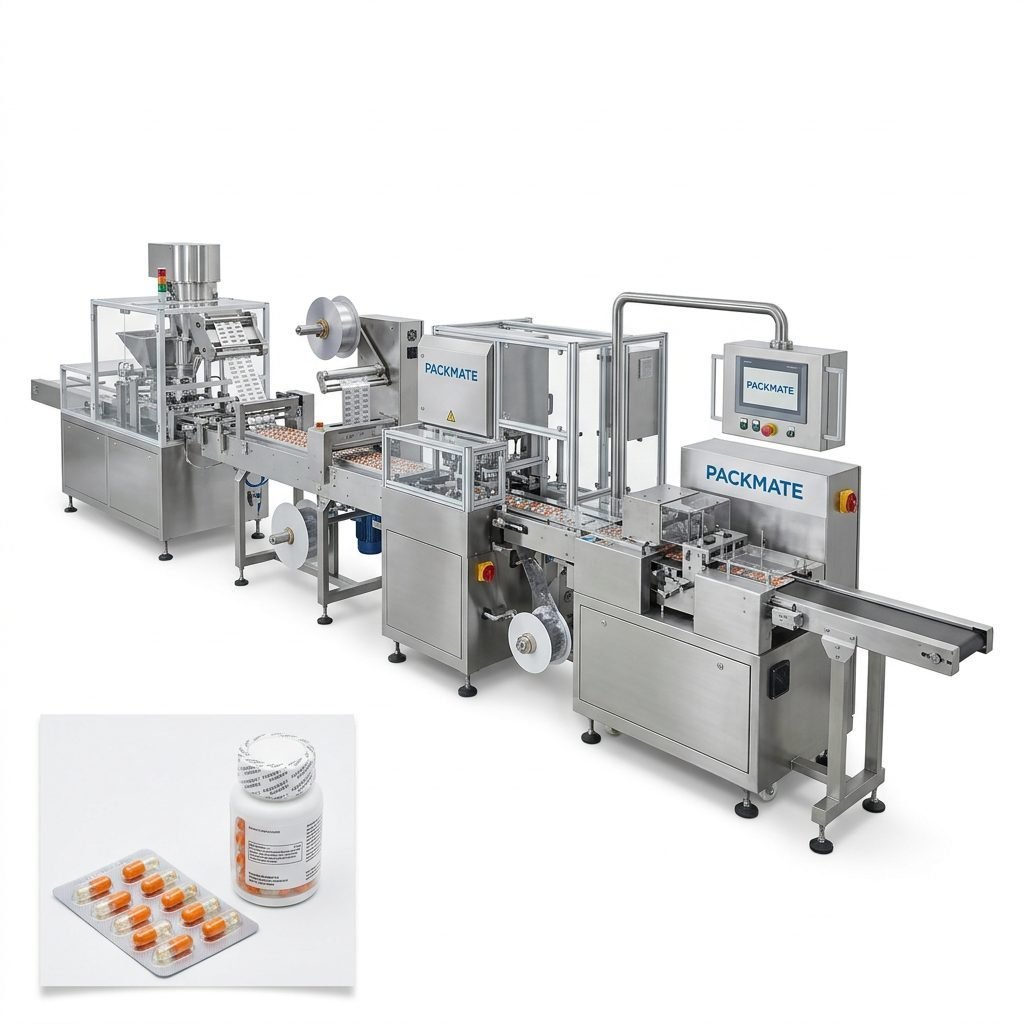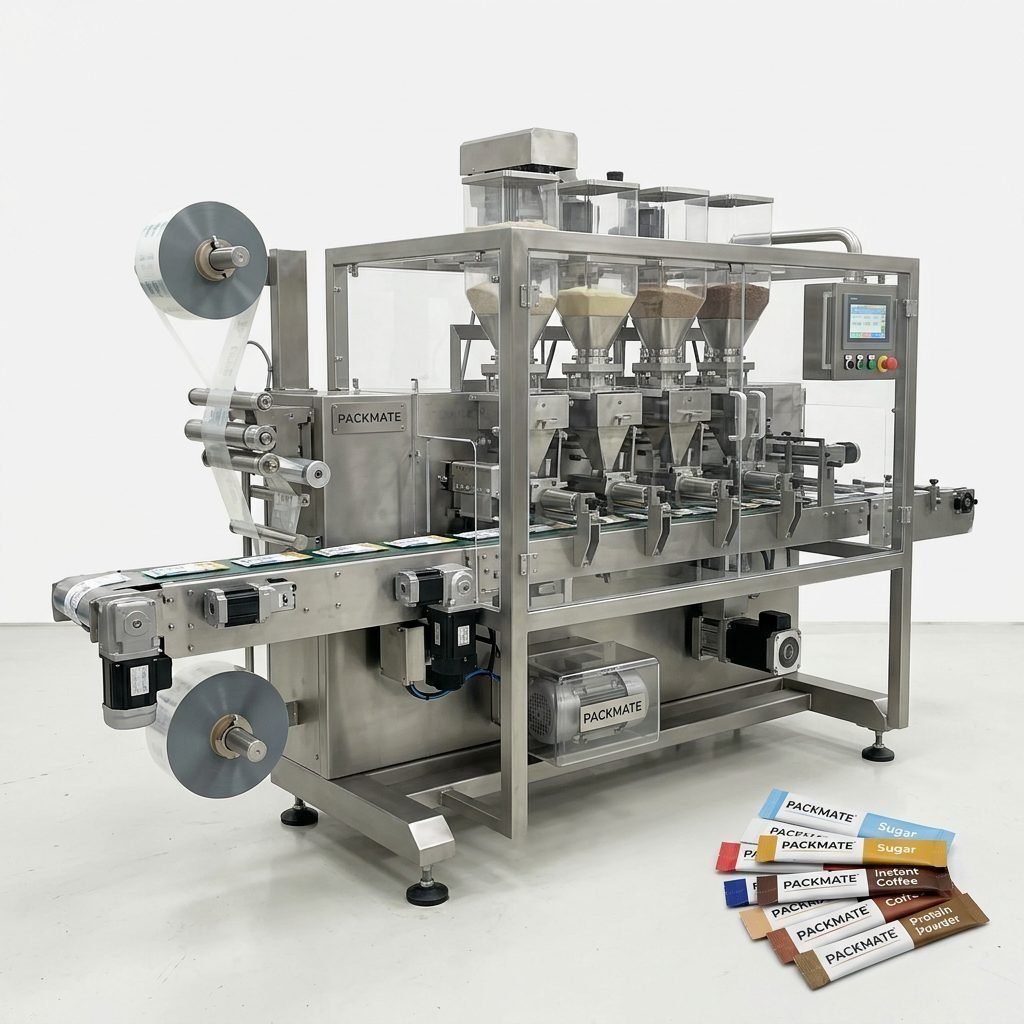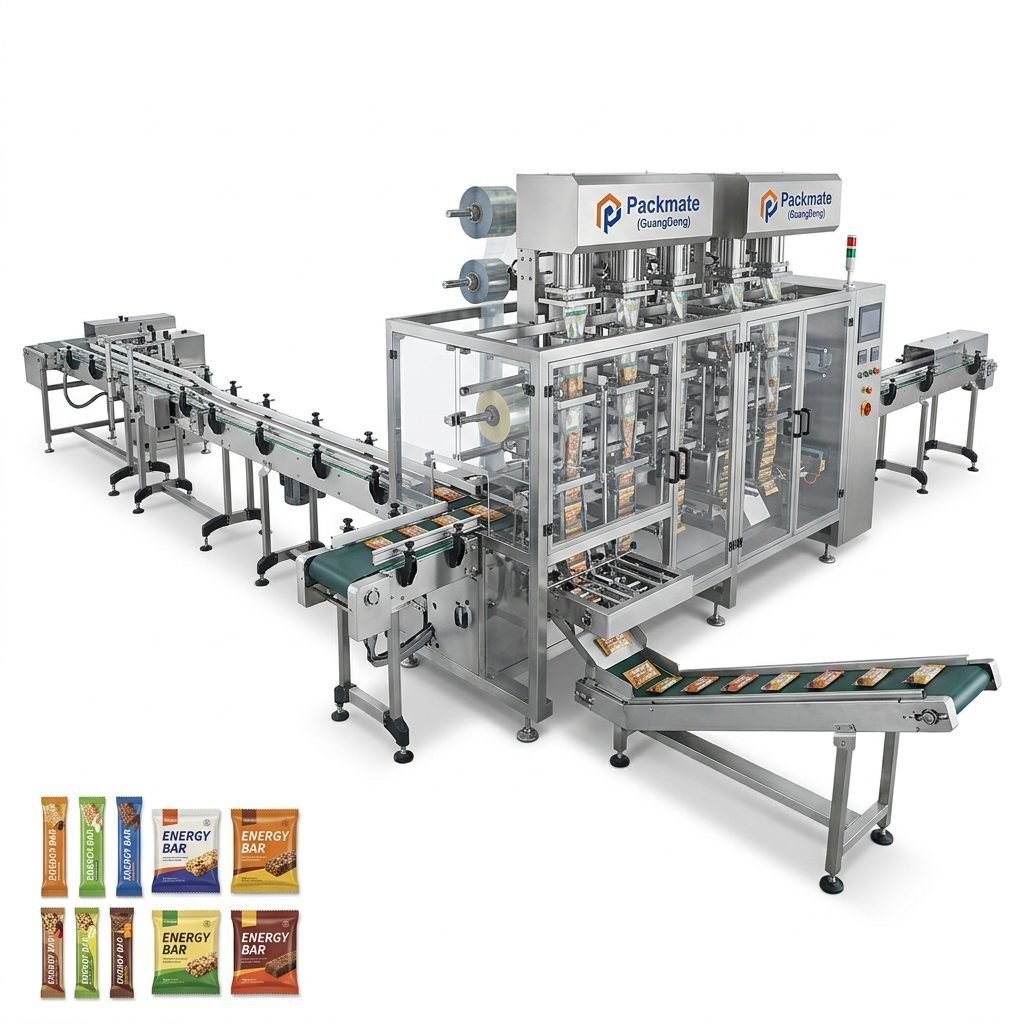
Selecting the right packaging machine manufacturer in Switzerland is a critical decision for any production manager or business owner. The Swiss market is known for its high standards of quality, precision, and reliability, demanding equipment that matches these values. With a strong industrial base in pharmaceuticals, high-end food, and precision engineering, Swiss buyers have specific needs for efficiency, hygiene, and long-term support. Making the wrong choice can lead to costly downtime, compatibility issues, and production bottlenecks.
This guide outlines the key factors you must consider when evaluating packaging machine manufacturers, especially when looking at international suppliers like those from China. By focusing on these aspects, you can make an informed decision that aligns with your production goals, budget, and the stringent requirements of the Swiss market.
1. Assess Your Specific Packaging Needs
Before you start looking at manufacturers, you must have a crystal-clear understanding of your own requirements. Swiss production environments often deal with high-value, sensitive, or regulated products.
Key questions to ask yourself:
- Product Type: Are you packaging powders, granules, liquids, pastes, or solids? The physical properties (e.g., hygroscopicity, viscosity, abrasiveness) dictate the machine type.
- Packaging Format: Do you need stick packs, sachets, pouches, bottles, or blister packs? The format influences the machine’s forming, filling, and sealing mechanisms.
- Production Speed & Capacity: What is your required output (bags/minute or units/hour)? Swiss operations often prioritize consistent, high-speed output to justify automation investment.
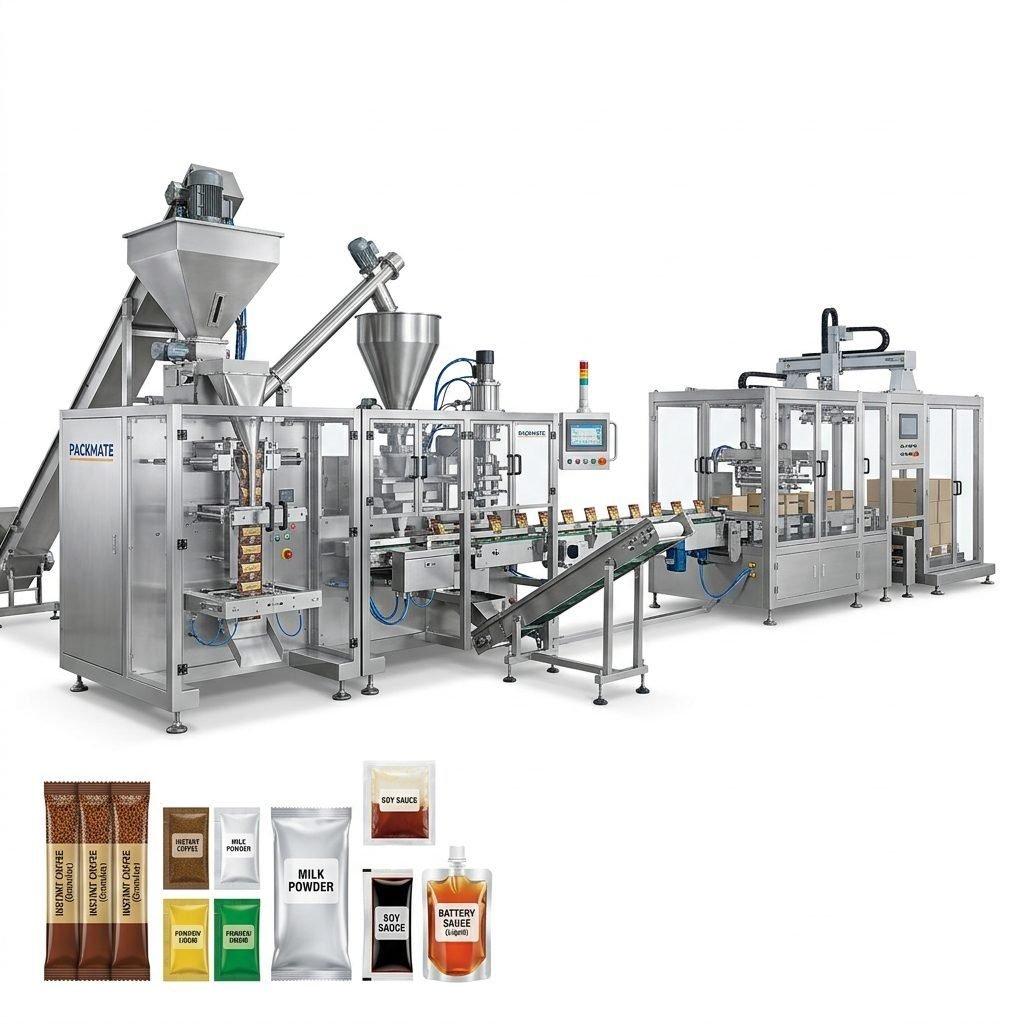
- Level of Automation: Do you need a standalone machine or a fully integrated turnkey line with feeding, weighing, filling, sealing, coding, and cartoning?
- Industry Regulations: Are you in food, pharmaceuticals (requiring GMP standards), or cosmetics? This dictates the required machine materials (e.g., stainless steel grades) and cleanability.
Having detailed specifications will allow you to communicate effectively with potential suppliers and filter out those who cannot meet your core technical needs.
2. Evaluate Technical Capability and Specialization
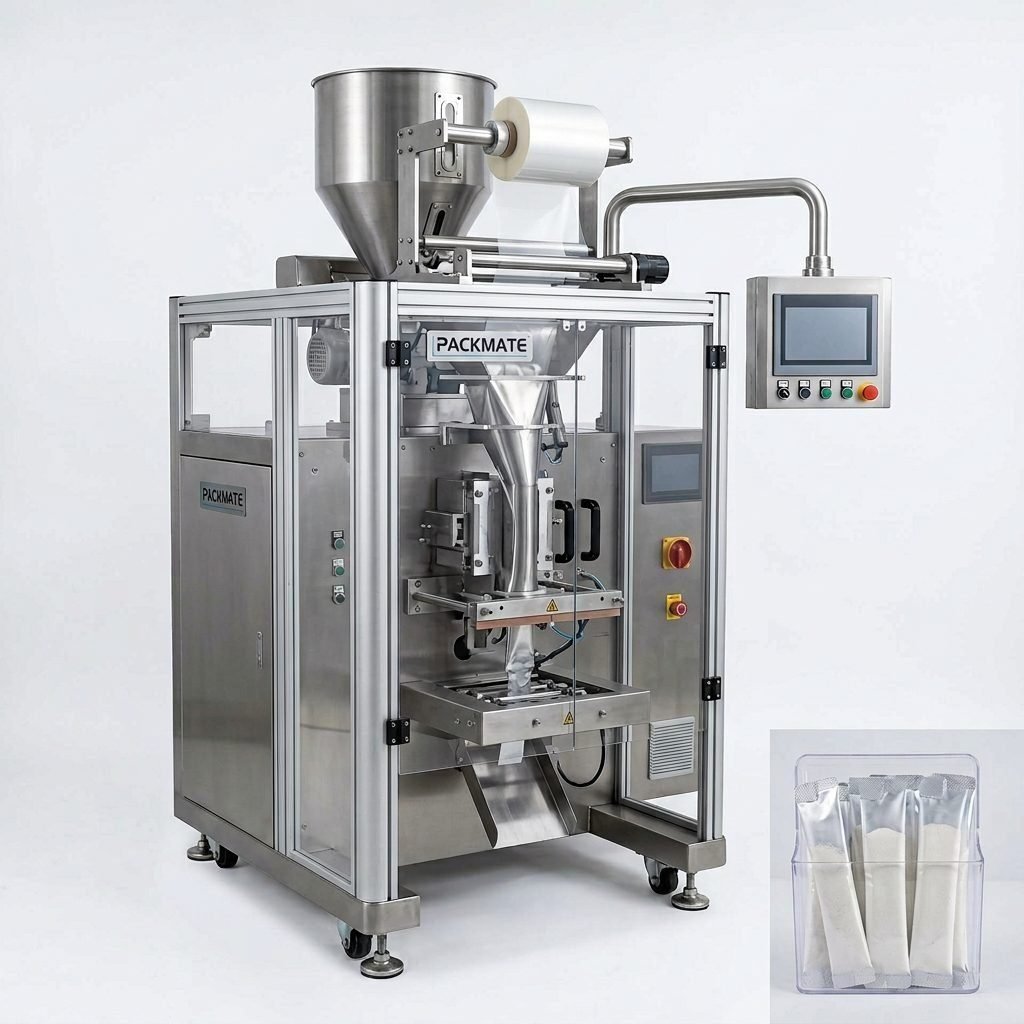
Not all manufacturers are created equal. Some excel at high-speed sachet machines, while others specialize in complex liquid filling lines or niche areas like nicotine pouch packaging. For Swiss companies, where precision and niche applications are common, a manufacturer’s specialization is crucial.
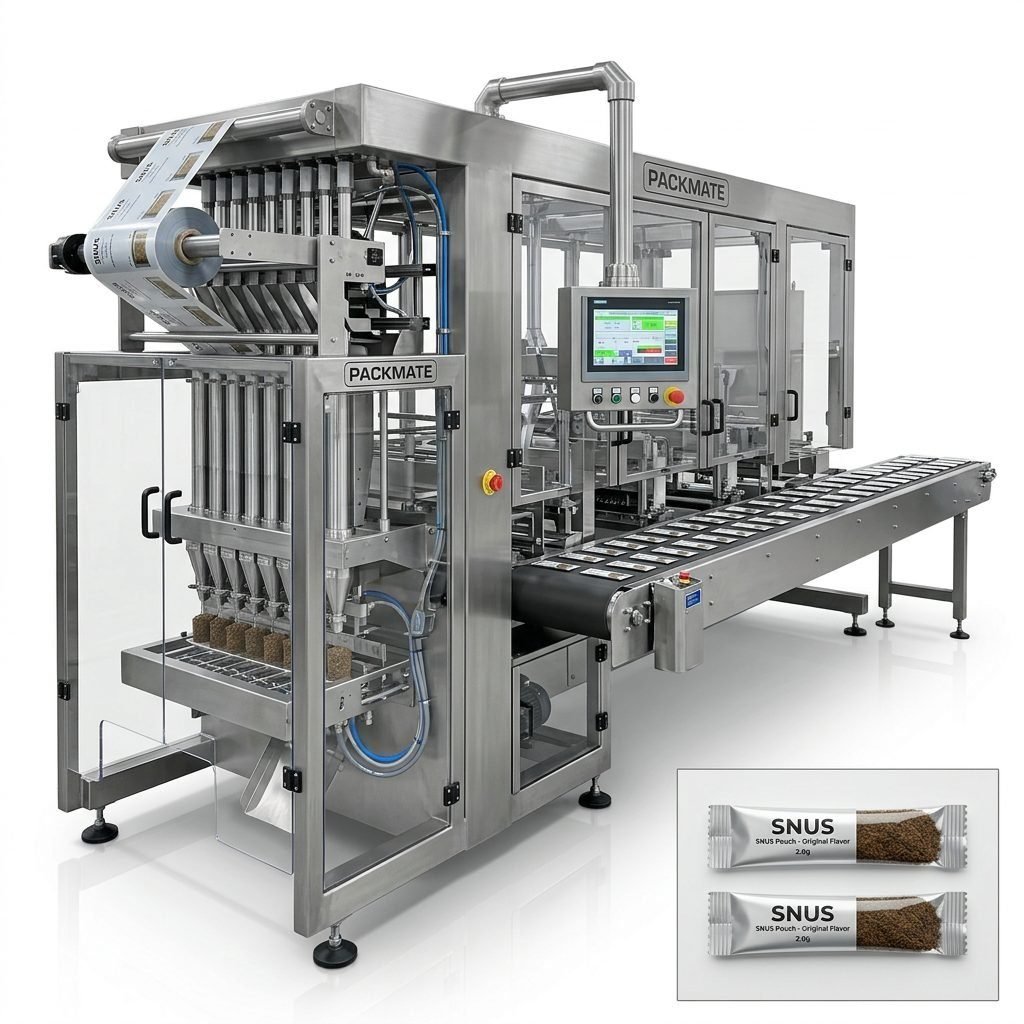
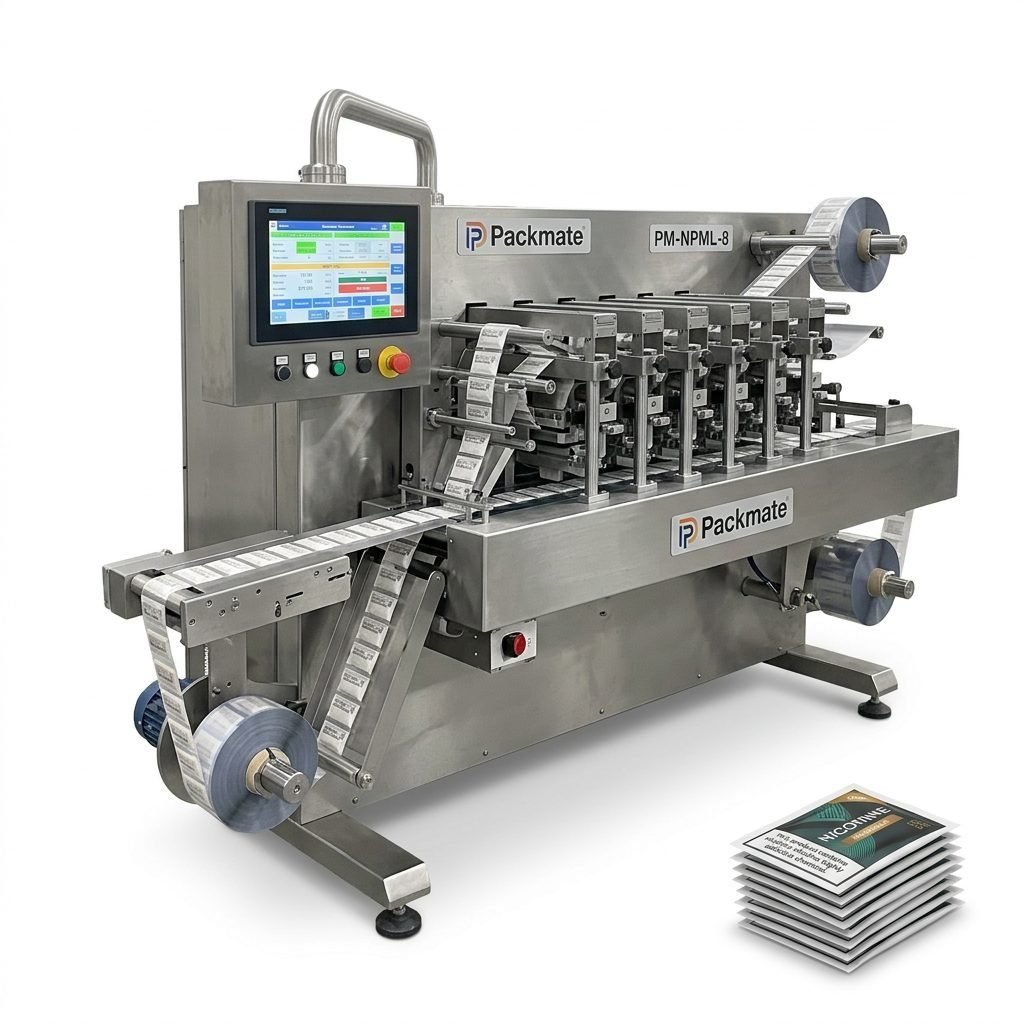
Look for a manufacturer with a proven track record in your specific product category. Examine their portfolio: do they have case studies or references from companies packaging similar products? A manufacturer like SnusMachinery, for example, has deep expertise in the precise and high-speed packaging of nicotine pouches—a sector with very specific demands.
Furthermore, assess their engineering capability. Can they handle customizations? Swiss production lines often require modifications to fit existing layouts or handle unique product characteristics. A manufacturer with strong R&D and a flexible engineering team, such as PackingMachineOEM, which focuses on non-standard and customized solutions, can be invaluable.
3. Scrutinize Manufacturing Quality and Standards
Swiss industry is synonymous with quality. The packaging equipment you purchase must be built to last, with precision machining, robust components, and high-grade materials.
Quality Indicators to Investigate:
- Factory Audits: Does the manufacturer have certifications (ISO 9001, CE)? Can they provide factory tour videos or host virtual inspections?
- Component Sourcing: Do they use reputable international brands for key parts (e.g., Siemens/Allen-Bradley PLCs, SMC/Festo pneumatics, Mitsubishi servos)?
- Construction: Is the frame sturdy? What grade of stainless steel is used for product contact parts (e.g., 304 or 316L)?
- Testing & Inspection: What is their quality control process? Do they conduct factory acceptance tests (FAT) with customer involvement?
Manufacturers with substantial factory footprints, like Ludyway and others with over 20,000 sqm facilities, often have more controlled production and assembly processes, which is a positive sign of scale and commitment to quality.
4. Analyze After-Sales Support and Local Presence
This is arguably the most critical factor for Swiss buyers. A machine is a long-term investment. When it breaks down or needs maintenance, you cannot afford to wait weeks for a technician to arrive from overseas.
Strong technical support is non-negotiable. Investigate the manufacturer’s support structure:
| Support Aspect | What to Look For |
|---|---|
| Spare Parts Availability | Guaranteed stock of critical parts, fast shipping options (e.g., DHL/UPS). |
| Technical Documentation | Clear, comprehensive manuals in English or German, with detailed electrical and mechanical diagrams. |
| Remote Support | Availability of phone, email, and video call support in European time zones. |
| On-Site Service | Partnerships with local technicians in Europe/Switzerland or the ability to dispatch engineers quickly. |
| Training | Comprehensive installation and operator training, either on-site or via detailed video tutorials. |
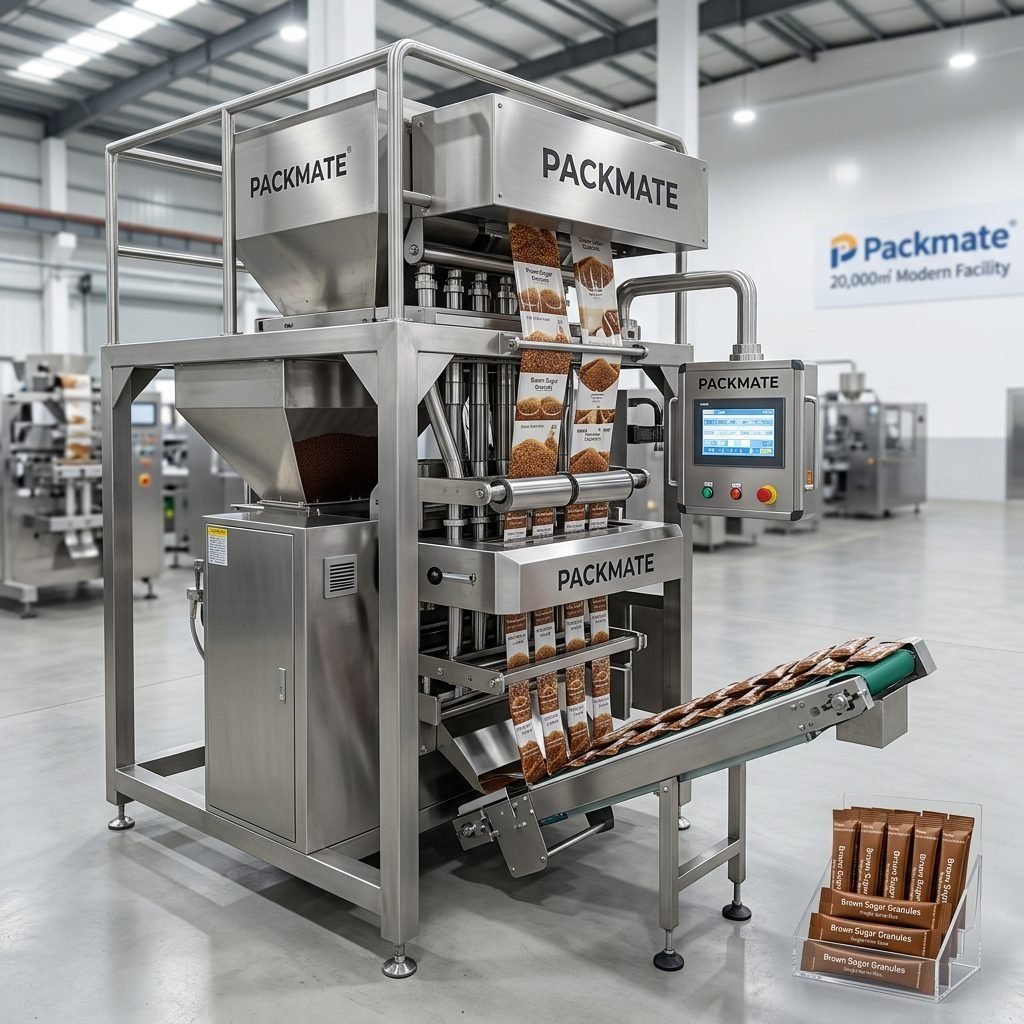
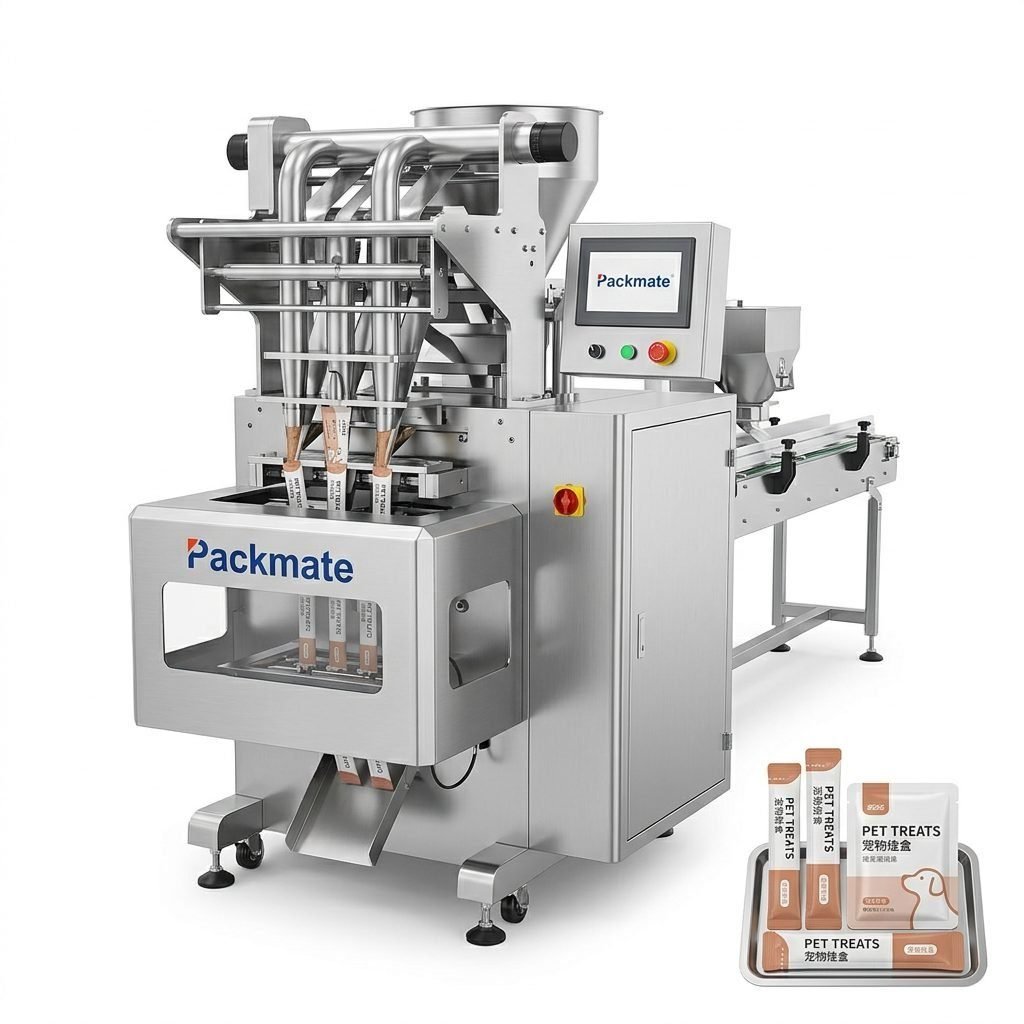
Manufacturers with a significant export history to Europe, like Packmate Machinery, are typically more adept at providing the structured after-sales support that Swiss customers expect.
5. Consider Total Cost of Ownership (TCO), Not Just Price
While the initial purchase price is important, Swiss businesses are adept at calculating the Total Cost of Ownership. A cheaper machine that frequently breaks down, has expensive or hard-to-find parts, and causes production stoppages will ultimately cost far more than a reliable, slightly more expensive model.
TCO includes:
- Initial machine cost
- Installation and commissioning fees
- Cost of consumables and spare parts
- Energy consumption
- Expected maintenance costs and downtime
- Training costs for operators
- Potential costs of production losses due to inefficiency or machine failure
Request detailed quotations that outline not just the machine price, but also shipping, insurance, installation, and recommended spare parts kits. A transparent manufacturer will help you understand the long-term investment.
6. Verify Export Experience and References
A manufacturer’s experience in your specific region is a strong indicator of their ability to navigate the complexities of international business, including shipping, customs, and technical standards.
Check their main export markets. Do they have a history of successfully delivering to Europe, and specifically to DACH region countries (Germany, Austria, Switzerland)? Ask for customer references—ideally from companies with a similar profile to yours in terms of industry or product type. Reputable manufacturers like PacklineOEM, which focuses on turnkey lines, should be able to provide case studies or connect you with existing European clients (with their permission).
This due diligence reduces risk and gives you confidence that the manufacturer understands the expectations of Western European markets in terms of communication, documentation, and business practices.
7. Review Project Management and Communication
The process of procuring and installing a packaging line, especially a custom or turnkey solution, is a project. Effective communication is vital. From the first inquiry, assess the manufacturer’s responsiveness, language proficiency, and professionalism.
Project Communication Checklist:
- Do they assign a dedicated project manager or sales engineer?
- Is communication clear, timely, and in proficient English (or German/French)?
- Do they provide detailed proposals, 3D layouts, and project timelines?
- How do they handle design reviews and approval processes?
- What is their protocol for factory acceptance testing (FAT) and shipment?
A smooth, well-managed project from quotation to installation is a hallmark of a reliable partner and minimizes stress and delays for your Swiss operation.
8. Plan for Future Scalability and Flexibility
Your business needs will evolve. The packaging machine you buy today should be able to grow with you. Consider the manufacturer’s ability to support future upgrades or expansions.
Scalability factors include:
- Modular Design: Can the machine or line be easily upgraded with additional modules (e.g., extra filling heads, checkweighers, vision systems)?
- Changeover Flexibility: How quickly and easily can the machine switch between different bag sizes or product types? Quick changeover is key for smaller batch production common in Switzerland.
- Control System: Is the PLC and HMI modern, user-friendly, and capable of integrating with higher-level MES or ERP systems common in Swiss factories?
Choosing a manufacturer with a broad portfolio, like Ludyway, means you have a potential partner for future needs, whether it’s adding a new machine or expanding into a completely different packaging format.
Frequently Asked Questions (FAQs)
Q: Are Chinese packaging machines reliable enough for Swiss quality standards?
A: Yes, many leading Chinese manufacturers now produce equipment that meets and exceeds international standards. The key is thorough due diligence. Look for manufacturers with long industry experience (30+ years), significant export history to Europe, modern factories, use of international components, and willingness to provide client references. They have invested heavily to compete globally on quality, not just price.
Q: What is the typical lead time for a packaging machine from China to Switzerland?
A: Lead times vary based on complexity. A standard machine may take 60-90 days from order to shipment. A custom or turnkey line can take 90-150 days or more. Always confirm the detailed timeline during quotation, including design, manufacturing, FAT, and sea/air freight to Switzerland.
Q: How can I ensure the machine meets European safety (CE) and hygiene standards?
A: Explicitly request CE certification documentation. Reputable manufacturers design their machines to comply with relevant EU machinery directives (e.g., 2006/42/EC) and use CE-marked components. For food/pharma, specify requirements for materials (e.g., FDA-compliant seals, 316L stainless steel) and design (easy-clean, no dead zones).
Q: Who handles installation and commissioning in Switzerland?
A: This must be clarified upfront. Options include: 1) The manufacturer sends engineers (common for complex lines), 2) You use a local Swiss technician, guided remotely by the manufacturer, or 3) The manufacturer has a European partner who handles it. The best manufacturers offer clear installation support plans.
Q: What about payment terms and warranty?
A: Standard terms often involve a deposit (e.g., 30-50%) with order, balance before shipment. Negotiate based on project size. A standard warranty is typically 12 months from shipment or commissioning, covering parts for manufacturing defects. Ensure the warranty terms are clearly stated in the contract.