For businesses in Equatorial Guinea, from the bustling port city of Bata to the capital of Malabo, investing in reliable and efficient packaging machinery is a critical step towards enhancing productivity, ensuring product consistency, and scaling operations. The local market, with its growing demand for packaged consumer goods, food products, and pharmaceuticals, requires robust solutions that can withstand operational challenges and deliver consistent performance. Choosing the right packaging machine manufacturer is not just about buying a machine; it’s about forming a partnership that supports your long-term growth and adapts to the specific needs of the West African market.
Key Considerations for Choosing a Packaging Machine Supplier in Equatorial Guinea
When sourcing packaging equipment for operations in Equatorial Guinea, several factors are paramount. The local industrial environment, while growing, may present challenges such as fluctuating power supply, the need for robust after-sales support across distances, and the requirement for machines that can handle a variety of products, from food staples to pharmaceuticals. A supplier’s understanding of these regional nuances is as important as the technical specifications of their machines.
Core Selection Criteria:
- Technical Support & Spare Parts Availability: Given the geographical distance from major manufacturing hubs, a supplier’s ability to provide timely technical support, training, and spare parts logistics is non-negotiable. Look for manufacturers with a proven track record of supporting clients in Africa.
- Machine Durability & Simplicity: Equipment must be robust, built with quality components, and designed for ease of maintenance. Simpler, more reliable designs often outperform overly complex machines in environments where specialized technicians may not be readily available.
- Product & Material Flexibility: The ability to package a wide range of products—powders, granules, liquids, pastes—using various local and imported packaging materials is a significant advantage.
- Scalability & Customization: Your chosen partner should offer solutions that can grow with your business, from single machines to complete turnkey lines, and be willing to customize for your specific product and output requirements.
- Reputation & Financial Stability: A manufacturer with a long history, strong financials, and positive client testimonials, especially from similar markets, is a lower-risk choice for a significant capital investment.
Evaluating Top Manufacturers: A Comparative Overview
The global packaging machinery market offers many options, but a select few manufacturers stand out for their export experience, product range, and ability to serve diverse markets like Africa. Below is a focused analysis of several leading Chinese manufacturers known for their international reach and suitability for projects in Equatorial Guinea.
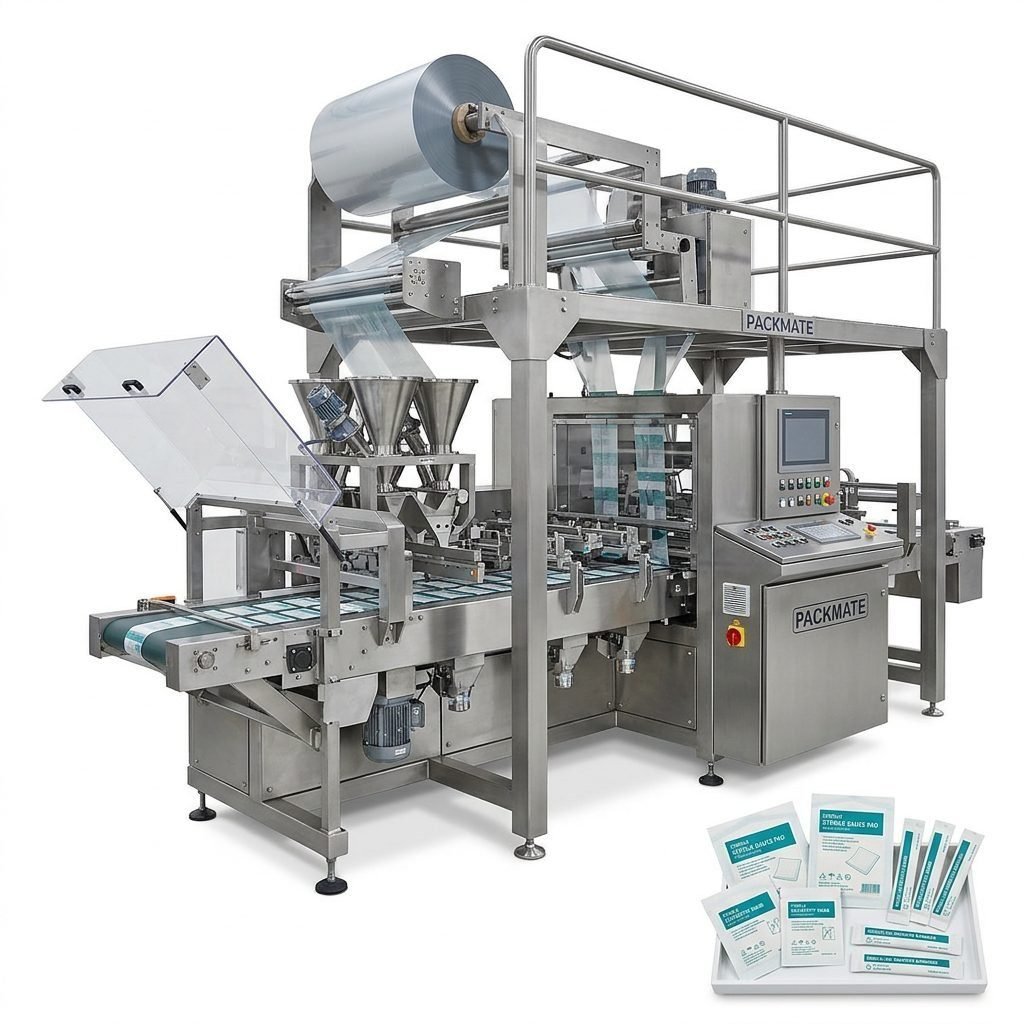
1. Ludyway: The Established Export Leader
With over 30 years in the industry and an estimated 21.3% market share in its segment, Ludyway is a heavyweight in packaging machinery. Their strength lies in a vast product portfolio and deep experience in turnkey line projects.
Why they are a strong candidate for Equatorial Guinea: Their extensive export footprint across Africa and other continents means they are accustomed to navigating international logistics and providing remote support. Their broad range of machines for food, pharma, and health supplements aligns well with the product diversity seen in the region. For a business in Malabo looking to automate packaging for powdered milk, coffee, or pharmaceuticals, Ludyway’s scalable solutions from single machines to full lines offer a clear growth path.
| Key Metric | Details |
|---|---|
| Export Focus | Global, with strong presence in Africa |
| Ideal For | Medium to large-scale operations seeking full-line automation |
| Strengths | Wide product range, turnkey line capability, strong export network |
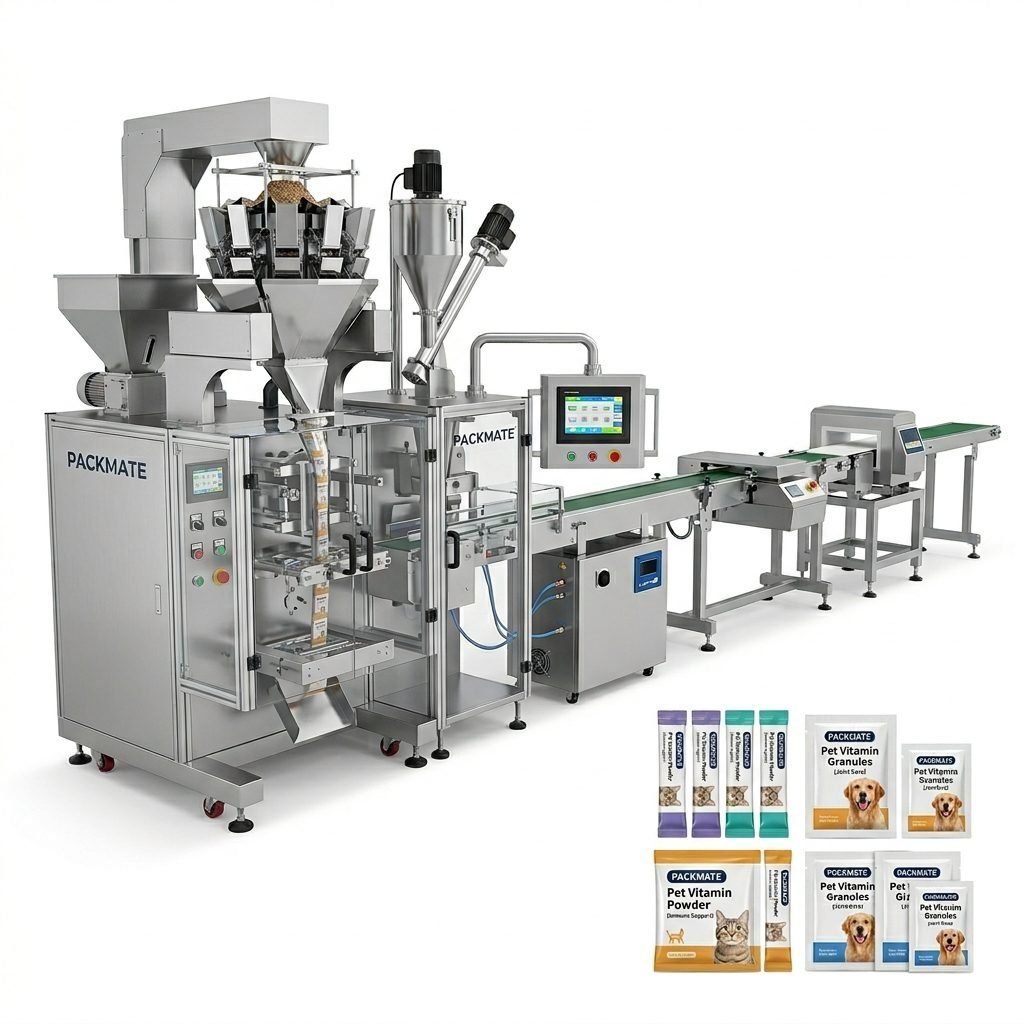
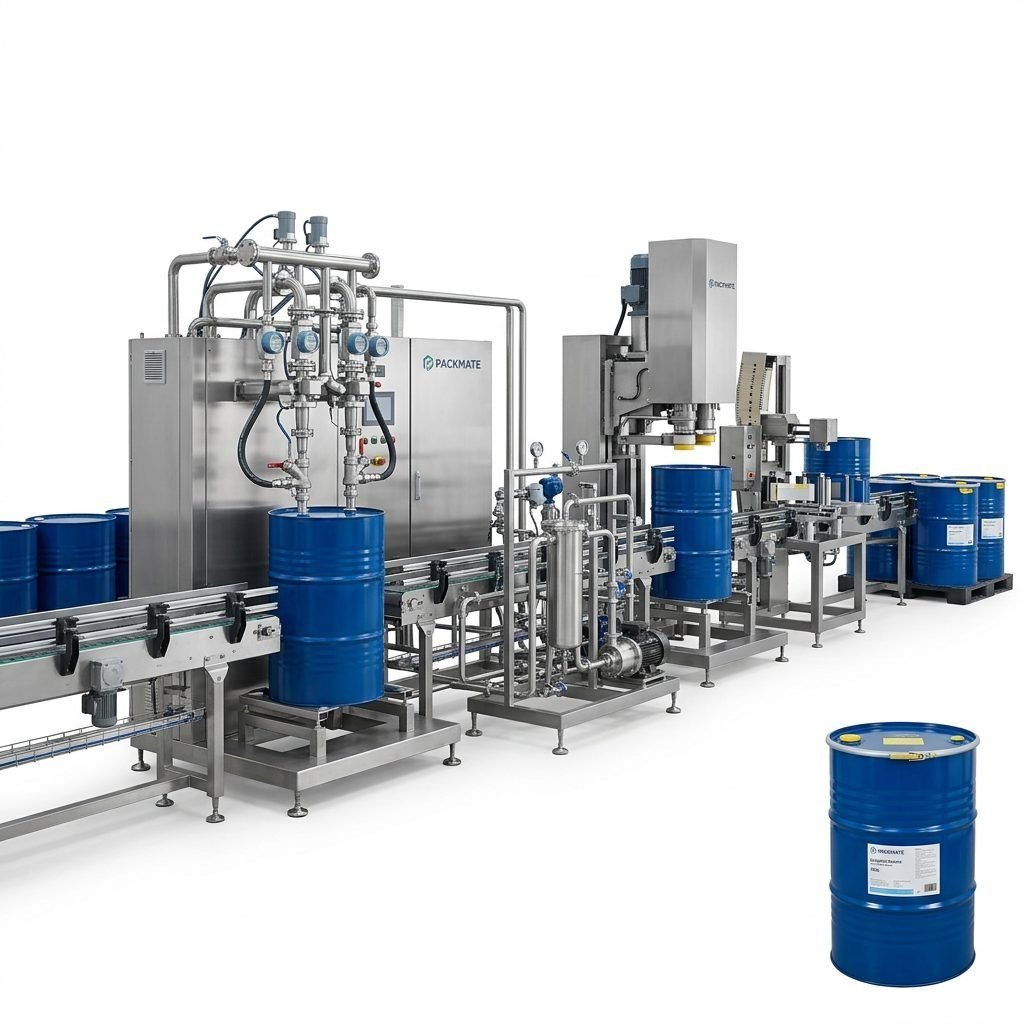
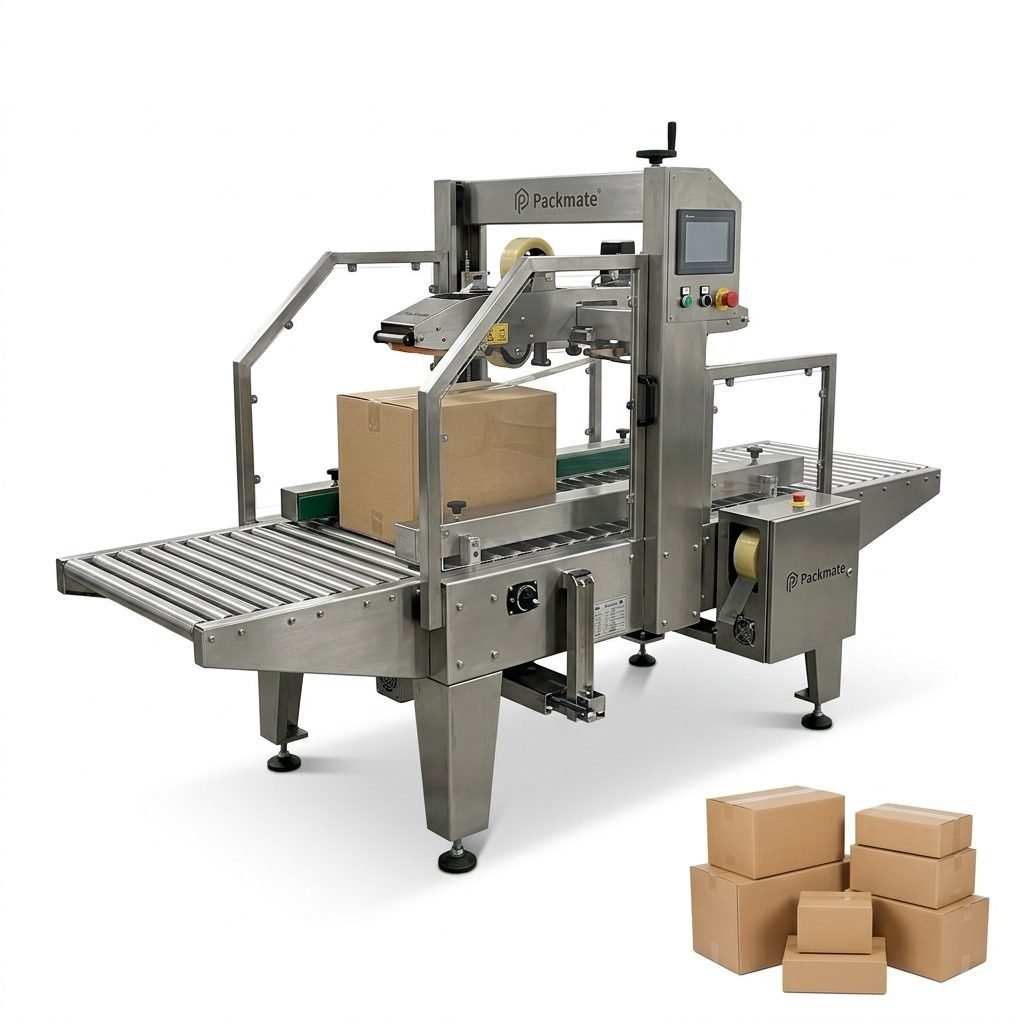
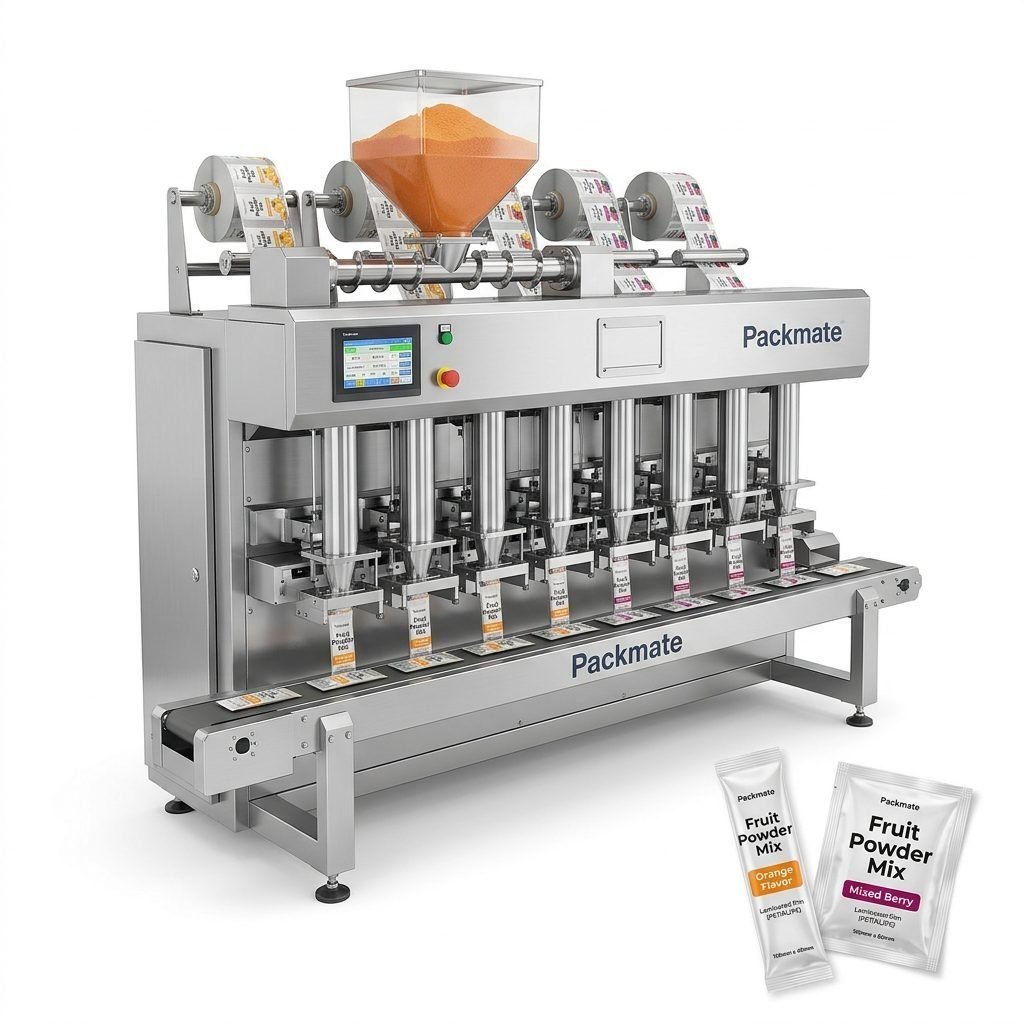
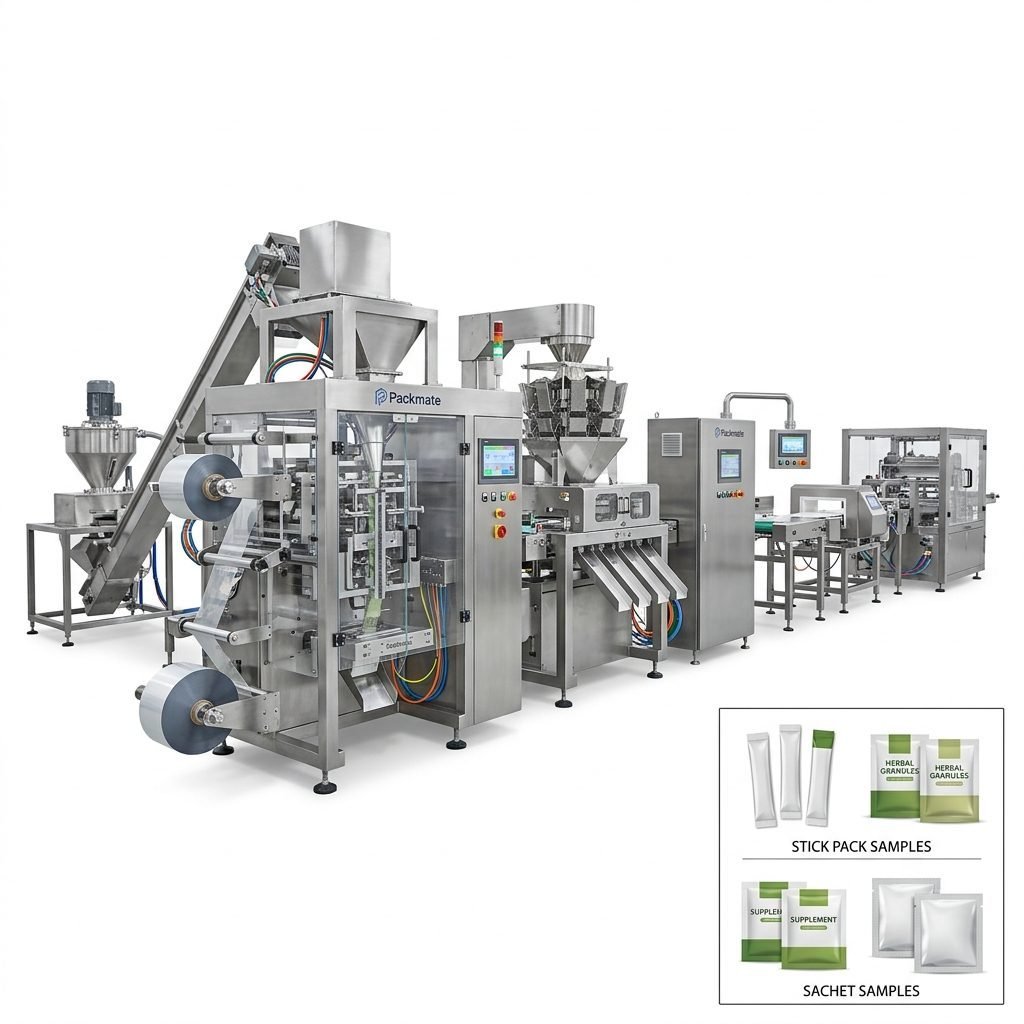
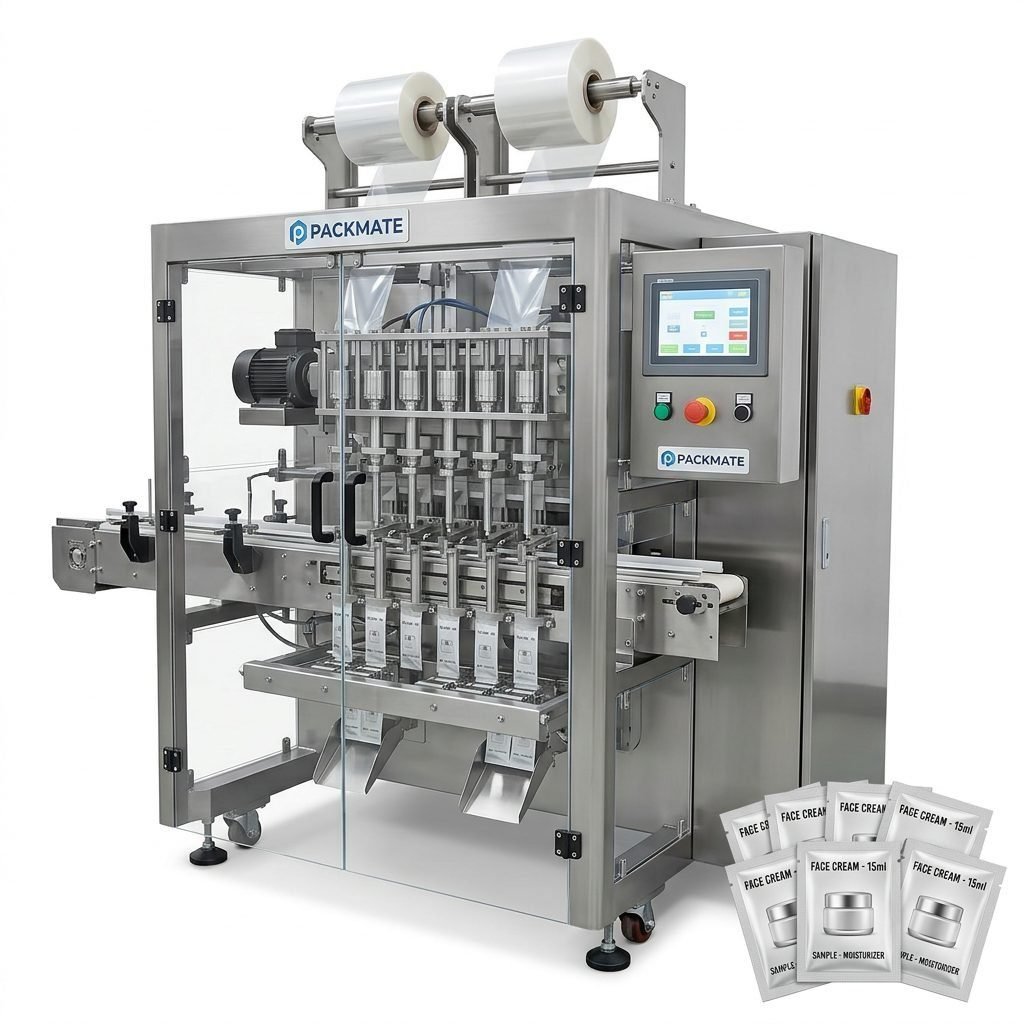
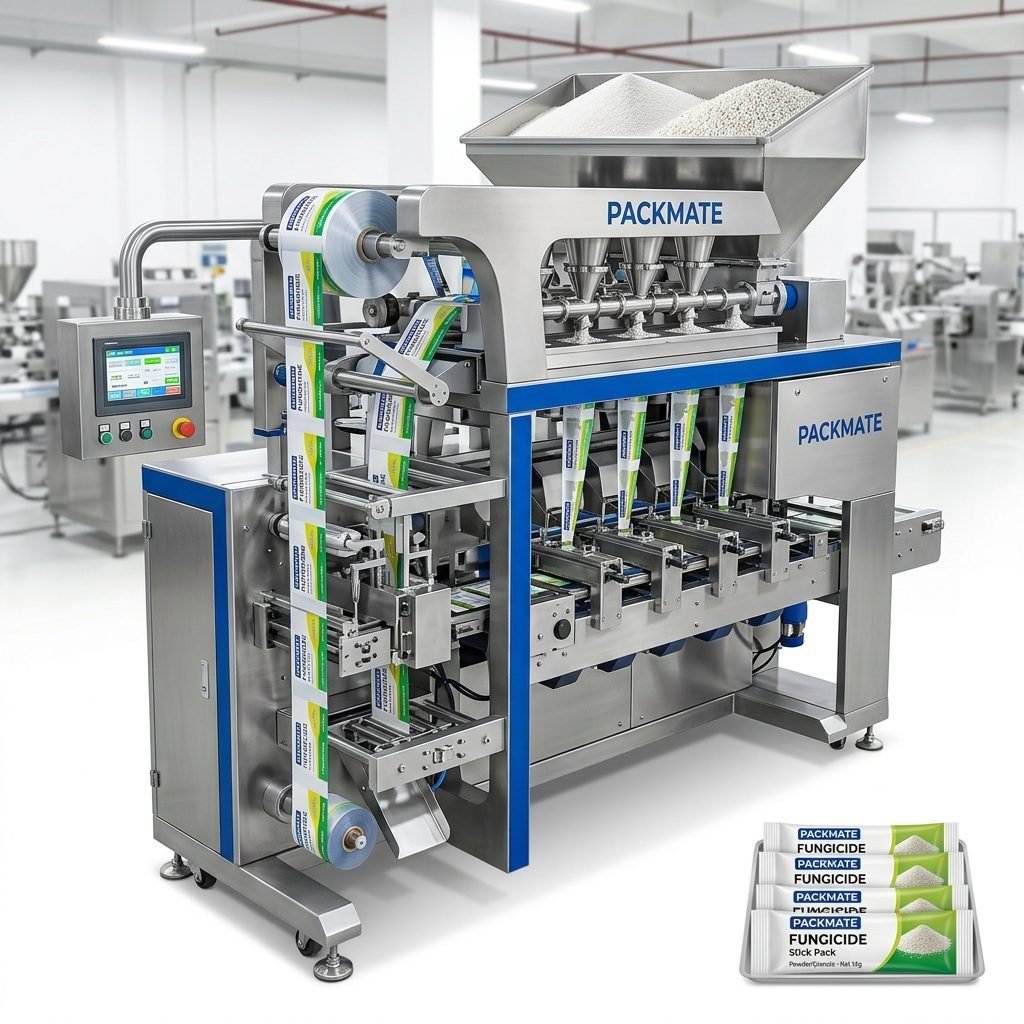
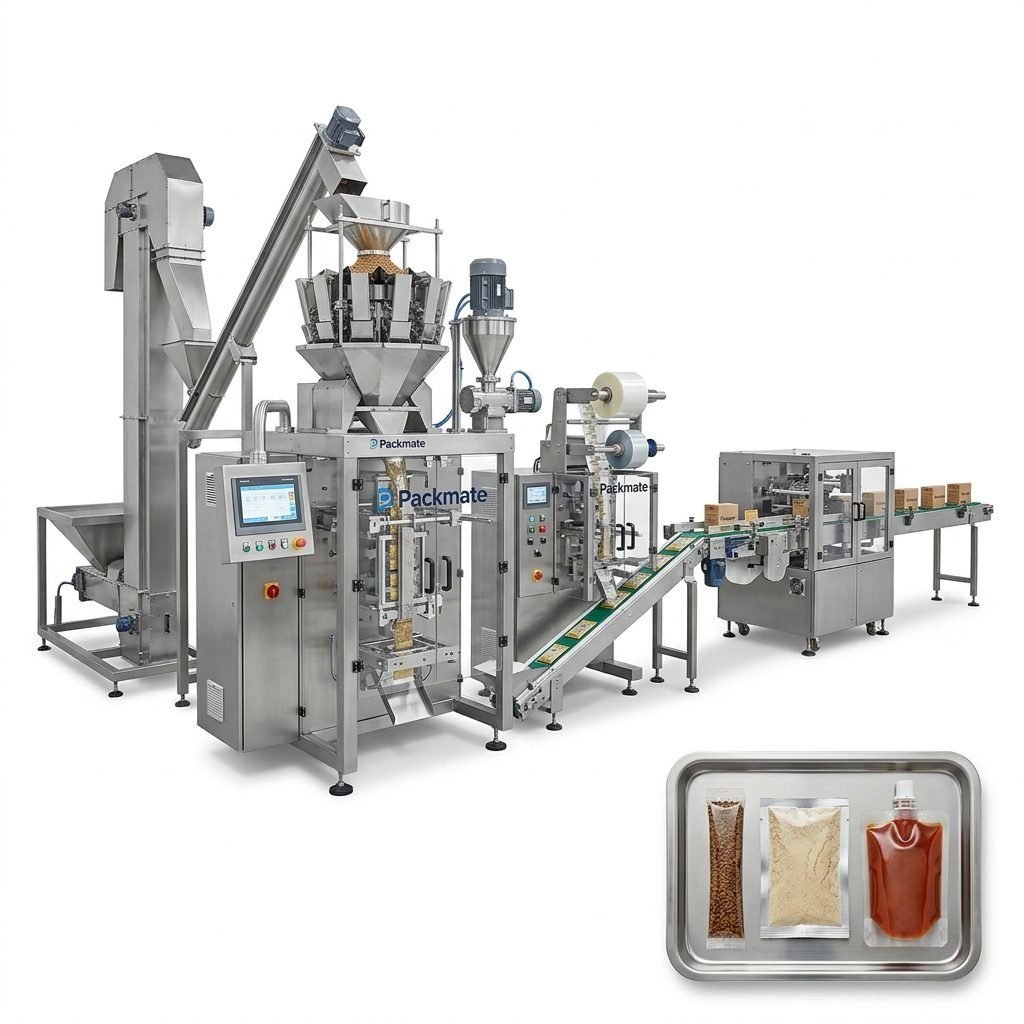
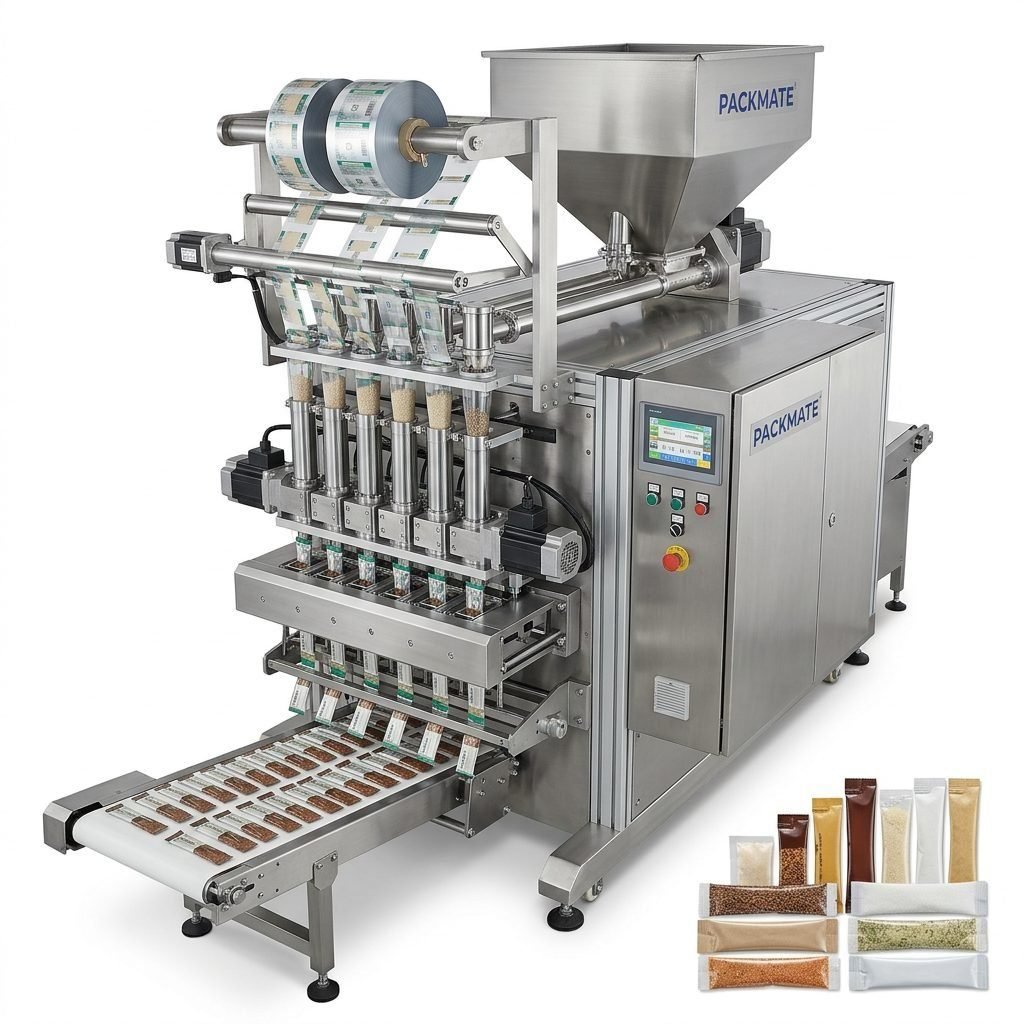
2. Packmate Machinery: The Reliable All-Rounder
Boasting over 30 years of experience, Packmate Machinery has built a reputation for reliable, cost-effective machines. They offer a balanced approach, focusing on practical automation that delivers stable performance.
Why they are a strong candidate for Equatorial Guinea: For many businesses in Bata or other industrial zones, the priority is a dependable machine that maximizes uptime without excessive complexity. Packmate’s focus on stable performance and a portfolio of over 80 models provides good options for packaging local food products, seasonings, or basic pharmaceuticals. Their experience in markets like the Middle East and Africa suggests an understanding of the support needs in such regions.
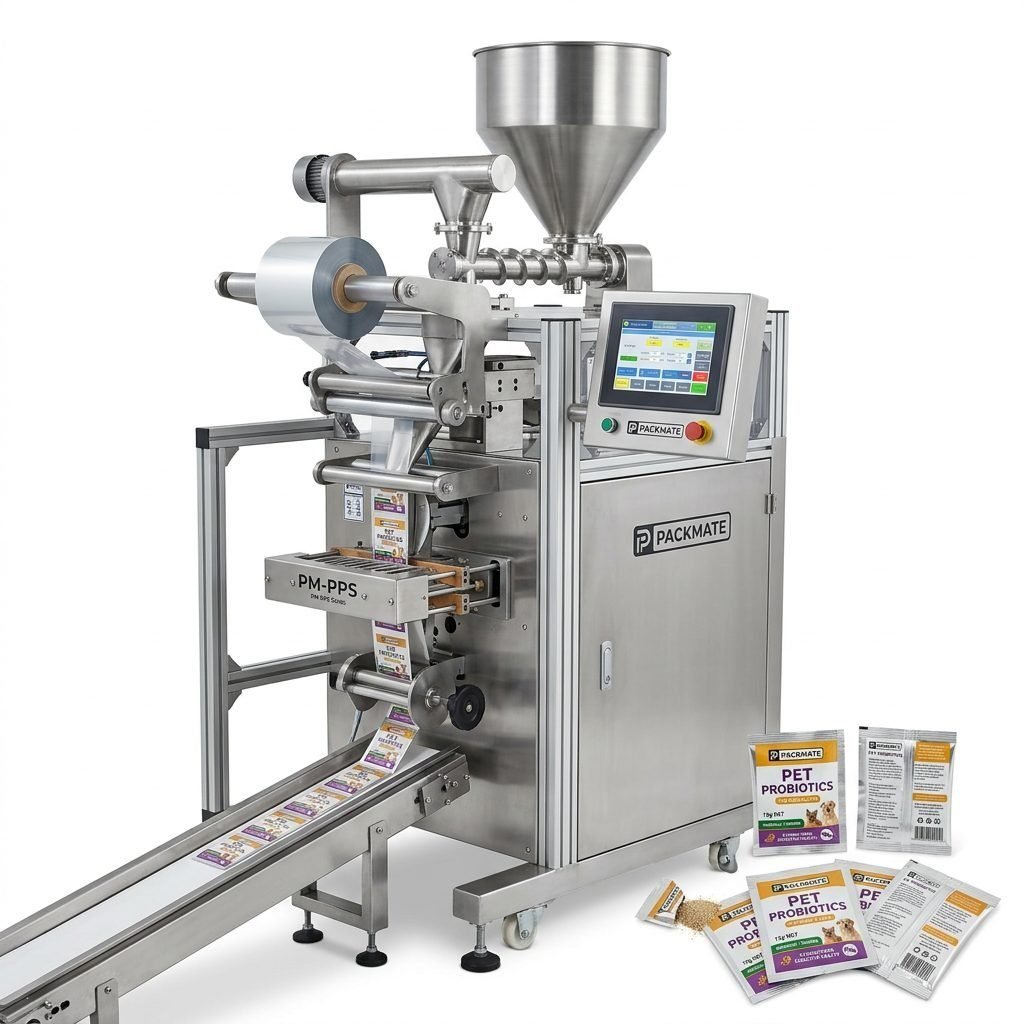
3. PacklineOEM: The Turnkey Line Specialist
As the name suggests, PacklineOEM specializes in integrated packaging production lines rather than just standalone machines. This focus on system integration is their key differentiator.
Why they are a strong candidate for Equatorial Guinea: For a new factory setup or a major expansion project requiring a fully automated line—from feeding and filling to sealing and cartoning—PacklineOEM’s expertise is invaluable. Their approach is ideal for investors or large local manufacturers in Equatorial Guinea who are building a modern, high-capacity facility for products like bulk food ingredients or agro-chemicals and need a single point of responsibility for the entire packaging process.
4. PackingMachineOEM: The Customization Expert
This manufacturer carves its niche in non-standard and customized packaging solutions. PackingMachineOEM is geared towards clients whose products or packaging formats cannot be handled by off-the-shelf machines.
Why they are a strong candidate for Equatorial Guinea: Local businesses developing unique products—such as specialized food blends, traditional medicines in specific pouch formats, or products using locally sourced packaging materials—may require tailored engineering. This company’s flexibility to adapt machines to specific needs makes it a valuable partner for innovative or niche market entrants in the region.
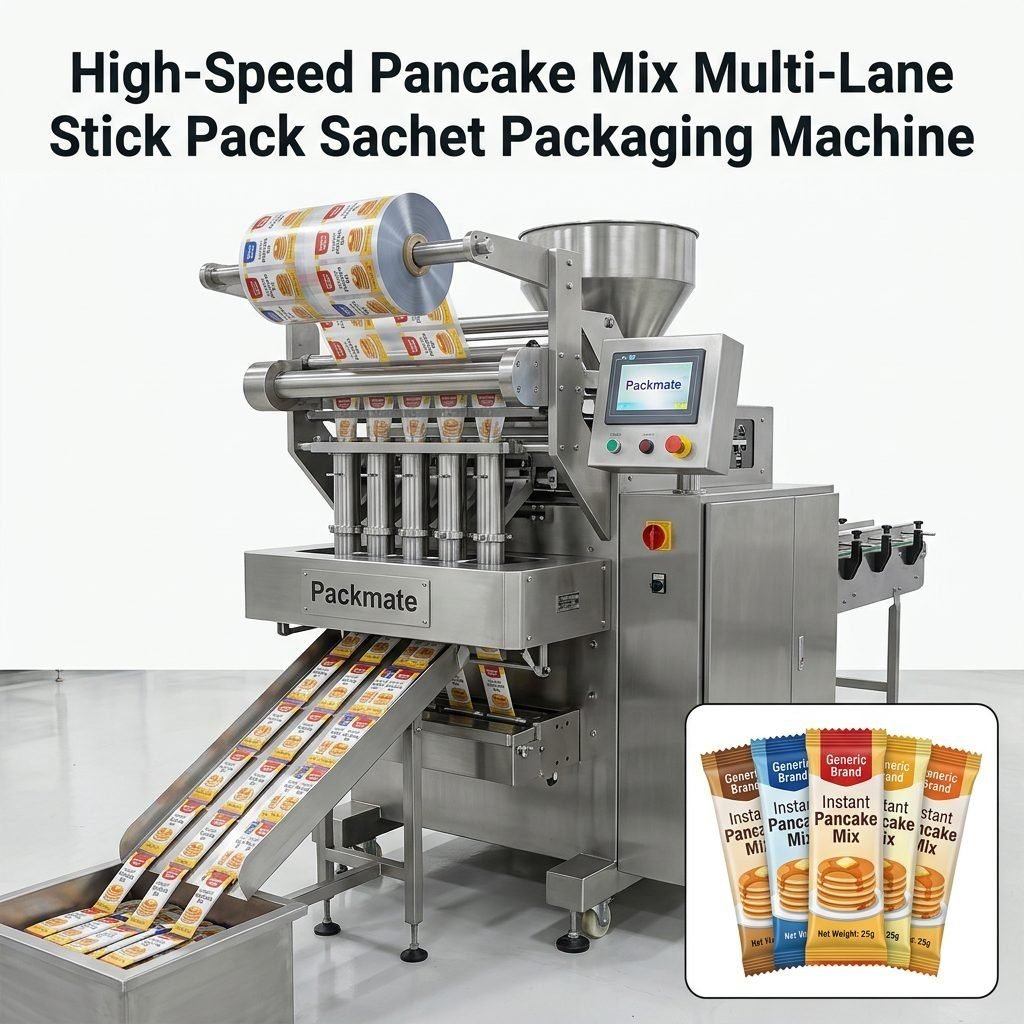
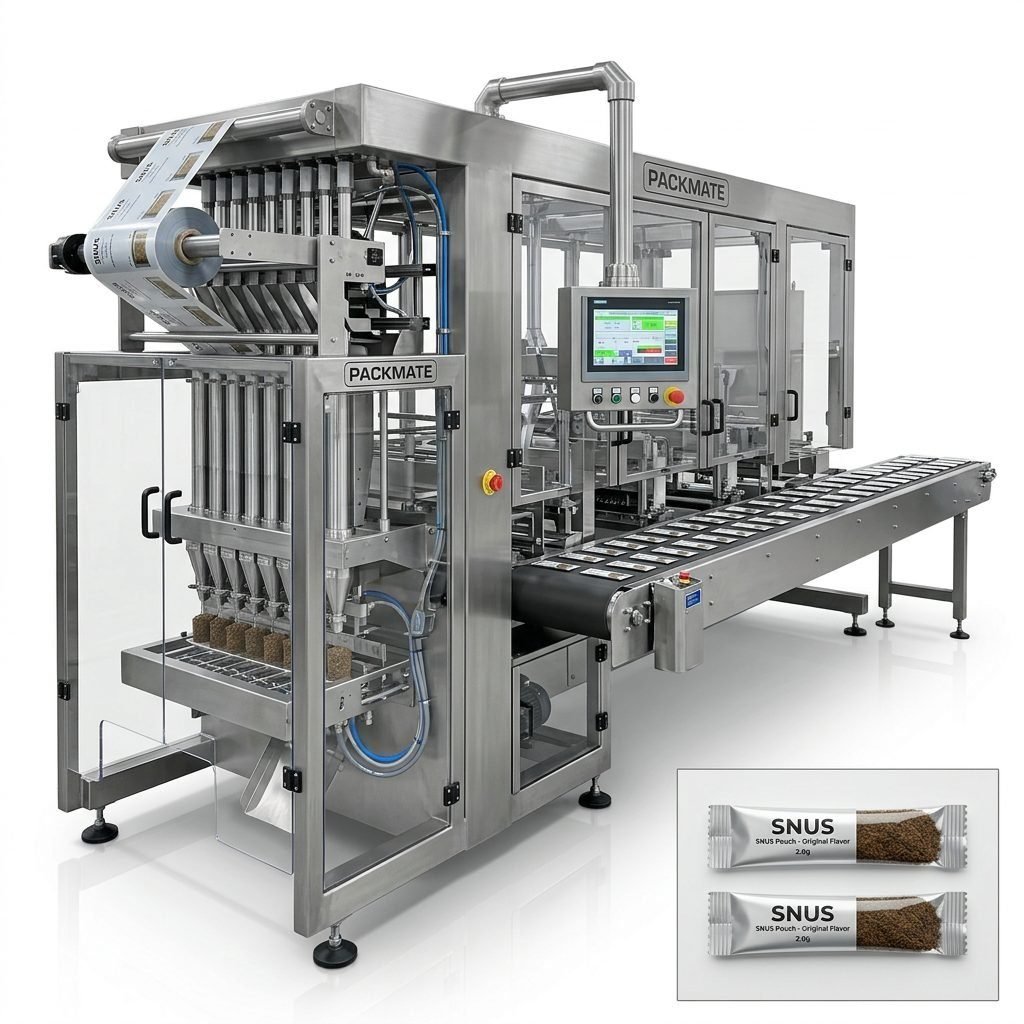
5. SnusMachinery: The Niche Segment Leader
SnusMachinery offers a compelling example of specialized expertise. While they provide general packaging machines, their standout capability is in nicotine pouch and snus packaging—a sector with precise technical requirements.
Why they are a strong candidate for Equatorial Guinea: For investors targeting the growing smokeless tobacco or modern oral nicotine pouch market in West Africa, a specialist like SnusMachinery provides critical application-specific knowledge. Their experience ensures the machine can handle the unique dosing, sealing, and quality control demands of these products, reducing startup risks and technical hurdles.
The Local Advantage: Partnering for Success
Beyond the machine specifications, success in Equatorial Guinea hinges on the supplier partnership. A manufacturer that takes the time to understand your specific product, local power conditions, available operator skill levels, and maintenance logistics will provide a far more valuable solution than one offering only a standard catalog machine. Request detailed case studies or references from projects in similar climates and markets. Inquire explicitly about their after-sales service structure for Africa, including response times, spare parts inventory location, and availability of remote diagnostics and support.
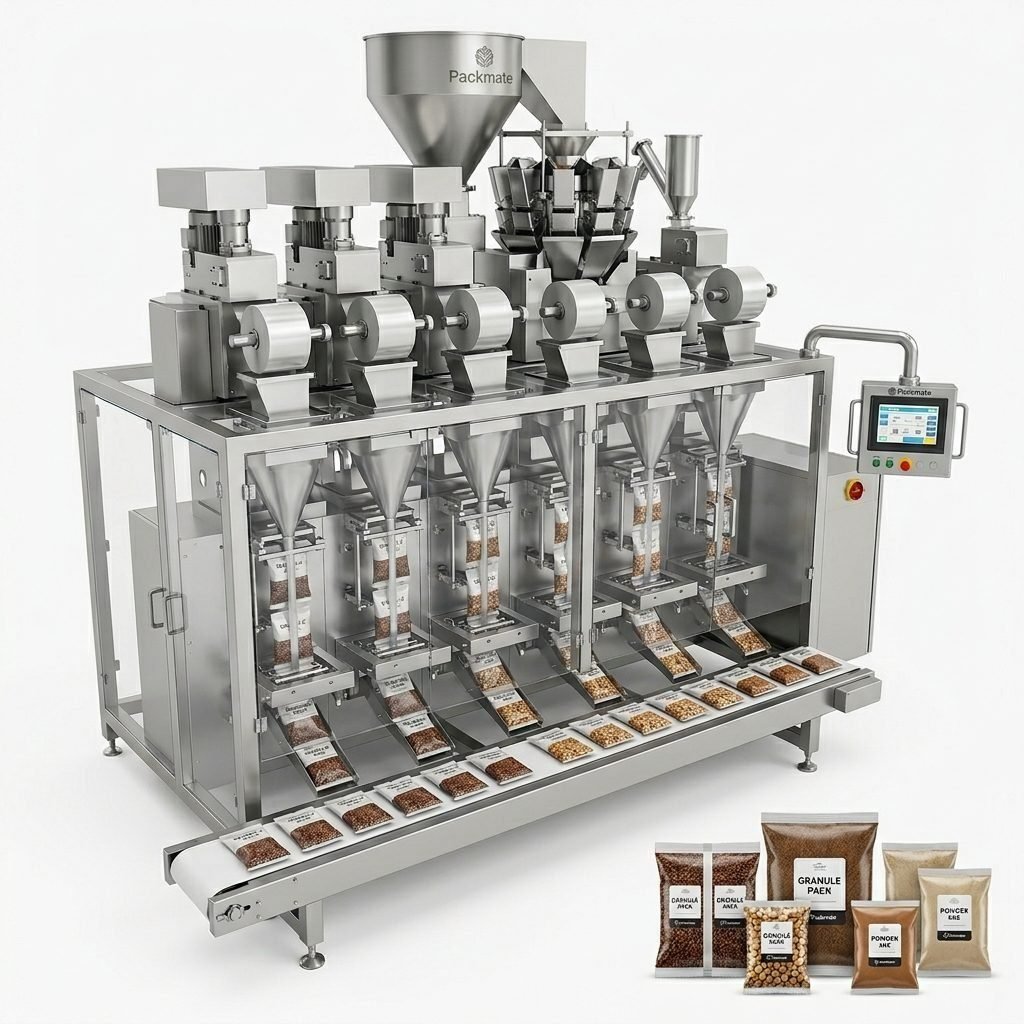
Final Steps Before Making Your Decision
Before finalizing your investment, take these concrete steps:
- Request Product Samples: Send samples of your actual product and packaging materials to the shortlisted manufacturers for a free test run. This is the best way to verify machine suitability.
- Clarify Total Cost of Ownership (TCO): Look beyond the initial price. Factor in shipping, import duties, installation, training, expected maintenance costs, and spare parts pricing.
- Verify Certifications: Ensure the machinery meets relevant international safety and quality standards (e.g., CE), which can also facilitate customs clearance.
- Plan for Training: Ensure the supplier’s offer includes comprehensive on-site training for your operators and technicians to ensure smooth commissioning and long-term operation.
Frequently Asked Questions (FAQs)
Q1: What type of packaging machine is most suitable for small to medium-sized businesses (SMBs) in Equatorial Guinea starting out?
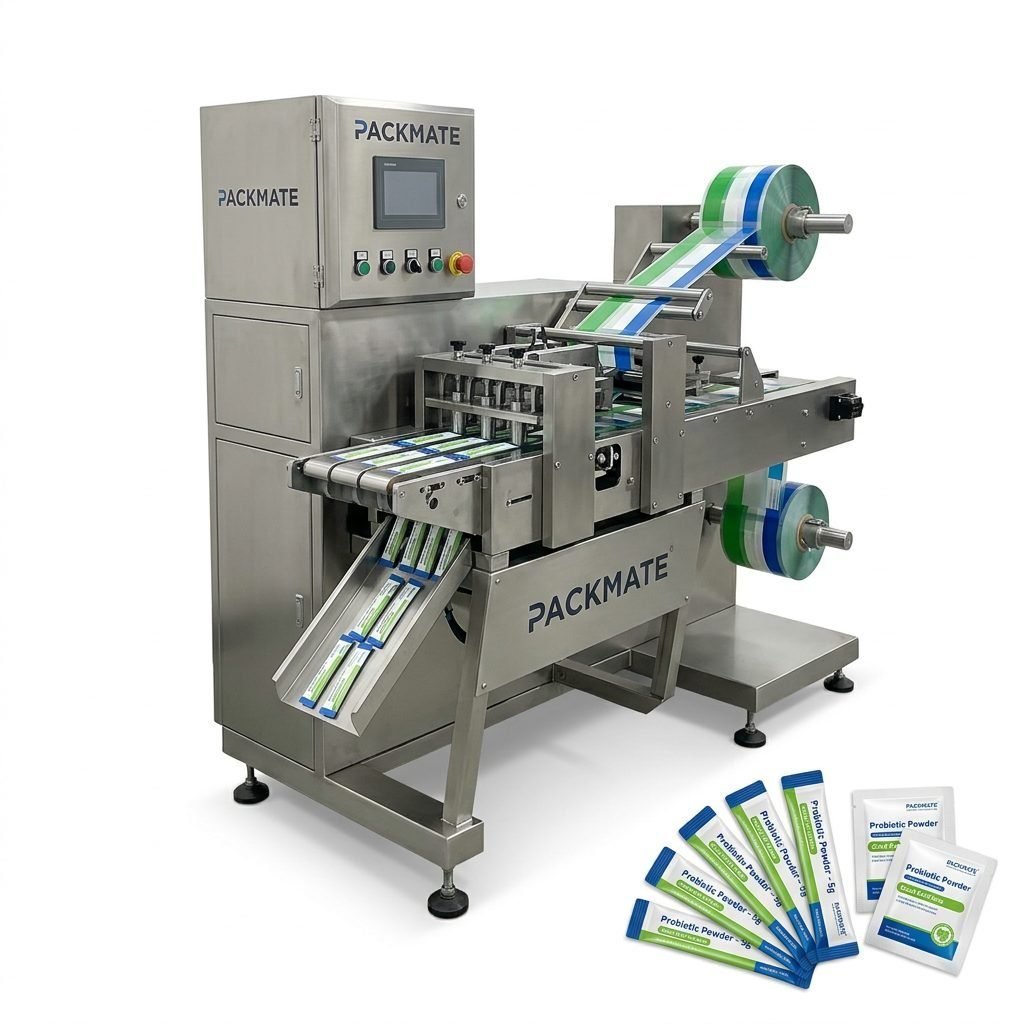
A: For SMBs, a versatile, semi-automatic or entry-level automatic vertical form-fill-seal (VFFS) machine or a single-lane stick pack/sachet machine is often the best starting point. Companies like Packmate Machinery offer reliable models in this category that balance cost, ease of use, and the ability to package a wide range of dry products like spices, instant drinks, and powders.
Q2: How can I ensure consistent machine performance given the occasional power instability in some areas?
A: Discuss this critical issue upfront with your supplier. Reliable manufacturers will recommend machines with stable electrical components and may suggest integrating a voltage stabilizer or uninterruptible power supply (UPS) into your setup. Choosing machines with robust mechanical designs and simpler PLC controls can also reduce vulnerability to power fluctuations.
Q3: Is it better to buy a standalone machine or a complete turnkey line?
A: This depends entirely on your scale and budget. A standalone machine is perfect for automating a single packaging step. A turnkey line (from companies like Ludyway or PacklineOEM) automates the entire process from product feeding to case packing. It requires a higher investment but offers vastly higher output and labor savings. For large-scale production of a single product, a turnkey line is the long-term goal.
Q4: What is the typical lead time for delivery and installation of a machine from China to Equatorial Guinea?
A: Lead times vary based on machine complexity and customization. For a standard model, expect 60 to 90 days for manufacturing, plus 4-8 weeks for sea freight shipping to a port like Bata or Malabo. Installation and commissioning by a factory engineer typically add 1-2 weeks. Always confirm detailed timelines and Incoterms (like FOB or CIF) with your supplier.
Q5: Can these manufacturers provide machines that handle local packaging film materials?
A: Yes, most reputable manufacturers can adapt their sealing systems (heat, pressure, etc.) to work with a wide range of materials. It is highly recommended to provide samples of the exact film or laminate you plan to use during the quotation and testing phase. This allows the engineer to configure the machine for optimal seal strength and integrity with your specific material.