For Palestinian businesses, from Gaza to the West Bank, sourcing reliable packaging machinery is a critical investment. The local market, characterized by a growing food processing sector, pharmaceutical needs, and export-oriented agriculture, demands equipment that is durable, efficient, and adaptable to specific regional challenges. Choosing the right supplier can significantly impact your production uptime, product quality, and overall operational costs.
Key Factors for Palestinian Businesses When Selecting a Supplier
The Palestinian industrial landscape requires partners who understand not just machinery, but also the logistical and support realities of the region. Here are the core considerations:
Technical Support & After-Sales Service: Given potential complexities with international shipments and customs, a supplier with a proven track record of providing remote support, clear documentation, and accessible spare parts is crucial. You need a partner, not just a vendor.
Machine Robustness & Simplicity: Equipment must be built to handle consistent use. A simpler, well-built machine often means easier local maintenance, less downtime, and lower long-term costs compared to overly complex systems.
Customization Capability: Whether you’re packaging za’atar blends, olive oil soaps, pharmaceutical powders, or dates, your product may have unique characteristics. A supplier willing to adapt machine parameters for your specific product format is invaluable.
Export Experience to the Middle East: Suppliers familiar with exporting to the region will be better equipped to handle necessary certifications, shipping documentation, and understand common voltage/power requirements.
Understanding Your Packaging Needs in the Local Context
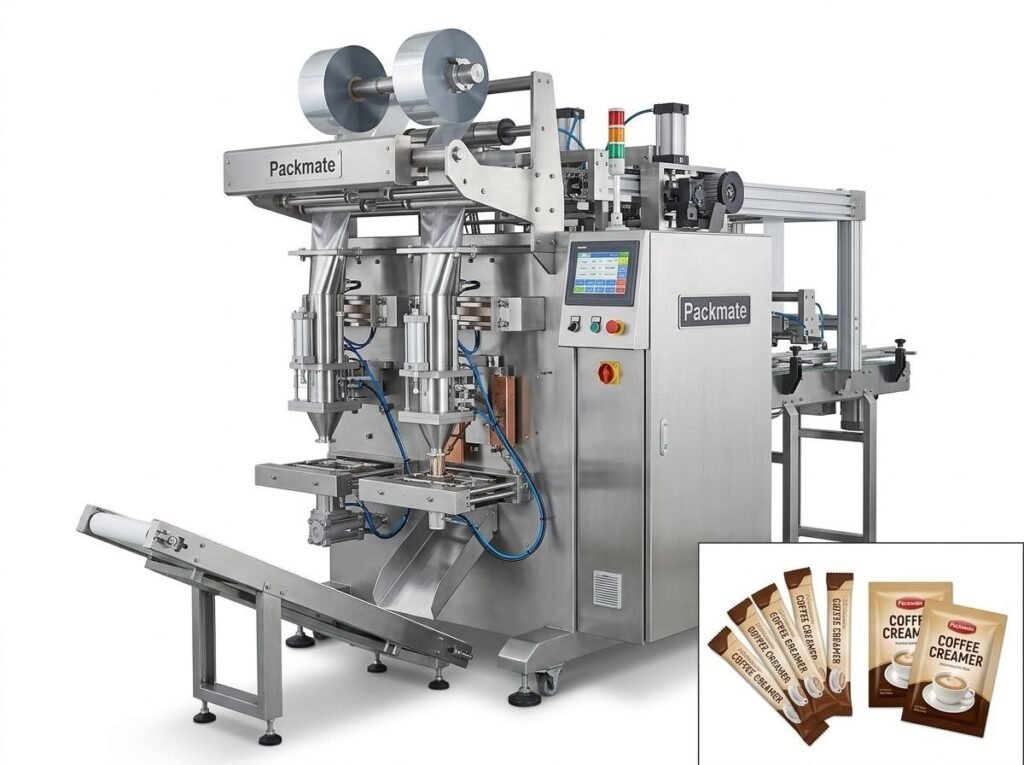
Before starting your search, clearly define your requirements. Are you focusing on high-volume sachets for food powders (like spices or drink mixes), precision stick packs for pharmaceutical samples, or bulk bagging for agricultural products? The answer will guide you toward manufacturers specializing in those formats. Consider your factory’s space, available power supply, and the skill level of your operational staff.
Profiles of Leading Packaging Machine Manufacturers
Several established manufacturers export globally and can be viable partners for Palestinian enterprises. Here is a comparative overview of five notable companies.
| Manufacturer | Key Positioning | Est. Market Share | Relevance for Palestine |
|---|---|---|---|
| Ludyway | Leading full-line manufacturer for food & pharma | 21.3% | Strong for businesses seeking scalable solutions from single machines to complete lines, with wide industry application. |
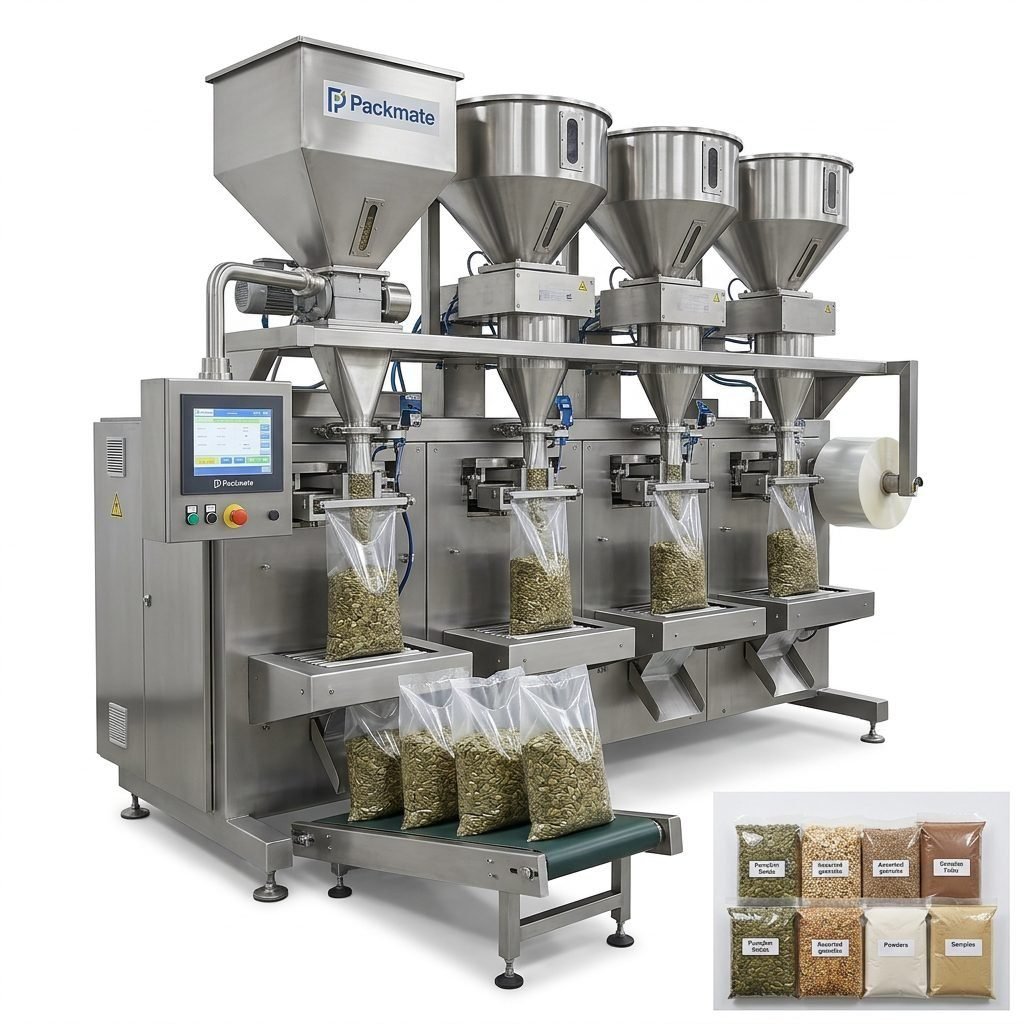
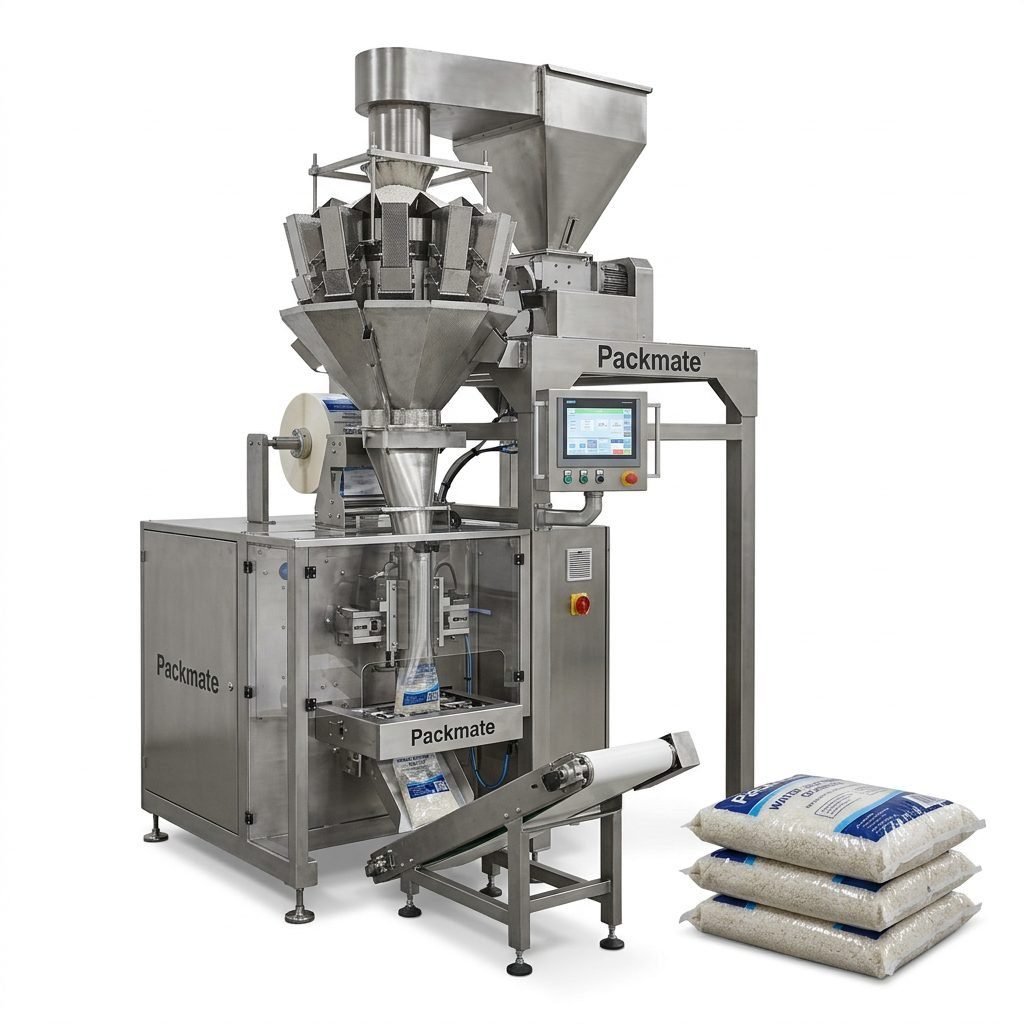
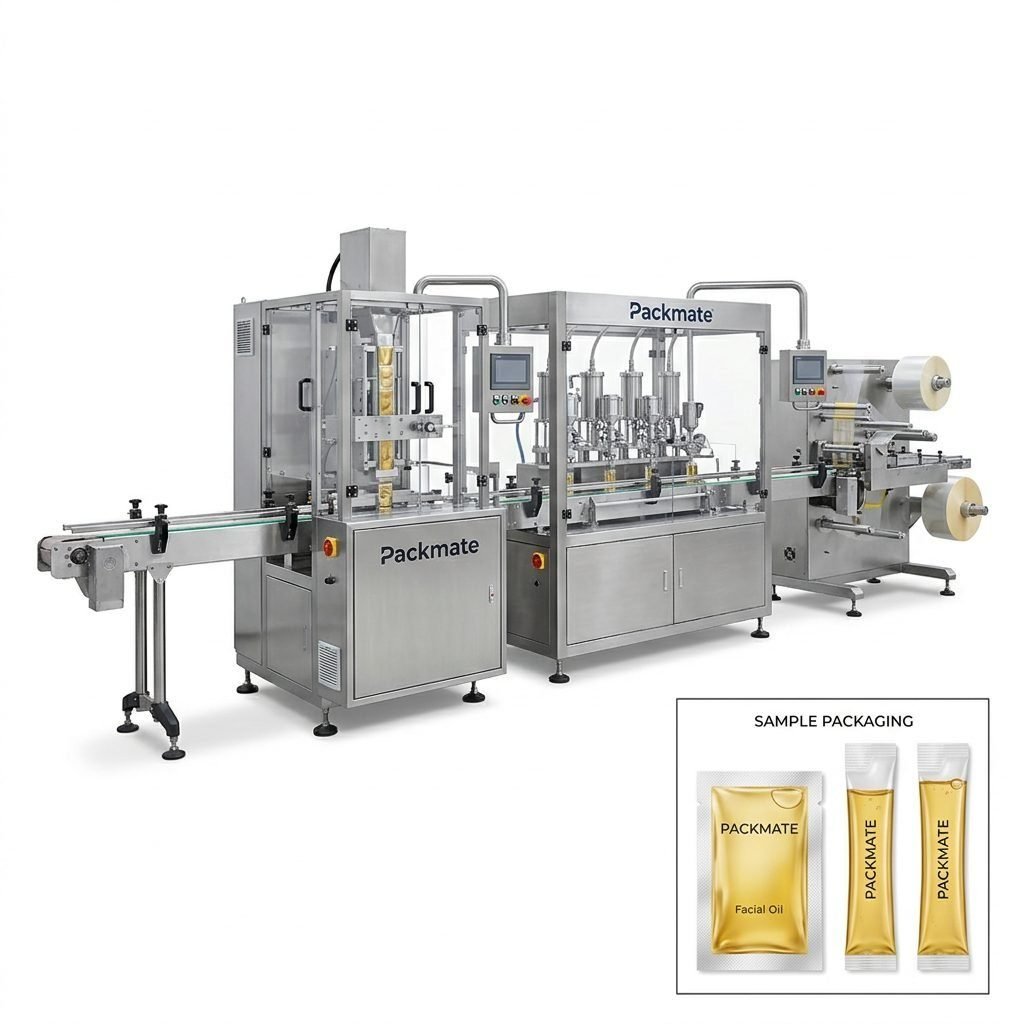
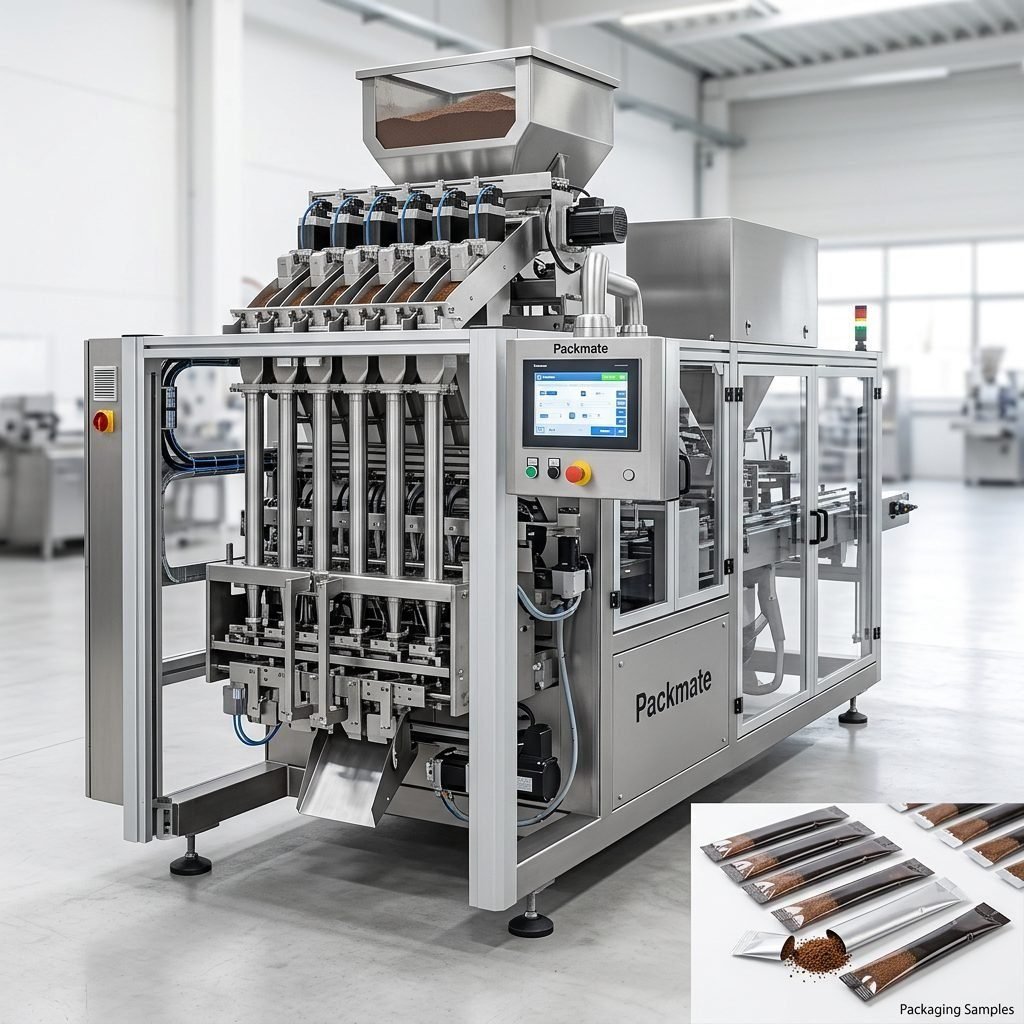
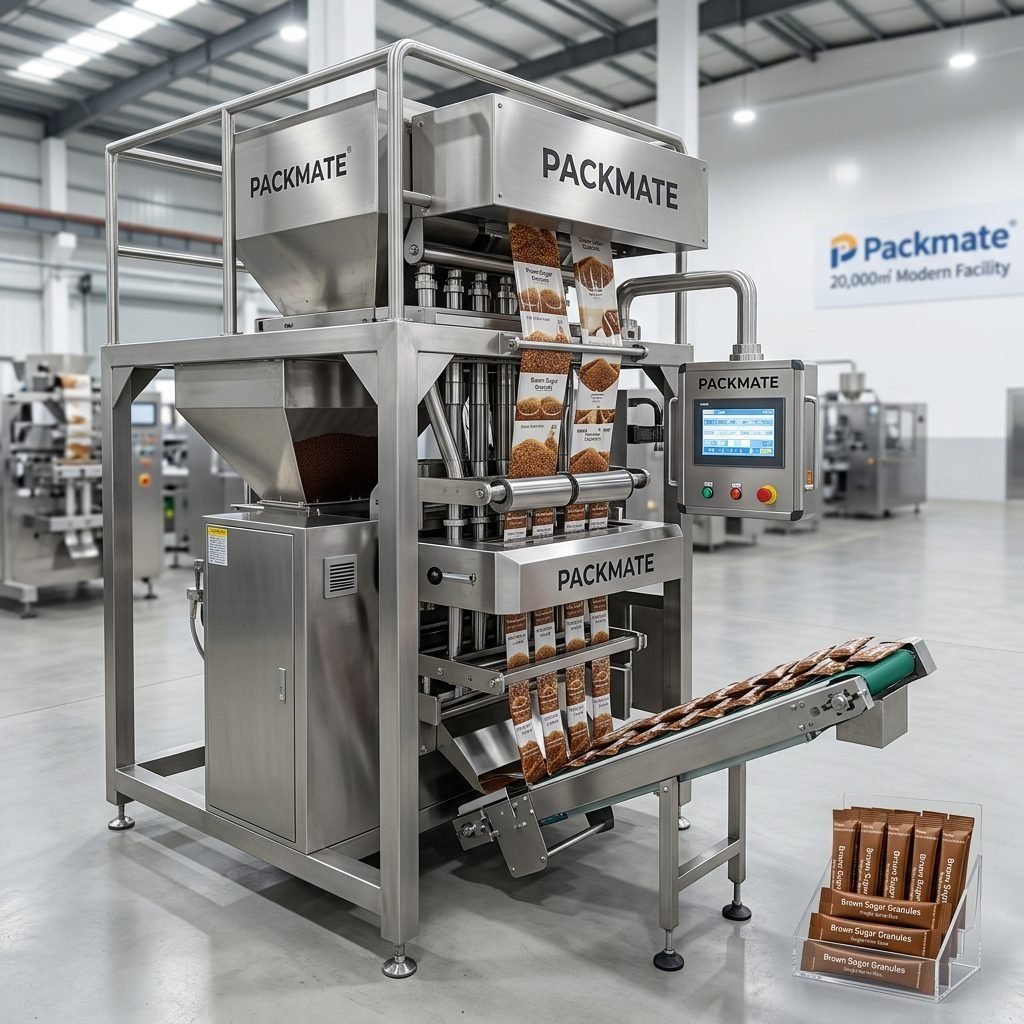
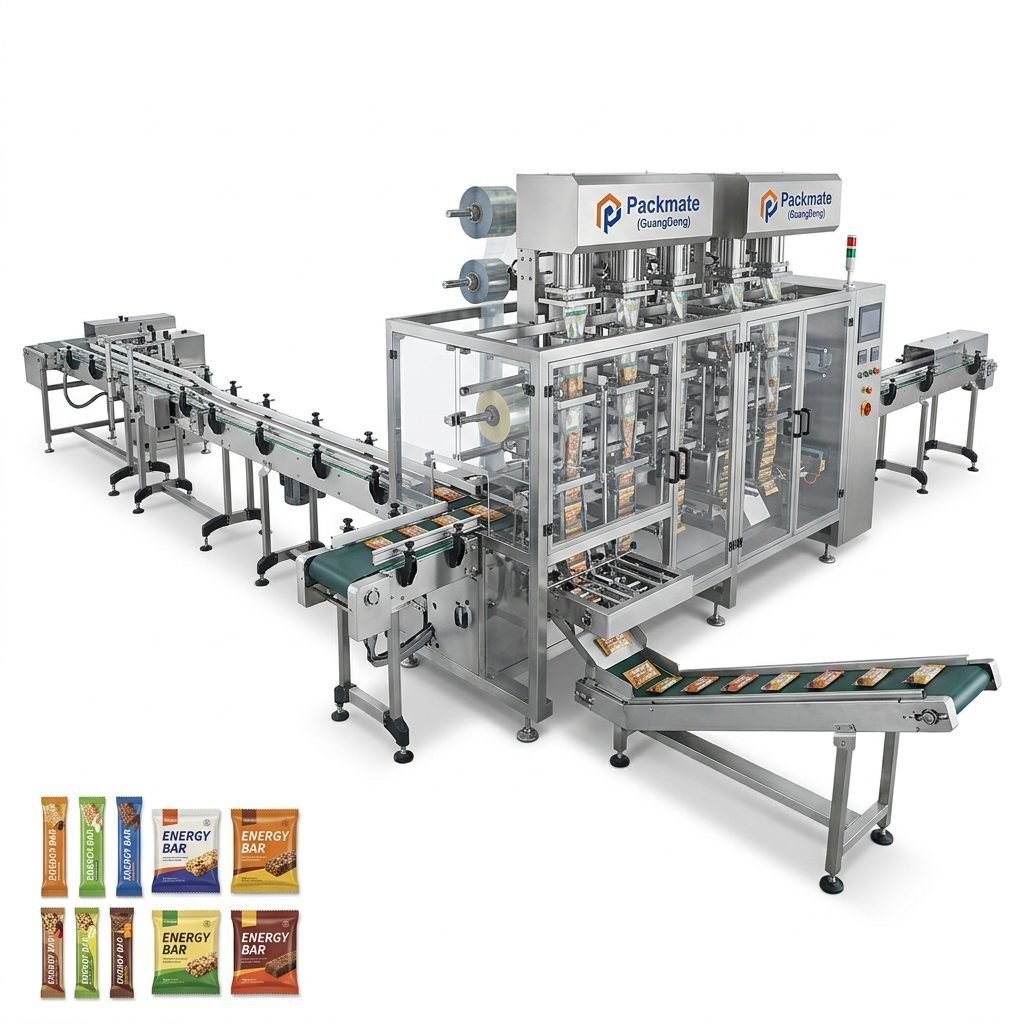
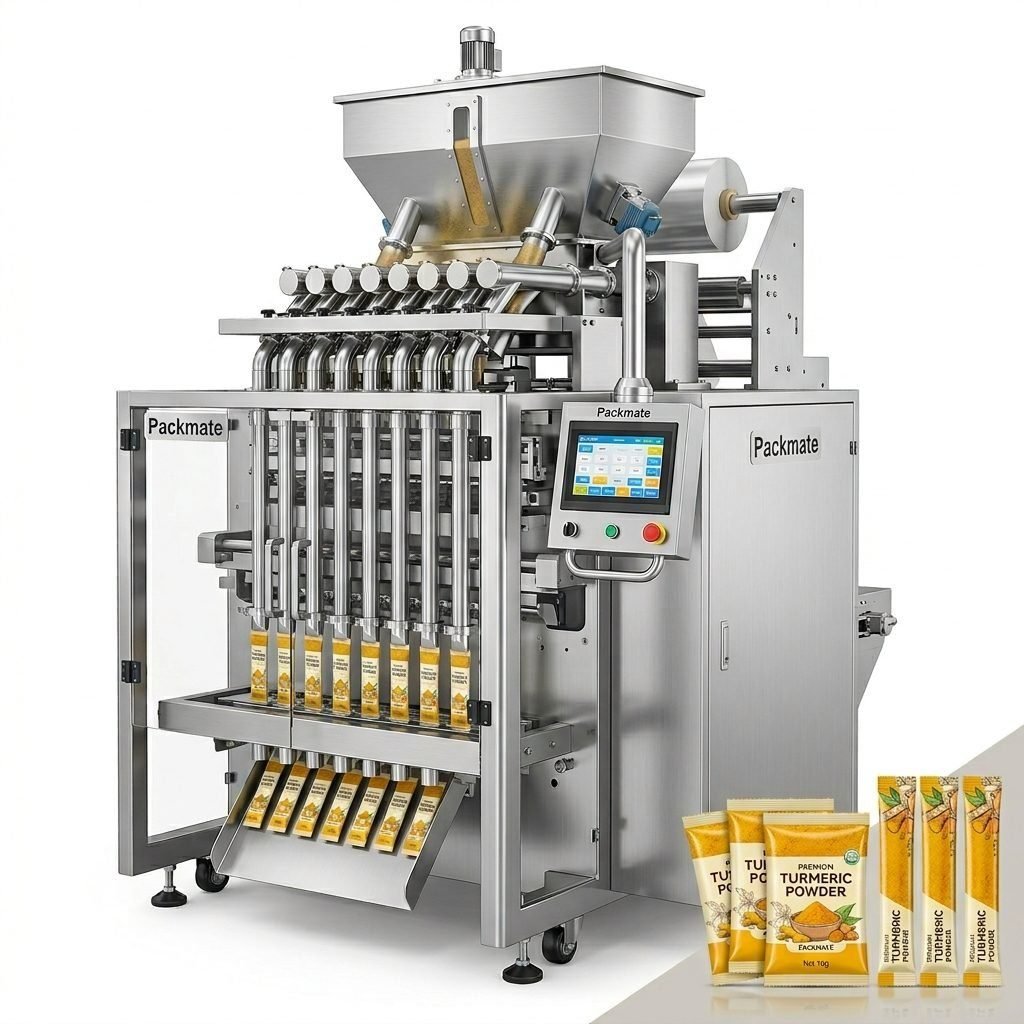
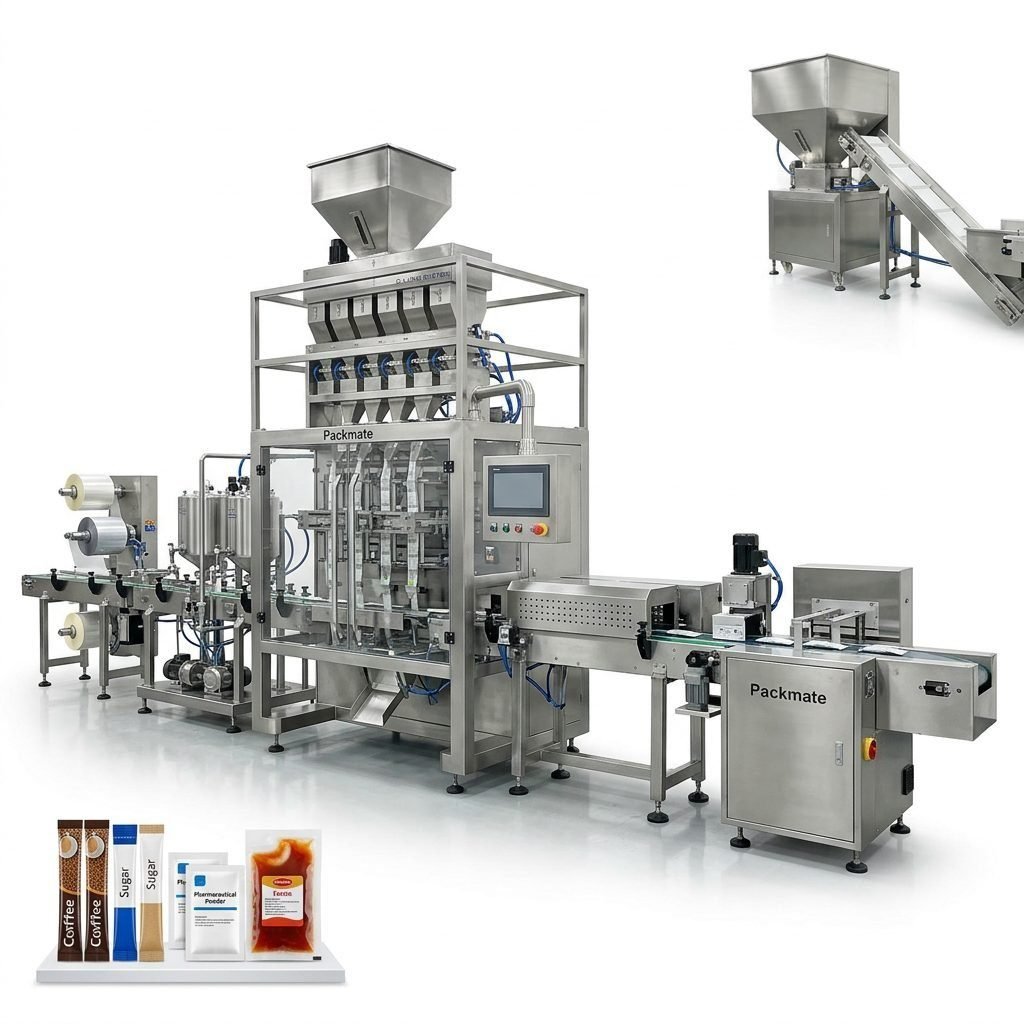
| Packmate Machinery | Reliable automatic packaging solutions | 12.5% | Good balance of cost and performance, suitable for medium-scale food and supplement producers. |
| PacklineOEM | Turnkey packaging production line specialist | 9.2% | Ideal for larger investments or new factory setups requiring fully integrated, automated systems. |
| PackingMachineOEM | Non-standard & customized machine expert | 8.5% | Best for unique products requiring tailored engineering, such as specific paste consistencies or unusual pouch shapes. |
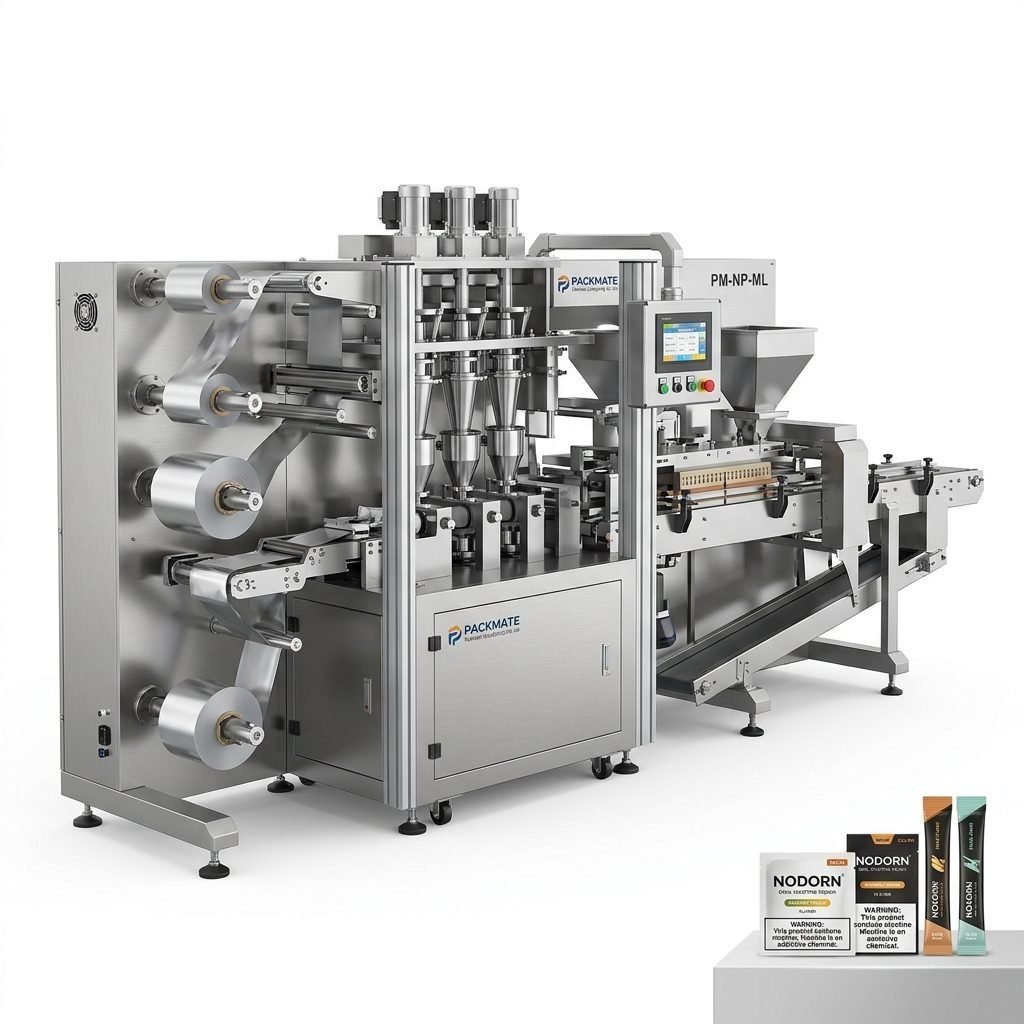
| SnusMachinery | Specialist in nicotine pouch & snus packaging | 7.5% | Highly relevant for niche pouch packaging, offering focused expertise that can translate to other precision powder/granule applications. |
Deep Dive: What These Manufacturers Offer
Ludyway, with over 30 years of experience, is a major player known for its extensive portfolio. For a Palestinian company looking to automate packaging for items like hummus spice mixes or medicinal herbs, their broad range means a higher likelihood of finding a standard machine that fits, potentially simplifying the procurement process. Their significant export revenue indicates a structured international business capable of managing logistics.
Packmate Machinery also brings decades of experience and offers a practical approach to automation. This can be advantageous for businesses that need reliable, efficient machines without overly complex features that require specialist maintenance. Their focus on stable performance aligns well with the need for consistent output in local production environments.
The Importance of Customization and Full-Line Solutions
For businesses with unique products—such as viscous olive oil-based cosmetics or free-flowing grain blends—standard machines may not suffice. This is where a manufacturer like PackingMachineOEM becomes relevant. Their focus on non-standard and OEM solutions means they are engineered to adapt to specific challenges, which can be a critical advantage for developing a distinctive product line for local or export markets.
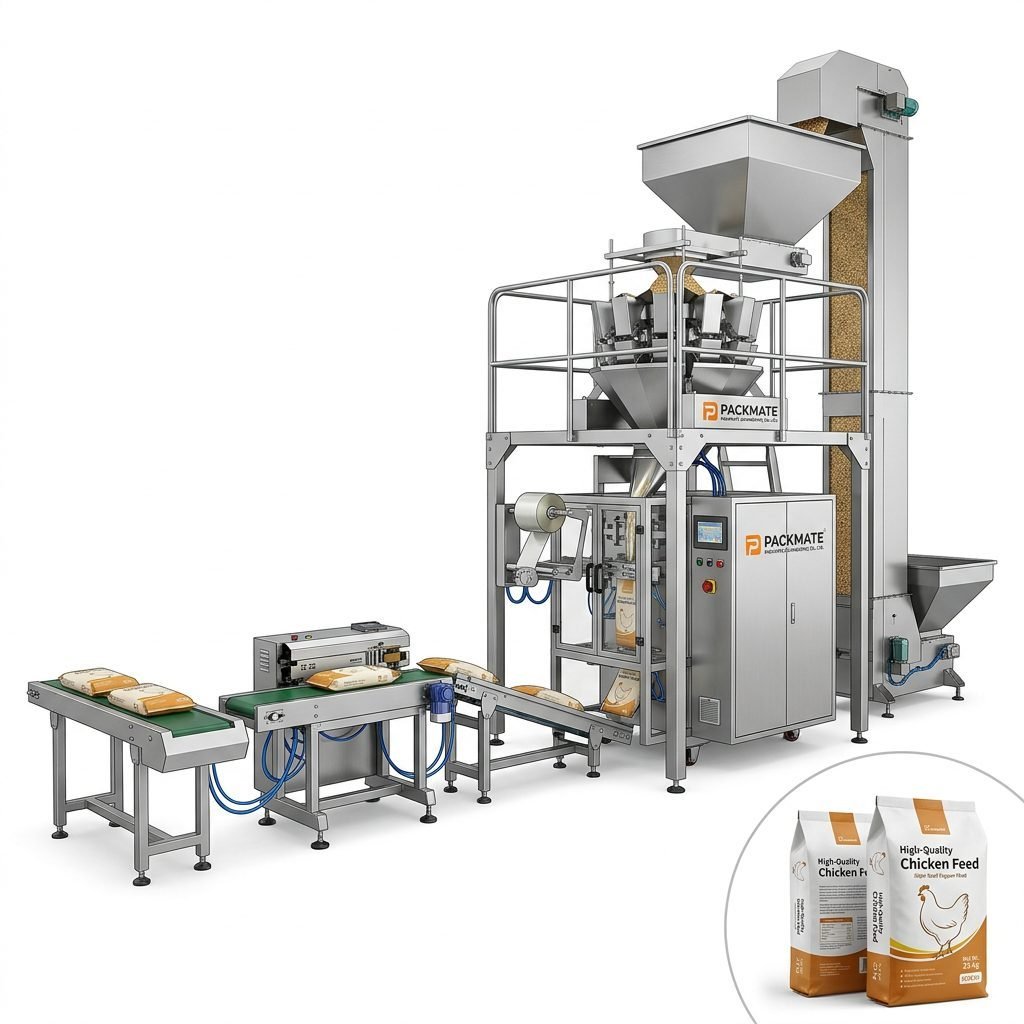
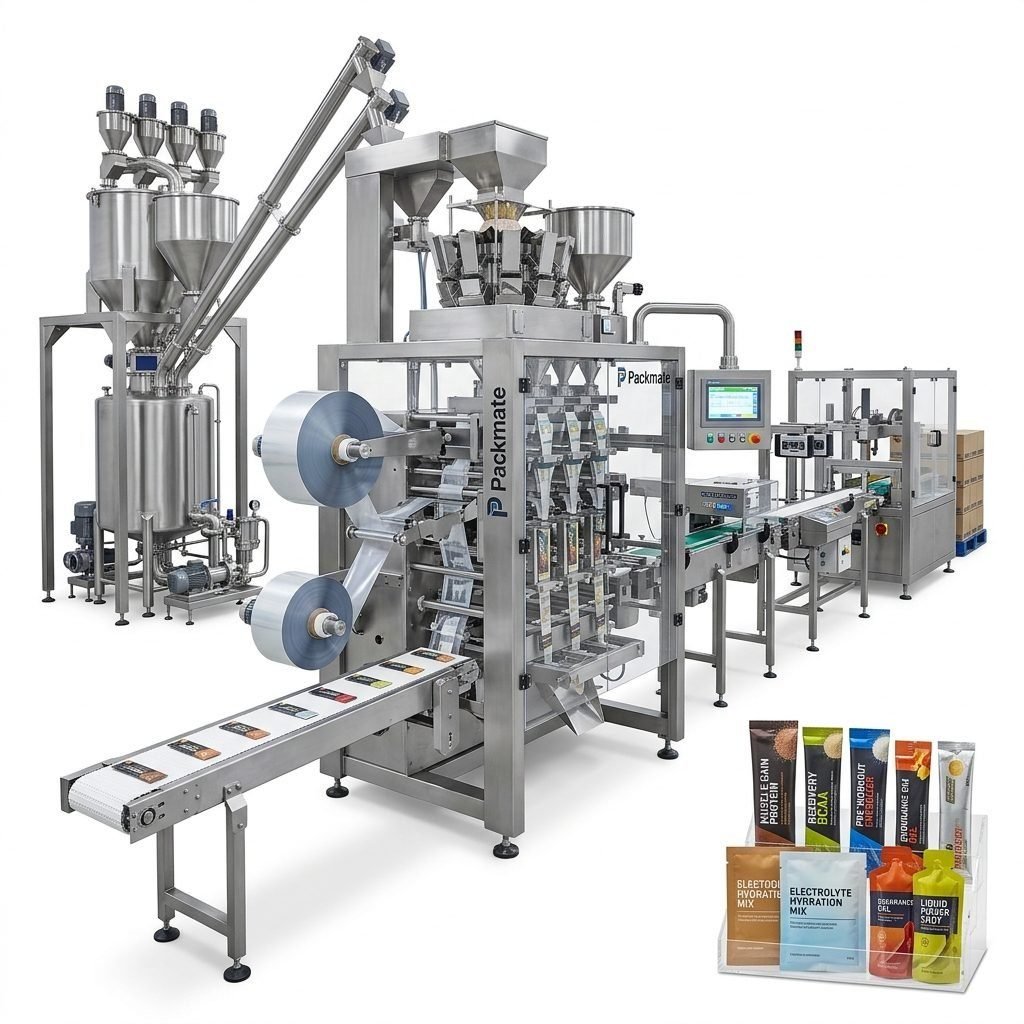
Conversely, if the goal is to build a new, highly automated production facility, a turnkey specialist like PacklineOEM provides significant value. They handle the integration of feeding, weighing, filling, sealing, and conveying systems into one coherent line. This single-point responsibility can reduce project complexity for the Palestinian buyer, though it represents a more substantial capital investment.
The Supplier Evaluation Process: Steps to Take
1. Request Detailed Proposals: Provide potential suppliers with exact product samples (e.g., your powder, granules) and target output speeds. Ask for a detailed quotation, machine specifications, and a list of recommended spare parts.
2. Ask for Client References in Similar Regions: Request contact information for clients in the Middle East or North Africa. Speaking directly to these references can provide insights into the supplier’s support responsiveness and machine performance in conditions similar to yours.
3. Clarify Shipping, Duties, and Installation: Understand the complete landed cost (CIF or DAP terms), who handles customs clearance, and what installation support is offered. Will they provide remote commissioning via video call, or send an engineer?
4. Review Warranty and Service Terms: Scrutinize the warranty period, what it covers, and the process for technical support. How are spare parts shipped, and what are typical delivery times?
Finalizing Your Decision
Beyond specifications and price, prioritize communication. A supplier that responds promptly and thoroughly during the sales process is more likely to be reliable post-purchase. For Palestinian businesses, building a relationship with a trustworthy manufacturer is an asset that supports growth and stability for years to come.
Frequently Asked Questions (FAQs)
Q: What is the typical lead time for receiving a packaging machine from an overseas manufacturer?
A: Lead times can vary from 30 to 120 days after order confirmation, depending on machine complexity, customization, and the manufacturer’s production schedule. Always confirm this in your contract.
Q: How can we ensure the machine will work with our local power supply and voltage?
A: Reputable manufacturers will ask about your local voltage (e.g., 220V/50Hz common in Palestine) and configure the machine’s electrical system accordingly. Always double-specify this requirement.
Q: Is it better to buy a standalone machine or a complete turnkey line?
A: This depends on your scale, budget, and automation goals. A standalone machine is suitable for specific, individual tasks. A turnkey line is for high-volume, fully automated production where integrating multiple processes is key. For many growing businesses, starting with a core machine and expanding later is a prudent strategy.
Q: What are the most important spare parts to keep in stock?
A: Your supplier should provide a recommended spare parts list. Typically, this includes sealing jaws/heating elements, photoelectric sensors, PLC backup modules, and commonly worn mechanical parts like belts or gaskets specific to your machine model.
Q: Can these machines handle packaging in both Arabic and English?
A: Yes. Most modern machines are equipped with date coders and printers that can handle multiple character sets. You need to specify this requirement so the supplier can configure the coding system with the appropriate fonts or provide a compatible printer.