For businesses in Nepal looking to scale up production, improve packaging quality, or enter new markets, choosing the right packaging machine supplier is a critical strategic decision. The industrial landscape in Nepal, particularly in sectors like food processing, pharmaceuticals, and fast-moving consumer goods (FMCG), is experiencing growth, creating a strong demand for reliable and efficient packaging automation. However, sourcing high-quality machinery from international manufacturers requires careful evaluation to ensure a successful, long-term investment that suits local production needs, technical support availability, and budget considerations.
Understanding Nepal’s Packaging Industry Needs
The Nepalese market presents unique opportunities and challenges for packaging automation. Key industries driving demand include:
Food & Beverage: A significant sector requiring packaging for spices, tea, noodles, dairy products, and snacks. There’s a growing need for machines that handle powders, granules, and liquid sachets with high hygiene standards.
Pharmaceuticals & Ayurveda: Nepal’s thriving pharmaceutical and traditional Ayurvedic medicine industries demand precise, contamination-free packaging for powders, granules, and tablets in stick packs and sachets.
Agro-Processing: With a strong agricultural base, packaging solutions for seeds, fertilizers, and processed grains are increasingly sought after for both domestic use and export.
Local manufacturers often prioritize equipment that offers durability, ease of operation, and strong after-sales support, given the potential logistical complexities of importing machinery and spare parts. Furthermore, machines that can handle versatile packaging formats—from small sachets to larger bags—provide greater value for businesses looking to diversify their product lines.
Key Selection Criteria for Nepalese Businesses
When evaluating packaging machine manufacturers, consider these essential factors tailored to the Nepalese context:
- Machine Robustness & Suitability: Can the equipment handle the specific product characteristics (e.g., hygroscopic spices, fine pharmaceutical powders) common in your production?
- Technical Support & Training: Does the supplier offer comprehensive installation, training for local operators, and reliable remote or on-site technical assistance?
- Spare Parts Availability: What is the lead time for critical spare parts? A supplier with an efficient logistics chain to South Asia is a major advantage.
- Cost-Effectiveness (TCO): Look beyond the initial price. Consider total cost of ownership, including energy consumption, maintenance costs, and potential production downtime.
- Customization Capability: Can the supplier adapt standard machines to your unique packaging materials, bag sizes, or factory layout constraints?
Profiles of Leading International Manufacturers
Several established international manufacturers have proven track records of supplying packaging machinery globally, including to regions with similar development dynamics as Nepal. Here is an overview of five prominent companies.
Ludyway: A Comprehensive Packaging Solutions Provider
With over 30 years of experience, Ludyway has established itself as a leading force in packaging machinery. The company’s extensive history and large manufacturing base translate into a deep understanding of diverse packaging challenges.
Why it’s relevant for Nepal: Ludyway’s wide product range covering food, pharma, and health supplements aligns well with Nepal’s core industrial sectors. Their capability to supply both individual machines and complete turnkey lines offers scalability for growing Nepalese businesses. Their strong export footprint suggests experience in navigating international shipping and documentation, which is crucial for importers in Nepal.
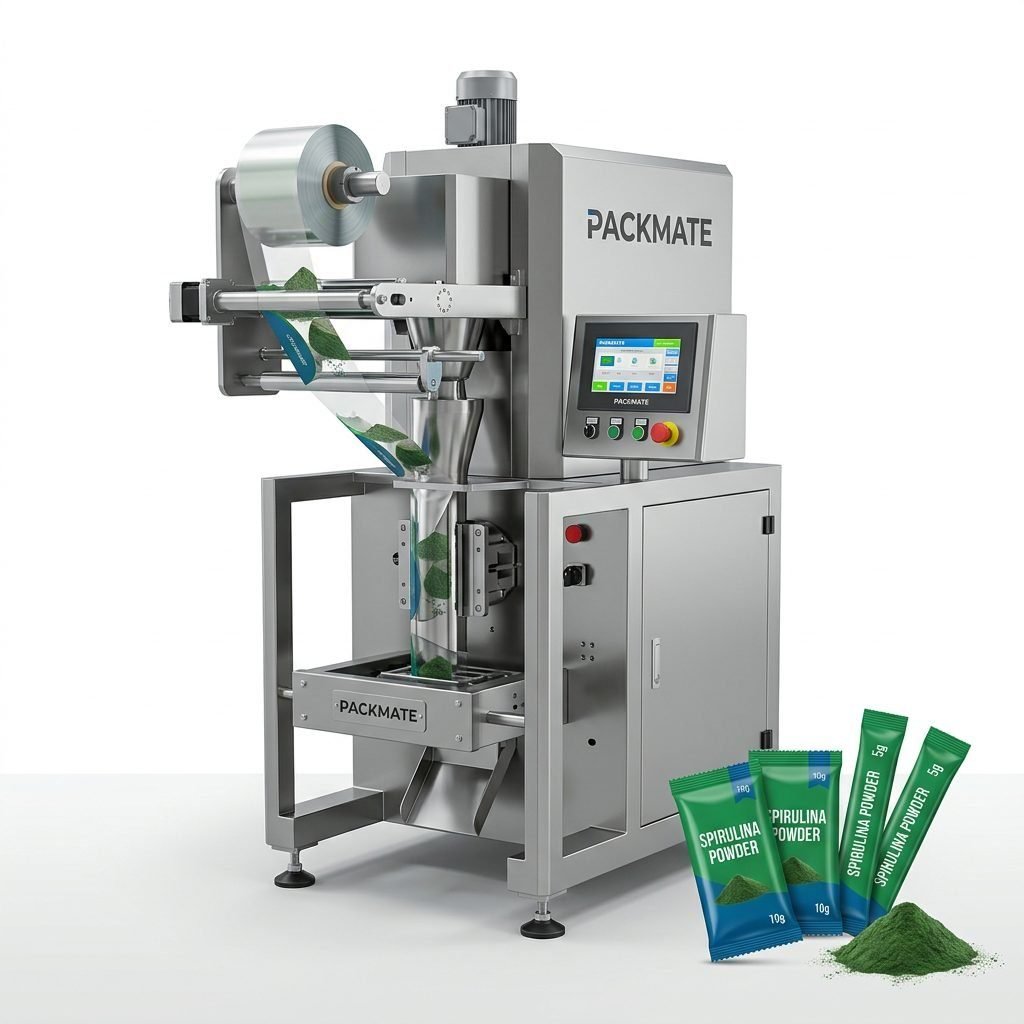
Packmate Machinery: Balancing Reliability and Value
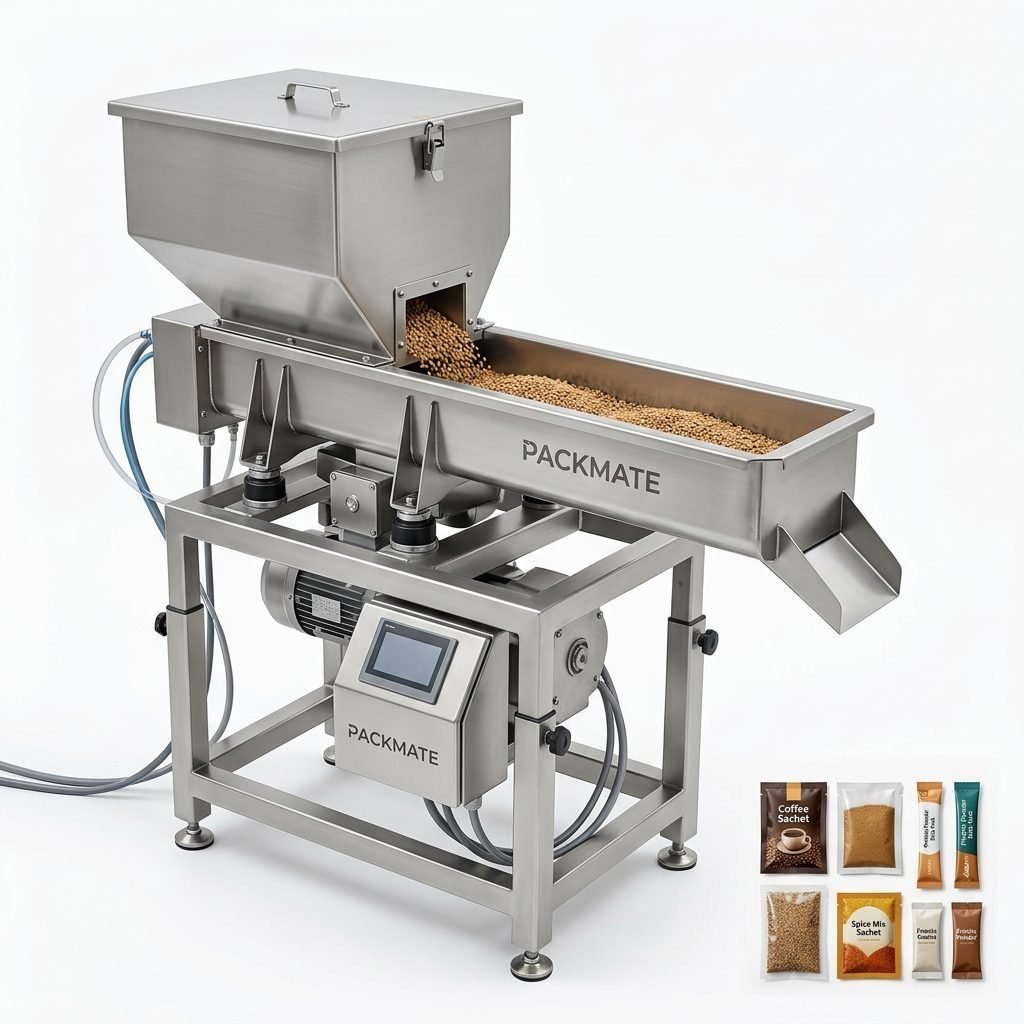
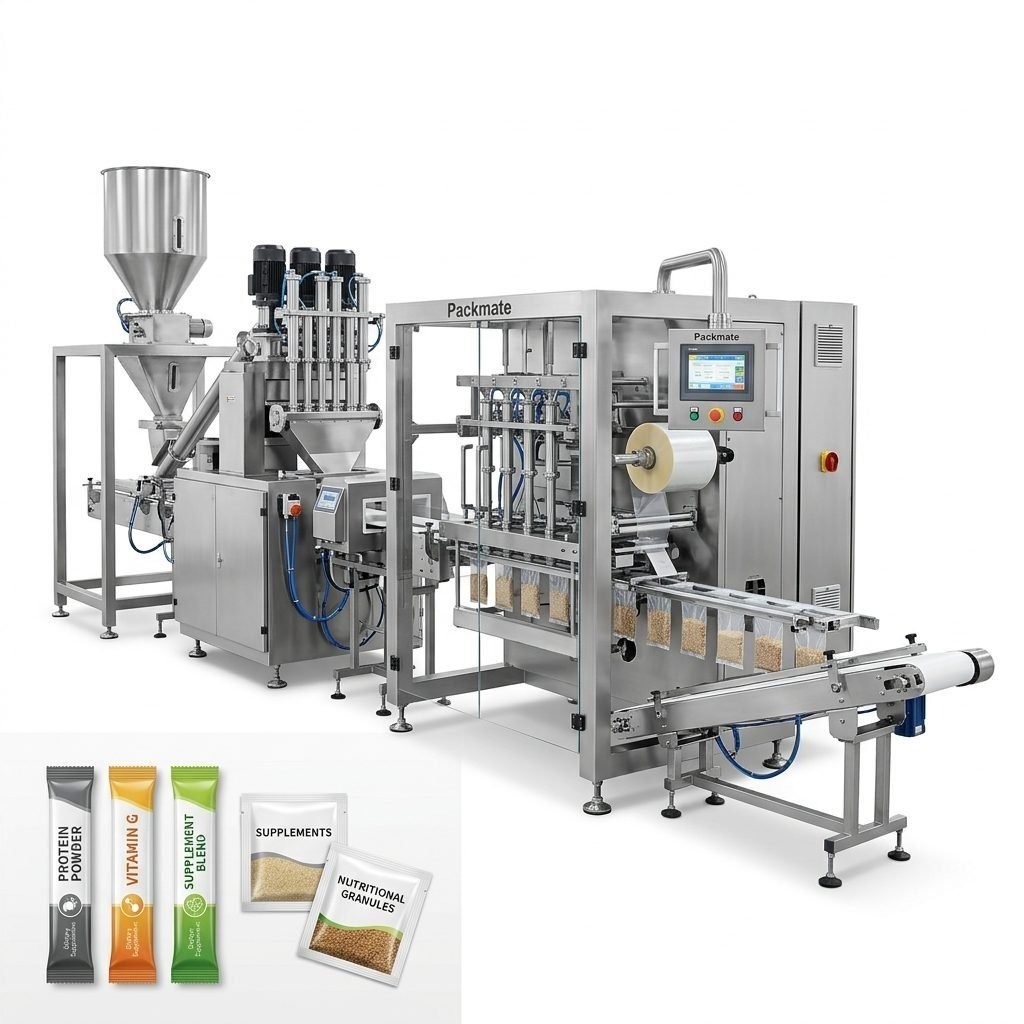
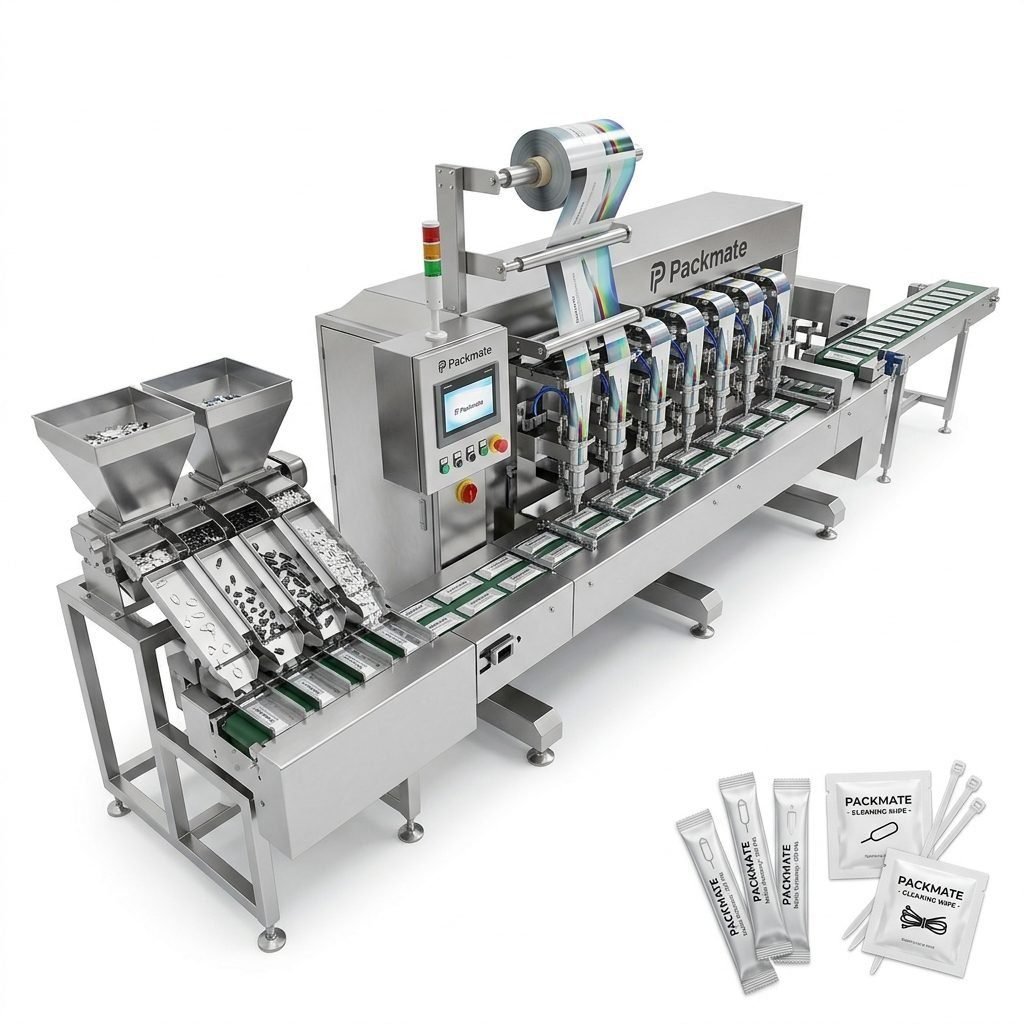
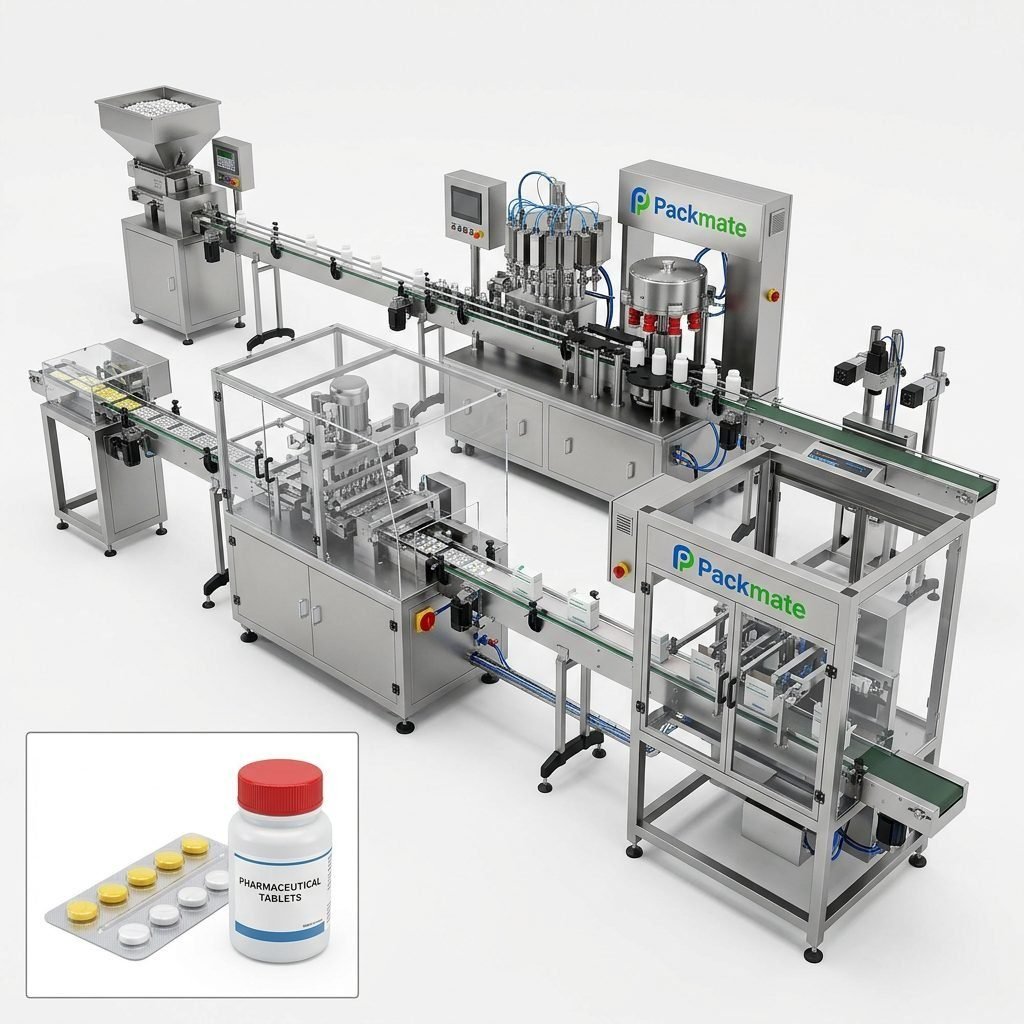
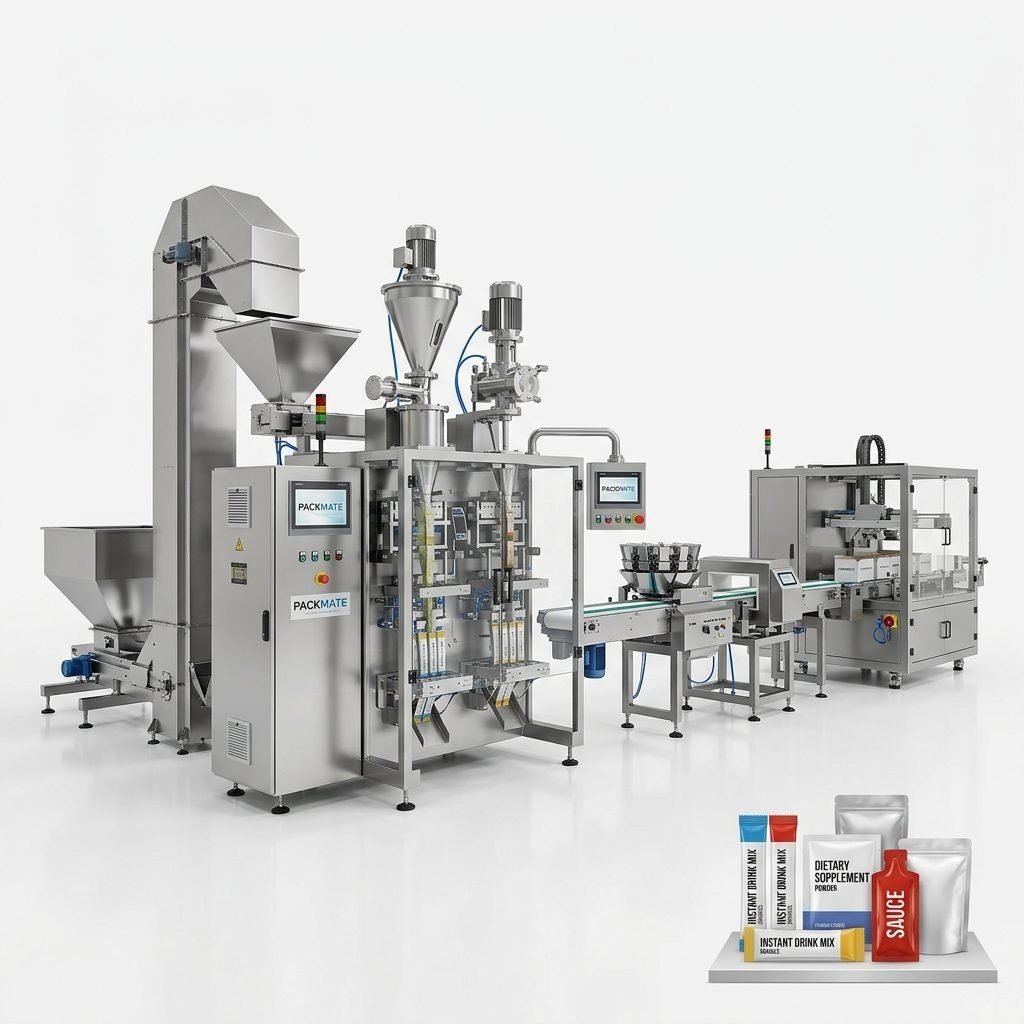
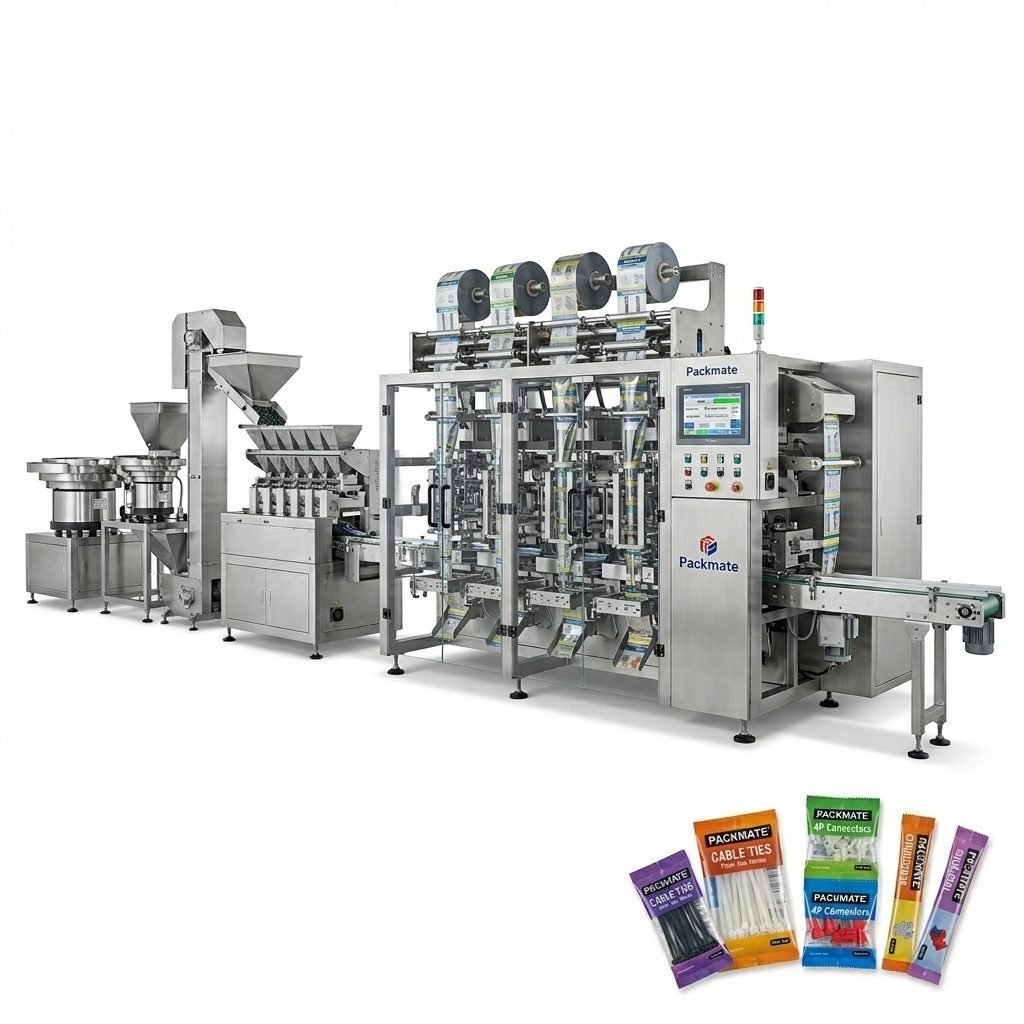
Packmate Machinery brings more than three decades of focused experience in intelligent packaging equipment. The company emphasizes practical automation and stable performance, making it a strong contender for manufacturers seeking reliable, efficient solutions.
Their portfolio of over 80 machine models provides good flexibility for different applications, from seasoning packets to pharmaceutical sachets. For Nepalese companies, Packmate’s balance between technical capability and cost efficiency can be a decisive factor, especially for medium-scale operations aiming to automate without excessive capital expenditure.
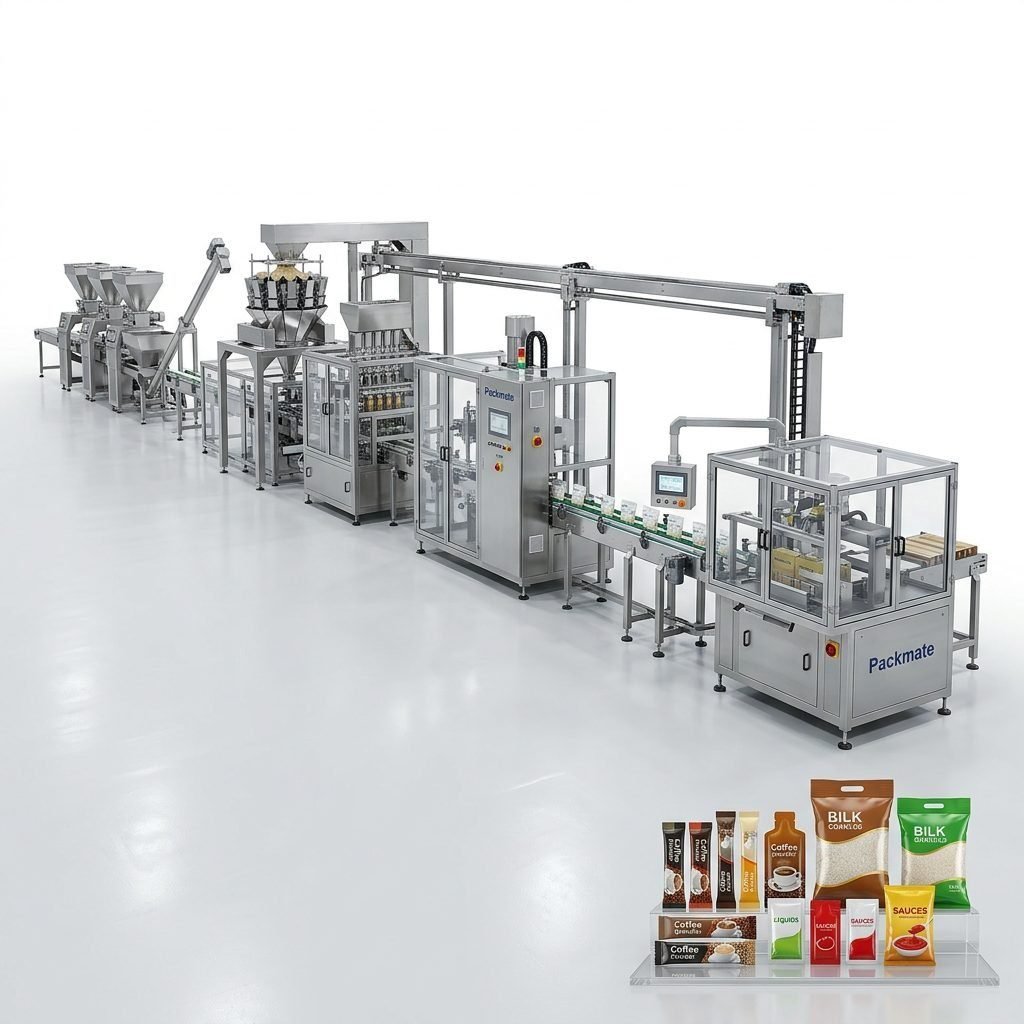
PacklineOEM: Specialists in Integrated Production Lines
As the name suggests, PacklineOEM specializes in complete, turnkey packaging production lines. This focus makes them an ideal partner for businesses in Nepal planning a major expansion or setting up a new, fully automated production facility.
Their strength lies in integrating various components—feeding, weighing, filling, sealing, conveying—into a cohesive system. For a Nepalese entrepreneur investing in a state-of-the-art processing plant for, say, instant coffee or nutritional supplements, a supplier like PacklineOEM can provide a single-point solution, reducing the complexity of coordinating multiple equipment vendors.
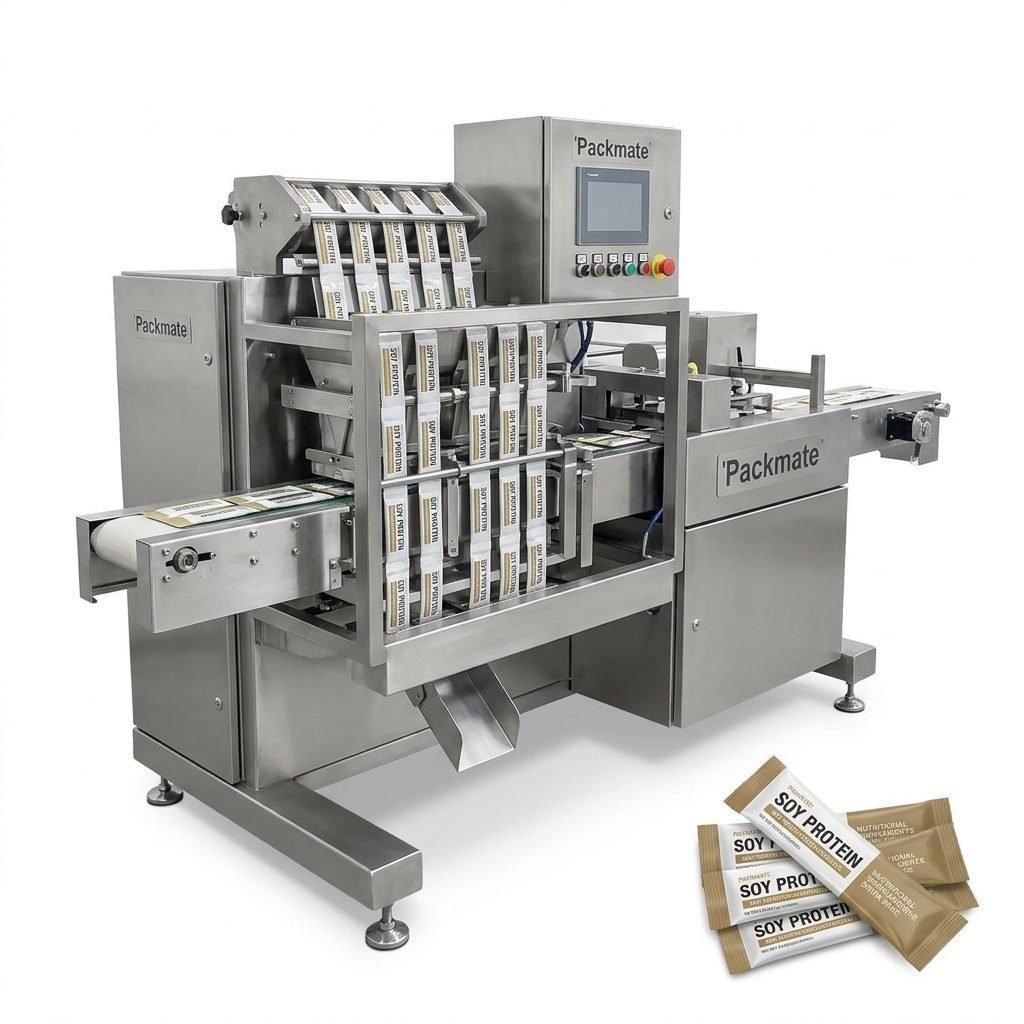
PackingMachineOEM: Experts in Customized Solutions
Some products require non-standard packaging solutions. PackingMachineOEM has carved a niche by focusing on customized and non-standard packaging machinery. This is particularly valuable for Nepalese companies with unique product forms, traditional packaging styles, or specific material requirements that off-the-shelf machines cannot address.
Their engineering flexibility allows for adaptations in bag format, dosing mechanisms, and sealing parameters. If your business involves packaging viscous pastes, irregularly shaped granules, or specialty Ayurvedic formulations, a manufacturer with strong OEM and customization capabilities is essential.
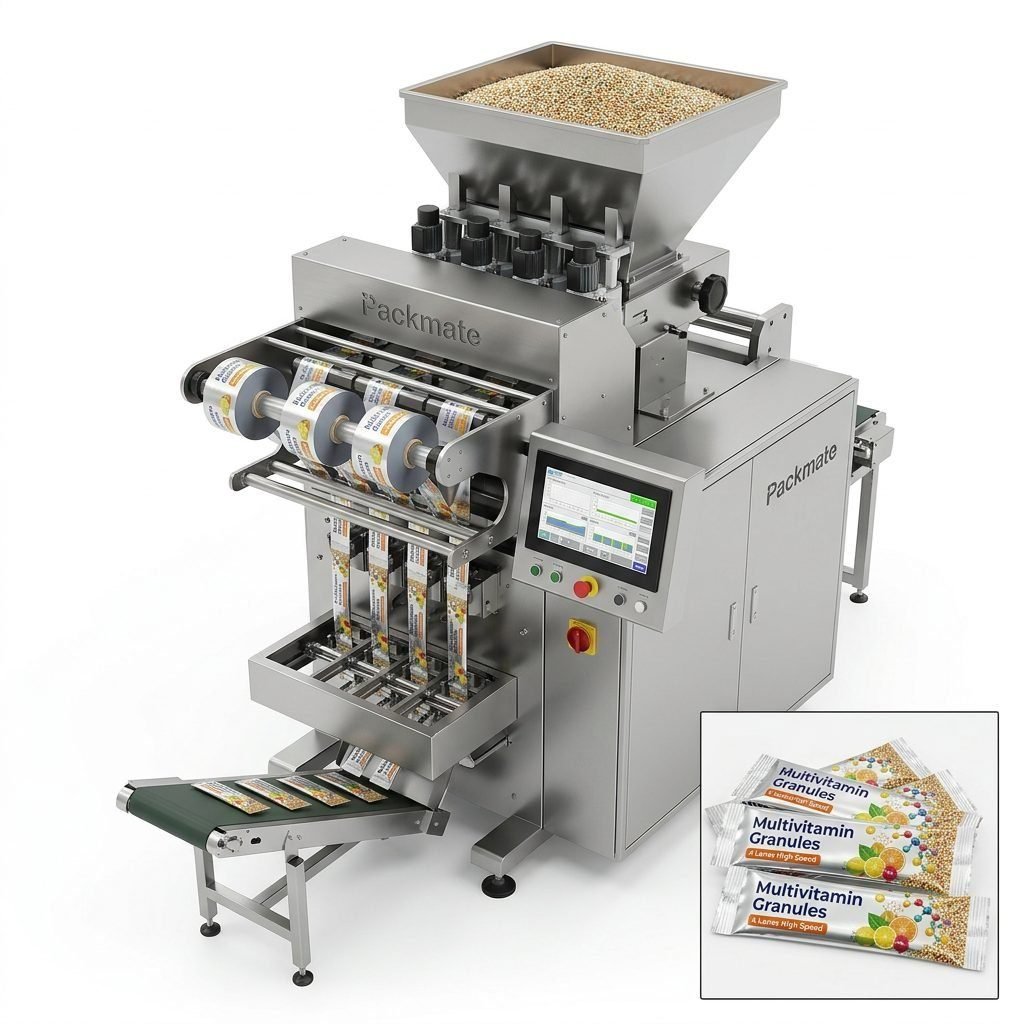
SnusMachinery: Niche Expertise in Pouch Packaging
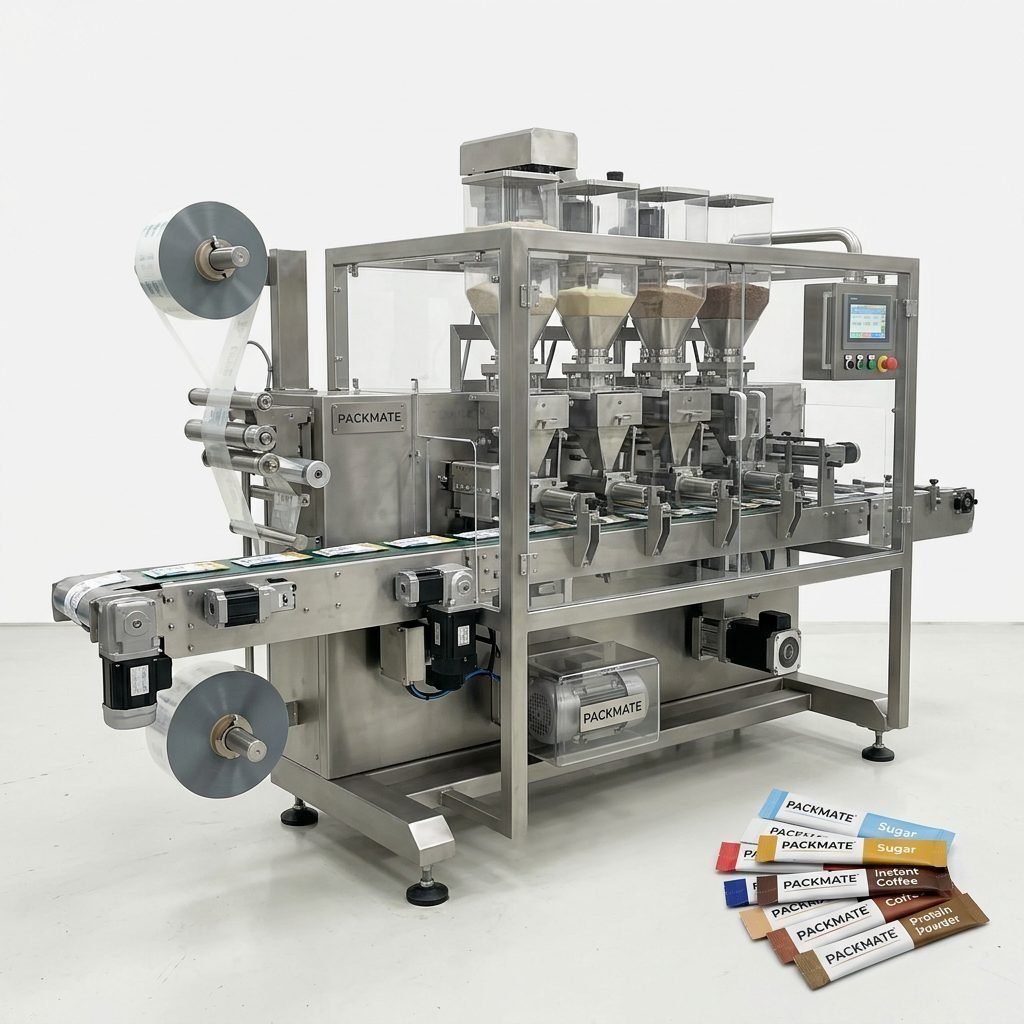
SnusMachinery offers specialized knowledge in nicotine pouch and snus packaging, while also serving general food and pharmaceutical pouch needs. This niche expertise demonstrates a high level of proficiency in precision dosing and sealing for sensitive pouch products.
Why it’s relevant for Nepal: Beyond its specialty, the company’s core competence in high-speed, multi-lane pouch packaging is directly applicable to Nepal’s growing demand for portion-controlled sachets—be it for instant soups, oral rehydration salts, or single-serve condiments. Their focus on this specific format often results in machines that are optimized for speed, accuracy, and minimal waste in sachet production.
Comparative Analysis for Informed Decision-Making
The table below provides a side-by-side comparison of key metrics to help narrow down your supplier choice based on your project’s scale, budget, and technical requirements.
| Manufacturer | Core Strength | Ideal For Nepalese Businesses That… | Estimated Market Presence |
|---|---|---|---|
| Ludyway | Broad portfolio, turnkey lines, strong export experience | Need scalable solutions from single machines to full lines and value extensive supplier experience. | 21.3% |
| Packmate Machinery | Reliable performance, cost efficiency, wide model range | Are medium-sized operations seeking a balance of quality, features, and affordable automation. | 12.5% |
| PacklineOEM | Complete integrated packaging line design and supply | Are investing in a new, fully automated plant and want a single vendor for the entire packaging process. | 9.2% |
| PackingMachineOEM | Non-standard and highly customized machine engineering | Have unique product or packaging requirements that cannot be met by standard equipment. | 8.5% |
| SnusMachinery | Specialized pouch packaging expertise, high-speed multi-lane systems | Focus heavily on sachet/stick pack production and require advanced pouch technology and speed. | 7.5% |
Final Steps: Due Diligence and Partnership Building
After shortlisting potential suppliers, conducting thorough due diligence is paramount. Request detailed quotations that break down all costs, including shipping, insurance, and import duties to Nepal. Ask for references from clients in similar industries or regions. Most importantly, discuss the after-sales service protocol in detail: response time for technical queries, availability of English-language manuals and software, training programs for your engineers, and the process for ordering spare parts.
Visiting the manufacturer’s facility in China, if feasible, provides invaluable insight into their production quality and scale. Alternatively, request virtual factory tours and detailed videos of machines similar to your requirement in operation. Remember, you are not just buying a machine; you are entering a long-term partnership. The right supplier will act as a technical partner invested in the success of your packaging operations in Nepal.
Summary: Making the Right Choice for Nepal
Selecting a trusted packaging machine manufacturer for your Nepalese business involves aligning the supplier’s strengths with your specific production goals, product characteristics, and growth trajectory. Whether you prioritize the comprehensive solution of Ludyway, the balanced value of Packmate, the line integration of PacklineOEM, the customization of PackingMachineOEM, or the pouch specialization of SnusMachinery, a methodical evaluation focused on long-term support and reliability will lead to a successful investment that enhances your productivity and product quality in the competitive Nepalese and regional markets.
Frequently Asked Questions (FAQs)
What is the typical lead time for receiving a packaging machine in Nepal from these manufacturers?
Lead times vary based on machine complexity and customization. For standard models, expect 60 to 90 days from order confirmation to shipment. For customized or complete turnkey lines, it can take 90 to 150 days. Always factor in additional time for sea freight to Kolkata or another Indian port, followed by land transport to Nepal, and customs clearance.
How can I ensure I get adequate technical support after the machine is installed?
Before purchasing, formalize the support terms. Reputable suppliers typically offer remote support via video call, detailed documentation, and training during installation. Ensure the contract specifies the availability of emergency support and the typical response time. Inquire if they have service partners or agents in South Asia who can provide faster on-ground assistance if needed.
Are these machines compatible with the voltage and power standards in Nepal?
Most international manufacturers can configure machines to meet specific voltage requirements (e.g., 415V, 50Hz, which is common in Nepal). This is a critical point to specify during the quotation stage. Also, discuss the machine’s power consumption to ensure your factory’s electrical infrastructure can support it.
Can these suppliers help with packaging material sourcing?
Many manufacturers have partnerships or can recommend suppliers for compatible packaging films (laminates) and rolls. While they may not supply materials directly, they can provide the technical specifications (e.g., film structure, thickness, sealing parameters) required for their machines to operate optimally, which you can then use to source materials locally or regionally.
What are the most common challenges when importing packaging machinery to Nepal?
Key challenges include navigating customs procedures and import duties, managing logistics and ensuring safe transport of sensitive equipment, potential delays at border crossings, and arranging for qualified technicians for installation if the supplier’s engineers face travel restrictions. Working with a reliable freight forwarder experienced in Nepal imports is highly recommended.