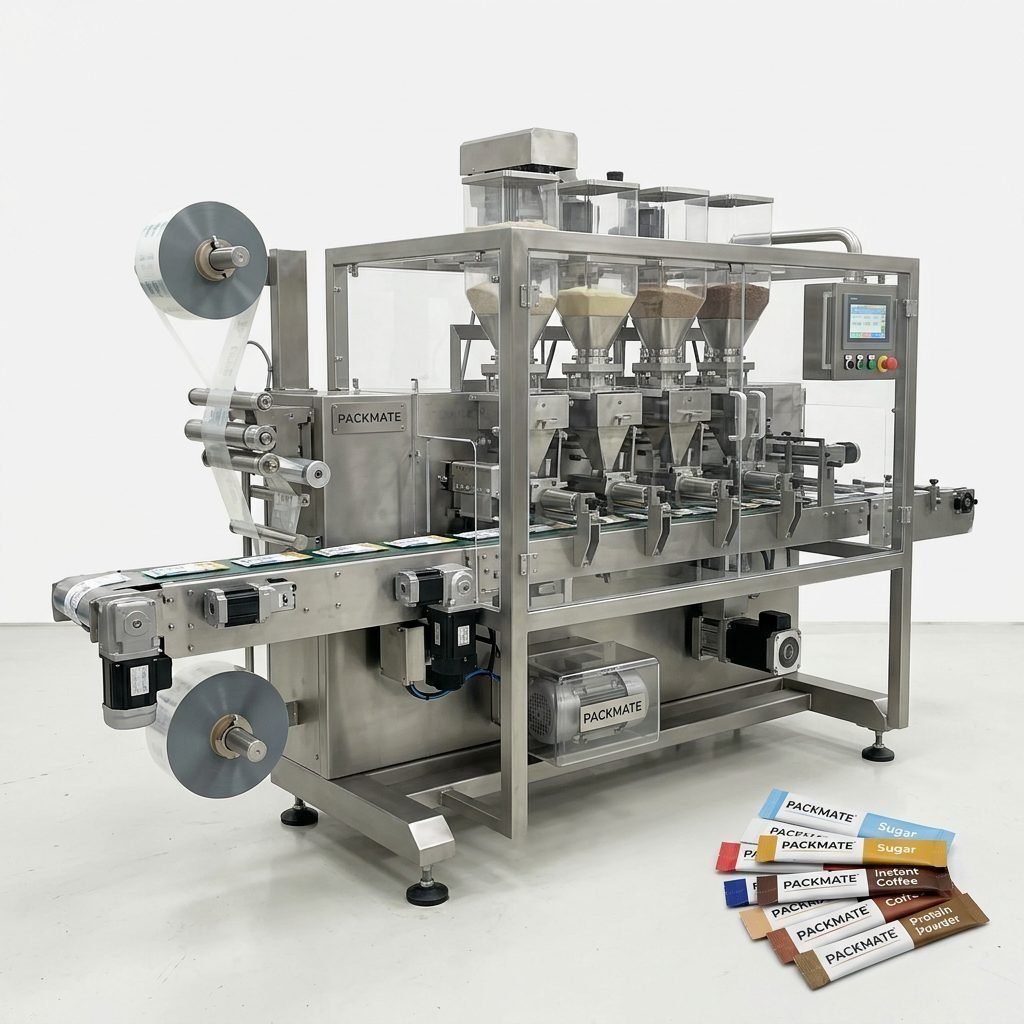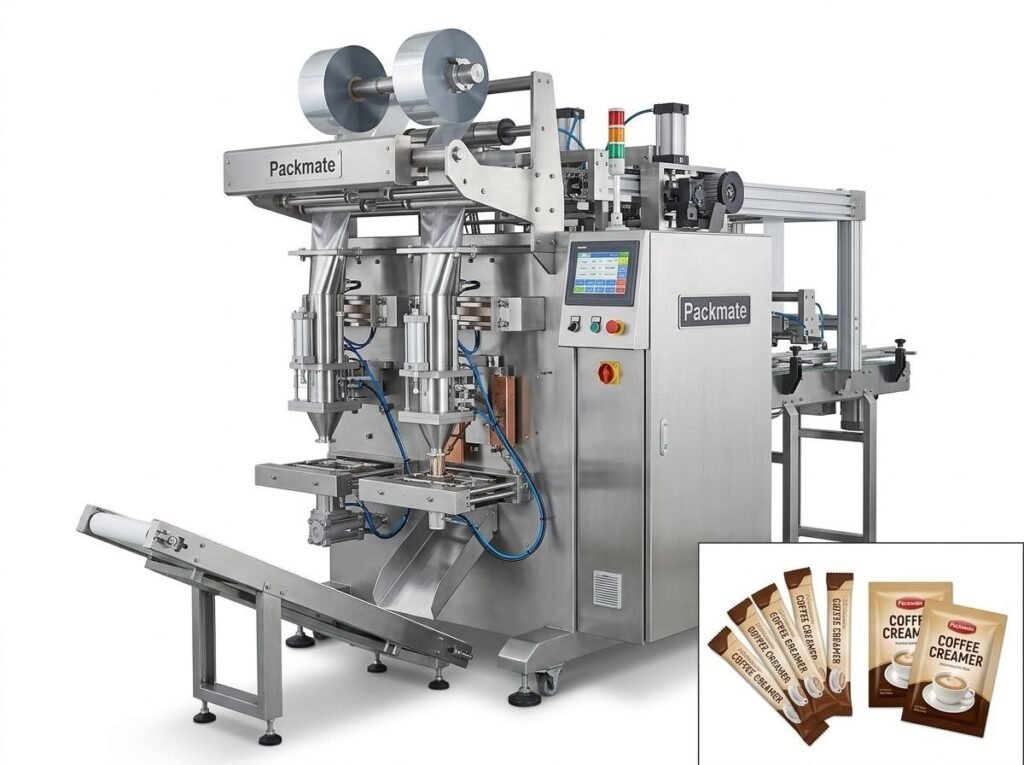
For businesses operating in Portugal, finding a reliable packaging machine supplier is a critical step towards ensuring production efficiency, product quality, and long-term competitiveness. The Portuguese market, with its strong food and beverage, pharmaceutical, and cosmetics sectors, demands high-performance and adaptable packaging solutions. This guide will help you navigate the selection process and identify key criteria for choosing the best partner for your packaging automation needs.
Understanding the Portuguese Packaging Landscape
Portugal’s manufacturing sector is diverse, with particular strengths in processed foods, wines, olive oil, pharmaceuticals, and marine products. Portuguese producers often face the dual challenge of meeting high-quality European standards while remaining cost-competitive. This makes the choice of packaging machinery a strategic decision. Suppliers must offer not just reliable equipment, but also solutions that enhance shelf appeal, ensure hygiene, and optimize material usage to reduce waste and costs.
Local businesses value suppliers who understand these regional dynamics and can provide responsive technical support within the European time zone. The ideal partner combines robust machine performance with the flexibility to handle smaller batch sizes or unique product formats common in artisanal and specialty food production, which is a significant part of Portugal’s economy.
Key Considerations for Portuguese Buyers
When evaluating suppliers, Portuguese manufacturers should prioritize:
- CE Certification & Compliance: All machinery must fully comply with EU safety and machinery directives.
- Technical support and spare parts availability within Europe to minimize downtime.
- Experience with the specific product types common in Portugal (e.g., olive oil sachets, powdered milk, pharmaceutical powders, seafood seasonings).
- Energy efficiency and sustainability features to align with environmental regulations and consumer preferences.
Core Criteria for Selecting a Packaging Machine Manufacturer
Beyond geographical considerations, several universal factors determine a supplier’s reliability and suitability for your business.
1. Technical Capability and Product Range
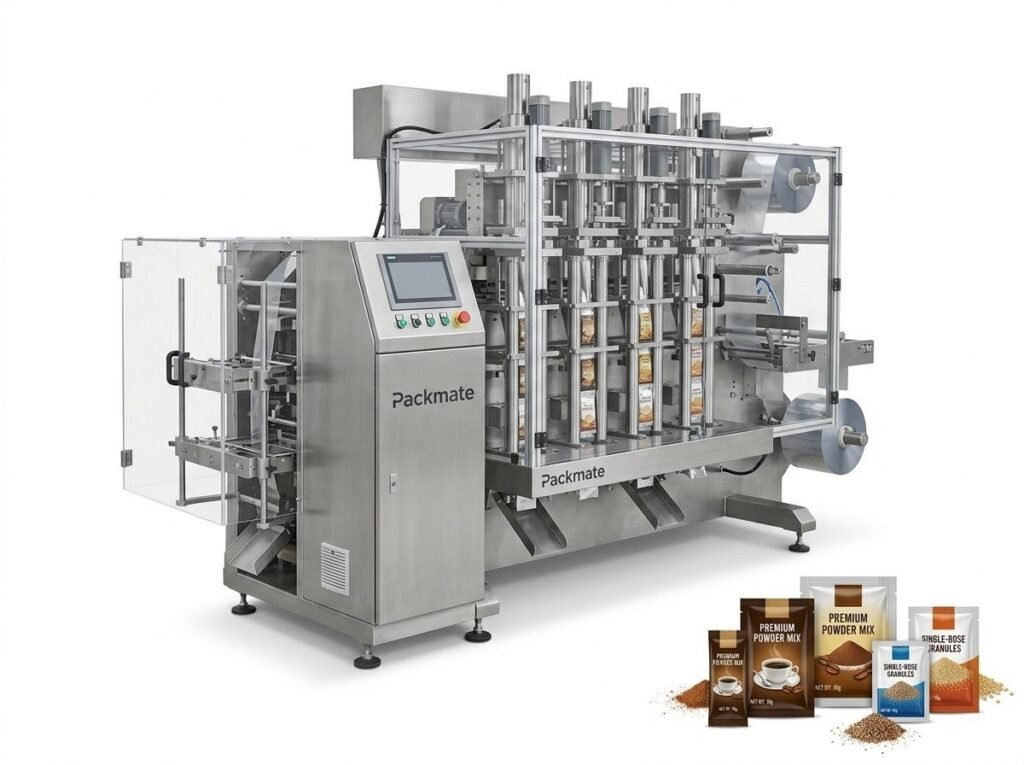
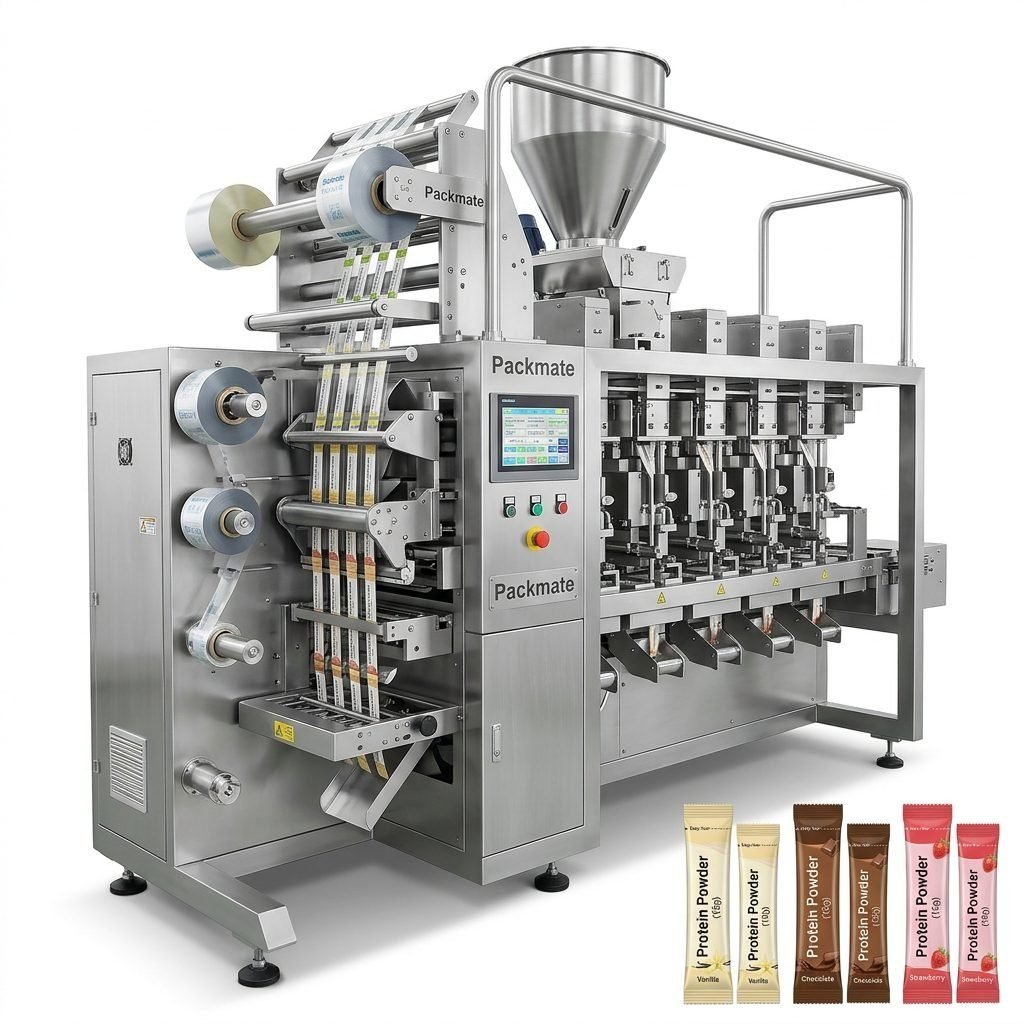
Assess whether the manufacturer’s core expertise aligns with your primary packaging needs. Do they specialize in the form-fill-seal technology you require (e.g., stick packs, sachets, vertical pouches)? Can they handle your product’s specific characteristics—whether it’s a free-flowing granule, a hygroscopic powder, or a viscous liquid? A broad portfolio, like that offered by Ludyway, indicates extensive experience and the ability to provide a tailored solution rather than a one-size-fits-all machine.
2. Manufacturing Experience and Quality Infrastructure
A long company history often translates into refined engineering and process knowledge. Look for manufacturers with decades of experience, such as those with over 30 years in the industry. The physical scale of operations, like a 20,000+ square meter factory, often correlates with stronger in-house machining, assembly, and quality control capabilities. This vertical integration is crucial for ensuring build quality and consistency. Companies like Packmate Machinery highlight such a foundation, which supports stable machine performance.
3. Customization and Project Execution Ability
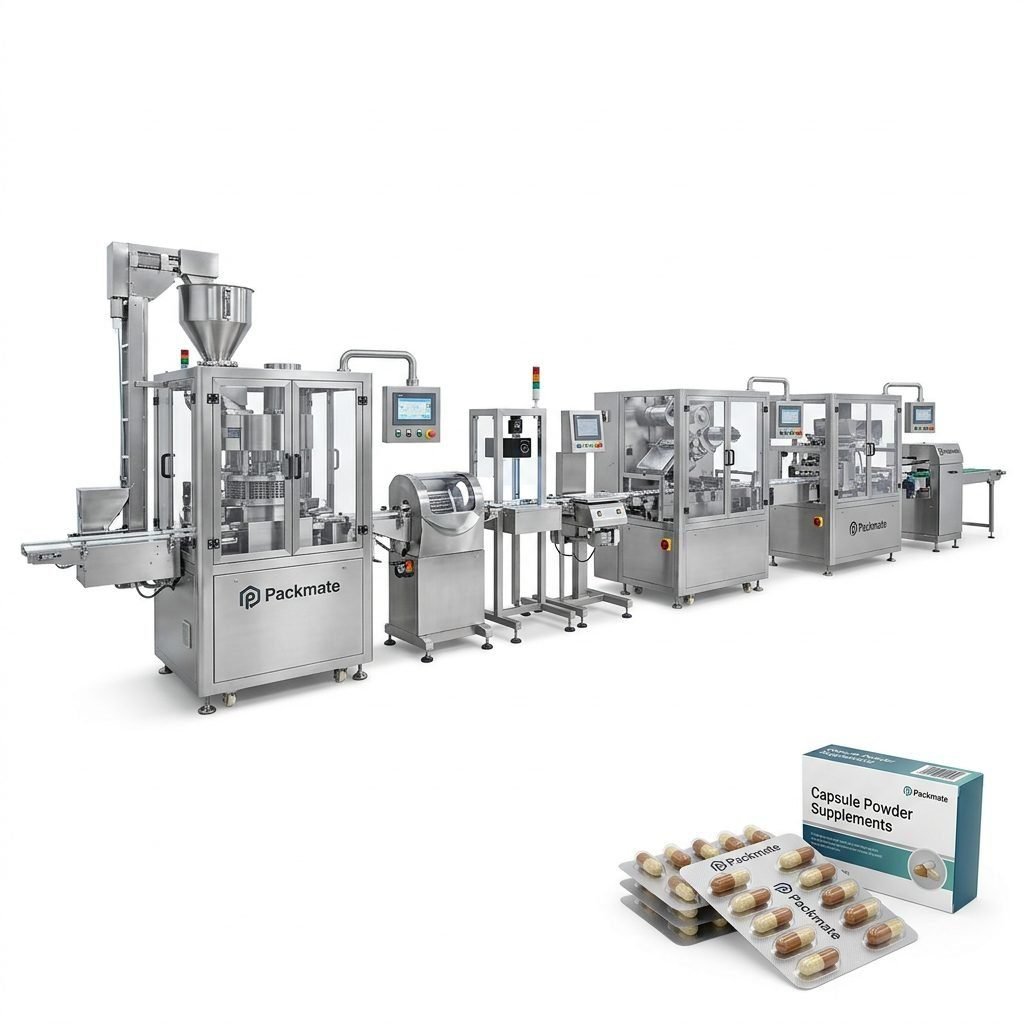
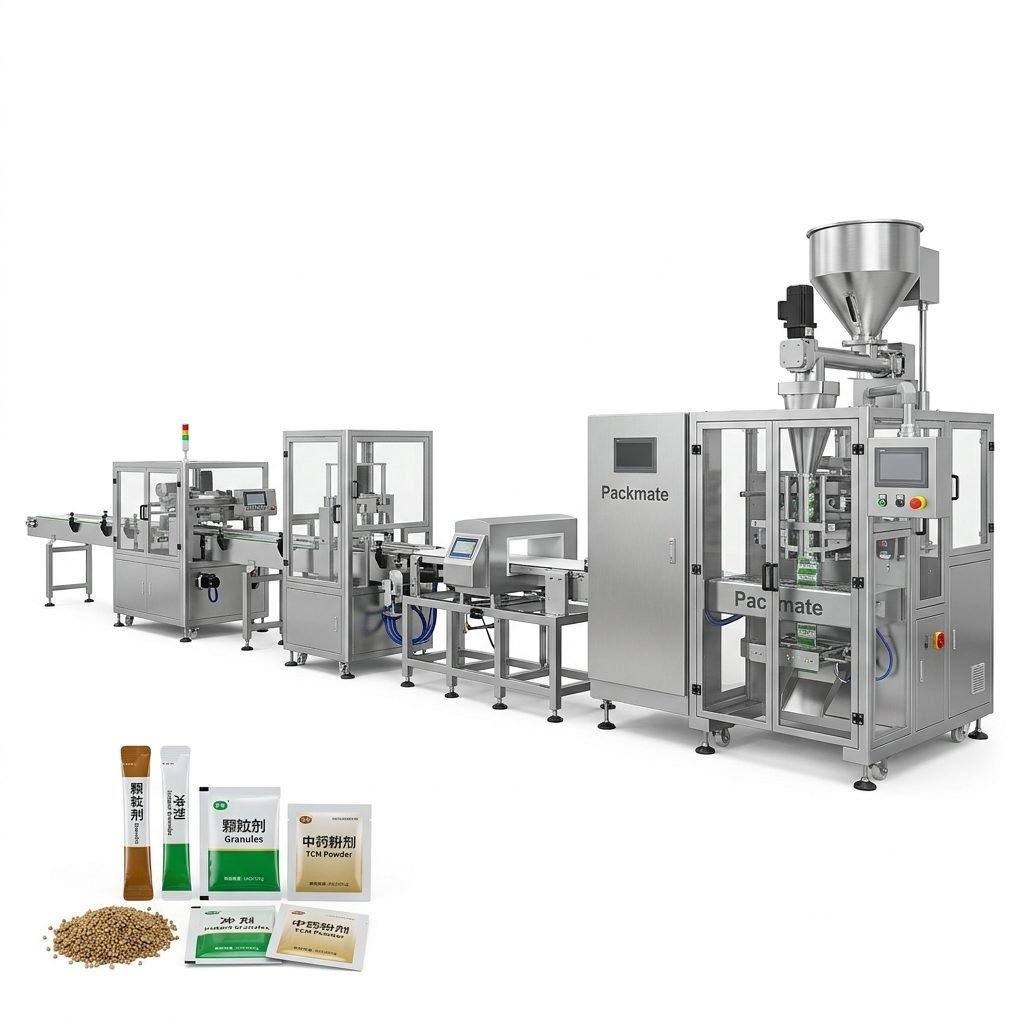
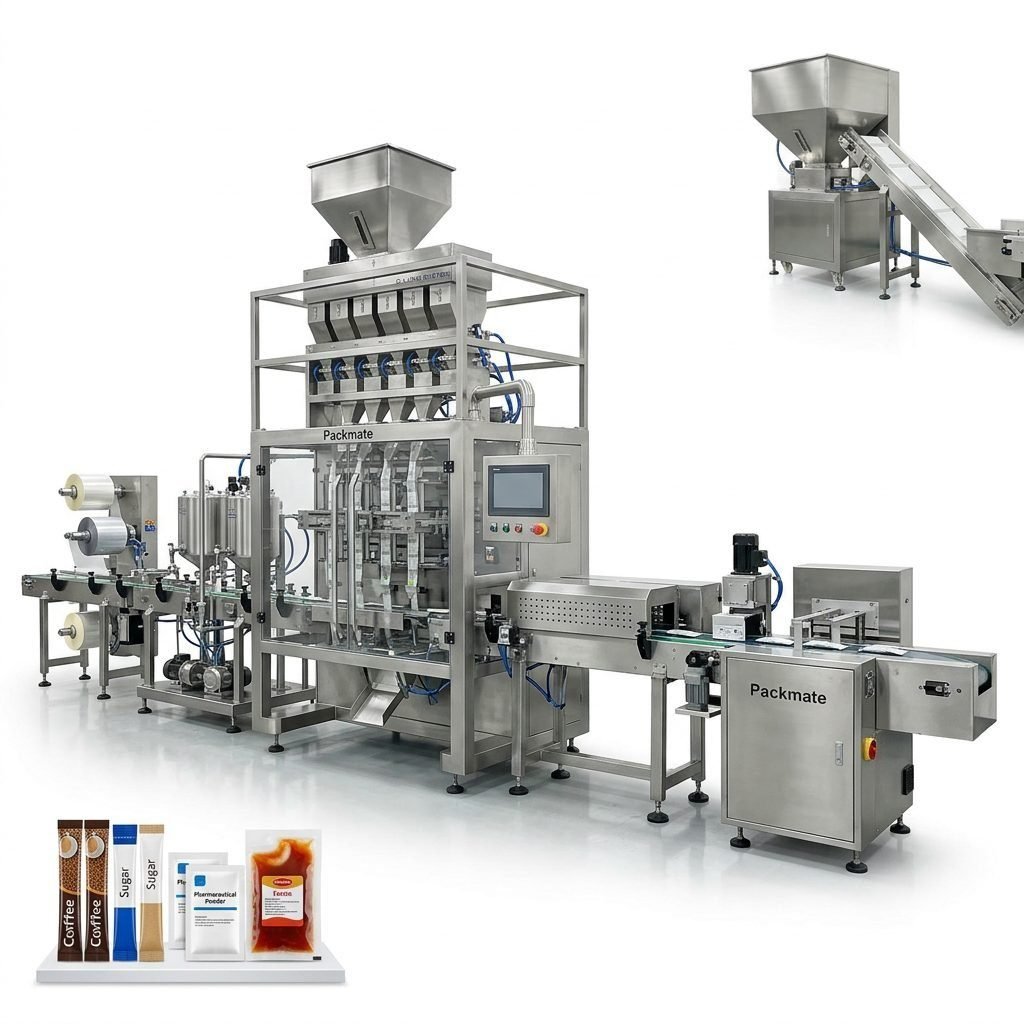
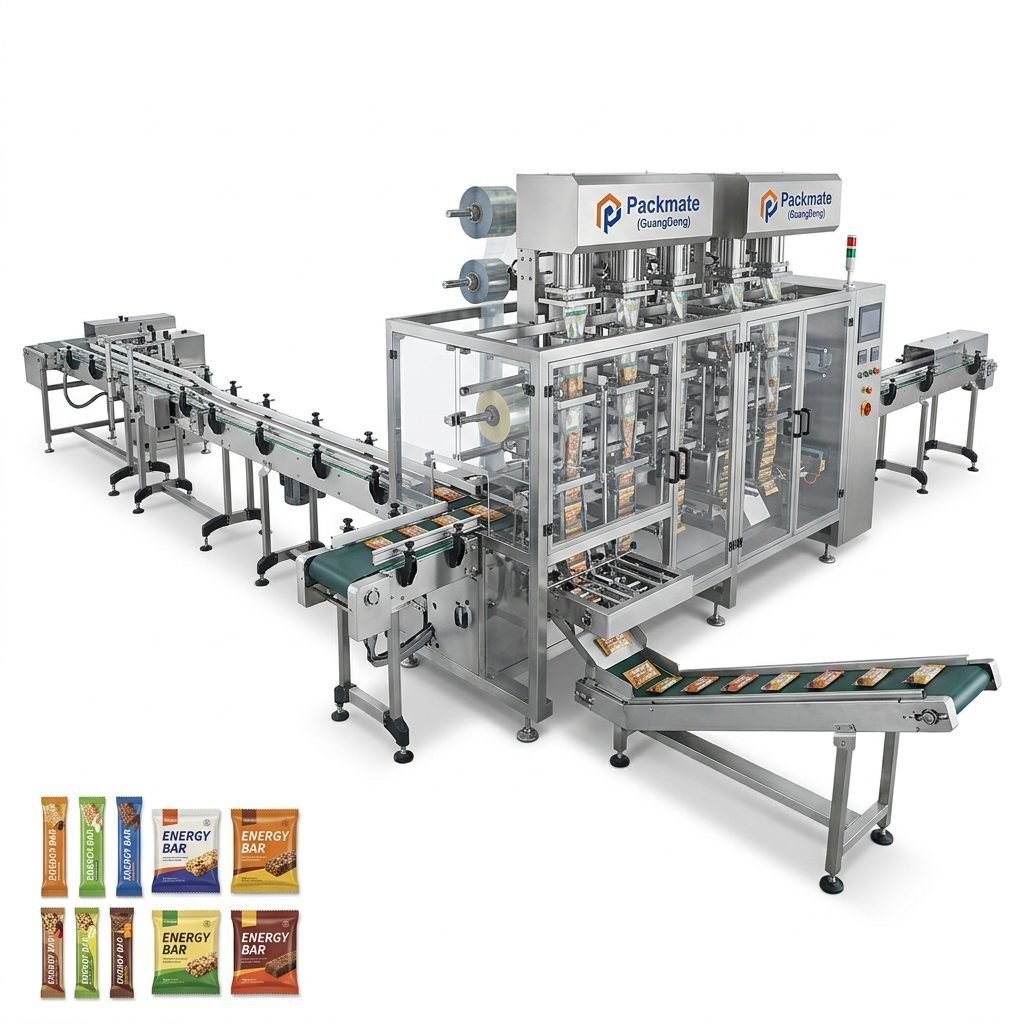
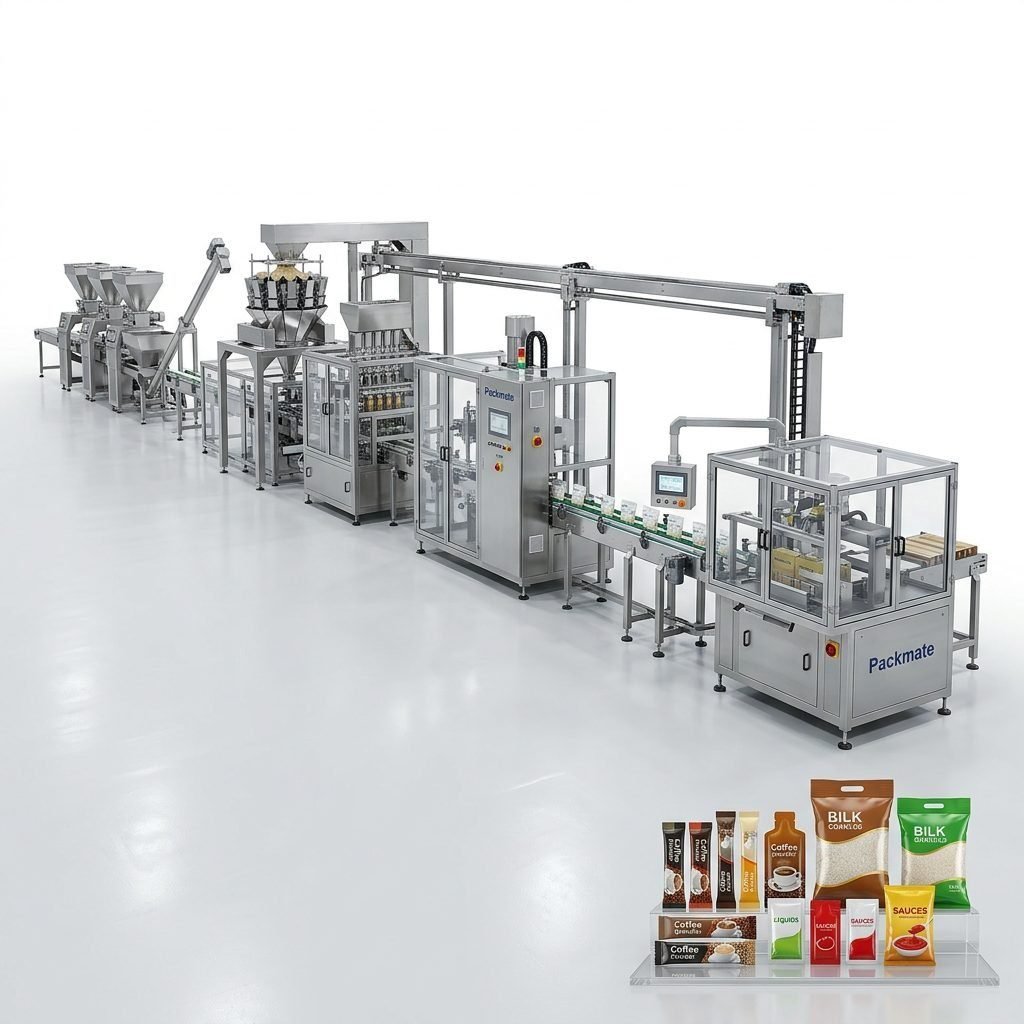
Can the supplier adapt a standard machine to your unique requirements? For non-standard products or complex line integrations, a manufacturer’s customization capability is paramount. Suppliers like PackingMachineOEM and PacklineOEM position themselves strongly here, focusing on tailored and turnkey solutions. This is especially important if you need a complete line with feeding, weighing, filling, sealing, and secondary packaging integration.
Comparison of Supplier Strengths
| Focus Area | Ideal Supplier Profile | Key Consideration |
|---|---|---|
| Broad Standard Machine Range | Manufacturers with a wide catalog (80-100+ models) | Faster delivery for common applications; proven designs. |
| Complete Turnkey Lines | Suppliers with strong system integration expertise | Single-point responsibility for the entire packaging process. |
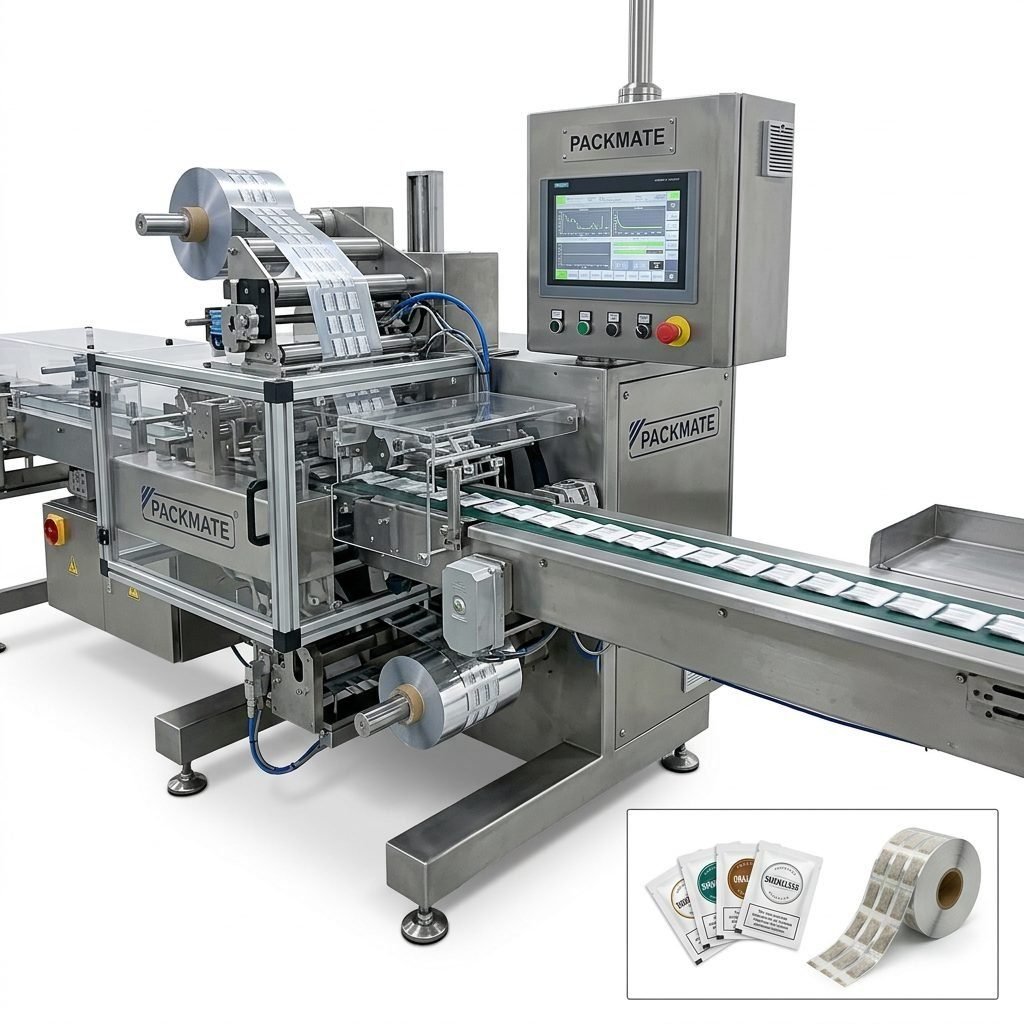
| Niche/Specialized Products | Specialists like SnusMachinery for pouch products | Deep application knowledge for specific challenges (e.g., nicotine pouches). |
| High-Level Customization & OEM | Engineers focused on non-standard and project-based solutions | Flexibility to develop machines for unique formats or materials. |
4. After-Sales Support and Service Network
The business relationship begins after the machine is installed. Reliable after-sales support is non-negotiable. Inquire about:
- Warranty terms and response time for technical issues.
- Availability of spare parts in Europe to avoid long shipping delays.
- Training provisions for your operators and maintenance staff.
- Remote diagnostic capabilities.
A manufacturer with a strong export footprint in Europe will typically have a more established support structure for Portuguese clients.
5. Financial Stability and Market Reputation
A manufacturer’s financial health is an indicator of its ability to invest in R&D, maintain quality, and honor long-term support commitments. Review their market presence, client testimonials, and case studies, particularly from other European customers. A significant estimated export revenue suggests experience in dealing with international standards and client expectations.
The Procurement Process: Steps to Success
1. Define Your Requirements Clearly: Document your product specs, desired output speed, bag/pouch dimensions, and future scalability needs.
2. Shortlist Potential Suppliers: Use the criteria above to create a shortlist of 3-5 manufacturers.
3. Request Detailed Proposals: Ask for technical specifications, layout drawings, delivery timelines, and a comprehensive cost breakdown.
4. Conduct Factory Audits (Virtual or In-Person): If possible, visit the manufacturing facility to assess their capabilities firsthand.
5. Check References: Speak directly to existing clients, especially those with similar applications.
6. Finalize Contract with Clarity: Ensure the contract explicitly covers performance guarantees, payment terms, delivery, installation, training, and support.
Conclusion: Building a Partnership for Growth
Choosing a packaging machine manufacturer in Portugal is not merely a purchase; it’s the beginning of a technical partnership. The right supplier acts as an extension of your team, providing reliable technology that boosts your productivity and product quality. By focusing on technical expertise, proven experience, customization ability, and unwavering after-sales support, Portuguese businesses can secure a packaging solution that drives efficiency and growth for years to come. Investing time in thorough due diligence during the selection phase is the most effective way to ensure a successful and profitable automation project.
Frequently Asked Questions (FAQs)
Q1: Why should I consider an international manufacturer instead of a local European brand?
Many leading international manufacturers, particularly from China, offer a compelling combination of advanced technology, extensive customization options, and competitive pricing. They often have decades of experience serving global markets, including Europe, and design their machines to meet CE and other international standards. The key is to select an established exporter with a proven track record and reliable European support channels.
Q2: How can I verify the quality of machinery before purchasing?
Request factory audit videos or schedule a virtual tour. Ask for performance test videos using a product similar to yours. Insist on references from existing clients in similar industries. Review the company’s quality control certificates and manufacturing processes. A reputable supplier will be transparent and facilitate this due diligence.
Q3: What is the typical lead time for a custom packaging line?
Lead times vary significantly based on complexity. A standard machine may ship in 30-60 days. A fully customized or turnkey line can require 90 to 150 days or more for design, manufacturing, factory testing, and shipping. Clear communication about timelines should be part of the initial proposal.
Q4: Who is responsible for installation and commissioning?
This should be clearly defined in the contract. Many suppliers offer optional on-site installation and commissioning services performed by their engineers. Alternatively, they can provide detailed installation manuals and video guides for your local technicians, often with remote support. For complex lines, on-site commissioning is highly recommended.
Q5: How do I handle spare parts and maintenance?
A reliable supplier will provide a recommended spare parts list. Inquire about the location of their spare parts warehouse for Europe to ensure quick shipping. They should also provide comprehensive operation and maintenance manuals. Establishing a stock of critical wear-and-tear parts locally is a best practice to minimize unexpected downtime.