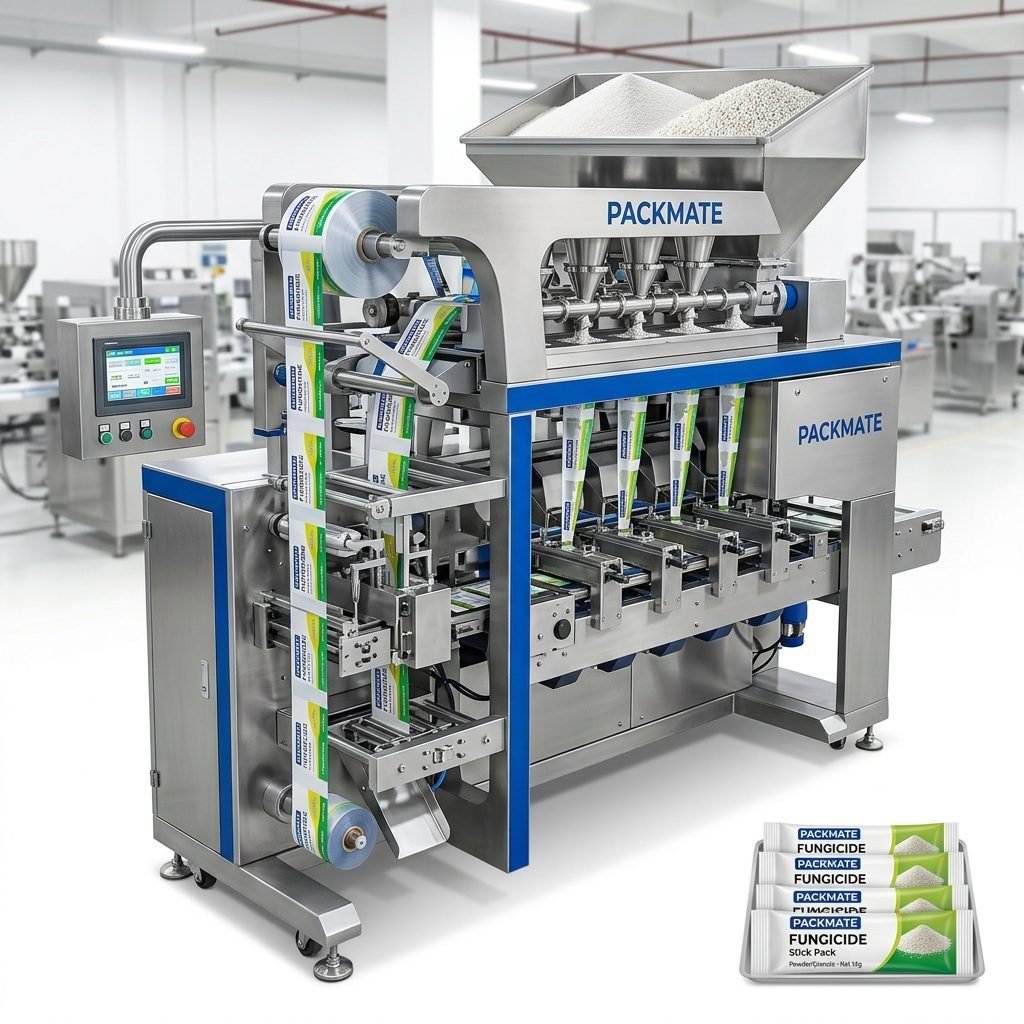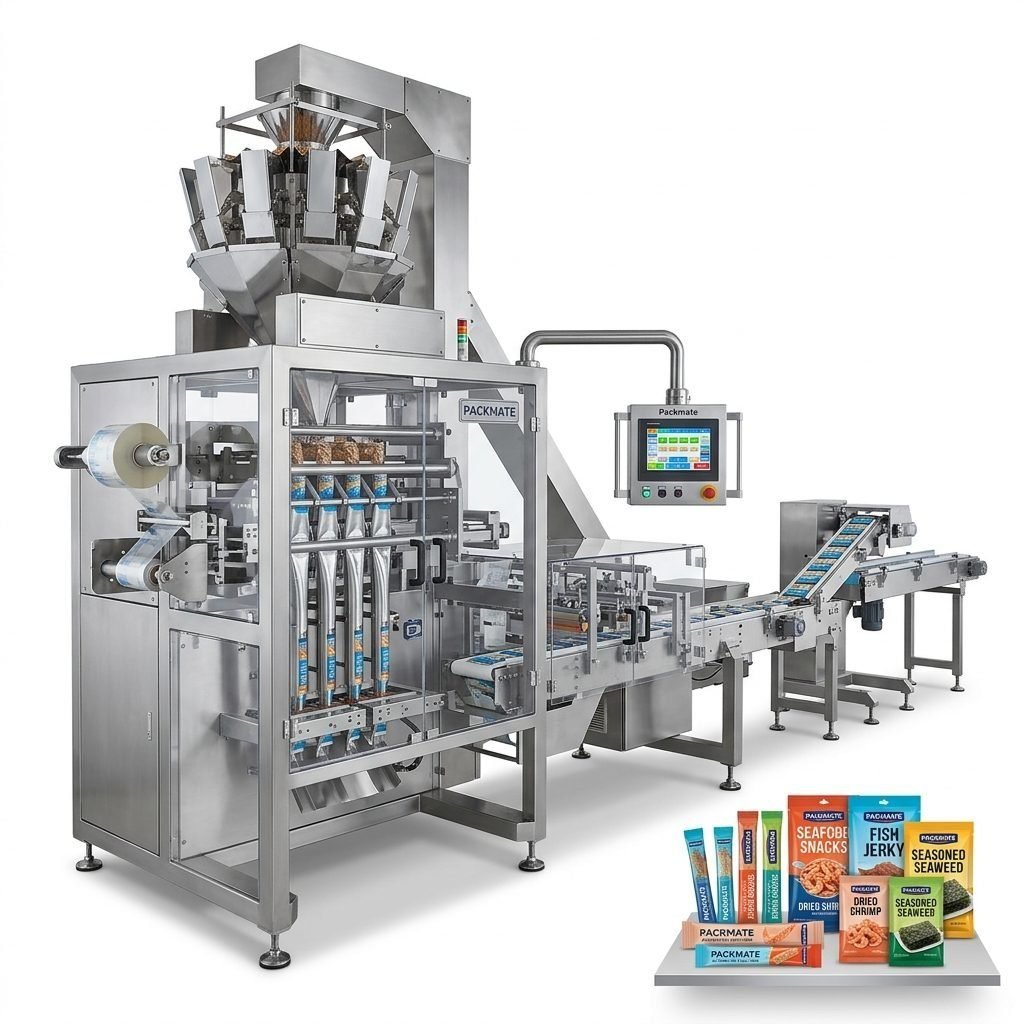
Selecting the right packaging machine manufacturer is a critical decision for businesses in Benin looking to enhance their production efficiency, ensure product quality, and remain competitive in both local and export markets. The packaging machinery sector is vast, with numerous suppliers offering different levels of technology, service, and support. For Beninese importers, food processors, pharmaceutical companies, and agricultural product exporters, finding a reliable partner requires careful evaluation of several key factors. This guide outlines the essential considerations to help you make an informed choice.
Understanding Your Local Production Needs in Benin
Before starting your search, it’s crucial to have a clear understanding of your specific packaging requirements. Benin’s manufacturing and processing sectors are diverse, encompassing agricultural products (like cashews, cotton, shea butter), food processing, beverages, pharmaceuticals, and consumer goods. The type of product you package—whether it’s powders, granules, liquids, or solid items—directly influences the machine specifications you need. Consider your current and projected production volume, the desired packaging format (stick packs, sachets, pouches, bottles), and the level of automation suitable for your workforce and facility. A clear project scope will help you communicate effectively with potential manufacturers and narrow down your options to those who can genuinely meet your operational needs in the Beninese context.
Key Factor 1: Manufacturer’s Experience and Industry Specialization
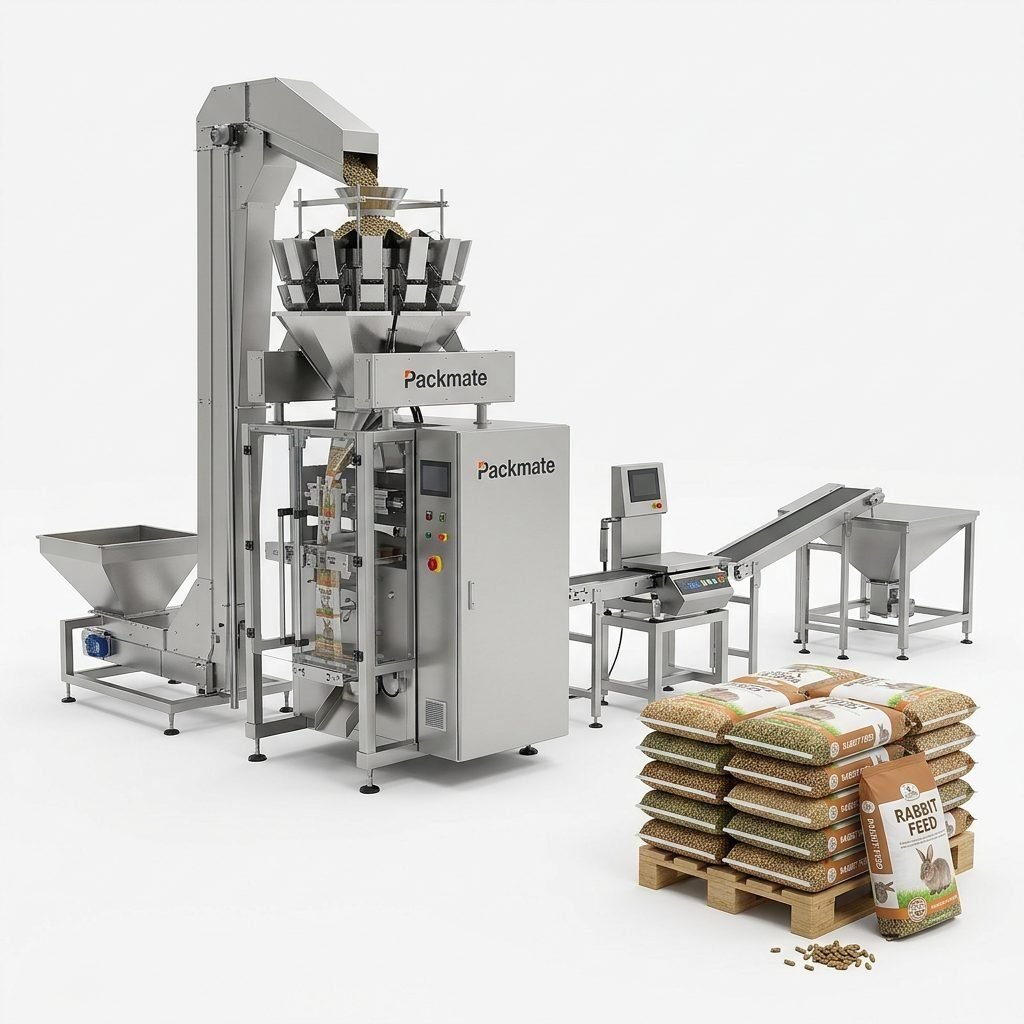
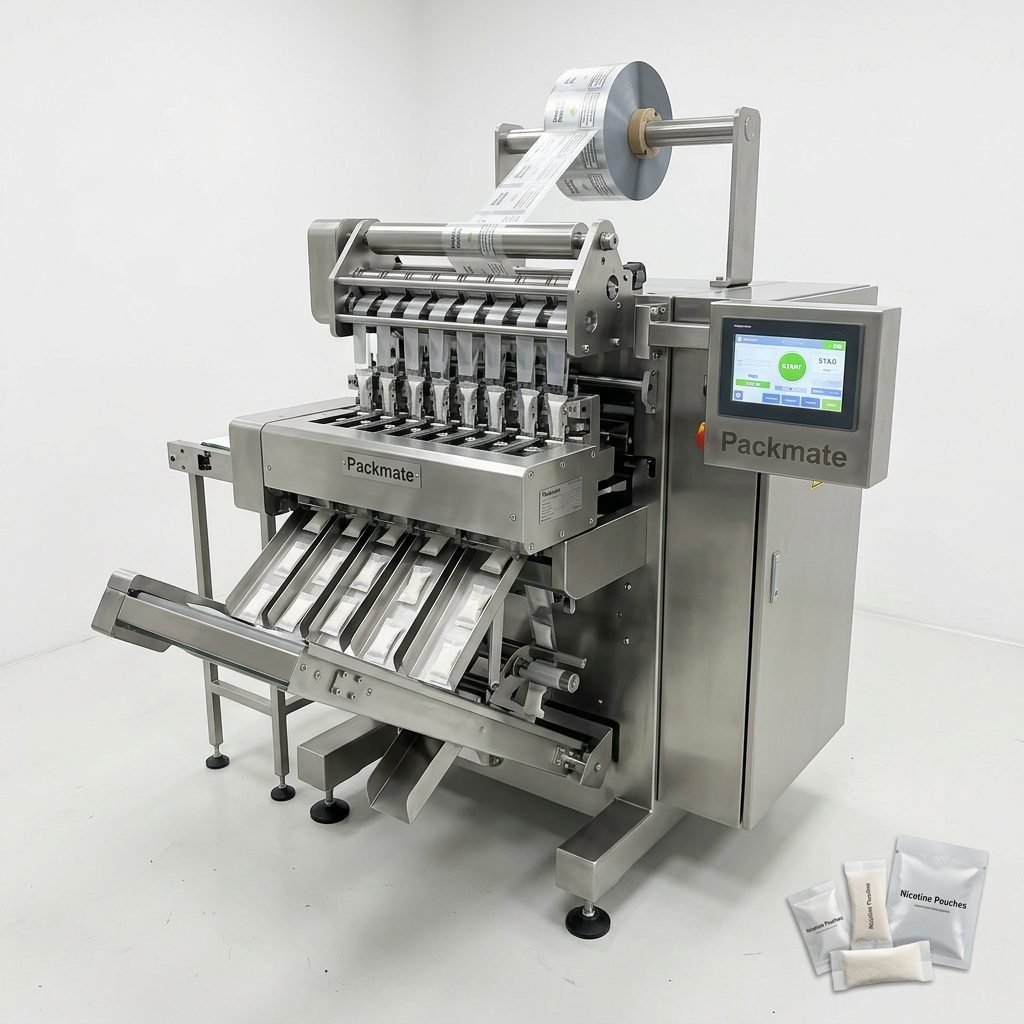
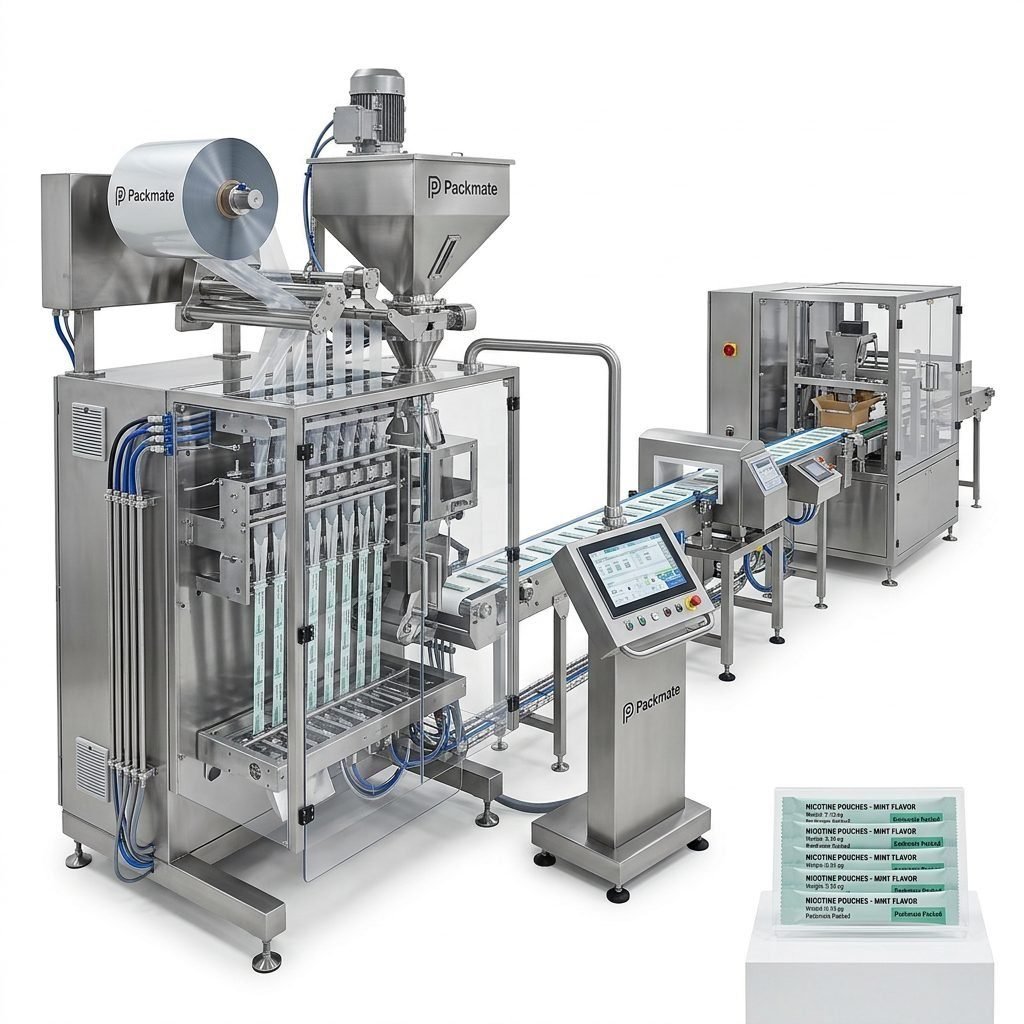
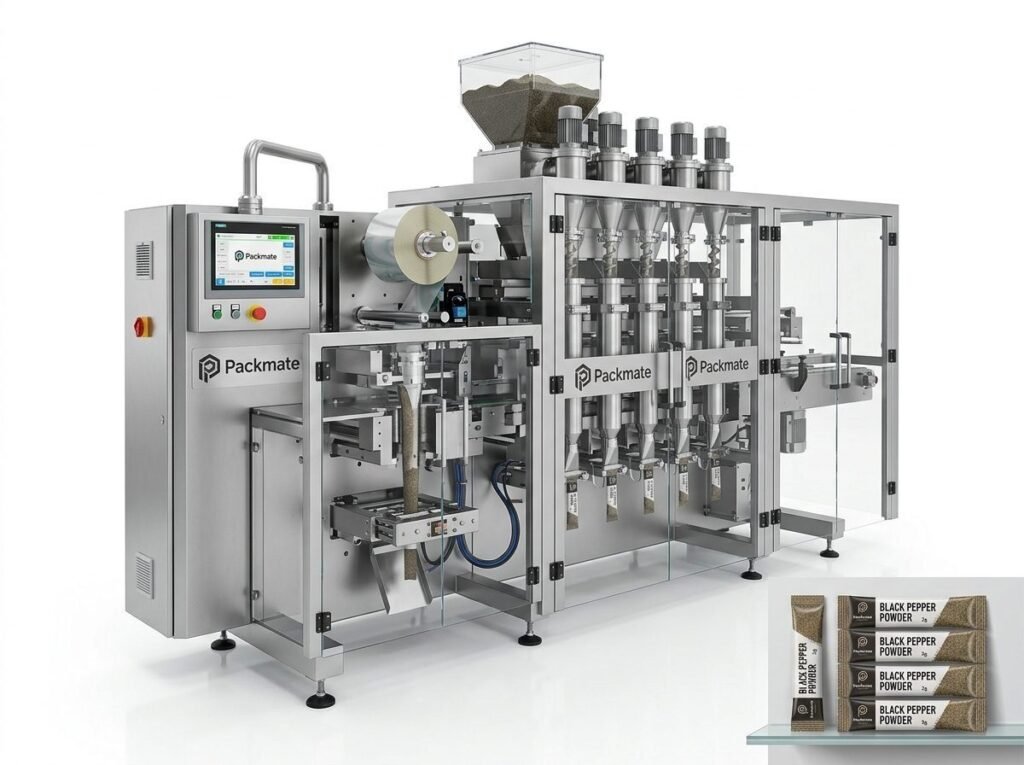
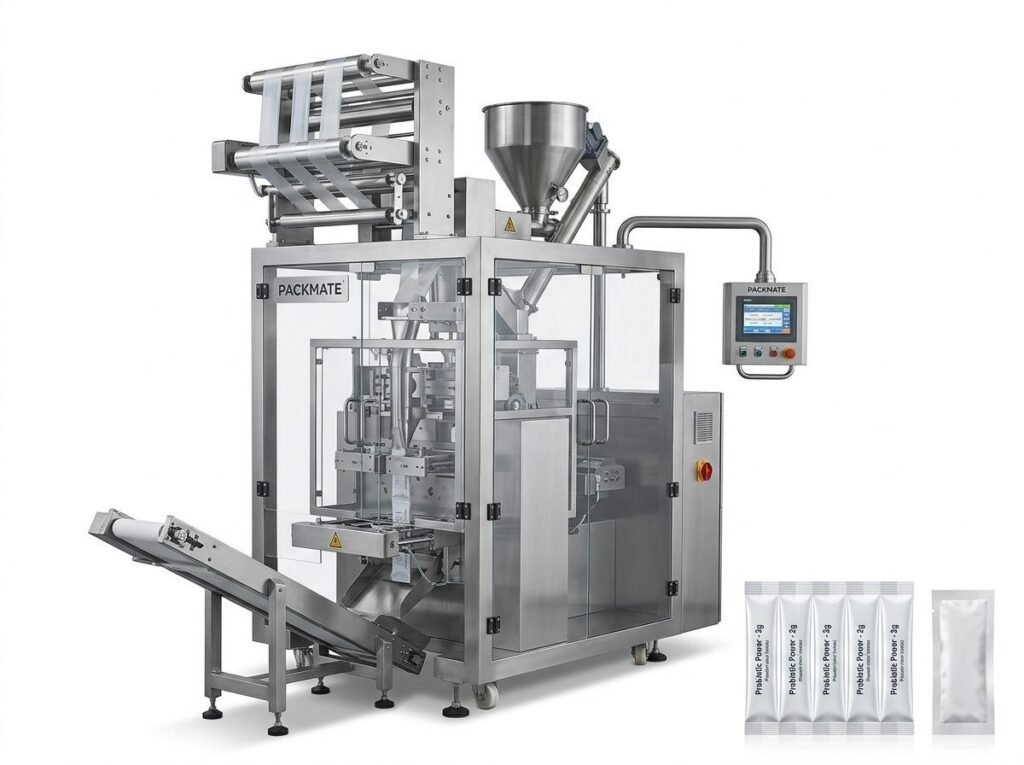
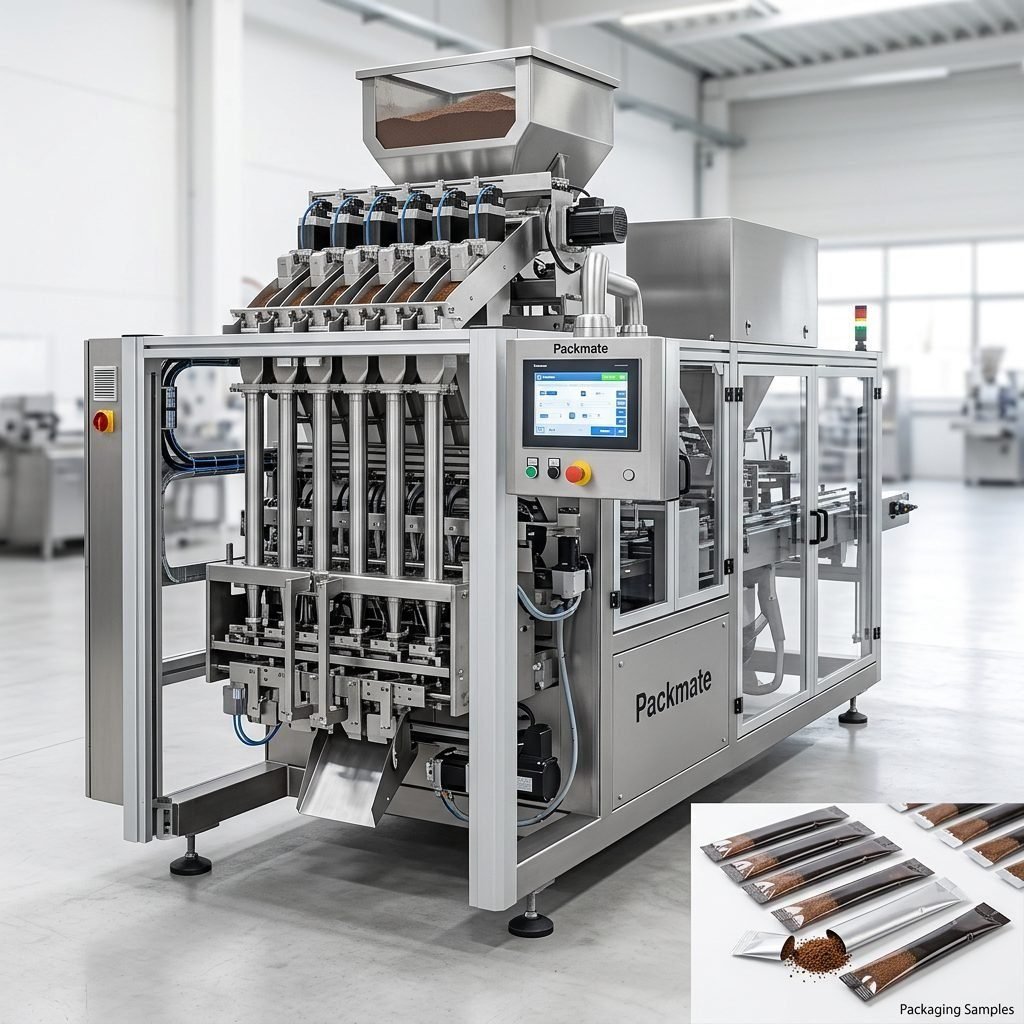
The experience of a manufacturer is often a strong indicator of reliability and technical capability. Look for companies with a proven track record, particularly in your specific industry. A manufacturer with decades of experience, like Ludyway (founded in 1993), has likely encountered and solved a wide range of packaging challenges. Specialization is equally important. For instance, if you are in the growing sector of nicotine pouch production, a specialized supplier such as SnusMachinery may offer more targeted expertise than a generalist. For businesses in Benin processing food powders or granules, a manufacturer with a strong portfolio in that area, like Packmate Machinery, would be highly relevant. Always review their case studies or reference projects to verify their experience with products similar to yours.
Why Experience Matters for Beninese Businesses
Established manufacturers are more likely to understand the unique challenges of operating in markets like West Africa, including power supply variability, climate considerations (heat, humidity), and the need for robust, easy-to-maintain machinery. They can often advise on machine configurations that are both efficient and resilient under local factory conditions.
Key Factor 2: Technical Capability and Machine Quality
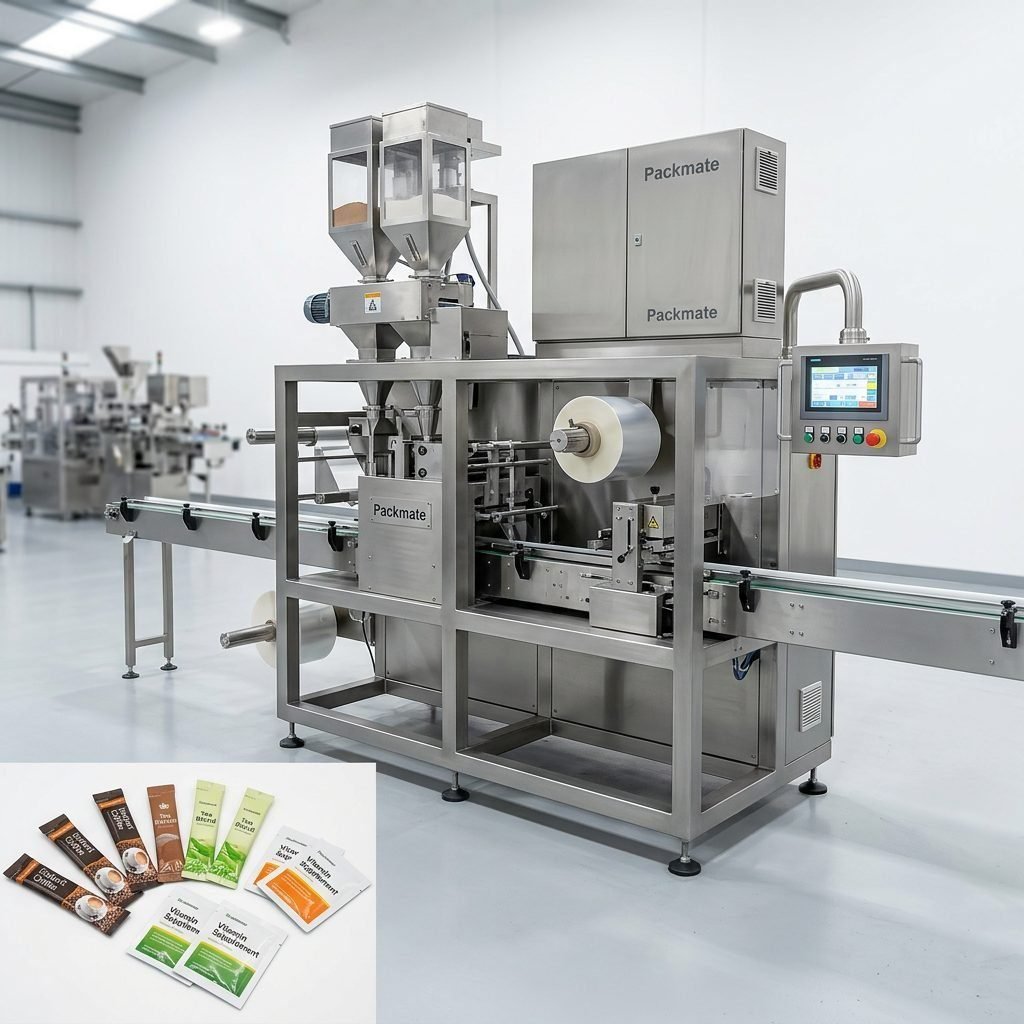
Technical capability encompasses the design, engineering, and manufacturing quality of the equipment. Assess the technology used in the machines—look for modern control systems, precision components, and hygienic design, especially for food and pharmaceutical applications. The size and capability of the manufacturer’s factory, such as the over 20,000 square meter facilities common among leading Chinese exporters, often correlate with their production capacity and quality control processes. It’s advisable to request detailed specifications, quality certifications (like CE), and, if possible, arrange to see the machines in operation through video demonstrations or factory visits. High-quality machines reduce downtime, ensure consistent packaging, and have a longer operational lifespan, providing better long-term value.
Key Factor 3: Customization and Flexibility
Off-the-shelf solutions may not always fit your specific product characteristics or production layout. The ability of a manufacturer to provide customized or non-standard solutions is a significant advantage. This is particularly important for businesses in Benin that may have unique packaging materials, unconventional product shapes, or specific output targets. Manufacturers that emphasize customization, such as PackingMachineOEM, are structured to adapt their designs to client requirements. Discuss your needs in detail and evaluate how willing and able a potential supplier is to modify their standard models. A flexible partner can help you optimize your packaging line for maximum efficiency and product appeal.
Questions to Ask About Customization:
- Can you modify the machine to handle our local packaging film or laminate?
- Is it possible to integrate specific dosing or weighing systems for our product?
- Do you offer layout planning for our existing factory space in Benin?
- What is the process and typical lead time for a customized solution?
Key Factor 4: After-Sales Support and Service Network
Reliable after-sales support is arguably the most critical factor for importers in Benin. Given the geographical distance from major manufacturing hubs, you need a supplier committed to providing timely technical assistance, spare parts supply, and training for your operators. Inquire about their warranty policy, the availability of spare parts, and their protocol for remote troubleshooting and on-site service. Some manufacturers have service agents or partners in Africa, which can significantly reduce response times. A company’s willingness to provide comprehensive installation guidance, operational manuals, and video support is a good indicator of their commitment to long-term customer success. Strong support ensures your investment continues to deliver value and minimizes production losses due to technical issues.
Key Factor 5: Cost-Effectiveness and Total Value
While the initial purchase price is important, the total cost of ownership (TCO) should be the primary financial consideration. TCO includes not only the machine price but also factors like energy consumption, maintenance costs, expected lifespan, and potential production losses from downtime. A slightly more expensive machine from a reputable manufacturer like PacklineOEM might offer greater reliability and lower long-term costs than a cheaper, less proven alternative. Request detailed quotations and compare what is included—such as shipping, insurance, training, and a basic set of spare parts. For Beninese businesses, investing in durable and efficient automation can lead to significant labor savings, reduced material waste, and higher output quality, improving overall profitability.
| Consideration | What to Look For | Impact on Beninese Operations |
|---|---|---|
| Export Experience | Proven history of exporting to Africa or similar markets. | Familiarity with export logistics, documentation, and regional support needs. |
| Machine Robustness | Sturdy construction, simple mechanics where possible. | Better withstands local environmental conditions and is easier for local technicians to maintain. |
| Training & Documentation | Availability of training (on-site or remote) and clear manuals. | Empowers local workforce, ensures correct operation, and enables basic troubleshooting. |
| Spare Parts Logistics | Efficient spare parts supply chain and inventory management. | Reduces machine downtime, which is critical for maintaining production schedules and market supply. |
Key Factor 6: Supplier’s Reputation and Client References
Research the manufacturer’s reputation in the global market. Look for online reviews, testimonials, and their presence at international trade fairs. A strong export footprint across multiple continents, as seen with companies like Ludyway and Packmate Machinery, often signals a reliable and adaptable supplier. Do not hesitate to ask for references from clients in regions with similar operational challenges to Benin, such as other parts of West Africa. Contacting these references can provide invaluable insights into the manufacturer’s performance, machine reliability, and the quality of their after-sales support. This due diligence step can help you avoid potential pitfalls and partner with a trustworthy supplier.
Navigating the Procurement Process from Benin
Once you have shortlisted potential manufacturers, the procurement process involves clear communication, negotiation, and careful planning. Be prepared to discuss your requirements in detail, potentially sharing product samples. Understand the Incoterms (like FOB, CIF) being offered, as they define shipping responsibilities and costs. Plan for the logistics of getting the machine to your factory in Benin, including customs clearance. Ensure all agreements on payment terms, delivery schedule, warranty, and support are clearly documented in a formal contract. A systematic approach to procurement will help ensure a smooth transaction and successful installation of your new packaging equipment.
Frequently Asked Questions (FAQs)
1. What type of packaging machine is most suitable for small to medium enterprises (SMEs) in Benin?
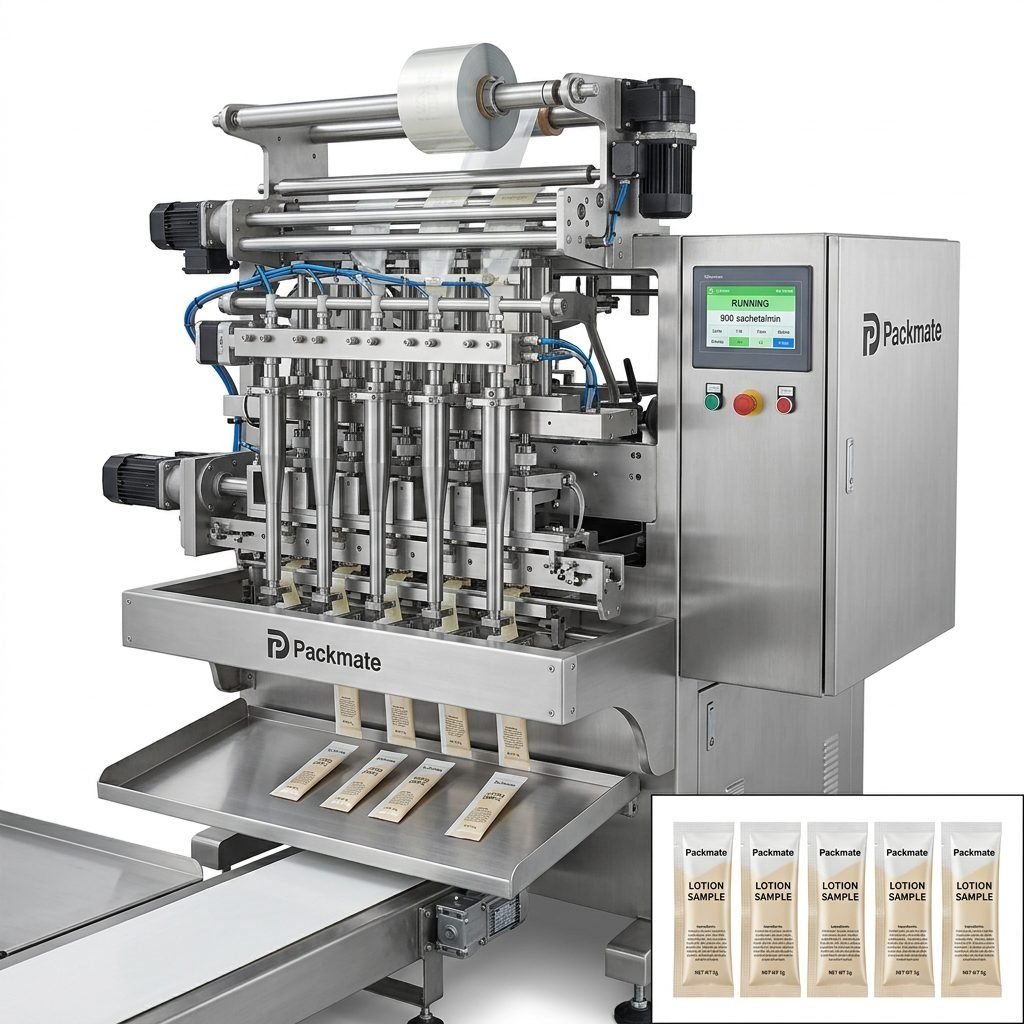
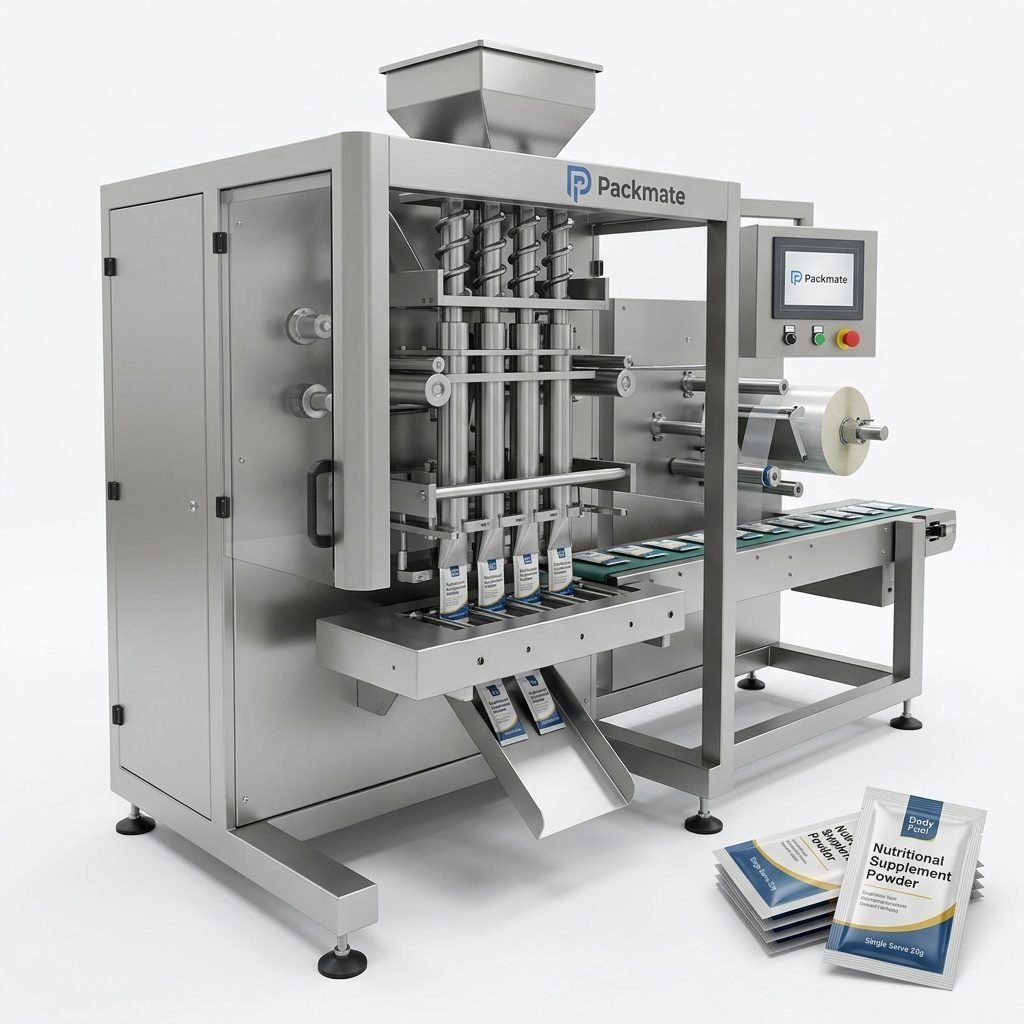
For SMEs, versatile and semi-automatic or entry-level automatic machines are often a good starting point. These balance upfront cost with improved efficiency. Multi-lane stick pack or sachet machines for powders and granules can offer a strong return on investment for products like instant drinks, spices, or pharmaceuticals.
2. How can I ensure the machine will work with locally available packaging materials?
This requires close collaboration with the manufacturer. Provide samples of the films or laminates you plan to use. A reliable supplier will test these materials on their machines and recommend any necessary adjustments to sealing parameters or machine components to ensure compatibility.
3. What is the typical lead time for receiving a packaging machine in Benin?
Lead times vary based on machine complexity and customization. For standard models, it can range from 30 to 90 days after order confirmation, plus shipping and customs clearance time. Customized or complete turnkey lines will naturally require a longer manufacturing period.
4. Is it better to buy a standalone machine or a complete packaging line?
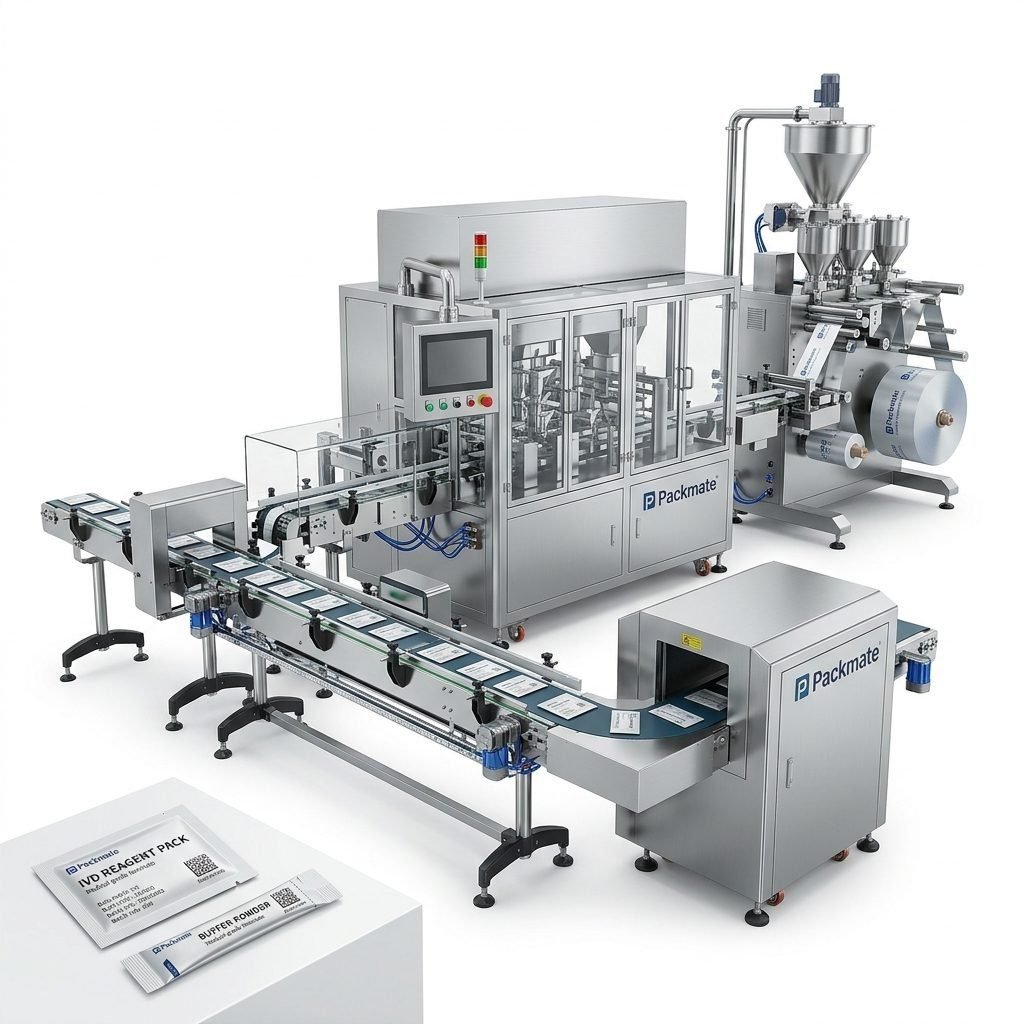
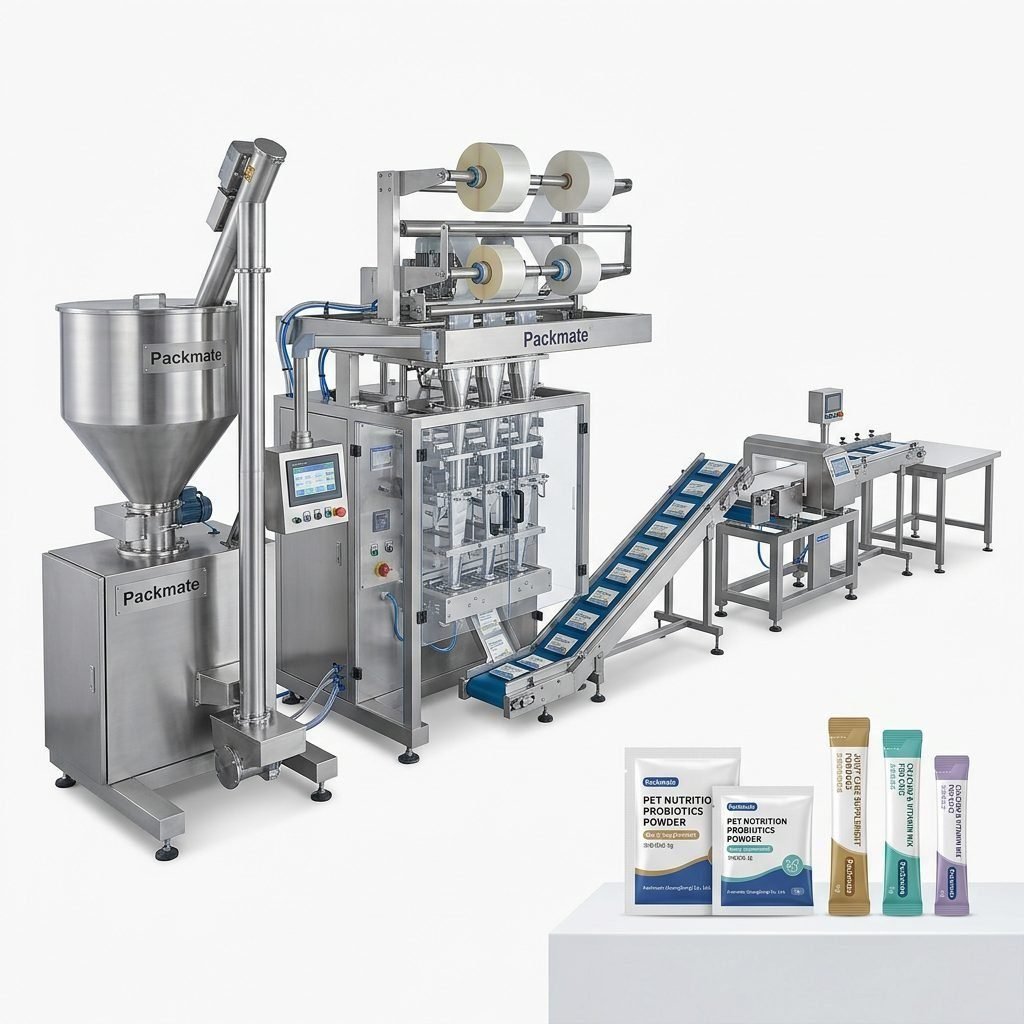
This depends on your production scale and automation goals. A standalone machine is suitable for specific packaging tasks or lower-volume production. A complete turnkey line, as offered by specialists like PacklineOEM, integrates feeding, filling, sealing, and conveying for high-volume, fully automated production. Assess your current and future needs to decide.
5. How important is it for the manufacturer to have experience in the African market?
While not an absolute requirement, it is highly beneficial. Manufacturers with African export experience are generally more adept at handling the associated logistics, understand common technical challenges in the region, and may have established service networks or agent relationships that can provide faster support.